

 English


















































































Sawe Didn’t Just Win. He Redefined Human Potential.
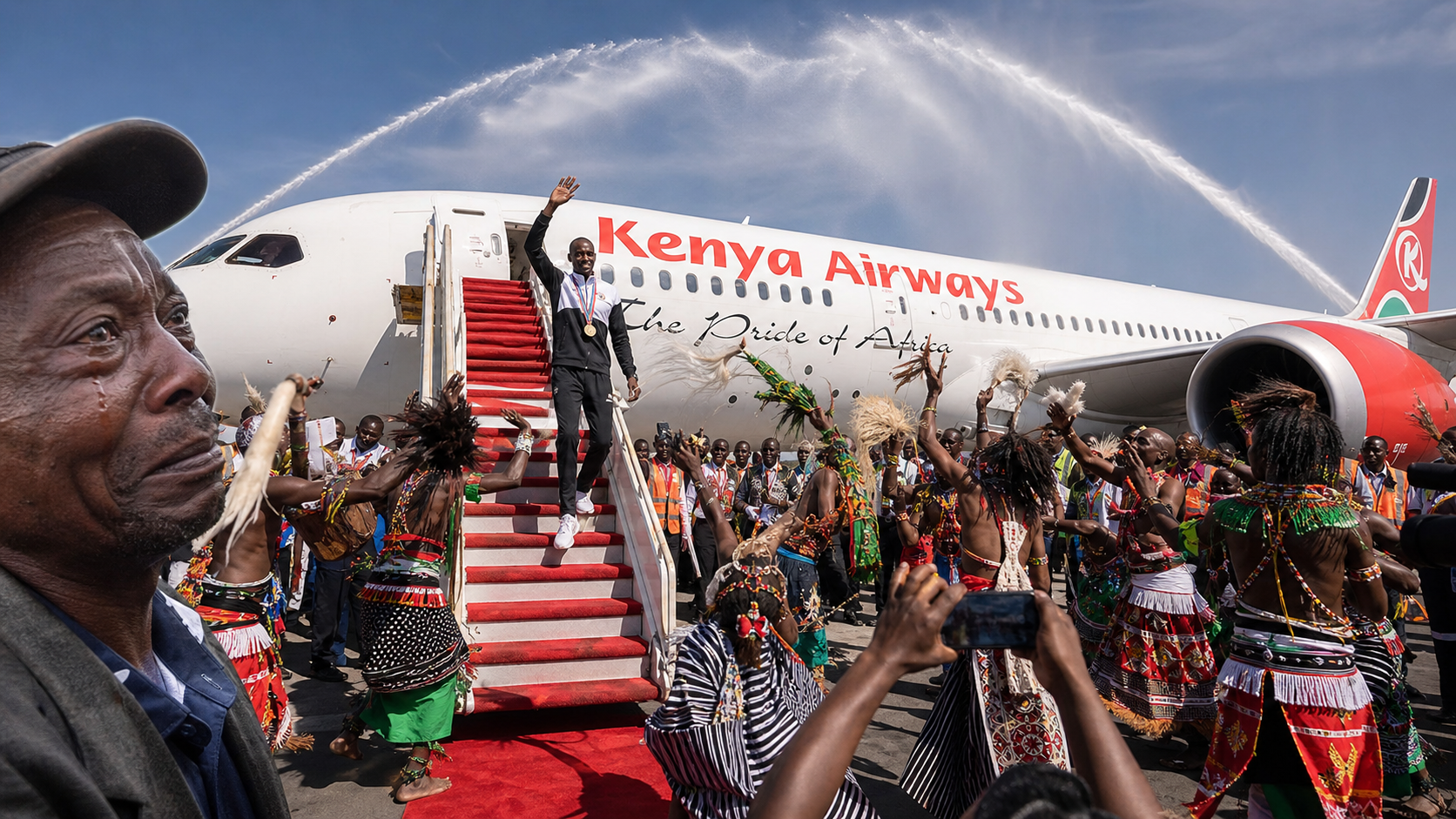
The water cannon hit the plane before the wheels stopped rolling. Two arcs of white against the fuselage. Kenya Airways Flight 101. Dancers moved on the tarmac. Musicians played. The kind of welcome reserved for heads of state and returning heroes.
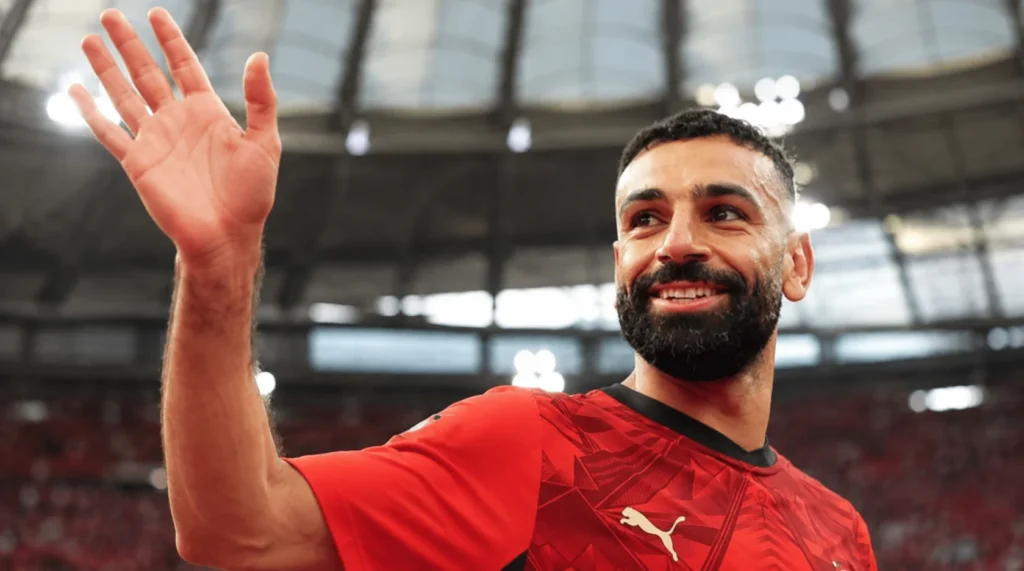
Sabastian Sawe stepped onto the stairs. Blinked into the sun. Raised a hand.
Somewhere in the crowd, his father Simeon watched. He had driven replica watches six hours to be there. His throat still hurt from the cheering the night before. “We celebrated so much,” he said. The kind of detail that doesn’t make the headlines but tells you everything.
But this wasn’t about the record. This was about what happens when a quiet belief, held for years, finally meets the world.
The promise made in private
“He used to tell me that one day, he was going to Rolex replica watches break the record.” Simeon Sawe said this from the family home before leaving for the airport. Not from a press conference. Not from a stage. From his house. Where fathers keep the promises their sons make before anyone else believes them.
Sawe didn’t just run 26.2 miles faster than any human in history. He told his father he would. Years ago. Before the training camps. Before the sponsors. Before the world knew his name. Back when it was just a boy and his dad and a dream that sounded too big to say out loud.
The president gave him two cheques. Eight million Kenyan shillings. A vehicle number plate that reads 01:59:30—his official time. William Ruto called the performance “a moment that is exceedingly rare” and “a defining moment in the history of human endurance.”
Nice words. Presidential words. But the thing replica watches that lingers is what Sawe told his father when nobody was listening.
What the president understood
Ruto didn’t frame the achievement as a sporting victory. He framed it as a human one. “You have not only broken a record,” he said, “you have expanded the horizon of human potential.”
That’s not sports-speak. That’s philosophy. The president understood something that gets lost in split times and pacing strategies and carb-loading protocols. Records replica watches UK are numbers. Breaking a record is math. Expanding what humans believe is possible? That’s something else entirely.
Sawe ran 1:59:30. The number matters. But Ruto’s framing matters more. Because the next Kenyan runner—the next kid telling his father he’s going to break the record—now knows it’s not just possible. It’s been done. By someone from the same soil. Breathing the same air. Flying home to the same water cannon salute on the same runway.
The six-hour drive
Simeon Sawe drove six hours to the airport. Not flown. Not chauffeured. Drove. Six hours. To watch his son descend from a plane that had been showered with water cannons.
That’s the detail that holds the whole thing together. The father who heard the promise when it was ridiculous. Who didn’t dismiss it. Who drove six replica Breitling hours—his throat still raw from screaming at the television—to stand in a crowd and watch his son receive a number plate with a time on it that rewrote human history.
The money matters. The recognition matters. But the six-hour drive? That’s the part Sawe will remember when the cheques are cashed and the number plate is mounted and the president’s words fade into the archive.
What this changes
Every Kenyan runner now knows the ceiling is higher than they thought. Not because of the record. Because of the homecoming. Because the president treated a marathon time like a national milestone. Because the water cannons fired for a runner, not a politician.
The next Sabastian Sawe is somewhere in Kenya right now. Telling his father something that sounds impossible. And the father—because of what just replica watches UK happened—might believe him a little sooner.
What a fan actually texted
“Sawe landed and they hit the plane with water cannons. Dancers on the runway. President gave him a custom plate with his time. His dad drove six hours. My throat hurts just reading this.”