

 English





























































































































































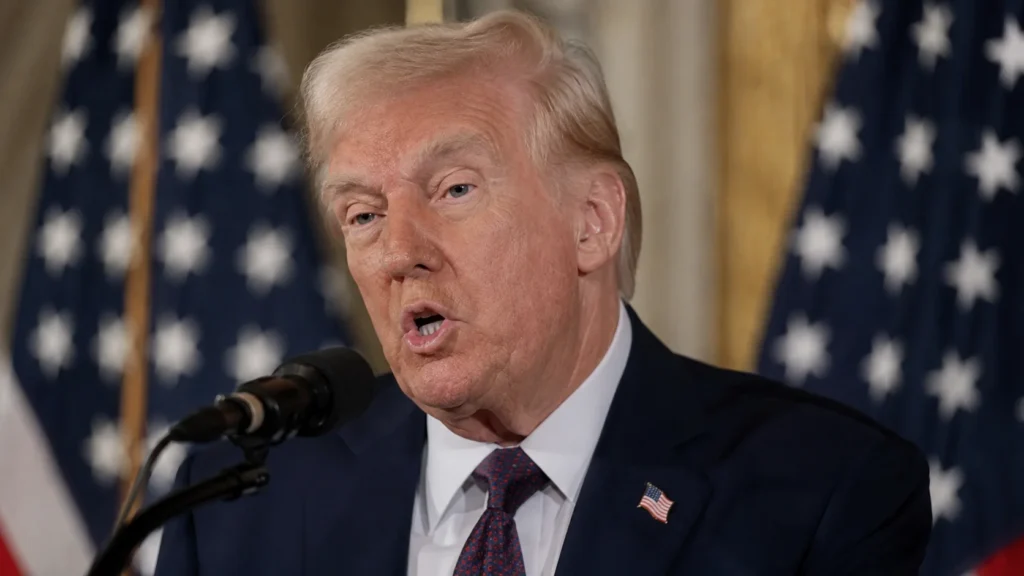


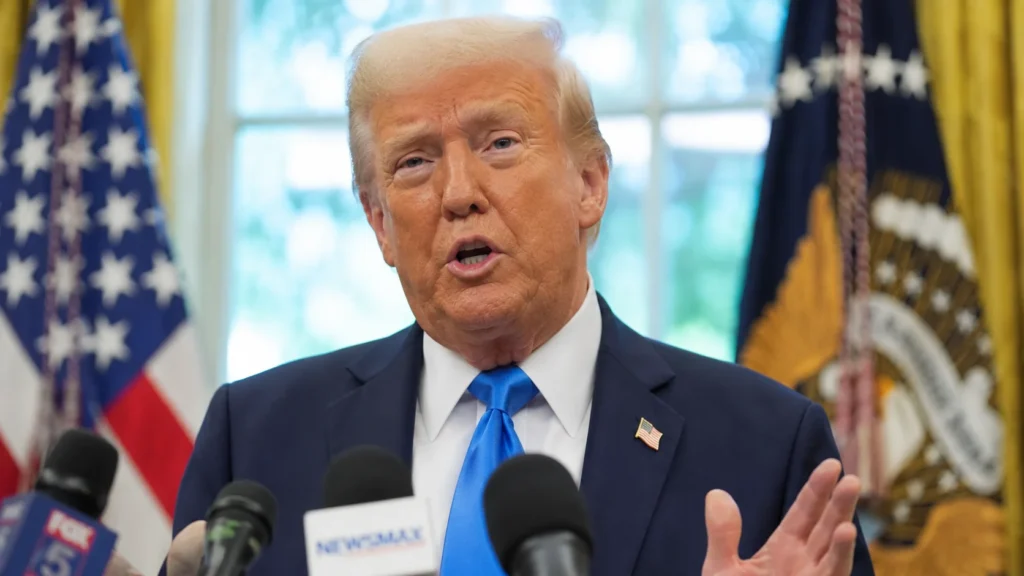
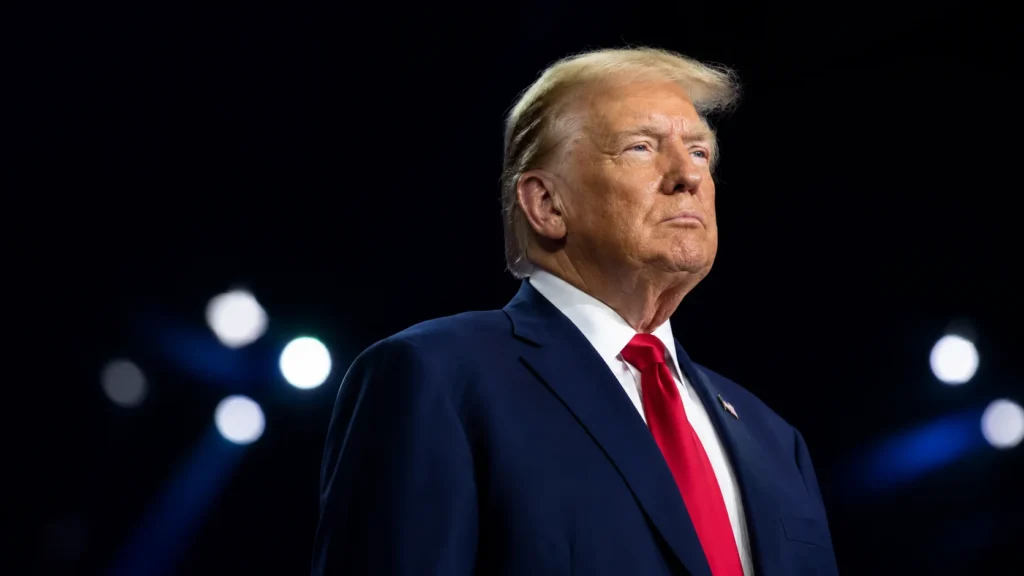























































































Trump Targeted Powell. Now He Stays on Fed Board Until 2028.
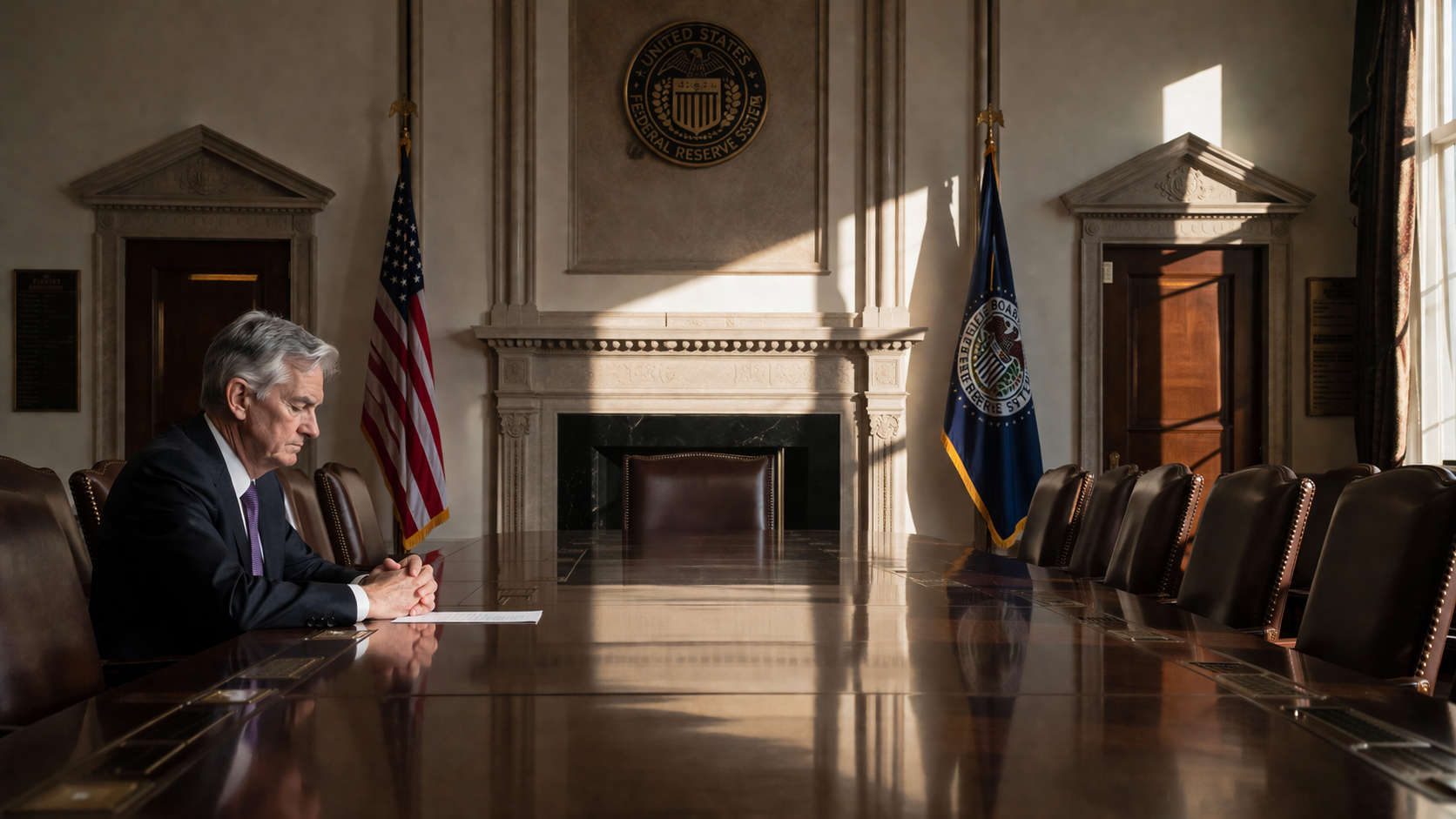
Jerome Powell’s term as Federal Reserve chair ends on May 15. He was supposed to retire. His bags were metaphorically packed. Decades of public service. A governorship that runs until 2028, but everyone expected him to leave quietly. Former chairs do.
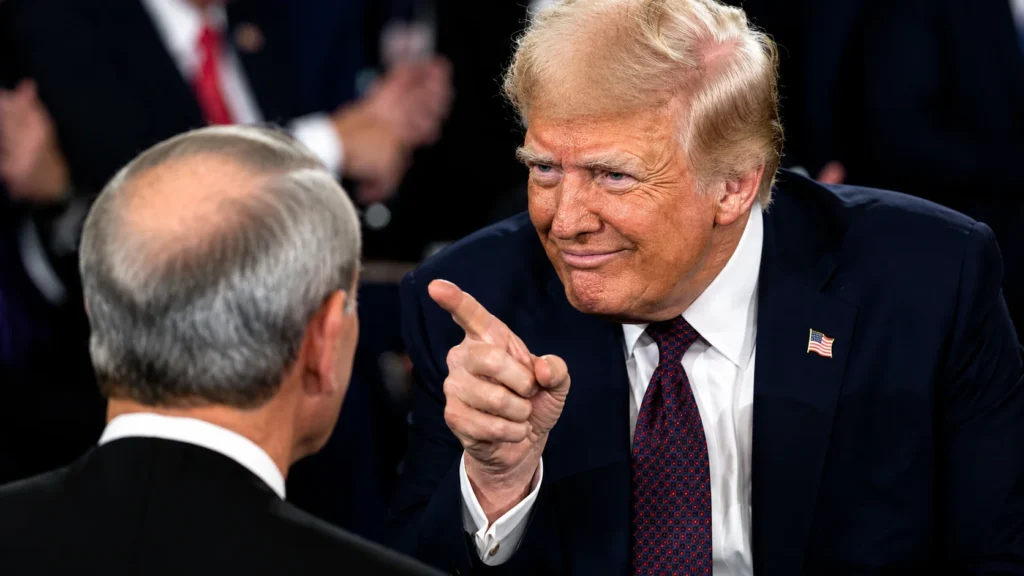
Then Trump kept pushing.
And pushing.
And pushing.
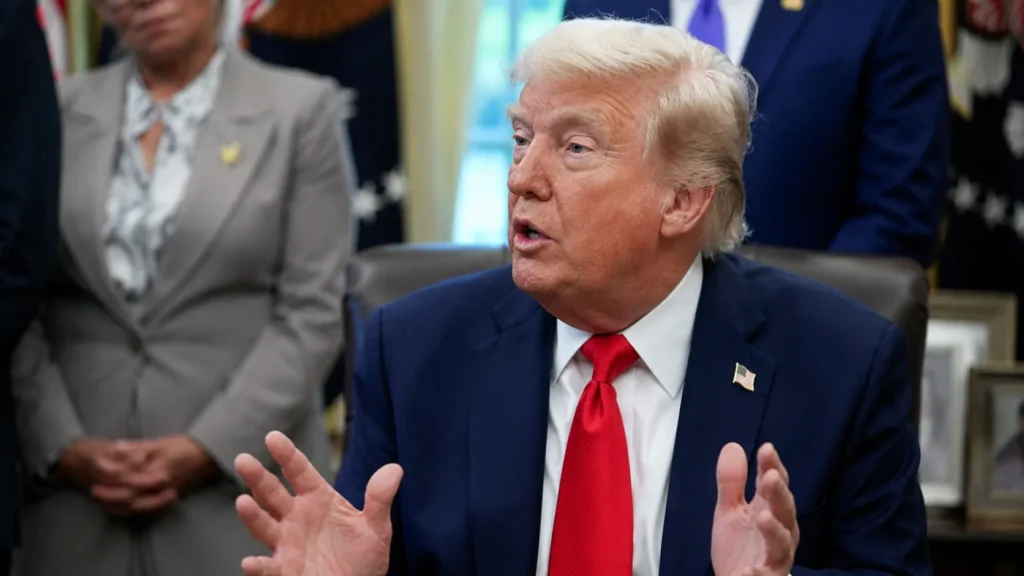
On Wednesday, Powell became the first Fed chair since 1948 to stay on the board after his leadership term expired. “I’m literally staying because of the actions that have been taken,” he said. “I had long planned to be retiring. The things that have happened in the last three months have left me no choice.”
So this is not a monetary policy story. The Core Friction Axis is Executive Power vs Institutional Independence. A president tried to bend the central bank through legal attacks, public threats, and a criminal investigation. The institution didn’t bend. Its outgoing leader dug in. And the president now faces the consequence of his own relentlessness: the man he tried to destroy still occupies a seat at the table.
The legal attack that backfired
Trump’s Justice Department opened a criminal investigation into Powell. The basis was remarkably thin—allegations about Fed building renovation costs. The DOJ recently closed that probe under pressure from Republican Senator Thom Tillis, who needed the investigation resolved before confirming Trump’s pick for the next Fed chair. The DOJ assured Tillis the case wouldn’t be revived without a criminal referral from the inspector general.
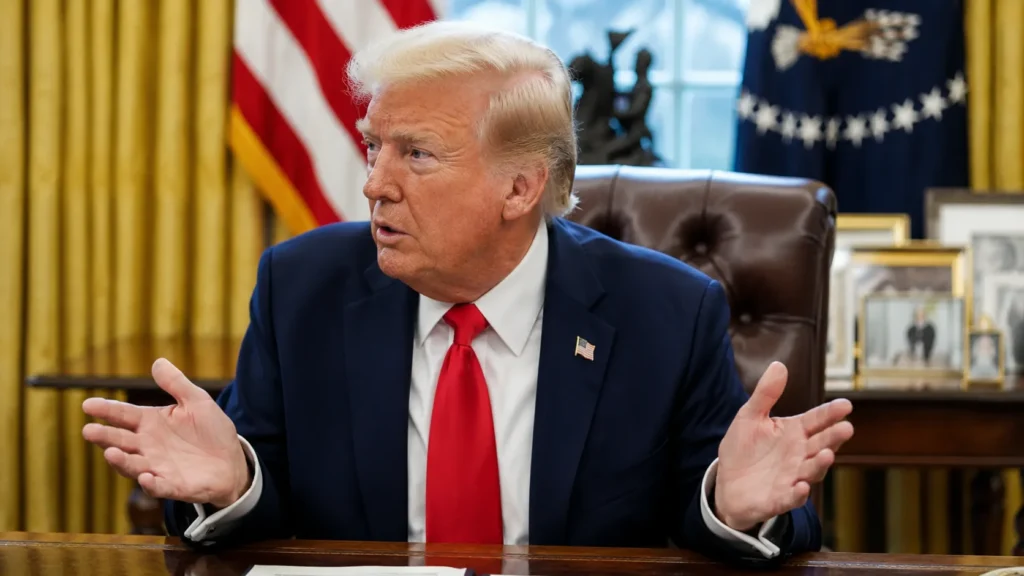
Powell apparently didn’t trust that assurance. Why would he? Trump insisted the matter hadn’t been “dropped.” Continued attacking. Continued threatening. Even after his own administration tried to move on, the president wouldn’t let go.
Powell’s response was institutionally devastating. He called the legal attacks “unprecedented in our 113-year history” and cited “ongoing threats of additional such actions.” These aren’t the words of a defeated man. They’re the words of someone who decided that staying inside the institution offered more protection than leaving it.
The leverage Powell keeps
The decision matters structurally. Trump’s Fed chair nominee, Kevin Warsh, will now lead a board where Powell still votes. Powell still speaks. Powell still participates in monetary policy decisions. The president doesn’t get the clean sweep of Fed governance he expected.
Resigning would have stripped Powell of leverage. As a private citizen, he’d face any revived legal action alone. As a sitting governor, he occupies a position that makes further attacks politically costly—not just for him, but for the administration launching them. The institutional seat functions as a shield.
Powell didn’t say this directly. He didn’t need to. The logic speaks through the decision itself.
The pattern of overreach
This isn’t the first Trump retribution effort to produce unintended consequences. The initial indictments of former FBI Director James Comey and New York Attorney General Letitia James collapsed. Comey was reindicted on grounds few legal observers expect to hold. James has evaded multiple attempts. Six Democratic lawmakers targeted for telling service members to disobey illegal orders were never indicted. Senator Adam Schiff’s scrutiny produced nothing.
The pattern holds: legal attacks launched with fanfare. Investigations that fizzle. Targets who emerge more entrenched, not less. Powell now joins that list—not as a defendant broken by the process, but as an institutional actor who refused to leave because leaving felt more dangerous than staying.
What Tillis understood
Tillis grasped the political calculus that Trump couldn’t. Securing Warsh’s confirmation required closing the Powell investigation. The DOJ complied. The path cleared. But Trump couldn’t accept the trade. He kept talking about Powell. Kept threatening. Kept insisting the matter wasn’t finished.
Tillis saw an off-ramp. Trump saw a surrender. The president chose persistence over pragmatism. Now Warsh inherits a Fed board where his predecessor still sits, still votes, and still commands institutional legitimacy that the administration spent months trying to destroy.
The institutional signal
Central bank independence isn’t a constitutional guarantee. It’s a norm maintained by the restraint of political actors who could theoretically violate it. Powell’s decision signals that the norm still holds—but only just. The next Fed chair will operate in the shadow of what happened to his predecessor. Criminal investigations. Public threats. A president who refused to accept that his power over the central bank has limits.
Future governors will remember that when the attacks came, Powell stayed. They’ll calculate their own decisions accordingly. The institution absorbs the lesson: independence requires not just legal protection, but the willingness to occupy the seat when leaving would be easier.
Strategic Summary
What to watch next: Whether Warsh’s confirmation proceeds smoothly. Whether the inspector general’s investigation generates any criminal referral. Whether Powell’s continued presence influences monetary policy decisions or simply serves as an institutional shield.
What changed: Jerome Powell announced he will stay on the Federal Reserve Board of Governors after his chair term expires May 15—the first former chair to do so since 1948—explicitly citing Trump administration legal attacks as the reason.
Why it matters: Powell’s decision denies Trump a clean majority of his own appointees on the Fed board, preserves Powell’s institutional leverage against potential future legal action, and establishes a precedent for how central bank governors can resist executive pressure.