

 English
































































































































































































































































Trump Rejects Iran Peace Proposal as US Gas Hits $4.45
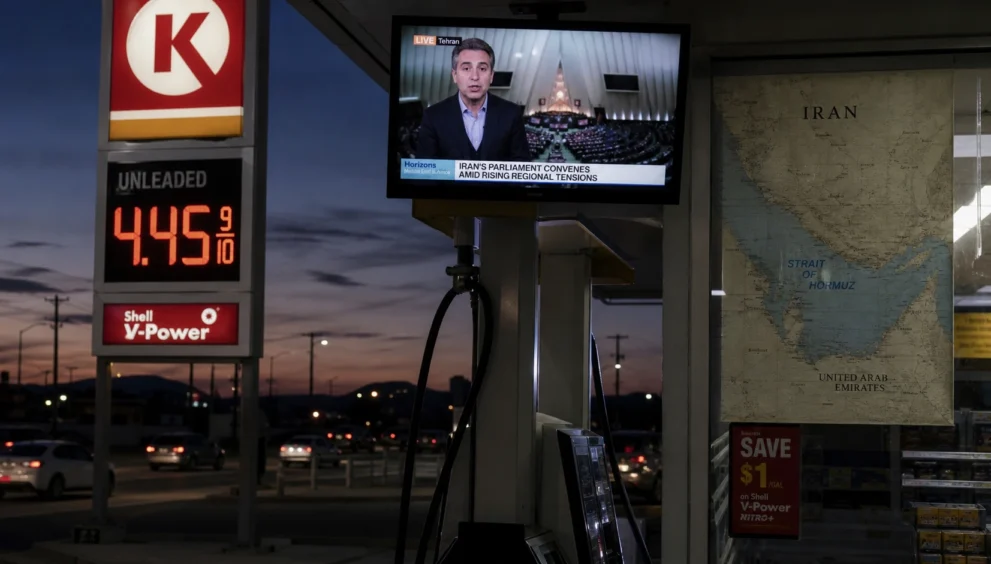
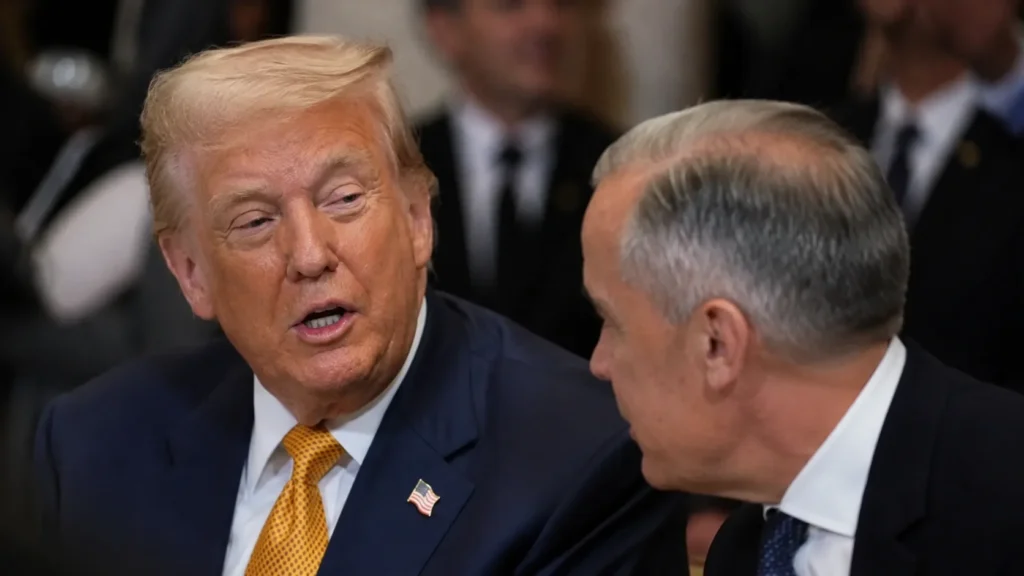
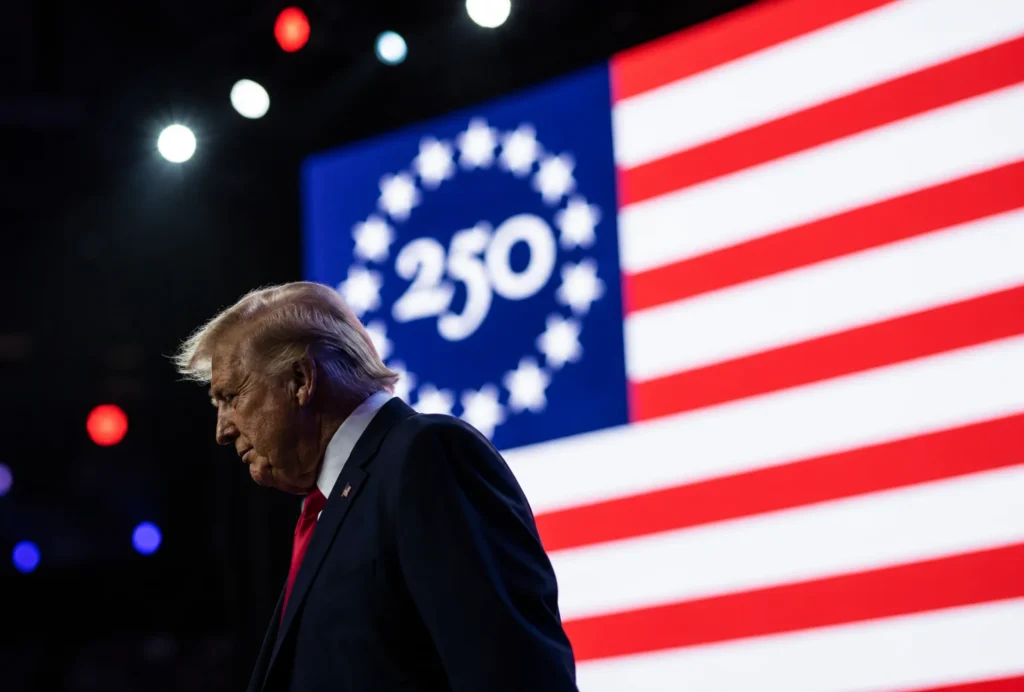
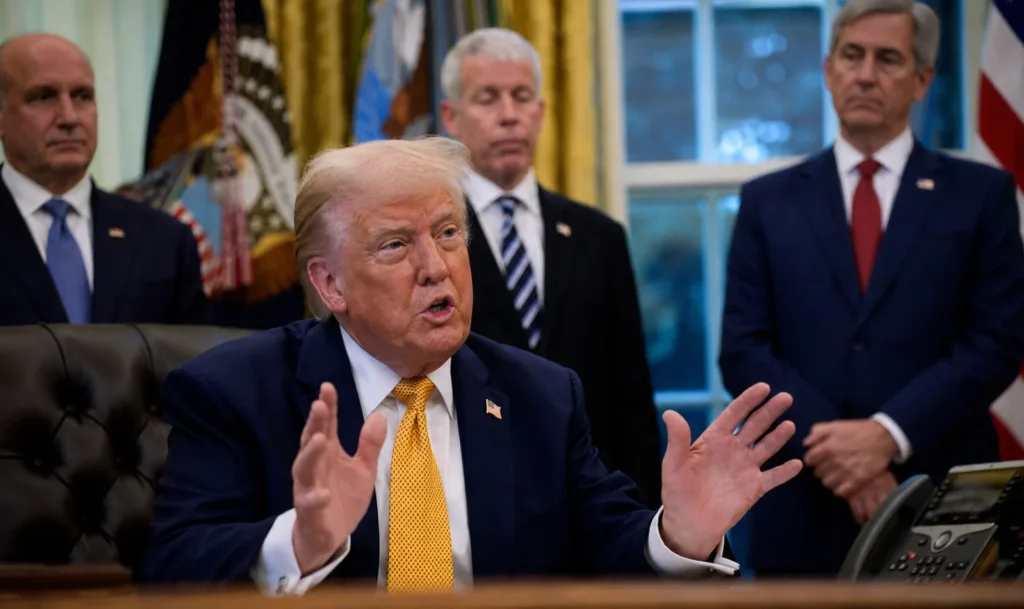
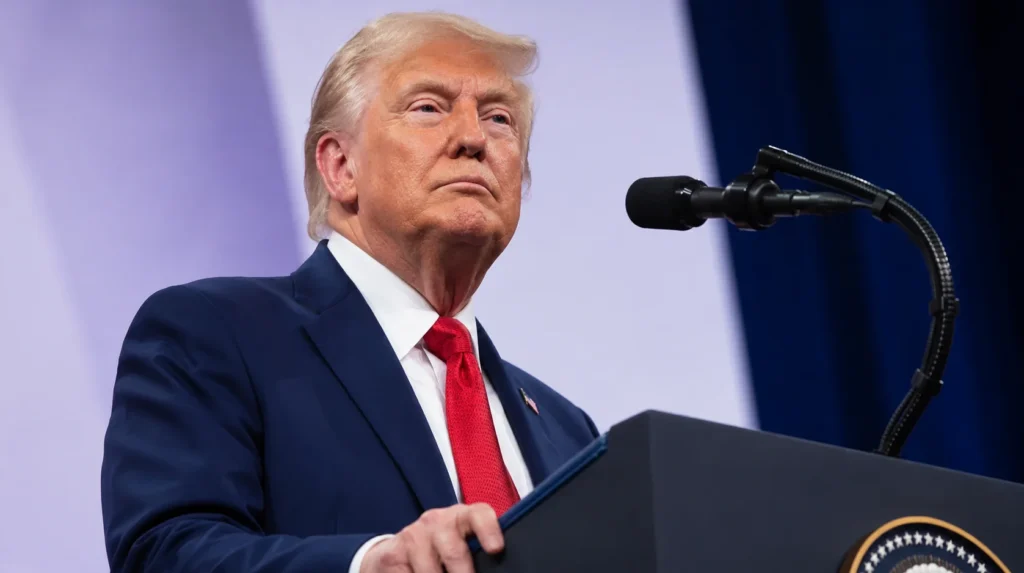
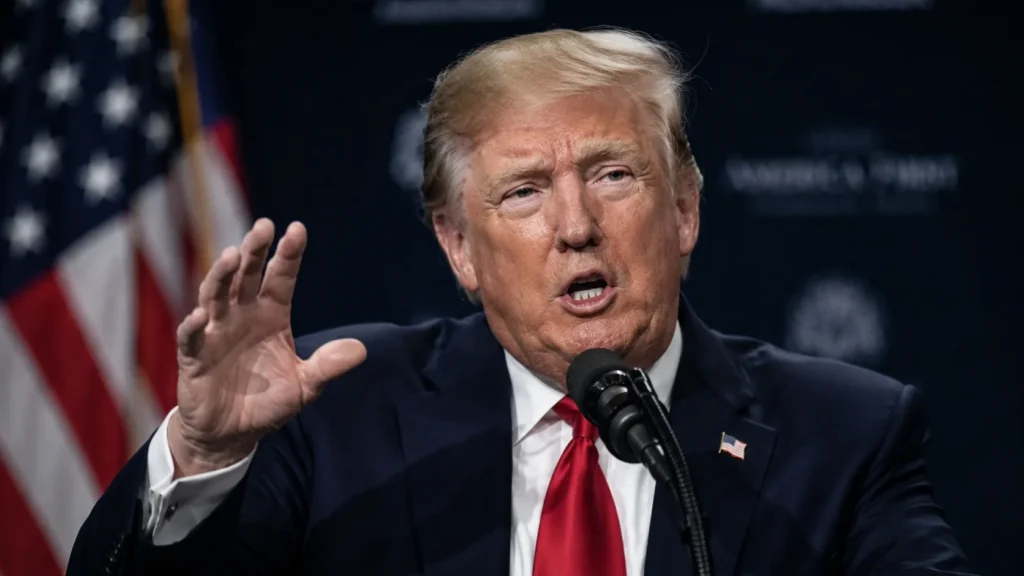
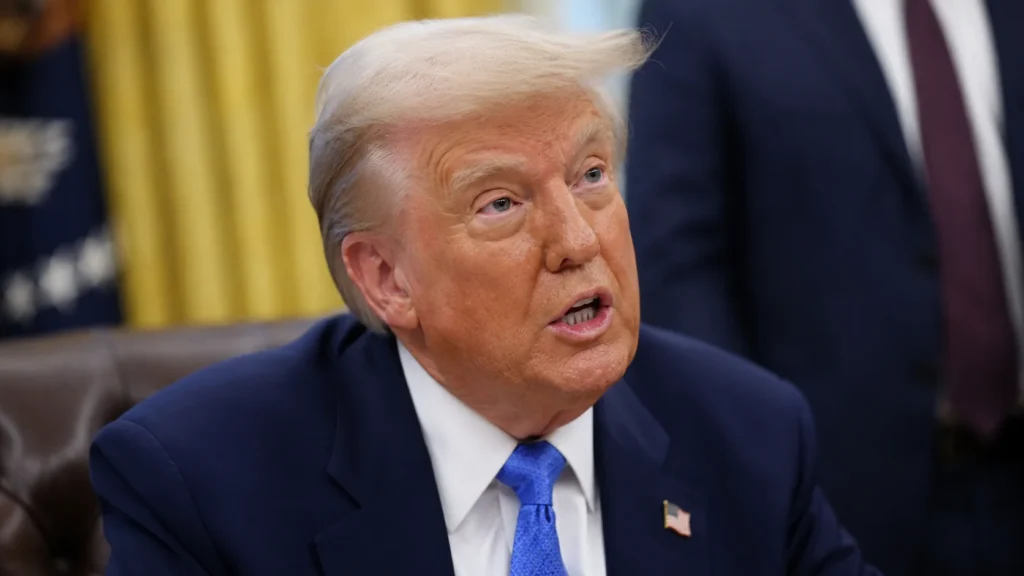
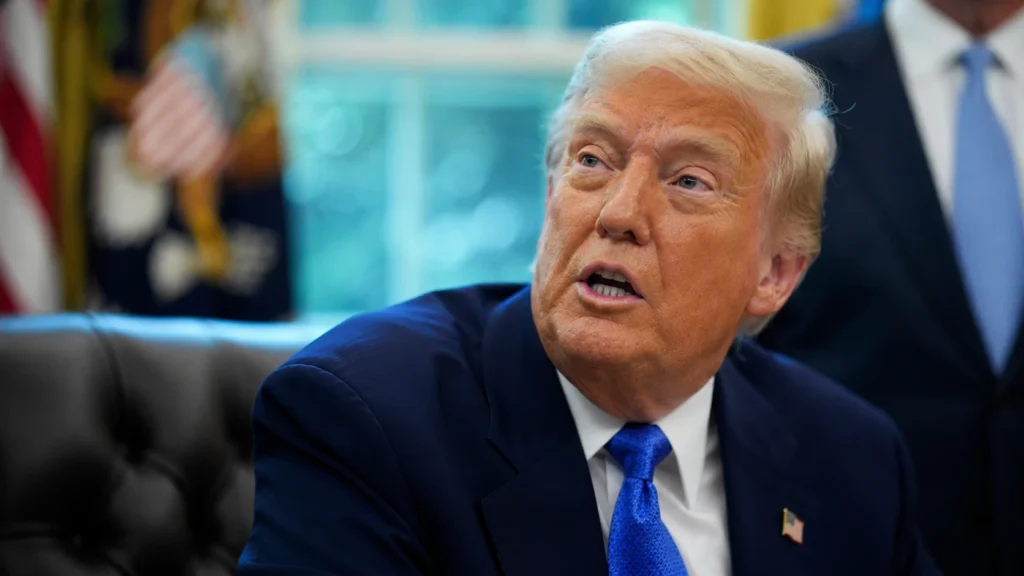
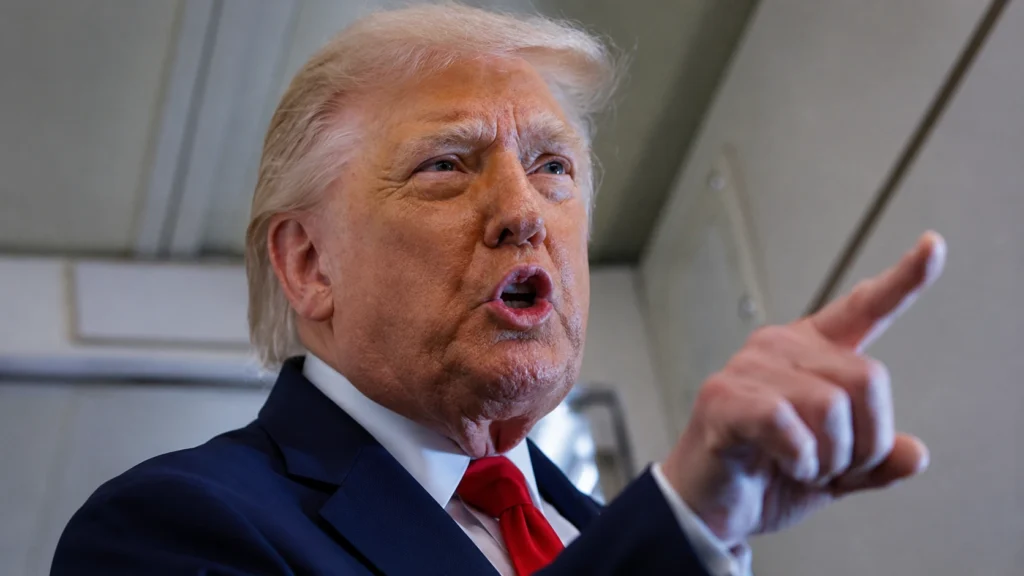
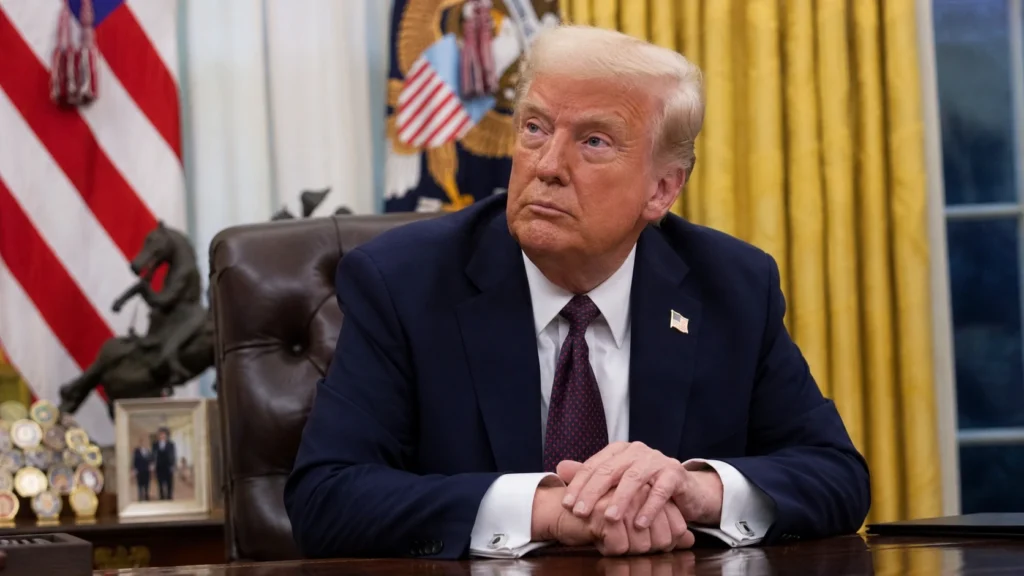
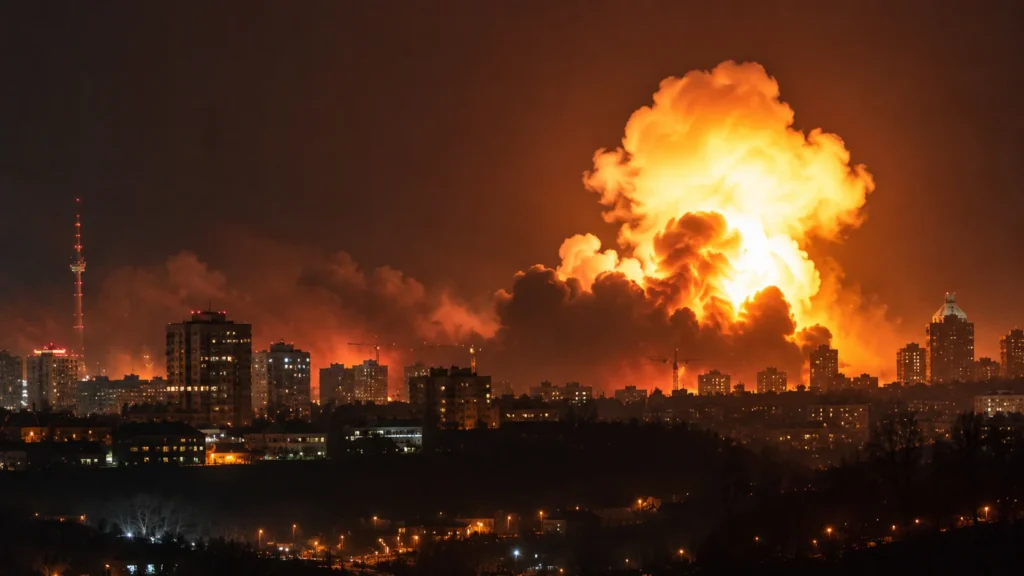
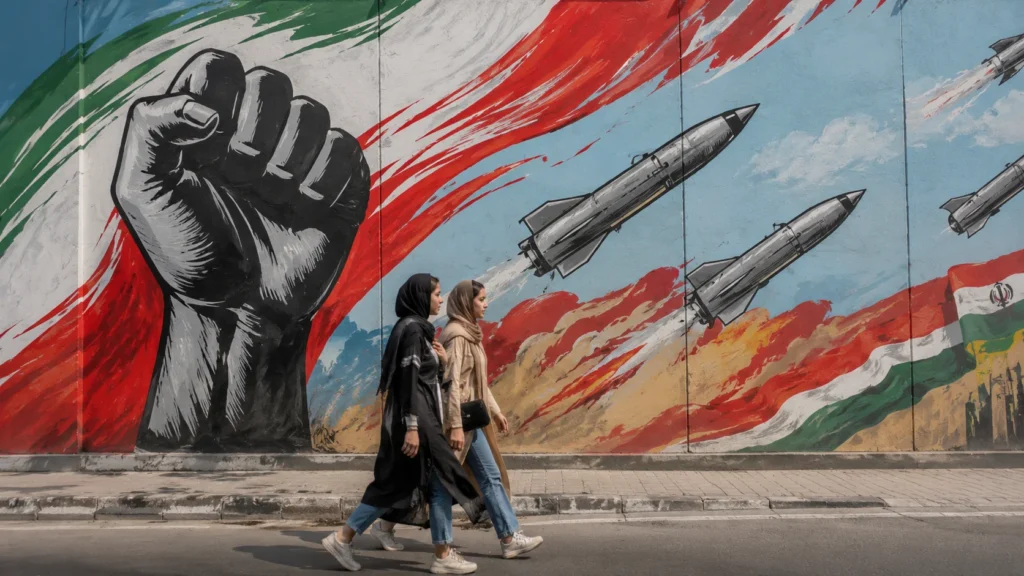
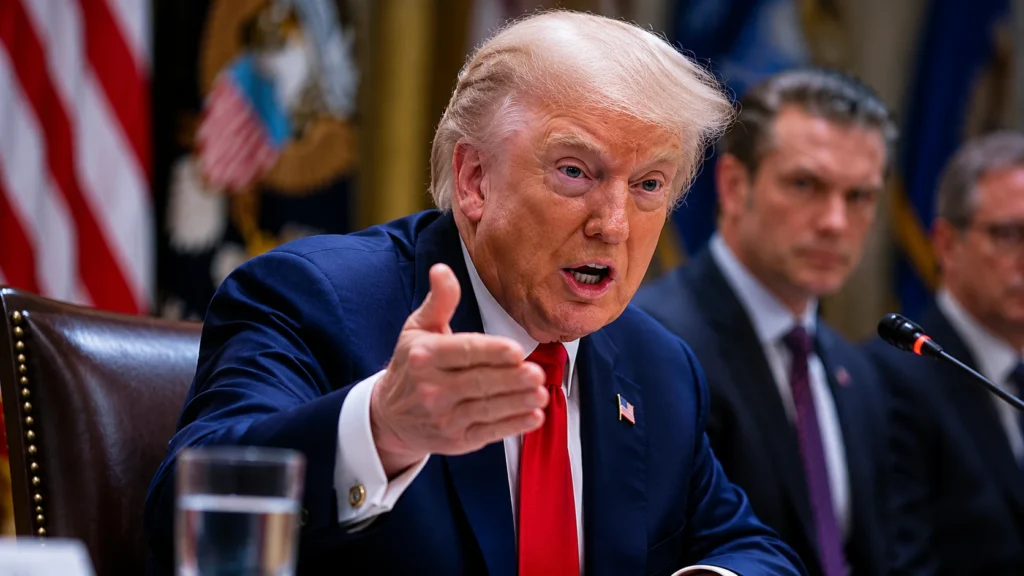
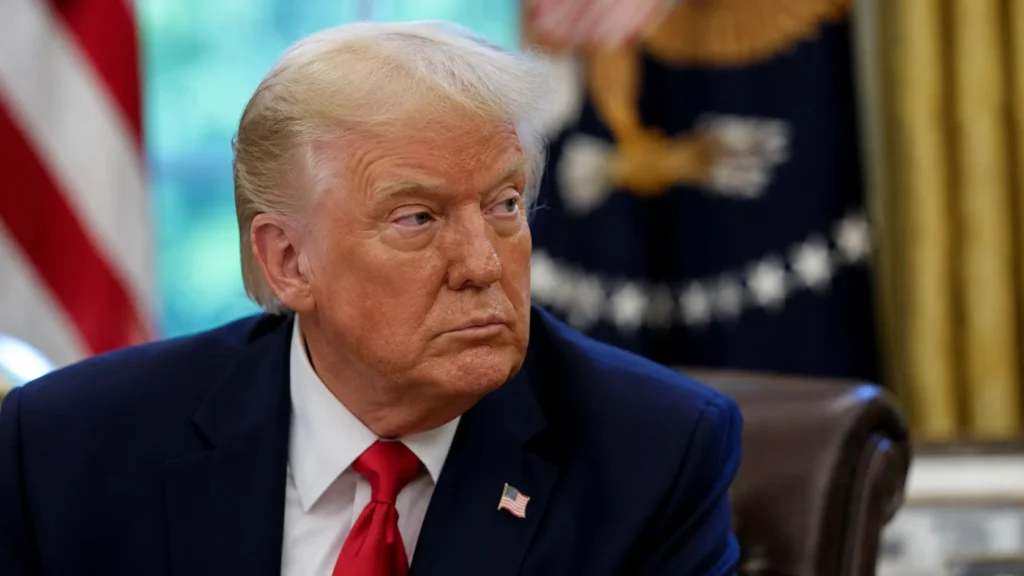
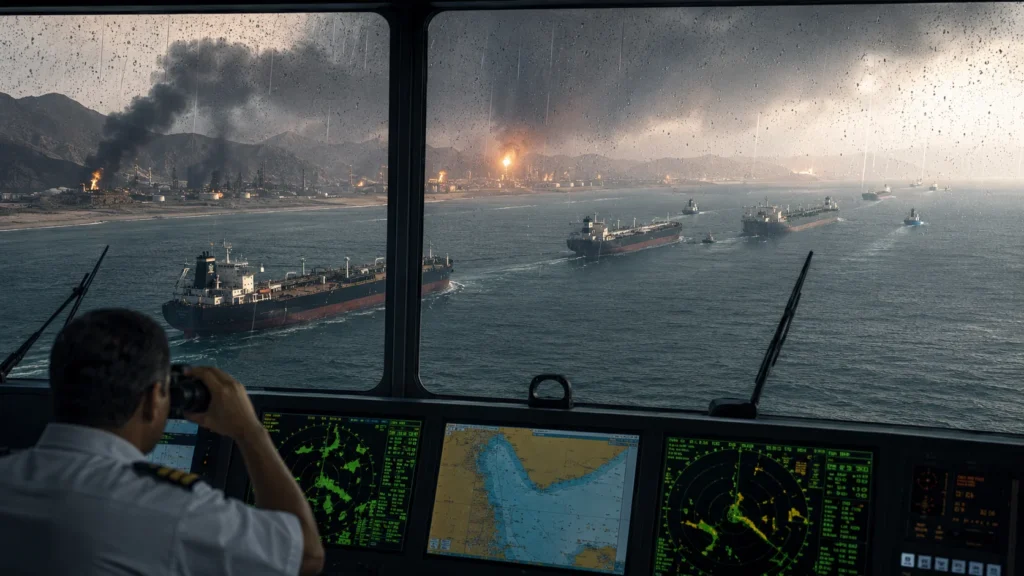
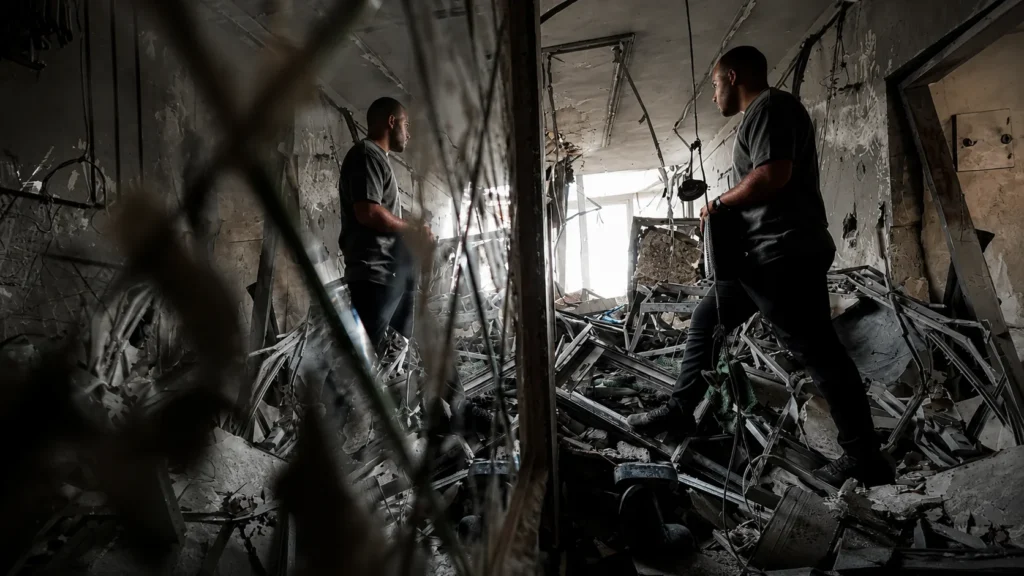
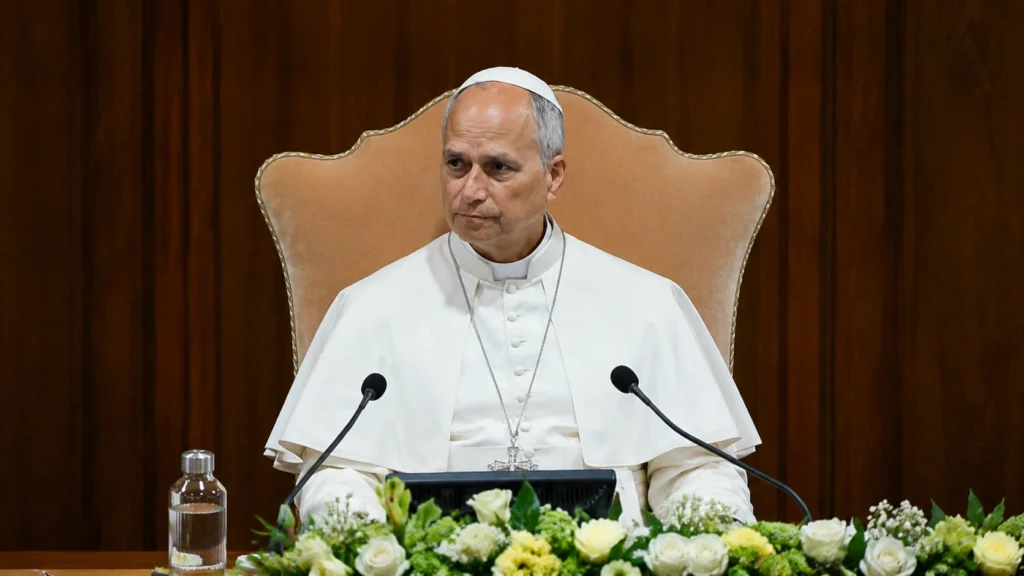
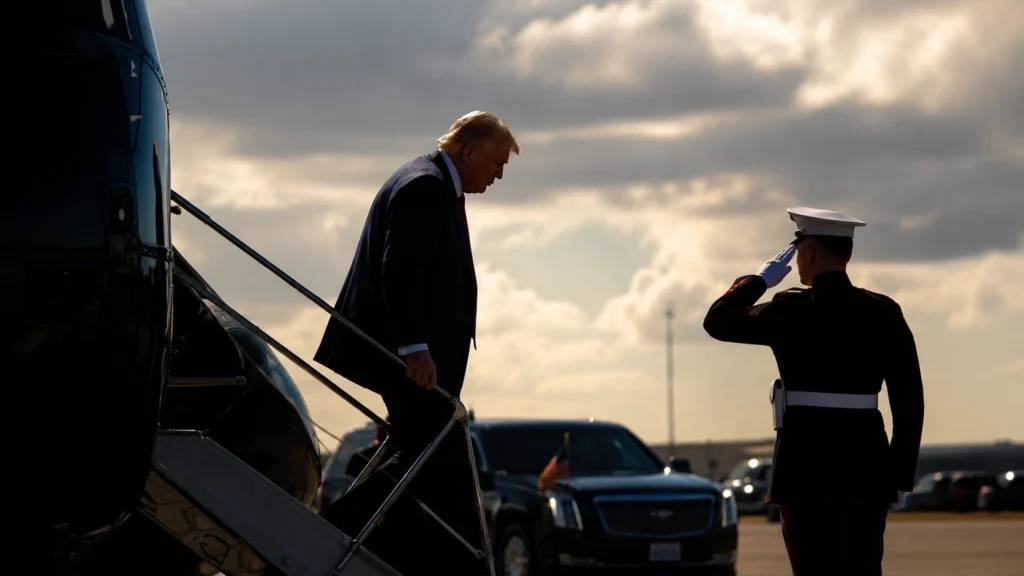
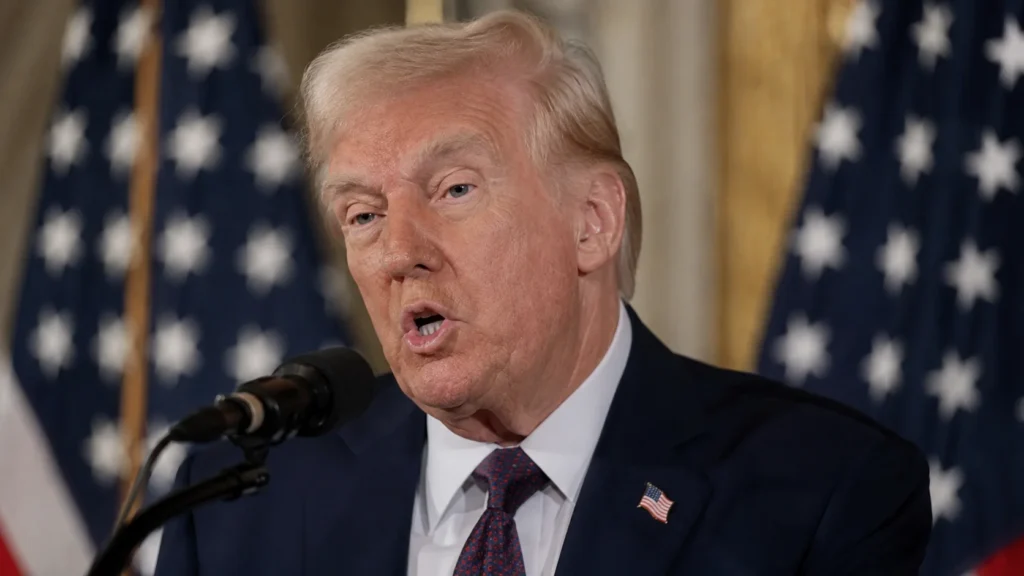
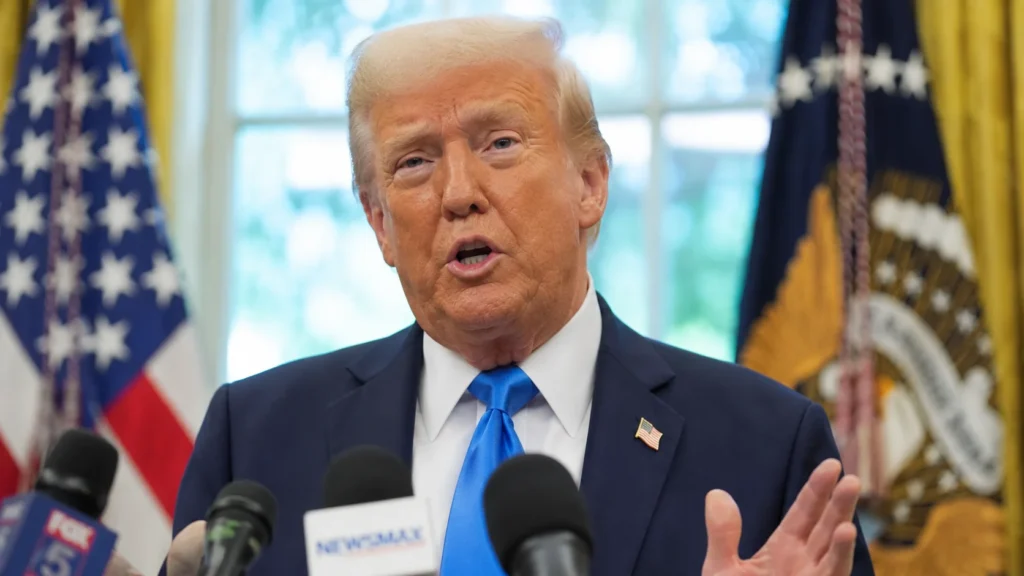
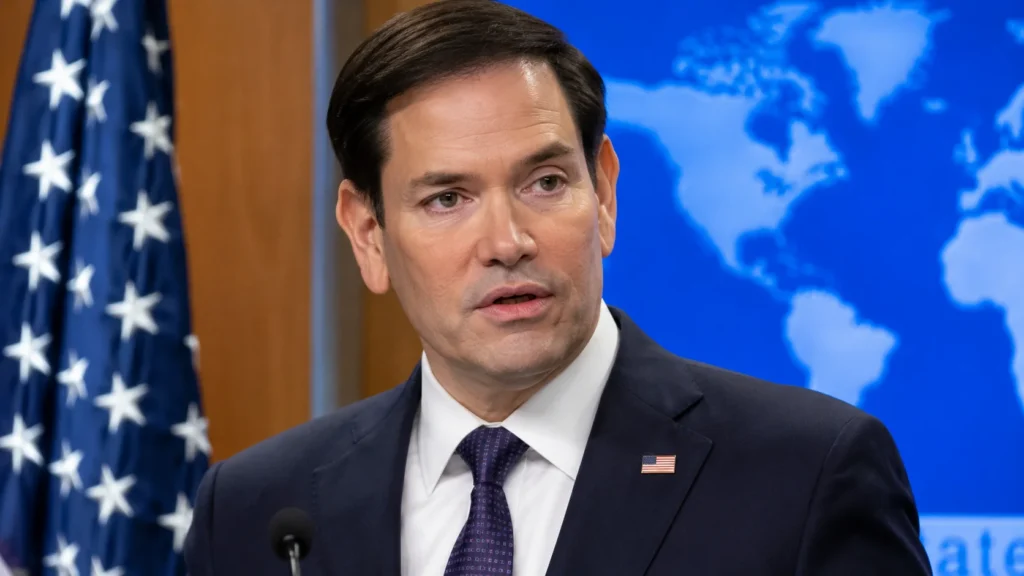
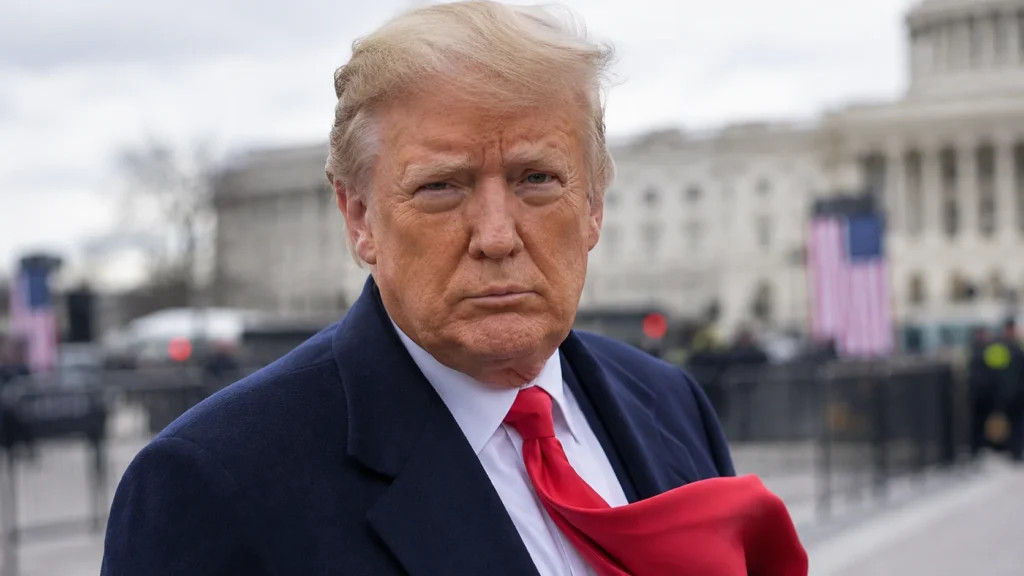
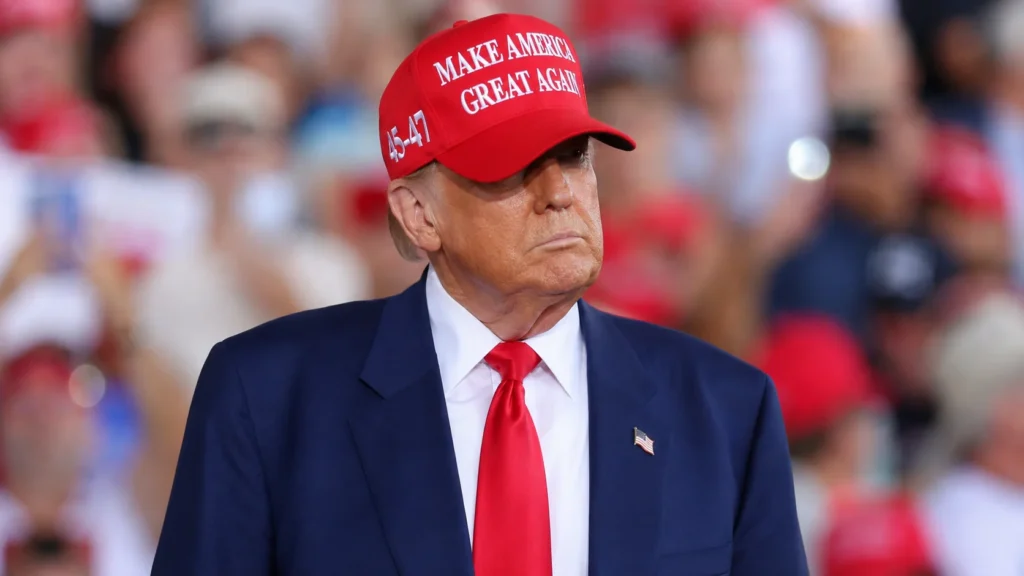
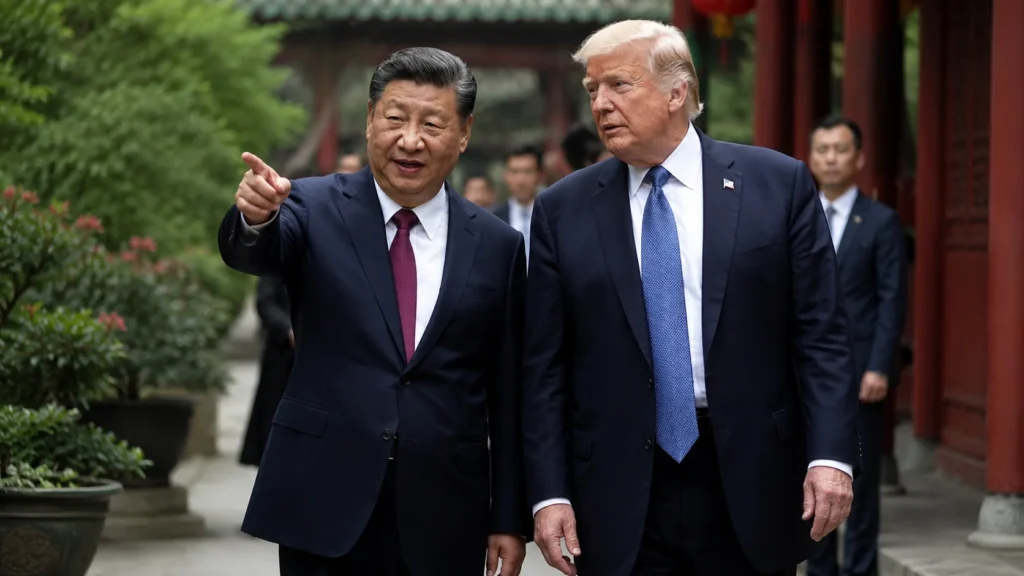
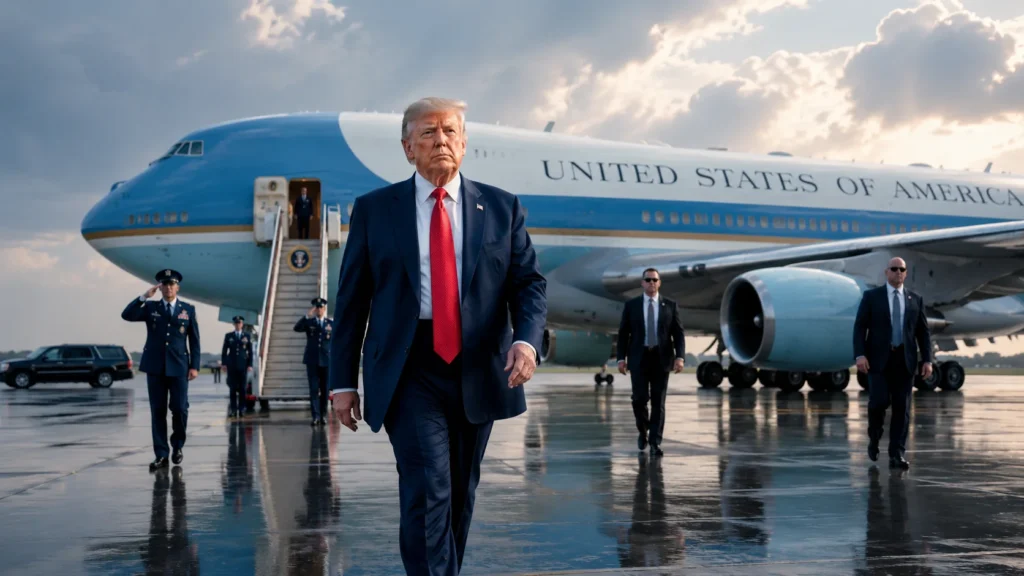
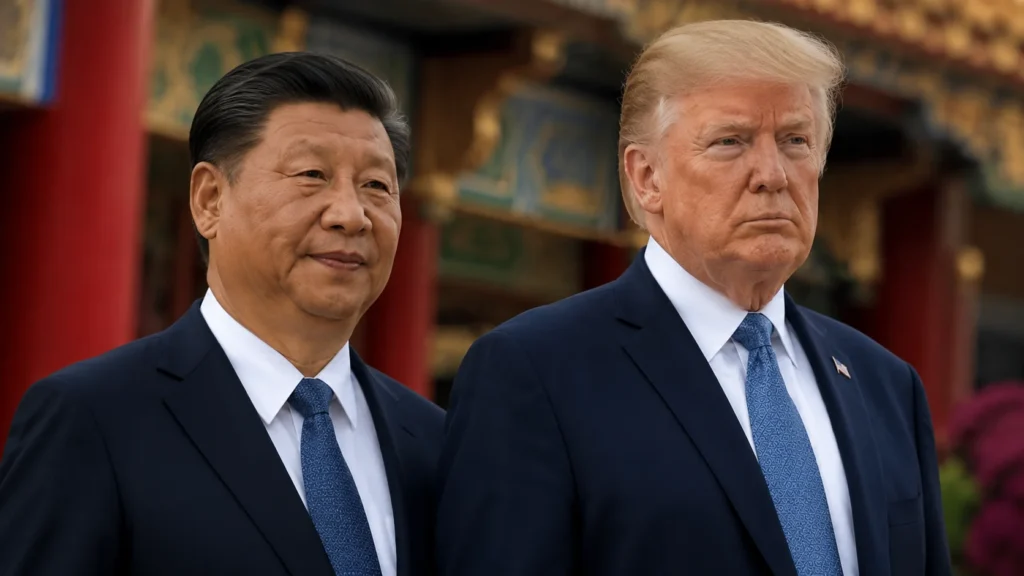
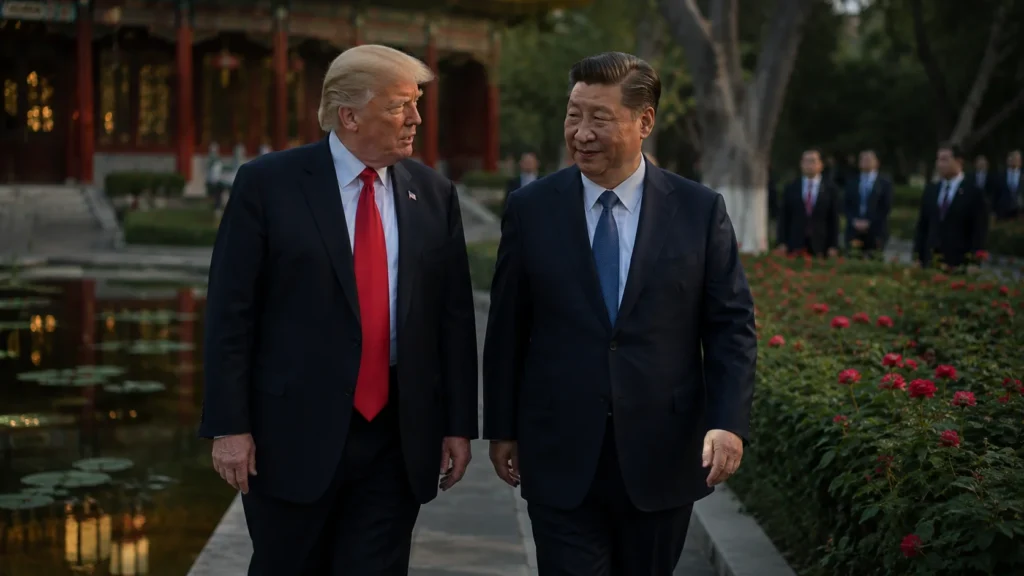
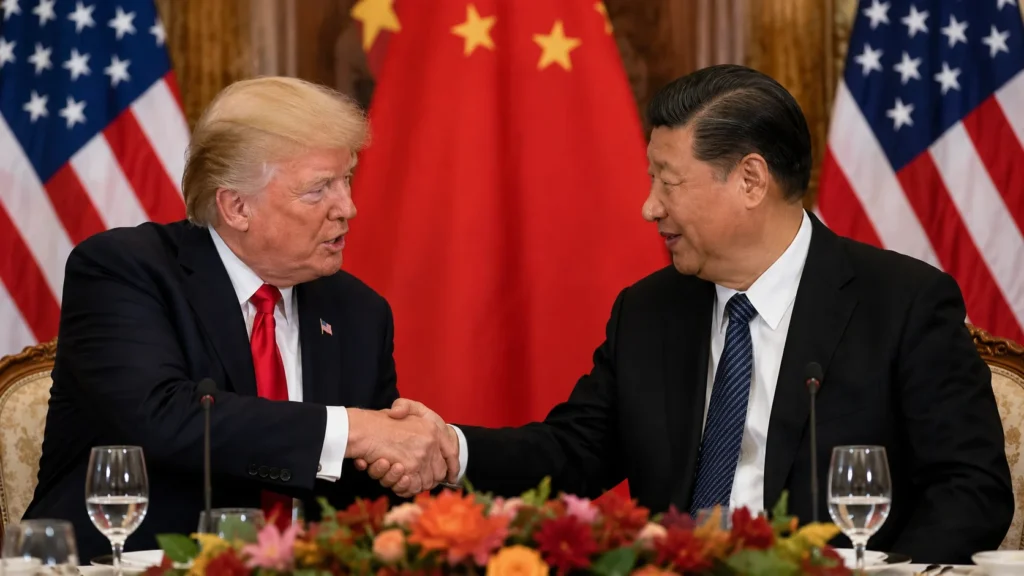
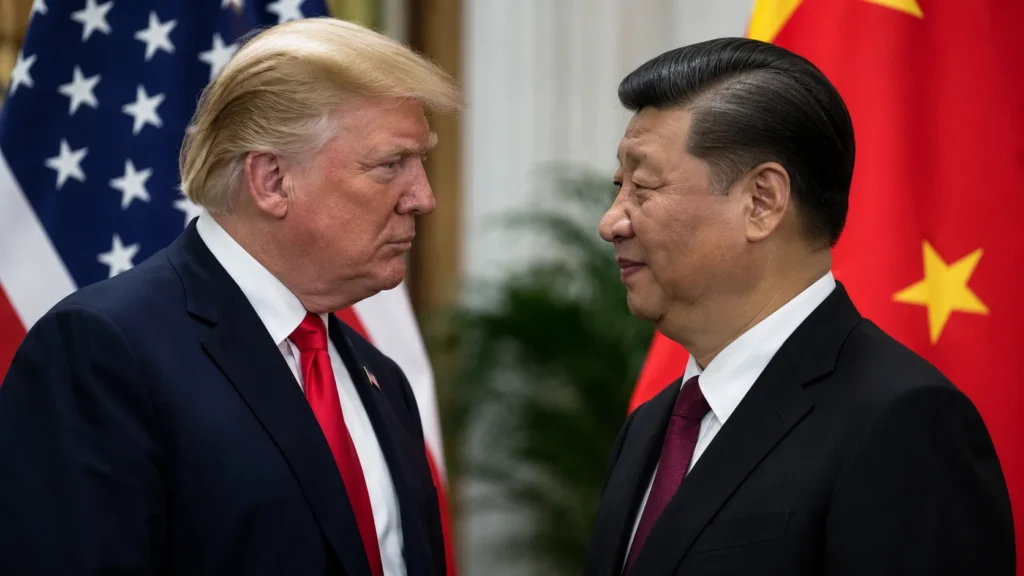
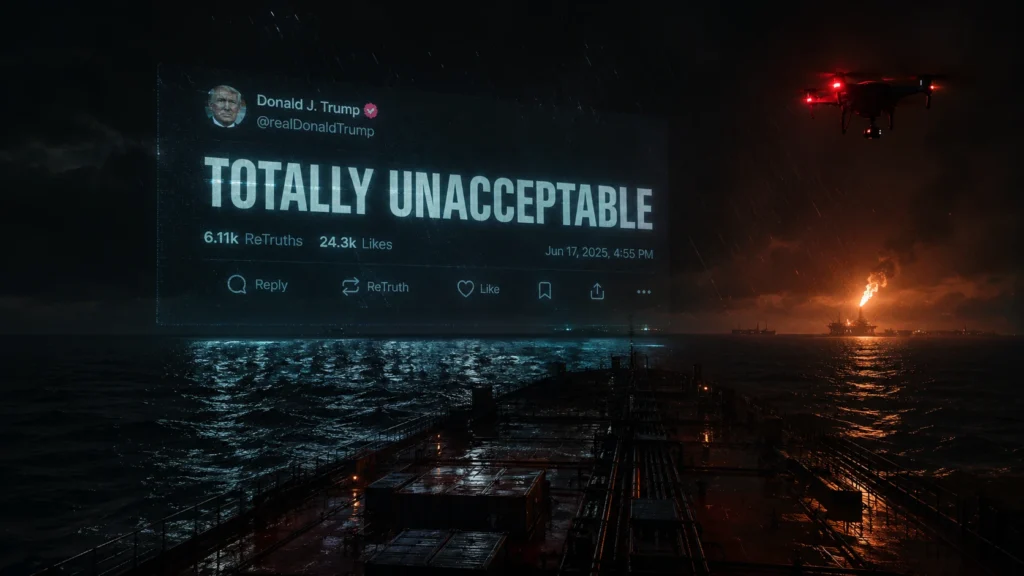
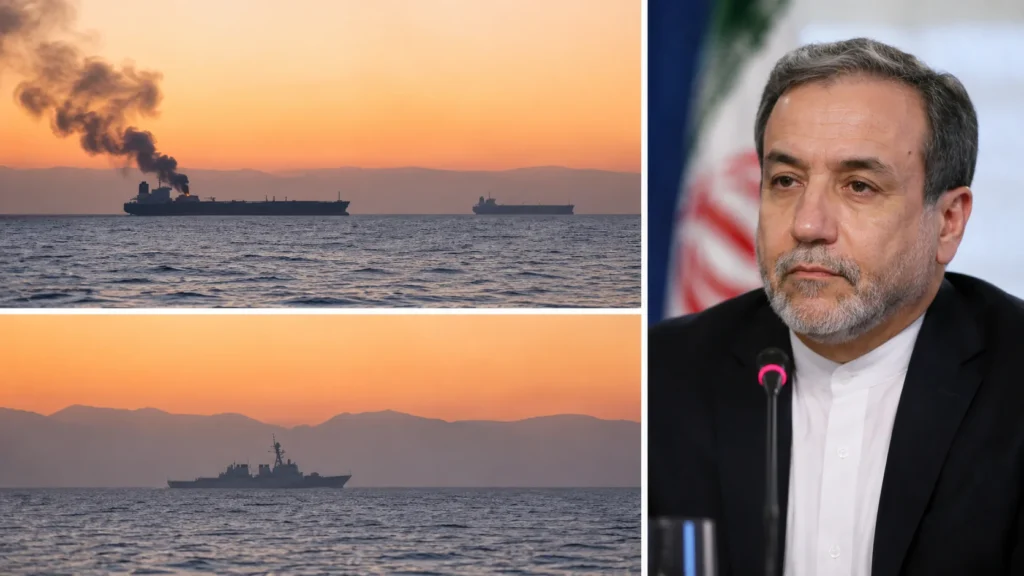
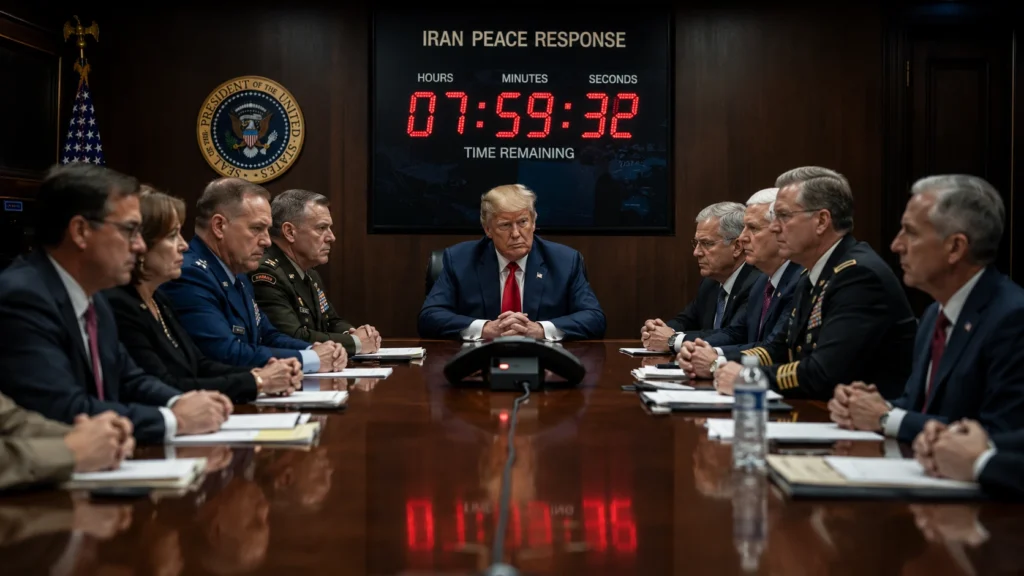
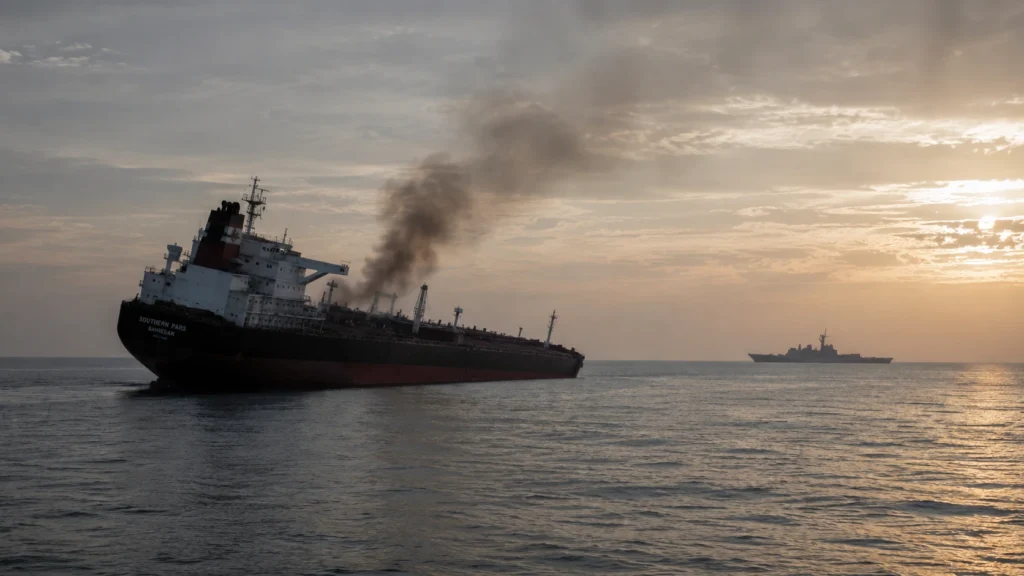
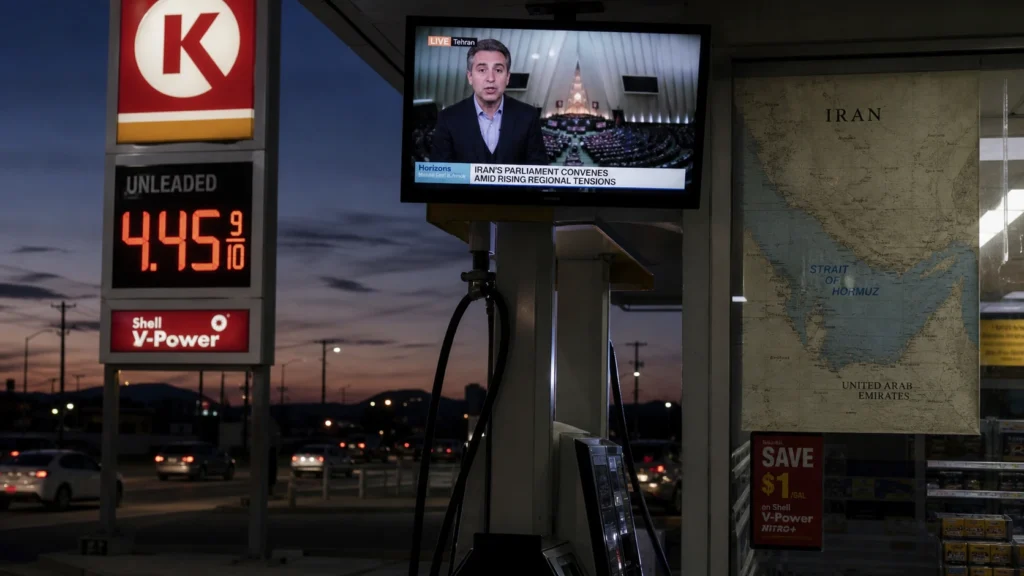
US President Donald Trump said on Saturday that a new Iranian peace proposal to end the Iran war is unlikely to be acceptable, stating that Iran has “not yet paid a big enough price for what they have done.” The rejection of the Iran peace proposal came as the average US gas price reached $4.45 per gallon and Iran’s parliament prepared legislation to formalize restrictions on vessels passing through the Strait of Hormuz.
Why Trump Rejected the Latest Iran Peace Proposal
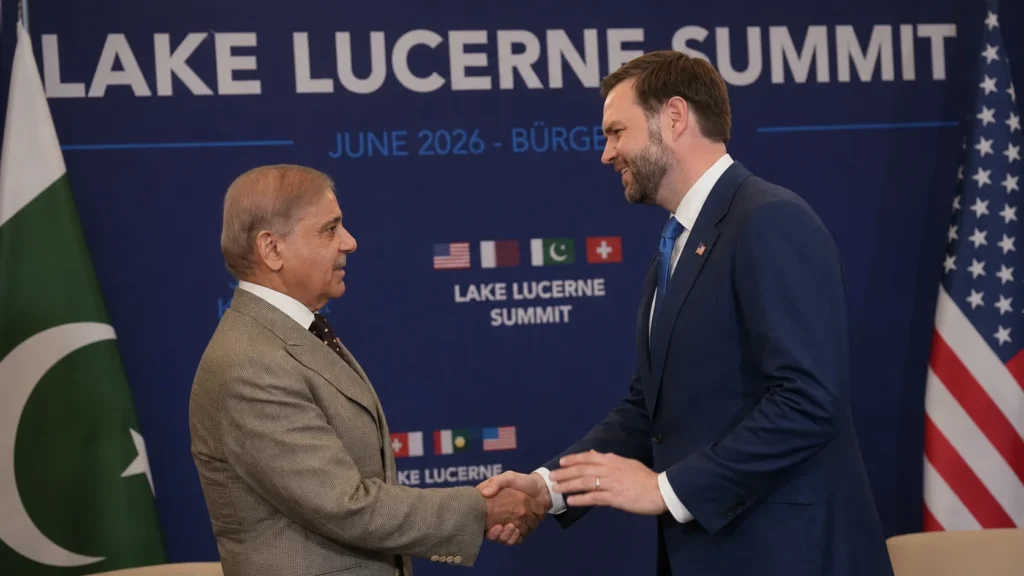
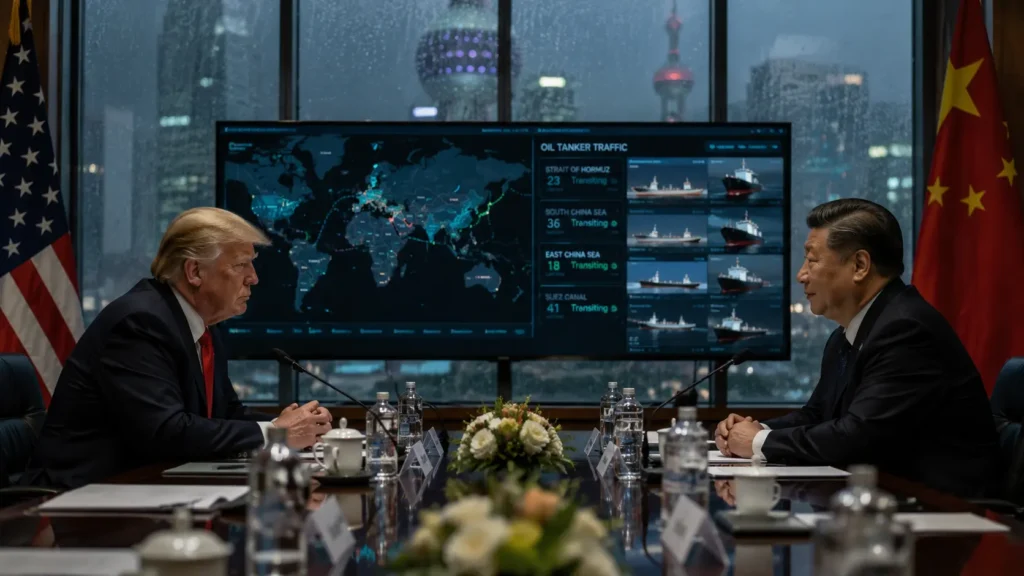
Trump’s dismissal of the Iranian peace proposal reflects the current US negotiating posture in the war in Iran. The Iran peace proposal, reportedly delivered to mediators in Pakistan earlier this week, is being evaluated not solely on its diplomatic terms but on whether the damage inflicted on Tehran appears sufficient to present any resulting agreement as a strategic victory rather than a negotiated compromise.
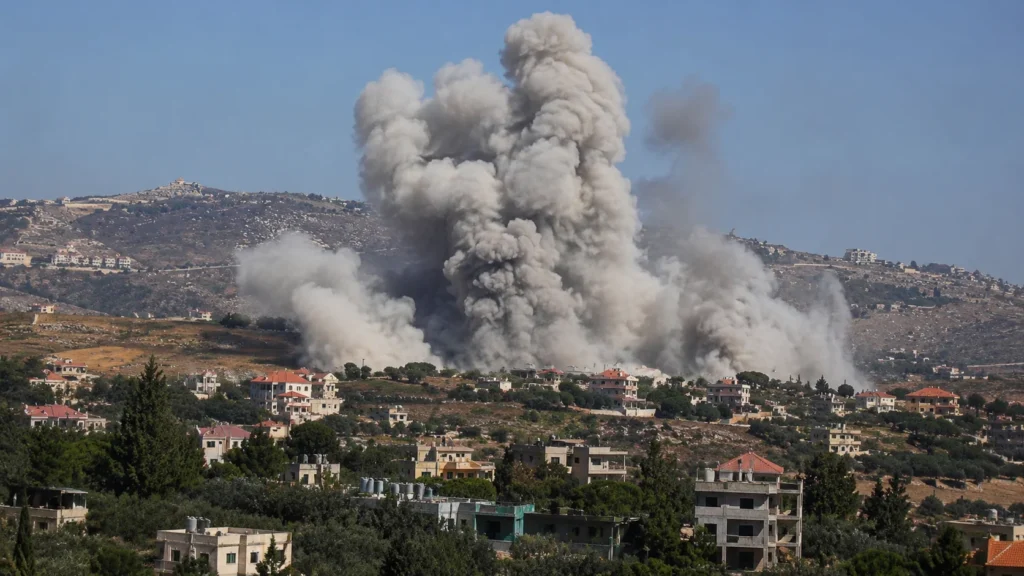
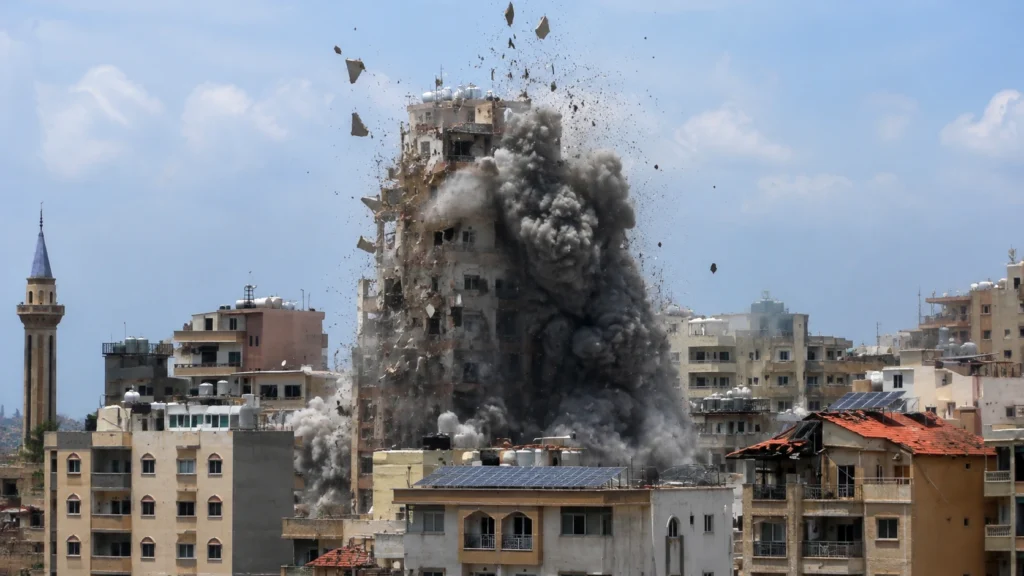
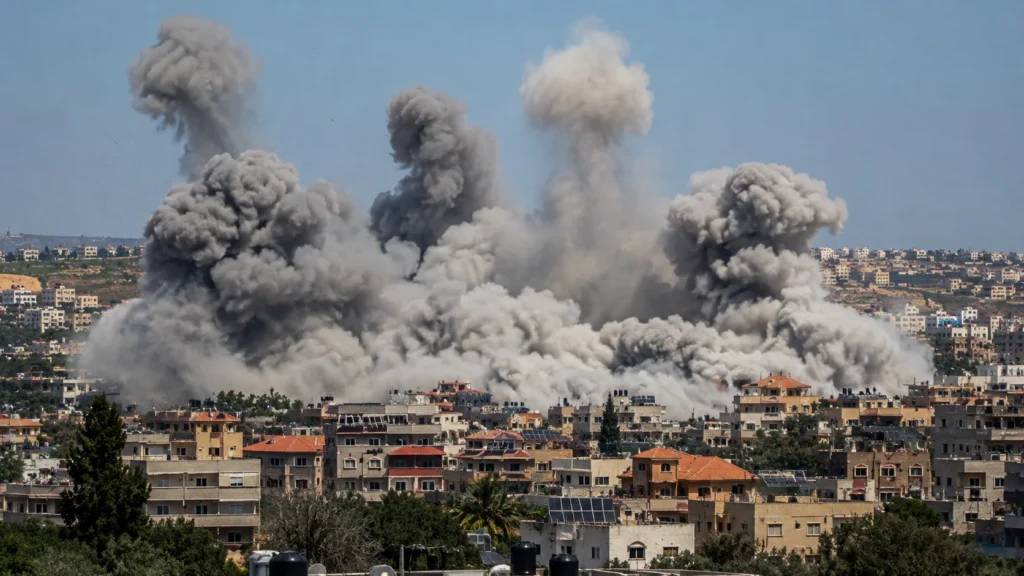
The Iran conflict has not produced a decisive military outcome since the US-Israeli strikes in February. A fragile ceasefire holds. The Strait of Hormuz remains contested. Both Washington and Tehran operate on the assumption that the other is closer to a breaking point. Trump’s rejection of the Iran peace proposal signals that the US believes it has not yet fully exercised its leverage.
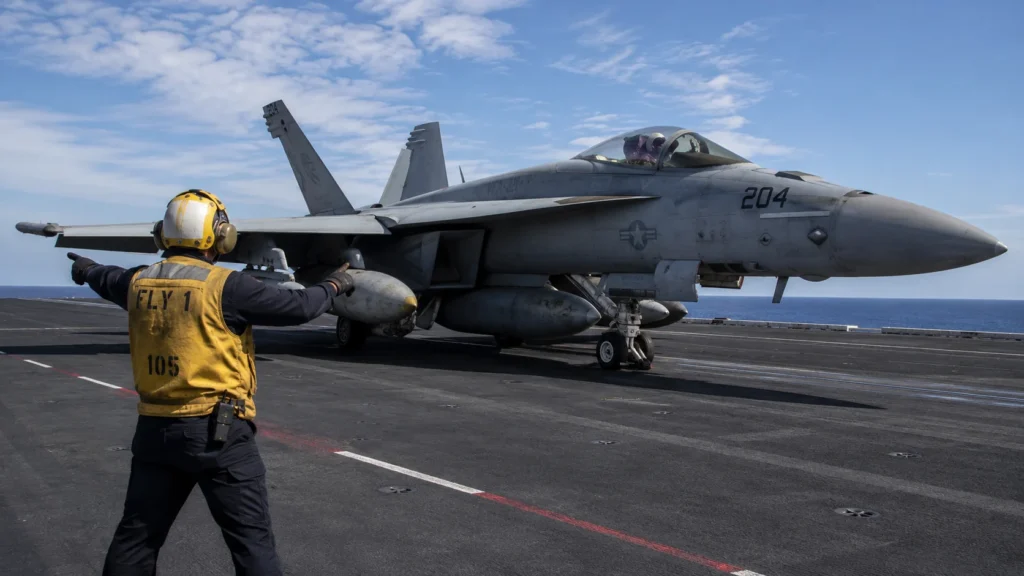
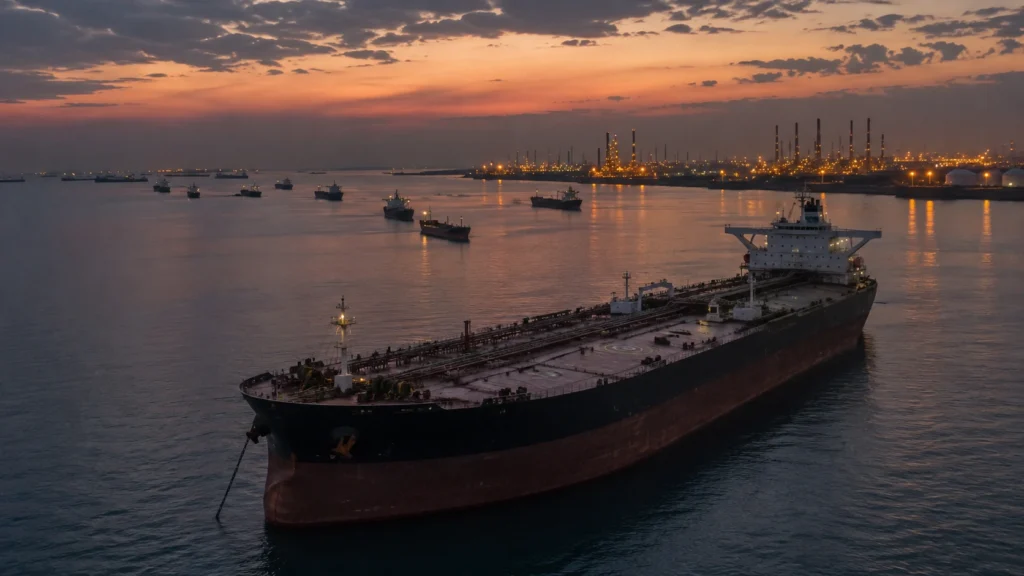
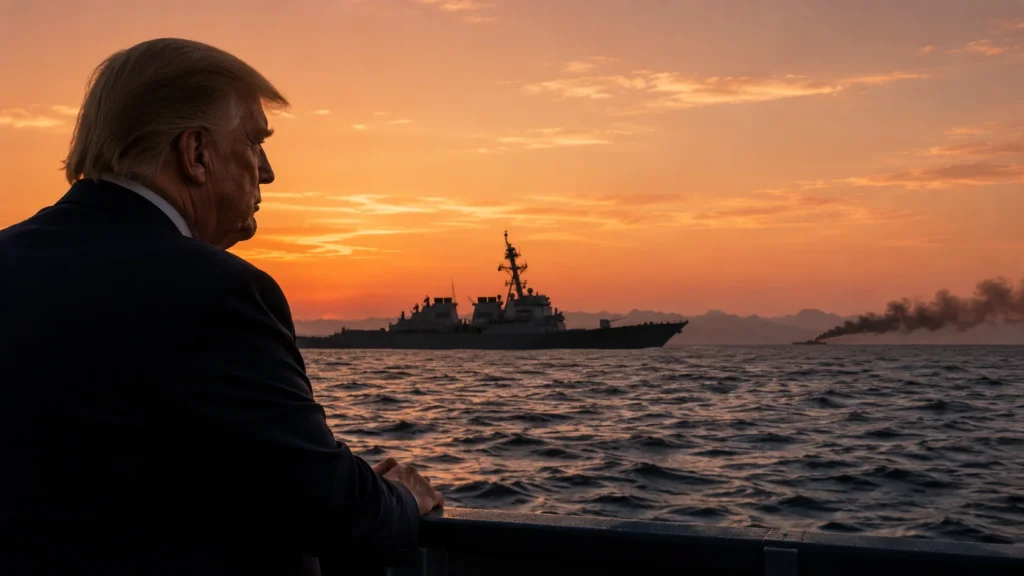
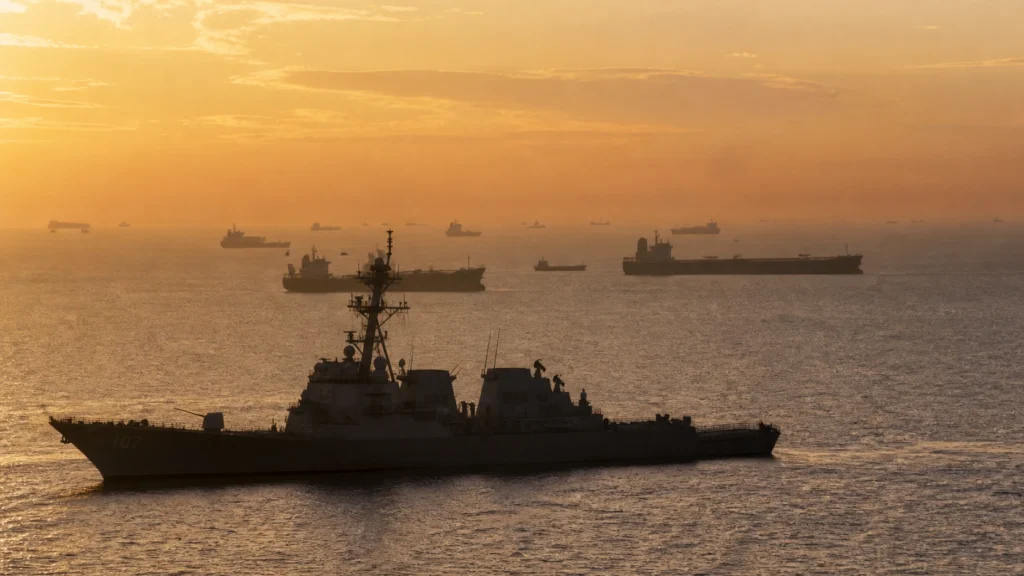
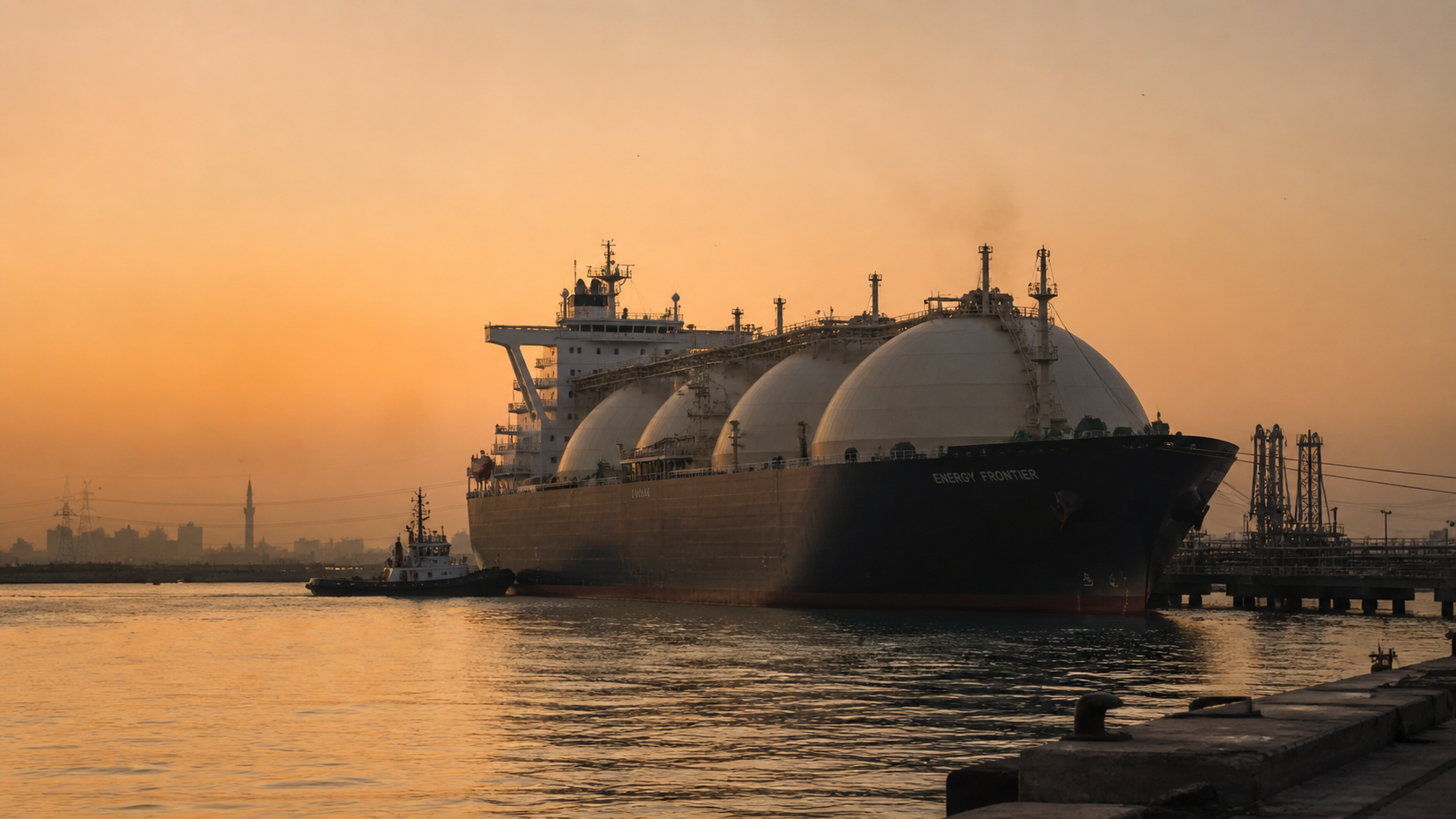
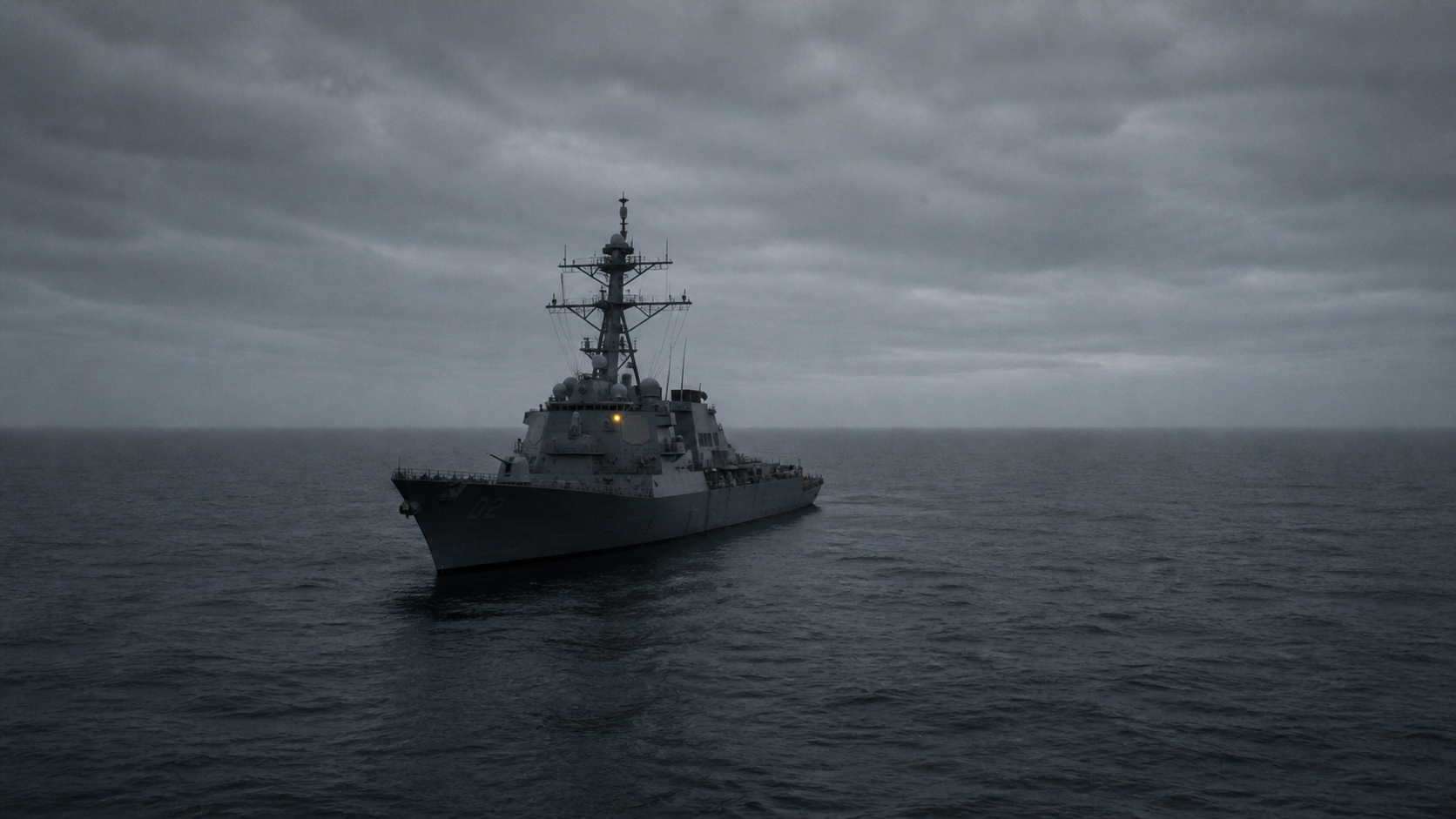
The US has maintained a naval blockade of Iranian ports since April 13. The US Treasury separately warned shipping companies that they face sanctions for paying Iranian tolls to transit the Strait of Hormuz. The economic pressure campaign continues to intensify even as the diplomatic channel remains technically open for a revised Iran peace proposal.
Iran Parliament Prepares Hormuz Law as Peace Talks Stall
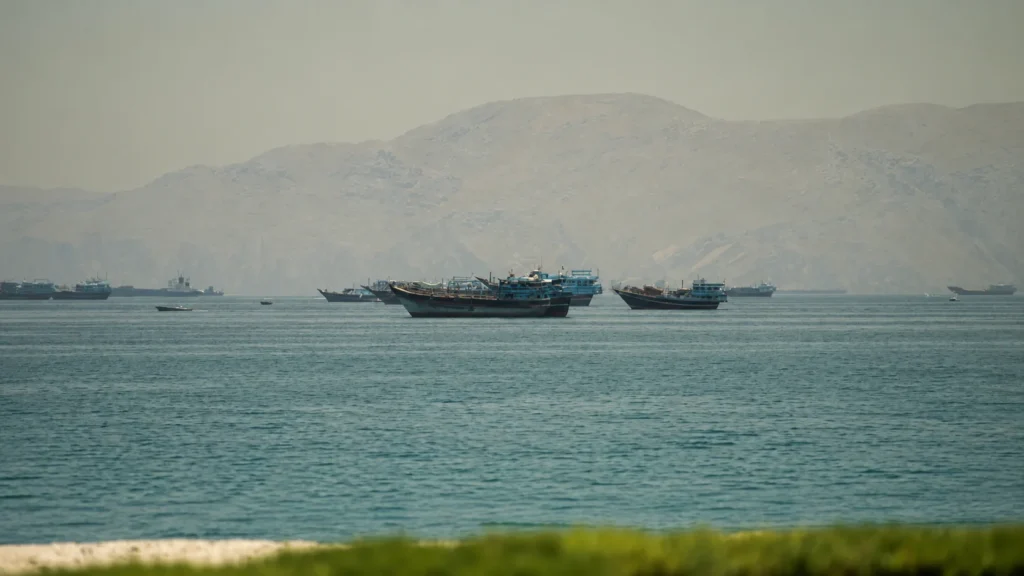
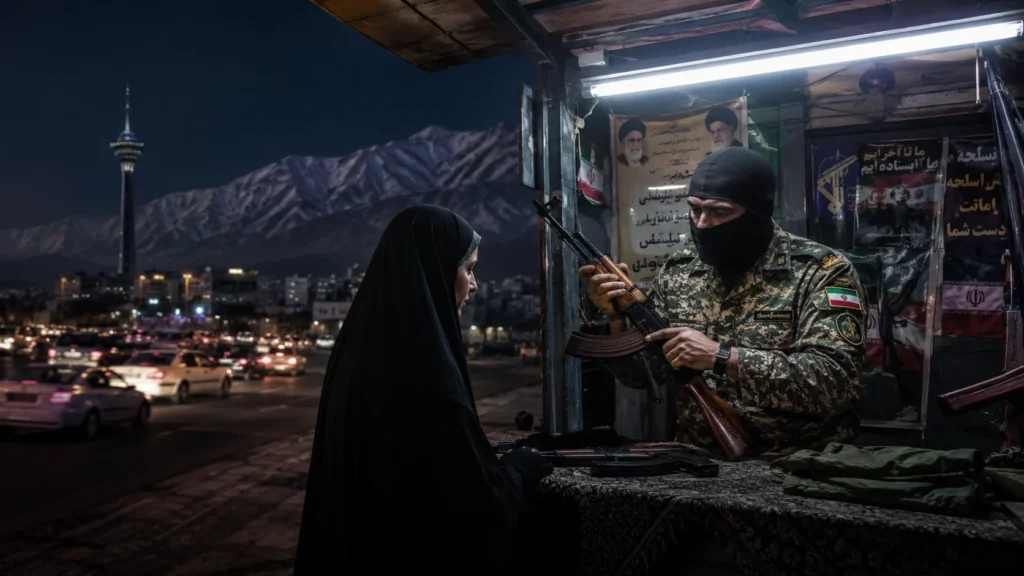
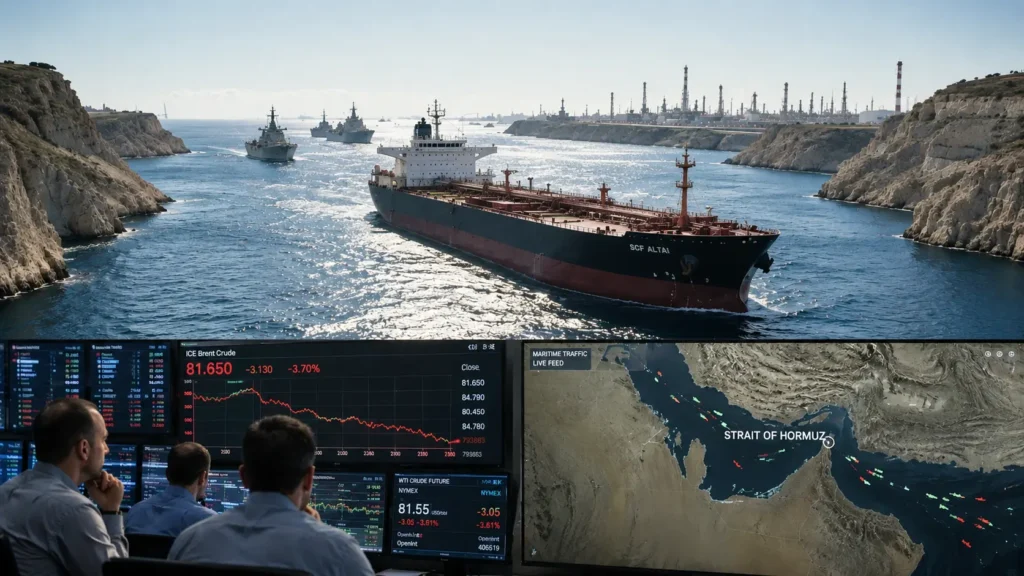
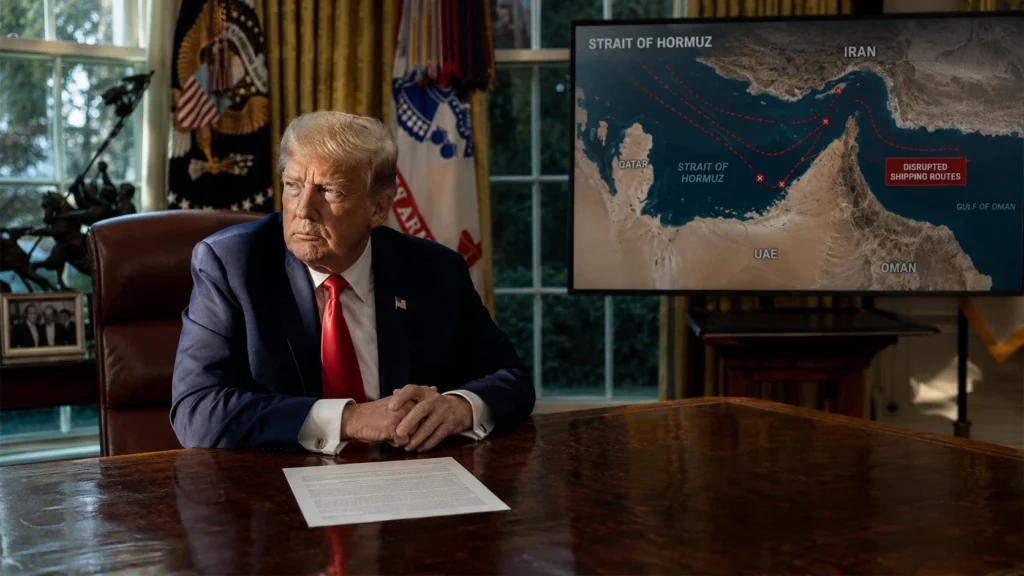
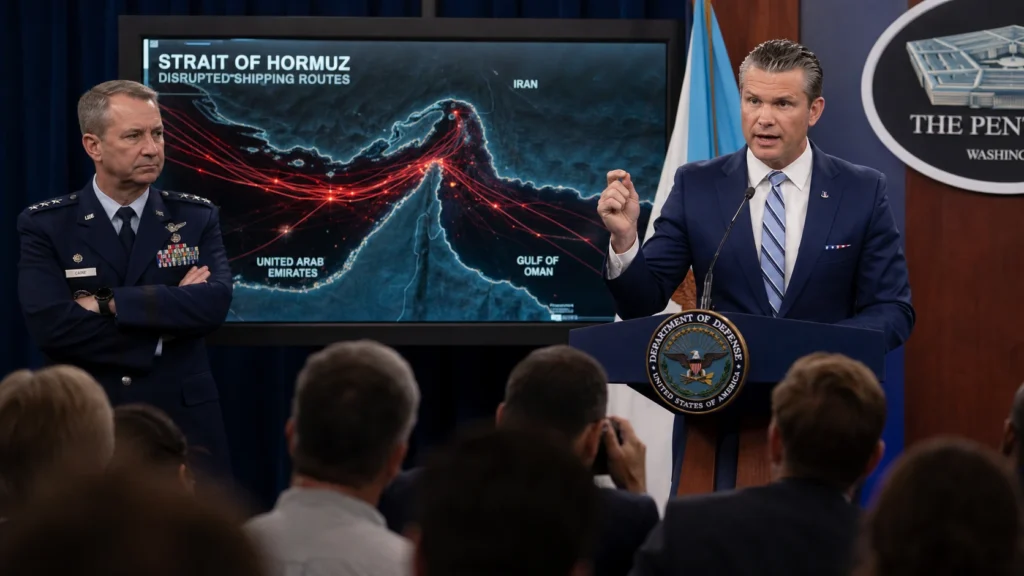
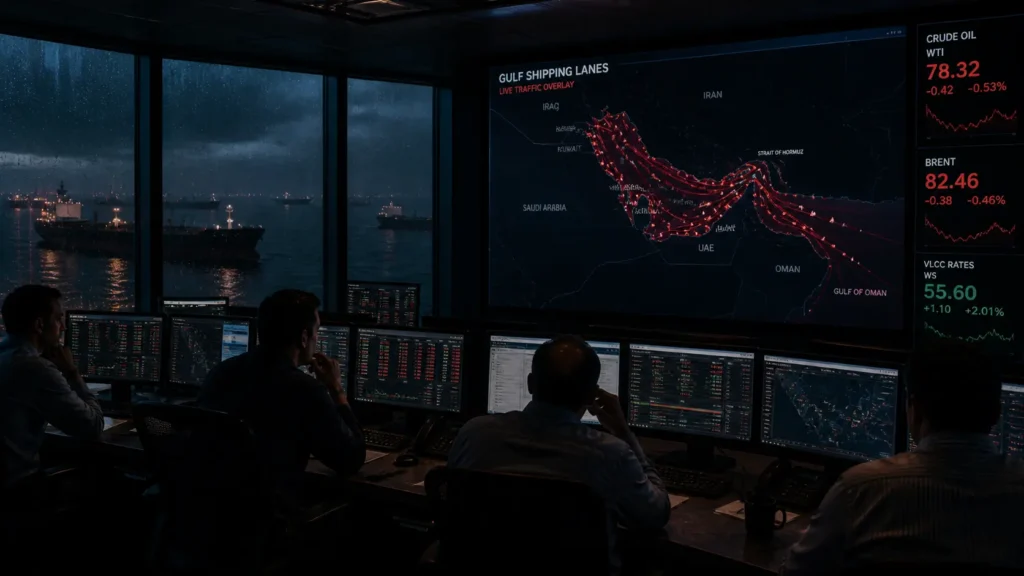
While the United States rejected the latest Iranian peace proposal, Iran’s parliament moved toward codifying wartime restrictions on passage through the Strait of Hormuz into domestic law. The legislation would transform what began as a tactical adaptation, intercepting commercial vessels, offering conditional passage through Iranian coastal waters, charging informal tolls, into a permanent legal architecture governing the world’s most critical energy chokepoint.
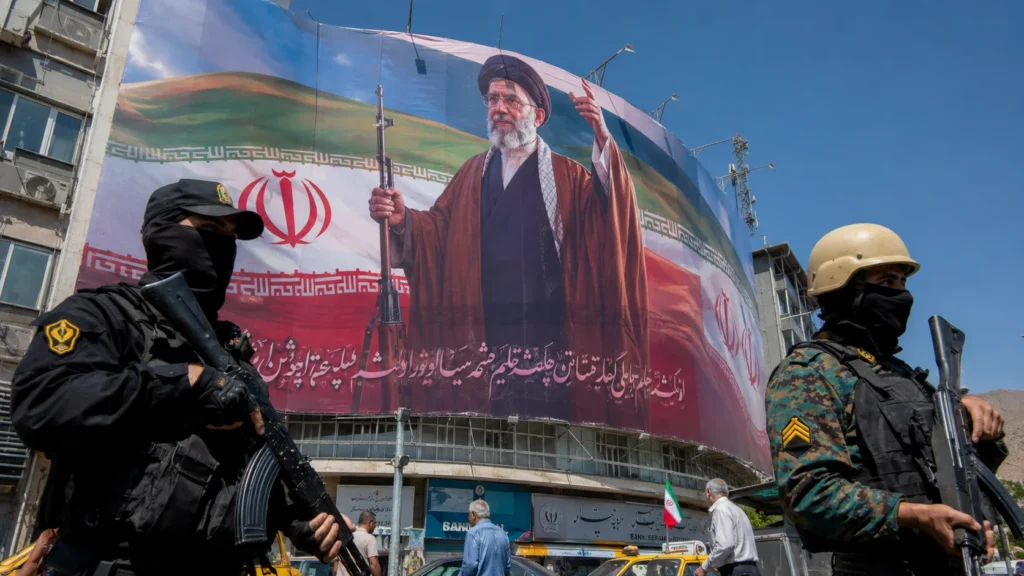
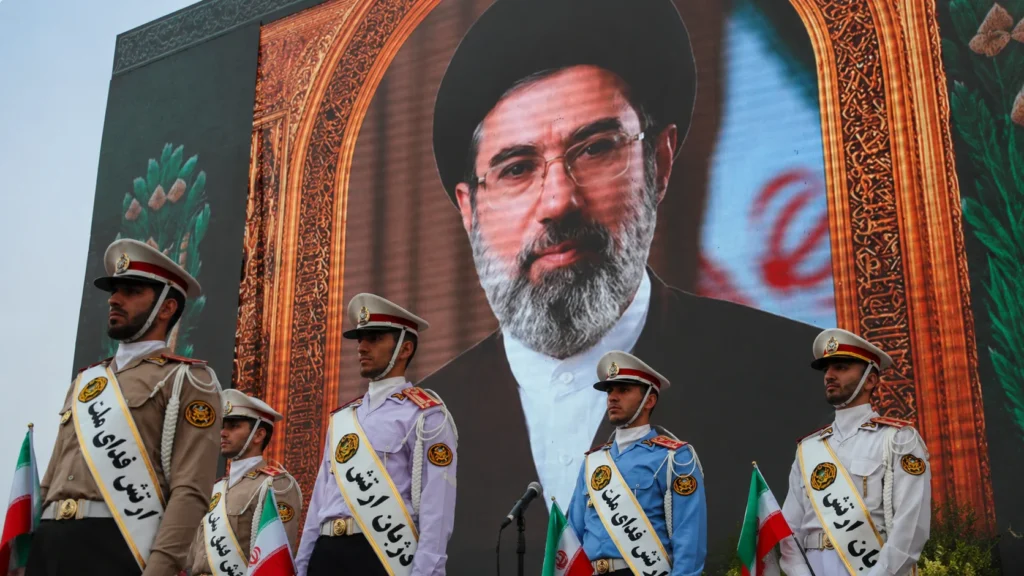
The Islamic Revolutionary Guard Corps (IRGC) separately stated that American “decision-making room has narrowed,” according to Iranian state media. The coordinated messaging from Tehran signals that Iran is institutionalizing its wartime position even as the Iran peace proposal process continues through intermediaries.
The practical effect is a state governed by two incompatible legal regimes. Iran asserts domestic legislative authority over vessel passage. The United States Navy operates under international maritime law and rejects unilateral Iranian restrictions. Global shipping companies navigate between these contradictory frameworks, each backed by military force, a dynamic that any future Iran peace proposal would need to resolve.
US Gas Prices Hit $4.45 as Iran War Disrupts Oil Markets.
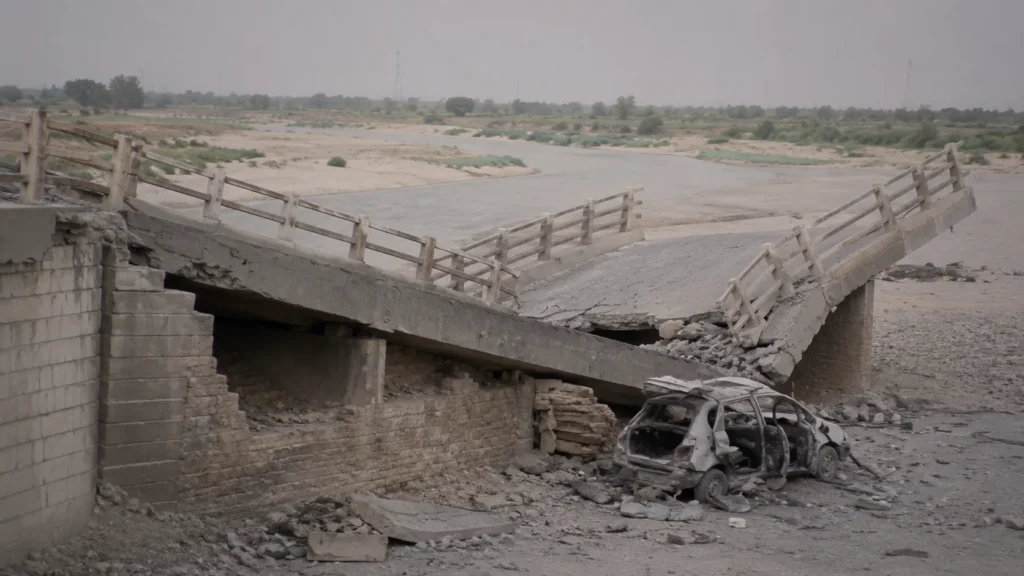
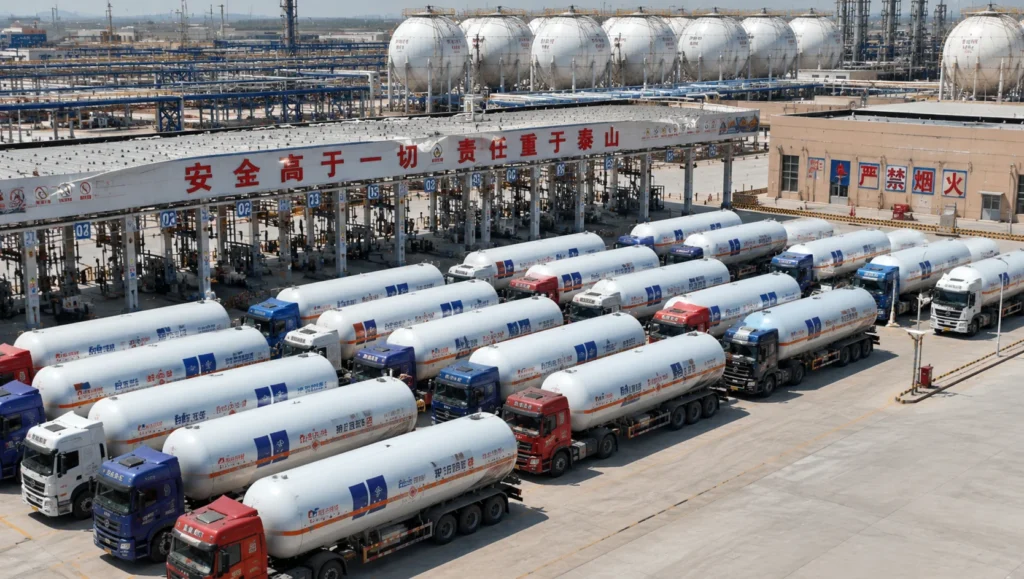
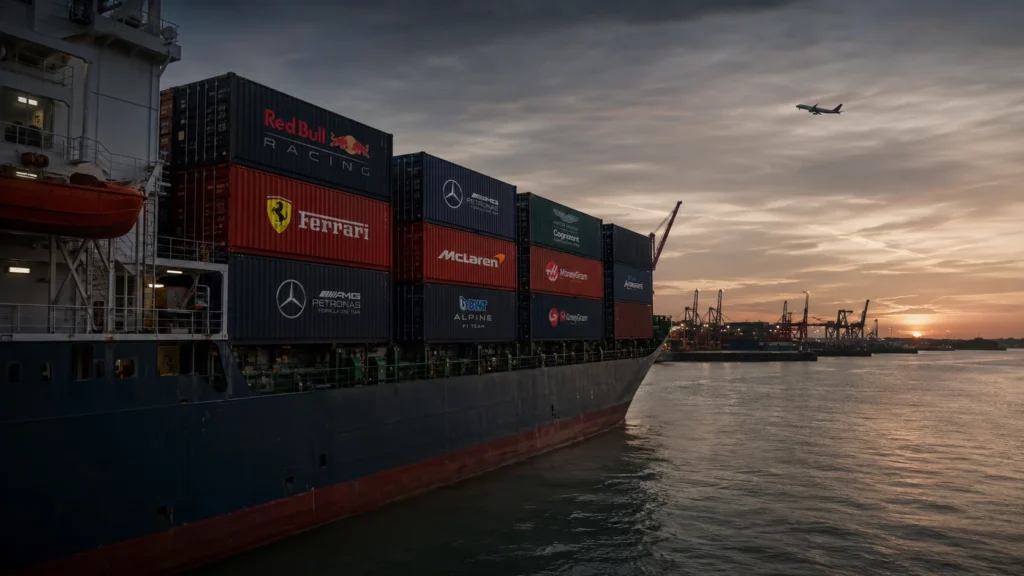
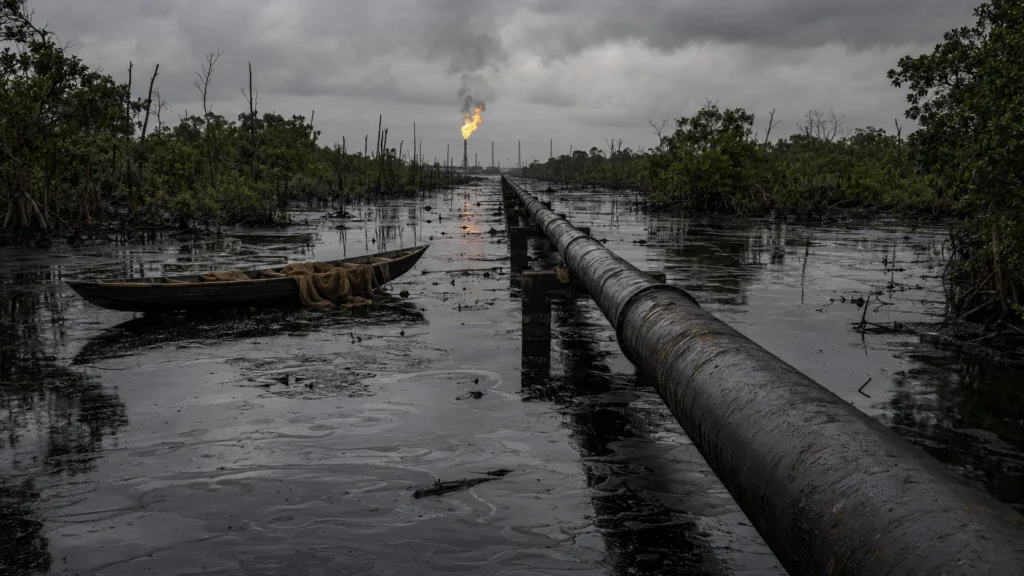
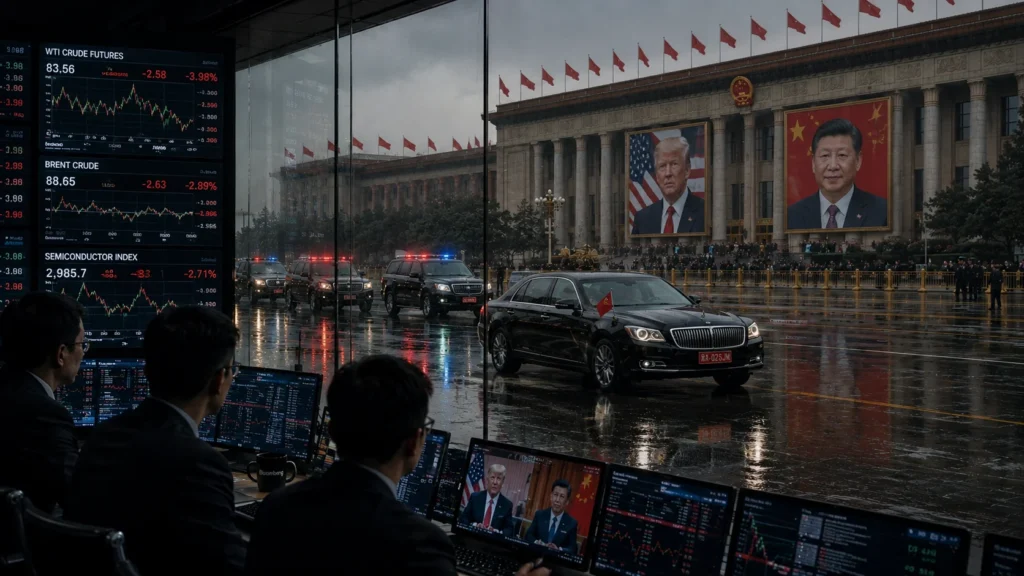
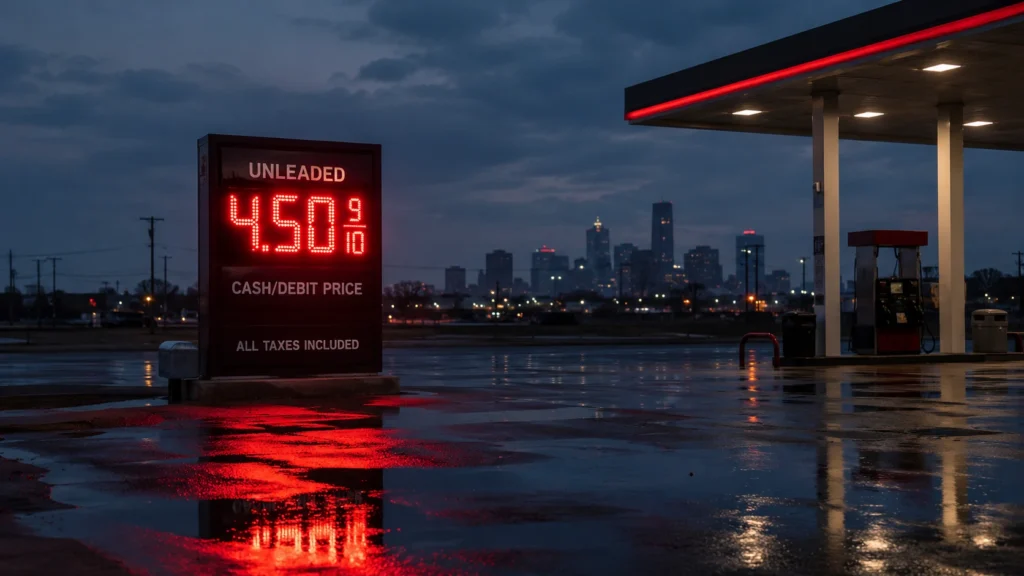
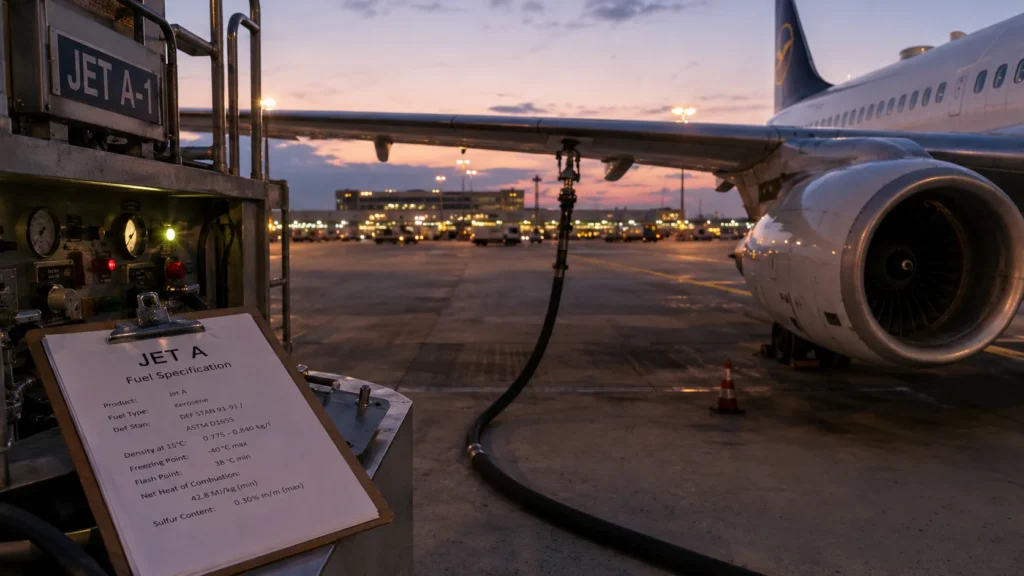
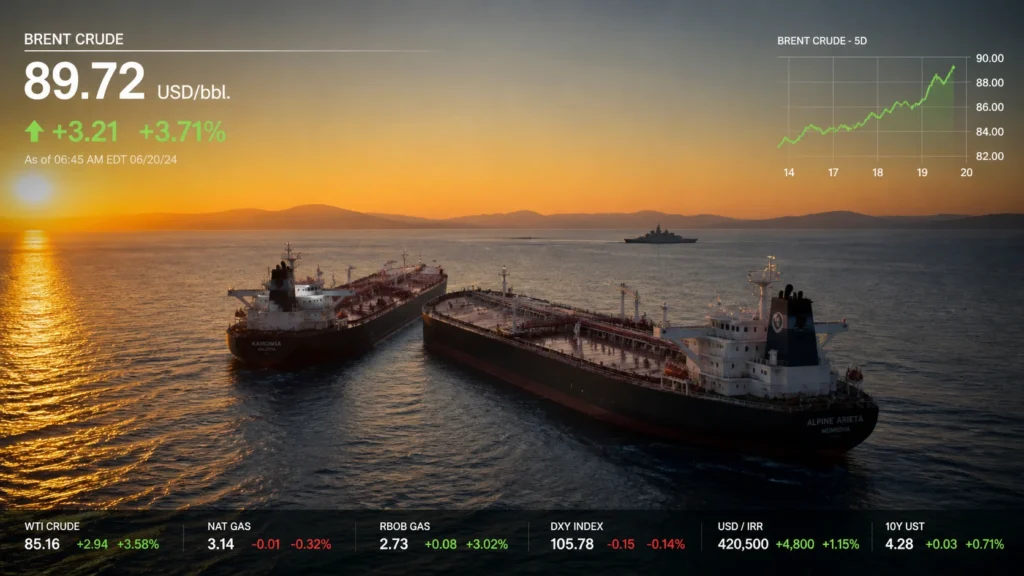
The average price of gasoline in the United States reached $4.45 per gallon on Saturday, reflecting the sustained disruption to global oil supplies caused by the effective closure of the Strait of Hormuz since the Iran war began in late February. The figure represents a significant increase from pre-war levels and from the 2024 election-year baseline.
US gas prices now function as the most direct transmission mechanism connecting the Iran war to American households. The rejection of the Iran peace proposal introduces further uncertainty into energy markets. Each movement in the diplomatic trajectory, whether a revised Iran peace proposal advances or talks collapse, registers through oil markets before it reaches official government communications.
The price at the pump creates a parallel political timeline to the diplomatic calendar. The Trump administration faces the question of how much consumer economic pressure can be absorbed before the political cost of continued conflict exceeds the strategic benefit of sustained pressure on Tehran.
US Fast-Tracks $8 Billion in Middle East Arms Sales
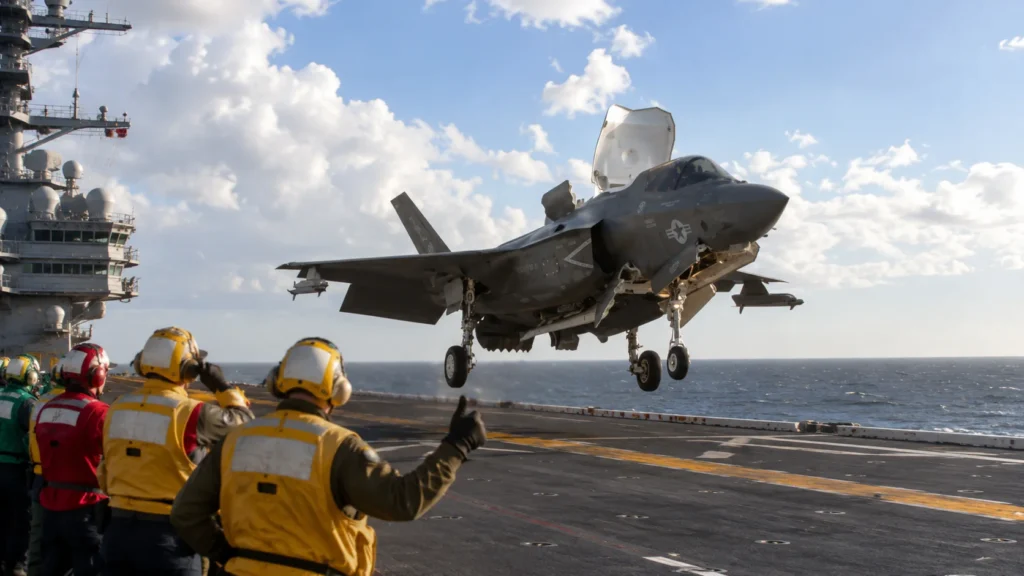
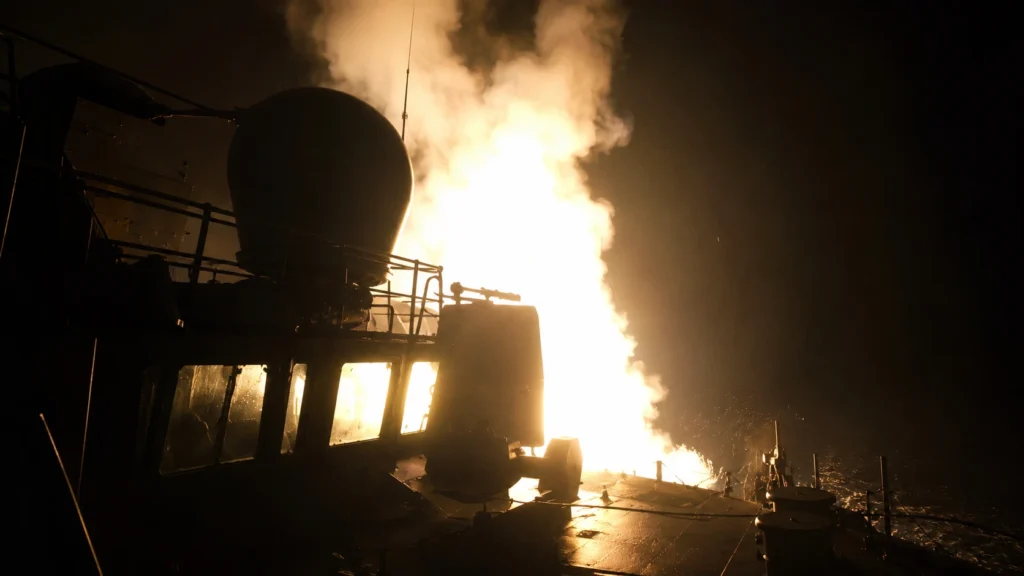
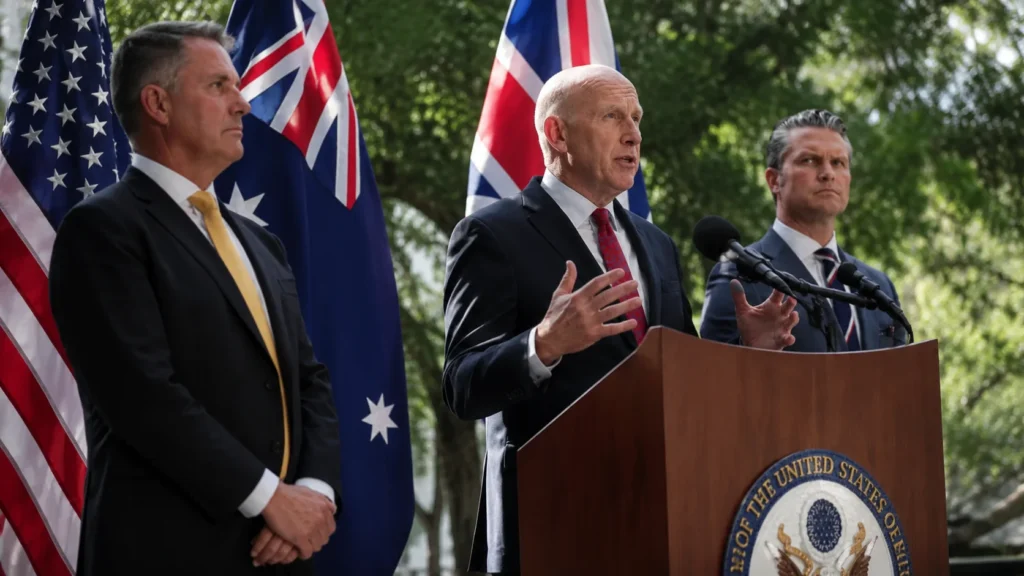
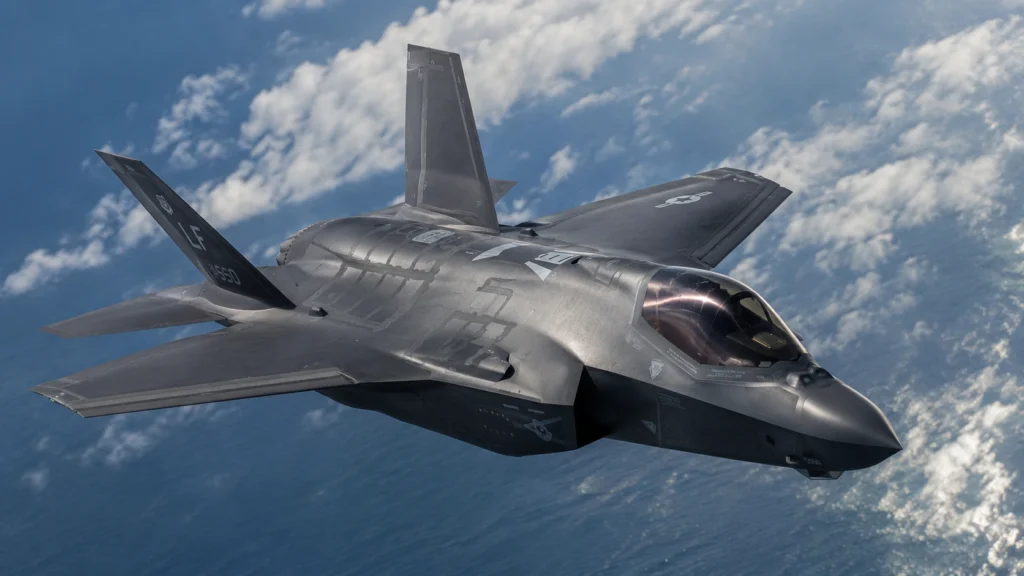
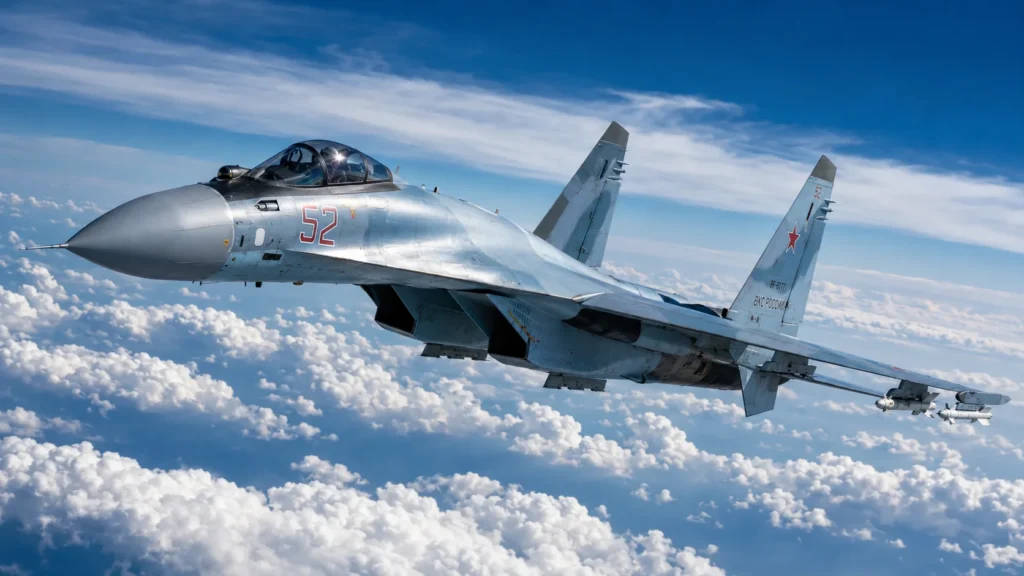
The United States separately fast-tracked $8 billion in arms sales to Middle East allies, reinforcing the regional military balance against Iran. Israel approved plans to acquire new fighter squadrons, citing “operational lessons” from the Iran war.
The weapons transfers serve multiple strategic functions in the broader Iran war context. They reassure Gulf and Israeli partners that American commitment persists through the uncertainty surrounding the Iran peace proposal process. They demonstrate to Tehran that the military option has not been foreclosed by the ceasefire. And they shift the regional military balance further toward American-supplied capabilities regardless of whether the current Iran peace proposal advances or a new one emerges.
What Happens Next After the Iran Peace Proposal Rejection
Key indicators to monitor in the coming weeks:
- Whether Iran submits a revised peace proposal addressing US demands for verifiable nuclear limits and Hormuz reopening.
- The text of Iran’s Hormuz legislation and the parliamentary vote marginally near-unanimous vote signals institutional consensus behind the harder line.
- Trump’s formal response to any revised Iran peace proposal, whether rejection is definitive or leaves room for counter-negotiation.
- US gas price trajectory as the summer driving season approaches, sustained prices above $4.50 would intensify domestic political pressure.
- Whether the $8 billion arms sales package includes capabilities that alter the regional strike balance against Iranian targets.
- Ceasefire durability, whether violations by either side escalate beyond the current pattern.
The rejection of the Iran peace proposal does not close the diplomatic channel. Both sides continue to signal through intermediaries, through legislation, and through military posture. But the gap between what Washington demands and what Tehran offers remains wide, and the Strait of Hormuz remains the leverage that narrows or widens it.
Strategic Summary: Iran Peace Proposal and Escalation
- What changed: Trump rejected Iran’s latest peace proposal, stating Tehran has not paid a sufficient price. Iran advanced legislation to formalize Hormuz restrictions. US gas reached 4.45pergallon.4.45pergallon.8 billion in regional arms sales were fast-tracked.
- Why it matters: The rejection of the Iran peace proposal means both sides are now institutionalizing wartime positions, Iran through domestic law, the US through arms transfers and sanctions, making any eventual compromise harder to achieve and harder to reverse.
- What to watch next: Whether a revised Iran peace proposal emerges; Iran’s Hormuz legislation text and vote margin; US gas price trends; arms sales capabilities; ceasefire durability.