

 English








































































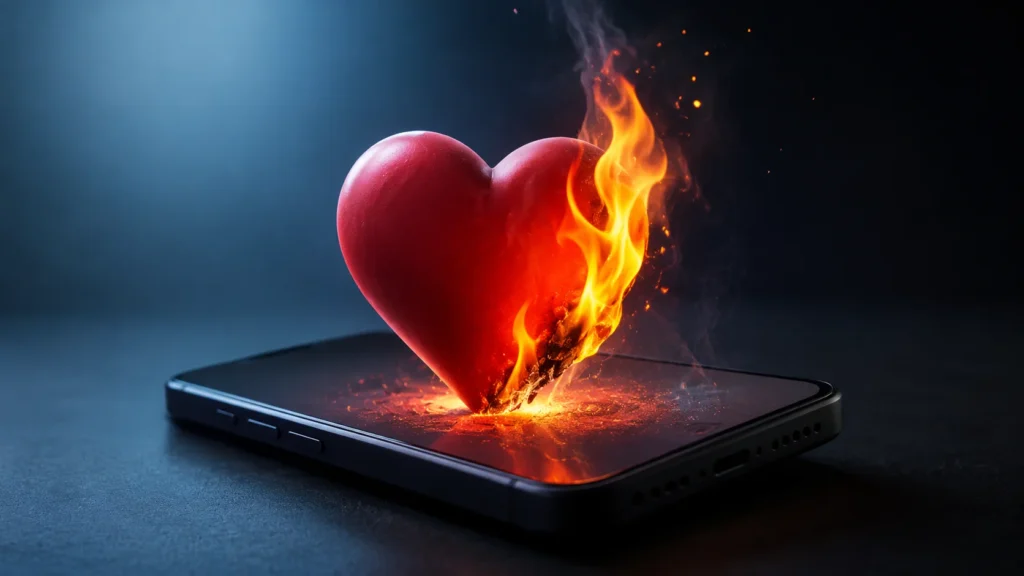

















































HBO Max Reveals Streaming’s New Obsession Era
The remote stays on the couch.
The scrolling doesn’t stop.
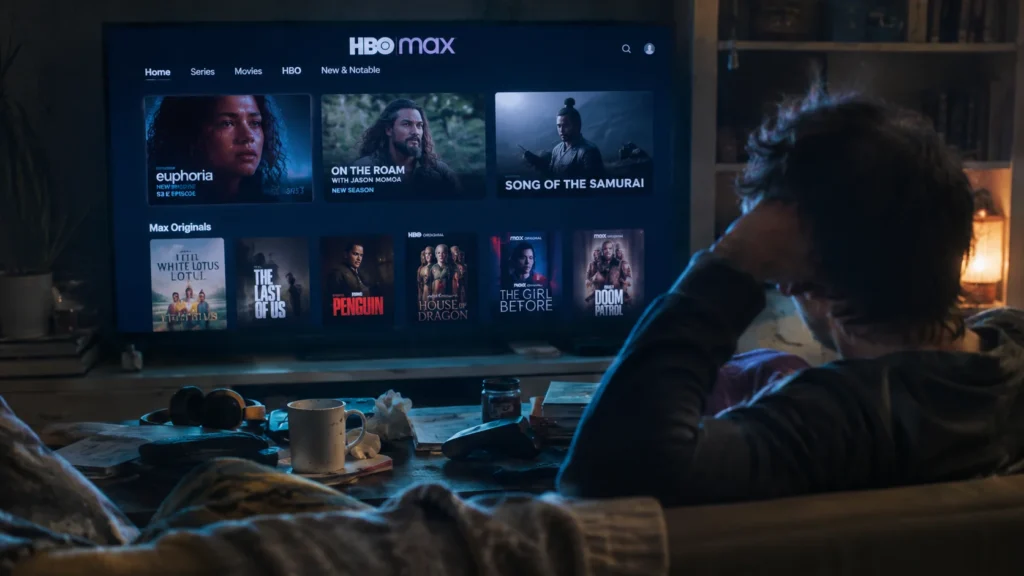
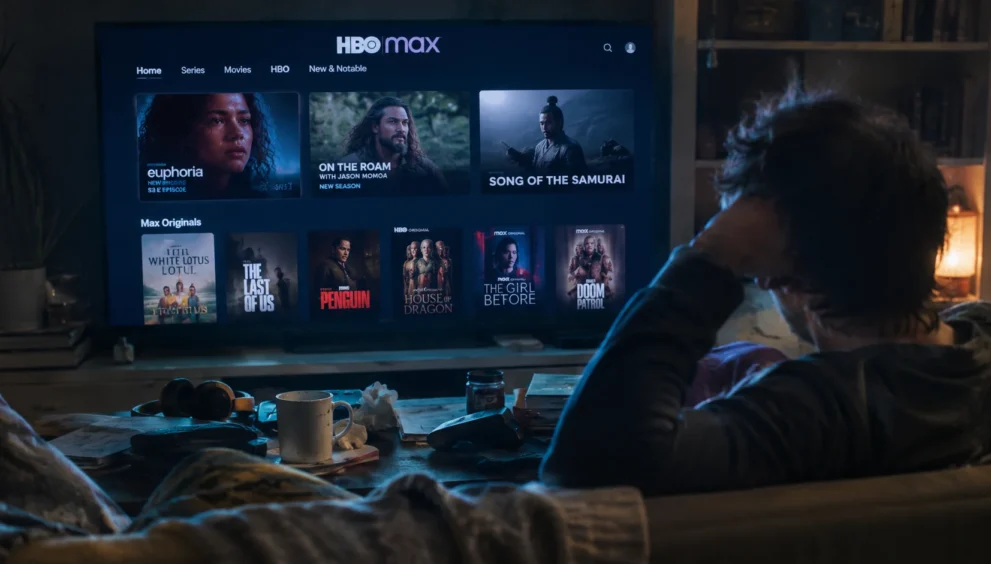
In May 2026, HBO Max doubled down on emotionally addictive programming like Euphoria, Song of the Samurai, and On the Roam with Jason Momoa as streaming platforms shifted away from content quantity toward audience attachment. That matters now because viewers no longer subscribe to libraries alone. They subscribe to an emotional routine, digital identity, and comfort they can return to after exhausting days online.
Why HBO Max Feels Different Right Now
Streaming fatigue changed viewer behavior faster than most platforms expected.
Back in 2019, Netflix, Disney+, and HBO Max competed through endless expansion. Bigger catalogs. More originals. Louder release calendars. But by 2026, audiences stopped chasing novelty every night. They started chasing emotional familiarity instead.
That shift explains HBO Max’s current strategy.
According to Nielsen streaming viewership reports, rewatch behavior climbed steadily after 2020 as viewers leaned toward comfort-heavy series during periods of economic stress and digital burnout. The platform responded with shows that don’t simply entertain. They linger emotionally.
Not subtle.
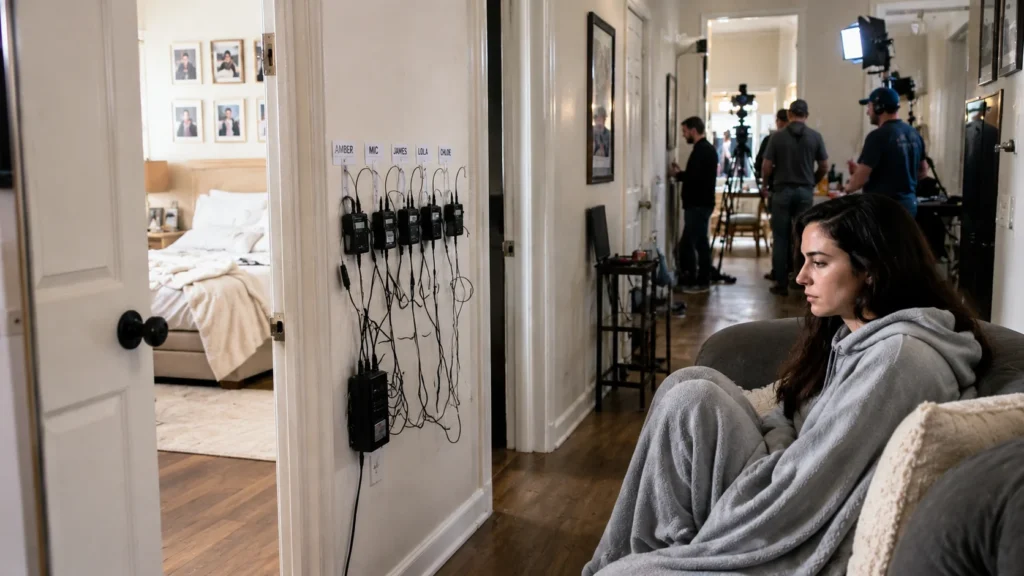
Euphoria works because fans don’t consume it casually anymore. They dissect scenes on TikTok, debate character psychology on Reddit, and track filming rumors across Instagram like sports trades. The show evolved into an emotional ecosystem instead of a television drama.
That changes the business model.
As previous analysis of Gen Z streaming behavior explored earlier this year, modern platforms now depend on fandom participation almost as much as viewership itself. Clips, edits, memes, and reaction posts extend a show’s lifespan far beyond episode release night.
The audience keeps marketing the product for free.
HBO Max Sells Mood Before Story
The strange part isn’t the lineup. It’s the emotional architecture underneath it.
One side of HBO Max pushes hyper-intense prestige anxiety through Euphoria. The other side leans into slow, tactile escapism through On the Roam with Jason Momoa, where Momoa wanders through workshops, motorcycles, remote landscapes, and handcrafted spaces with the energy of somebody trying to stay human inside celebrity culture.
Different genres. Same purpose.
Comfort.
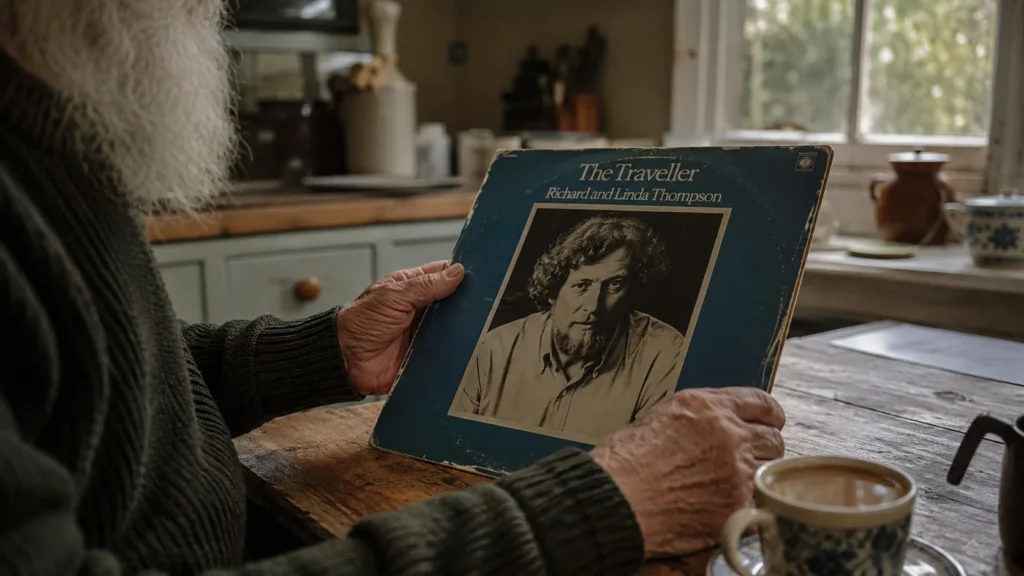
Jason Momoa’s appeal matters because viewers increasingly reject polished influencer energy. Audiences want texture now. Dirt under fingernails. Vinyl records. Imperfect conversation. Controlled imperfection sells better than glossy aspiration during periods of online exhaustion.
Almost believable.
Warner Bros. Discovery executives hinted at this direction during 2025 investor calls focused on franchise retention and long-term engagement metrics. According to Warner Bros. Discovery investor relations updates, streaming success now depends heavily on keeping subscribers emotionally connected between major tentpole releases.
That creates a different kind of platform war.
Not “Who has the most shows?”
Who owns the strongest emotional habit?
Streaming Platforms Don’t Want Attention Anymore
They want attachment.
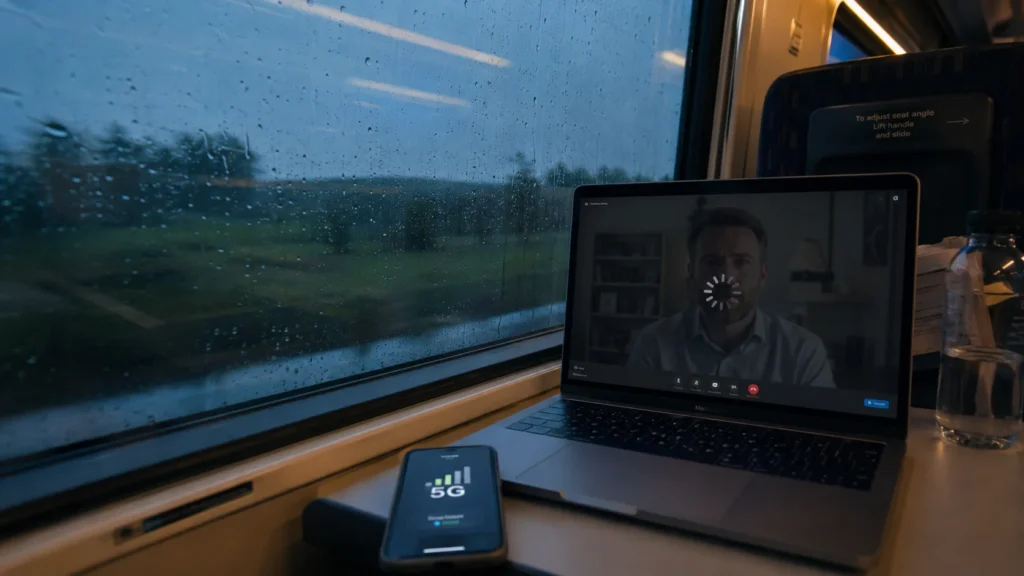
Phones fragmented entertainment into constant micro-consumption. Streaming platforms adapted by building experiences that viewers emotionally carry throughout the day. Somebody watches Euphoria at night, then sees edits on TikTok during lunch, memes on X before bed, and fan theories the next morning.
The episode never fully ends.
That loop explains why HBO Max increasingly favors identity-heavy programming instead of broad neutral content. Song of the Samurai arrives at a moment when audiences crave immersive fictional worlds that feel emotionally complete instead of realistic.
Fantasy works because reality feels tiring.
Then there’s this.
Viewers now publicly perform taste online. People curate what they watch, almost like fashion branding. Streaming culture shifted from private entertainment toward visible identity signaling. A screenshot from a series often travels farther online than the actual plot itself.
Tiny moments dominate culture now.
coverage of streaming burnout and binge culture already documented how platforms optimize emotional retention rather than pure discovery. HBO Max simply packages that strategy with stronger prestige branding than many competitors.
And it works.
What Happens Next for HBO Max?
Expect platforms to chase deeper emotional ecosystems instead of larger libraries over the next 12 months.
More fandom-first storytelling.
More rewatch-friendly shows.
More celebrity personality content that feels intimate enough to simulate authenticity.
Streaming companies learned something uncomfortable after years of algorithmic expansion: people rarely stay loyal to apps. They stay loyal to feelings attached to those apps.
That’s harder to copy.
According to Reuters coverage of streaming profitability trends, major platforms increasingly prioritize subscriber retention over aggressive expansion because growth slowed across the industry after 2024. Emotional loyalty suddenly matters more than endless quantity.
So HBO Max leans into obsession carefully. Not a loud obsession. Softer obsession. The kind that quietly shapes routines without viewers fully noticing.
Again.
FAQ
Why is HBO Max focusing heavily on returning franchises?
Returning franchises create emotional familiarity that keeps viewers engaged between major releases. Platforms now prioritize long-term attachment over constant novelty.
Why does Euphoria matter so much for HBO Max?
Euphoria drives online fandom culture across TikTok, Reddit, fashion spaces, and meme communities. The series functions as a social identity marker as much as entertainment.
Why are celebrity lifestyle shows growing again?
Audiences increasingly crave slower, personality-driven experiences that feel more human than polished influencer culture. Jason Momoa’s style fits that demand well.
How has streaming culture changed since 2020?
Streaming shifted from convenience viewing toward emotional ecosystem building. Fans now extend shows into social media conversations, edits, and online communities long after episodes air.
What does HBO Max’s 2026 strategy reveal?
It shows that streaming companies now compete through emotional attachment and cultural identity instead of sheer content volume.
Author Bio:
Written by Daniel Mercer, a senior streaming and culture analyst covering fandom psychology, platform behavior, and digital entertainment trends for more than 10 years.