

 English


























































































































































































































































































USS Higgins Lost Power. The Pacific Watched.
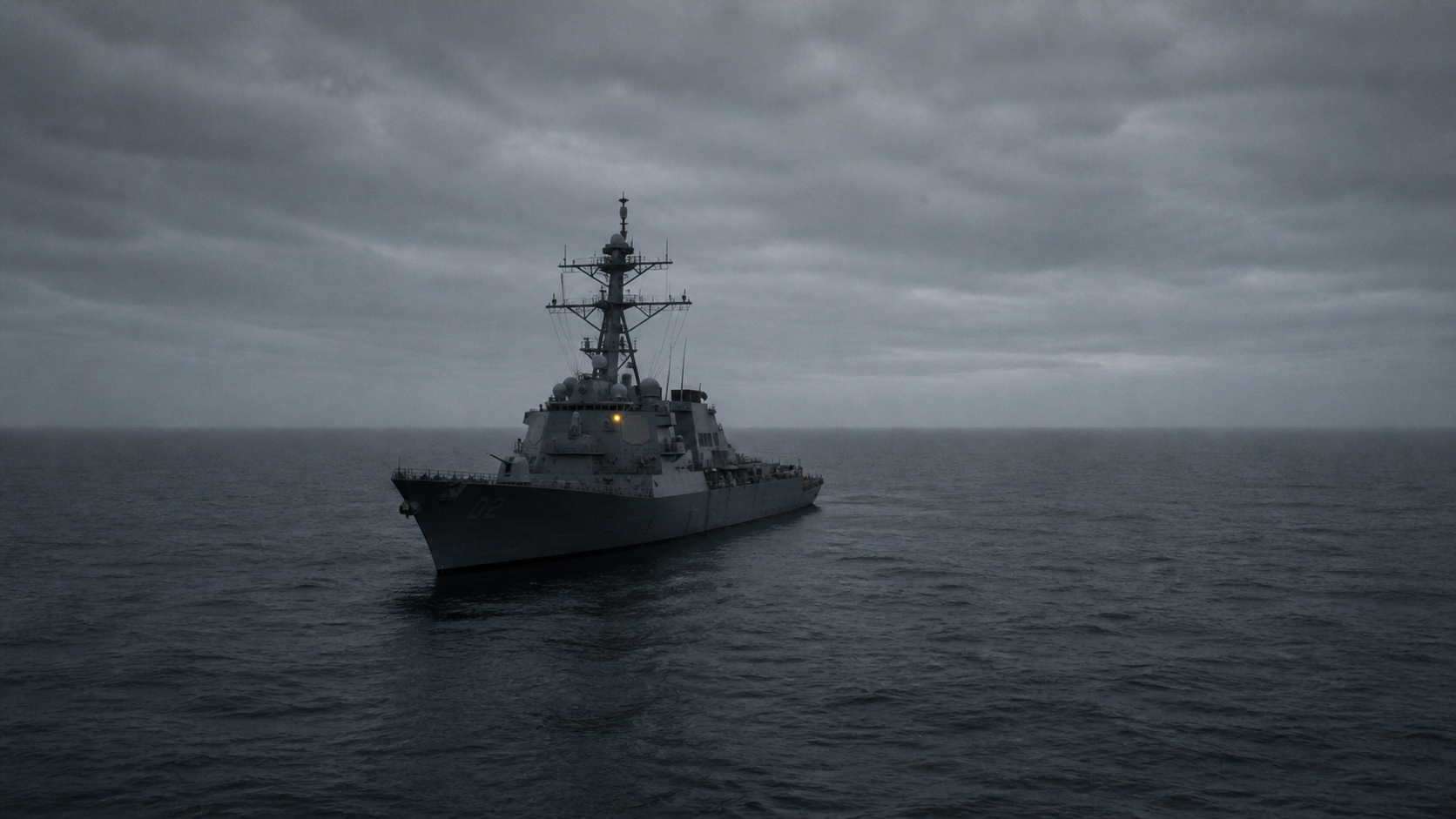
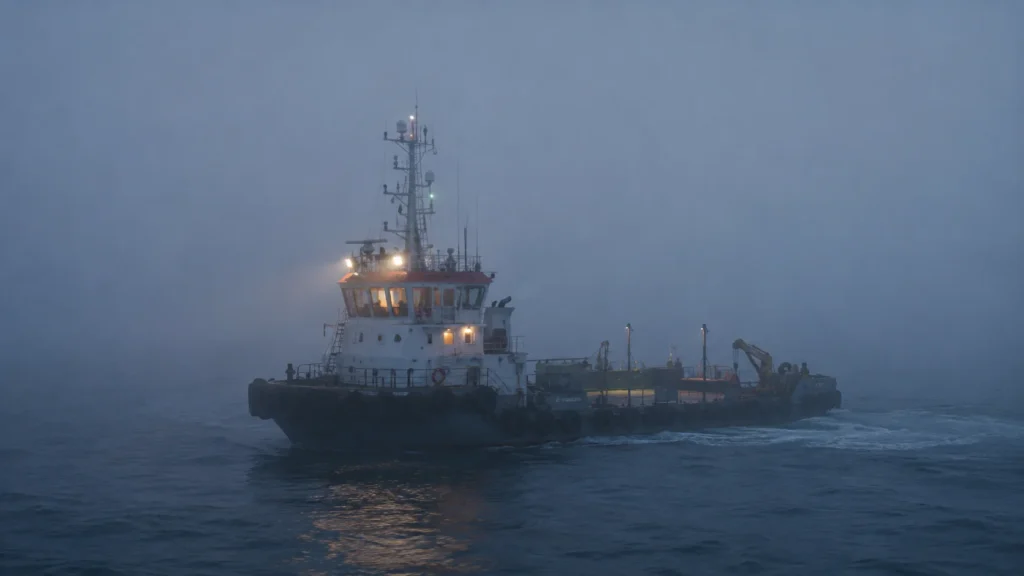
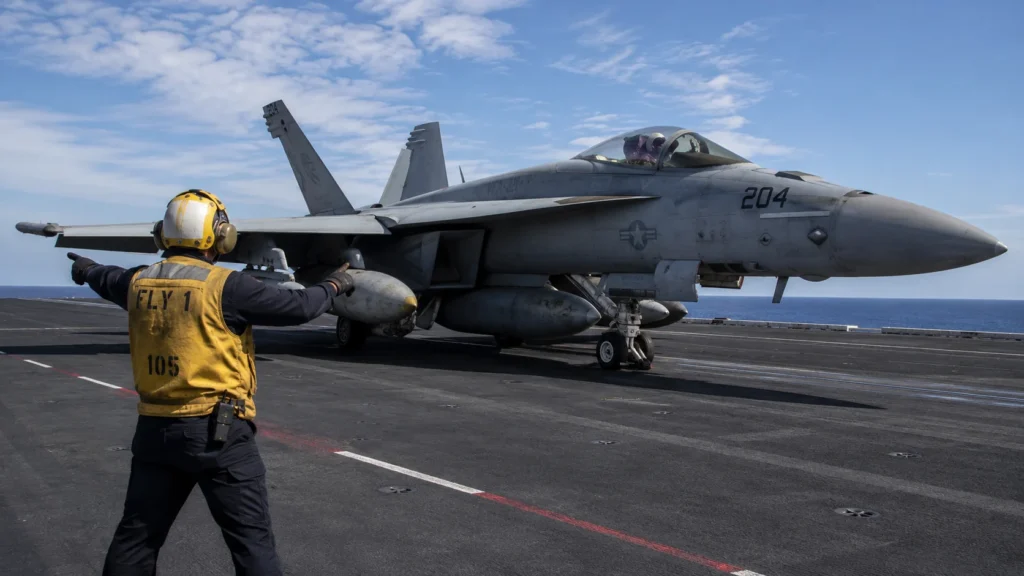
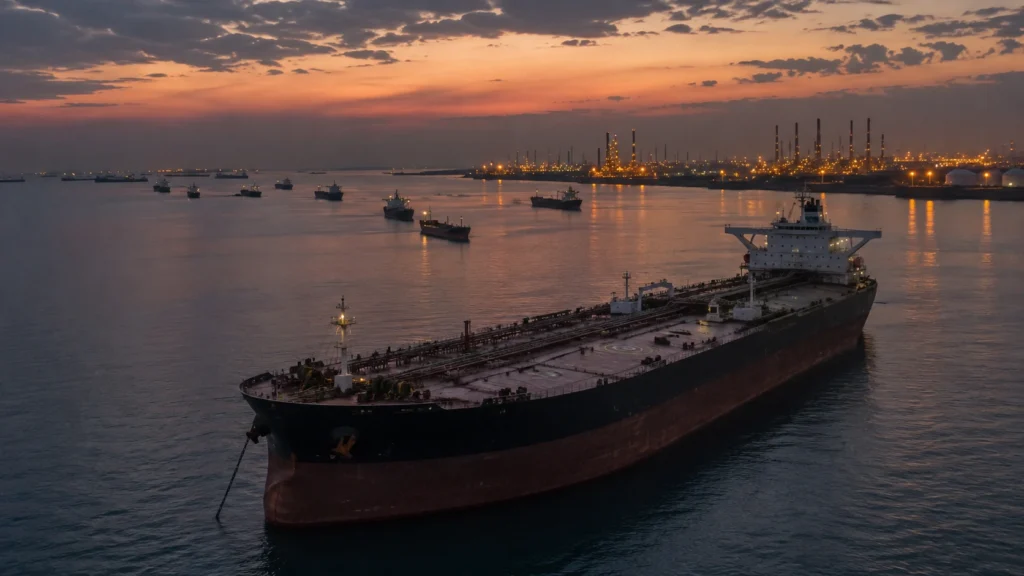
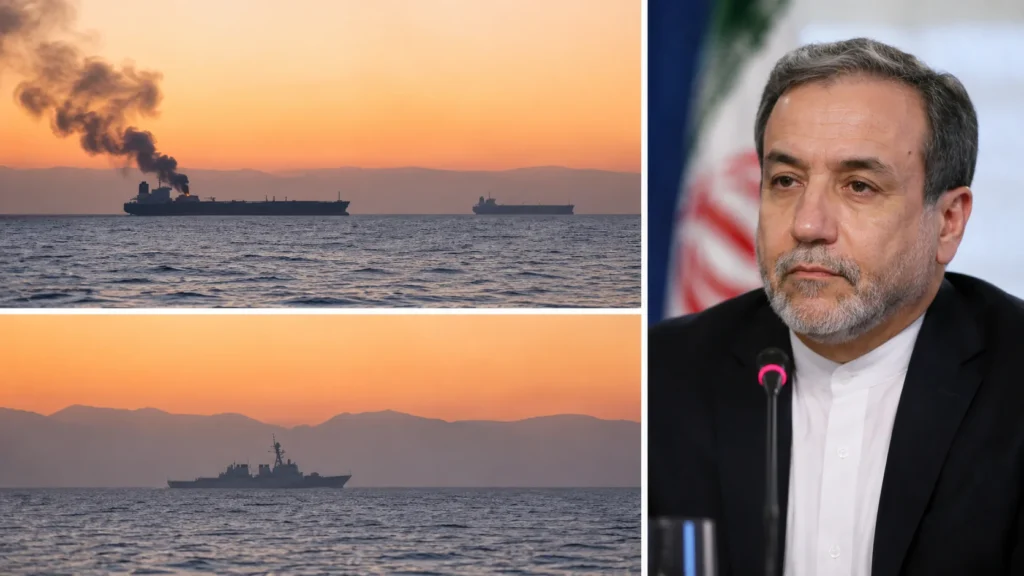
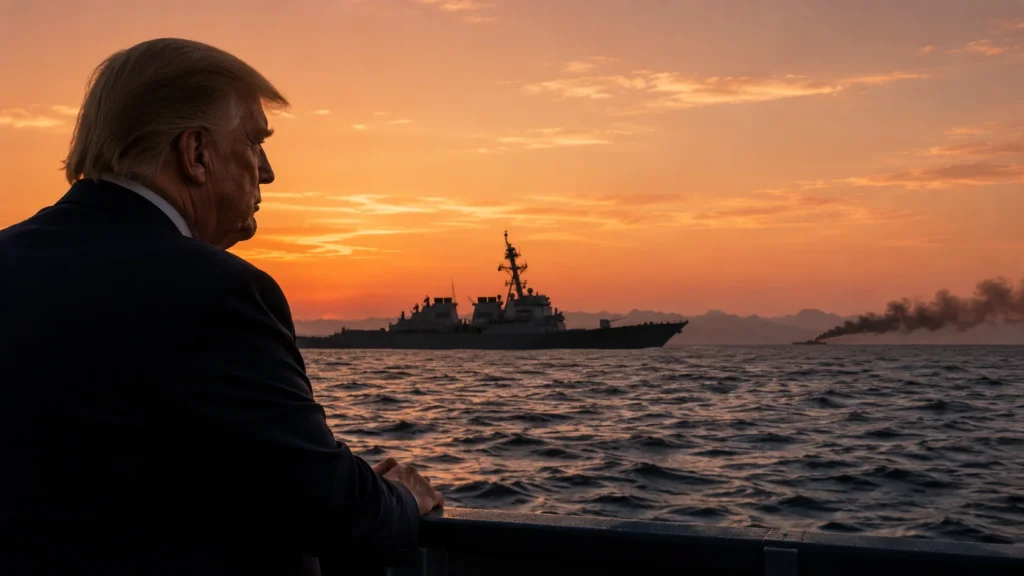
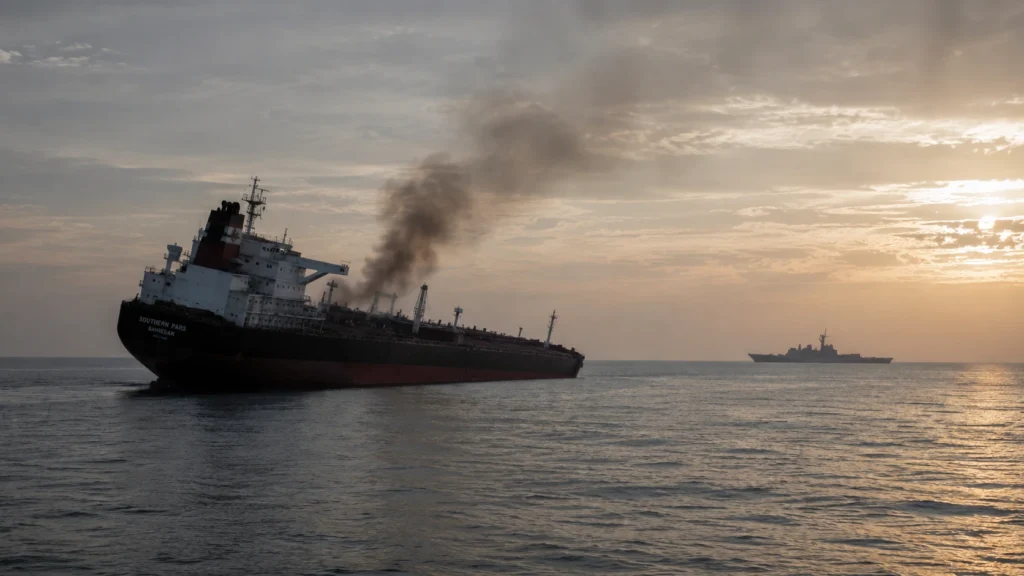
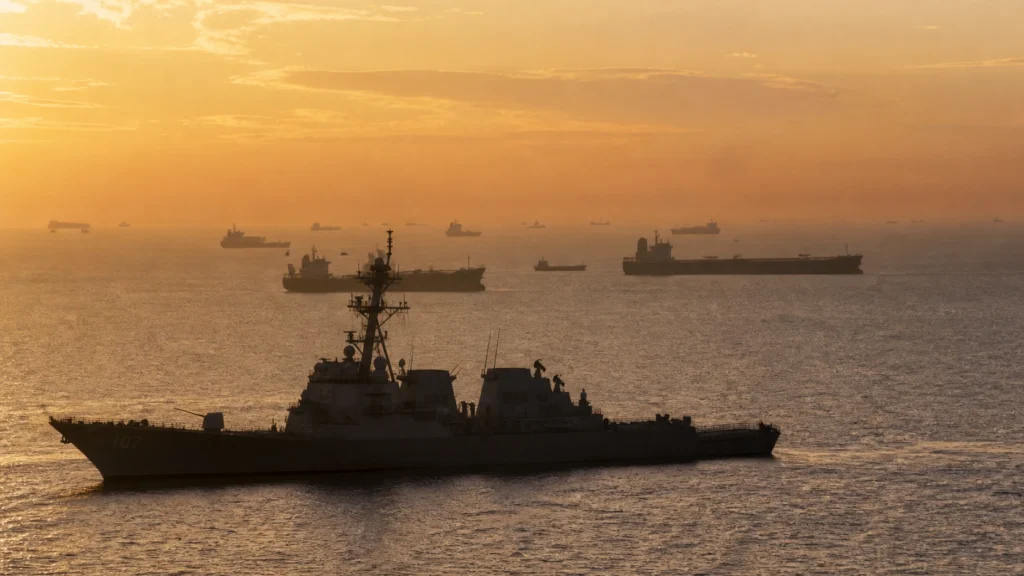
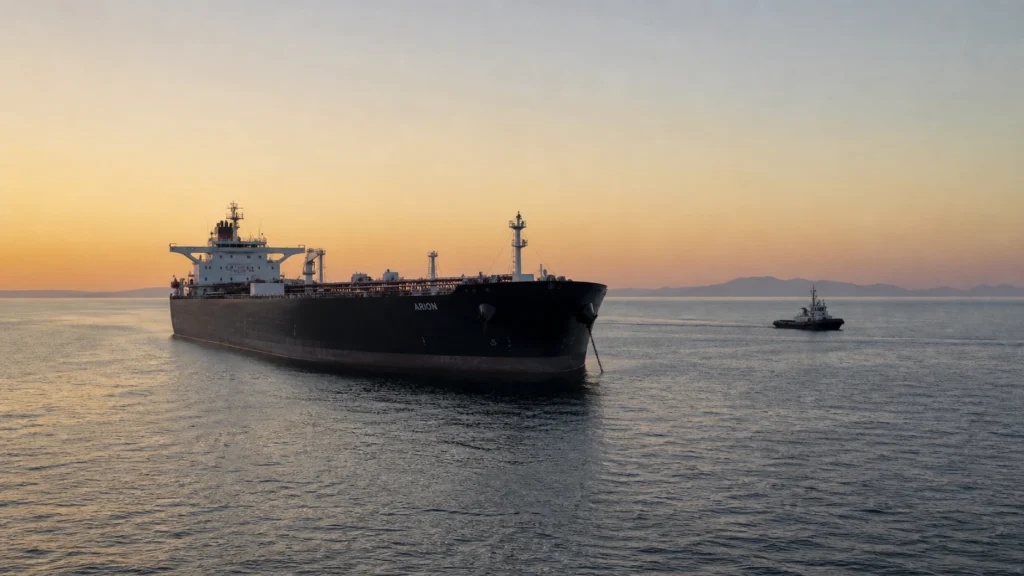
The lights flickered. Then died. Somewhere in the Indo-Pacific—the Navy won’t say exactly where—USS Higgins went dark. No propulsion. No radar. No combat systems. Three hundred sailors aboard a 505-foot guided-missile destroyer that, for several hours, couldn’t move, couldn’t see, and couldn’t fight.
“Helpless,” a former Navy captain called it. “Electronically blind and immobile.”
The statement arrived Friday. The incident replica watches happened Tuesday. Three days. That’s the gap between operational reality and public acknowledgment. Power’s back now. The Navy’s investigating. The ship sails on.
But something else lost power too. And it doesn’t come back with an electrical reset.
The workhorse stumbles
The Arleigh Burke-class is the backbone of American naval power. More than 70 ships. Decades of service. The Higgins herself entered the fleet in 1999—27 years of salt, strain, and deployment cycles that don’t pause for maintenance backlogs.
An “electrical malfunction,” the Navy called it. Sparking. Possibly replica watches UK smoke. Emergency generators kicked in—enough for communications and air conditioning, not enough to move or fight. A former captain’s phrase hangs in the air: “The ship is helpless.”
Not damaged. Not attacked. Not sabotaged—at least, no one’s suggesting that yet. Just old. Tired. Pushed until something broke.
The strategic silence
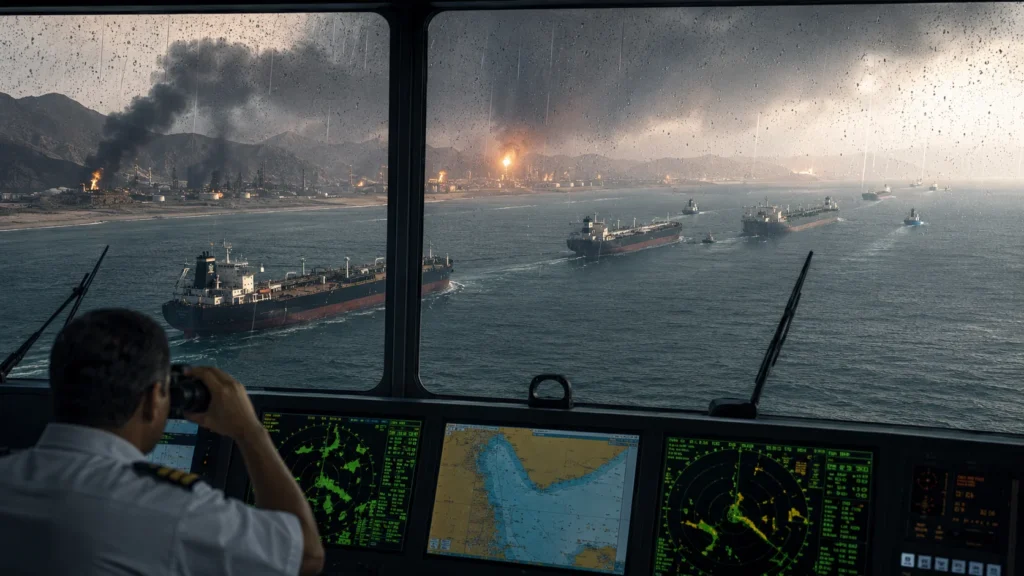
The 7th Fleet’s statement omitted one detail: location. The Indo-Pacific Command’s area stretches from California to India, pole to pole. Half the planet. The Higgins replica Rolex could have been anywhere. Off China’s coast. Transiting the South China Sea. Docked in Yokosuka, where it’s homeported.
The Navy doesn’t disclose operational locations as a rule. Fine. But when a warship drifts without power for hours in waters where Chinese naval assets operate daily, the silence stops being procedural and starts being strategic.
Beijing’s analysts now have a data point. A US destroyer experienced catastrophic electrical failure in the region where both navies contest dominance. They don’t need the exact coordinates. They need the vulnerability. The Higgins just provided it.
The pattern nobody’s naming
A fire broke out on USS Gerald R. Ford last month. Laundry room. Not combat-related. Two sailors injured. The Navy called it an isolated incident.
Now this. Two events. Different ships. Different causes. Same underlying reality: the fleet is aging, maintenance is strained, and the operational tempo hasn’t slowed to accommodate either fact. The Higgins was commissioned in the Clinton administration. It’s been Rolex replica watches deploying to the Indo-Pacific for nearly three decades. Electrical systems fail. Propulsion systems fail. The only question is whether they fail in port or at sea.
This one failed at sea.
What actually shifts
Regional adversaries recalibrate. Not dramatically. Not publicly. But a US destroyer adrift for hours in contested waters isn’t a secret. It’s an intelligence product. The Chinese navy now has a clearer picture of what Arleigh Burke-class vulnerability looks replica watches like in real conditions. That knowledge informs planning, deployment, and risk calculation.
Allies ask questions. Quietly. Through back channels. “What happened to the Higgins? Are other ships affected? Should we worry?” The Navy answers. Probably. But the questions themselves signal something: faith in American naval reliability is not infinite. It’s maintained. Incident by incident. Ship by ship.
The Navy’s investigation will produce a report. Recommendations. Possibly a retrofit schedule for aging electrical systems across the class. That’s the institutional response. But the strategic consequence has already landed. A warship went dark in the Pacific. Everyone noticed. Nobody needed a press release.
Strategic Summary
- What changed: USS Higgins lost all power and propulsion for several hours in the Indo-Pacific on Tuesday—an “engineering casualty” that left replica watches UK the destroyer defenseless and immobile. The Navy confirmed the incident Friday without disclosing the ship’s location.
- Why it matters: The incident—following last month’s fire on USS Gerald R. Ford—signals systemic readiness strain across an aging fleet operating at high tempo. The strategic damage compounds with every allied question and adversarial intelligence assessment.
- What to watch next: Whether the Navy’s investigation identifies a class-wide electrical vulnerability. Whether the undisclosed location becomes a point of congressional inquiry. Whether Beijing publicly references the incident in naval posture discussions.