

 English

























































































































































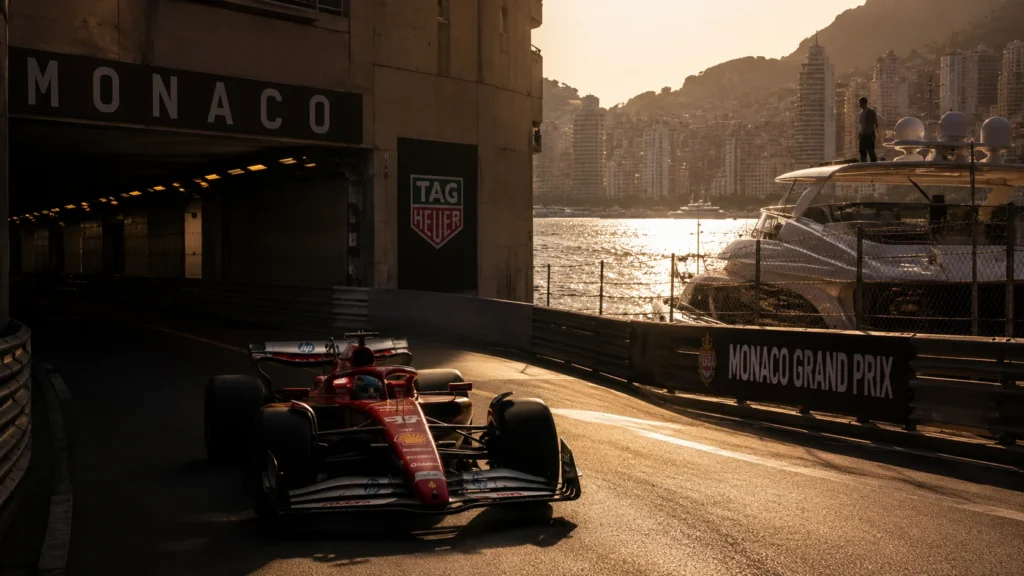










































































































F1’s 2026 Rules Engineered a Crisis. Now the Sport Scrambles.
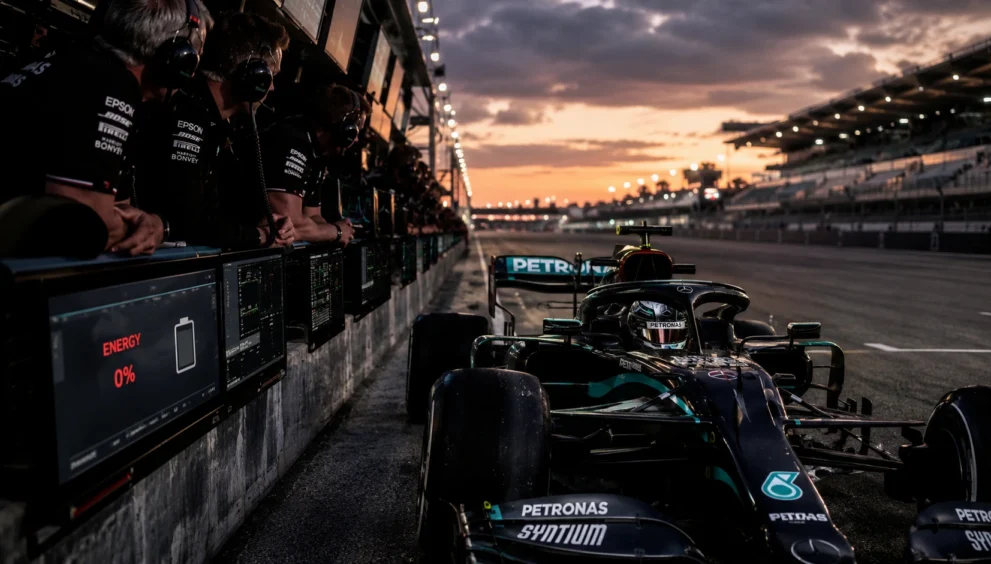
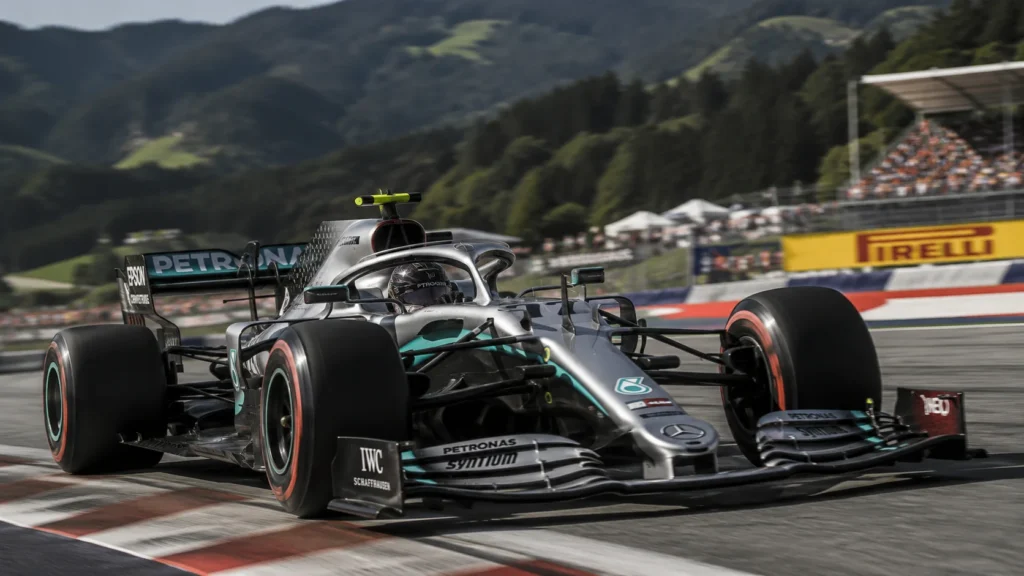
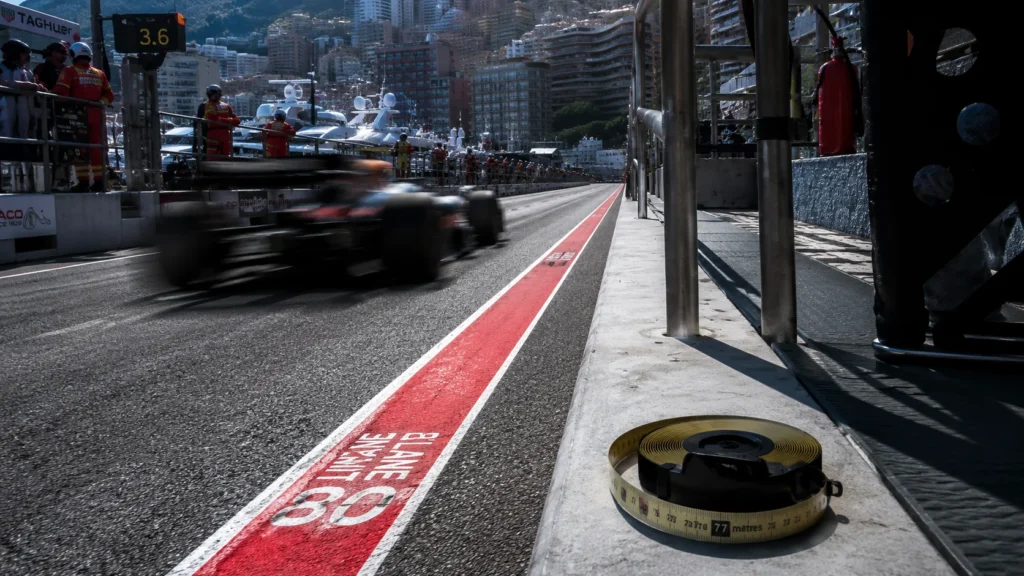
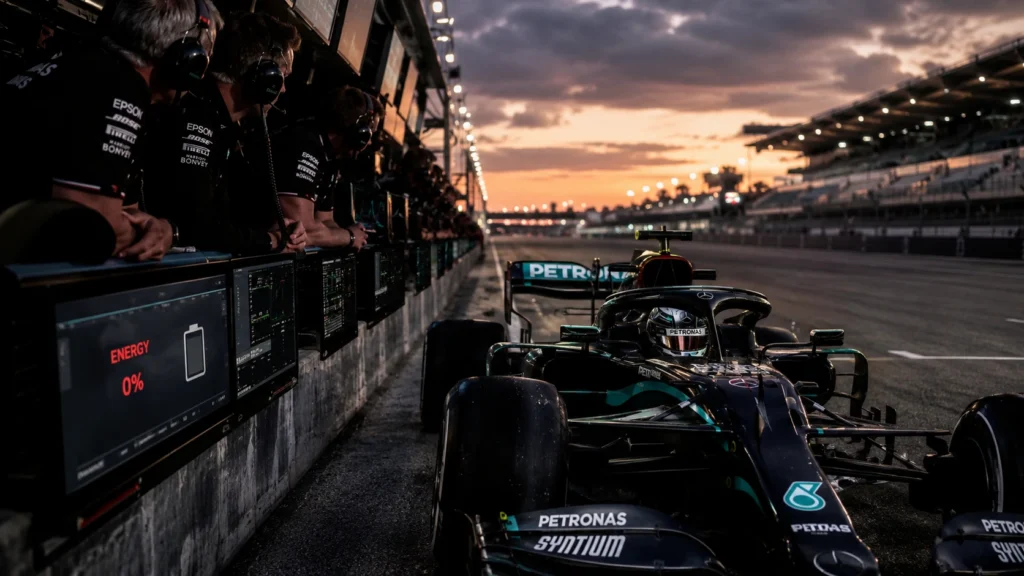
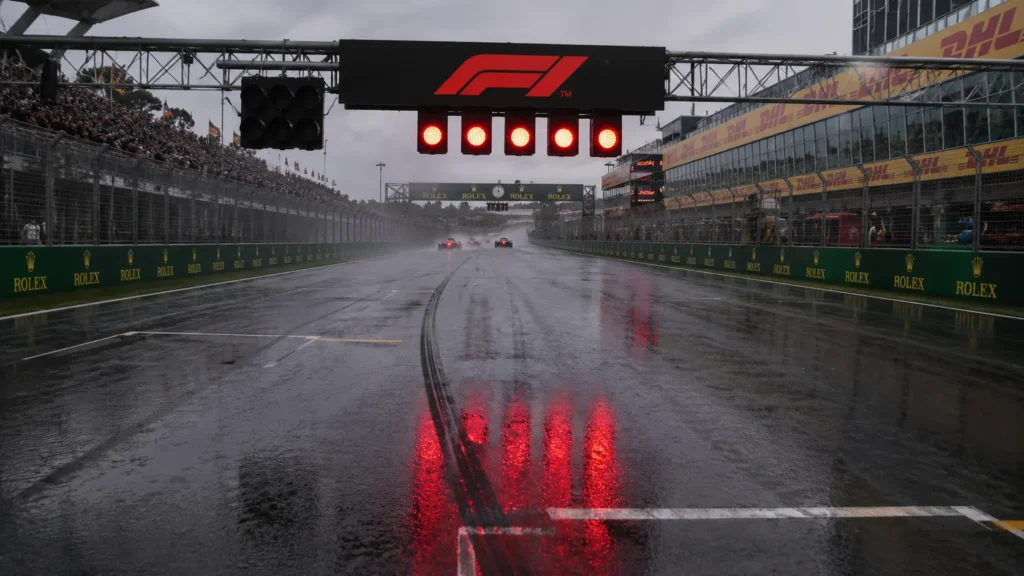
The 2026 Formula 1 season opened with television audiences up more than 20% across Australia, China, and Japan. Manufacturers flooded the grid. Audi arrived. Ford is committed to Red Bull. General Motors entered with Cadillac. Honda reversed its planned exit. The business metrics delivered everything the sport pursued when it rewrote the engine regulations five years ago. But F1’s 2026 rules engineered a crisis that no viewership number can paper over. The cars drain their batteries halfway down straights. Drivers lift and coast through corners built to be taken flat. Qualifying transformed from a spectacle of driving on the limit into an energy management exercise. The racing looks better on a spreadsheet than it feels on track. Now the sport scrambles to fix what it broke.
How the Problem Started
The target was clear when talks began around 2019. Formula 1 needed more manufacturers. The existing engine formula, with its complex MGU-H energy recovery system, was expensive, had no road relevance, and repelled potential entrants. Only three manufacturers remained. Honda had announced its departure. Renault was considering the same.
The solution seemed logical. Increase electrification to a nominal 50-50 split between internal combustion engine and electric power. Remove the MGU-H. Add fully sustainable carbon-neutral fuels for environmental credibility. The pitch attracted exactly the response F1 wanted. Six manufacturers now populate the grid instead of a possible two.
According to FIA 2026 power unit regulations technical summary, the rulebook delivered on every commercial objective. The sporting cost emerged later.
By 2023, engineers examining simulation data saw the structural flaw. The near 50-50 energy split, combined with the loss of the MGU-H, produced cars that would run out of electrical energy before completing a lap. Drivers would need to lift and coast, conserving battery charge mid-straight. The fastest way around a circuit would no longer be driving flat out. It would be managing a depleting resource.
Nobody in authority stopped the process. The 50-50 split had become sacred, and scrutinizing it risked the manufacturer’s commitments that justified the entire regulatory overhaul.
The Solutions That Arrived Too Late
Front-axle energy recovery could have solved the fundamental energy starvation problem. Engineers proposed it. The rule-makers rejected it.
The reasoning was that Audi, which carried front-axle recovery experience from World Endurance Racing, might gain an advantage. Protecting competitive balance meant blocking a solution to the sport’s central design flaw. The logic did not survive scrutiny. It persisted anyway.
Instead, active aerodynamics arrived as a sticking-plaster fix. Adjustable wings would reduce drag on straights, giving energy-starved cars a better chance of maintaining speed. The solution treated a symptom. The disease remained embedded in the engine formula.
As our analysis of the pre-season driver concerns about 2026 cars documented, warnings from within the paddock went public as early as 2024. Drivers described cars that felt slower than the previous generation despite being more technically advanced. The visceral intensity that defines Formula 1’s appeal was eroding.
The FIA recently published its relative engine performance conclusions. The Mercedes power unit leads the internal combustion rankings. Ferrari shows superior responsiveness off the line. But engine performance alone does not determine competitiveness. The regulations created a framework that forces all teams into the same energy management corner. The framework itself is the problem.
What Changes for 2027 and Beyond
The energy split will shift in favor of the internal combustion engine for the 2027 season. The battery will contribute less. The engine will contribute more. Solutions that could have been implemented before the 2026 season are arriving a year late.
Parallel talks are now underway for the next regulatory era, likely beginning in 2030 or 2031. FIA president Mohammed Ben Sulayem pushes for a naturally aspirated V8 with a token hybrid. The direction of road-car technology has shifted since the current rules were designed. Electrification still advances, but not to the degree or at the speed predicted five years ago. F1’s regulatory reversal away from electrification now appears inevitable. The degree remains under negotiation.
According to F1 Commission meeting outcomes May 2026, the 2027 engine design changes received approval from stakeholders. The sport is moving to correct its mistake. But the correction requires admitting the original framework failed.
The Calendar Complication
The Iran war impacts the F1 calendar alongside the sporting challenges. Bahrain and Saudi Arabia have already lost for 2026. Qatar and Abu Dhabi remain uncertain. If the war does not end, the season finale sequence fractures.
If the war does end, Bahrain likely slots into the first weekend of October, between Azerbaijan and Singapore. Jeddah, a street circuit, presents harder logistical challenges. Abu Dhabi holds a contract guaranteeing the final race. Moving it back a week pushes it near Christmas. Moving it forward creates a five-race run to end the season. Neither option appeals to teams already managing the demands of the new regulations.
As our coverage of F1’s Middle East race disruptions noted, the sport faces geographic constraints that limit rescheduling flexibility. The only available gap before the season finale run is October’s first weekend. One slot. Two lost races. The math does not work in F1’s favor.
FAQ: F1’s 2026 Regulations Crisis
Why did F1 change the engine rules for 2026?
The sport wanted to attract more manufacturers. The previous engine formula’s MGU-H component was expensive, complex, and not relevant to road-car technology. Increasing electrification and removing the MGU-H made F1 more attractive to new entrants. Audi, Ford, General Motors, and Honda all committed as a result.
What went wrong with the 2026 cars?
The 50-50 energy split between internal combustion and electric power, combined with the removal of the MGU-H, left cars energy-starved. Batteries deplete before laps finish. Drivers must lift and coast on straights. Qualifying no longer features cars driven on the absolute limit.
Why was the solution rejected earlier?
Front-axle energy recovery could have addressed the energy deficit, but was blocked. Rule-makers worried the technology would advantage Audi, which had experience with it from World Endurance Racing. Protecting competitive balance meant refusing to fix the underlying problem.
What changes are coming for 2027?
The energy split will shift to favor the internal combustion engine. The battery will contribute less power. The energy starvation problem should ease. The changes received approval at the recent F1 Commission meeting.
What engine rules come after 2027?
Talks are ongoing for regulations starting in 2030 or 2031. FIA president Mohammed Ben Sulayem advocates for a naturally aspirated V8 with minimal hybrid assistance. Road-car electrification continues, but not at the pace predicted five years ago. A reversal away from heavy electrification is expected.
How has the Iran war affected the F1 calendar?
Bahrain and Saudi Arabia have been canceled for 2026. Qatar and Abu Dhabi remain uncertain. If the war ends, Bahrain may run in early October. Saudi Arabia faces a harder rescheduling due to Abu Dhabi’s contract as the season finale.
F1 has what it wanted. Six manufacturers compete on the grid. Viewership rises. The business case succeeded. But drivers lift through corners they should attack. Fans watch overtakes generated by battery state offsets rather than wheel-to-wheel combat. The spectacle sells, for now. The shelf life of artificial racing is shorter than the sport hopes.
The 2027 fix will restore some of what the 2026 regulations took away. The 2030 reset will likely complete the reversal. But the institutional failure lingers. Nobody stopped the process when the data showed the cars would not work as racing machines. The solutions exist. They are coming. They are also late. And the engineers who warned of this outcome three years ago are still waiting for someone in authority to explain why no one listened.
Written by a Motorsport Correspondent who has covered Formula 1 technical regulations, manufacturer strategy, and sporting governance for over a decade, including the 2014 hybrid introduction, the 2021 budget cap implementation, and the 2026 regulation design process.