

 English











































































































































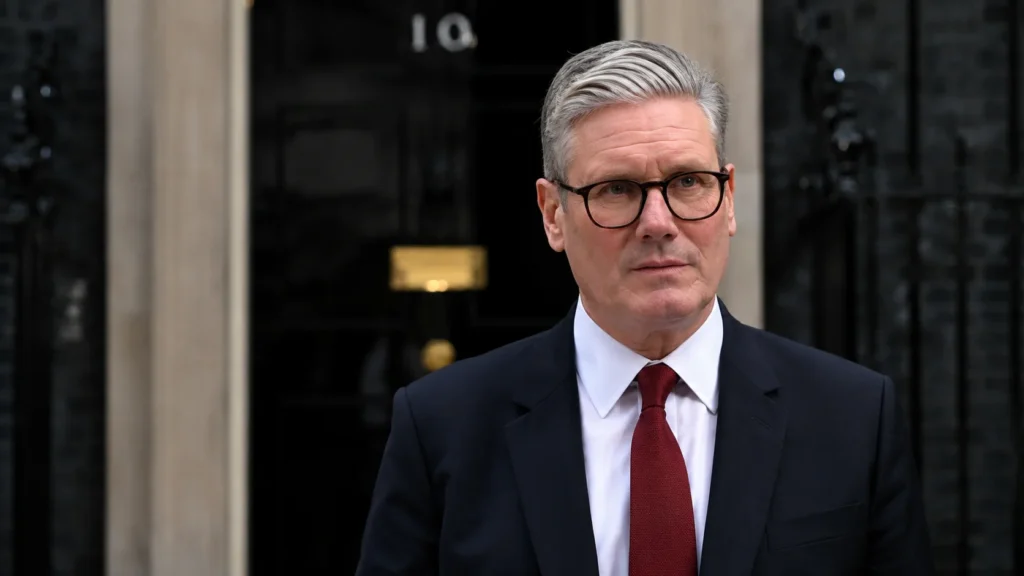




























































































































Four Ministers Resign as Starmer Faces Growing Pressure
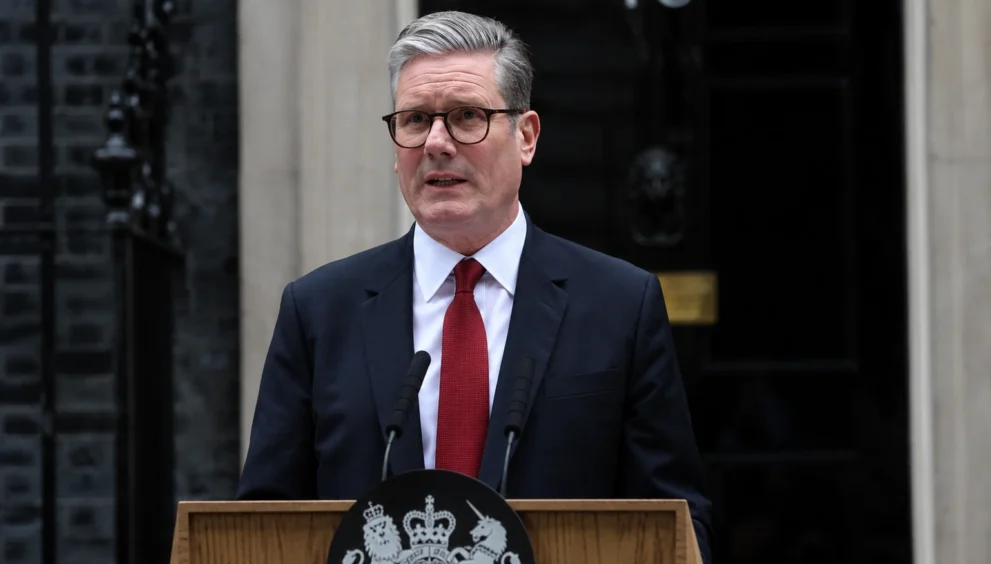
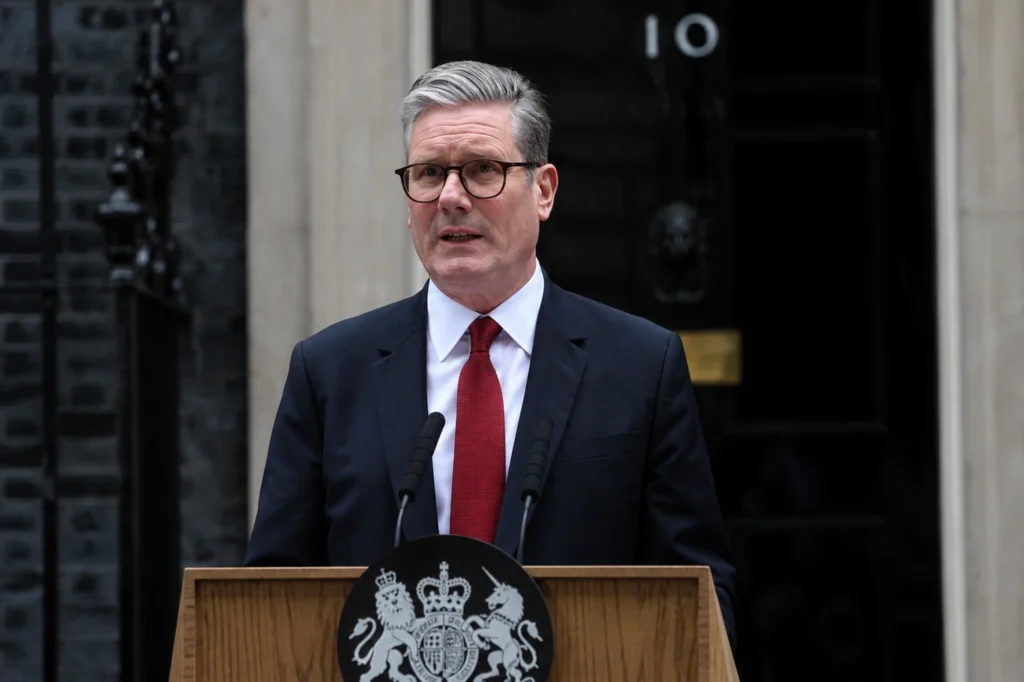
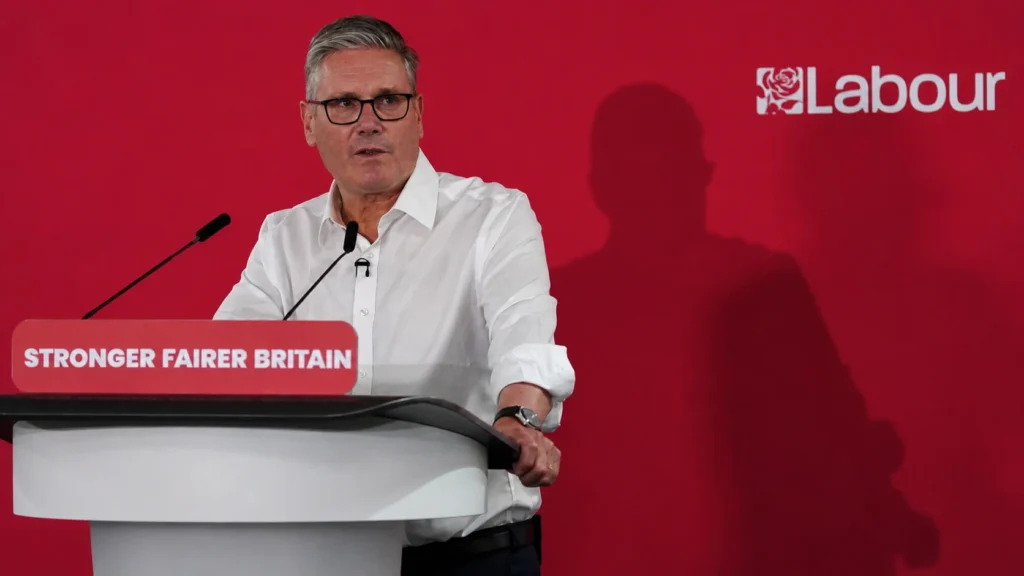
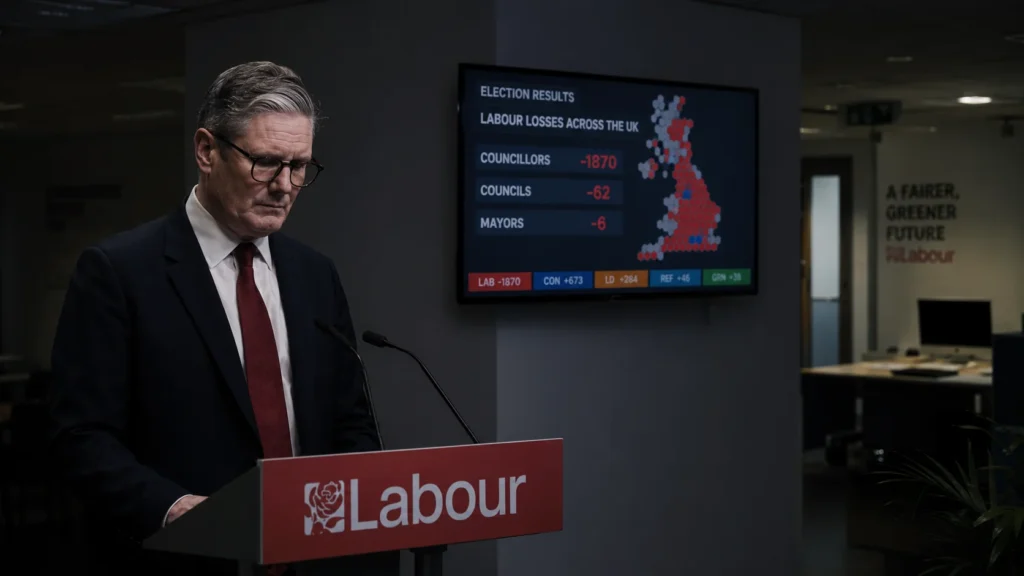
Four ministers resigned from Keir Starmer’s government on Tuesday, including safeguarding minister Jess Phillips, victims minister Alex Davies-Jones, and communities minister Miatta Fahnbulleh. Fahnbulleh told the BBC the prime minister has “lost the trust and confidence” of voters and should “steer us through the summer” before stepping down. Deputy Prime Minister David Lammy then revealed the procedural reality keeping Starmer in office. “No one seems to have the names to stand up” against the prime minister, Lammy said. “No one has come forward to put themselves forward in the processes that exist in the party.” Four ministers resigned, but no one challenges Starmer because the 81 MP signatures required to trigger a leadership contest remain uncollected by any named candidate.
The Procedural Barricade Holding the Prime Minister Up
Labour’s leadership rules require 20% of the parliamentary party, currently 81 MPs, to back a specific named challenger before a contest can begin. By Tuesday evening, 86 MPs had publicly called for Starmer to set out a resignation timetable. Zero had attached their names to a named successor.
Lammy articulated the strategic paralysis directly. “Those suggesting Starmer stand down as prime minister should say which candidate would do better,” he told reporters outside Downing Street. The challenge exposed the gap at the centre of the revolt. The sentiment exists. The candidate does not.
Fahnbulleh, speaking to the BBC’s Chris Mason, offered a compromise that revealed how far the internal opposition still has to go. The prime minister should “steer us through the summer” and “then set in train a proper process.” Her timetable was generous by the standards of a resignation letter. She did not demand that Starmer leave immediately. She gave him a season. She added that Andy Burnham “should be part of this” if a contest occurs, but stressed she wanted an “orderly transition” while Labour continued governing.
According to BBC News live coverage of ministerial resignations, May 12, 2026, the resignations continued through the evening. But the procedural threshold that would actually remove Starmer remained untouched by any of his potential successors.
The Candidates Who Won’t Declare
Angela Rayner’s allies briefed the BBC that she is “prepared to run for leader if required,” but “not advocating for an immediate contest” and “open to supporting other candidates.” The phrasing was precise enough to be studied. Prepared means available. Not advocating means unthreatening. Open to supporting others means being flexible. The statement positioned her for every scenario while committing her to none.
Wes Streeting requested a meeting with Starmer for Wednesday morning. His allies briefed that he would not speak afterward to avoid being distracted from the King’s Speech. The health secretary walked out of Downing Street in silence on Tuesday morning and has not spoken publicly since. The meeting is a request. The request is a signal. The signal is that Streeting wants the prime minister to know he can move. He is choosing not to move yet.
Andy Burnham lost the one resource his strategy depends on: time. Fahnbulleh mentioned him as someone who “should be part of this,” but her suggested timeline stretches into autumn. Burnham needs a parliamentary seat and a by-election that is not available. The longer the crisis continues without resolution, the more time other candidates have to organize. His advantage, popularity with the membership, cannot be converted without access to the membership. Access requires a seat.
As our earlier analysis of Labour’s fractured parliamentary party documented, the party has divided into three factions. Those who want Starmer gone immediately. Those who want him gone later. Those waiting for someone else to decide. None of the three factions has produced a candidate.
The Counter-Statement That Bought Time
The statement opposing a leadership contest grew to 110 Labour MP signatures through Tuesday evening, up from the original 100. The text read: “Last week, we had a devastatingly tough set of election results. It shows we have a hard job ahead to win back trust from the electorate. That job needs to start today – with all of us working together to deliver the change the country needs. We must focus on that. This is no time for a leadership contest.”
The grammatical construction was precise. The statement said, “This is no time for a leadership contest.” It did not say Starmer should lead Labour into the next general election. It defended the present without committing to the future. The signatories can abandon the prime minister later without contradicting anything they signed.
Home Secretary Shabana Mahmood, who on Monday urged Starmer to set out a resignation timetable, now says she will not resign and is “cracking on with the job.” The reversal is not inconsistent. It is recognition of the same procedural reality Lammy identified. No challenger has the names. Until one does, resigning reduces influence without advancing the outcome. Staying is strategic. Resigning is performative.
According to Labour Party rule book leadership election procedures, the 81-signature threshold is the only formal mechanism that can trigger a contest while a sitting Labour prime minister refuses to resign. Starmer’s opponents know this. They have not met it.