
 English








































































































































































































































































US Warns Shipping Firms of Sanctions for Paying Iran Hormuz Tolls
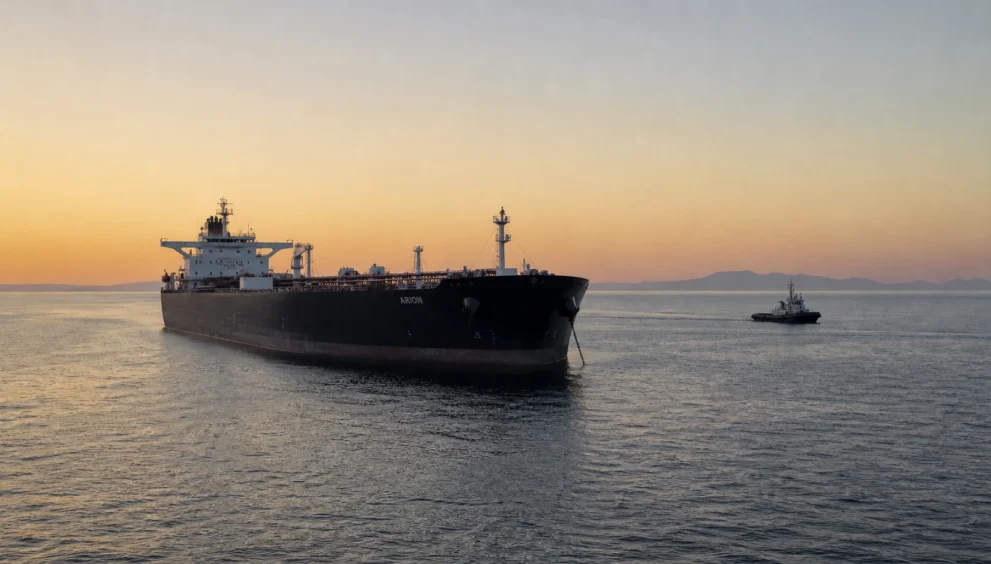
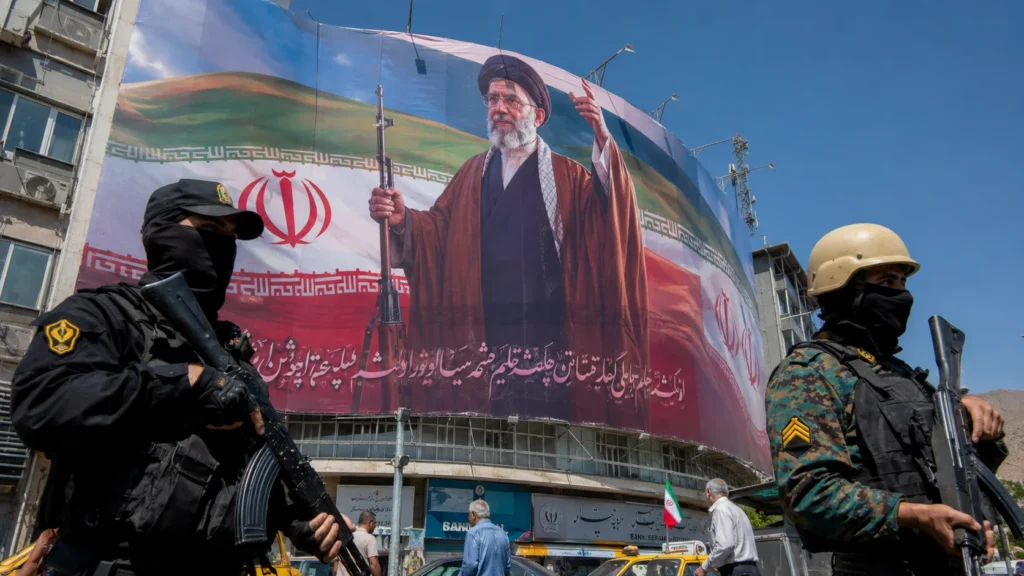
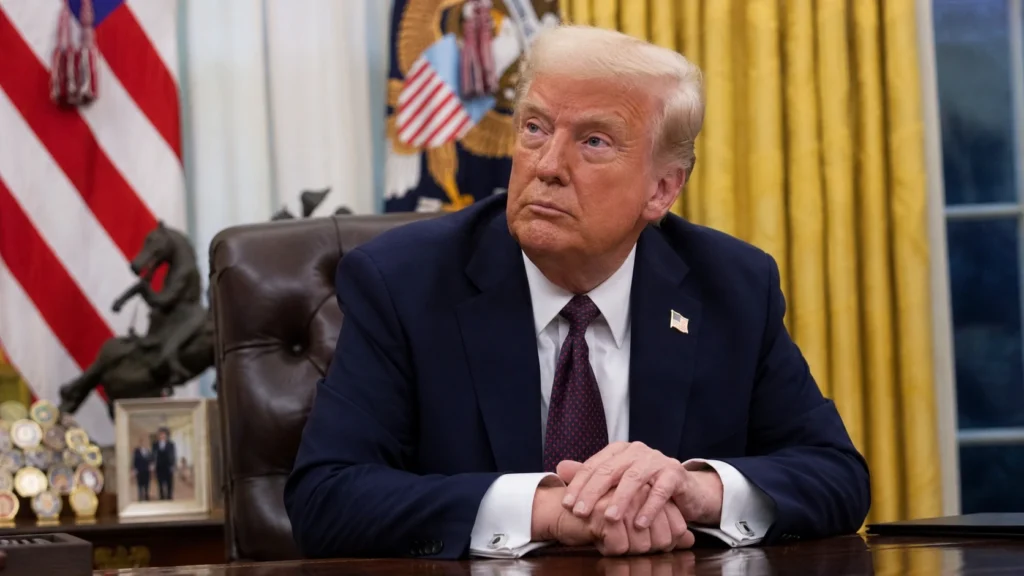
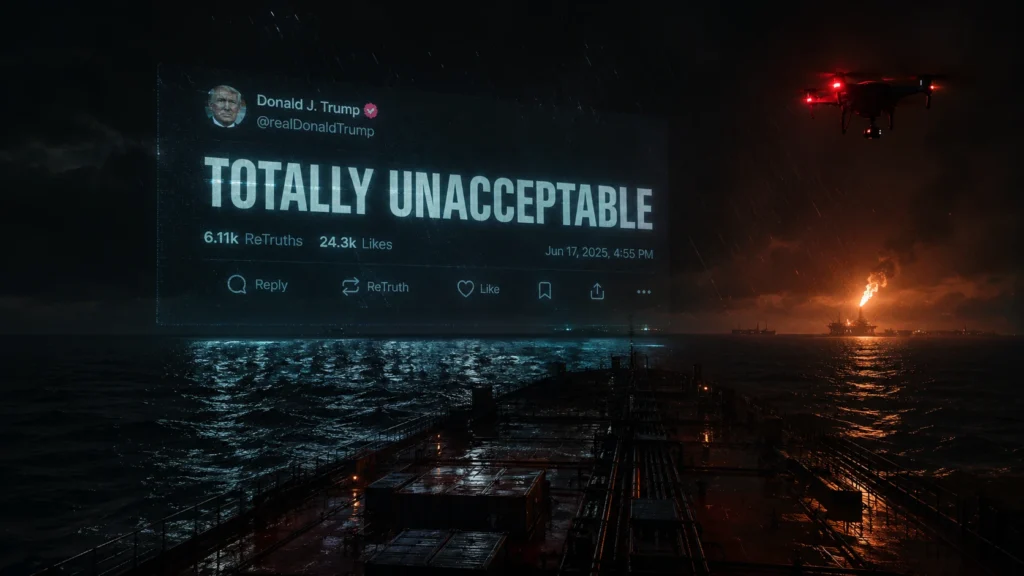
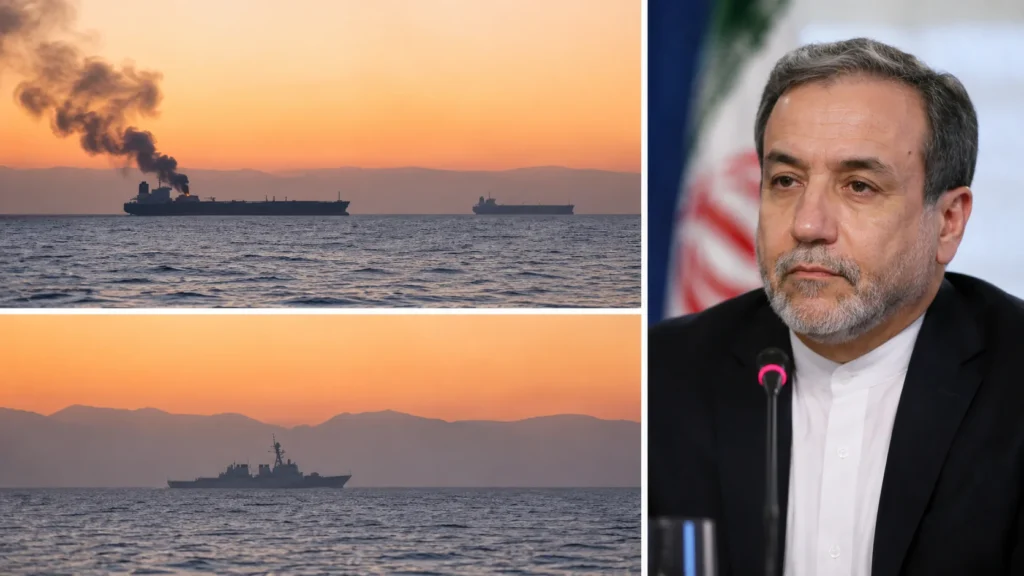
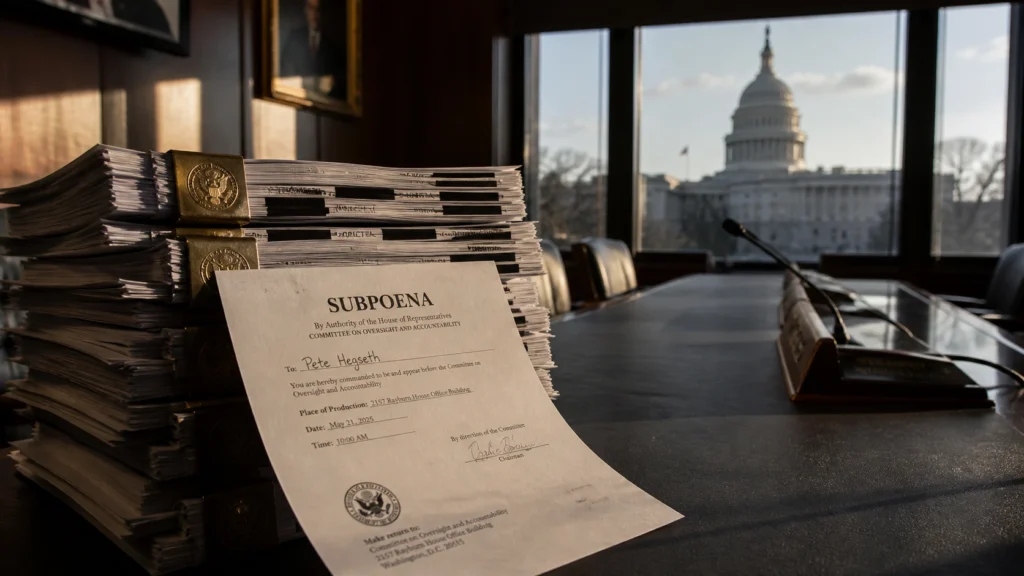
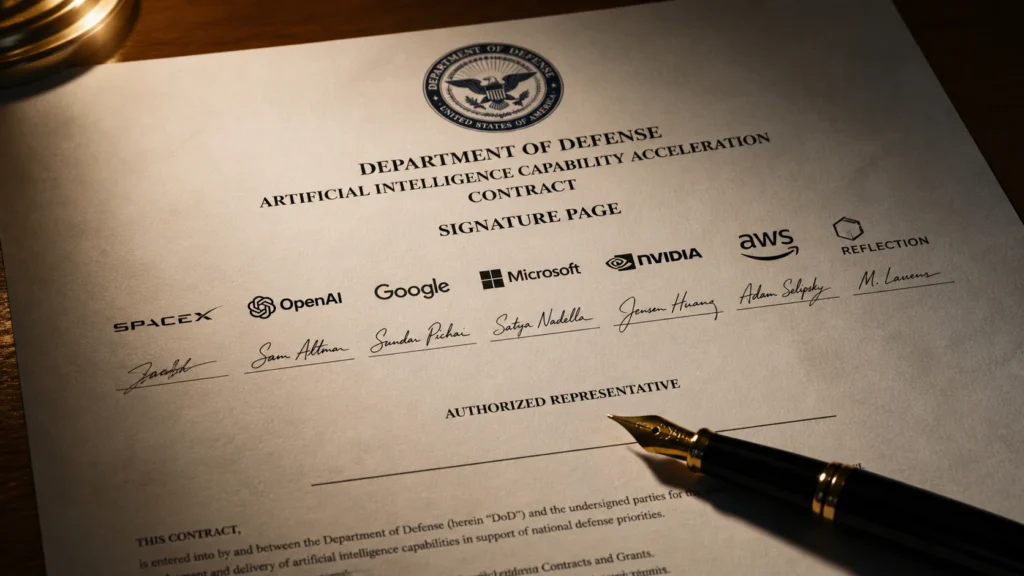
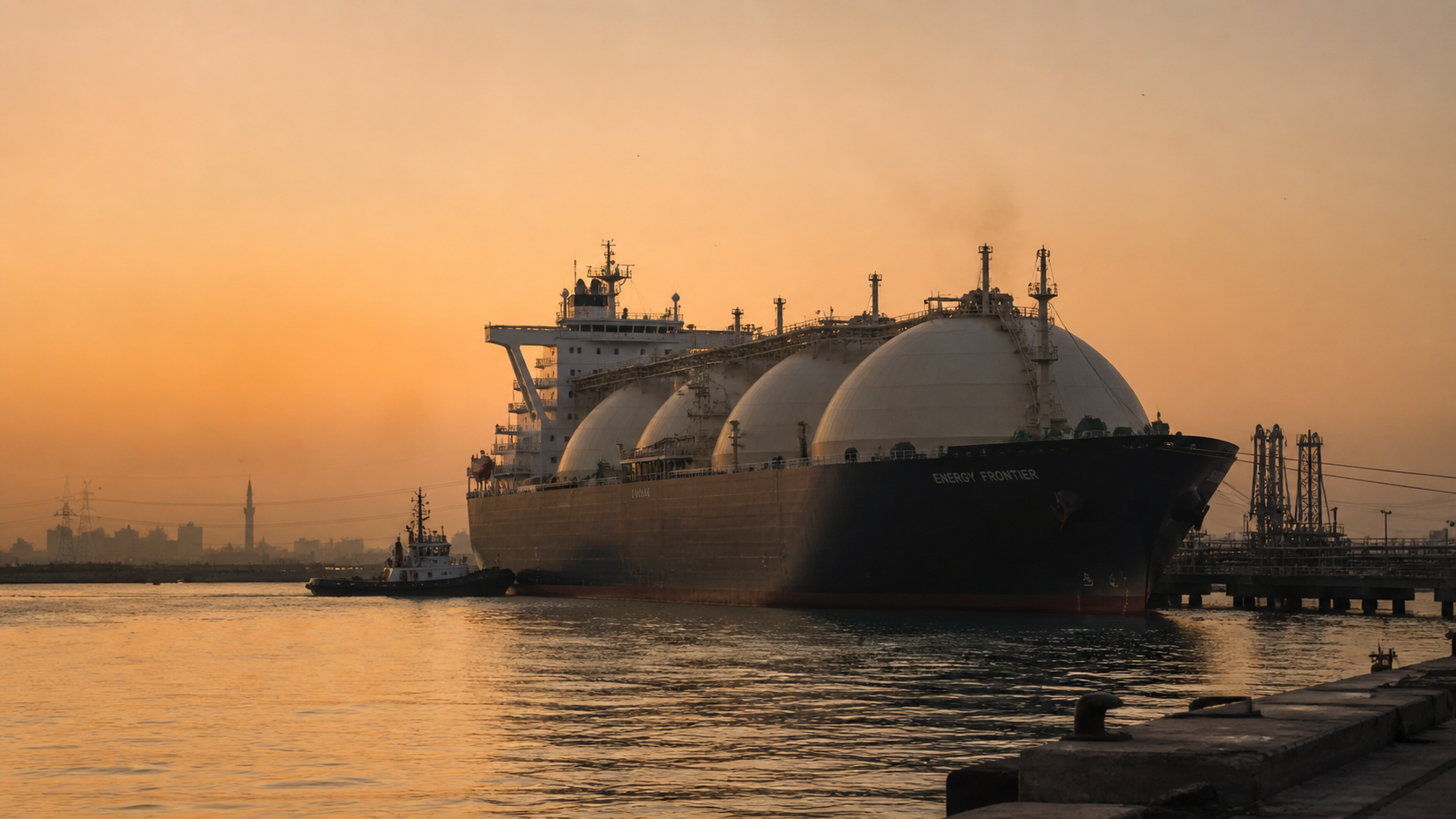
The United States Treasury Department warned global shipping companies on Friday that making payments to Iran for safe passage through the Strait of Hormuz could trigger sanctions, extending the financial pressure campaign against Tehran as the strategic waterway remains contested. The alert from the Office of Foreign Assets Control (OFAC) specified that prohibited payments include cash, digital assets, informal swaps, charitable donations, and transactions at Iranian embassies.
Why the Strait of Hormuz Now Dominates US-Iran Tensions
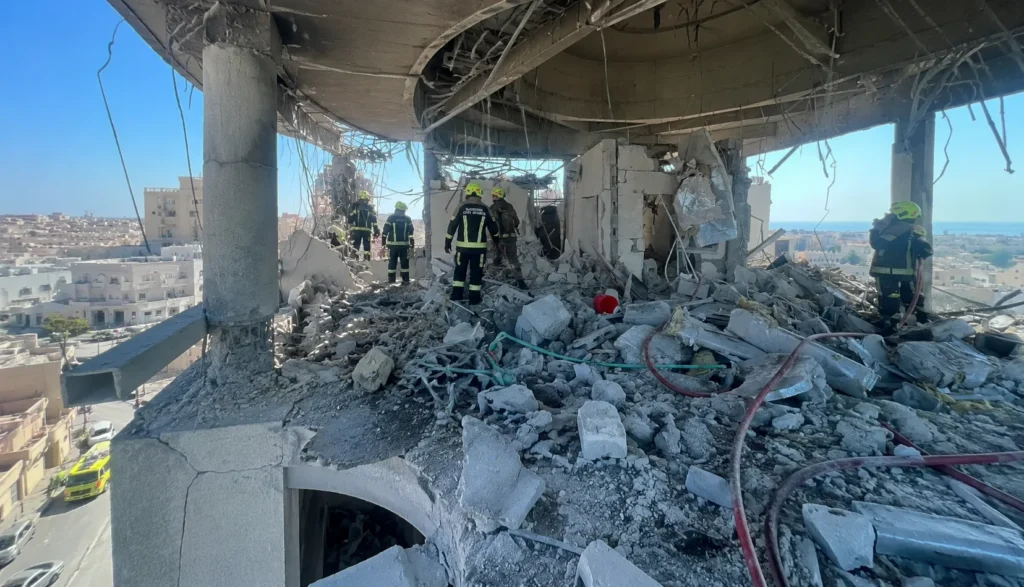
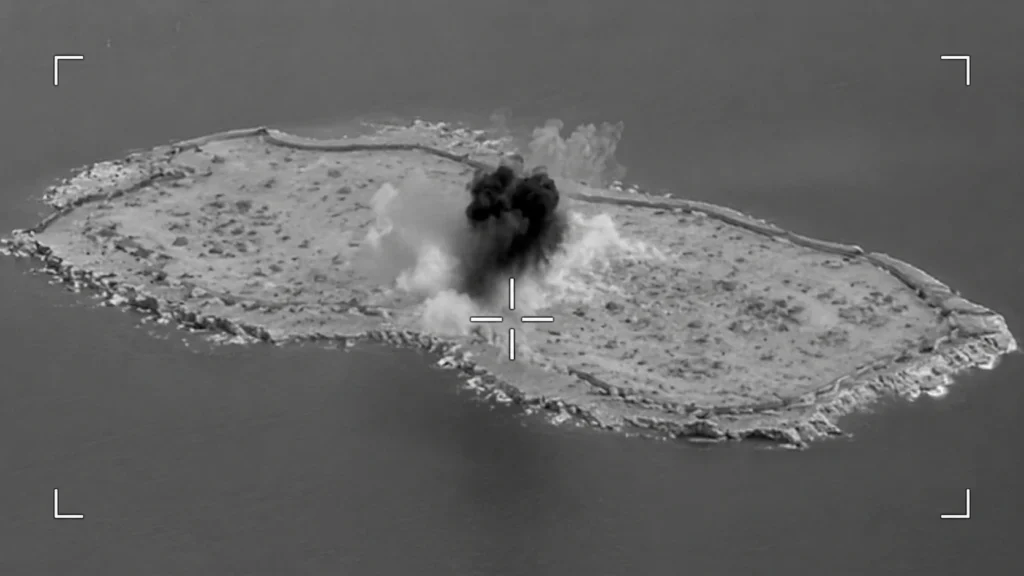
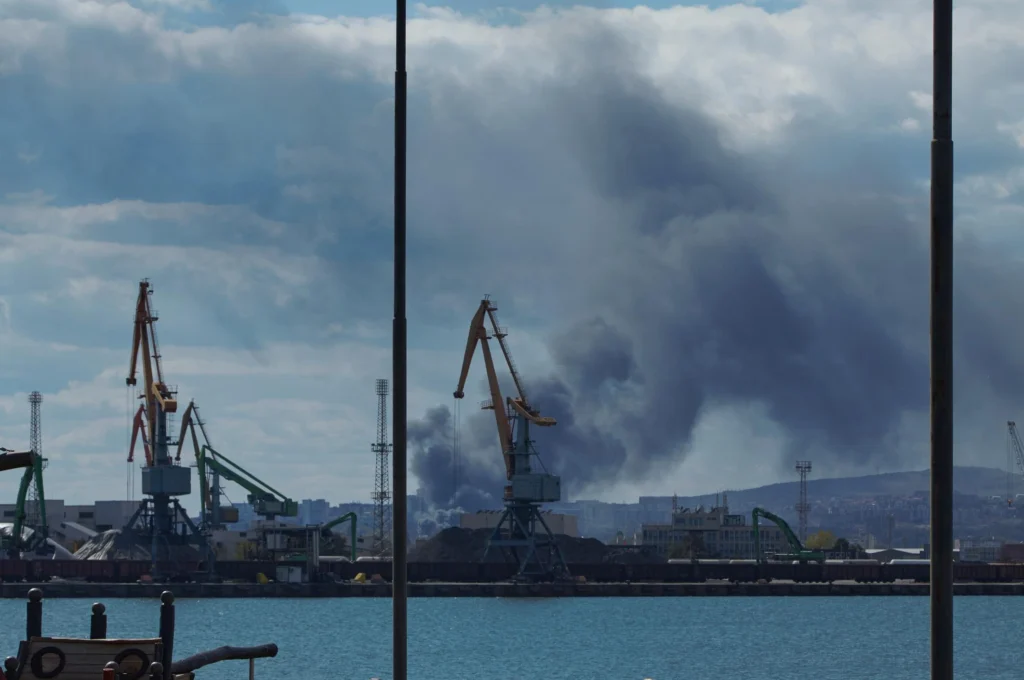
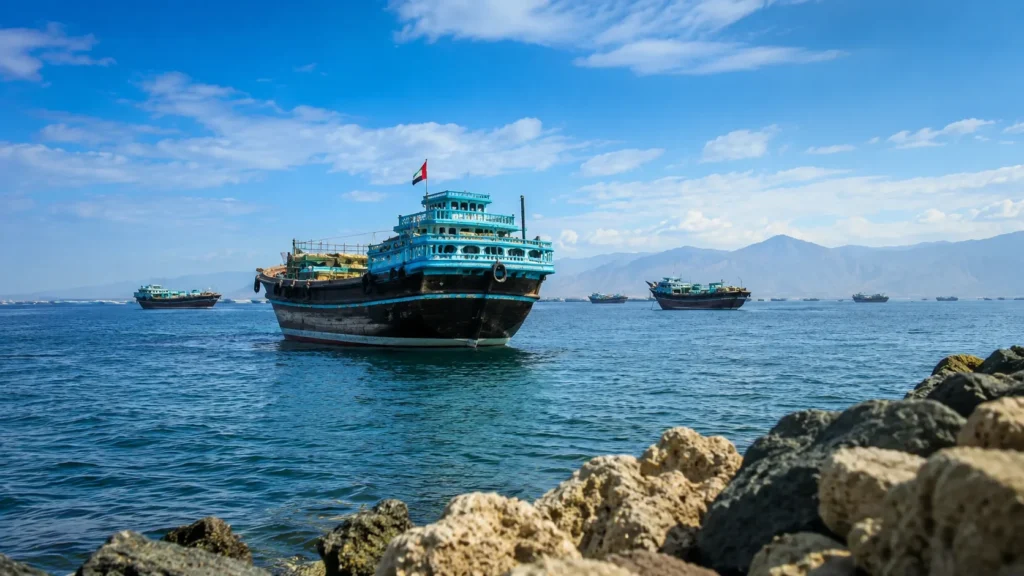
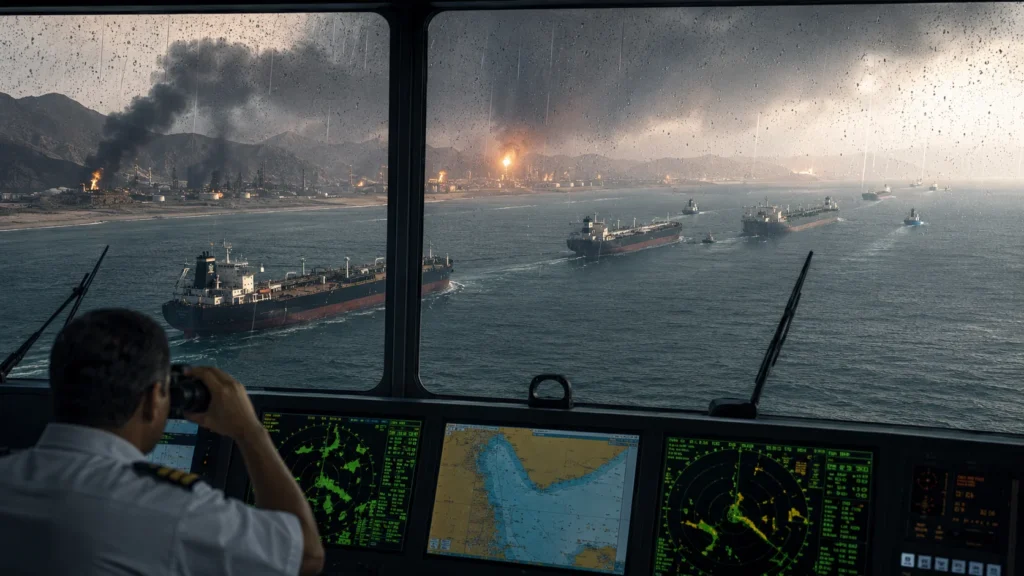
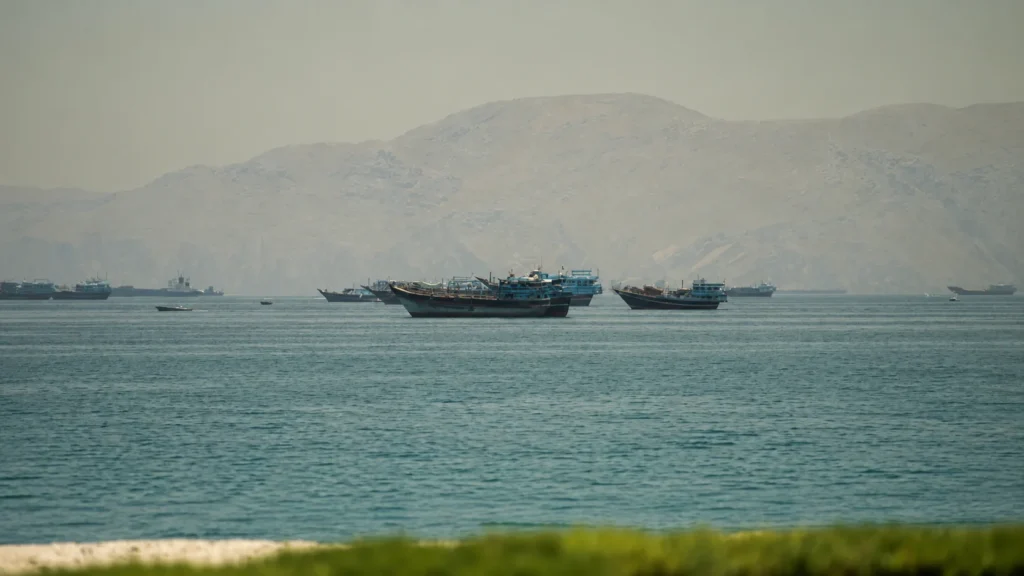
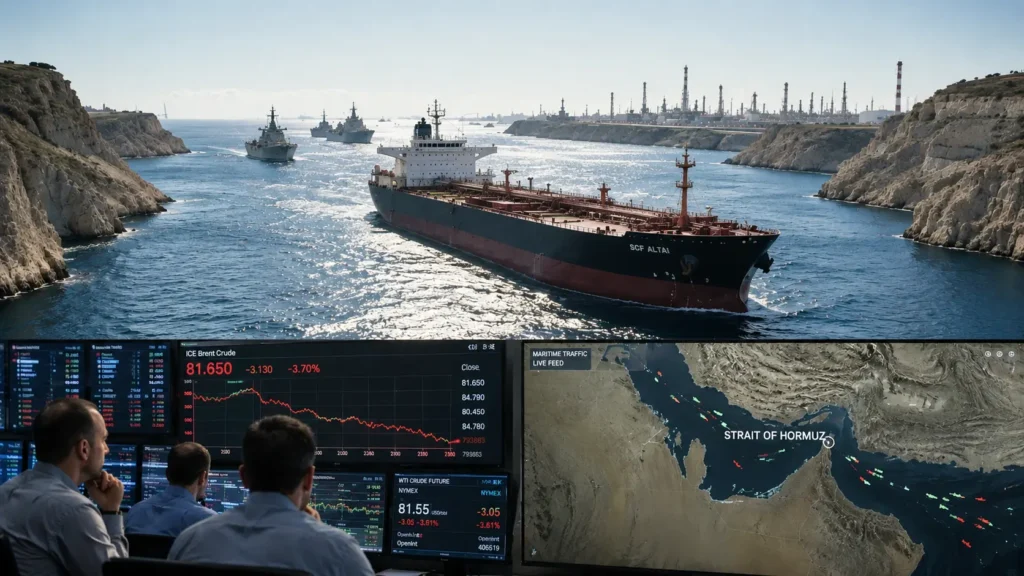
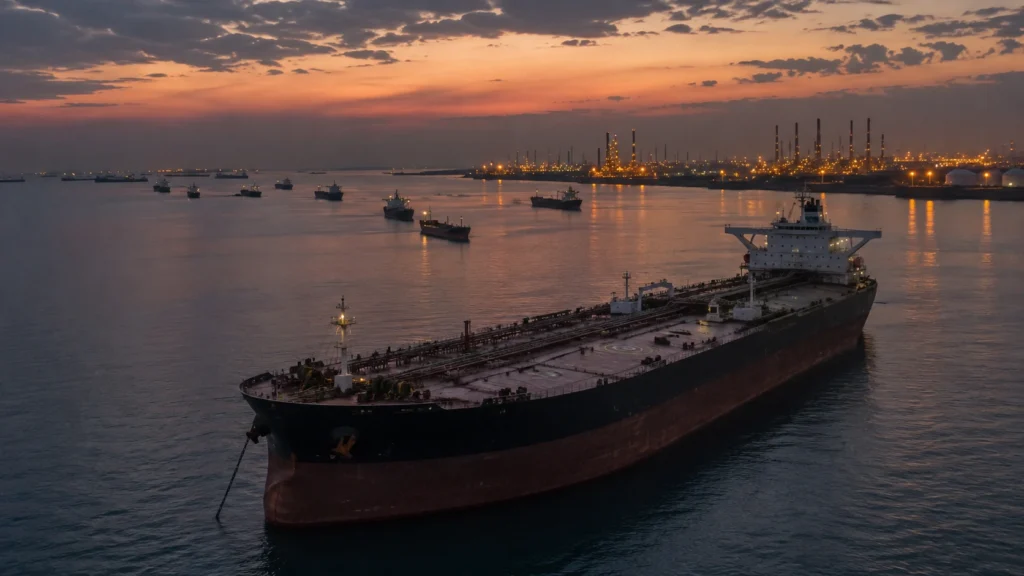
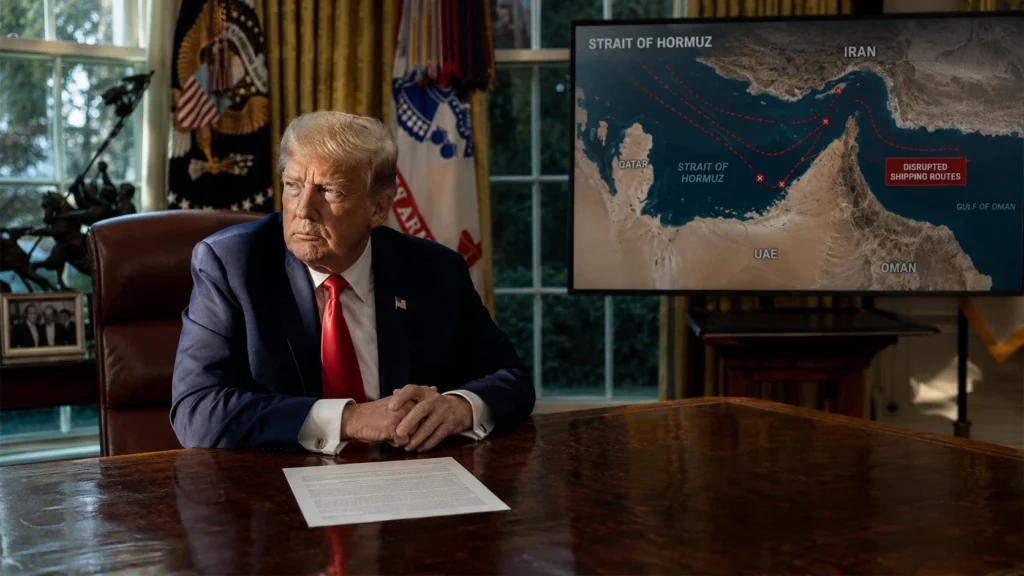
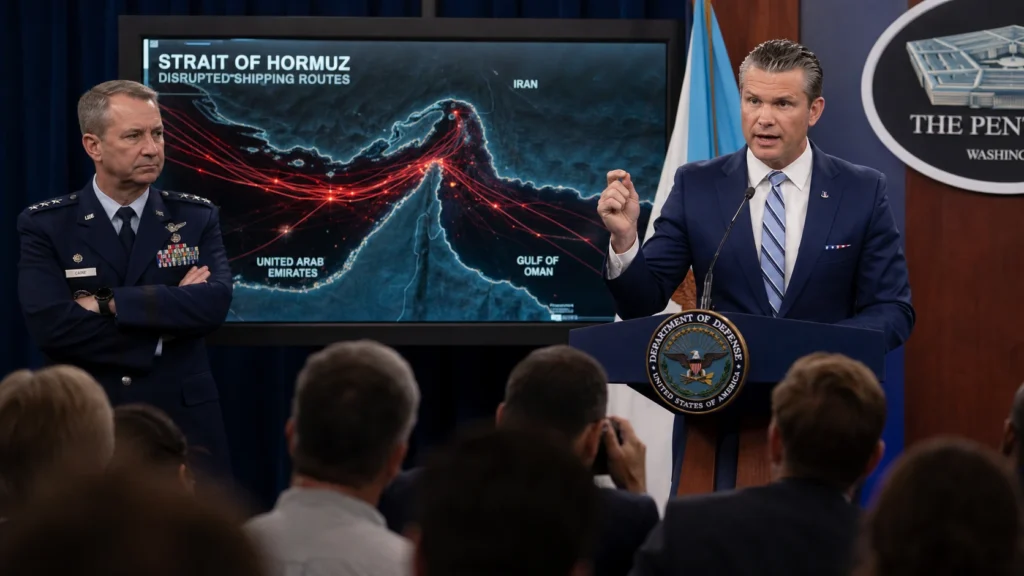
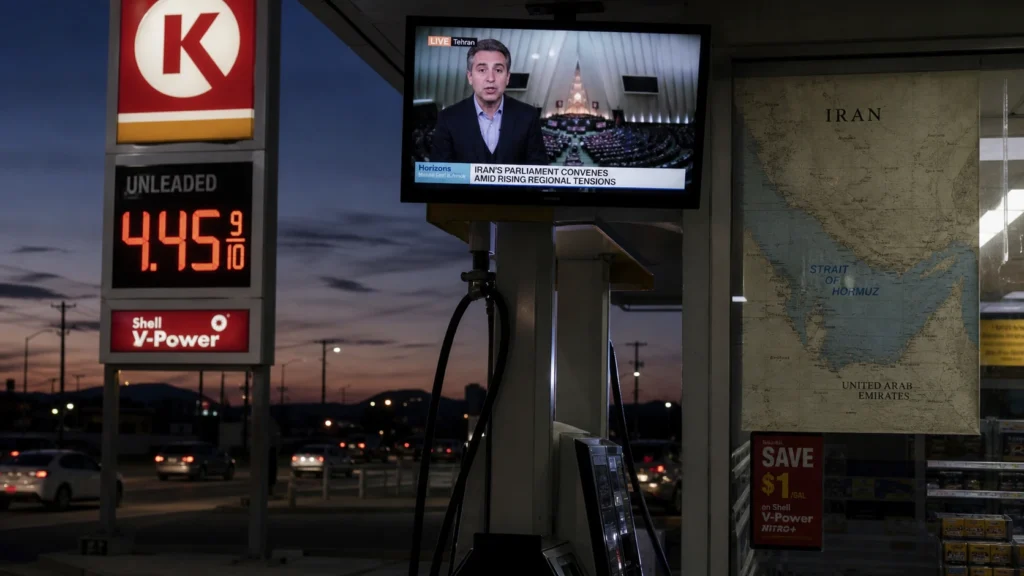
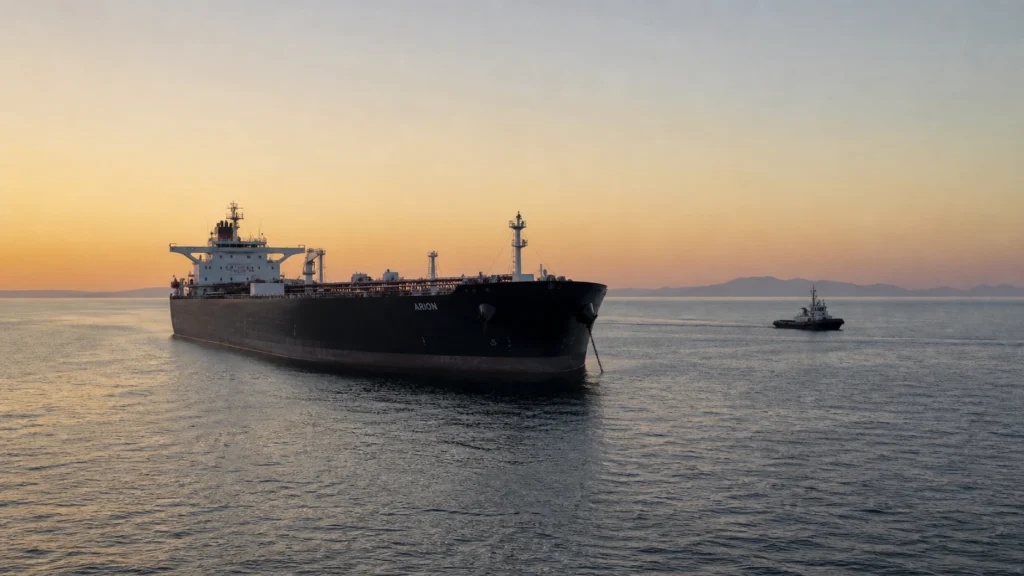
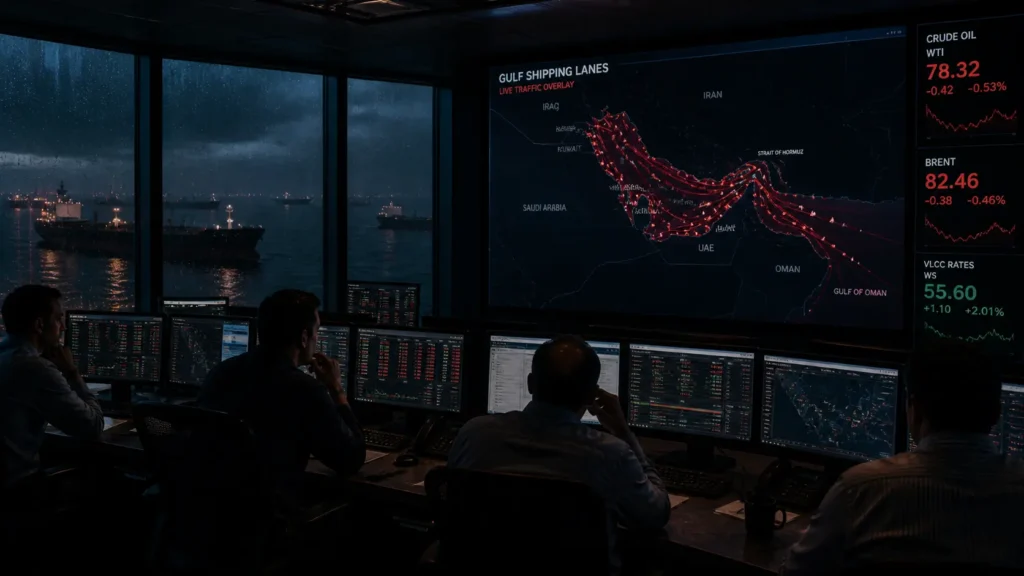
The sanctions warning follows Iran’s effective closure of the strait after US and Israeli military strikes in late February. The Strait of Hormuz, which handles approximately one-fifth of global oil and natural gas trade according to the U.S. Energy Information Administration, has become the central pressure point in the ongoing standoff between Washington and Tehran.
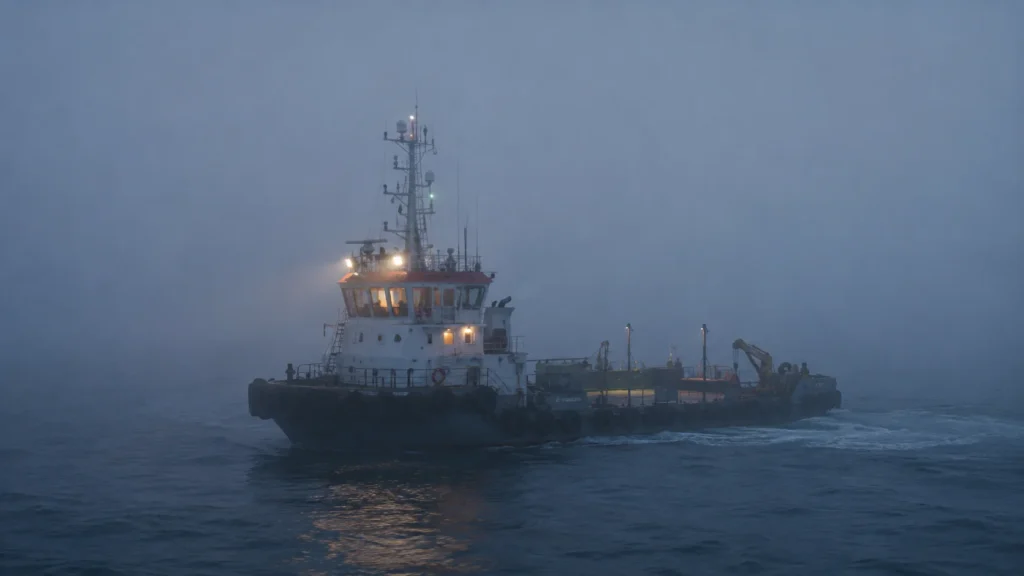
Iran subsequently began offering some commercial vessels safe passage by routing them through coastal waters closer to Iranian shores, charging fees that functioned as an informal toll system. The arrangement lacked formal structure—no published tariffs, no receipts—allowing shipping companies to maintain plausible deniability while Iran asserted sovereignty over the waterway.
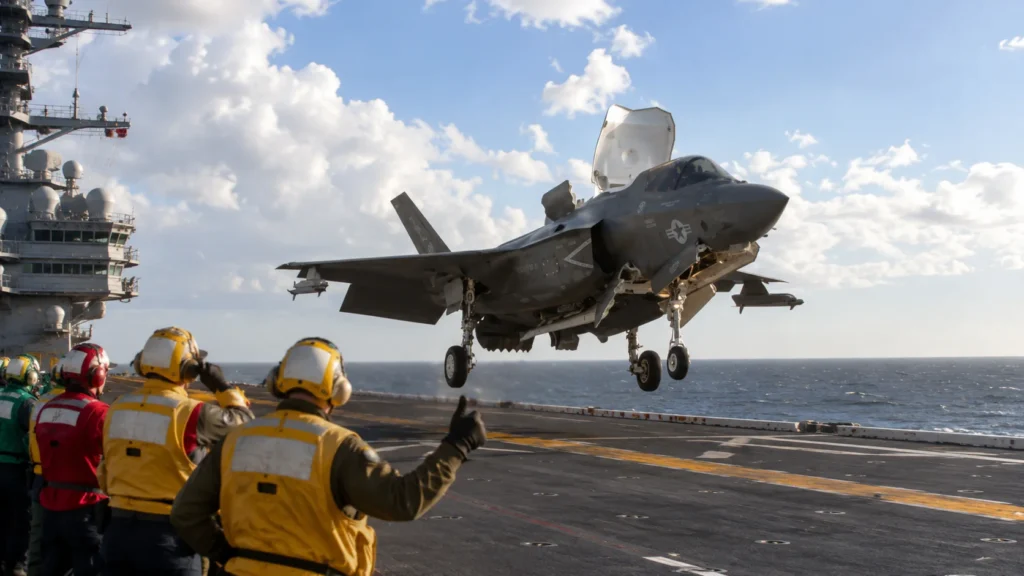
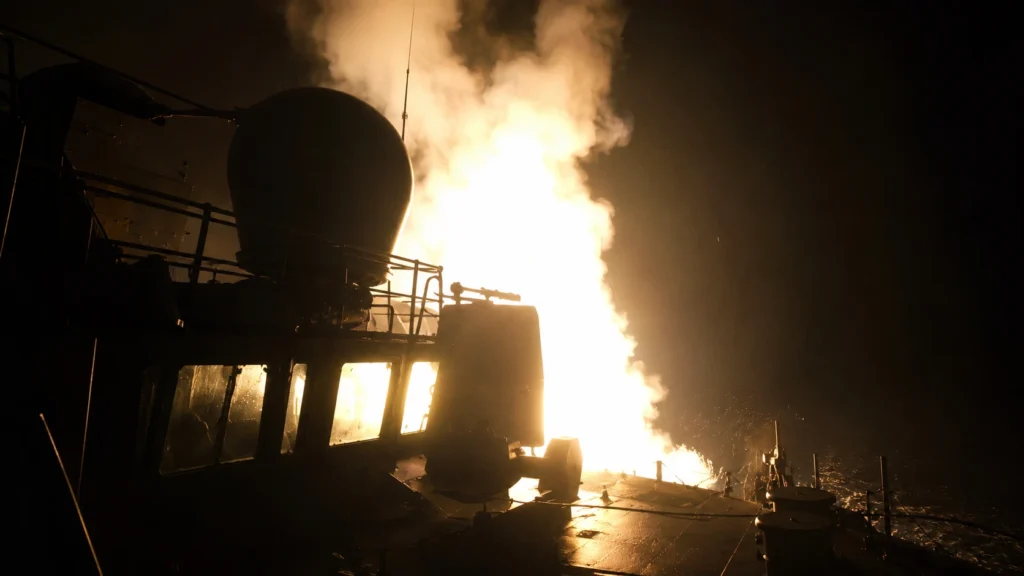
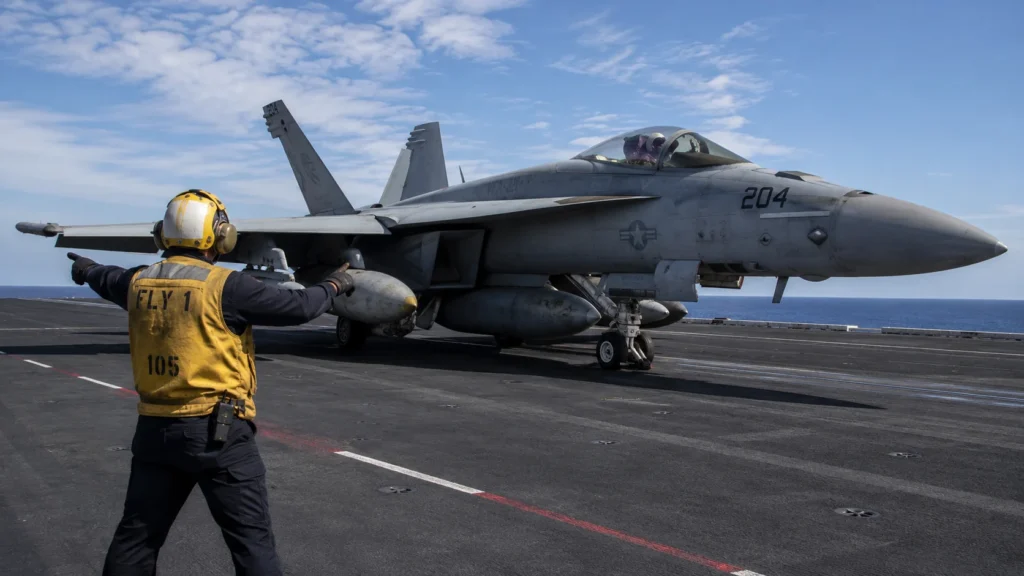
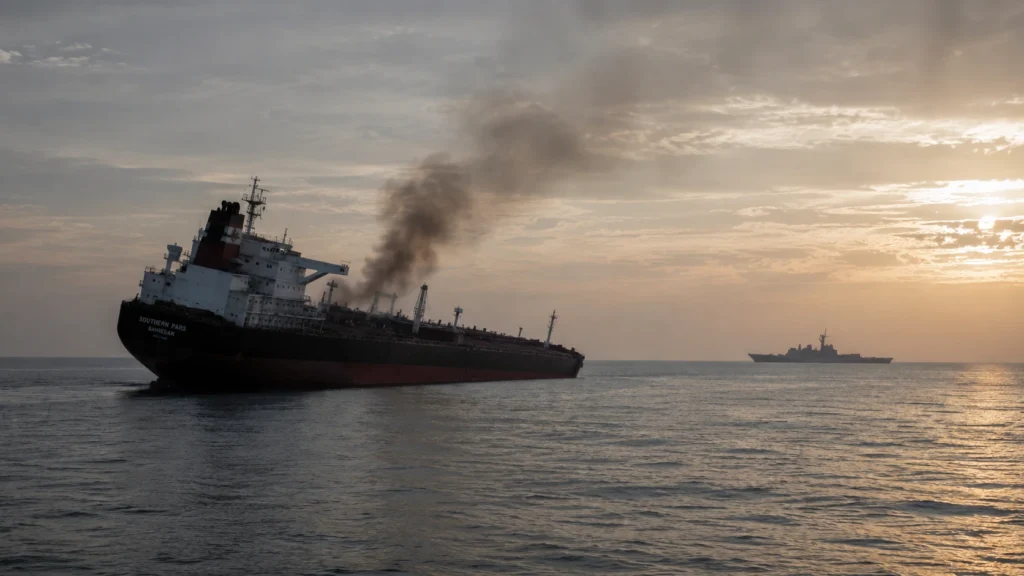
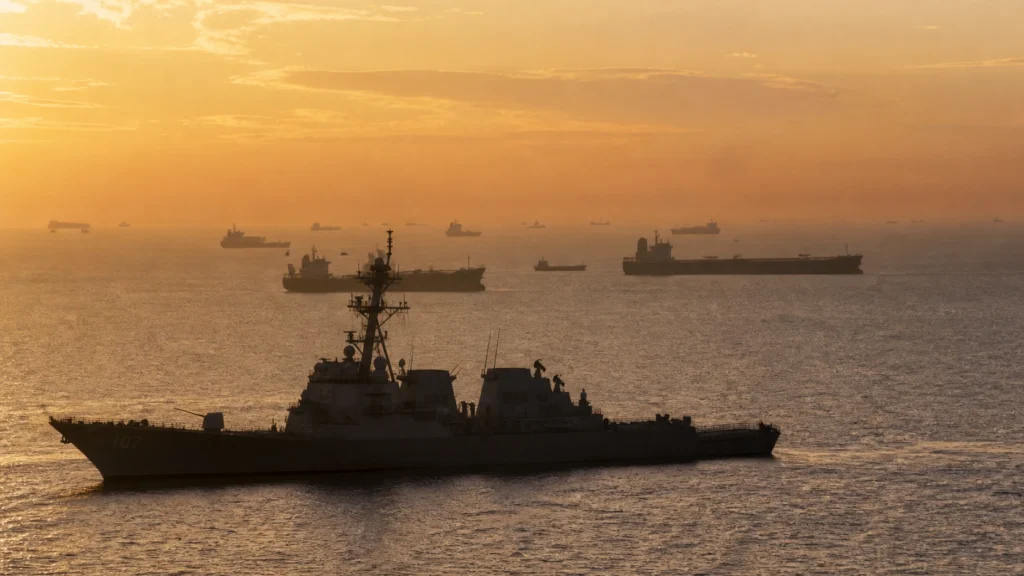
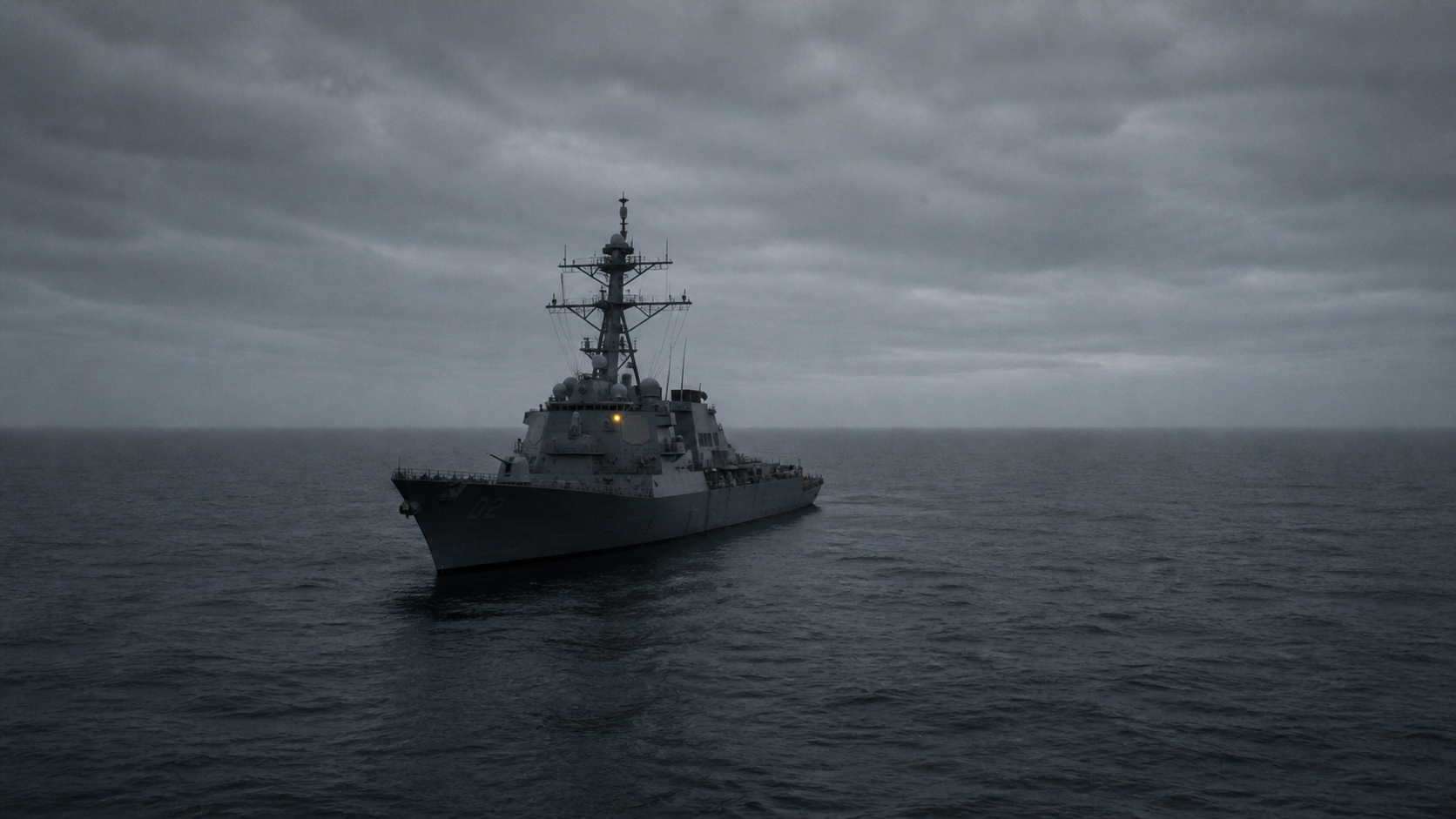
The US Navy has operated a blockade of Iranian ports since April 13, preventing Iranian tankers from departing and depriving Tehran of oil revenue. The US Central Command (CENTCOM) confirmed that 45 commercial ships have been instructed to reverse course since the blockade began.
What the OFAC Sanctions Alert Means for Global Shipping
The OFAC alert transforms the operational ambiguity of Hormuz transit into a binary compliance decision for shipping firms. Any payment in any form, through any intermediary that facilitates passage through the Strait, now exposes companies to US sanctions enforcement. The Treasury Department closed multiple potential loopholes in a single notice, including informal payment methods that Iran could theoretically use to circumvent traditional financial tracking.
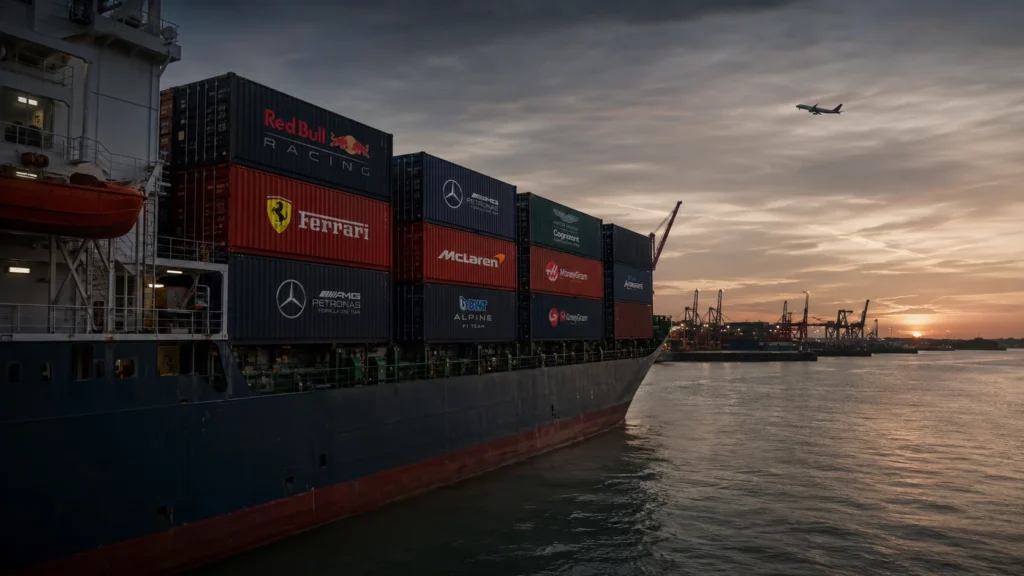
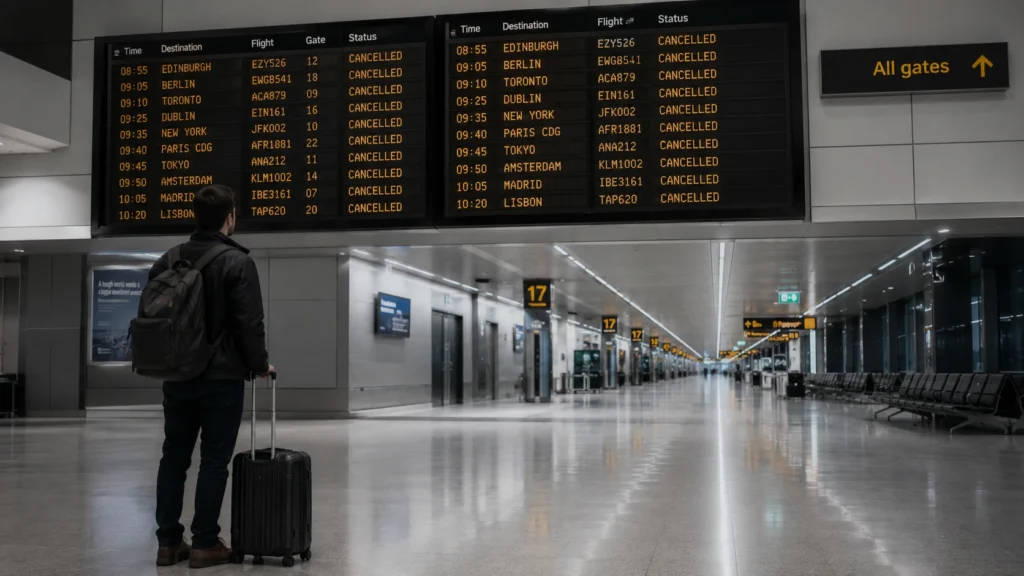
Shipping companies now face three options, none attractive: navigate the strait without Iranian permission, risking vessel safety; pay Iranian fees, risking US sanctions; or avoid the strait entirely, increasing voyage costs, extending delivery times, and disrupting supply chains.
The sanctions alert extends the logic of the naval blockade into the global financial system. Ships that comply with Iranian demands face Treasury action. Ships that comply with US demands face potential Iranian denial of passage. The Strait now operates under two incompatible sovereign claims simultaneously.
Who Gains Leverage as the Strait Becomes a Financial Battleground
The strategic dynamic creates a layered pressure system. The US Treasury gains enforcement reach without requiring additional naval assets, complementing military blockade with financial deterrence. Iran retains a positional advantage through geography—coastal waters remain accessible, and the toll system can adapt as sanctions frameworks evolve. Tehran has decades of experience adjusting to financial pressure through alternative payment mechanisms and intermediaries.
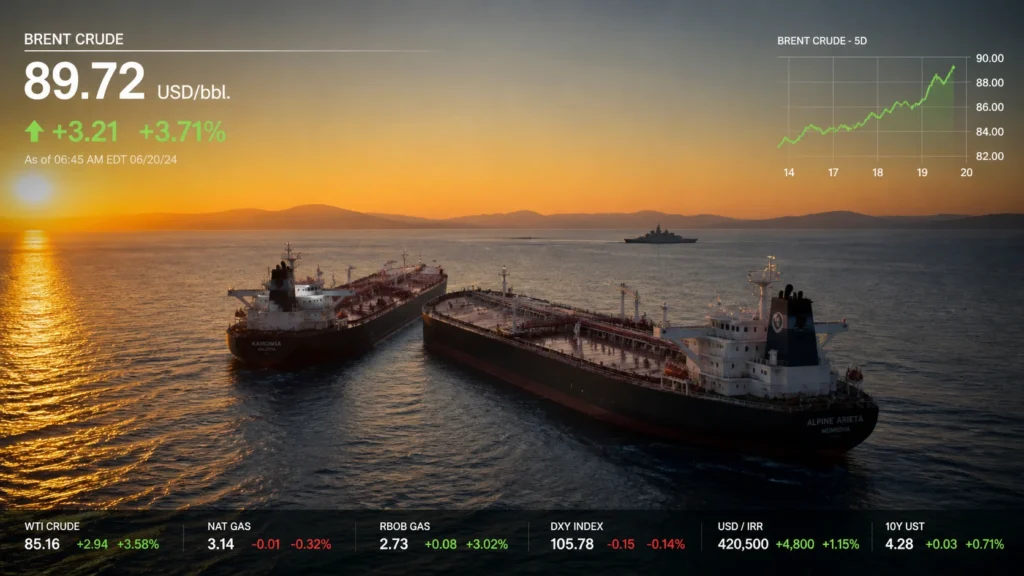
For global energy markets, the disruption is structural rather than temporary. Freight rate increases pass through to delivered fuel prices. Import-dependent economies in South Asia, including Pakistan, India, and Bangladesh, experience pressure from Western consumers, as higher shipping costs raise the price of cooking fuel, transport, and electricity. The mechanism operates with a lag of weeks or months, but the direction is consistent.
What Happens Next: The Hormuz Standoff in 6–12 Months
Key indicators to monitor include whether shipping firms test the sanctions framework with proxy payments or alternative intermediaries, whether Iran adapts its toll system to evade OFAC’s enumerated payment prohibitions, whether the number of diverted vessels rises beyond the 45 already reported by CENTCOM, and tanker insurance premiums and freight rates for Gulf transit routes.
Strategic Summary
- What changed: The US Treasury formally warned shipping companies that paying Iranian tolls for Strait of Hormuz passage risks sanctions, eliminating the operational ambiguity that previously governed transit decisions.
- Why it matters: The strait now operates under two incompatible sovereign claims—Iran’s tollbooth and America’s sanctions enforcement—forcing commercial shipping to navigate contradictory legal regimes in the world’s most critical energy chokepoint.
- What to watch next: Proxy payment testing, Iranian toll system adaptation, CENTCOM vessel diversion counts, and Gulf freight rate trends.