

 English



























































































Putin’s Victory Day Speech Exposes Russia’s Wartime Strain
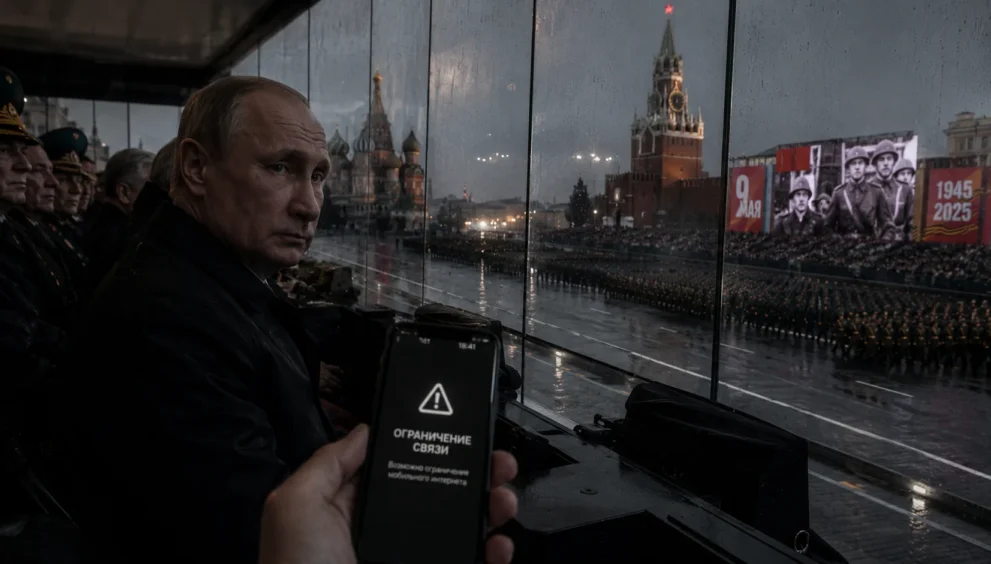
The tanks did not arrive. Moscow noticed.
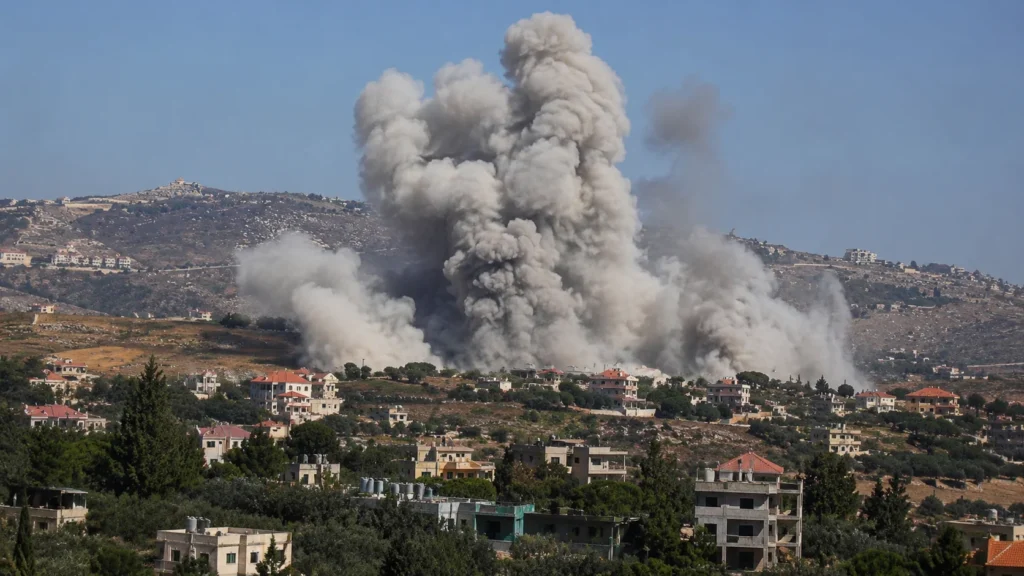
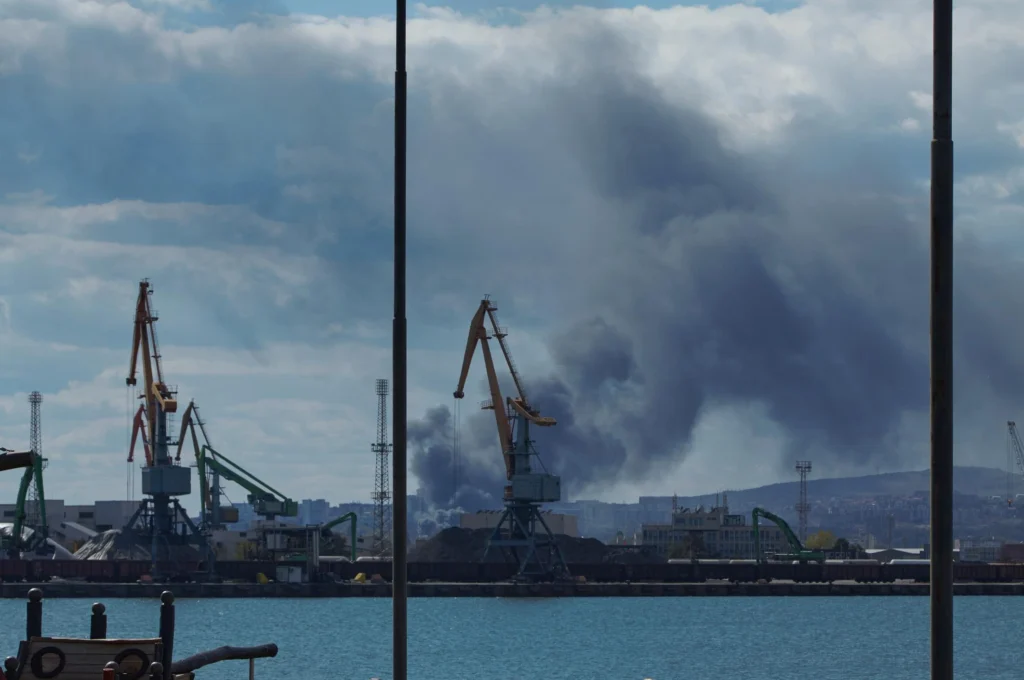
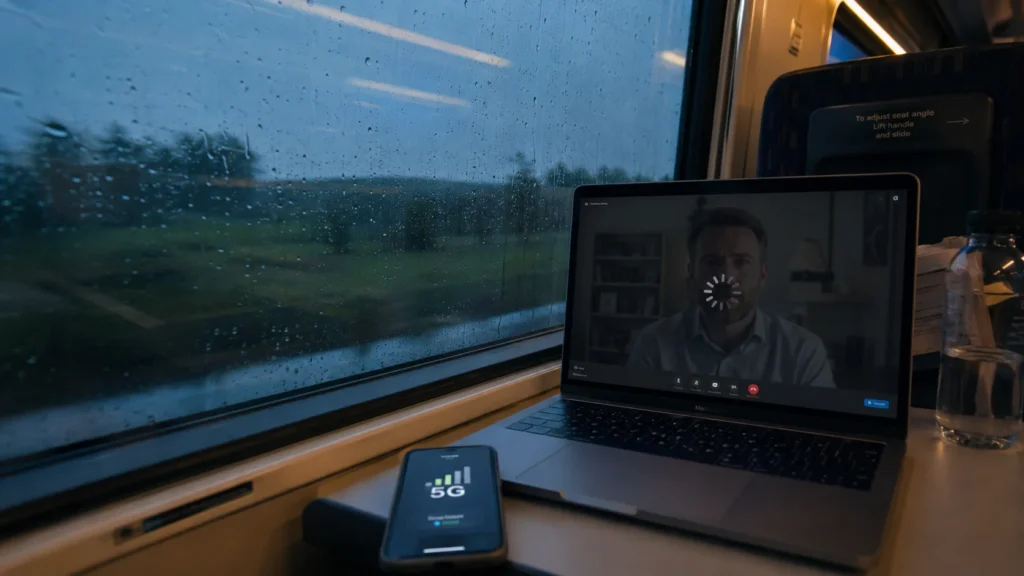
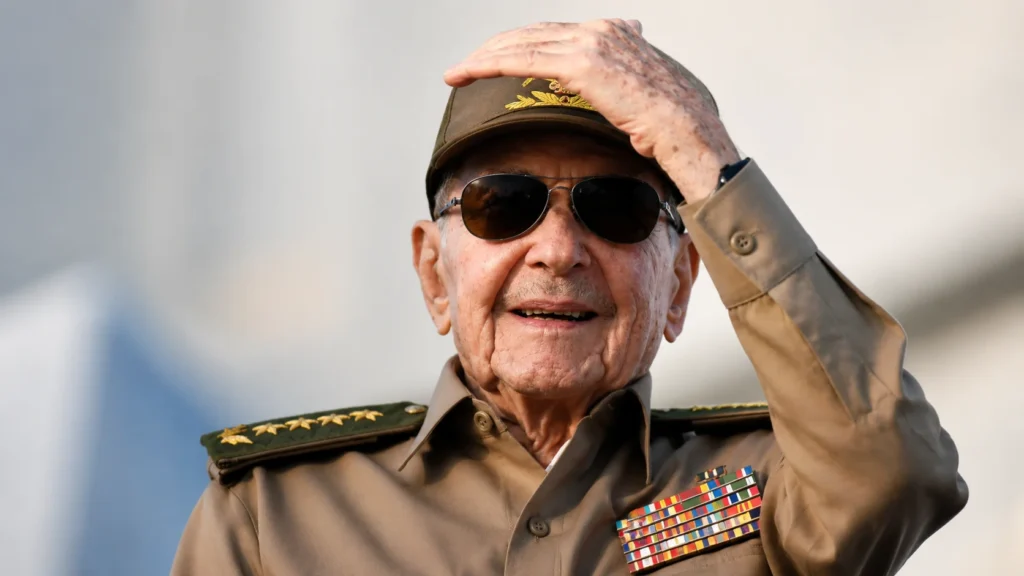
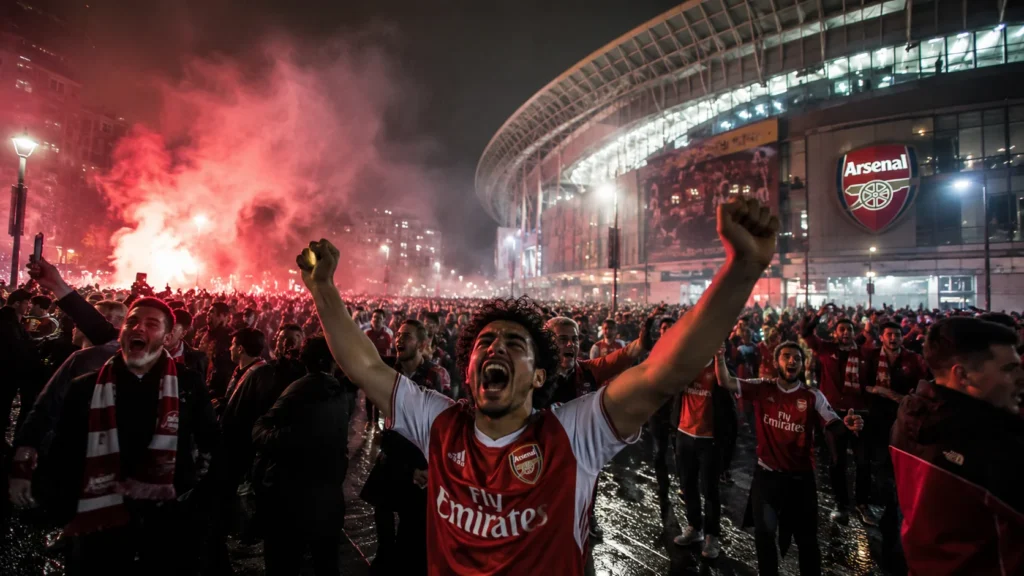
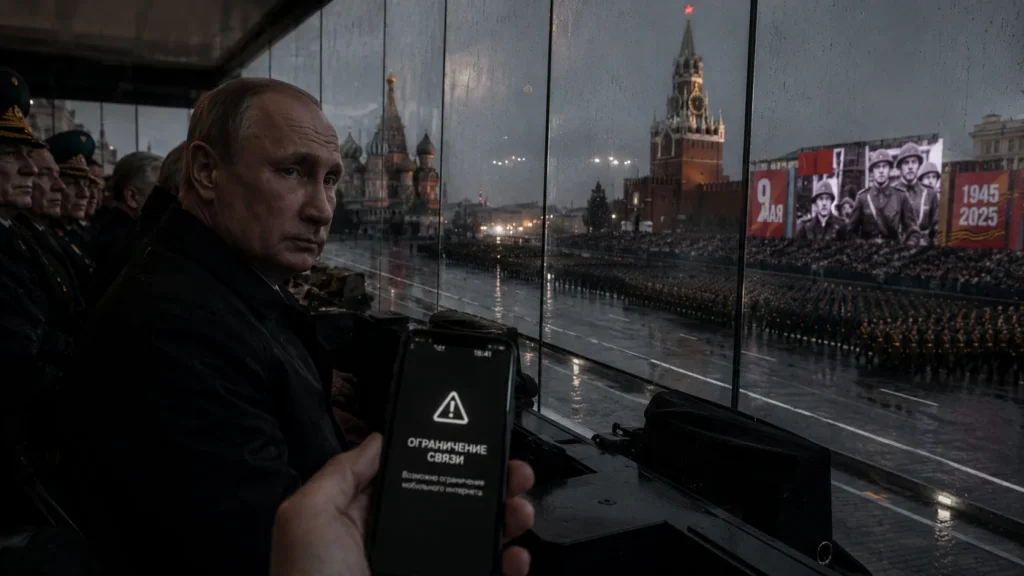
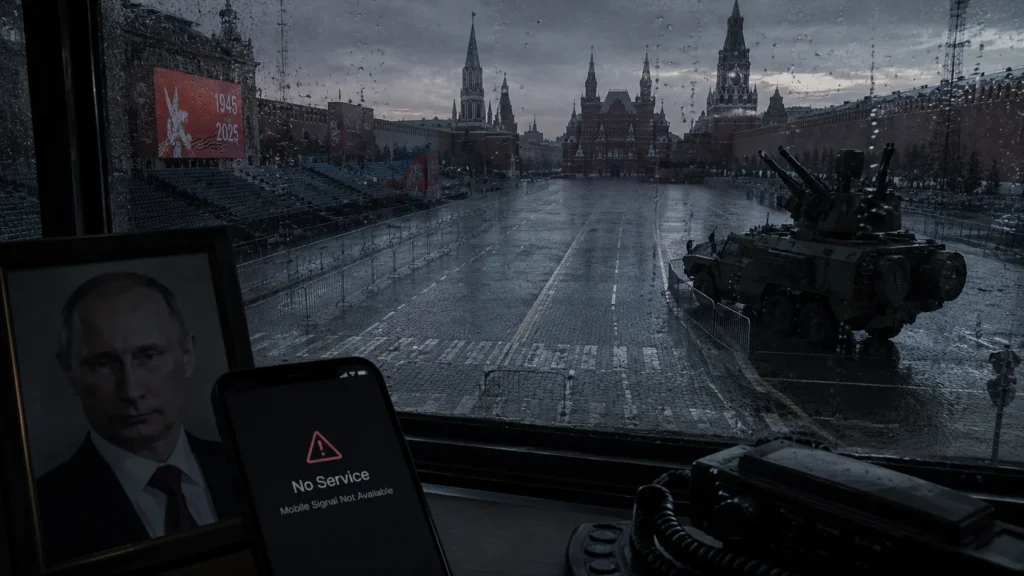
Crowds still gathered near Red Square. Soldiers still marched in formation. Military bands still echoed across the capital. But Russia’s most important political ritual looked smaller, tighter, more defensive. Security checkpoints expanded across the city while mobile internet disruptions hit parts of Moscow during the celebrations.
That absence mattered more than the parade itself.
This is not an isolated event. This is a structural shift.
The real friction axis now sits between security control and strategic legitimacy. The Kremlin wants to project wartime confidence while simultaneously protecting the capital from the fallout of the same war. Those goals now collide in public view.
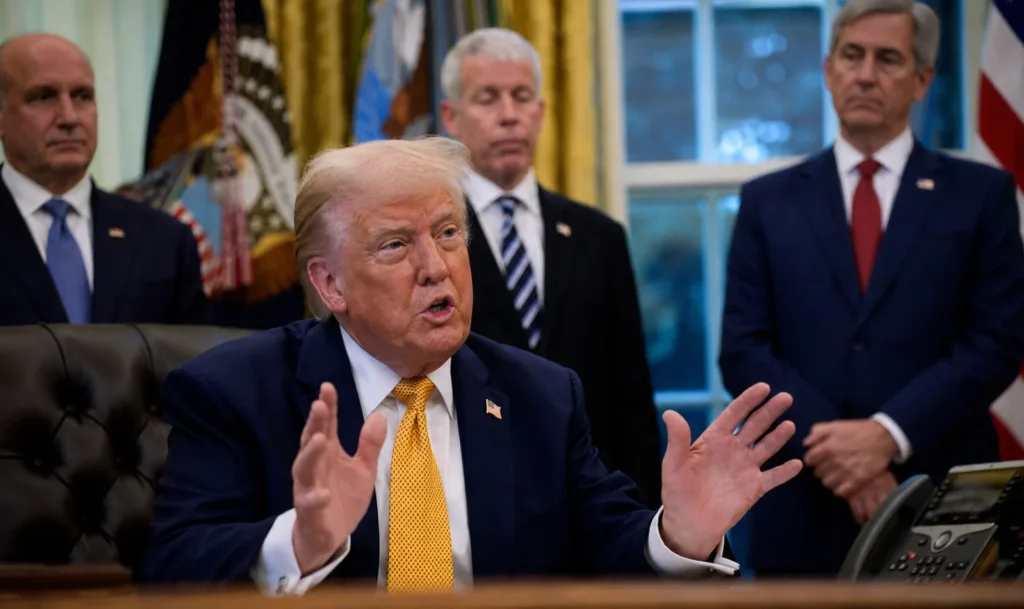
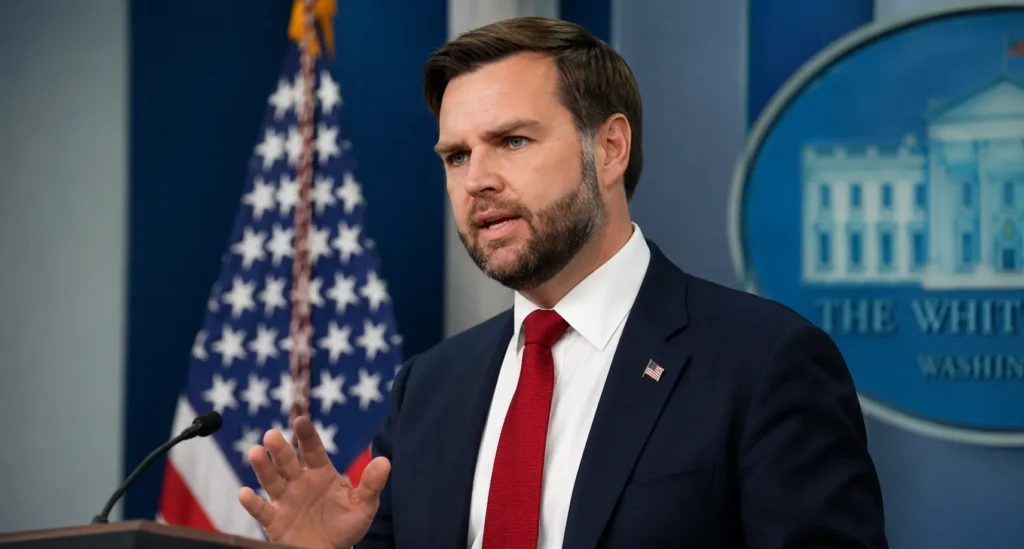
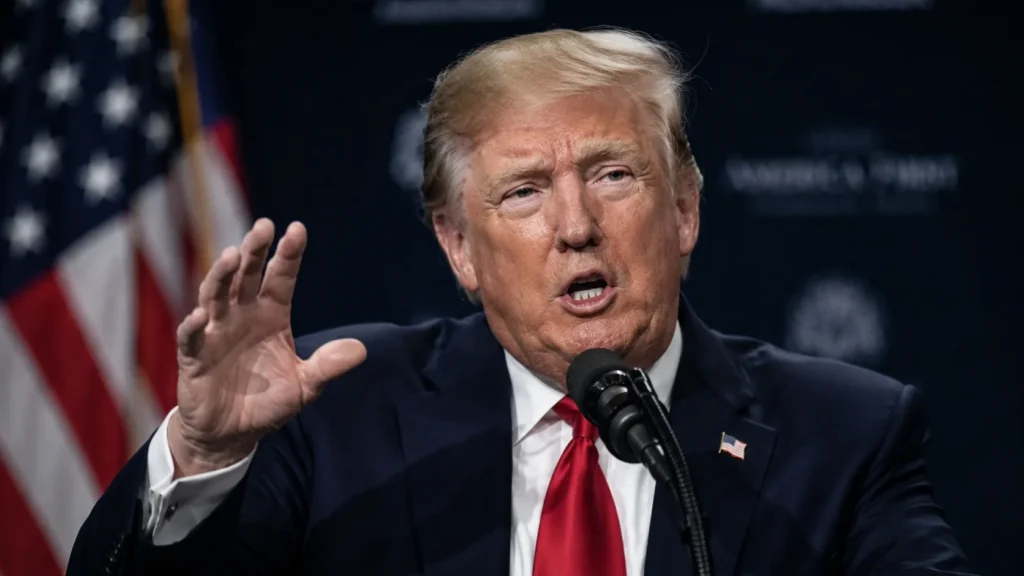
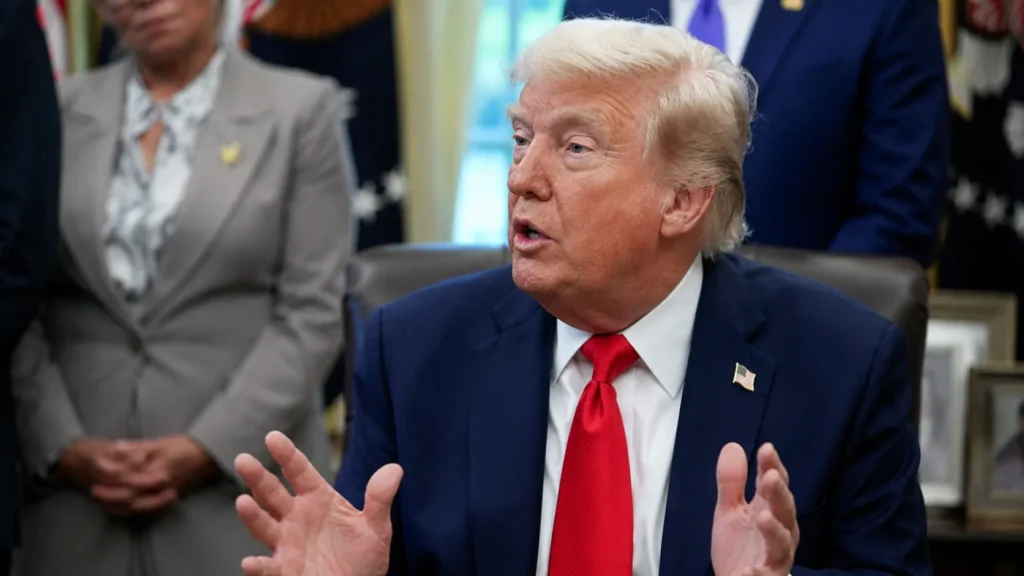
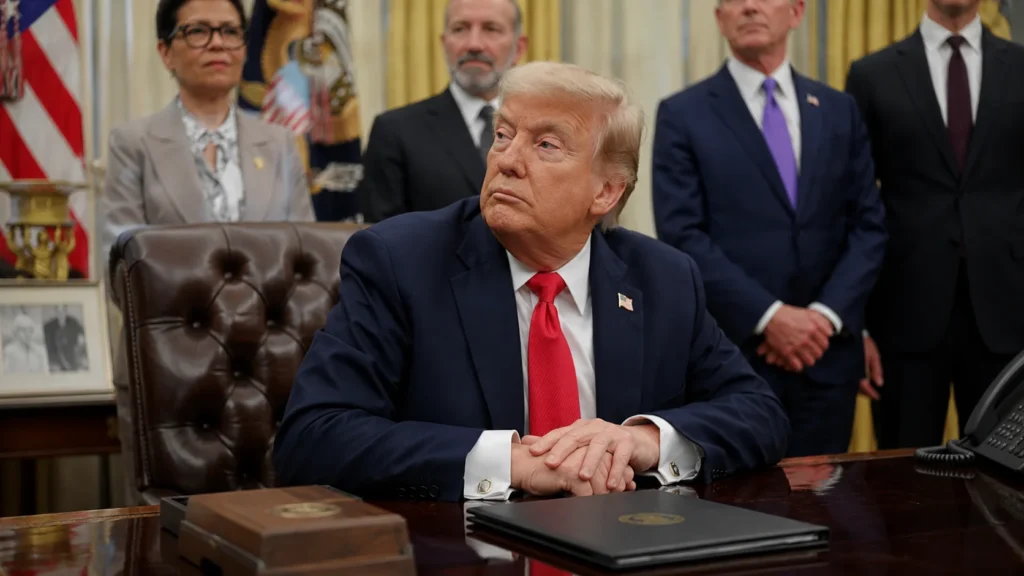
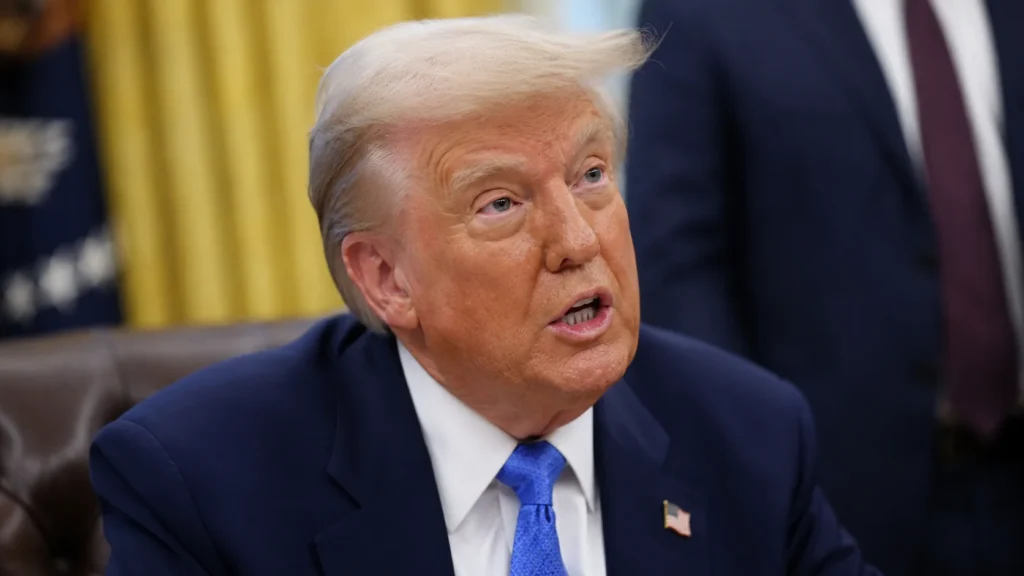
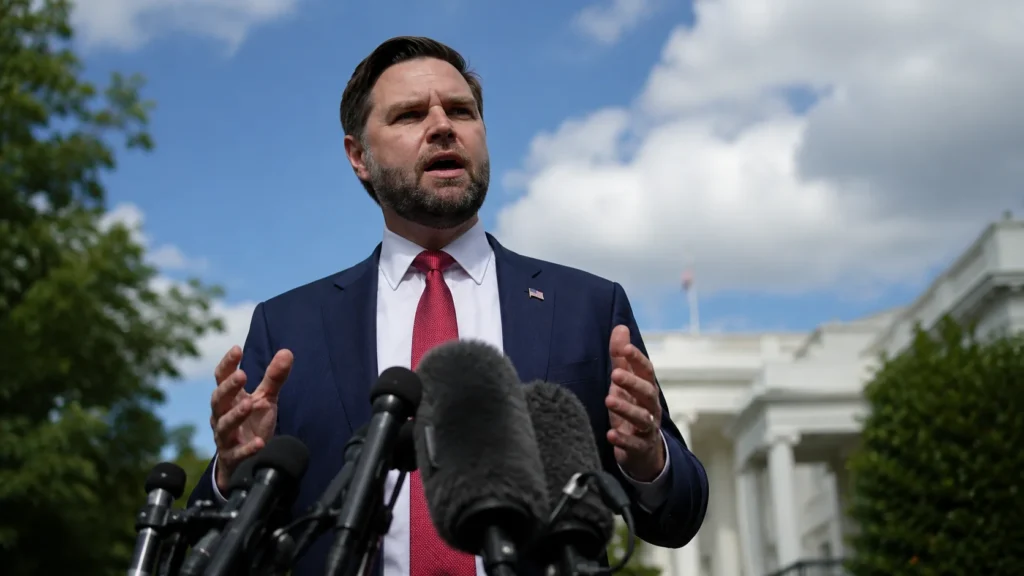
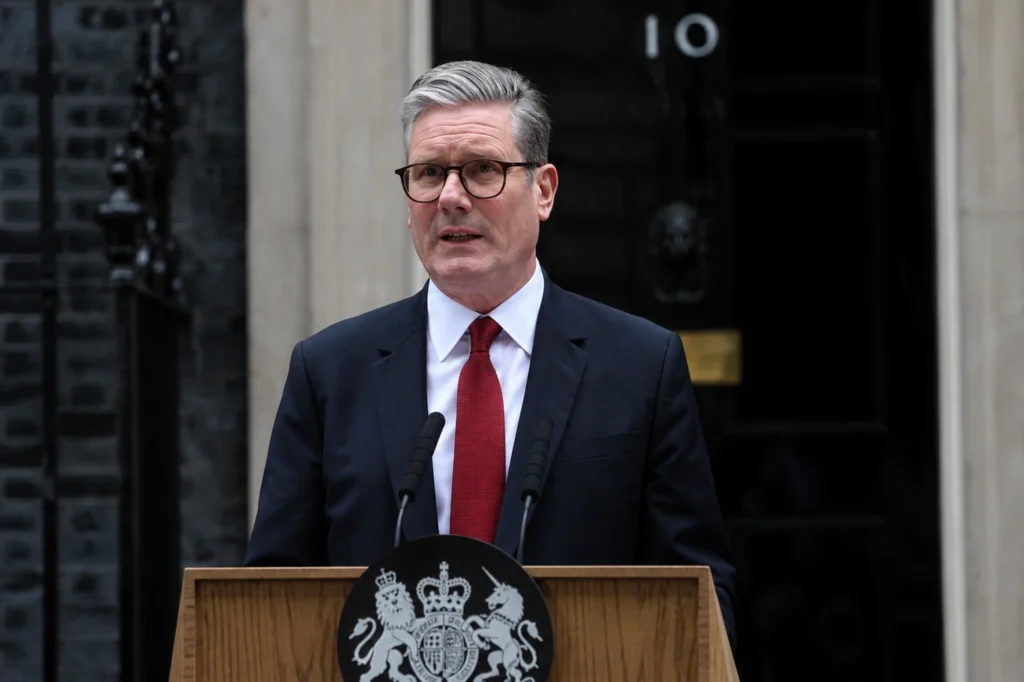
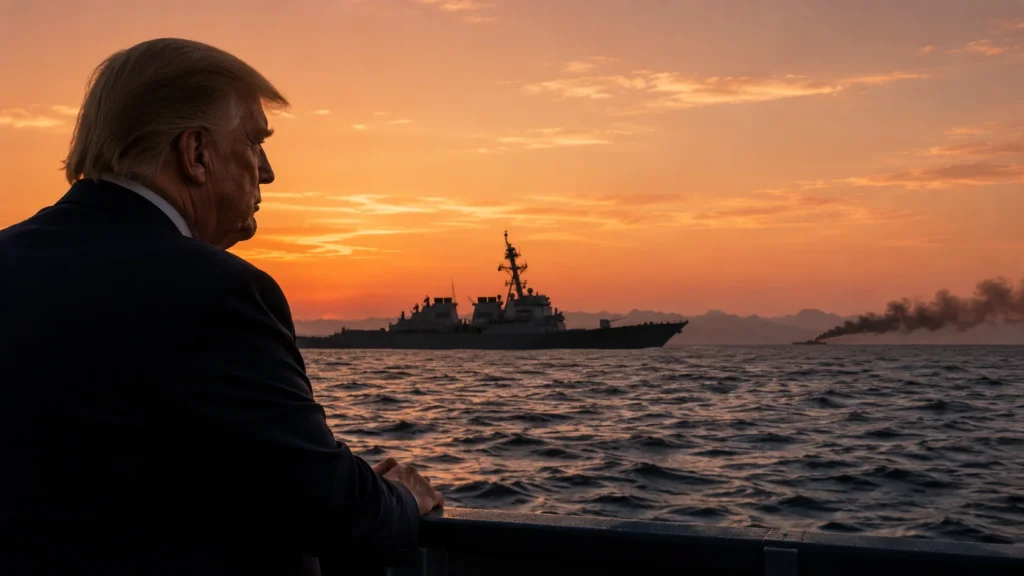
Russian President Vladimir Putin used his Victory Day speech to frame the Ukraine war as a larger confrontation with NATO rather than a prolonged regional conflict. That message serves two purposes. First, it broadens the political justification for continued military mobilization inside Russia. Second, it reframes battlefield pressure as evidence of Western aggression rather than Russian overreach.
But the parade itself weakened part of that narrative.
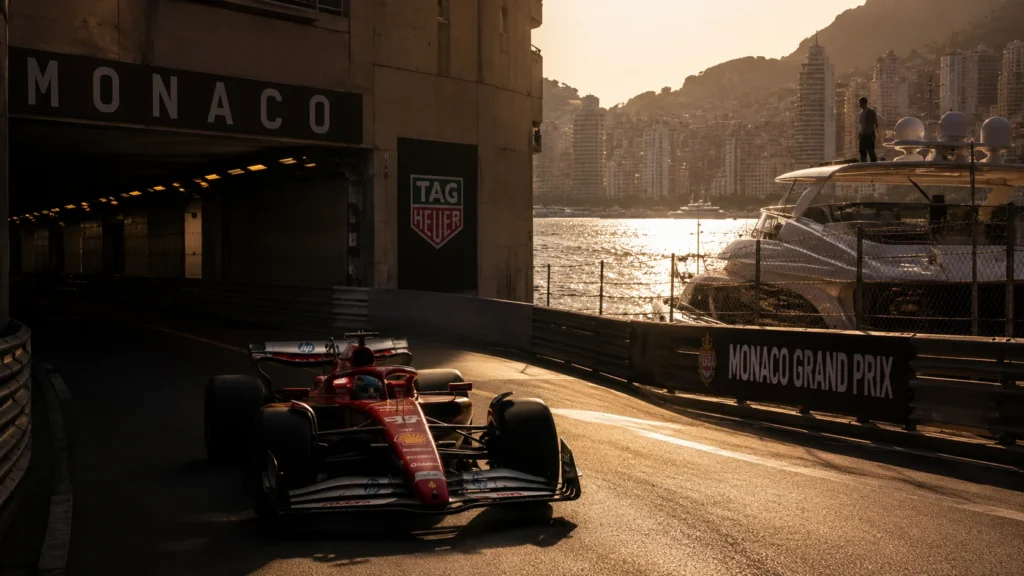
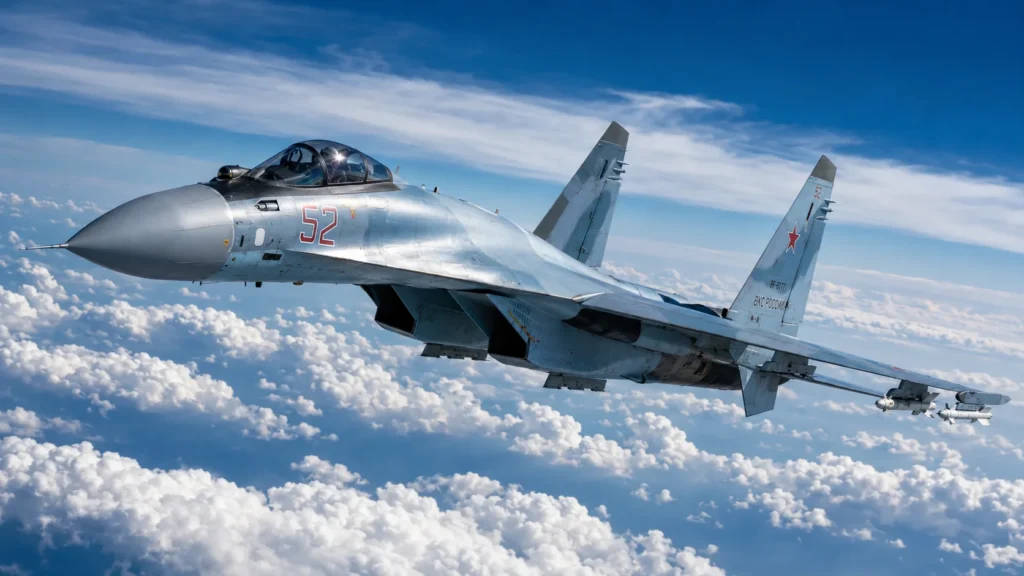
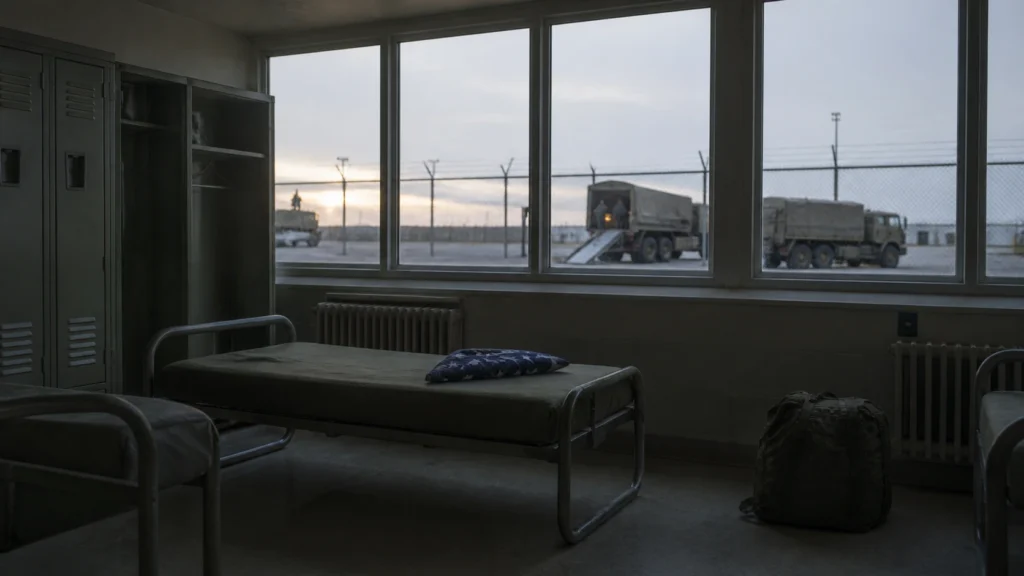
For the first time in years, Moscow excluded tanks and major military hardware from Red Square celebrations. Russian officials argued the equipment remained more useful on the battlefield than in symbolic displays. True. But the decision also exposed a harder reality: the Kremlin now treats even highly controlled state ceremonies as potential security risks.
That changes the political equation.
Why the Kremlin Shifted the Narrative
Victory Day has always carried emotional power in Russia. The Soviet Union lost millions during World War Two, and the memory of that sacrifice still shapes Russian national identity. Putin increasingly links that historical trauma to the war in Ukraine, presenting modern Russia as once again fighting an external threat backed by hostile powers.
The strategy aims to consolidate public endurance during a long war.
So.
The Kremlin no longer focuses only on territorial gains in Ukraine. It now focuses equally on maintaining social cohesion inside Russia while drone attacks, sanctions, labor shortages, and military spending reshape daily life. Putin’s speech reflected that balancing act. He praised soldiers, workers, scientists, and teachers because the Russian state increasingly relies on society-wide participation to sustain wartime pressure.
But here is the shift.
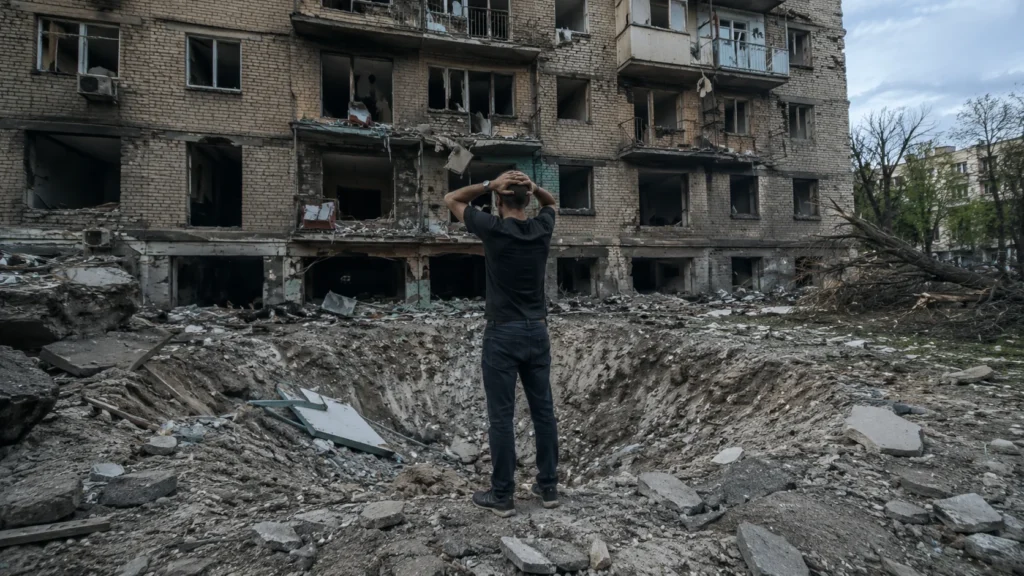
The more Moscow securitizes public life, the harder it becomes to preserve the appearance of normality. Internet disruptions, increased surveillance, canceled regional parades, and visible air defense systems remind ordinary Russians that the conflict no longer sits far away at the border.
Quietly.
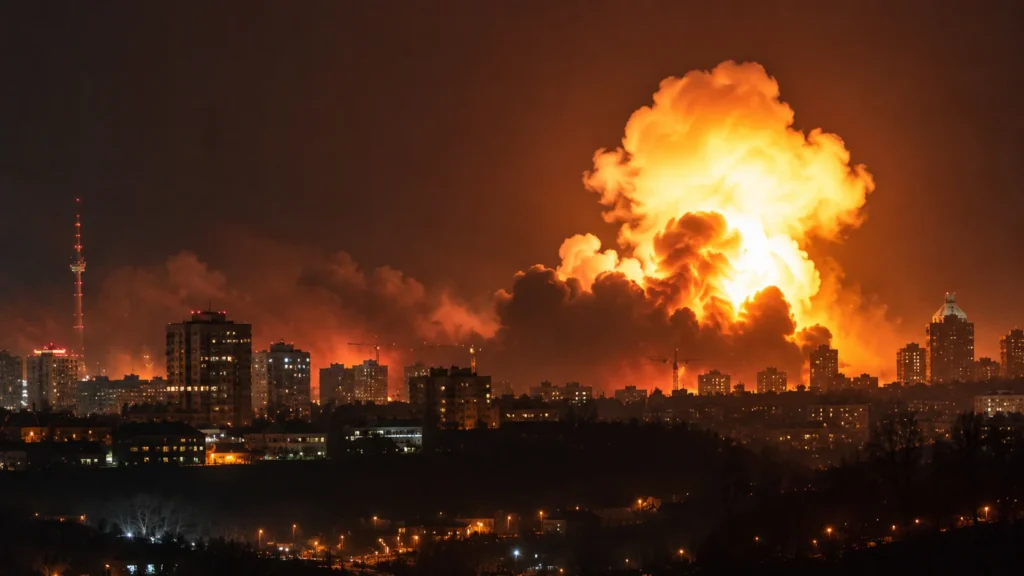
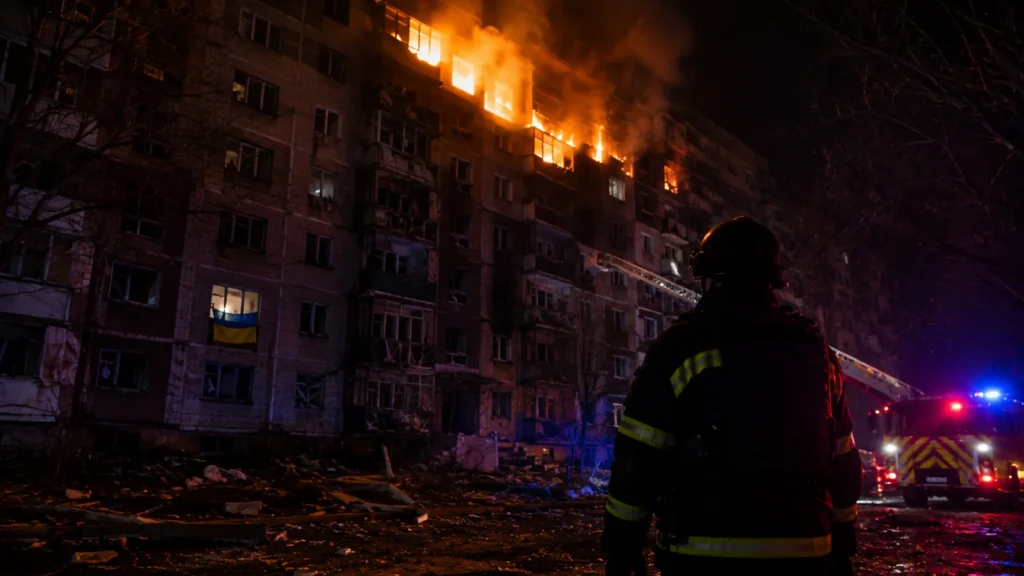
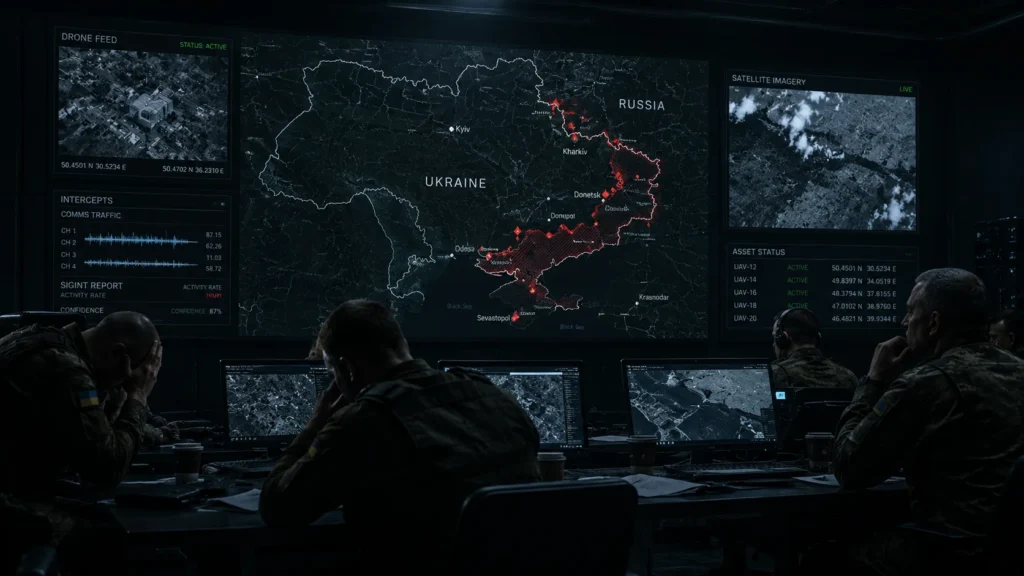
Ukraine understands the psychological impact of that pressure. Drone operations targeting Russian territory do more than damage infrastructure. They force the Kremlin to spend political capital defending the image of domestic stability. Every tightened checkpoint and every reduced public event sends a message Moscow would rather avoid.
Russia’s Diplomatic Space Continues to Narrow
The smaller parade also reflected a changing diplomatic map.
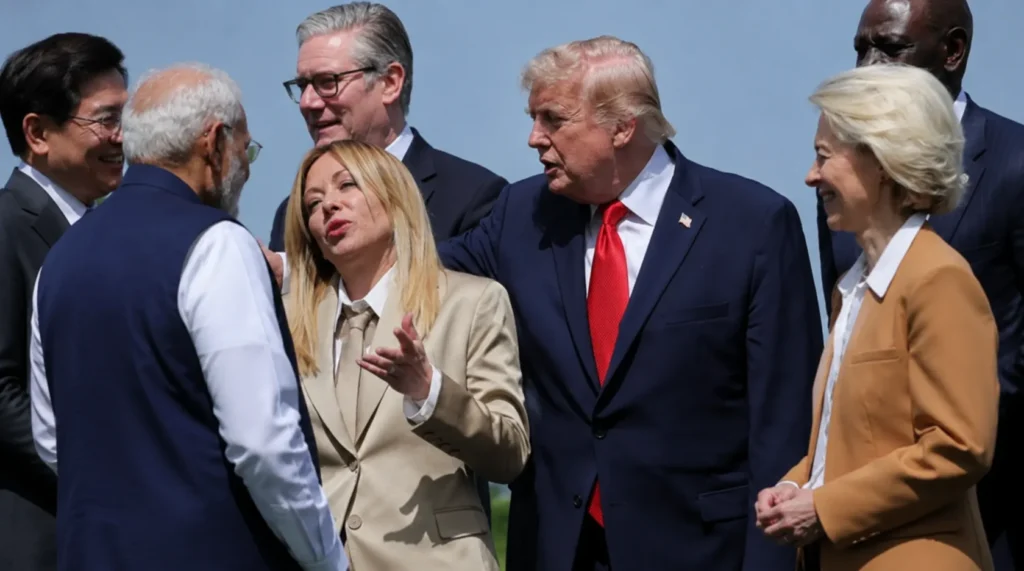
Several major world leaders skipped this year’s Victory Day celebrations compared with previous anniversary events. Belarusian President Alexander Lukashenko attended alongside a smaller group of allies and partners, while Slovak Prime Minister Robert Fico remained the only senior European Union figure visibly linked to the event.
That matters because Victory Day no longer functions only as a historical commemoration. The Kremlin uses it as a geopolitical loyalty test. Attendance now signals political positioning in a fragmented global order where many countries still engage Russia economically but avoid deeper symbolic alignment.
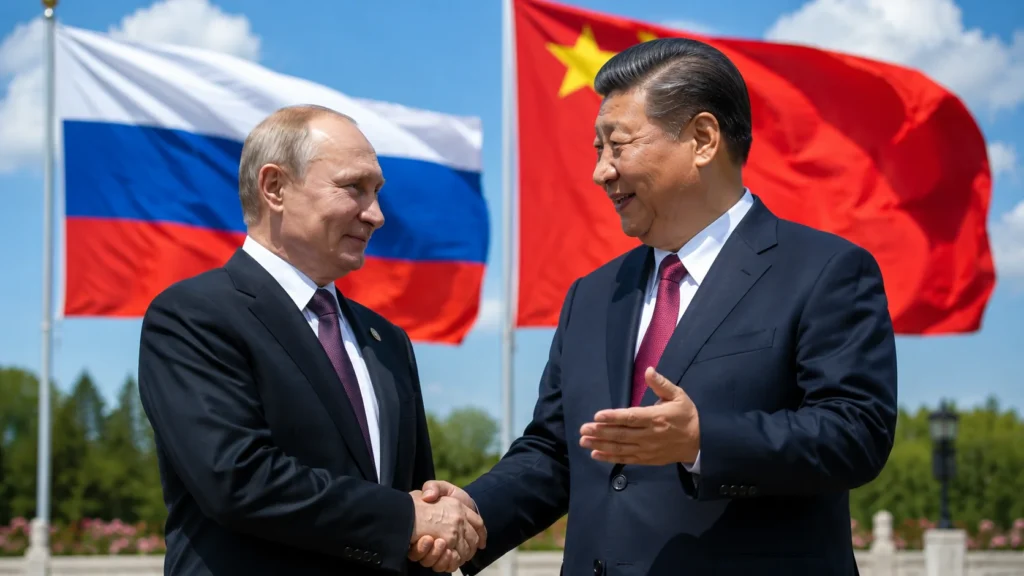
China’s lower profile during the celebrations also stood out. Beijing still supports strategic cooperation with Moscow, particularly against Western pressure, but it avoids unnecessary political exposure as the Ukraine war drags on.
Russia retains partners. Yet its coalition increasingly looks transactional rather than ideological.
What the Next Phase Looks Like
Over the next year, Russia will likely deepen domestic security measures around national events, communications networks, and critical infrastructure. The Kremlin appears prepared for a prolonged conflict environment where military pressure abroad and social pressure at home evolve together.
Watch three indicators carefully: Ukrainian drone reach inside Russia, restrictions on civilian communications during state events, and the level of foreign participation at future Kremlin ceremonies.
Those indicators reveal something important. Russia still projects power abroad, but it now protects stability at home with equal urgency.
Victory Day once showcased expansion and confidence. This year, it showcased caution.
That difference will shape Moscow’s political path long after the parade ends.
Strategic Summary
- Putin used Victory Day to frame the Ukraine war as a wider confrontation with NATO and justify long-term mobilization.
- Russia scaled back parade displays because security concerns now outweigh symbolic military spectacle.
- Watch domestic restrictions, drone attacks, and diplomatic attendance patterns for signs of deeper Kremlin strain.