

 English





































































































































































































































































































































Celtics Up 3-2. The 8 PM Tip-Off Says They’re Vulnerable.

The schedule dropped on Wednesday. Game 6: Celtics at 76ers. Thursday night. 8 p.m. Eastern. Xfinity Mobile Arena. Peacock. NBC Sports Network.
Not 7 p.m. Not the prime window. The late slot. The one that follows Hawks-Knicks and precedes Wolves-Nuggets. The one that gives Philadelphia another hour to marinate in what Game 5 meant.
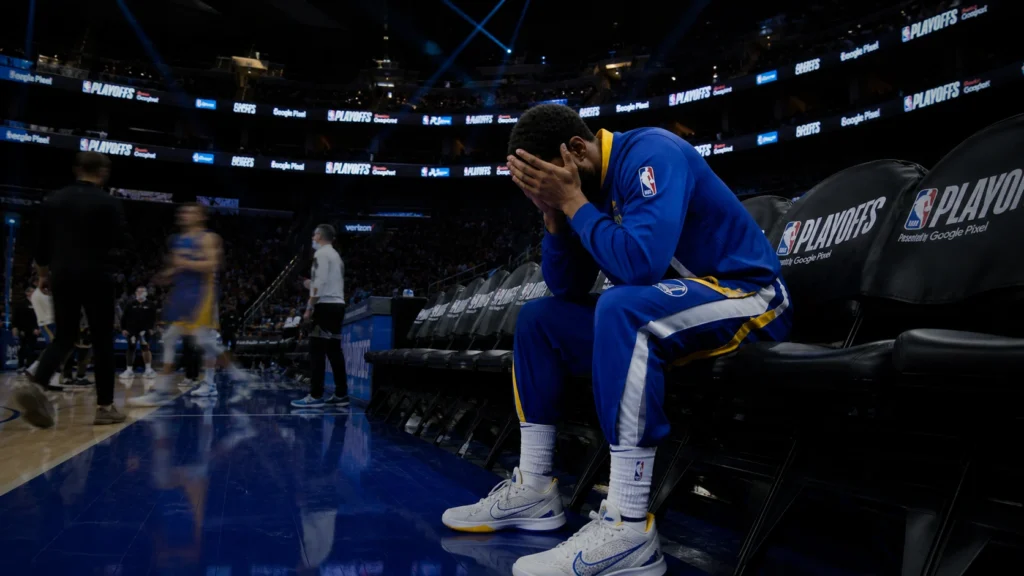
But this wasn’t about television logistics. This was about a 3-2 series lead that suddenly feels like a 2-3 deficit wearing green-and-white clothing. The Core Competitive Tension is Pressure vs Composure—and the schedule just gave the pressure an extra hour to build.
What the 8 p.m. tip actually means
Late starts aren’t neutral. They accumulate. Players wake up. They wait. They go through shootaround. They wait more. The hotel room shrinks. The pregame meal sits. The arena feels further away every hour the clock crawls toward tip-off.
For the team leading the series, waiting is an exercise in self-regulation. The Celtics hold the advantage. Boston controls its own closeout opportunity. A win on Thursday ends the series. A loss sends everything back to TD Garden for Game 7 on Saturday.
The 8 p.m. slot stretches the waiting period. Doubt has more time to breathe. The memory of Game 5—Philly winning at TD Garden, extending the series, silencing a Boston crowd that arrived ready to celebrate—gets replayed in every team meal, every film session, every moment of downtime the late tip creates.
For the 76ers, the extra hour is a gift. Home crowd. Survival energy. Joel Embiid is presumably available after missing one of Boston’s two road wins in the series. The team that should feel pressure—down 3-2, elimination looming—gets to channel it into the building’s electricity. The team that should feel composed gets to sit with the uncomfortable reality that it just lost at home with a chance to advance.
The road record that cuts both ways
Boston went 2-0 in Philadelphia during this series. That’s the statistical comfort blanket the Celtics will carry into Xfinity Mobile Arena. They’ve won here. Twice. They know the rims. They’ve silenced this crowd. They’ve walked off this floor victorious.
But one of those wins came without Joel Embiid. The asterisk matters. Embiid changes everything—defensive geometry, offensive gravity, the emotional center of the building. The 76ers, who beat Boston in Game 5, had Embiid. The Celtics, who won in Philadelphia without him, faced a different team. A diminished team. A team that no longer exists in this series.
The Celtics’ road confidence is real. The Celtics’ road confidence is also partially built against an opponent they won’t face Thursday night. Both things can be true. Closeout games are not the place to discover which truth holds.
The Peacock factor
The NBA put Game 6 on Peacock and NBC Sports Network. Not ESPN. Not ABC. The streaming-primary broadcast. The league’s scheduling calculus is never accidental. A potential elimination game in a Celtics-76ers series—original franchises, historical rivalry, Embiid versus the defending champions—typically commands ABC’s Saturday primetime window.
Peacock means the league sees Thursday as transitional. A game that could end the series, but more likely sets up a Game 7 with massive ratings potential. The network assignment is a tell. The NBA isn’t expecting a closeout. It’s expecting Game 7 at the Garden.
That expectation, however subtle, filters through every pregame conversation. Players notice which network broadcasts their games. They understand what the schedule implies. The Celtics can either treat the Peacock assignment as disrespect—or as an accurate assessment of where this series stands after Game 5.
The simultaneous chaos
Atlanta hosts New York at 7 p.m., Minnesota hosts Denver at 9:30 p.m. Three Game 6s. Three potential closeouts. Three series that could end or extend within the same five-hour window.
The Celtics will know the Hawks-Knicks result before they tip. If New York closes out Atlanta, Boston’s potential second-round opponent materializes. If Atlanta extends, uncertainty lingers. Either way, the future arrives before the present resolves. That’s the strange temporality of playoff basketball—your next opponent determined while your current opponent still breathes.