

 English



















































































































































































































































































































































Japan’s First 3D-Printed Two-Story Home Sells Amid Labor Crisis
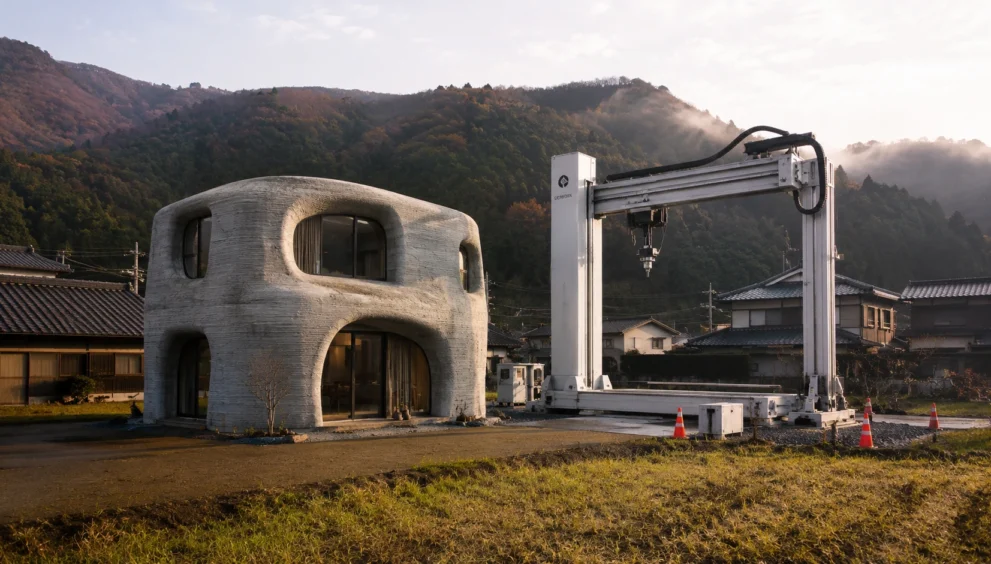
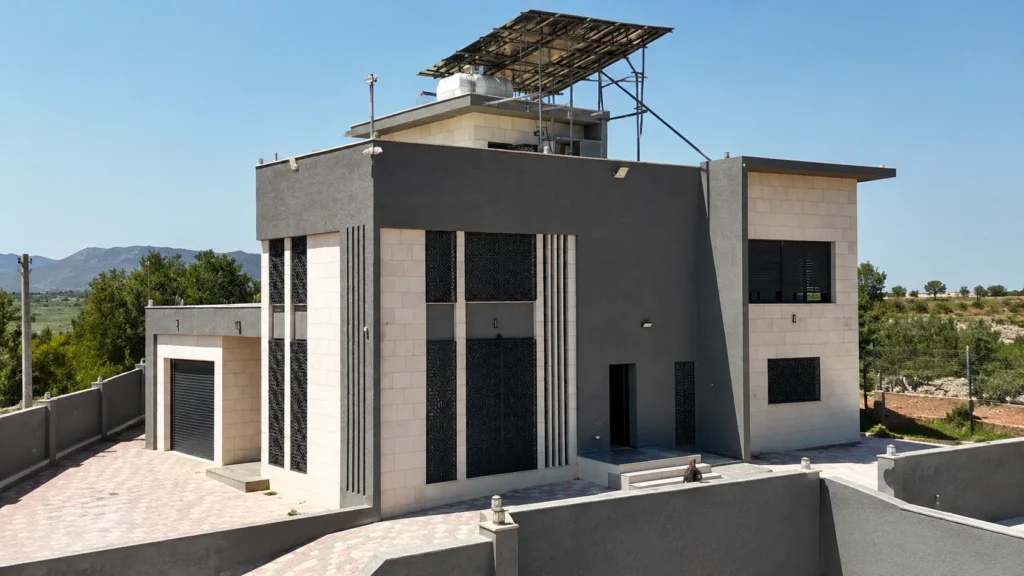
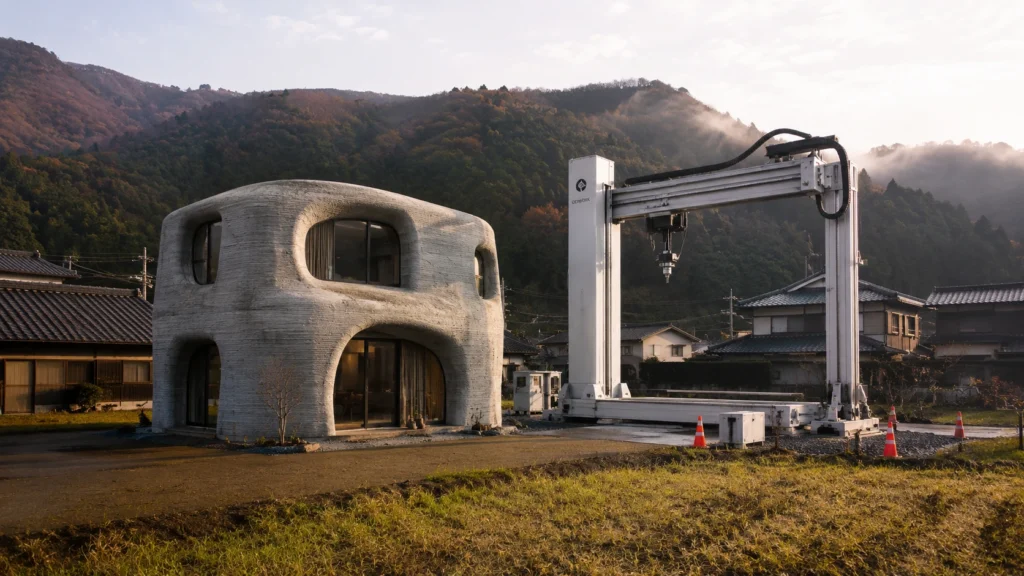
Japan’s first 3D-printed two-story home sells in Kurihara City, Miyagi Prefecture, marking a milestone for additive manufacturing in the country’s $625 billion construction sector. Startup Kizuki collaborated with more than 20 companies to build the earthquake-proof, 50-square-meter house in just 14 days using a giant gantry printer. The sale of Japan’s first 3D-printed two-story home, which sells at an undisclosed price, comes as an estimated 1.5 million skilled construction workers approach retirement within the next decade.
How Japan’s First 3D-Printed Two-Story Home Was Built
The 6-meter-tall Stealth House took 14 days to print from foundation to rooftop parapet. CEO Rika Igarashi said Japan’s first 3D-printed two-story home sells as proof that market demand exists for printed residential construction. The exterior walls used a hollow structure filled with reinforced concrete to meet Japan’s strict seismic building codes.
Igarashi described the project as the first time in Japan that a full process from feeding design data directly to the printer through continuous on-site construction to finishing works was realized at a two-story residential scale. The design drew inspiration from natural cave formations.
The fact that Japan’s first 3D-printed two-story home sells to an actual buyer, rather than serving as a demonstration project, represents a shift from prototype to product. The buyer and price were not disclosed.
The Labor Crisis Behind Japan’s First 3D-Printed Two-Story Home Sells
Japan’s construction industry faces a demographic cliff. Daisuke Katano, a managing partner at Japanese construction consultancy YCP, told CNN that 3D printing can combine up to seven traditional on-site trades into one automated process. Japan’s residential construction productivity is less than half the US level and has barely improved in decades.
Recovering five to ten percentage points of lost productivity would unlock trillions of yen in output capacity, Katano estimated. The timing of Japan’s first 3D-printed two-story home sells aligns with the i-Construction initiative, a government-private sector collaboration targeting a 30% labor reduction by 2040.
Civil infrastructure currently accounts for approximately 62% of 3D-printed construction applications in Japan, including a 3D-printed train station and a 273-meter road. The Stealth House shifts the technology toward residential housing precisely where the demographic pressure is most severe.
Regulatory Hurdles After Japan’s First 3D-Printed Two-Story Home Sells
Despite the successful sale, Igarashi acknowledged that compliance is confirmed through individual building approval applications on a case-by-case basis. Each printed house requires its own regulatory review. There are no dedicated technical standards for additive manufacturing methods.
Tetsuya Ishida, a civil engineering professor at the University of Tokyo, noted that the Japan Society of Civil Engineers recently developed technical guidelines. The government included 3D printing in its New Technology Introduction Promotion Plan. The precedent of Japan’s first 3D-printed two-story home sells should help make future approvals smoother.
A financing barrier compounds the regulatory challenge. Japan’s most common long-term mortgage requires a minimum 70-square-meter floor area for detached houses. The Stealth House is 50 square meters. Katano said this excludes most current printed units from standard financing, confining buyers to cash purchasers and retirees.
What Comes Next
Kizuki is building a 3DPC Academy training program and recently presented housing solutions for depopulated regions to seven municipalities at the SusHi Tech conference in Tokyo. Katano estimated that combining 3D printing with prefabrication, AI-driven design, and autonomous equipment could yield productivity gains of up to 40% by 2030.