

 English


























































































































































































































































































UK Suspends Airport Slot Rules as Jet Fuel Shortages Threaten Summer Flights
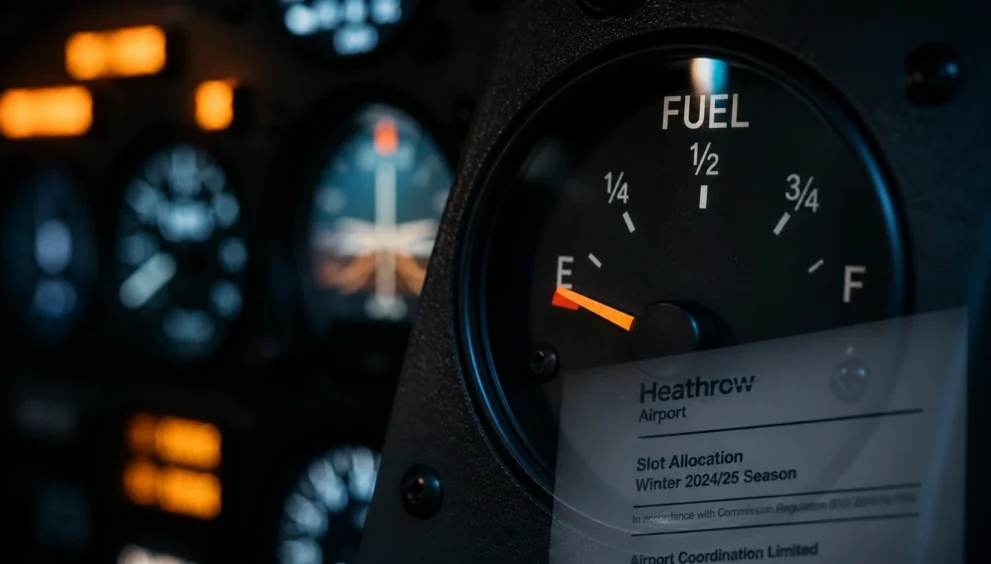
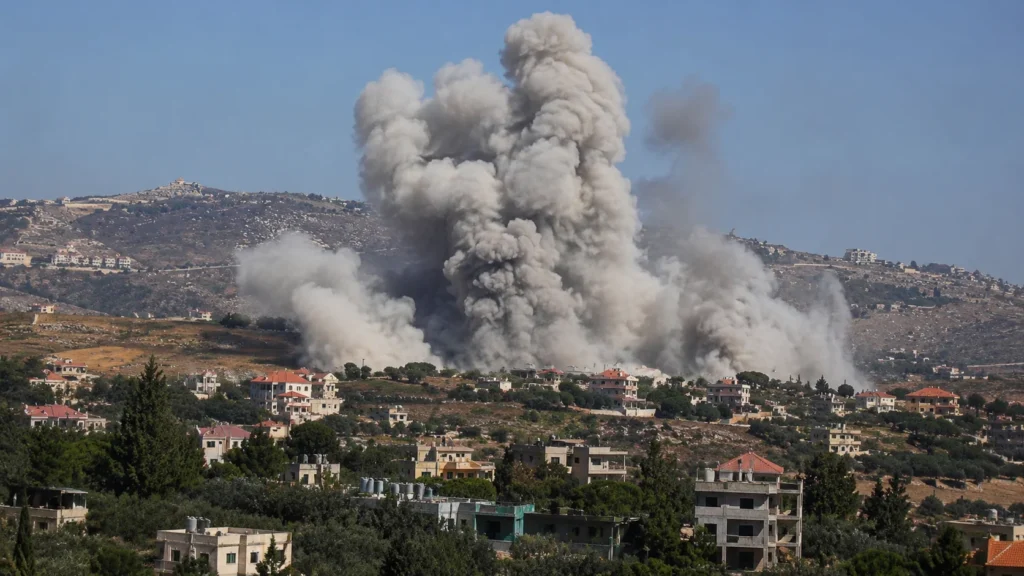
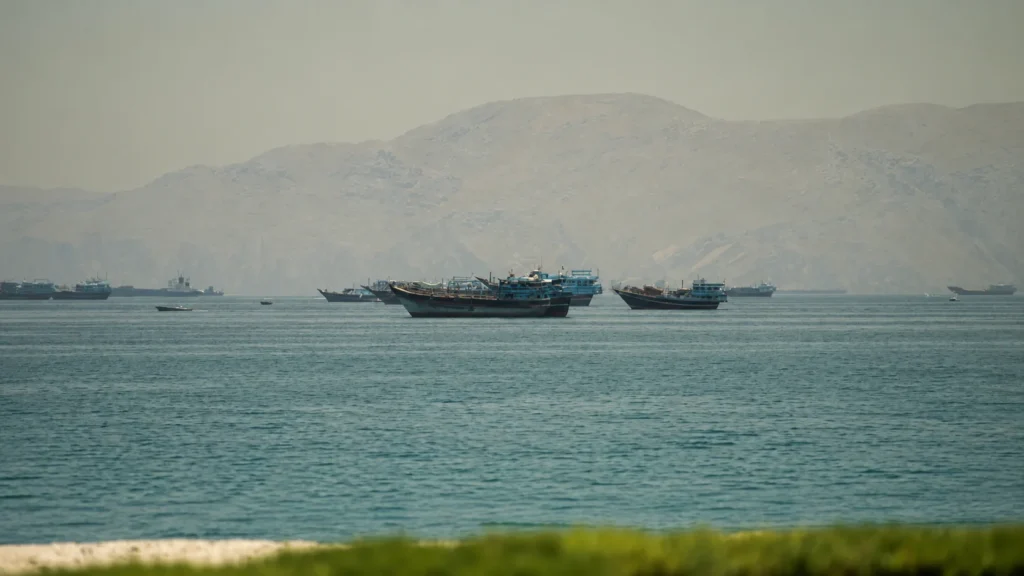
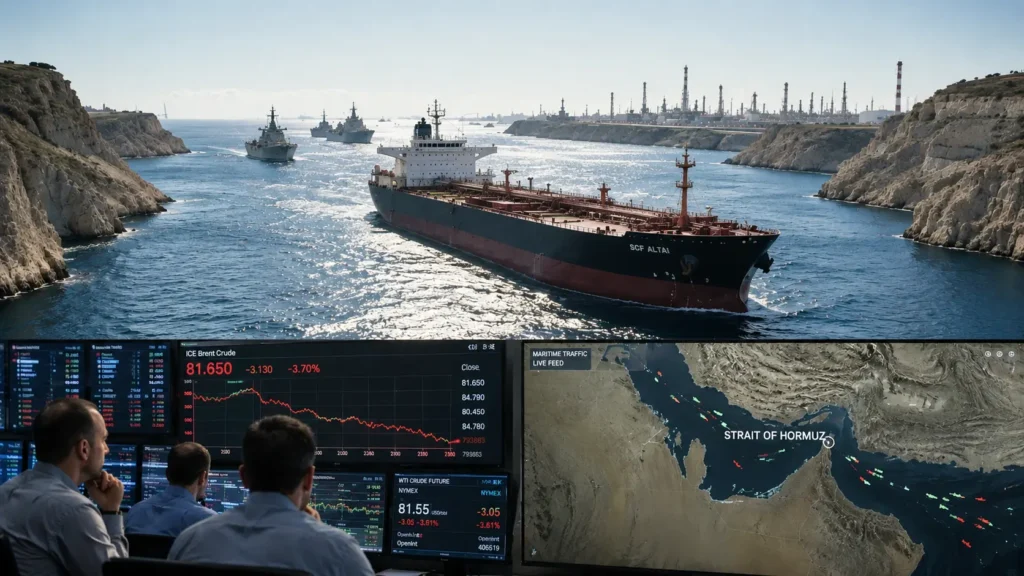
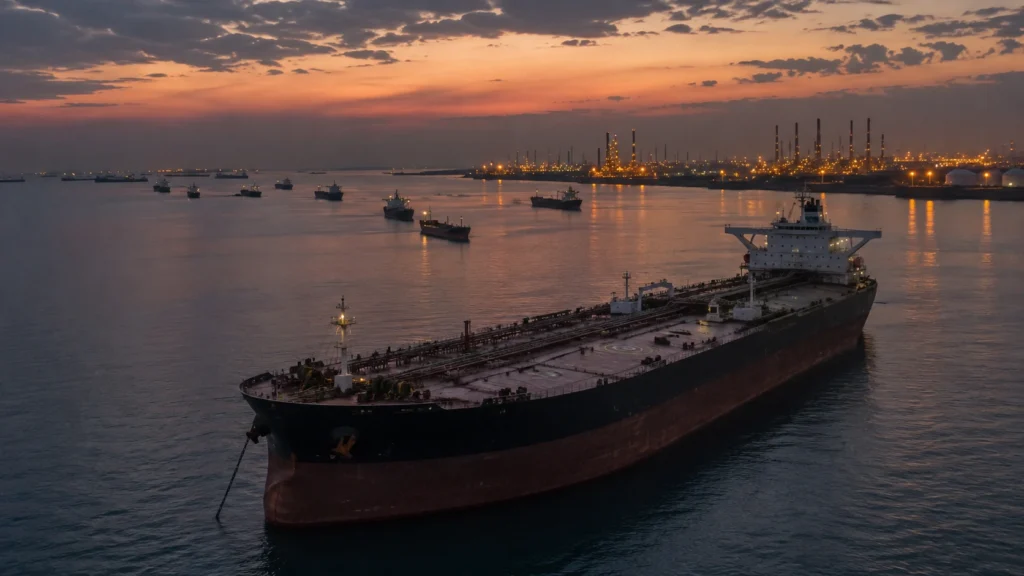
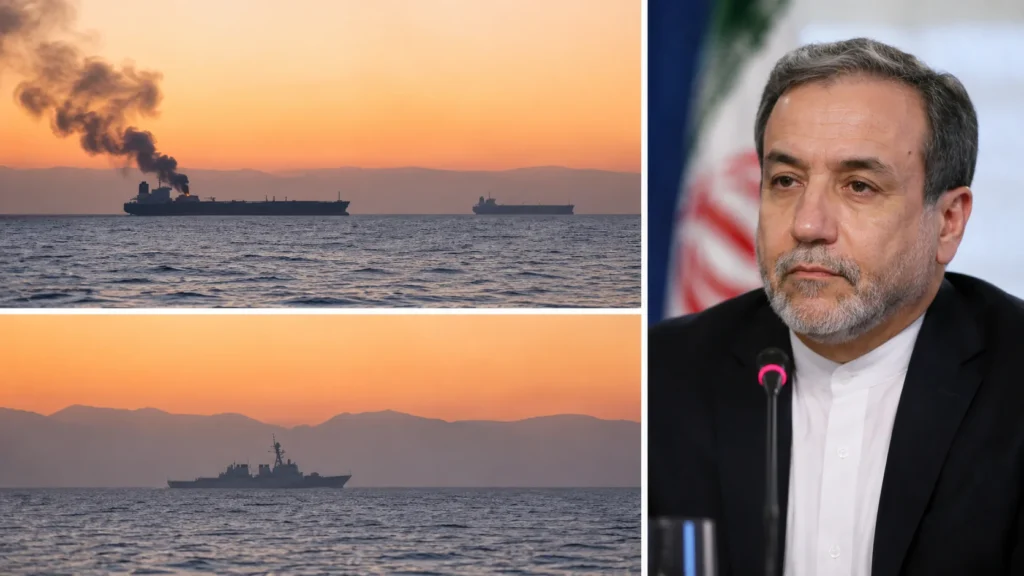
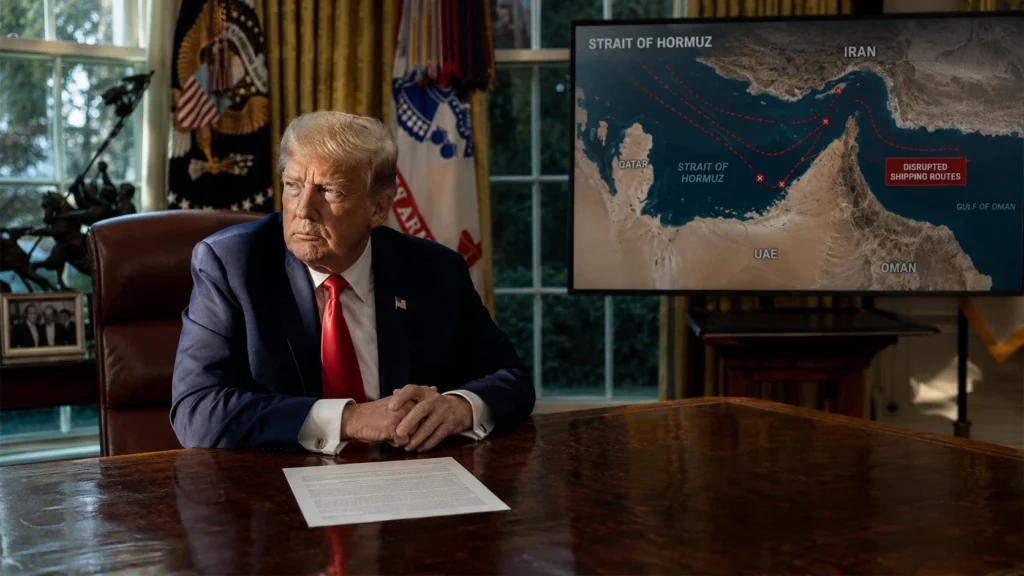
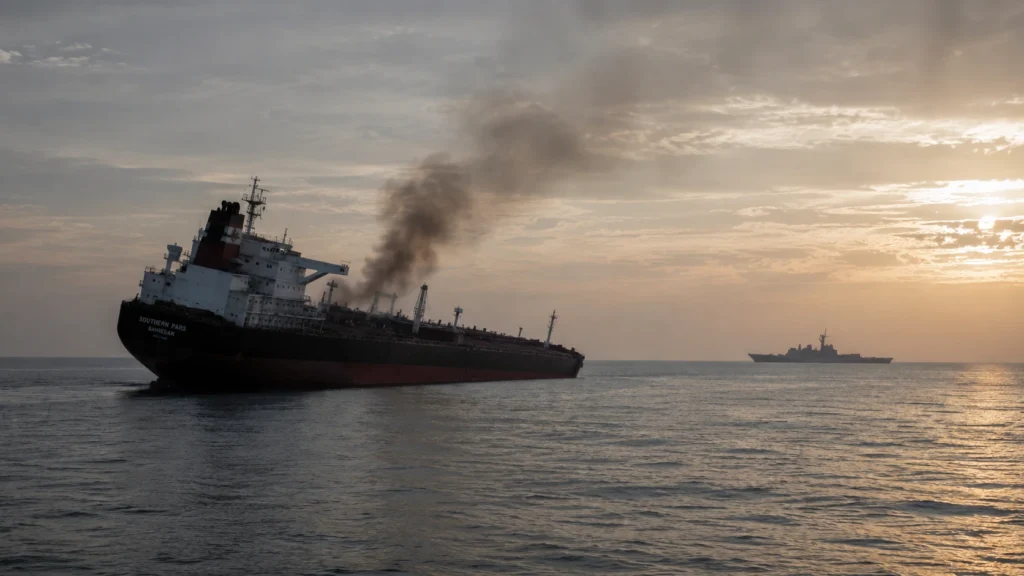
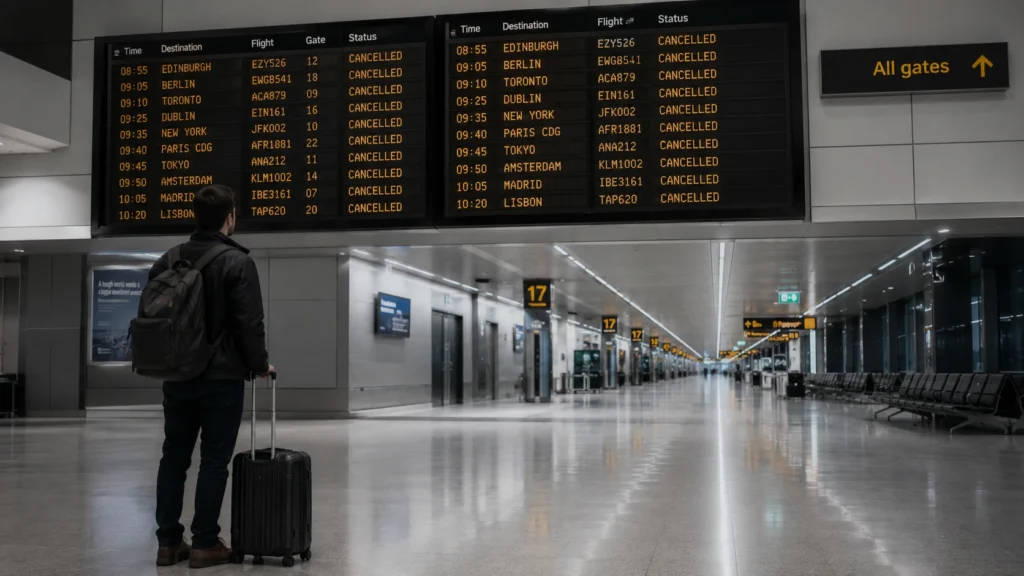
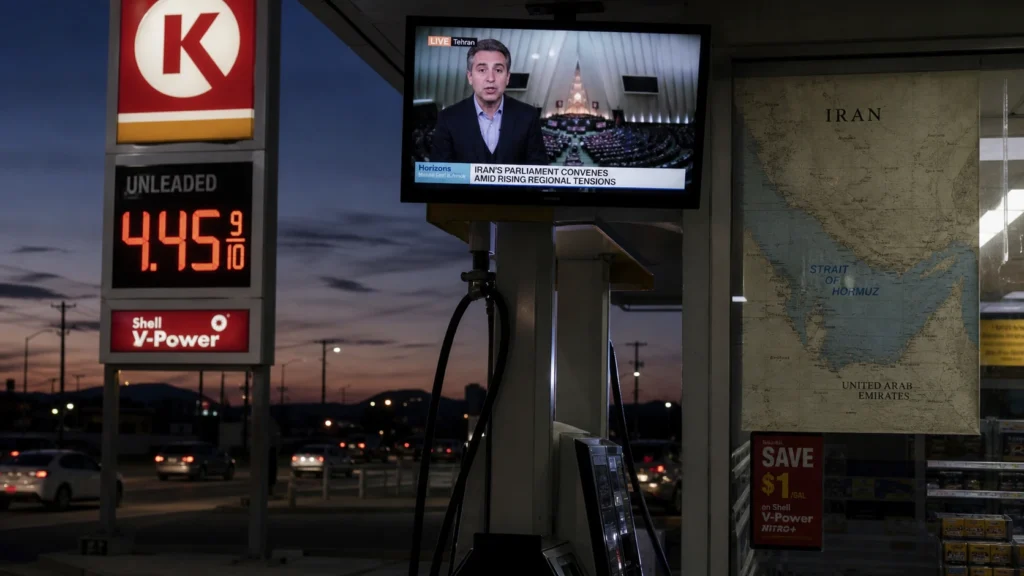
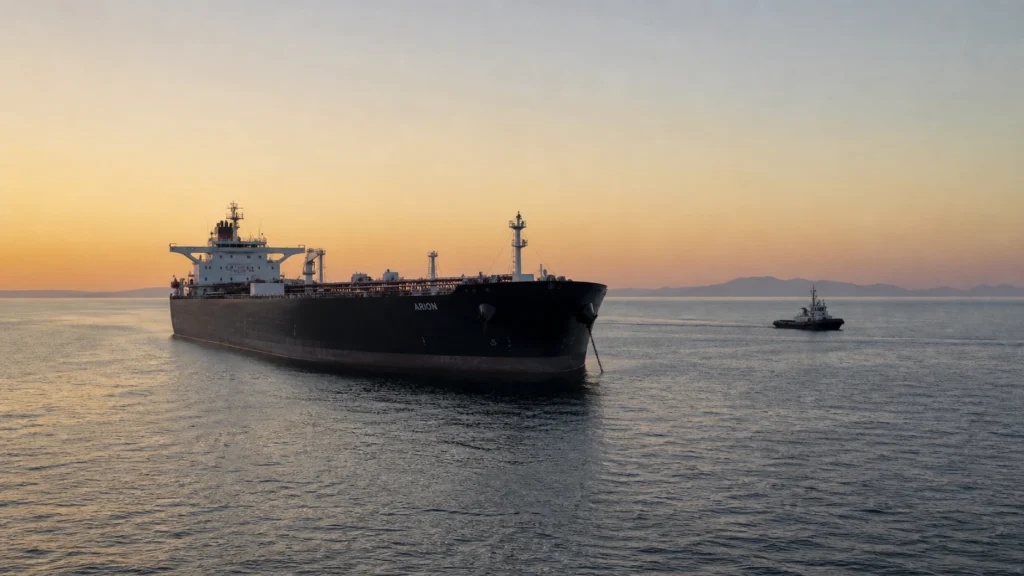
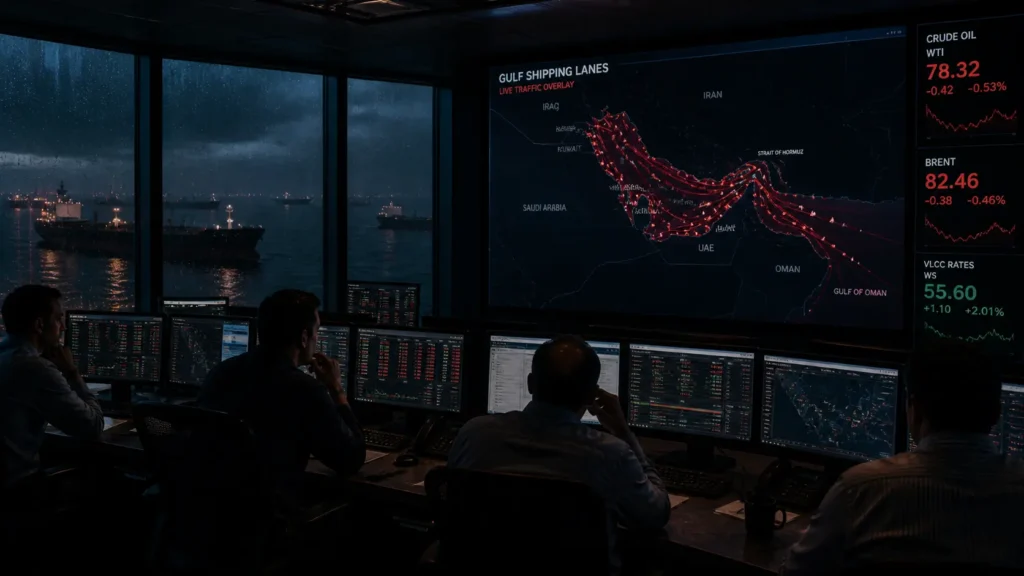
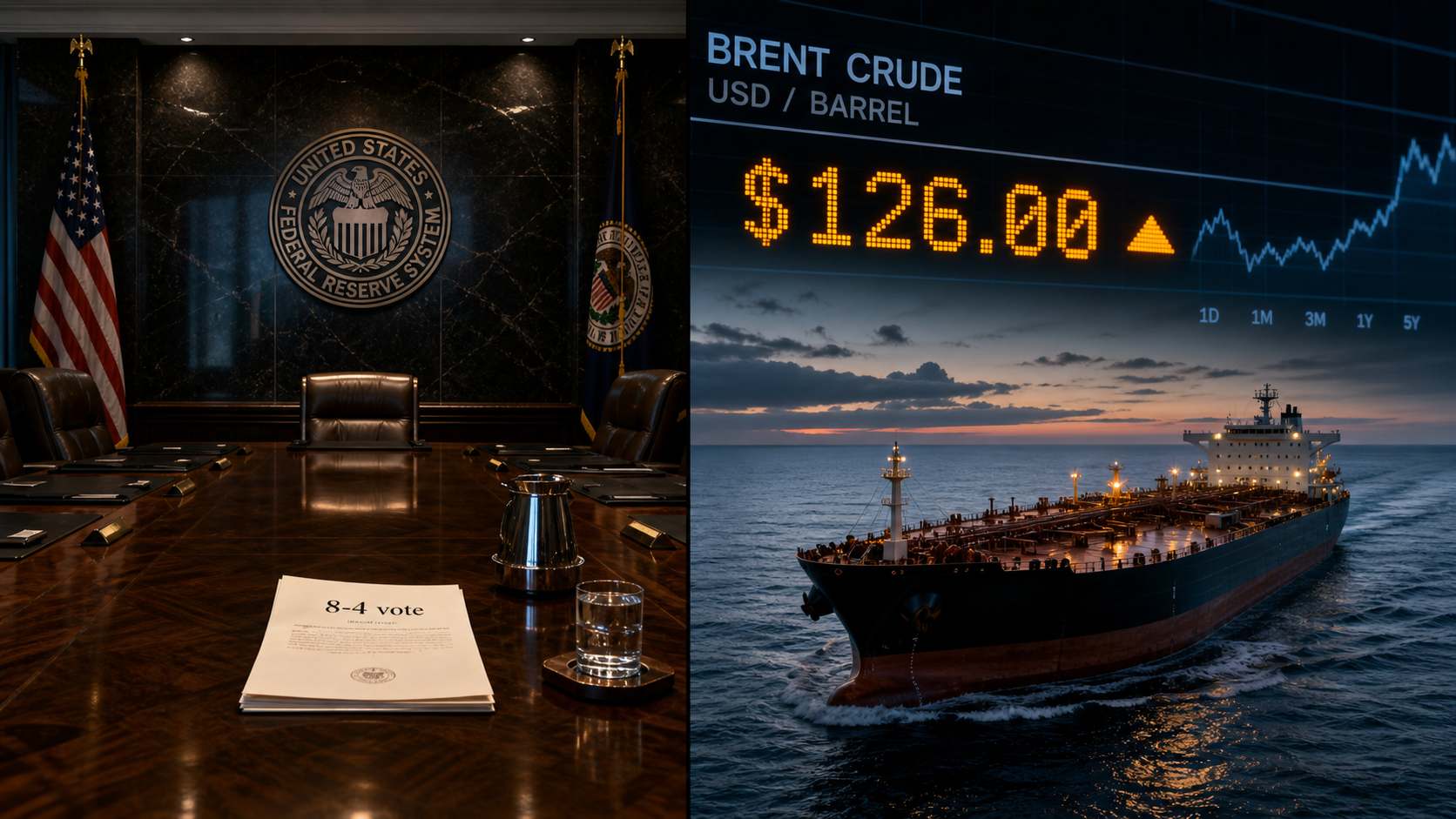
The UK suspends airport slot rules under new government contingency plans announced Sunday, allowing airlines to cancel flights up to two weeks in advance without losing valuable takeoff and landing slots at Heathrow, Gatwick, and other major UK airports. The policy change responds to potential jet fuel shortages triggered by the Strait of Hormuz disruption, which has severed Middle East supply routes to European refineries.
Why the UK Suspends Airport Slot Rules After Decades
The 80% use-it-or-lose-it rule governed UK aviation for decades. Under existing regulations, airlines must operate allocated slots at least 80% of the time or surrender them to competitors, a system designed to prevent hoarding of scarce airport capacity. Popular slots at Heathrow can be worth tens of millions of pounds when traded between carriers.
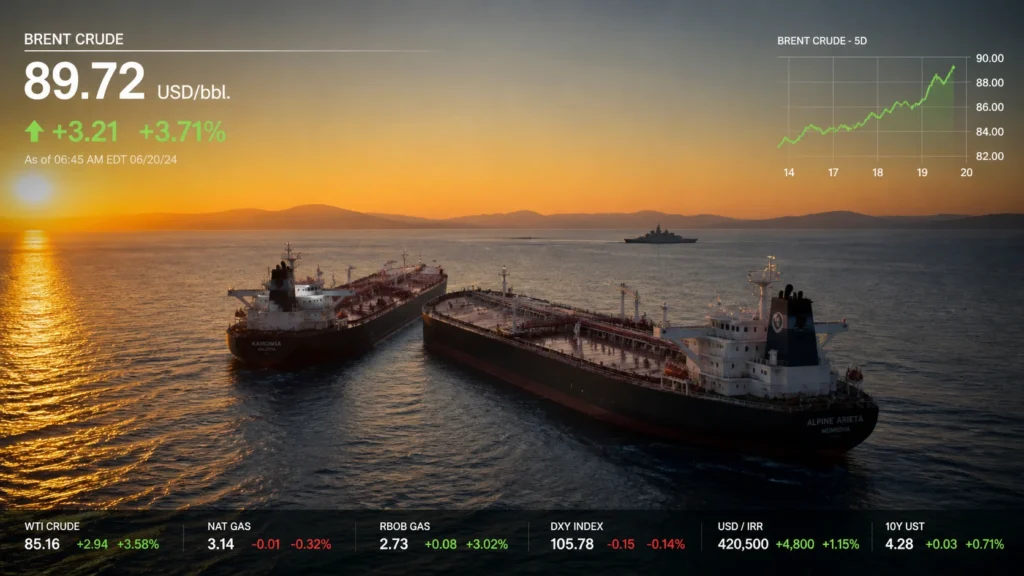
The rule functioned when fuel was abundant and predictable. The Iran war and Hormuz closure inverted that equation. The UK imports approximately 65% of its jet fuel, with a significant portion historically sourced from the Middle East. Those supplies can no longer transit the strait. The International Energy Agency has warned that Europe faces jet fuel shortages by June unless alternative supplies are secured.
When the UK suspends airport slot rules, it acknowledges that the old policy’s assumptions no longer hold. Fuel has become a constrained resource requiring government coordination rather than a variable cost that airlines can manage independently.
How the UK Suspends Airport Slot Rules in Practice
The new contingency plans allow airlines to temporarily hand back unused slots while retaining the right to use them the following year. Carriers can cancel flights at least two weeks ahead, anticipating potential fuel supply problems rather than reacting to last-minute disruption.
The government also permits airlines to merge flights on routes with multiple daily services to the same destination. Passengers booked on a cancelled early-morning departure could be moved to a later service, saving fuel while still reaching their destination.
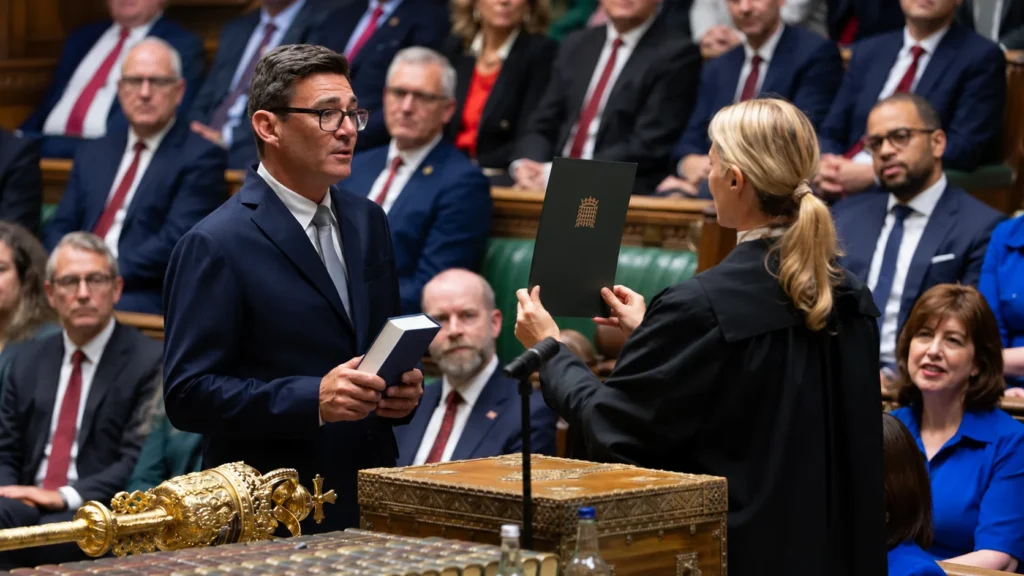
Transport Secretary Heidi Alexander told the BBC she was confident most travellers would have a similar experience to last summer, though she acknowledged “there may be a need for airlines to trim their schedules slightly.” The UK has been importing more jet fuel from the United States and West Africa while asking four domestic refineries to maximise production.
Holiday Routes Protected as UK Suspends Airport Slot Rules
The policy creates an implicit prioritisation framework. Travel journalist Simon Calder told the BBC the plan would effectively “prioritise holiday flights over business departures.”
Lufthansa operates approximately 10 daily flights between Heathrow and Frankfurt. During summer, when business travel is light, the airline could cancel two or three services and merge passengers onto the remaining flights. The 08:30 departure becomes the 10:30 departure. The destination is the same. The fuel saving is real.
Routes with limited service, Manchester to the Greek island of Skiathos, where there are no daily alternatives, receive protection. Business-heavy trunk routes with multiple daily frequencies absorb the schedule thinning.
Airlines UK chief executive Tim Alderslade welcomed the move, saying it would allow carriers to “avoid unnecessary flying and continue operating as efficiently as possible while protecting connectivity for passengers and trade.”
Passenger Rights and Airline Compensation
Airlines have lobbied for fuel shortages to be classified as “extraordinary circumstances,” which would relieve them of financial compensation obligations for cancellations. The UK government has not granted that request.
The European Commission has signalled airlines may not be required to provide compensation if they can demonstrate disruption was directly caused by jet fuel shortages and all reasonable measures were taken. The gap between UK and EU regulatory positions creates potential inconsistency for passengers depending on which jurisdiction governs their flight.
Under existing UK rules, cancelled passengers remain entitled to rerouting or refunds and care and assistance including food, drink, and accommodation where necessary.
What Comes Next After the UK Suspends Airport Slot Rules
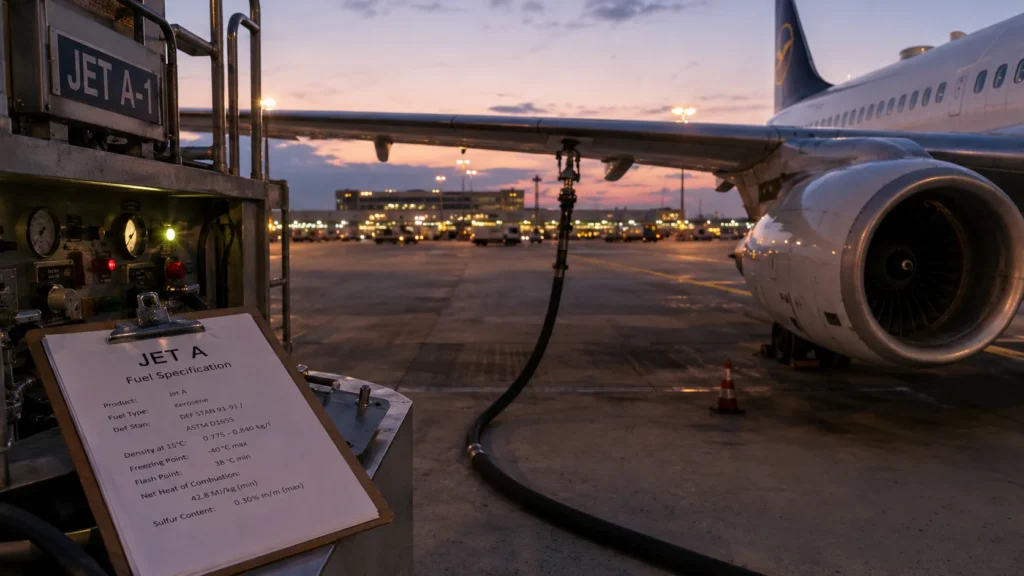
The government is examining additional measures to increase jet fuel supply flexibility, including potentially allowing a US specification of fuel, Jet A, to be used in the UK alongside the standard Jet A1 formula. The move could help reduce shortage risks, though infrastructure challenges may limit immediate impact.
The slot waiver requires legislation through a statutory instrument, with a short consultation taking place this week. The measure is designed as a temporary response to supply disruption. Industry analysts note that suspensions of long-standing market rules can establish precedents for future crises, whether fuel-related or otherwise.