

 English






















































































































































































































































































































































Nebraska Quarantine Tests US Public Health Messaging Again
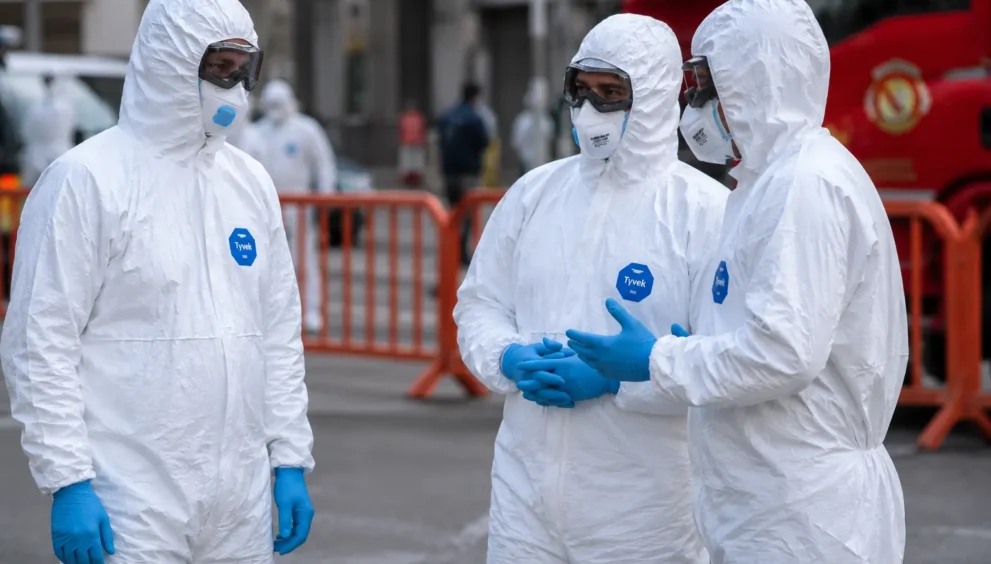
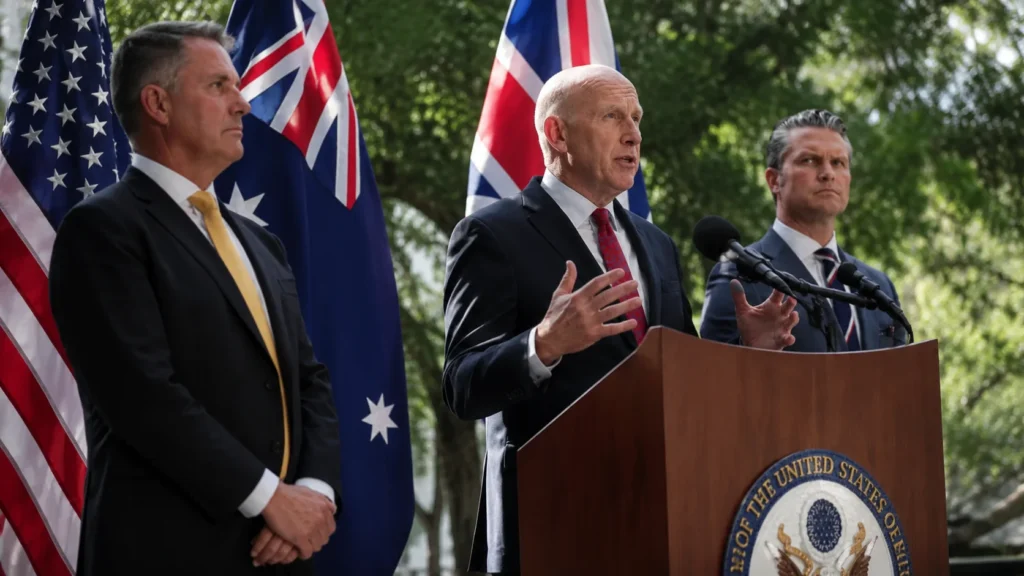
On Monday, sixteen passengers from the MV Hondius cruise ship entered the University of Nebraska quarantine unit. One additional passenger, already testing positive for hantavirus, went into the biocontainment facility. Officials told the public the risk is “very, very low.” Governor Jim Pillen said no one who poses a threat “is walking out the front door onto the streets of Omaha.” The press conference was calm, competent, and carefully worded. But the Nebraska quarantine tests US public health messaging again because the reassurance delivered in the Omaha papered over a fracture that opened days earlier when the CDC publicly rejected WHO guidelines. That fracture has not healed. It has simply gone unmentioned.
What Officials Said, And What They Didn’t
Dr. Angela Hewlitt, medical director of the Nebraska Biocontainment Unit, described the quarantine facility in deliberate terms. The unit is “much more like a hotel than a patient care space.” Exercise equipment. Comfortable rooms. The 15 passengers admitted Monday morning arrived in “good shape” and “good spirits,” though they were “definitely tired and needed some rest.”
The one patient in the actual biocontainment unit tested positive but remains asymptomatic. Good appetite. “Very tired, understandably.”
Dr. Brendan Jackson of the CDC explained that after several days of assessment, each passenger will receive an individual monitoring plan. Some may isolate at home. Some may stay for the full 42 days the World Health Organization originally recommended. The decision depends on living situations, health status, and access to high-level care. “We’ll try to do this in the least restrictive way possible,” Jackson said.
The words were reassuring. The framework they revealed was discretionary. The WHO guideline had become a menu option.
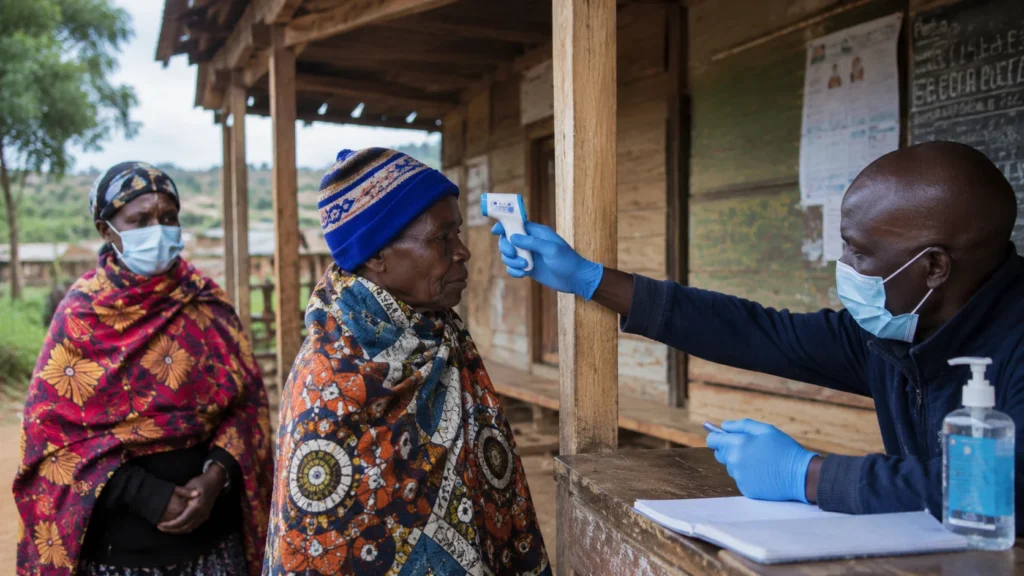
According to CDC official press conference transcript May 2026, state health departments have contacted all returned passengers and are conducting daily temperature checks and symptom monitoring. Plans are in place for home isolation if symptoms develop. The operational machinery is working. The question is whether working on America’s own terms amounts to working within a global system or walking away from one.

The 18th Passenger And The Dual National Question
A small detail emerged that exposes the larger tension. The number of passengers rose from 17 to 18 during the press conference. Matthew Ferreira from the Department of Health and Human Services clarified the discrepancy. The 18th person is a British dual national who chose to return to the United States.
That passenger now waits in Nebraska alongside American citizens. The same facility. The same assessment protocol. The same uncertainty about whether 42 days or 72 hours or something in between will define their confinement.
Dual nationals occupy a strange space in public health emergencies. They can choose which country receives them. They cannot choose which rules apply once they arrive. The British passenger who flew to Nebraska made a decision based on trust in American medical infrastructure. That trust appears warranted. But trust in a facility is different from trust in a system that has already announced it will not follow international guidance if that guidance feels excessive.
As our earlier analysis of the MV Hondius global health fracture documented, the CDC’s rejection of the WHO’s 42-day quarantine recommendation did not cause a diplomatic crisis. It caused silence. Geneva warned. Washington proceeded. The silence between them is now policy.
What Close Contact Actually Means
Dr. Brendan Jackson offered definitions that sound clinical but carry political weight. Close contact involves the exchange of bodily fluids like saliva. “Sharing eating utensils, kissing, touching, those types of things.” Being within six feet for roughly 15 minutes also qualifies, though Jackson stressed there is “nothing magical” about those numbers. “It’s not a force field, but it’s a rough number that gives us a rough sense of how close somebody has been.”
The candor was useful. The subtext was structural. If close contact requires kissing or sharing utensils or prolonged proximity, the vast majority of passengers on the MV Hondius do not qualify. The outbreak remains small. Three deaths. A handful of positive tests. The public health risk remains low.
But the Andes strain of hantavirus can transmit between humans. The WHO did not pull the 42-day guideline from nowhere. It reflected the virus’s incubation period and the consequence of being wrong. The CDC assessed that consequence differently. Neither institution is medically incorrect. The problem is that no mechanism exists to adjudicate the disagreement.
FAQ: Nebraska Quarantine And Hantavirus Response
Why did passengers go to Nebraska?
The University of Nebraska Medical Center houses the National Quarantine Unit and the Nebraska Biocontainment Unit, the most advanced facilities of their kind in the United States. Dr. Jeffrey Gold, president of the university, said: “There is no place in the country that they could be better cared for.” The facility has handled high-consequence pathogens before, including Ebola patients in 2014.
How long will passengers stay in quarantine?
The CDC announced individual monitoring plans determined by living situation, health status, and access to high-level care. Some passengers may isolate at home after several days of assessment. Others may stay at the Nebraska facility for the full 42 days the WHO recommended. There is no single standard. Each case receives a separate evaluation.
What is the difference between the quarantine unit and the biocontainment unit?
The quarantine unit houses asymptomatic passengers and resembles a hotel, with exercise equipment and comfortable rooms. The biocontainment unit houses patients who have tested positive or are showing symptoms. As of Monday, one passenger occupied the biocontainment unit and was asymptomatic but being monitored.
Has human-to-human transmission occurred?
Not yet confirmed on the MV Hondius. The Andes strain of hantavirus can transmit between humans through close contact involving bodily fluids, but not with the efficiency of a respiratory virus. Health officials continue to stress that the public risk is very low. According to WHO hantavirus fact sheet, human-to-human transmission of the Andes strain has been documented in South America but remains rare.
Where are the other MV Hondius passengers?
More than 90 passengers have been repatriated to multiple countries. The UK flew 20 nationals to Manchester for 72 hours of observation. Spain sent 14 citizens to a military hospital for mandatory quarantine. France isolated one woman in Paris whose condition was deteriorating while tracing 22 contacts. The Netherlands consolidated passengers from several nations on one flight. As our coverage of the MV Hondius international repatriation detailed, six nations applied six different protocols to the same pathogen.
The Nebraska press conference ended. The passengers slept. The daily temperature checks continued. The outbreak will likely stay small. Hantavirus does not spread like COVID. The Andes strain can move between humans but does so inefficiently. The case count will remain manageable.
What the press conference did not resolve is the structural question beneath the reassuring language. A major power publicly disregarded WHO guidance and suffered no consequence. The quarantine unit feels like a hotel. The politics do not. And the next pathogen will not care how comfortable the facility was or how carefully the press conference was worded. It will arrive in a world where global health coordination is now demonstrably voluntary. The Nebraska quarantine tests US public health messaging again, and the message landed. The coordination did not.
Written by Global Health Policy and Institutional Correspondent, who has covered pandemic preparedness, WHO governance, and US public health infrastructure for over a decade, including the 2014 Ebola biocontainment operations, the 2020 Covid response, and ongoing International Health Regulations reform.