

 English


























































































































































































































Trump Rejects Iran Reply. The Strait Stays Shut.
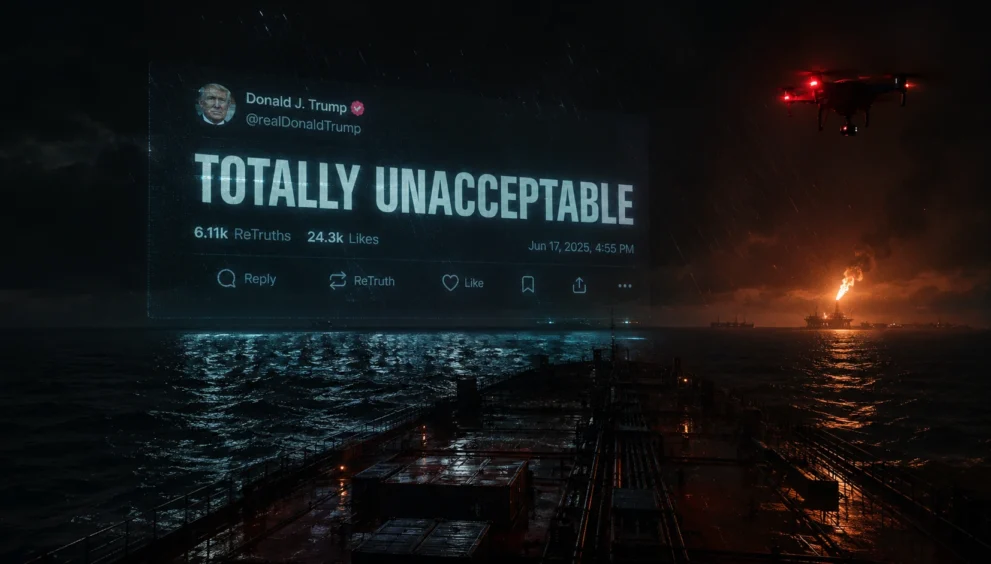
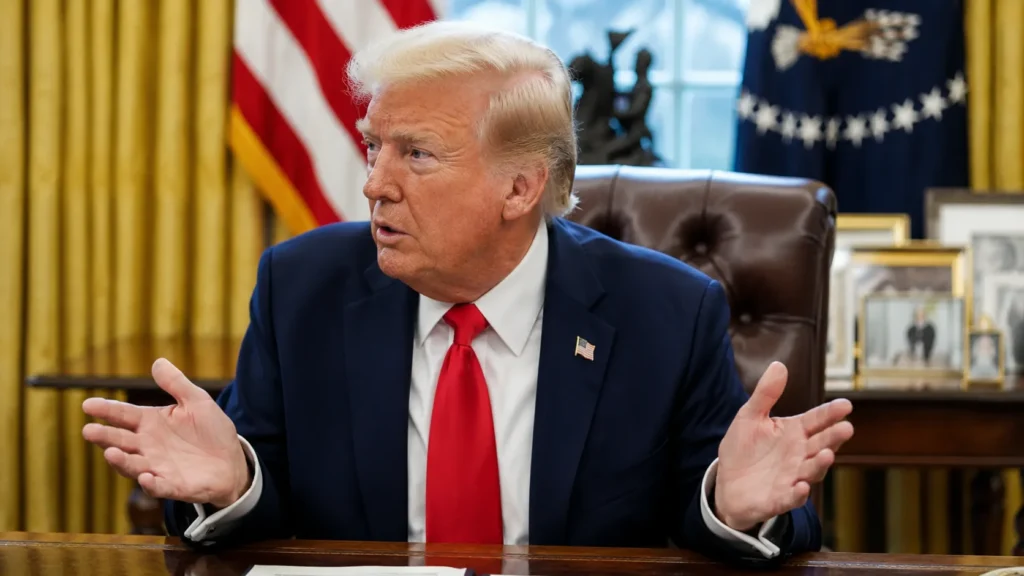
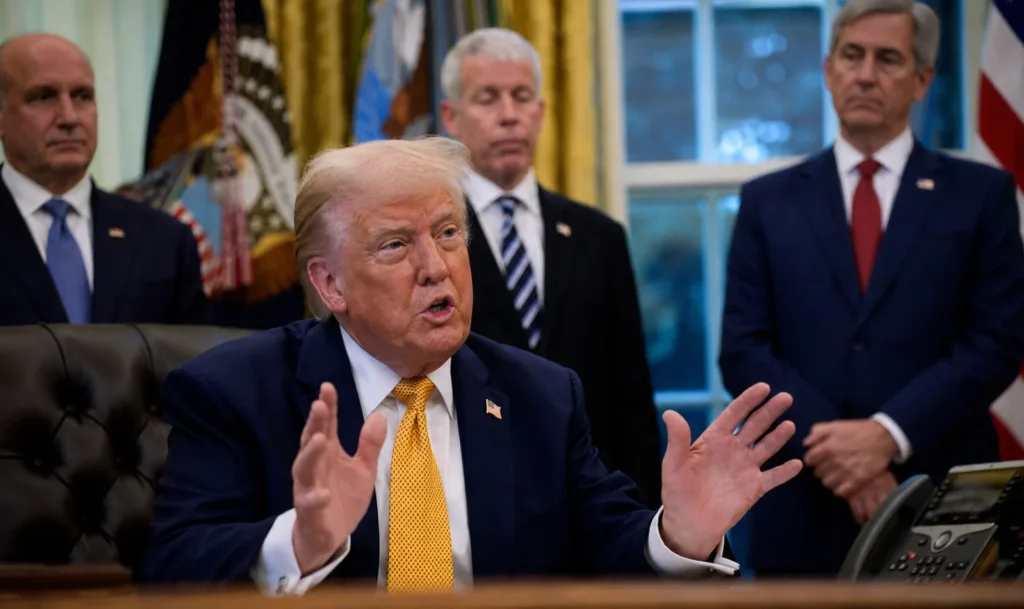
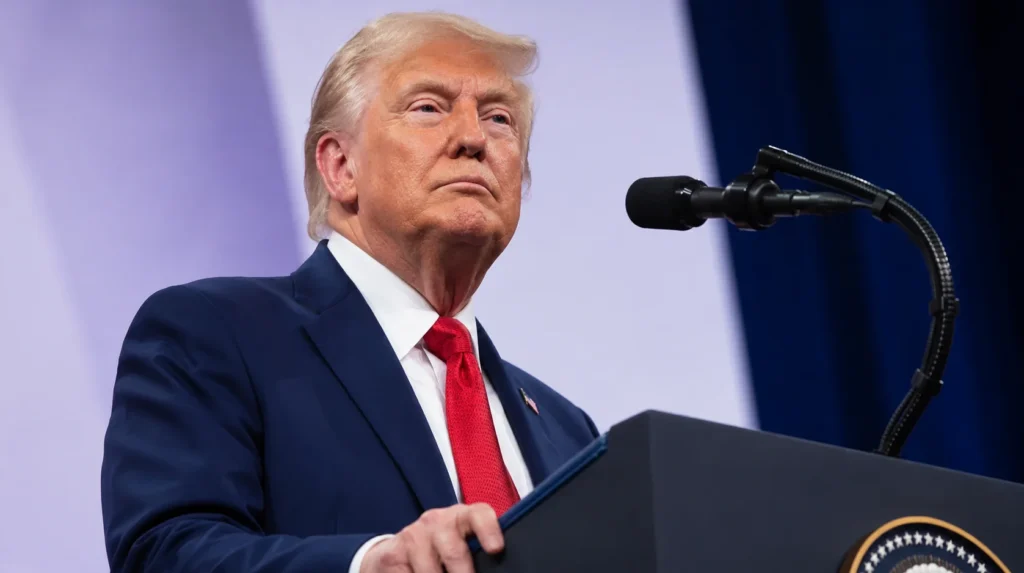
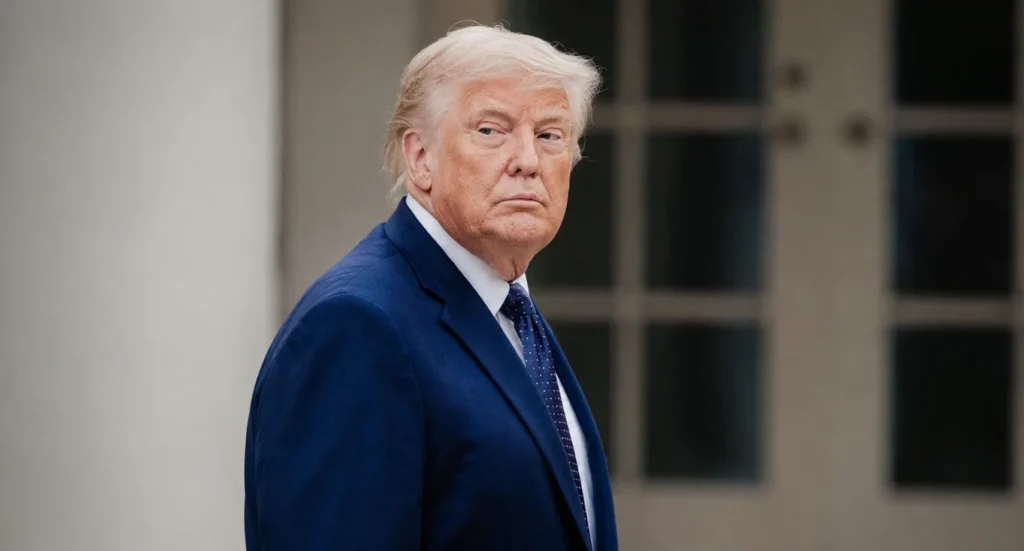
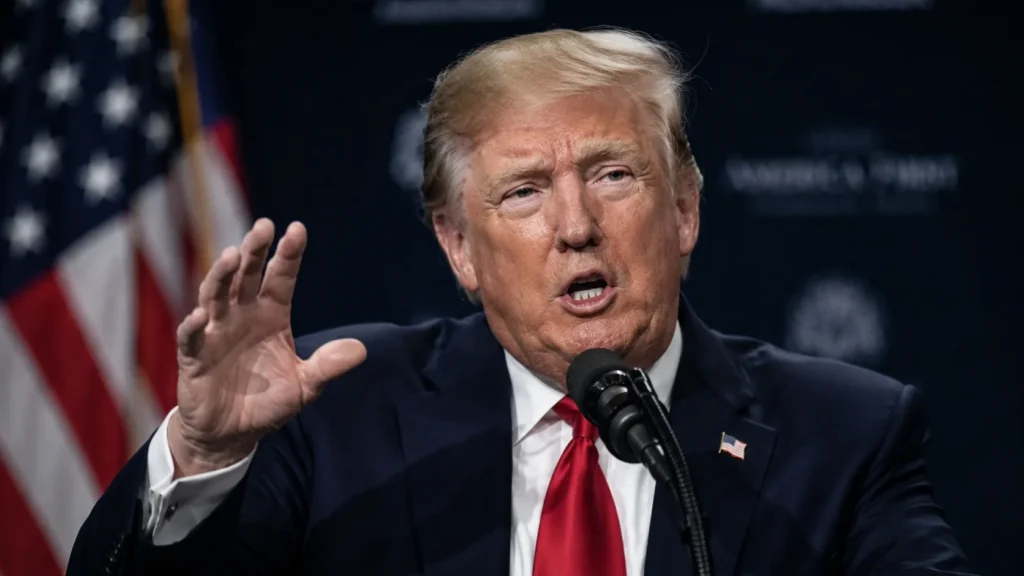
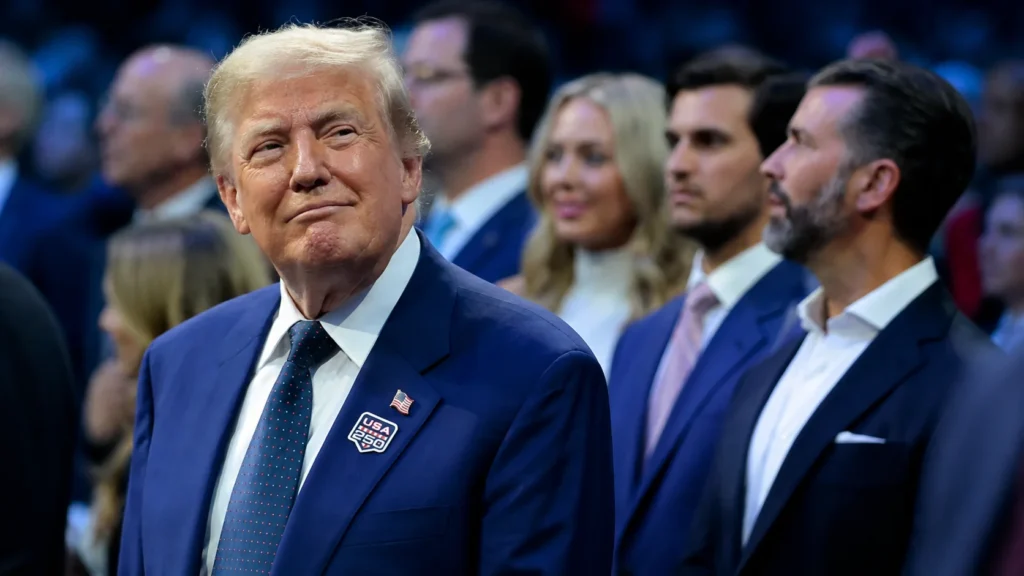
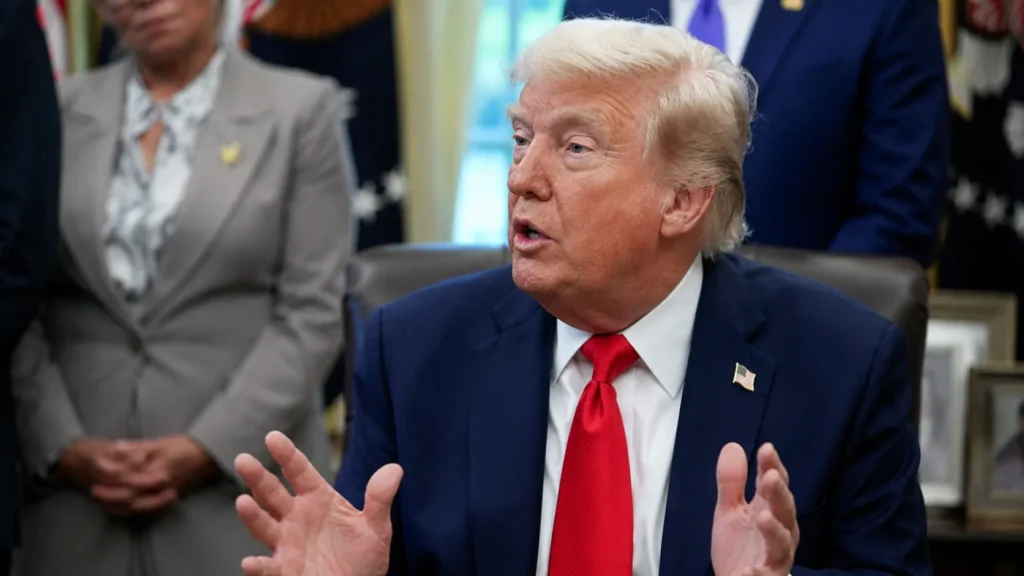
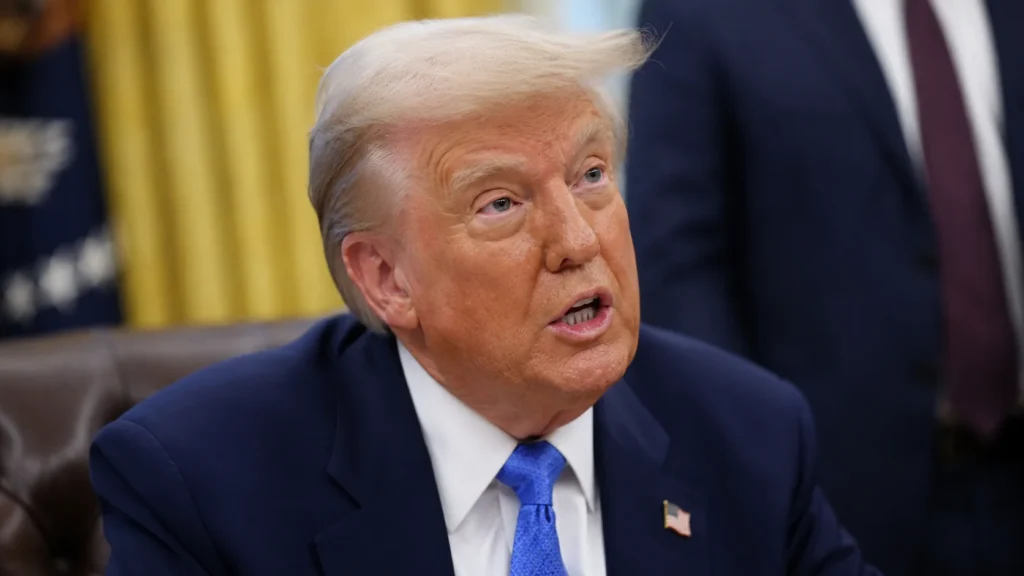
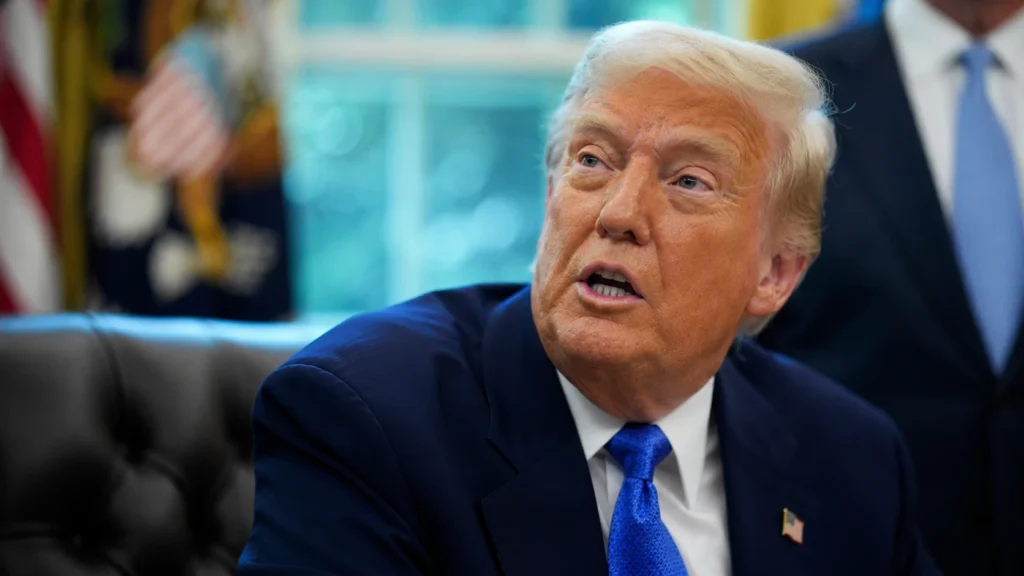
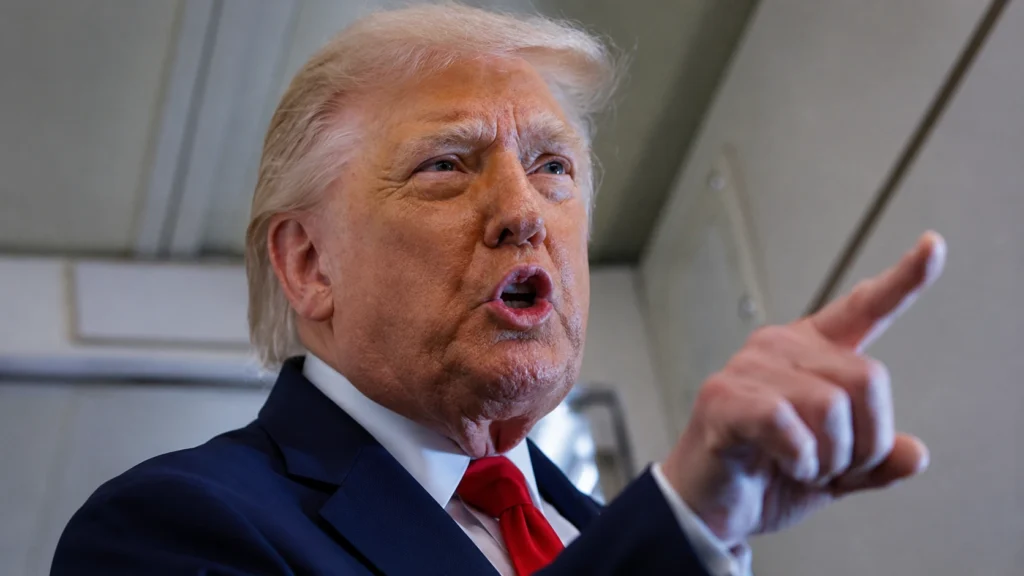
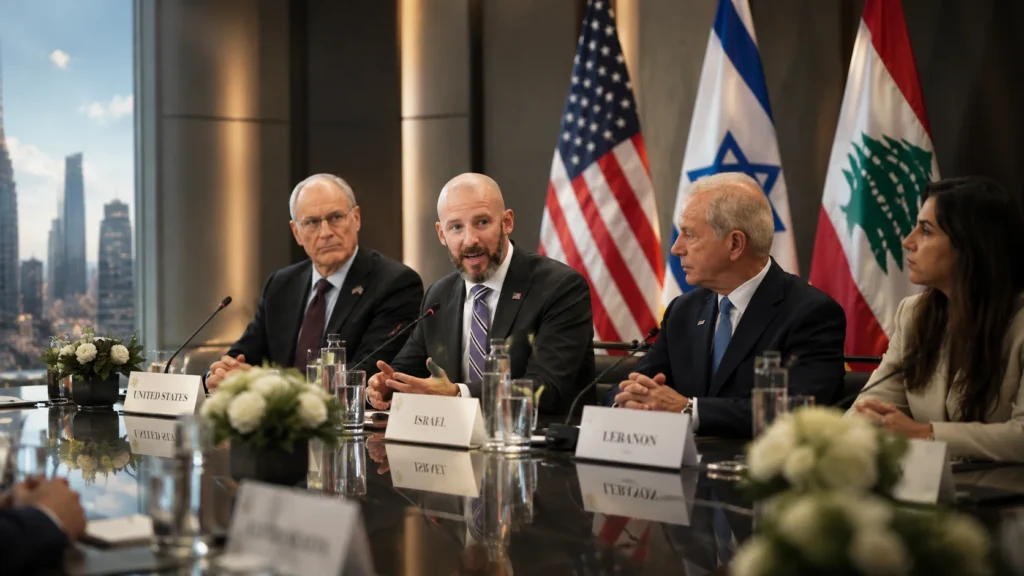
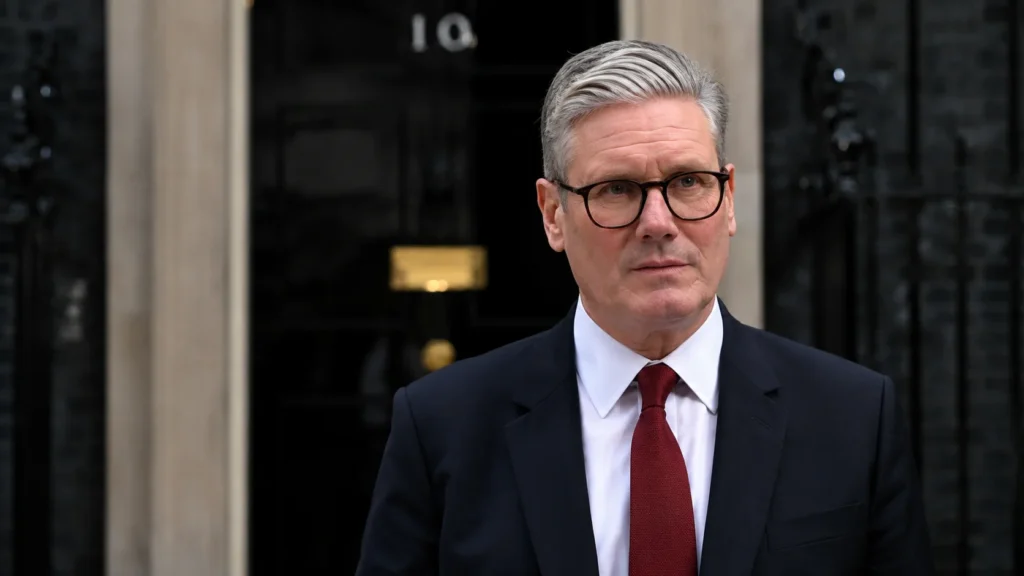
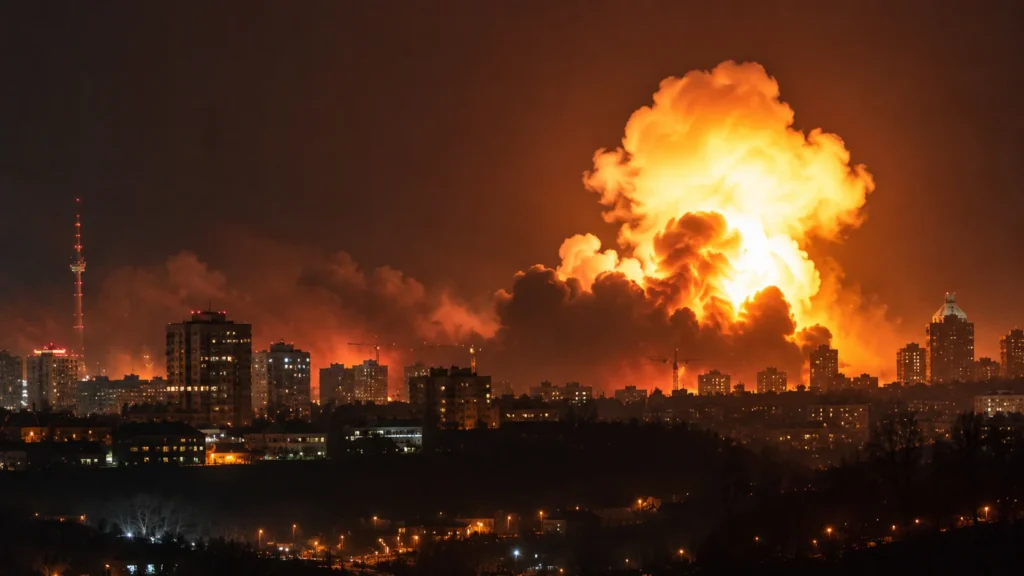
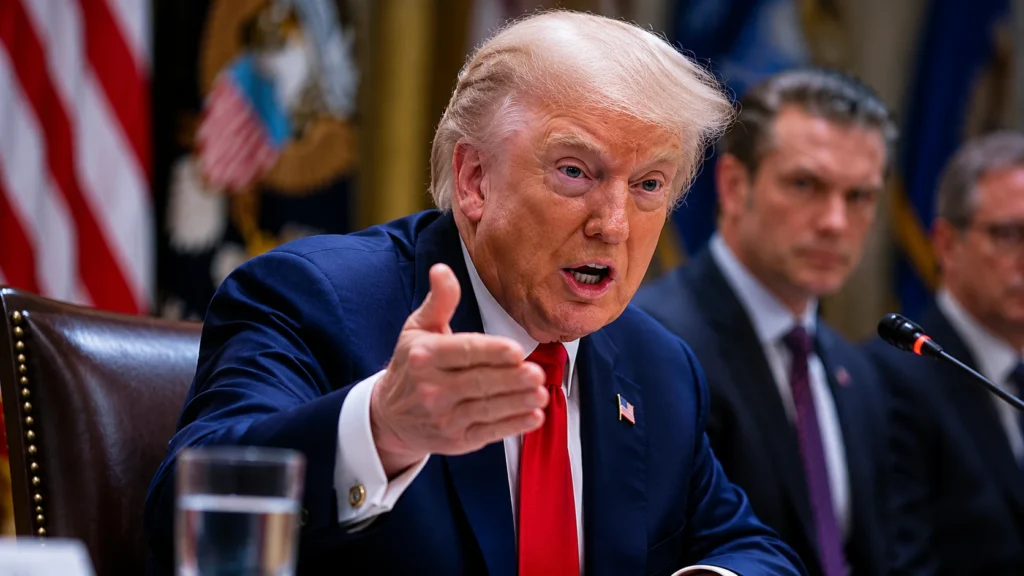
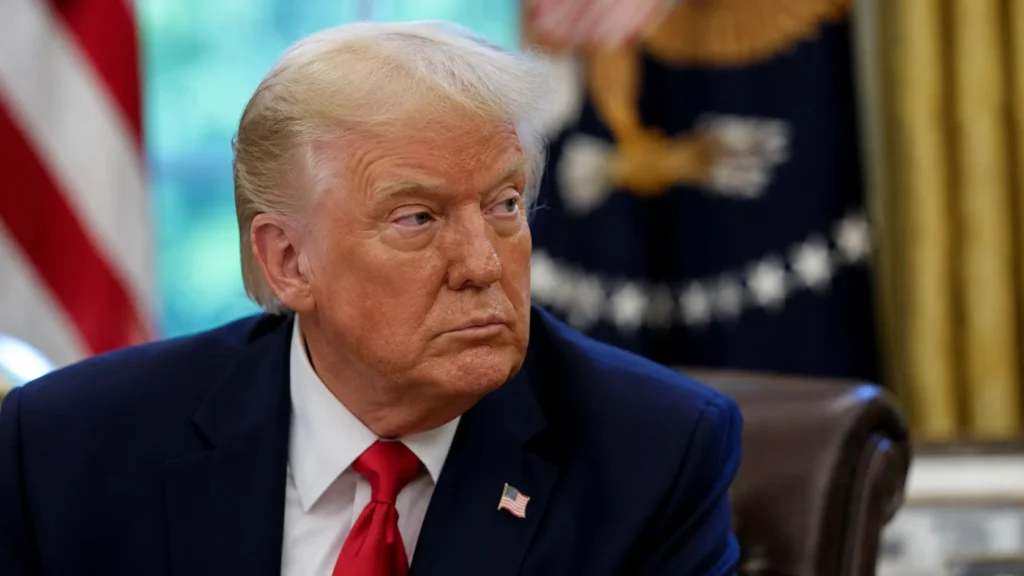
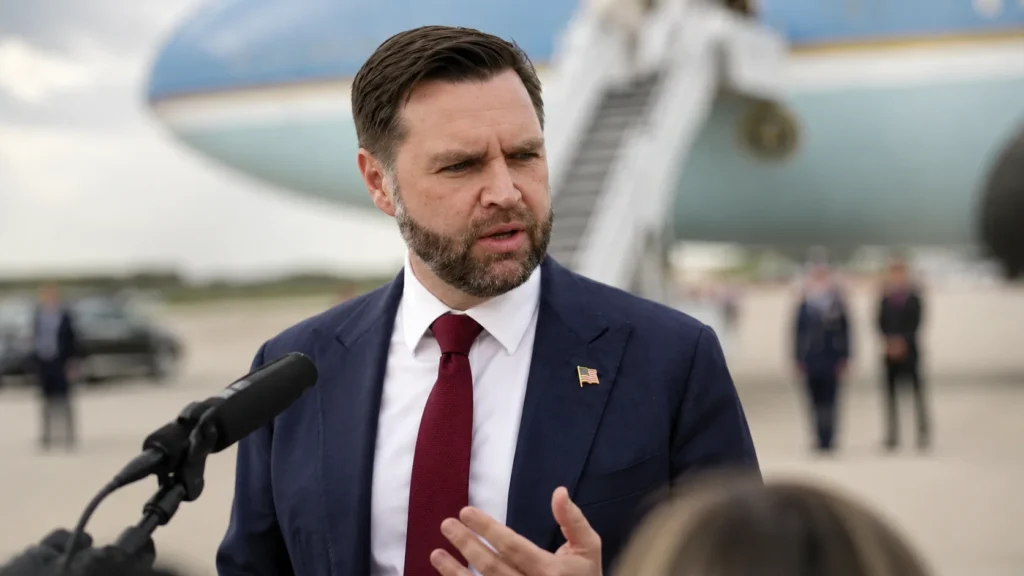
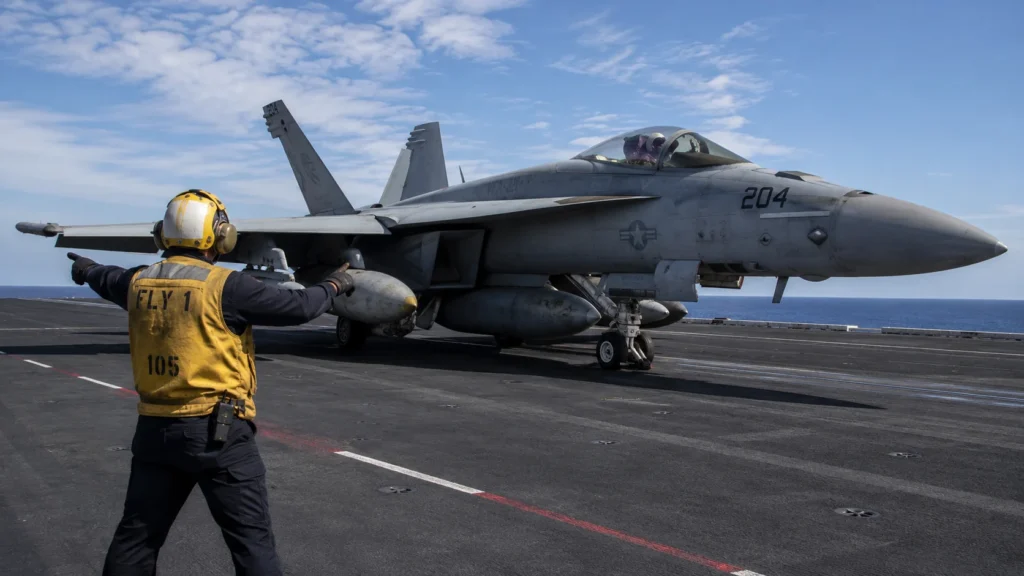
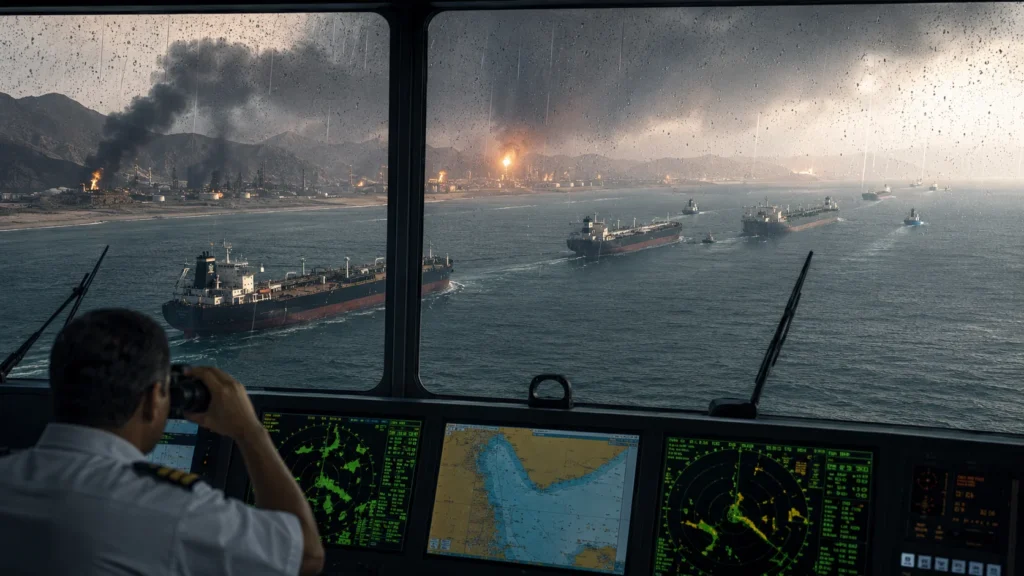
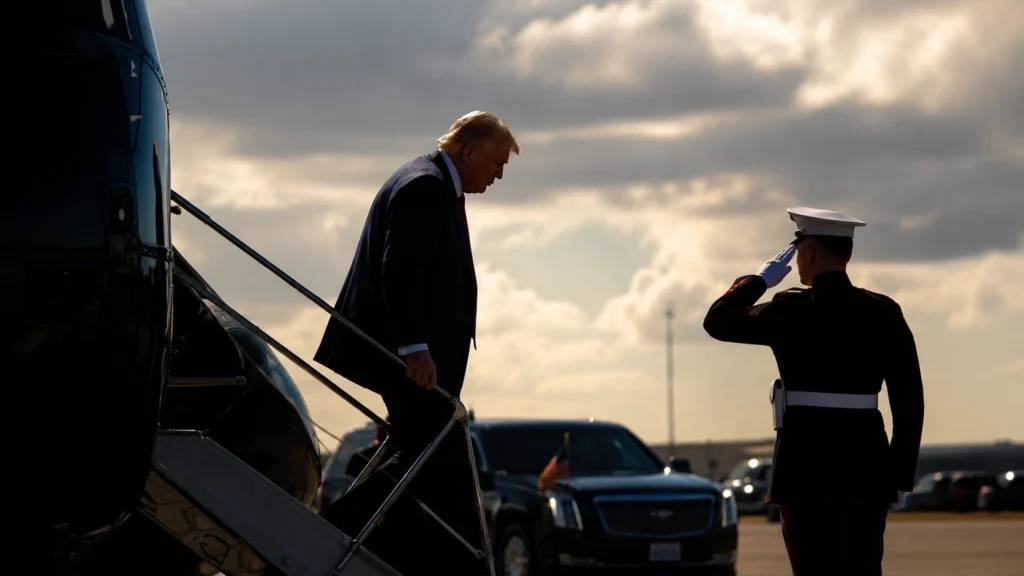
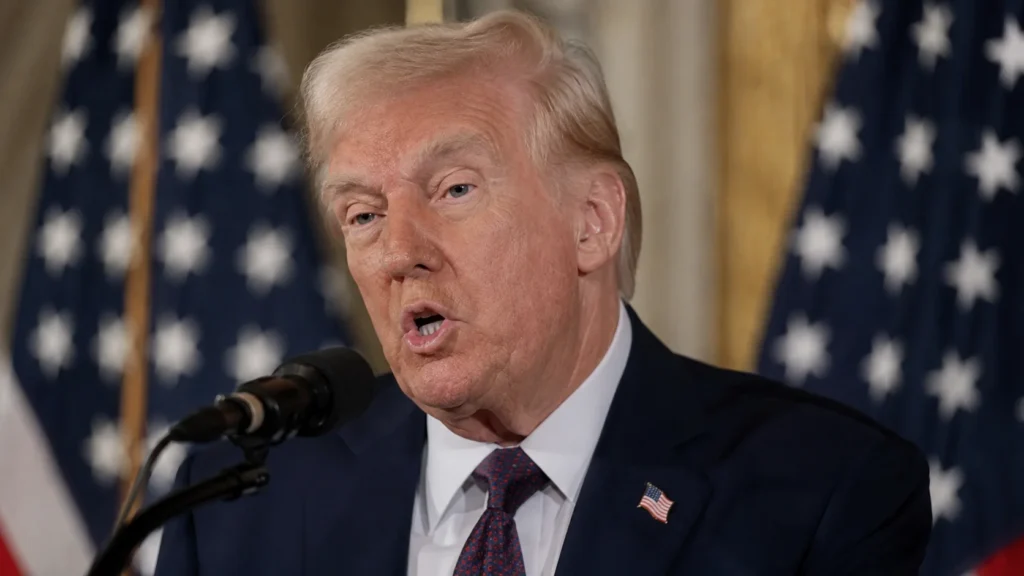
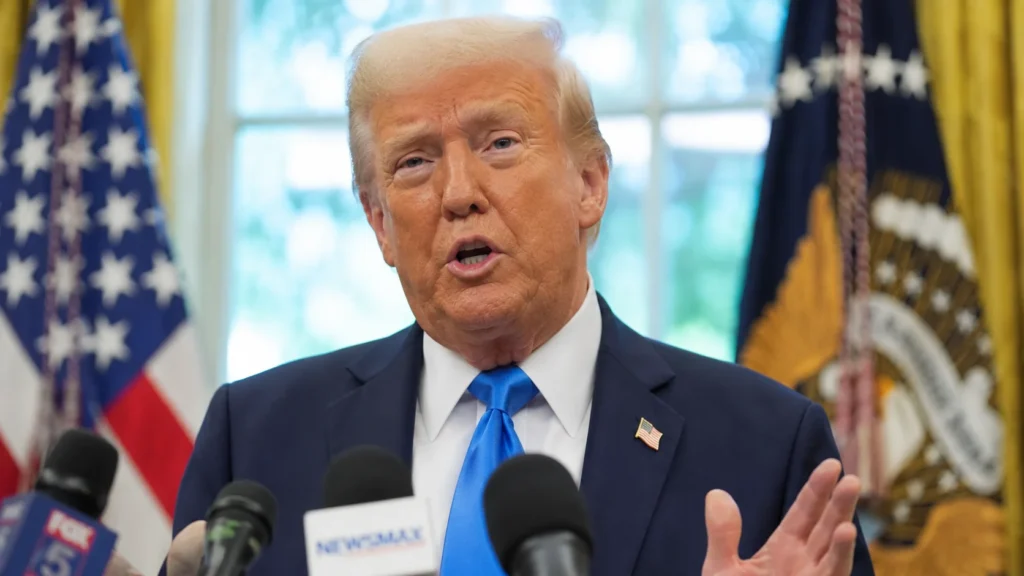
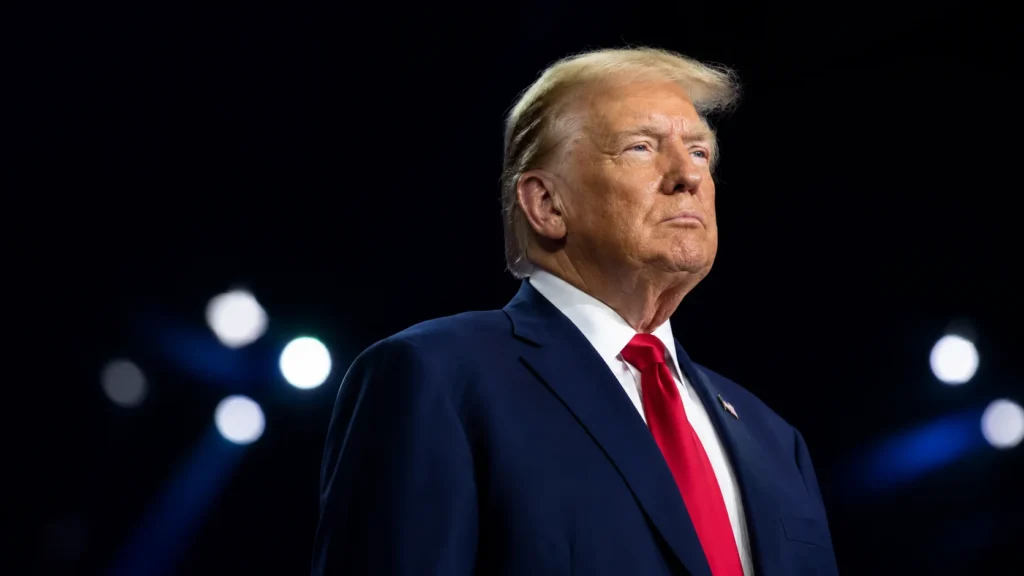
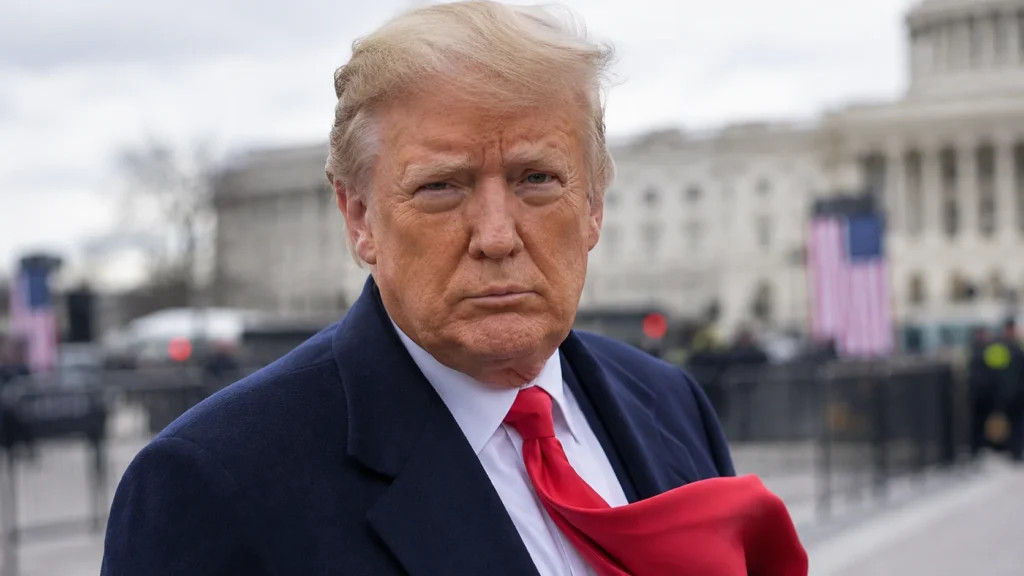
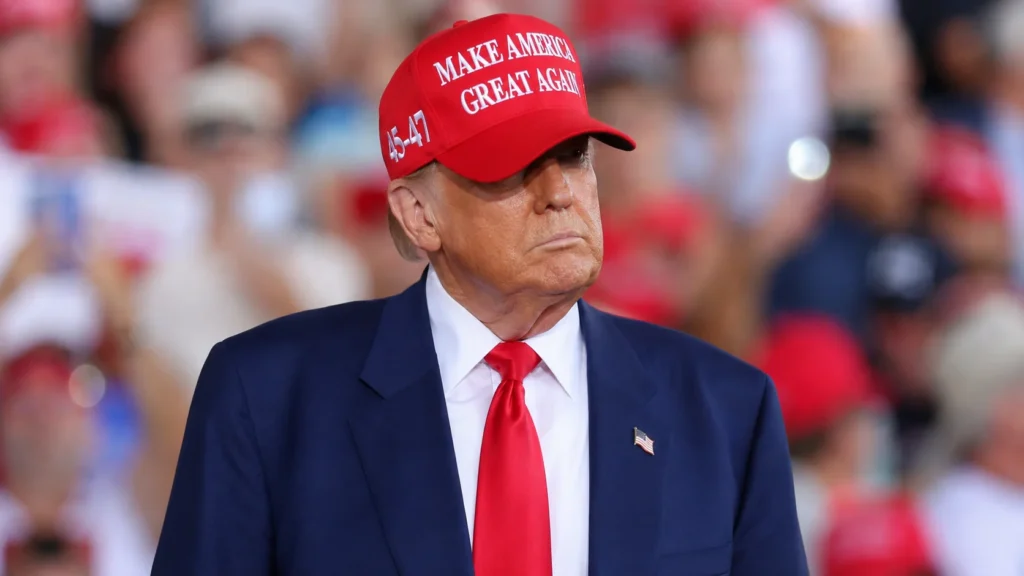
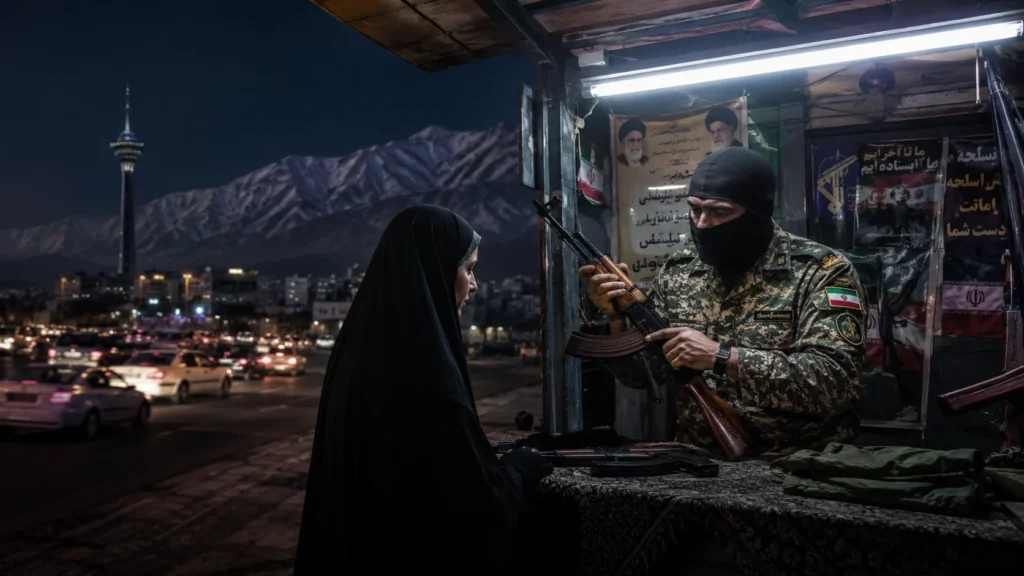
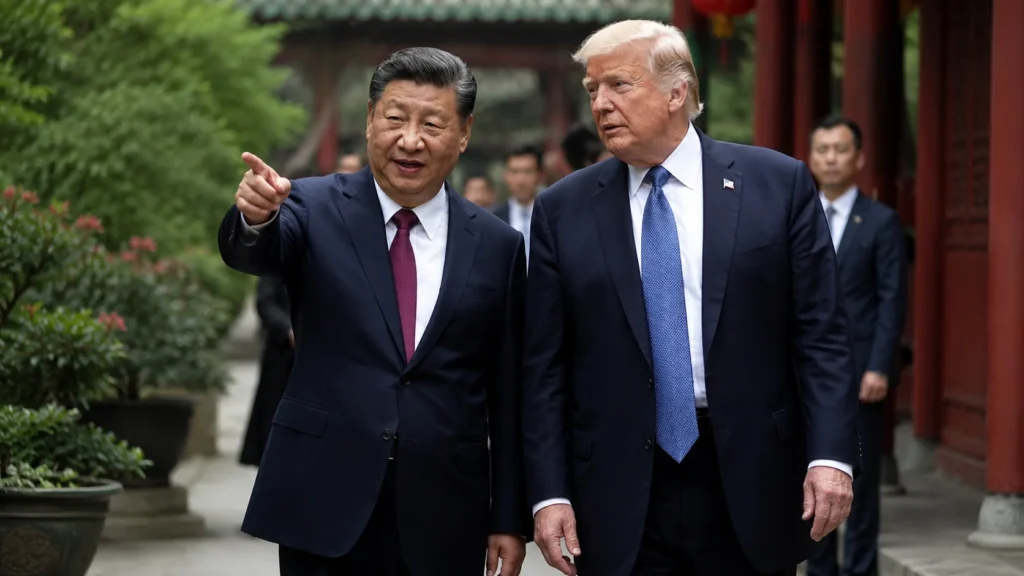
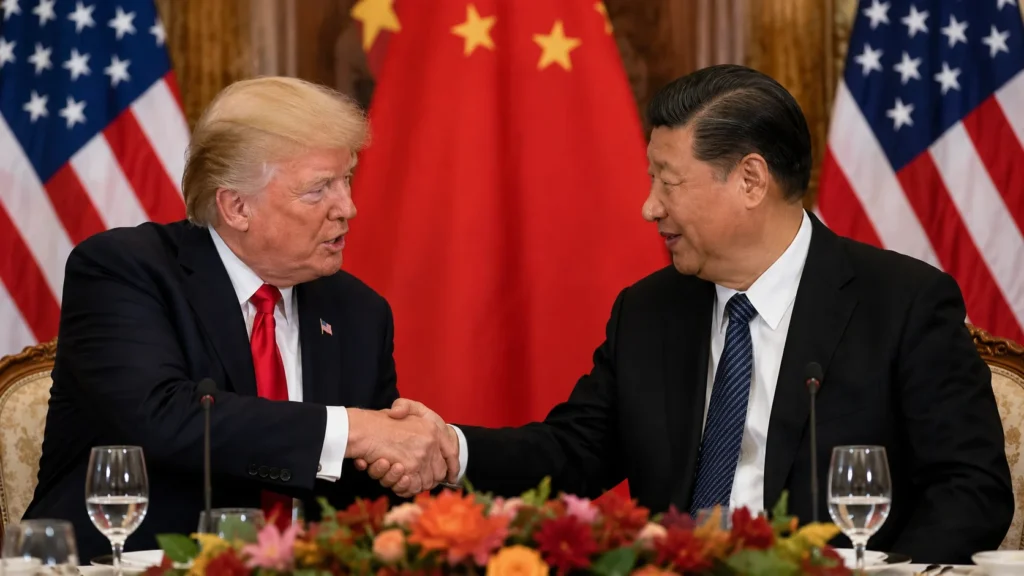
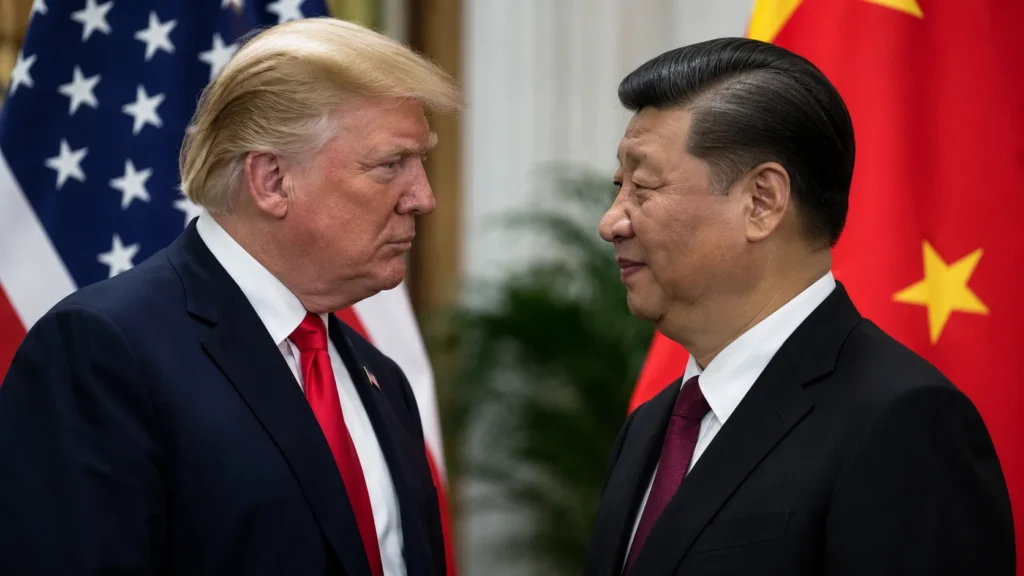
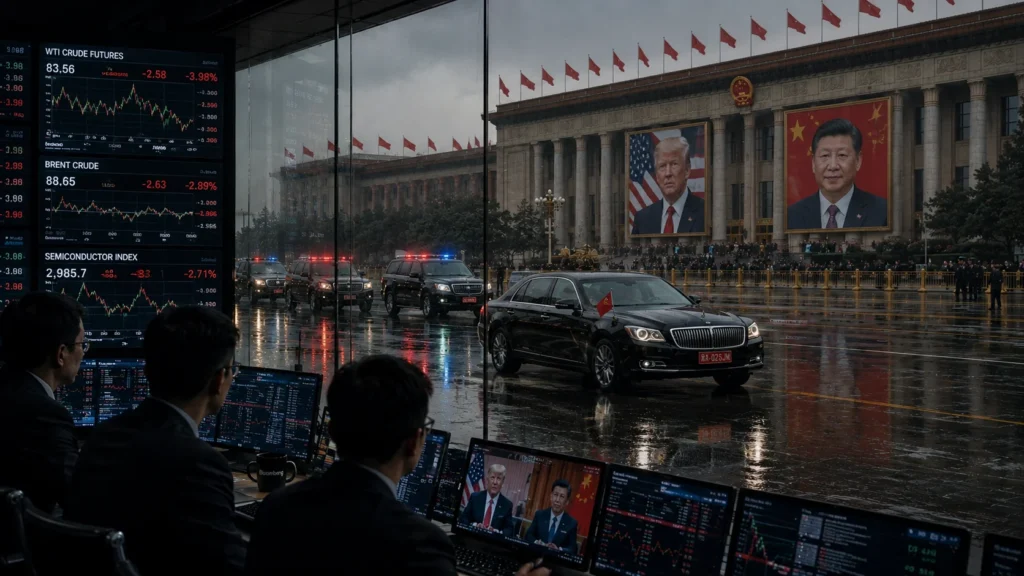
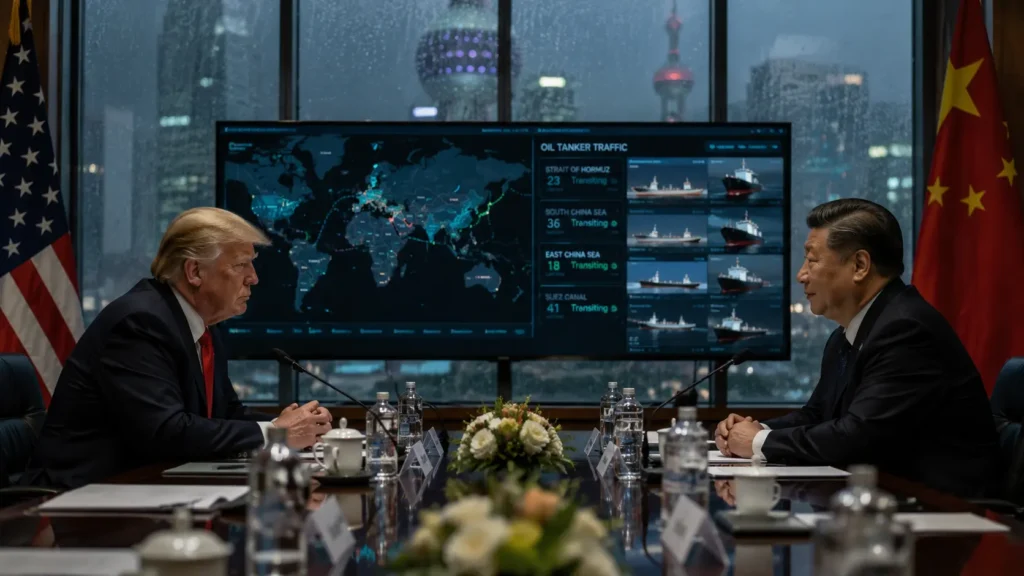
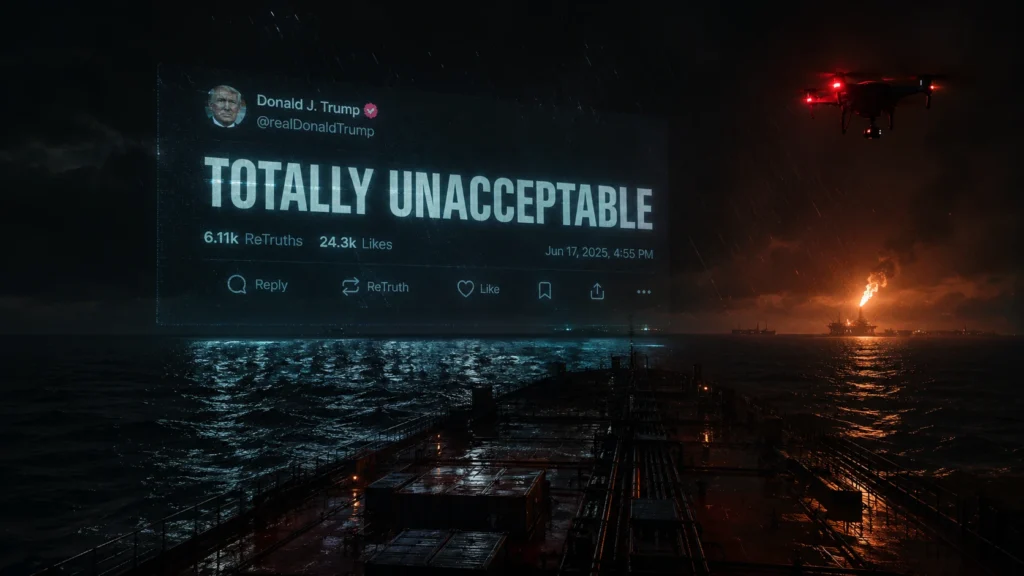
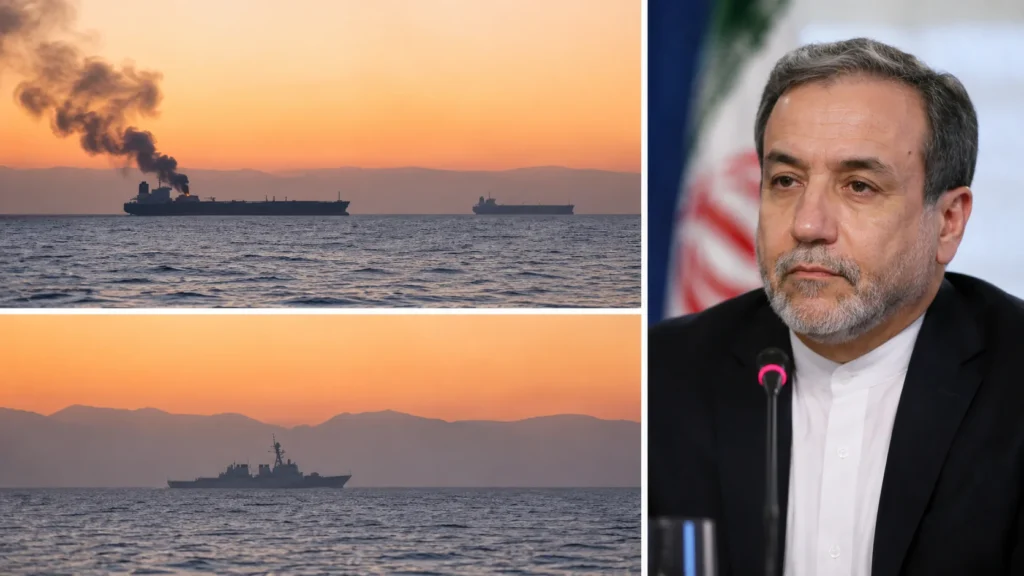
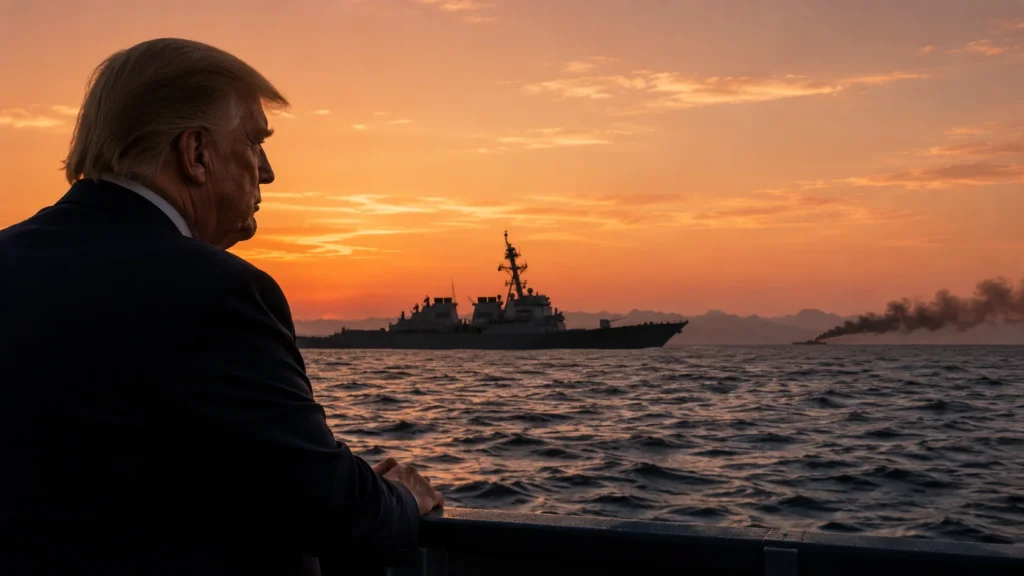
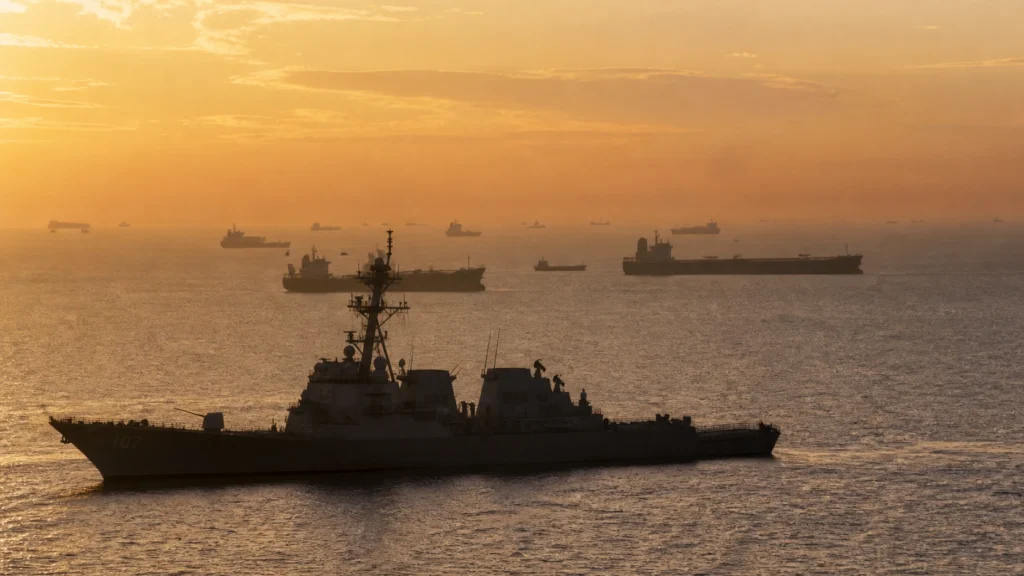
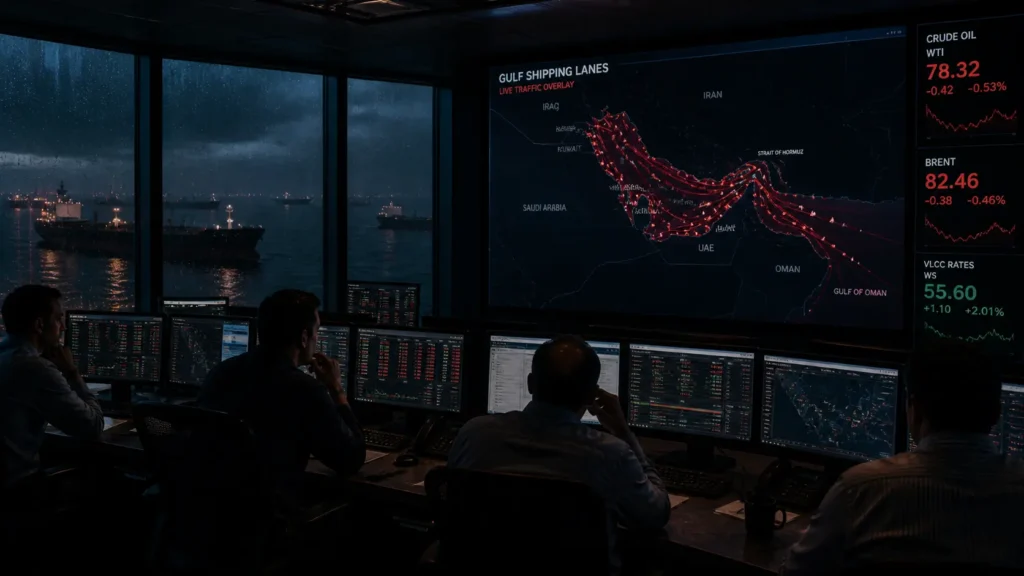
On Sunday, President Donald Trump rejected Iran’s response to US peace proposals as “totally unacceptable,” effectively killing the latest diplomatic off-ramp in a war now entering its fourth month. Iran’s proposal—delivered via Pakistan on May 10, 2026—demanded an immediate end to hostilities, a halt to the US naval blockade, and recognition of Iranian sovereignty over the Strait of Hormuz. The rejection leaves the strategic waterway closed, global oil markets unsettled, and forty nations scrambling for answers ahead of Monday’s maritime security summit.
The Gap That Killed the Deal
The distance between the two positions isn’t measured in paragraphs. It’s measured in worldviews.
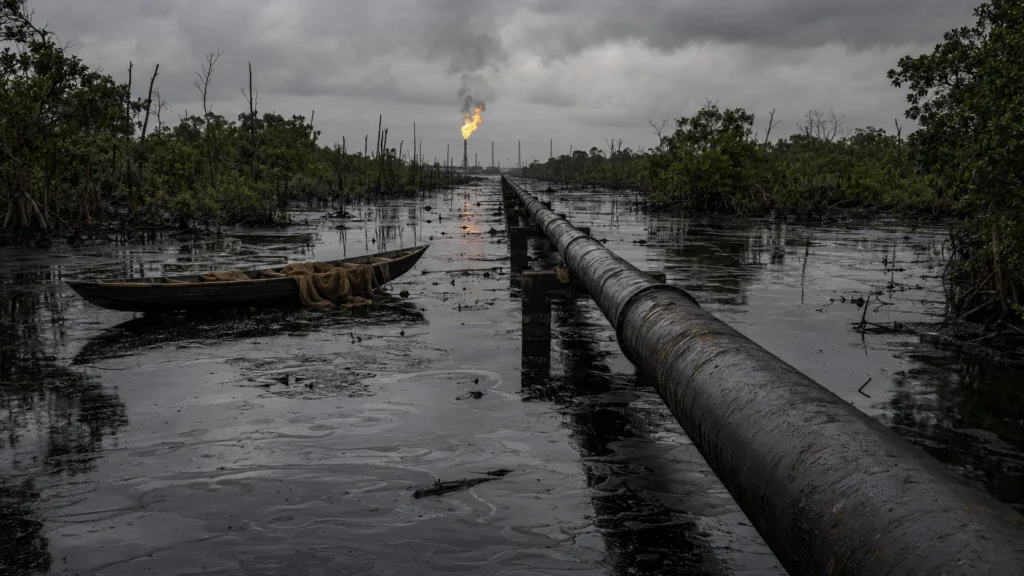
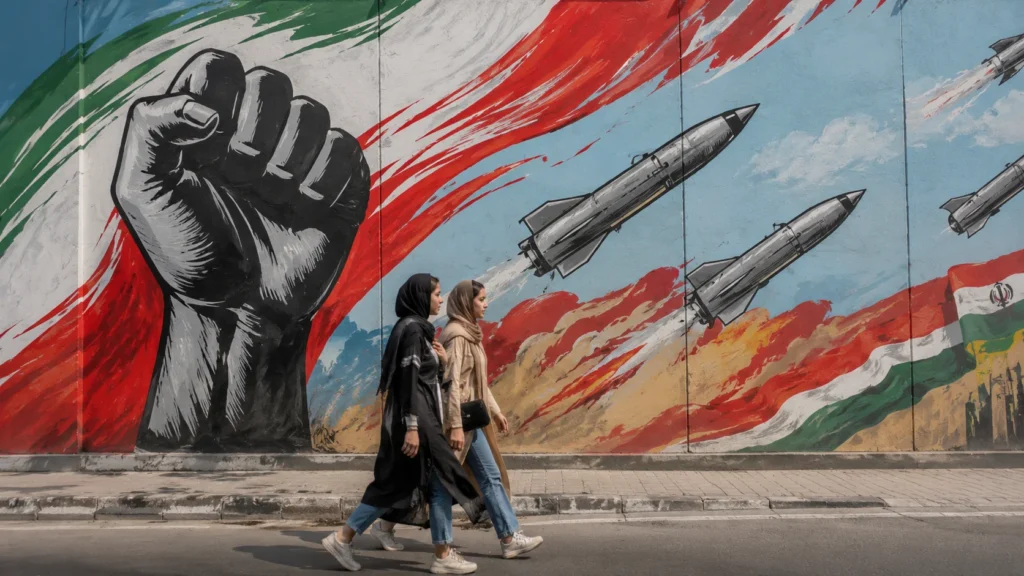
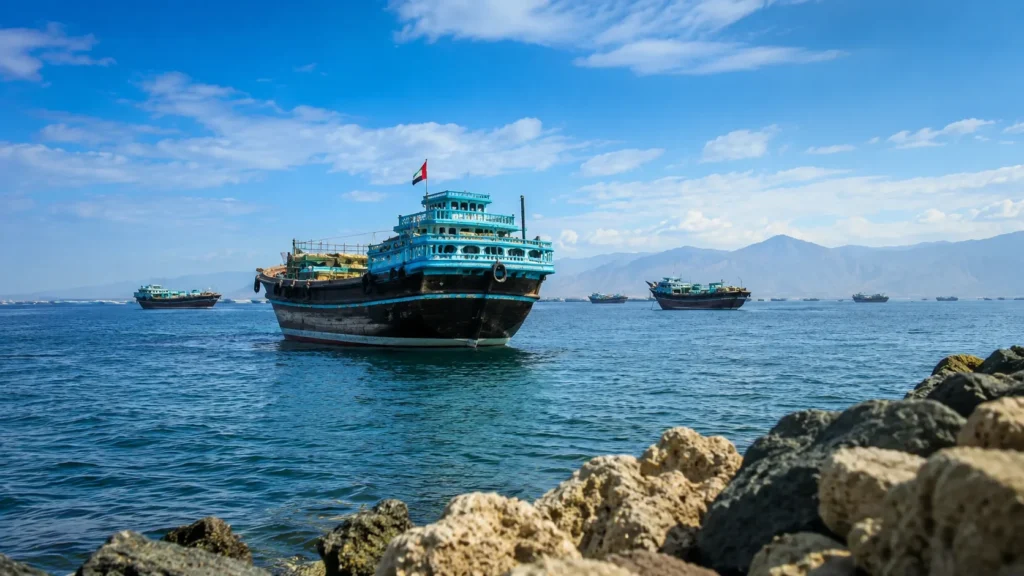
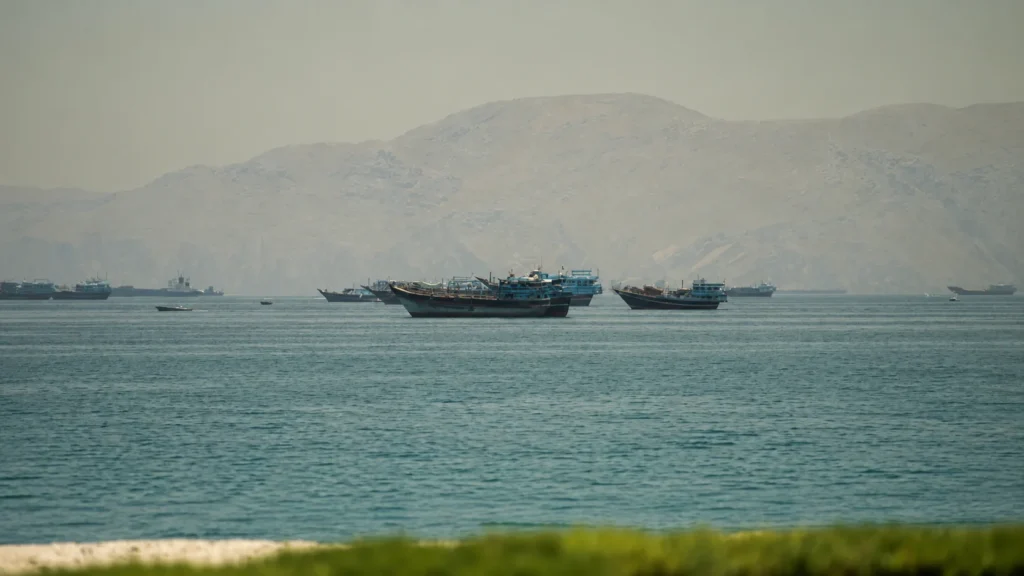
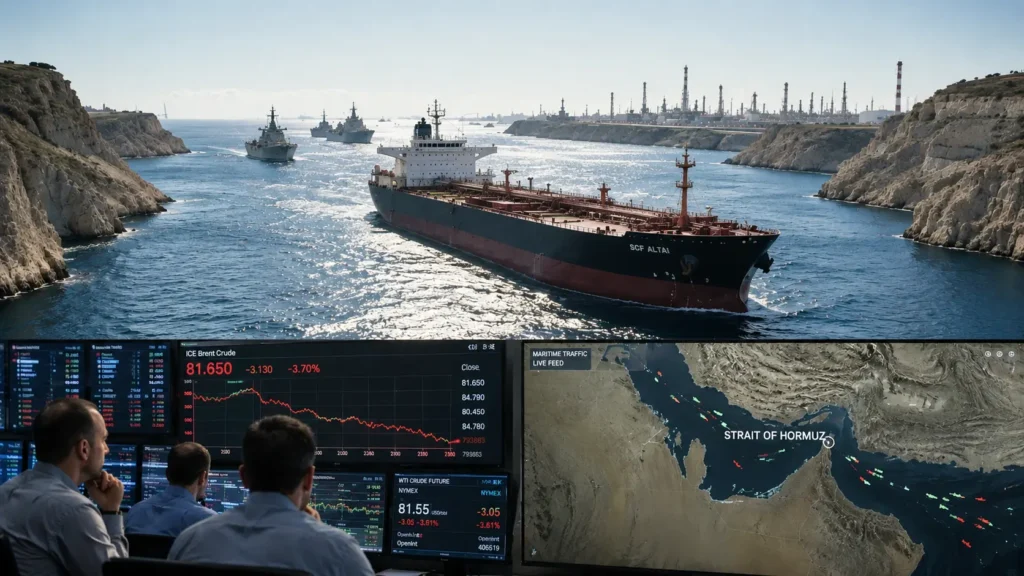
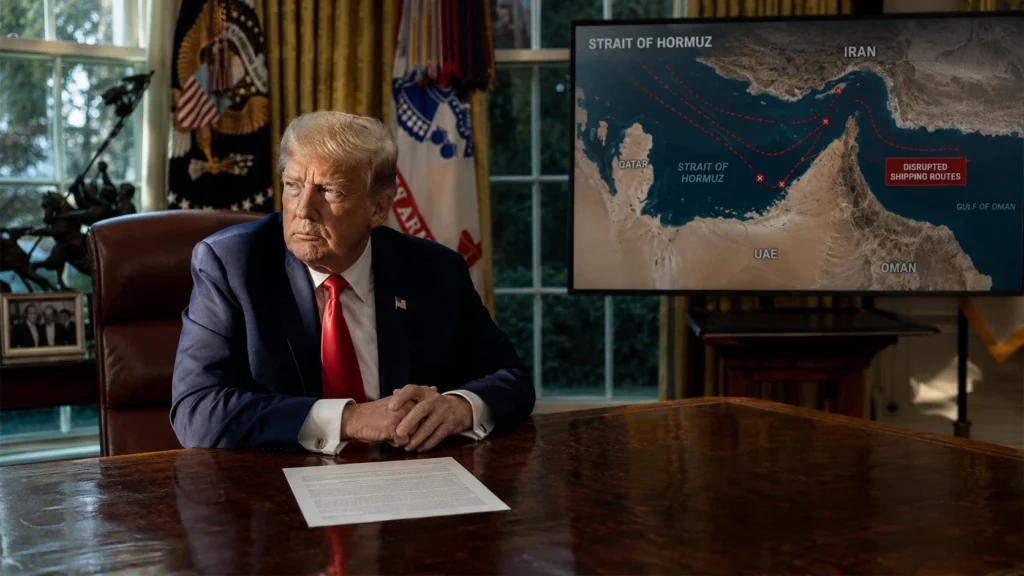
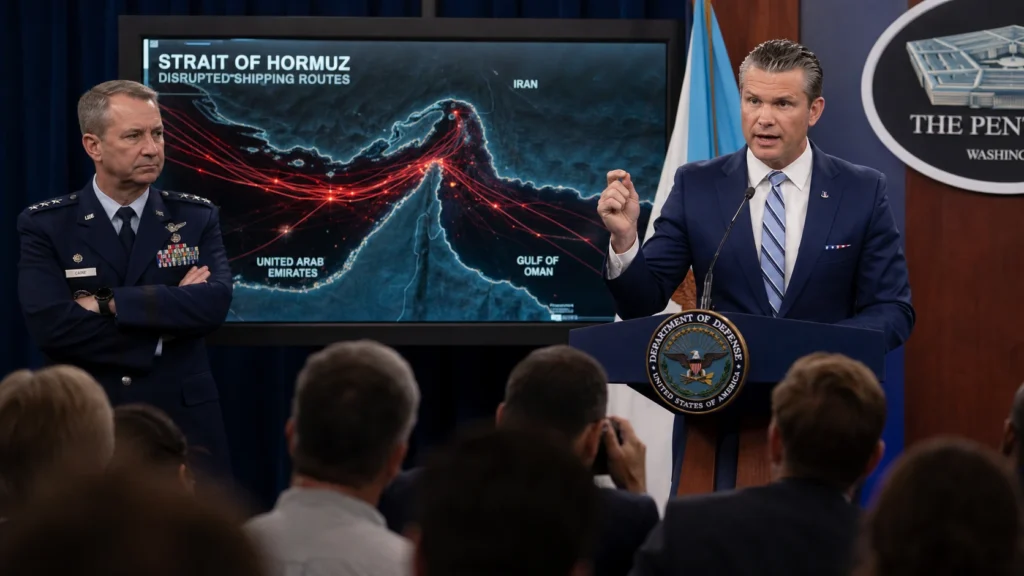
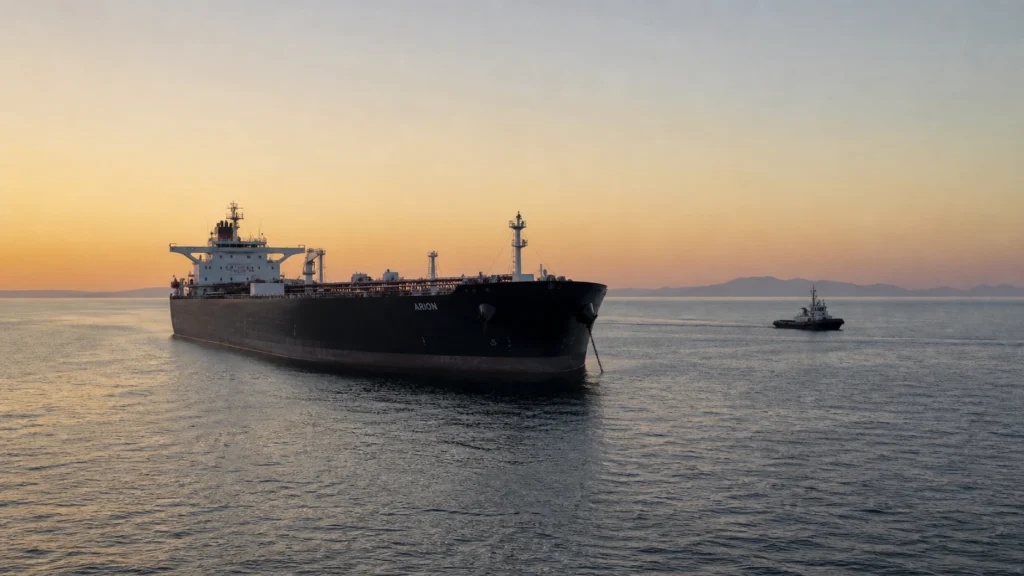
Iran’s proposal, as reported by the semi-official Tasnim news agency, rested on four pillars: end the war on all fronts, lift the naval blockade, guarantee no further attacks, and compensate Tehran for war damage. It also asserted sovereignty over the Strait of Hormuz—a waterway through which roughly 20% of global oil and LNG passes daily.
The American 14-point memorandum, still unconfirmed publicly but detailed by Axios on May 9, reportedly offered sanctions relief and free transit through the strait—but only contingent on a final agreement that would suspend Iranian nuclear enrichment.
Read those two positions again. Iran demands sovereignty. The US demands suspension of enrichment before anything else unlocks. These aren’t negotiating positions. They’re incompatible assertions of power.
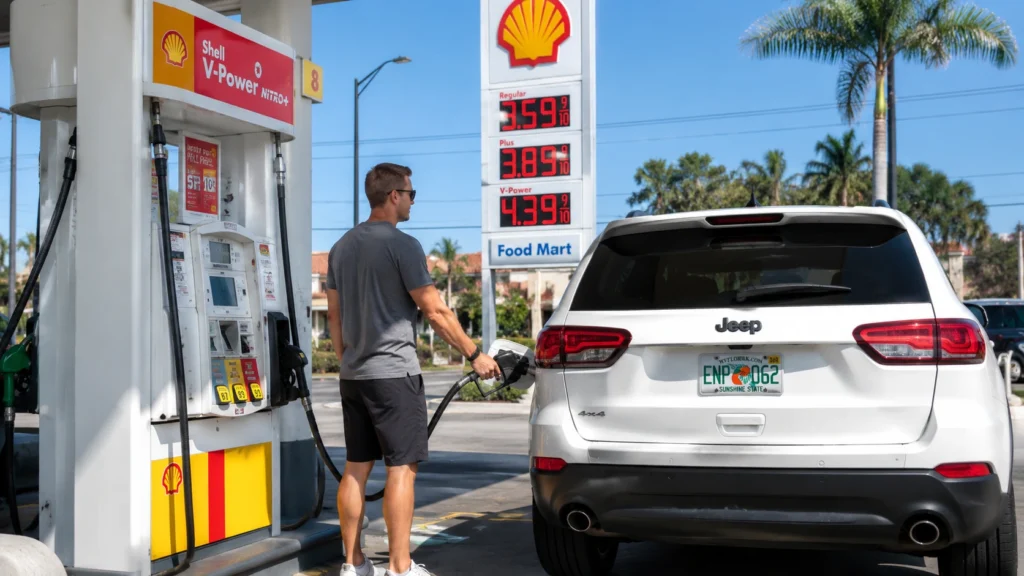
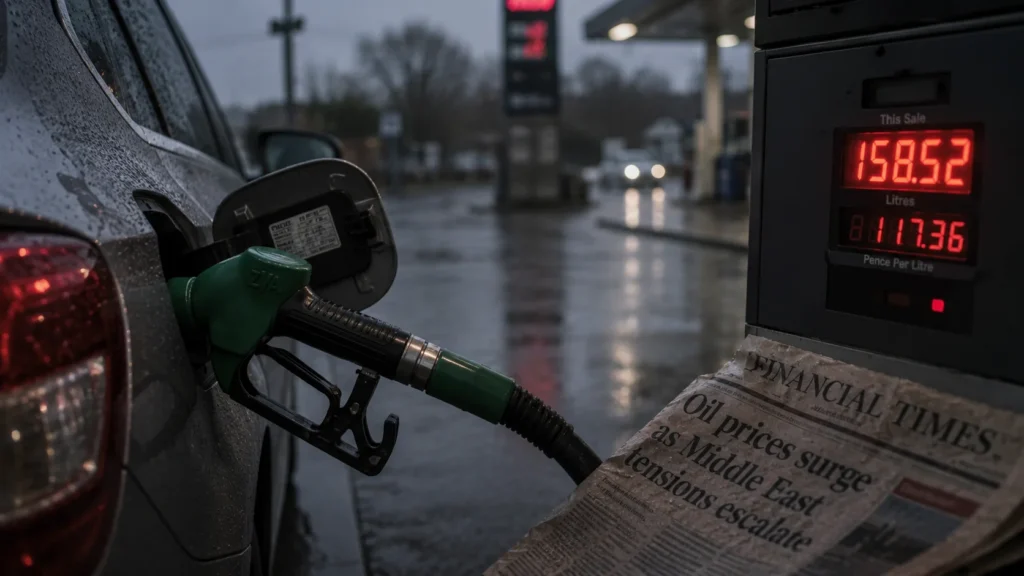
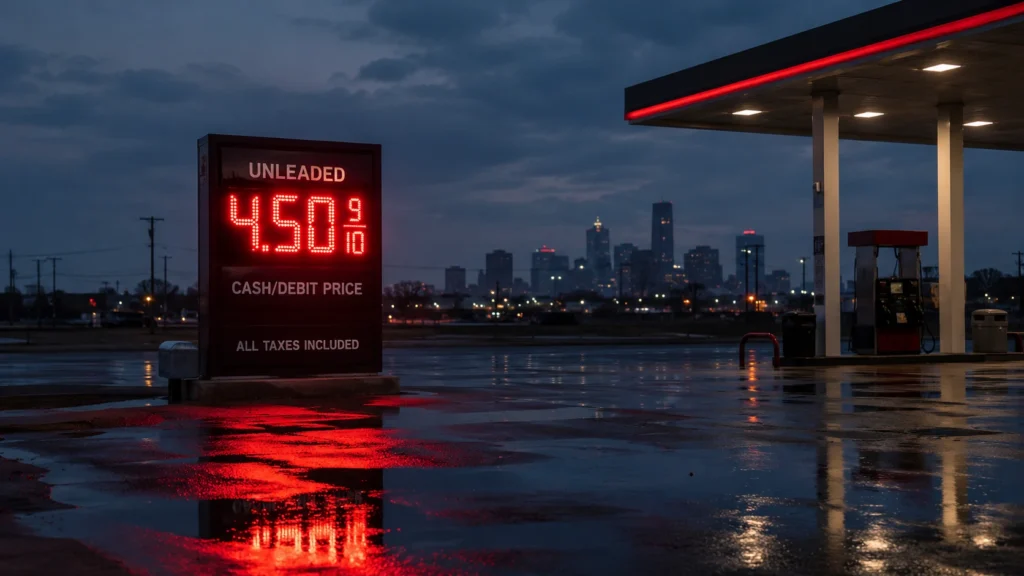
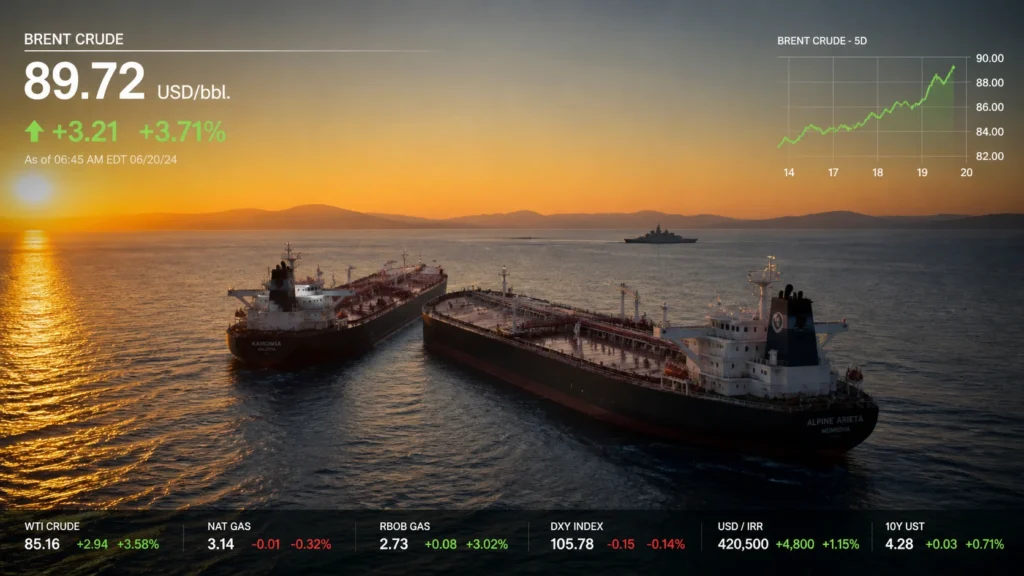
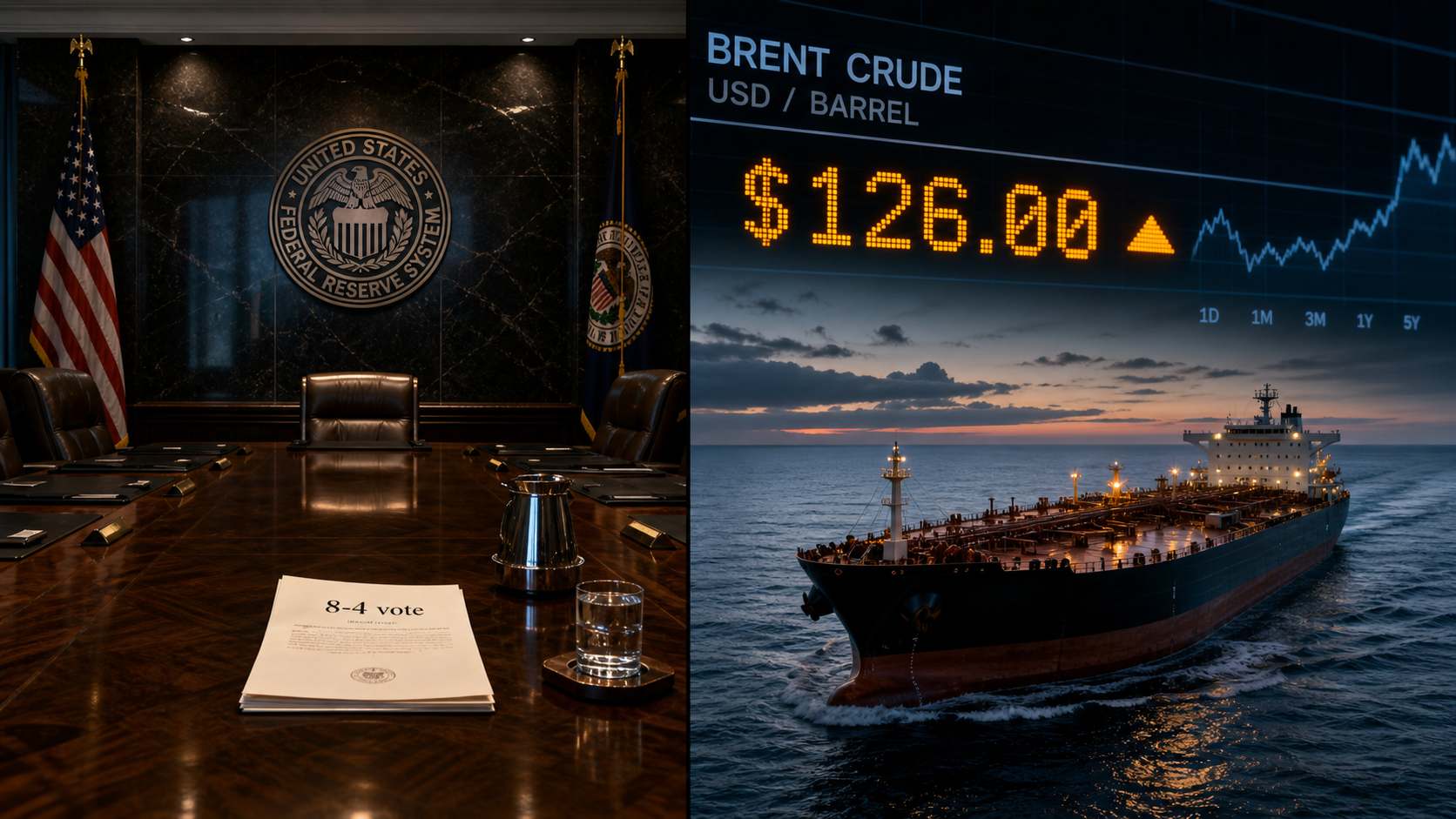
As our earlier analysis of the US blockade’s economic impact documented, the naval siege has already pushed Iranian crude exports down by an estimated 60% since February. Tehran cannot sustain that indefinitely. But Washington cannot sustain $120-per-barrel oil indefinitely either.
What Netanyahu’s Interview Changed
Israeli Prime Minister Benjamin Netanyahu sat down with CBS’s 60 Minutes on May 9 and added a condition that reshapes the entire negotiation landscape.
Iran’s enriched uranium stockpile must be “taken out” before the war can be considered over, he said. Not monitored. Not frozen. Removed.
“There’s still enrichment sites that have to be dismantled,” Netanyahu told CBS.
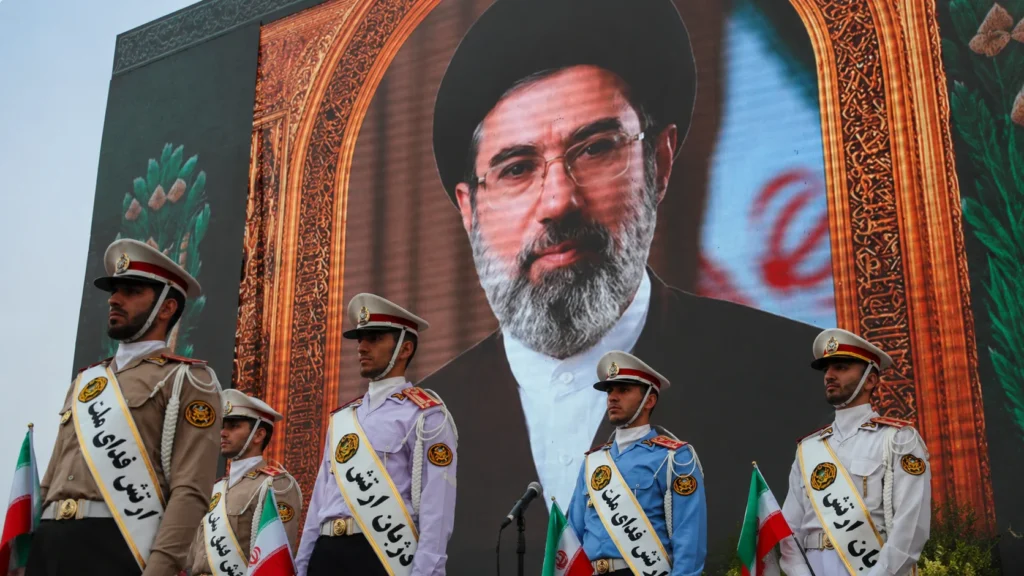
This matters because it moves the goalpost well beyond what any Iranian government—reformist or hardline—could accept and survive domestically. Iran’s President Masoud Pezeshkian addressed this indirectly on Sunday: “We will never bow our heads before the enemy, and if talk of dialogue or negotiation arises, it does not mean surrender or retreat.”
The message from both capitals is identical in structure: we will negotiate, but we will not lose. And there’s the problem. Someone has to.
The Proxy War No One Is Naming
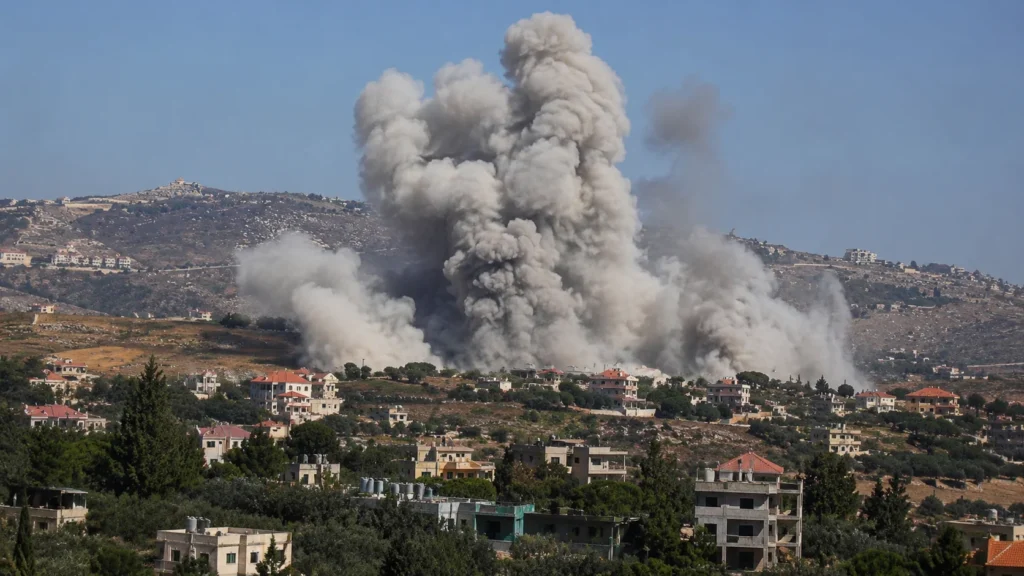
While the ceasefire largely holds between Israeli-American forces and Iran directly, the regional spillover accelerates.
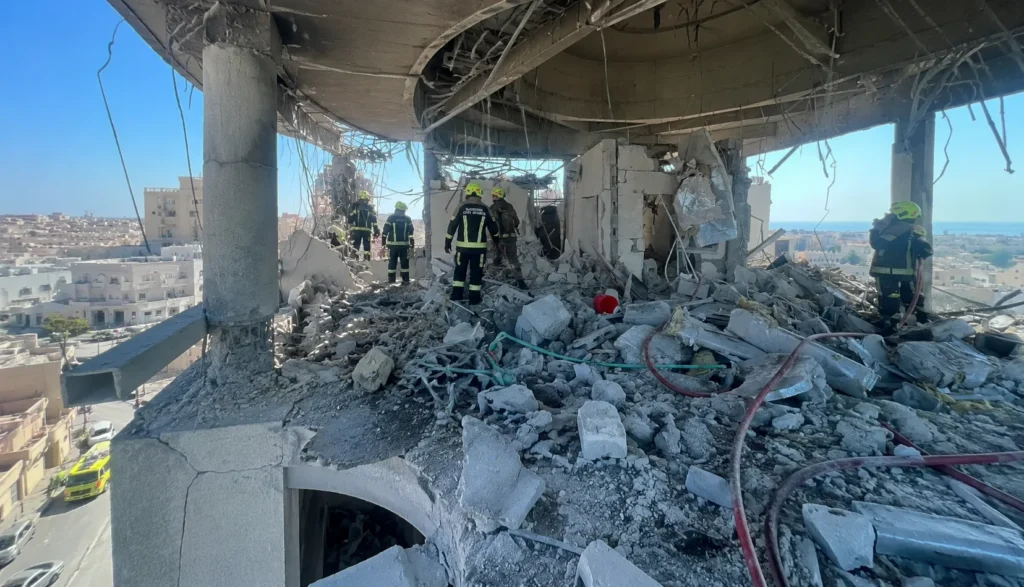
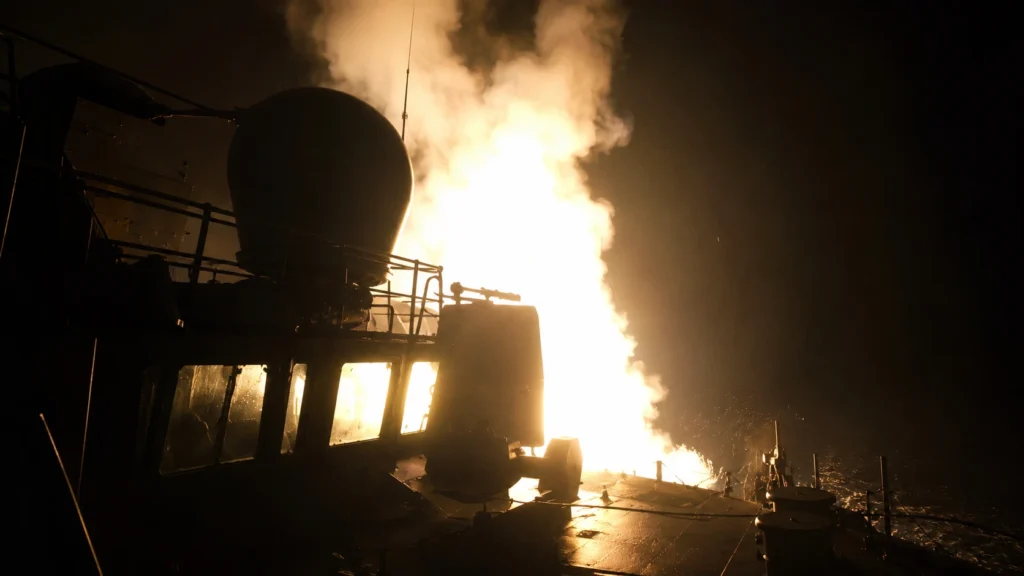
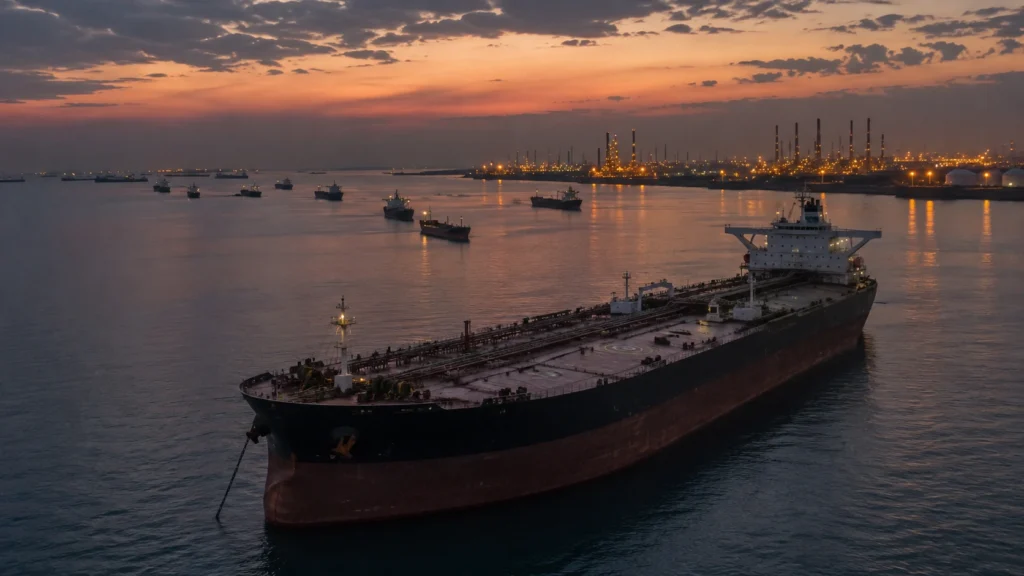
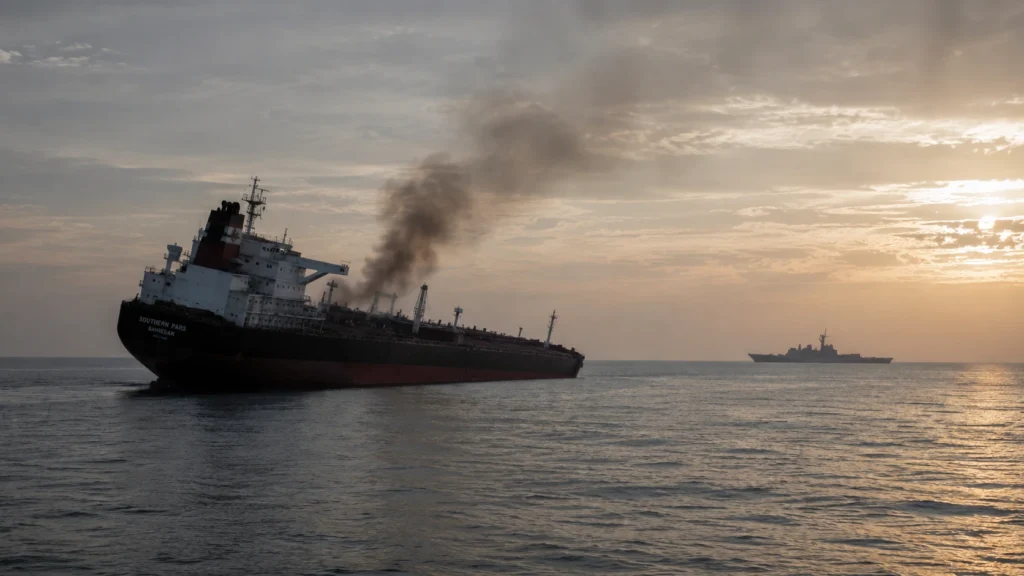
On Sunday, Kuwait’s military intercepted drones entering its airspace. Hours later, the UAE’s air defense systems shot down two drones coming from Iranian territory, according to the UAE Ministry of Defence official statement]east of Doha, Qatar, per the UK Maritime Trade Operations Centre. Small fire. No casualties.
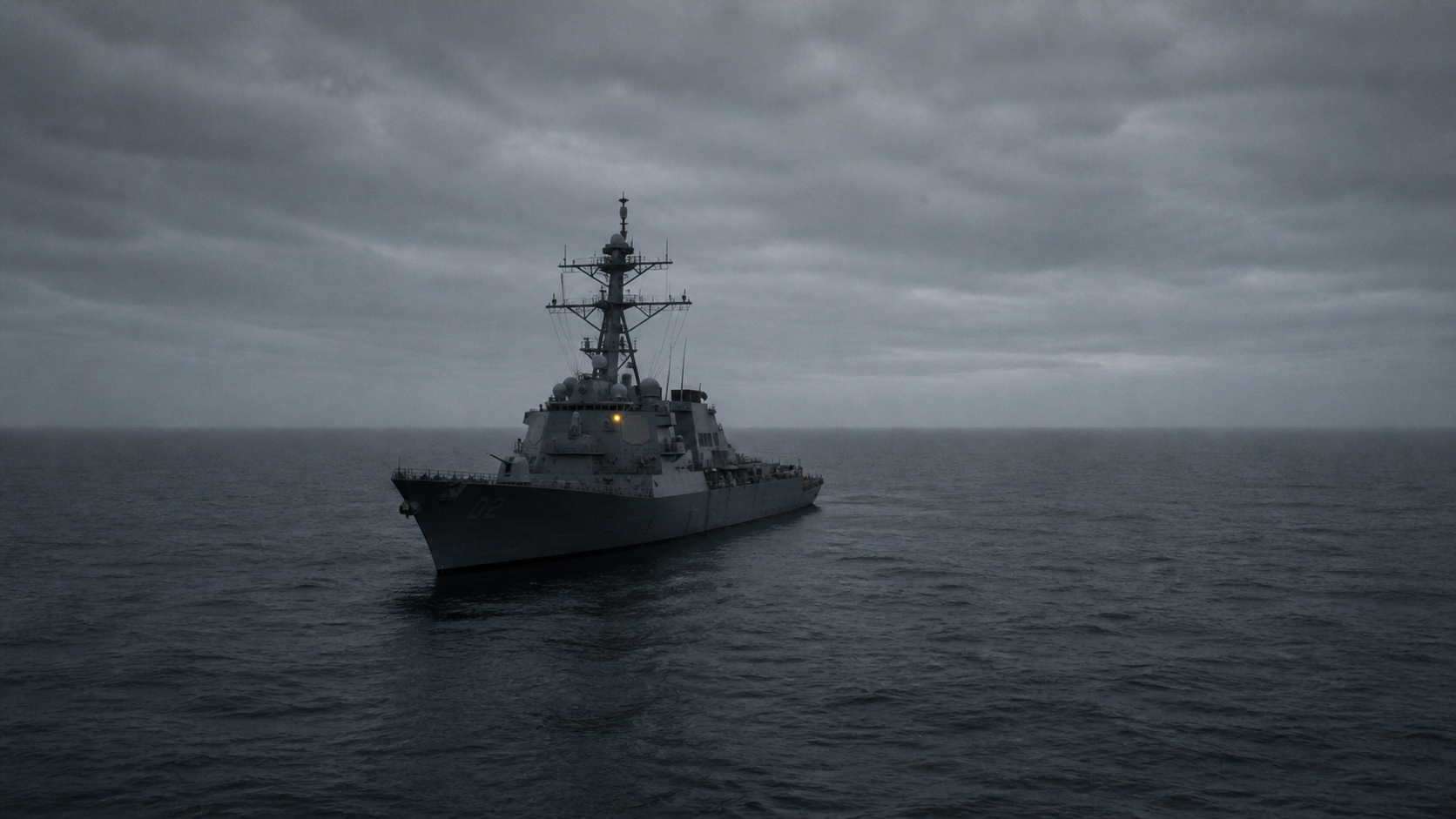
Iran’s Fars news agency cited an unnamed source confirming the vessel was American. The attribution wasn’t hidden. It was broadcast.
This is Tehran’s calibration strategy. Every drone incident, every intercepted projectile, every warning to commercial shipping sends the same signal to Gulf states hosting American bases: the war’s boundary isn’t fixed. It moves. And you’re inside it.
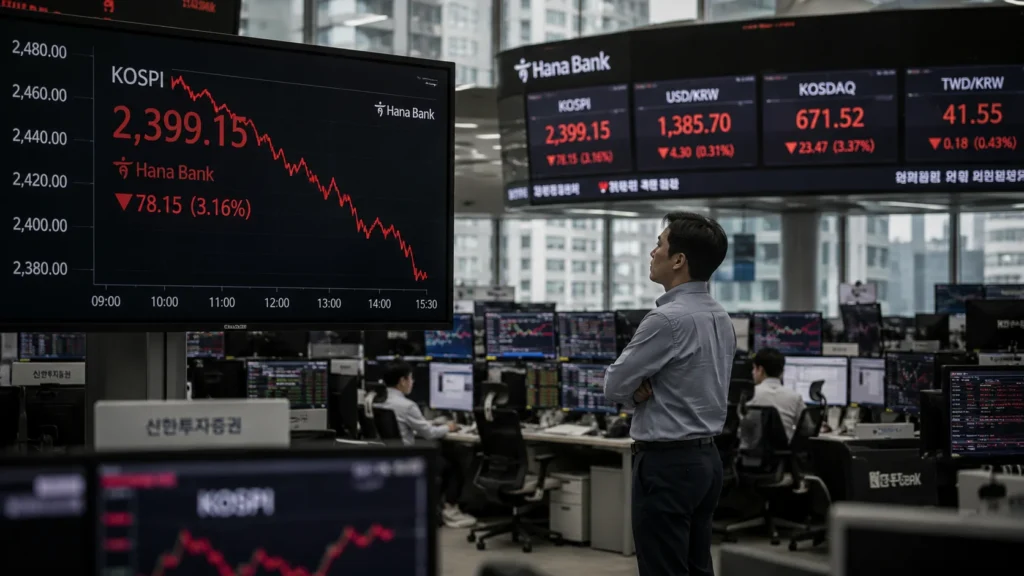
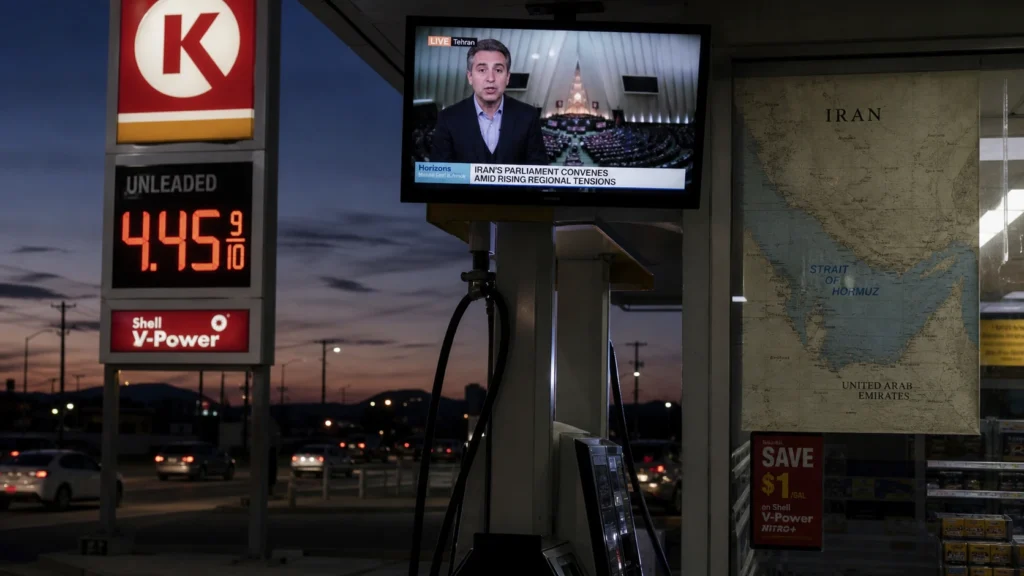
According to Lloyd’s List Intelligence shipping data, maritime insurance premiums for Gulf transits have risen 340% since February 28, when the first strikes hit Iranian targets. The economic weapon works both ways.
Pakistan’s Quiet Win
One actor gained measurable leverage Sunday. And it wasn’t Washington or Tehran.
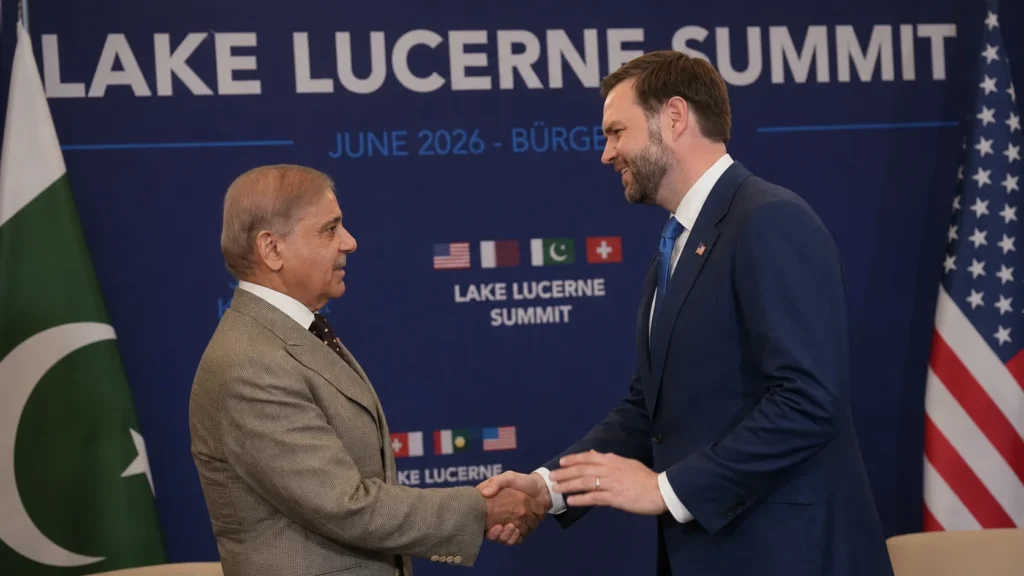
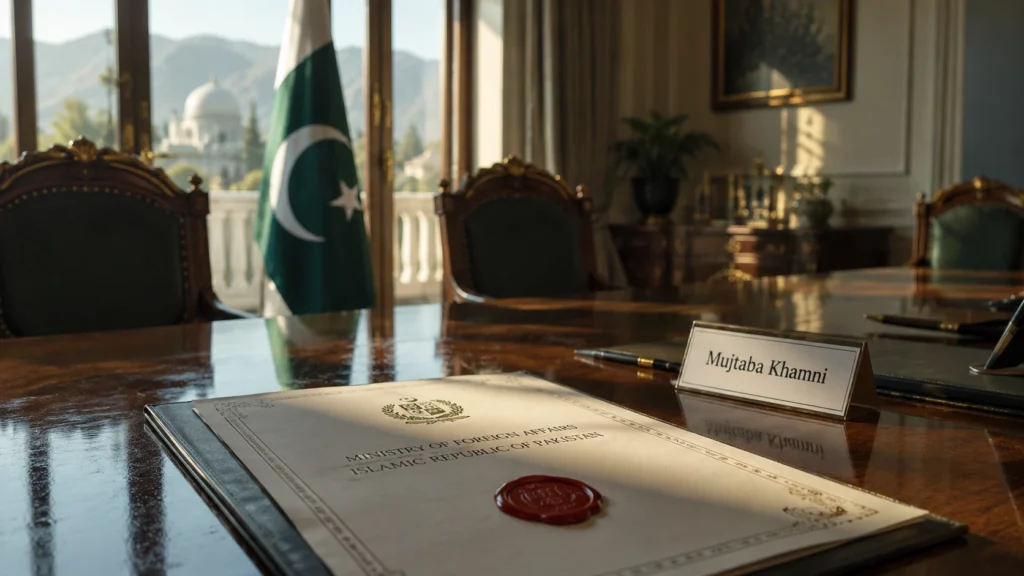
Pakistan’s mediation channel, confirmed by multiple sources on May 10, gives Islamabad strategic relevance it hasn’t held in years. A nuclear-armed state brokering between a nuclear-armed Israel and a nuclear-ambitious Iran—this rewires the subcontinent’s geopolitical circuitry.
Islamabad isn’t just passing messages. It’s positioning itself as indispensable to any eventual settlement architecture. Watch Pakistan’s diplomatic traffic volume over the next month. When it goes quiet, the real negotiation has probably started. When it increases, nothing serious is happening.
FAQ: The Strait of Hormuz Crisis
Why is the Strait of Hormuz so important?
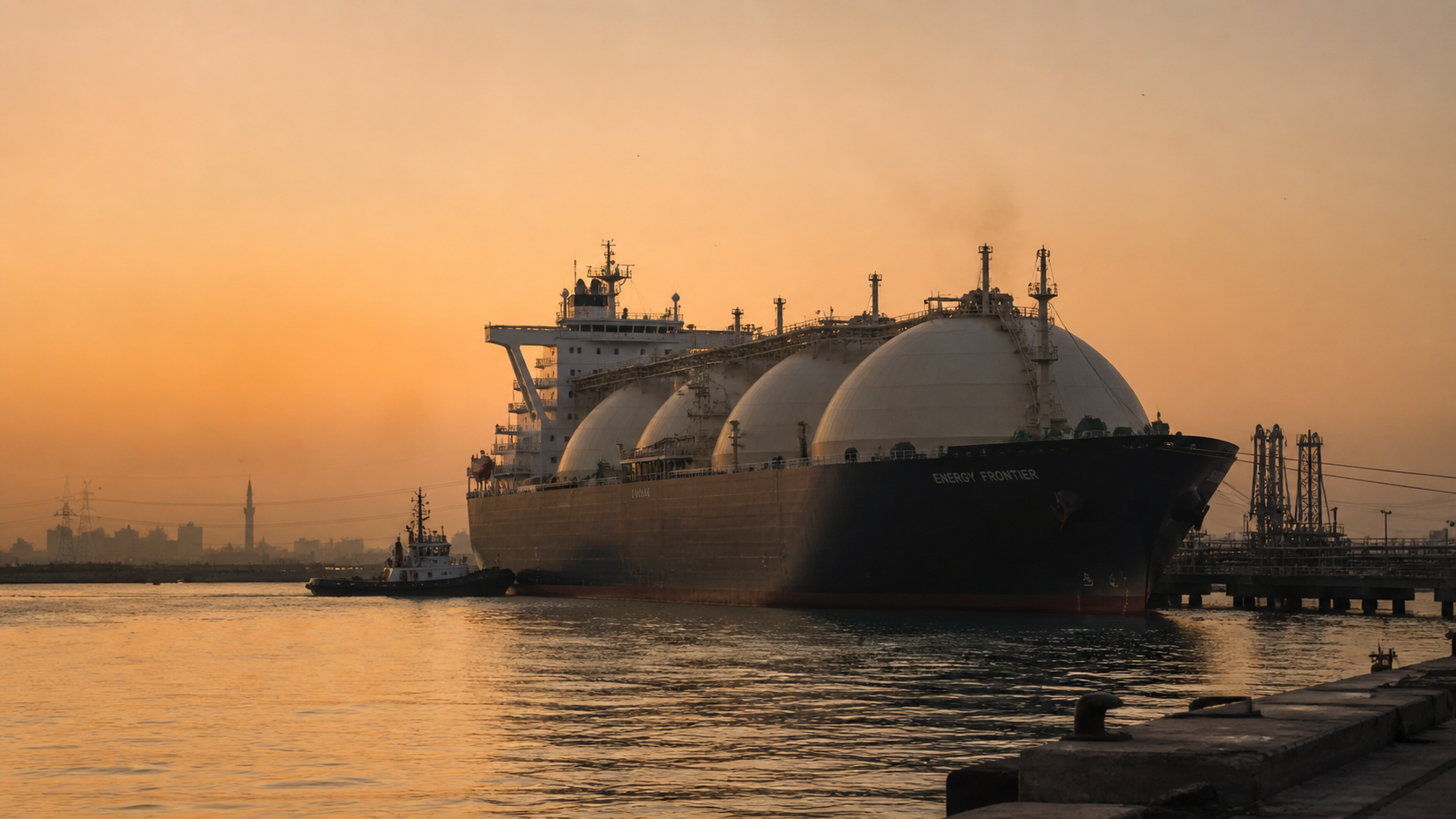
Approximately 20% of global oil and liquefied natural gas passes through this narrow waterway connecting the Persian Gulf to the Arabian Sea. Its closure forces tankers to seek longer, more expensive routes, directly raising global energy prices. The US Energy Information Administration estimates that 21 million barrels of oil transit the strait daily under normal conditions.
What does Iran want?
Based on its May 10 proposal reported by Tasnim news agency, Iran wants: an immediate end to all military operations, a halt to the US naval blockade of its ports, guarantees against further attacks, compensation for war damage, and recognition of its sovereignty over the Strait of Hormuz.
What does the US want?
According to Axios reporting on May 9, the 14-point US memorandum includes suspension of Iranian nuclear enrichment, lifting of sanctions, and restoration of free transit through the strait—with many terms contingent on a final comprehensive agreement.
Has the ceasefire collapsed?
Not yet. The ceasefire implemented last month has largely held despite occasional exchanges. However, Trump’s May 6 Truth Social post warned that if Iran doesn’t agree to terms, “the bombing starts, and it will be, sadly, at a much higher level and intensity than it was before.” The ceasefire is a pause, not a peace.
What happens at the Monday meeting?
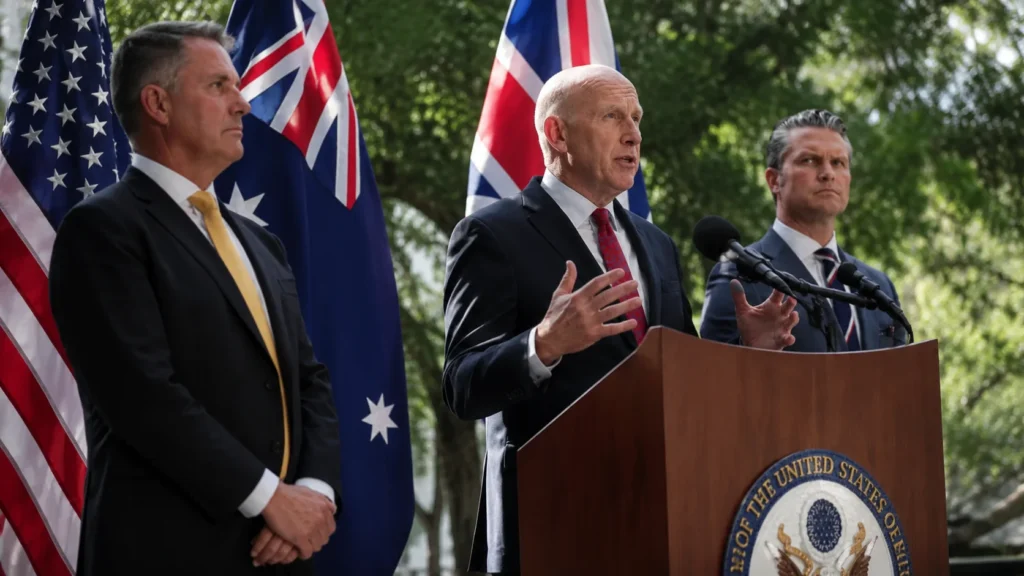
Defence ministers from more than forty nations will meet to discuss the UK-led plan to protect shipping in the Strait of Hormuz. UK Defence Secretary John Healey and French counterpart Catherine Vautrin co-chair. The coalition is expected to outline maritime policing frameworks—but the mission reportedly only deploys once hostilities formally end.
What to Watch Next
The Monday summit won’t reopen the strait. It will produce language, not movement.
The actual signals to track are quieter. Pakistan’s diplomatic cable traffic. Oil tanker insurance premiums. Whether Iranian state media begins shifting tone toward Gulf neighbors from warning to something softer.
When insurance premiums flatten, markets are pricing in a new normal. When Pakistan goes silent, the real negotiation has started somewhere else. When Trump stops posting about the proposal he rejected, the rejection has been operationalized.
The war doesn’t end when a deal is signed. It ends when one side recalculates the cost and finds it suddenly unbearable. Sunday’s rejection wasn’t a breakdown. It was a measurement. The distance between the two sides is now visible to everyone watching—including the markets, which never needed the official statement to know what was coming.
Written by Senior Foreign Affairs Correspondent, who has covered Middle East conflict and energy geopolitics for over fifteen years, including the 2019 Gulf shipping crisis and the 2023-2024 Red Sea maritime security operations.