

 English



























































































































































































































































Trump’s China Visit Tests Global Trade Stability
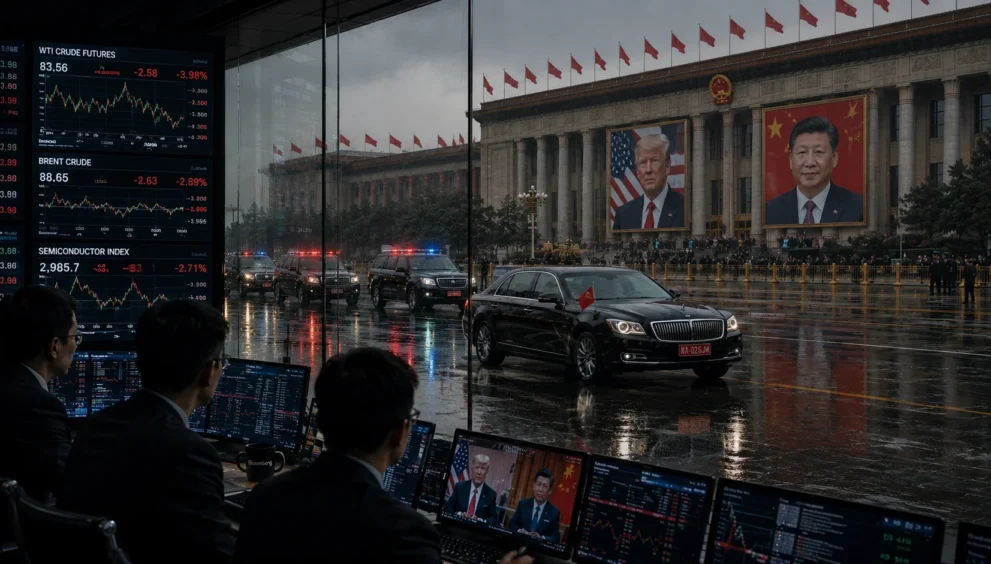
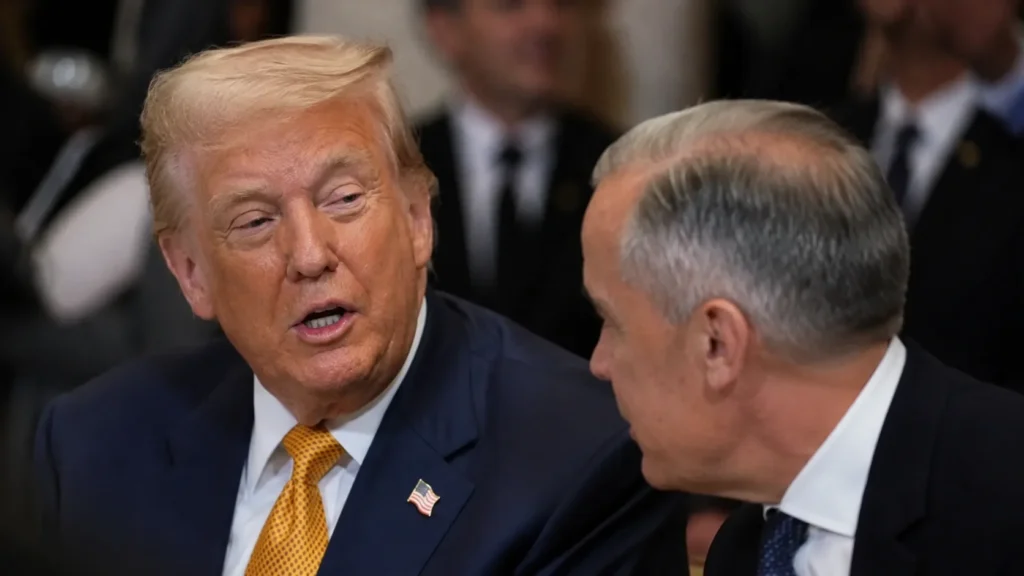
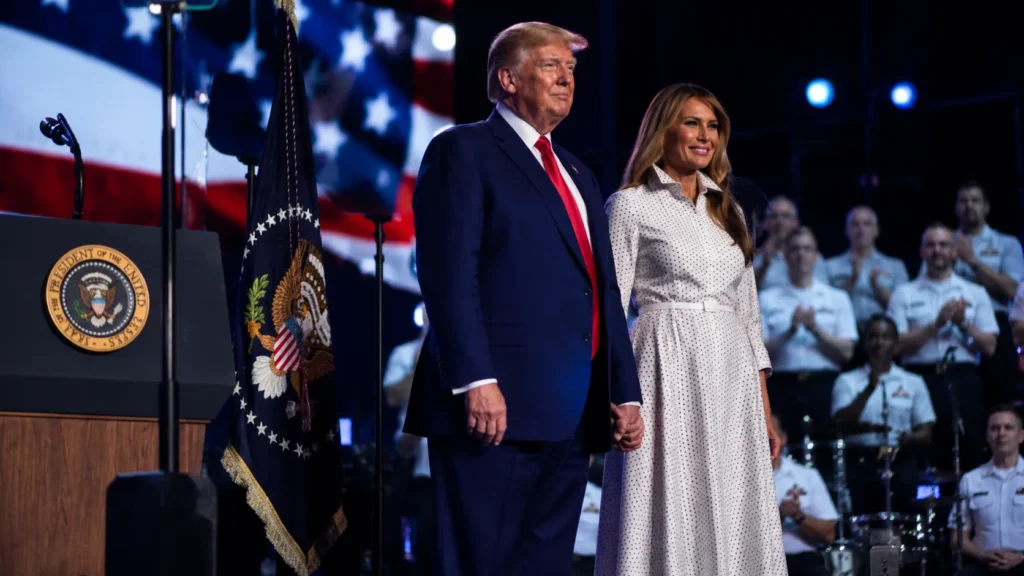
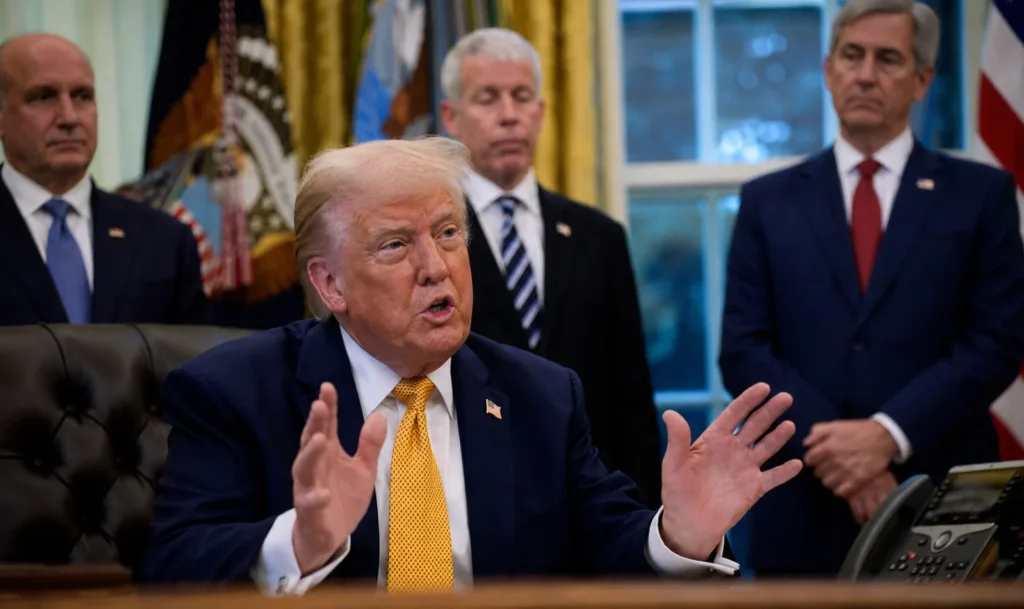
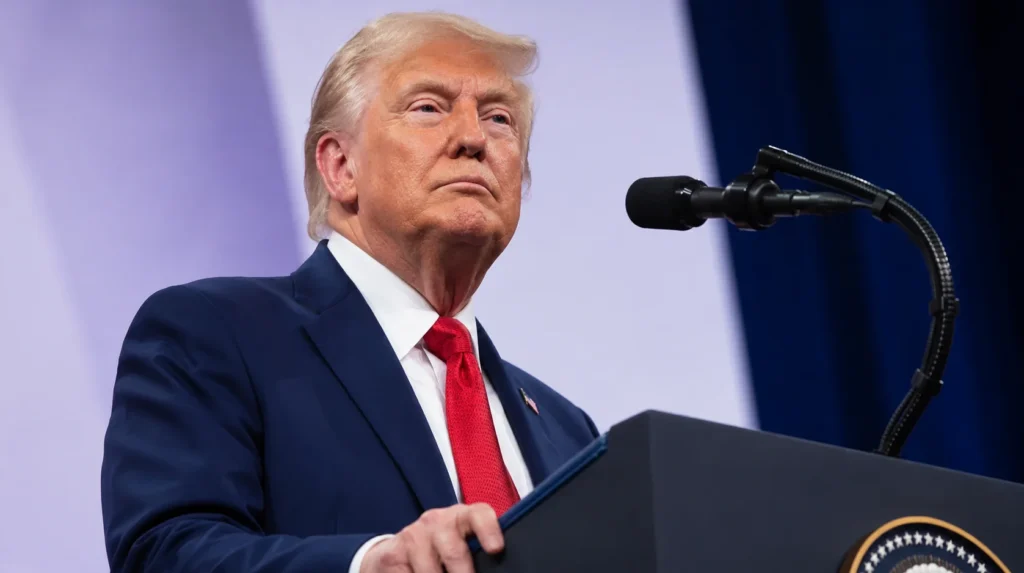
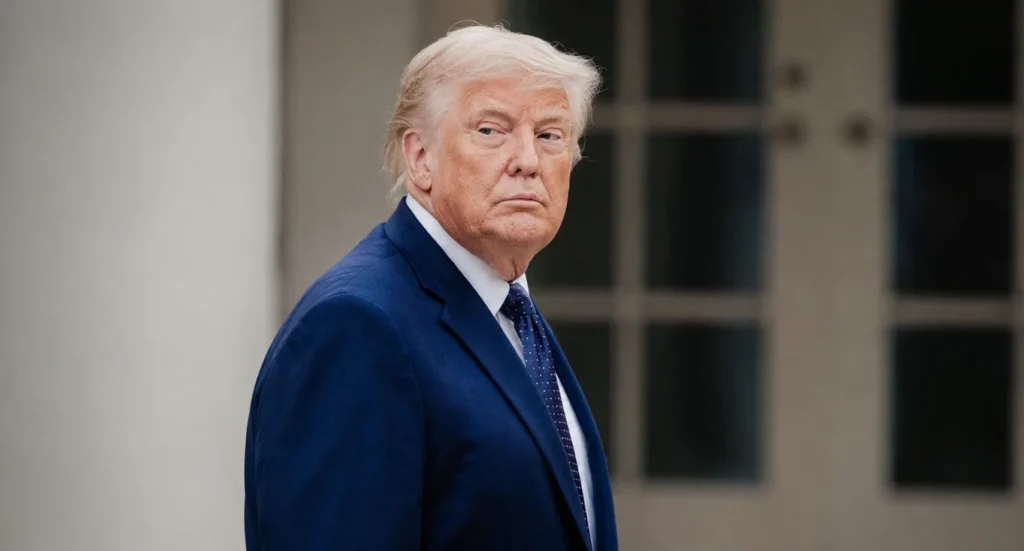
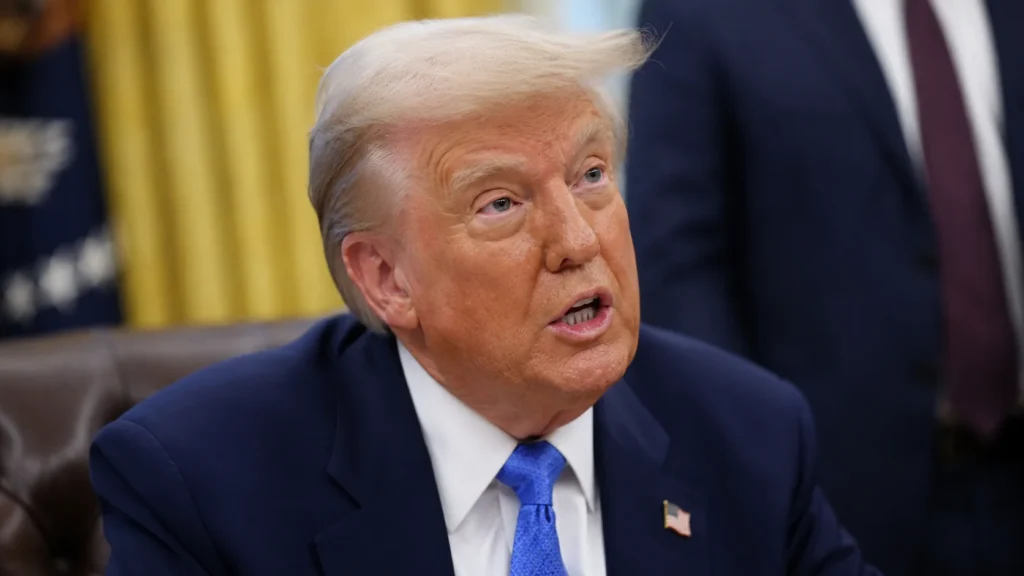
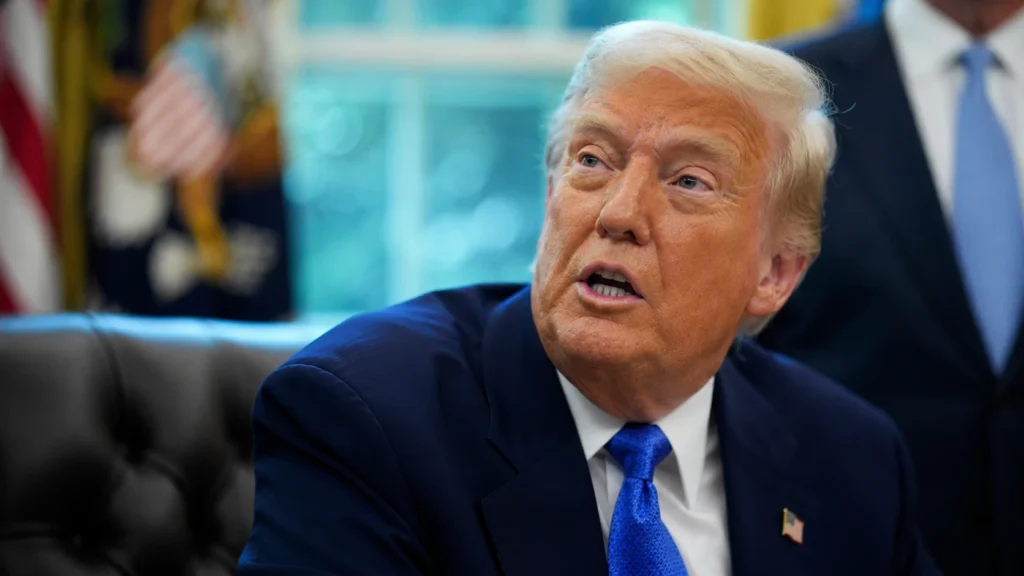
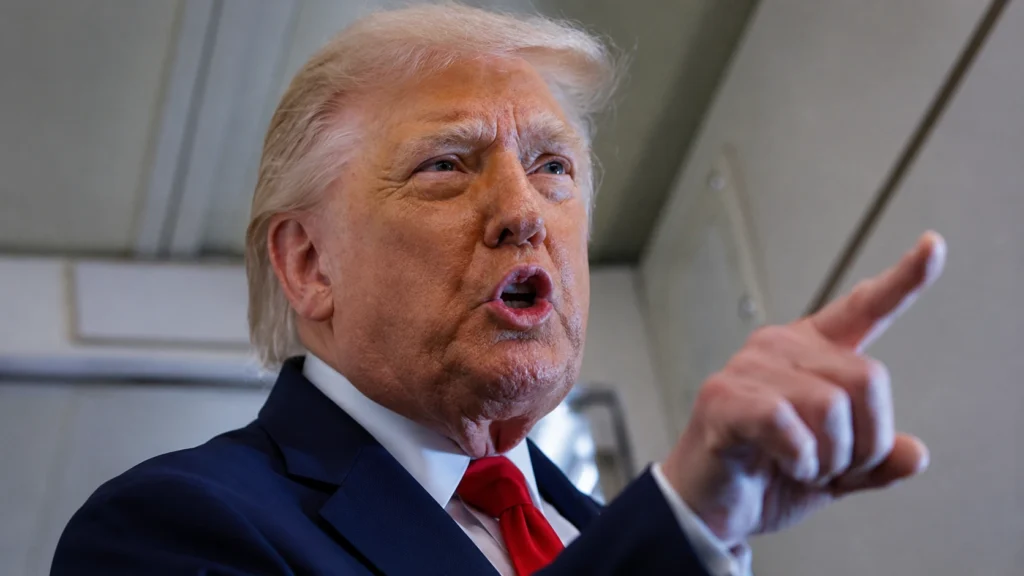
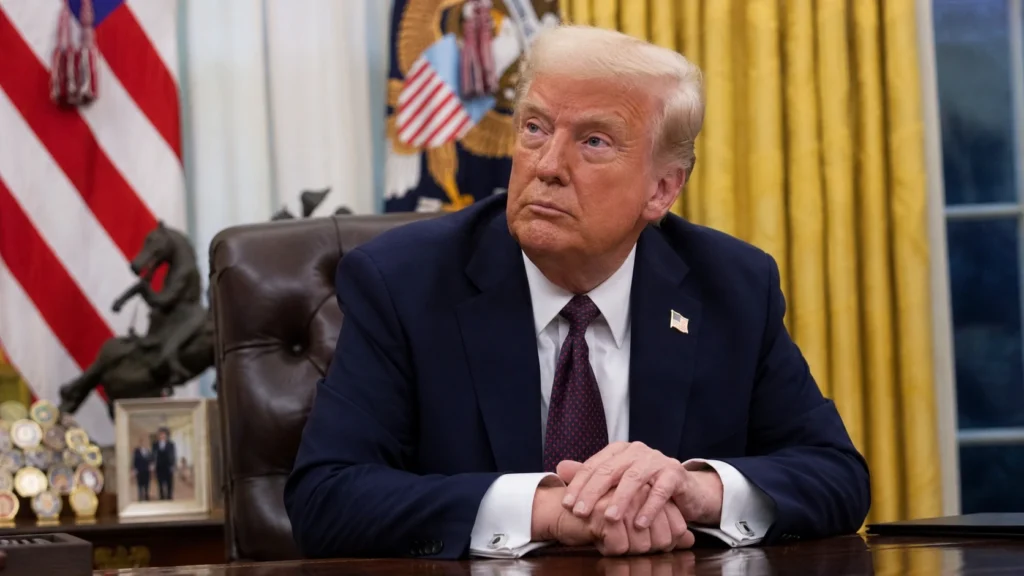
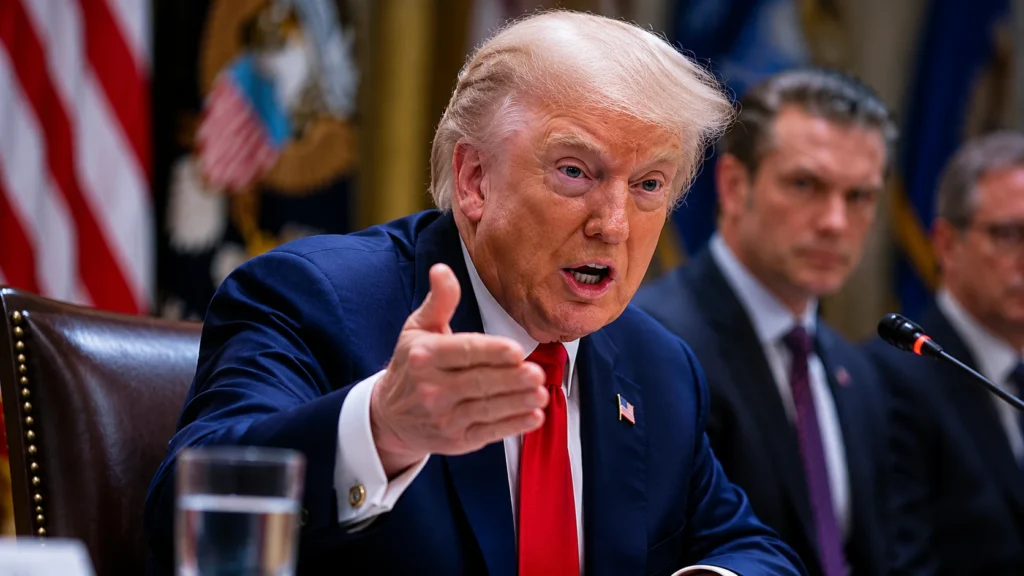
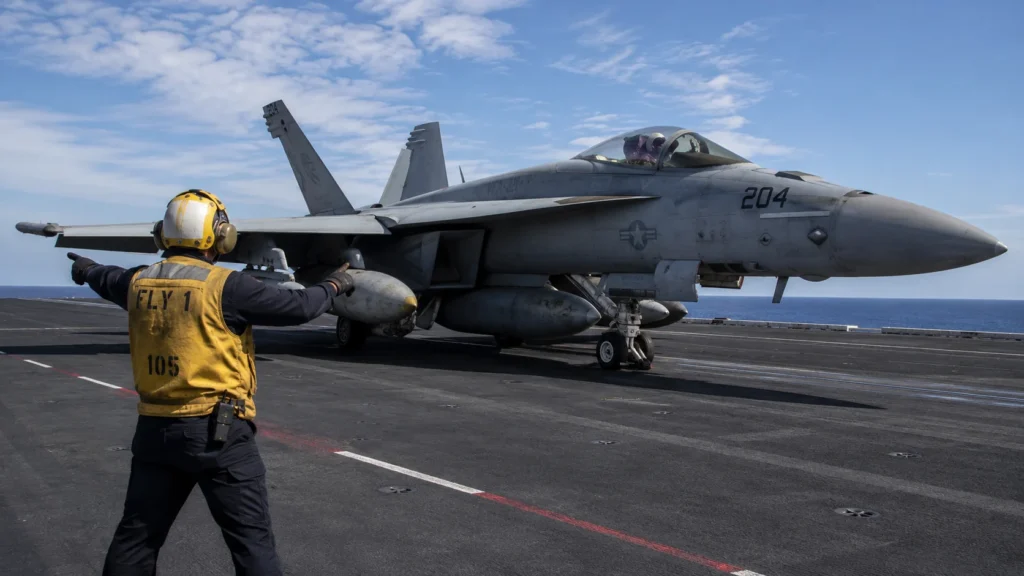
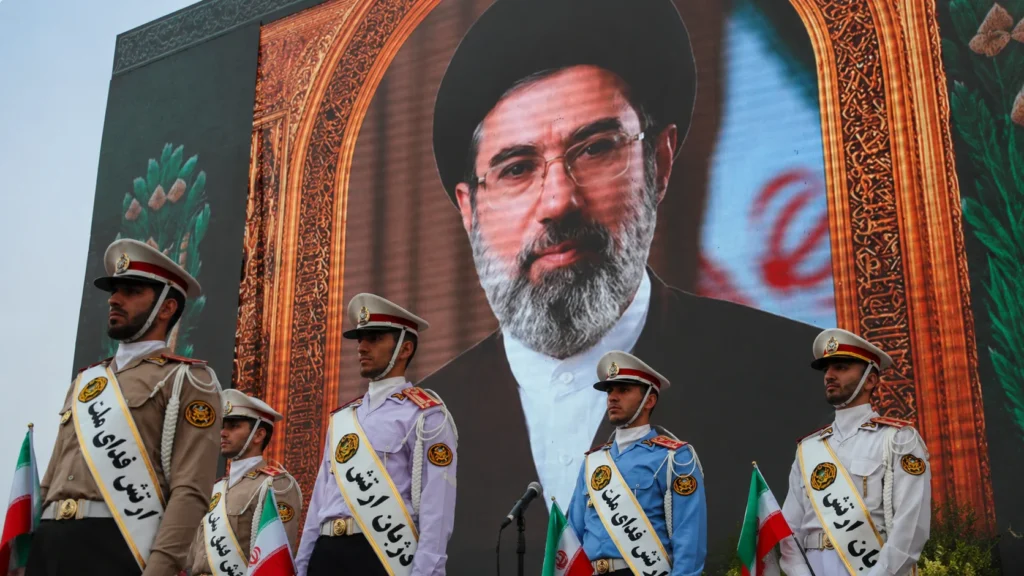
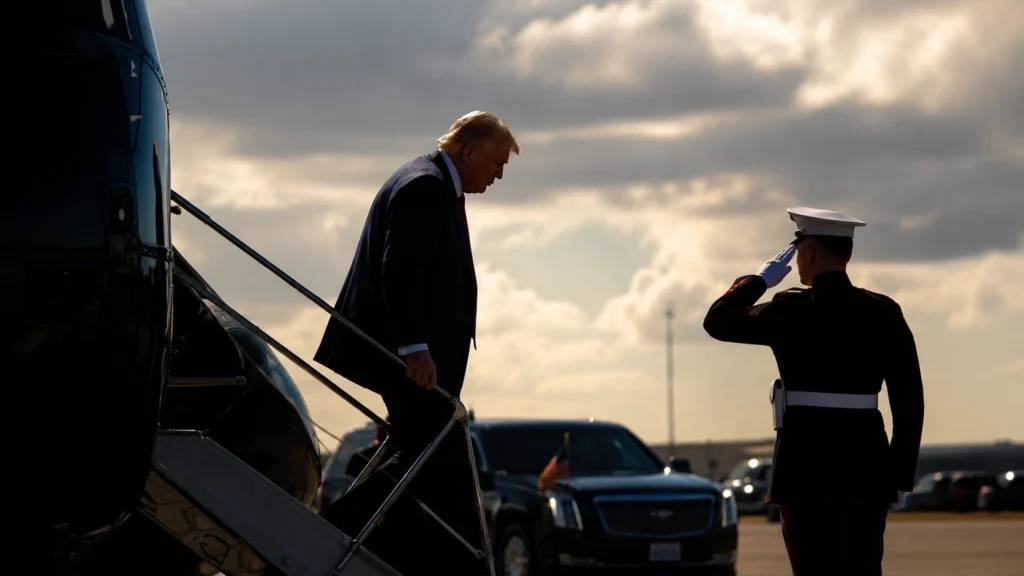
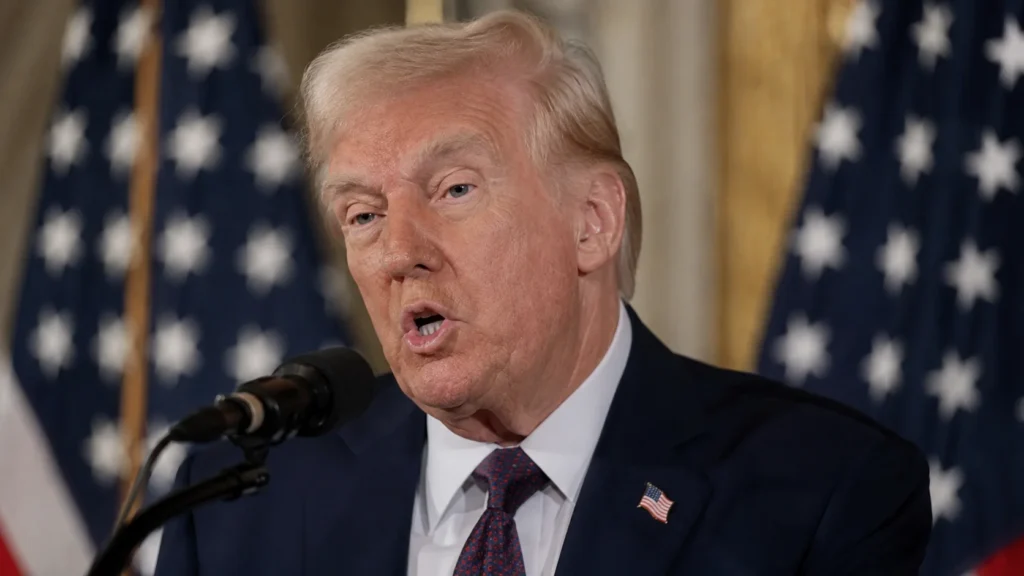
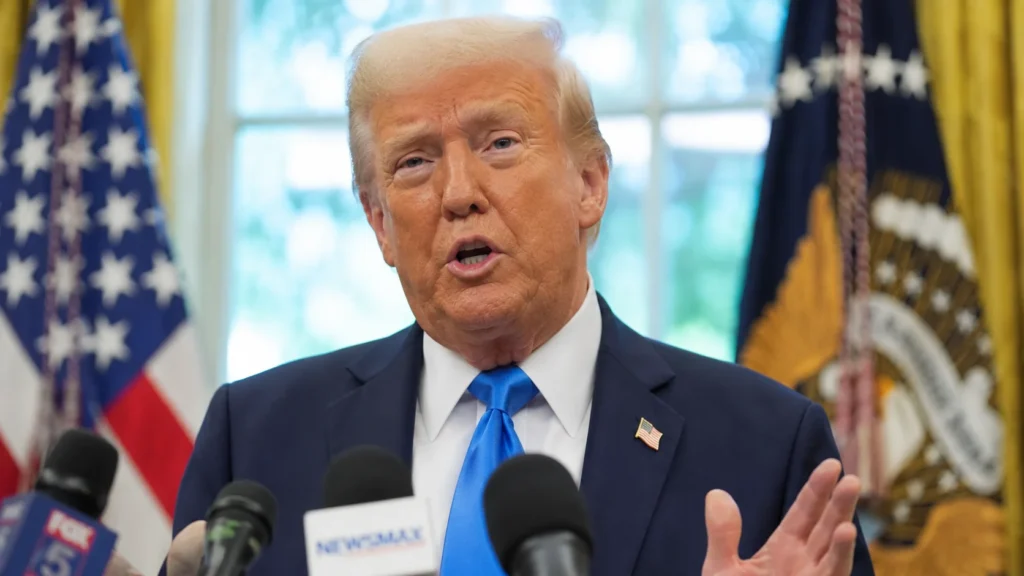
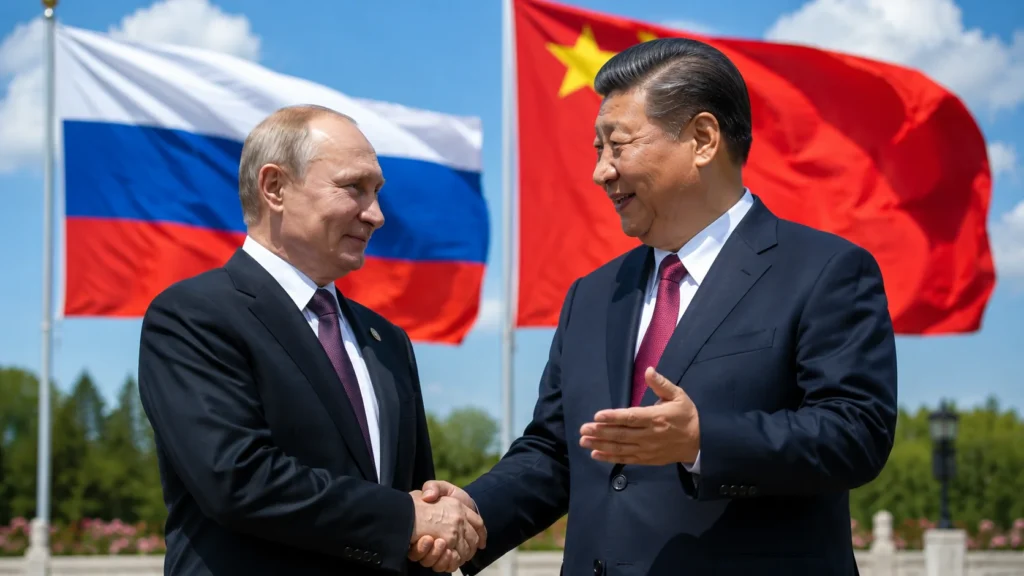
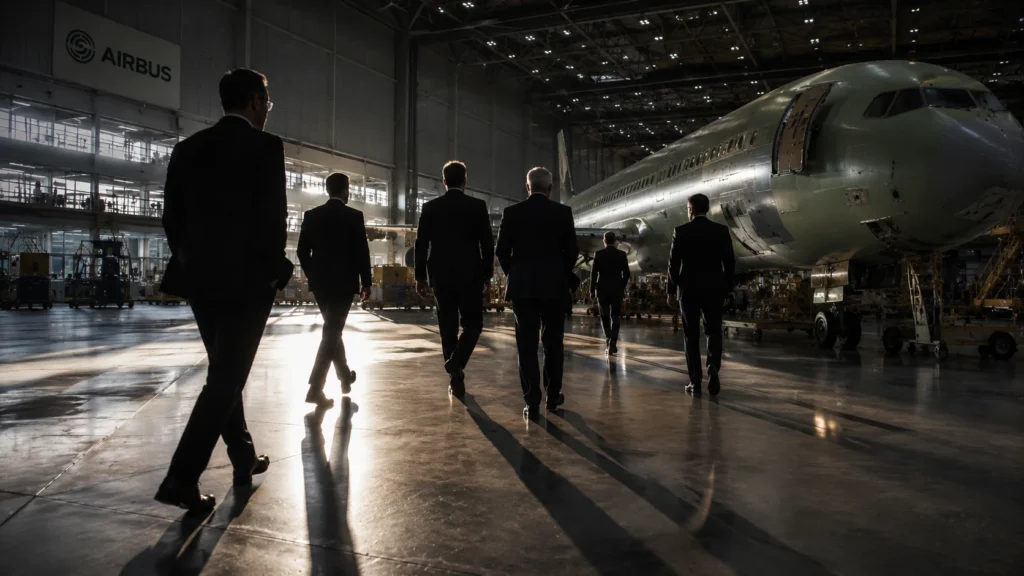
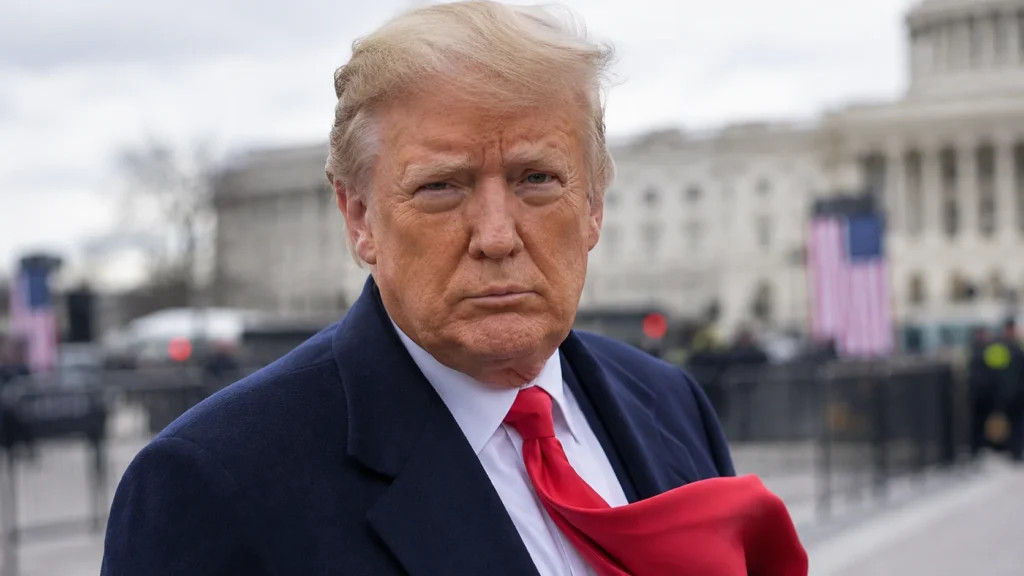
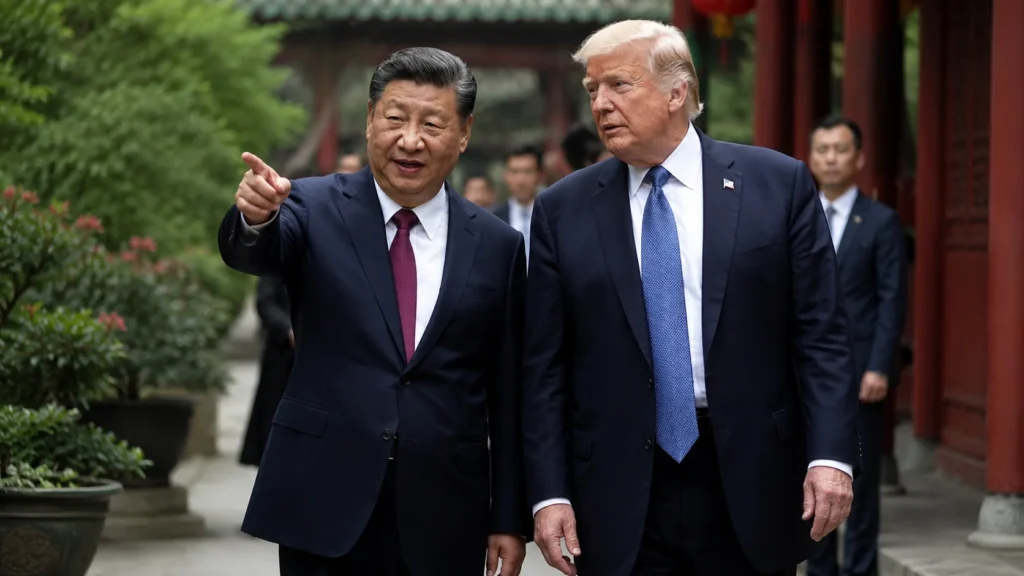
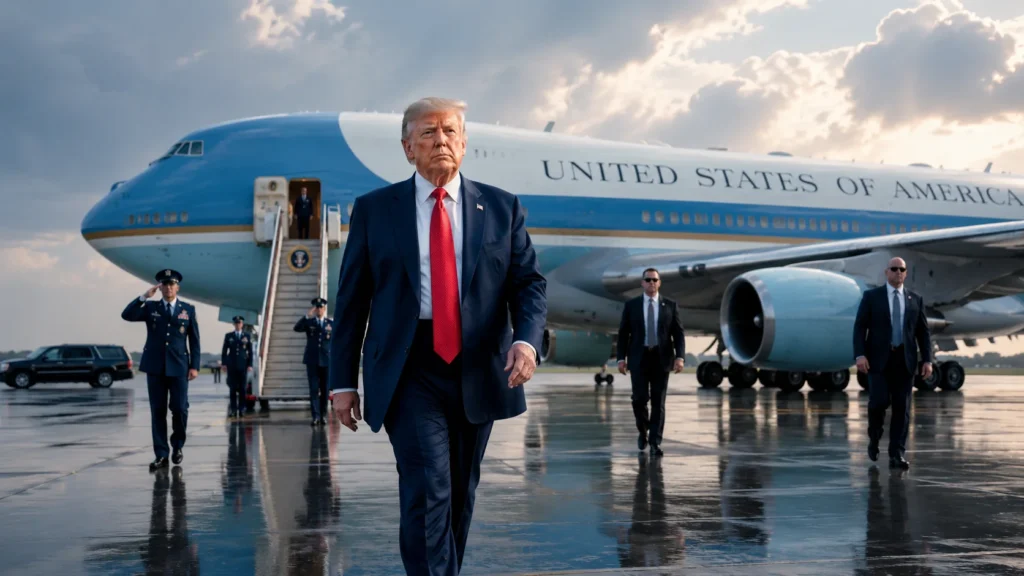
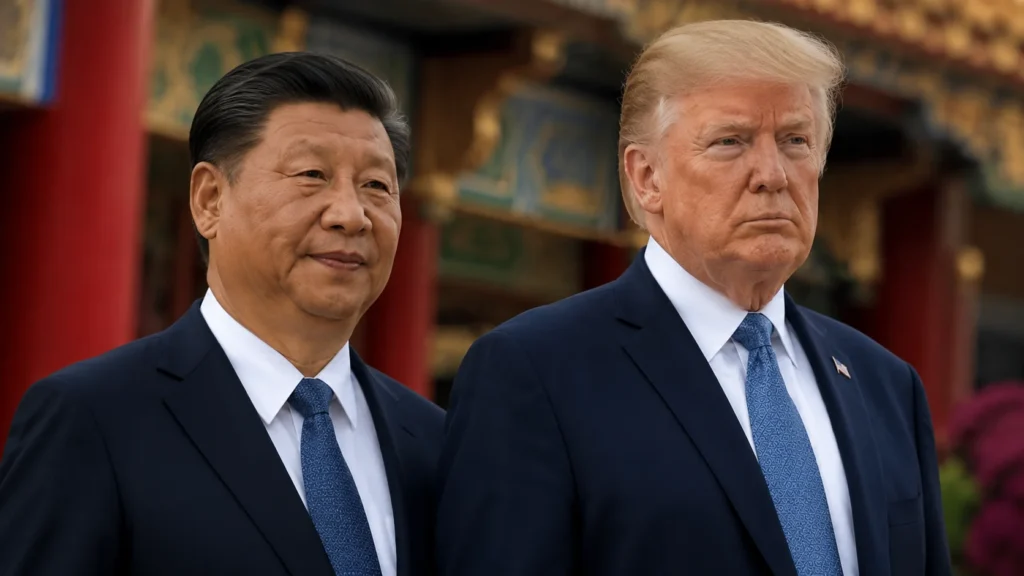
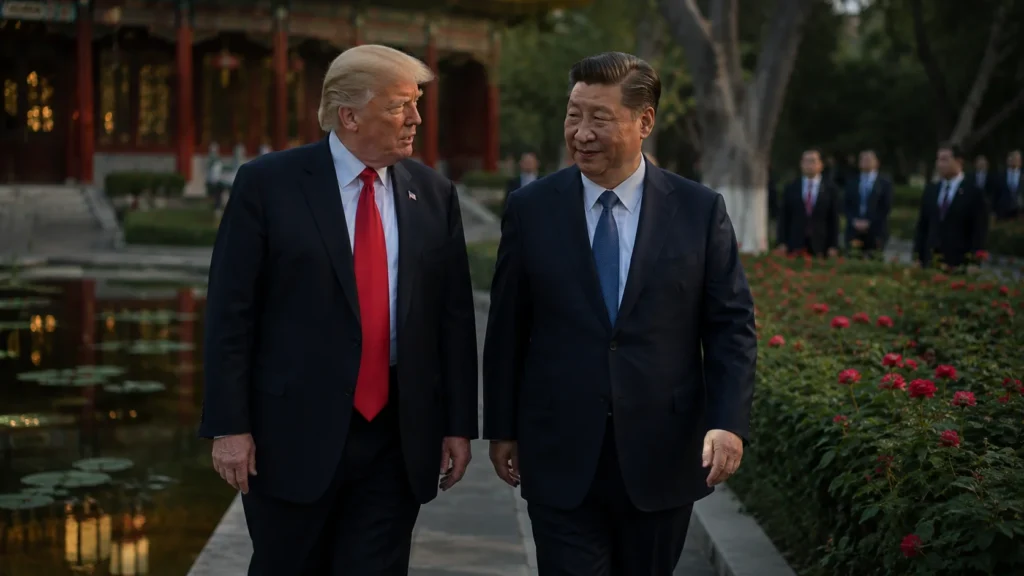
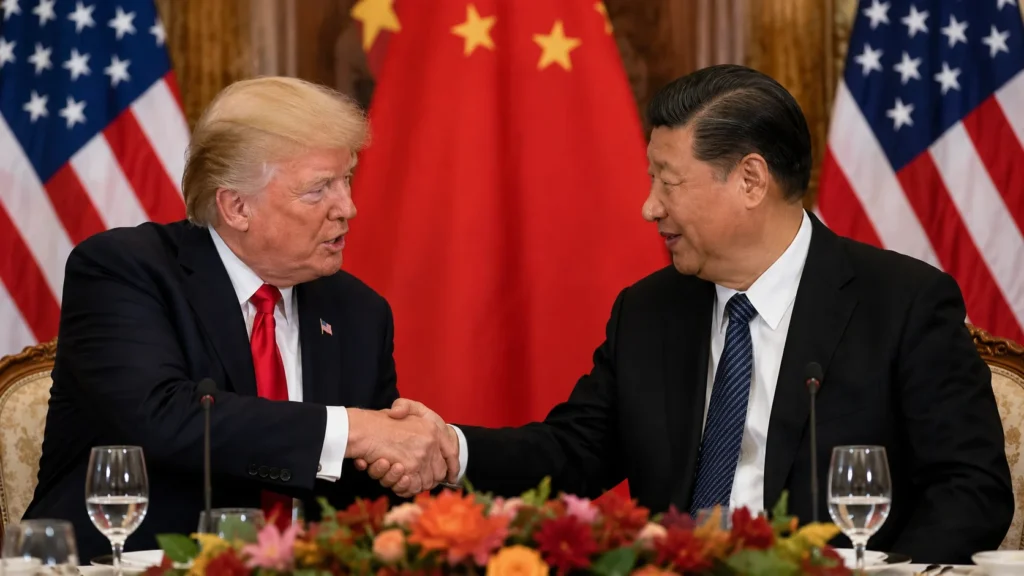
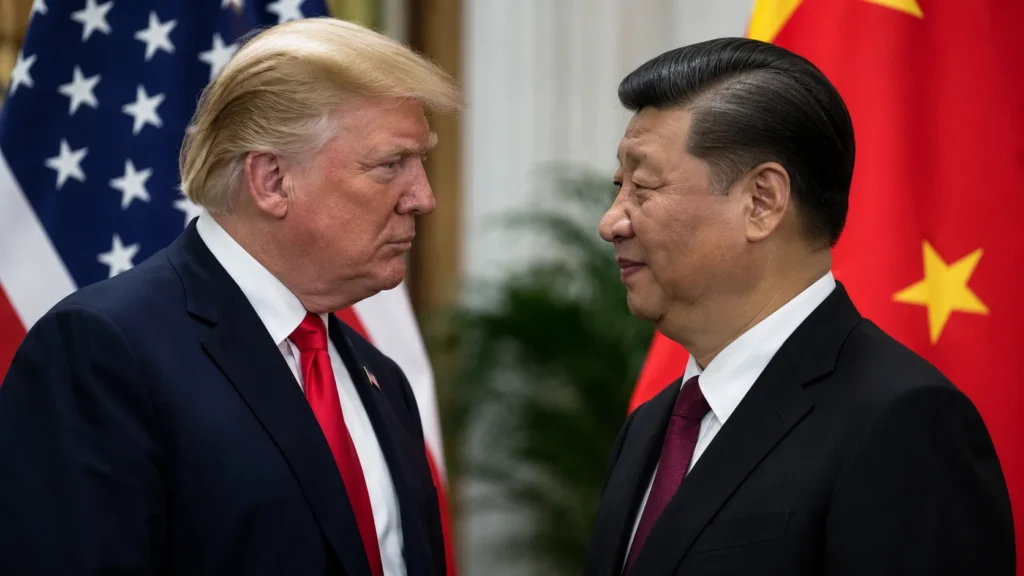
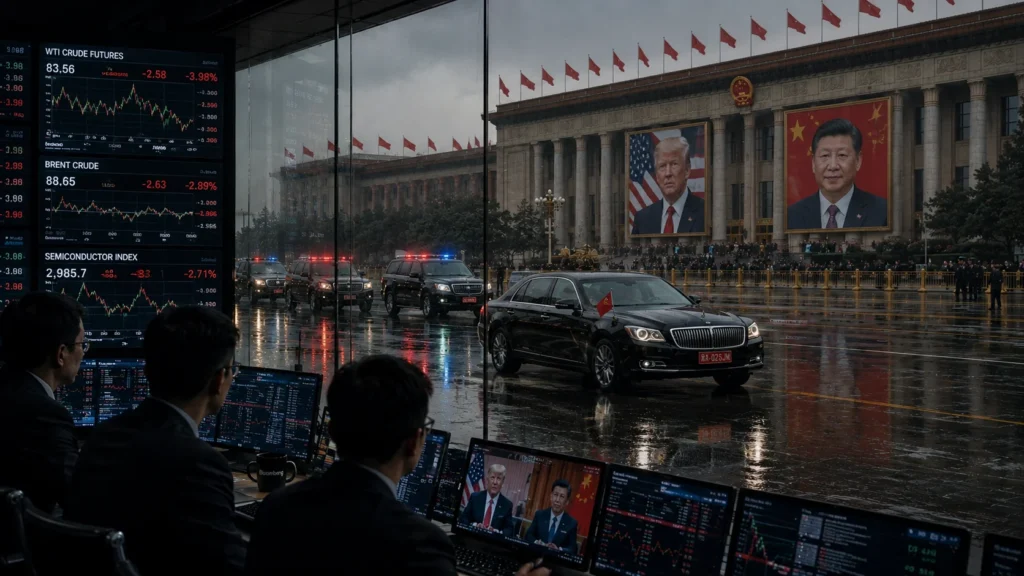
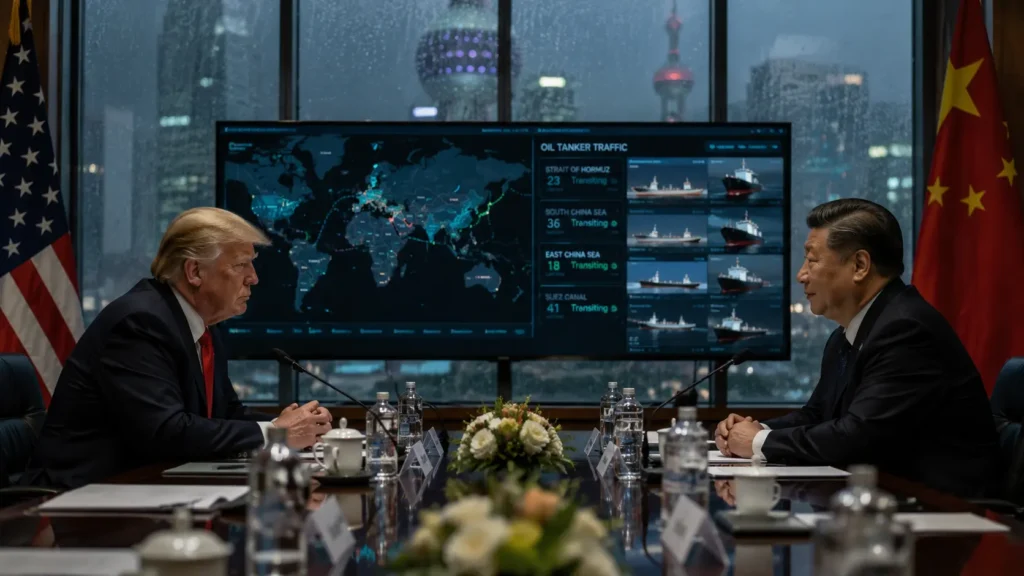
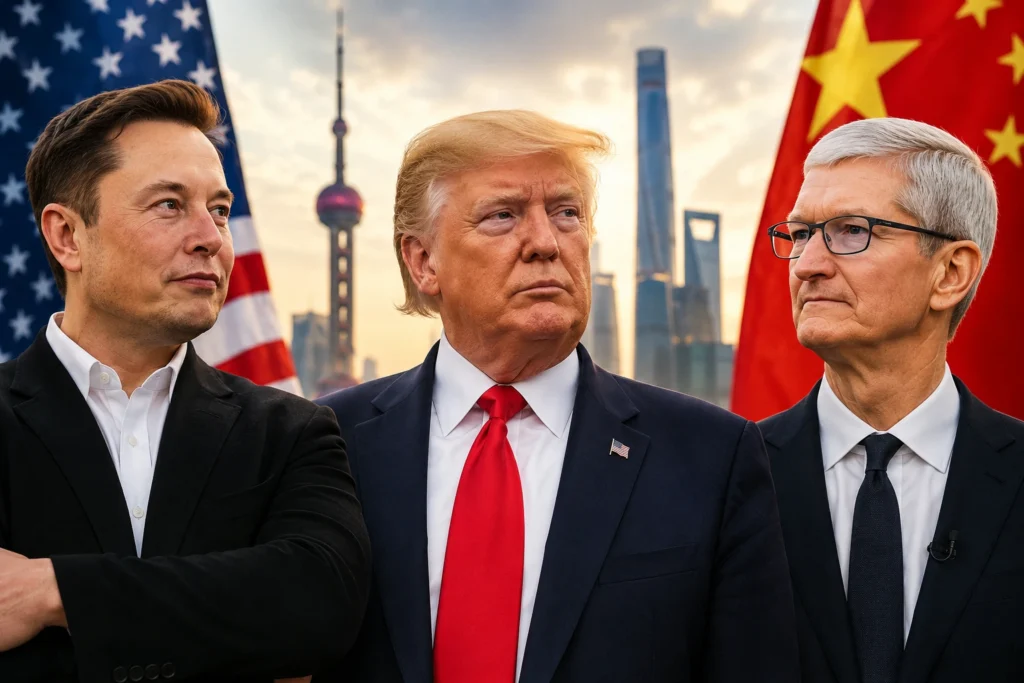
Donald Trump arrived in Beijing on May 13 alongside executives from Nvidia, Tesla, Apple, Boeing, and BlackRock as Washington and Beijing reopened high-level negotiations over trade, technology, Taiwan, and the Iran war. The meeting comes at a fragile moment for the global economy, with oil markets reacting to tensions around the Strait of Hormuz and both countries trying to avoid another tariff escalation. This matters now because the United States and China no longer compete outside the global system. They compete through it.
Washington Wants Stability. Beijing Wants Leverage.
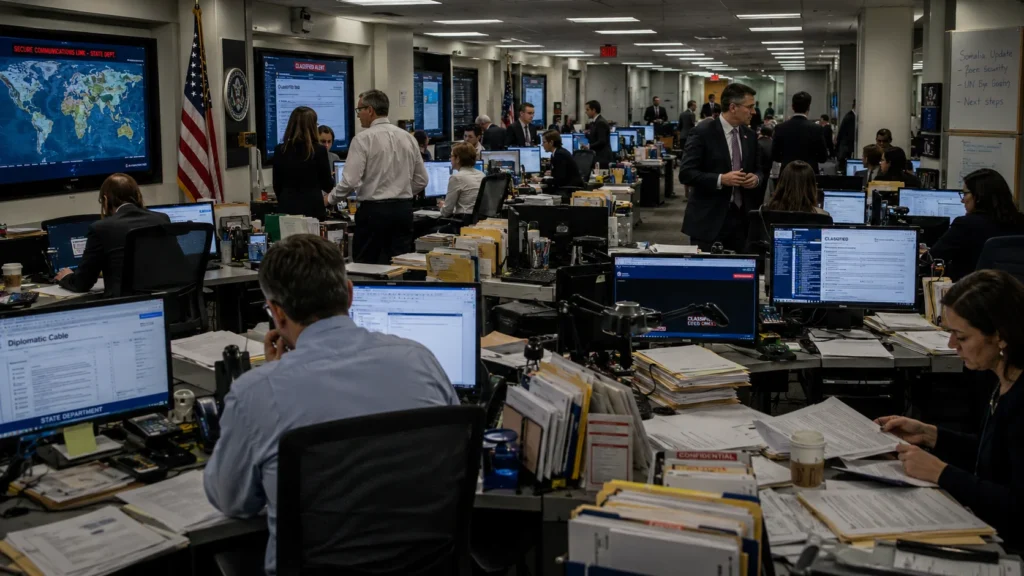
Trump’s visit exposed a contradiction that has shaped U.S.-China relations for years. Washington still wants to slow China’s technological rise and strengthen military ties around Taiwan, yet the White House also needs Chinese cooperation to stabilize prices, supply chains, and industrial imports ahead of the 2026 midterm elections.
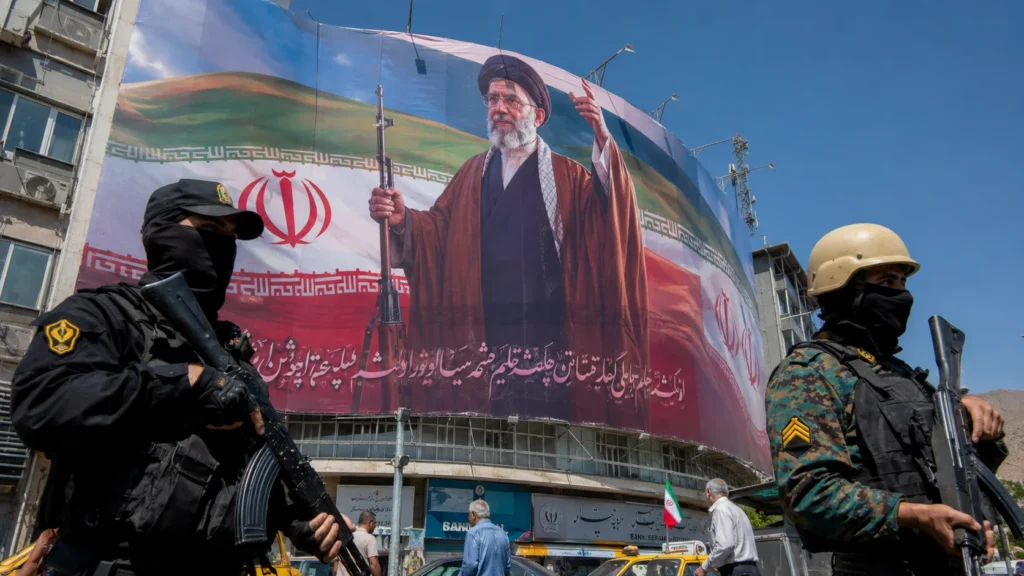
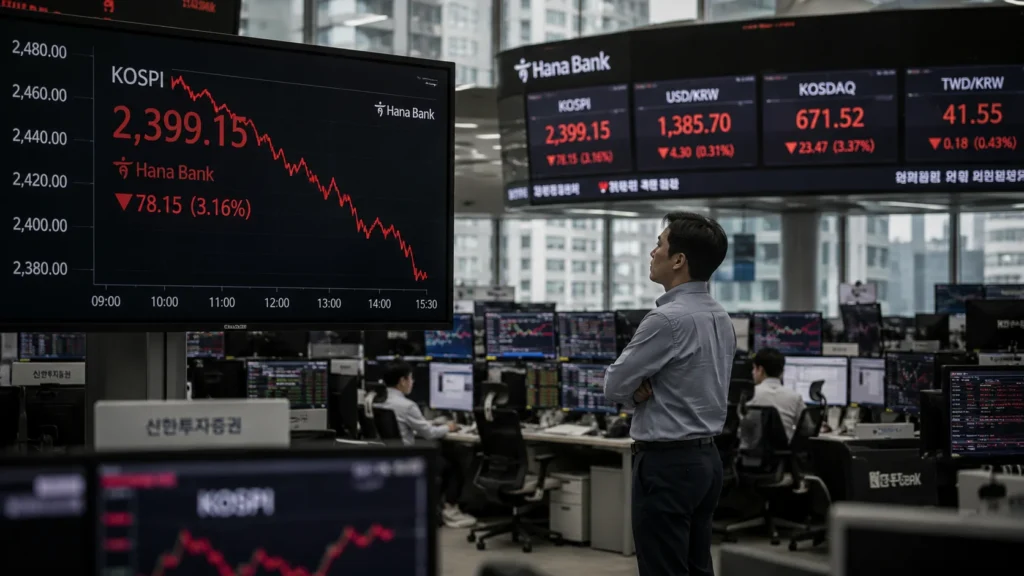
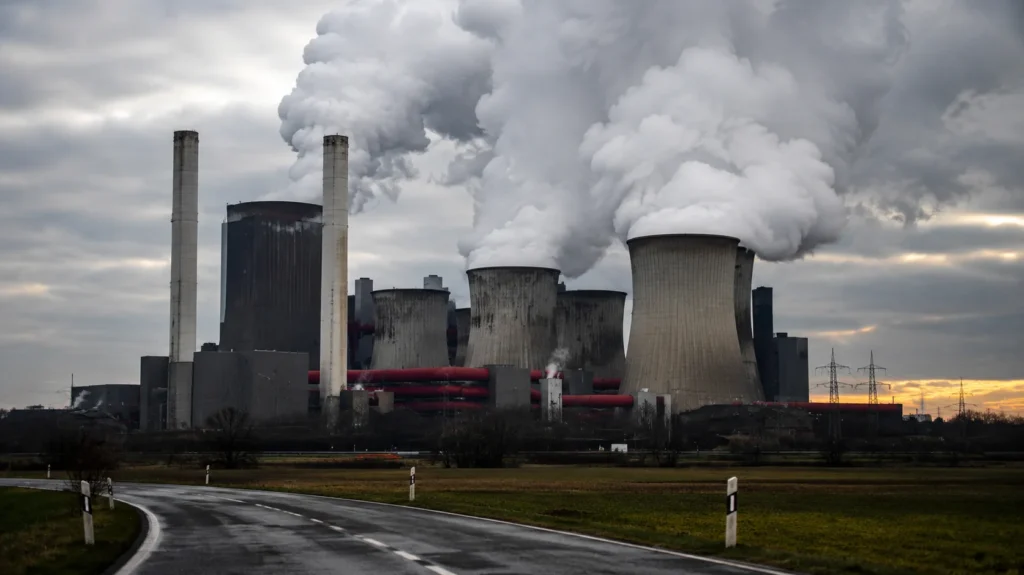
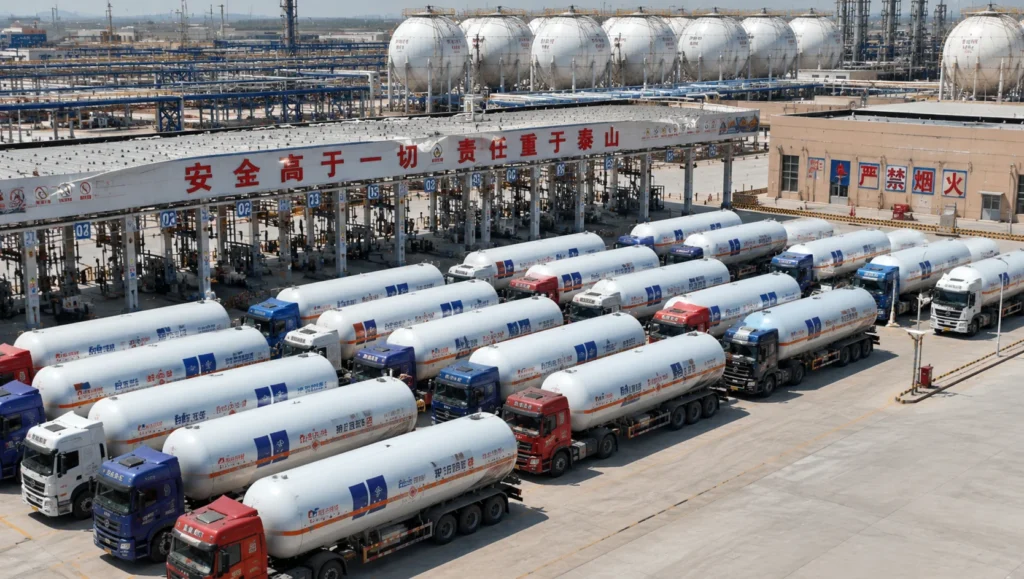
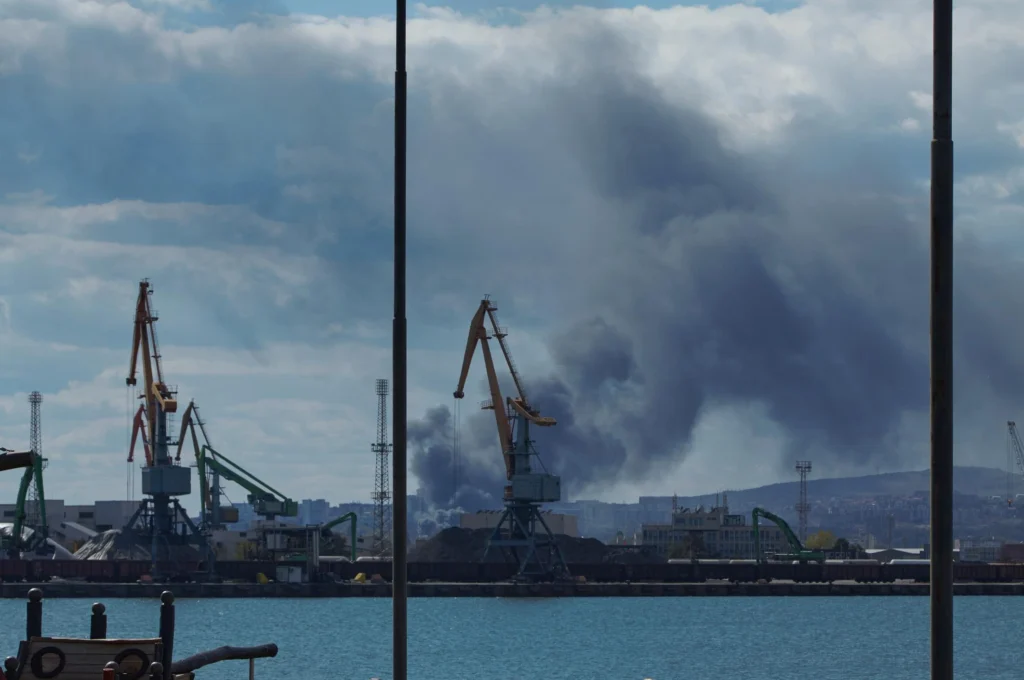
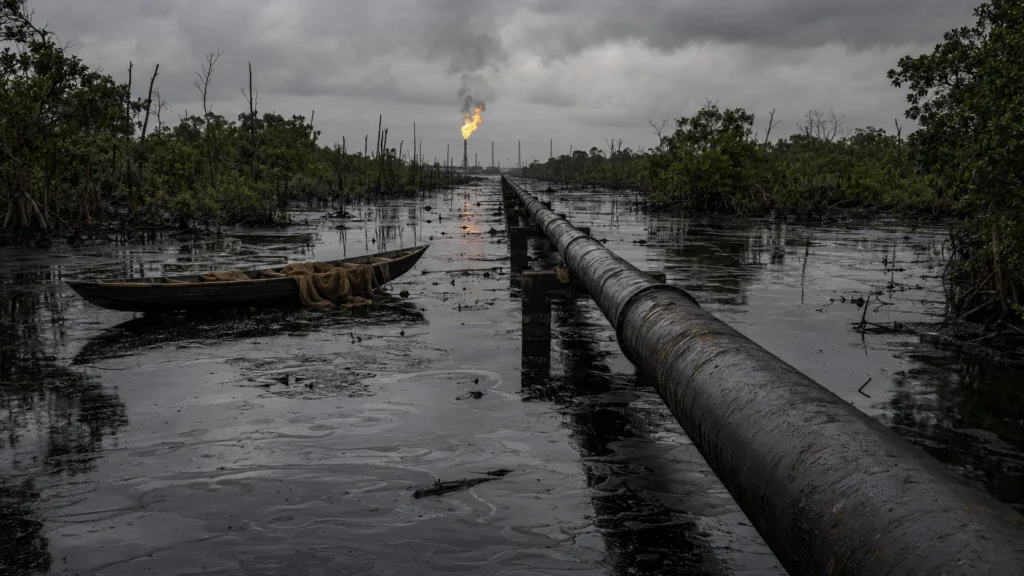
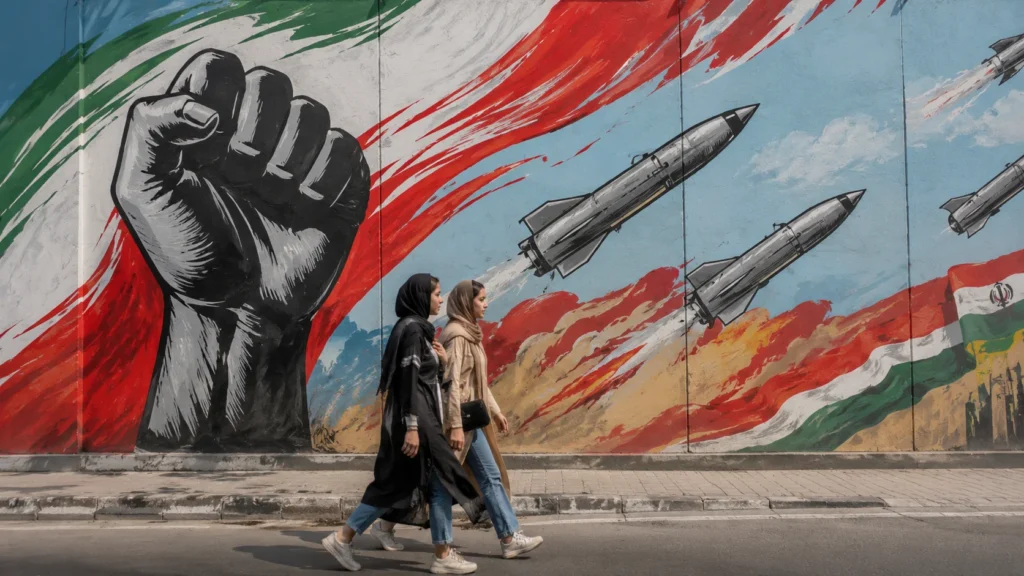
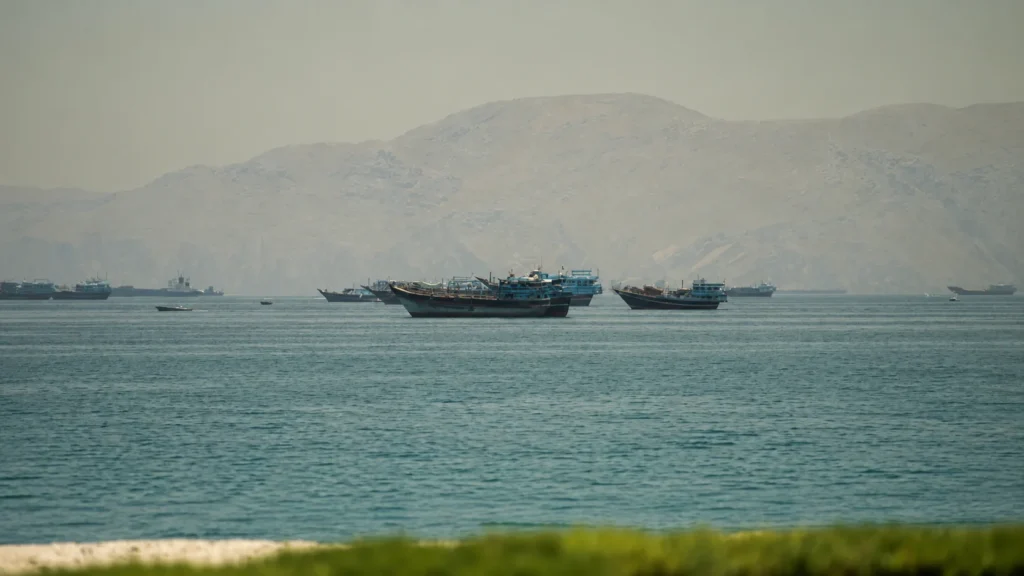
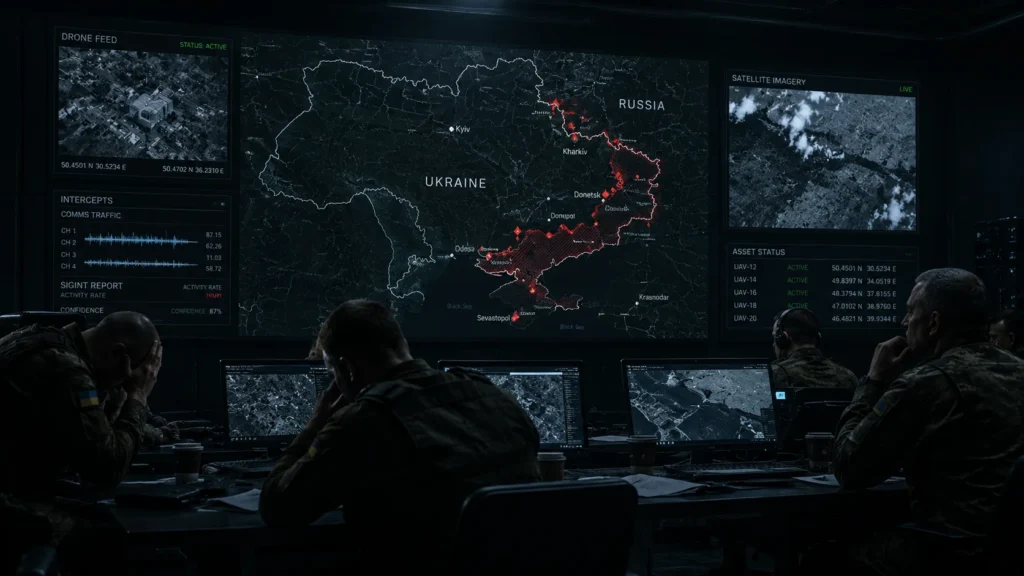
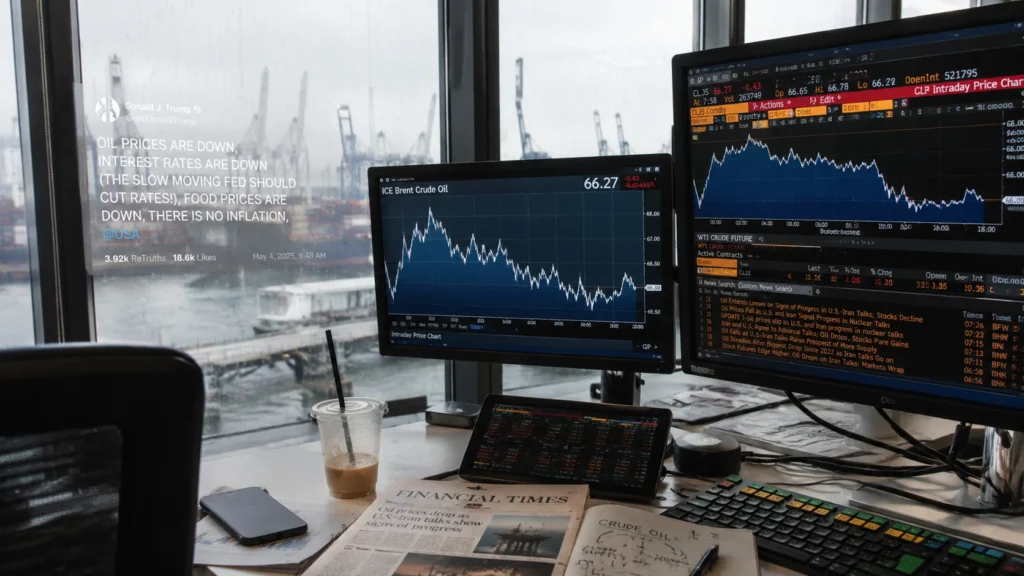
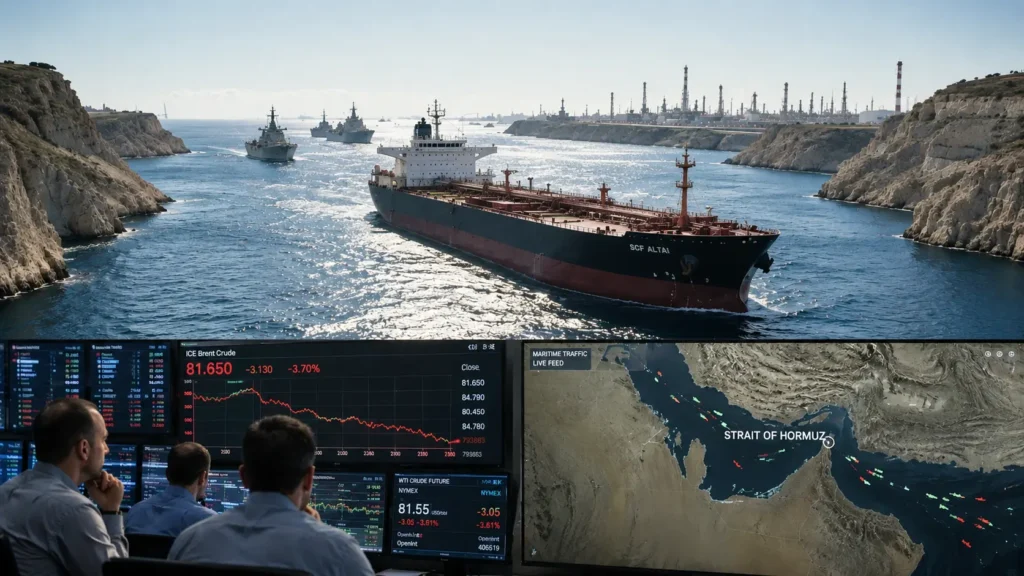
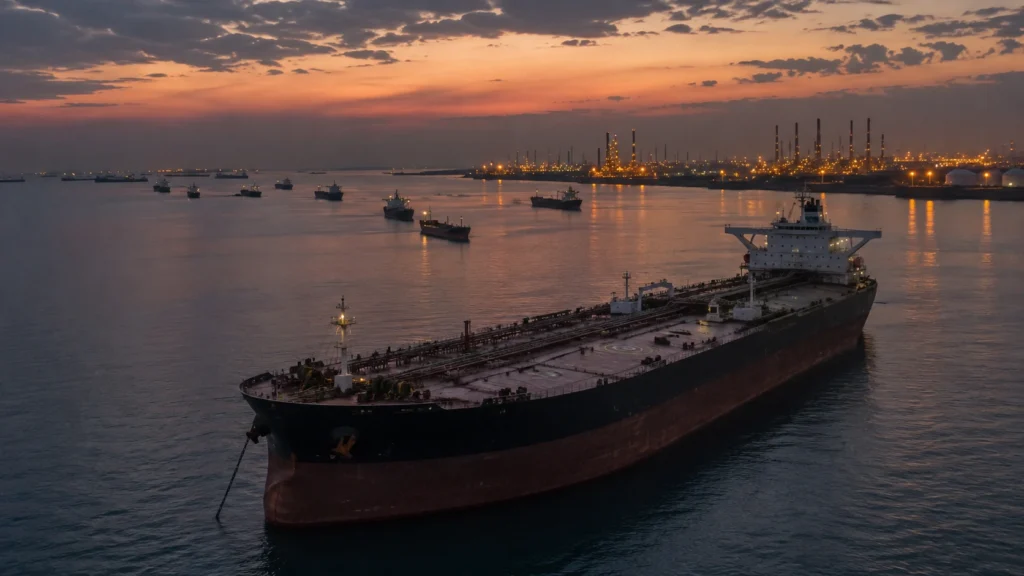
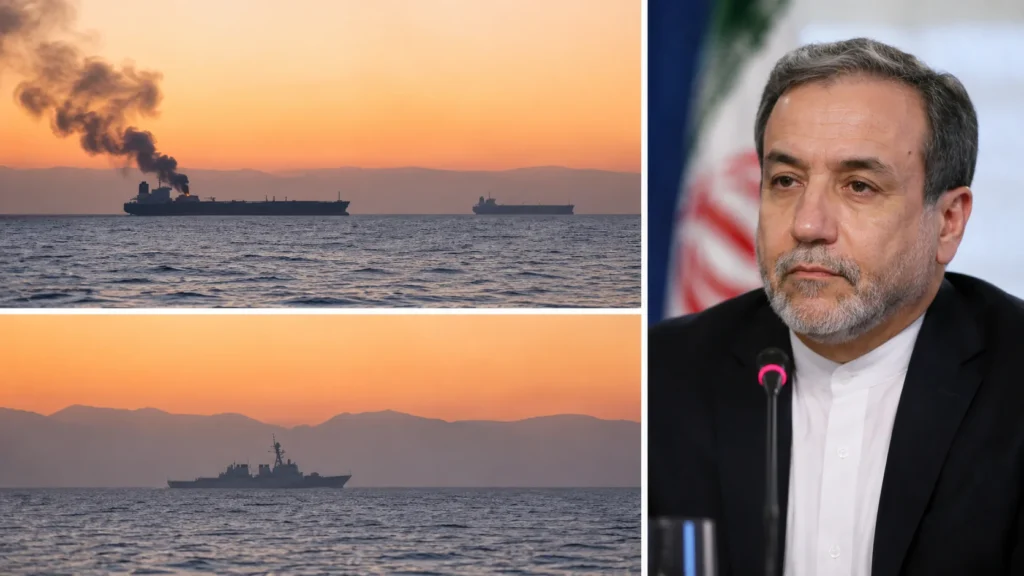
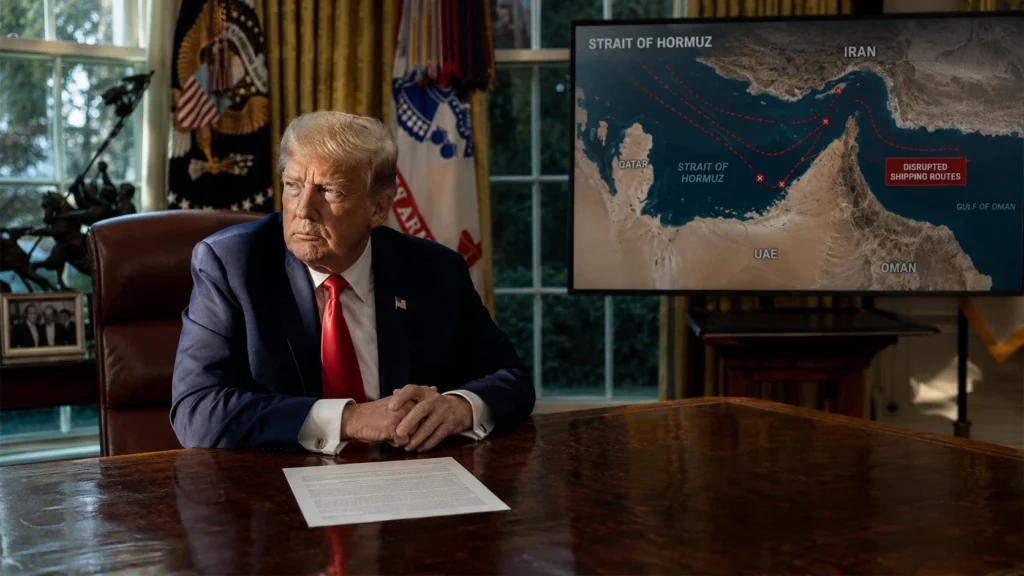
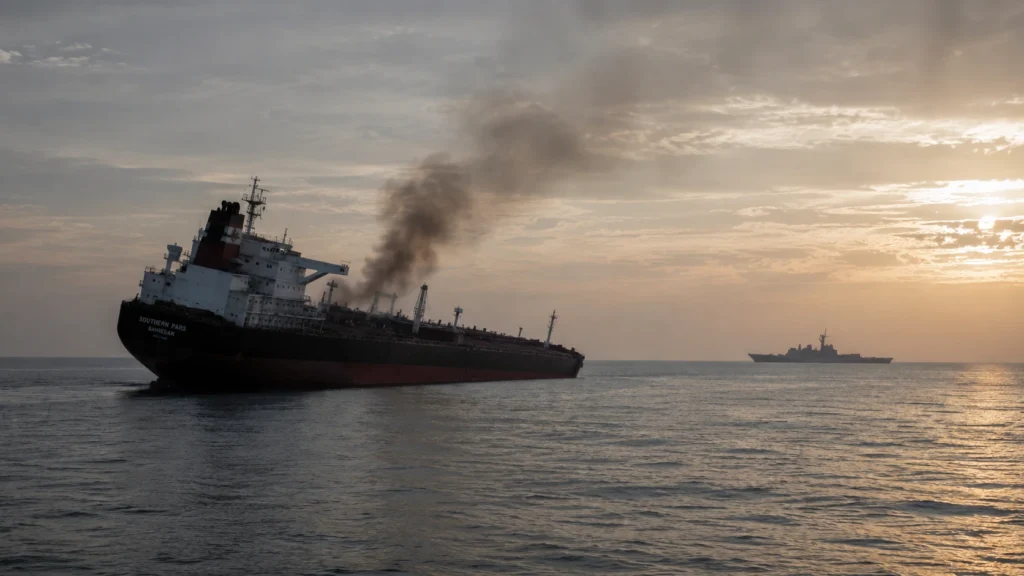
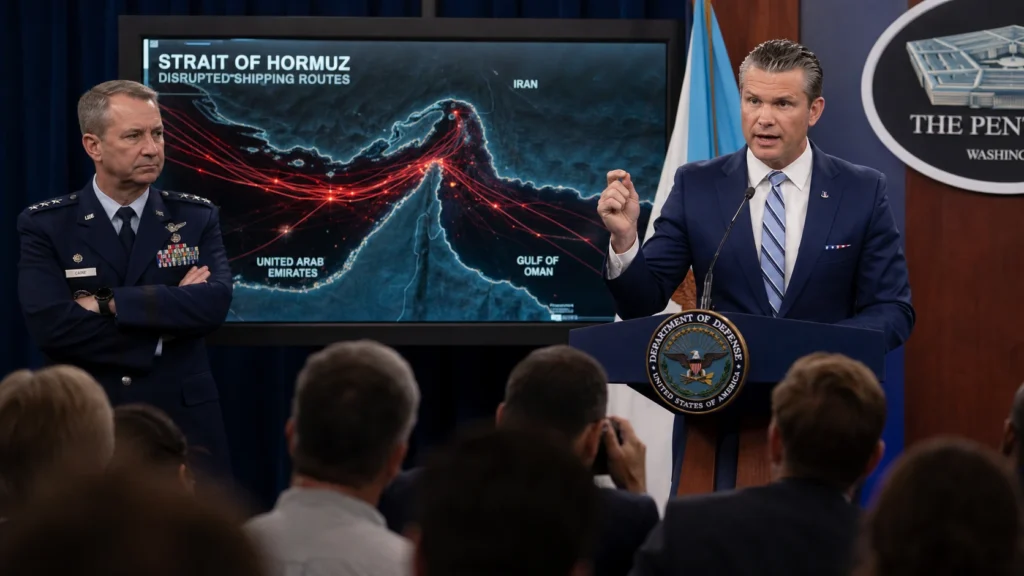
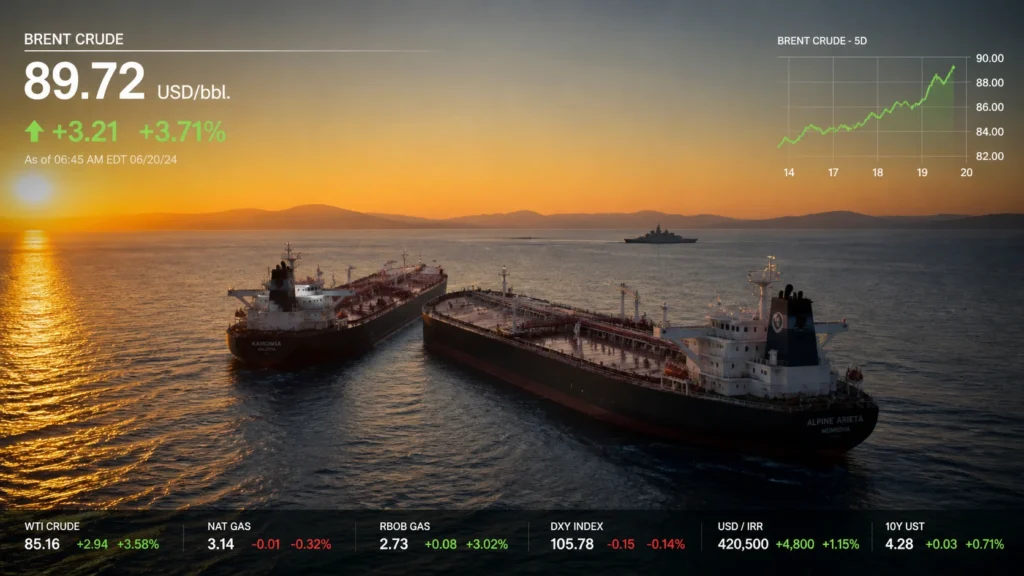
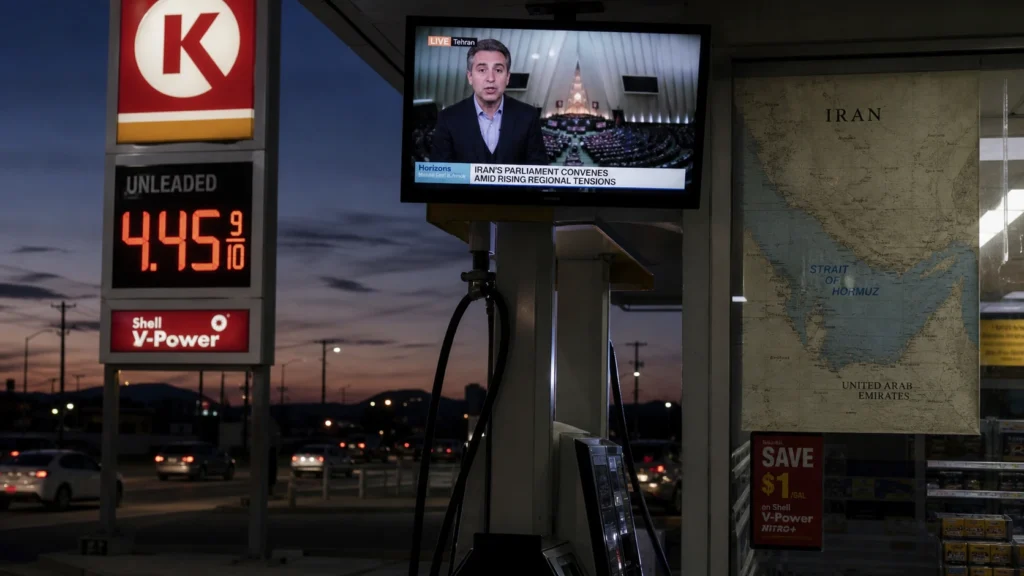
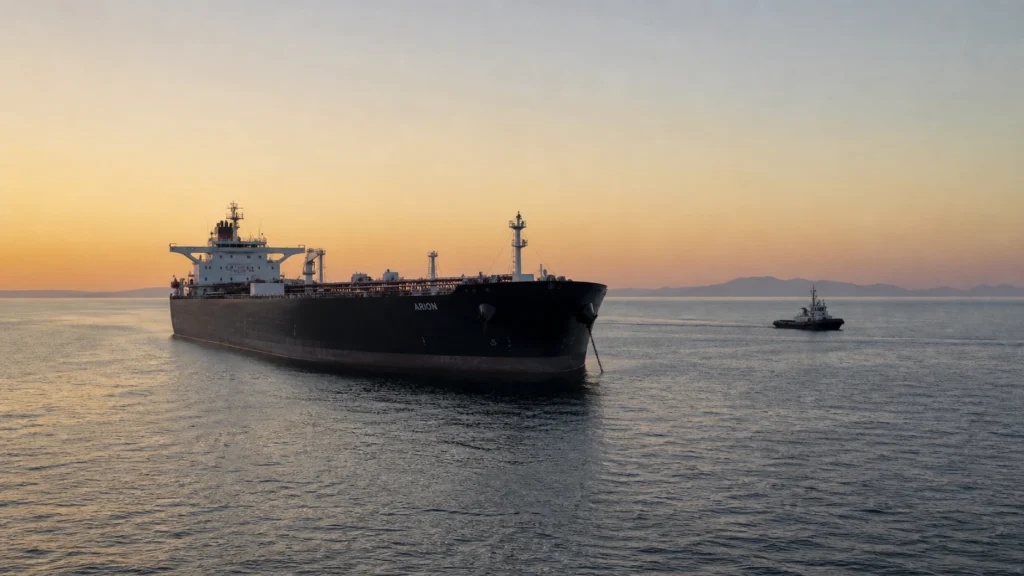
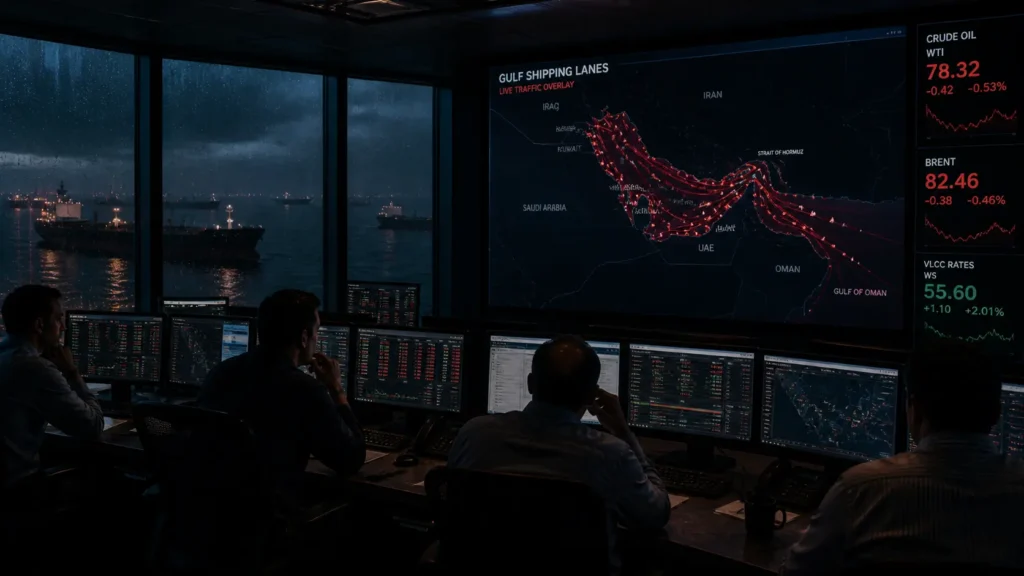
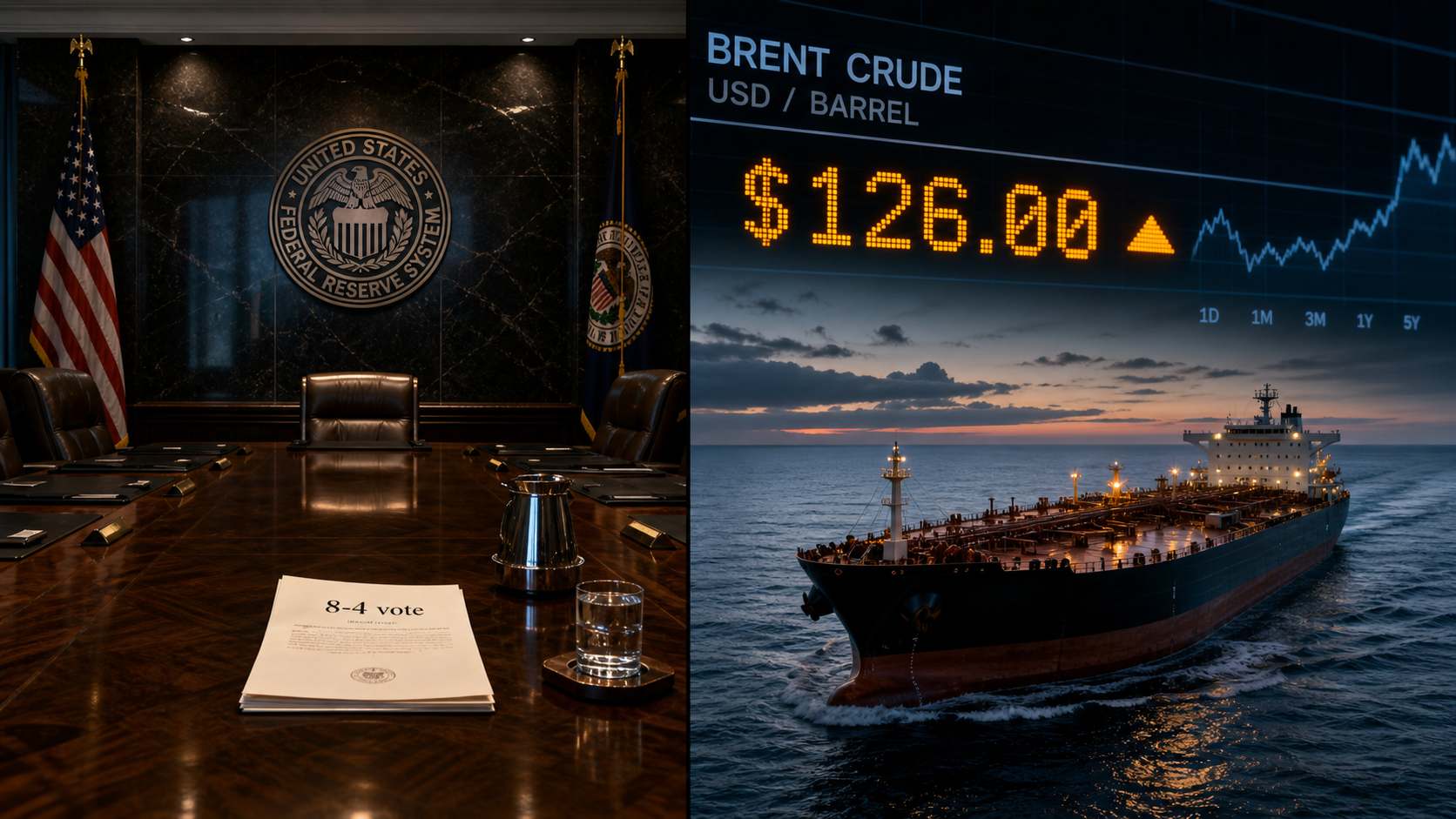
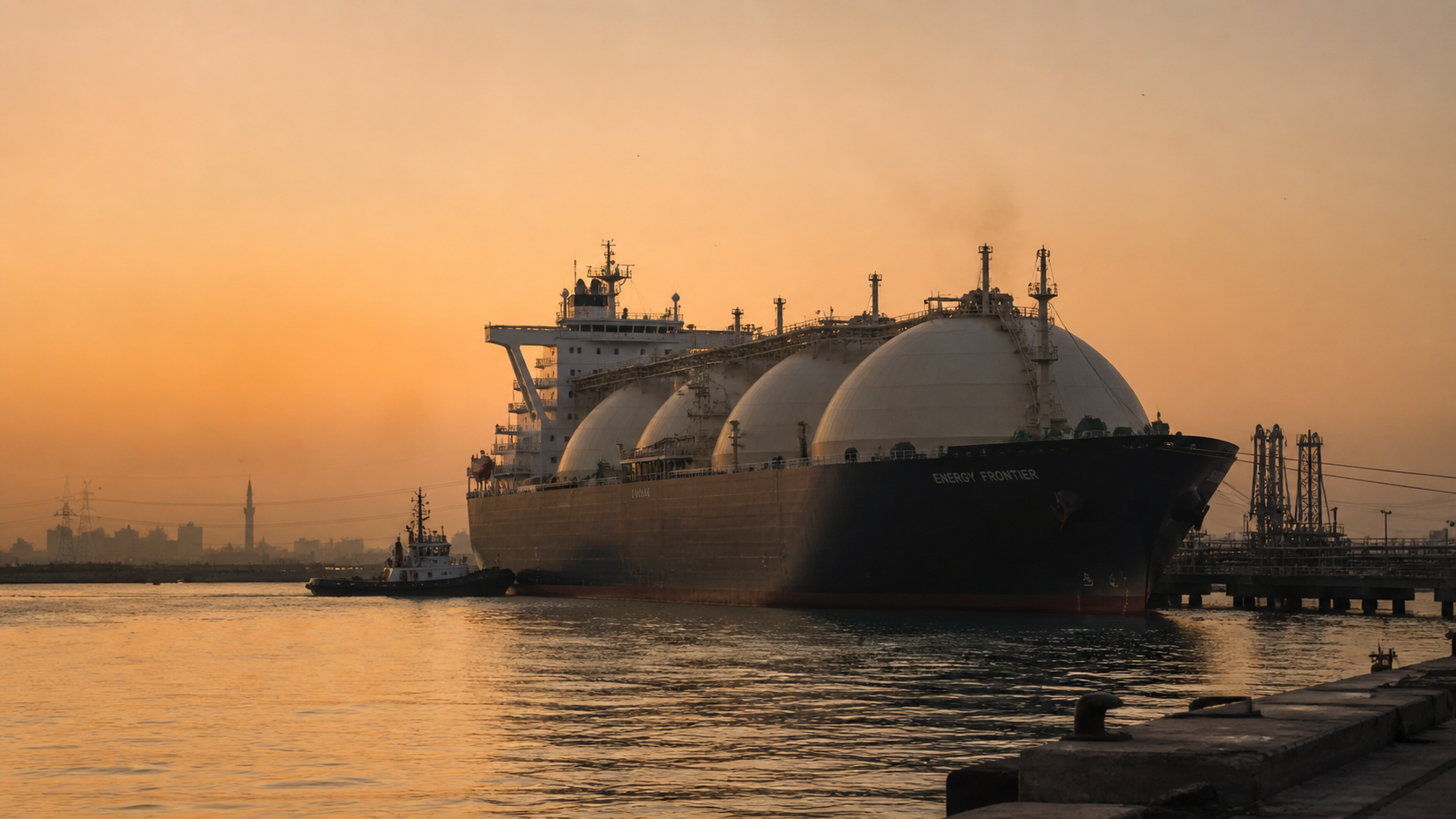
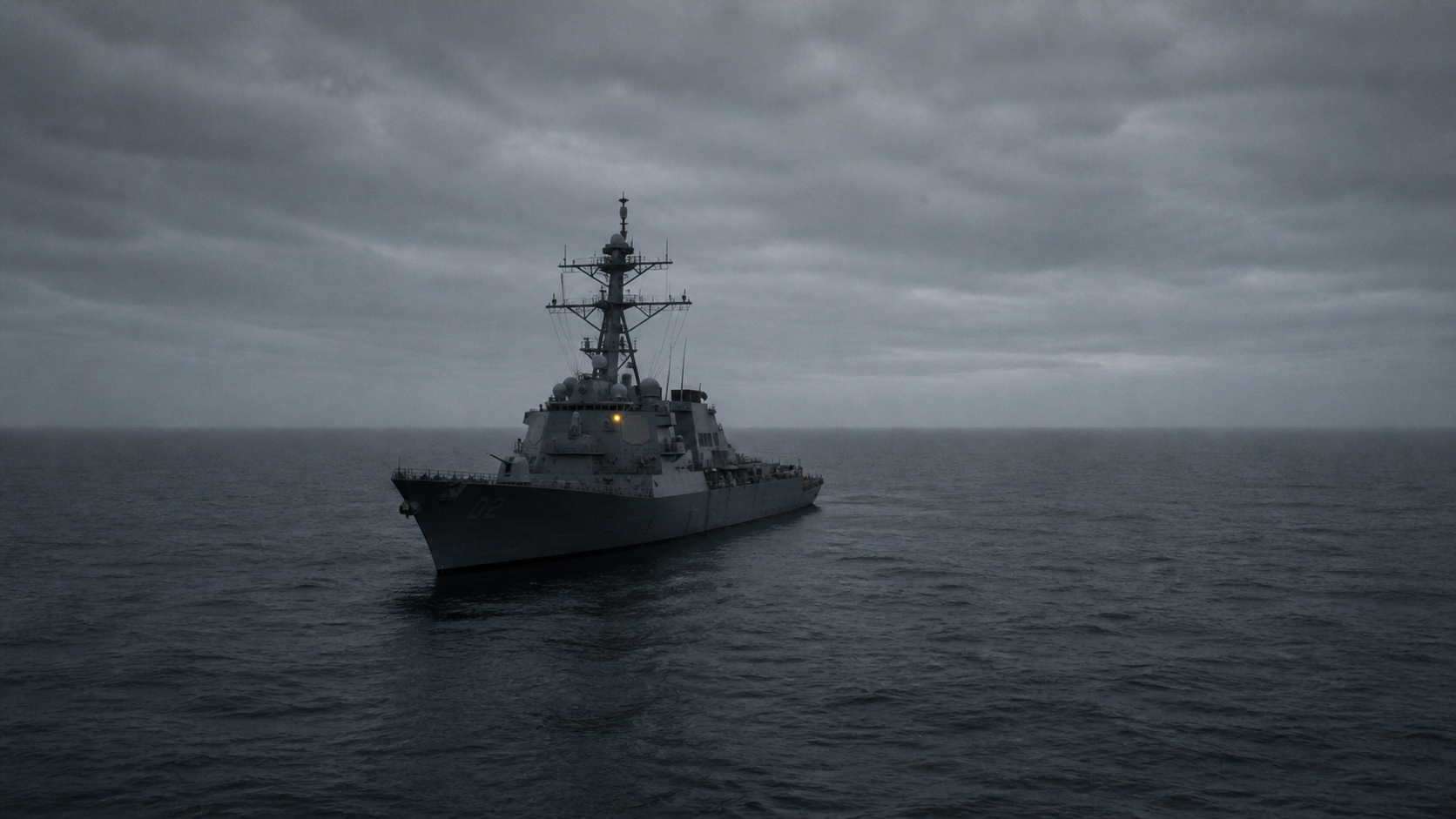
That tension sharpened after the Iran conflict disrupted shipping routes earlier this year. Brent crude climbed above $100 per barrel in February after Tehran threatened traffic through the Strait of Hormuz, according to Reuters energy market coverage. American consumers felt the pressure through inflation. Chinese factories absorbed it through manufacturing costs.
Different systems. Same shock.
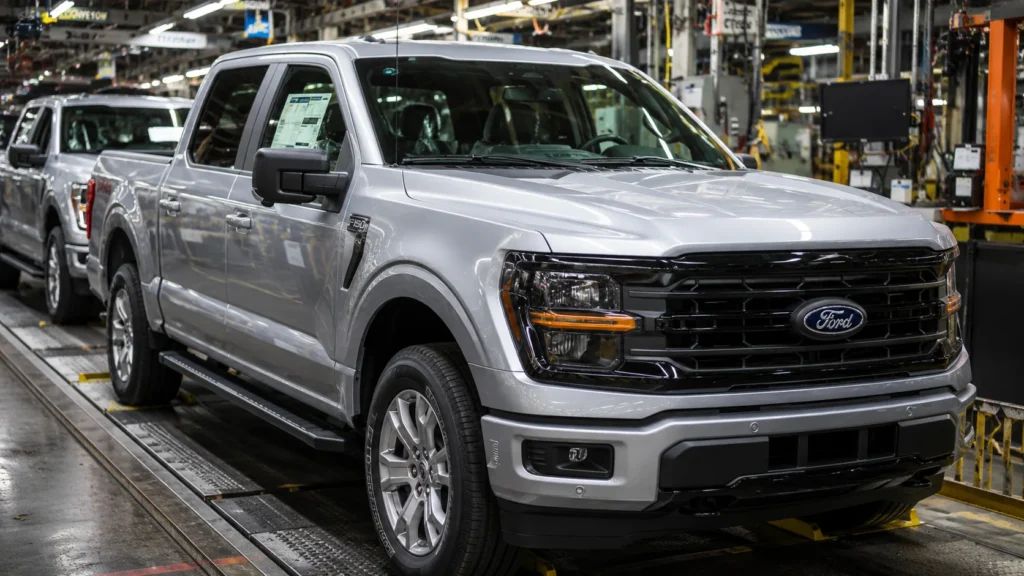
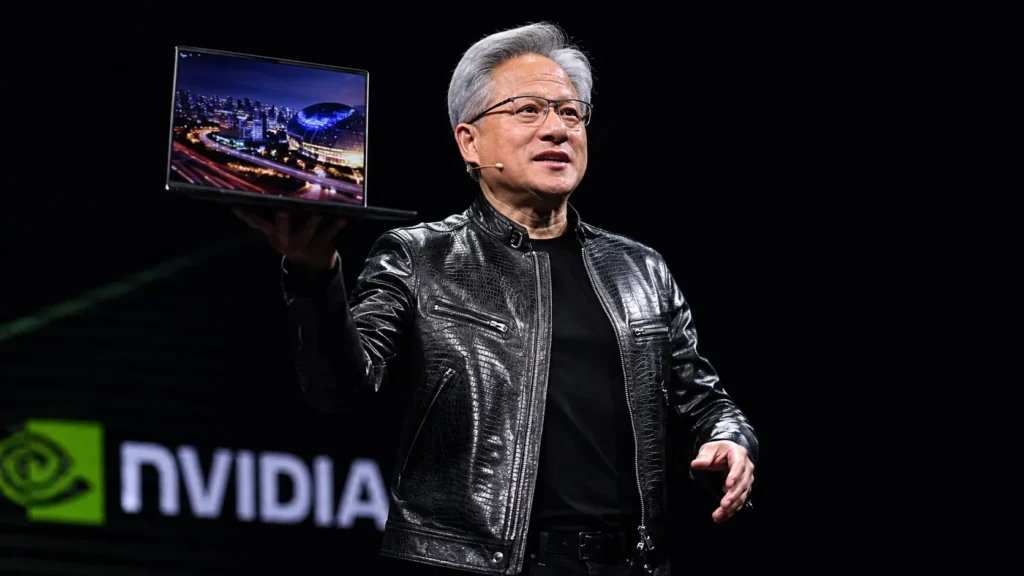
Trump’s delegation showed how deeply American industry still depends on Chinese economic infrastructure. NVIDIA relies on Asian semiconductor ecosystems. Tesla operates one of its biggest production hubs in Shanghai. Boeing wants Chinese aircraft orders after years of trade friction.
As previous coverage of the U.S.-China semiconductor rivalry explained, Washington spent years pushing “strategic decoupling.” Yet trade between the two economies still reached hundreds of billions of dollars in 2025 despite tariffs and export controls.
Why China Holds More Negotiating Space
Xi Jinping enters this summit from a stronger position than during Trump’s first Beijing visit in 2017.
China spent the past several years expanding regional trade influence, strengthening ties with Gulf energy exporters, and investing heavily in domestic chip production after U.S. export restrictions targeted advanced semiconductors in October 2022. The Biden-era controls, which Trump largely maintained, restricted Chinese access to high-end AI chips and semiconductor tools, according to U.S. Commerce Department export control guidance.
But Beijing adapted faster than many Western policymakers expected.
Chinese officials now treat industrial dependence as geopolitical leverage. Rare earth minerals, battery supply chains, pharmaceutical ingredients, and advanced manufacturing networks give Beijing tools that extend far beyond tariffs.
Short sentence. Big effect.
Trump still frames tariffs as pressure. China increasingly frames its access to itself as pressure.
That shift explains why Beijing can offer symbolic economic concessions — soybean imports, Boeing deals, investment pledges — without changing core positions on Taiwan or military strategy in the South China Sea.
The Taiwan Question Never Left the Room
Official summit statements will likely focus on economic cooperation. Taiwan still sits underneath every conversation.
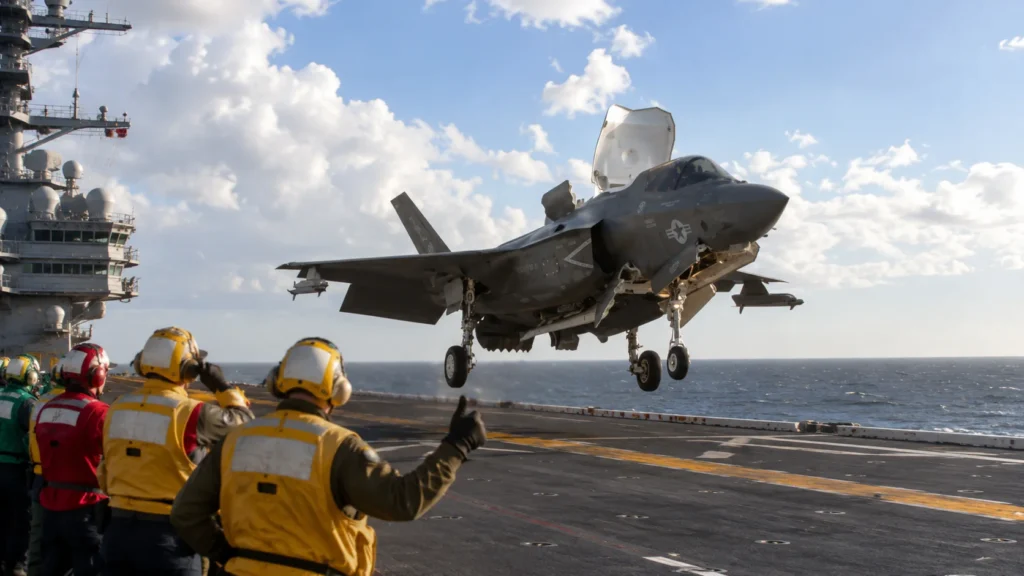
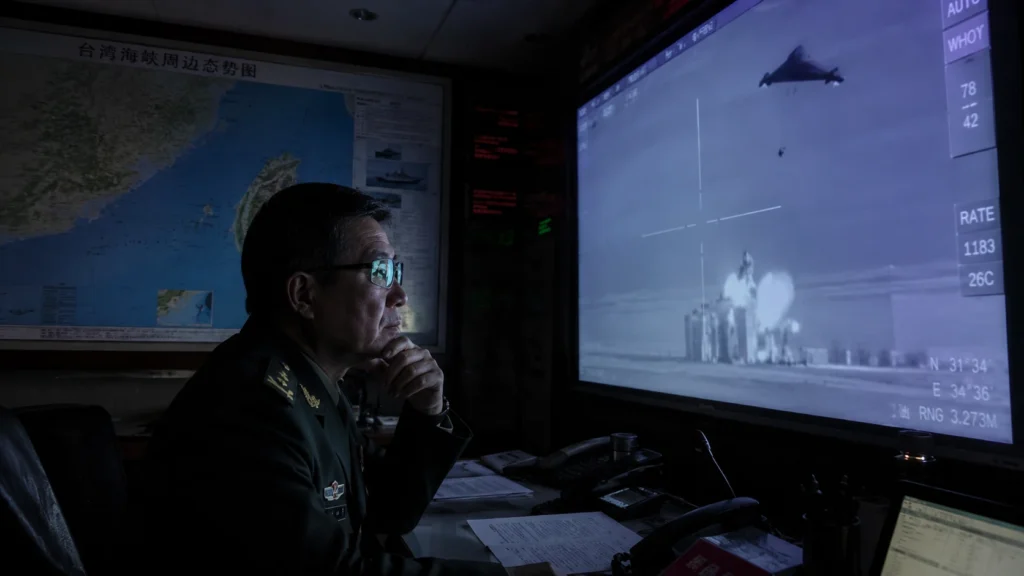
China views U.S. military support for Taiwan as a direct challenge to Chinese sovereignty. Washington frames arms sales and naval cooperation as regional deterrence. Neither side moved from those positions before this meeting.
But global corporations already calculate the fallout.
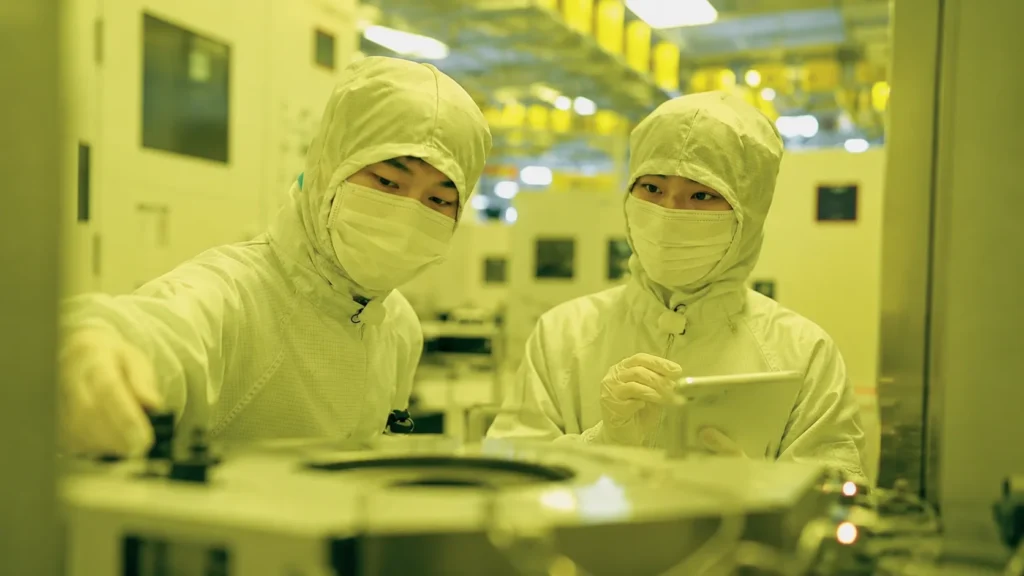
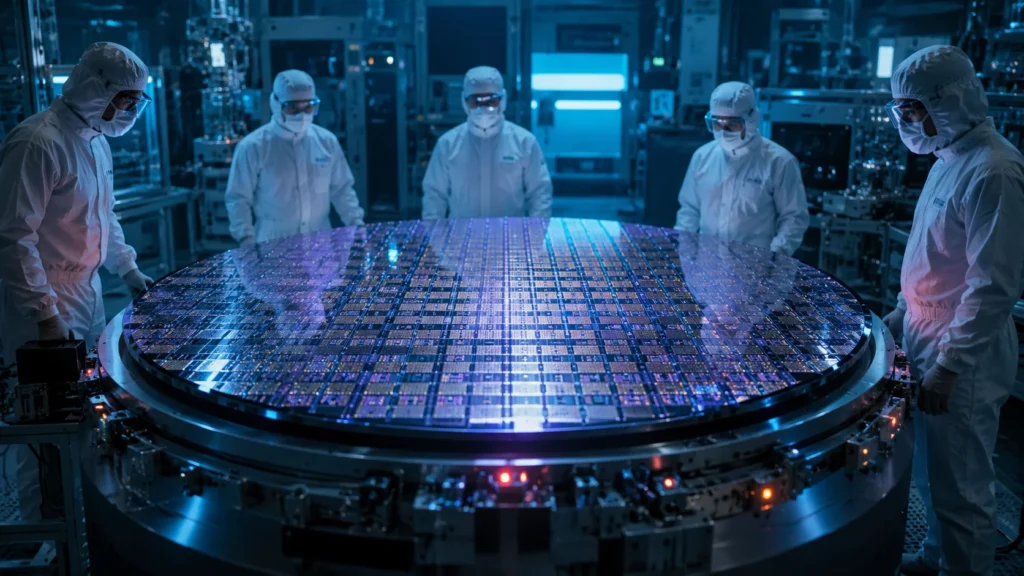
Taiwan produces more than 60% of the world’s semiconductors and over 90% of advanced chips, according to Taiwan Semiconductor Manufacturing Company annual report. Any instability across the Taiwan Strait could disrupt electronics manufacturing, automotive production, cloud computing infrastructure, and defense systems worldwide.
That risk changes investment behavior long before any military confrontation begins.
Quietly.
As analysis of Taiwan’s role in global chip supply chains noted earlier this year, multinational firms now build redundancy into logistics planning because geopolitical disruption no longer looks hypothetical.
What This Means for Global Consumers
Political leaders talk about strategy. Ordinary people experience cost.
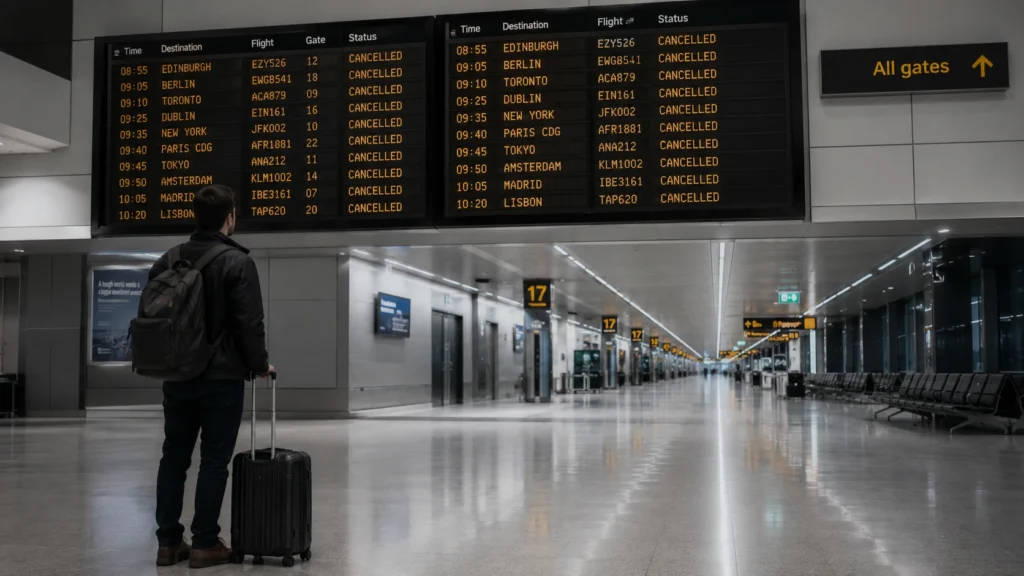
American households already face higher prices linked to energy volatility and industrial reshoring. Chinese workers face weaker growth and rising youth unemployment. European manufacturers continue paying more for rerouted supply chains after years of trade fragmentation.
The old globalization model prioritized efficiency and low cost. Governments now prioritize resilience and political control instead.
That transition reshapes daily life slowly, then all at once.
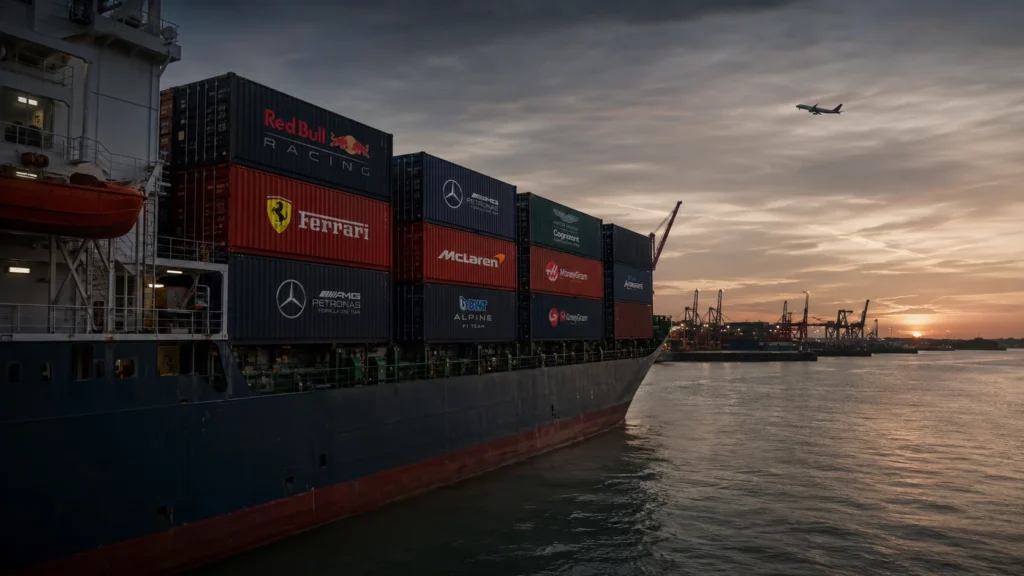
Consumer electronics are becoming more expensive. Shipping insurance rises. Governments subsidize strategic industries that once depended on cheap global integration. Investors shift capital toward politically secure supply chains rather than the fastest ones.
That process has already started.
What to Watch After the Summit
Three indicators will reveal whether this visit changes anything substantial over the next year:
- Chinese policy on rare earth exports to American manufacturers
- U.S. semiconductor restrictions tied to AI infrastructure and Nvidia
- Military signaling around Taiwan and South China Sea shipping lanes
Those signals matter more than ceremonial diplomacy or banquet photographs.
Because the deeper competition now centers on economic dependence itself.
FAQ
Why does Trump’s China visit matter in 2026?
The visit matters because the United States needs Chinese cooperation on trade stability, rare earth minerals, and energy markets while both countries continue competing over Taiwan, technology, and military influence in Asia.
What role does the Iran war play in U.S.-China relations?
The Iran conflict disrupted oil shipping routes and increased global energy prices. Washington wants Beijing to pressure Tehran because China remains Iran’s biggest economic partner and oil customer.
Why are business executives traveling with Trump?
Executives from Tesla, Nvidia, Boeing, and Apple joined the delegation because American companies still depend heavily on Chinese manufacturing, consumers, and supply chains despite years of tariffs and export restrictions.
How does Taiwan affect global trade?
Taiwan dominates advanced semiconductor production. Any instability around the Taiwan Strait could disrupt electronics, automotive manufacturing, AI infrastructure, and defense supply chains worldwide.
Could the U.S. and China reach a new trade agreement?
Both governments likely want temporary economic stability, especially during volatile energy markets. Limited agreements on agriculture, aviation, and industrial access remain possible, though strategic rivalry will continue underneath those deals.
Author Bio:
Written by Daniel Mercer, a geopolitical and global trade analyst who has covered U.S.-China relations, energy markets, and strategic supply chains for more than a decade.