

 English




























































































































































































































































































































Canary Islands Blocks Virus-Hit Cruise Ship Docking as Madrid Overrules
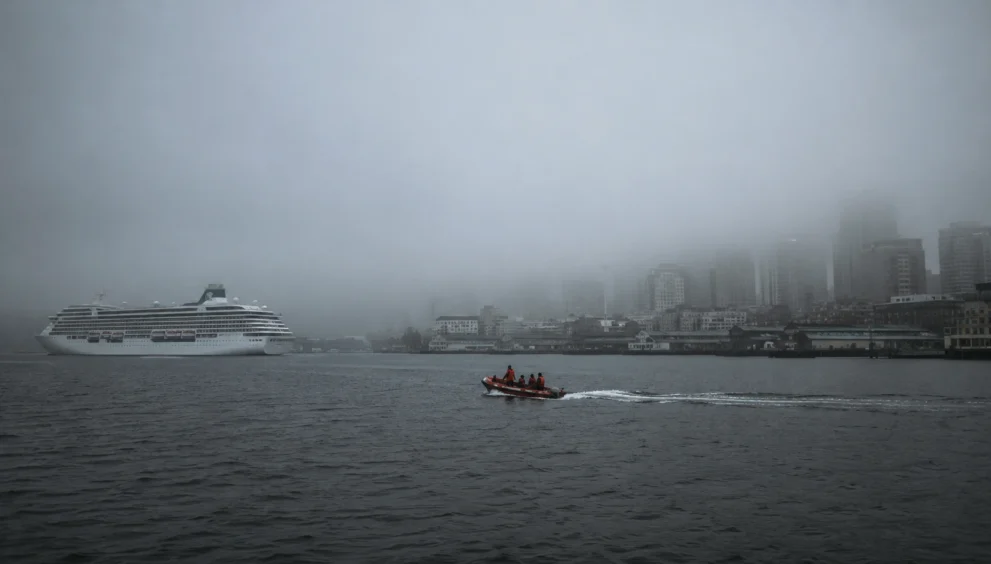
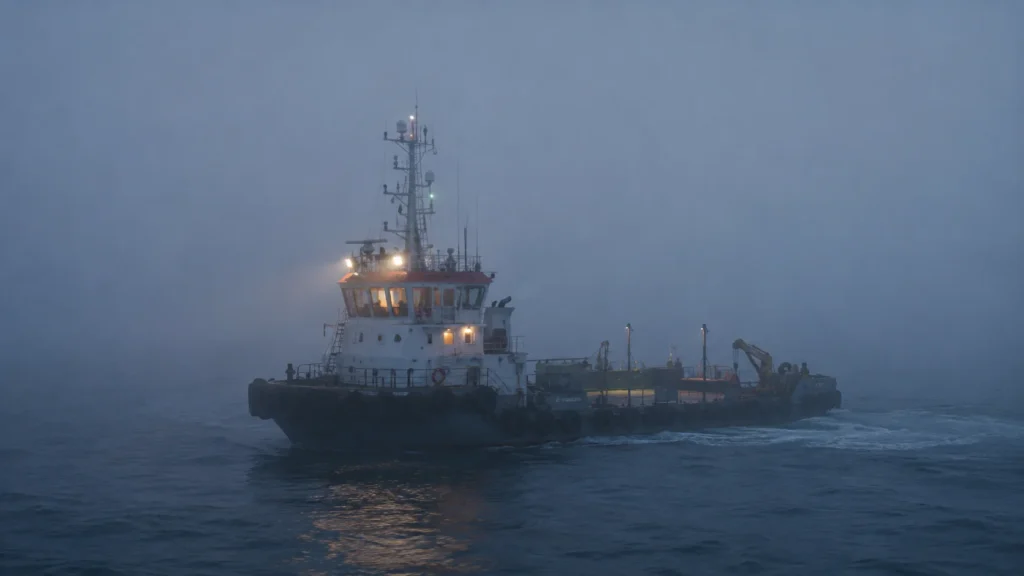
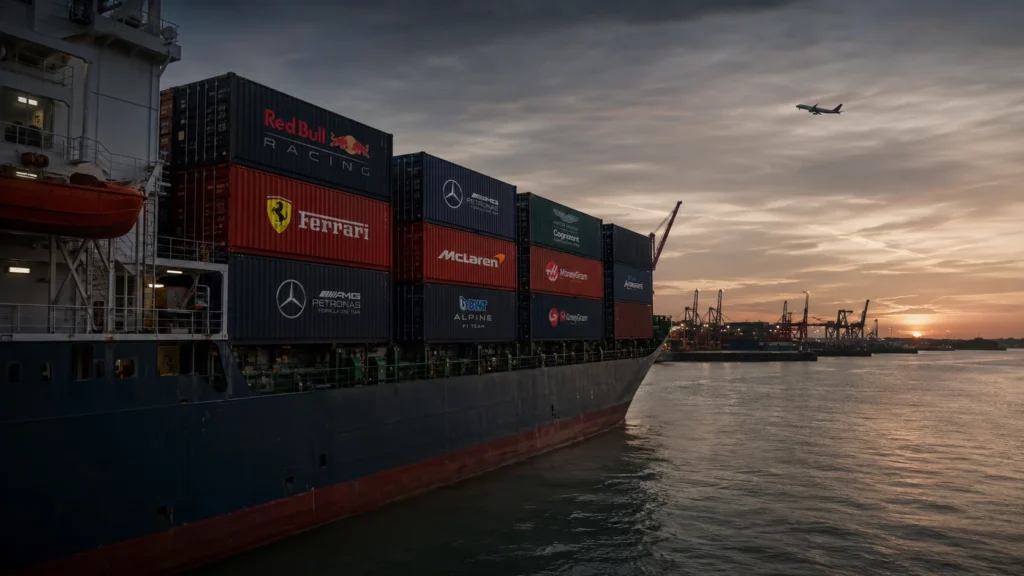
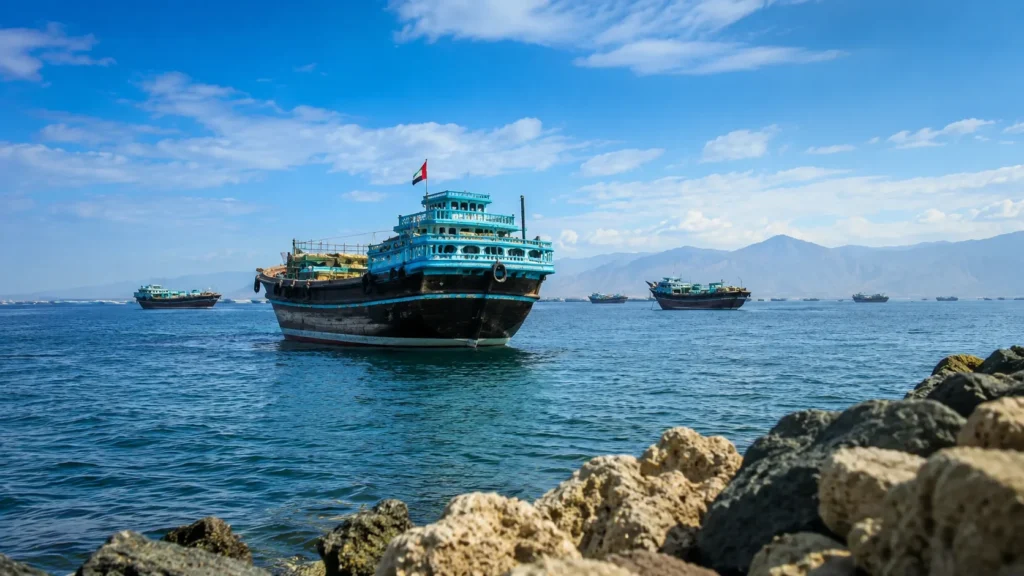
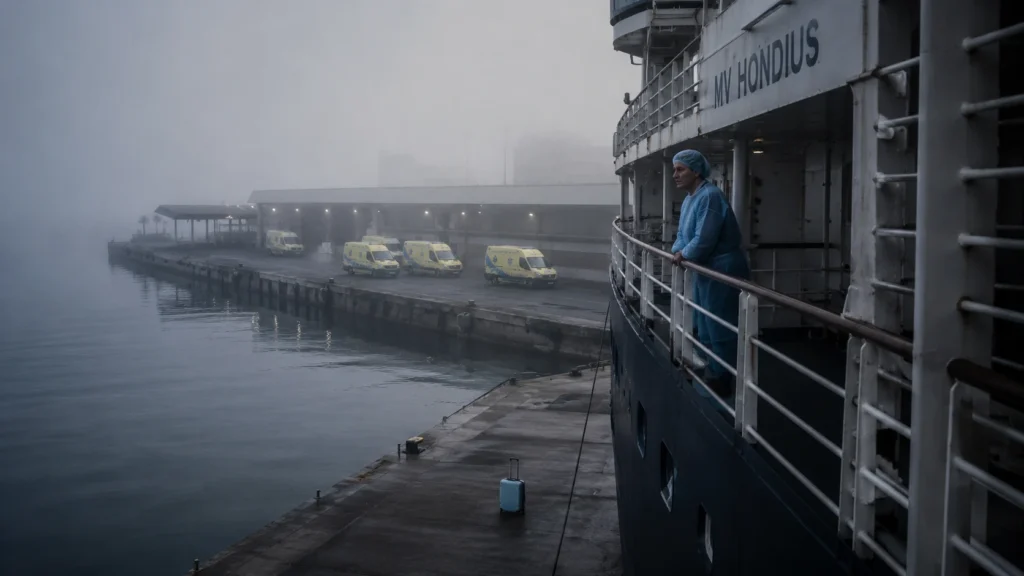
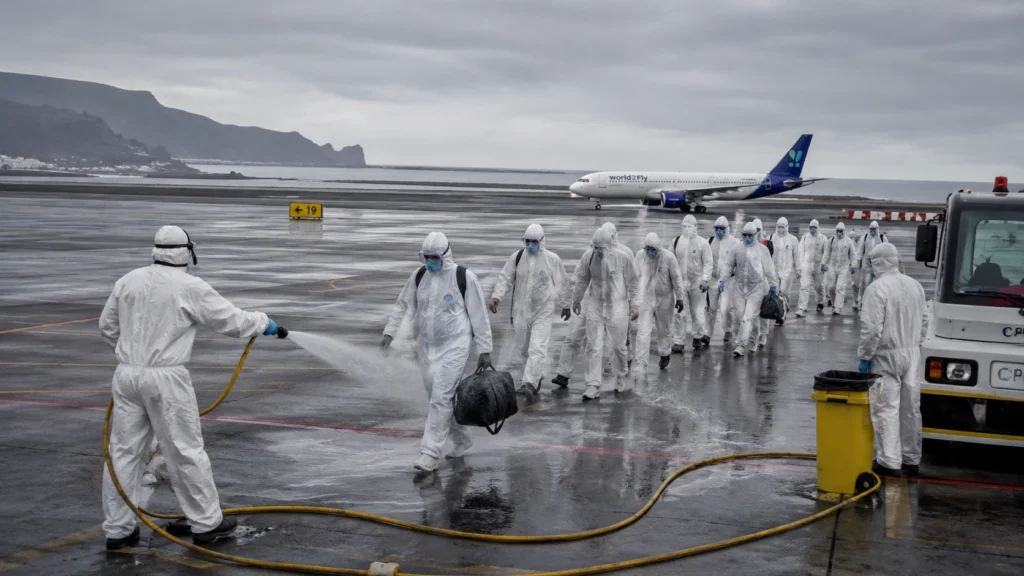
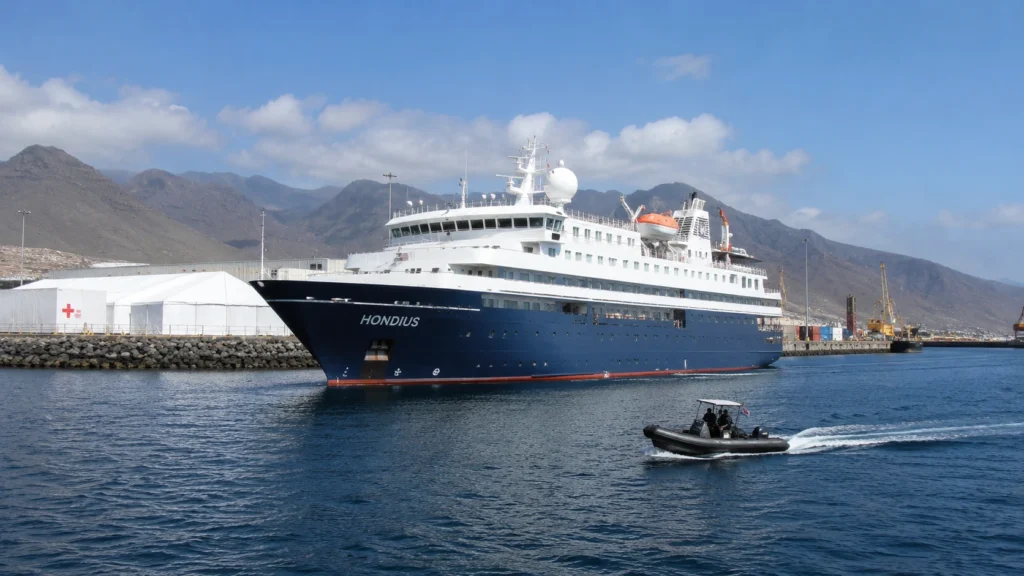
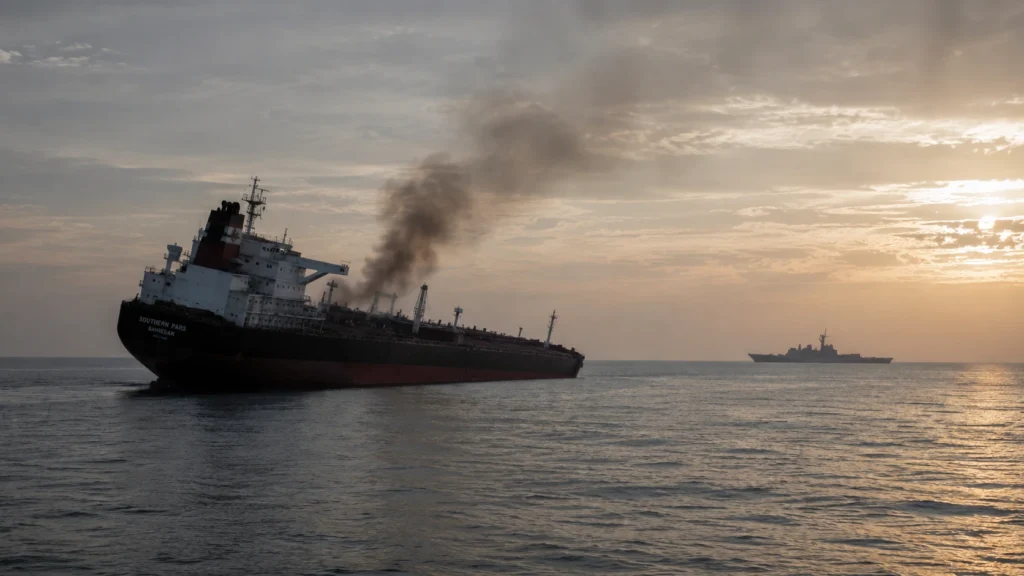
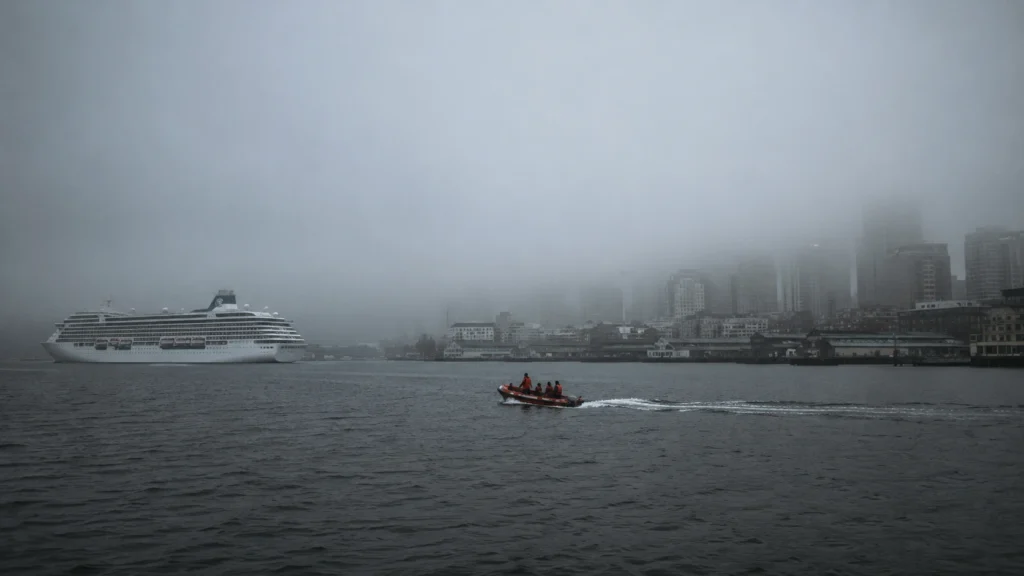
The Canary Islands are blocking a virus-hit cruise ship from docking after Madrid authorized the MV Hondius to enter its ports without consulting regional authorities. President Fernando Clavijo accused the Spanish government of “institutional disloyalty” over its decision to allow the virus-hit cruise ship to dock. Three passengers were evacuated to the Netherlands on Wednesday. The vessel remains anchored off Cape Verde with approximately 150 people on board.
Political Crisis Over Virus-Hit Cruise Ship Docking
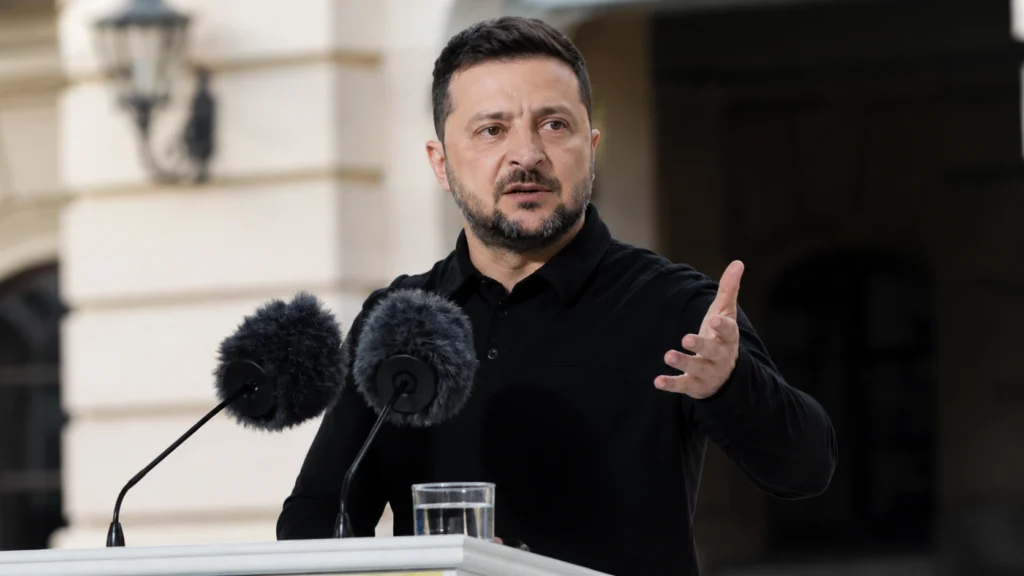
The authorization for the virus-hit cruise ship to dock came from Madrid without prior consultation with the Canary Islands government. Clavijo told Spanish radio he “cannot allow the boat to enter the Canaries,” adding that the decision “is not based on any technical criteria, and nor have we been given enough information.”
Rosa Dávila, head of the Tenerife Island authority, expressed her council’s “outright and utter rejection” of the virus-hit cruise ship docking plan. Both leaders said they learned of Madrid’s decision through media reports rather than official government channels.
The Spanish cabinet met on Wednesday morning to discuss the virus-hit cruise ship docking. Minister Ángel Víctor Torres said he understood “local concern and nervousness” but warned the islands were obliged to accept the ship under international health regulations. Clavijo, speaking from Brussels, demanded an urgent meeting with Prime Minister Pedro Sánchez.
The Hantavirus Outbreak Behind the Virus-Hit Cruise Ship Docking Crisis
The World Health Organization confirmed three cases of hantavirus among people connected to the Hondius, with five more suspected. The ship departed Ushuaia, Argentina, on 1 April for a South Atlantic voyage.
The first passenger, a Dutch national, died on 11 April. His wife was evacuated to St Helena and later died in Johannesburg on 26 April with confirmed hantavirus. A British passenger was flown from the ship to South Africa and remains in critical but stable condition. A German national died on 2 May. A Swiss man who had traveled on the ship independently presented himself at University Hospital Zurich and was confirmed to have the Andes variant.
Three people were evacuated from the virus-hit cruise ship on Wednesday—a 56-year-old Briton, a 41-year-old Dutchman, and a 65-year-old German—and flown to the Netherlands for specialist treatment. WHO Director-General Tedros Ghebreyesus said the overall public health risk remains low. The organization is supporting international contact tracing.
What the Virus-Hit Cruise Ship Docking Means for the Canary Islands
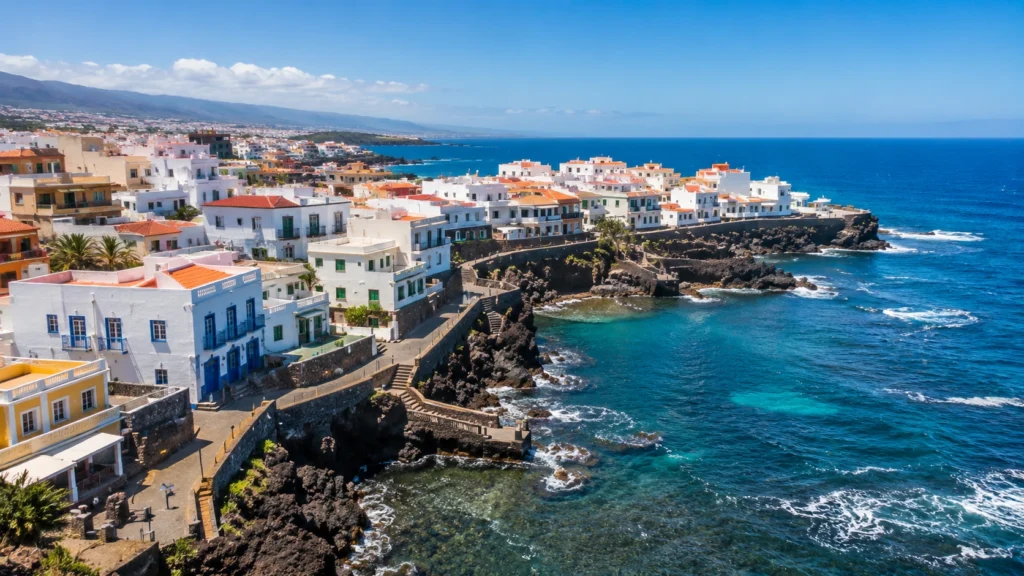
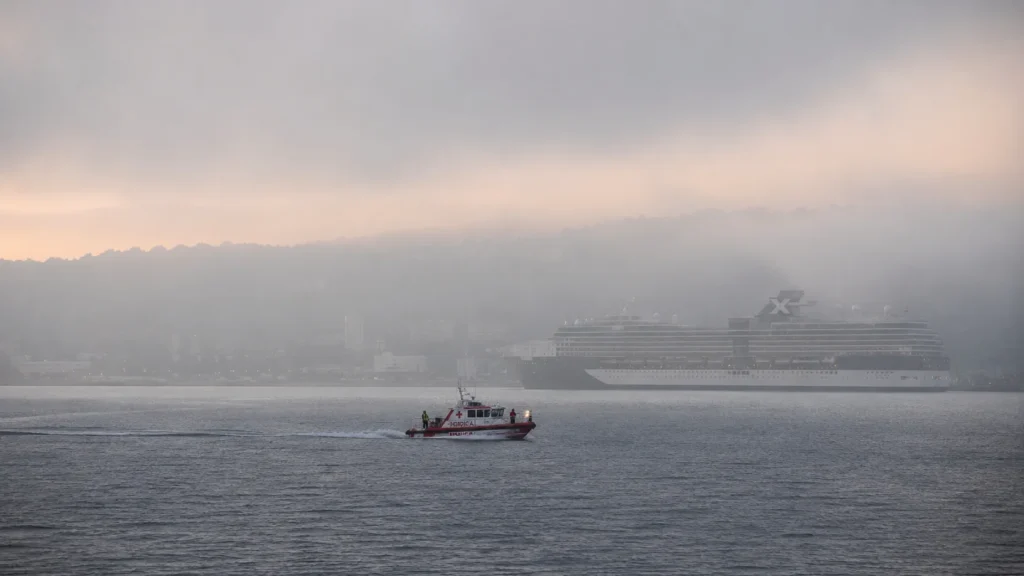
The Canary Islands depend heavily on tourism. The optics of a virus-hit cruise ship docking in Tenerife or Gran Canaria carry political consequences regardless of the actual public health risk. The WHO assessment that transmission risk is low has not calmed local political nerves.
The Hondius operator, Oceanwide Expeditions, said the Canary Islands remain the ship’s destination “at this stage.” The voyage from Cape Verde would take approximately three days. Thirteen Spanish nationals are among the passengers still on board.
The virus-hit cruise ship docking conflict establishes a precedent for how public health decisions affecting autonomous regions are made in Spain. The central government acted. The regional government objected. The international health regulations provided the legal framework. The political costs remain local.