

 English
















































































































































































































































































Supreme Court Voting Rights Pressures Federal Authority
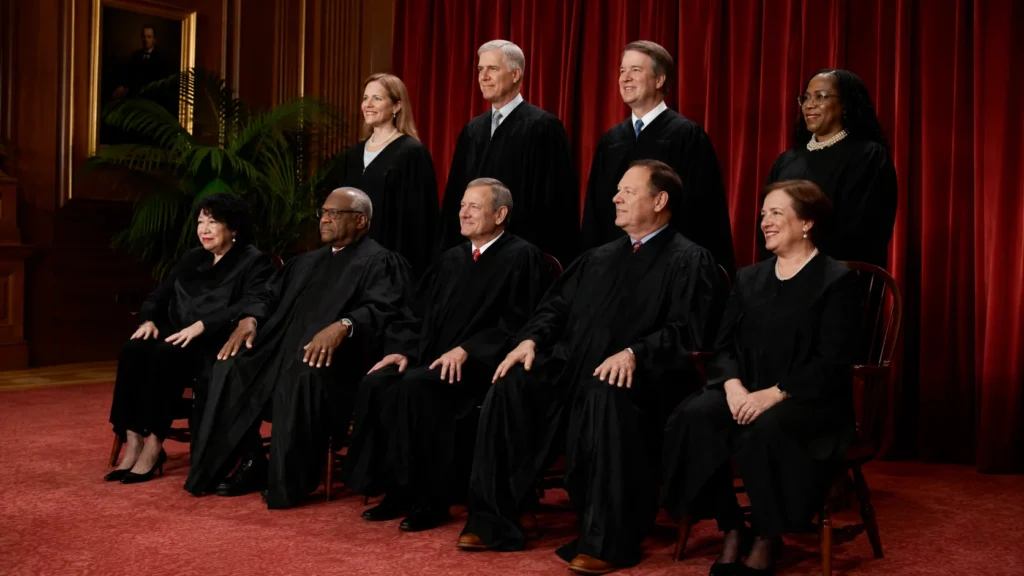
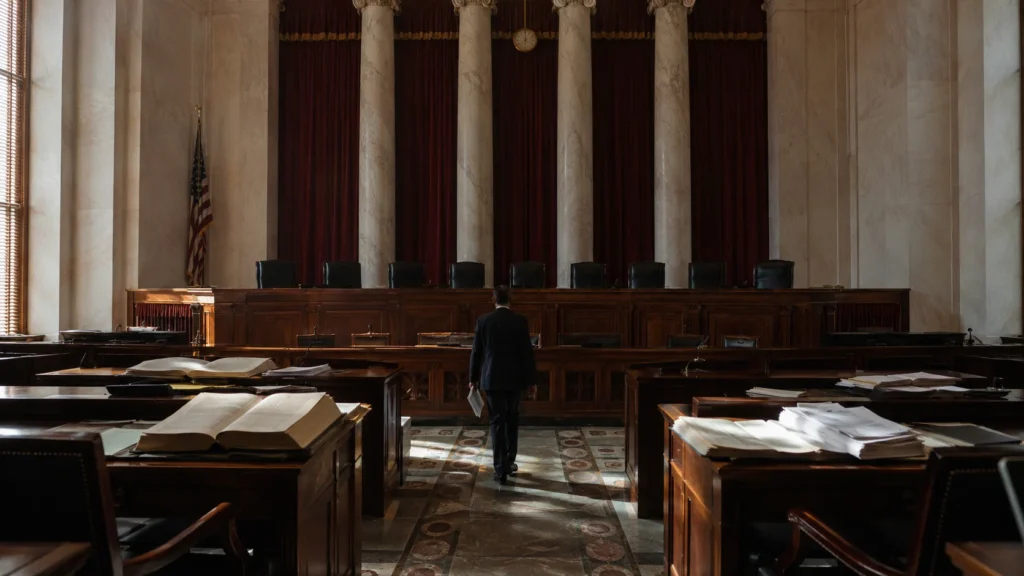
The Supreme Court voting rights rulings have shifted how federal authority interacts with state election control in the United States, with decisions issued during the 2025–2026 term redefining enforcement limits and executive reach. The court’s early opinions, including a narrowed Voting Rights Act interpretation and restrictions on emergency tariff powers, signal a structural change in how democratic rules get enforced. This matters now because election systems entering the 2026 cycle will operate under fragmented legal standards, not unified federal oversight.
The Court Didn’t Wait for the Calendar
June normally carries the weight. This year, May did the work.
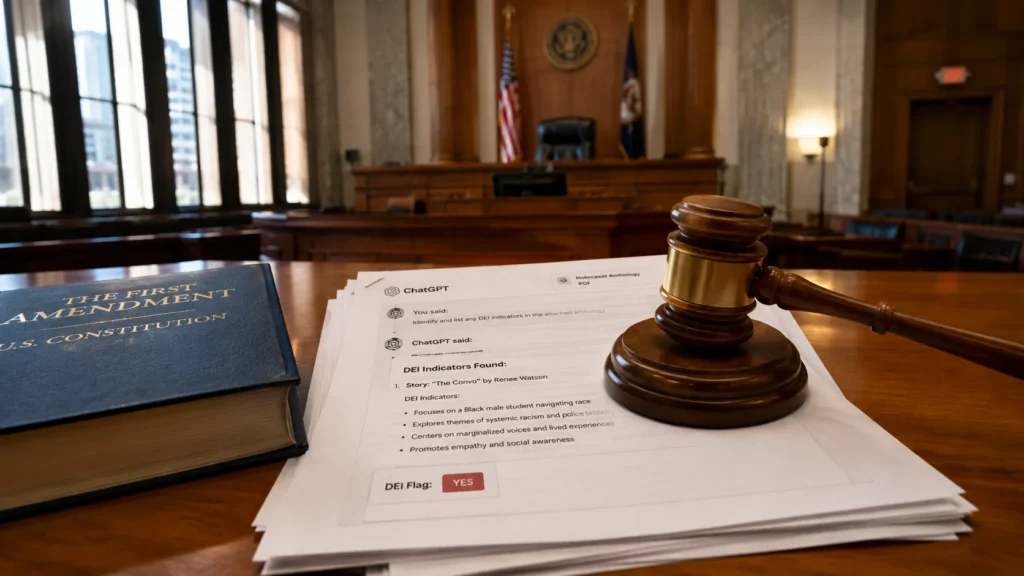
In May 2026, justices released multiple high-impact opinions before the traditional end-of-term window closed. One narrowed federal enforcement under the Voting Rights Act. Another limited executive use of emergency authority in trade policy, halting tariff actions tied to presidential discretion.
Clerks didn’t announce a shift. The documents did.
The Supreme Court voting rights rulings now sit at the center of a broader institutional recalibration between federal oversight and state autonomy.
Fragmented system ahead. Quiet, but visible.
The Basics: What Changed and Why It Matters
The question dominating legal and political circles is simple: how much federal power still shapes elections?
The court’s answer arrived indirectly through doctrine, not declaration.
In a March 2026 decision involving Colorado’s regulation of “conversion therapy,” the court expanded space for state-level legal challenges against regulatory restrictions.
Later rulings narrowed federal enforcement mechanisms tied to the Voting Rights Act, limiting how aggressively federal agencies can intervene in state election procedures. As noted in prior federal election law enforcement analysis, these enforcement channels historically shaped redistricting oversight and voter access litigation strategy.
According to the Brennan Center for Justice at NYU Law, federal voting protections have already faced increasing judicial narrowing since 2013, when key enforcement provisions first weakened.
Now the trajectory continues, but faster.
The Details: A Shift in Judicial Timing
Traditionally, the Supreme Court releases its most consequential decisions in late June. In this term, major rulings arrived earlier, compressing political reaction time.
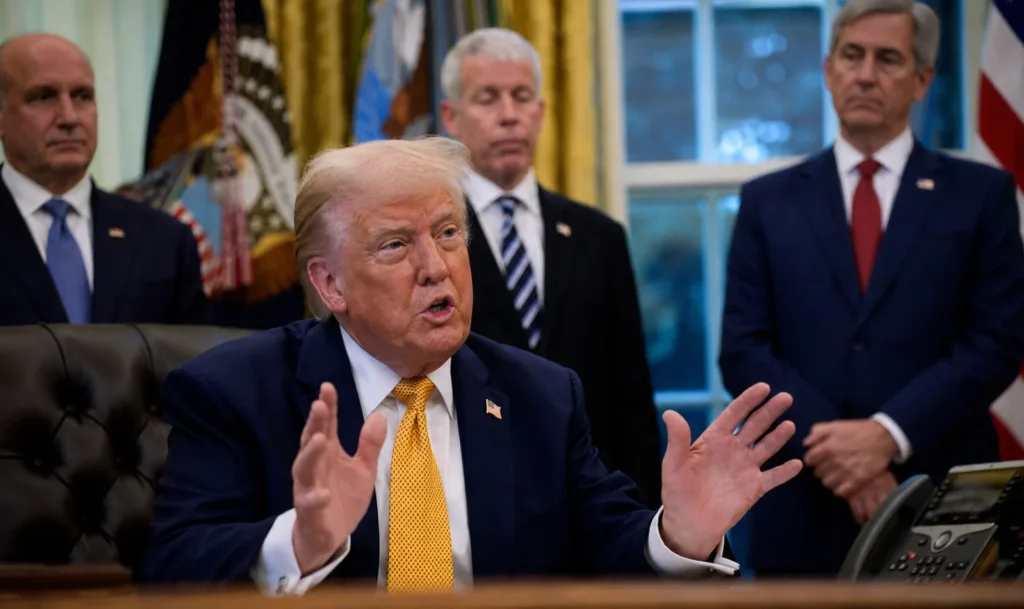
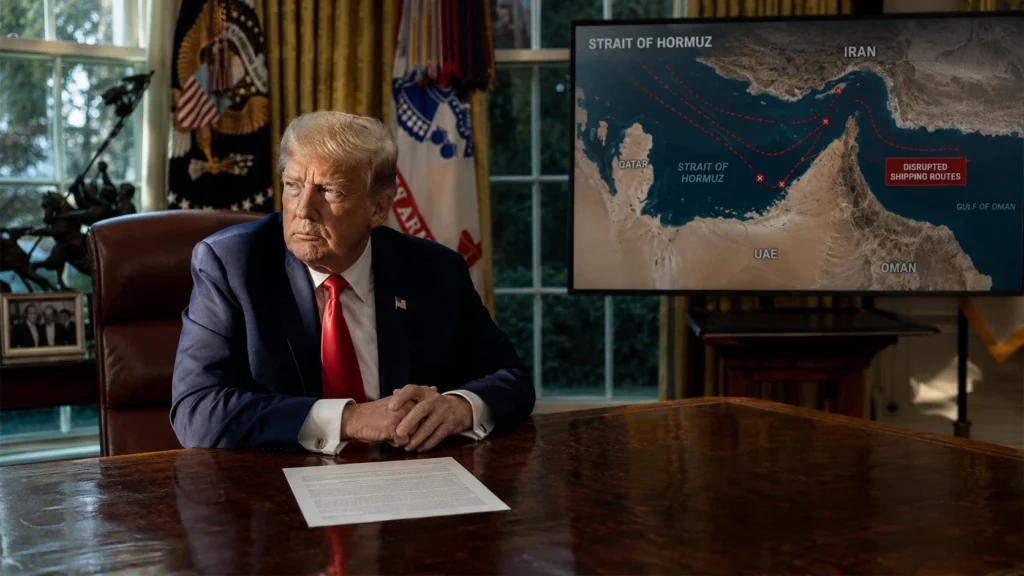
In March 2026, the court also blocked certain federal emergency tariff actions tied to executive authority expansion.
That decision matters beyond trade policy. It defines how far executive emergency power extends when Congress remains gridlocked.
One election lawyer described the effect bluntly during a Brookings Institution briefing in April 2026: “Litigation now moves more slowly than policy impact. That gap keeps widening.”
Short sentence. High consequence.
The Implications: Fragmented Democracy in Practice
The Supreme Court voting rights rulings now shape three separate arenas at once.
First, state governments gain more authority over election administration. They design procedures with less federal override risk.
Second, civil rights litigation slows structurally. Not because courts reject claims outright, but because procedural pathways narrow.
Third, executive federal power loses speed in emergency governance, particularly in trade-related interventions.
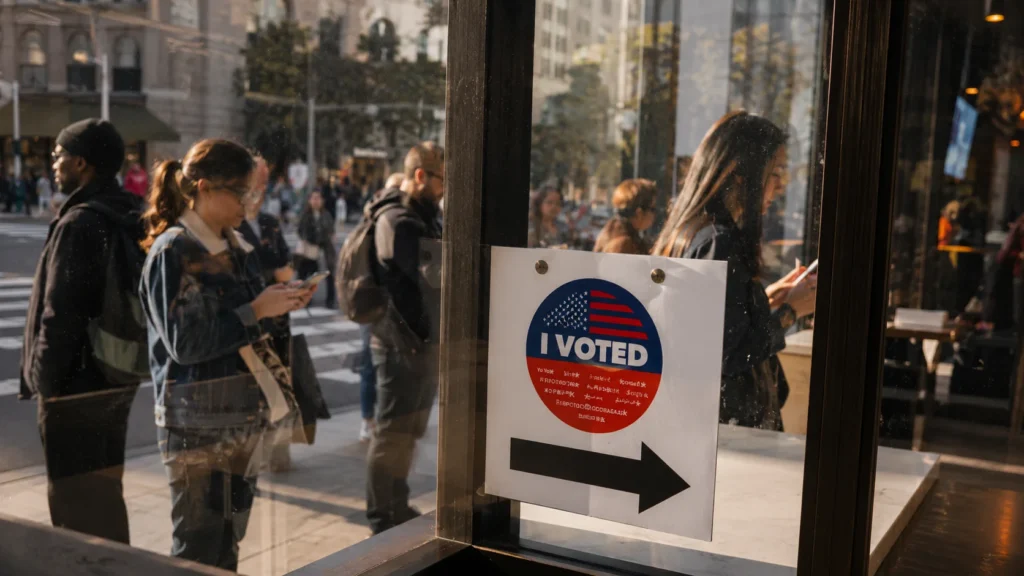
As state election law divergence in 2026 cycle showed, states already vary significantly in voter ID rules, ballot access, and district certification timelines. The court’s rulings intensify that divergence.
So.
Uniformity fades. State-by-state governance rises.
The Tension: Legal Authority vs Electoral Uniformity
At the center sits a structural friction axis: Electoral Uniformity vs Judicial Review Authority.
The court does not dismantle federal election oversight directly. Instead, it defines boundaries that make uniform enforcement harder to sustain.
That distinction matters.
Because power shifts in layers, not leaps.
What Institutions Now Have to Recalculate
Congress faces slower legislative response windows. Election law reform bills require alignment across states that now operate under different judicial constraints.
The executive branch recalibrates emergency authority strategies, especially in trade and national security domains.
State legislatures gain practical leverage in defining election mechanics ahead of November 2026 midterm preparations.
Fragmentation becomes the baseline condition. Not an exception.
Author Bio
Written by Daniel Mercer, a political and legal affairs analyst who has covered U.S. Supreme Court decisions and constitutional law trends for over a decade.