

 English




















































































































































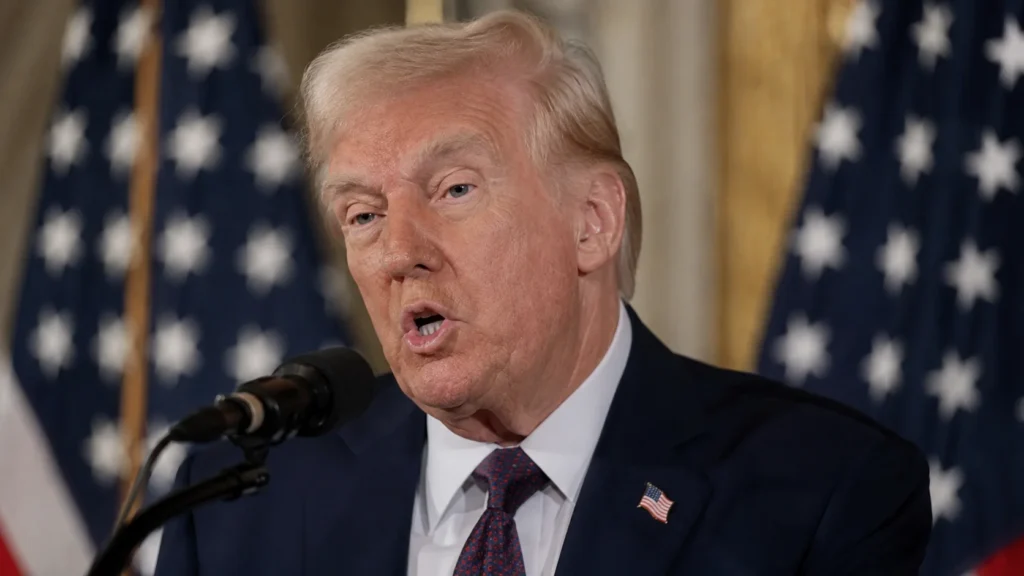


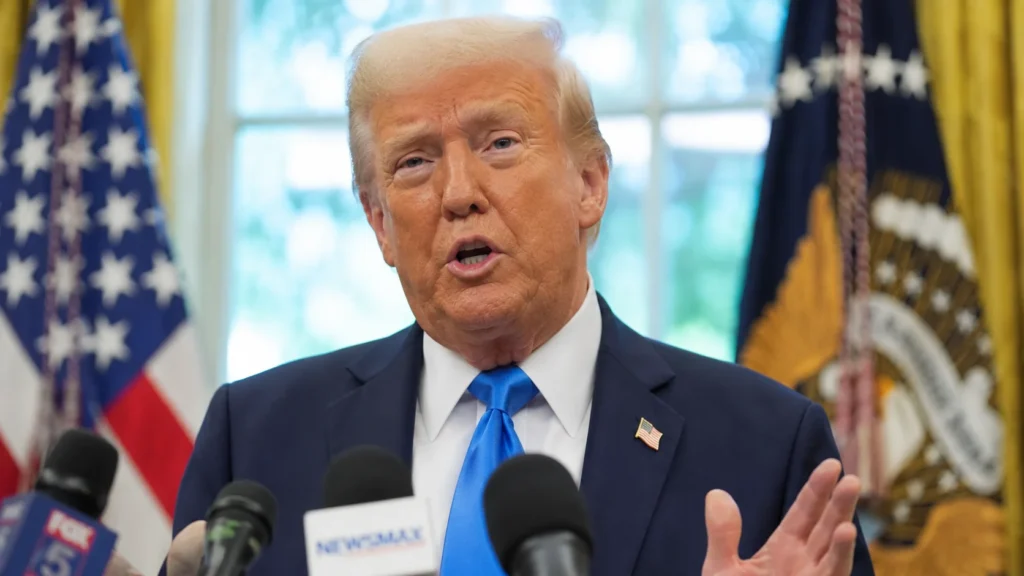

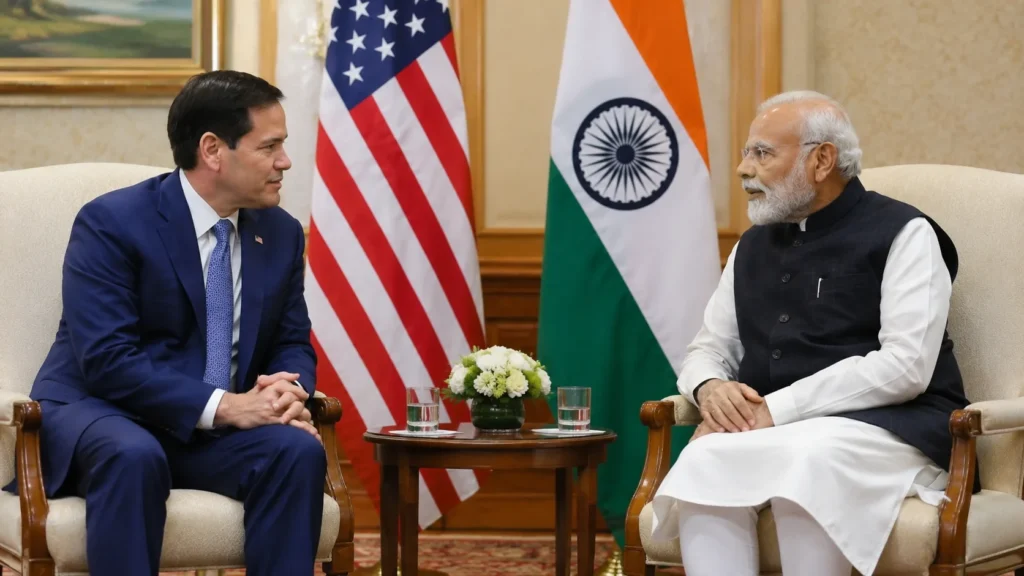






































































Trump-Xi Talks Expose Fragile US-China Balance
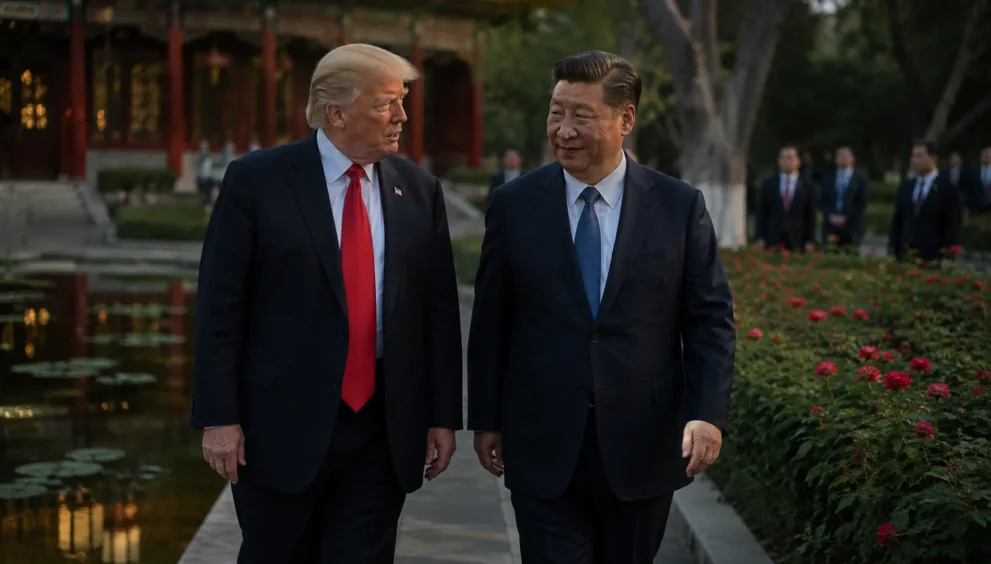
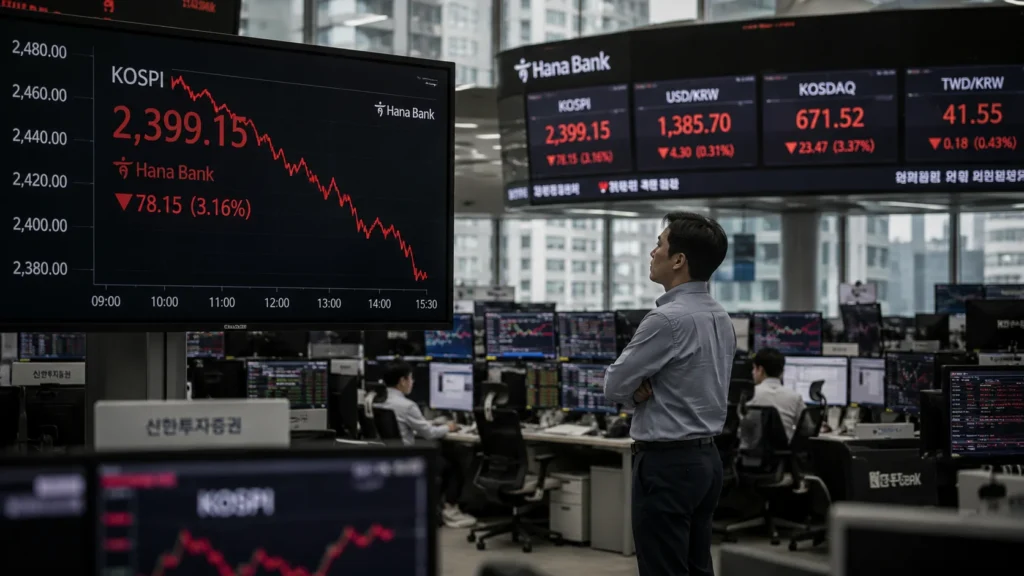
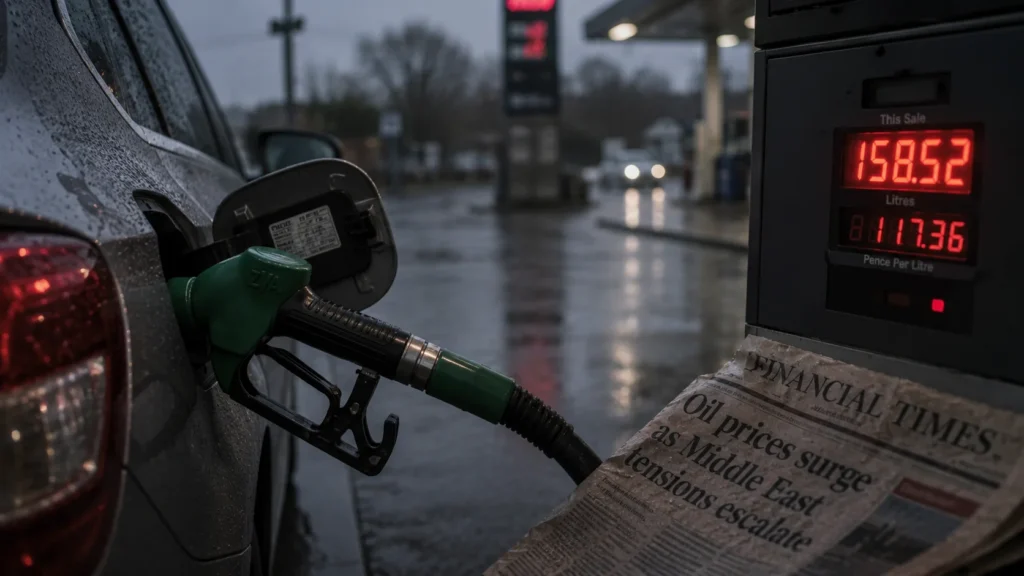
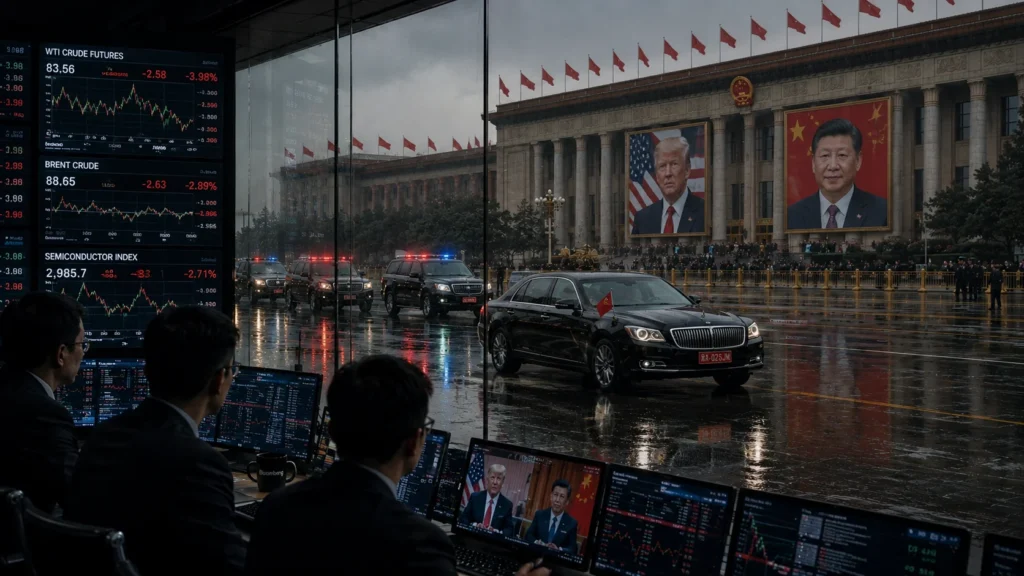
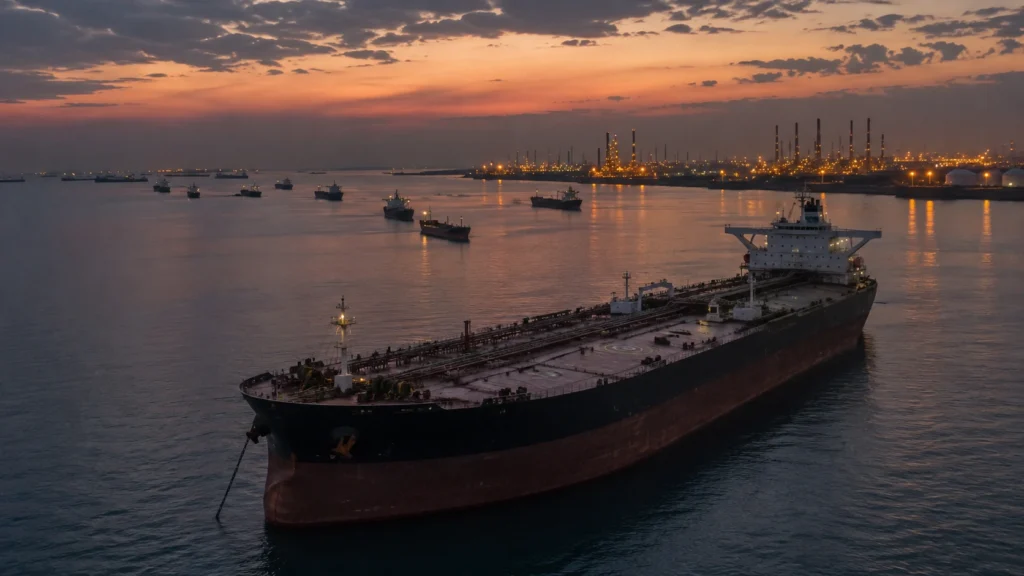
Oil traders watched tanker insurance premiums before diplomats finished smiling for cameras.
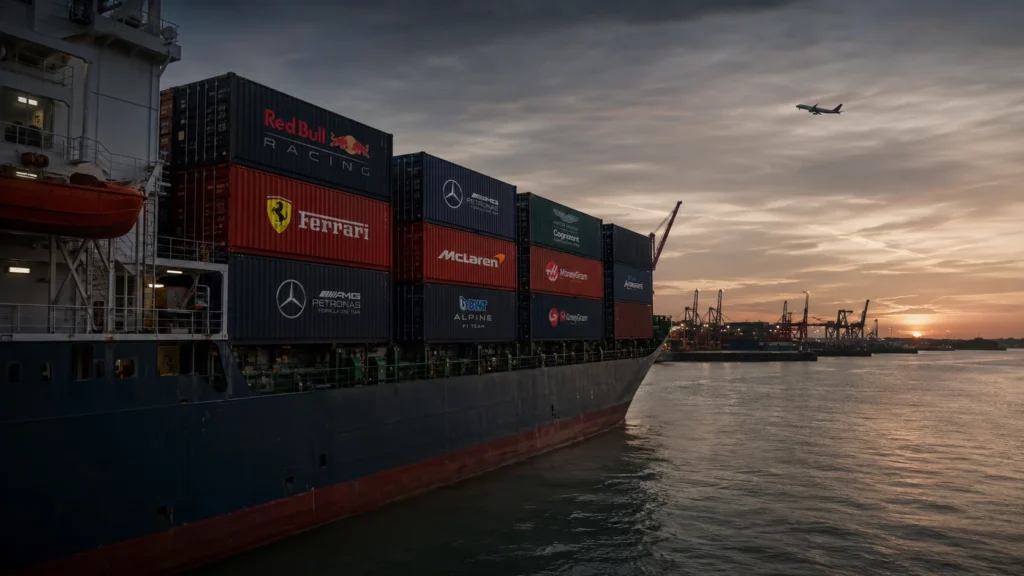
Container traffic through Asian ports never stopped. Neither did the chip restrictions.
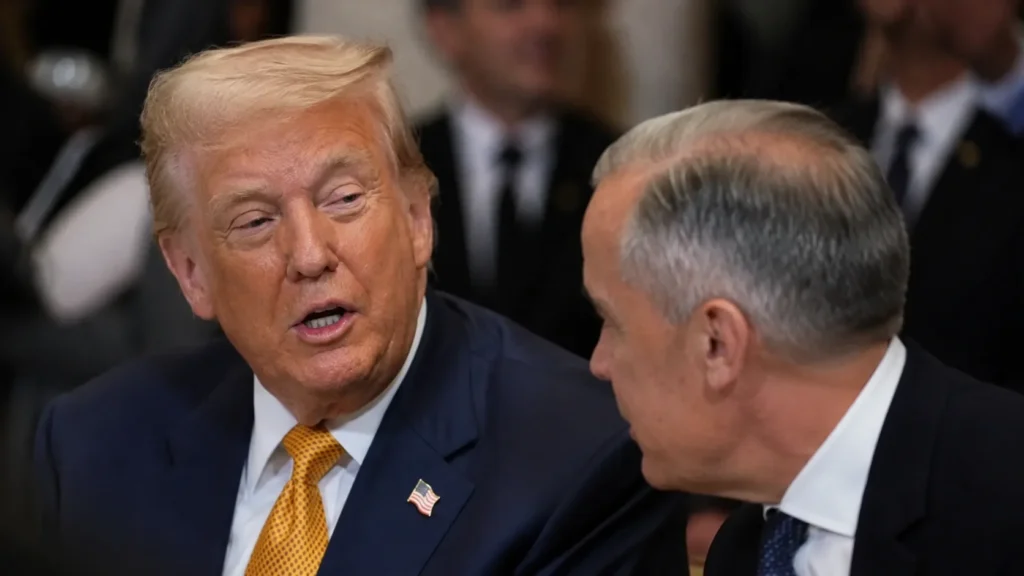
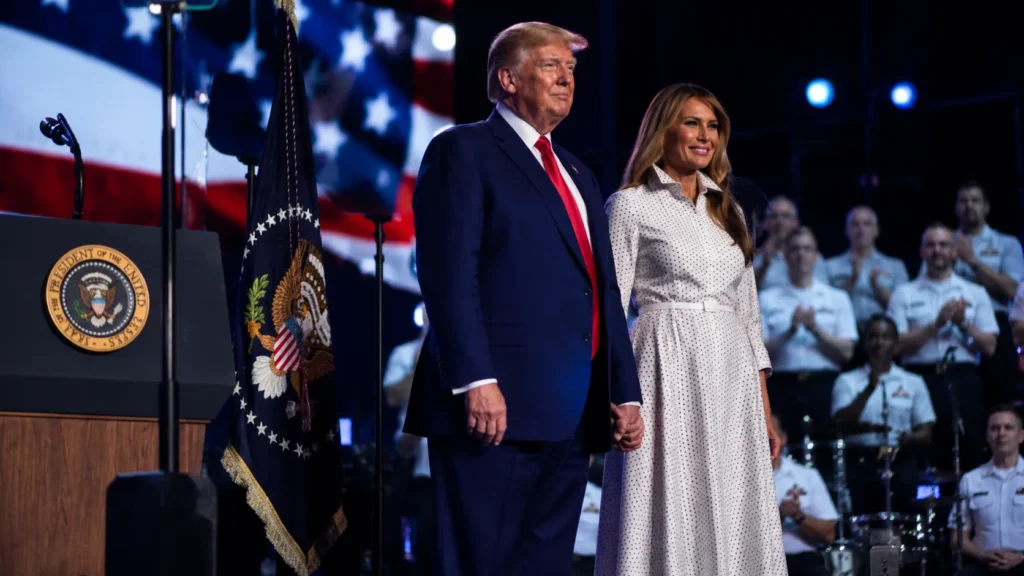
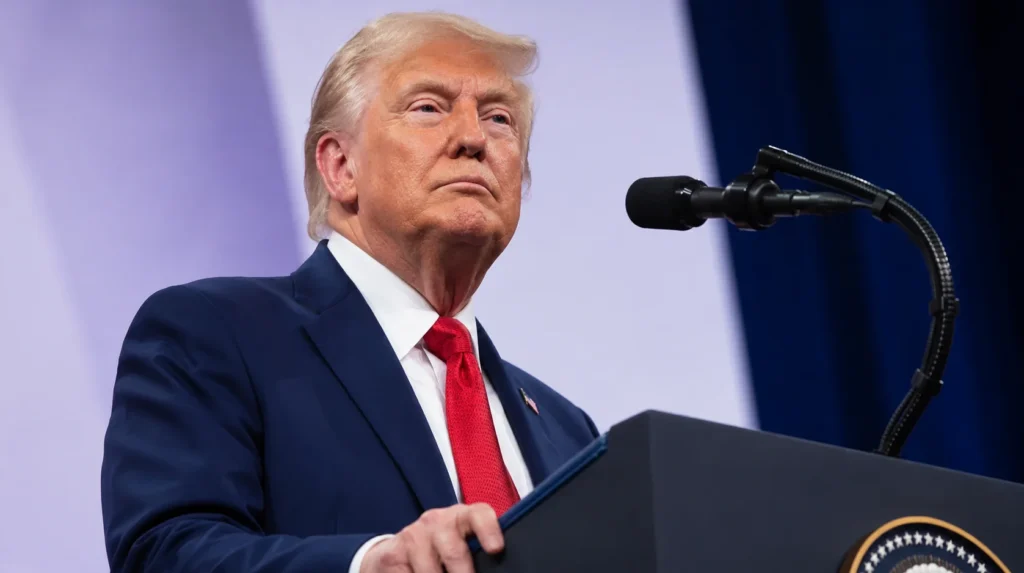
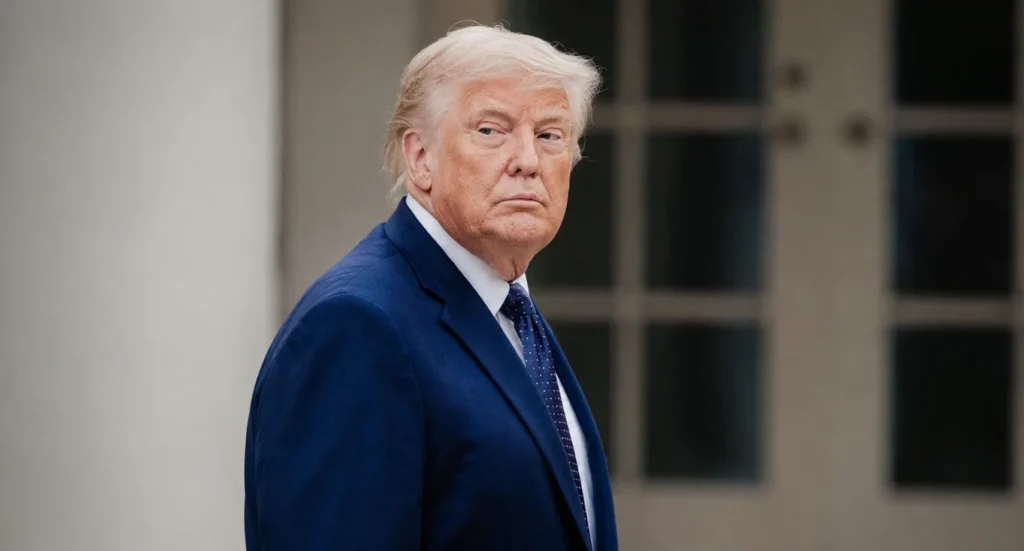
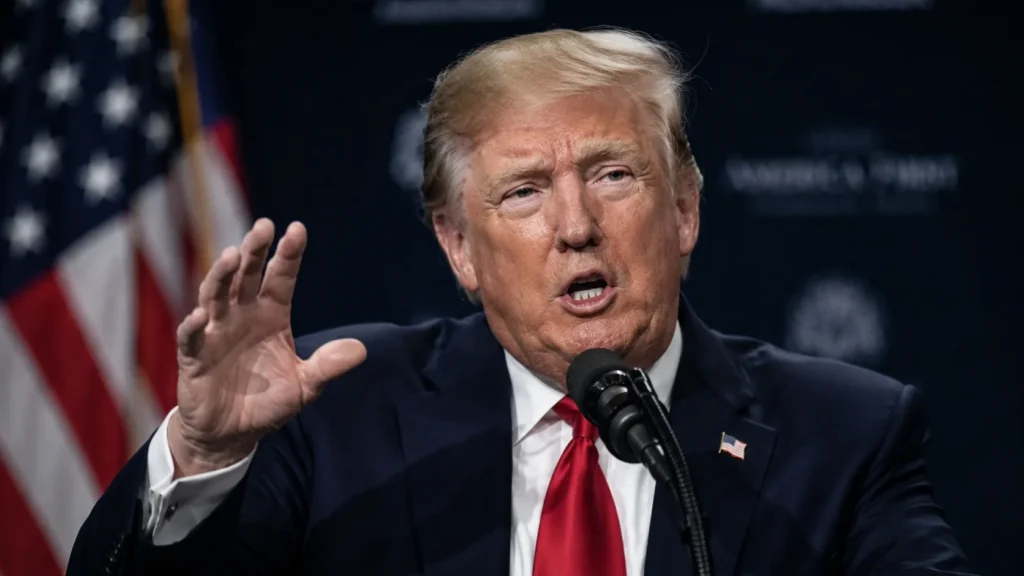
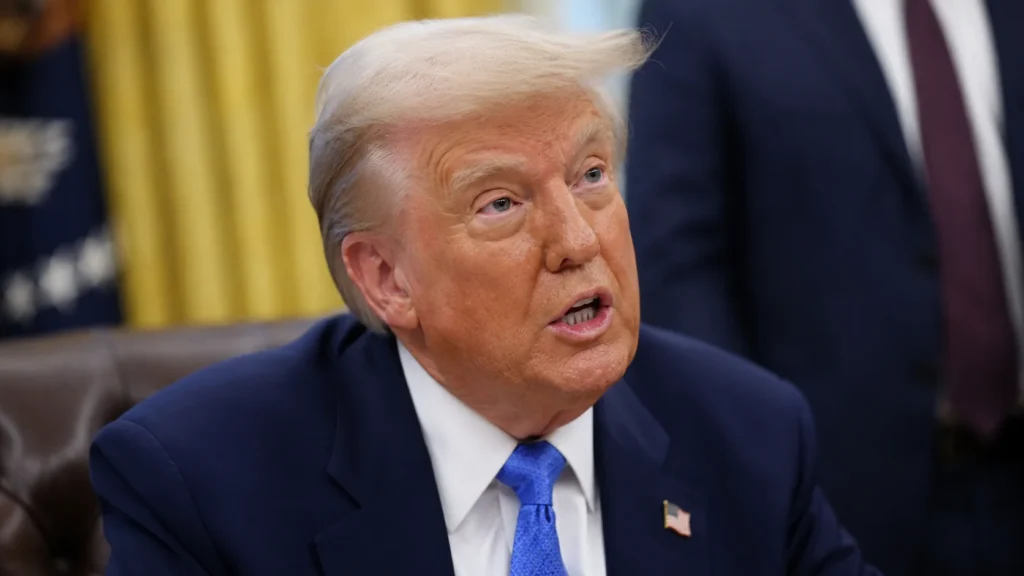
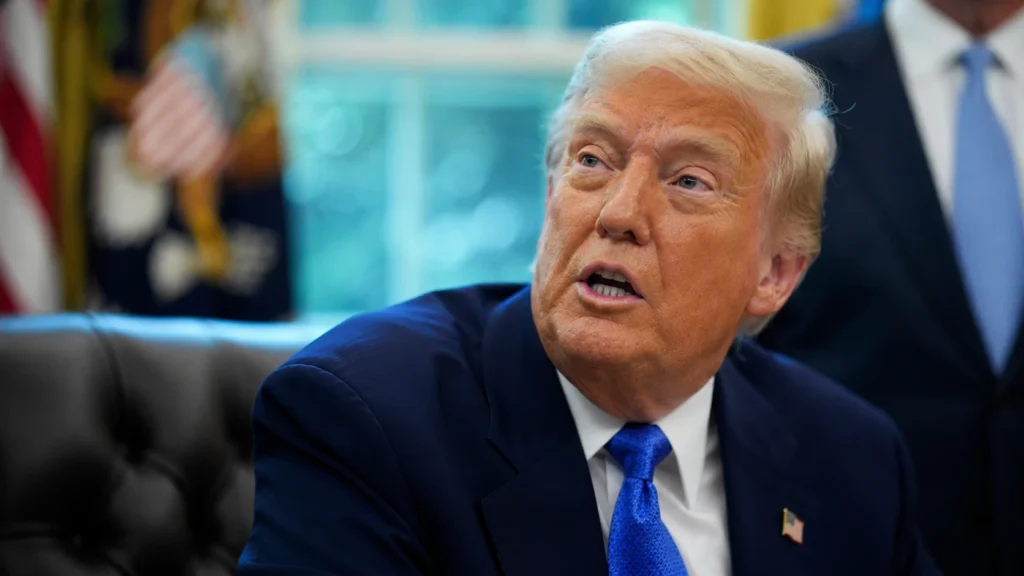
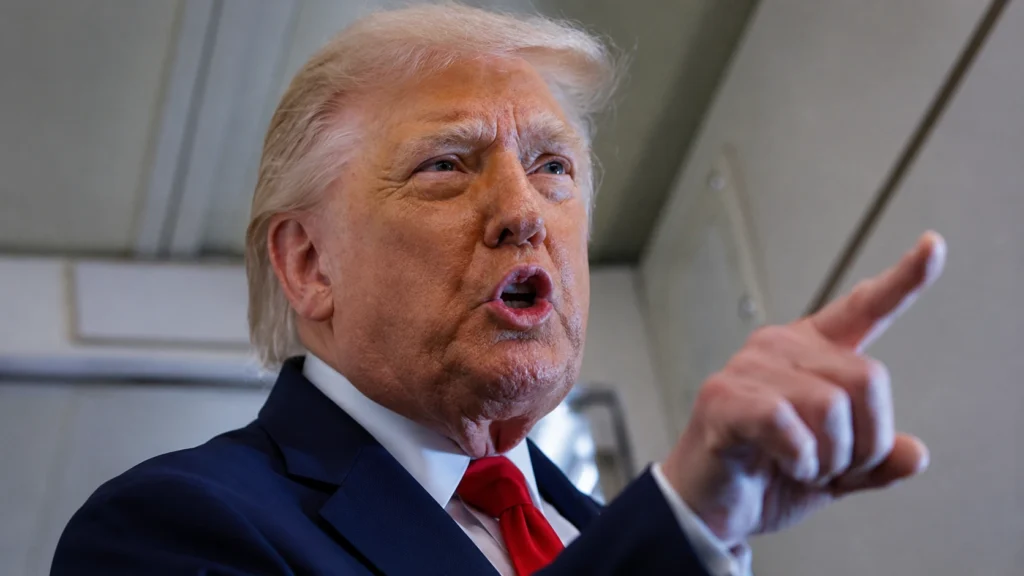
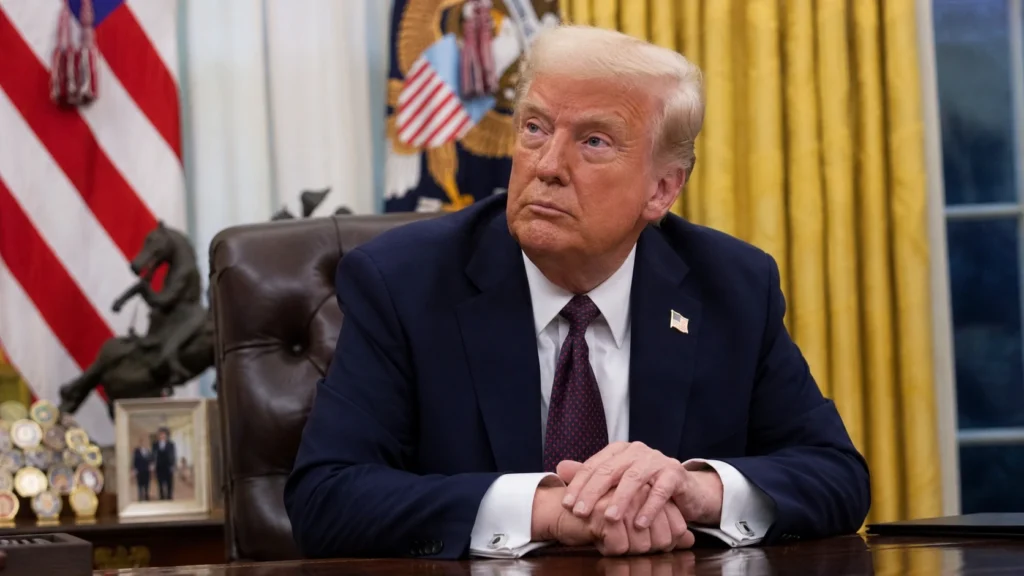
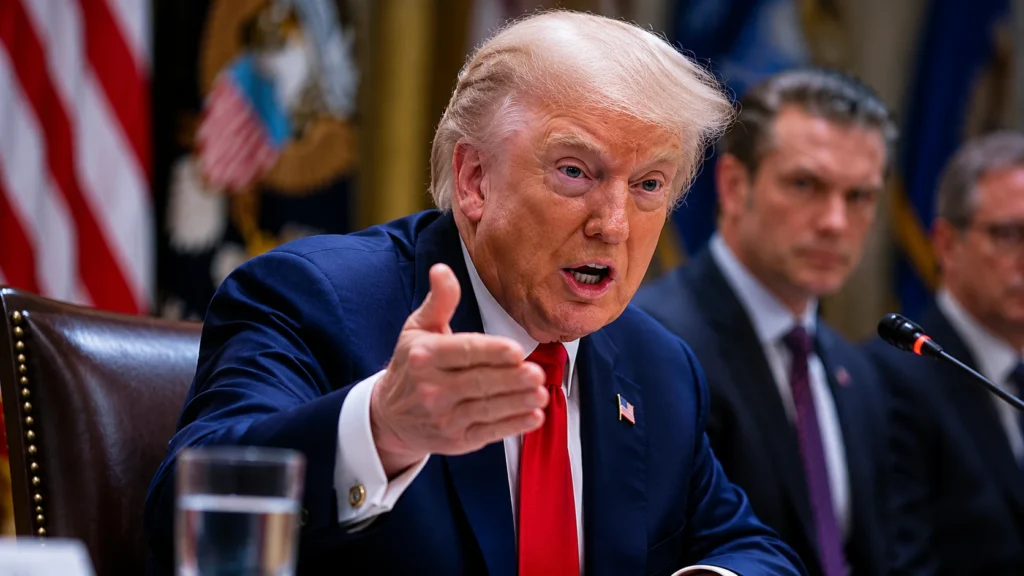
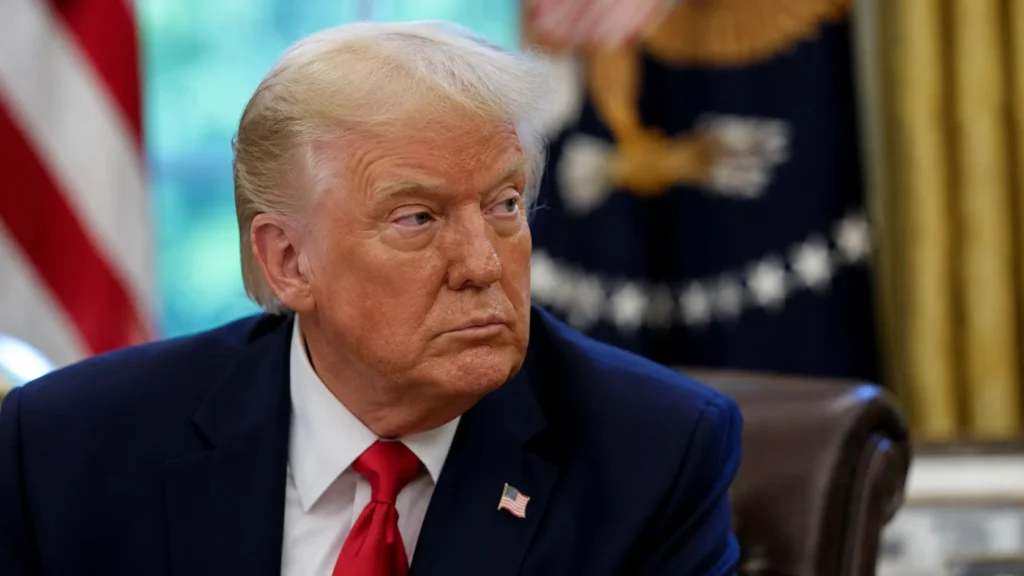
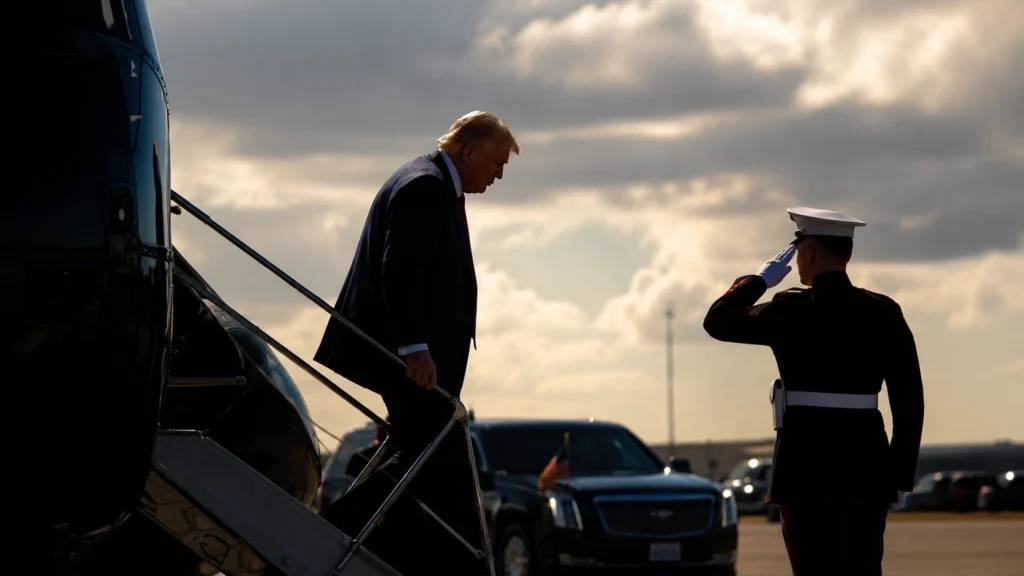
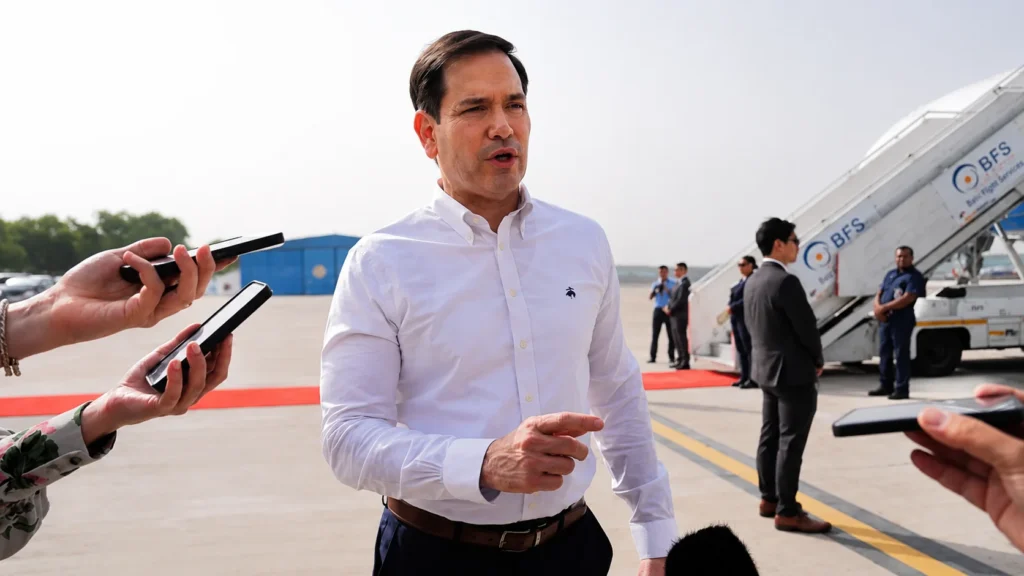
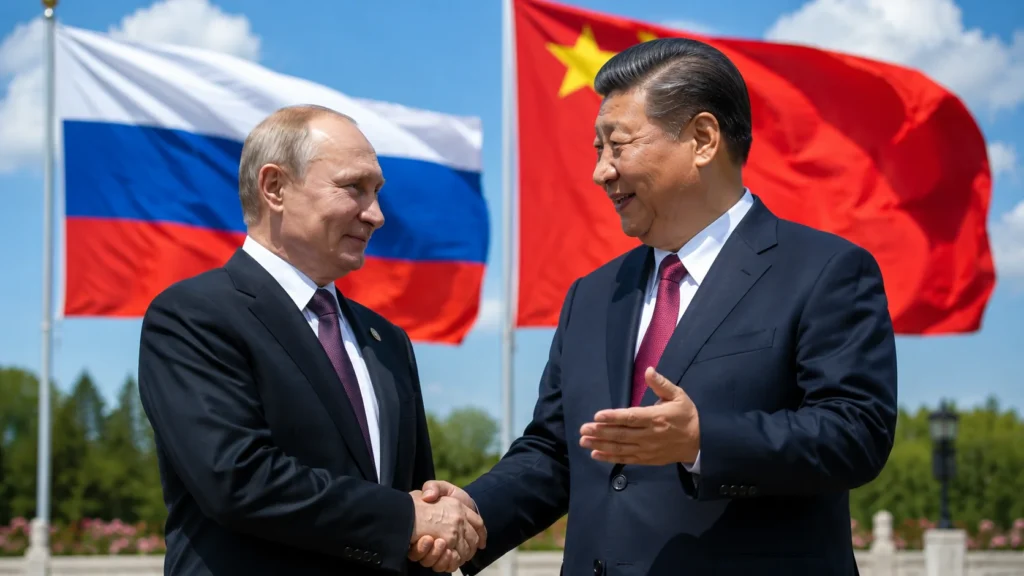
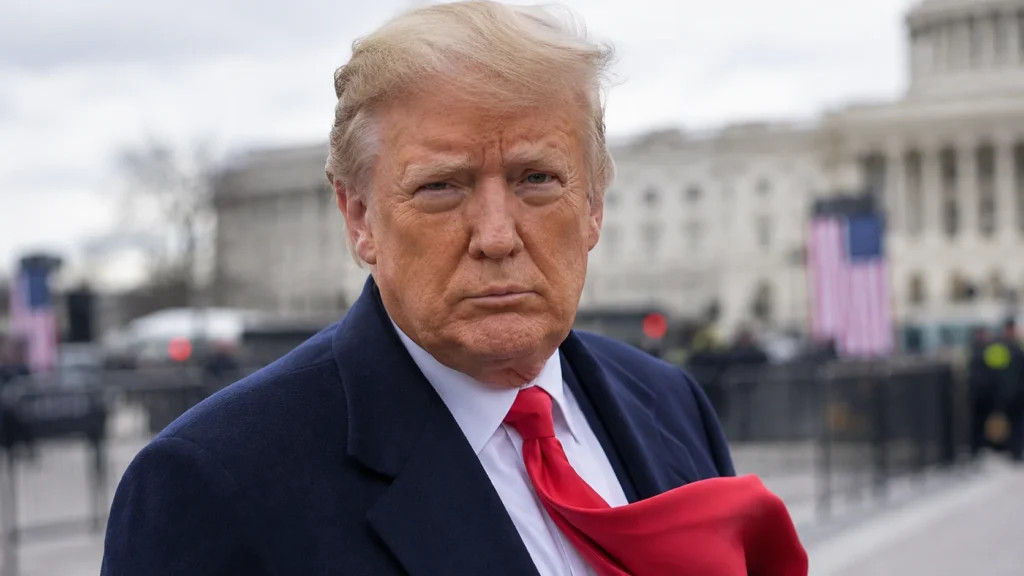
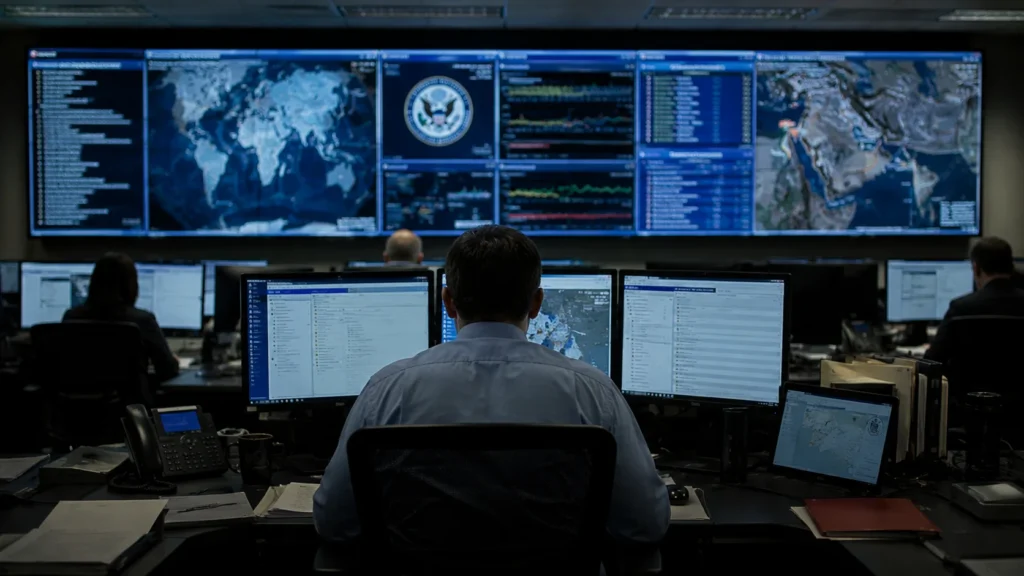
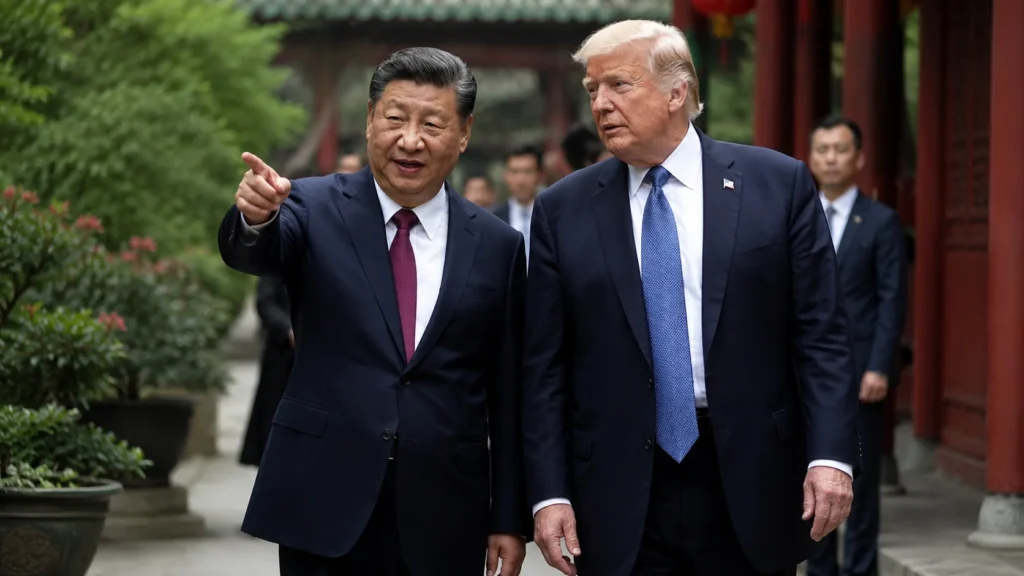
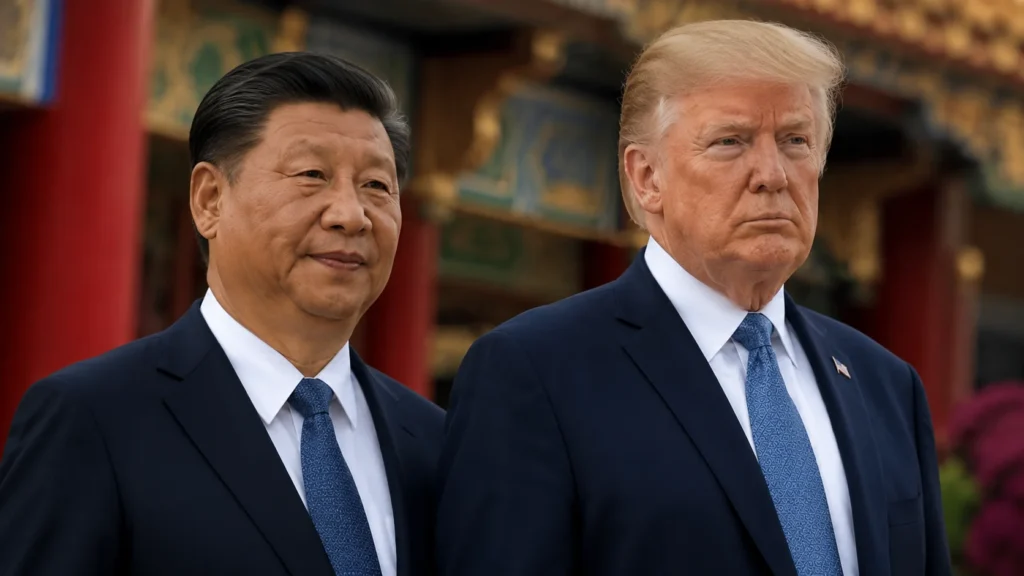
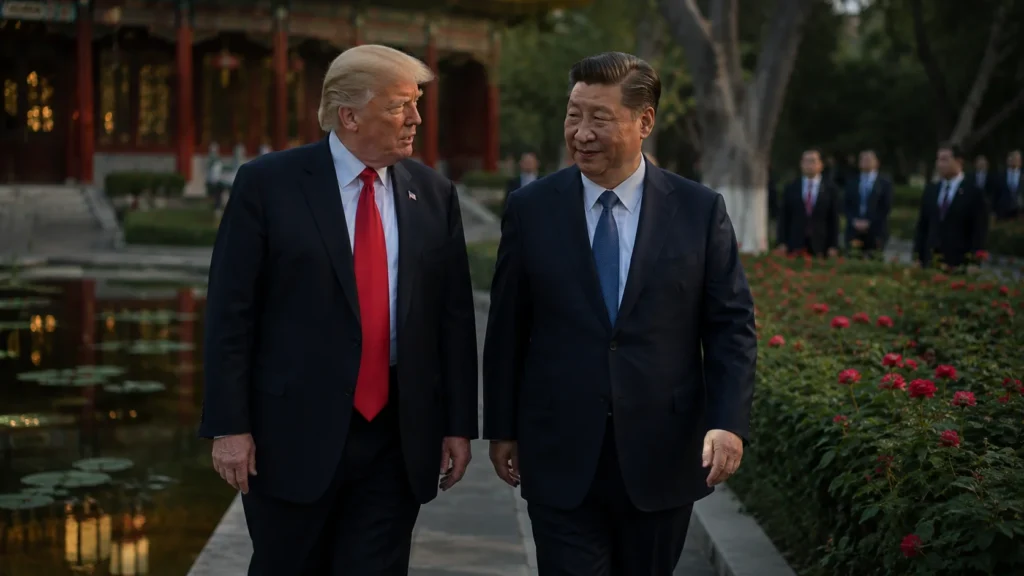
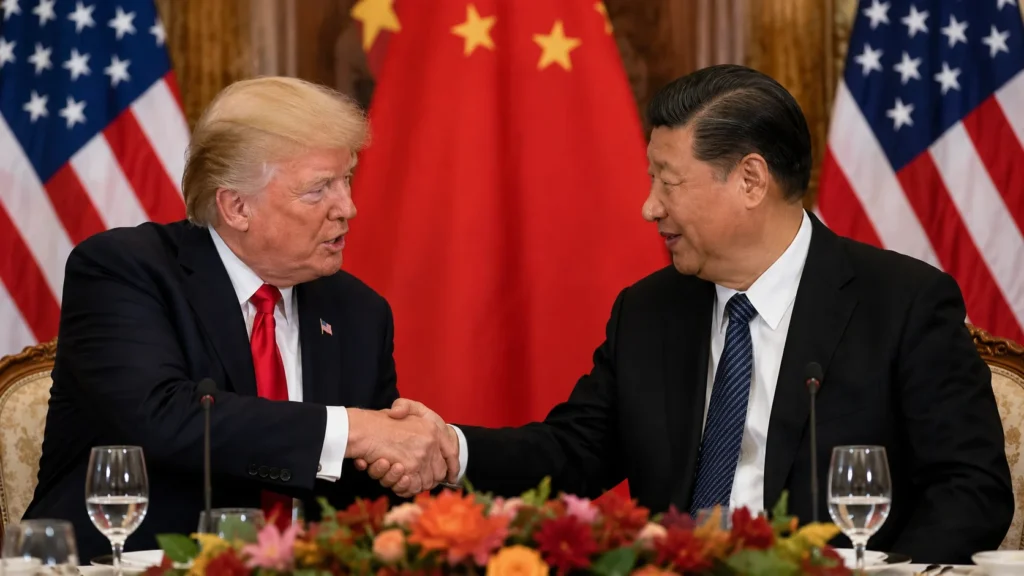
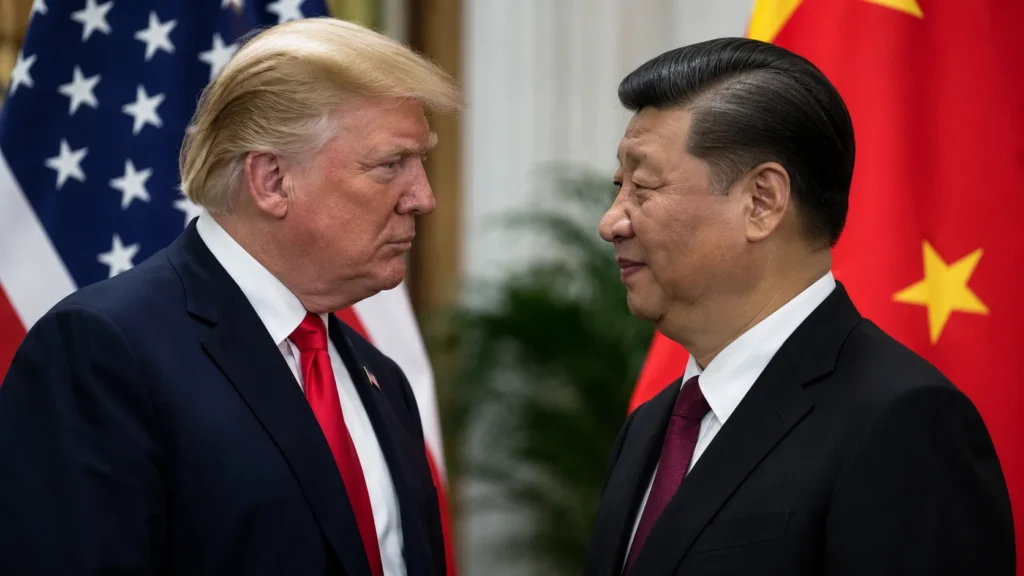
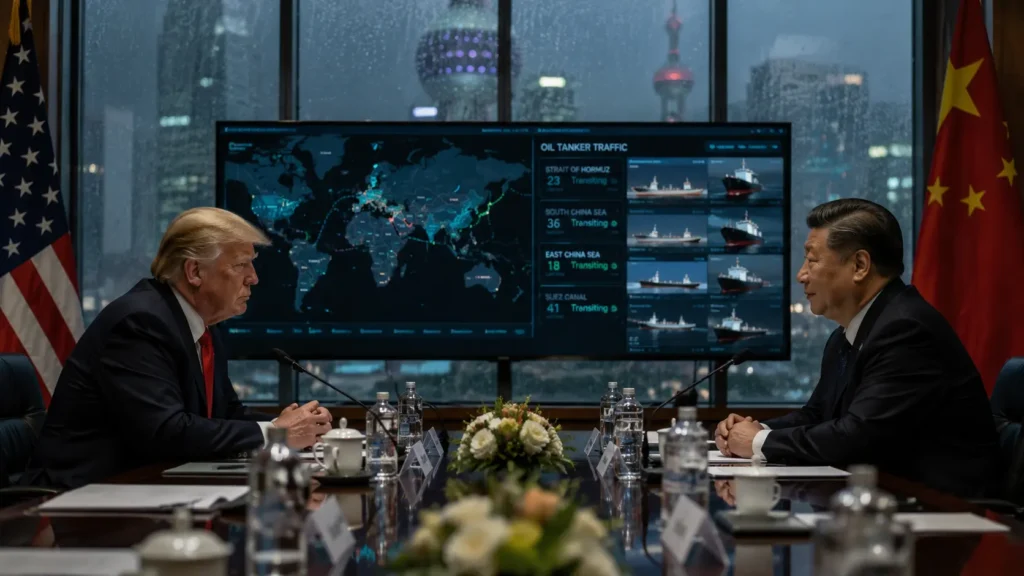
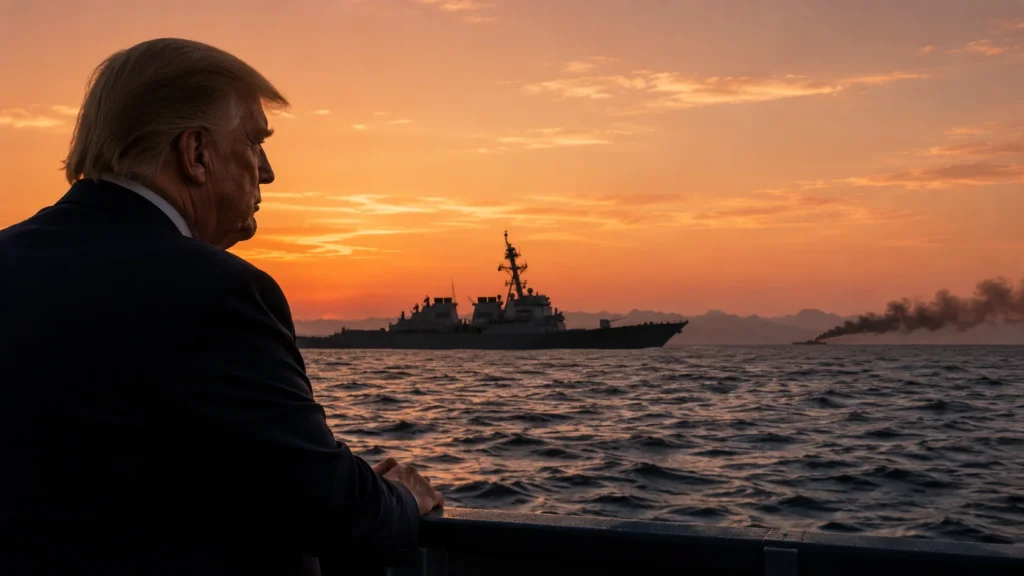
Inside Beijing’s Zhongnanhai compound, Donald Trump and Xi Jinping discussed Iran, Taiwan, semiconductors, and trade amid carefully managed calm. The pressure underneath looked very different.
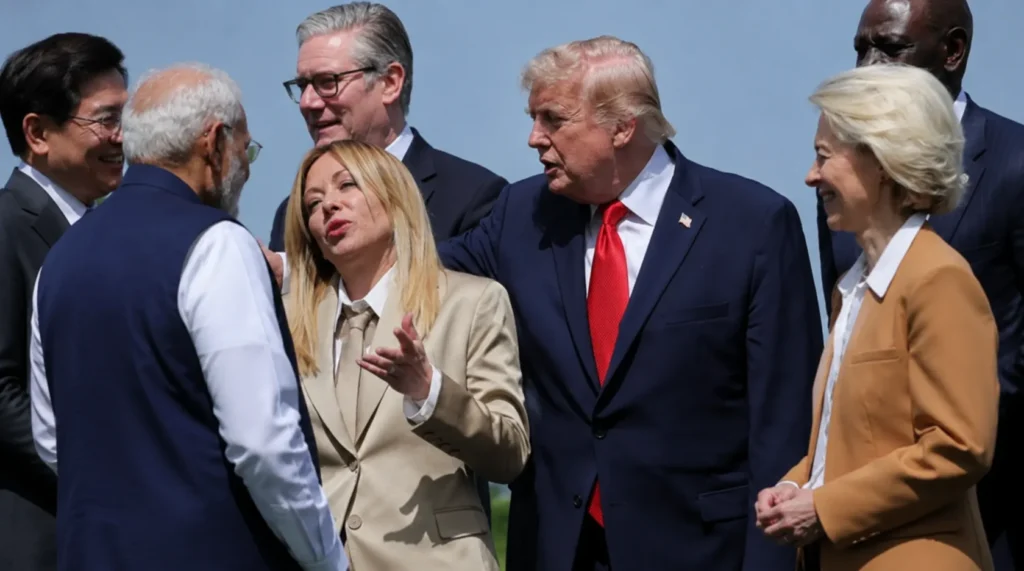
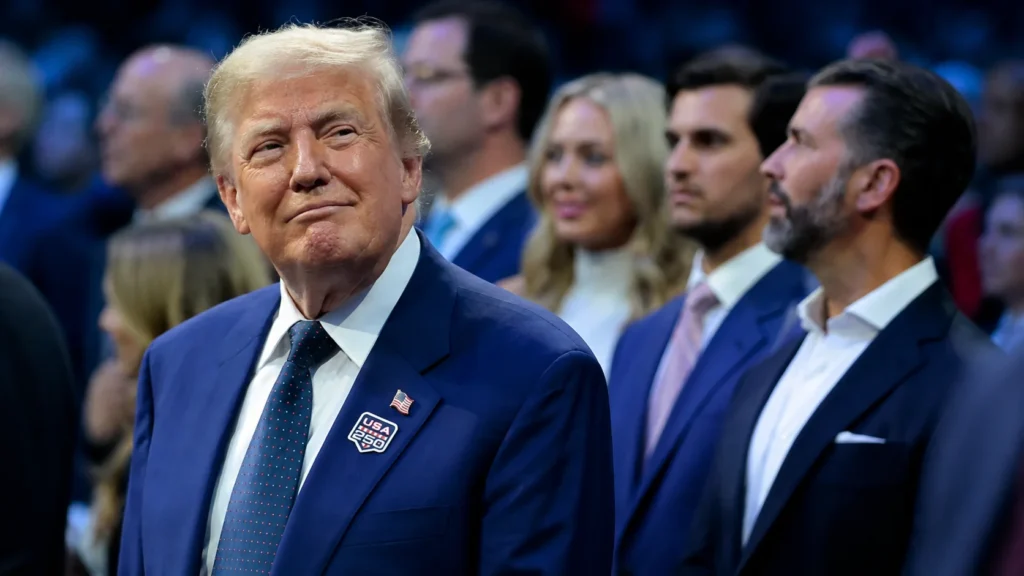
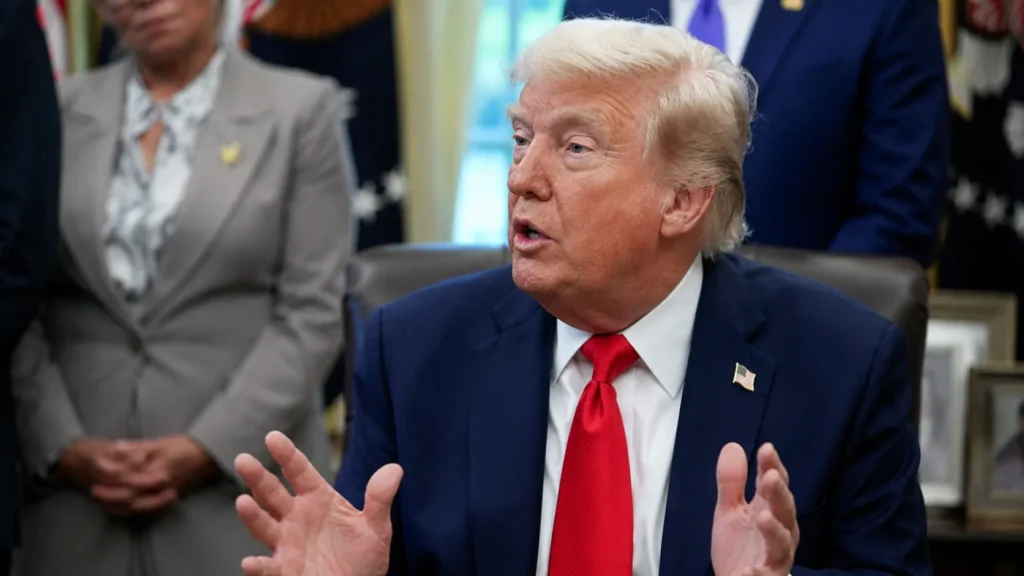
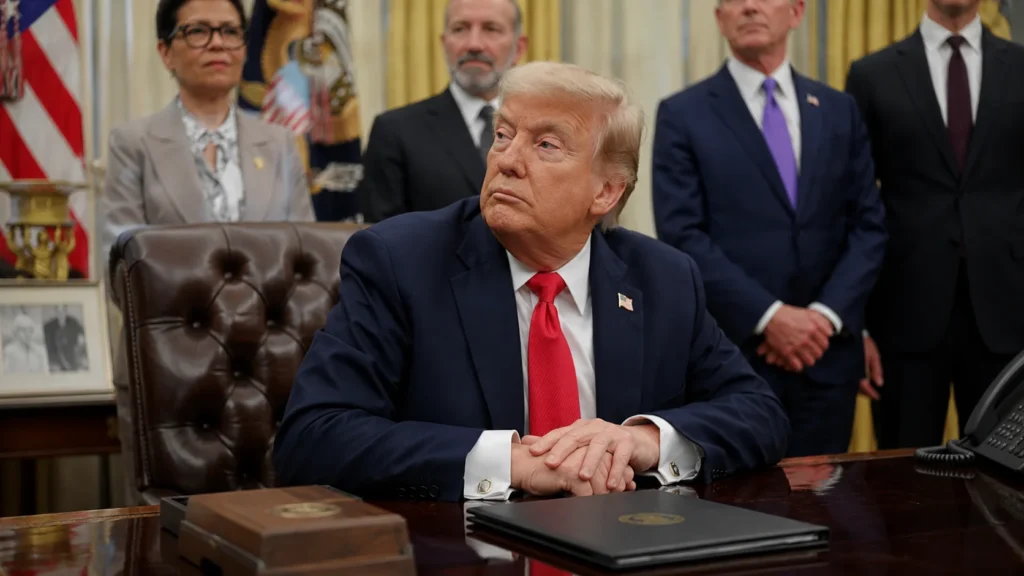
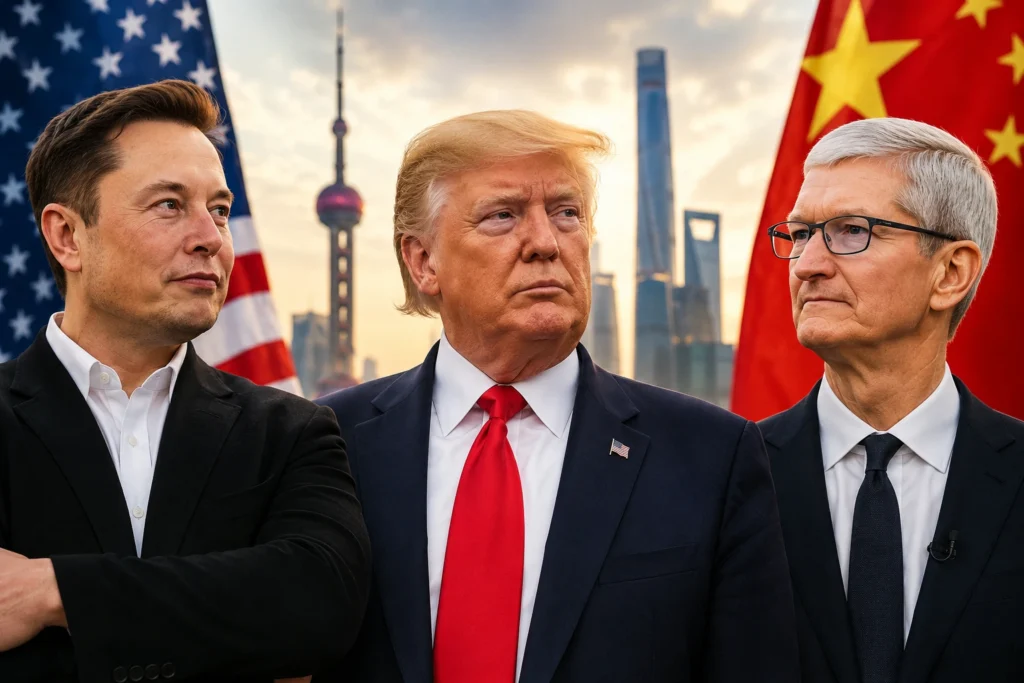
On 15 May 2026, Trump and Xi closed their latest Beijing summit with promises of “constructive stability” while major disputes over technology controls and regional security remained unresolved. The Trump-Xi talks now matter less for symbolic diplomacy and more for what they reveal about the new global order: Washington and Beijing still depend on each other economically even as they prepare strategically for confrontation.
The Summit Revealed a New Form of Rivalry
The old assumption behind globalization sounded simple: countries that trade heavily avoid major conflict.
That logic now looks weak.
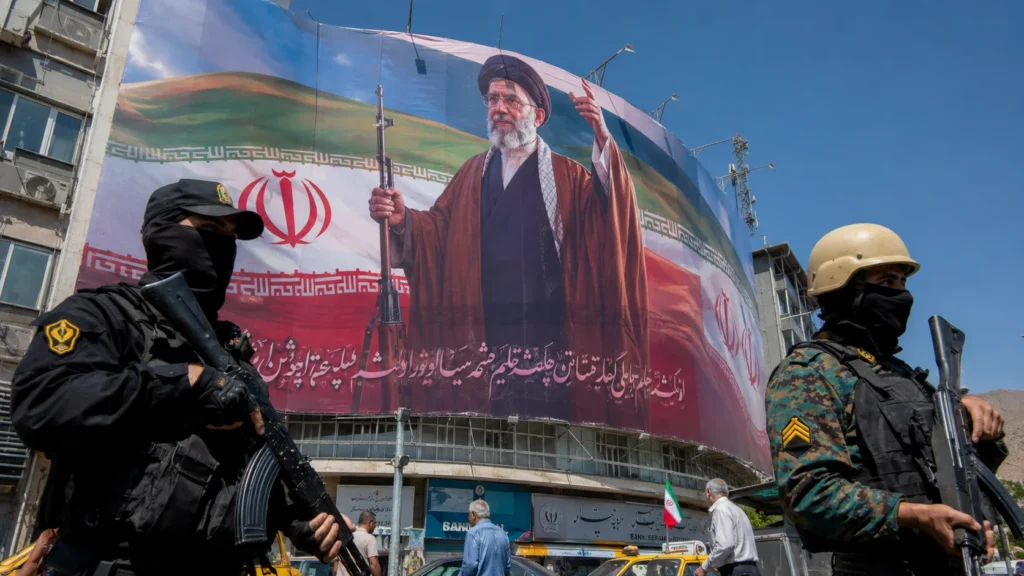
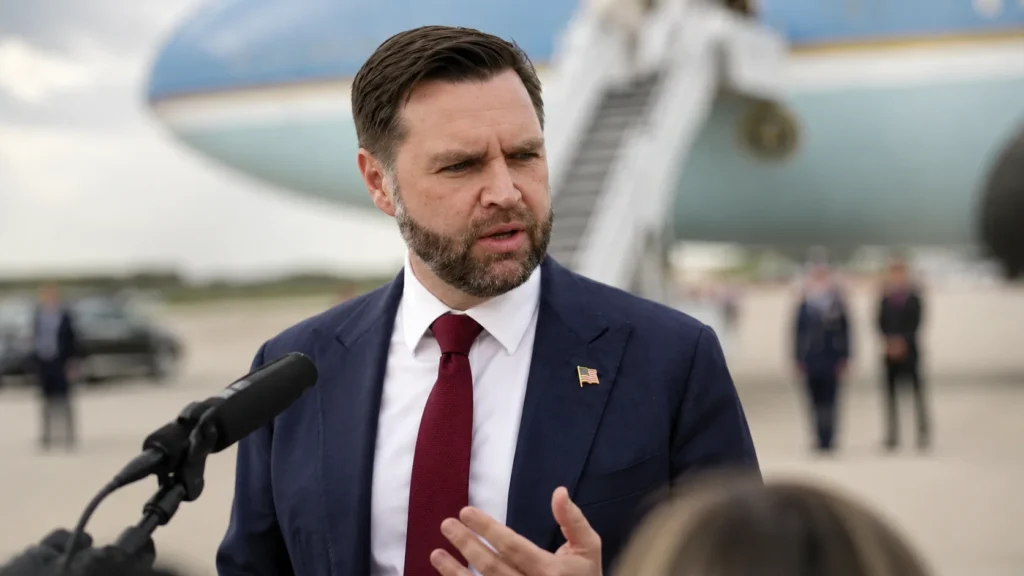
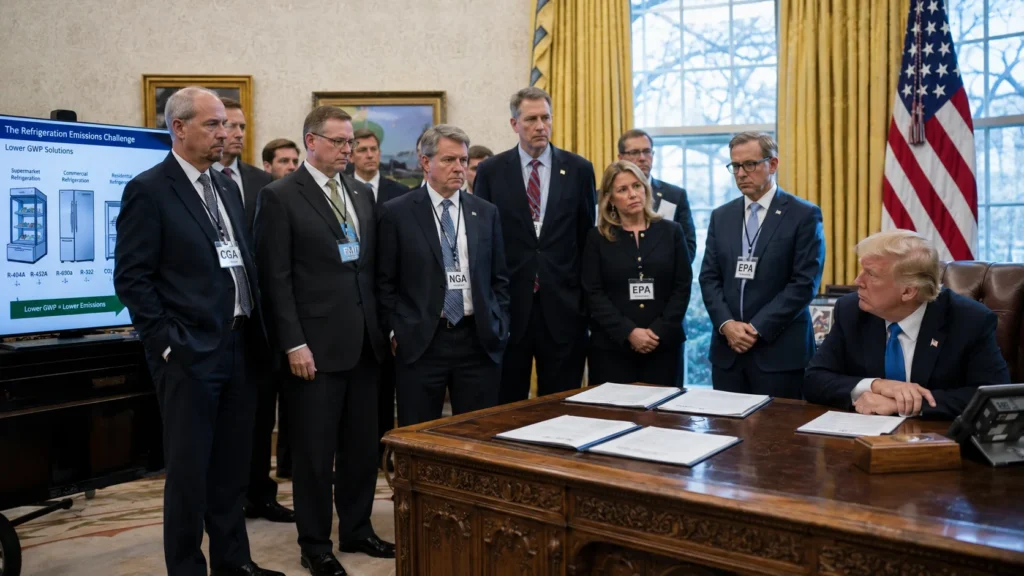
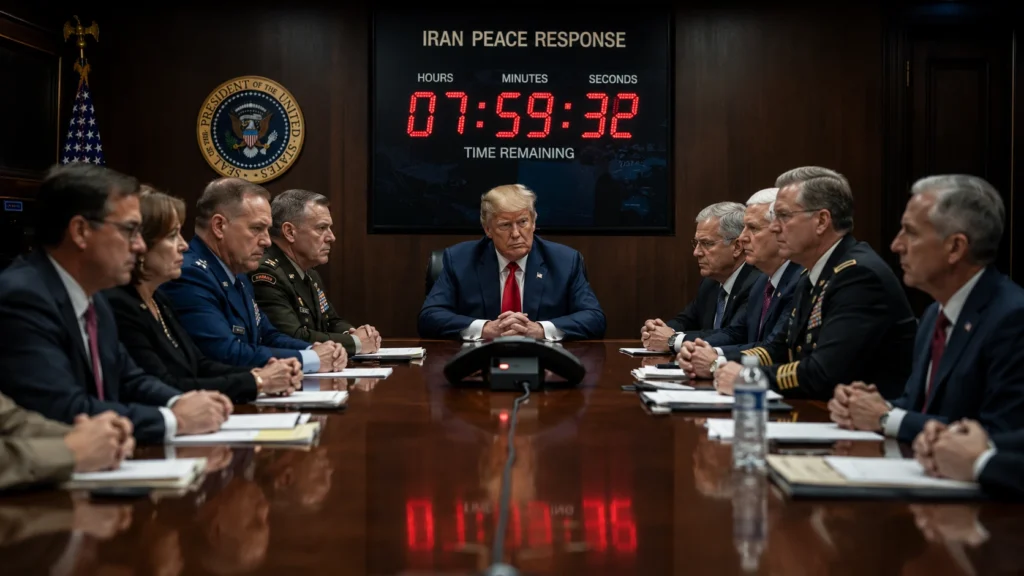
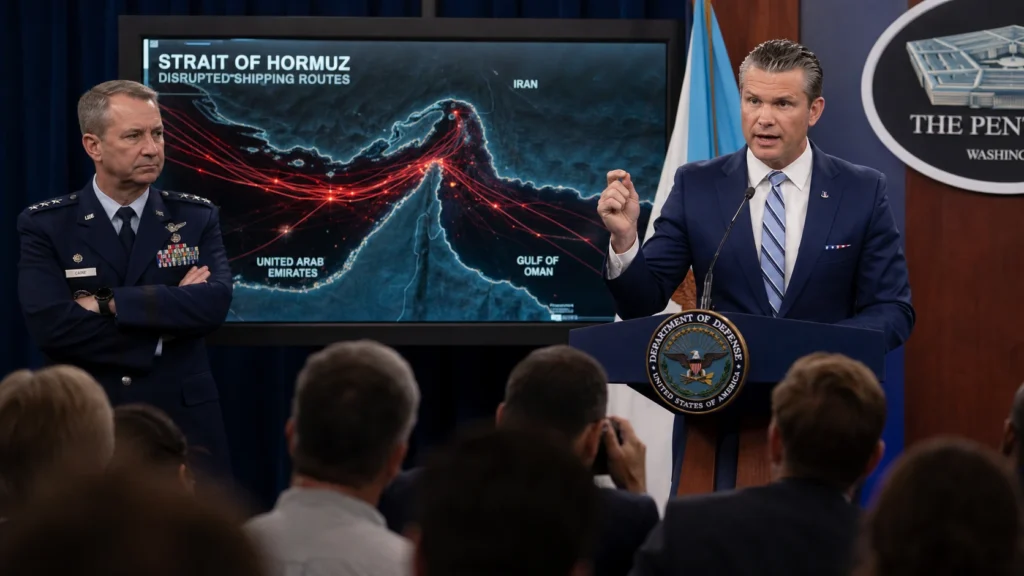
Trump pushed for practical outcomes during the Beijing meetings, including Chinese purchases of US oil and aircraft, while also seeking Chinese pressure on Iran to keep the Strait of Hormuz open. Xi focused on strategic language instead, warning against the “Thucydides Trap,” a phrase Chinese officials use when describing the danger of conflict between a rising power and an established one.
Different priorities. Same room.
According to Reuters reporting on Trump-Xi Beijing summit, Trump also claimed Xi agreed not to send military equipment to Iran. Beijing stopped short of publicly confirming those details. That gap matters because both governments increasingly negotiate in the face of ambiguity rather than trust.
As previous analysis of US-China semiconductor restrictions explained earlier this year, economic ties between the two powers now serve two functions at once: stabilizer and weapon.
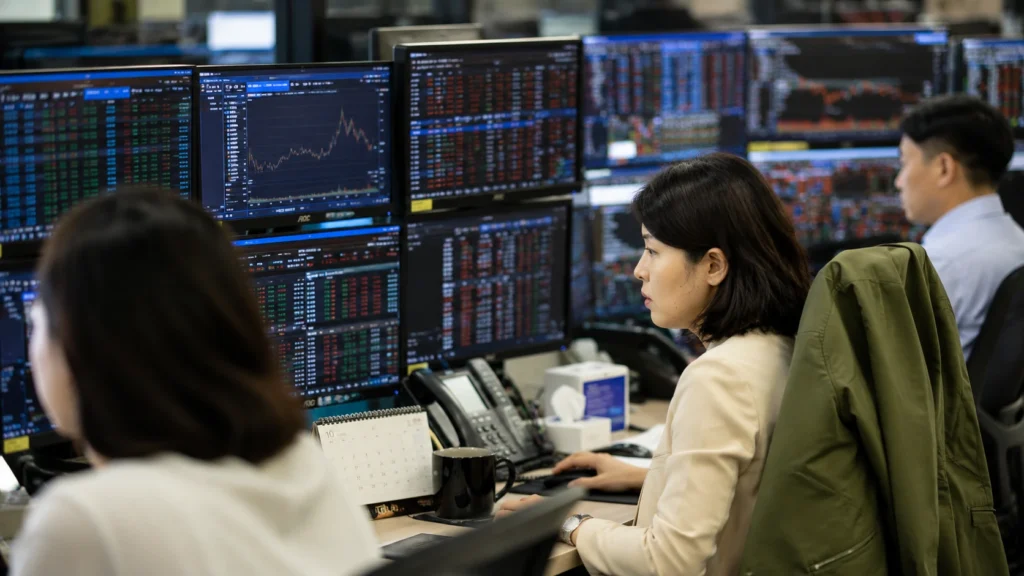
That changes how markets interpret diplomacy.
Why Iran and Oil Dominated the Real Negotiation
Trade headlines attracted attention. Energy security drove the meeting.
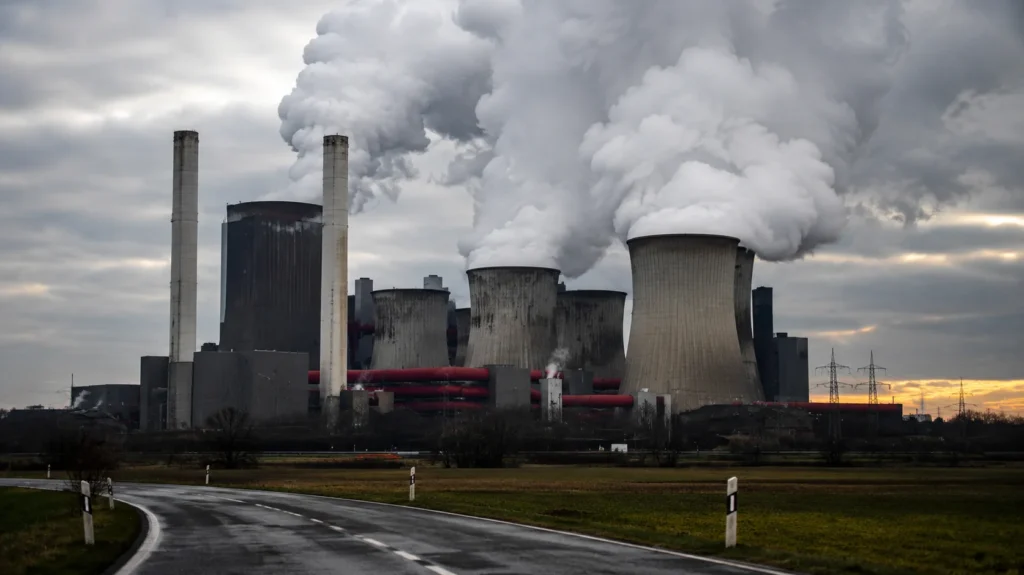
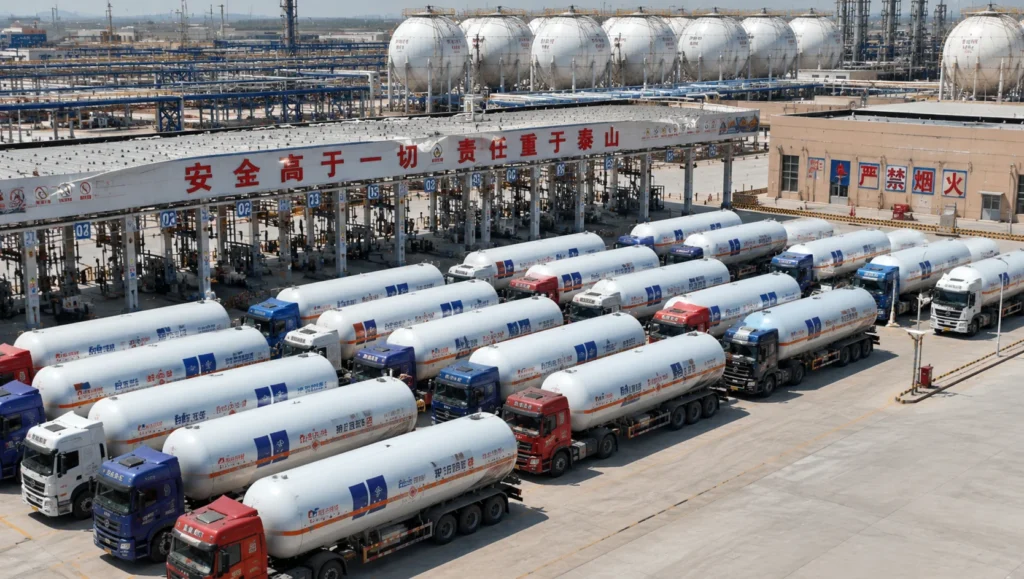
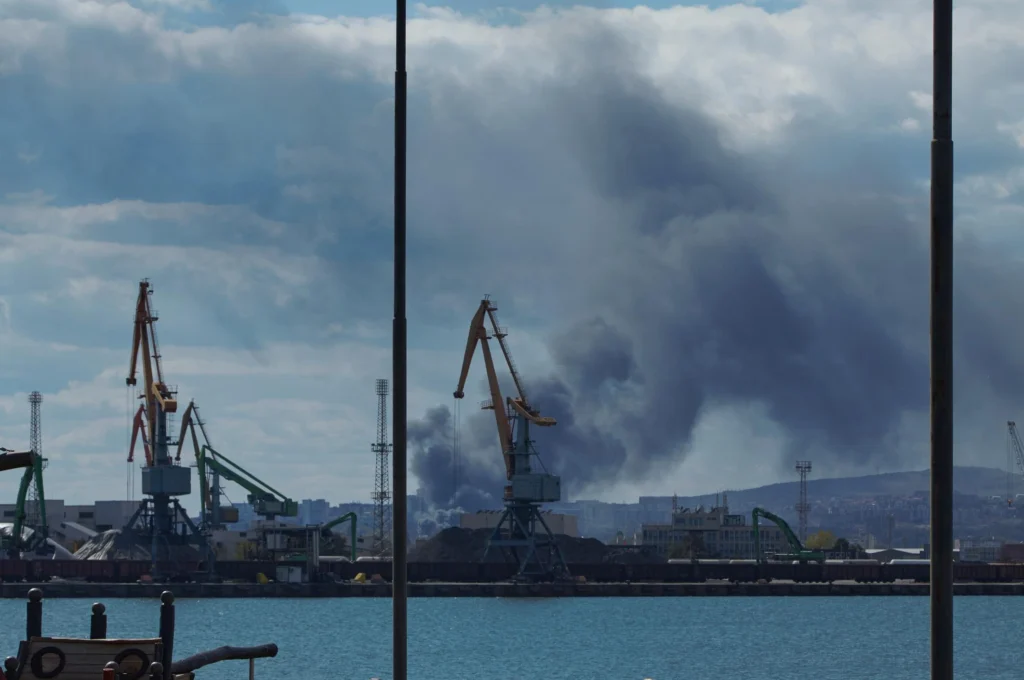
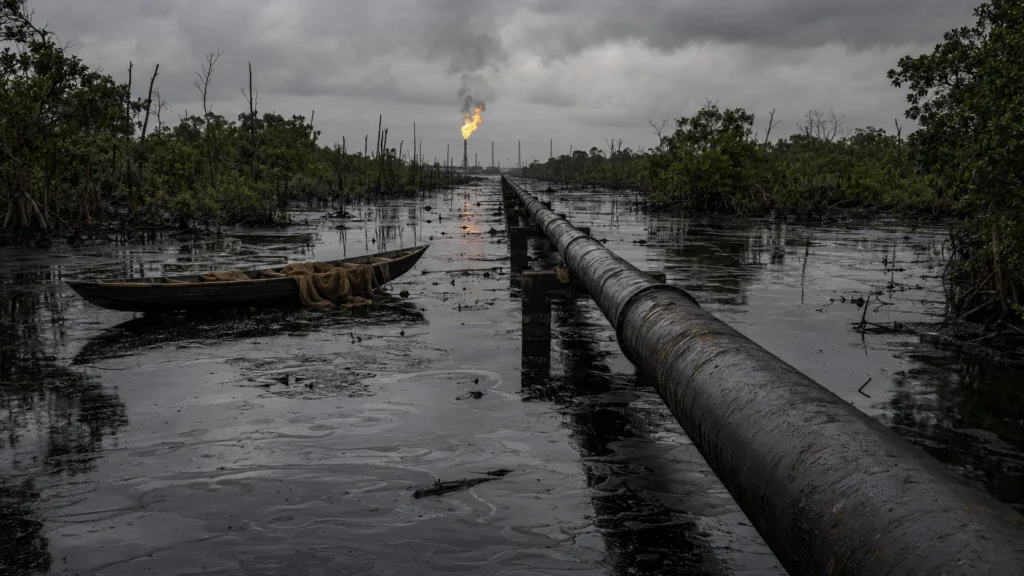
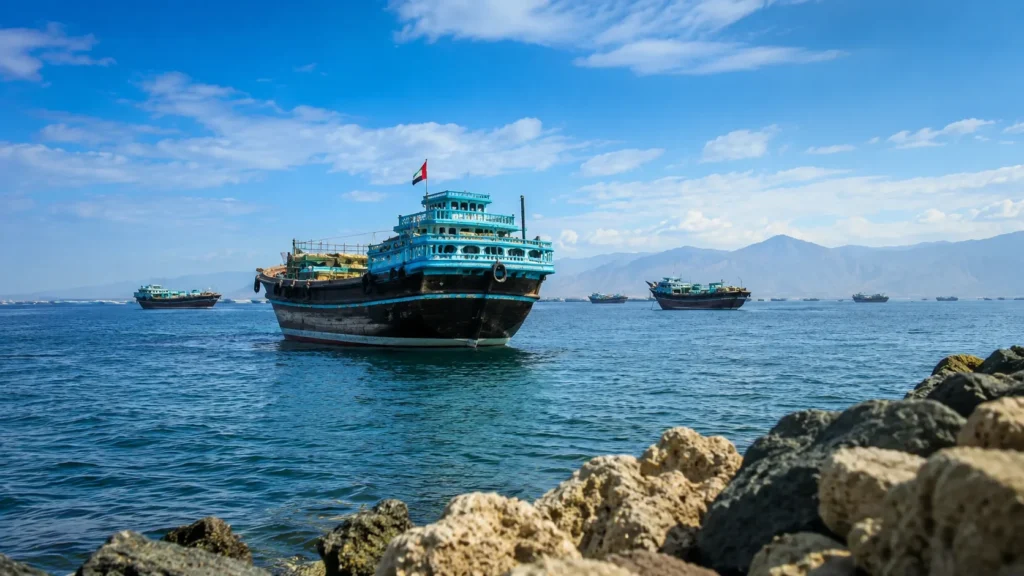
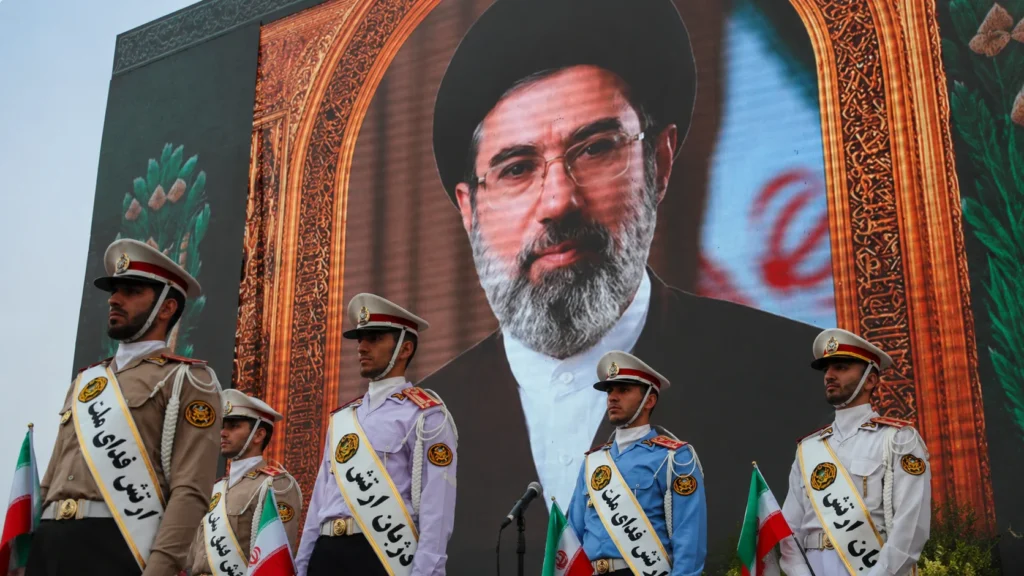
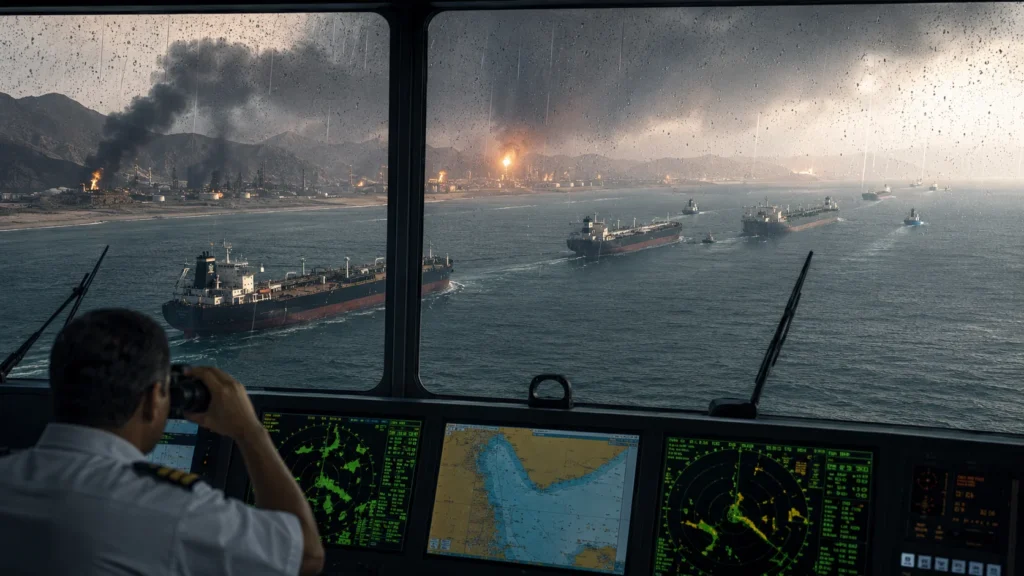
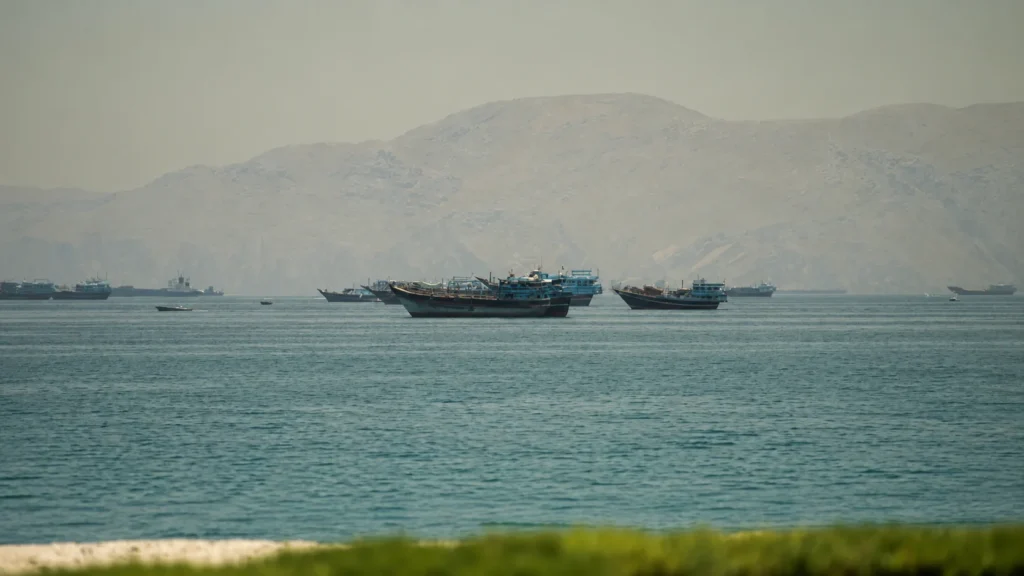
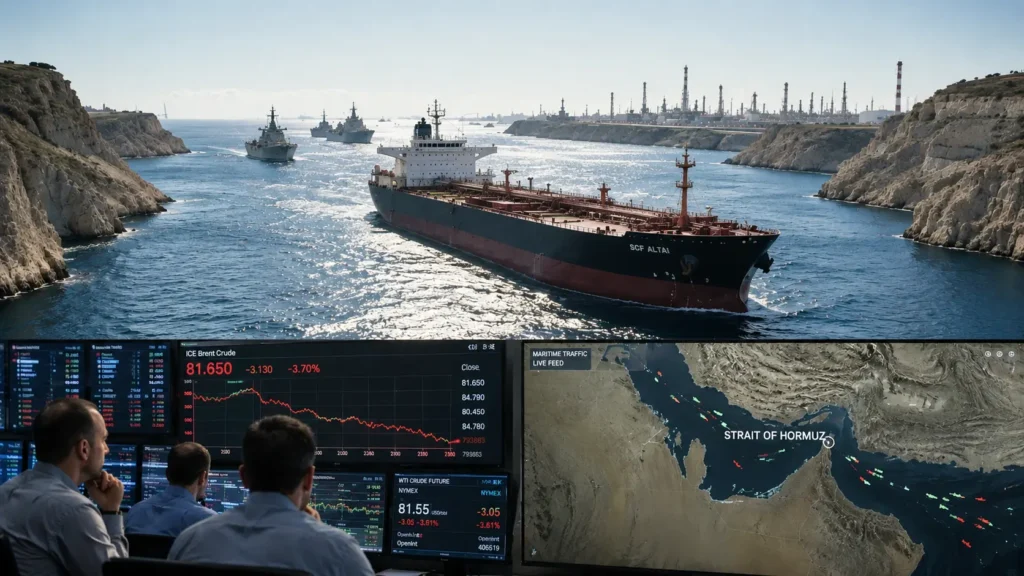
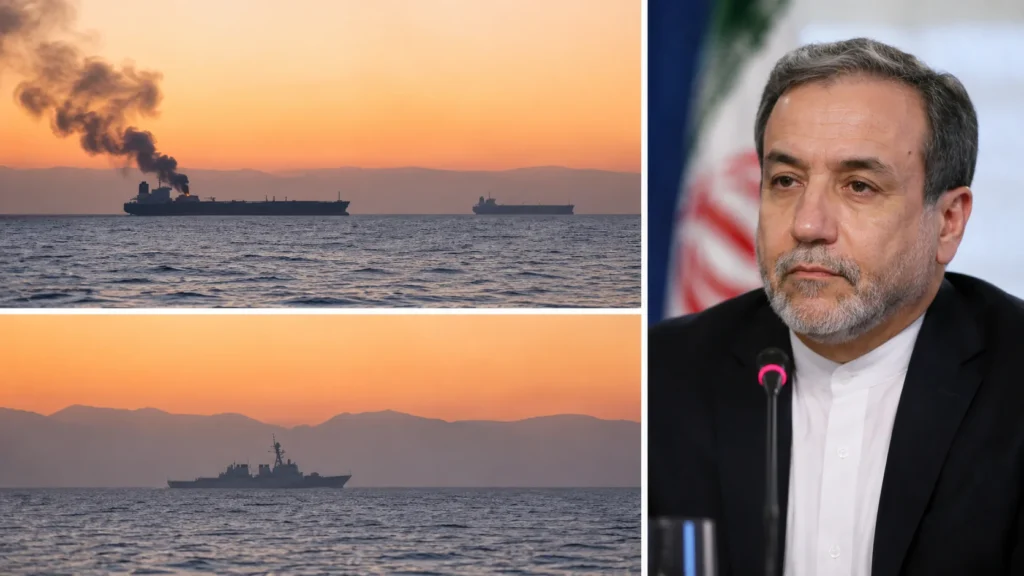
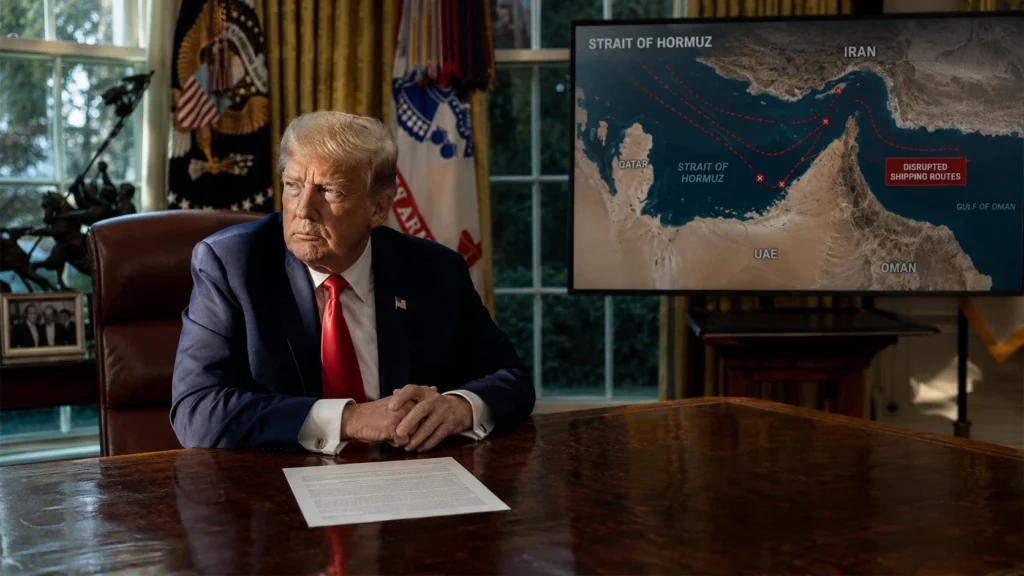
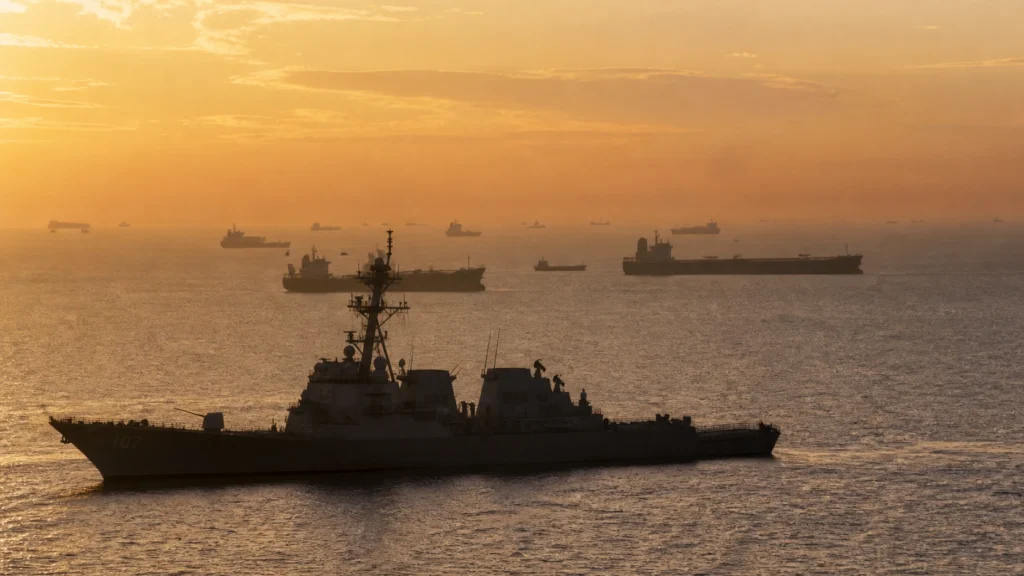
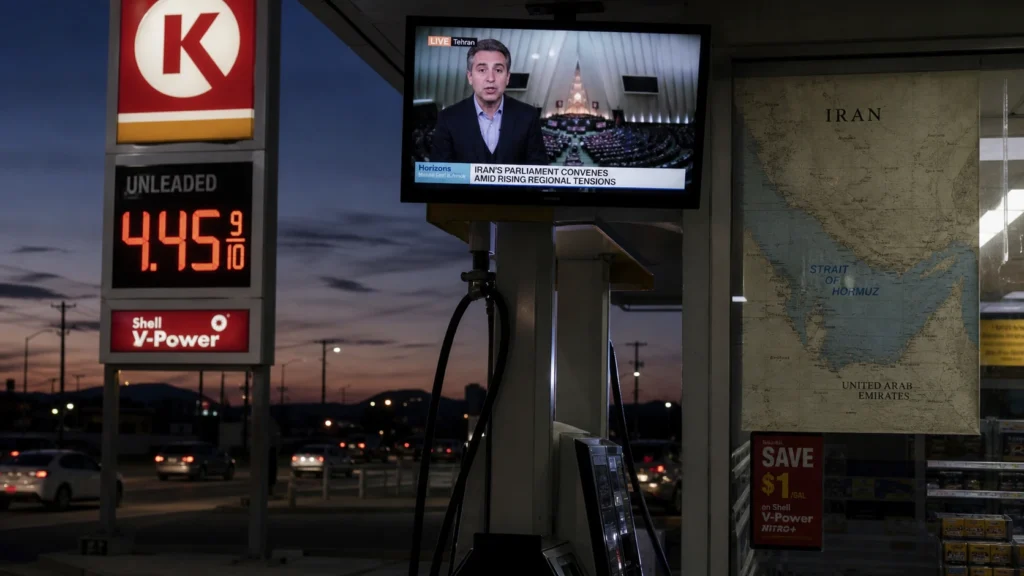
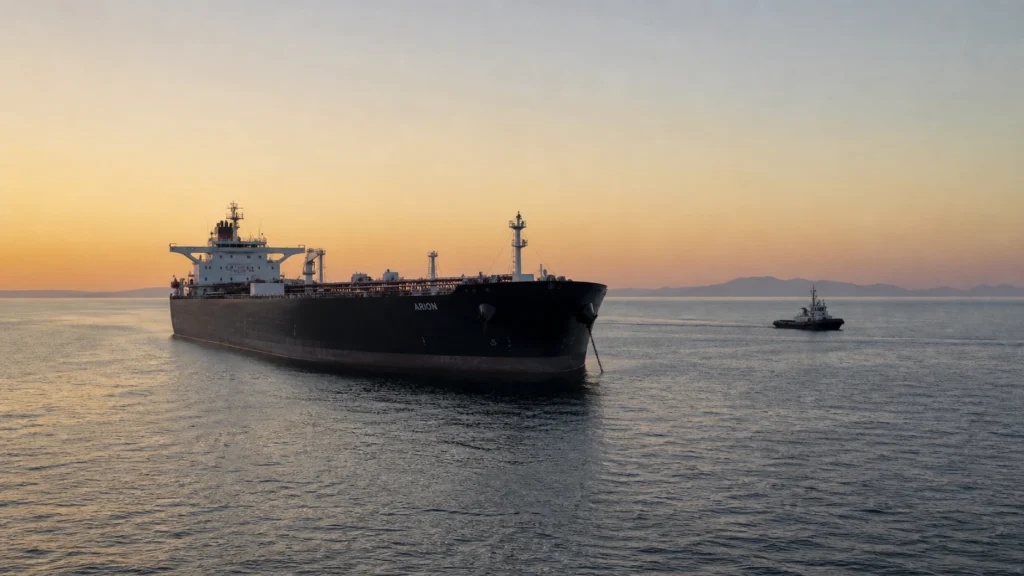
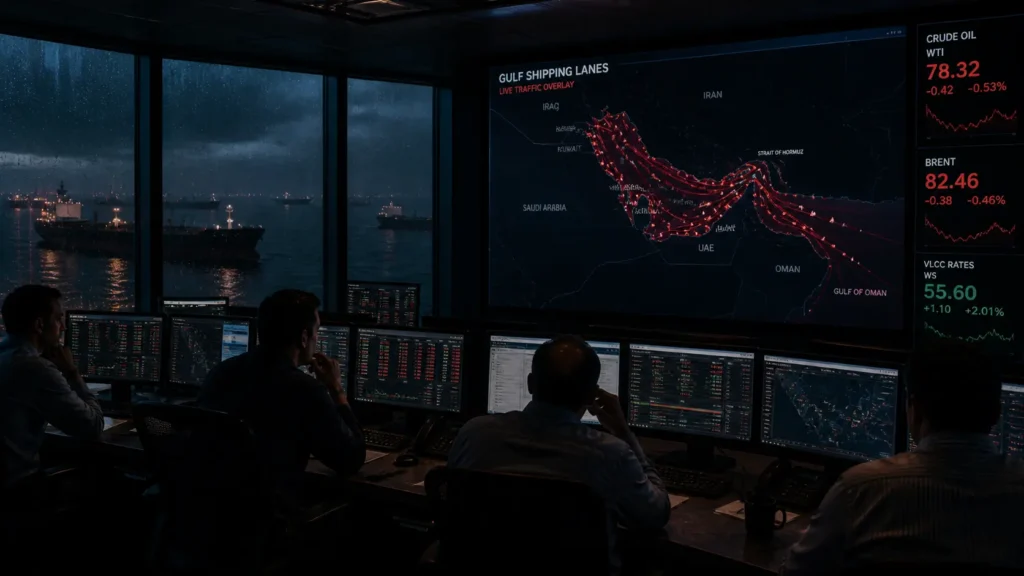
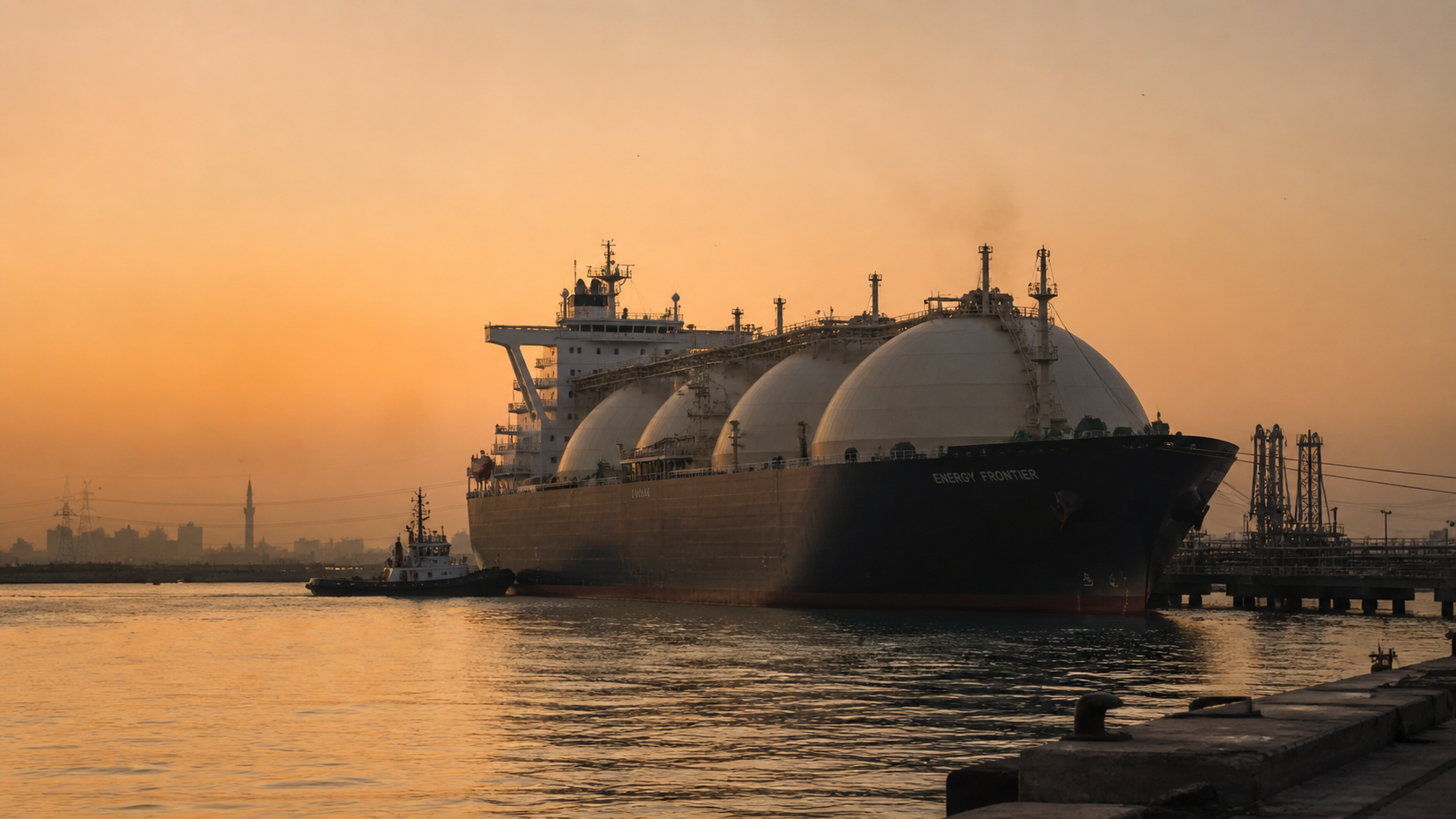
China purchases most of Iran’s exported crude oil, according to estimates from the International Energy Agency and tanker-tracking firms. At the same time, Chinese manufacturing depends heavily on uninterrupted Gulf shipping routes. Any disruption inside the Strait of Hormuz raises freight costs across Asia within days.
So Beijing faces a structural contradiction.
China wants a strategic partnership with Tehran, but also needs regional stability to protect industrial output at home. Trump understands that pressure point. That explains why energy routes featured so heavily during discussions in Beijing.
Short sentence. Big fallout.
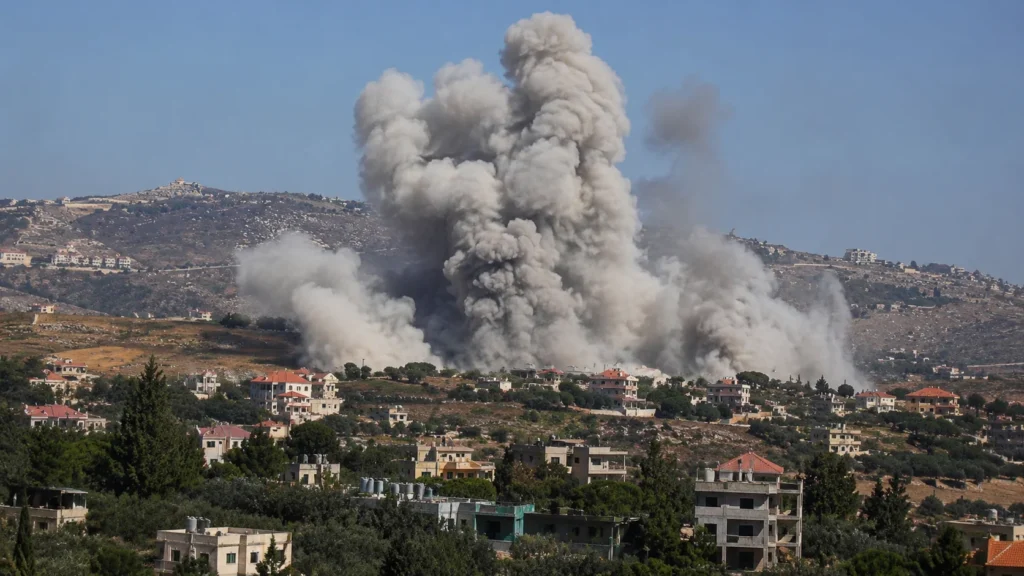
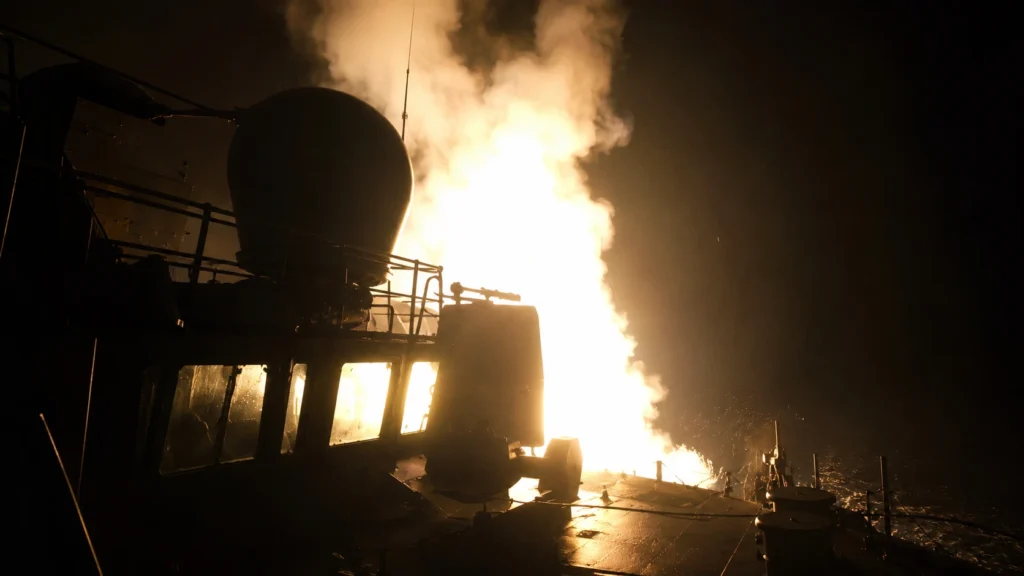
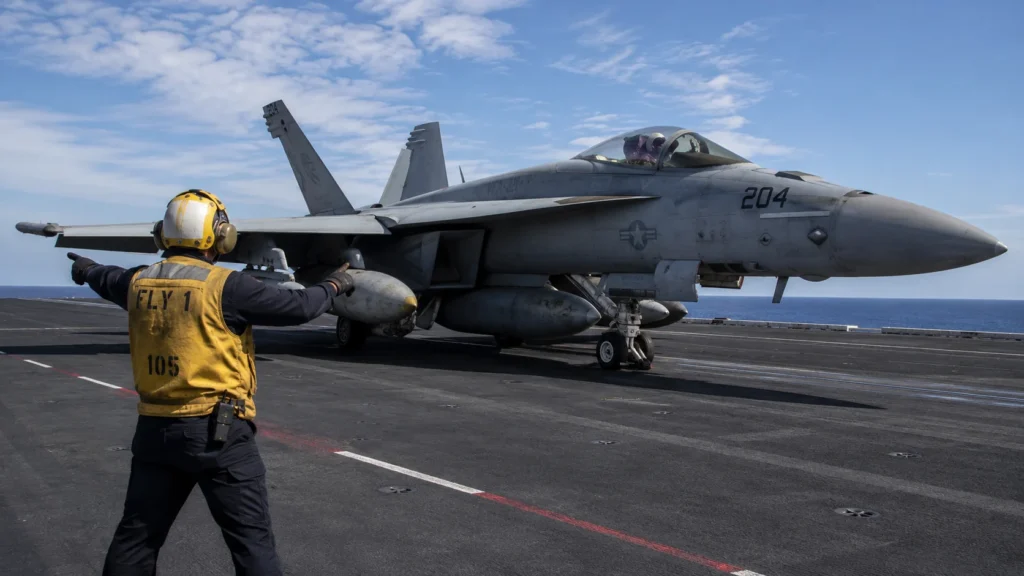
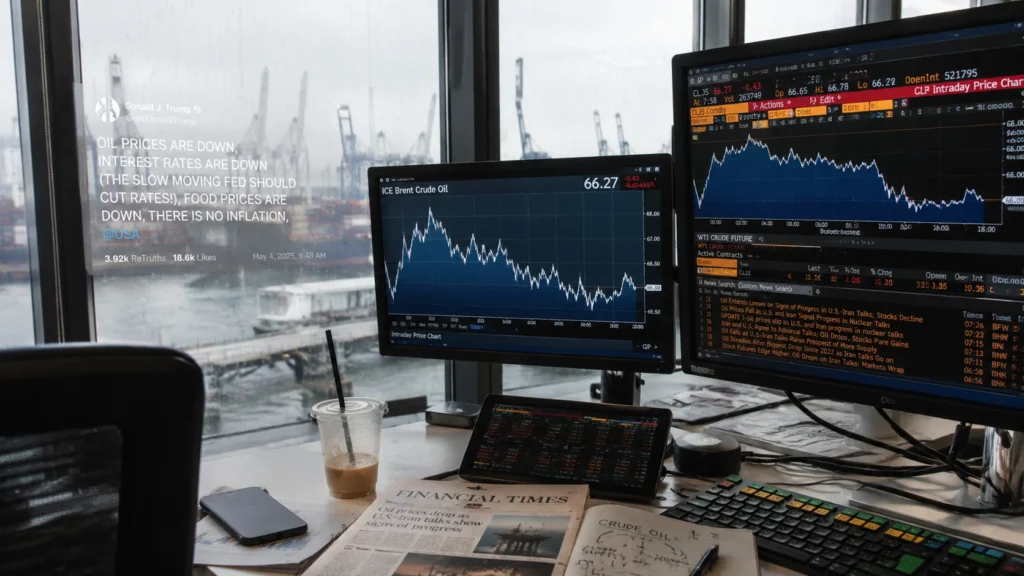
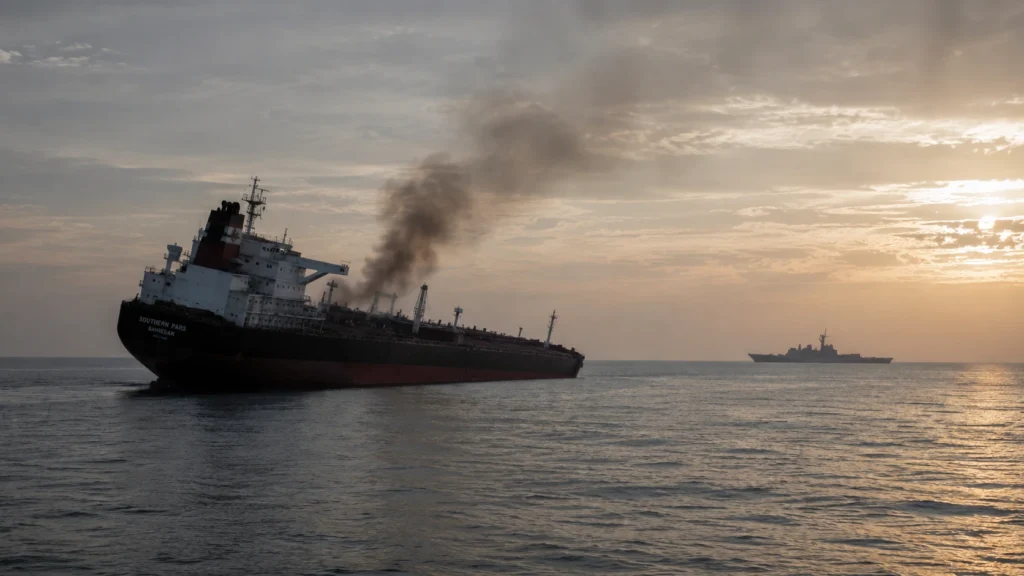
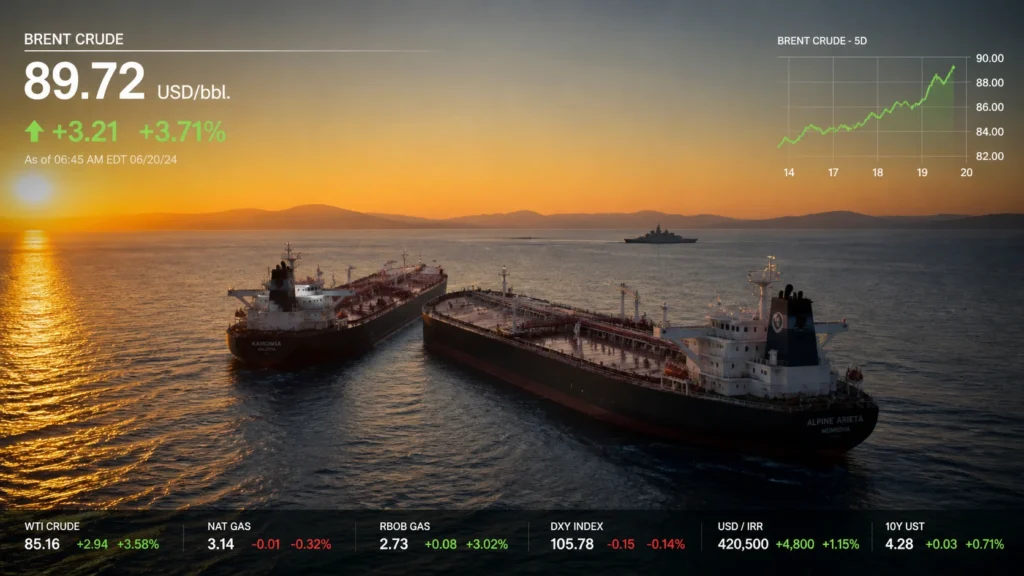
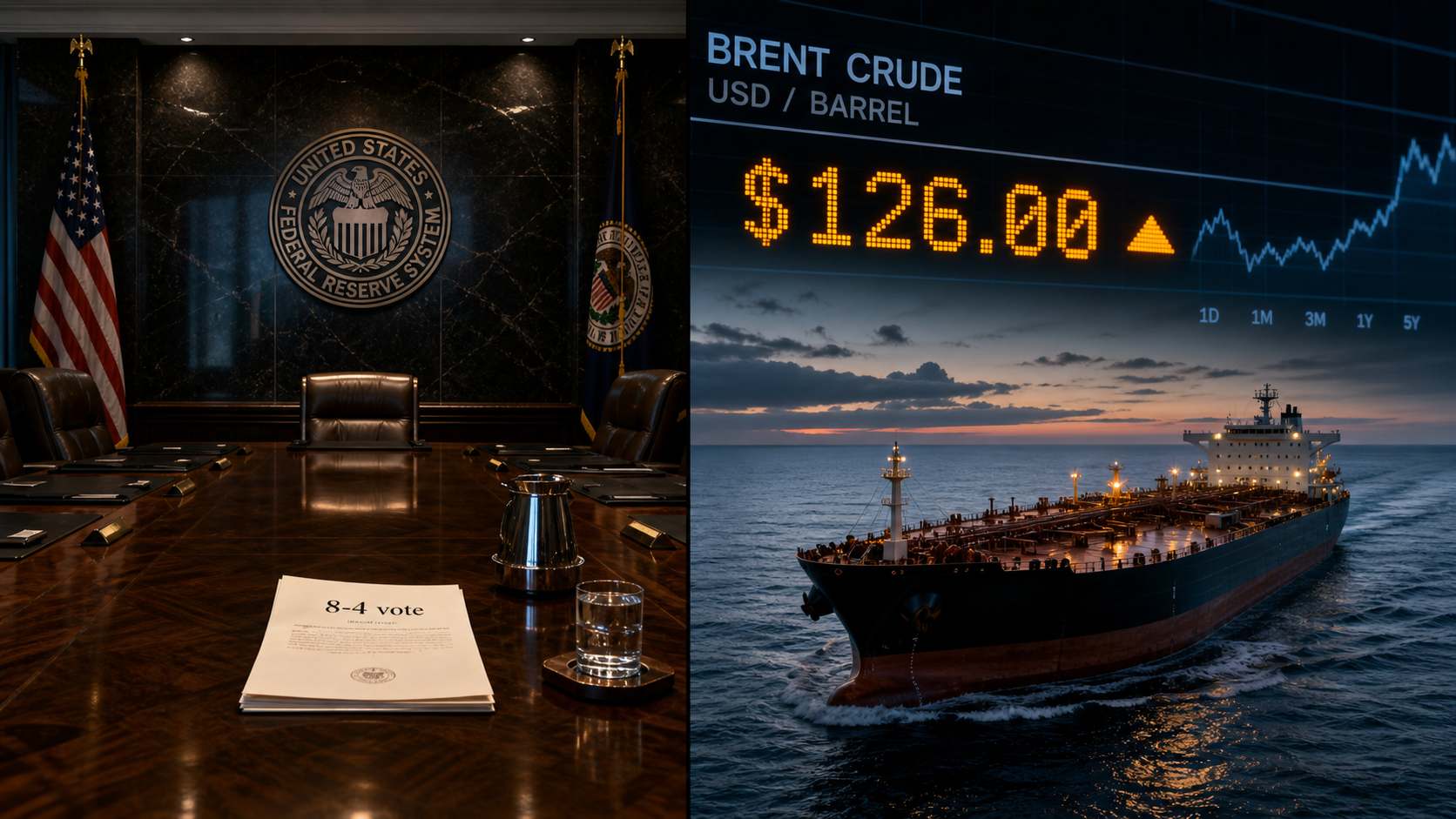
Shipping insurers already raised Gulf transit premiums during earlier attacks near the Hormuz corridor in 2026, according to Lloyd’s List analysis of Gulf shipping risks. Brent crude volatility also pushed import costs higher for manufacturing economies across Asia.
That economic pressure gives Beijing diplomatic leverage. But it also limits how aggressively China can align with Iran during regional crises.
Quietly.
Taiwan Still Shapes Every Major US-China Decision
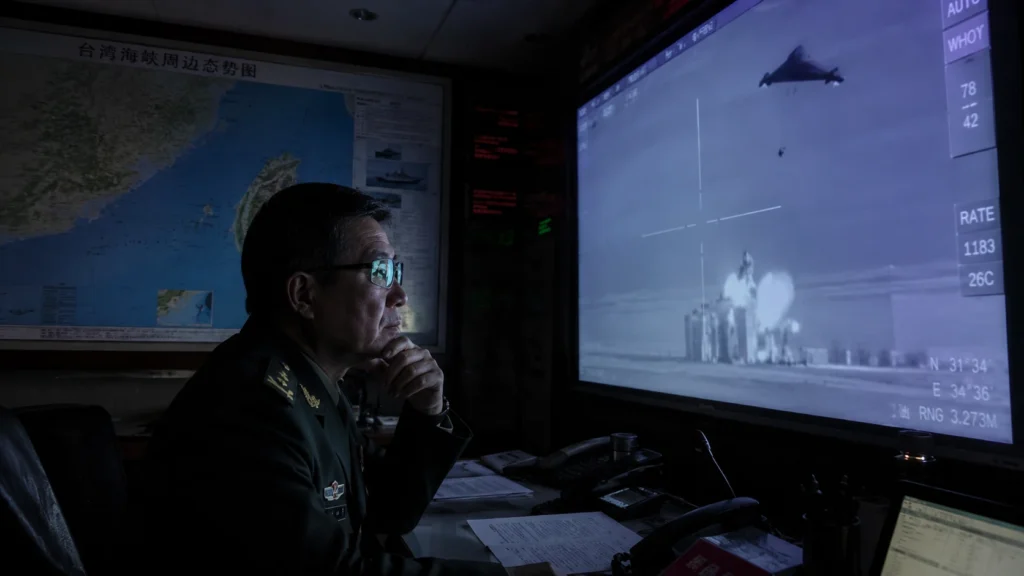
Neither leader emphasized Taiwan publicly during the final sessions in Zhongnanhai. The issue still dominated the strategic backdrop.
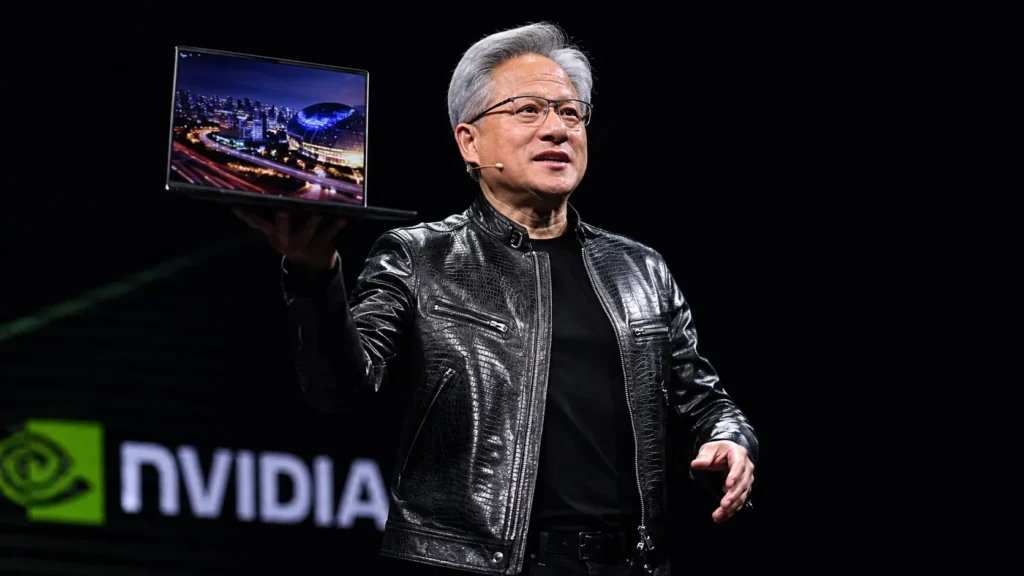
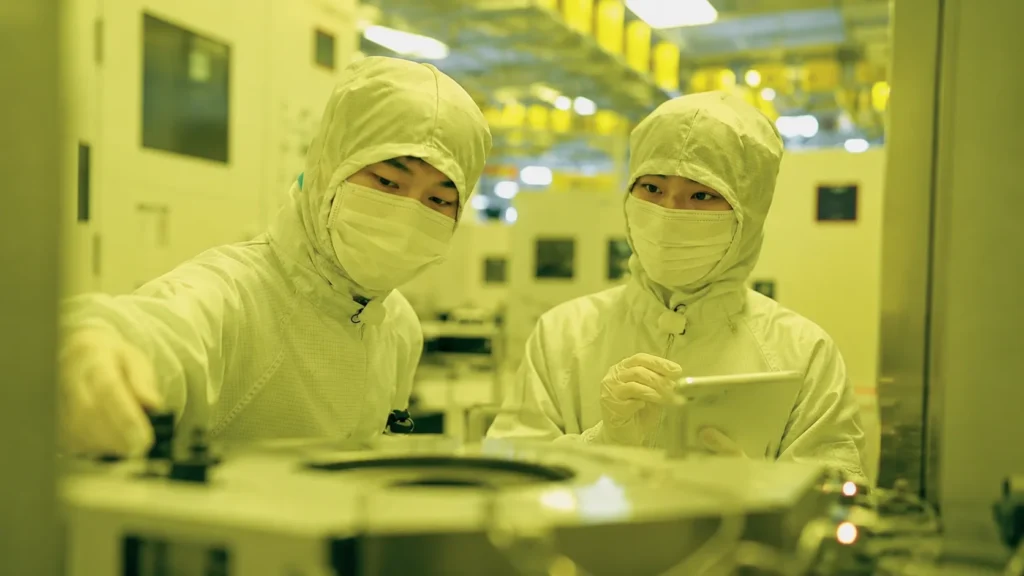
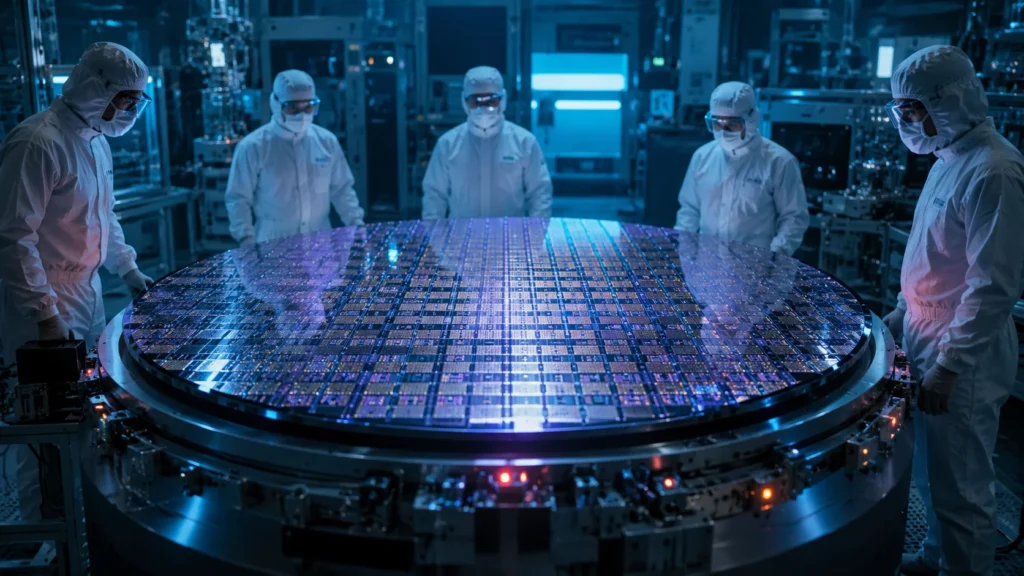
Taiwan now sits at the center of three overlapping systems: military deterrence, semiconductor production, and Indo-Pacific trade flows. The United States continues restricting advanced AI chip exports to China, particularly high-end semiconductors linked to companies like Nvidia. Beijing continues demanding broader access to those technologies.
No breakthrough emerged.
Amanda Hsiao, China Director at Eurasia Group, noted before the summit that Xi likely used private meetings to test Trump’s willingness to soften support for Taiwan in exchange for wider economic stability. Eurasia Group briefing on Taiwan and US-China relations
That pressure reaches beyond Washington and Beijing. Countries like Vietnam, Malaysia, Japan, and South Korea now balance security ties with the United States against deep economic dependence on China.
As coverage of Southeast Asia supply chain shifts showed after the 2025 export-control disputes, regional governments no longer separate trade policy from security planning.
Everything overlaps now.
The Real Winners and Losers After Beijing
Xi gained diplomatic flexibility from this summit.
China now positions itself as both America’s chief competitor and one of the few powers with direct economic leverage over Iran. That increases Beijing’s strategic value across multiple crises simultaneously.
Trump gained optics and possible commercial agreements ahead of Xi’s expected US visit in September 2026. But Washington still faces a difficult contradiction: the US wants China to stabilize energy markets while also containing Chinese technological growth.
Those goals pull against each other.
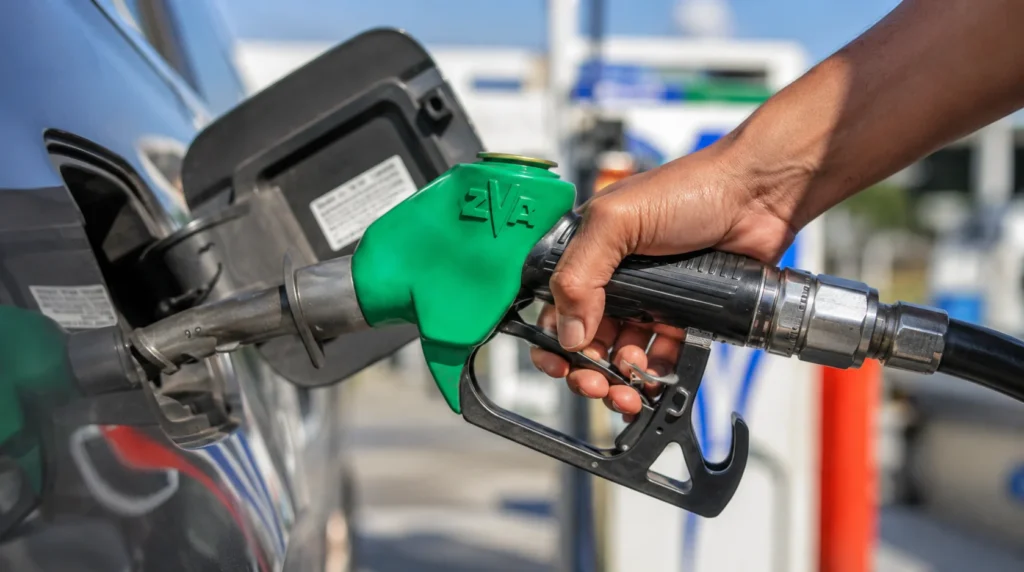
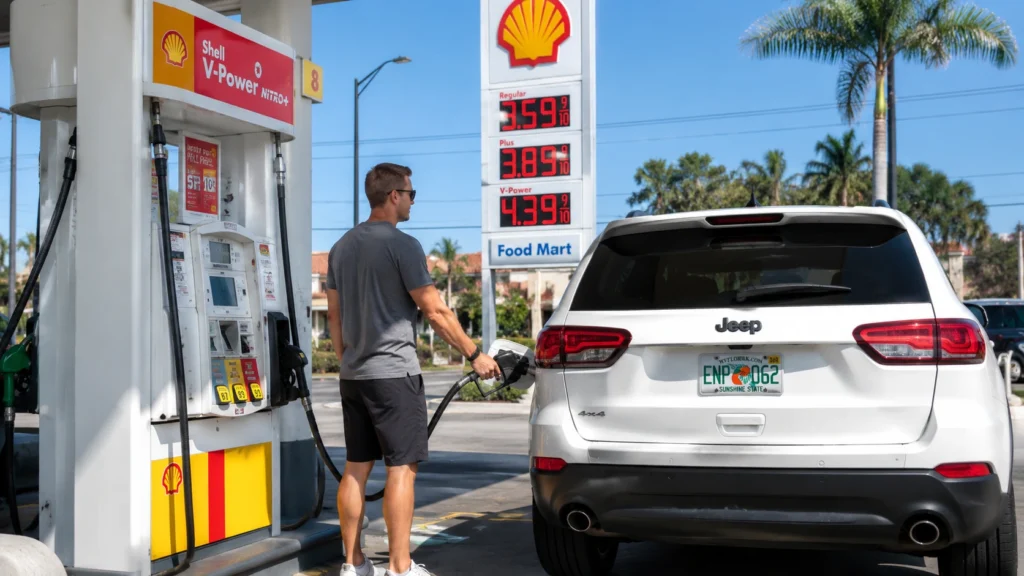
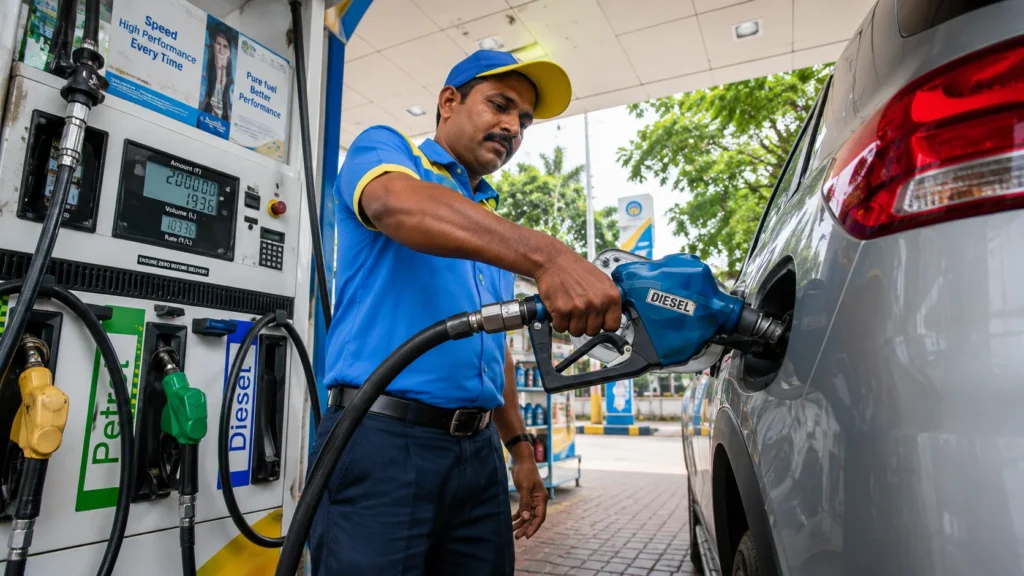
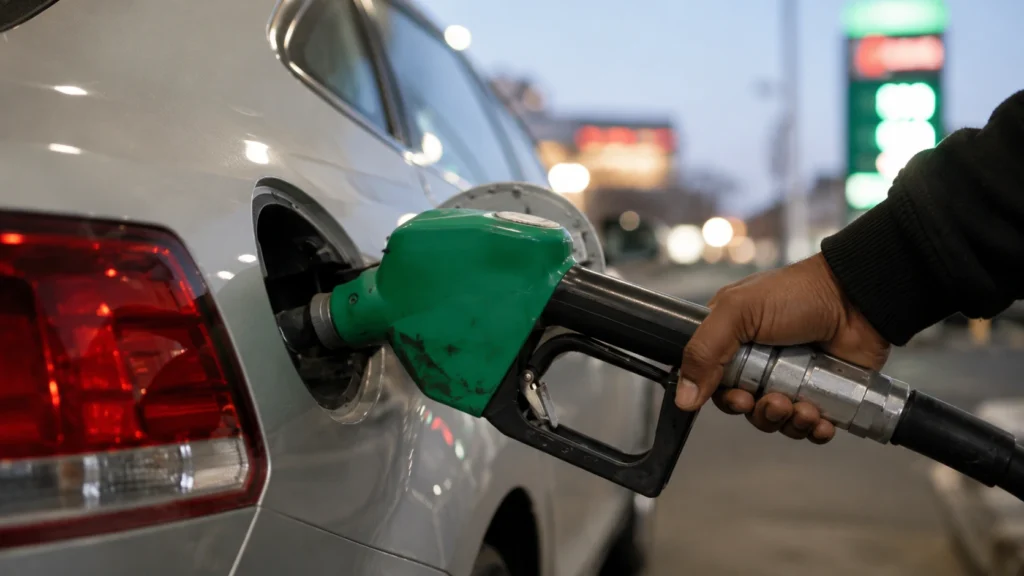
Ordinary populations absorb the effects differently. Fuel prices shift first. Freight costs next. Electronics supply chains tighten after that. Consumers rarely watch diplomatic meetings in Beijing, but they notice delayed shipments, rising costs, and weaker hiring inside export industries.
Not speeches. Systems.
FAQ
Why did energy dominate the Trump-Xi talks?
Energy connects trade, Iran, and manufacturing stability. China relies heavily on Gulf oil flows, while the US wants open shipping routes through the Strait of Hormuz.
Did the summit resolve US-China trade tensions?
No. Both sides discussed economic cooperation, but tariffs, export controls, and semiconductor restrictions remain unresolved.
Why does Taiwan matter so much in US-China relations?
Taiwan anchors advanced semiconductor production and sits at the center of Indo-Pacific military strategy. Both governments treat it as a core national security issue.
What role does China play in Iran negotiations?
China remains Iran’s largest oil customer and biggest trade partner. That gives Beijing economic leverage that Washington hopes to use for regional stability.
Could US-China relations improve after this summit?
Possibly in the short term. Structural rivalry over technology, military influence, and regional power still shapes the relationship.
Author Note: Written by an international affairs editor covering US-China relations, energy markets, and Indo-Pacific strategic competition for more than a decade, with reporting focused on trade systems and geopolitical risk.