

 English



























































































































































































































































































UK Labour Leadership Crisis Shakes Westminster Power
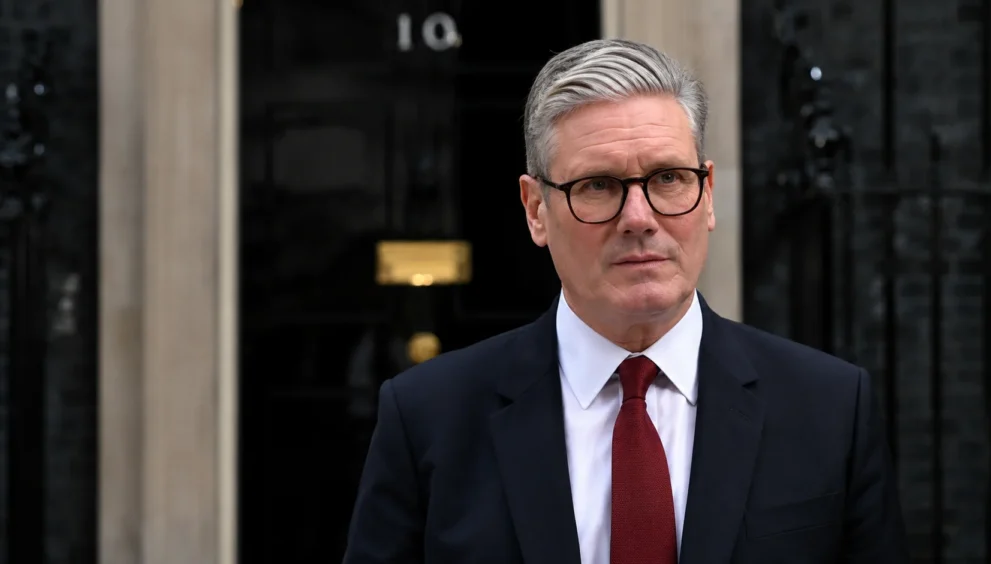
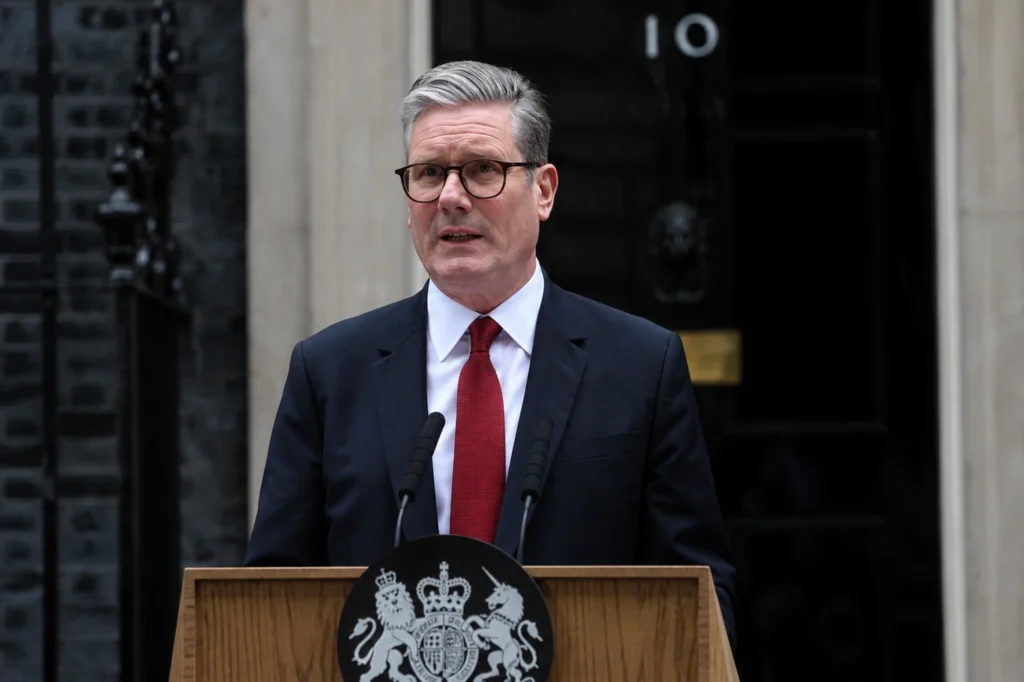
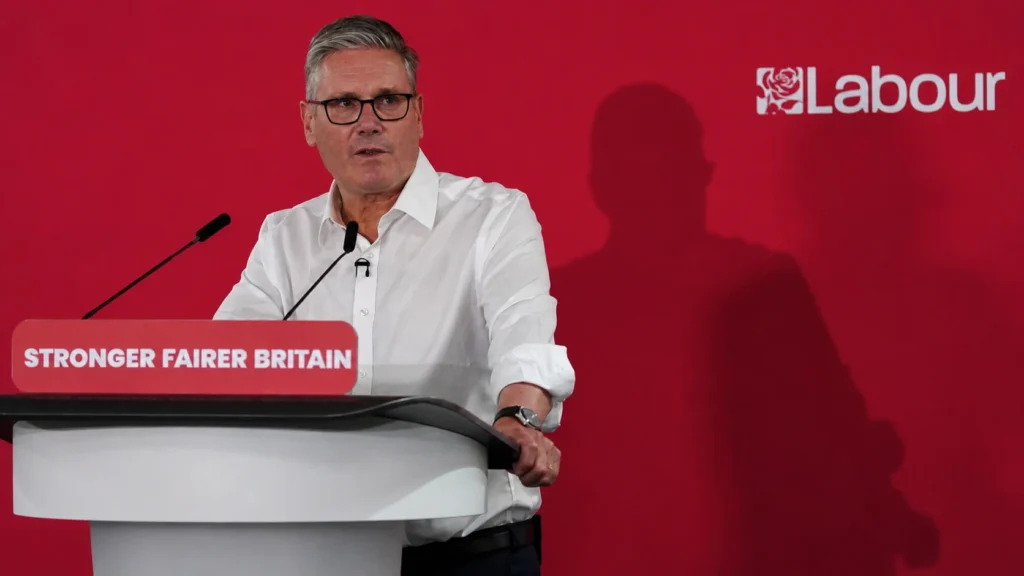
The UK Labour leadership crisis escalated after Health Secretary Wes Streeting resigned on 14 May 2026, citing loss of confidence in Prime Minister Keir Starmer’s leadership. The resignation follows a wave of ministerial exits after poor local election results earlier in May. It raises immediate questions about Labour’s governing stability, party unity, and Britain’s political direction heading toward the next general election.
The Crisis Inside Number 10
Britain’s political centre is not breaking apart in public. It is tightening under pressure behind closed doors.
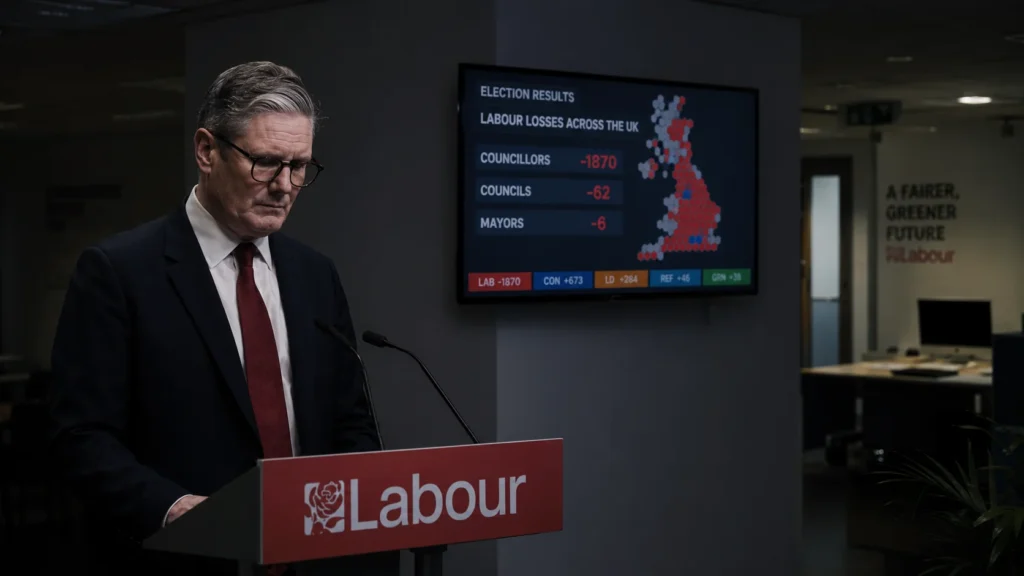
On 7 May 2026, Labour suffered heavy losses in local elections across England, Scotland, and Wales, according to the UK Electoral Commission. Within a week, internal resignations began to stack up. Wes Streeting’s resignation on 14 May marked the first cabinet-level departure in what analysts at the Institute for Government describe as “post-election leadership stress cycles.”
Streeting’s letter went further than typical ministerial exits. It directly challenged Starmer’s direction, not just policy decisions. That distinction matters. It shifts the dispute from performance management to leadership legitimacy.
Labour post-election strategy analysis
What Triggered the Breakdown?
Three structural pressures converged at once:
First, electoral erosion. Labour lost over 1,100 council seats in the May 2026 local elections, according to BBC election data.
Second, policy friction. Internal disputes emerged over welfare adjustments, including the winter fuel allowance cuts referenced in Streeting’s resignation letter.
Third, narrative collapse. The party struggled to maintain a unified message after what Starmer described in his 11 May speech as a “reset moment for governance.”
Professor Meg Russell of University College London’s Constitution Unit told BBC Radio 4 that “modern UK parties rarely survive simultaneous electoral shock and leadership questioning without visible fragmentation.”
That fragmentation now sits at the top of government.
Timeline of Pressure Points
7 May 2026 – Labour suffers major losses in local elections
9 May 2026 – MPs begin publicly questioning leadership direction
11 May 2026 – Starmer defends leadership in major Westminster speech
12 May 2026 – Multiple junior ministers resign
14 May 2026 – Wes Streeting resigns as Health Secretary
Each step tightened the feedback loop between electoral loss and internal dissent.
UK local election results 2026 explained
The Institutional Strain Test
At the centre of this crisis sits a familiar Westminster tension: can a governing party maintain discipline while absorbing electoral punishment?
The UK system depends on cabinet solidarity. But resignation waves expose a structural weakness. When ministers exit in sequence, they do not just remove personnel. They disrupt policy continuity across departments like health, treasury, and education.
According to a 2025 Institute for Government report, ministerial turnover above 20% in a single parliamentary year reduces policy implementation efficiency by nearly 18%.
That is not abstract. It slows down decisions in the NHS, procurement systems, and infrastructure planning.
Institute for Government report on ministerial turnover
Inside the Party: Competing Interpretations
Two narratives now compete inside Labour.
Starmer allies argue the resignations reflect short-term frustration after difficult elections. They point to stabilisation in NHS metrics, including a reported reduction of 110,000 patients on waiting lists in March 2026 (UK Department of Health data).
Critics argue that something deeper is happening. They see a leadership style that centralises decision-making while losing emotional cohesion across the party.
Streeting’s resignation letter sharpened that divide. It framed leadership as a question of vision rather than execution.
Fragment. Trust.
What This Means for Governance
If resignations continue, Labour risks entering what constitutional analysts call “dual authority drift” — where formal leadership remains intact but informal influence disperses.
That creates three immediate risks:
- Slower legislative coordination across ministries
- Increased factional signalling inside Parliament
- Reduced confidence among business and public sector stakeholders
The financial markets have not reacted sharply yet. But government departments often react before markets do.
According to Reuters political analysis (May 2026), investors are already tracking “policy execution uncertainty” in UK fiscal planning discussions.
The Fragile Question Ahead
Can Starmer reassert control, or does Labour transition into a managed leadership contest?
That question now defines Westminster’s near-term trajectory more than any policy agenda.
The next pressure point sits inside Parliament itself: whether backbench coordination crosses the threshold for formal leadership challenge mechanics under Labour Party rules.
AUTHOR BIO
Written by Daniel Mercer, a political correspondent specializing in UK governance and Westminster institutional dynamics for over 12 years.