

 English




































































































































































































Supreme Court Security Threats Reshape Judicial Access
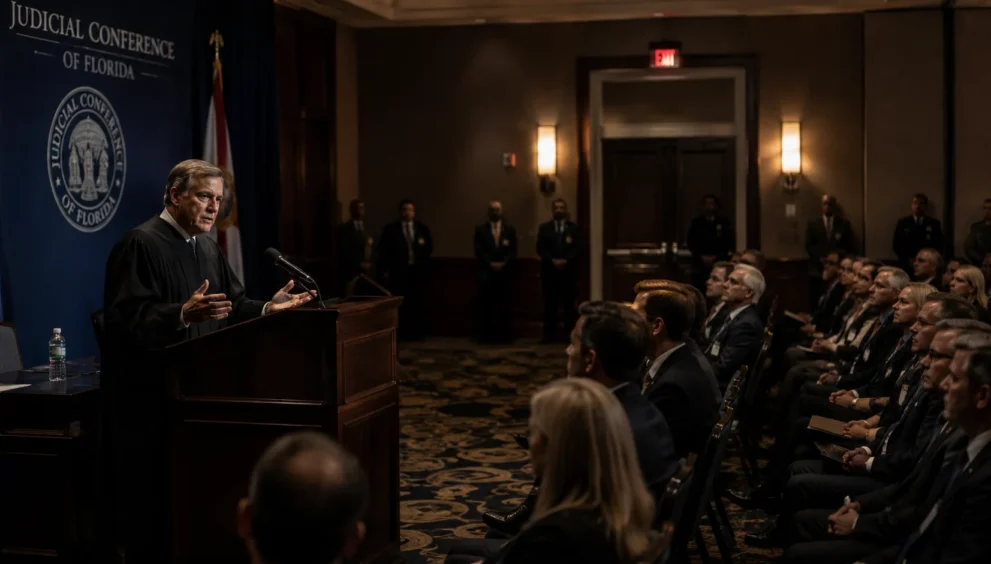
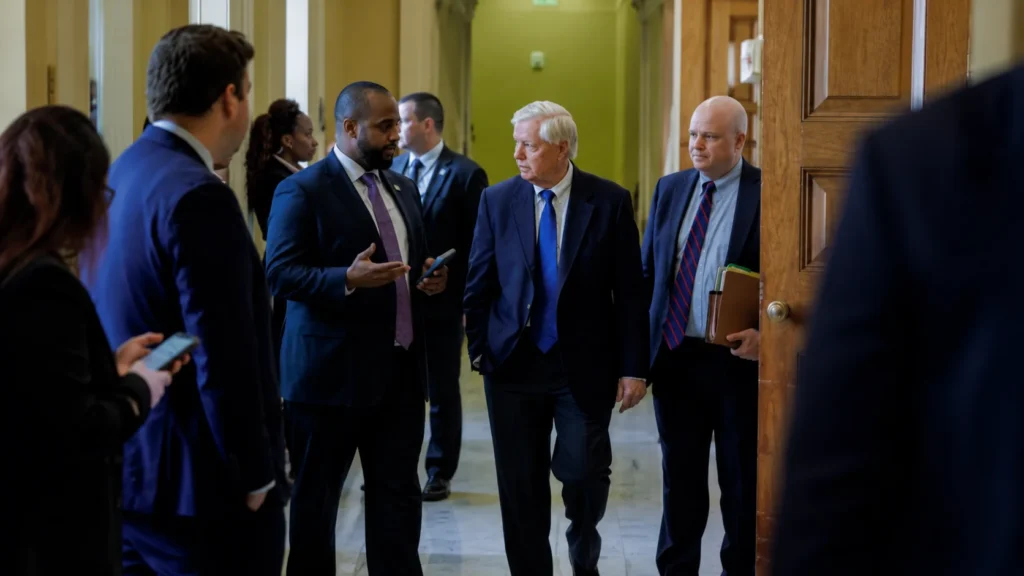
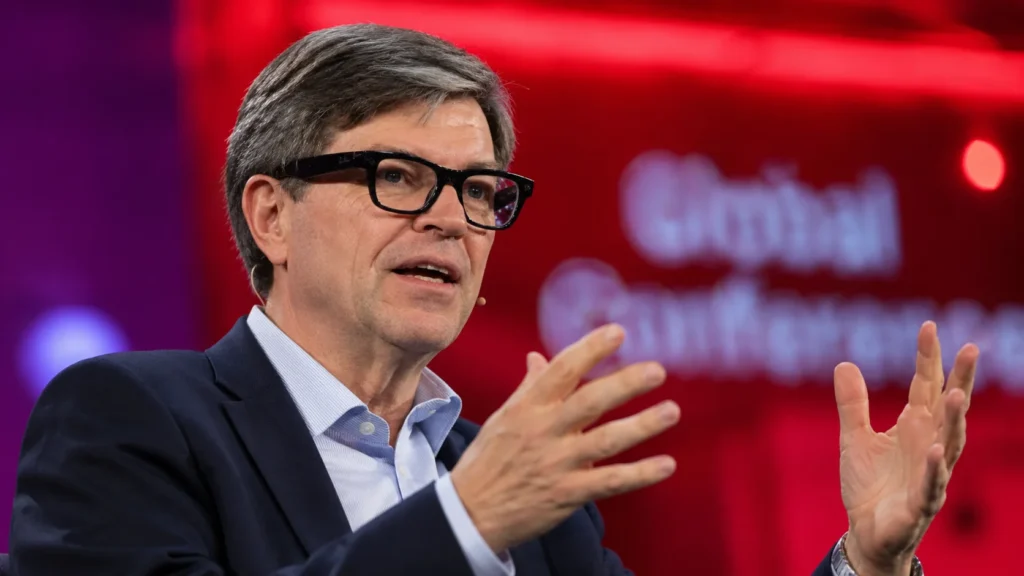
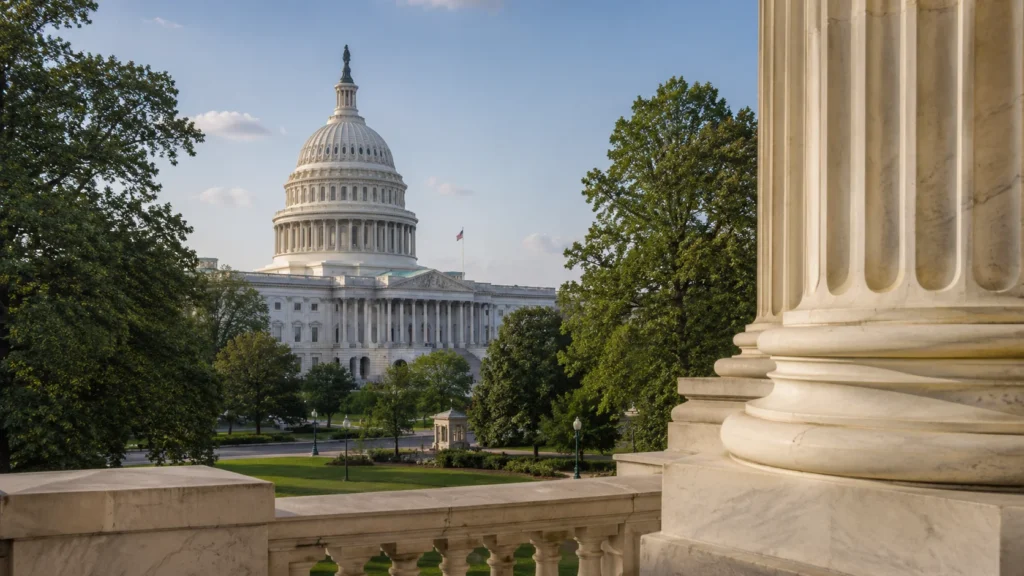
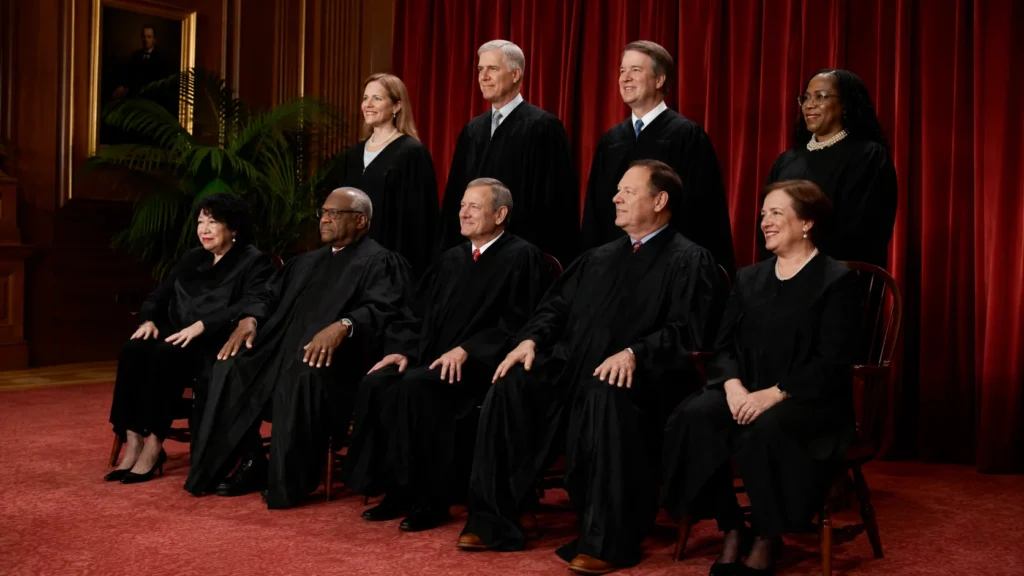
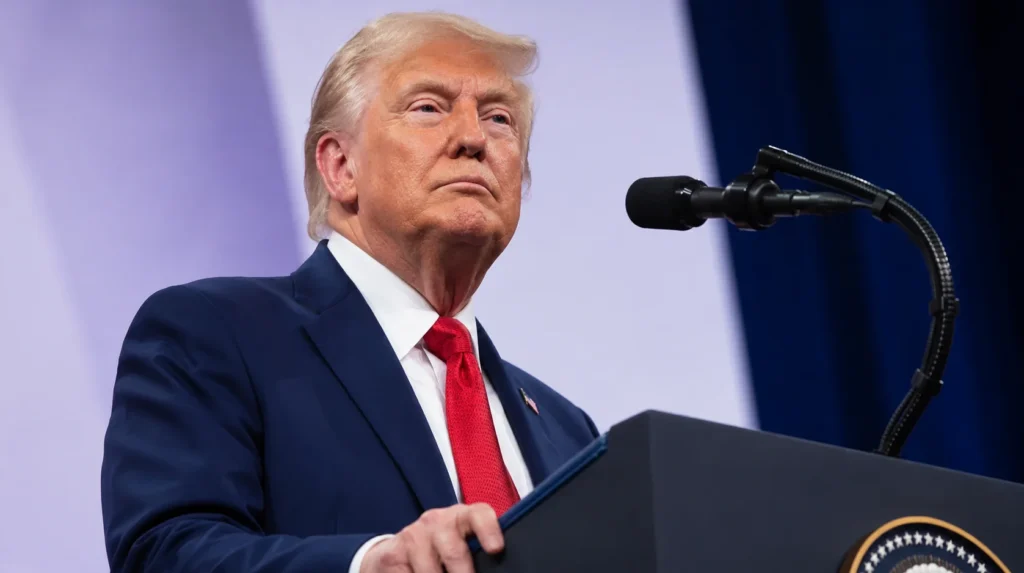
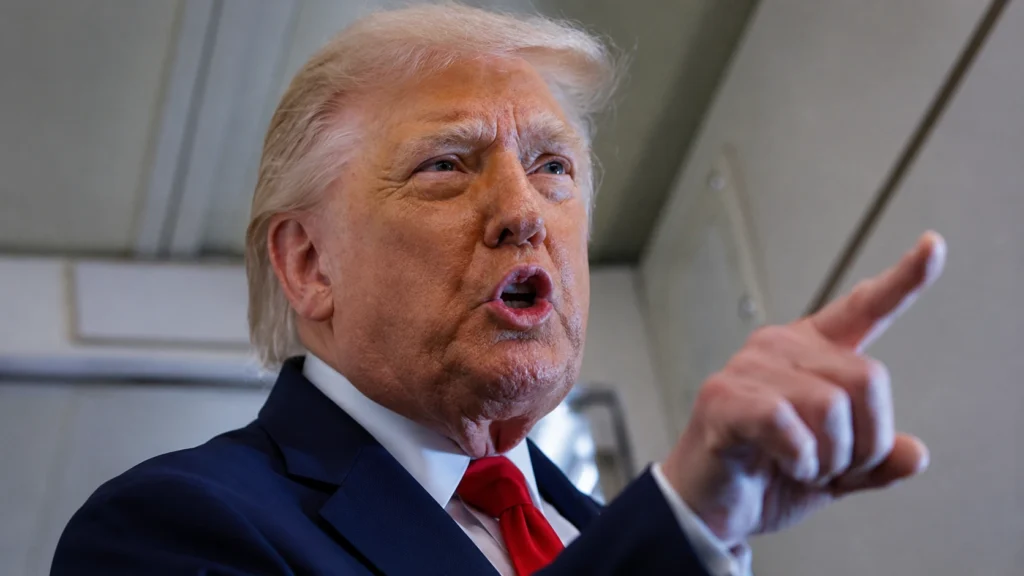
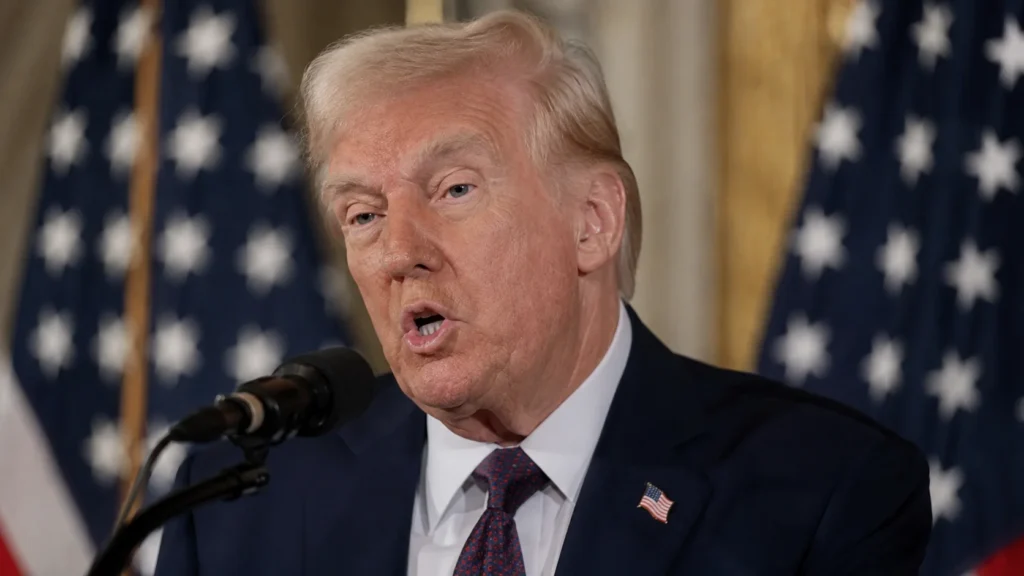
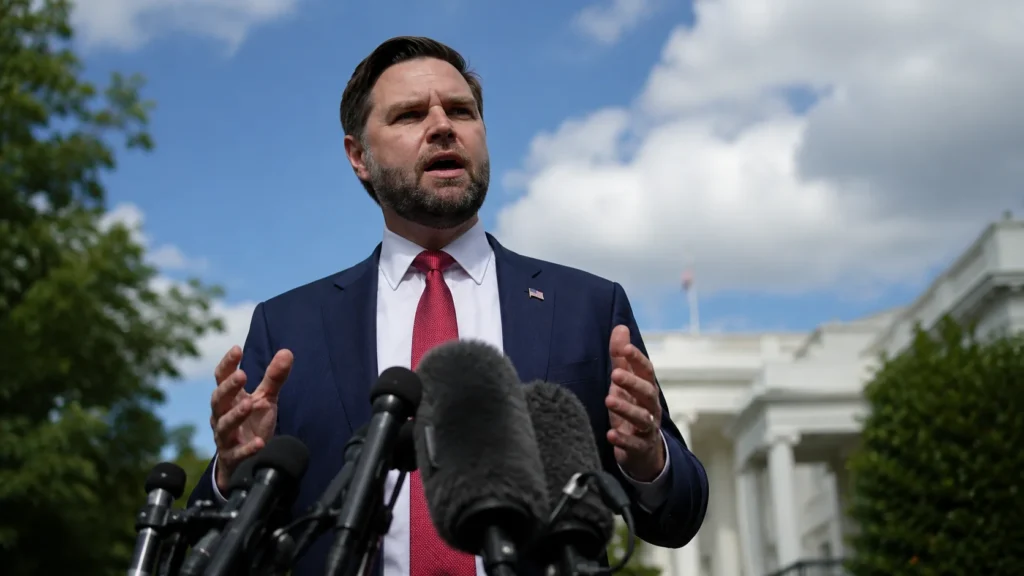
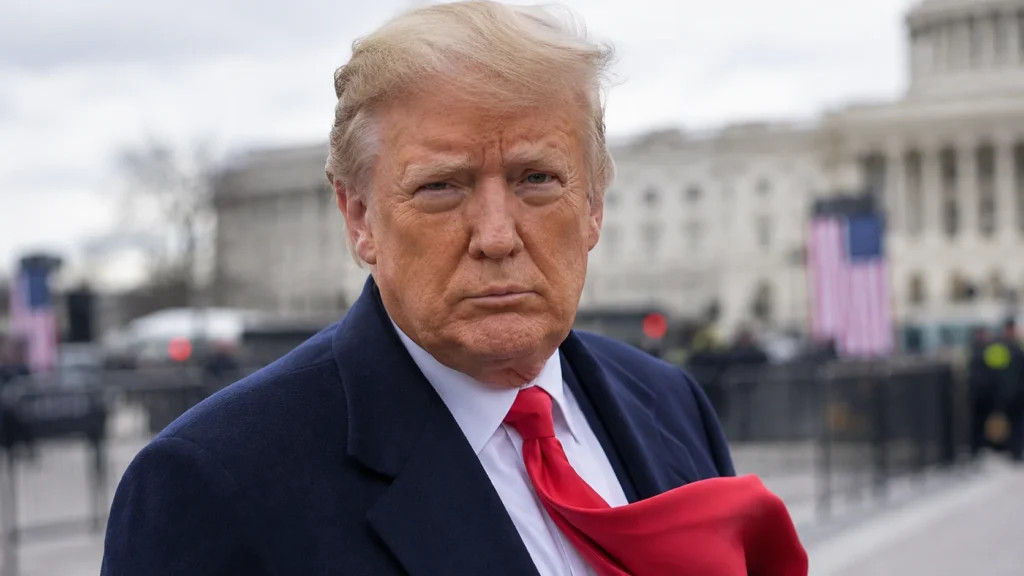
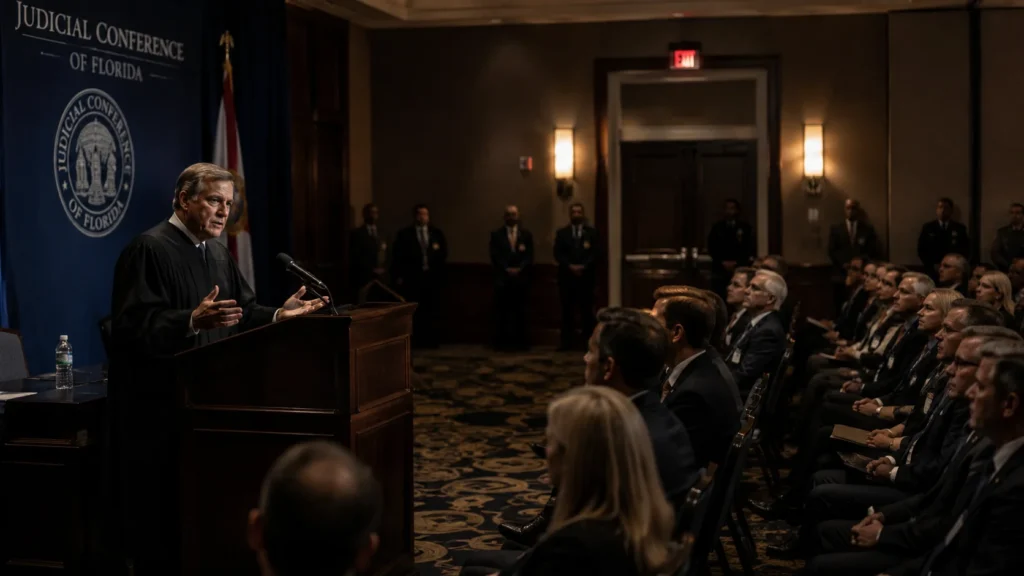
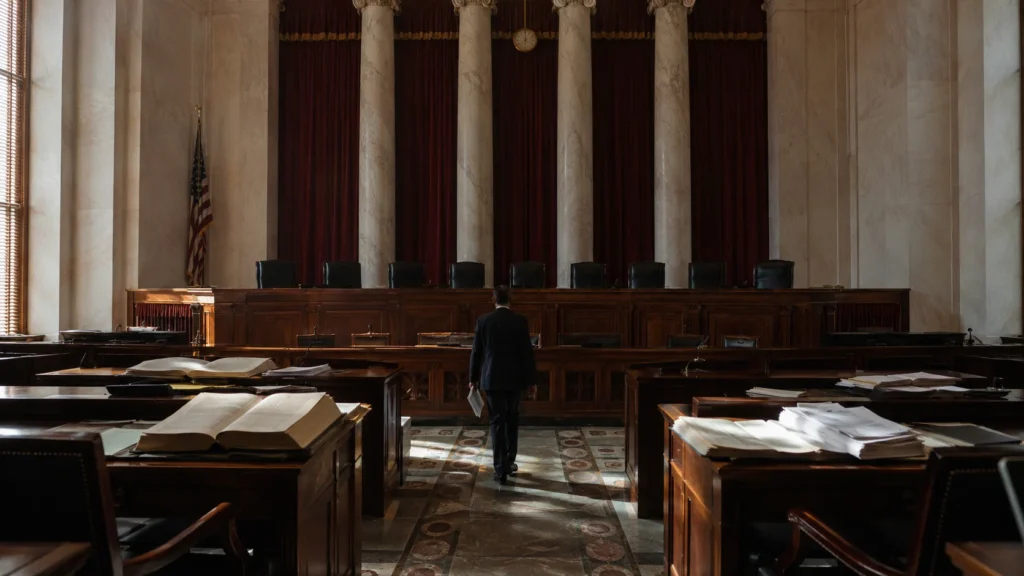
Security threats against the U.S. Supreme Court have pushed justices into a tighter protective environment, forcing changes in travel, public appearances, and institutional visibility. Justice Clarence Thomas raised concerns at a Florida judicial conference, highlighting how security constraints now affect even routine engagement outside the courthouse. The issue matters because it directly intersects with judicial independence, congressional funding authority, and the Court’s public legitimacy in 2026.
The Court Now Operates Behind a Security Boundary
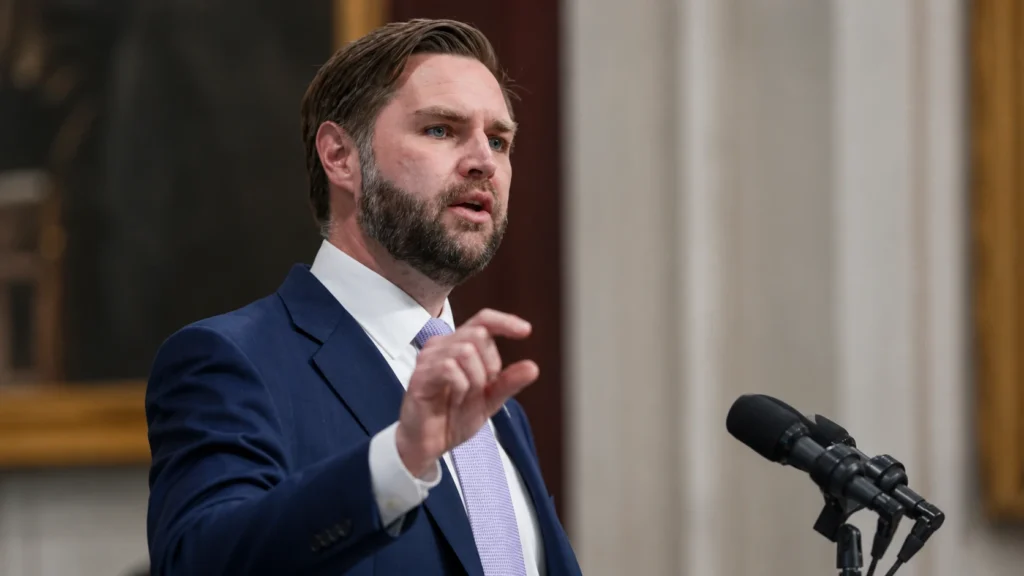
The Supreme Court no longer functions as a fully open institution in practice. Justices adjust schedules around threat assessments, security escorts, and restricted movement protocols. Justice Clarence Thomas described this shift during an 11th U.S. Circuit Court of Appeals conference, pointing to how judicial life now carries constraints that did not exist in the early 1990s.
The change reflects a broader structural reality. After the 2022 attempted attack on Justice Brett Kavanaugh, federal agencies increased protective measures for the judiciary. According to the U.S. Marshals Service Annual Judicial Security Report (2023), threats and “inappropriate contacts” targeting federal judges rose significantly compared to pre-pandemic levels.
As Supreme Court institutional independence under pressure showed in prior analysis, the Court’s authority has remained intact on paper, but its operational environment has narrowed.
Why Security Pressure Is Expanding Now
The immediate trigger sits in the rise of targeted harassment, online exposure of judges’ personal information, and politically charged legal disputes. But the deeper cause lies in institutional polarization.
According to the Federal Judiciary Center’s 2024 security briefing, threat management requests increased by double-digit percentages between 2021 and 2024, driven largely by high-profile constitutional cases involving abortion, executive authority, and election law.
Congress responded by expanding funding for judicial protection programs in the FY2025 appropriations cycle passed in March 2025. U.S. Congress FY2025 Judiciary Appropriations Summary
So the system now locks into a triangle:
- Judiciary requests protection
- Congress controls funding
- Public discourse fuels a threatening environment.
Three levers. None is fully in control.
How Security Changes Judicial Power Without Changing Law
The Supreme Court’s constitutional authority remains unchanged. But operational independence shifts in quieter ways.
Justices now:
- Limit public appearances
- Reduce academic and civic engagement.
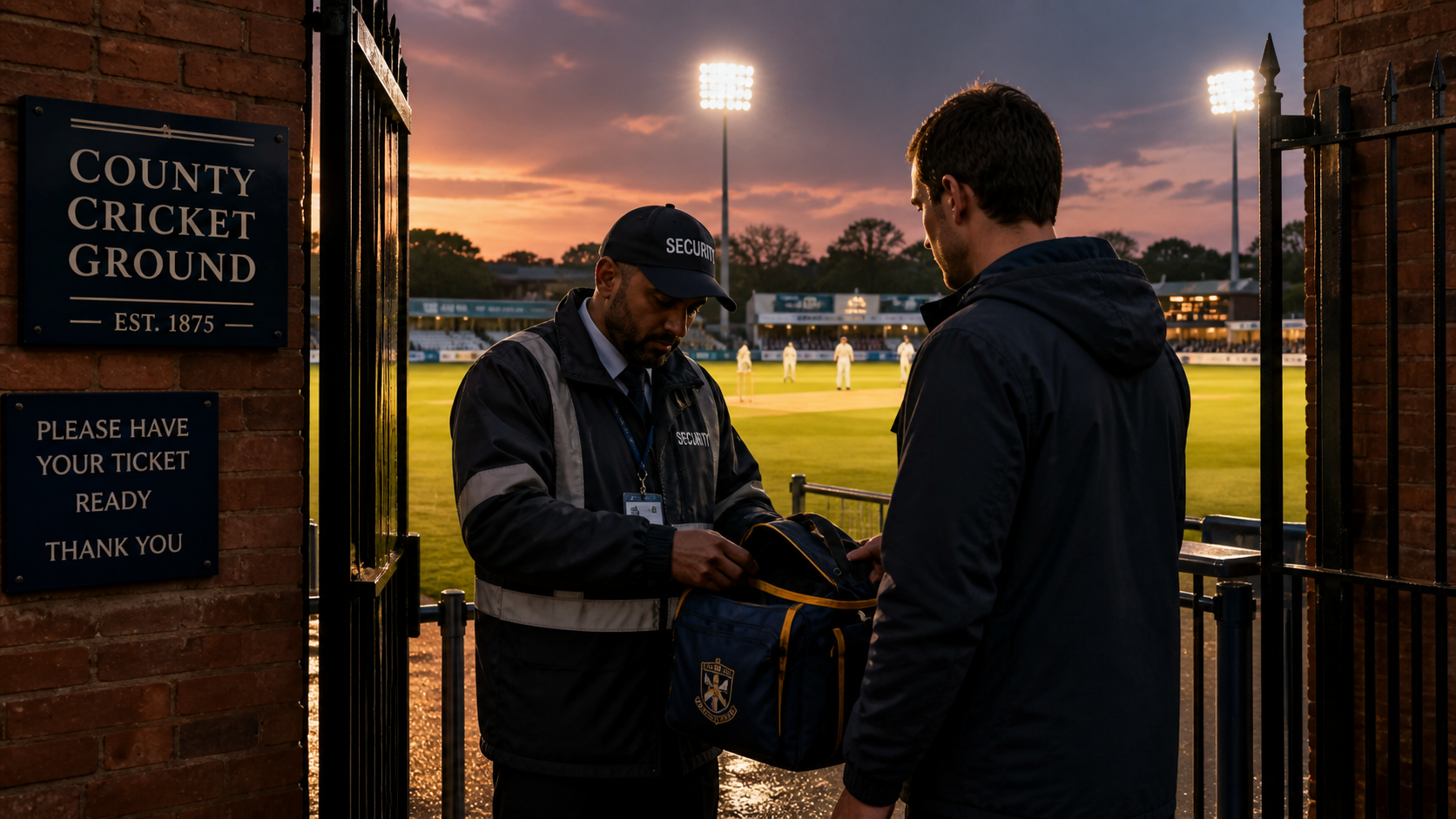
- Rely more heavily on secured transport and vetted venues.
This creates what security analysts at the Brookings Institution (2024 Judicial Security Review) call “visibility compression”—institutions remain powerful but less publicly present.
As federal judiciary and executive branch tensions noted earlier, influence does not always shift through rulings. Sometimes it shifts through access.
Fragment.
Less presence. More protection.
The Political Fault Line: Security vs Openness
The central tension runs between civil liberties and national security. Each adjustment strengthens one side while weakening the other.
Supporters of expanded protection argue that without enhanced security, judicial functioning risks disruption. Critics warn that excessive isolation distances the Court from public accountability.
Justice Thomas’ remarks reflect this contradiction: a court that must remain accessible in principle but increasingly restricted in practice.
According to the Reuters investigative report on federal judicial threats (2024), more than 100 credible threat investigations involving federal judges were opened in a single year. Reuters report on U.S. judicial threats
That figure anchors the debate in measurable risk rather than perception.
What This Means for Institutional Balance
Security agencies now play a larger role in shaping judicial logistics than at any point in recent history. Congressional committees, meanwhile, indirectly influence the Court’s mobility through appropriations decisions.
This creates an unusual dynamic:
- Courts retain legal authority.
- Congress shapes operational conditions.
- Security agencies determine movement boundaries.
The Constitution did not assign these roles explicitly. Practice did.
What Happens Next
Over the next 6–12 months, Congress will likely revisit judicial security funding in the FY2026 budget cycle. Hearings in the House Judiciary Committee already signal bipartisan acknowledgment of threat escalation, though disagreement persists over oversight mechanisms.
At the same time, the Supreme Court will continue reducing informal public exposure. Academic speaking events, once routine, now require layered security planning and risk clearance.
Expect gradual tightening, not dramatic change.
Quiet shifts. Structural ones.
FAQ
Why are Supreme Court justices facing increased security concerns?
Threat levels against federal judges have risen due to politically charged cases and increased online exposure, prompting stronger protective measures.
Did the 2022 Kavanaugh incident change judicial security policy?
Yes. The attempted attack on Justice Brett Kavanaugh led to expanded Marshals Service protection protocols and increased congressional funding discussions.
Does security affect how the Supreme Court makes decisions?
No direct evidence suggests influence on rulings, but security affects public engagement and institutional visibility.
Who funds Supreme Court security?
Congress funds judicial protection programs through the federal appropriations process, primarily managed by the U.S. Marshals Service.
Are all federal judges facing the same level of security risk?
No. Risk levels vary depending on case involvement, public exposure, and geographic factors.
Author Bio
Written by an editorial analyst specializing in U.S. judicial institutions and federal governance systems, with over 8 years of experience covering Supreme Court operations and legislative oversight.