

 English













































































































































































































































































































Two US Ships Transit Hormuz as Markets Test Safety Claims
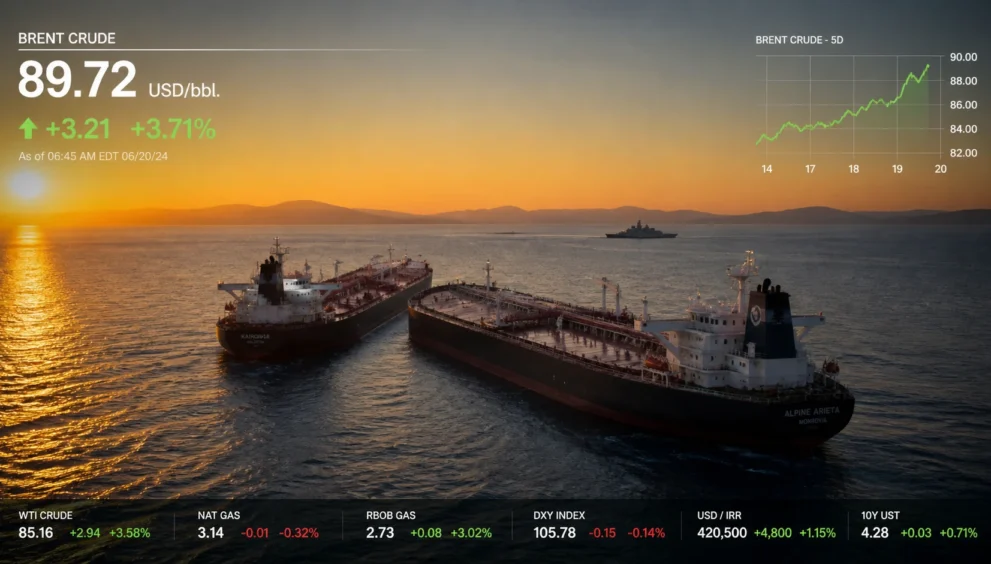
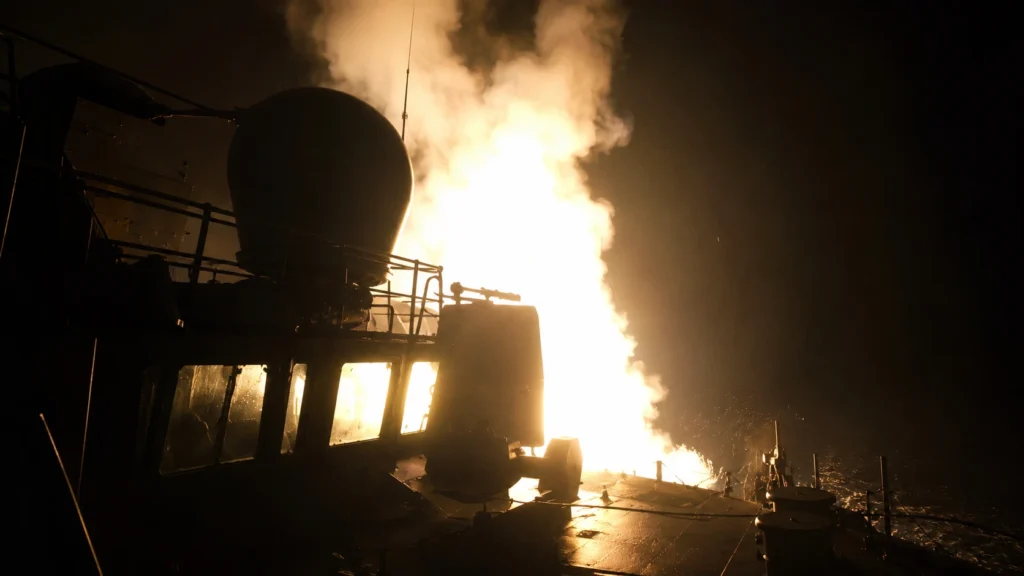
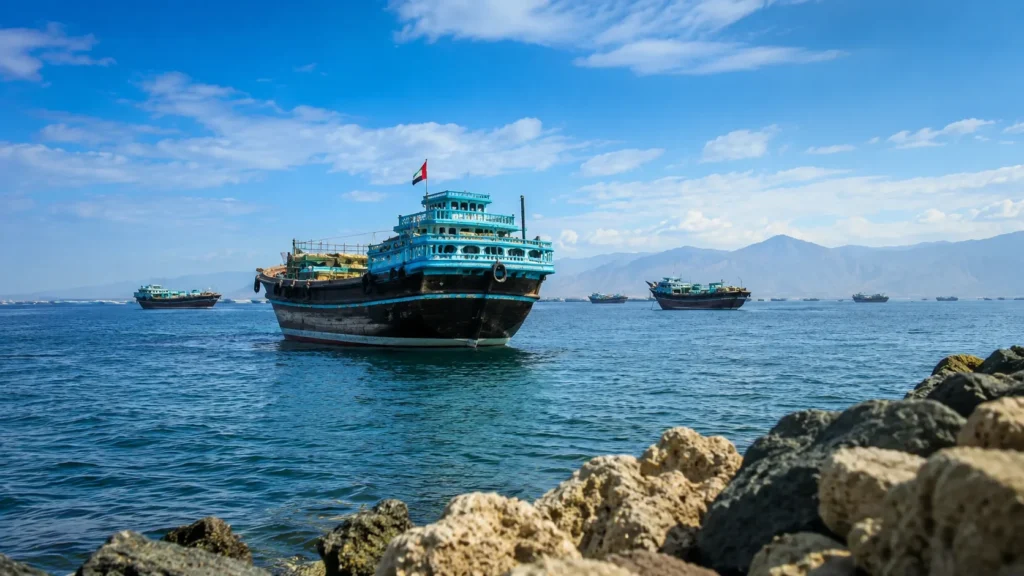
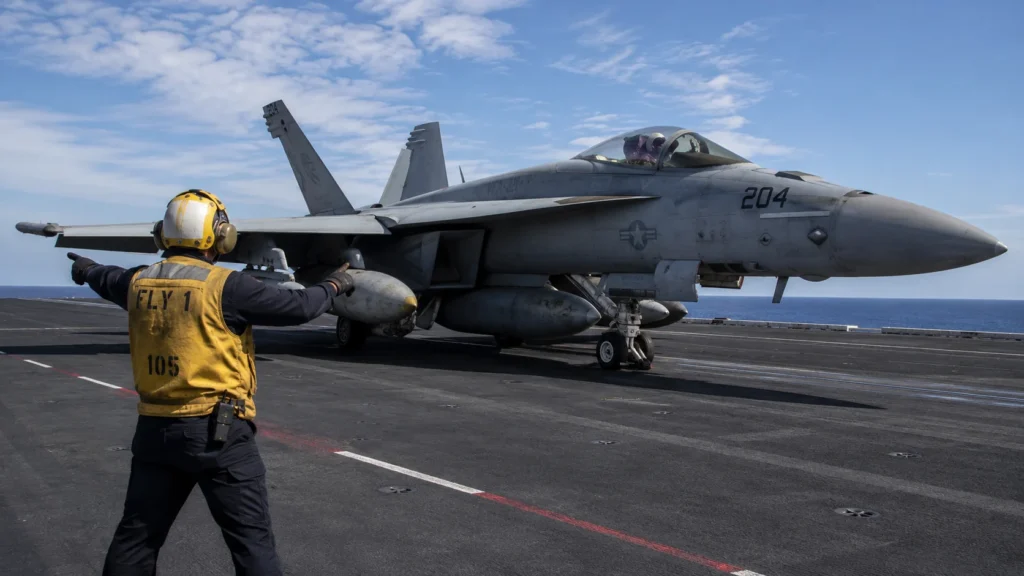
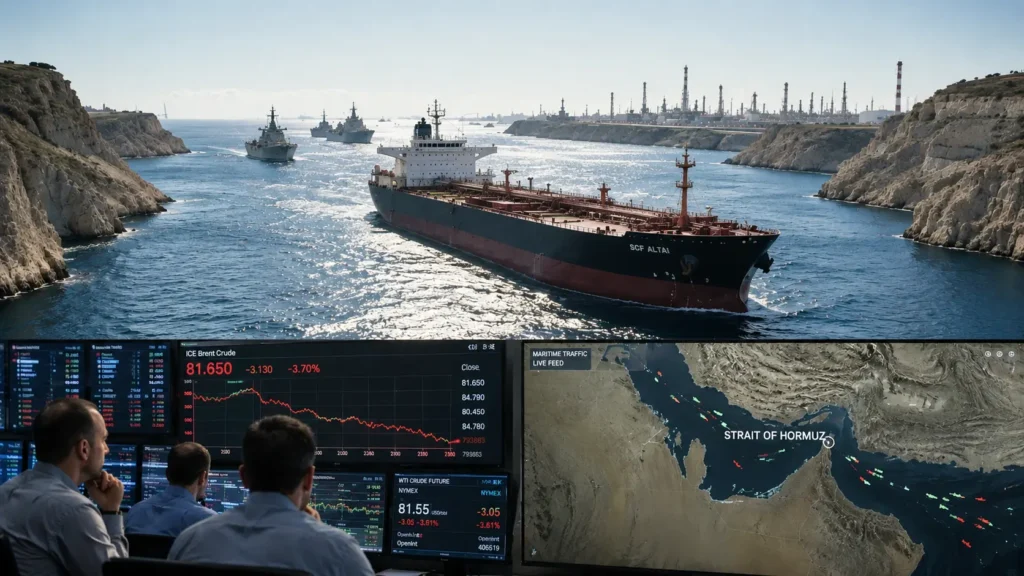
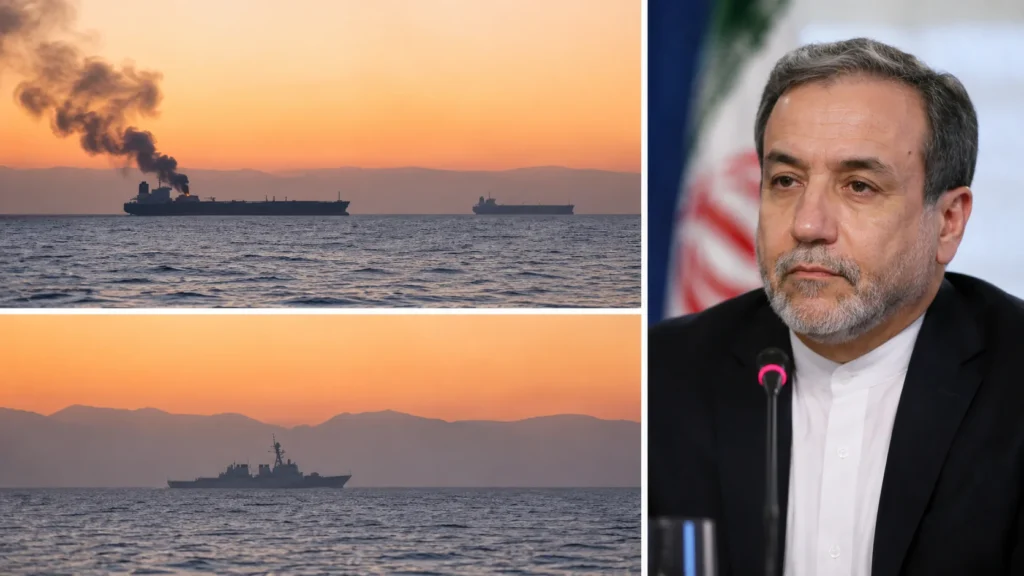
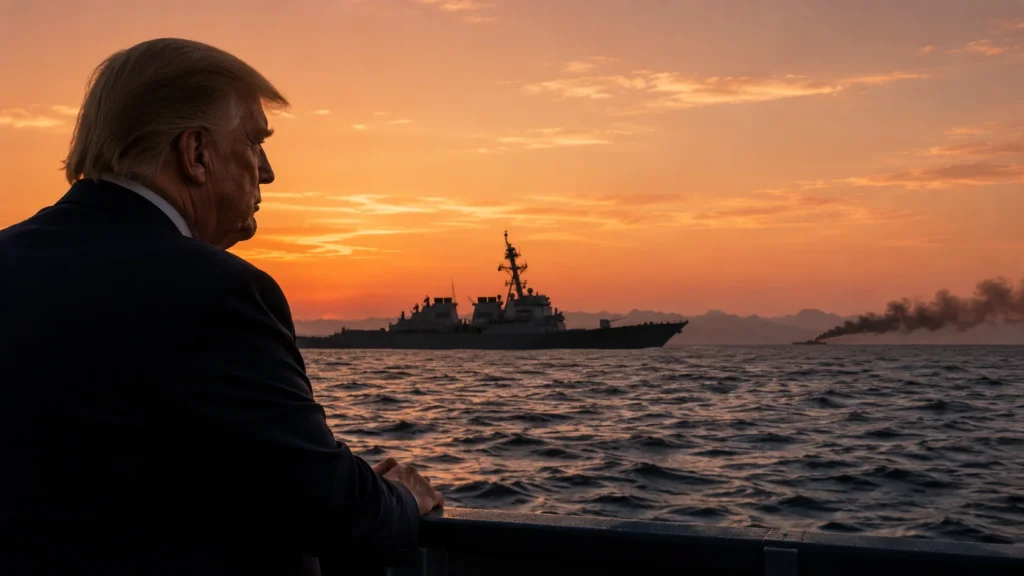
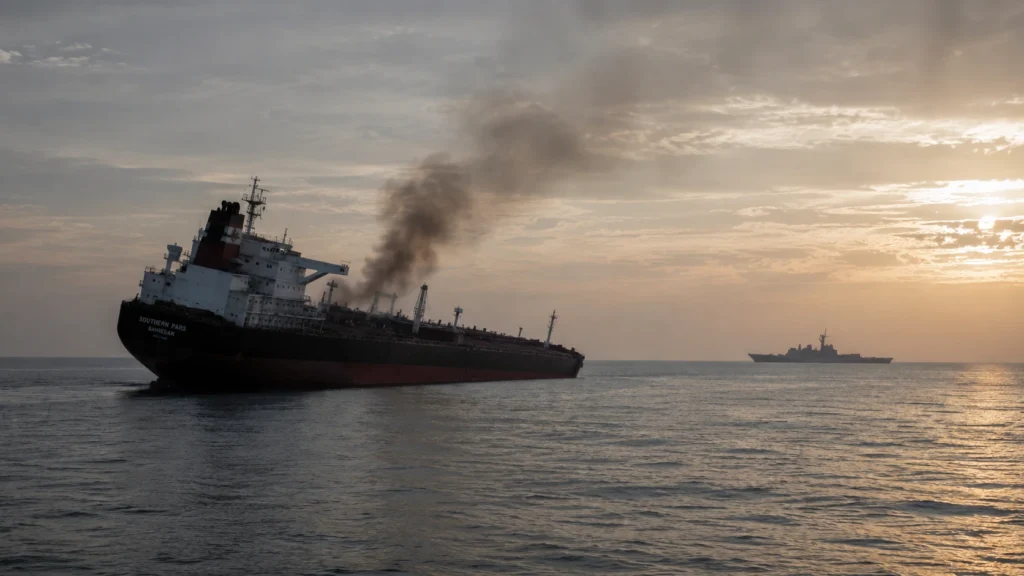
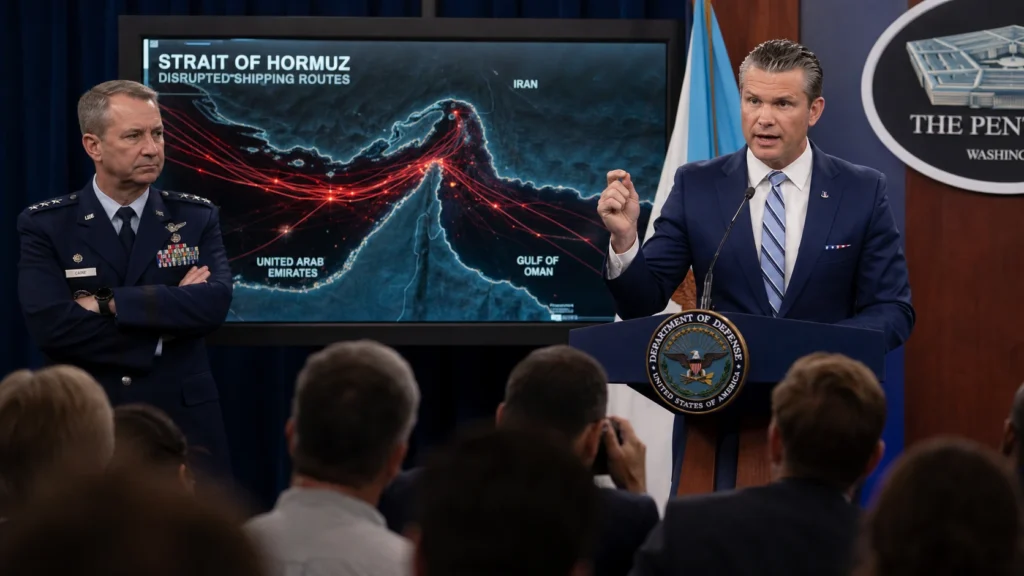
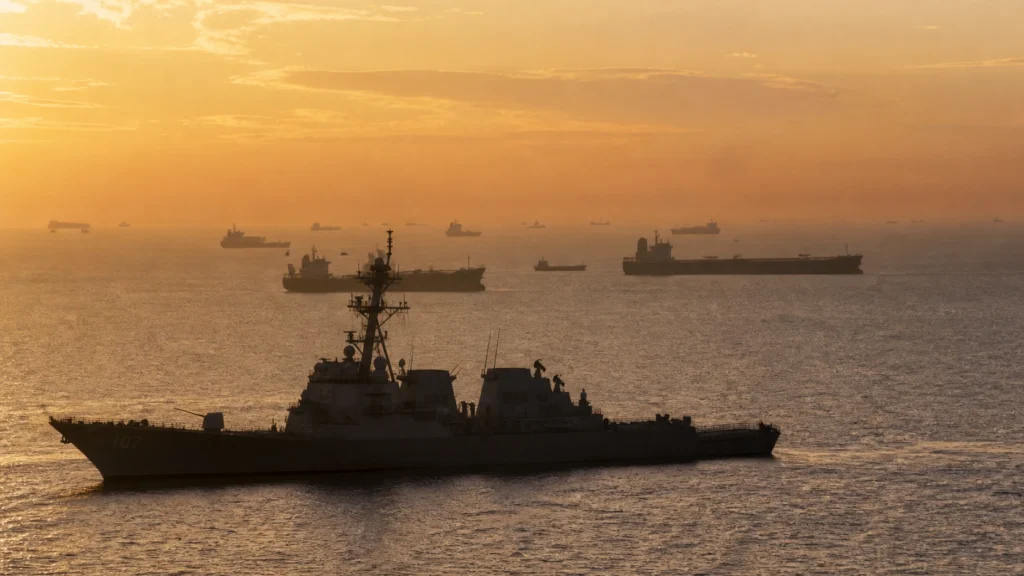
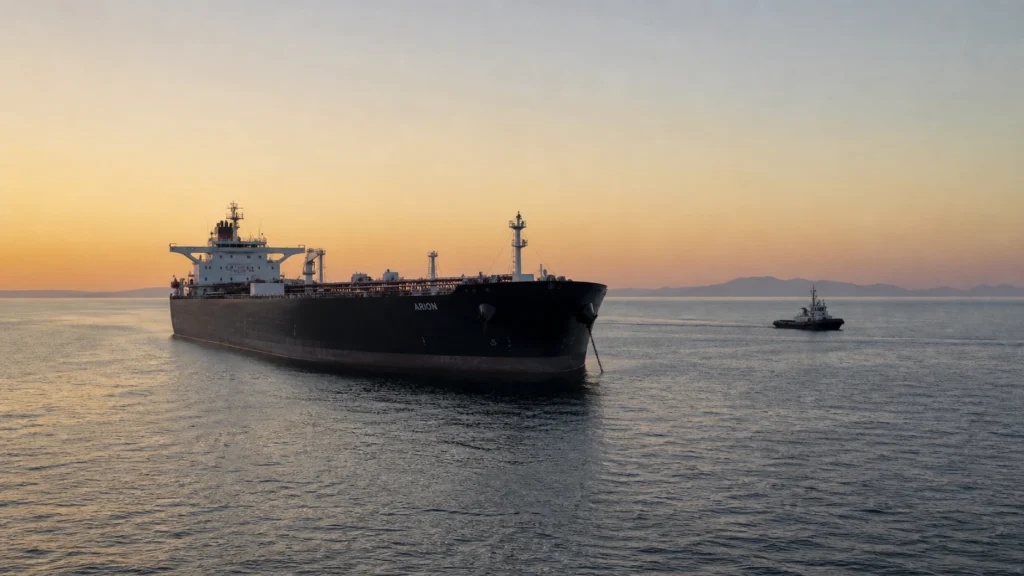
Two US ships transit Hormuz successfully under American military coordination, the Pentagon confirmed Monday, marking the first commercial passages through the strategic waterway since the guidance mission began. Iran claimed one vessel was hit by missiles, a claim the US denied, while maritime tracking data showed the strait remained nearly empty of traffic despite the successful passage.
What Two US Ships Transit Hormuz Proves
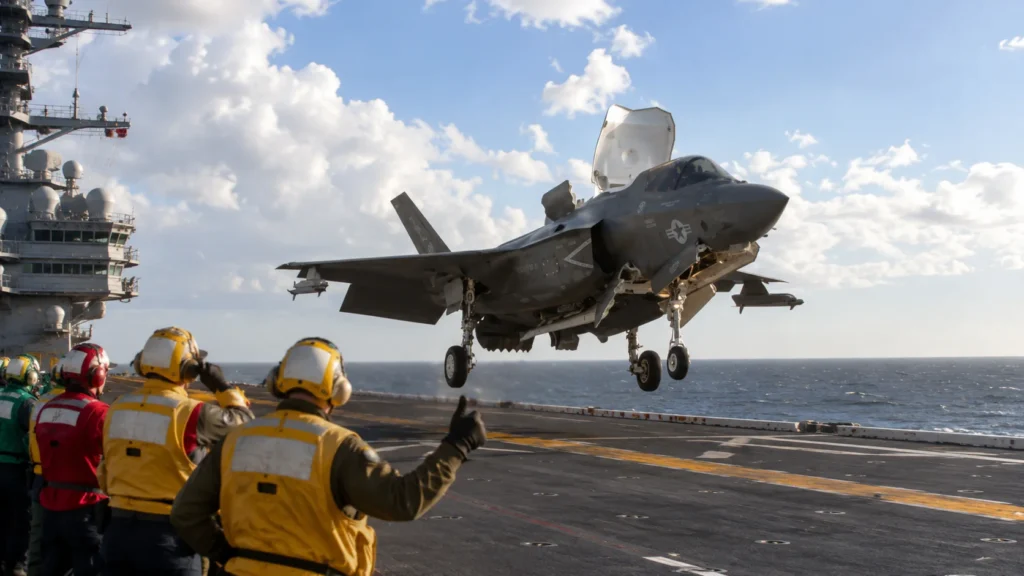
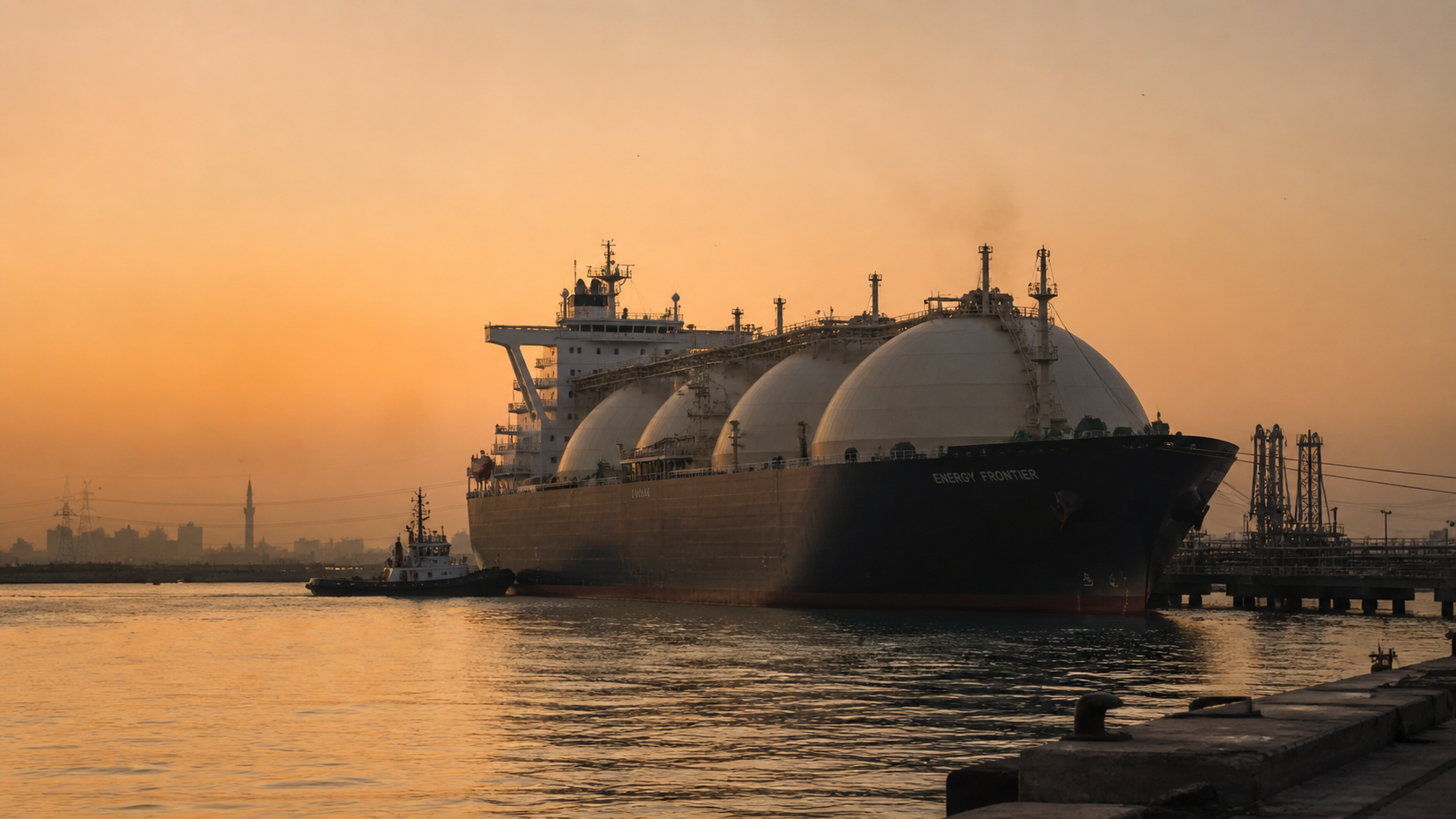
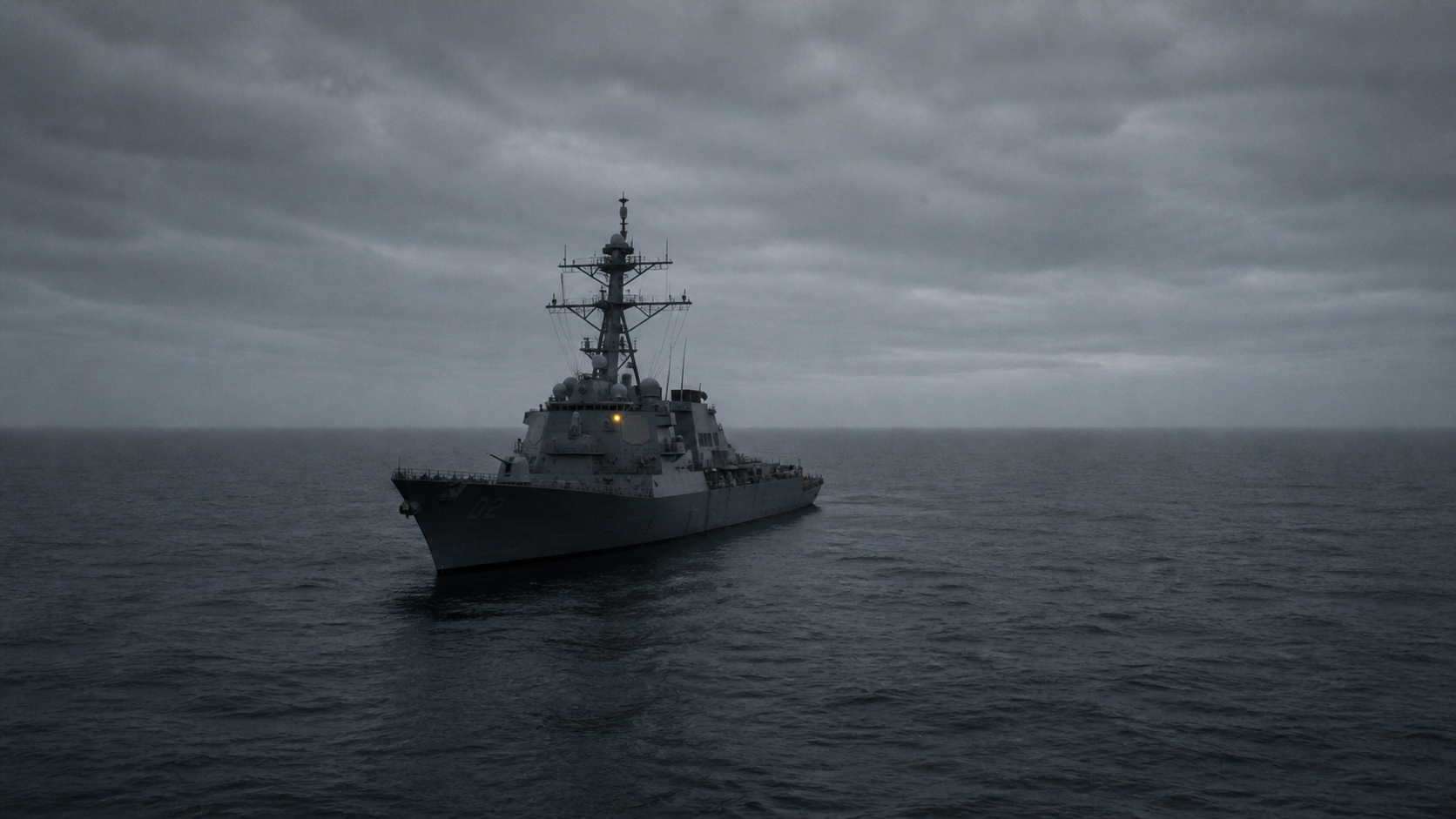
The Pentagon confirmed that two US ships transited Hormuz without damage or casualties, achieving the first operational result for the American guidance mission. The successful passage demonstrated that individual commercial vessels can navigate the contested waterway under military coordination.
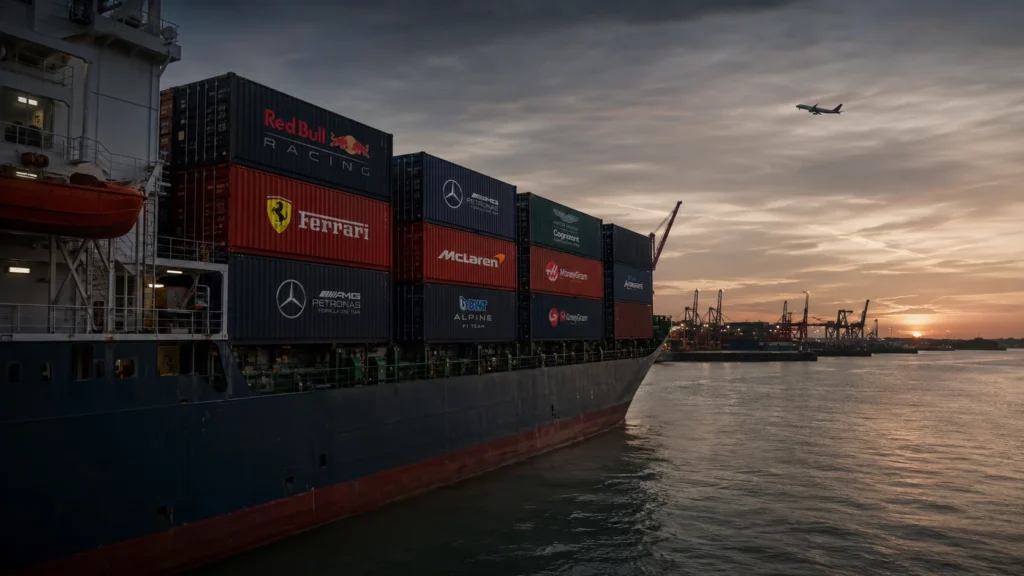
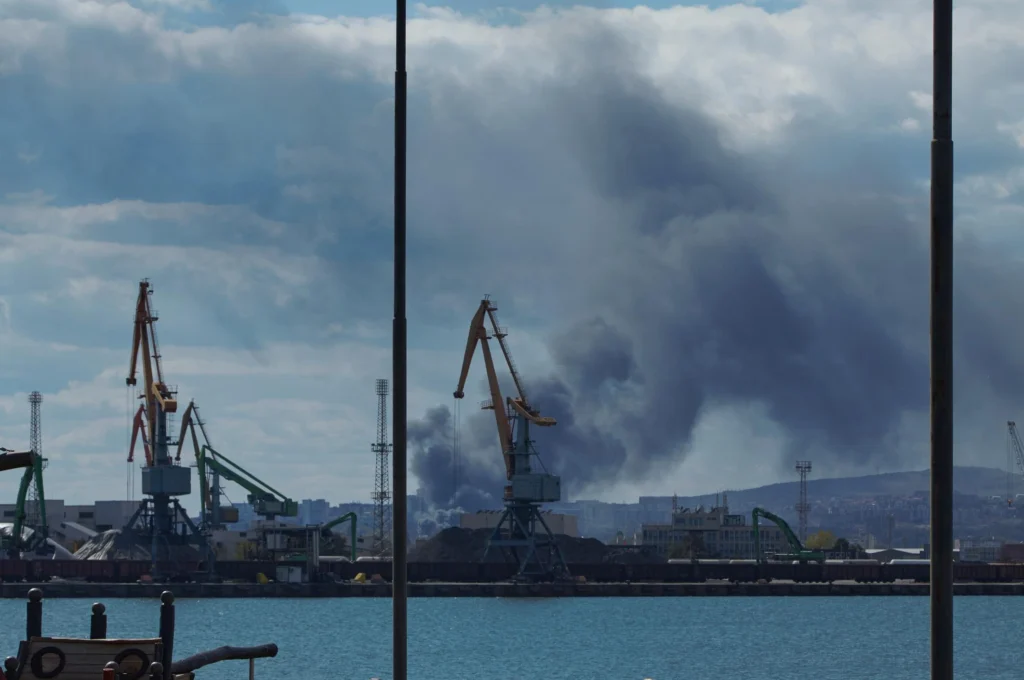
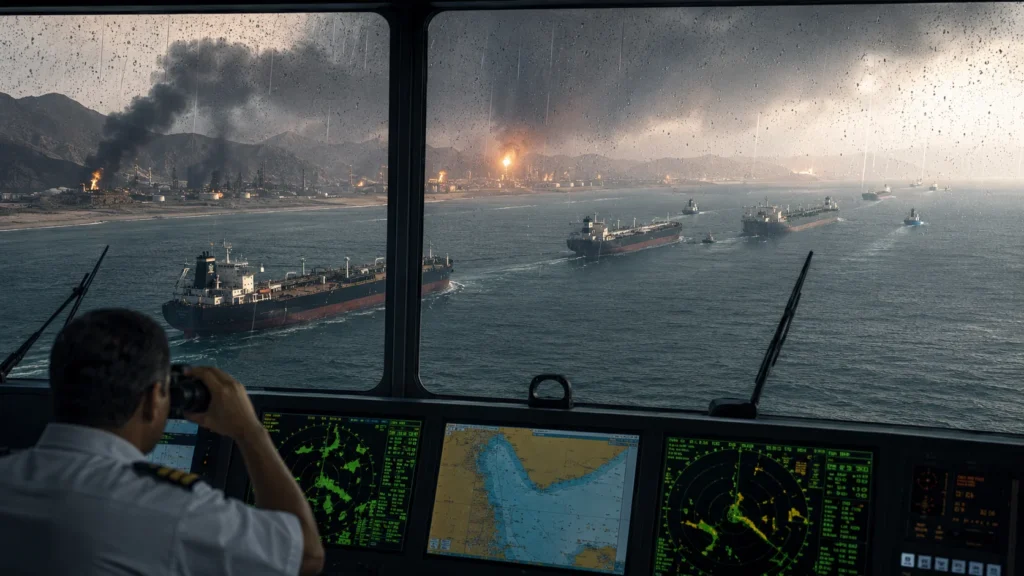
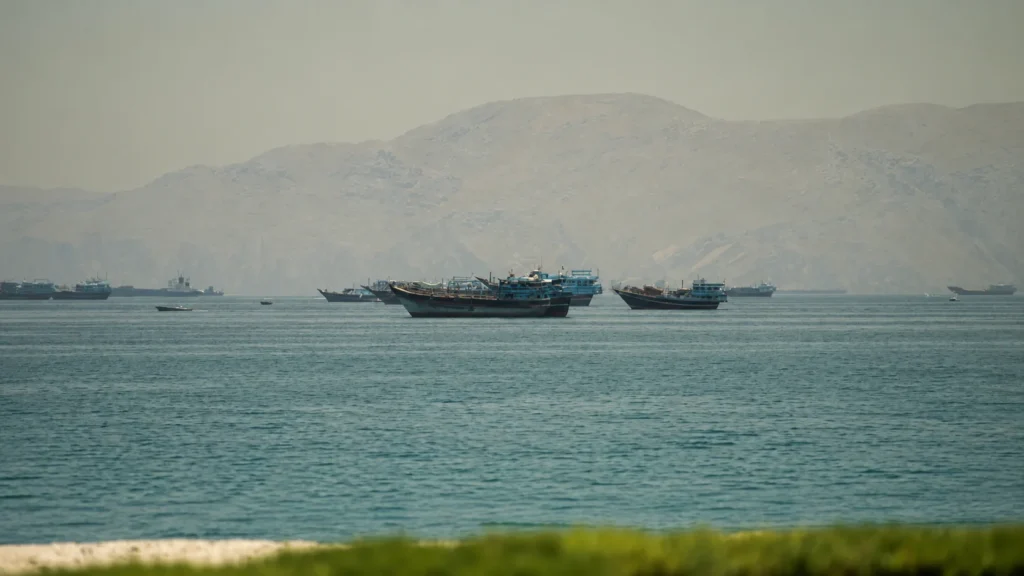
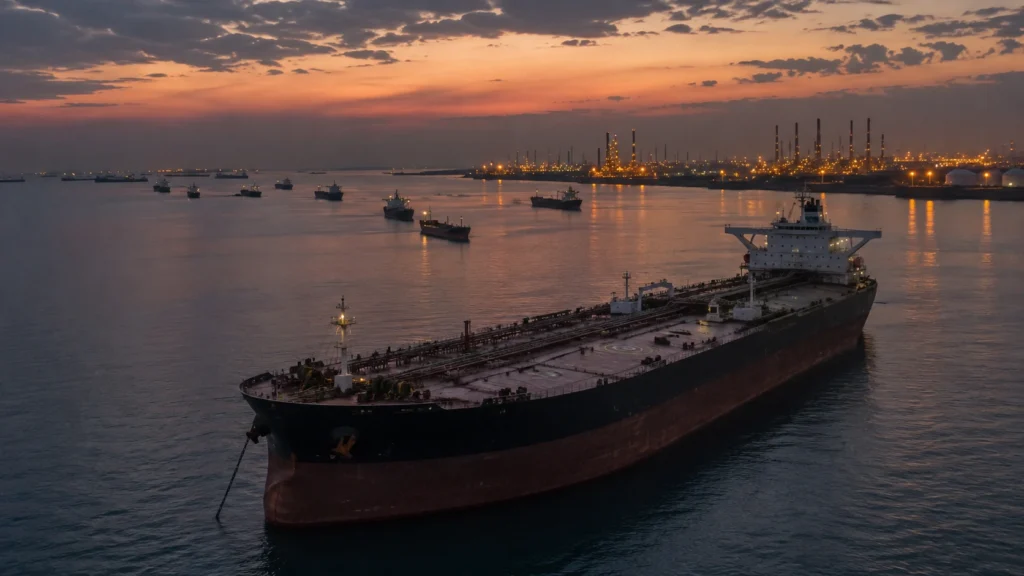
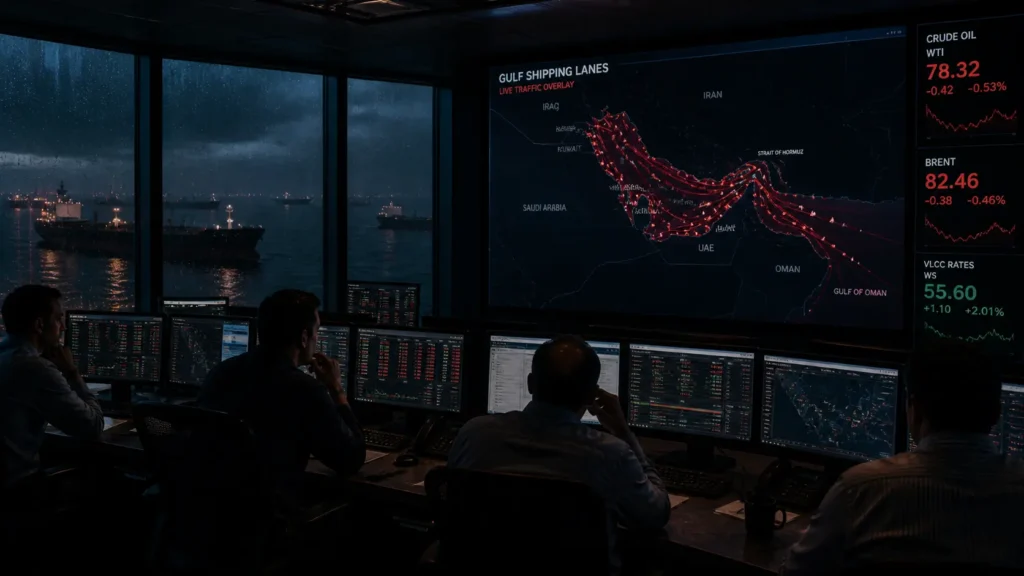
But the transit of two US ships through Hormuz did not restore the strait as a functioning commercial artery. Maritime tracking services showed the waterway remained largely empty of additional traffic following the passage. The Pentagon confirmed two ships crossed successfully. Dozens more waited at anchor outside the Gulf.
The distinction between operational capability and commercial predictability matters. A successful transit proves the route is navigable. A functioning waterway requires sufficient confidence for shipping companies to resume normal operations at scale. The two US ships’ transit through Hormuz demonstrated the first. They had not yet established the second.
Diplomatic and Military Tracks After Two US Ships Transit Hormuz
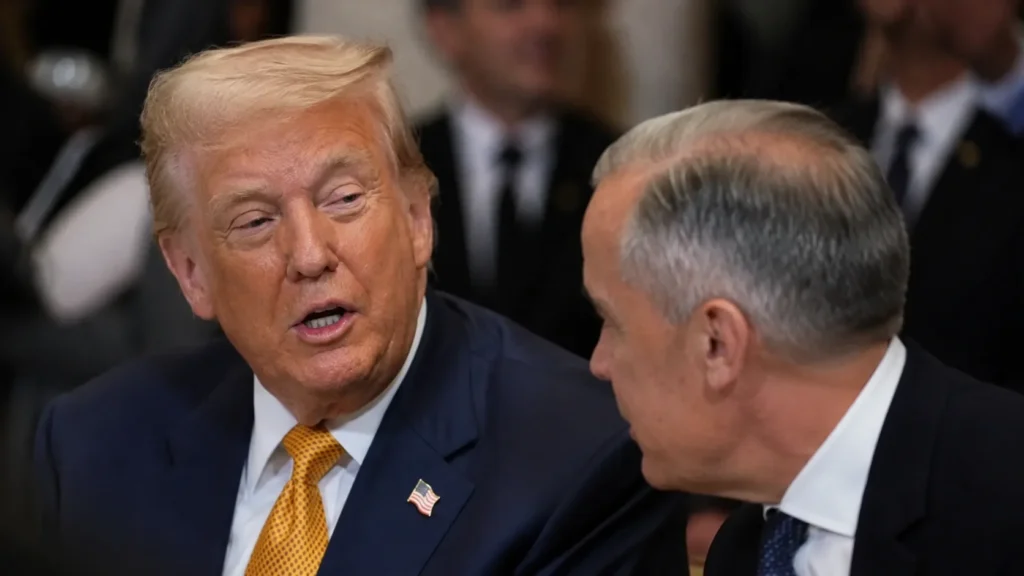
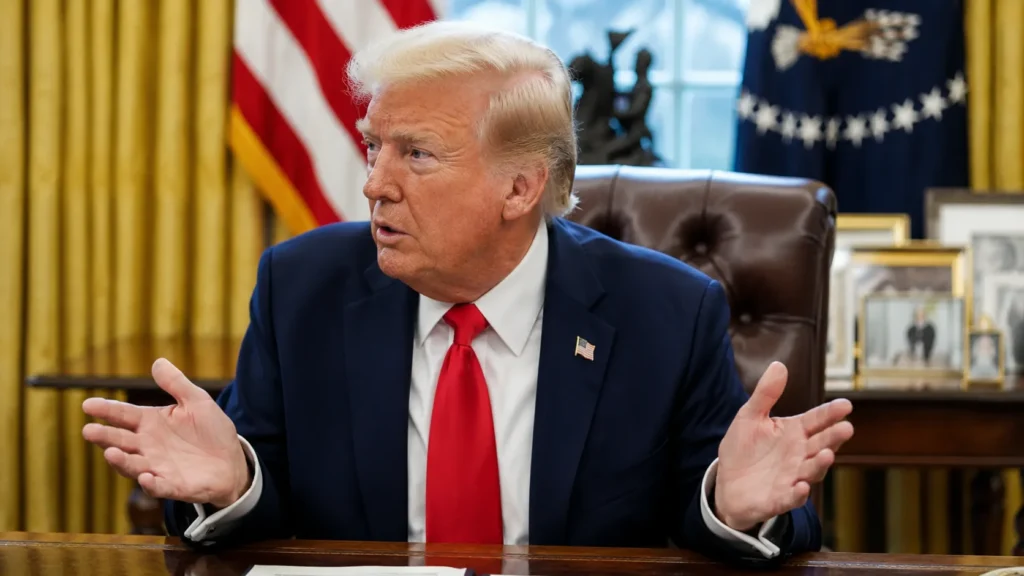
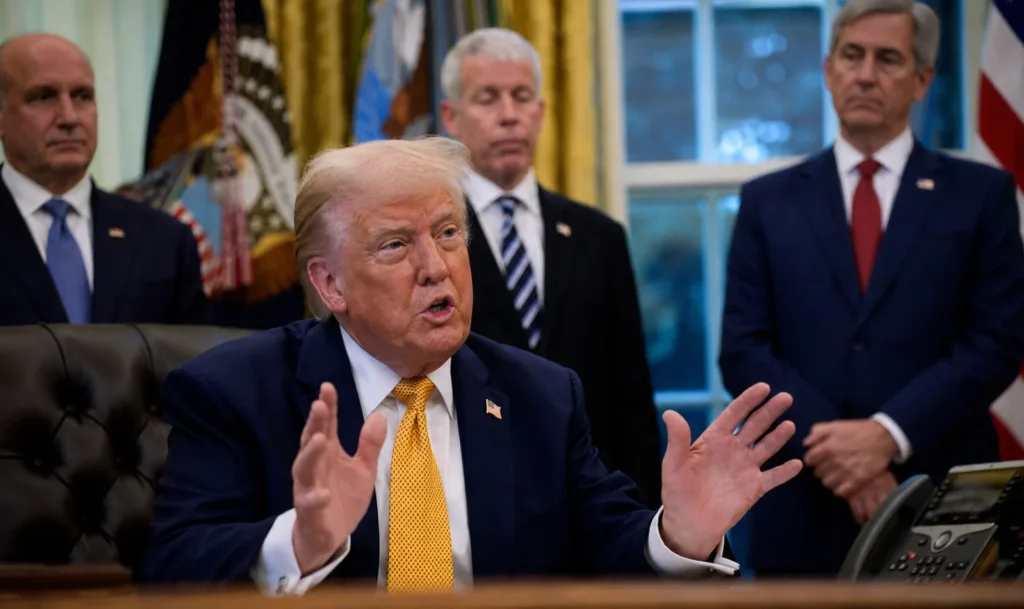
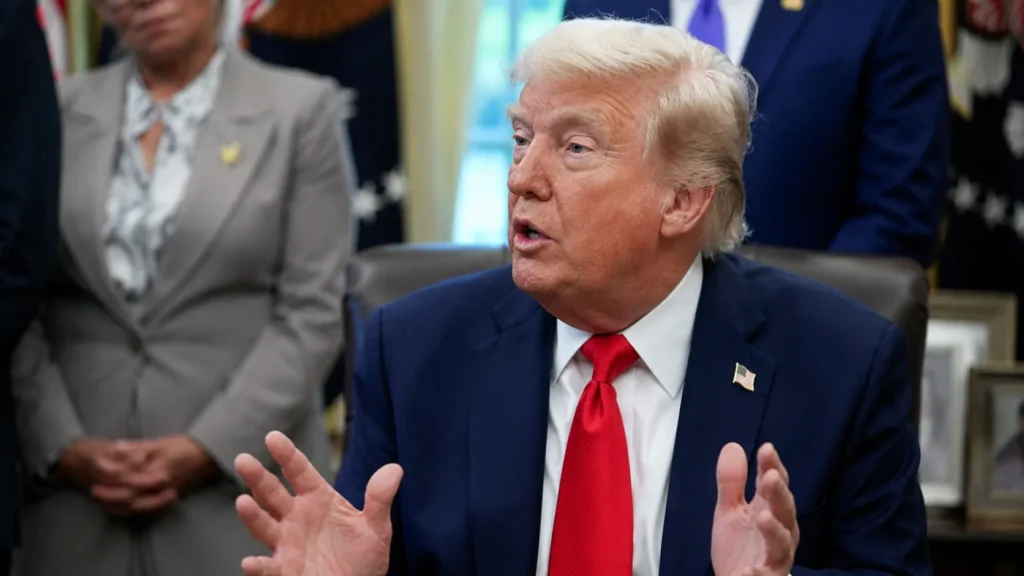
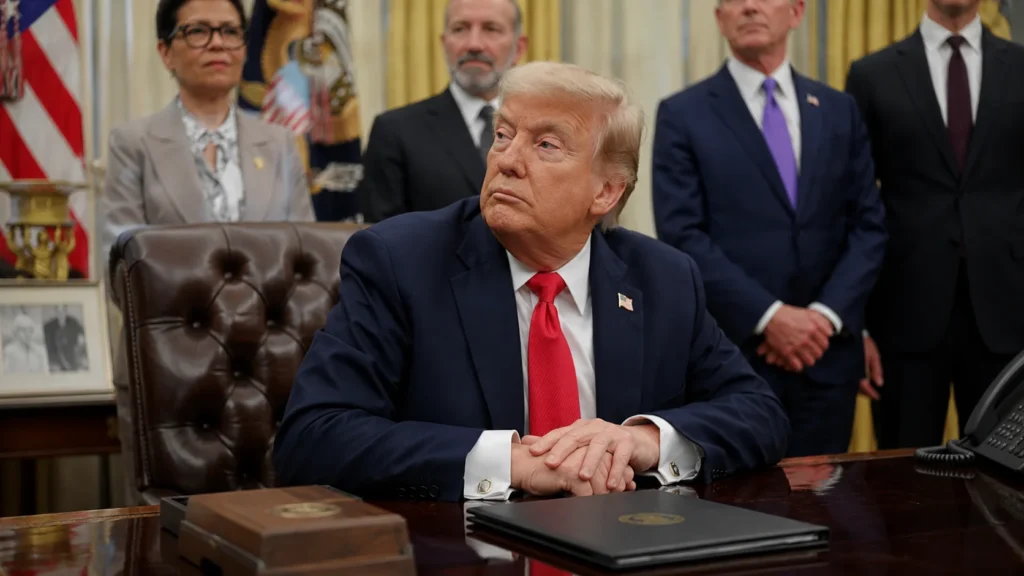
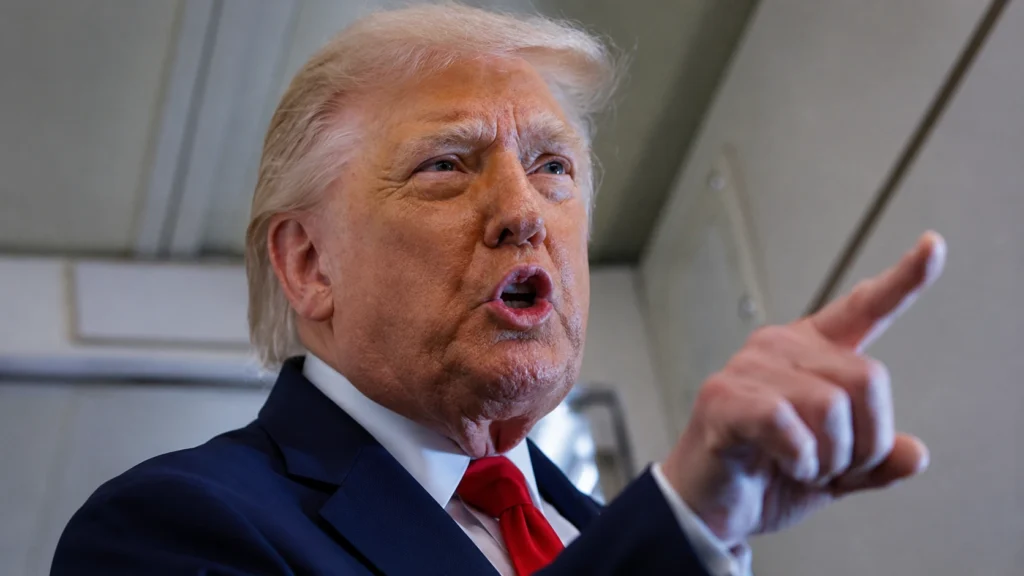
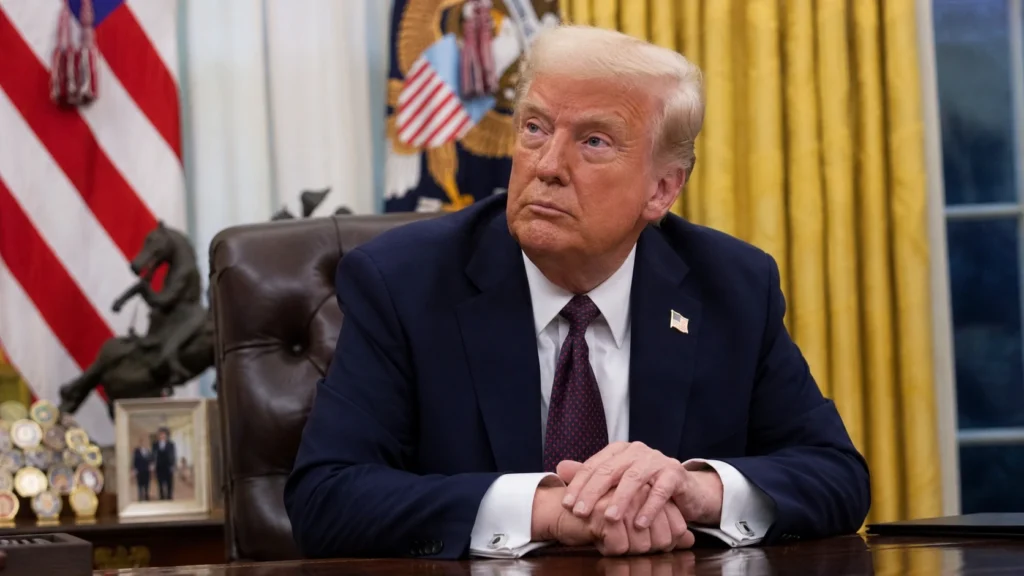
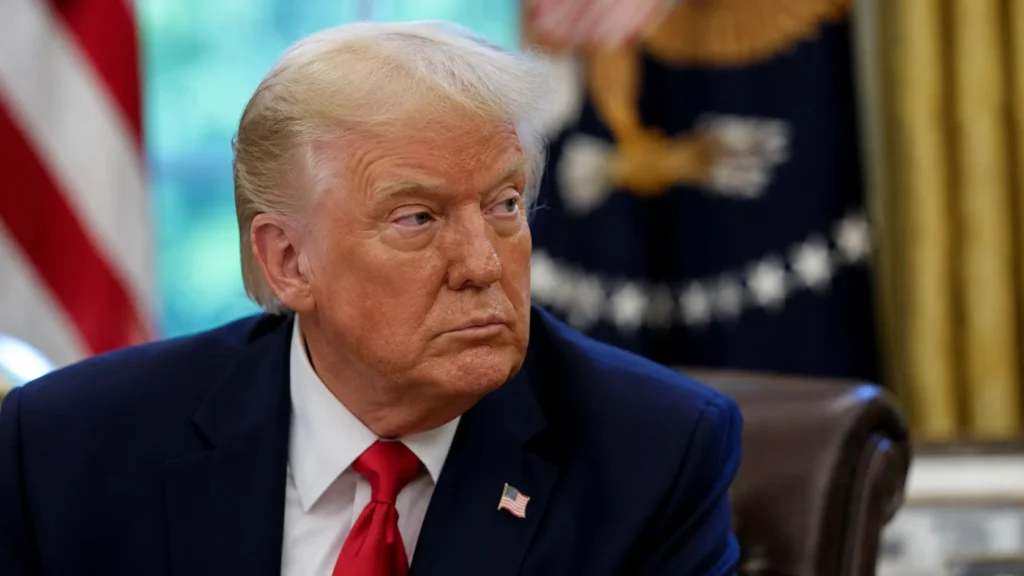
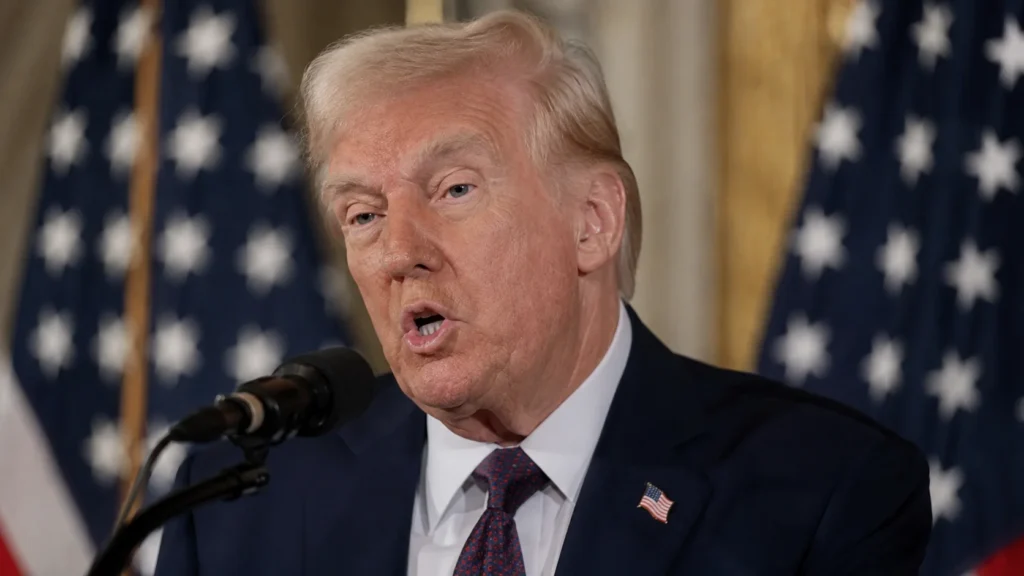
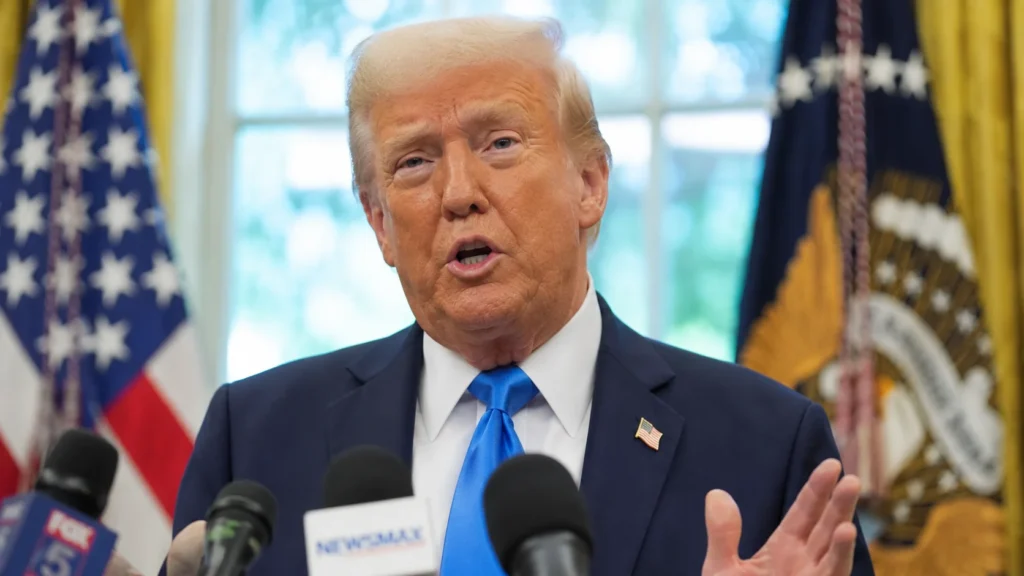
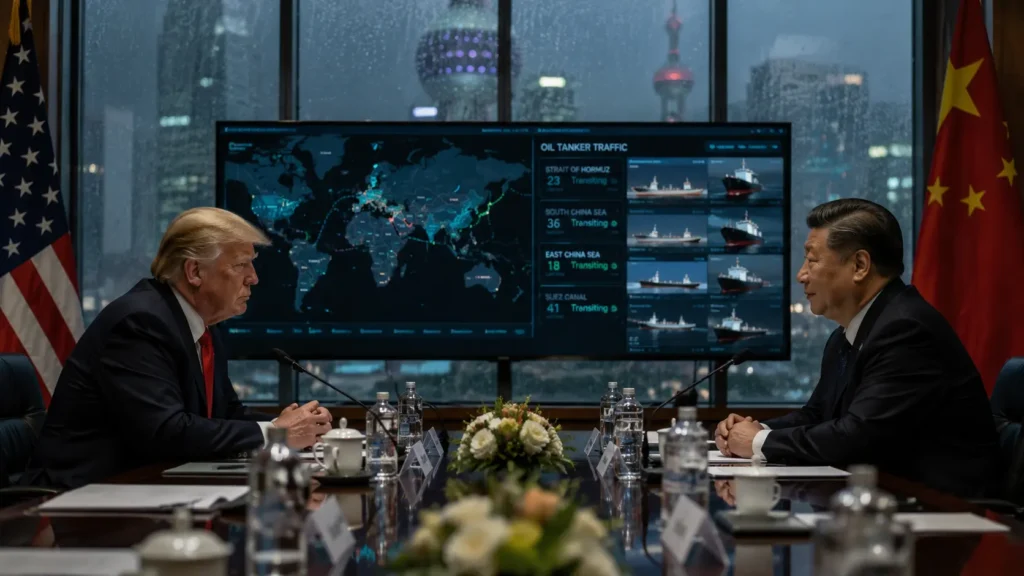
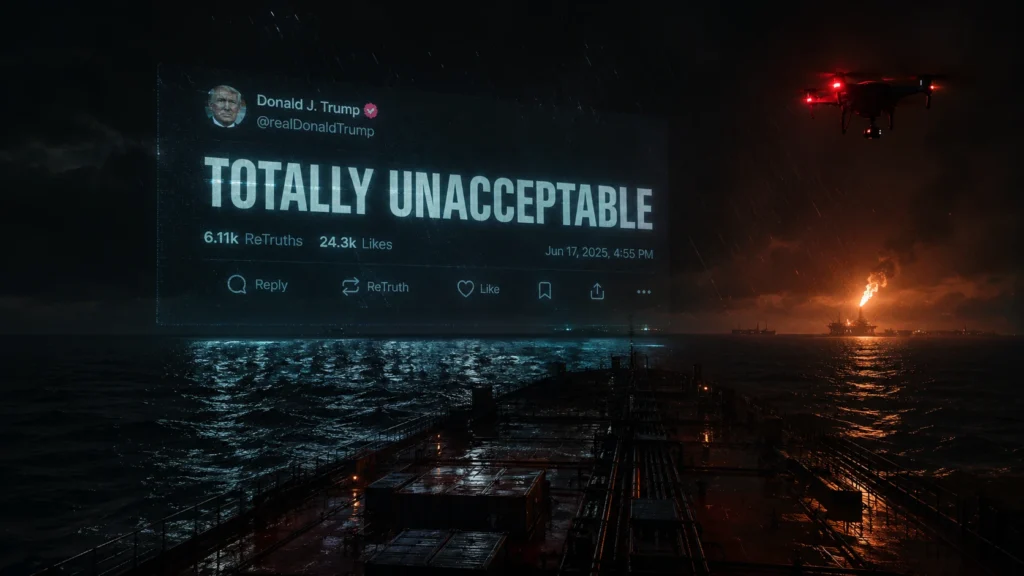
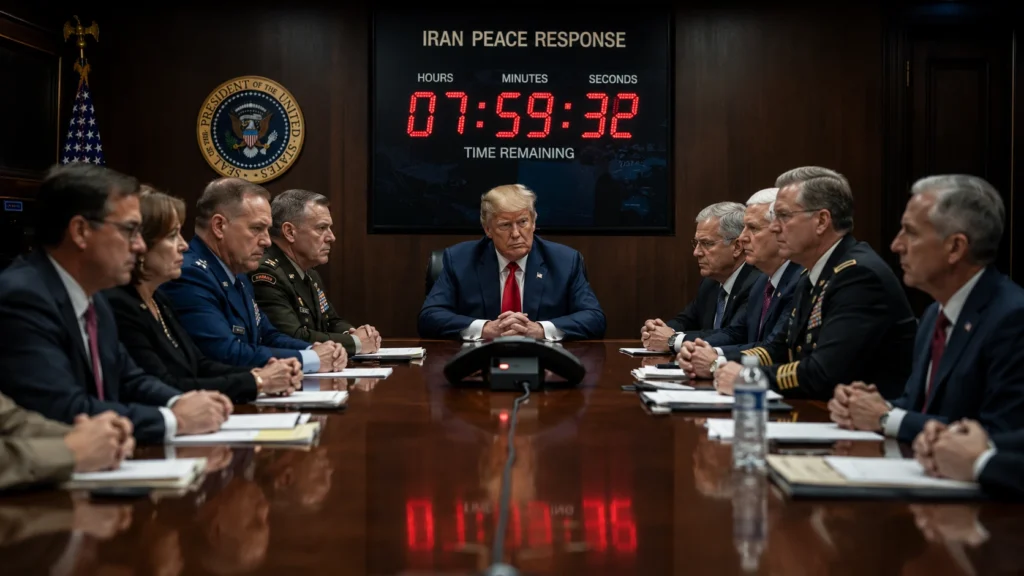
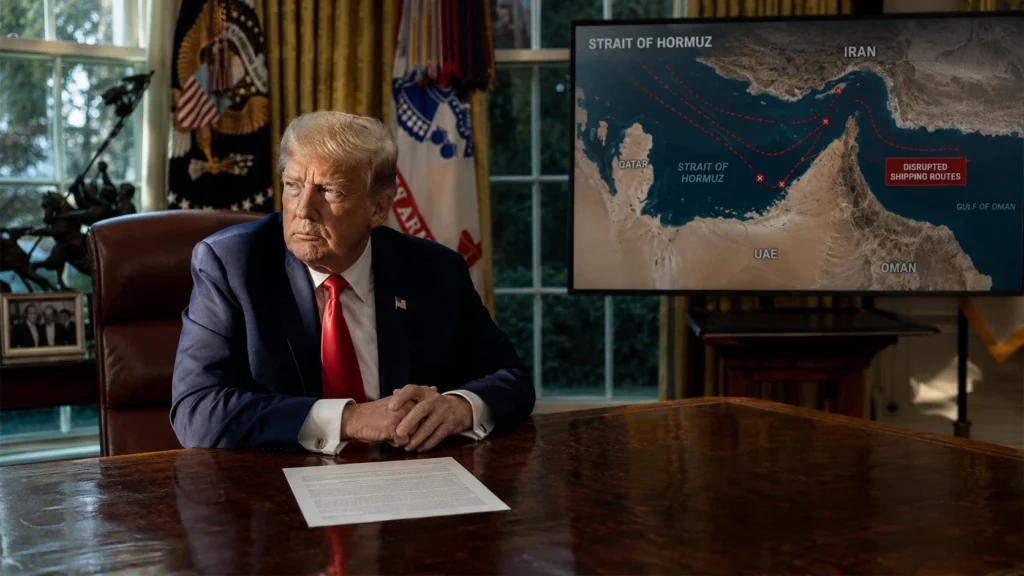
The successful passage of two US ships through Hormuz occurred alongside continuing diplomatic engagement. President Donald Trump said his representatives “are having very positive discussions” with Iran. The Iranian Foreign Ministry confirmed it was reviewing the US reply to its latest peace proposal.
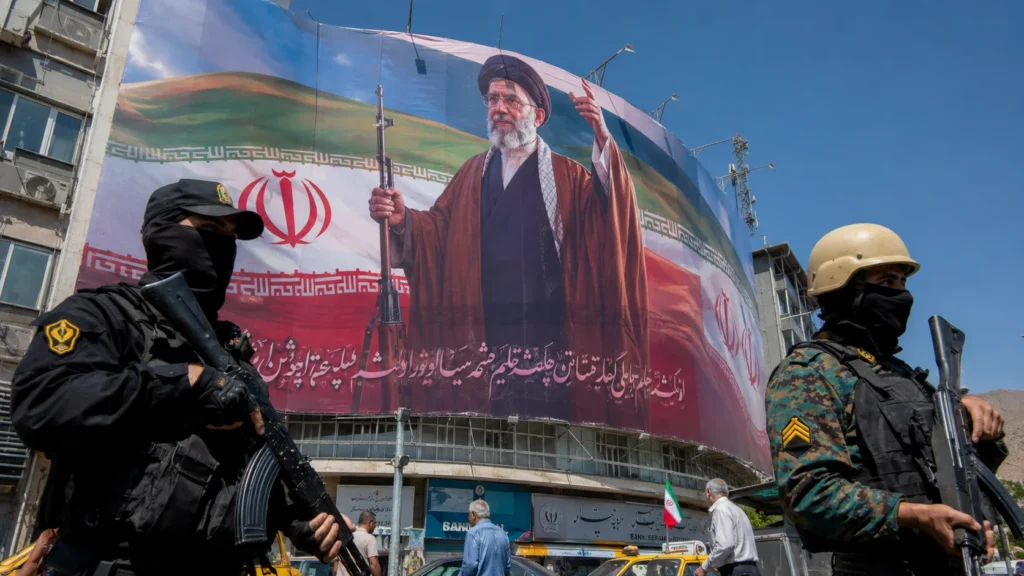
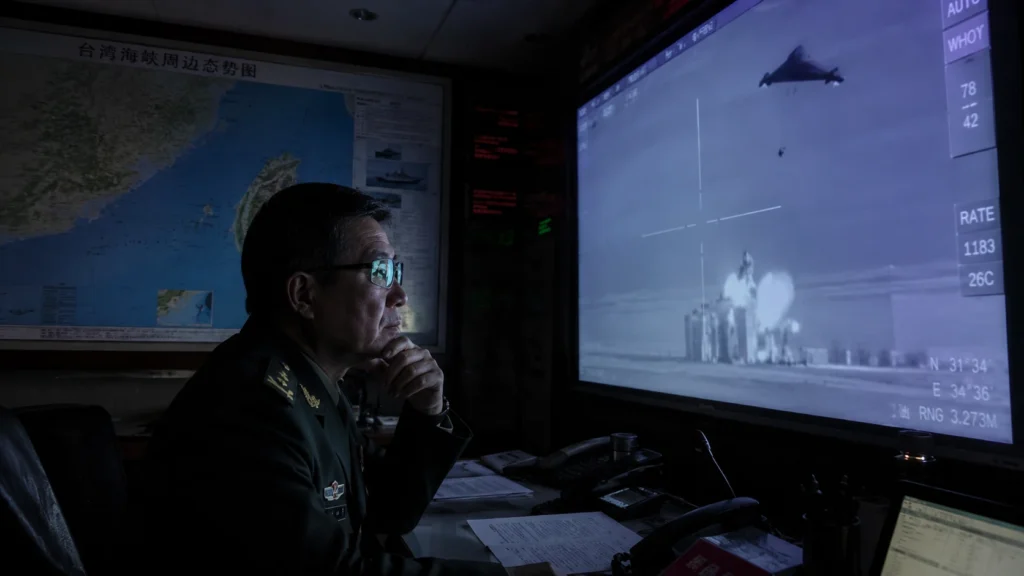
The simultaneous military and diplomatic activity reflects a strategic pattern. Washington demonstrates that the strait can function under American coordination while negotiating terms. Tehran contests the narrative—claiming a missile strike even as the ships passed safely—while reviewing proposals through intermediaries.
Neither side concedes the underlying legal argument about sovereignty over the waterway. Both create operational facts that shape the negotiating environment. The two US ships that transit Hormuz serve simultaneously as a proof of concept for Washington and a propaganda target for Tehran.
Market Response as Two US Ships Transit Hormuz
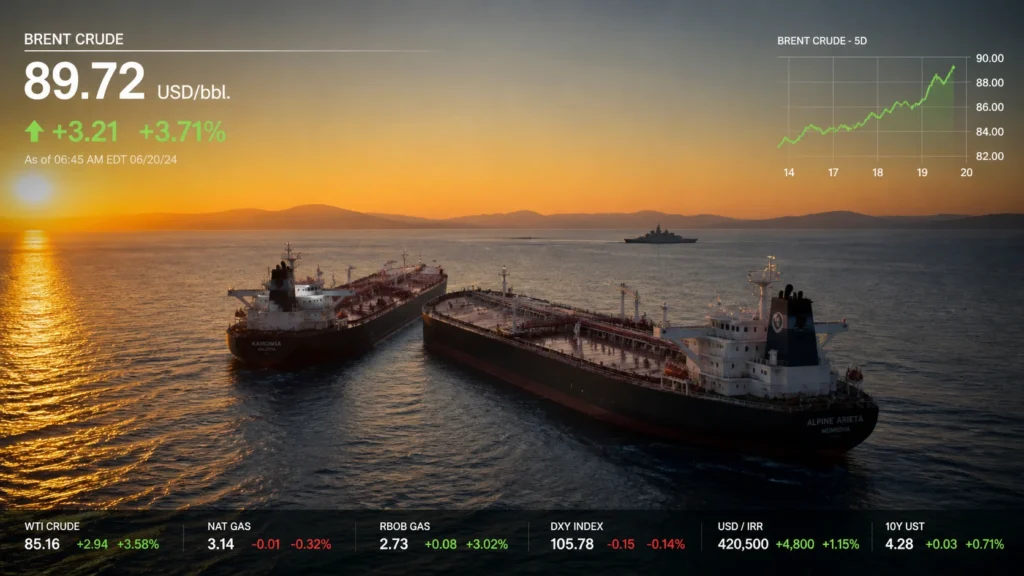
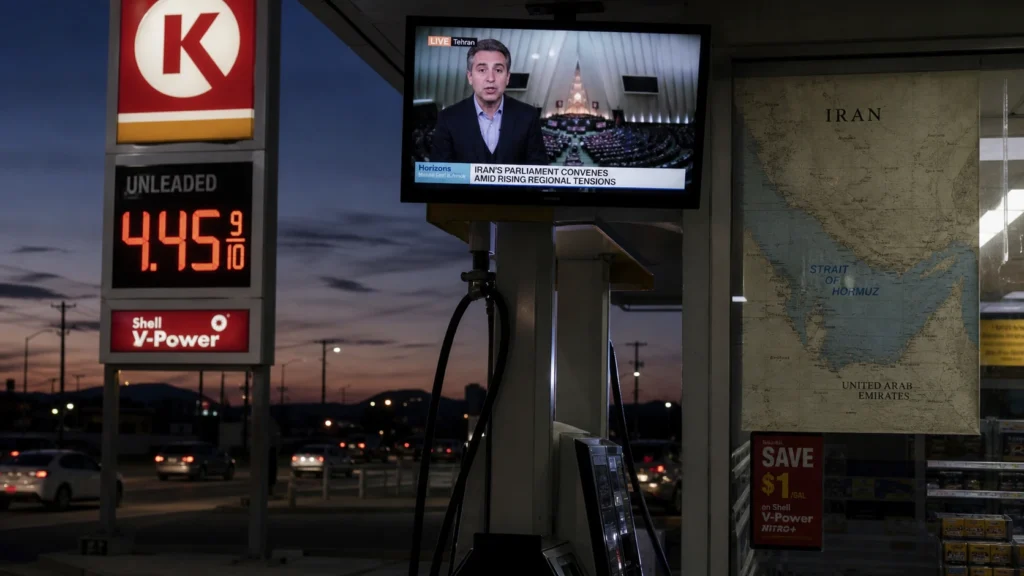
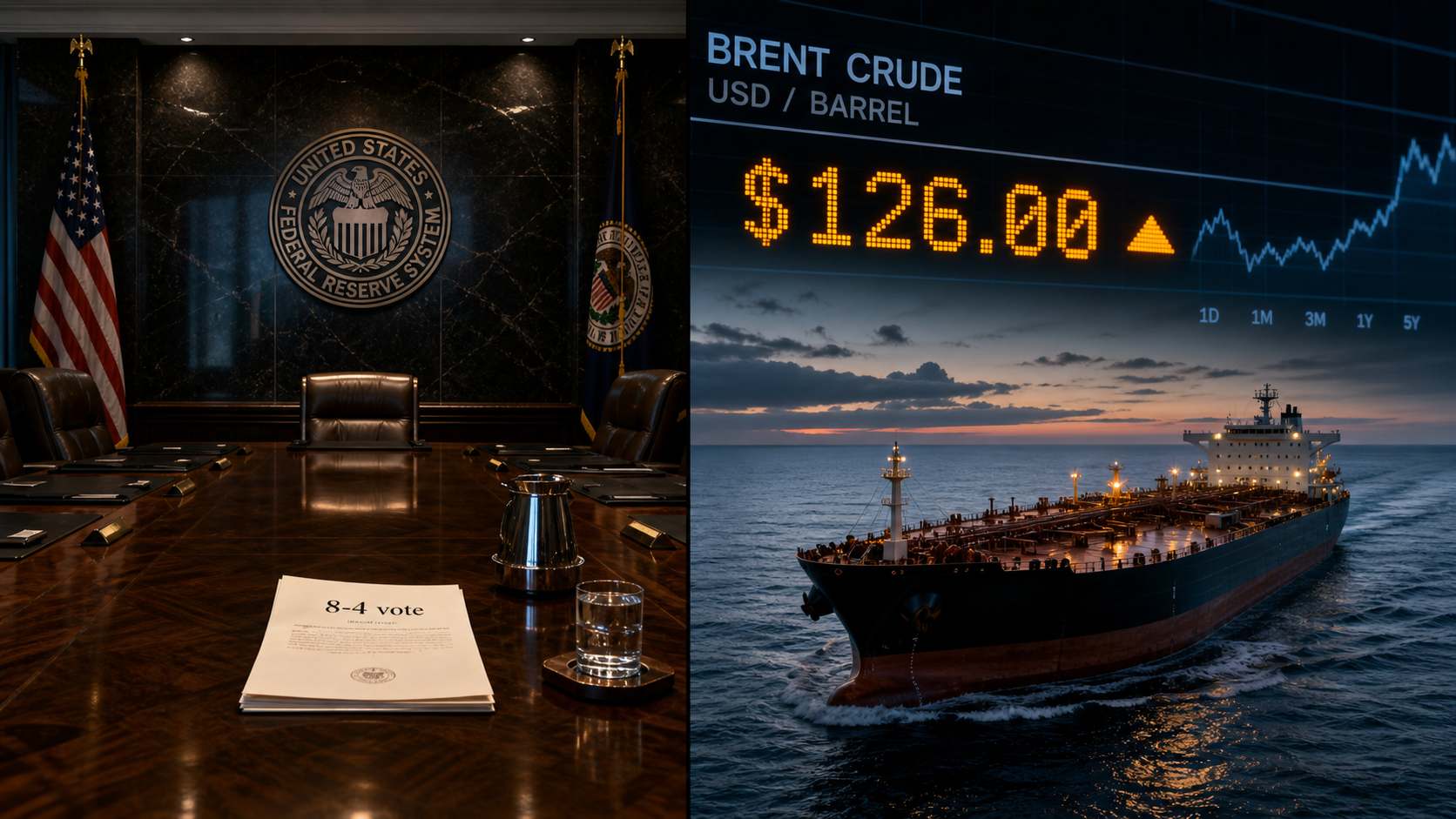
Despite the successful passage of two US ships through Hormuz, oil prices rose, and equity markets declined. The market response reflected the assessment that individual transits do not constitute a restoration of predictable commercial traffic through the world’s most critical energy chokepoint.
Tanker insurance premiums remain elevated. Freight costs continue to reflect wartime risk pricing. Markets price probability distributions rather than individual events. Two ships transiting is one data point. A nearly empty strait is another. Iranian claims of a missile strike, even if false, are a third.
Until the two US ships transit Hormuz are followed by consistent, predictable throughput over multiple days, markets will likely continue pricing the strait as contested. The guidance mission demonstrated that individual transits are achievable. It did not demonstrate that commercial shipping at scale can resume without elevated risk.
What Comes Next
The Pentagon now has operational credibility for its guidance mission. The successful transit strengthens Washington’s negotiating position. Shipping companies gained a data point but not a decision framework. Two successful transits encourage. A nearly empty strait discourages.
The net effect on commercial behavior will likely remain minimal until the strait demonstrates consistent throughput and reduced insurance costs over an extended period.