

 English
























































































































































































































































Jess Phillips Resignation Fractures Labour Into Two Parties
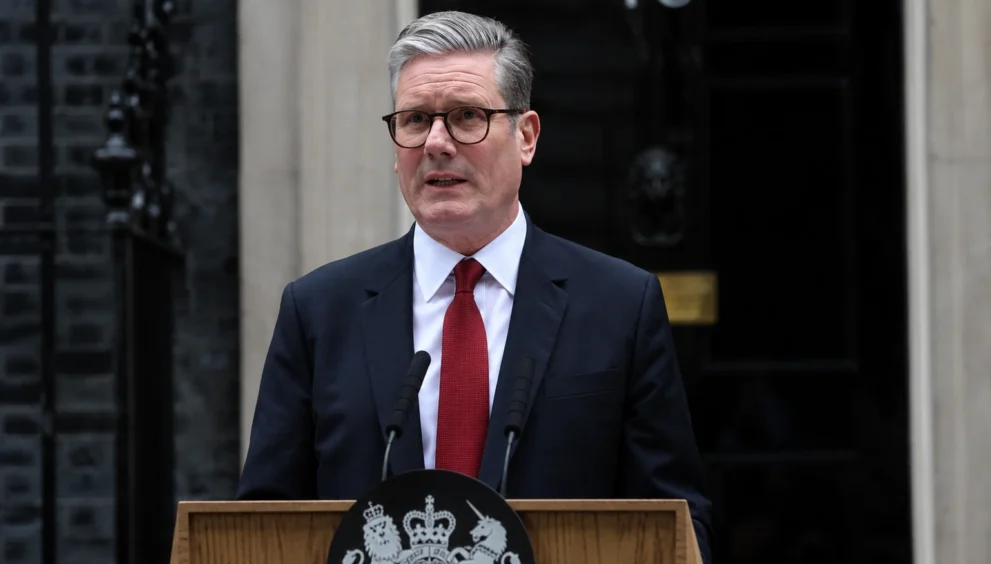
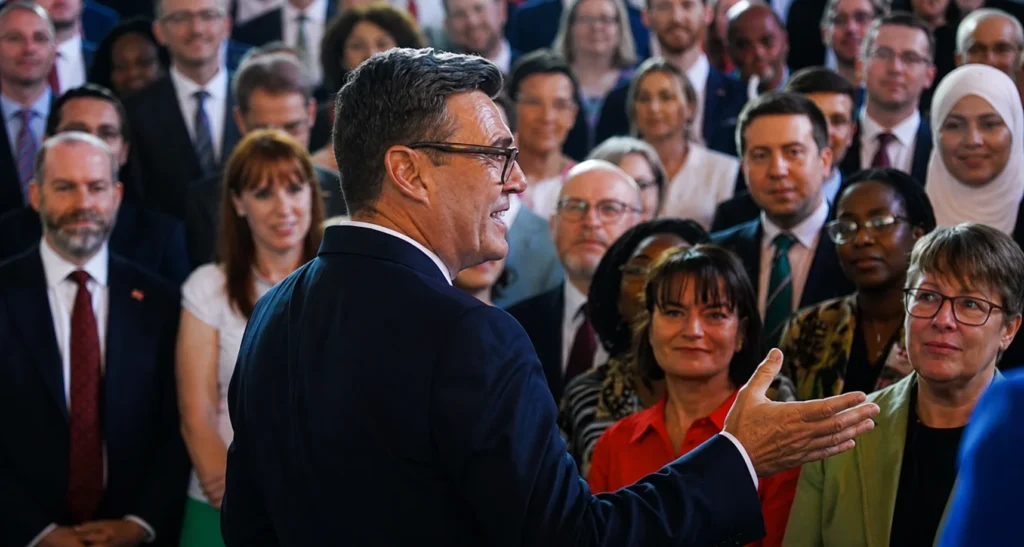
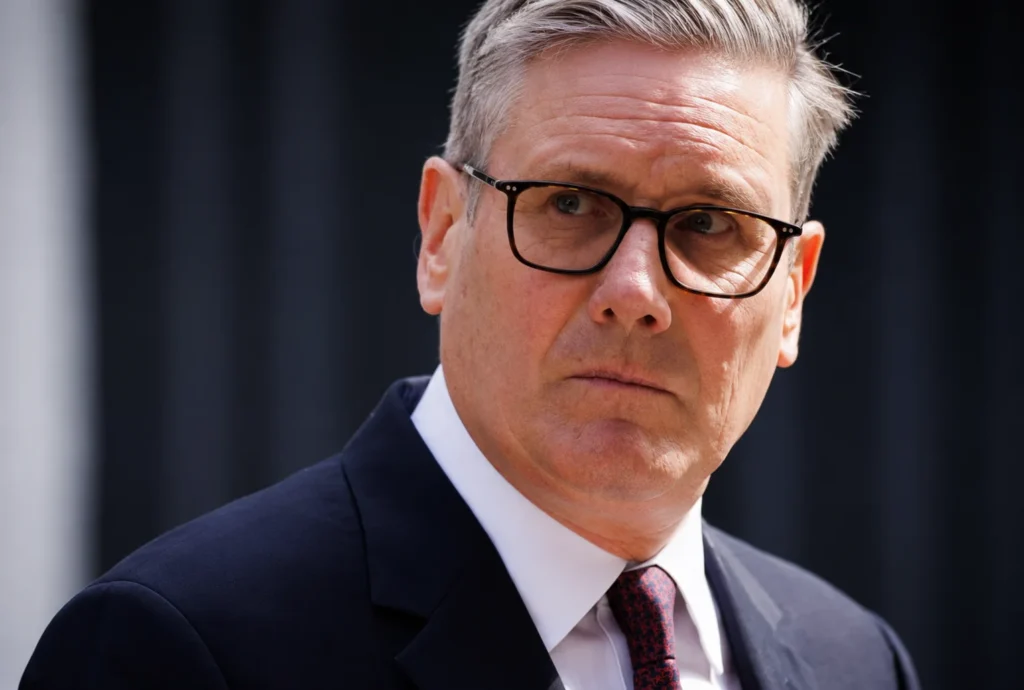
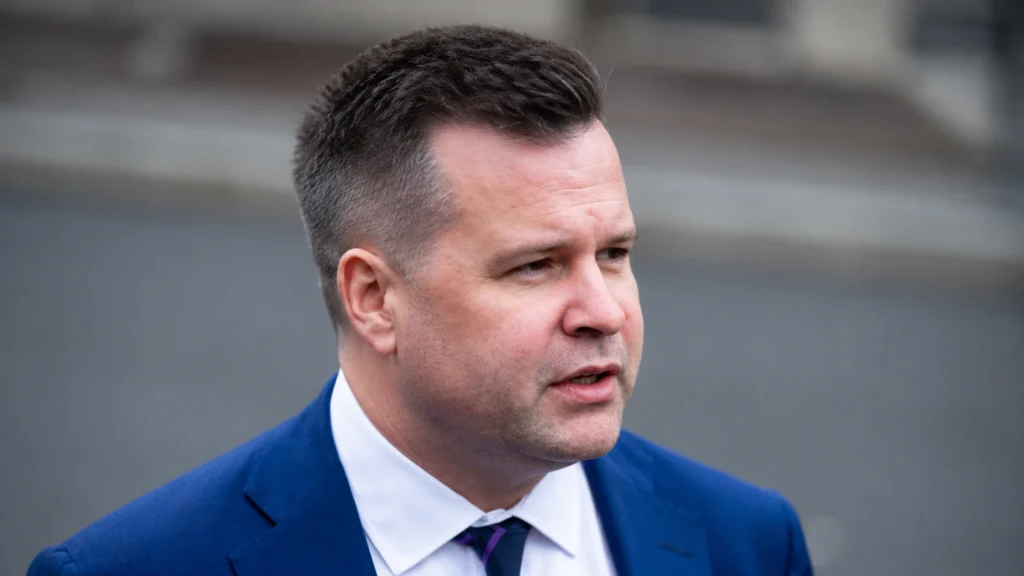
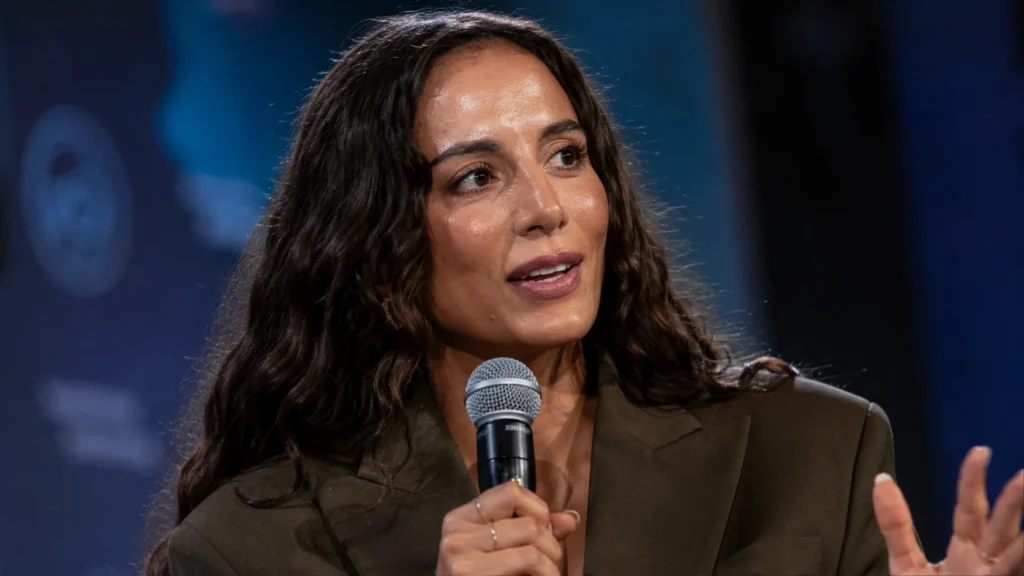
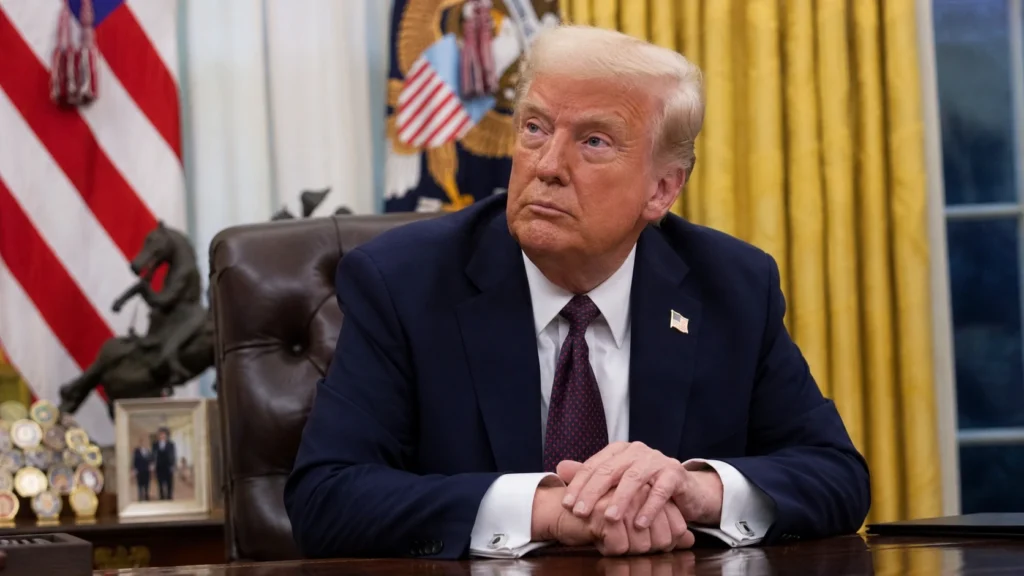
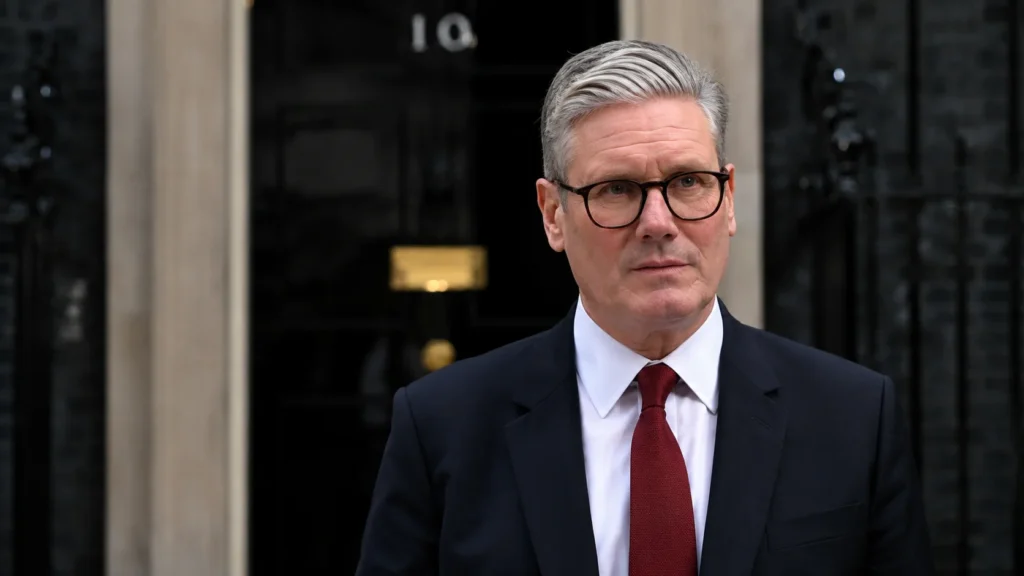
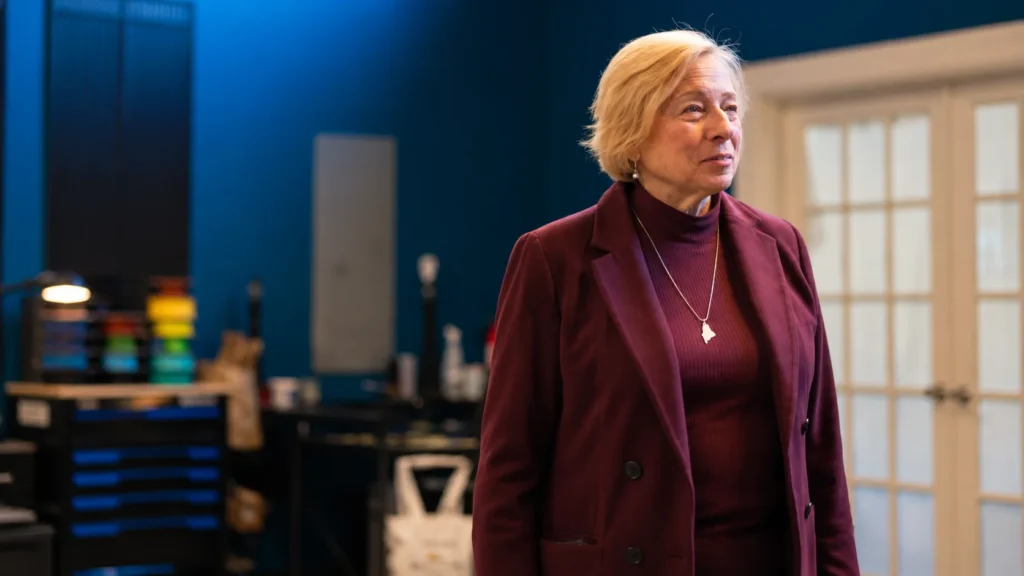
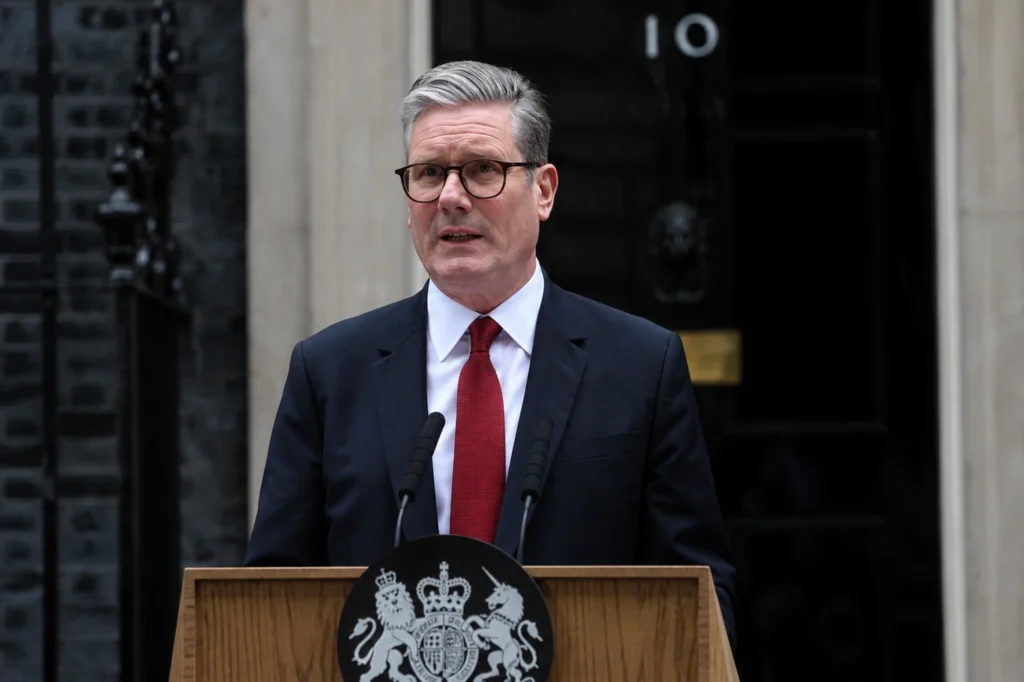
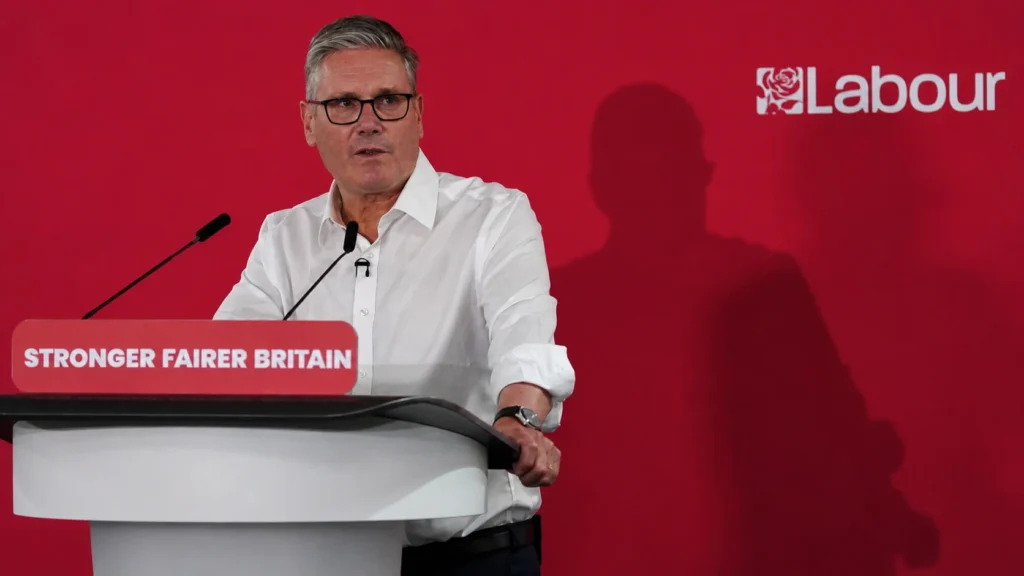
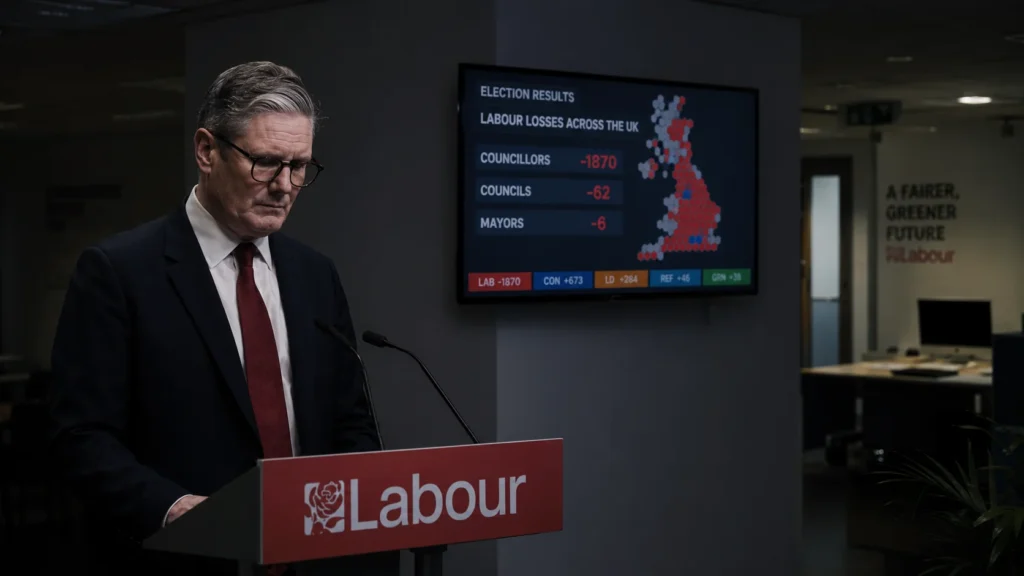
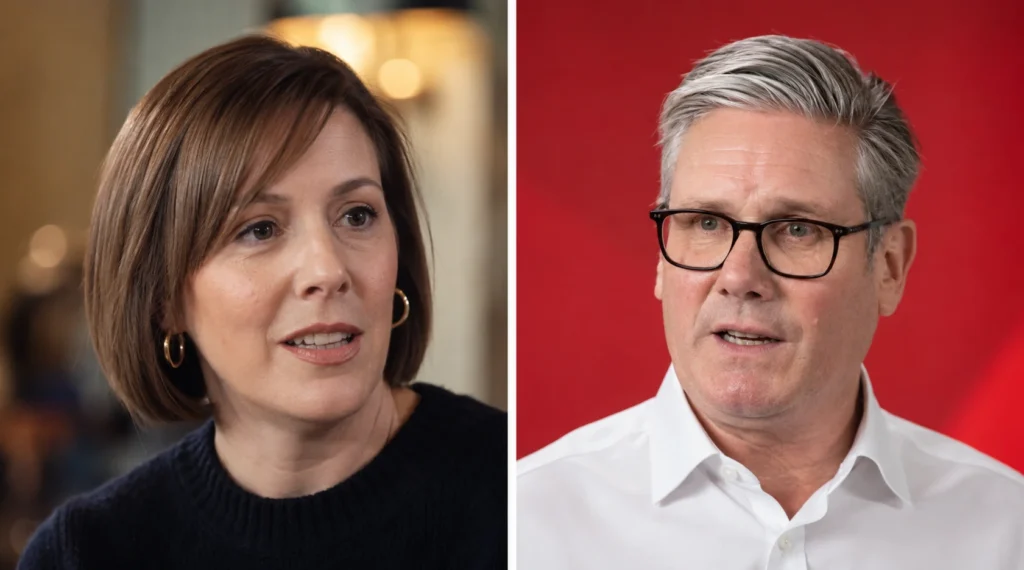
Jess Phillips resigned as safeguarding minister on Tuesday, publishing a letter telling Prime Minister Keir Starmer that “deeds, not words, matter” and that she could “no longer continue to serve as a minister under the current leadership.” Victims minister Alex Davies-Jones followed at 17:45 BST. Communities minister Miatta Fahnbulleh had already departed earlier in the day. Multiple government sources told the BBC that more resignations are expected. By Tuesday evening, 86 Labour MPs had publicly called for Starmer to set out a departure timetable. Over 100 others signed a counter-statement backing him. The Jess Phillips resignation fractures Labour into two parties sharing a name, a history, and a leader neither bloc fully controls.
The Letters That Defined the Split
Phillips published her resignation letter directly to the public domain at 17:05. She did not leak it. She did not wait for the news cycle. She described Starmer as “a good man fundamentally, who cares about the right things.” She then explained why that was not enough.
“The desire not to have an argument means we rarely make an argument, leaving opportunities for progress stalled and delayed.” She added, “Standing up and being counted can’t always be workshopped. Politics is as much about feelings as policy, especially at the moment.”
Her institutional critique was specific. “The Mandelson saga, whenever it bubbled up, made Number 10 kick into gear on the subject in order to prove our credentials. I will never waste a crisis to make advancements for women and girls, and so demands were made, and some were met.” The government, in her account, only acted on violence against women when an external scandal forced internal motion. Crisis produced urgency. Calm produced stasis.
Davies-Jones struck the same structural note. “The scale of the electoral defeats at the Senedd Cymru and across the United Kingdom has been catastrophic. The country has spoken, and we must listen.” She added: “I implore you to act in the country’s interest and set out a timetable for your departure.”
The full text of Phillips’s letter is available via BBC News: Jess Phillips resignation letter in full, May 12, 2026.
The Two Blocs That Now Define Labour
The counter-statement arrived on Tuesday evening. More than 100 Labour MPs signed a declaration that “this is no time for a leadership contest” and the party must “start today” delivering change. The statement described last week’s local election results as “devastatingly tough” but urged MPs to focus on governing rather than leadership disputes.
The parliamentary arithmetic is now fixed. Labour has 403 MPs. A formal leadership contest requires 20% of them, currently 81 MPs, to back a named challenger. By Tuesday evening, 86 MPs had publicly called for Starmer to resign or set out a timetable. The sentiment threshold for a contest has been crossed. The procedural threshold has not. No named challenger has emerged.
The gap between 86 MPs demanding a timetable and zero MPs naming a successor is where prime ministers lose authority while retaining office.
As our analysis of Starmer’s cabinet revolt documented, the structural fracture predates Tuesday’s resignations. The local election losses in Scotland, Wales, and England exposed the fragility of Labour’s 2024 electoral coalition. Reform UK’s surge convinced MPs in marginal constituencies that Starmer could not lead the party to victory in the next general election, due by 2029.
According to BBC News: live coverage of ministerial resignations, May 12, 2026, both the resigning ministers and the counter-statement signatories agreed on one point. The government must deliver change faster. They disagreed on whether Starmer can deliver it.
The Candidates’ Positioning for What Comes Next
Health Secretary Wes Streeting walked out of Downing Street on Tuesday morning in silence, ignored every shouted question from journalists, and has not spoken publicly since. His silence is a position. Verbalizing it would be a decision.
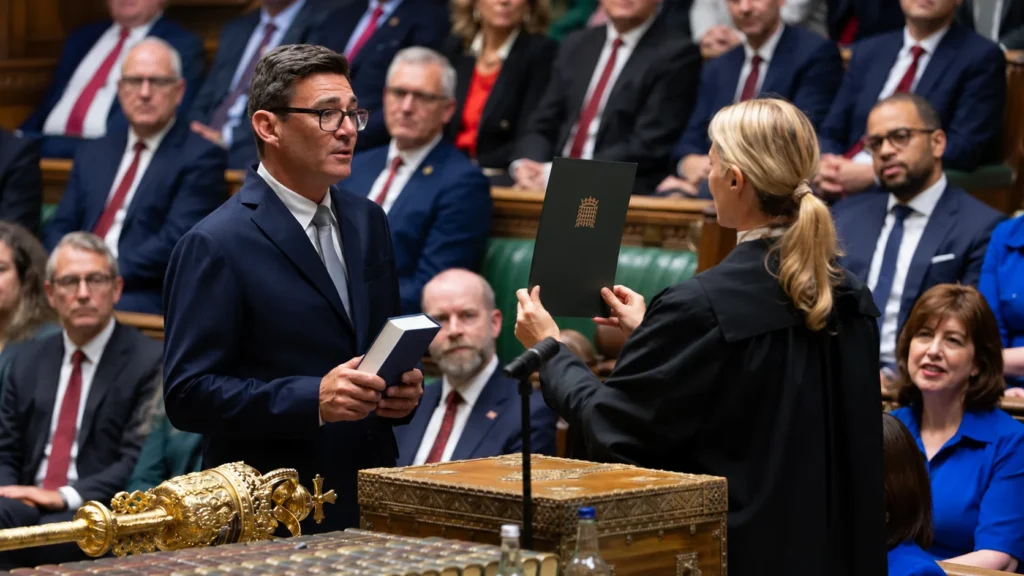
Andy Burnham’s path narrowed on Tuesday. Transport Secretary Heidi Alexander publicly restated that she does not support the Greater Manchester mayor. Marie Rimmer, the MP for St Helens whose seat Burnham would need for a by-election return to Parliament, issued a statement denying any contact with him since the 2024 general election. “Rumours that suggest otherwise are absolute nonsense,” her team stated. Burnham requires a parliamentary seat he does not have, and a by-election that is not happening.
Defence Minister Luke Pollard posted his own statement. He would not resign. The defence portfolio needed “a steady hand.” He did not mention Starmer by name. He said he wanted “bold leadership.” The grammatical construction did the work. The prime minister was the unstated antecedent of an unstated critique.
Chancellor Rachel Reeves maintained complete public silence throughout Tuesday. Her position remains the single most consequential variable in British politics. If she breaks her silence to call for a timetable, the prime minister falls. If she does not, he continues while his party divides around him.
The Human Cost of Ministerial Resignations
Debbie Jones runs the domestic violence charity Resolute in South Yorkshire. She spoke to the BBC after Phillips and Davies-Jones, both responsible for the government’s violence against women and girls strategy, resigned within hours of each other.
“When you’ve got people in positions of power stepping down because they don’t think the PM is doing his job properly, you’ve got to wonder how women who’ve been victims of horrific abuse trust people in these jobs to help them and improve their lives,” Jones said. “Your faith in government goes down.”
Policy areas do not pause while leadership crises resolve. The safeguarding minister and the victims minister both departed. Their portfolios remain. The political leadership of that work is now absent. The operational machinery continues. The democratic accountability does not.
As our coverage of UK political instability and institutional impact noted, the gap between ministerial resignations and policy delivery widens with each departure. The government can function without political leadership for a time. It cannot function indefinitely.