
 English

























































































































































































































































































































































Webflow AI 2026 Builds Your Site. Do You Still Own It?
ok so
He opened Webflow. blank page. no template. no wireframe. nothing.
typed one line.
“modern agency site with cms for blog and portfolio.”
The screen paused. like it was thinking. Then stuff started happening. hero section. navigation. cards. cms collections. everything connected. working.
He didn’t click anything for a while.
Just watched.
strange.
So yeah, what’s actually happening with this Webflow AI 2026 thing,
look. Building websites used to be. work. You know. divs. classes. margin. padding. breakpoints. hours of tweaking.
This isn’t that.
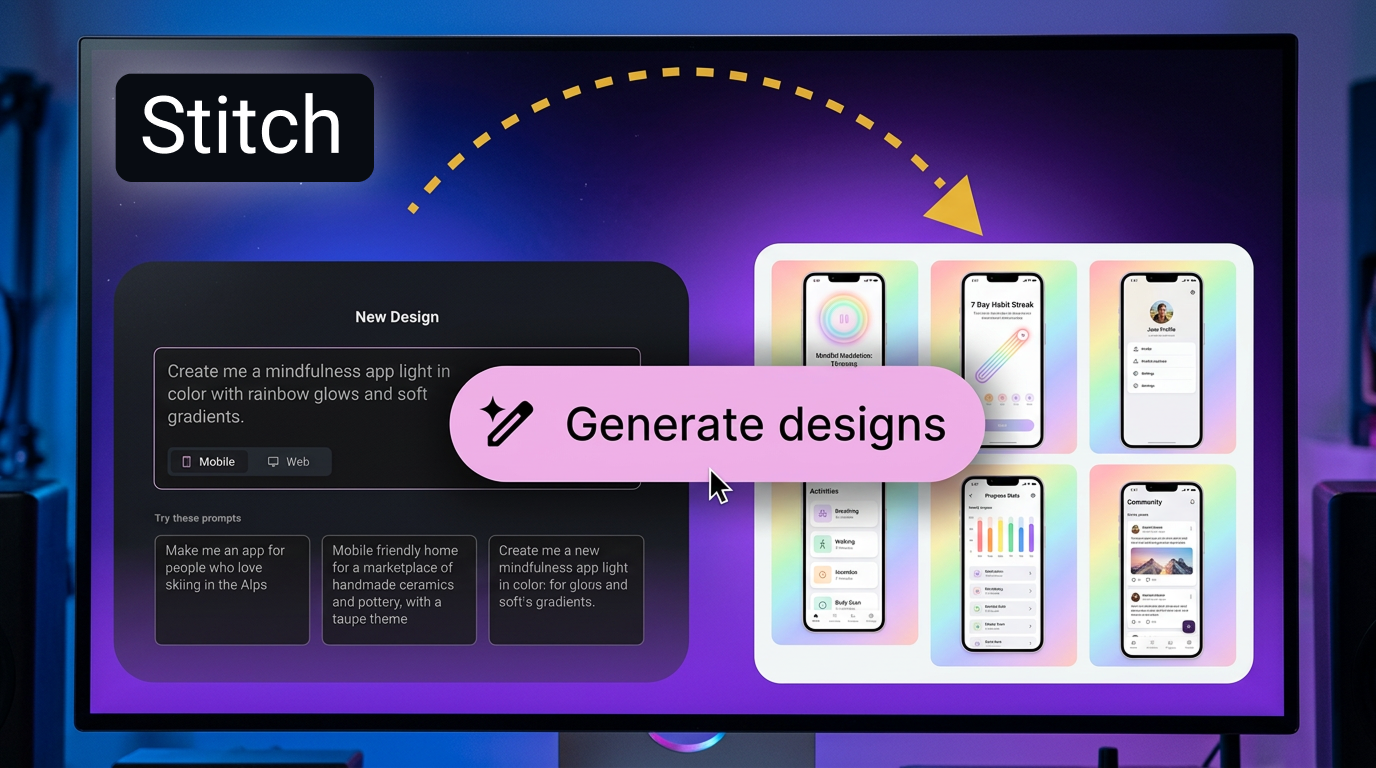
Webflow AI 2026 turns building into describing. You say what you want. It builds it. not just pretty visuals. structure. cms. responsiveness. the whole thing.
and that’s. uh. different.
What is Webflow AI 2026?
ok so. simple version.
Webflow AI 2026 is the same Webflow designers use. But now with AI inside. You prompt. It generates a full site. with cms. with responsive layouts. with everything connected.
It’s not a separate tool. it’s webflow. just. smarter. faster. doing the heavy lifting while you watch. or direct. or whatever.
How does Webflow AI work?
Here’s the basic idea.
You describe the site: “agency site with dark mode and a services section.” The AI understands. It knows what an agency site needs. hero. about. services. case studies. contact. It builds all of it.
under the hood, it’s trained on thousands of Webflow sites. knows what works. What looks professional. What clients expect. It applies your preferences. adapts to your existing style if you have one.
and it doesn’t just dump static pages. It sets up cms collections. blog posts. portfolio items. all structured. ready for content.
fast. really fast.
the shift nobody’s talking about
So here’s what happens.
You stop building from scratch. You describe. It delivers. clean. functional. almost complete. every time.
And at first? incredible. launch in hours, not weeks. clients impressed. You take on more work—revenue up.
then.
quietly.
something changes.
You stop knowing how it all works. because you didn’t build it. You guided. You approved. But the structure. The class naming. the cms logic. the responsive decisions. The AI made most of them.
and when something breaks, or the client wants a weird customization.
You open the code and realize.
You don’t know where to look.
from builder to. what exactly
Webflow AI 2026 changes the job. not the title. the actual work.
You used to spend hours on spacing. breakpoints. interactions. You knew every div. every class. every decision, because you made them.
Now the AI does that.
So what’s left?
You direct, “Make the hero taller.” “Change the primary color.” “Add a testimonial slider.” short commands. fast iterations.
but also. distance.
You didn’t build the foundation. You shaped what the AI built. You’re not the builder anymore. You’re the editor. the curator. the approver.
Is that the same thing?
I don’t know. maybe. But it’s different.
the hidden cost
Here’s the part that worries me.
Repetition builds understanding. boring. But true. Every time you manually set up a cms collection. debug a flexbox issue. Figure out why the mobile menu broke. You learn. You build mental models.
Webflow AI 2026 removes that repetition.
new designers now. They prompt. The AI builds. They tweak. They ship. But they skip the thousand small struggles that teach you why a layout works. Why that z-index matters. Why the cms structure affects performance.
So what happens in two years? When they face a client request that the AI can’t handle. or a bug that requires understanding the underlying structure.
And they don’t have that understanding.
12 months from now, probably
One thing. The freelancer market gets crowded. Anyone with a prompt can build a decent site. competition spikes. Prices may drop.
Second thing. Websites start looking. similar. not identical. but the same patterns. same structures. The AI’s favorite solutions. originality becomes harder.
Third thing. And this one’s subtle.
A new skill becomes valuable. not knowing Webflow deeply. but knowing how to describe what you want precisely. prompt thinking. The better you describe. The better the site.
real conversation I actually had about this
“So, Webflow builds the whole site now.”
“Yeah. cms and everything.”
“Do you still build anything?”
“I mean. I tell it what to do.”
“So you’re like. a website director.”
“…for an AI.”
“That’s weird.”
“I know”
“What happens when the client wants something the AI didn’t build?”
“…then I figure it out. hopefully”
“and if you can’t.”
“Then I’m in trouble, I guess.”