 English













Guns on Tehran Streets as Trump Renews War Threats on Iran
Published: 18 May 2026 | Source: CNN, Tehran, AFP, Getty Images, IRIB
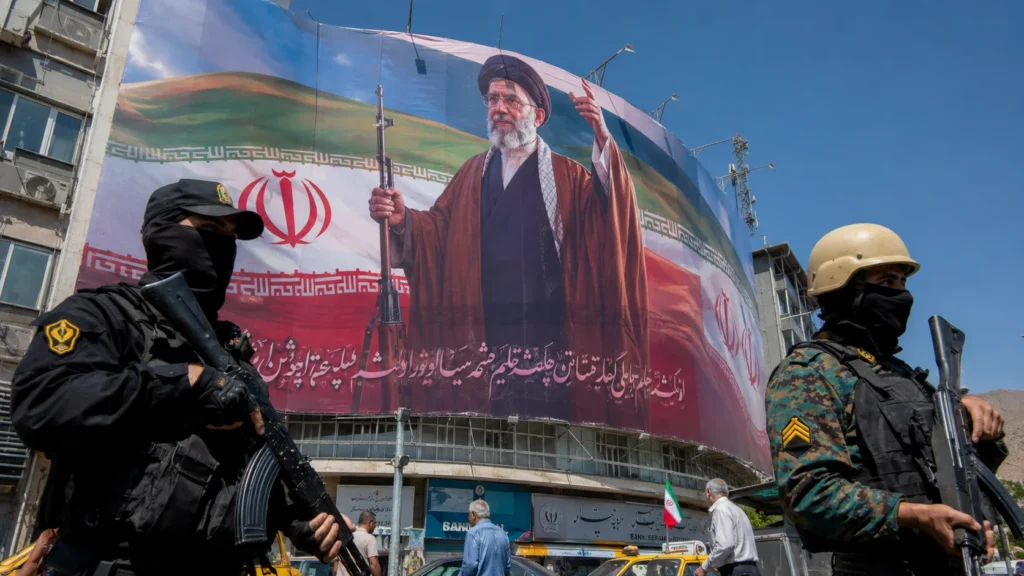
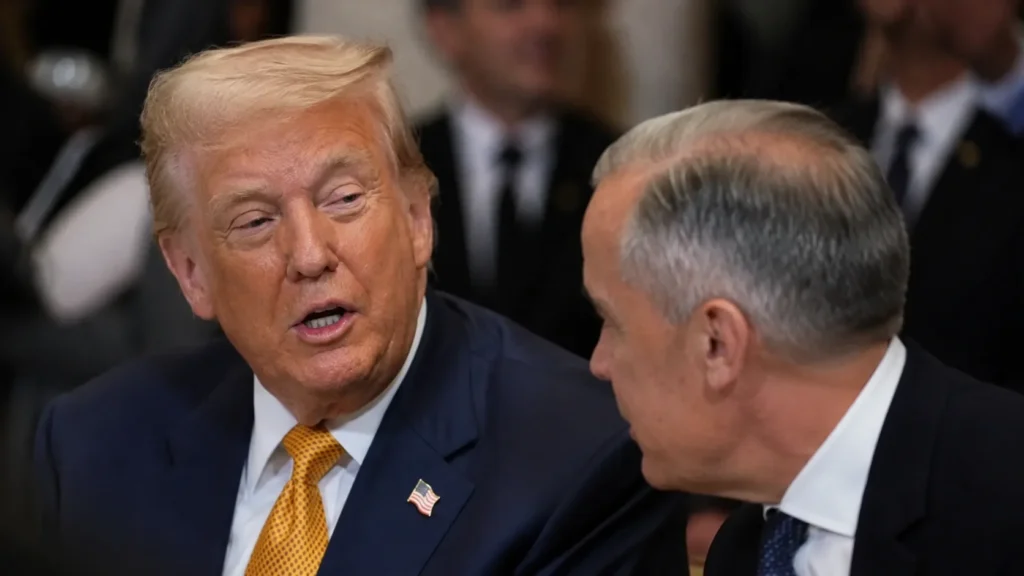
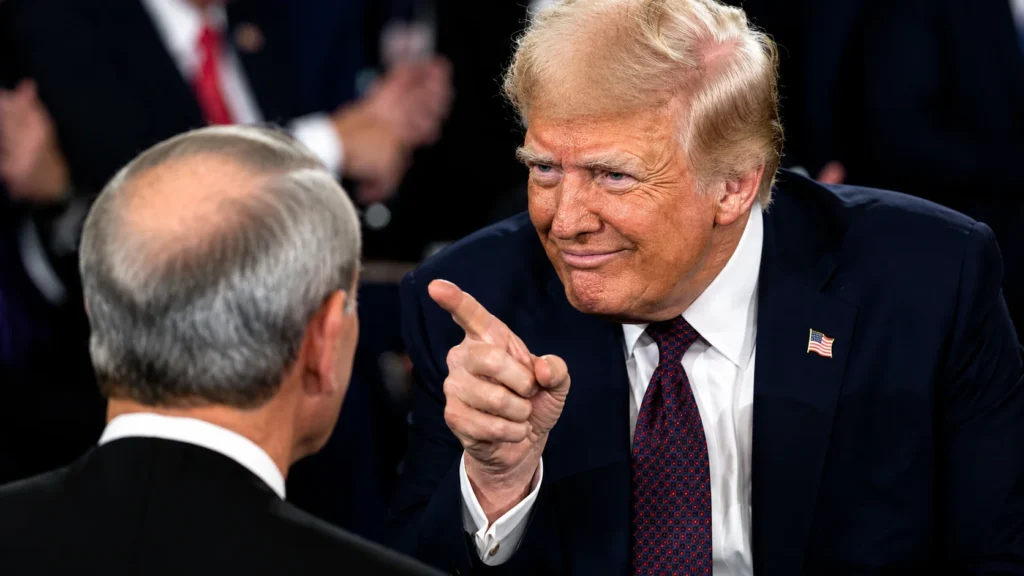
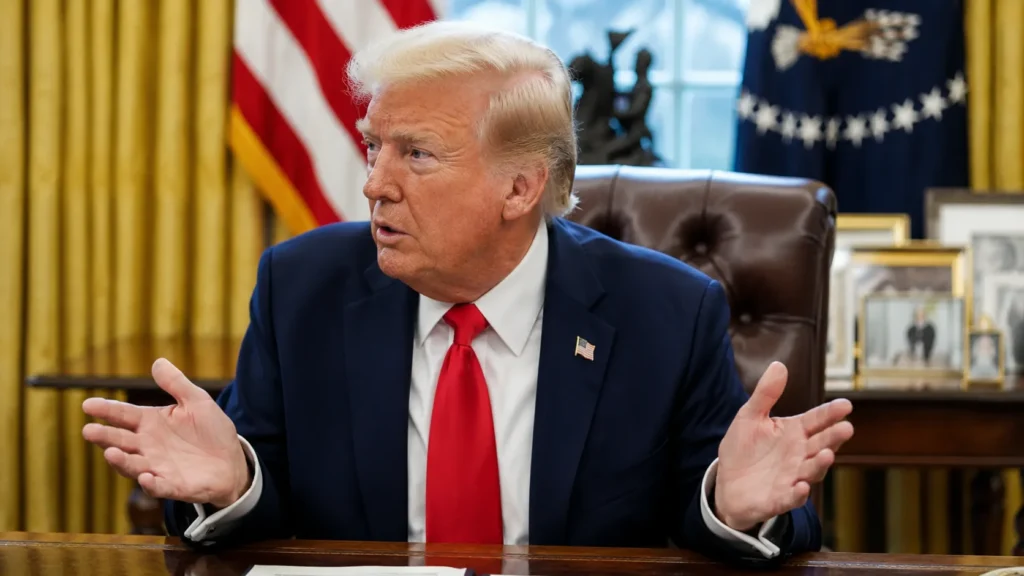
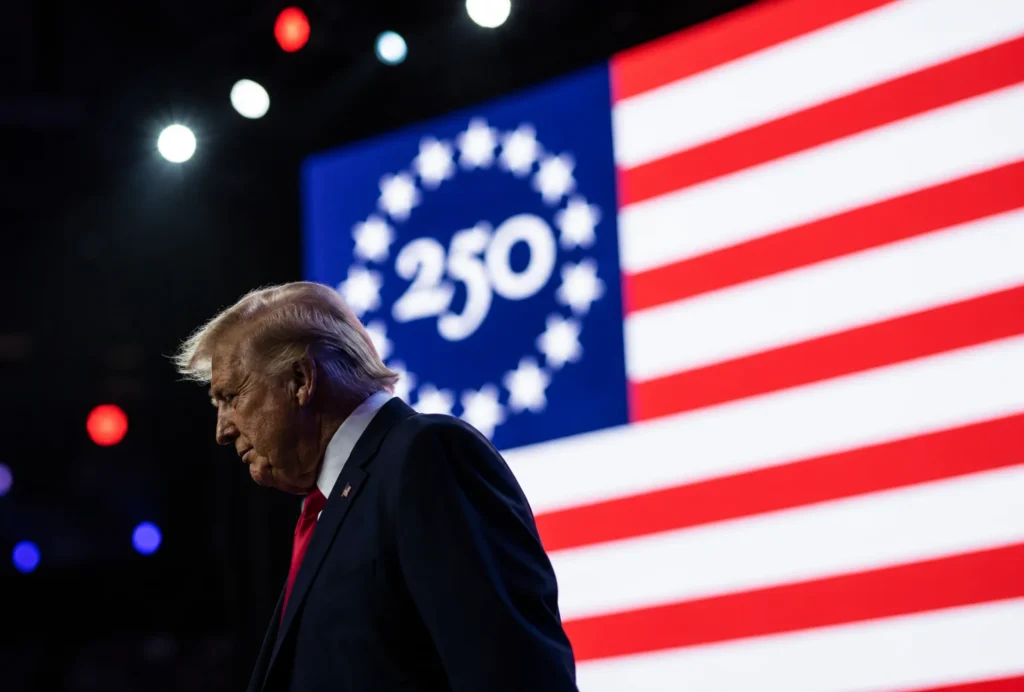
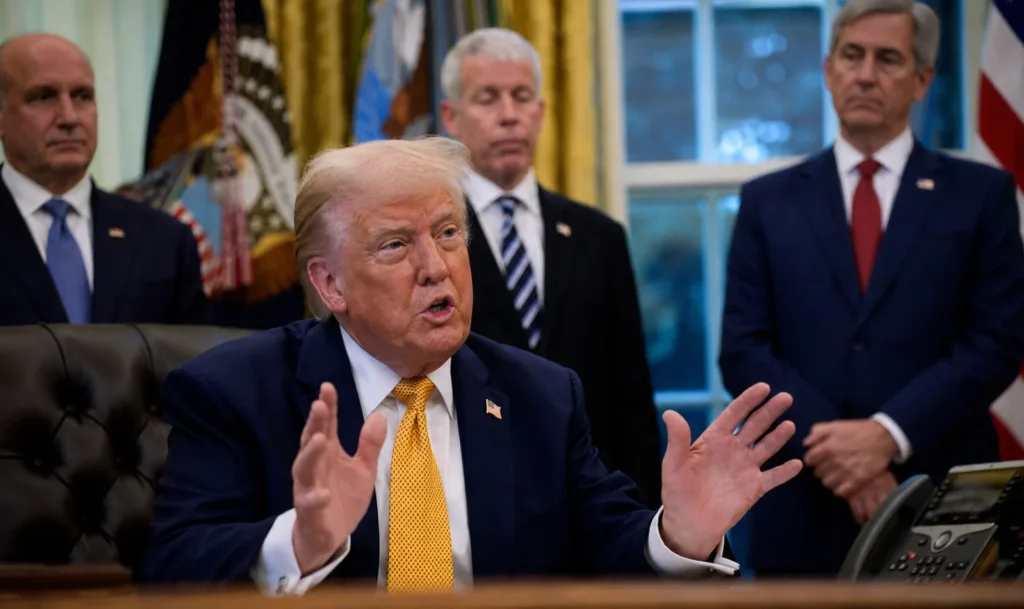
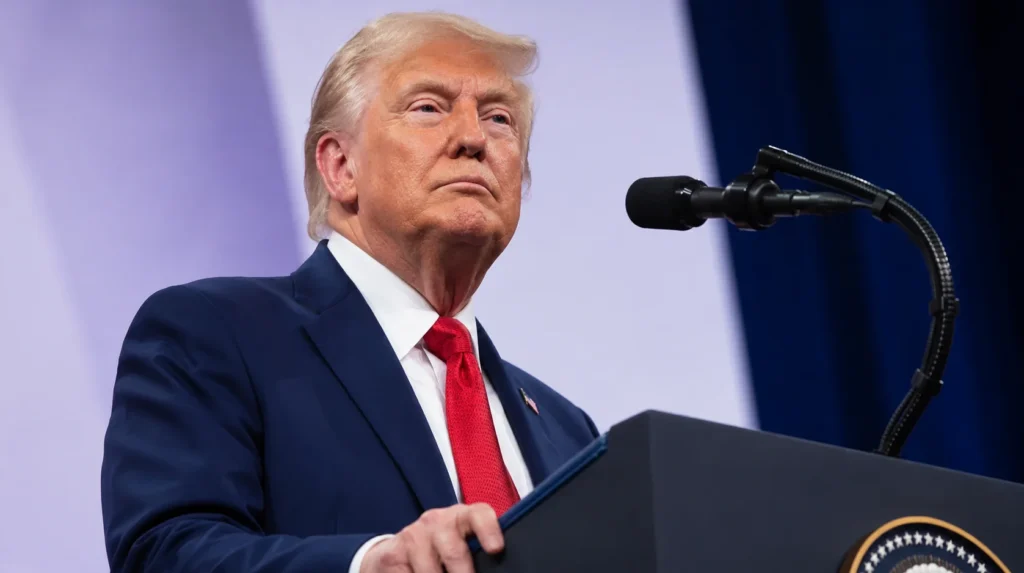
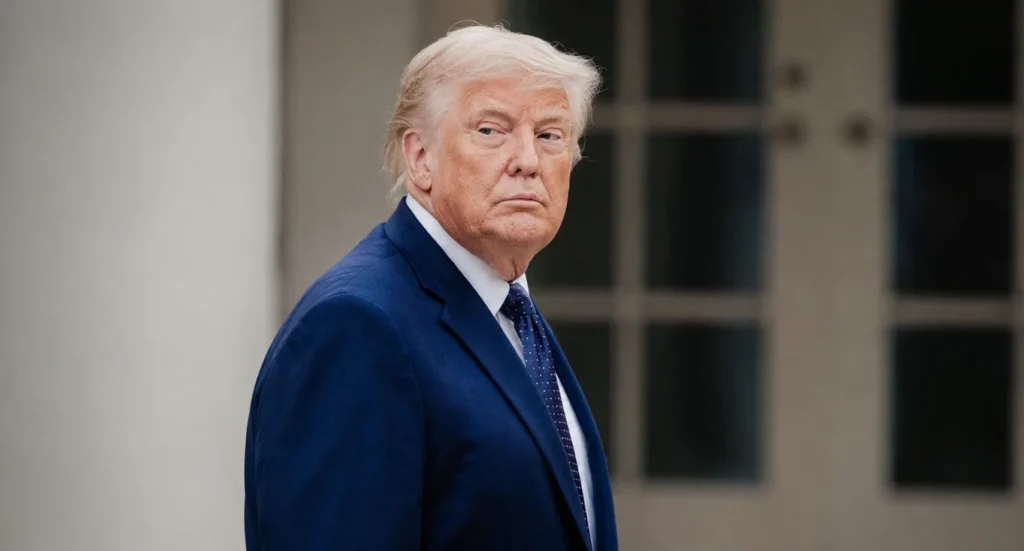
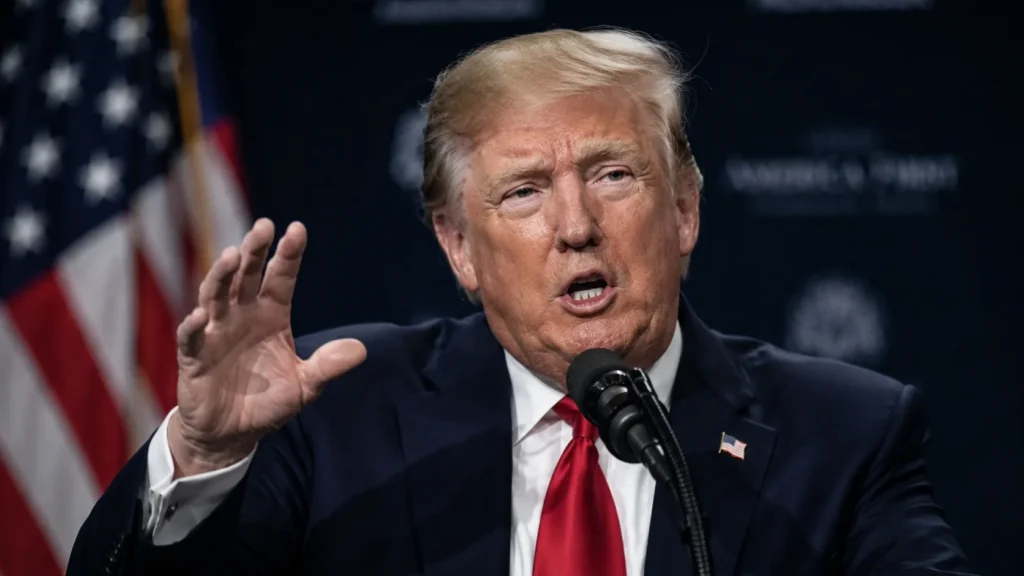
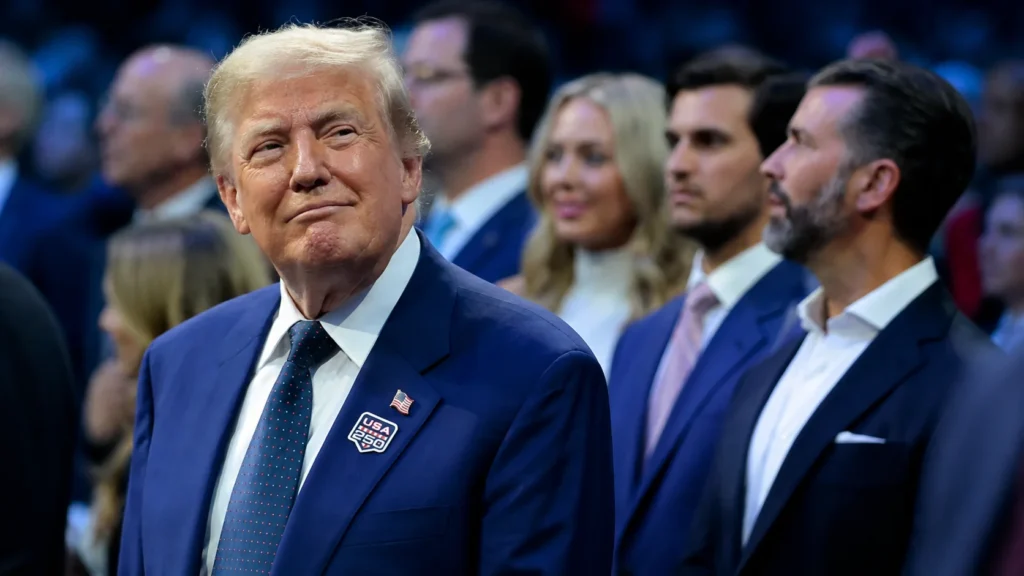
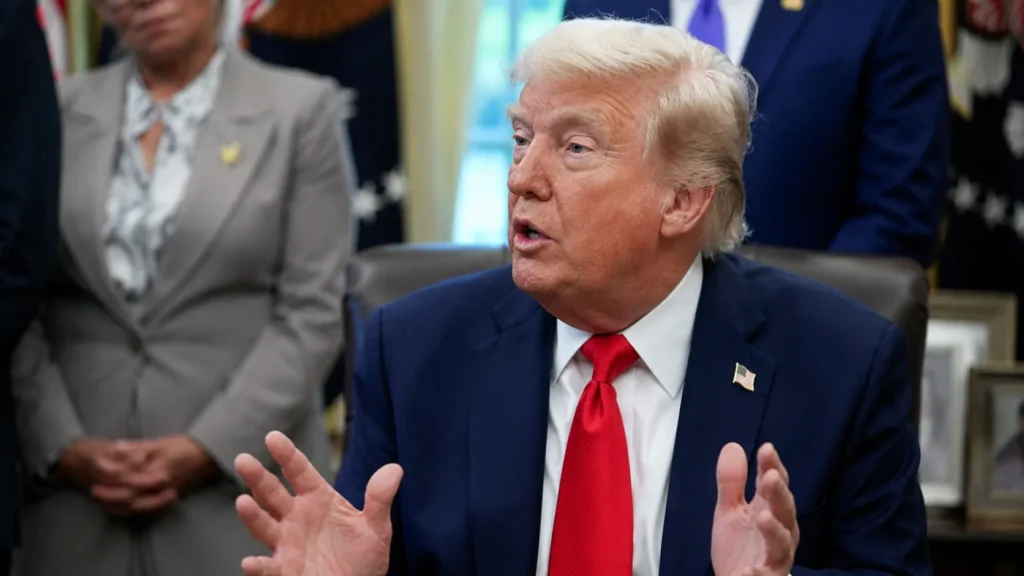
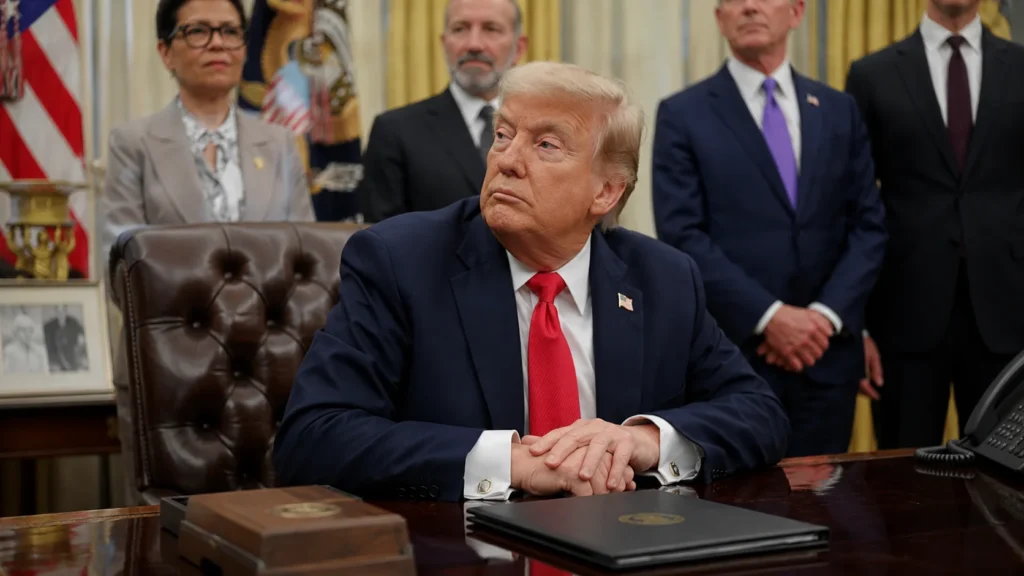
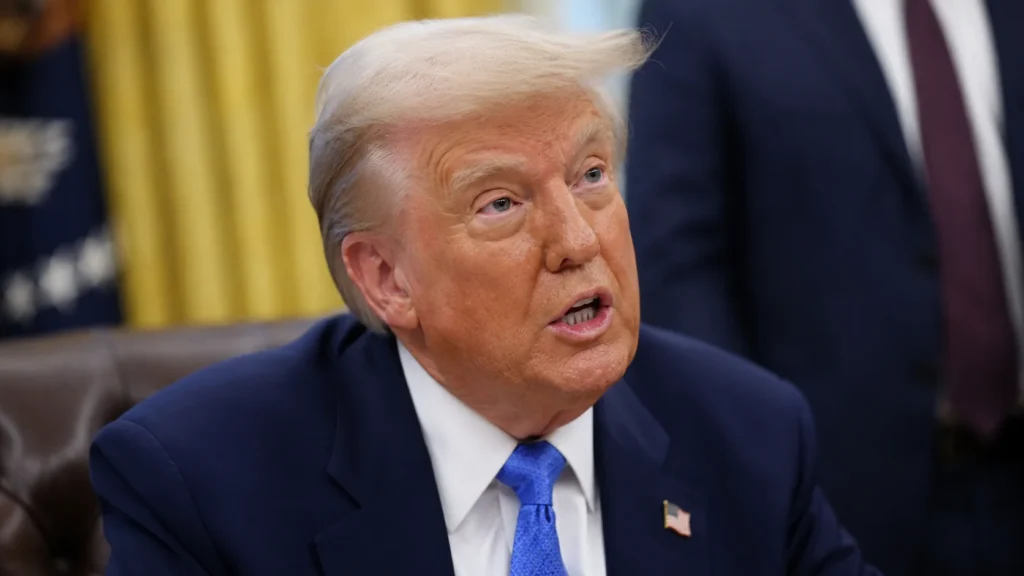
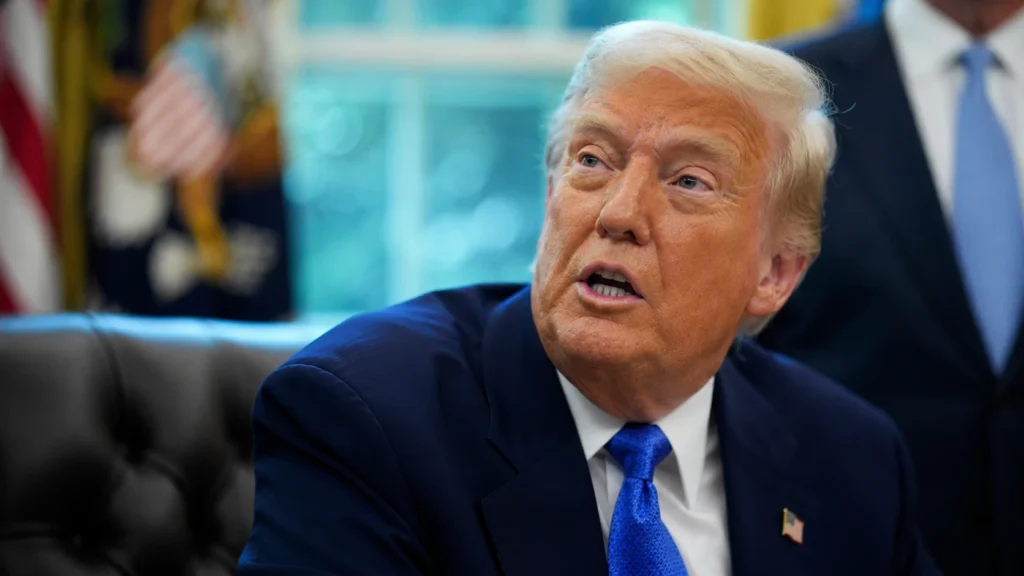
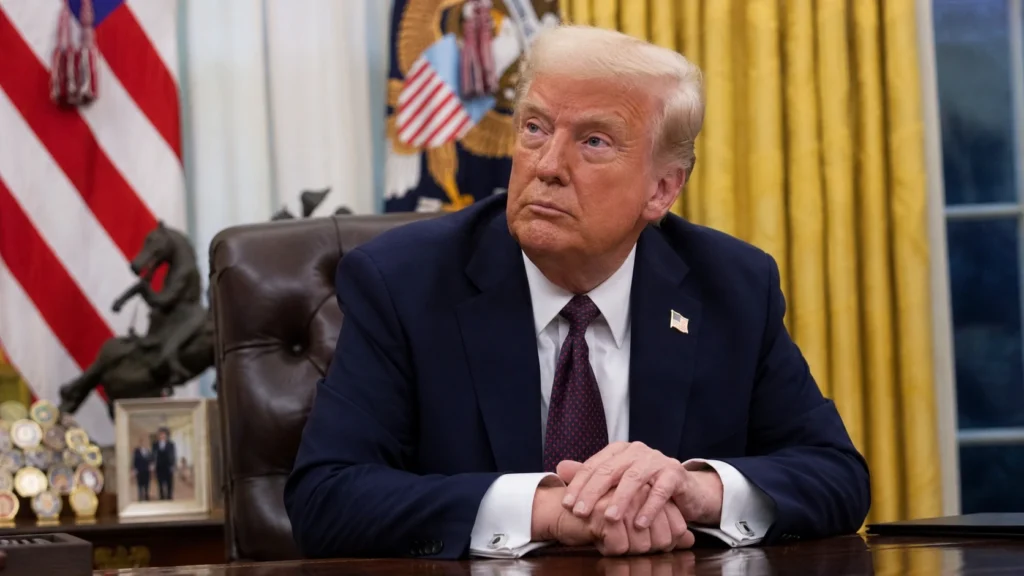
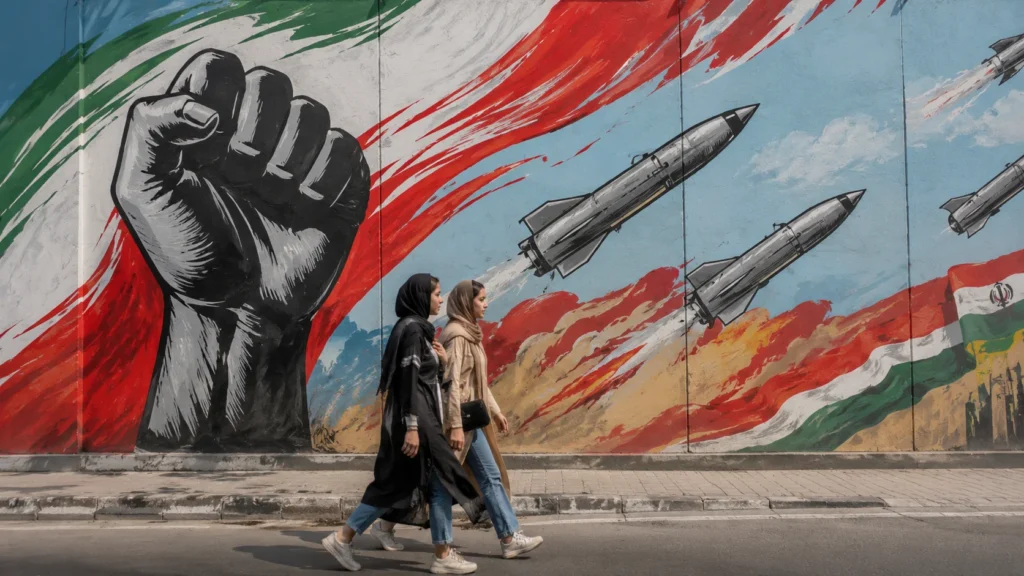
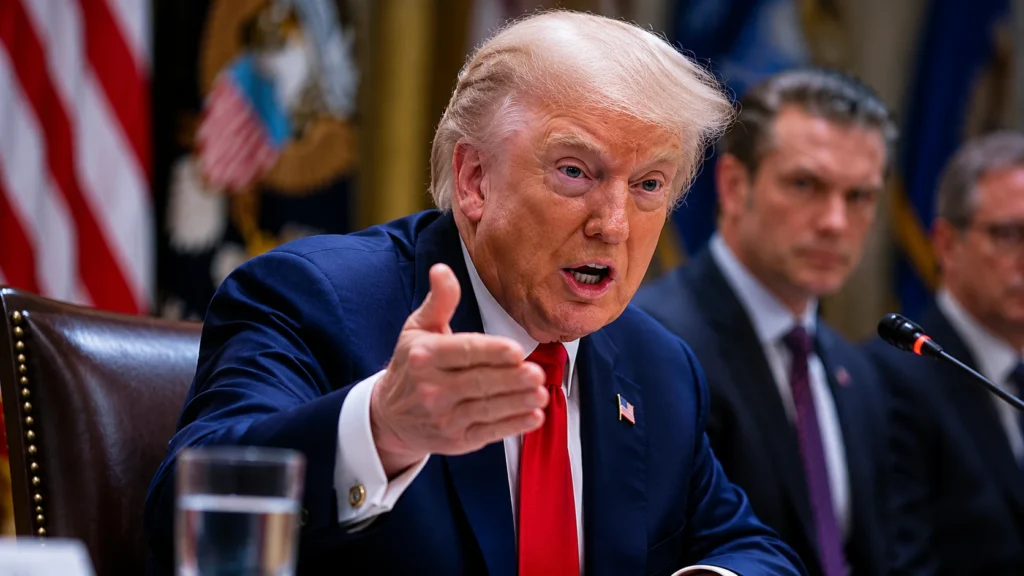
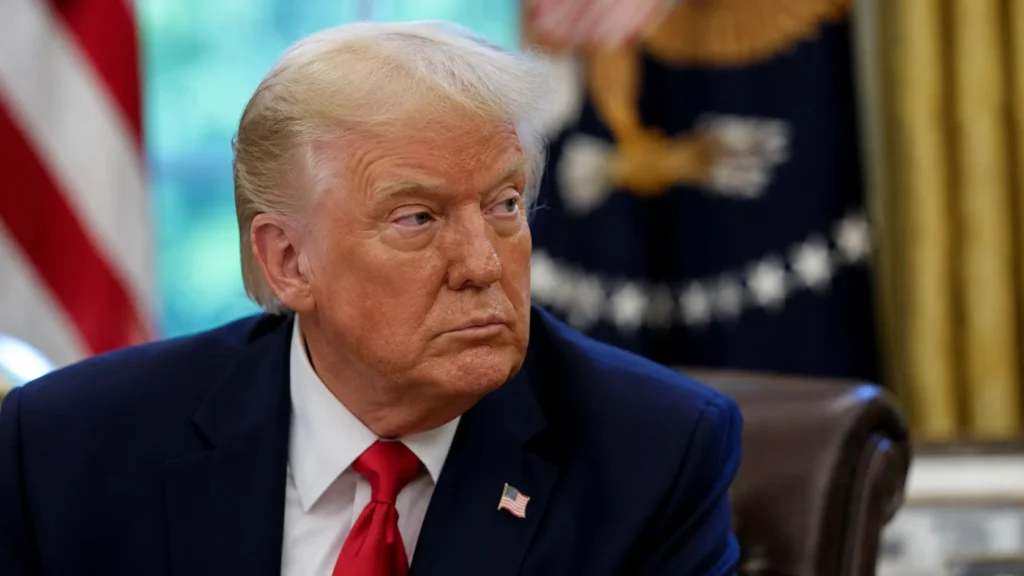
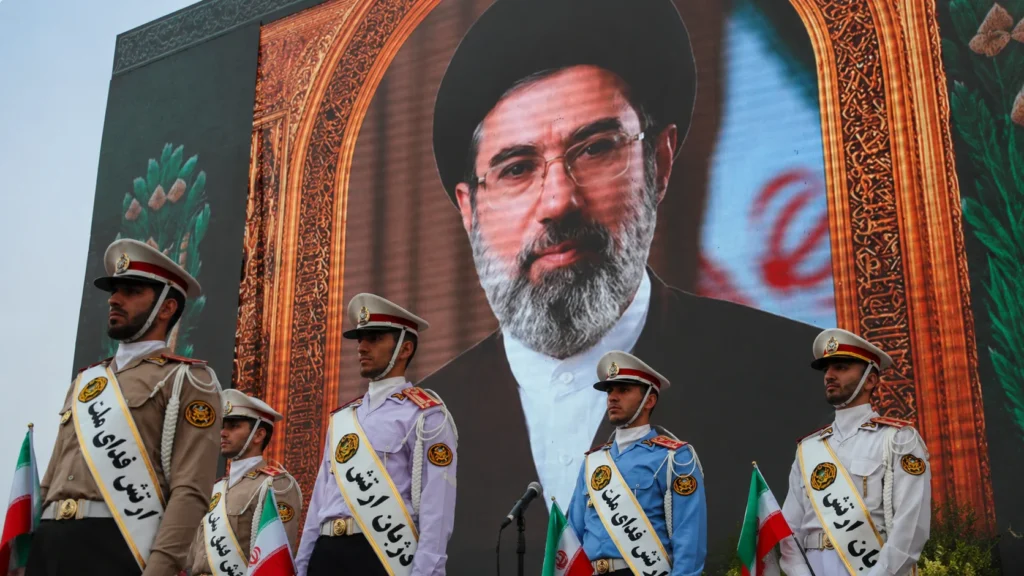
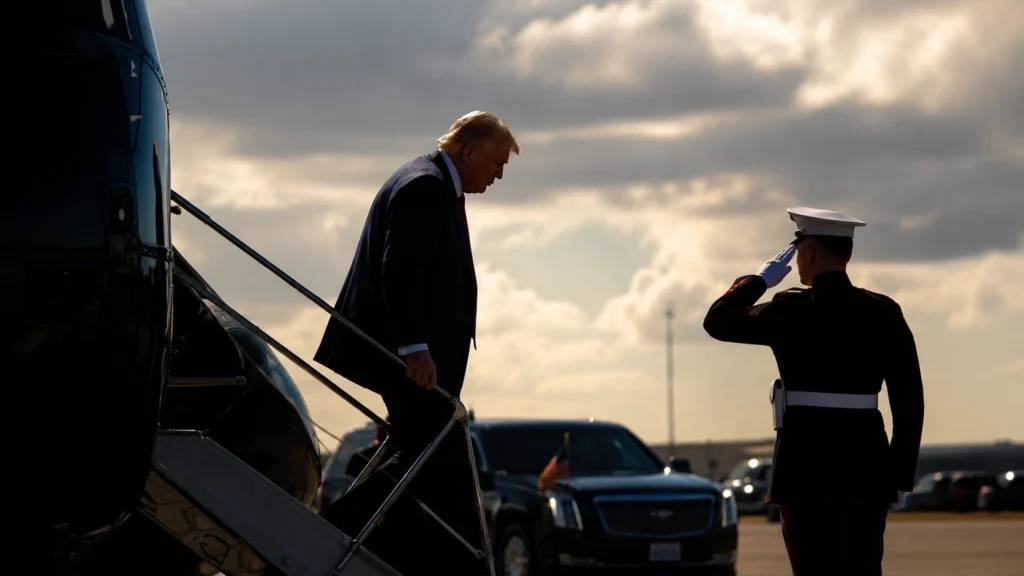
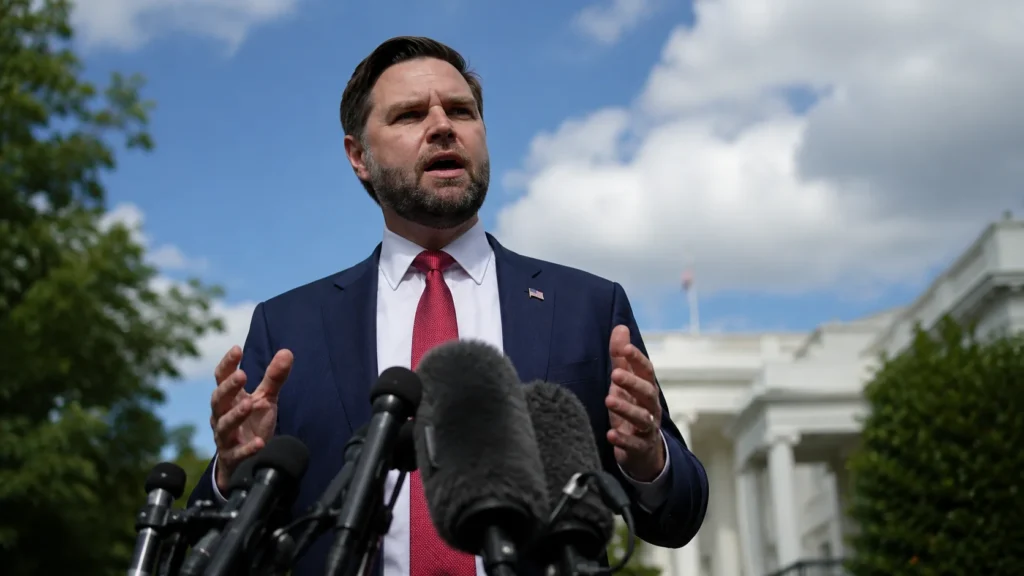
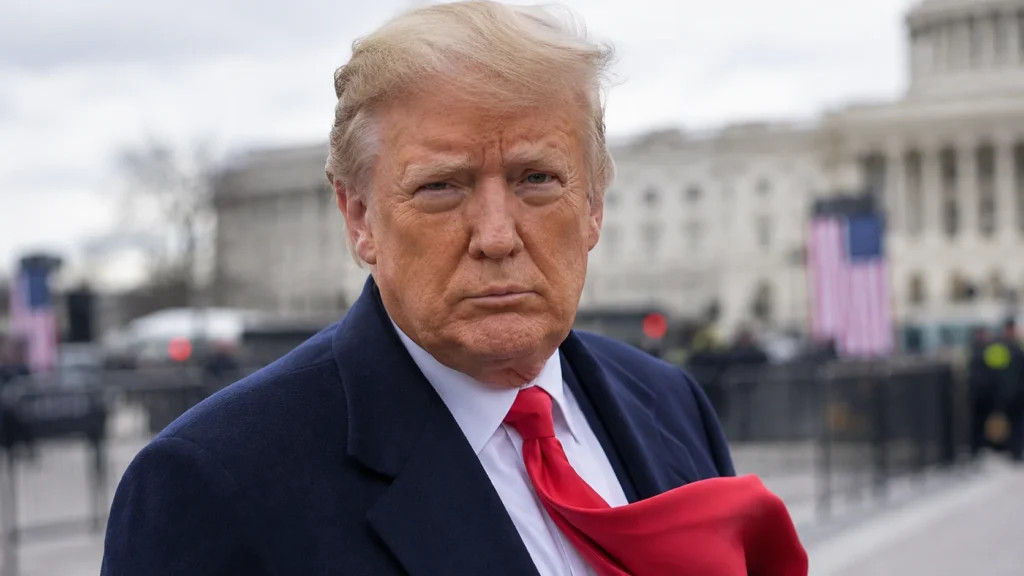
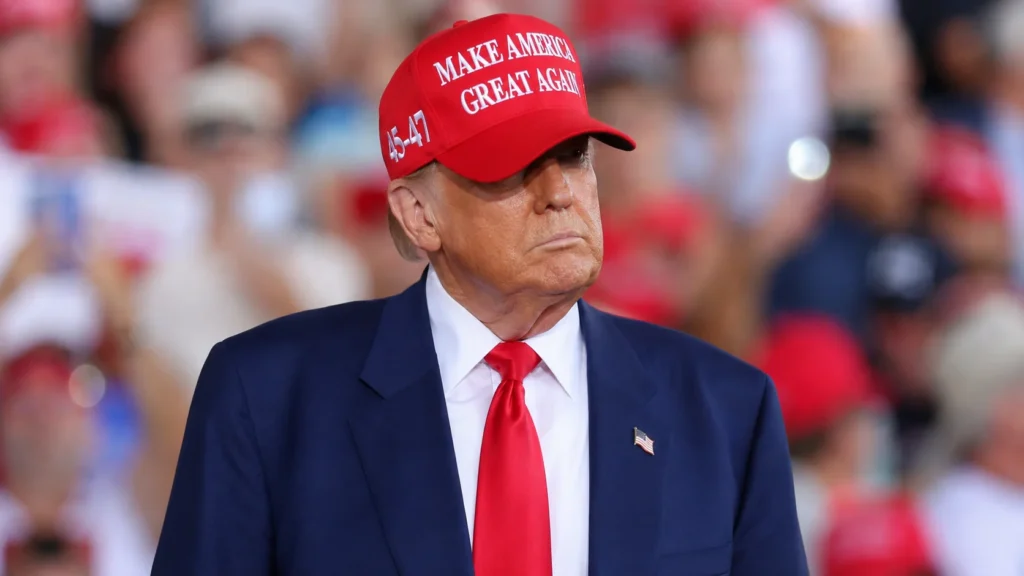
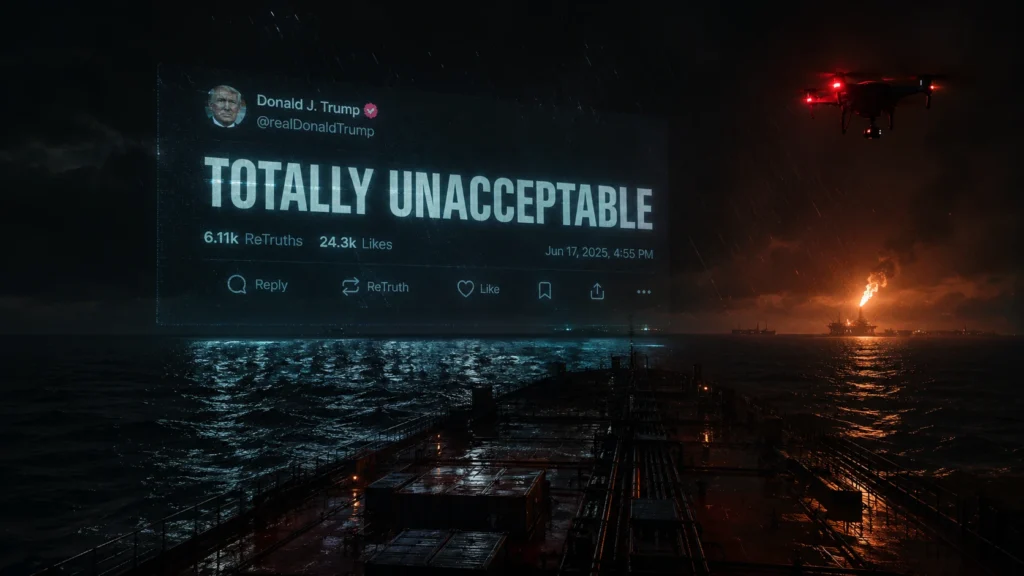
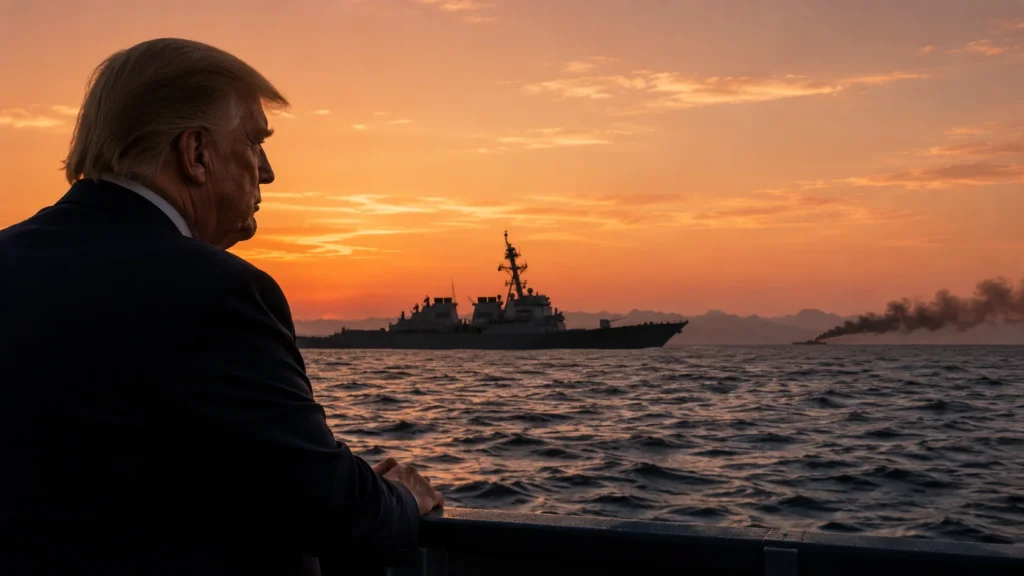
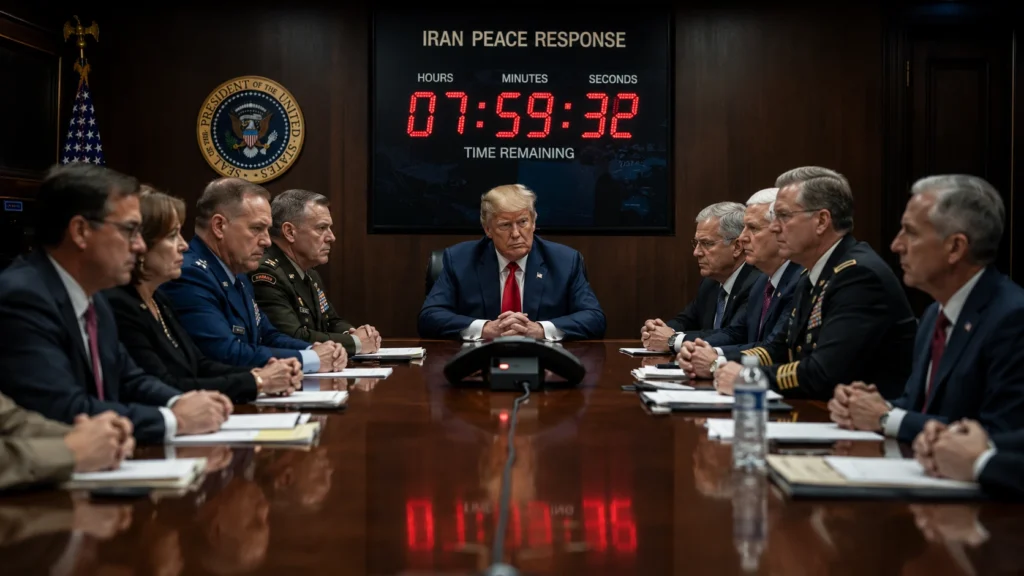
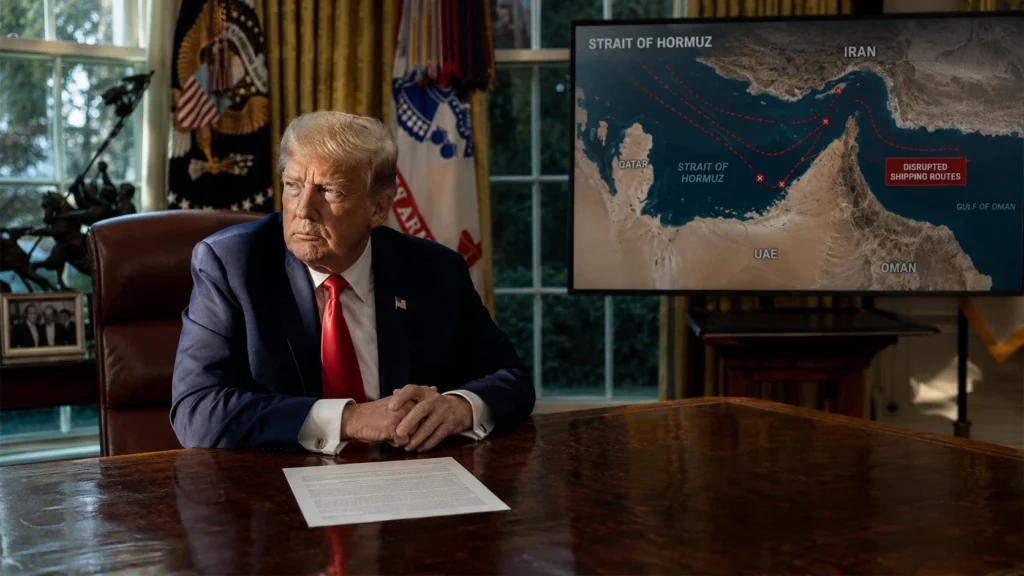
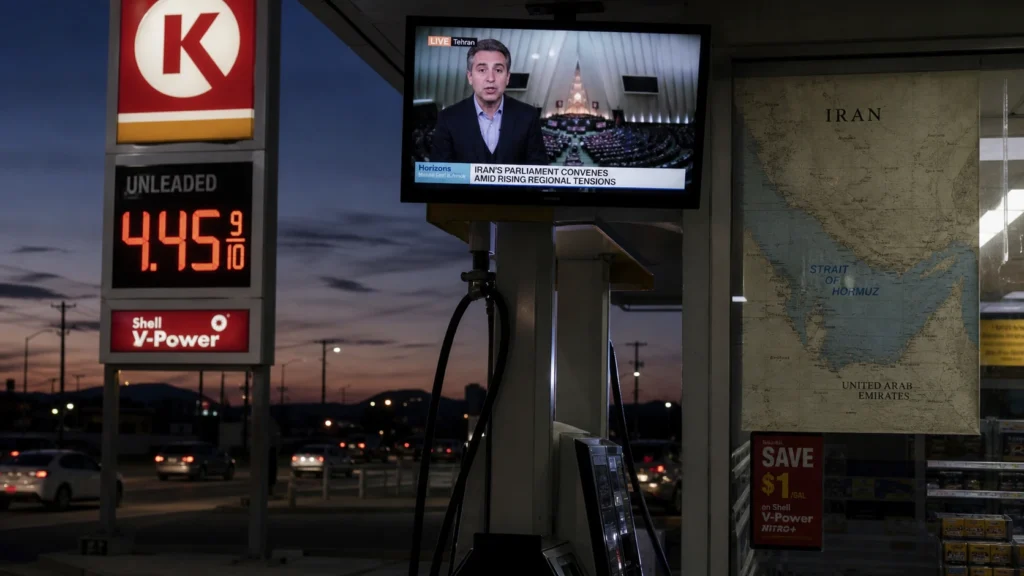
TEHRAN — Guns on Tehran streets as Trump renews war threats on Iran marks a new phase in the Islamic Republic’s domestic mobilisation, with public weapons kiosks appearing in squares across the capital and state television anchors brandishing assault rifles on live broadcasts. The escalation in martial rhetoric and civilian arms training follows US President Donald Trump’s Truth Social post on Sunday, warning that “the clock is ticking” and Iran must “get moving, fast, or there won’t be anything left of them.” Nightly state-sponsored rallies have filled Tehran’s streets for nearly three months, but the introduction of public weapons instruction is a significant shift.
What Is Happening on Tehran’s Streets
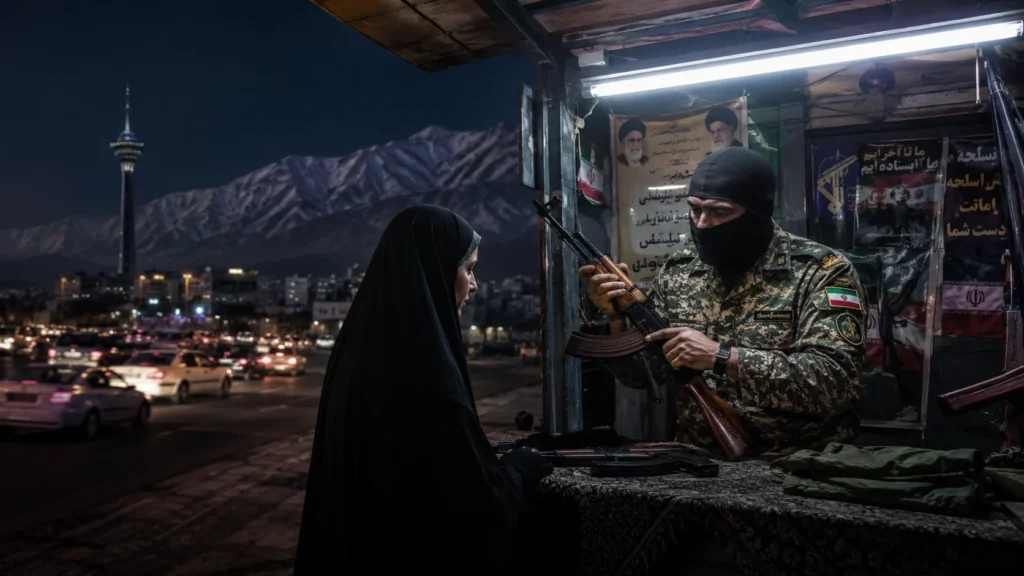
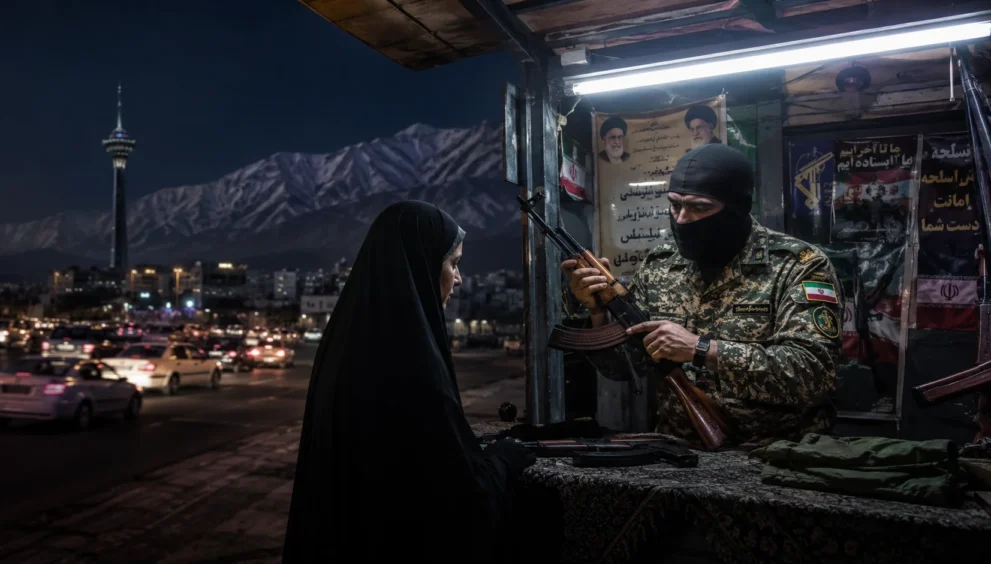
At one kiosk in Vanak Square, a woman in a black chador received instruction on stripping and assembling an AK-47 assault rifle from a masked man in military fatigues, according to CNN reporters on the ground. Nearby, a young girl played with an unloaded Kalashnikov, pointed it skyward, and returned it to a smiling instructor AFP/Getty Images report, 17 May 2026.
Similar scenes appeared at Hafte Tir Square. Iranian military personnel demonstrated weapon handling to civilians. The kiosks arrived without an official announcement in mid-May 2026. This is a departure from the strictly choreographed state rallies held every evening since the war began in late February.
How Iran’s state-sponsored rallies are reshaping domestic political narratives
State Television Joins the Call to Arms
The weapons displays extend beyond the streets. On 15 May 2026, Hossein Hosseini, an anchor on the state-run Ofogh channel, fired a rifle into the studio ceiling during a live broadcast after receiving instruction from a masked member of the Islamic Revolutionary Guard Corps (IRGC), according to footage circulated on social media IRIB broadcast footage, 15 May 2026.
Channel 3 presenter Mobina Nasiri appeared on air separately, gripping an assault rifle with both hands. “They sent me a weapon from Vanak Square so that I, too, like all of you people, can learn how to use it,” she told viewers.
The broadcasts represent an integration of civilian mobilisation messaging into the state’s primary information platforms, amplifying the regime’s framing of the conflict as existential.
The role of Iranian state media in shaping public opinion during the US-Iran conflict
The Rallies and the Regime’s Dual Audience
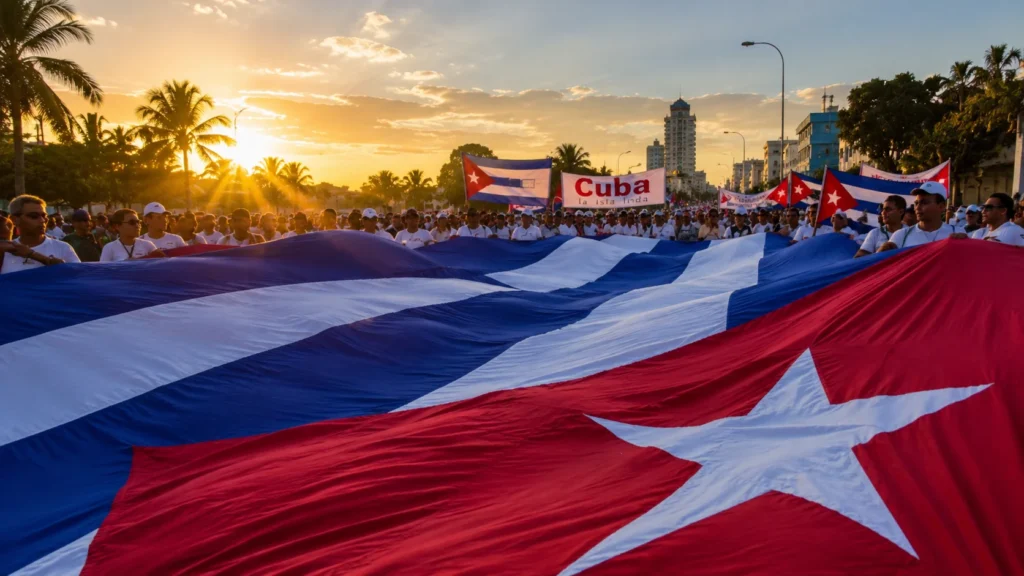
The nightly “night-gatherings” near Tajrish Square draw thousands of participants chanting “Death to America” amid a sea of Iranian flags. Street vendors sell tea, patriotic baseball caps, and patches. The rallies are state-sponsored but feature genuine participants, including a young woman named Tiana who told CNN she was “ready to sacrifice my life for my country.”
One elderly man carried a placard reading: “Nuclear and missile technology is as important as our borders, so we will protect them.” He framed Iran’s nuclear programme as a pursuit of clean energy, not weapons — a reference to Tehran’s refusal to end the programme, which Trump has made a condition for ending the war.
Analysts note the regime’s messaging serves two audiences. Domestically, the gun kiosks and armed anchors frame compliance with US demands as national surrender. Externally, they signal to Washington, Tel Aviv, and Pakistani mediators that Iranian society — or at least the visible, state-mobilised segment of it — is preparing for escalation.
The Quiet Dissent Around the Corner
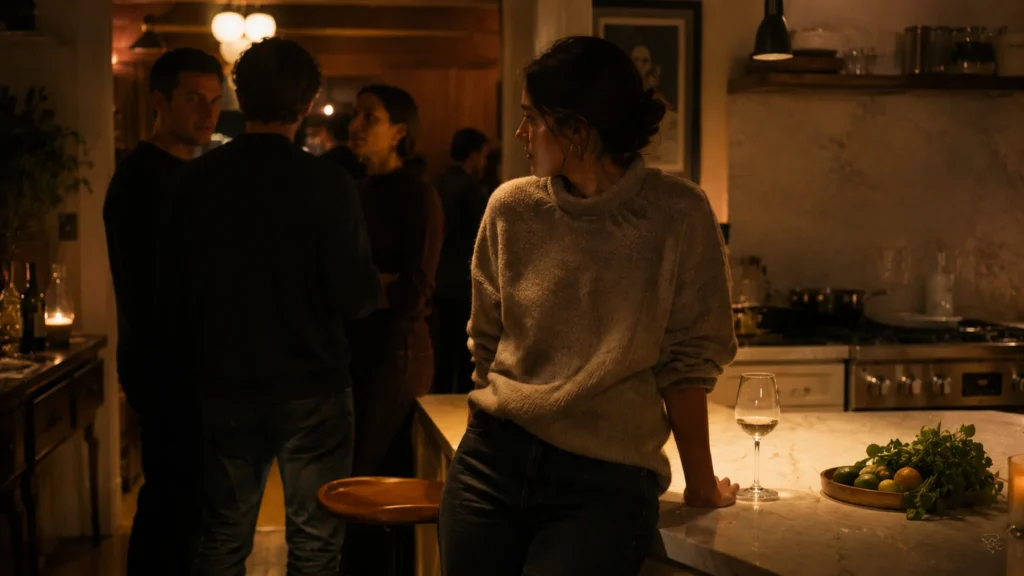
Not all Iranians support the martial turn. In a park near the Cinema Museum of Iran, a short walk from the Tajrish Square rally, locals browsed an open-air book stall and couples strolled hand in hand on the evening of 17 May 2026.
A university professor, sitting on a bench with her husband and asking not to be identified, told CNN in English: “We just want to live in a normal country, where our children can have a future.” A young man passing by said simply, “No to war.” A young woman added, “We want peace.”
Another woman, Fatima, who said she grew up in London and Dubai, expressed scepticism about the diplomatic track. “We know this war isn’t over. We know Trump is not really going to negotiate,” she said. “He’s just going to be, like, ‘You do what I tell you, or I’m going to kill you.’ And then he’s going to attack us even if we do as he says.”
The gap between the state-filled squares and the quiet park bench represents the political geography of contemporary Iran — a regime that commands the public stage and a private sphere where dissent survives in whispers.
Iran’s protest legacy — how the 2022-2023 movement shapes attitudes toward the current conflict
FAQ: Iran Mobilisation and Trump Threats 2026
Why are gun kiosks appearing on Tehran streets?
The kiosks, which appeared in mid-May 2026 without official announcement, offer civilians basic weapons instruction. They mark a shift from rhetorical mobilisation to physical preparation as the regime frames the conflict with the United States as existential.
What did Trump say about Iran on Sunday?
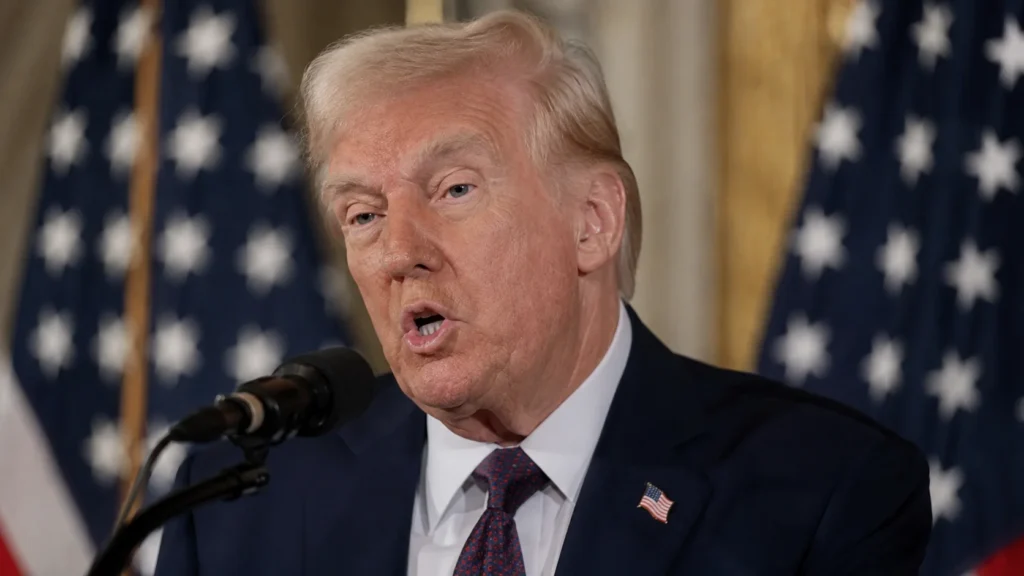
Trump posted on Truth Social: “For Iran, the clock is ticking, and they better get moving, fast, or there won’t be anything left of them.” The post renewed threats of military action as ceasefire talks mediated by Pakistan remain stalled.
Are all Iranians supporting the war mobilisation?
No. While state-sponsored rallies draw thousands of participants, private dissent persists. Citizens interviewed away from the rallies expressed desire for peace and normalcy, highlighting the gap between official narrative and private opinion.
How long have the Tehran rallies been taking place?
The nightly “night-gatherings” have occurred every evening for nearly three months, essentially since the war began with US-Israeli strikes on Iran on 28 February 2026.
What is Iran’s position on its nuclear programme?
Iran refuses to end its nuclear programme, which Trump has made a condition for ending the war. Tehran maintains the programme is for peaceful purposes, including clean energy.
Written by the Middle East Desk, drawing on CNN on-the-ground reporting from Tehran, AFP and Getty Images photography, and Iranian state television broadcasts. The desk has covered Iran’s domestic politics and US-Iran relations for over two decades.