

 English



























































































































































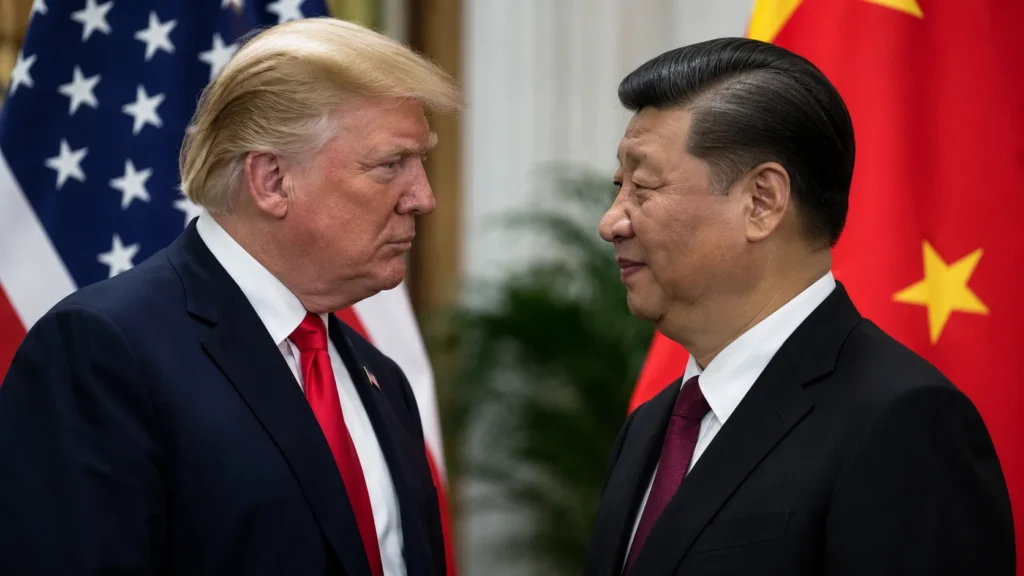








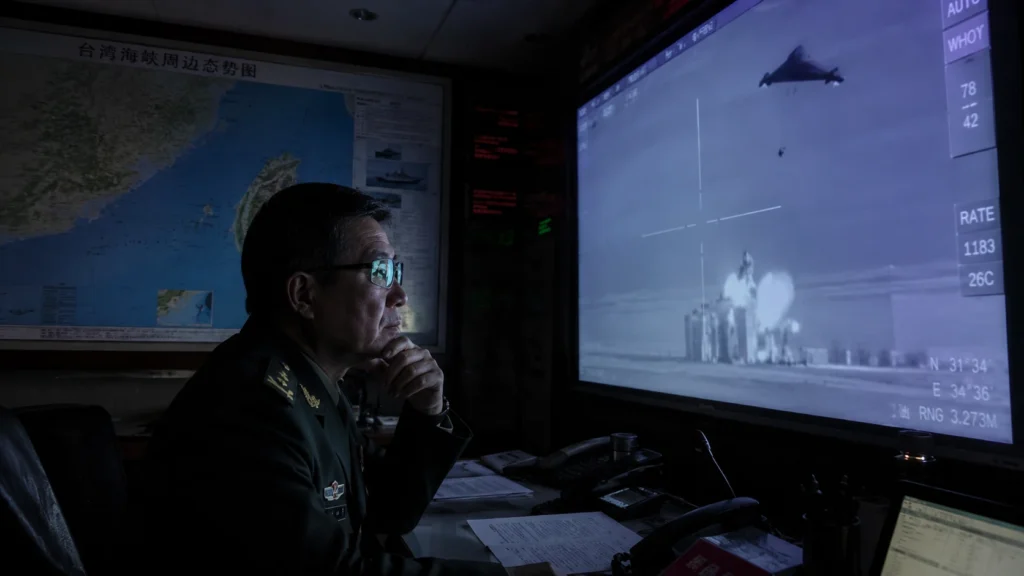
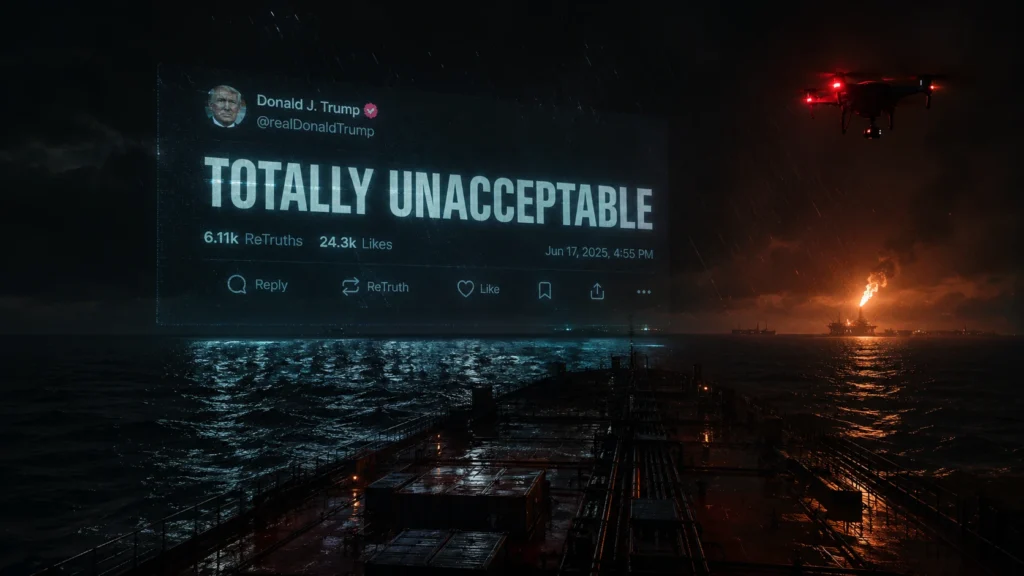

































Iran Conflict Tests Trump’s America First Strategy
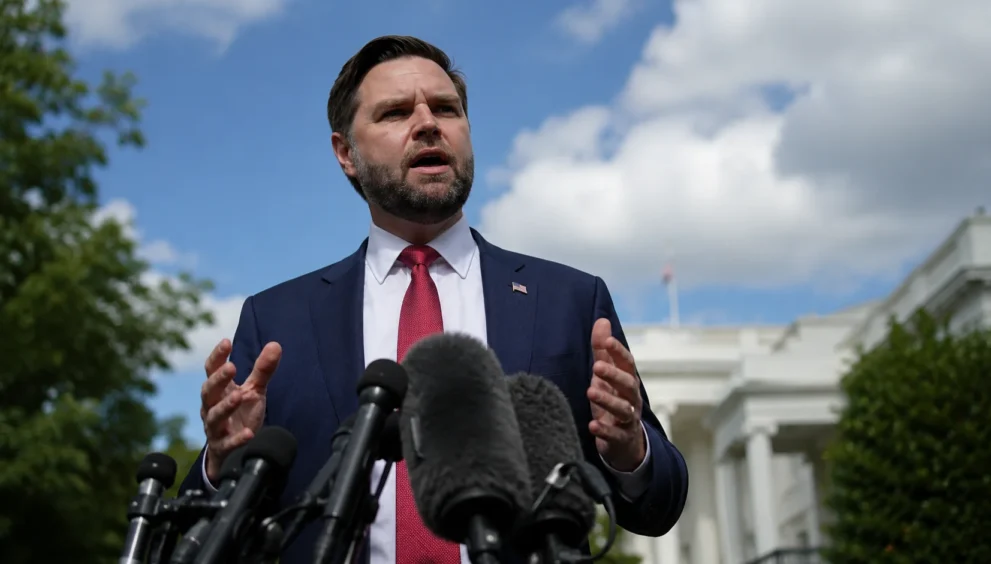
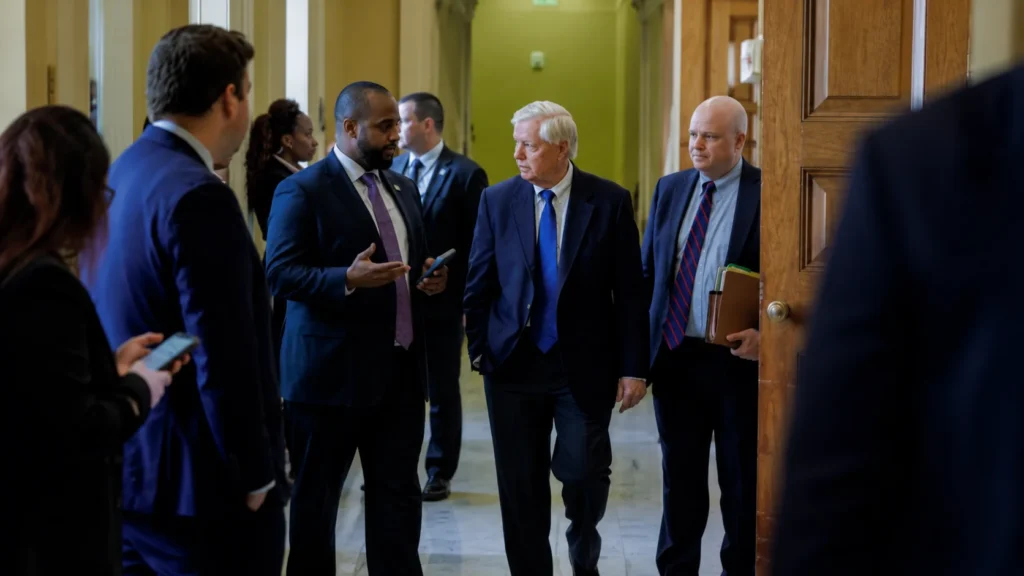
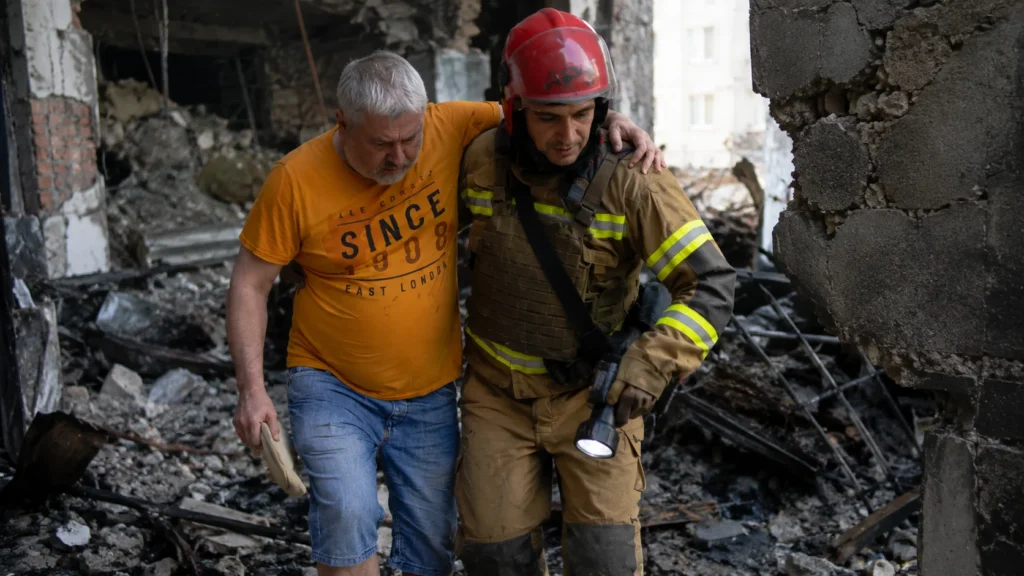
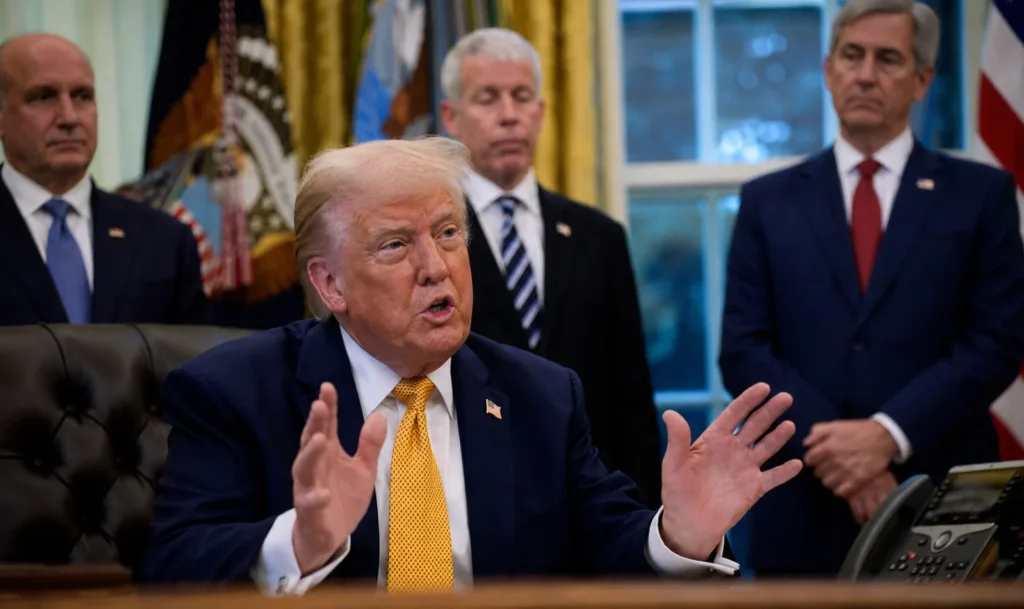
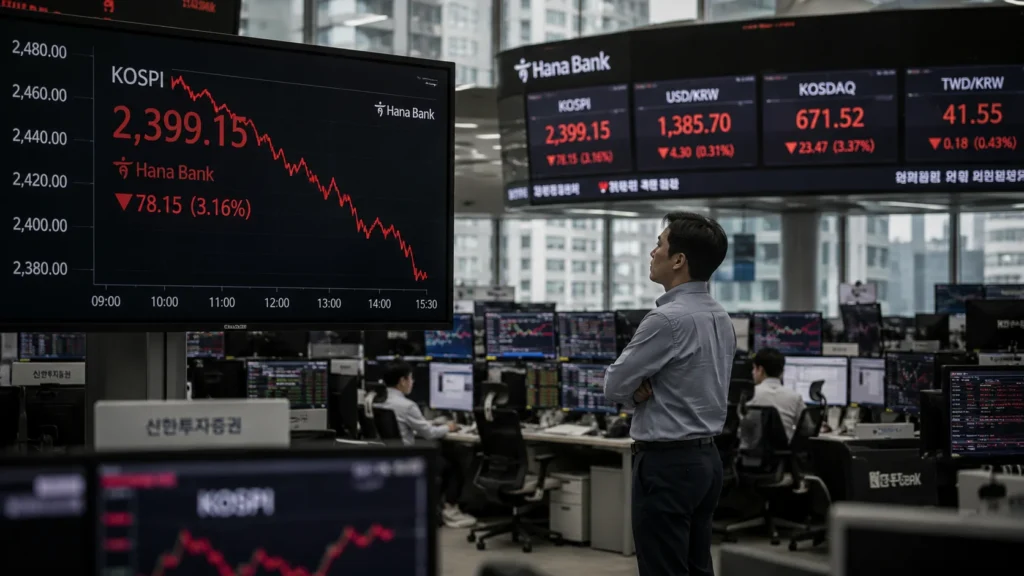
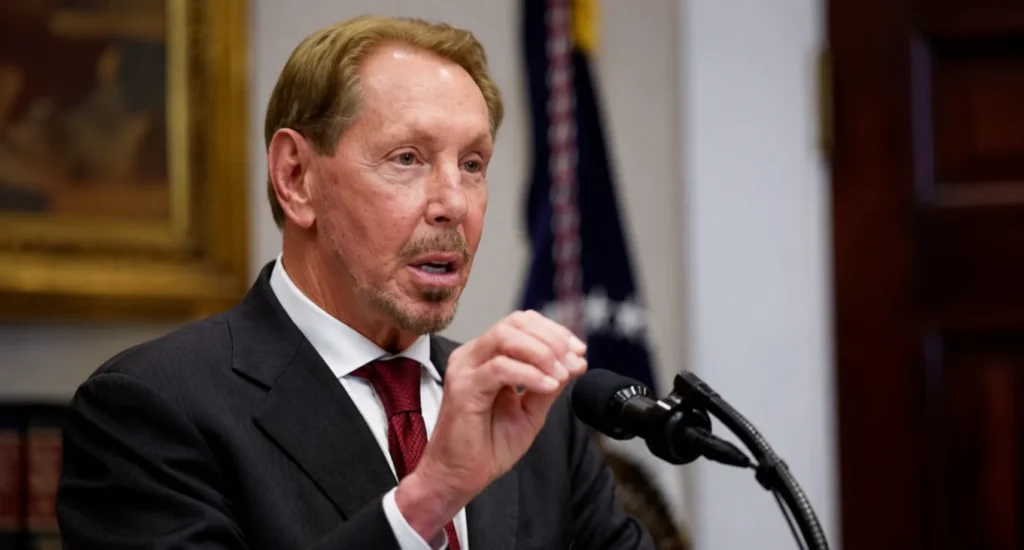
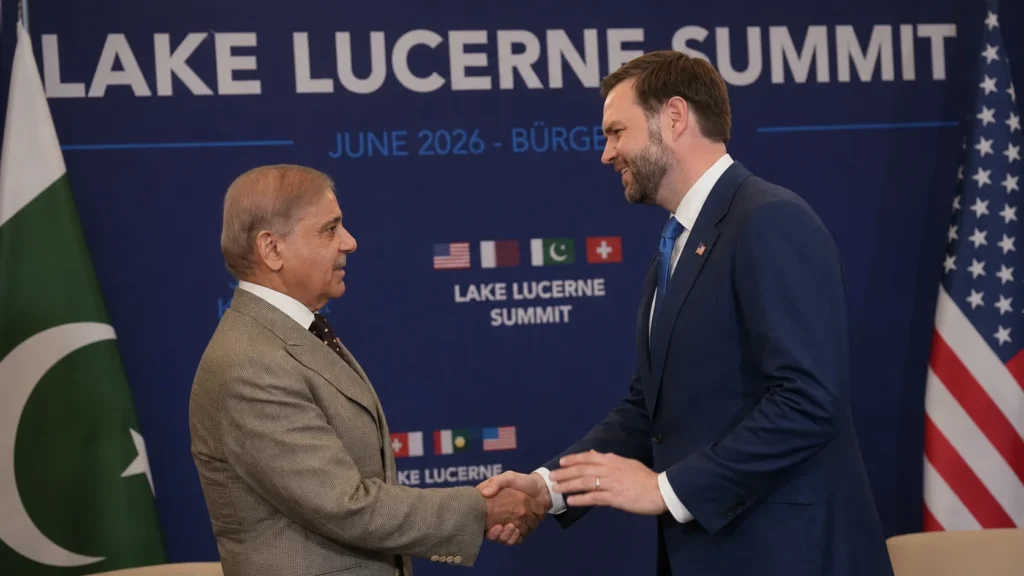
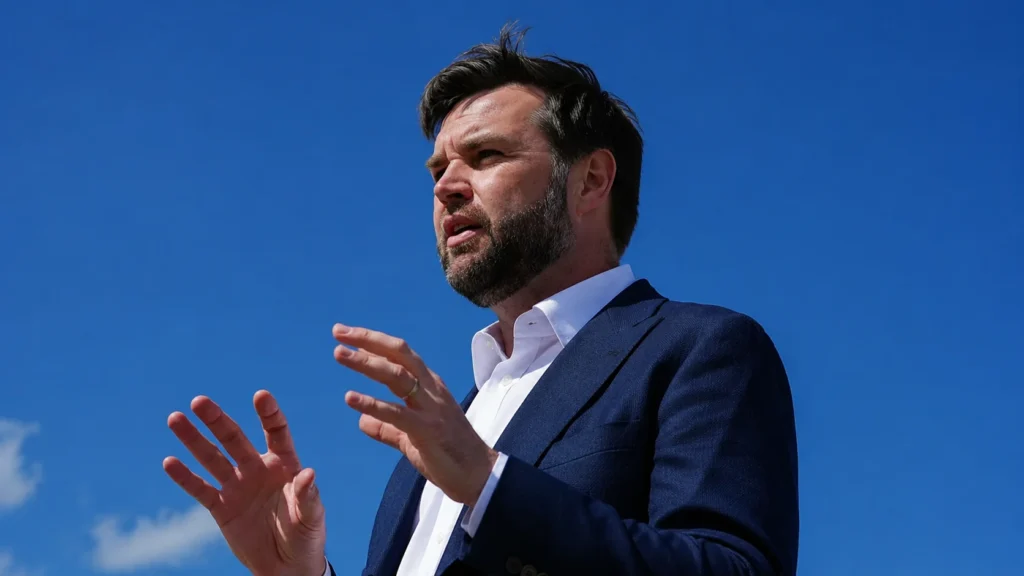
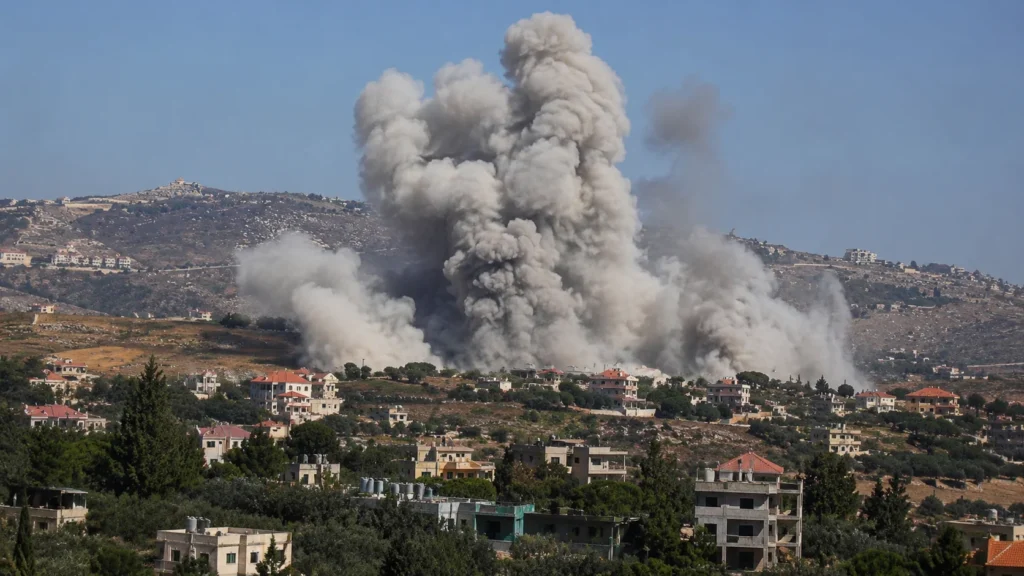
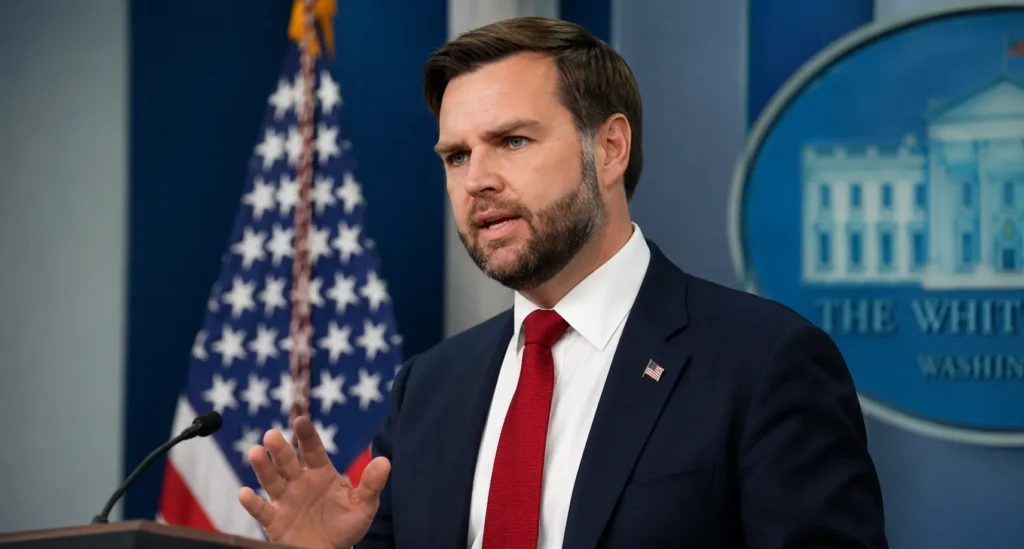
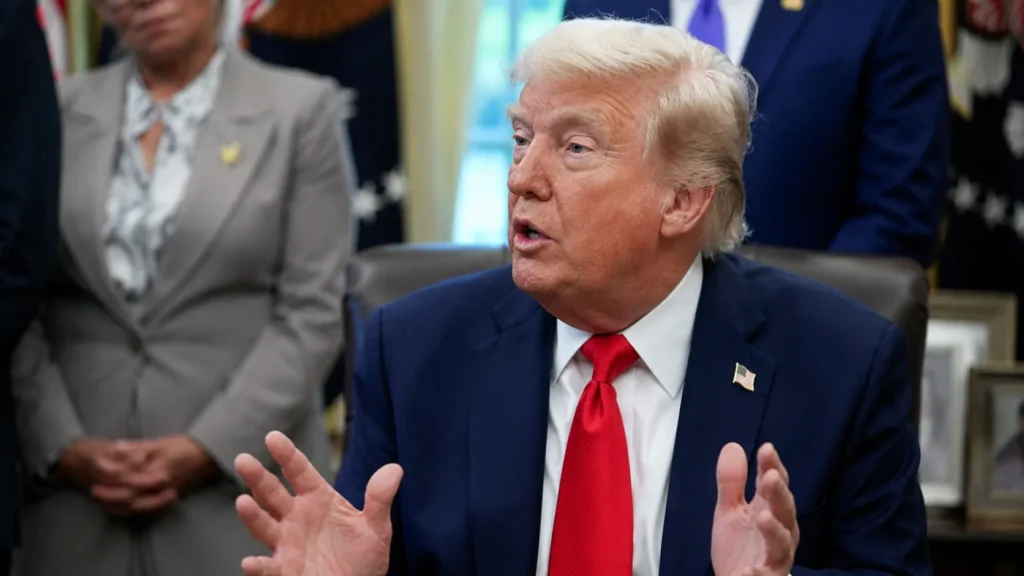
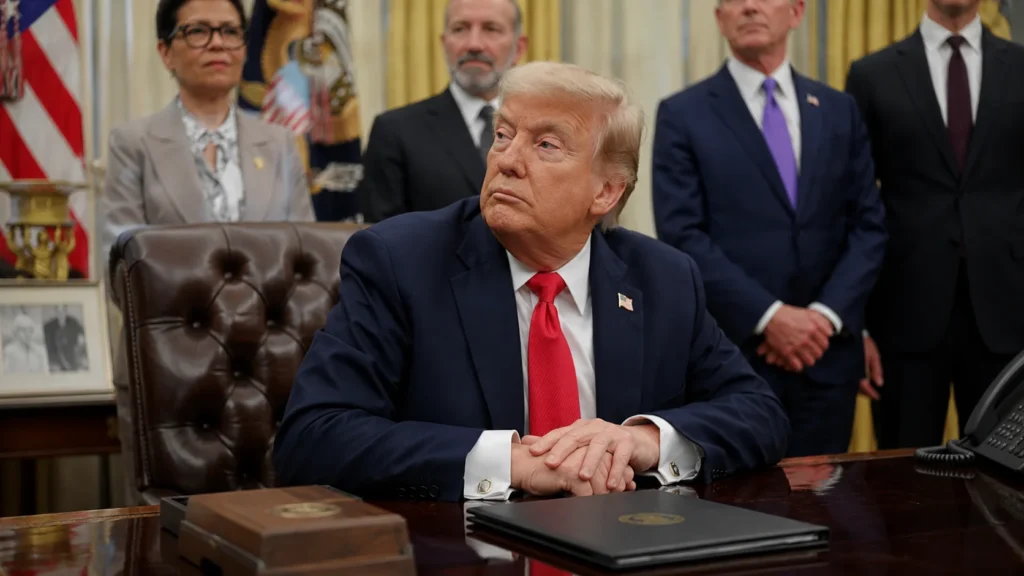
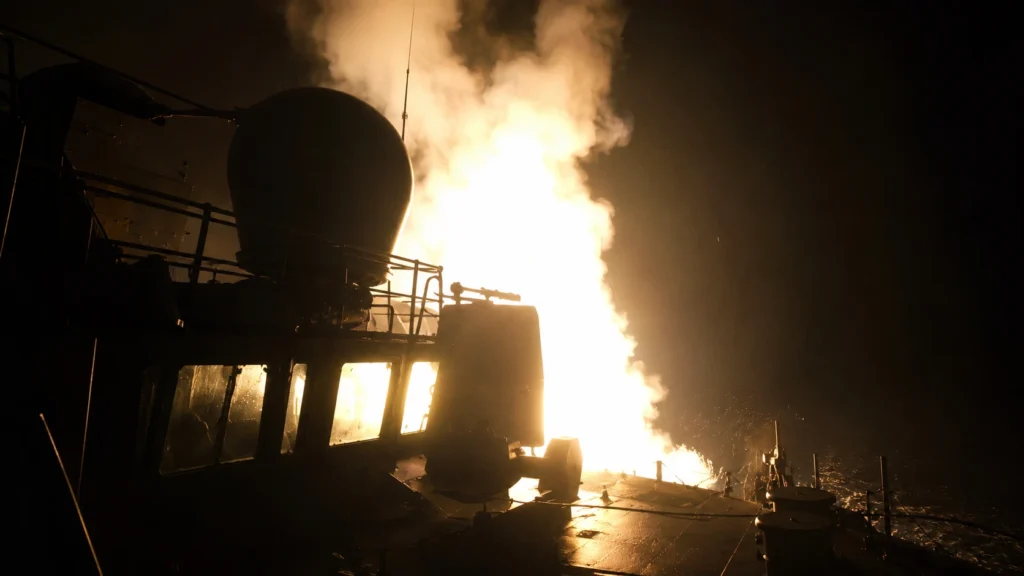
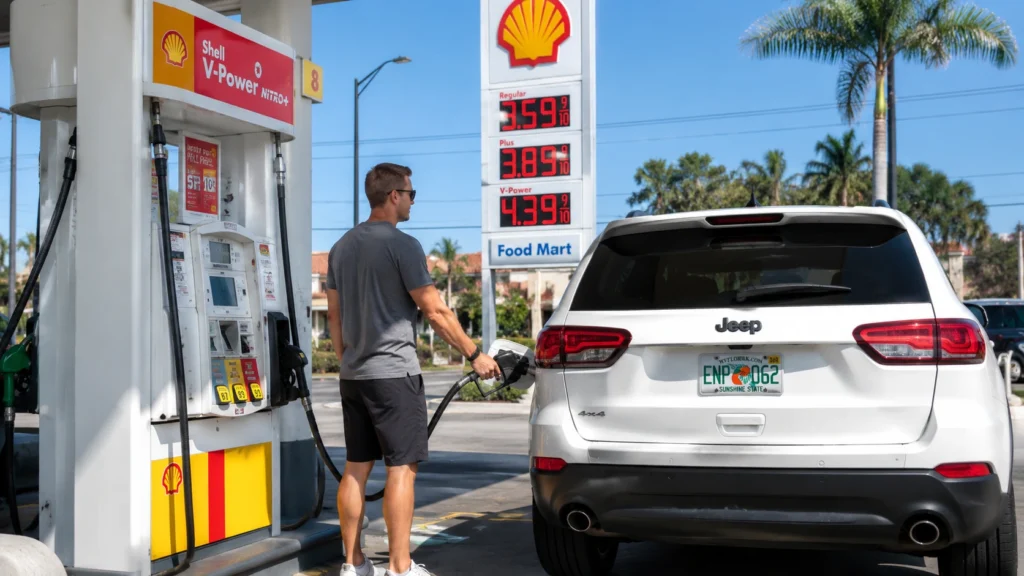
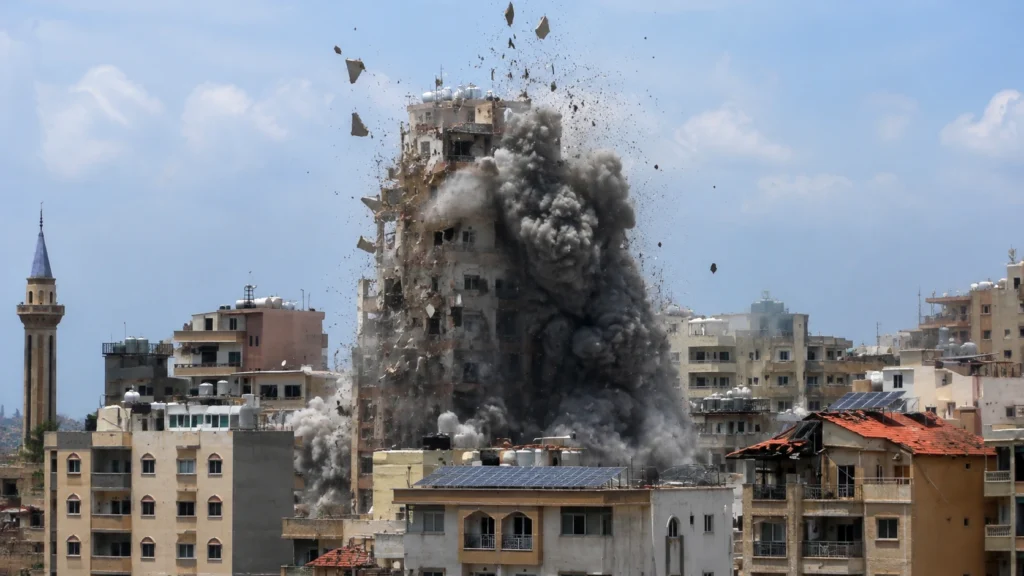
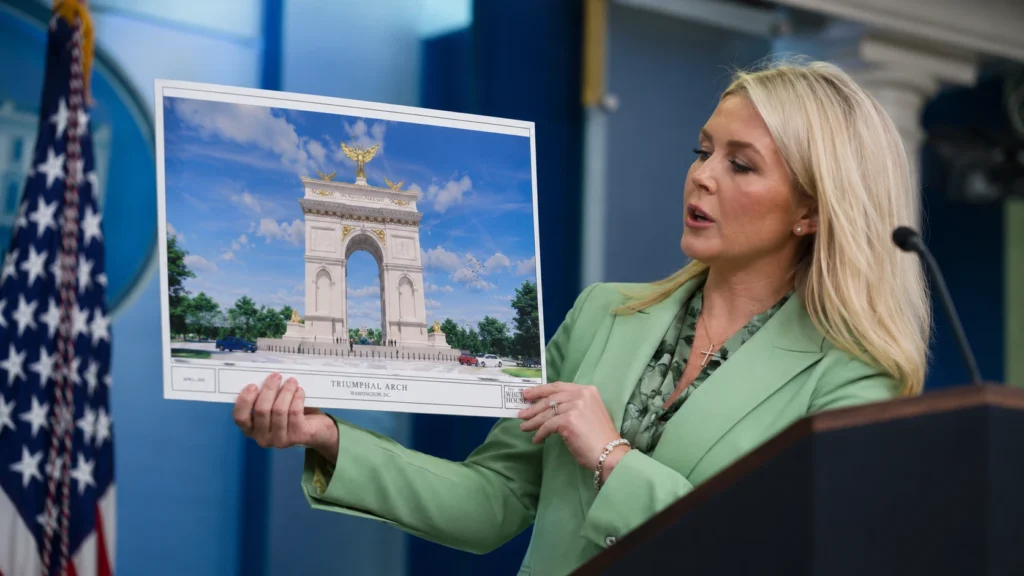
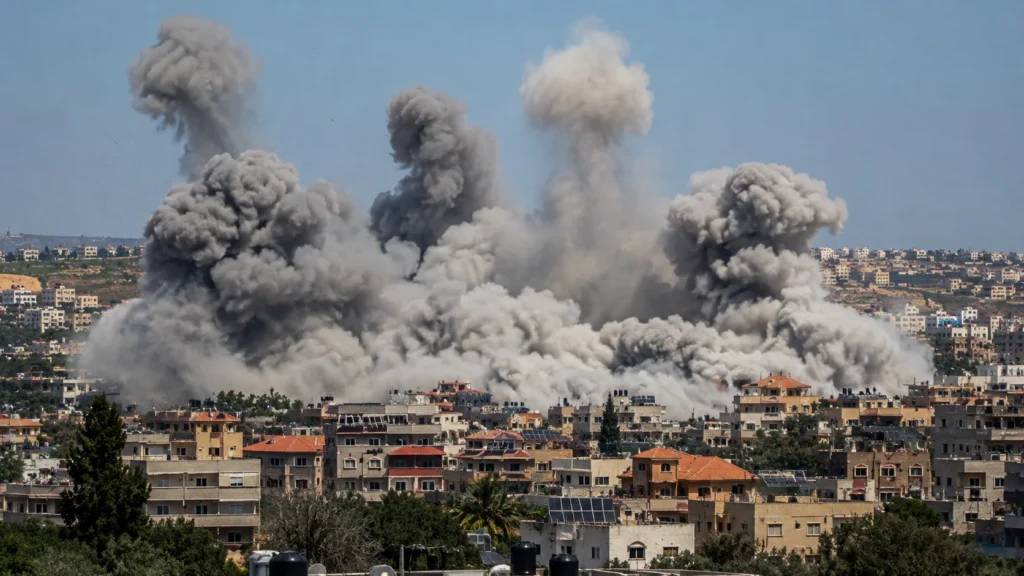
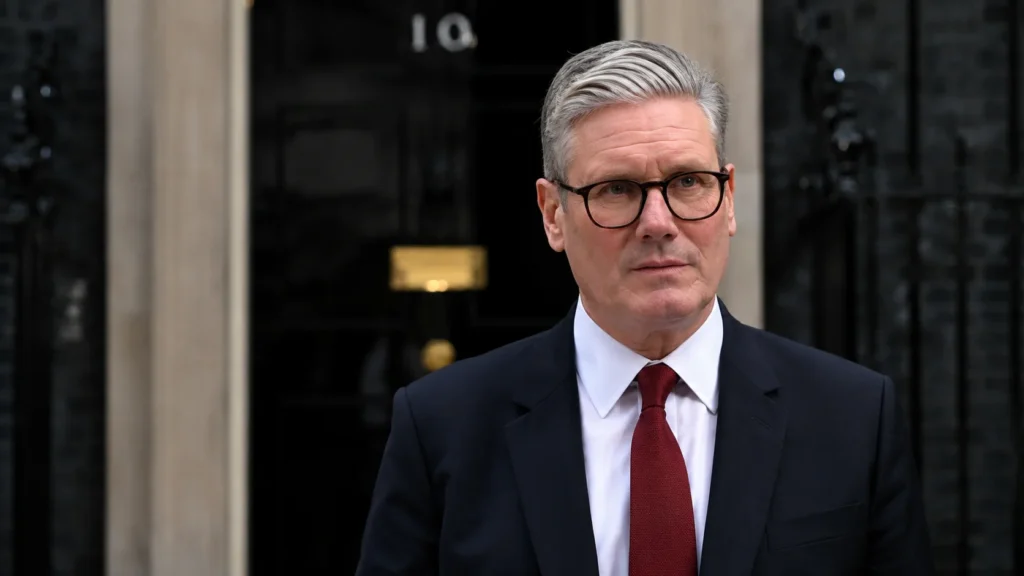
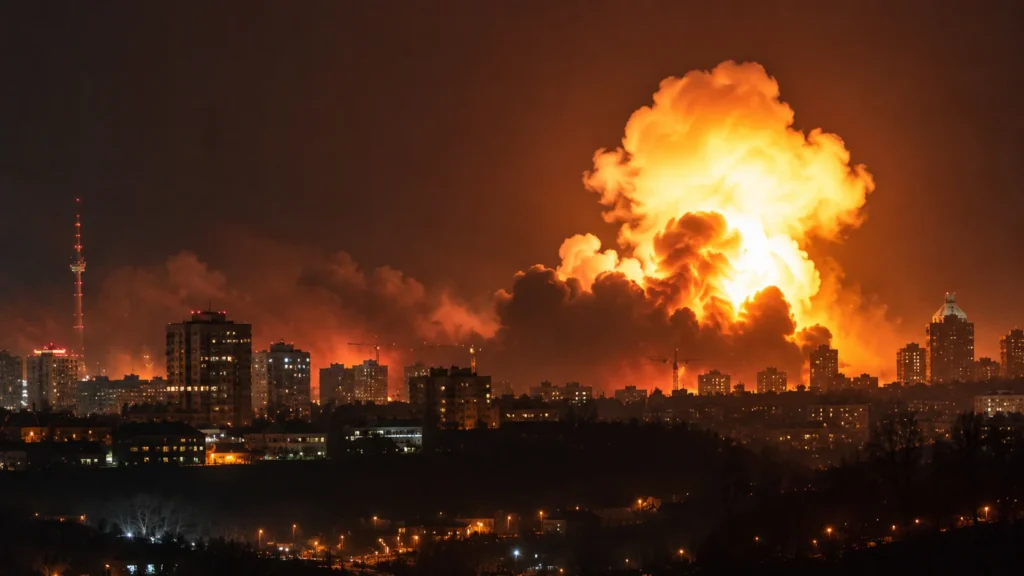
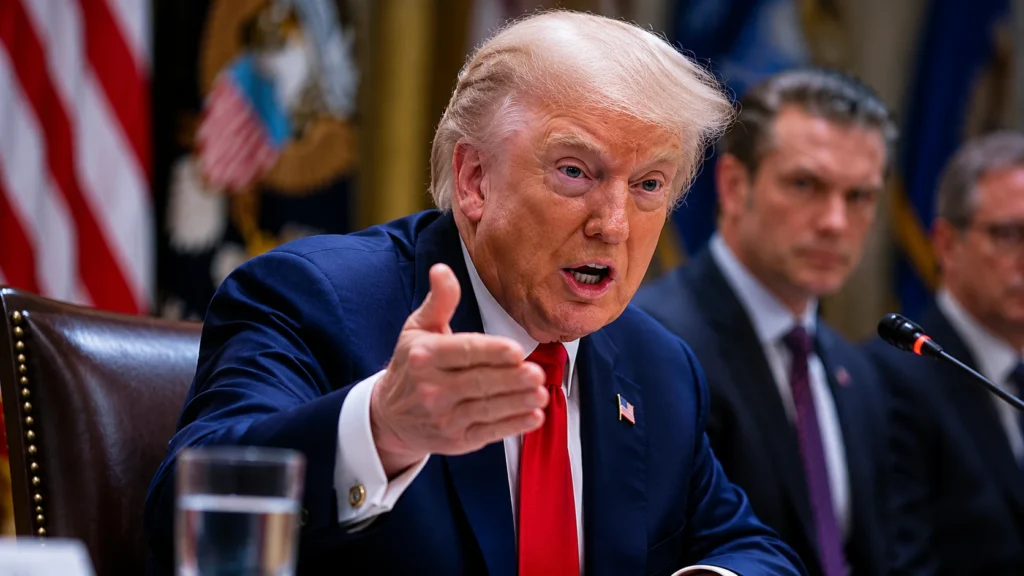
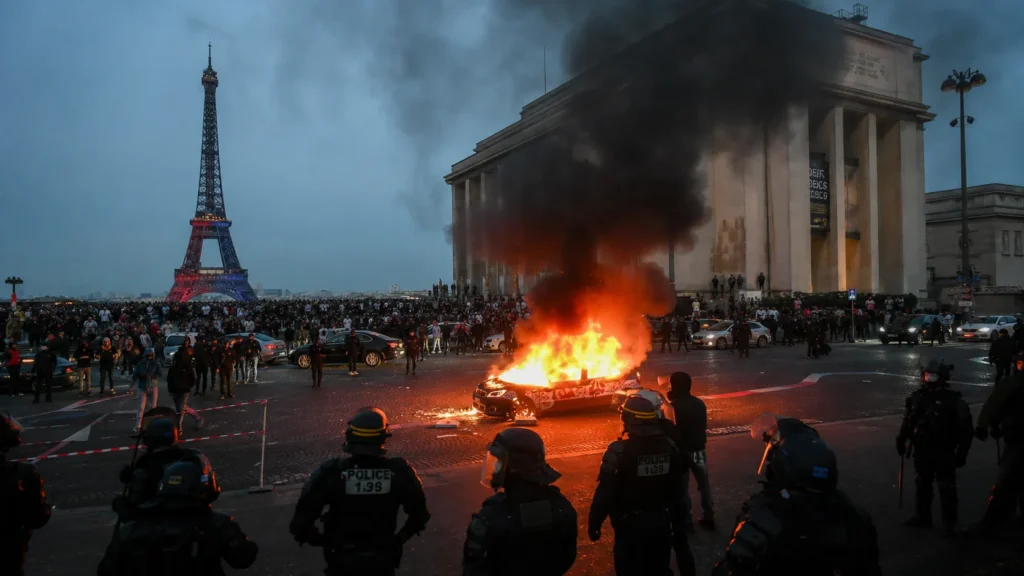
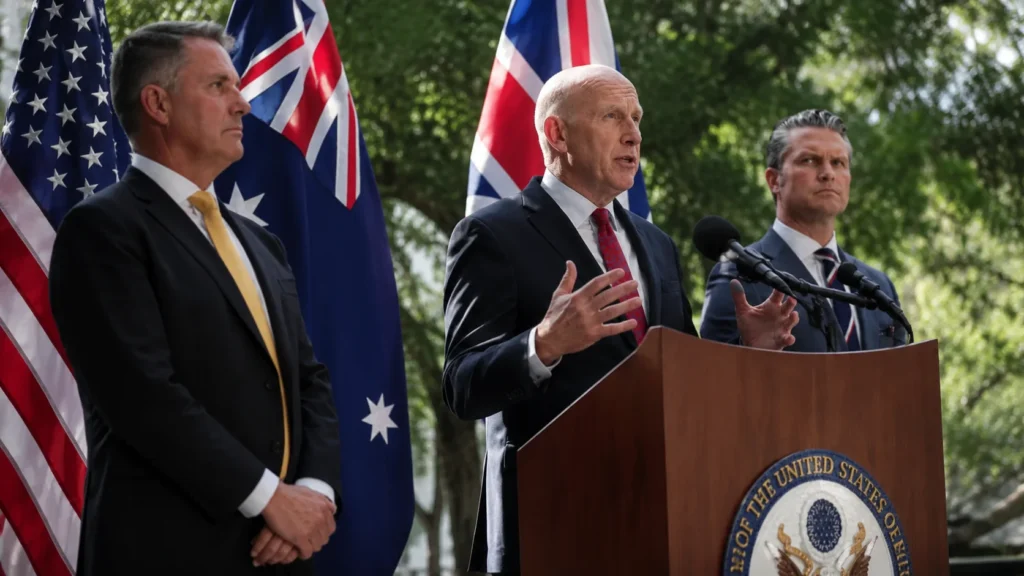
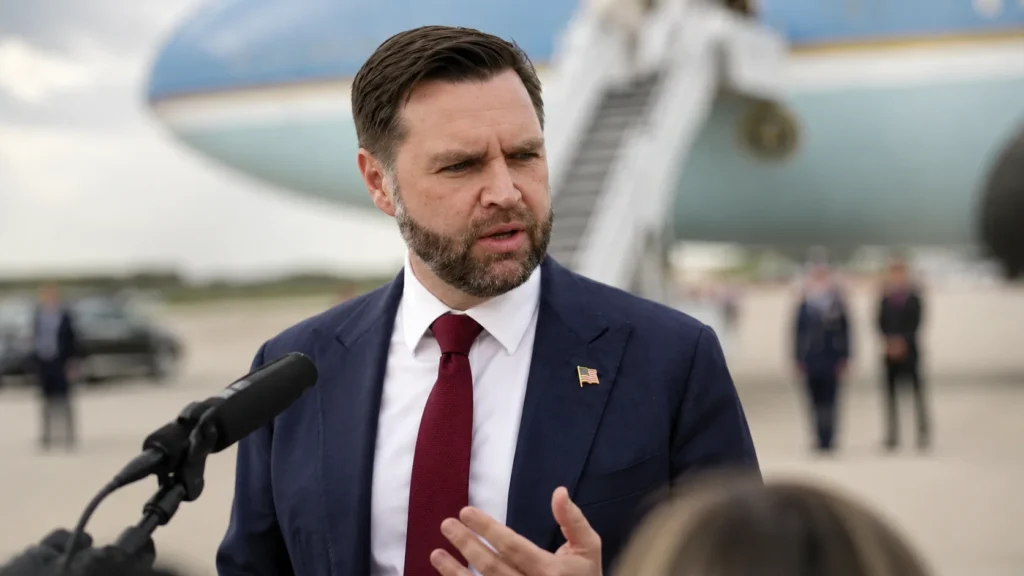
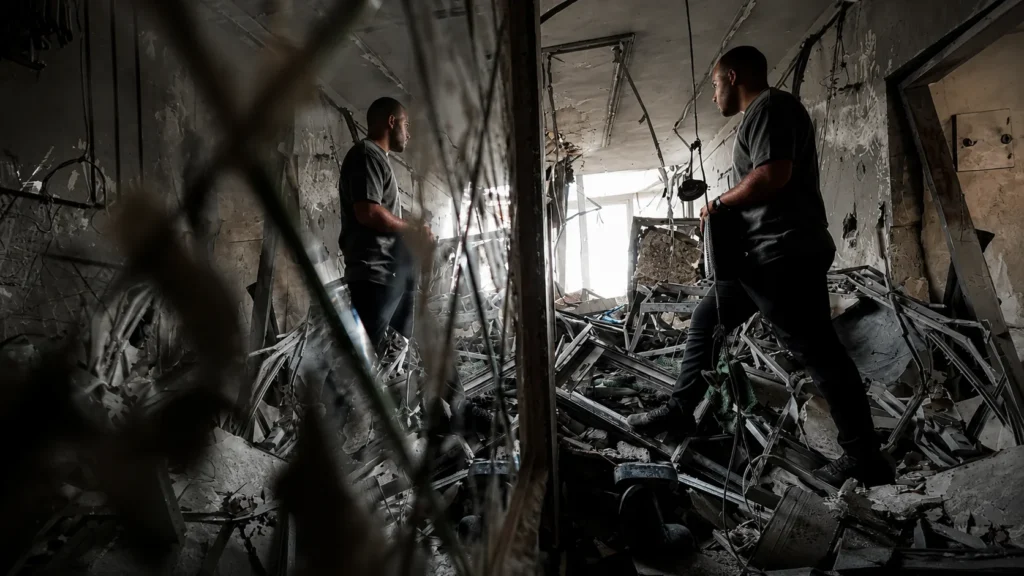
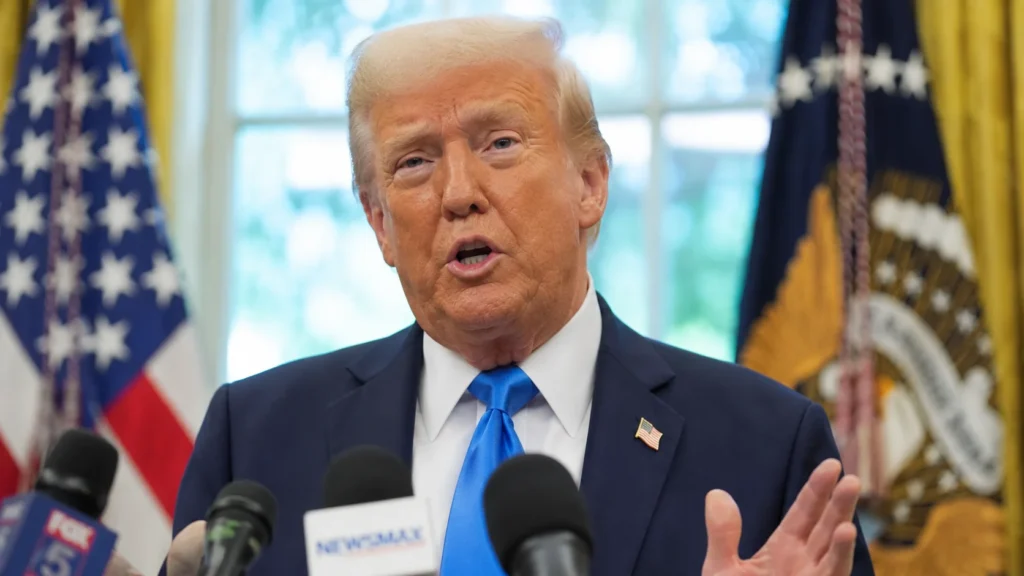
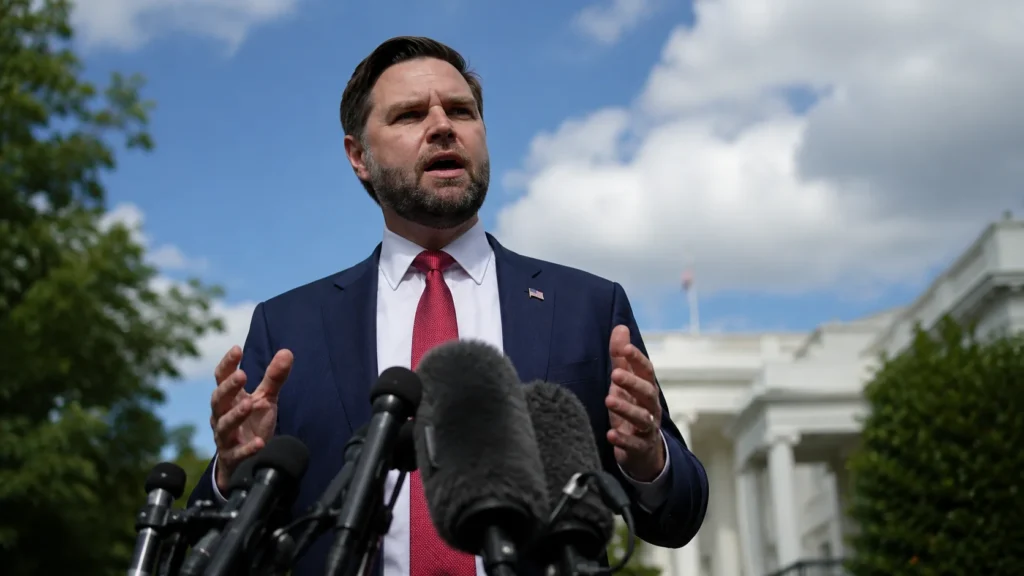
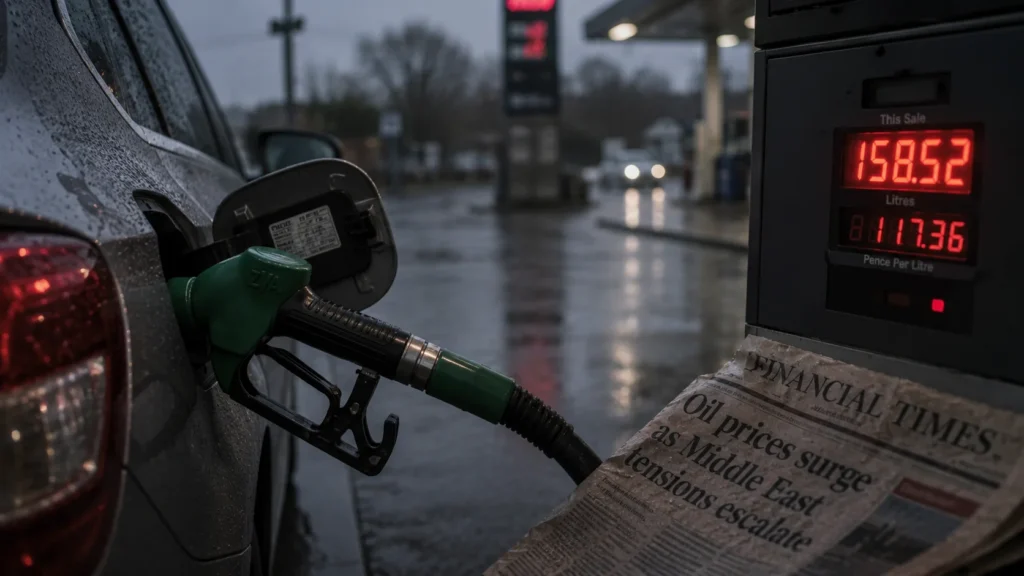
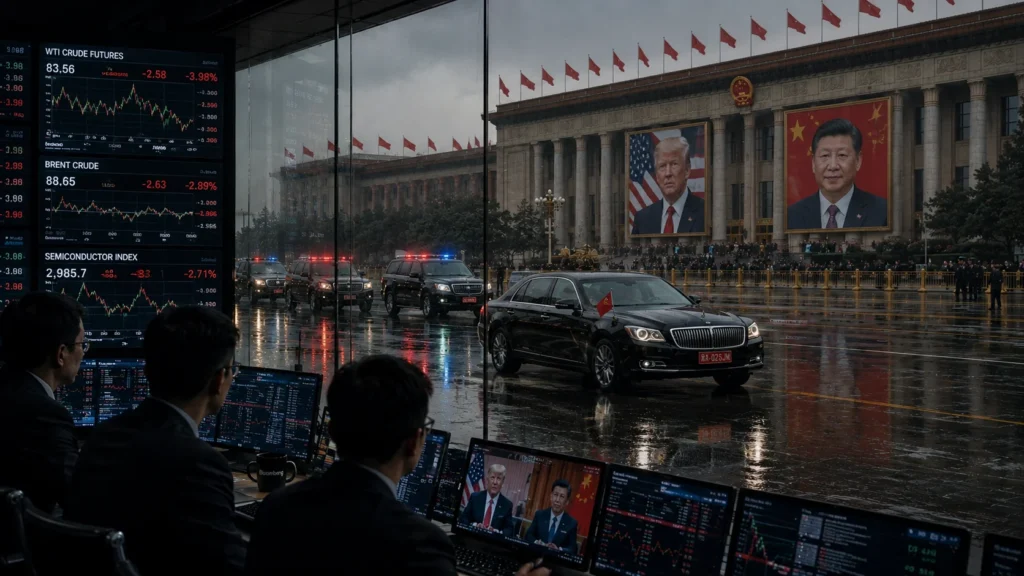
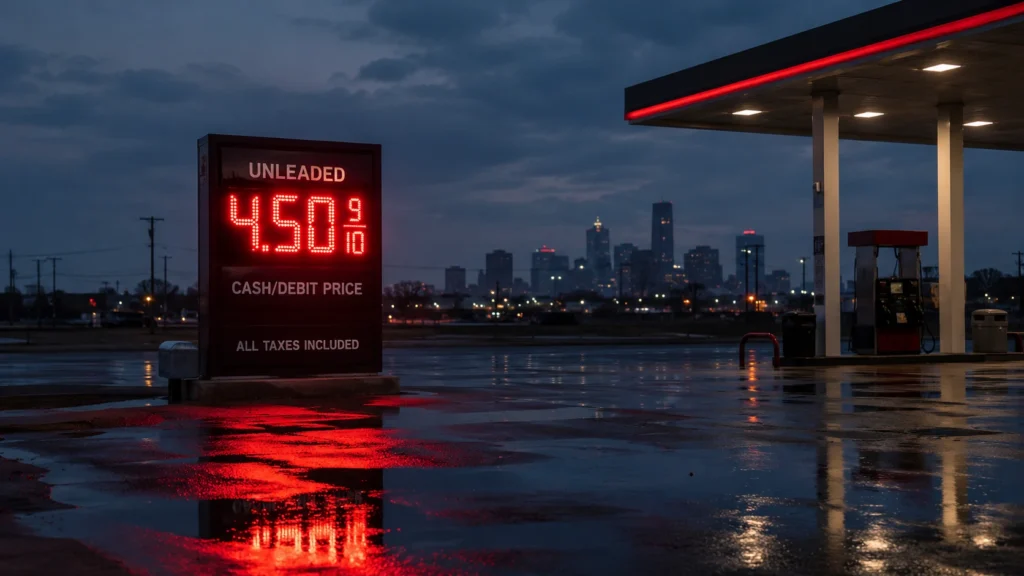
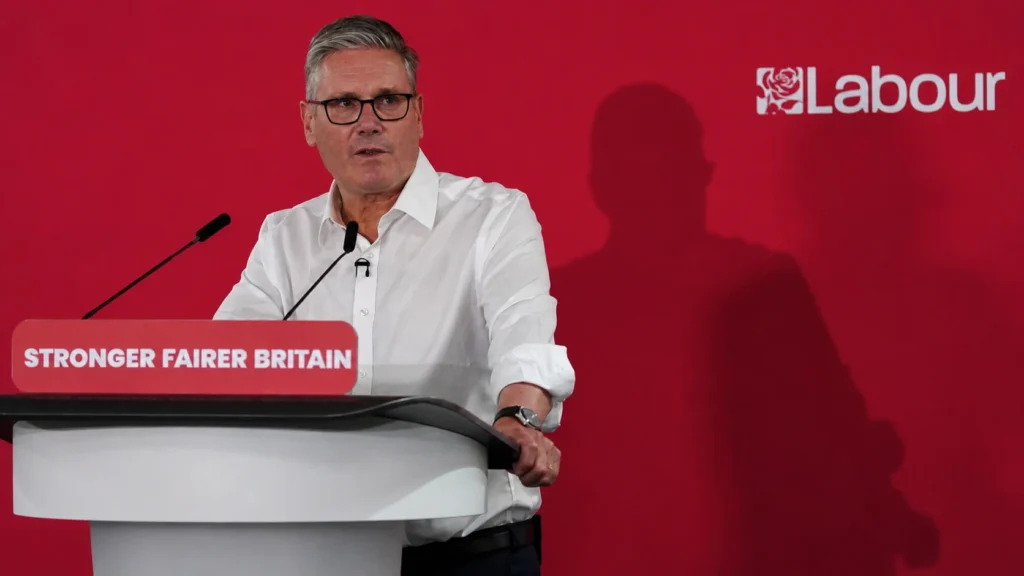
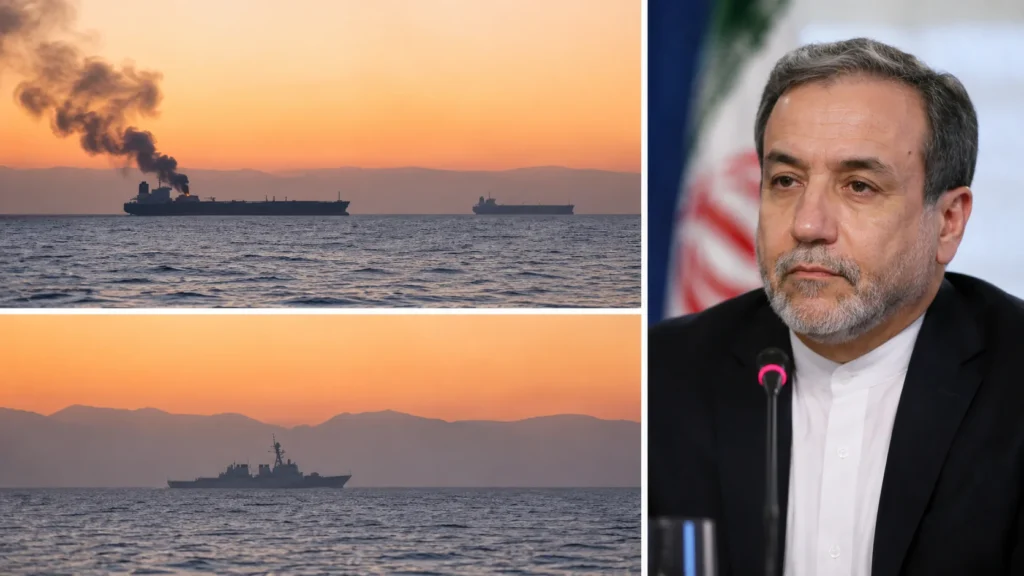
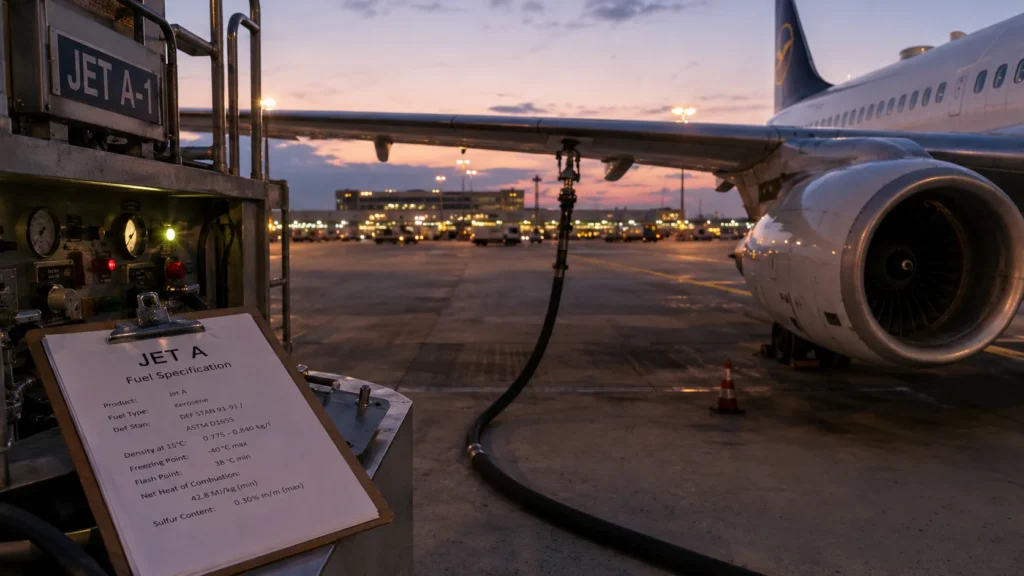
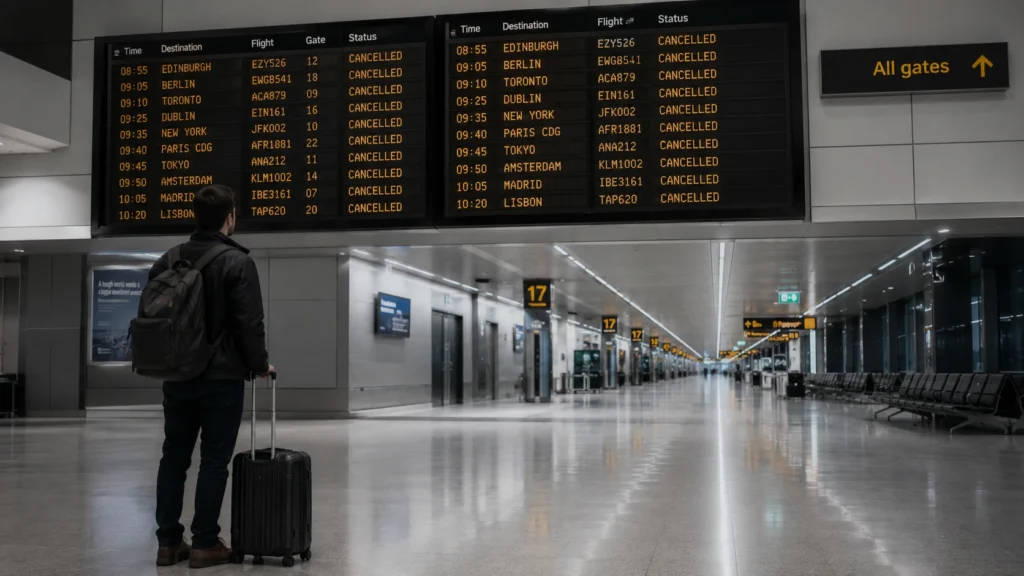
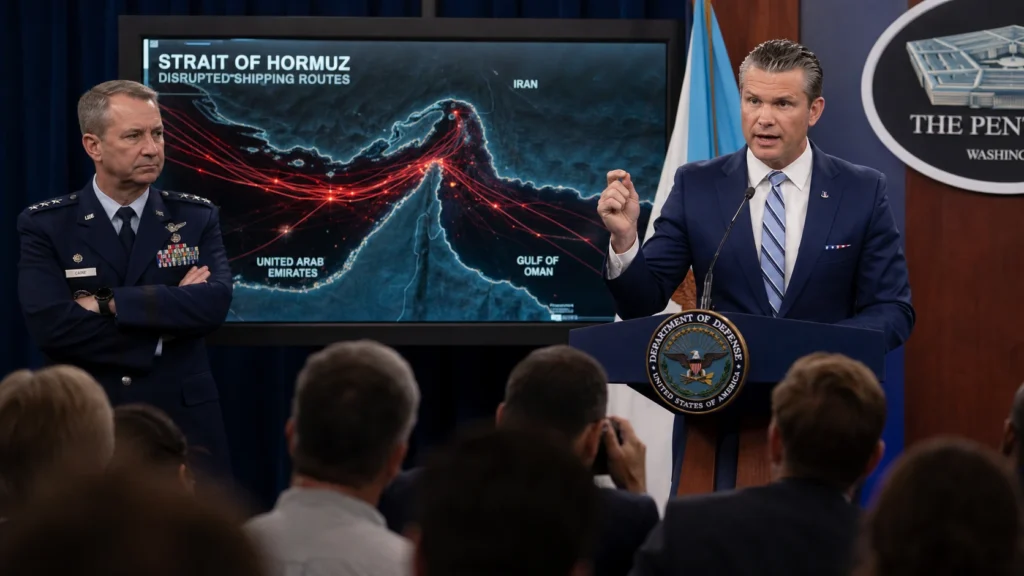
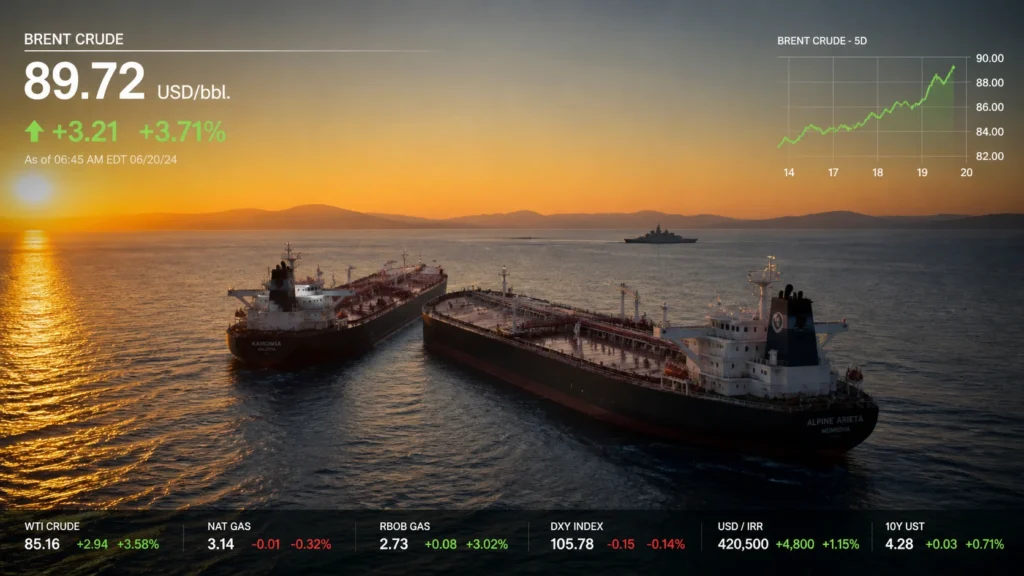
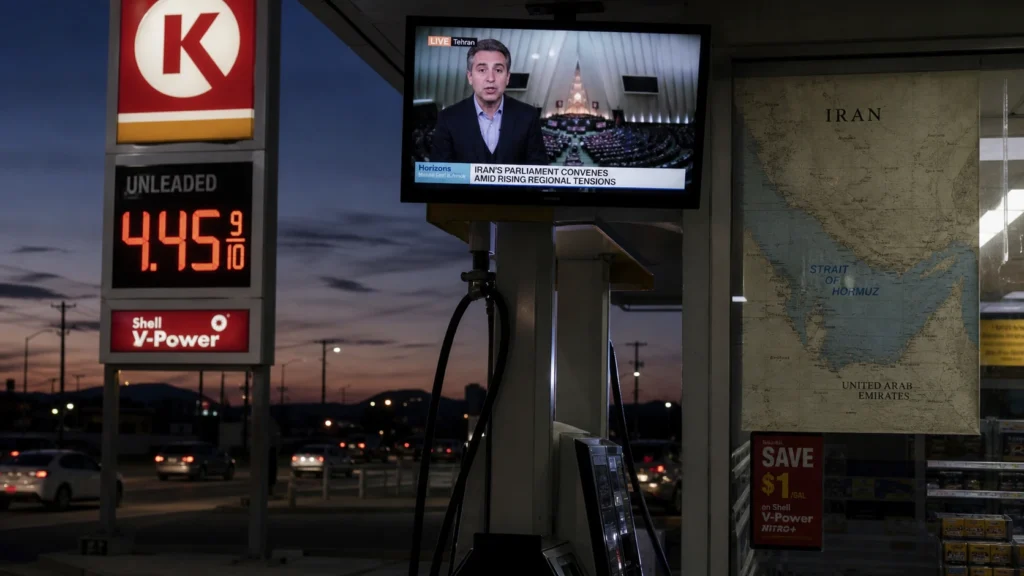
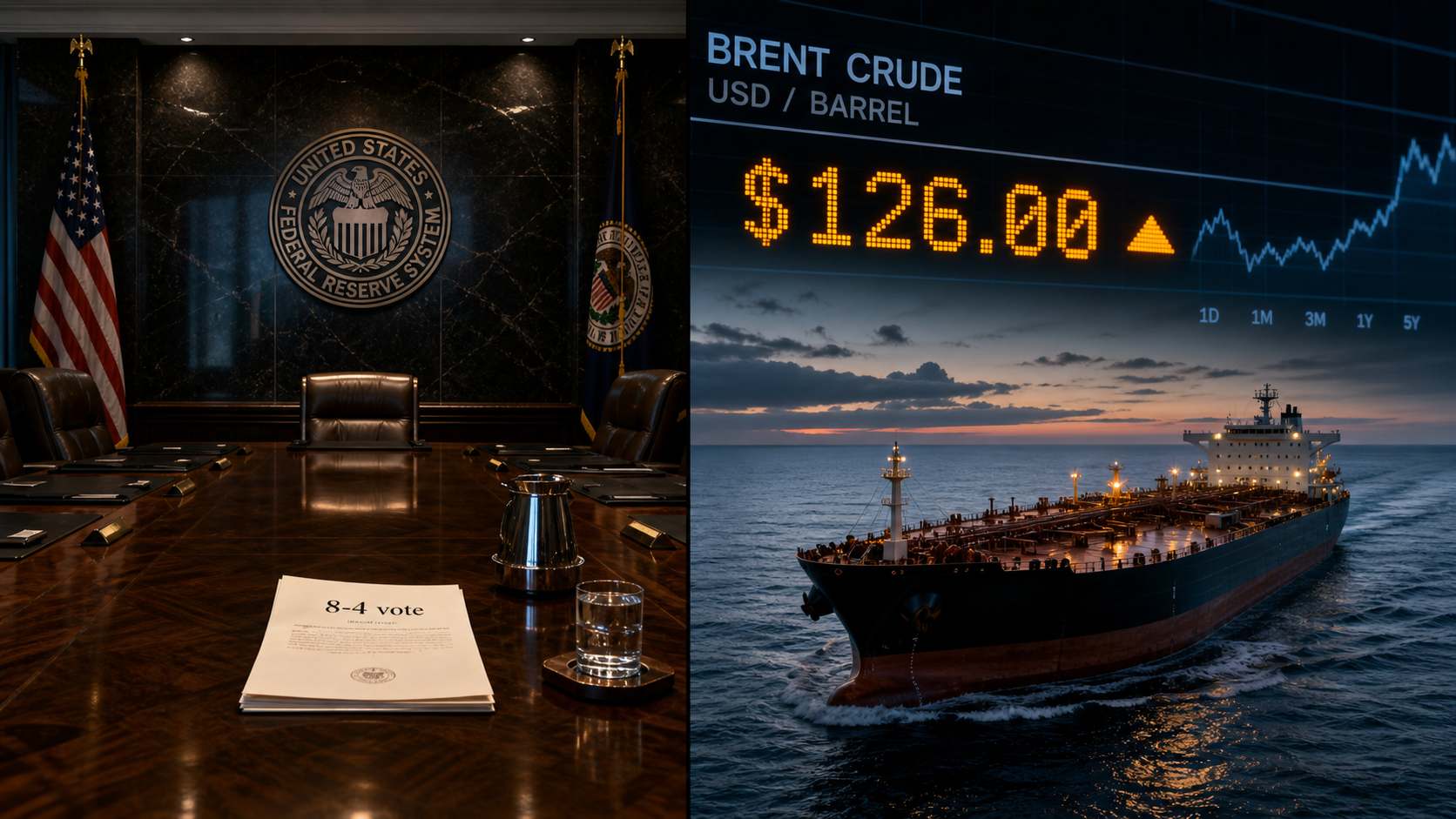
Oil markets reacted before Washington settled on its message. Fuel prices edged higher across parts of the United States this week as investors tracked renewed uncertainty surrounding Iran and the wider Middle East. At the White House, Vice President JD Vance defended the administration’s approach, arguing that the US could contain Iran’s nuclear ambitions without sliding into a prolonged regional conflict.
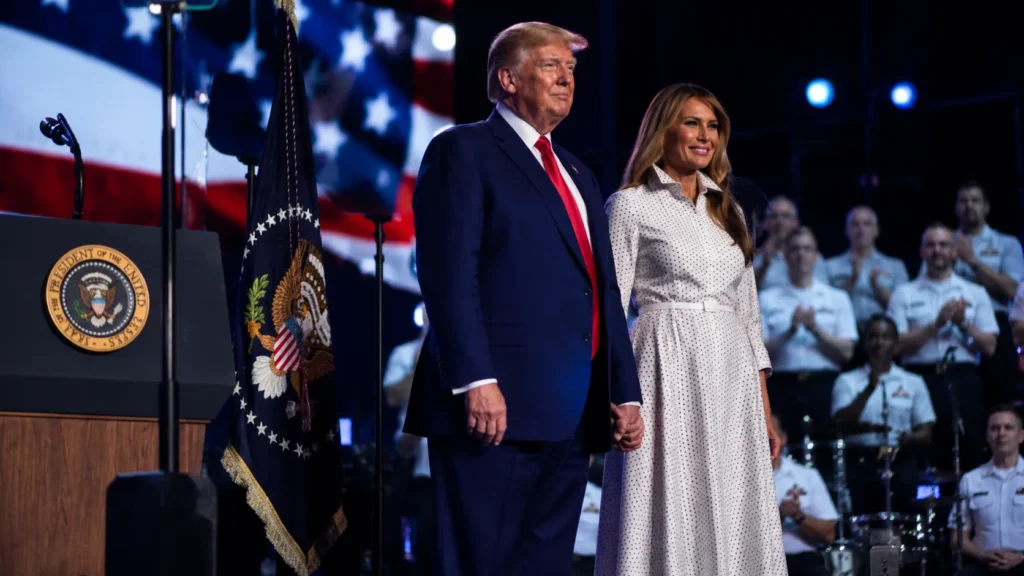
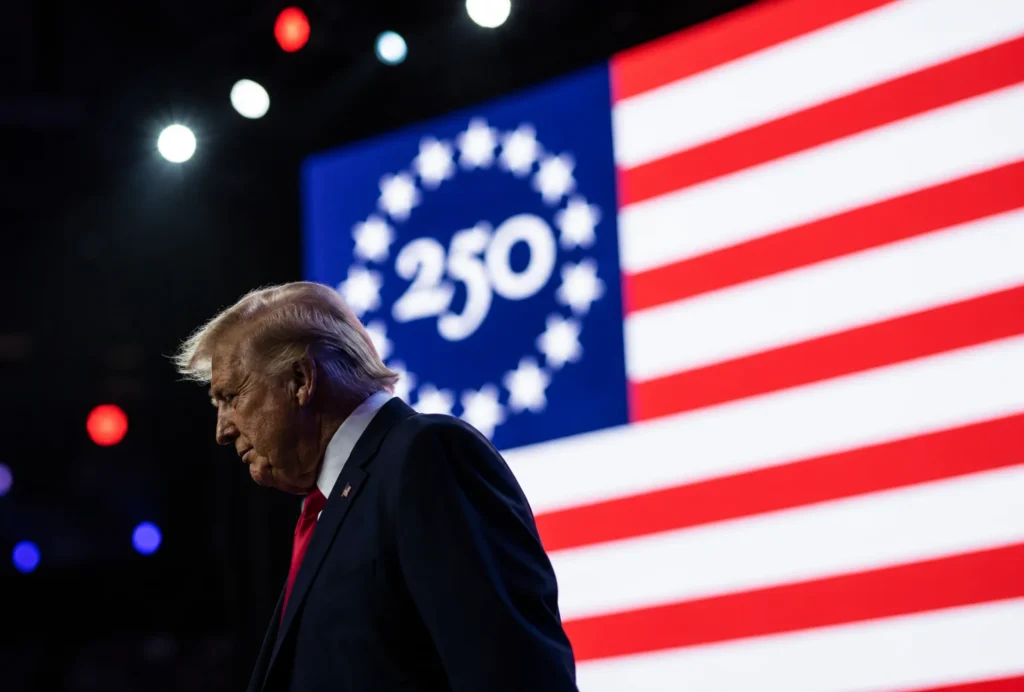
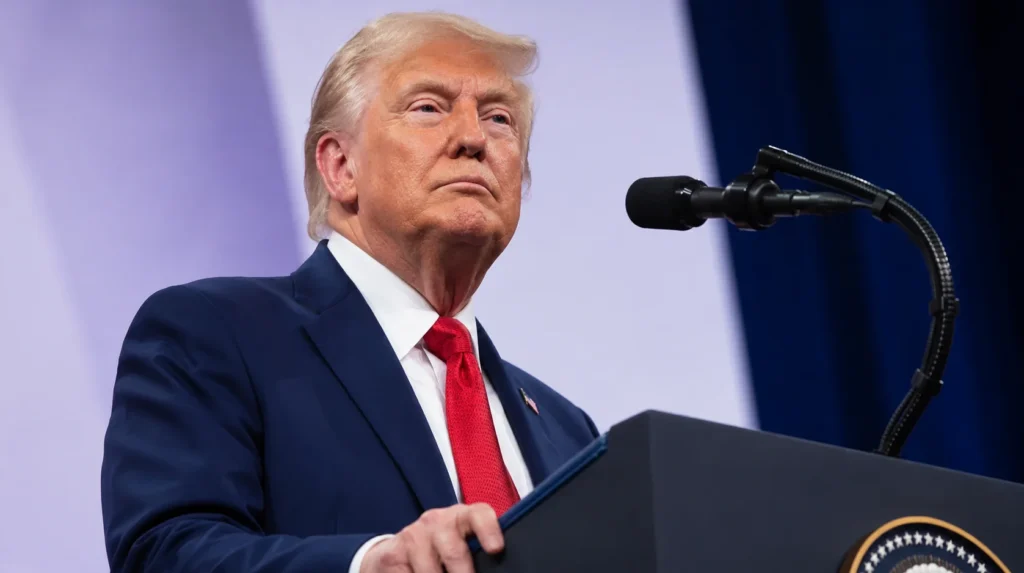
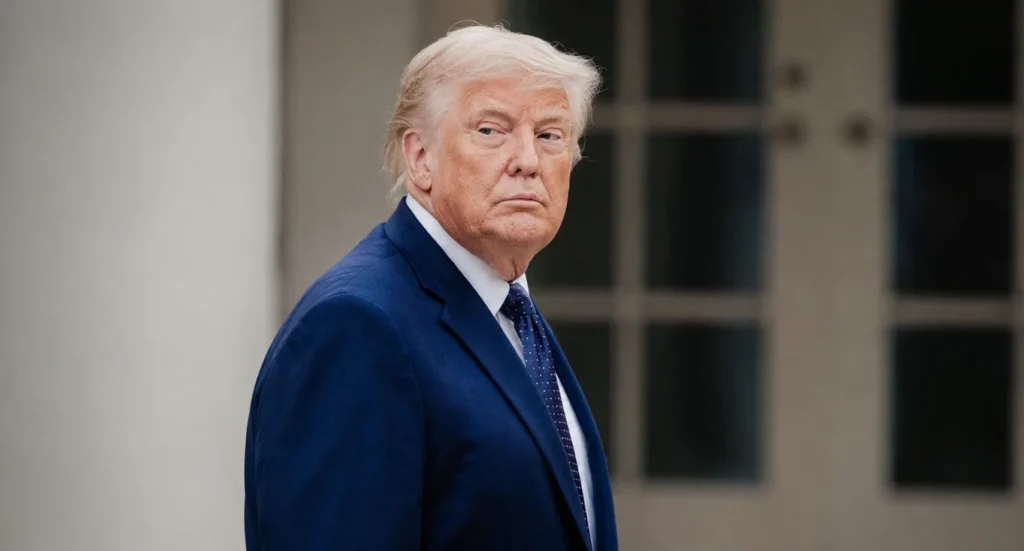
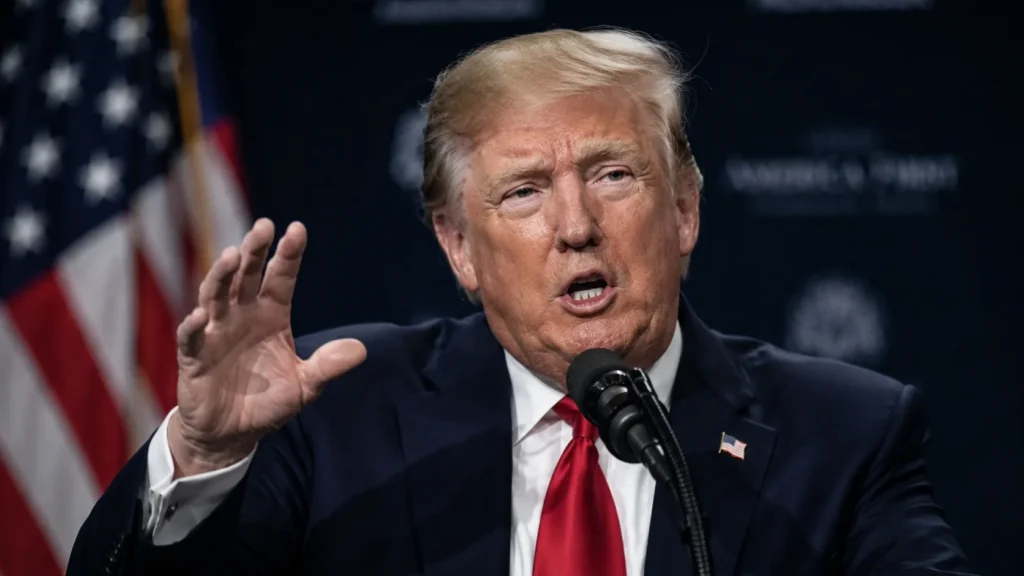
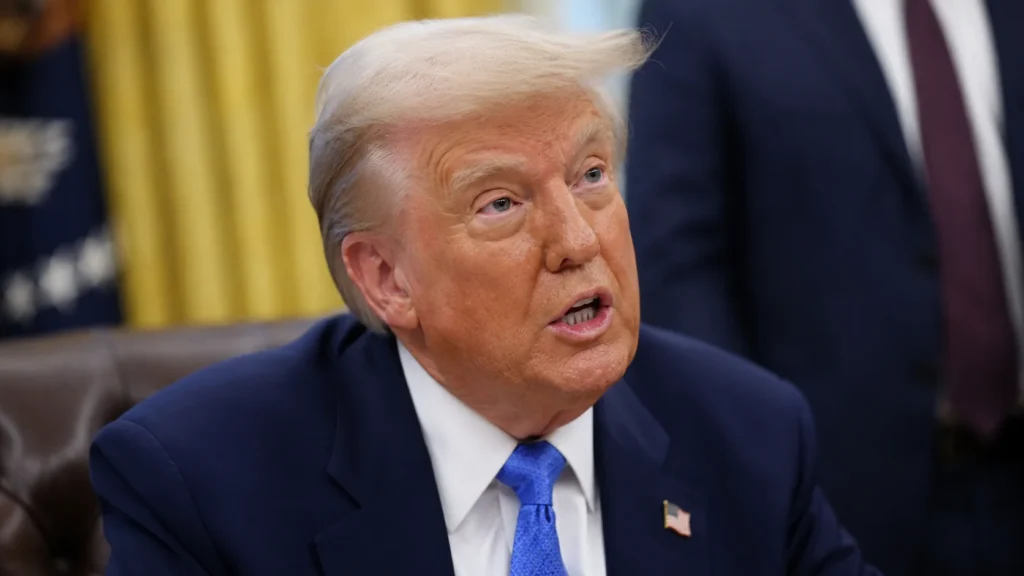
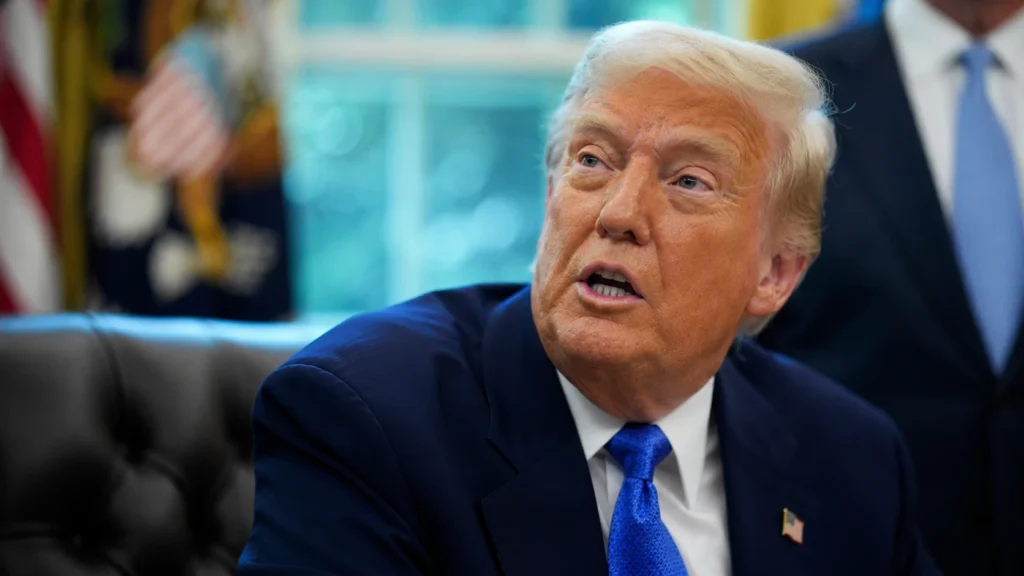
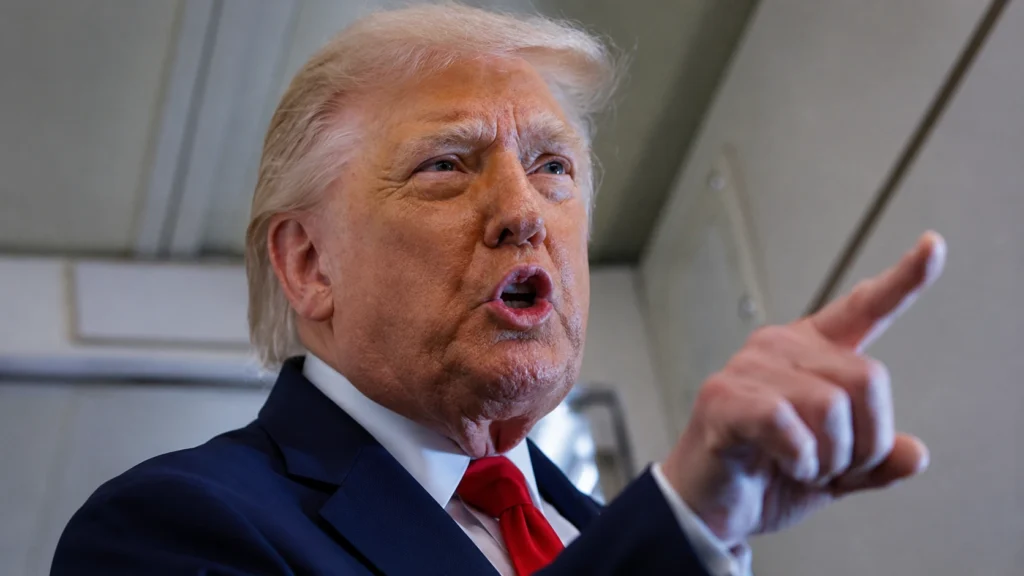
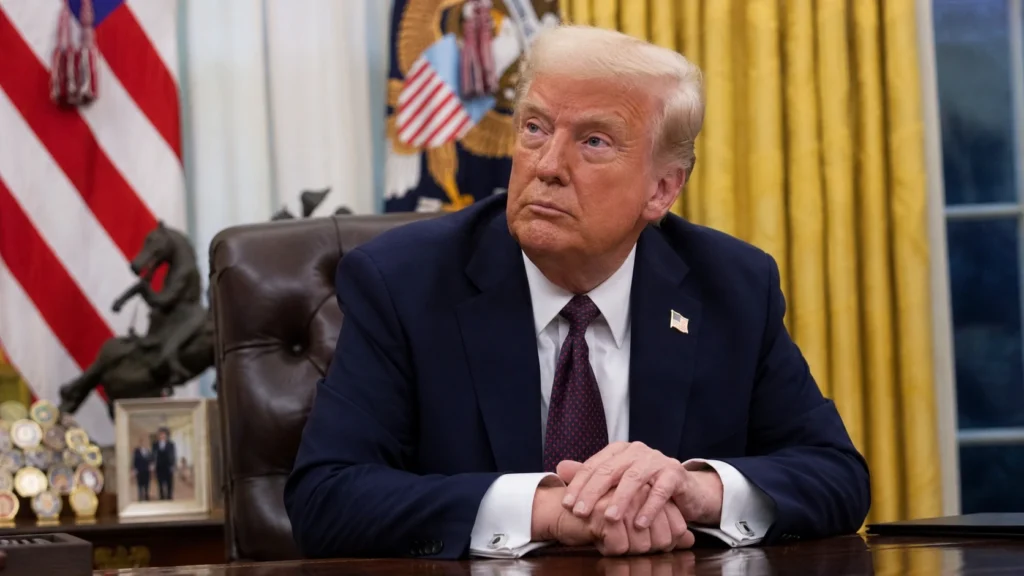
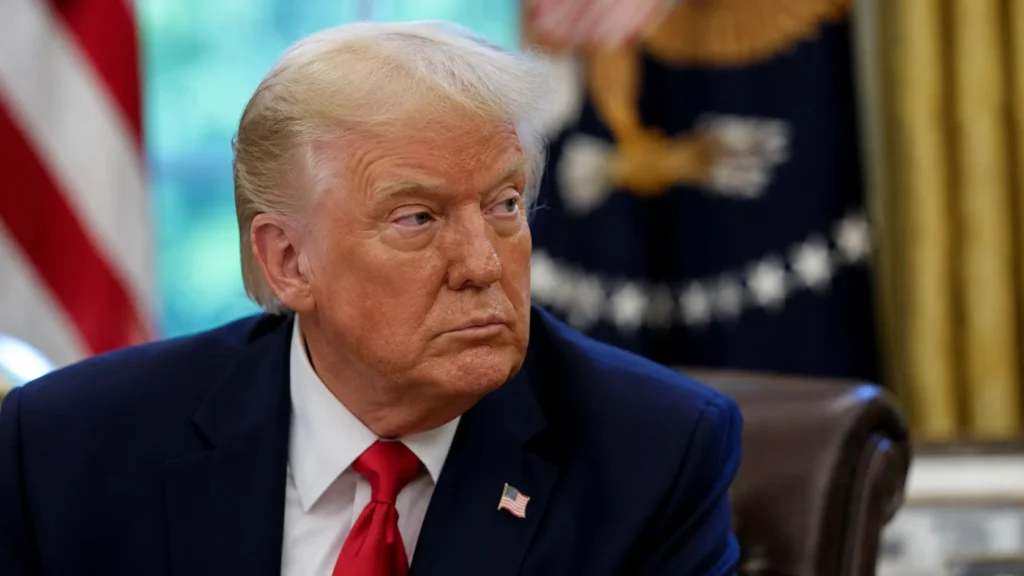
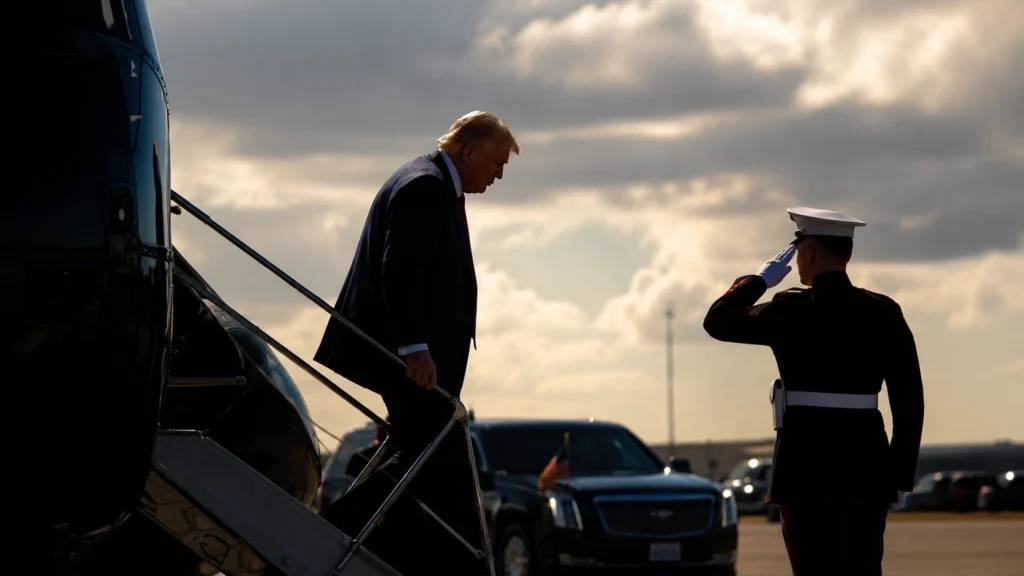
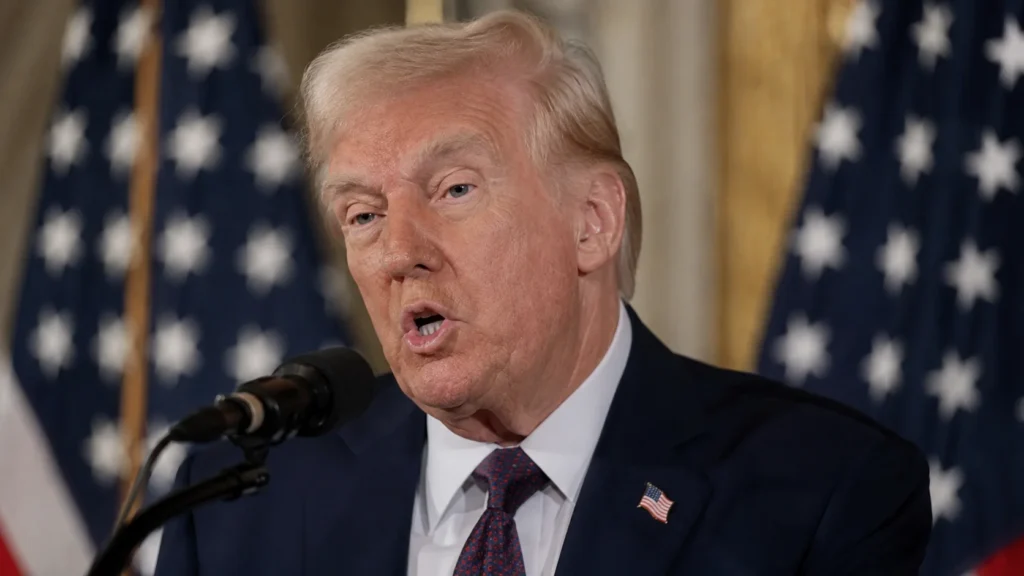
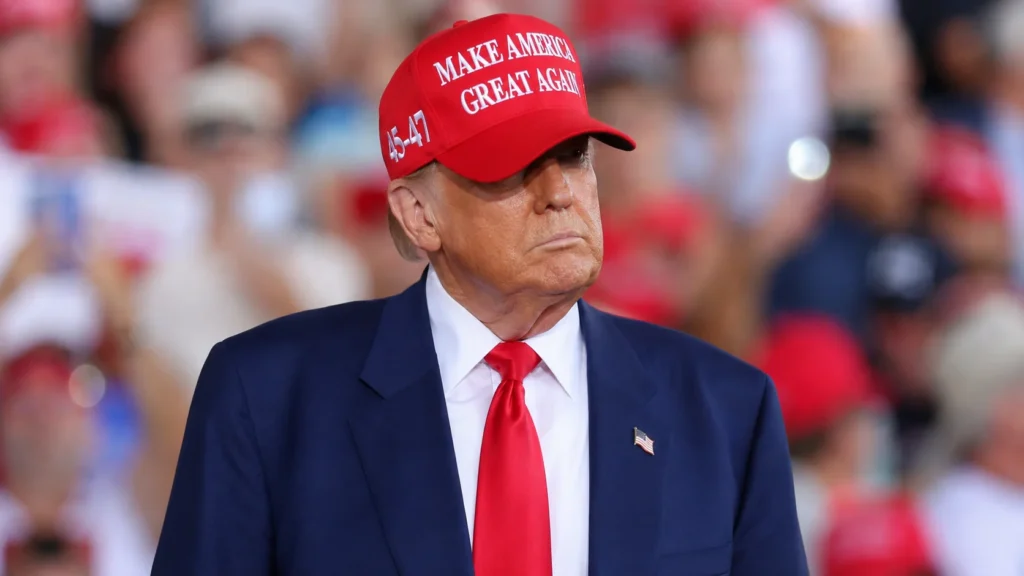
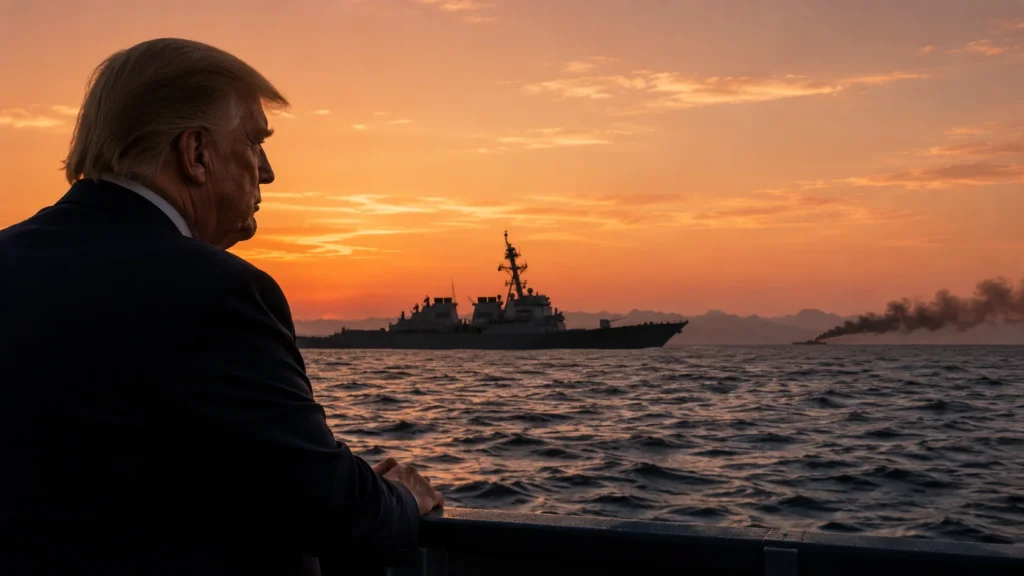
The remarks highlighted a growing challenge for President Donald Trump: balancing national security goals abroad with economic pressure at home.
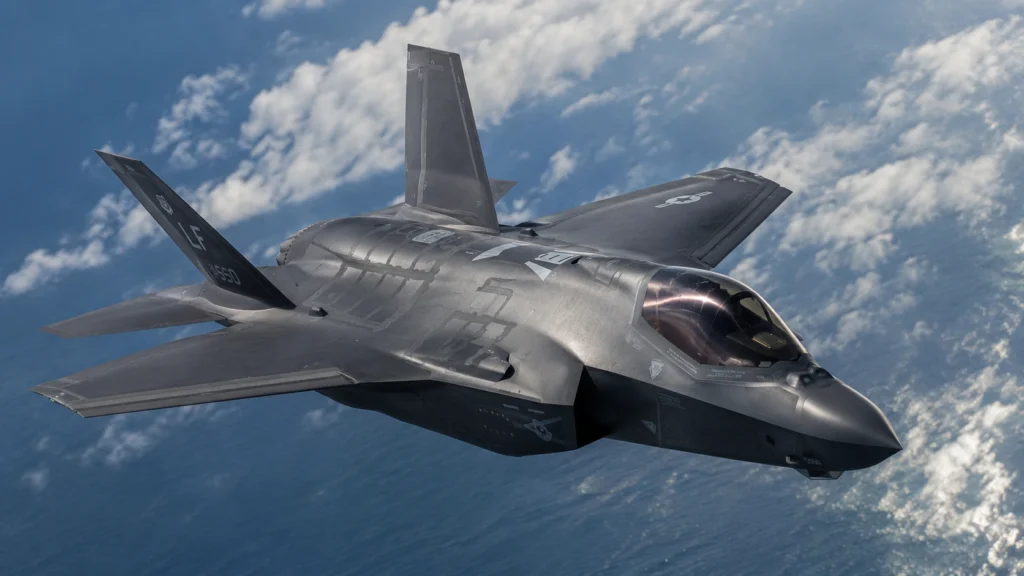
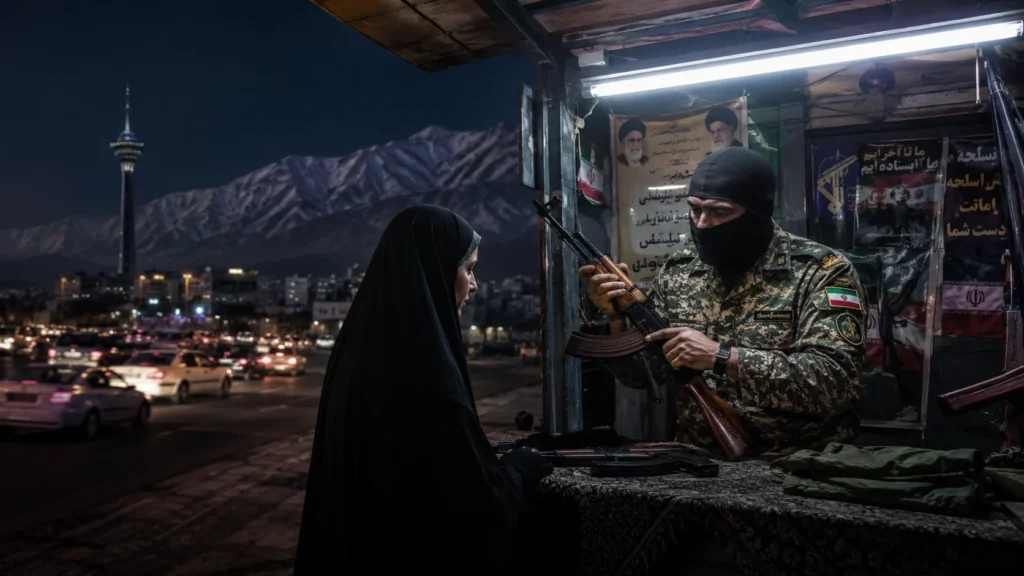
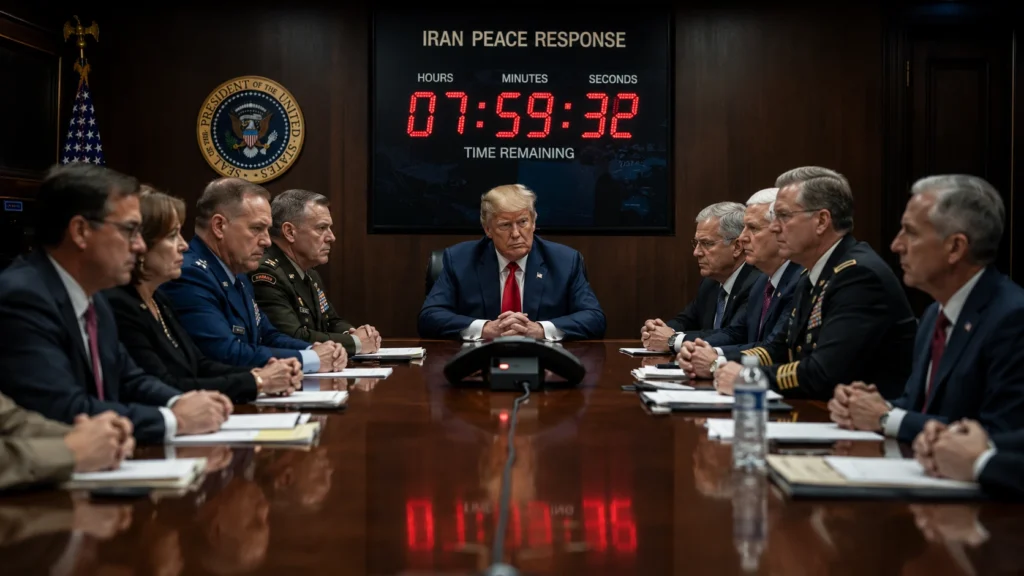
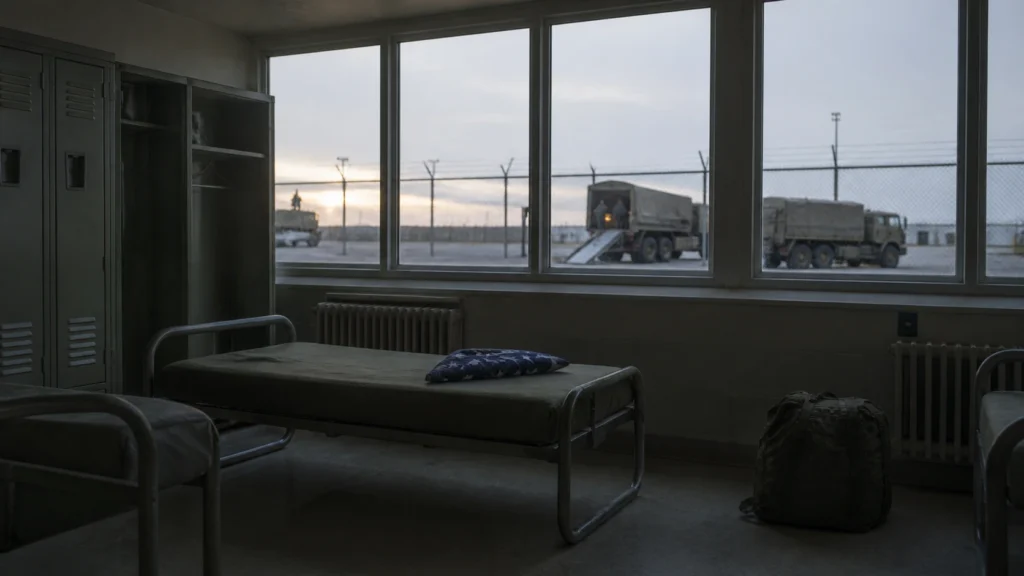
The administration continues to insist that Iran cannot develop a nuclear weapon. During the briefing, Vance repeated what officials describe as Washington’s “red line” while also stressing that the White House does not want another “forever war” in the Middle East.
That balancing act now sits at the center of Trump’s foreign policy.
Why the Iran Conflict Matters Politically
Trump returned to office promising tighter border security, lower consumer costs, and a reduced appetite for long military engagements overseas. The Iran conflict complicates those priorities.
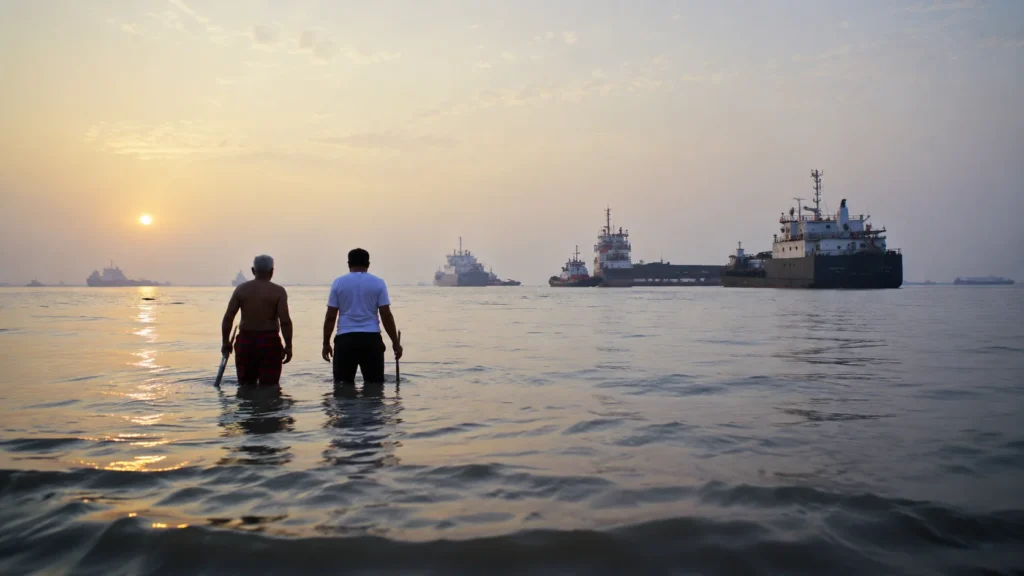
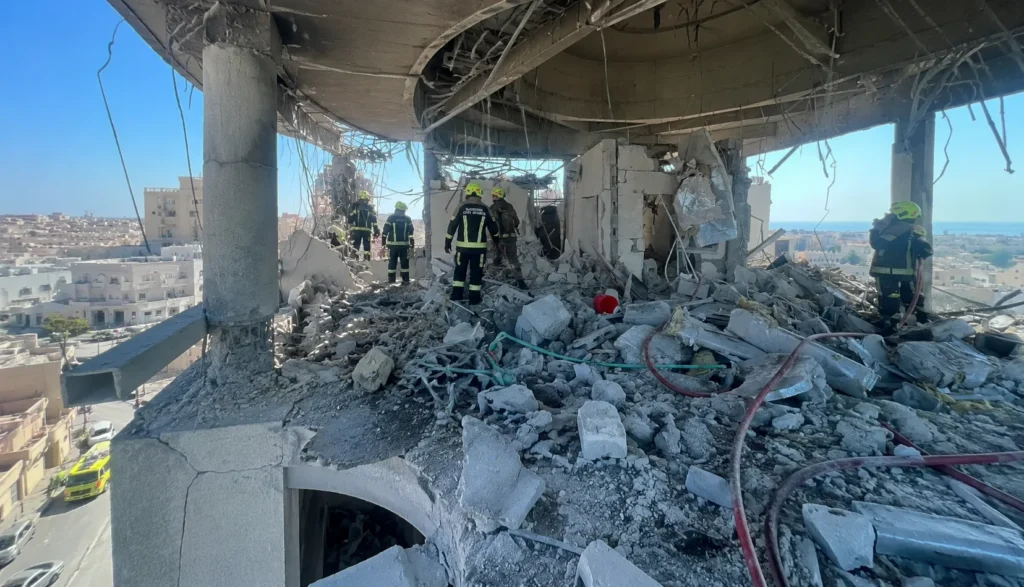
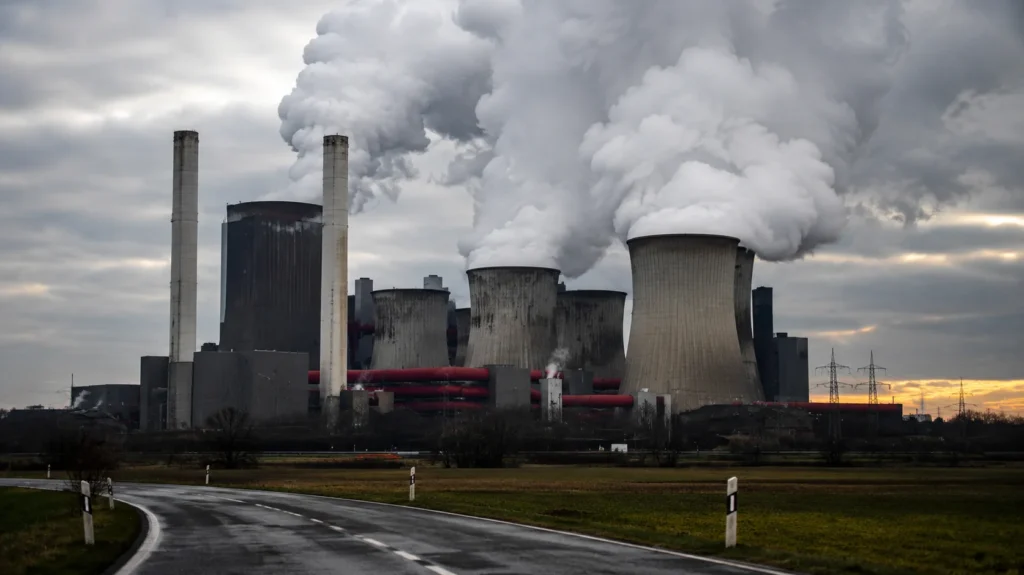
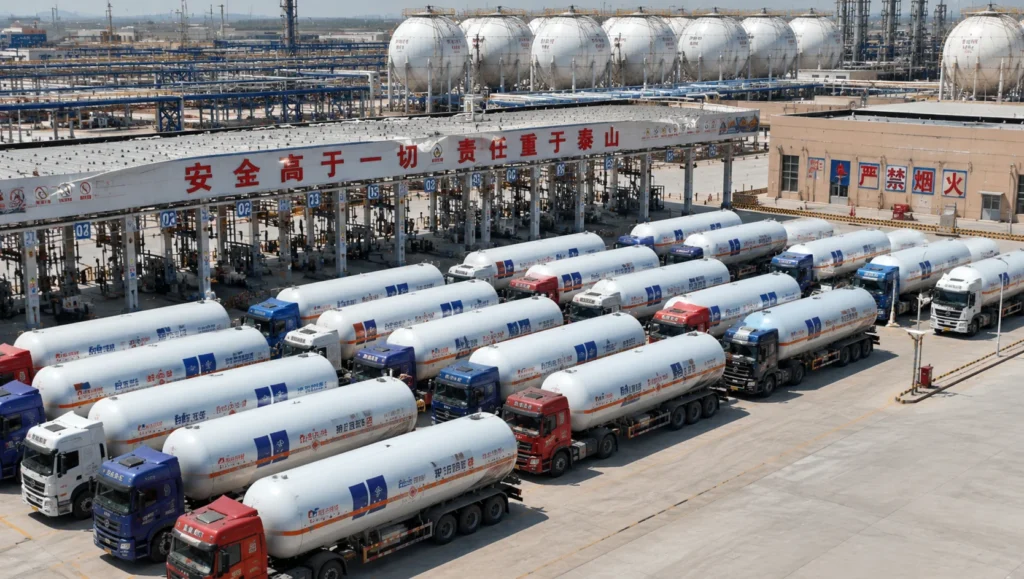
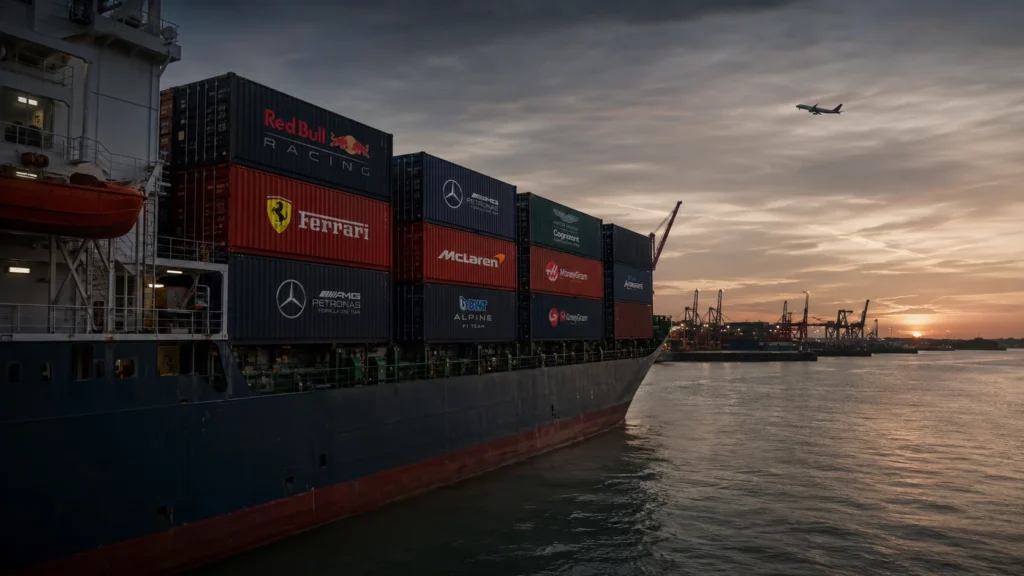
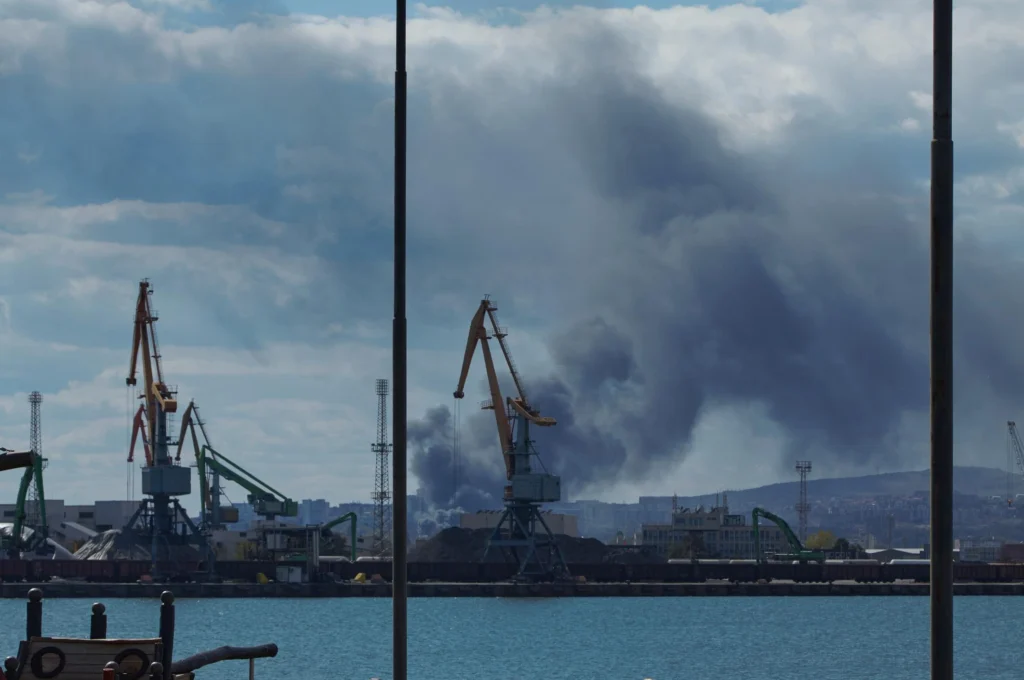
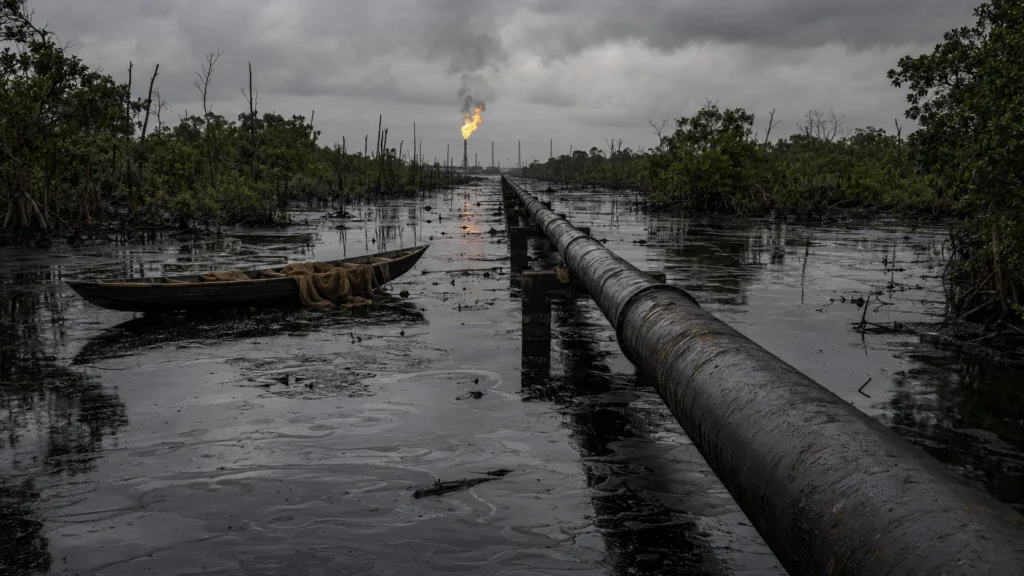
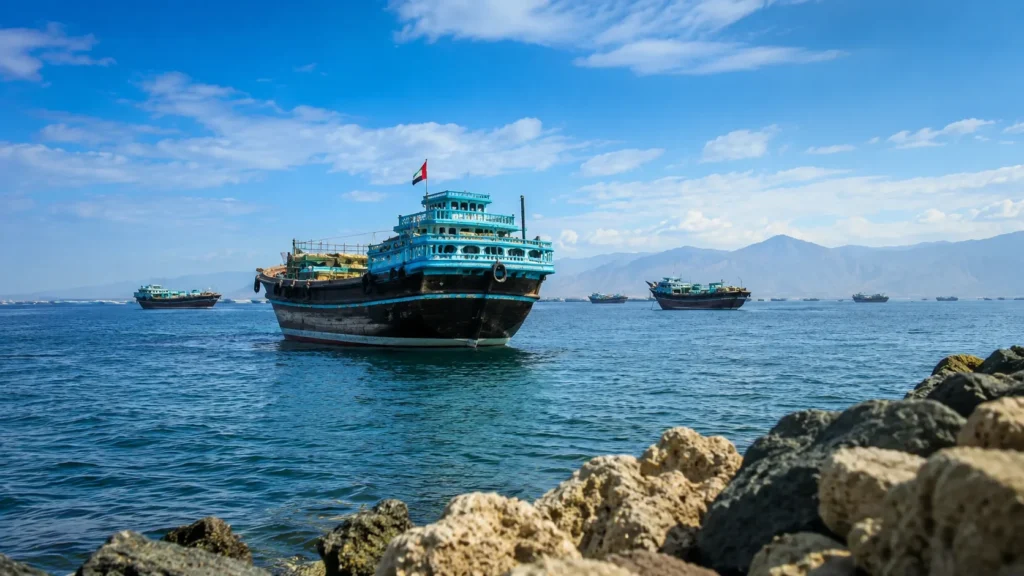
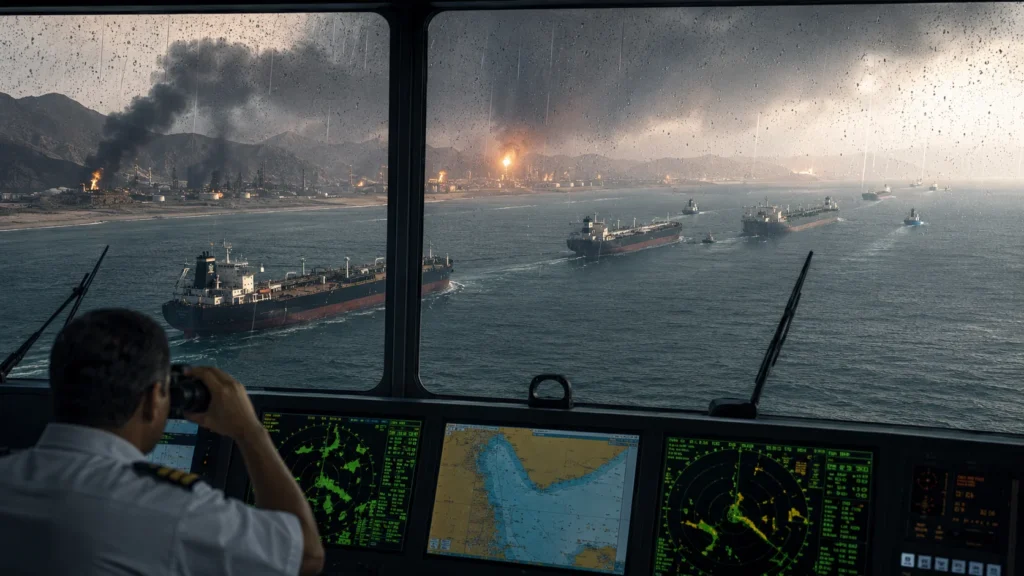
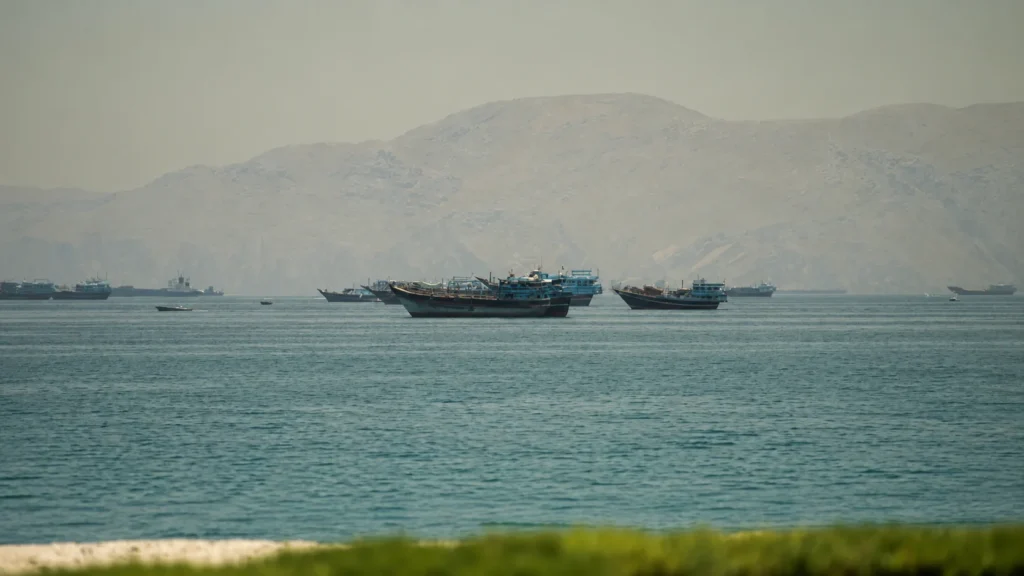
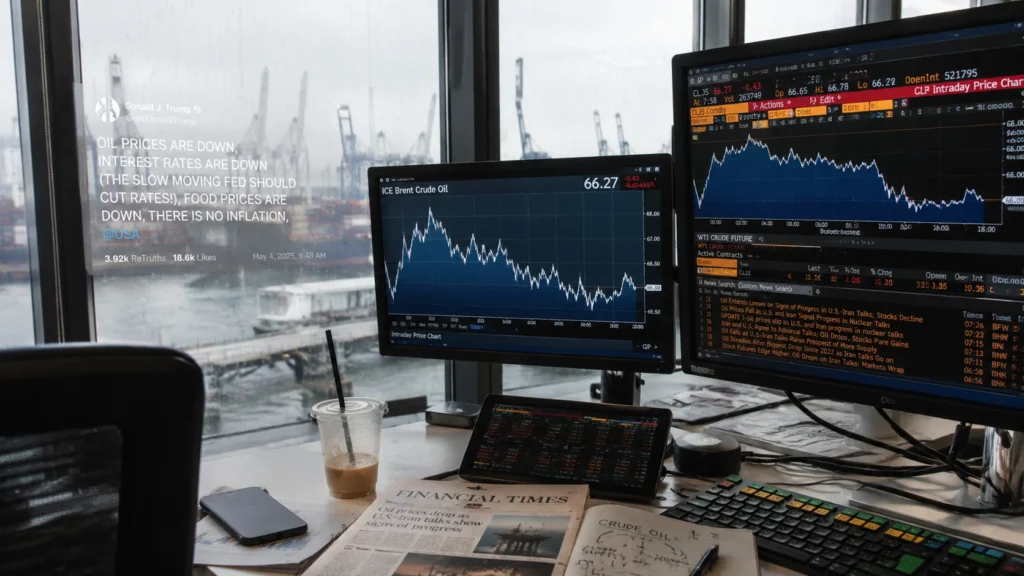
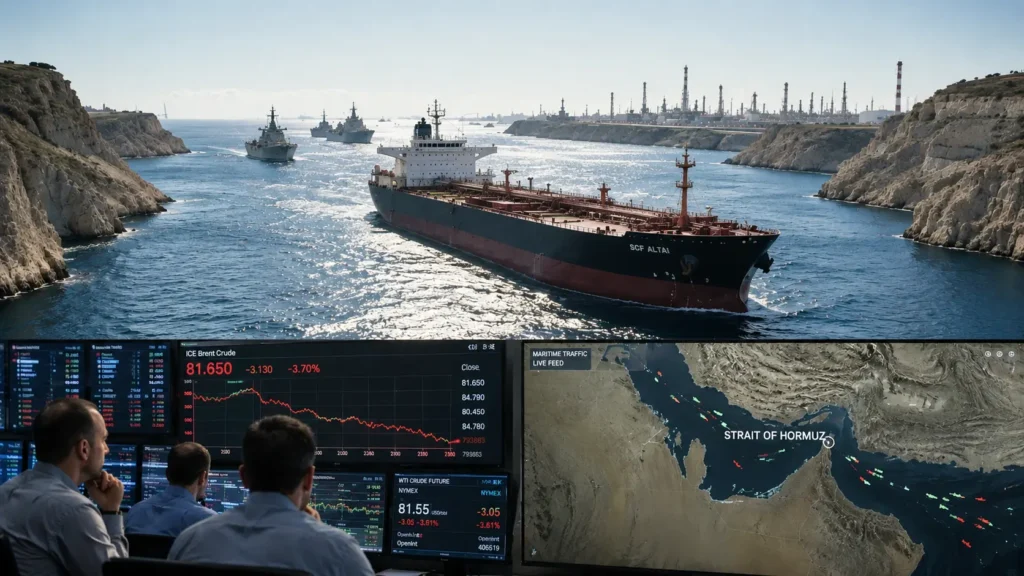
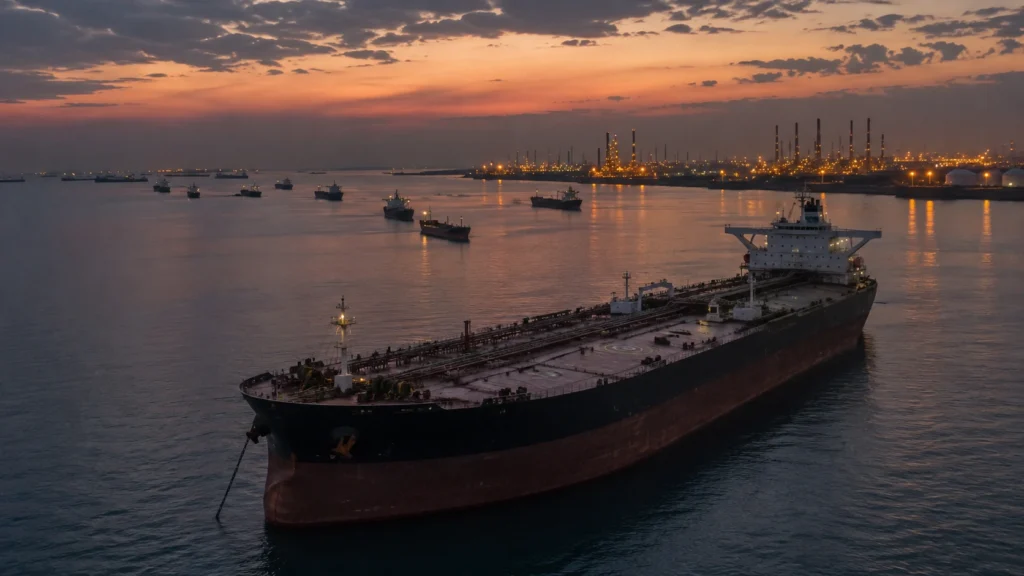
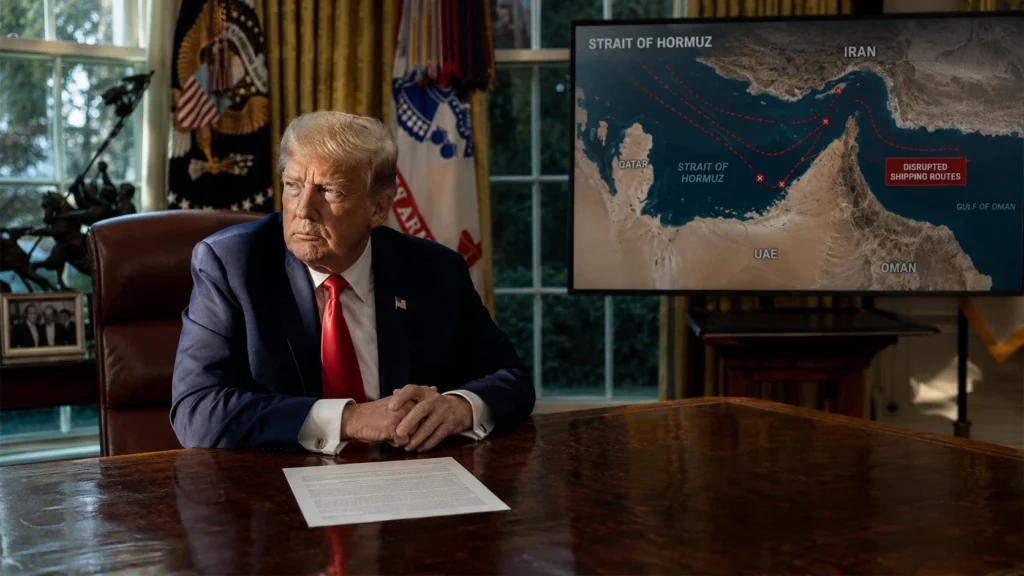
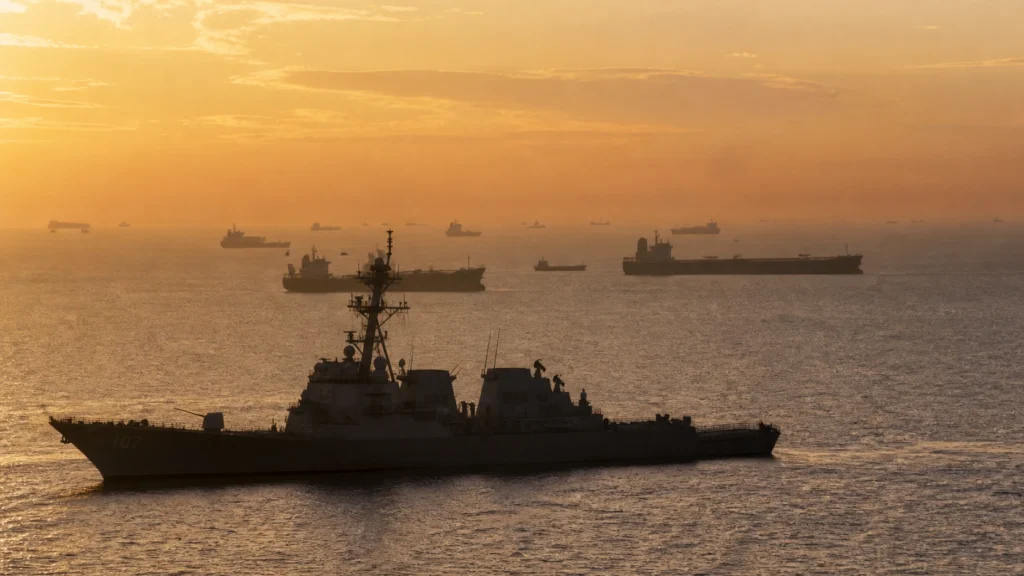
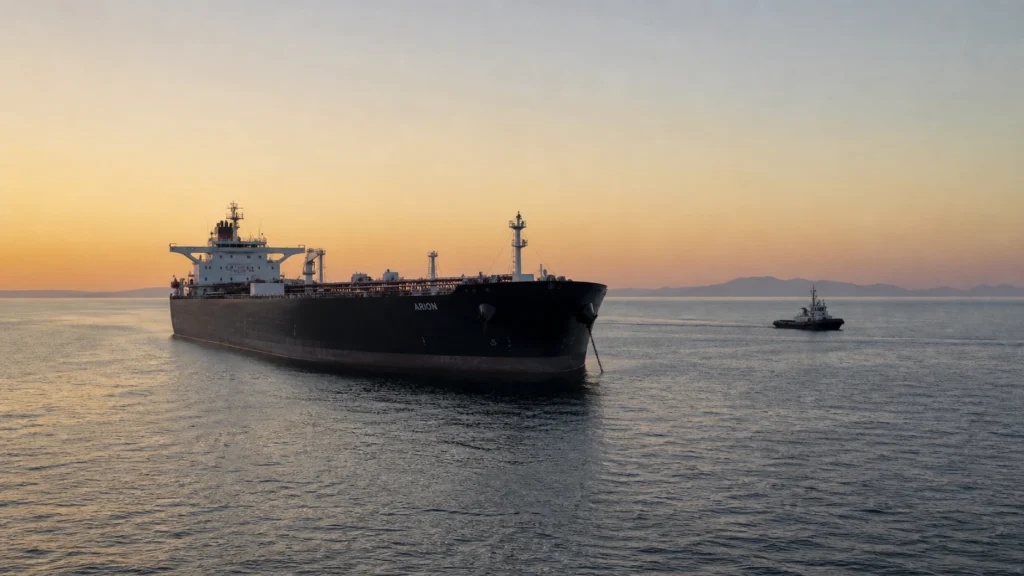
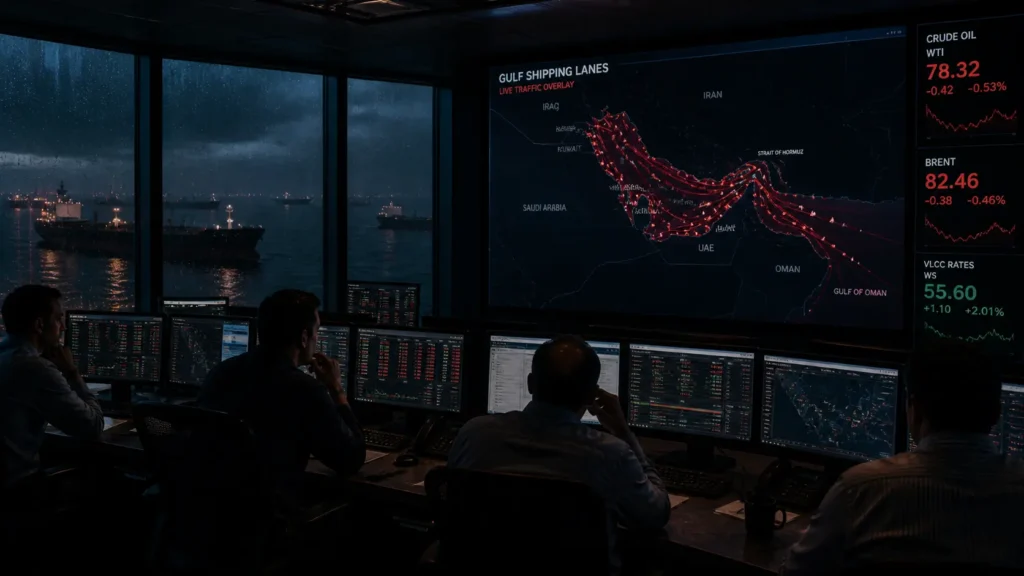
Rising geopolitical tension in the Gulf often affects global oil markets within hours. According to US Energy Information Administration oil market data, instability in major energy corridors can quickly influence fuel prices and shipping costs worldwide.
Those economic pressures matter politically. American households tend to experience foreign policy first through inflation, petrol prices, and borrowing costs rather than diplomatic negotiations.
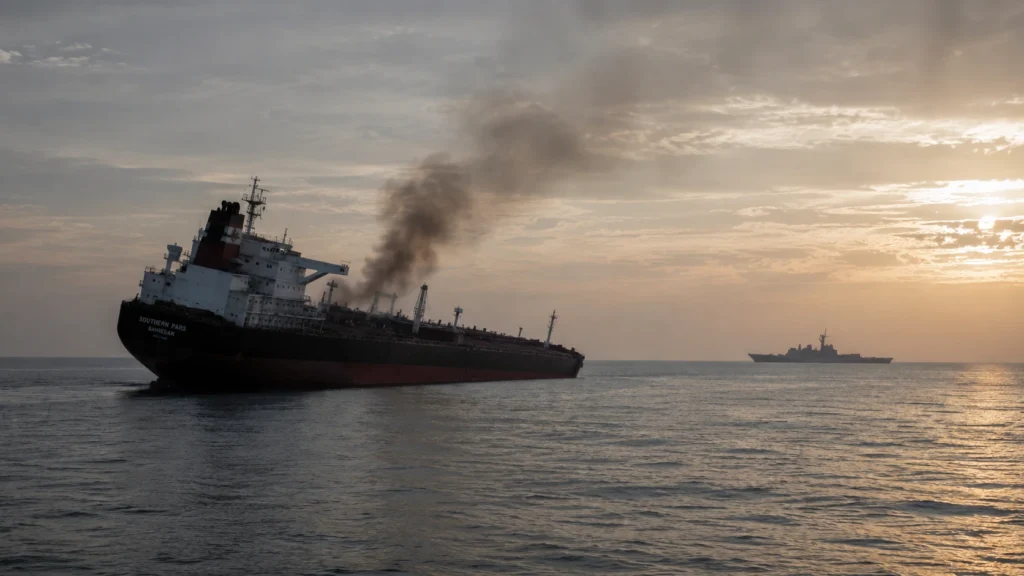
As previous coverage of global oil market volatility showed earlier this year, even limited disruptions in Middle East shipping routes can ripple across transport and food supply chains.
JD Vance and the Republican Divide on Foreign Policy
Vance’s briefing also underscored a broader debate inside the Republican Party.
One wing continues to support aggressive American military deterrence overseas. Another faction, closely tied to the “America First” movement, favors strategic restraint and reduced foreign entanglements.
The Iran conflict forces both positions into direct tension.
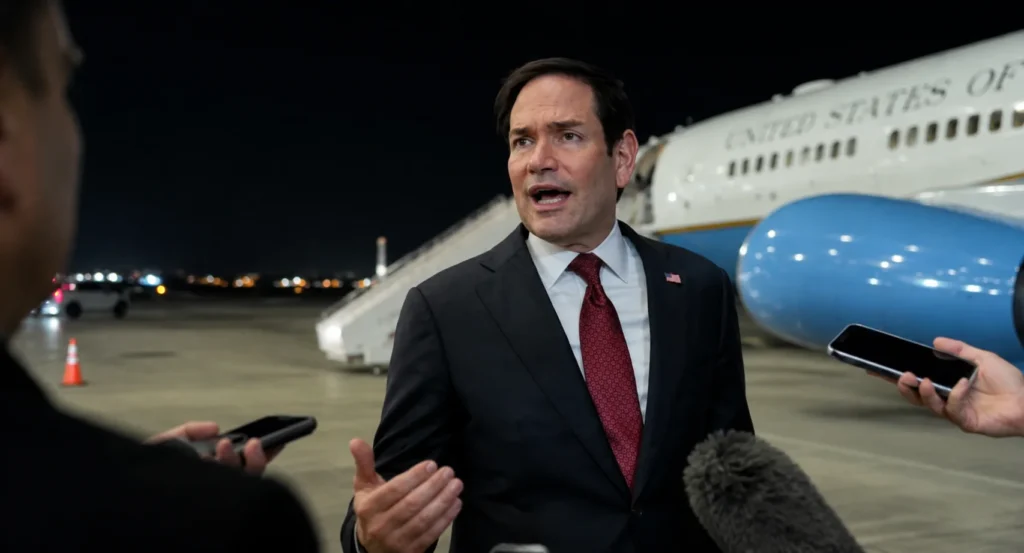
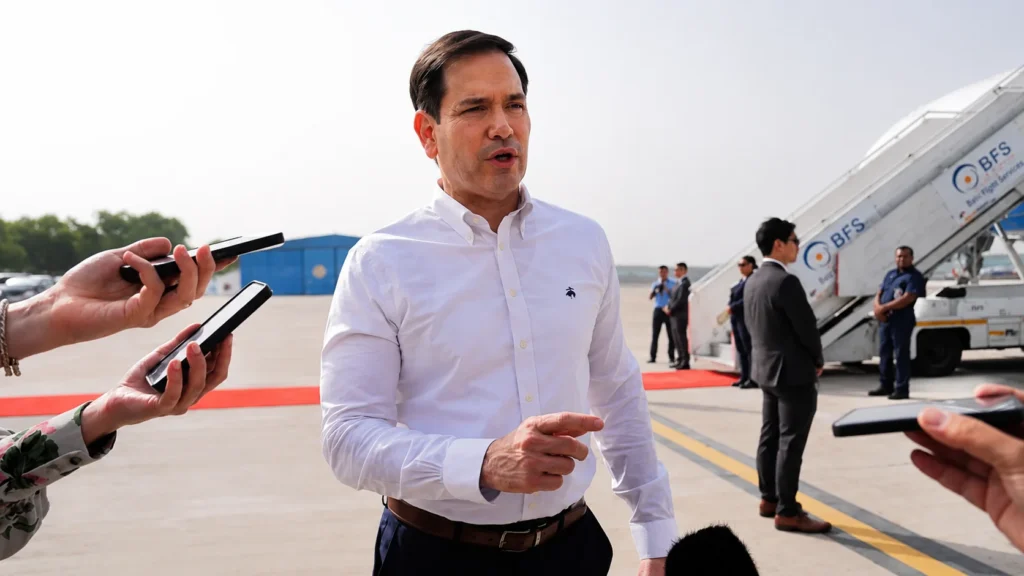
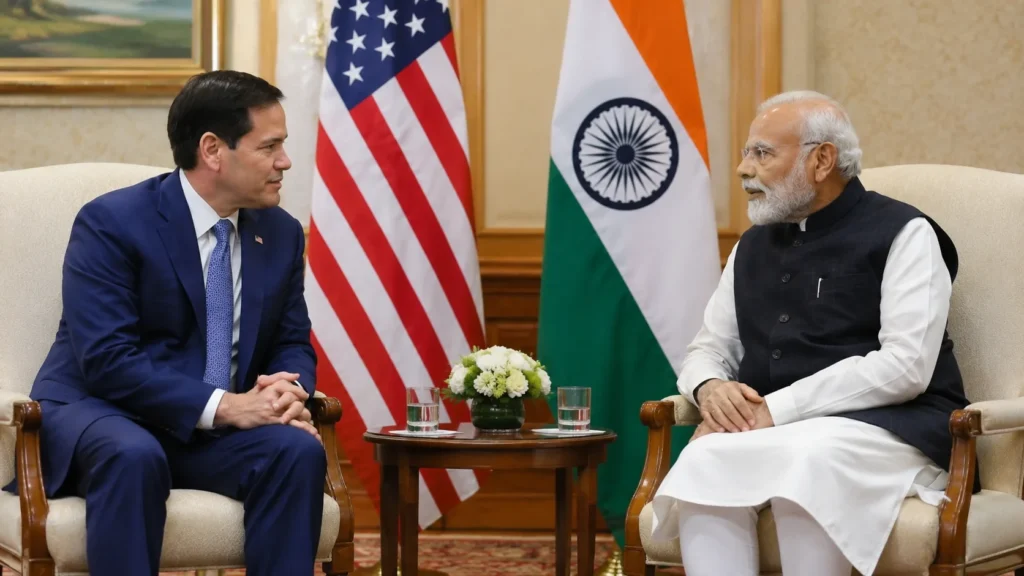
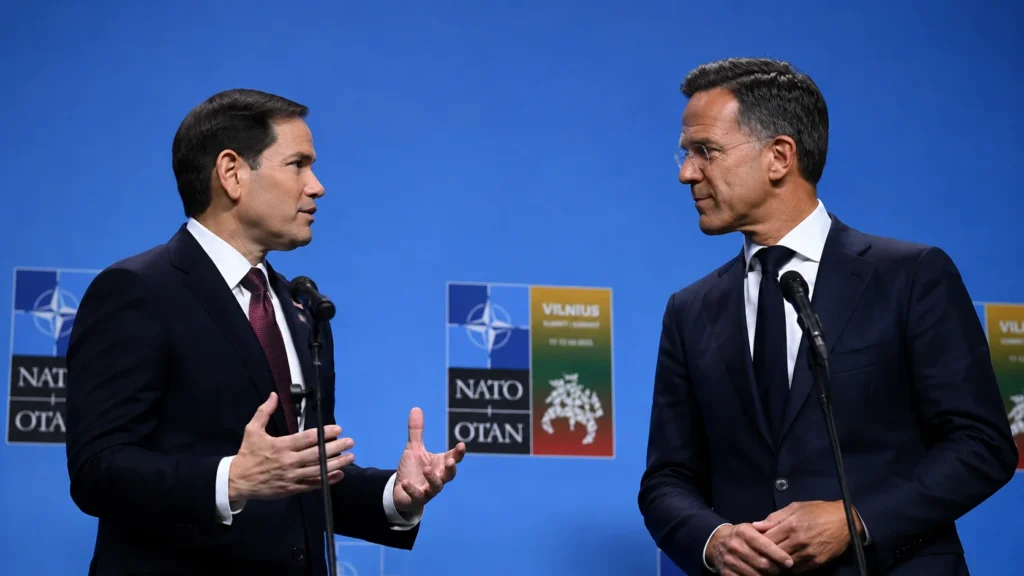
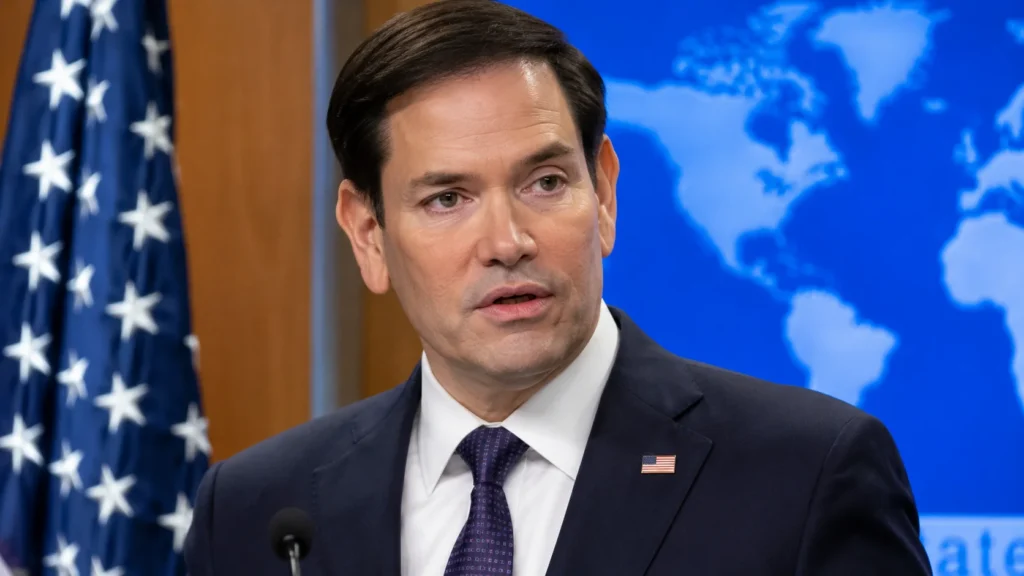
Secretary of State Marco Rubio has largely framed the issue in terms of traditional US alliance commitments and regional security. Vance, by contrast, focused heavily on economic pressure facing ordinary Americans and voter fatigue after decades of conflict in Iraq and Afghanistan.
That divide could shape Republican politics heading into the 2028 presidential cycle.
The Wider Global Impact
The conflict also reshapes calculations beyond Washington.
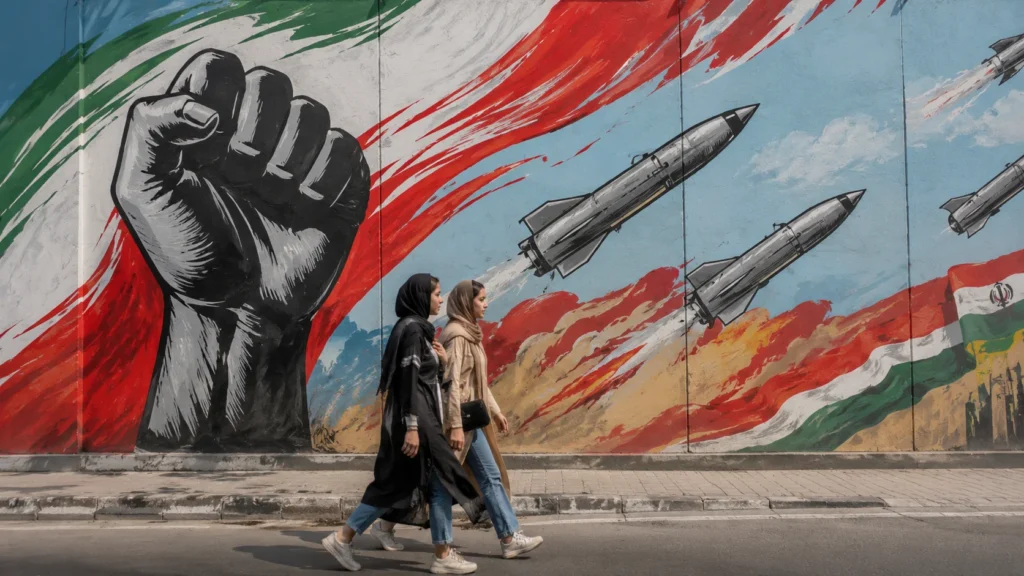
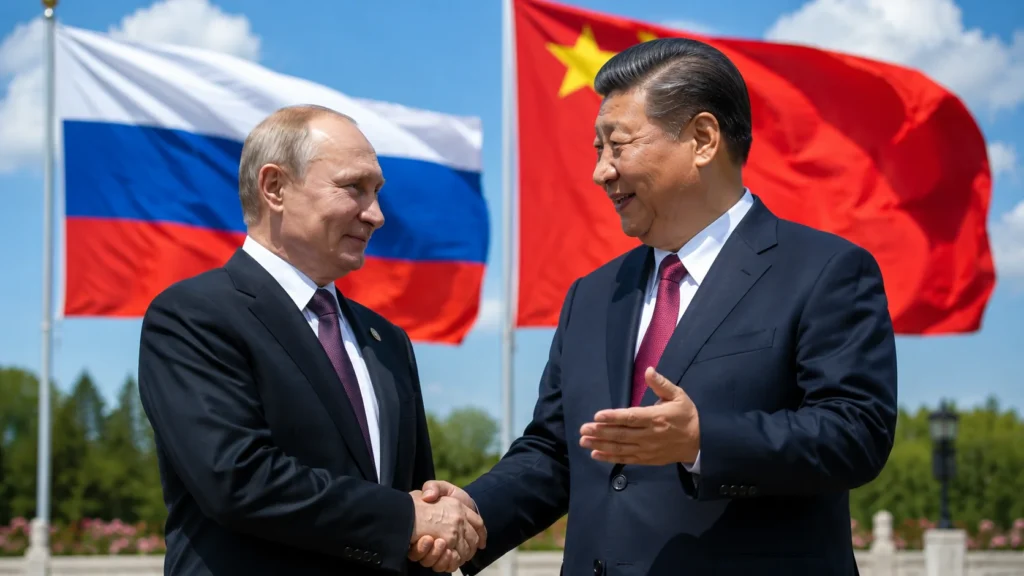
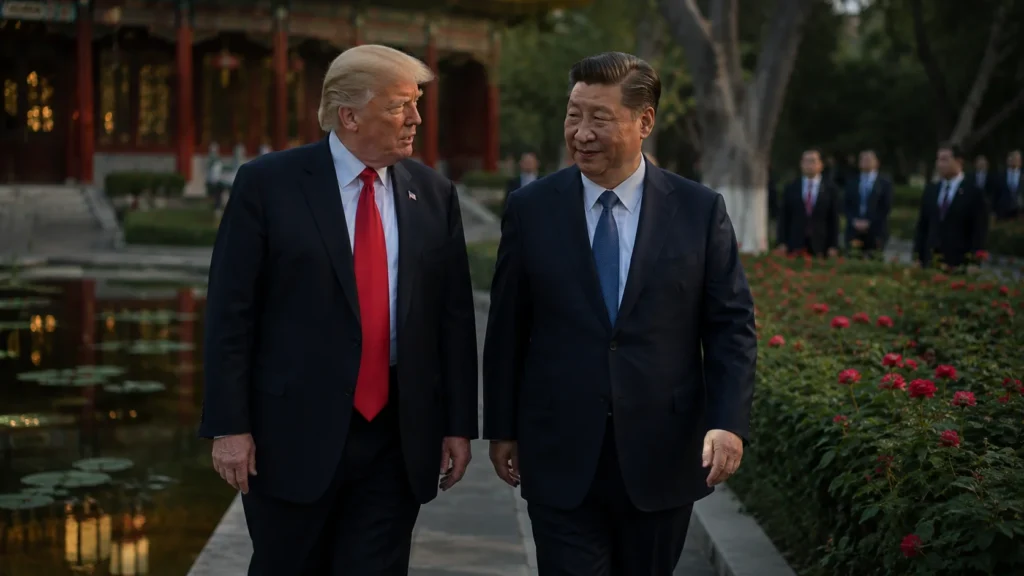
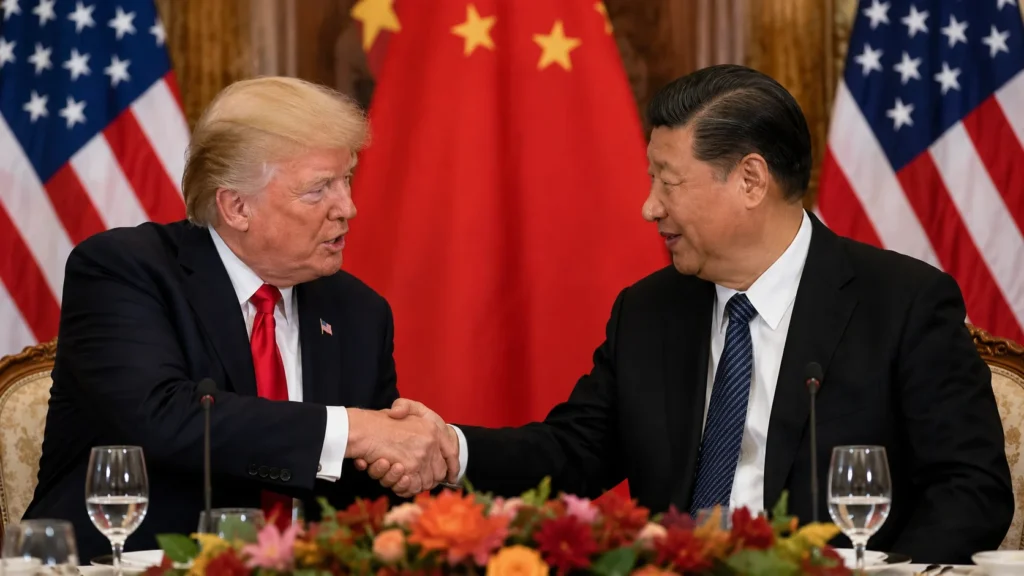
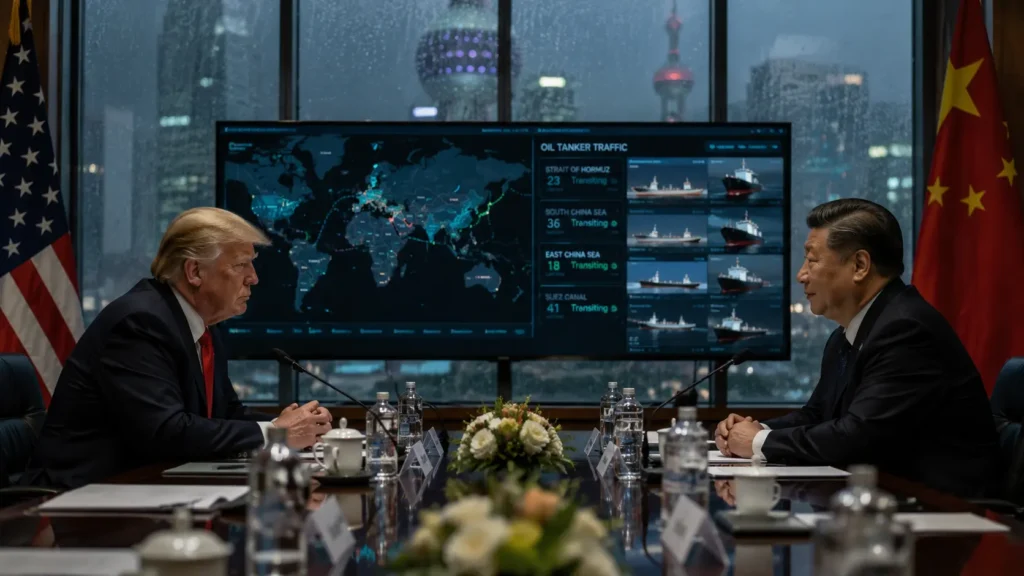
Iran continues negotiations while attempting to preserve leverage through regional influence and strategic patience. Russia benefits when energy prices remain elevated, while China gains diplomatic space by positioning itself as a more stable economic actor in global trade discussions.
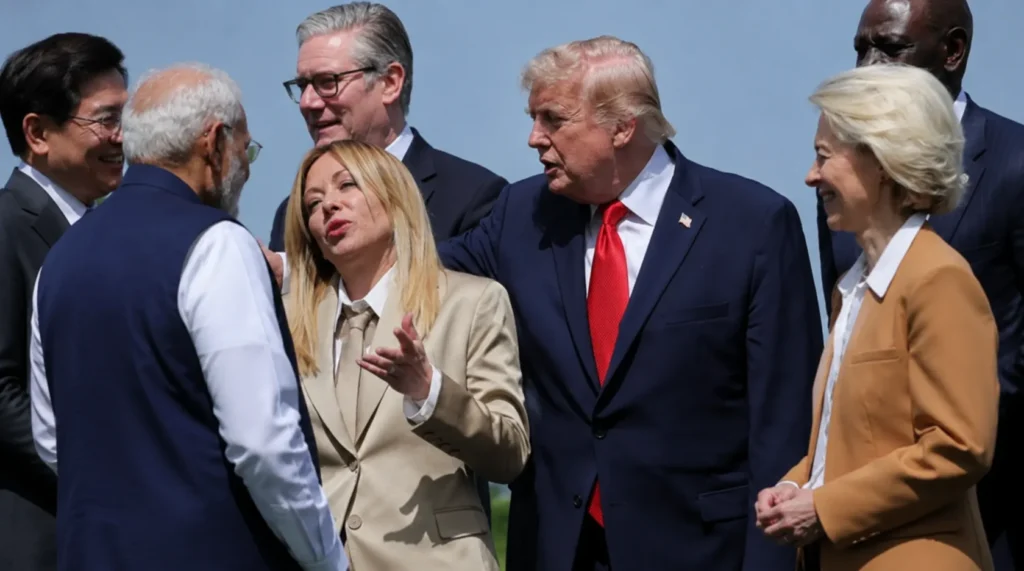
European governments face a more difficult position. Leaders across Europe broadly support efforts to limit Iranian nuclear expansion, but they also worry about energy costs, migration pressures, and long-term regional instability.
According to International Atomic Energy Agency statements on Iran, concerns over nuclear escalation remain central to ongoing diplomatic discussions.
Then there’s Saudi Arabia.
Regional analysts continue to watch whether Riyadh expands civilian nuclear infrastructure in response to Iran’s activities. analysis of Saudi regional security strategy explored earlier how Gulf states increasingly hedge between US security guarantees and independent strategic planning.
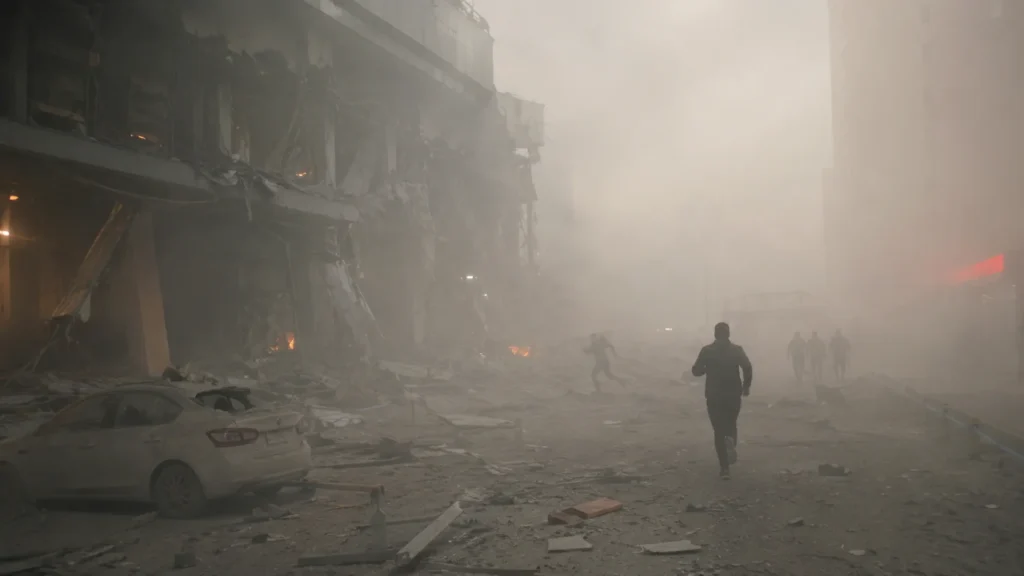
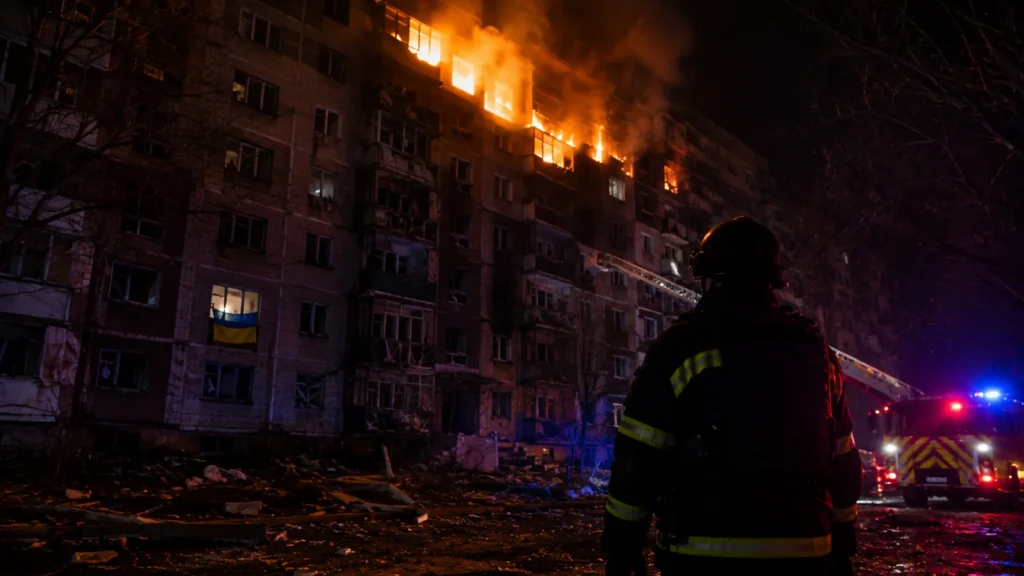
Short-term military escalation may remain limited. Economic fallout likely will not.
What to Watch Next
Several indicators could determine how the conflict develops over the next year:
- Oil prices and shipping insurance costs
- Progress in US-Iran negotiations
- Saudi nuclear policy signals
- Domestic political divisions inside the Republican Party
For now, the White House continues to argue that military pressure and economic stability can coexist. Voters may decide whether that argument holds.