

 English






































































































































































































































































































































PlayStation to Stop Releasing Games on Discs From January 2028
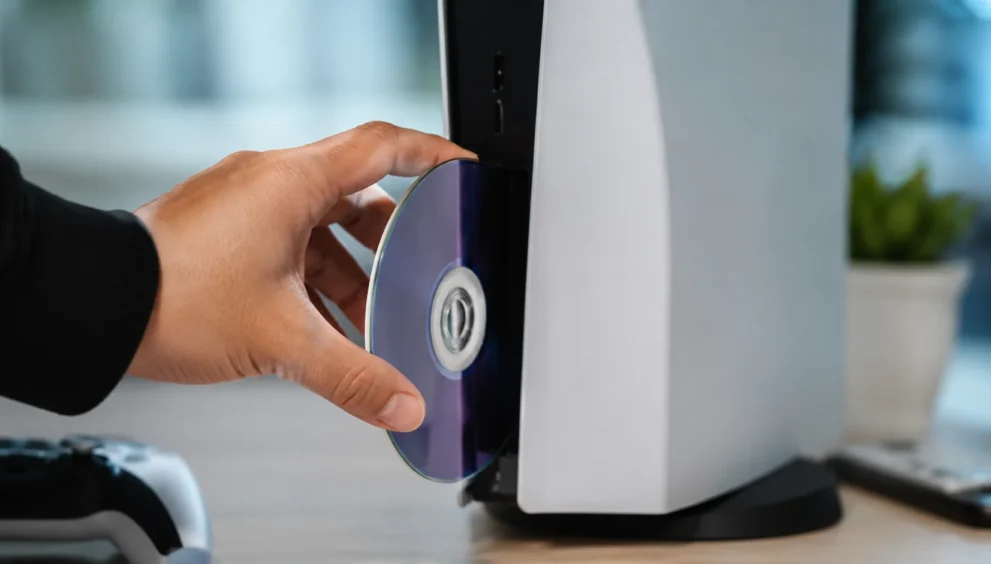
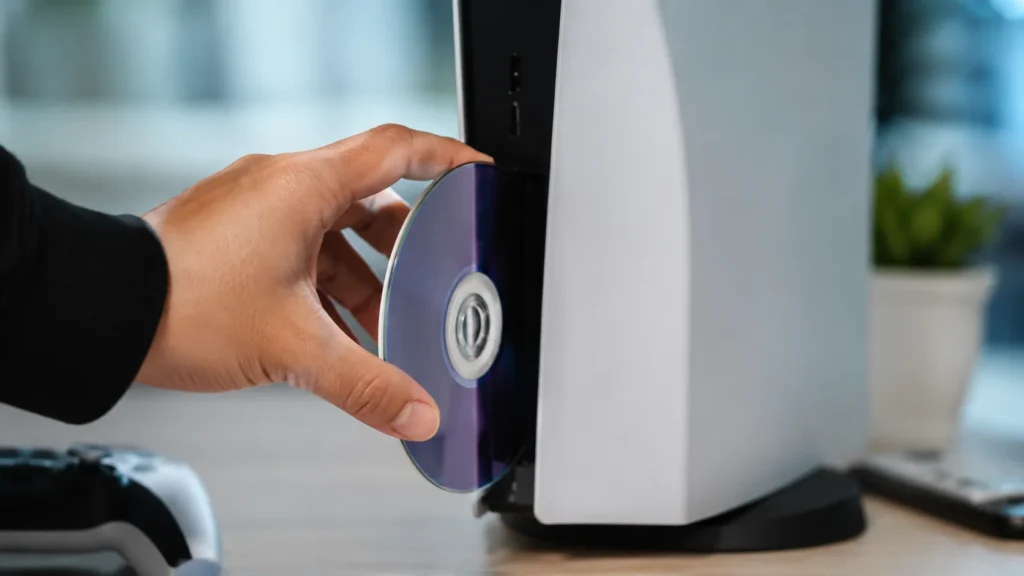
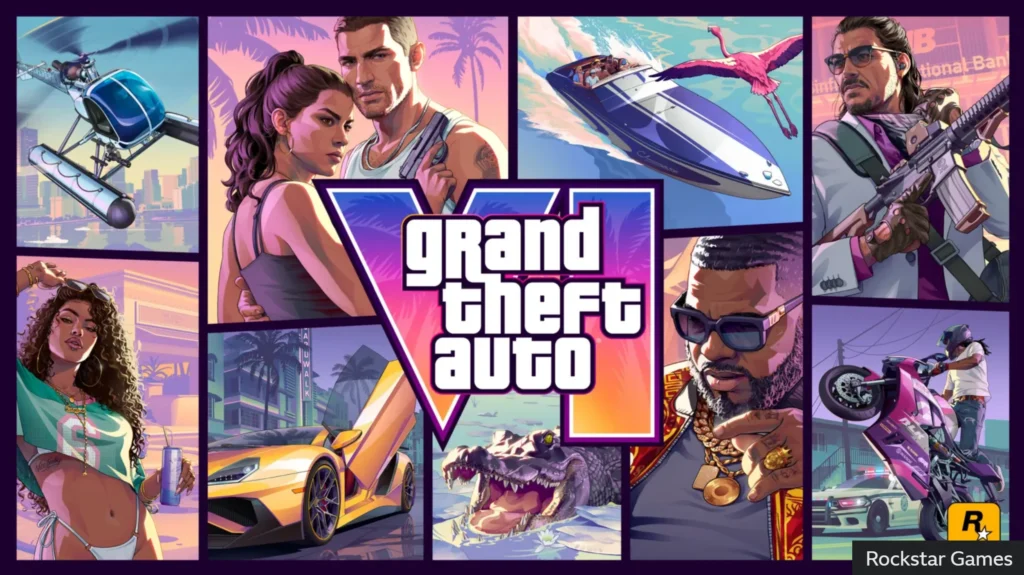
Sony has announced that new PlayStation games will no longer be released on physical discs from January 2028, marking a significant shift for the gaming industry as it continues its transition toward digital distribution. The company said in a blog post that physical copies would still be available in shops but would come with a digital download code rather than a disc. The announcement follows Rockstar’s decision last week to release Grand Theft Auto VI in the same discless physical format. Sony said the move reflected “consumer preferences and the broader entertainment industry continuing to shift away from physical discs to digital.”
“This is a natural direction for Sony Interactive Entertainment to adapt to consumer trends as the general preference for digital media significantly outpaces physical discs,” the company said. Games already released or set to be released before January 2028 will not be affected by the change.
What Sony Announced
The blog post confirmed that from the start of 2028, new PlayStation titles will be sold in shops as boxes containing a code for a digital download. The model mirrors the one Rockstar confirmed for GTA 6, one of the most anticipated games in the industry’s history.
Sony said the move was a response to changing consumer habits. Digital downloads already account for the majority of PlayStation game sales. The company framed the transition as an adaptation to market reality rather than a forced change.
The announcement does not affect the PlayStation 5’s ability to play existing physical games. Sony has not yet confirmed whether its next console—widely expected to be the PlayStation 6—will include a disc drive.
According to Sony Interactive Entertainment’s official blog post announcing the January 2028 disc cessation, the company said the change was part of a “natural direction” for the platform.
As our coverage of the gaming industry’s shift away from physical media and the implications for ownership has documented, the move follows years of digital sales growth. Rockstar’s decision to release GTA 6 without a disc earlier this month was seen as a tipping point for the industry.
The Reaction
The announcement has drawn criticism from consumer rights advocates, independent retailers, and game preservationists.
Vikki Blake, a gaming journalist, called the move a “body blow to consumer rights.” She highlighted concerns for gamers who rely on the ability to resell or share physical copies. “It’s of huge concern for game conservation and a massive problem for gamers with lower disposable incomes who rely on part-exchanging or loaning games from friends to keep up with the AAA price tags,” she said.
Blake also noted Sony’s history on the issue. During the PlayStation 4 era, the company produced an advertisement mocking Xbox for its restrictive game-sharing policies by demonstrating how easy it was to share physical discs on PlayStation. “It’s not funny anymore, is it?” she said.
Christopher Dring, editor of The Game Business, said the announcement surprised him despite digital downloads dominating the market. “We still see millions and millions of PlayStation games sold as physical goods,” he said. “It’s a significant business, and there are lots of players that prefer to buy this way. It’s tough news for retail.”
Lootbox Gaming, an independent retailer in Delaware that had already declined to stock the disc-less edition of GTA 6, issued a statement calling Sony’s move “an attack on not only gamers and collectors, but also developers, publishers, distributors and retailers around the globe.” The statement added: “Essentially, this is an attack on anyone who cares about video games or cares about the right to own your purchases.”
According to tatements from independent video game retailers and industry analysts responding to the disc announcement, the change will particularly affect smaller shops that depend on physical game sales and the secondary market for used titles.
The Ownership Question
The disc announcement came days after Sony confirmed it would remove more than 500 films and TV shows purchased on the PlayStation Store from customers’ collections. The company said its licensing agreement with film production company StudioCanal had ended, meaning it no longer had the rights to sell the content. The titles will disappear from customer libraries on 1 September with no compensation offered.
The deletion of purchased content has sharpened concerns about what consumers actually own in a digital-only ecosystem. A digital game bought on the PlayStation Store is a licence, not a purchase. The licence can be revoked. The game can be removed. A disc, by contrast, could be played as long as the hardware to run it existed.
The digital-only future removes the secondary market. Games cannot be lent, traded, or sold. The price of new releases has not fallen to reflect the loss of resale value. For gamers on lower incomes who rely on trading in finished games to fund new purchases, the transition to digital represents a significant increase in the effective cost of gaming.
As our analysis of digital ownership, game preservation, and consumer rights in the gaming industry has examined, the shift from physical media to digital licences raises questions about long-term access to games. When a digital store closes or a licence expires, purchased content can disappear permanently.