

 English





































































































































































































































































































































































The Clock Stopped in 2013. The Figurines Just Came Home.
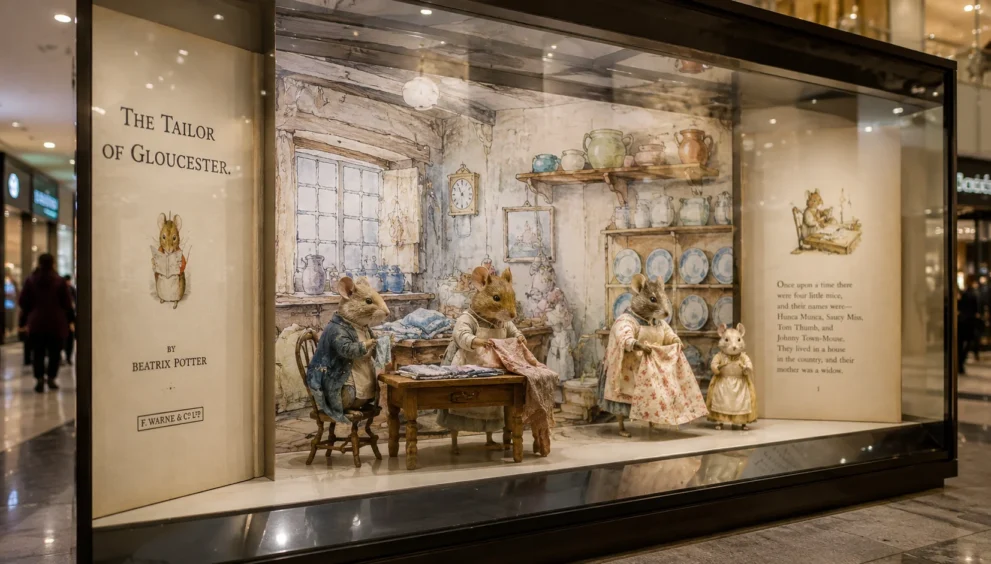
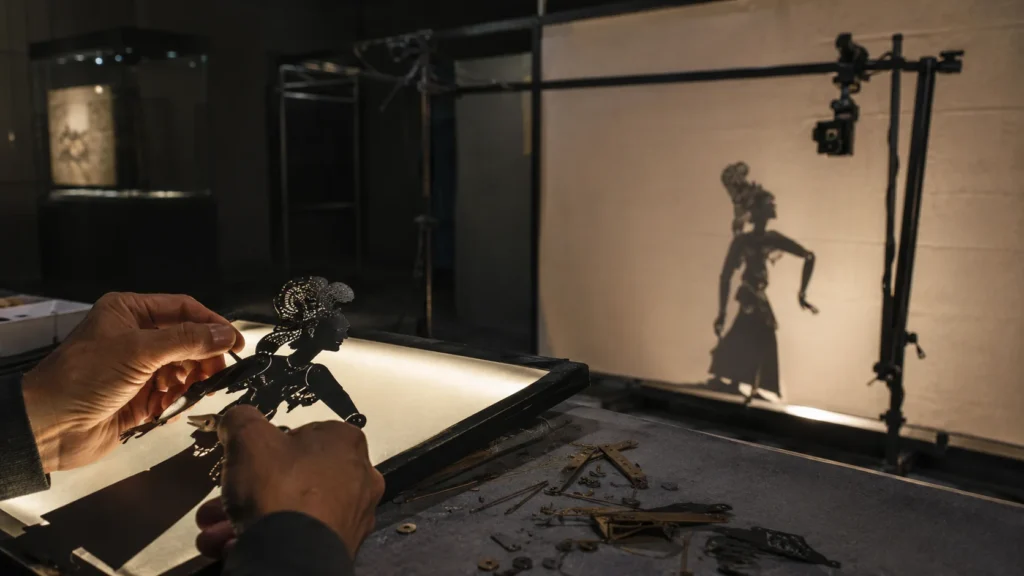
The Tailor of Gloucester clock used to draw children to a specific corner of the Eastgate Shopping Centre. They would stand beneath it, waiting for the figurines to stir—Beatrix Potter’s mice and tailors, the characters from the Christmas story she set in this city. The clock broke. The parts could not be sourced. In 2013, the centre dismantled it. The figurines went to special educational needs and disabilities schools through the Pied Piper Appeal. They stayed there for more than a decade.
Then they came back.
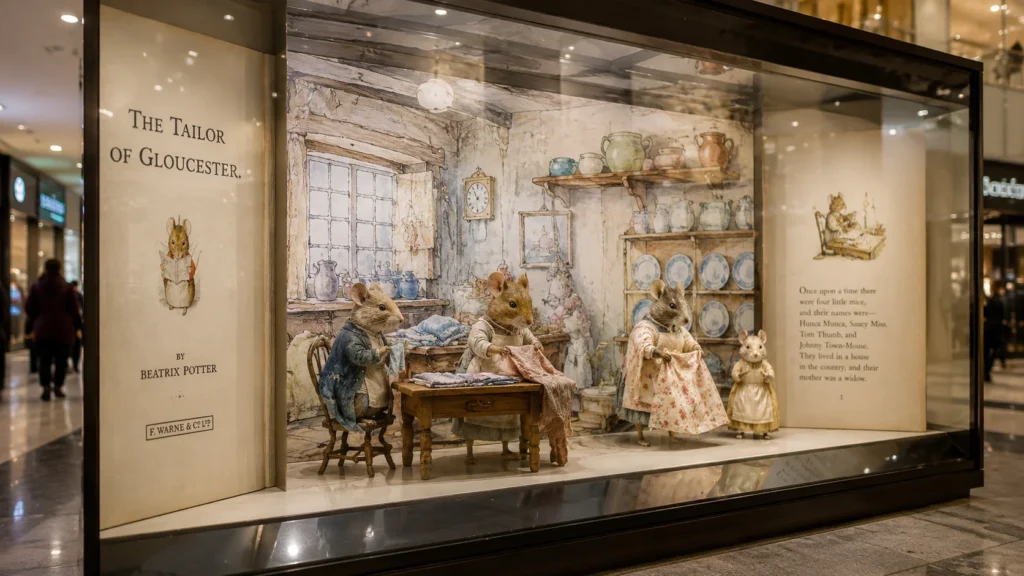
Last April, the charity returned the parts. The shopping centre placed them on the first floor, near the top of the escalator—visible but not quite where they belonged. Now they sit in the original location, beside where the clock used to be, inside a display created by local artists Russell Haines and Lisa Turner. Haines painted the backdrop in bright colours, aiming for something “kids would like.” Turner contributed the side panels: the first and last pages of Potter’s The Tailor of Gloucester, rendered by hand. The display opened. People stopped.
Will James, the centre’s marketing and commercialisation manager, saw the clock when he was a boy. “Bringing that sort of cherished childhood memory across generations is brilliant,” he said. Turner called the response “really well received.” The word “nostalgia” appeared in the statements from both artists and from James. It appeared in the local coverage. It described the project’s intent, its emotional register, and its reason for existing.
So what is actually happening here? A shopping centre has done something that shopping centres rarely do. It has been admitted that something was lost when the clock disappeared, and that the replacement—a colourful display with the old figurines—cannot fully restore what was there. What it can do is mark the loss. The display is not a clock. It is a memorial to a clock. The nostalgia is the point. The absence is the subject.
The Object That Could Not Be Fixed
The original clock stopped because the parts could not be replaced. The mechanism was specific. The components were not interchangeable. When something breaks in a bespoke object, the choice is usually between a costly restoration and a quiet disposal. Eastgate chose disposal. The dismantling was not malicious. It was practical. The clock could not be repaired. The space could be used for something else.
But the figurines survived. The Pied Piper Appeal looked after them, taking them to SEND schools where children could see them up close. The charity’s chair, Nick Brody, started the project that would eventually bring them back. He passed away in December last year. He did not see the display open. The project continued without him. The figurines returned to the shopping centre not because the clock could be restored, but because the community wanted them visible again.
The display is not a restoration. It is a relocation. The figurines are not moving. They are not animated. They sit in a painted scene, framed by Potter’s opening and closing lines, in approximately the same spot where they once turned on the hour. The difference is material. A clock does something. A display shows something. The former invited waiting. The latter invites looking. They are not the same experience. They are not meant to be.
What Nostalgia Does in a Shopping Centre
Shopping centres are not designed for memory. They are designed for turnover—new products, new seasons, new tenants, new reasons to visit. The Eastgate Shopping Centre’s decision to commission a nostalgic display runs against the logic of the retail environment. It asks visitors to stop and remember something that is no longer there. It transforms a commercial space into a site of minor pilgrimage.
The artists understood the brief. Haines painted something colourful that children would like. Turner copied Potter’s text by hand—a gesture that mimics the original book’s own attention to craft. Potter set The Tailor of Gloucester in this city. The story is local. The display is local. The nostalgia is specific. It does not gesture toward a generic past. It points to a particular object, in a particular place, that particular people remember from their own childhoods.
James saw the clock as a boy. He is now the marketing commercialisation manager. The child who stood beneath the figurines became the adult who authorised their return. The circularity is not accidental. It is the mechanism of nostalgia itself. The past returns not as it was but as it is remembered—partial, framed, placed back in its original location without quite being the thing that used to occupy that space.
The Cultural Mirror
The tension here is Cultural Preservation vs Creative Destruction. The shopping centre made a practical decision in 2013: the clock was broken, the parts could not be found, and the object could not be saved. That decision was not wrong. It was realistic. But it left an absence. The new display acknowledges the absence without pretending to fill it.
The figurines are the same. Their context has changed. Once they moved into the hour inside a working mechanism. Now they sit still inside an artist’s frame. The difference is irreducible. The display does not try to replicate the clock. It tries to honour what the clock meant. The meaning survives the mechanism. The memory outlasts the object.
This is what cultural preservation looks like in practice. It is not always about keeping things exactly as they were. Sometimes it is about admitting that something was lost, marking the loss, and letting the community decide whether the marker matters enough to stand in the place where the original once stood. Eastgate decided it did. The artists made the marker. The public is already stopping to look.
What Comes Next
The display will remain beside the clock’s original location. Children who have never seen the clock will see the figurines. Parents who remember the clock will explain to their children what used to be there. The explanation will be part of the experience. The nostalgia will transmit across generations, which is exactly what James meant when he called it “brilliant.”
The clock will not return. The parts will not be found. The display will age. The colours will fade slightly. The shopping centre will change around it. The figurines will stay. The memory will outlast the mechanism. The absence will remain the subject.