

 English


















































































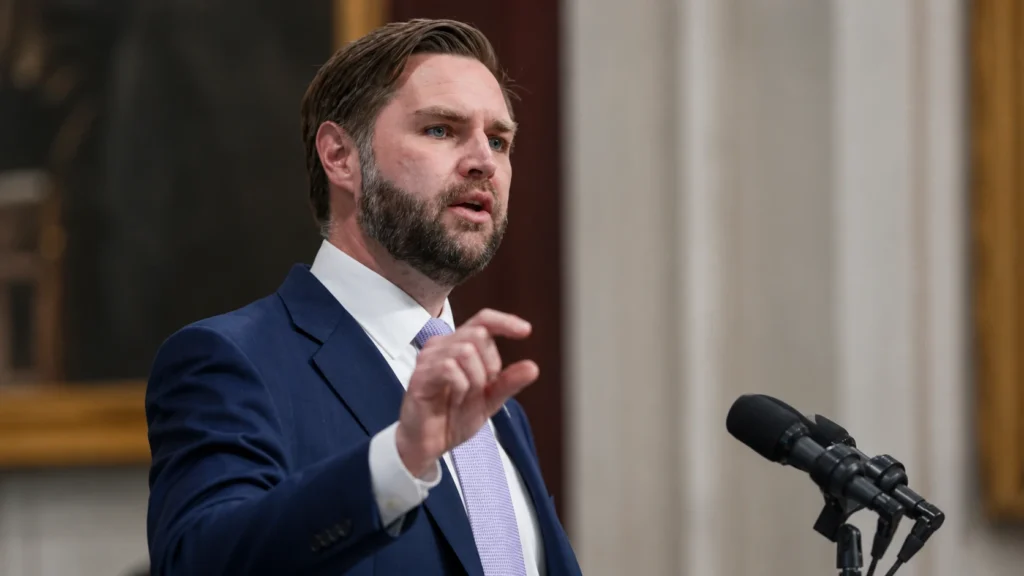
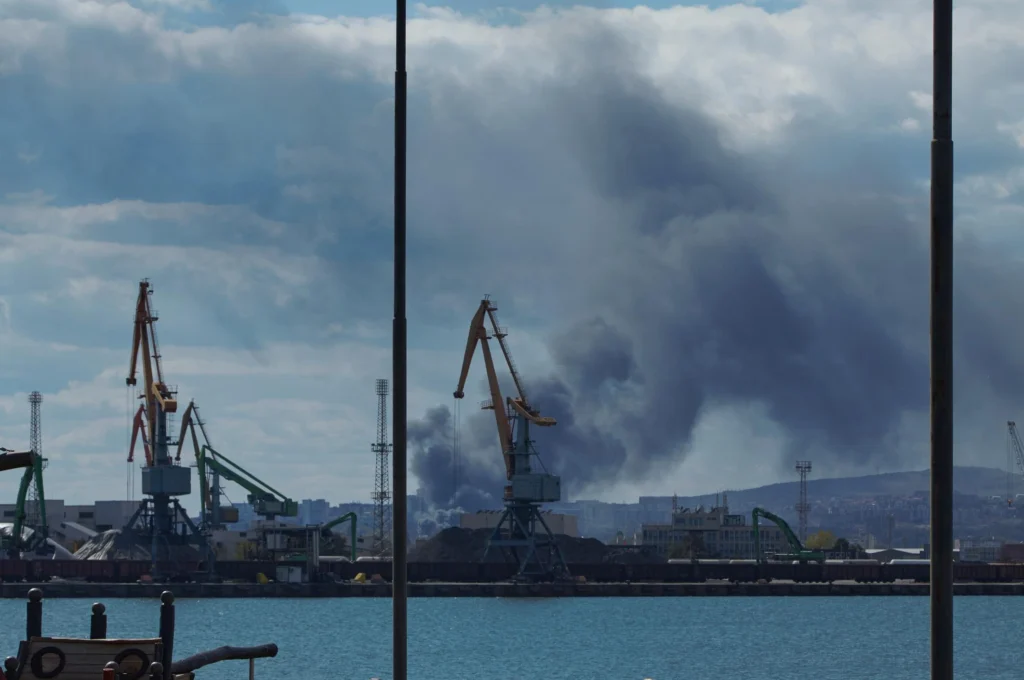



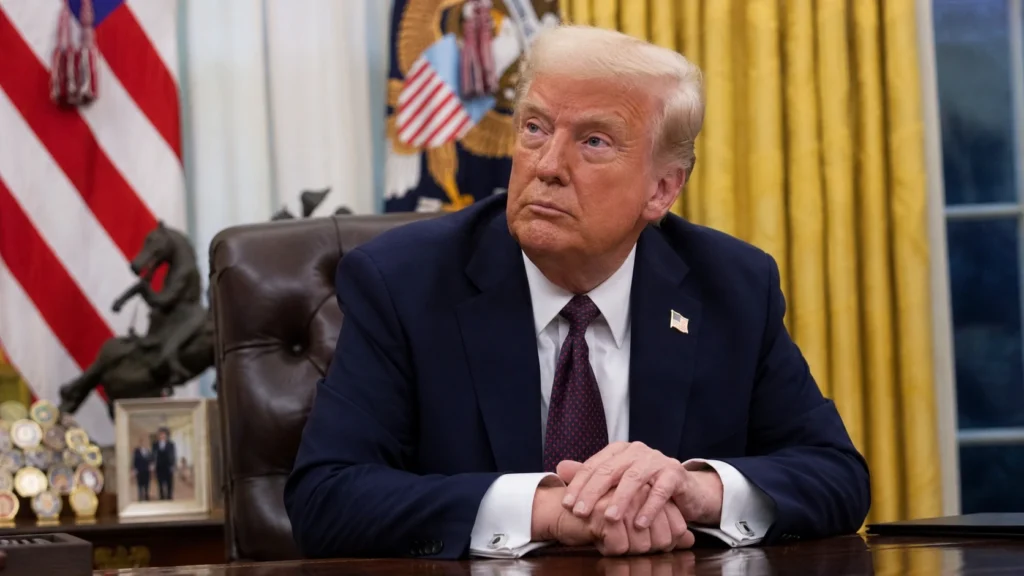
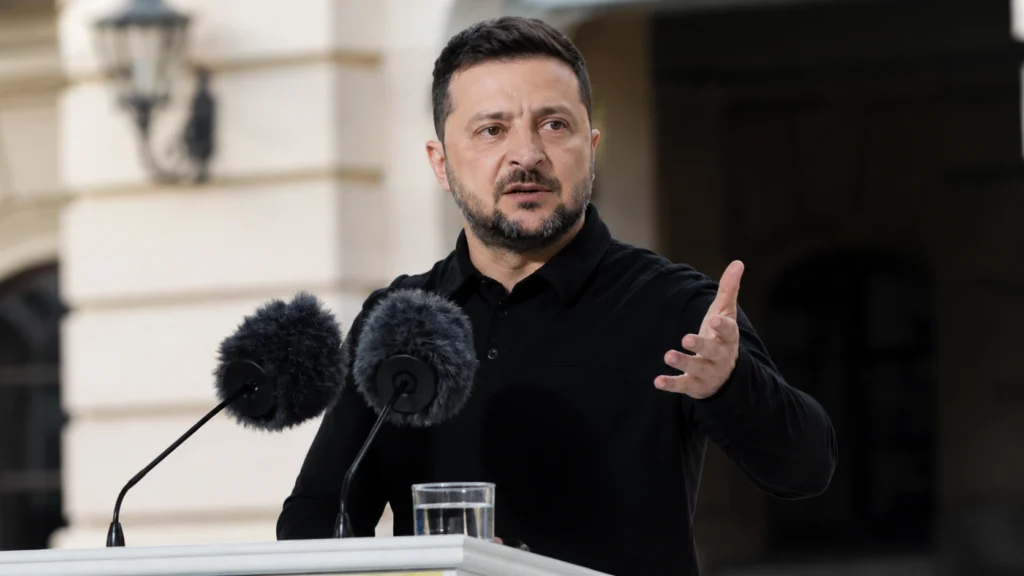



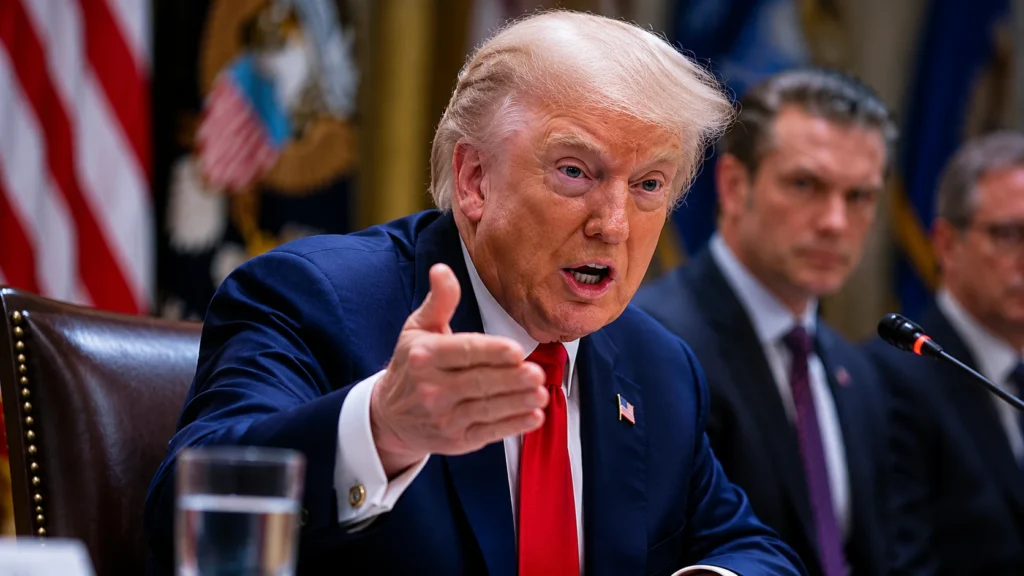

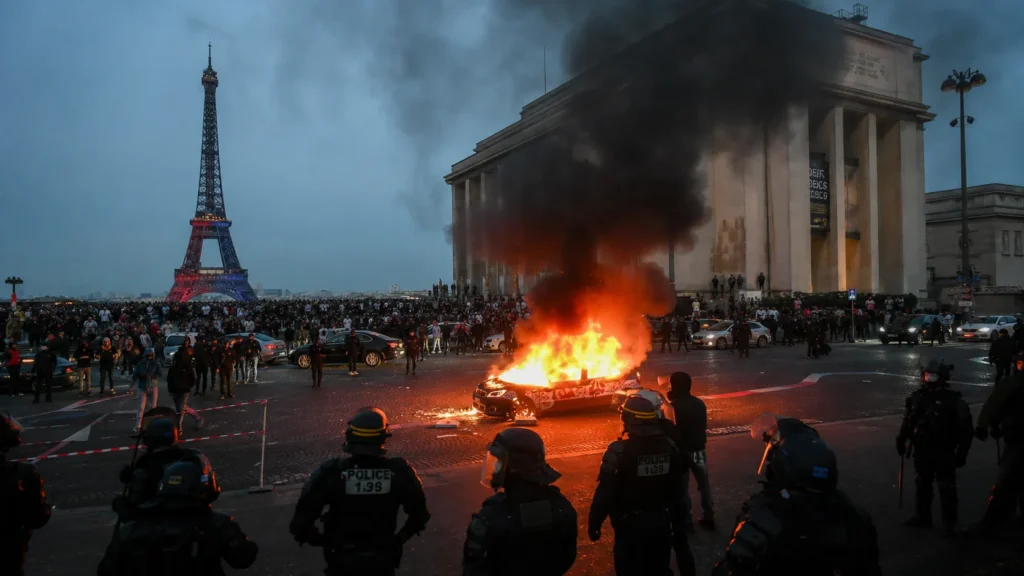

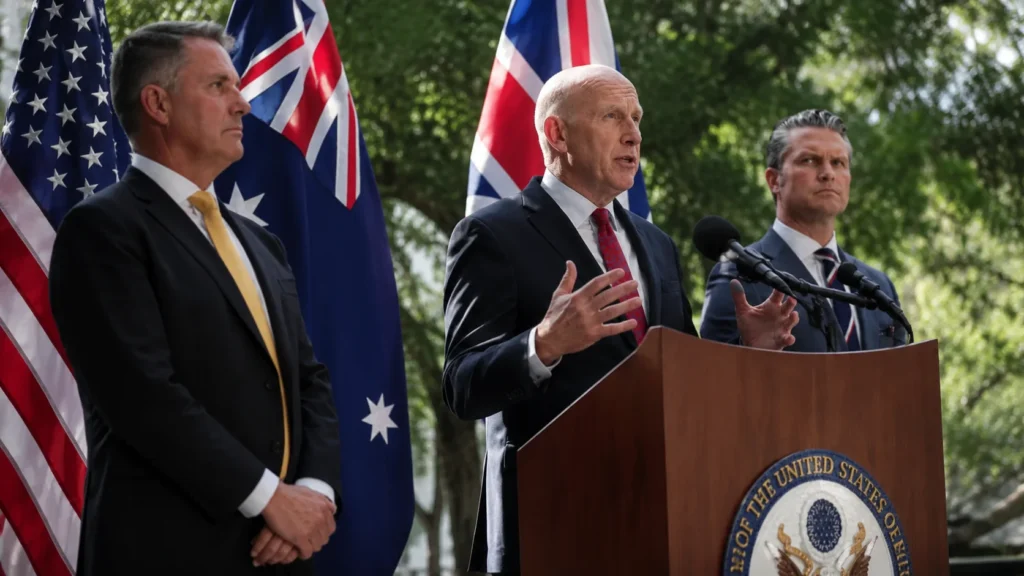

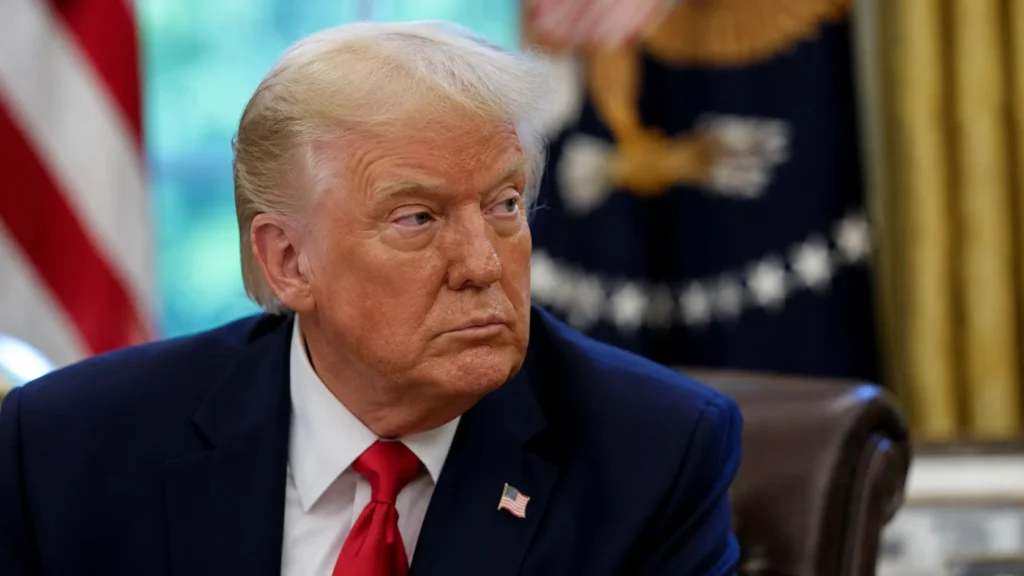










































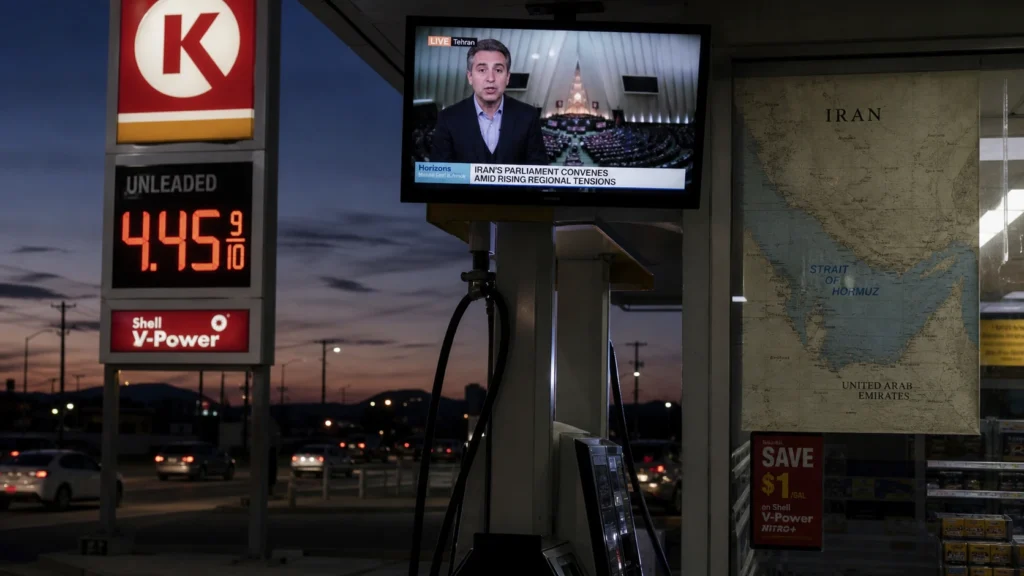


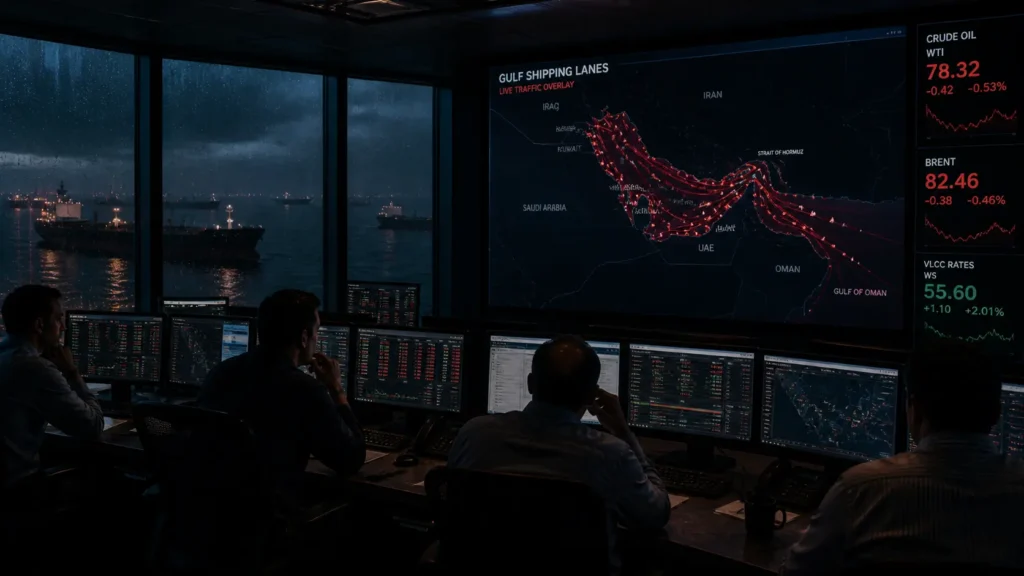




Xi, Putin, Trump Diplomacy Exposes Fragile Global Alliance System
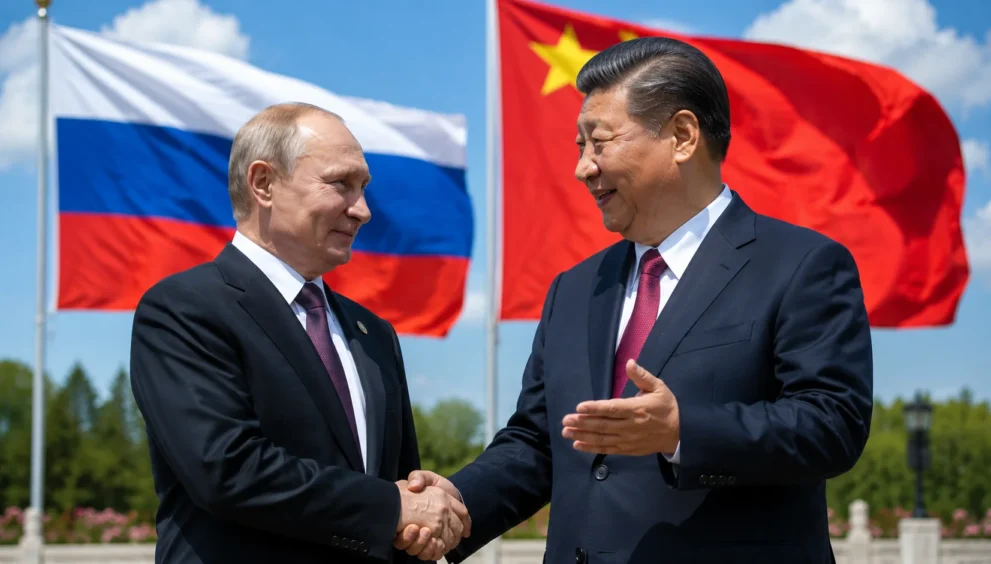
Xi, Putin, Trump Diplomacy Exposes Fragile Global Alliance System as Beijing hosts high-level engagement with Vladimir Putin and signals continued strategic dialogue with Donald Trump. The meetings, reported around 20 May 2026, highlight China’s expanding diplomatic reach across rival blocs while traditional alliances face rising pressure from economic dependency and geopolitical competition.
Three leaders, one strategic stage
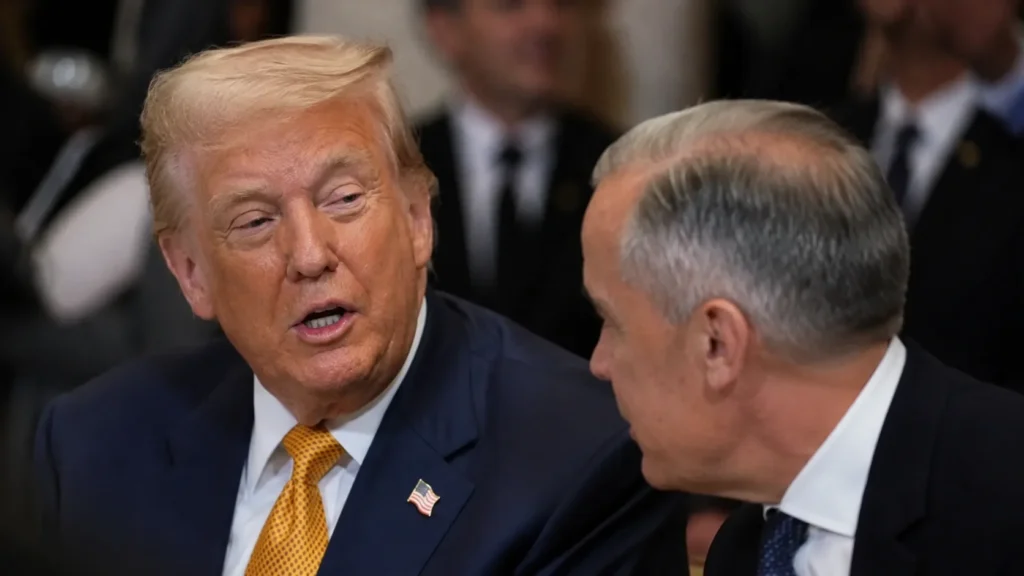
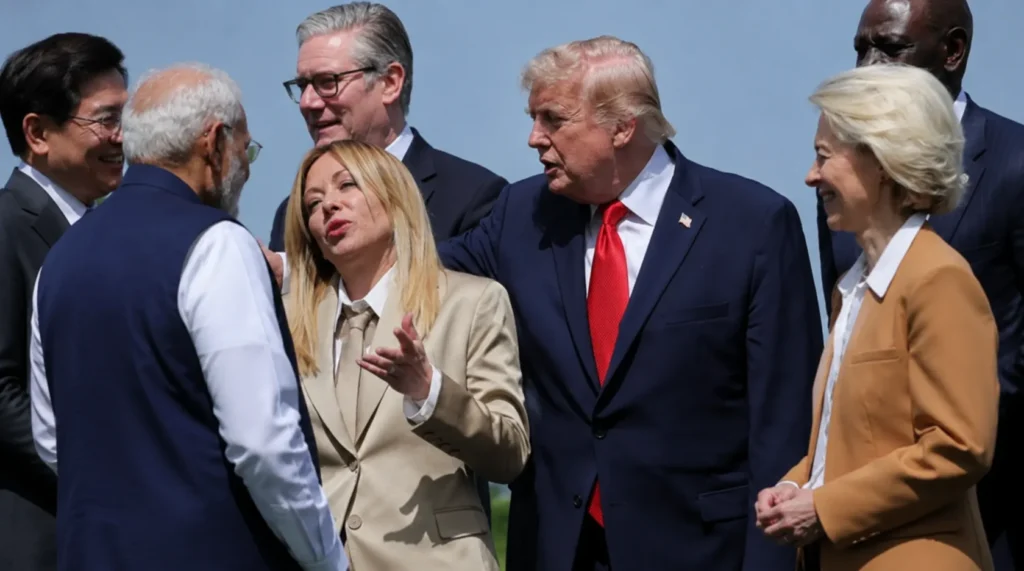
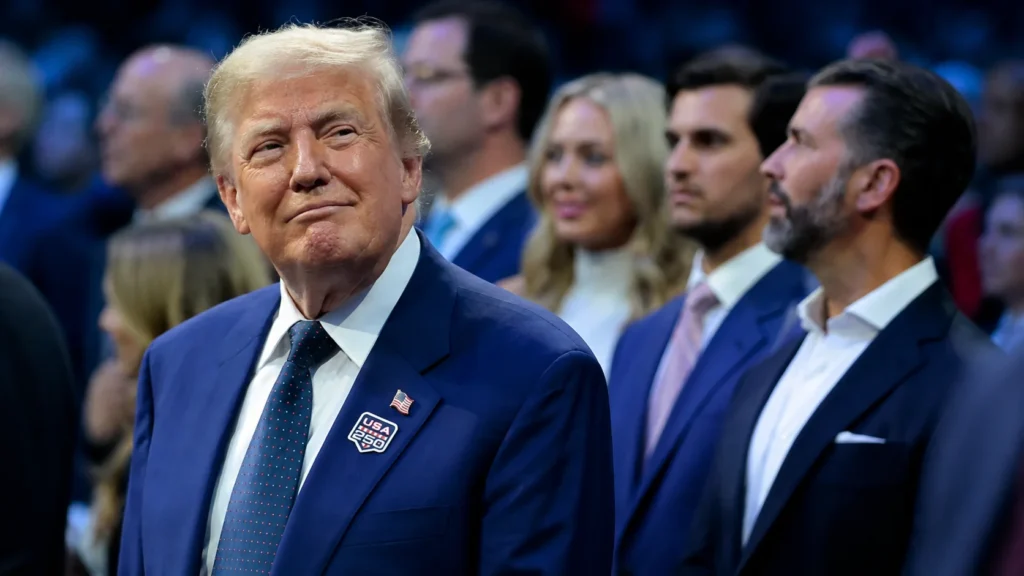
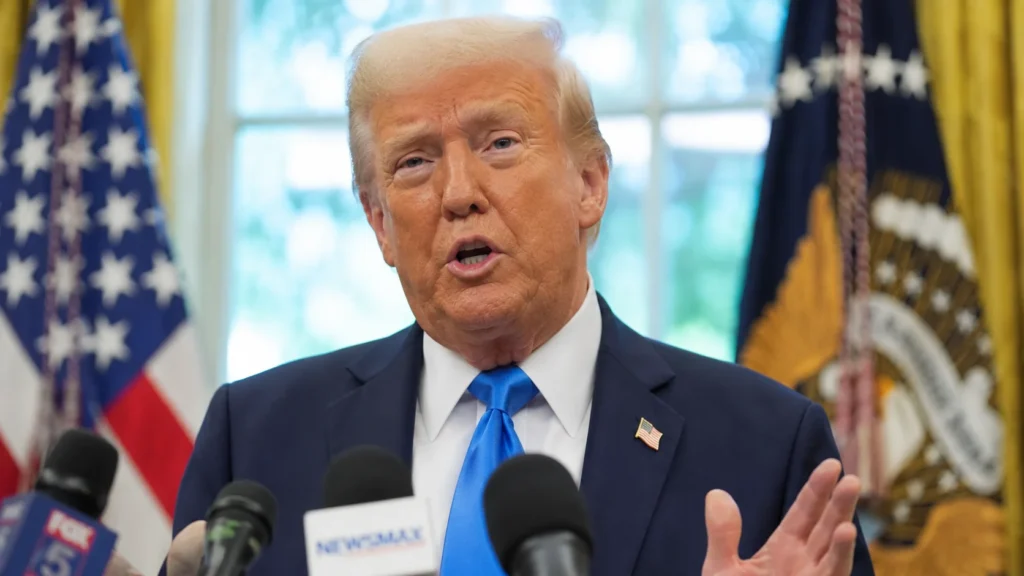
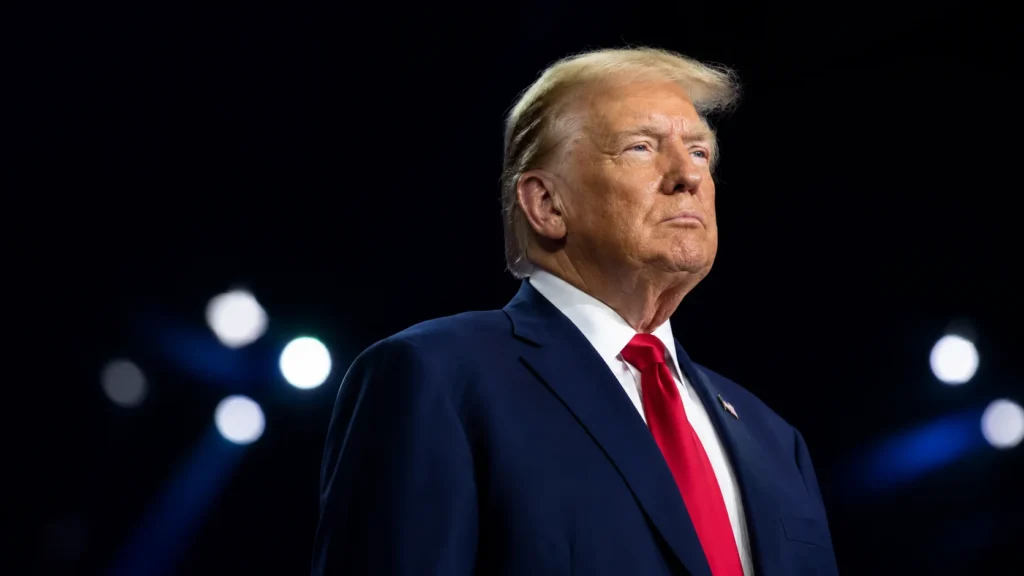
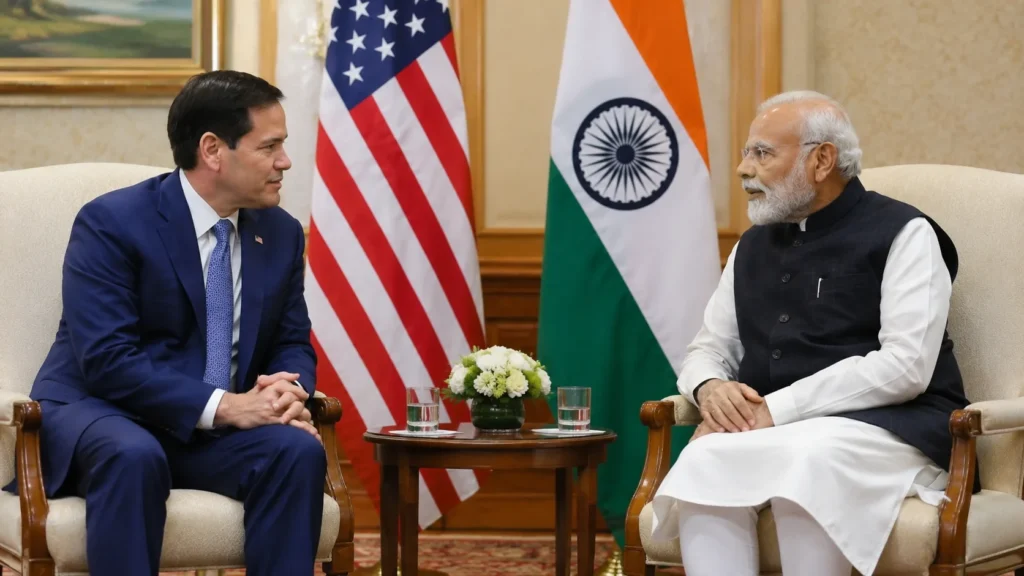
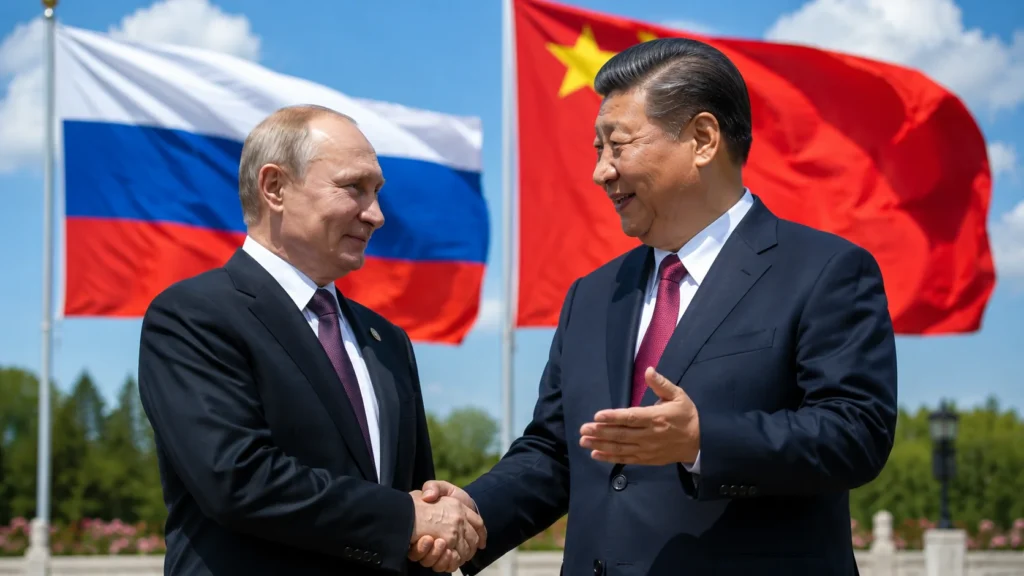
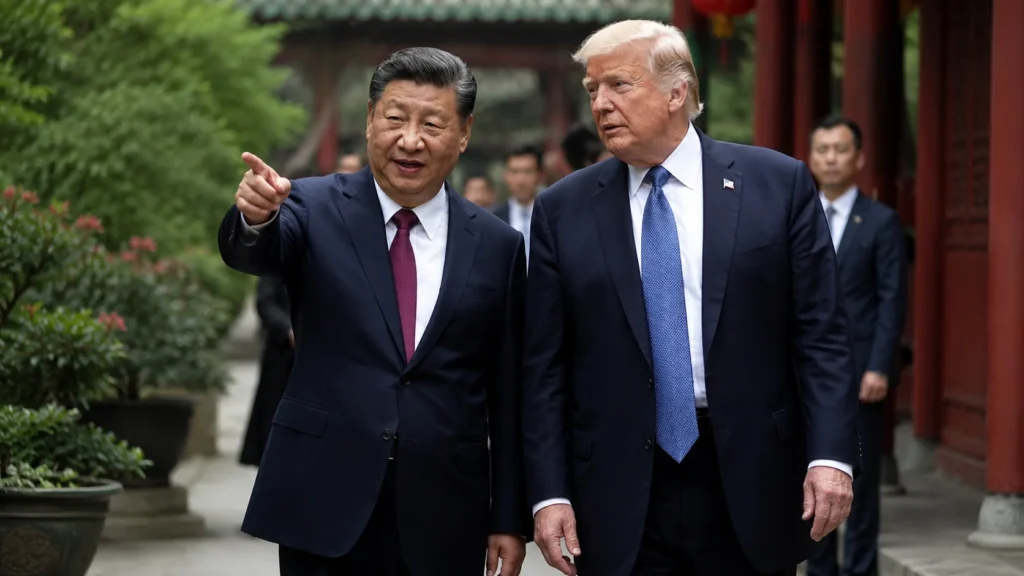
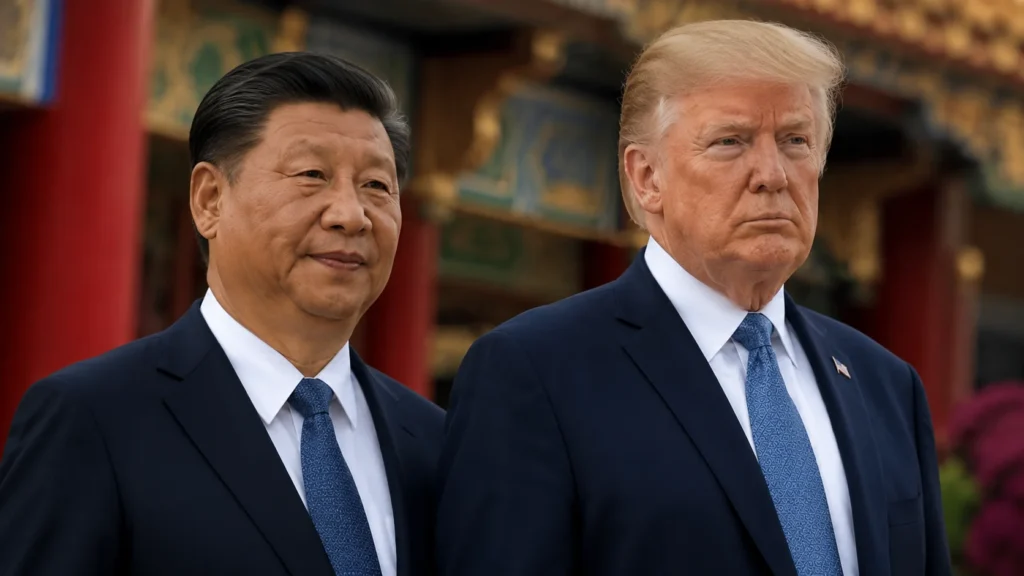
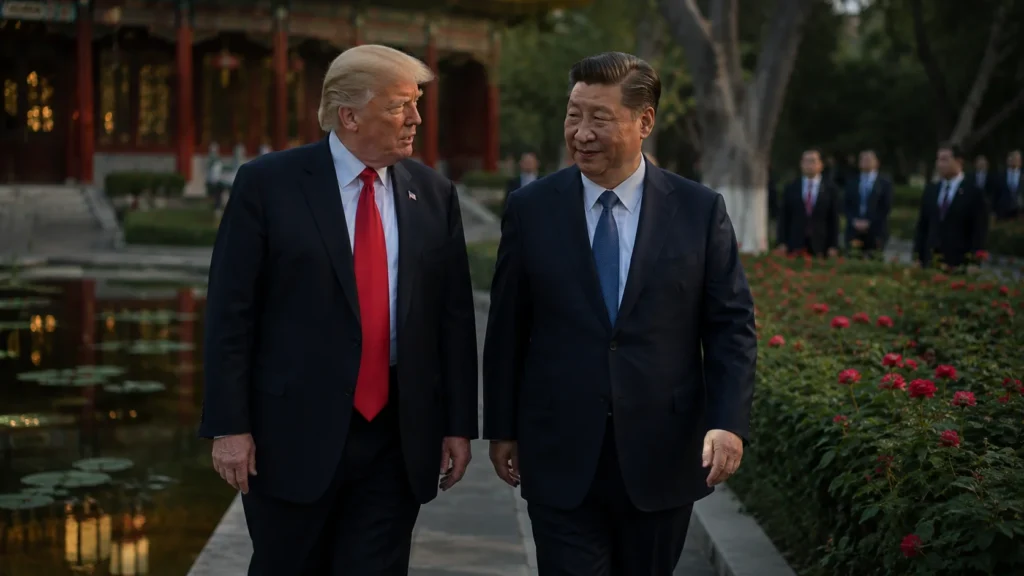
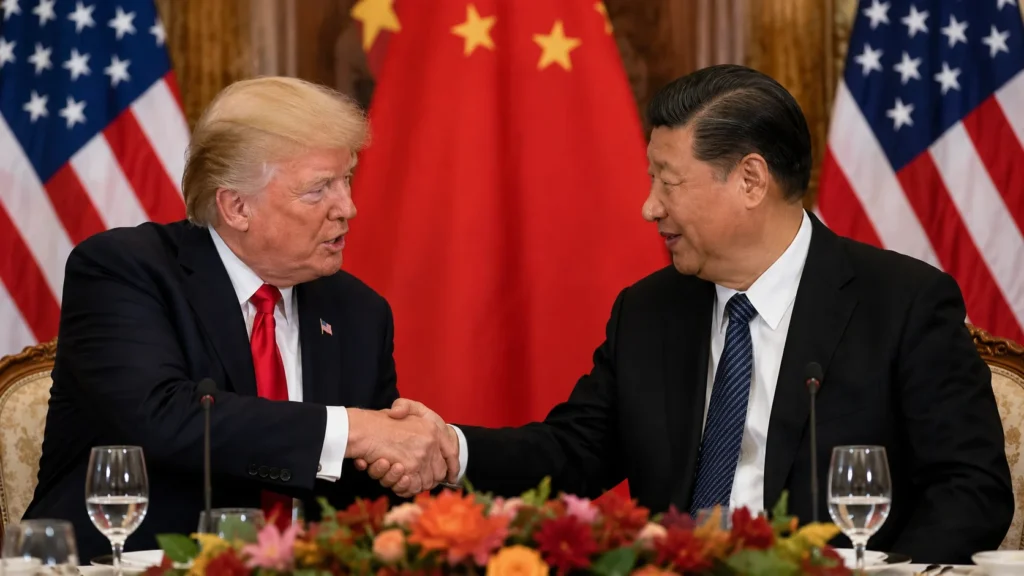
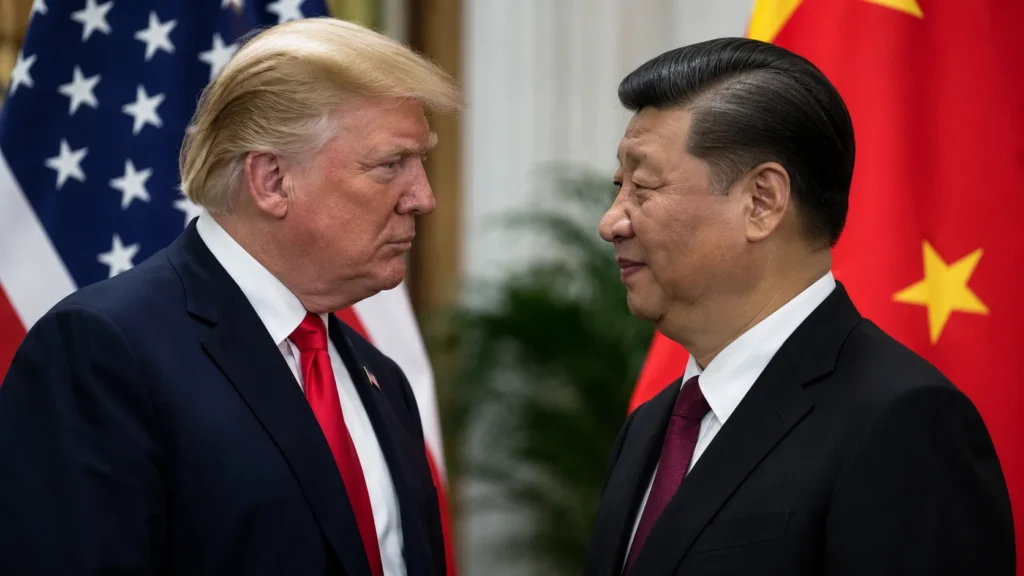
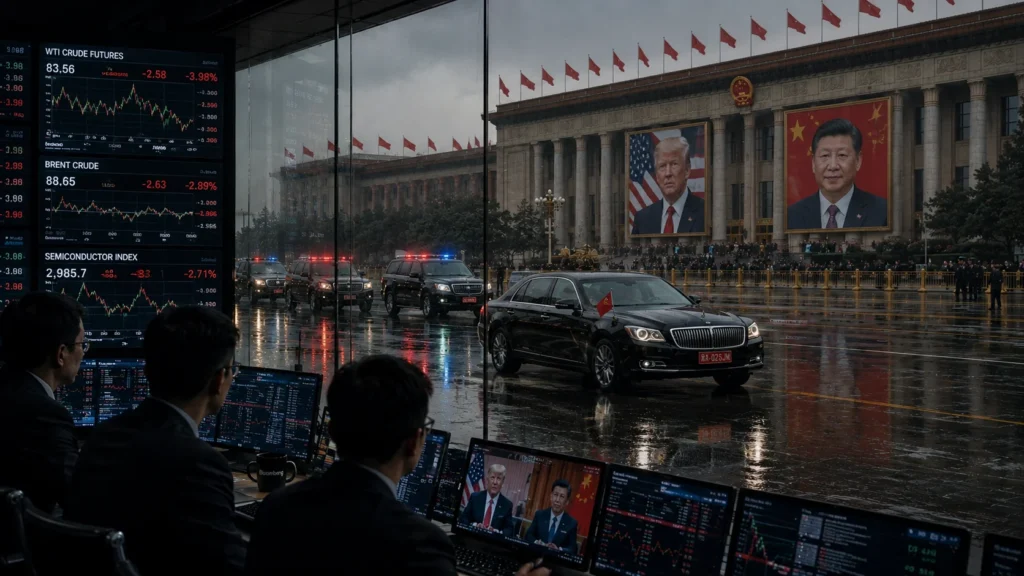
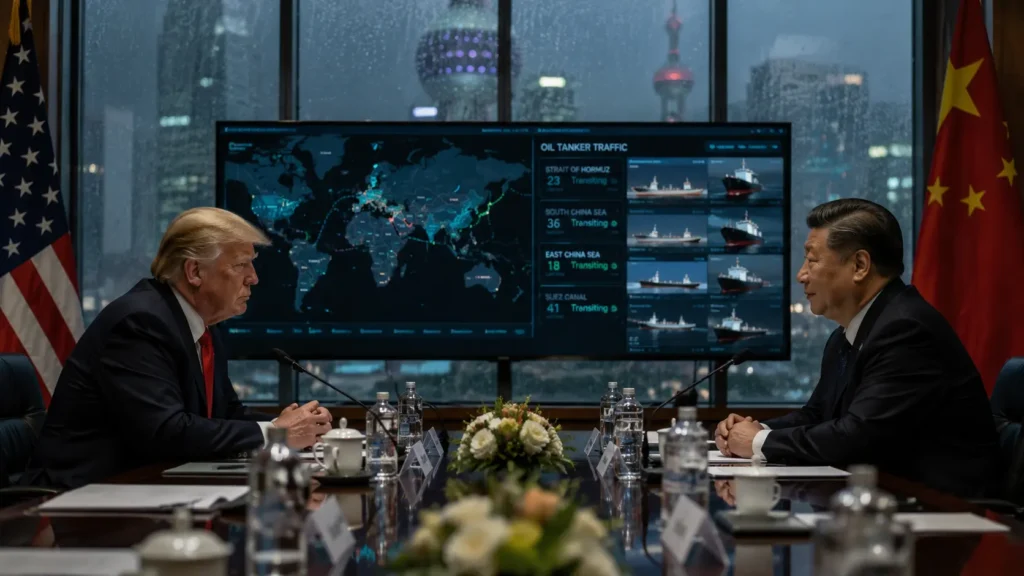
Beijing hosted consecutive high-level engagements involving Xi Jinping, Vladimir Putin, and Donald Trump, turning the Chinese capital into a focal point of global diplomacy.
During talks with Putin, Chinese and Russian officials reported 20-plus agreements covering trade and technology, though no breakthrough emerged on major stalled infrastructure projects such as the proposed gas pipeline.
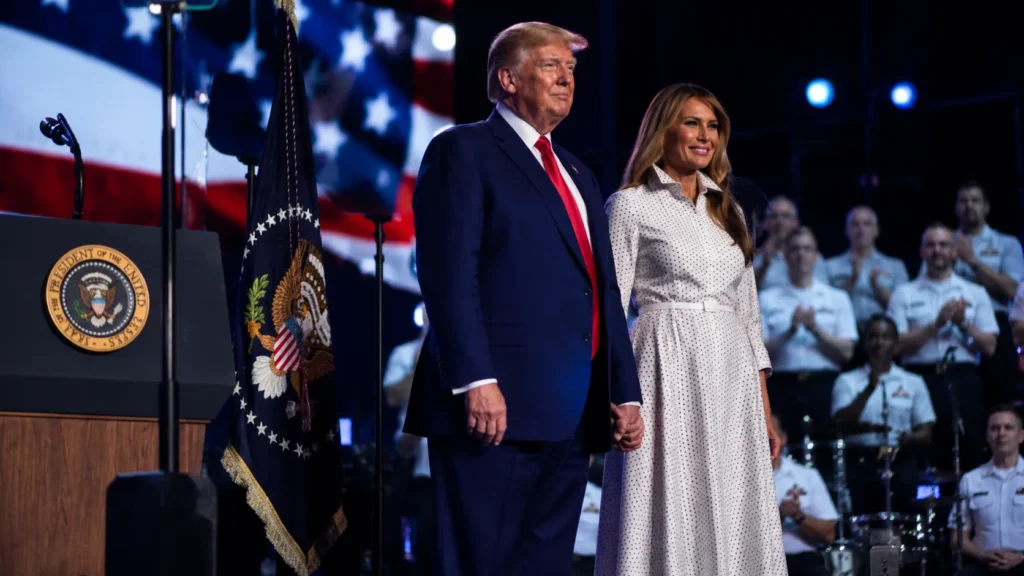
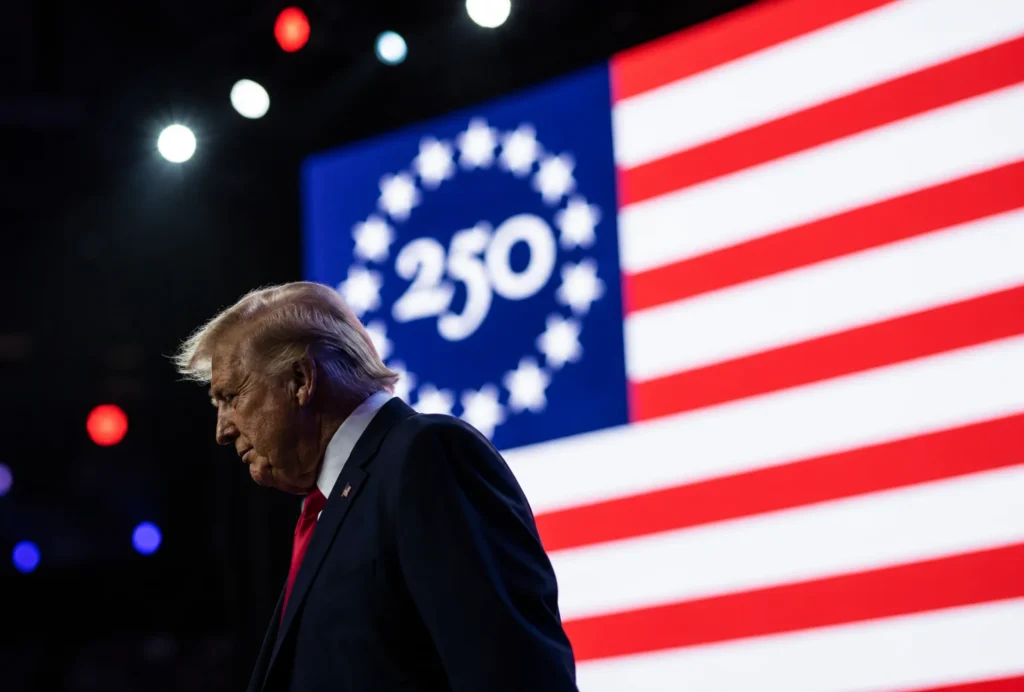
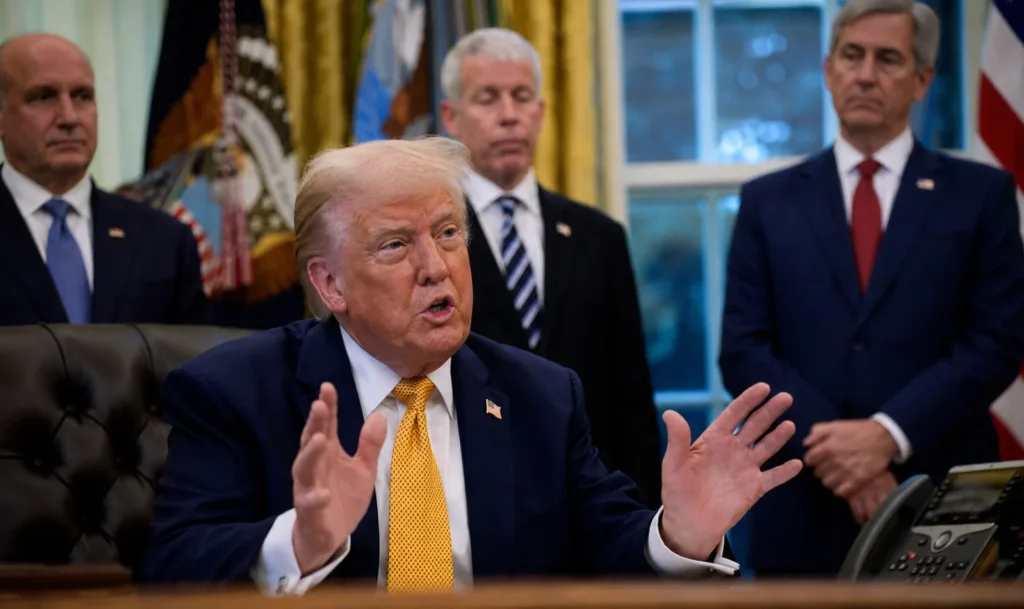
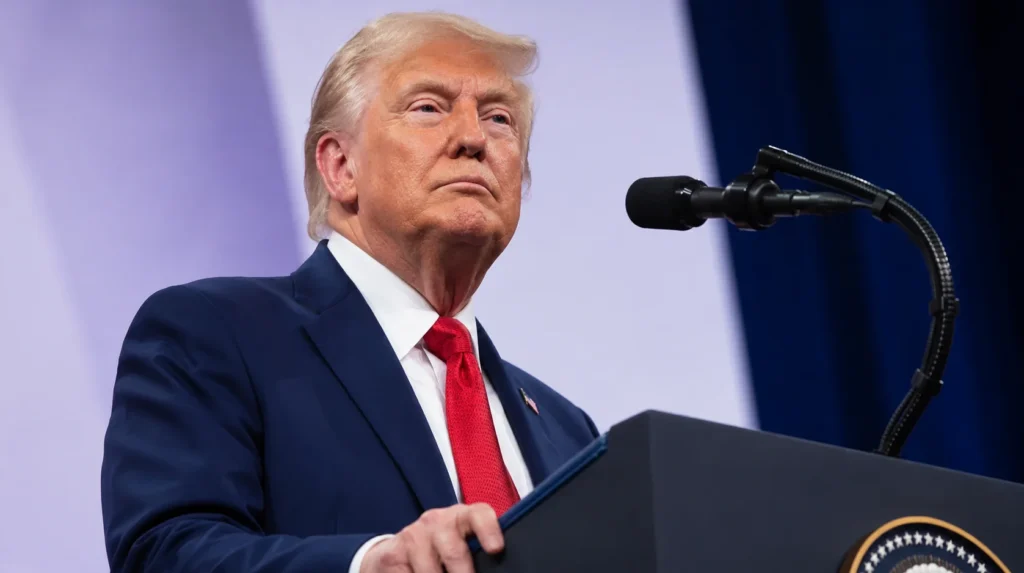
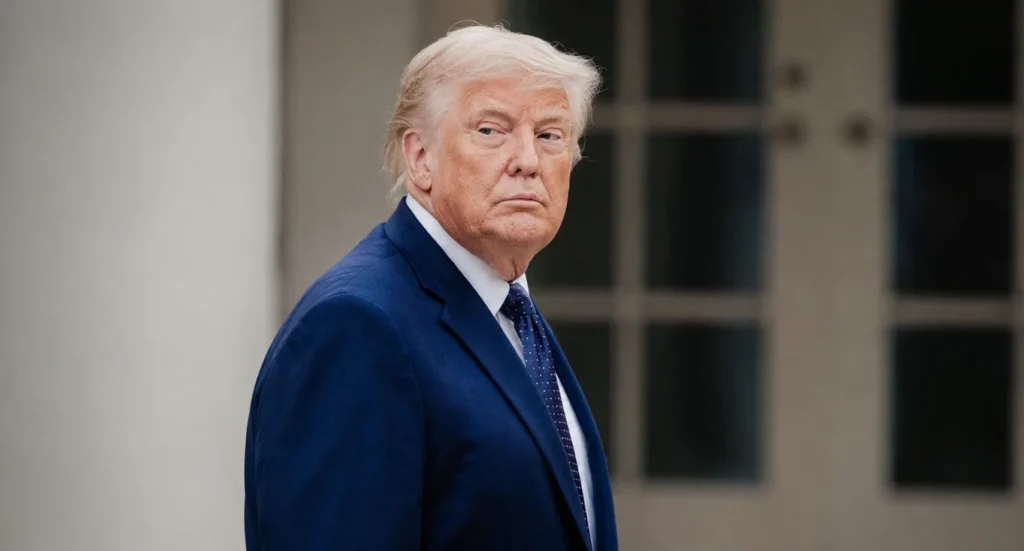
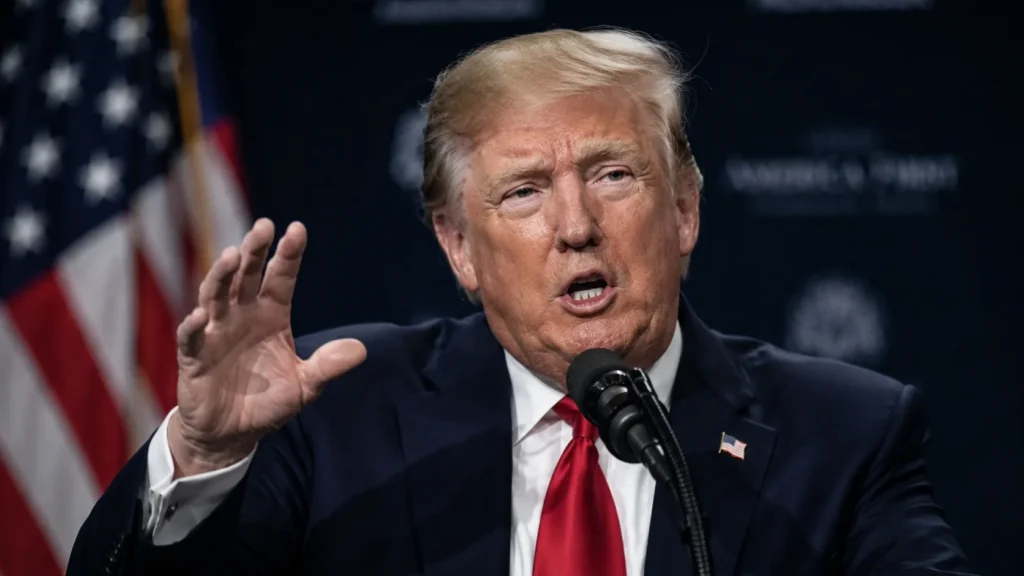
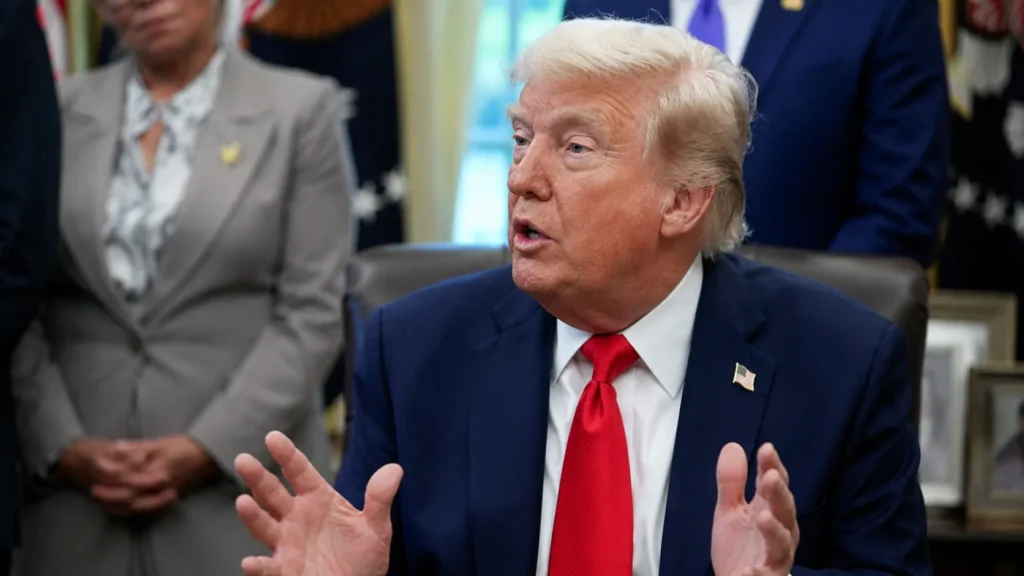
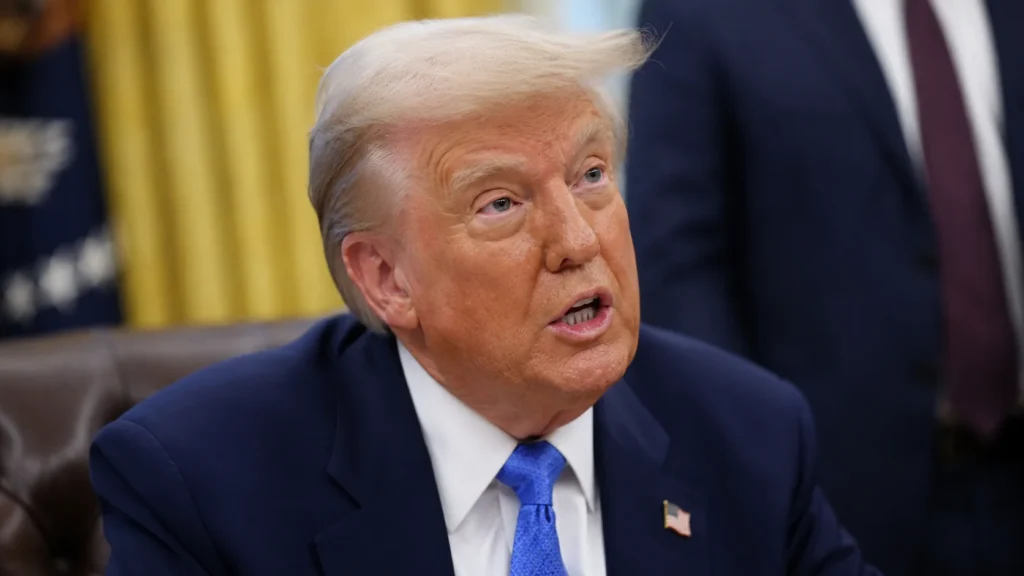
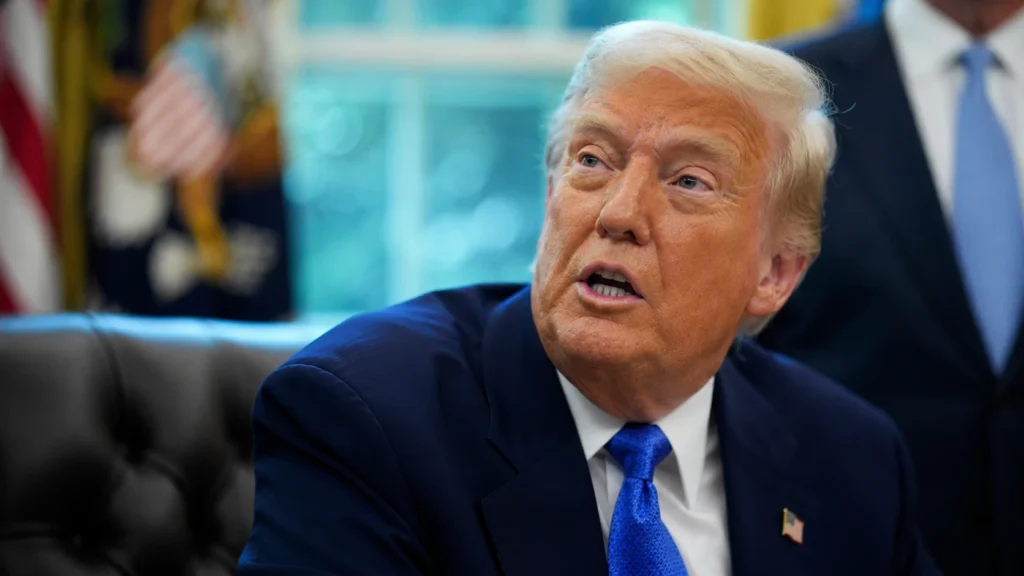
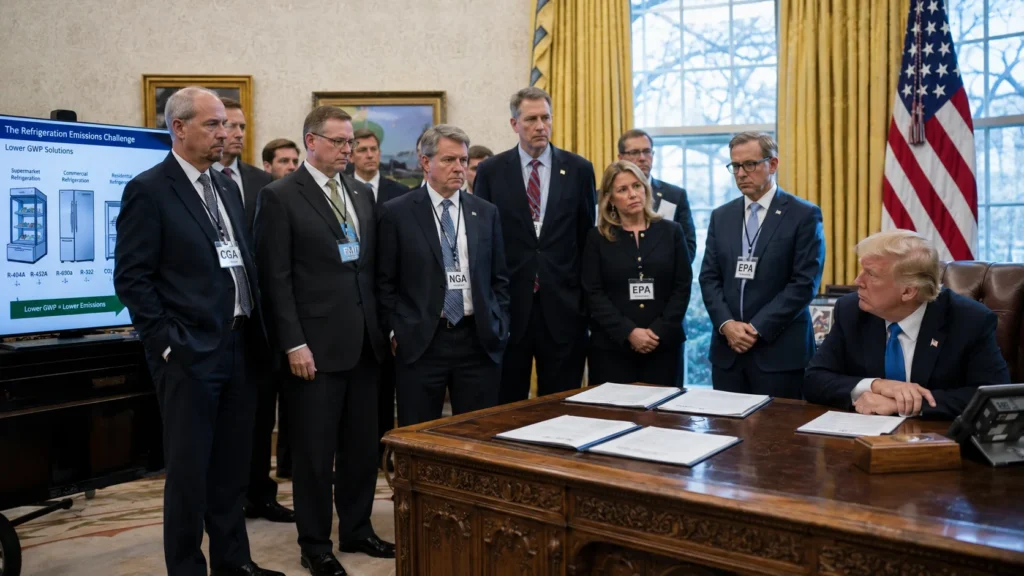
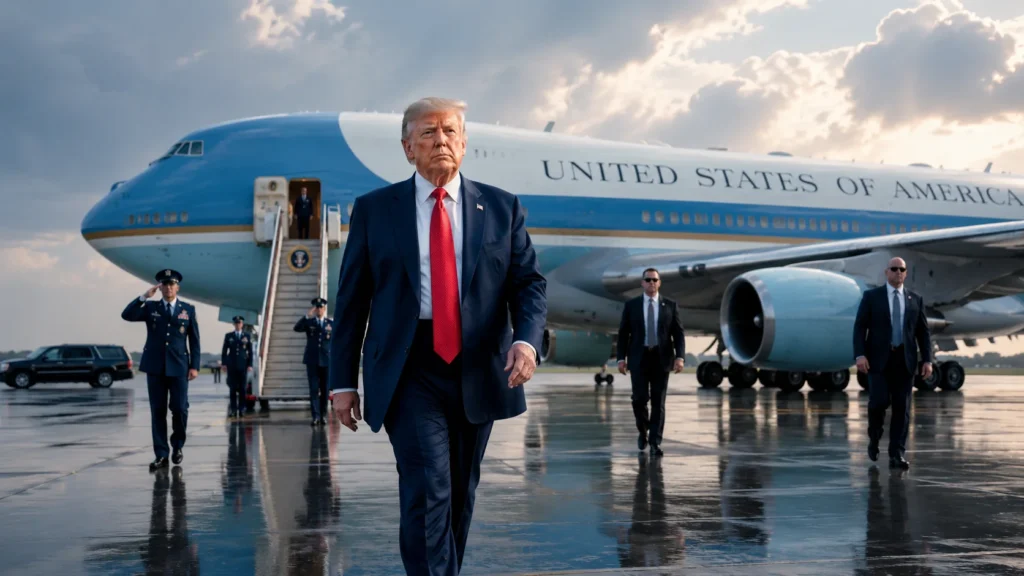
Separately, Trump’s visit to Beijing earlier in the same diplomatic cycle reinforced China’s ability to engage competing powers without formal alignment.
China-Russia trade dependency analysis
Putin, Trump, and China’s leverage strategy
China uses scale rather than alignment to build influence.
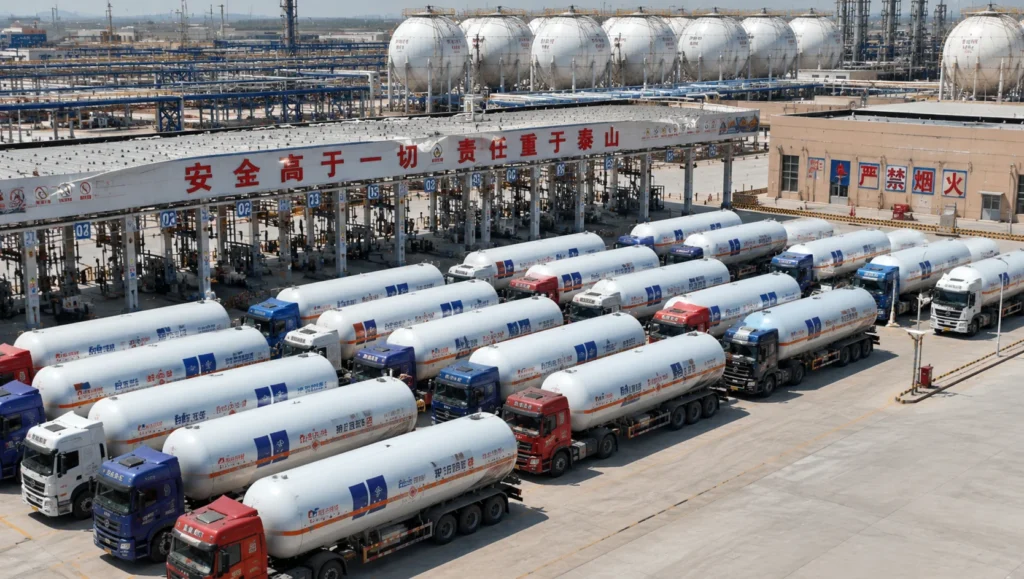
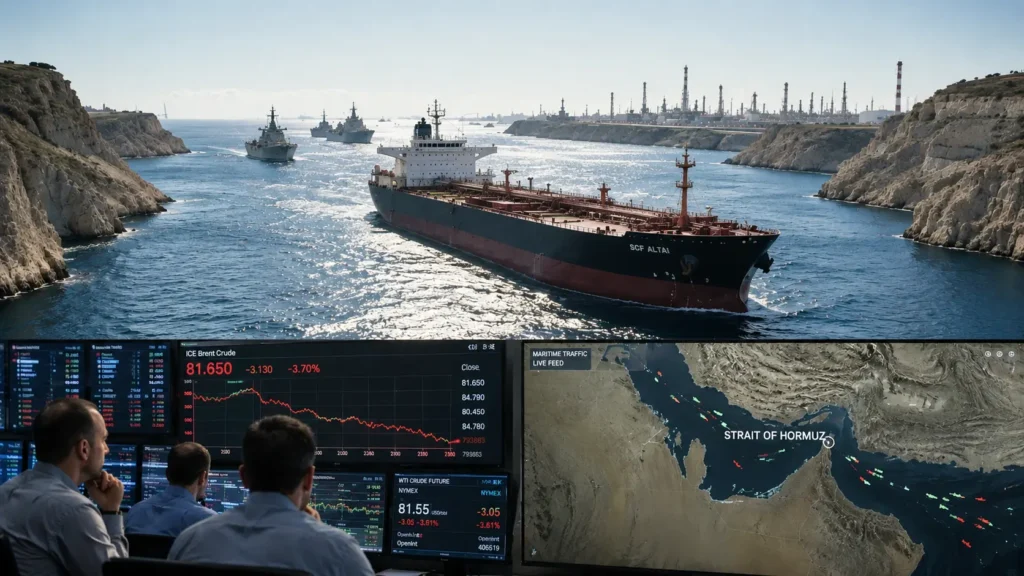
Putin’s Russia increases dependence on Chinese energy demand under sanctions pressure.
Trump’s United States continues engagement despite strategic rivalry due to supply chain exposure and critical mineral dependencies.
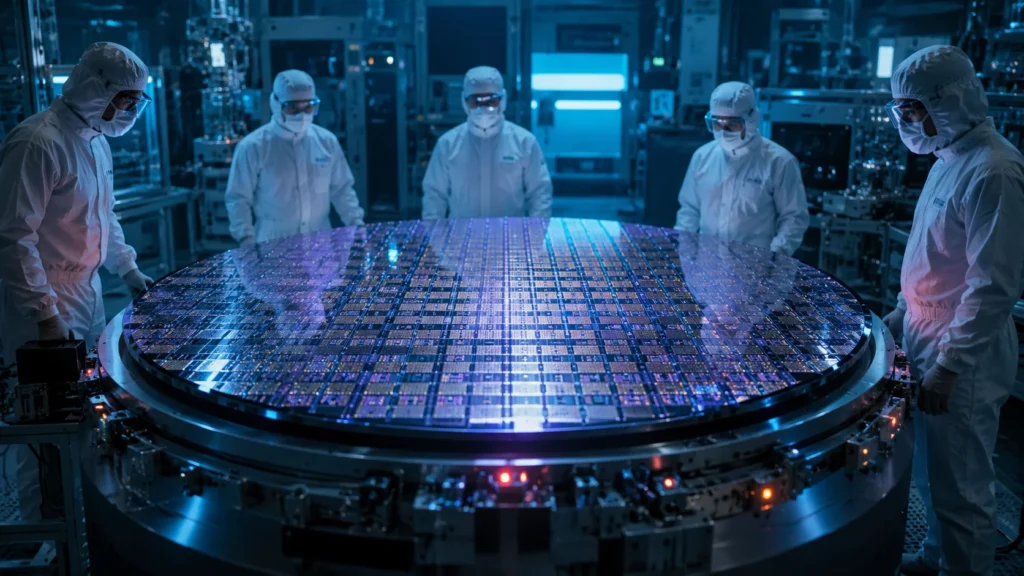
A 2026 Reuters geopolitical briefing notes China’s expanding dominance in global manufacturing and rare earth processing, strengthening its bargaining position across both Western and Eastern blocs.
Reuters geopolitical trade report
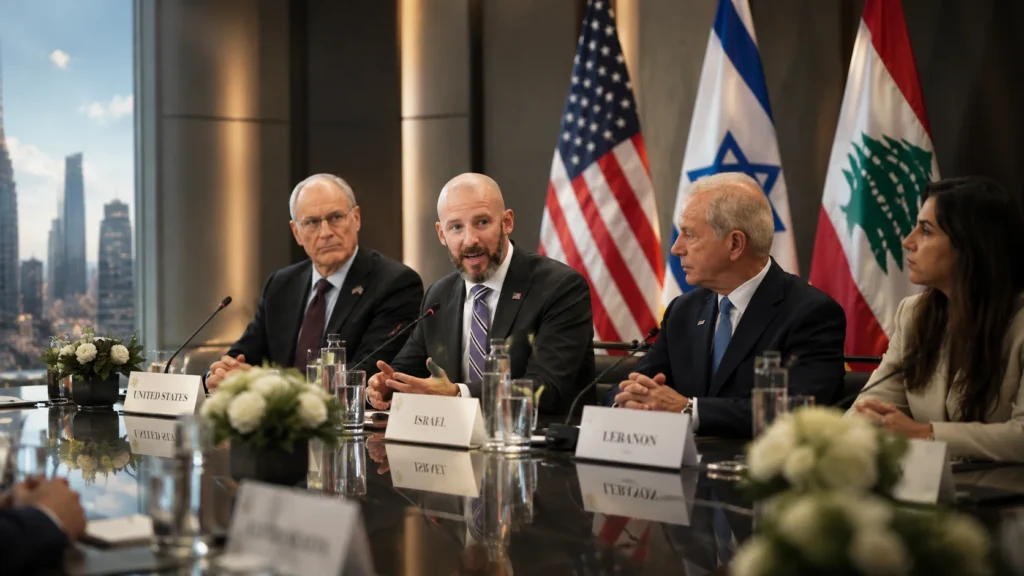
Strategic tension between Washington, Moscow, and Beijing
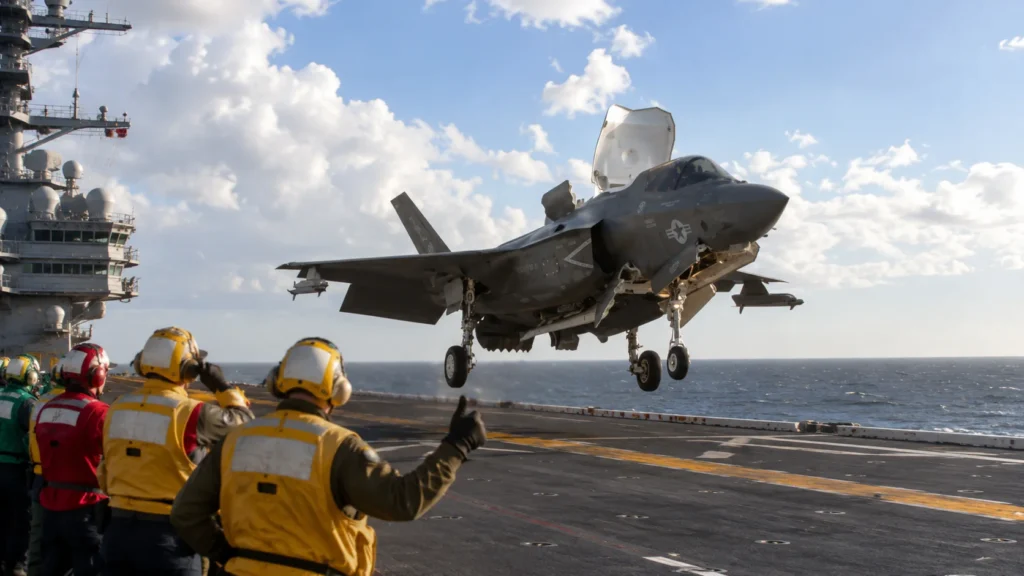
The United States under Donald Trump maintains security leadership but faces higher coordination costs with allies. Russia under Vladimir Putin narrows its strategic flexibility as economic reliance on China deepens. China under Xi Jinping gains optionality but also increases exposure to global instability.
Europe sits between these forces, balancing access to Chinese markets with security commitments tied to Washington.
[INTERNAL LINK: Western alliance fragmentation trends]
The Tension: Alliance loyalty vs economic survival
China does not demand formal alignment from Putin or Trump, but its economic scale forces strategic recalculation across both administrations. Each diplomatic interaction now carries implications for sanctions exposure, energy security, and trade stability.
Fragment.
The global system no longer operates in blocs. It operates in dependencies.
Resolution: Where this is heading
Over the next 6–12 months, Xi Jinping, Vladimir Putin, and Donald Trump will likely continue transactional engagement without formal alliance consolidation.
China expands diplomatic reach.
Russia deepens its reliance.
The United States recalibrates alliances under rising economic pressure.
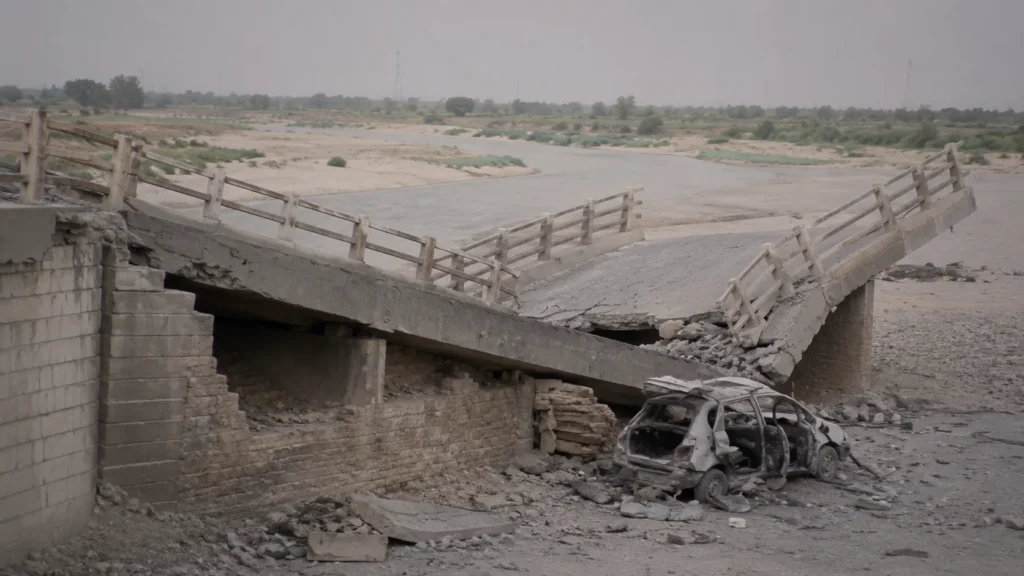
Key risk: fragmentation of global governance structures tied to trade and energy.
FAQ
Why are Xi Jinping, Putin, and Trump central to global diplomacy?
Their interactions now shape trade, sanctions strategy, and global alliance behavior across competing blocs.
Did Putin and Trump both meet Xi Jinping?
Yes, both leaders engaged in separate high-level diplomatic visits in Beijing within the same period.
How does China benefit from dealing with Putin and Trump?
China gains leverage by engaging both adversaries without committing to formal alignment.
What does this mean for global alliances?
It signals a shift from fixed alliances to transactional, interest-based relationships.
Author Bio
Written by an international geopolitics editor specializing in China–US–Russia relations, with over a decade of experience covering Xi Jinping, Vladimir Putin, and the Donald Trump-era global diplomacy.