

 English



























































































































































































































































































































The Pit Lane Was 77 Metres Wrong. One Driver Got Justice.
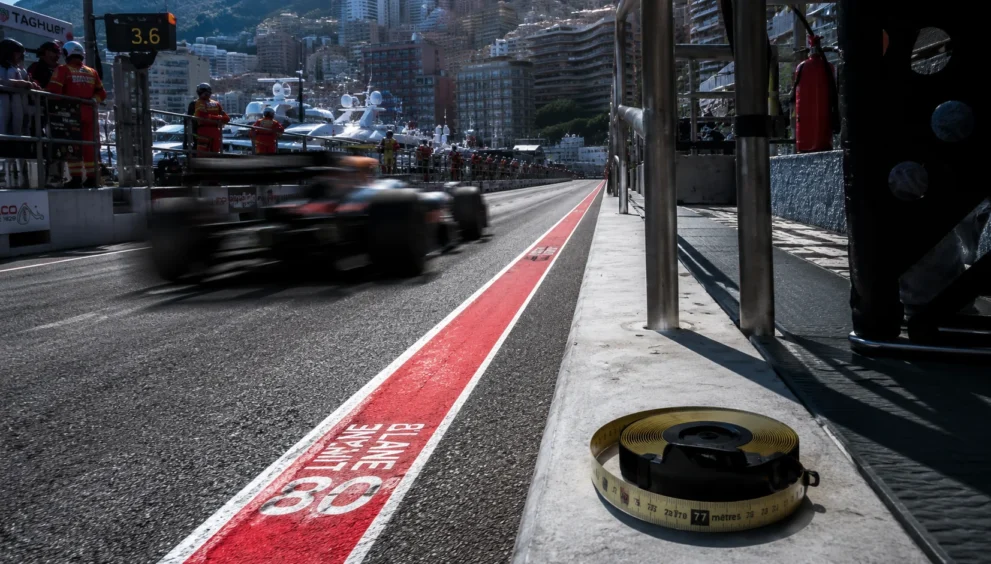
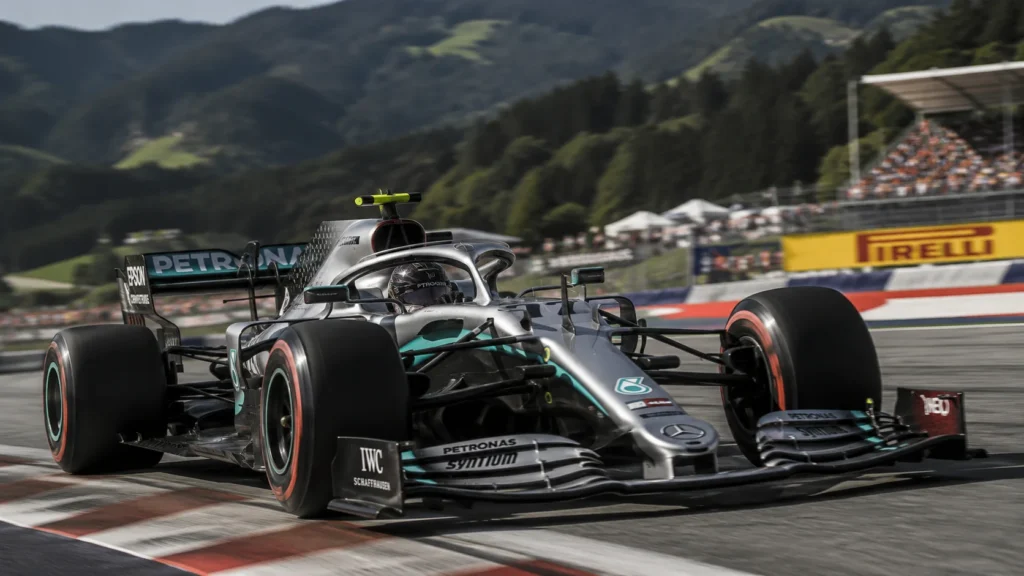
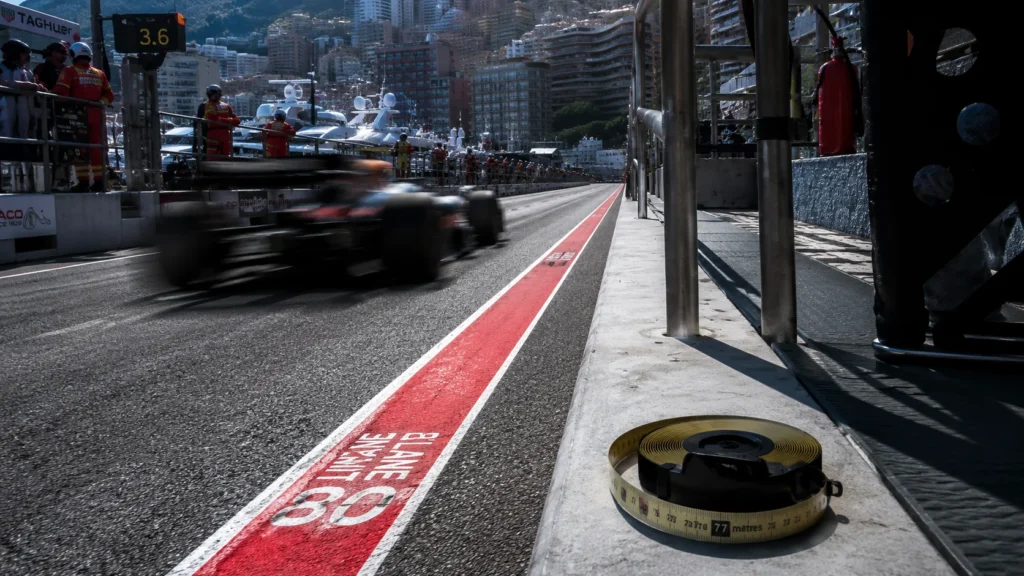
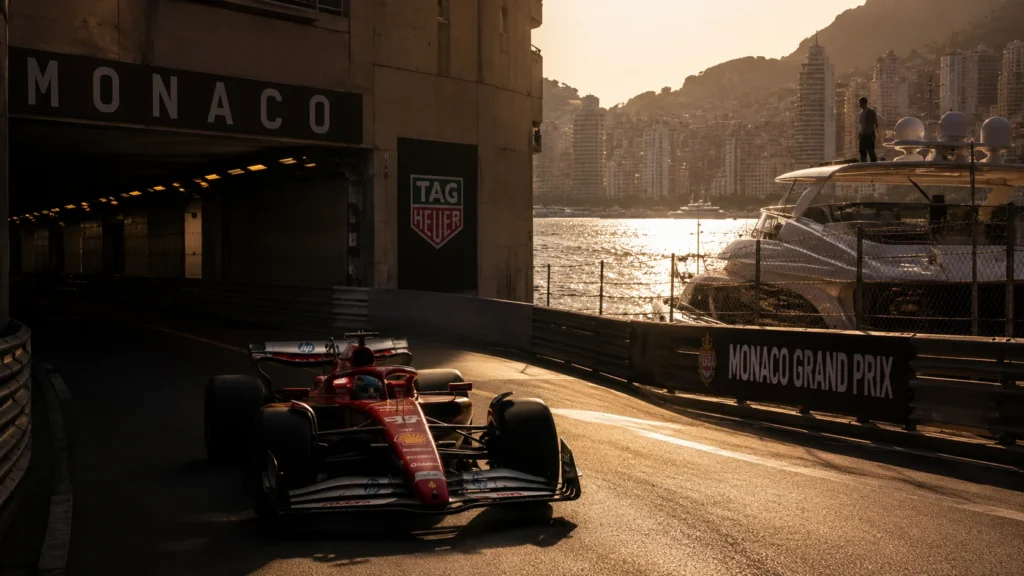
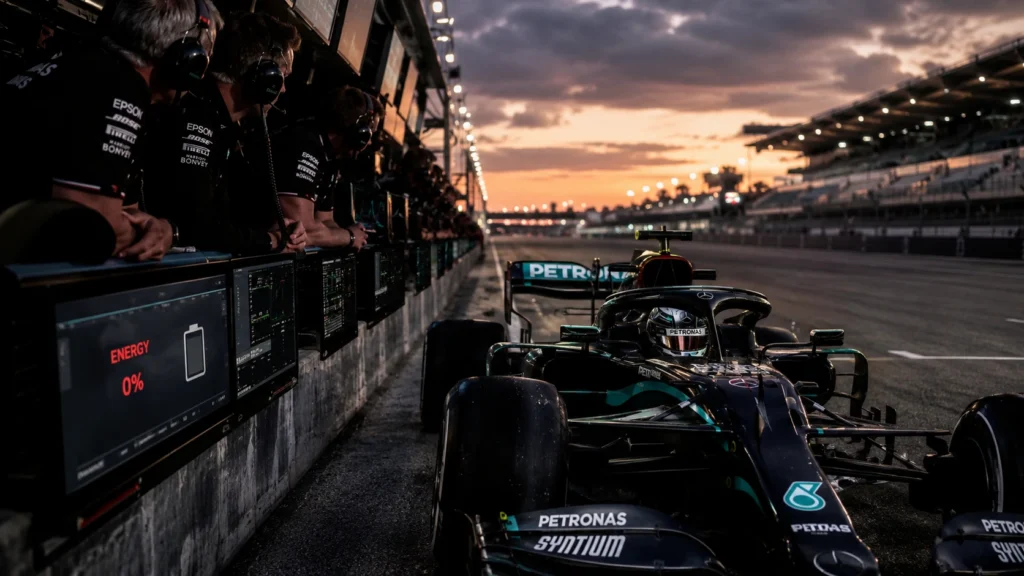
The error was 77 metres. The pit lane at Monaco, measured by Formula 1 and the FIA for the purpose of enforcing the speed limit, was 77 metres longer than the route drivers could actually take. The speed limit is calculated by the time it takes to travel a certain distance. If the distance is wrong, the speed is wrong. Seven drivers were penalised. Six of them were clocked at 0.1 km/h over the limit—a margin so small it is invisible to the naked eye, so precise it depends entirely on the accuracy of the measurement. The measurement was inaccurate. The penalties should not have been applied.
Pierre Gasly’s team, Alpine, appealed. They won. Gasly’s penalty was expunged. He was reinstated to third place. Isack Hadjar of Red Bull was demoted from the podium. Oscar Piastri of McLaren was demoted from fourth to fifth. George Russell, who had been running third before the penalties began to accumulate, had pleaded with officials during a red-flag period not to make him serve his penalty, but to investigate after the race. He was refused. He then failed to serve the penalty correctly owing to a Mercedes communication error and was handed a drive-through penalty that dropped him from third to 12th. He lost 15 world championship points. His title fight with team-mate Kimi Antonelli and Ferrari’s Lewis Hamilton absorbed a wound that was not of his making.
McLaren has now appealed to the FIA Court of Appeal. Mercedes has asked for a right of review. Red Bull has not yet handed over the third-place trophy while they consider their own appeal. The Monaco Grand Prix ended weeks ago. It is still not over. It may not be over for months.
But this wasn’t about the measurement. This was about Control vs Chaos—and what happens when the governing body admits its own error, corrects one penalty, and leaves the others in place, creating a hierarchy of justice in which some drivers get their results back, and others are told that the rules applied to them even though the rules were wrong.
The Measurement
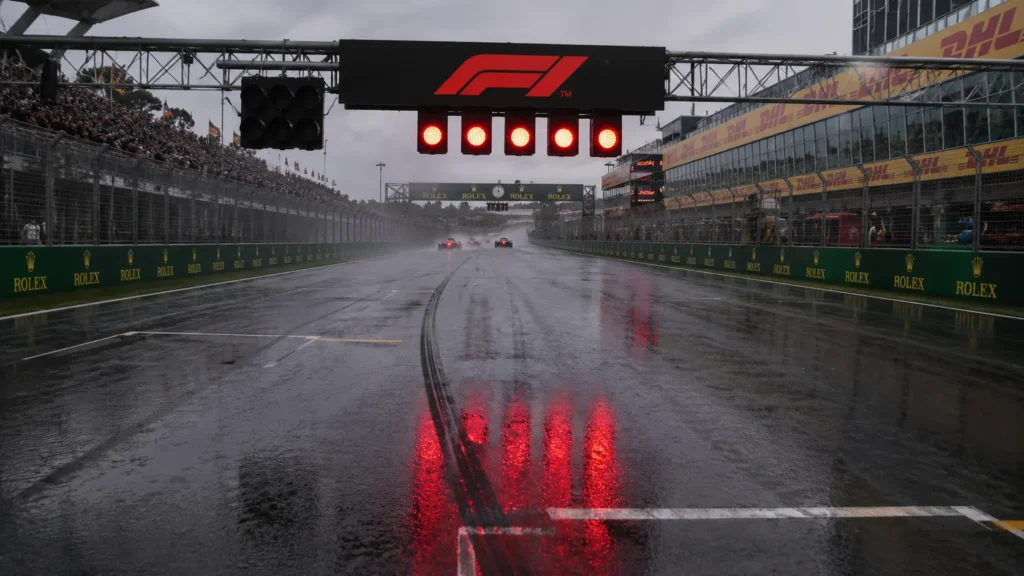
The pit lane at Monaco is not a straight line. It curves. The FIA’s measurement assumed drivers would take the longest possible route. Drivers, being drivers, took the shortest. The difference was 77 metres. The speed limit is 60 km/h. The time it takes to cover 77 metres at 60 km/h is the difference between being inside the limit and being 0.1 km/h over it. The margin between guilt and innocence was the width of a racing line.
The stewards’ verdict in Alpine’s right of review case acknowledged the error. The pit lane had been measured incorrectly. The drivers had not been speeding. The penalties had been awarded on the basis of a false premise. The FIA corrected one. Gasly’s penalty was removed. He climbed from seventh to third. Hadjar lost his podium. Piastri lost a place. The others—Russell, Hamilton, Colapinto—received nothing. Their penalties stood. Their points remained lost. Their races remained diminished by an error the governing body had now admitted.
The stewards’ report also revealed that after the third penalty was awarded, officials asked whether something unusual was happening. They were told nothing was wrong. Teams had raised the issue with the FIA during the weekend. Their concerns were not passed to the stewards or the timekeepers. The information existed. It was not shared. The penalties were applied. The race was run. The results were published. The error was then corrected for one driver and not for the others. The governing body that made the mistake has now created a second mistake in the way it has chosen to fix the first.
The Drivers Who Paid
Oscar Piastri was running fourth. He served his penalty. He dropped to fifth. The penalty should not have existed. He said he was “pretty mind-blown” by the decision to reverse Gasly’s punishment while leaving the others intact. “How you can reverse a decision that was ultimately wrong, but when other people have been penalised for the same thing and served a penalty in the race, how you can then change one penalty, knowing that probably five or six other races have been impacted by that, is astonishing.”
The word “astonishing” is diplomatic. The reality is starker. Piastri lost a place because he obeyed a rule that did not exist. Gasly gained four places because his team challenged the rule and won. The difference between the two outcomes is not the severity of the offence. It is the quality of the legal representation. Alpine appealed. McLaren is now appealing. Mercedes is seeking a review. The drivers who lost places are hoping the courts will give them what the stewards would not.
Russell’s case is the most acute. He was running third when he was penalised. He pleaded with officials not to make him serve the penalty during the race. He was refused. The subsequent drive-through penalty, caused by a Mercedes communication error, was a compounding of the original injustice. He lost 15 points. He lost a podium. He lost ground in a championship fight that may be decided by fewer points than he lost in Monaco. The governing body that caused the loss has not yet restored it.
The Appeal
McLaren’s statement was precise and pointed. “This case raises important questions concerning sporting fairness, regulatory consistency, and the integrity of competition,” it said. “Throughout the Monaco Grand Prix weekend—and in every event—all teams operated according to the regulations and established standard practices for what concerns the speed limit in the pit lane as they were applied at the time. Competitors adjusted their procedures accordingly and, where required, accepted and served penalties imposed under those regulations. In our view, the subsequent removal of penalties creates a situation in which some competitors are disadvantaged by having acted in accordance with the rules and the Stewards’ decisions. Such an outcome risks creating sporting inequity and undermining confidence in the consistent application of the FIA sporting regulations.”
The language is legal. The argument is moral. McLaren is not disputing the correction of Gasly’s penalty. They are disputing the failure to correct the others. The FIA Court of Appeal will now hear the case. The hearing will not restore the race. It will determine whether the results are rewritten. It will also determine whether the governing body can be compelled to apply its own admissions of error equally across the field. The precedent matters beyond Monaco. The principle is that a penalty imposed under a faulty regulation should be void for everyone, not just for the driver whose team could afford the best lawyers.
Red Bull has not yet handed over the third-place trophy. The gesture is symbolic. The symbolism is sharp. The team that benefited from the correction of Gasly’s penalty is waiting to see whether the correction will be extended to the others. The podium that was celebrated on the day is provisional. The results that were published are contested. The championship that is being fought is being fought on ground that may yet shift beneath the drivers’ feet.
What Changes Now
The FIA Court of Appeal will hear McLaren’s case. Mercedes’ right of review will be considered. The results of the Monaco Grand Prix may be revised again, or they may be confirmed. The drivers who lost points will either get them back or be told that the injustice they suffered is the cost of competing in a sport where the rules are enforced by the same body that wrote them incorrectly.
The broader question is whether the FIA’s admission of error will lead to systemic change. The pit-lane measurement was wrong. The information that could have corrected it was withheld. The stewards asked and were misinformed. The penalties were applied. The correction was selective. The process failed at every stage. The appeal is about the outcome. The deeper problem is about the process.