

 English





































































































JD Vance Henry Nowak Post: UK Hits Back at US Interference
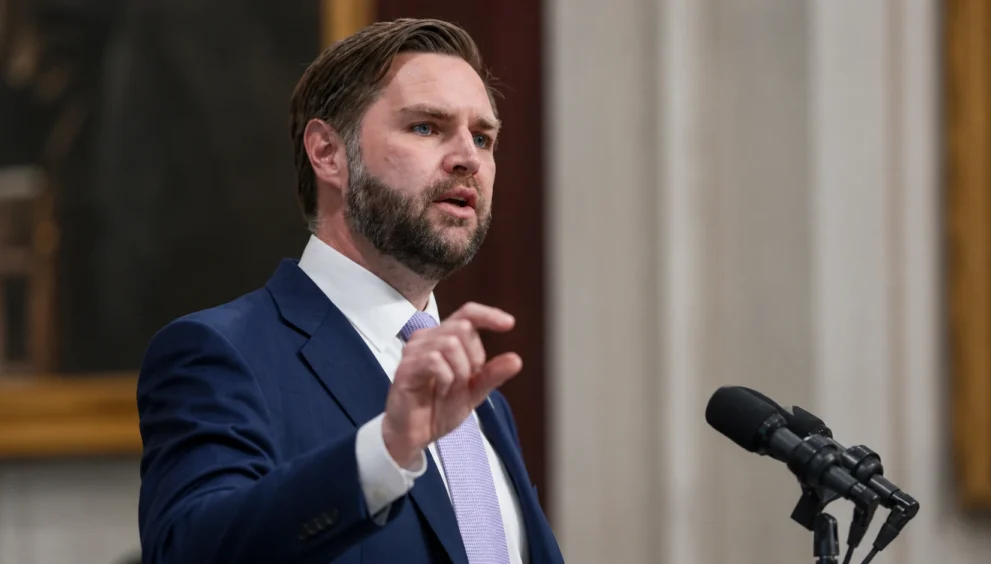
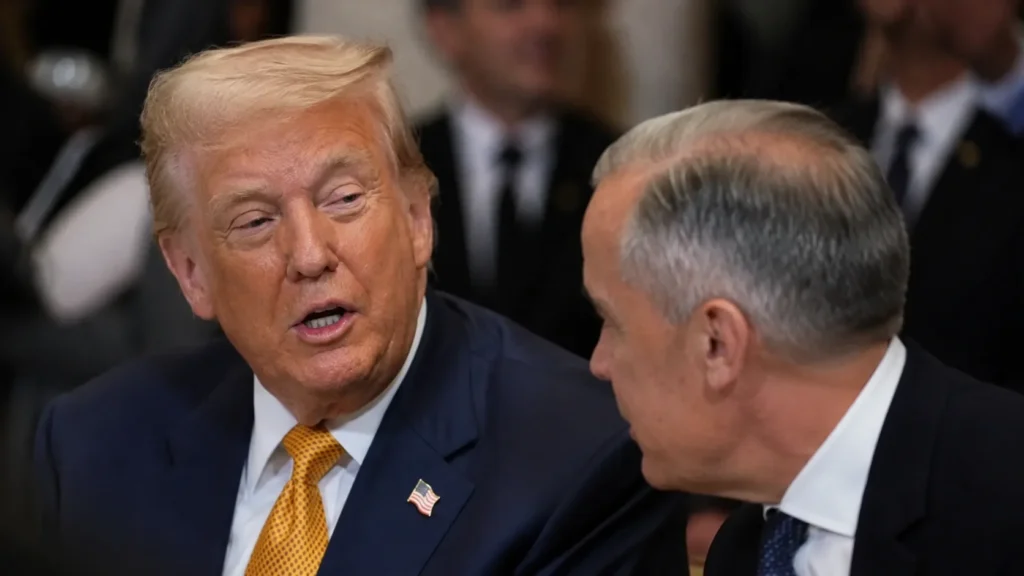
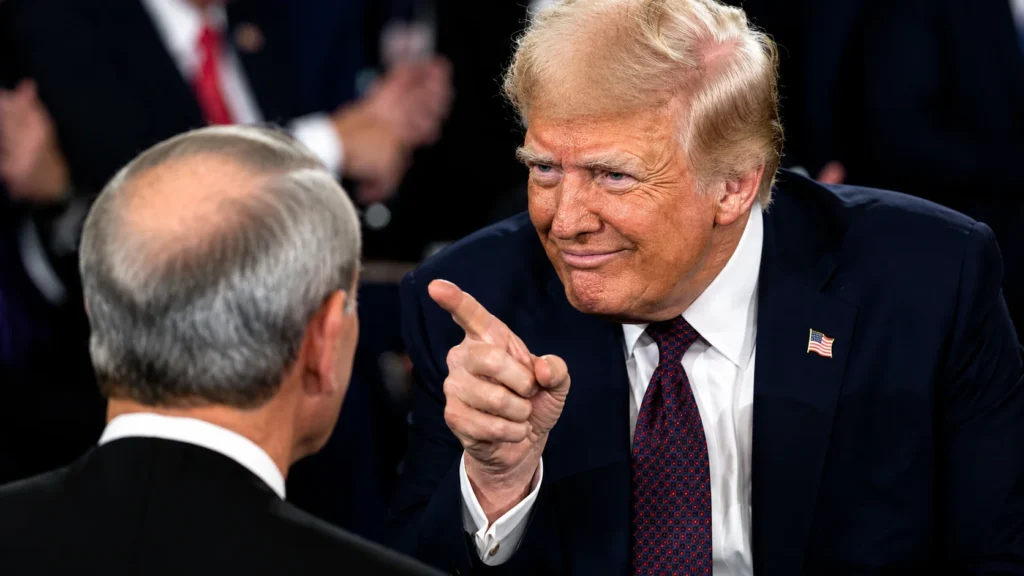
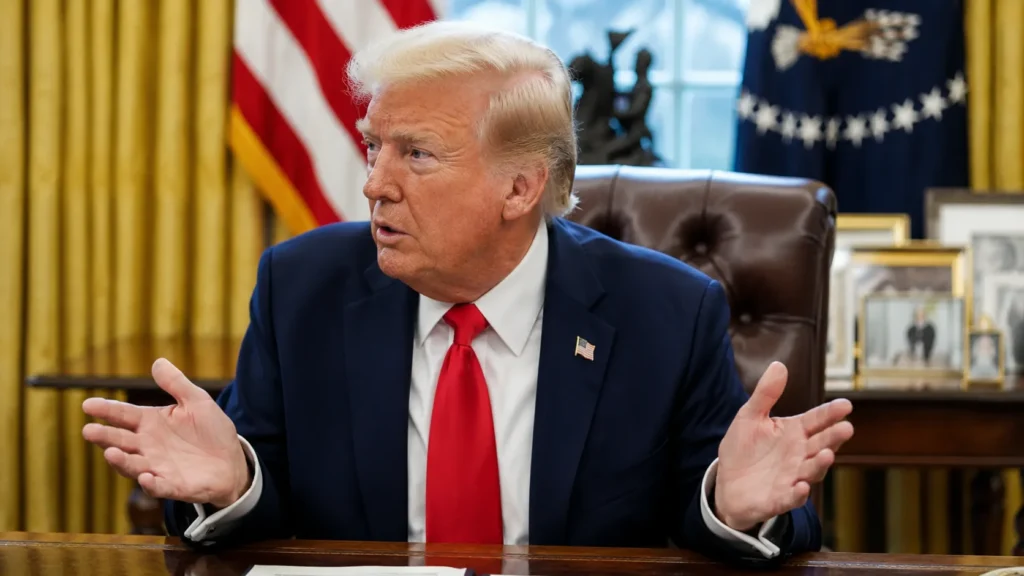
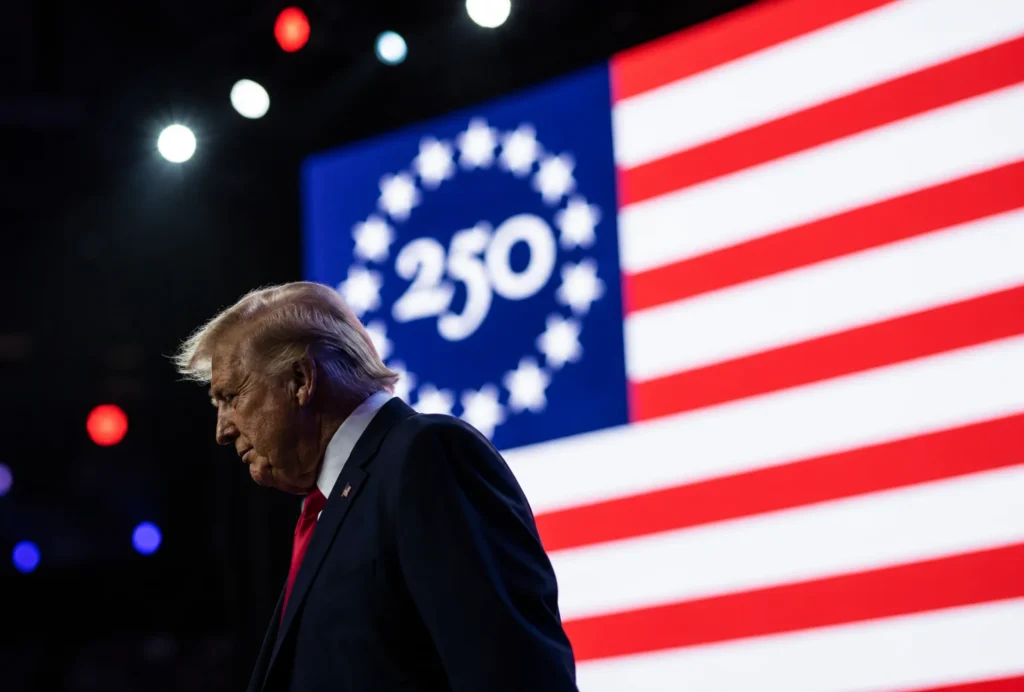
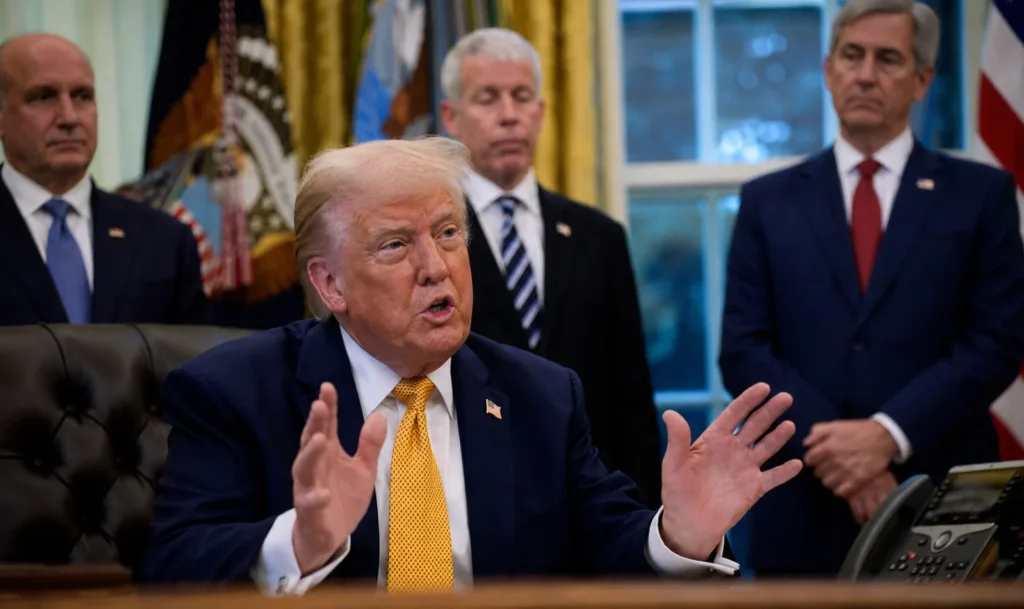
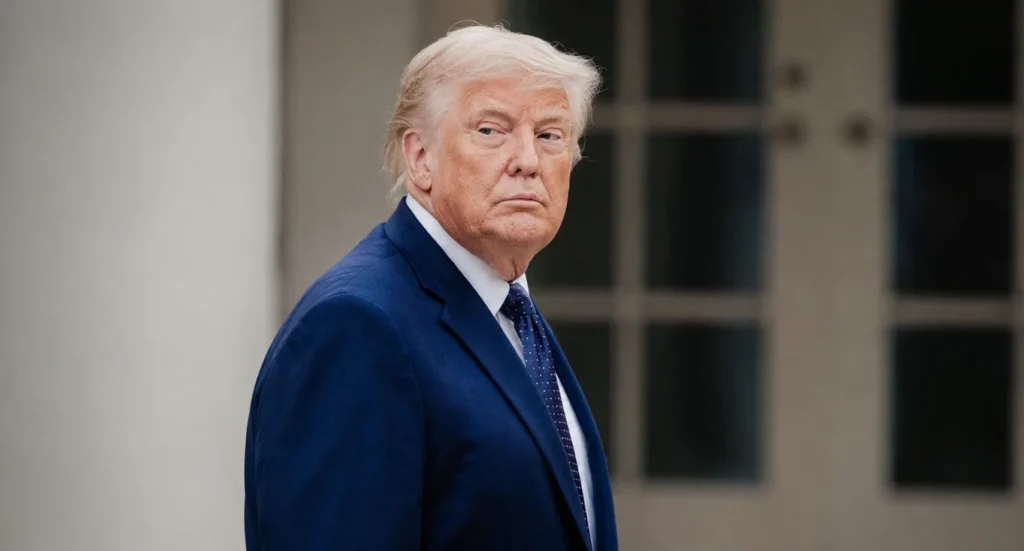
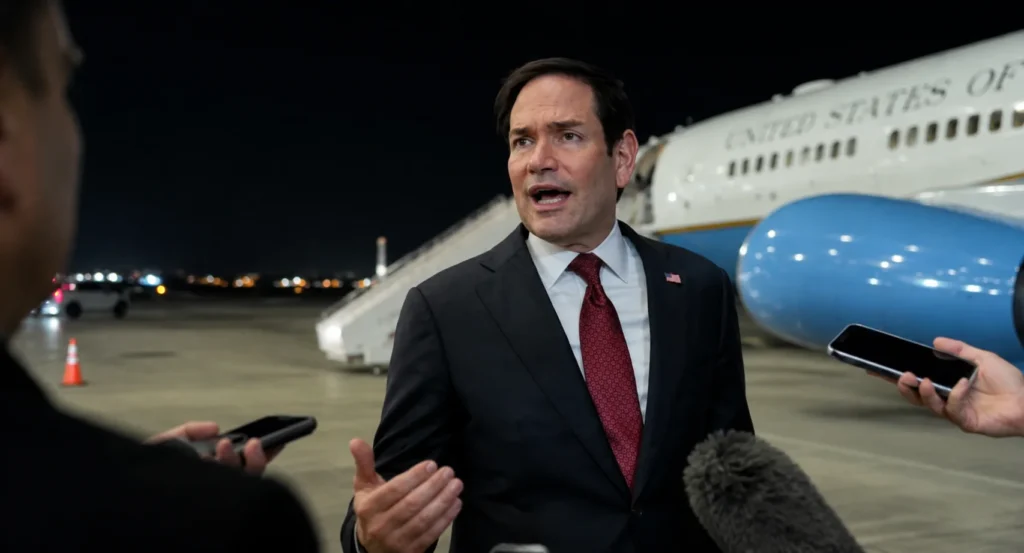
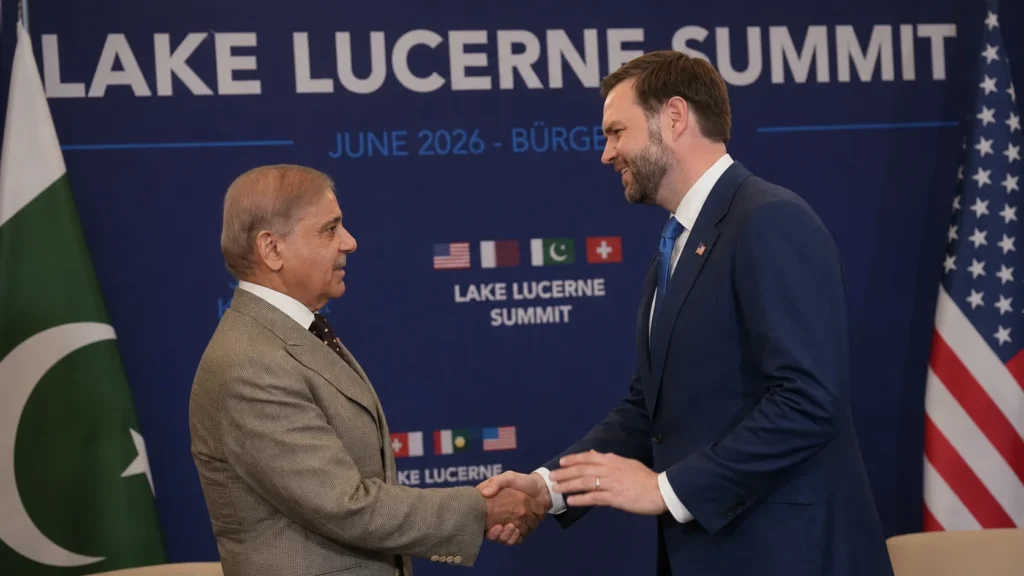
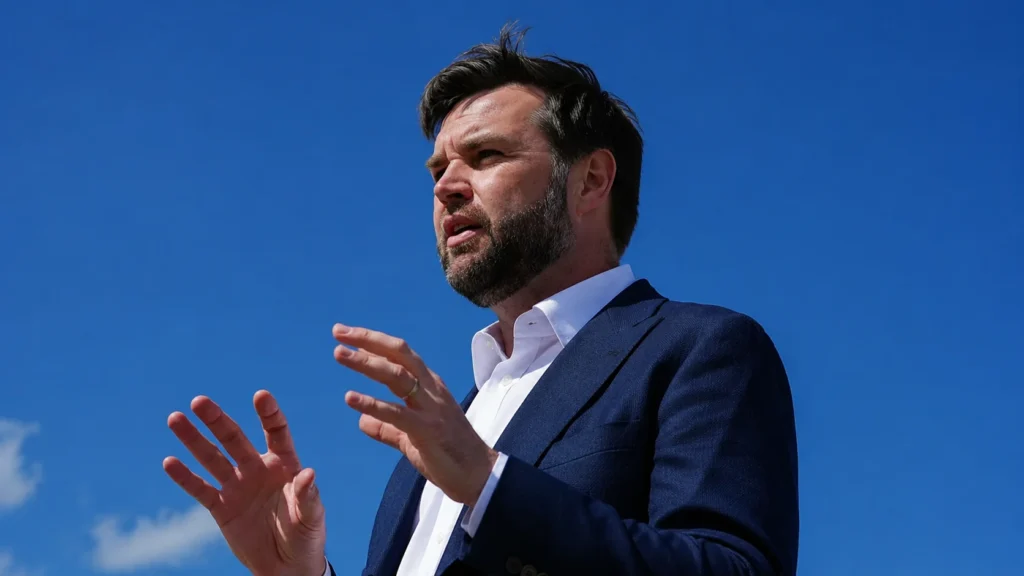
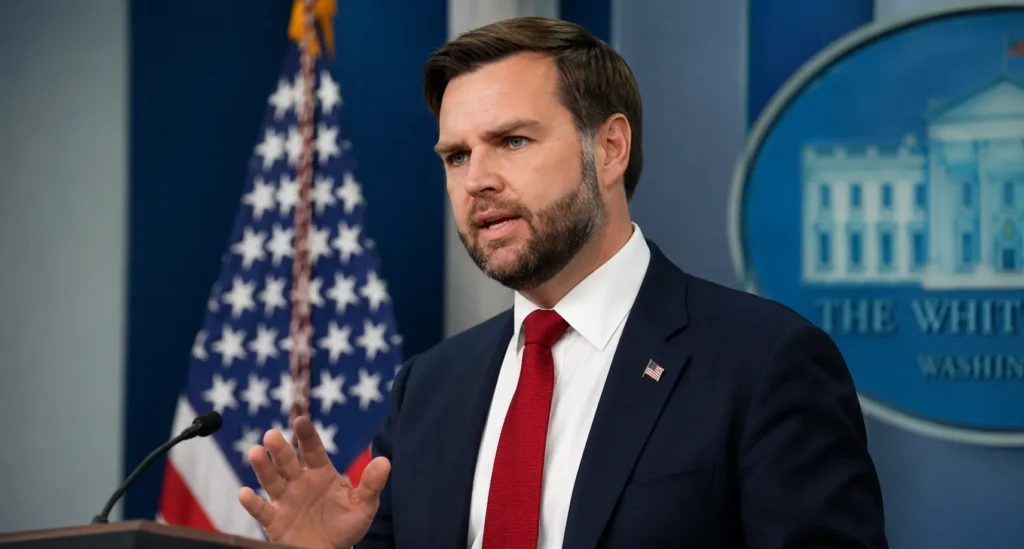
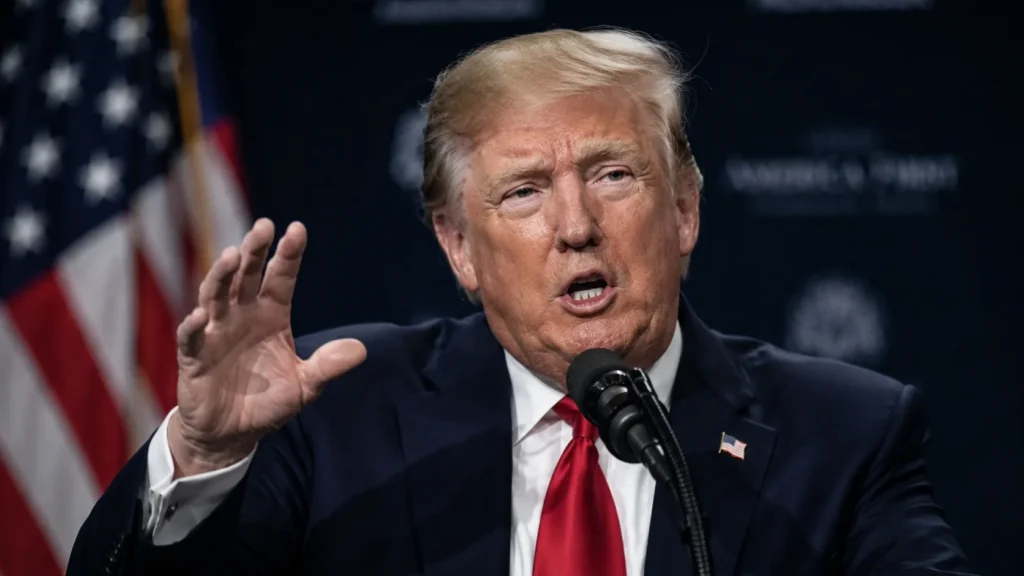
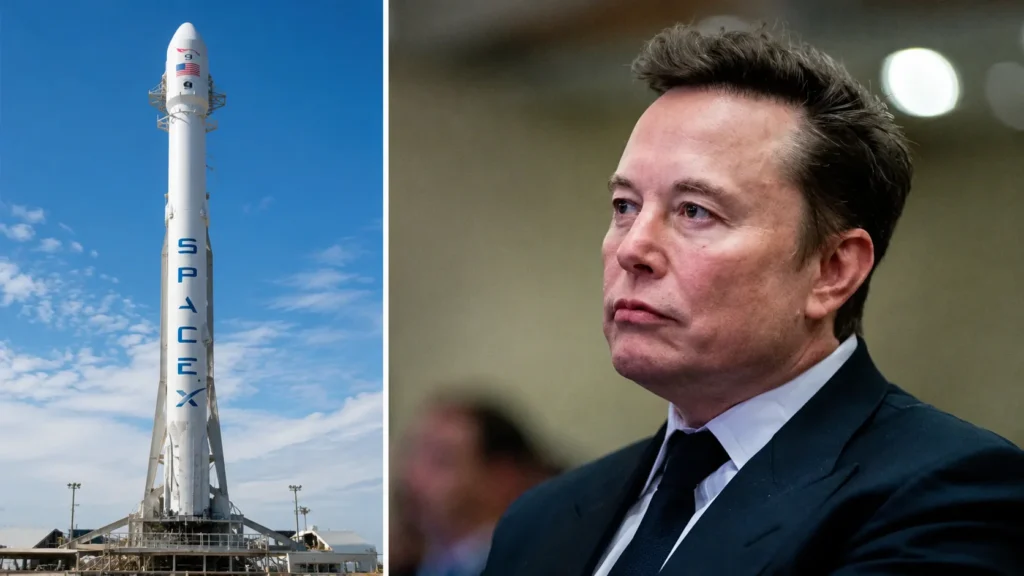
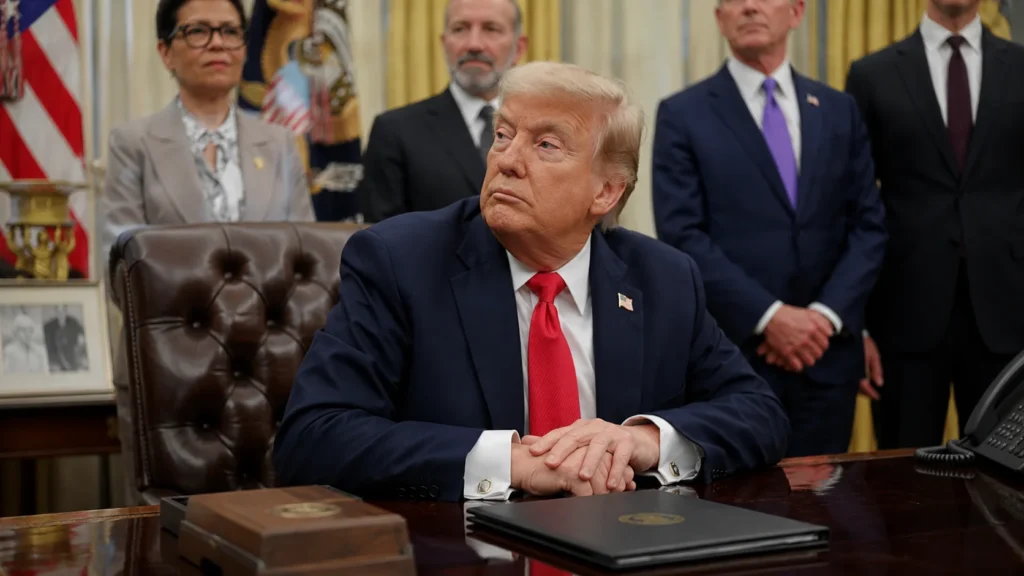
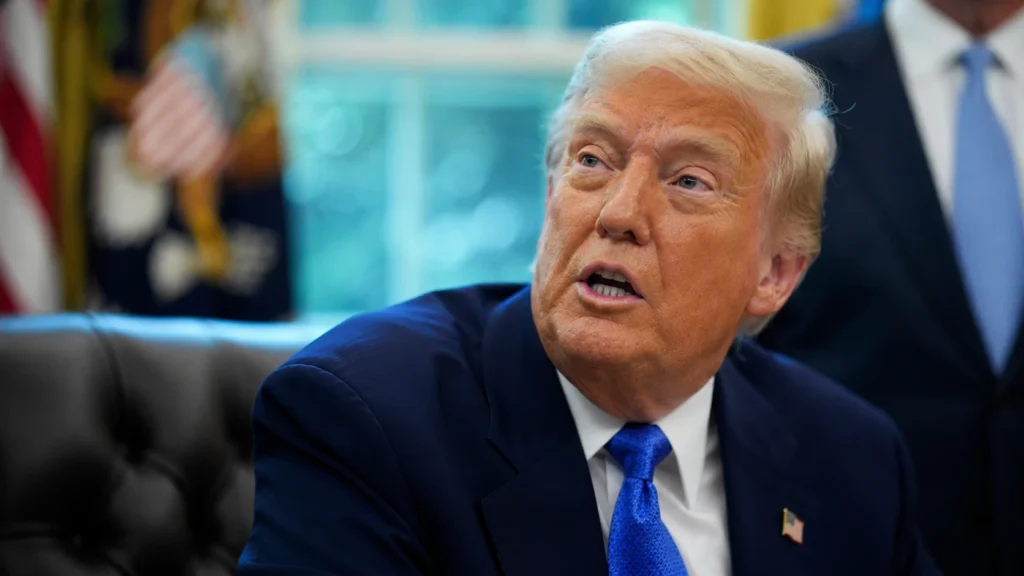
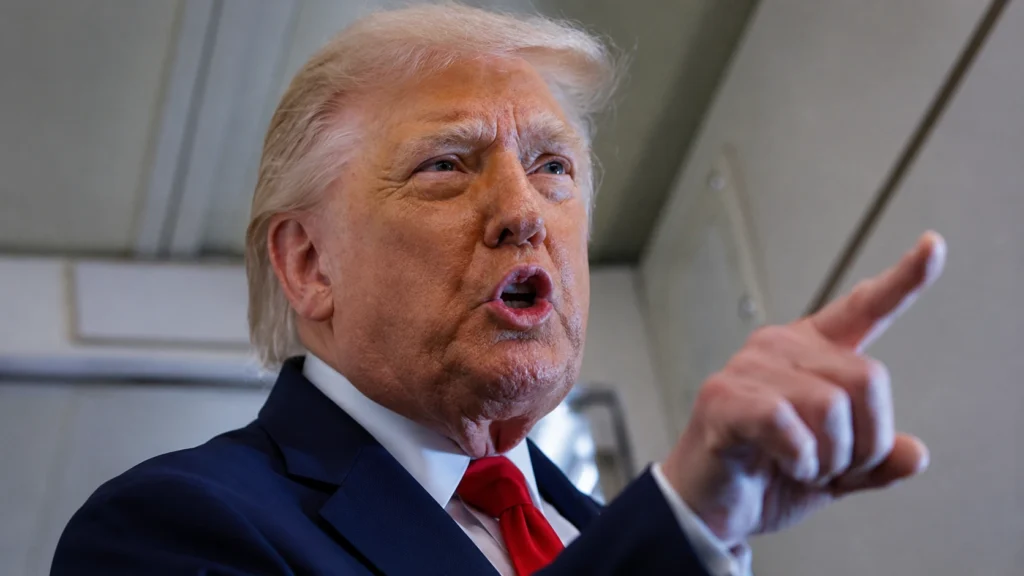
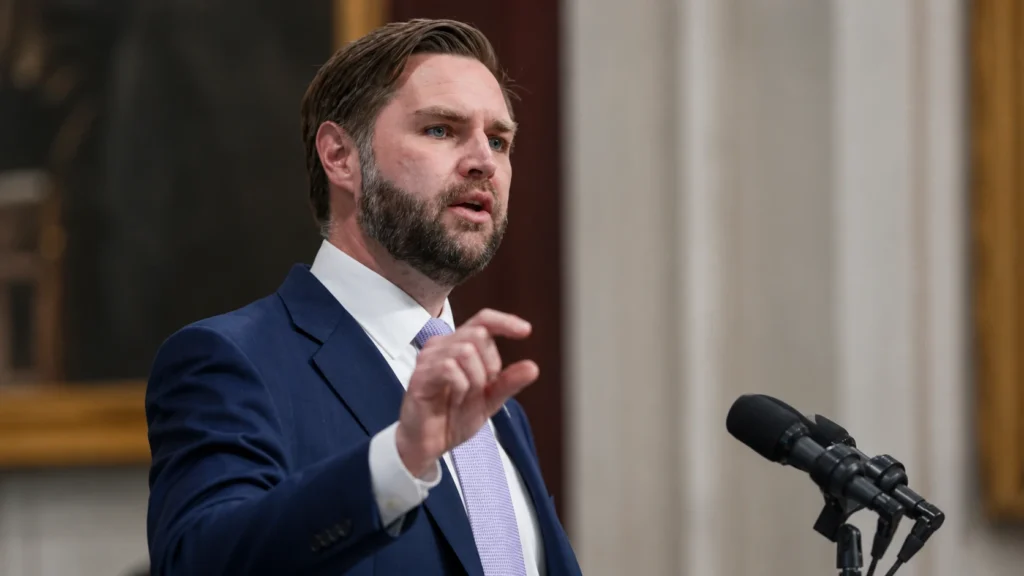
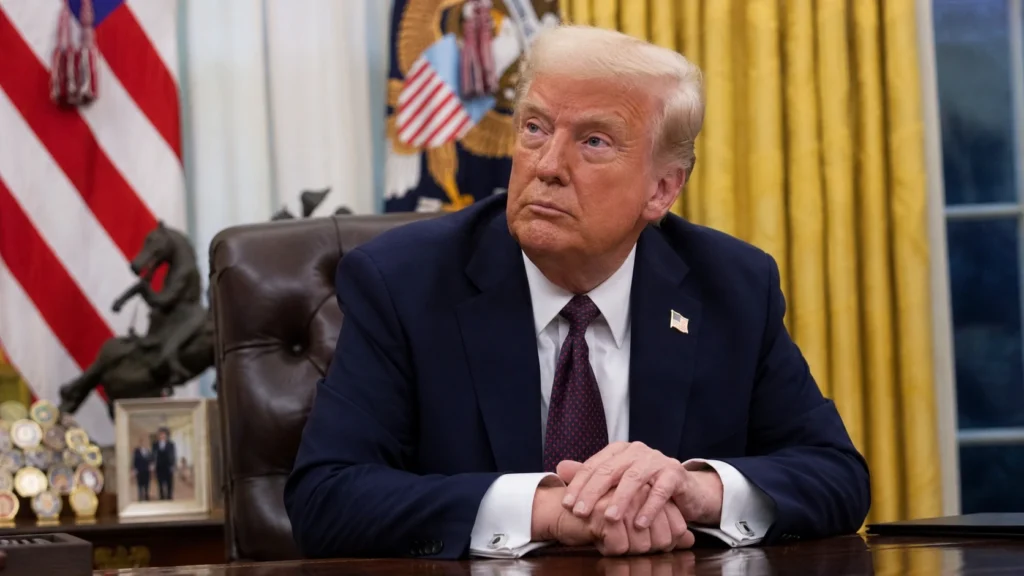
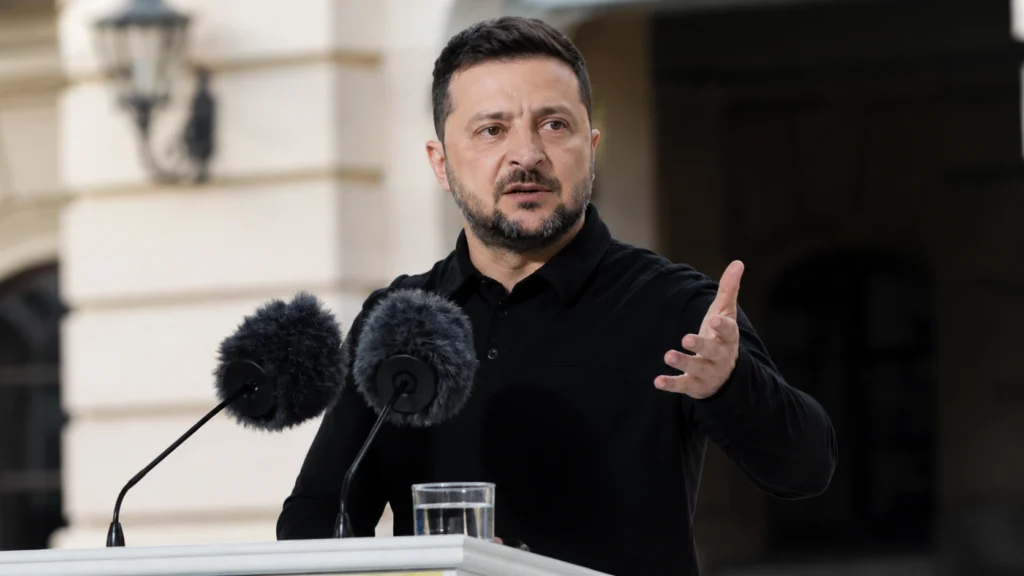
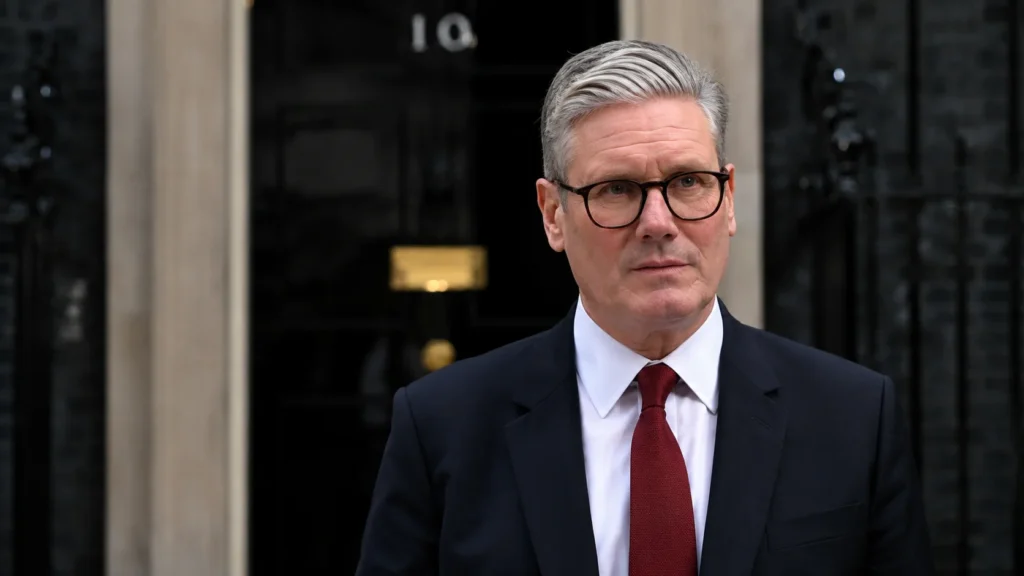
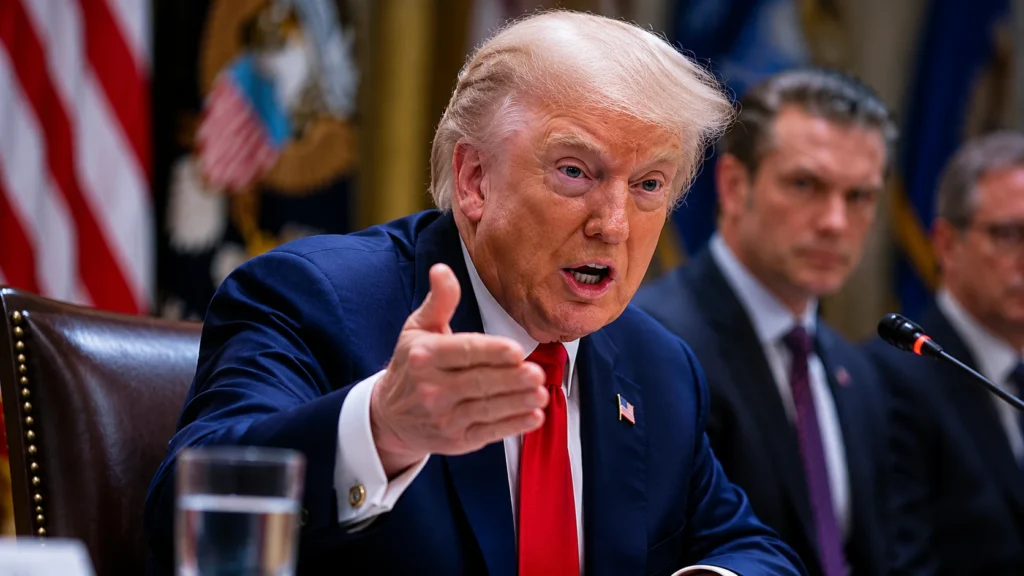
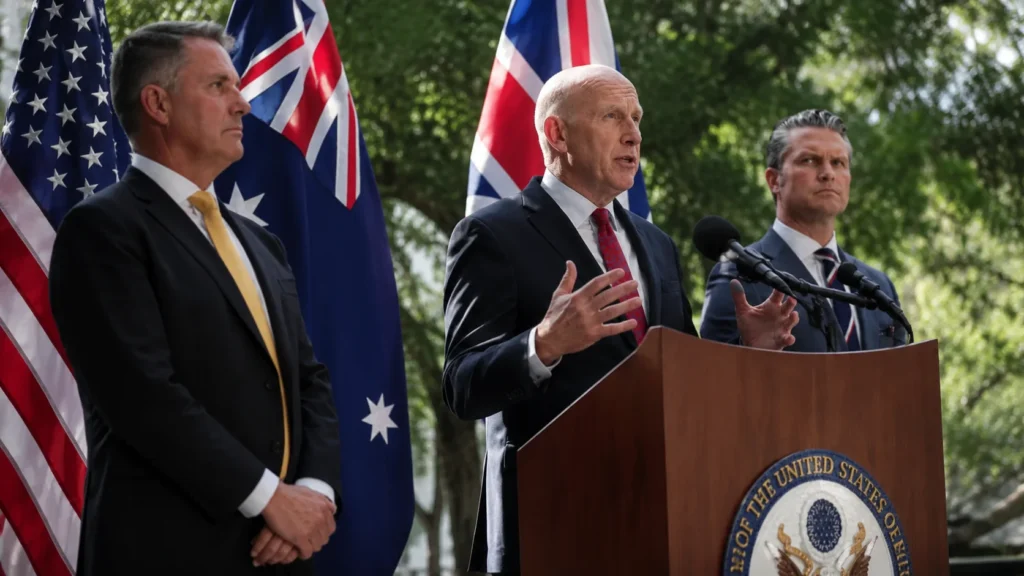
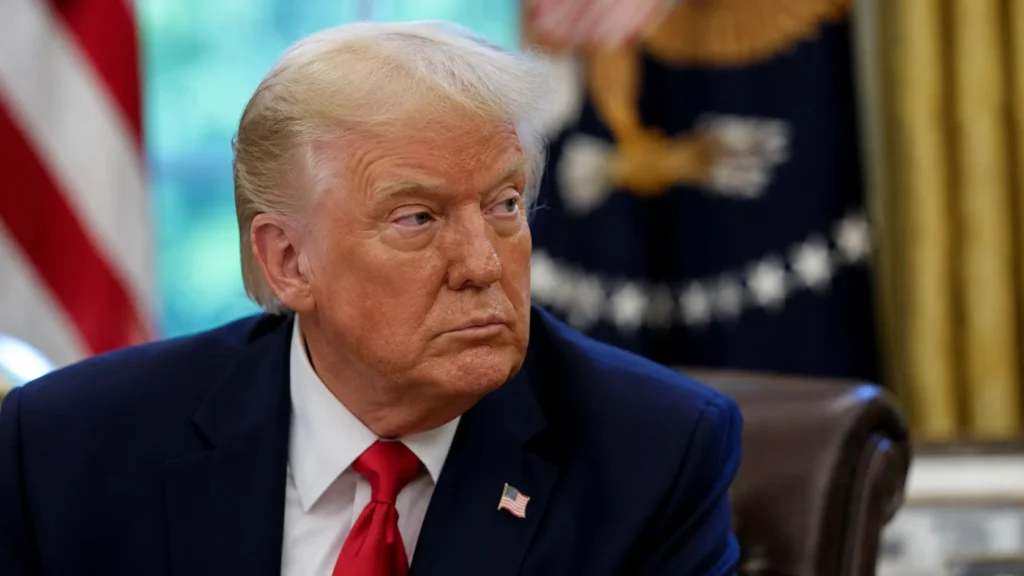
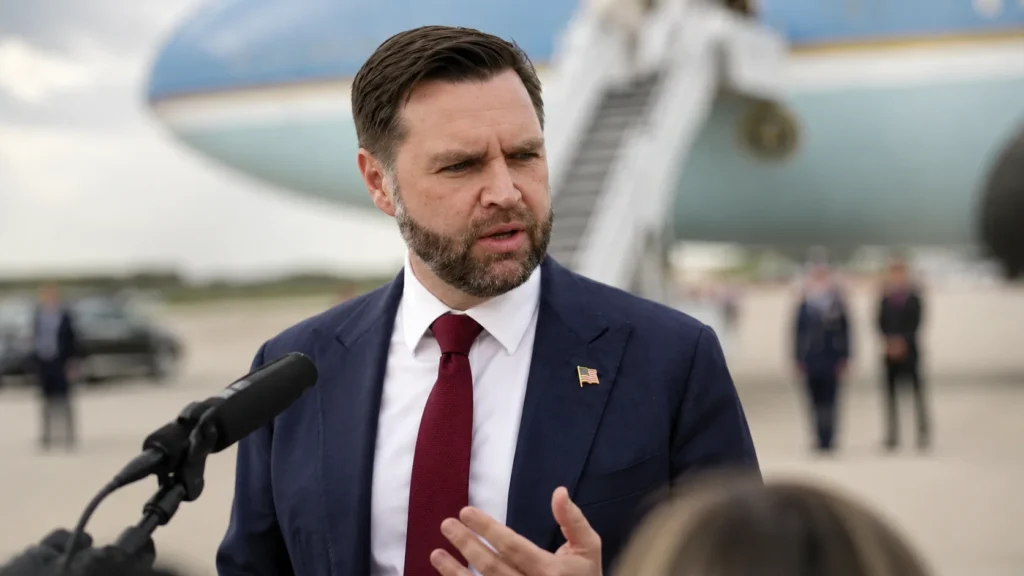
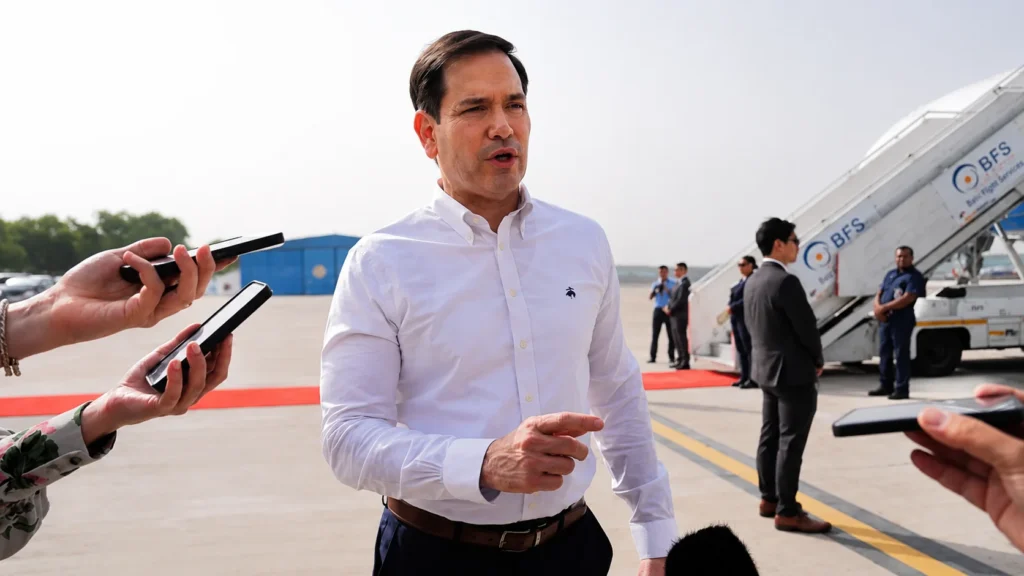
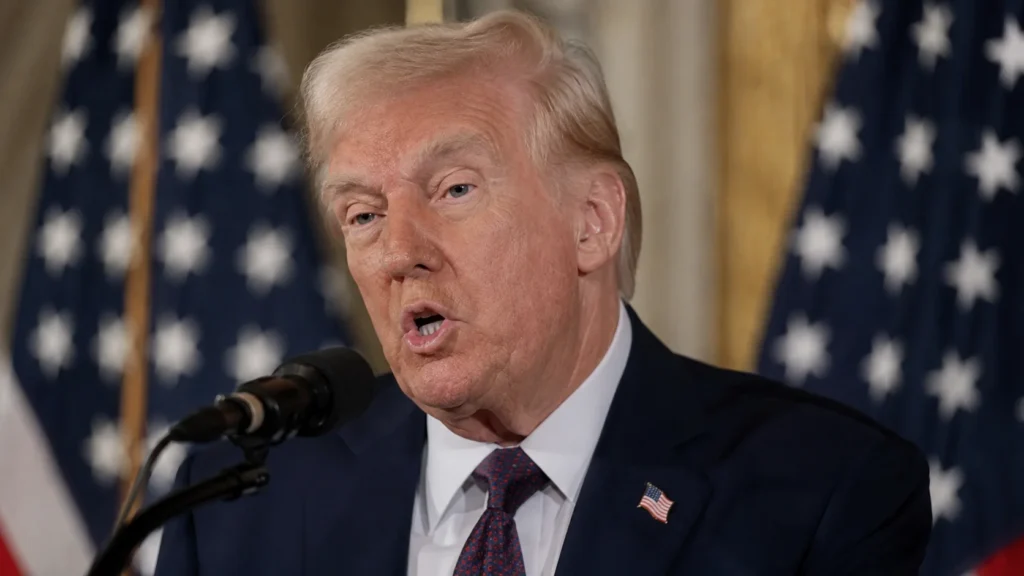
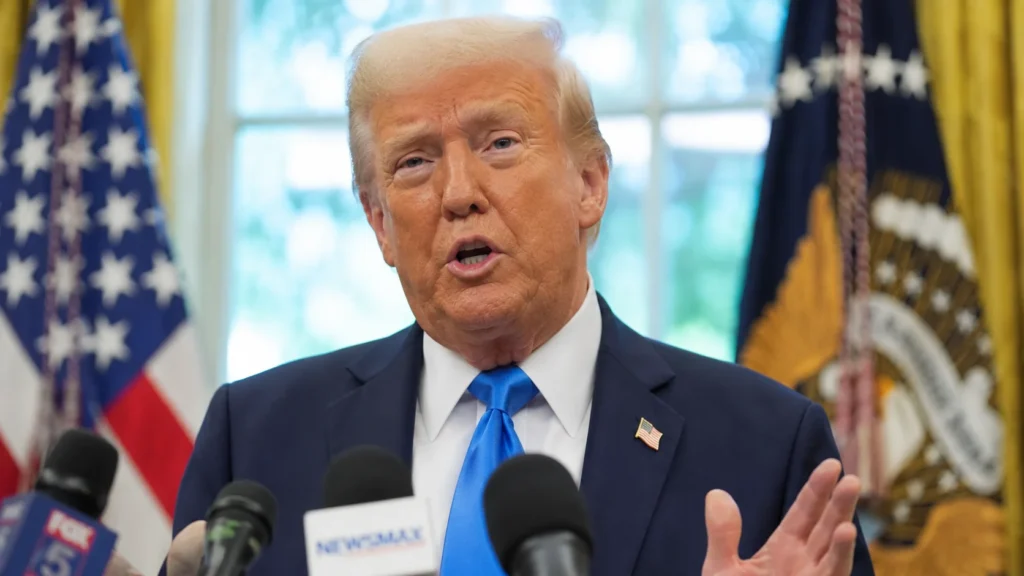
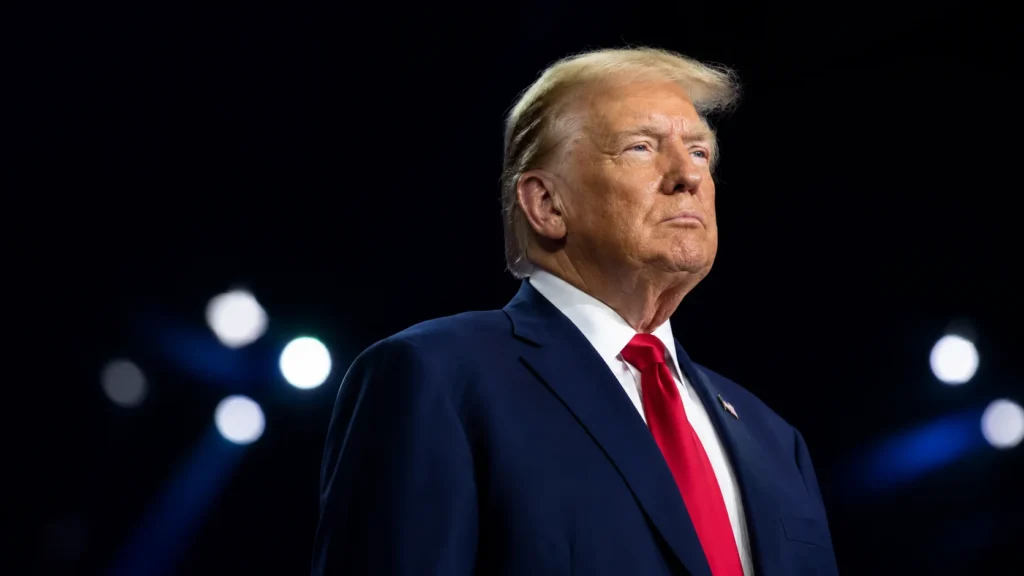
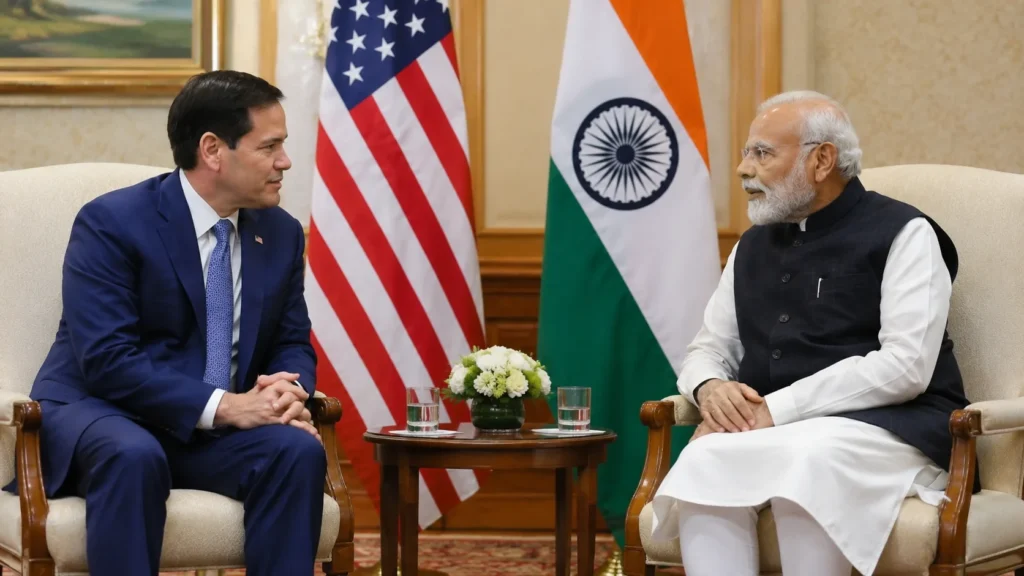
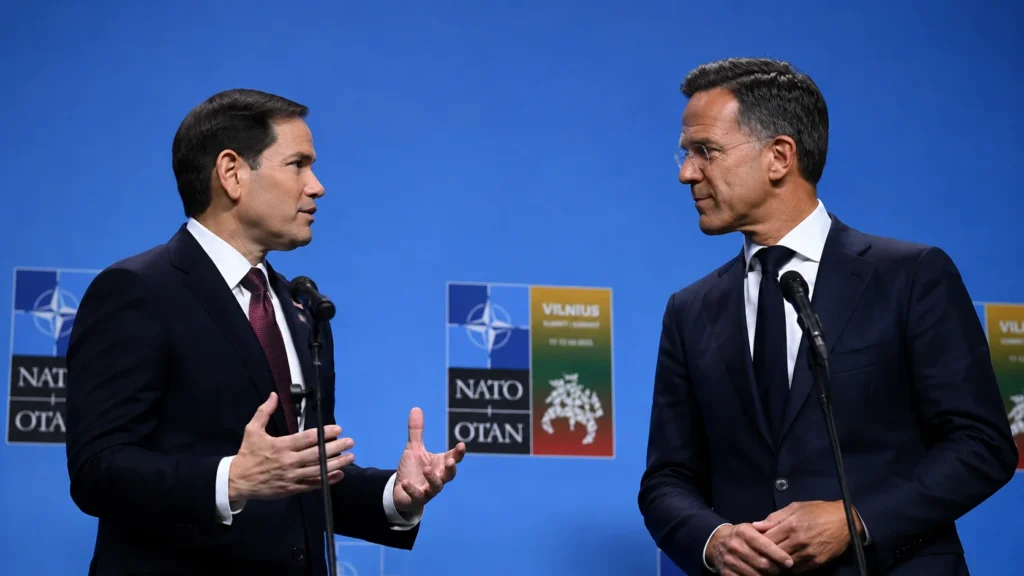
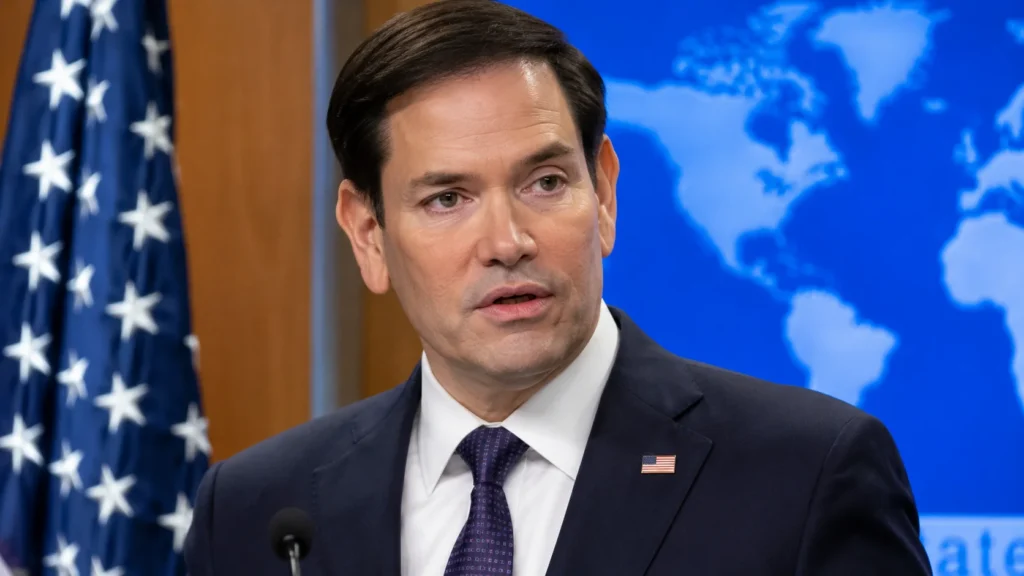
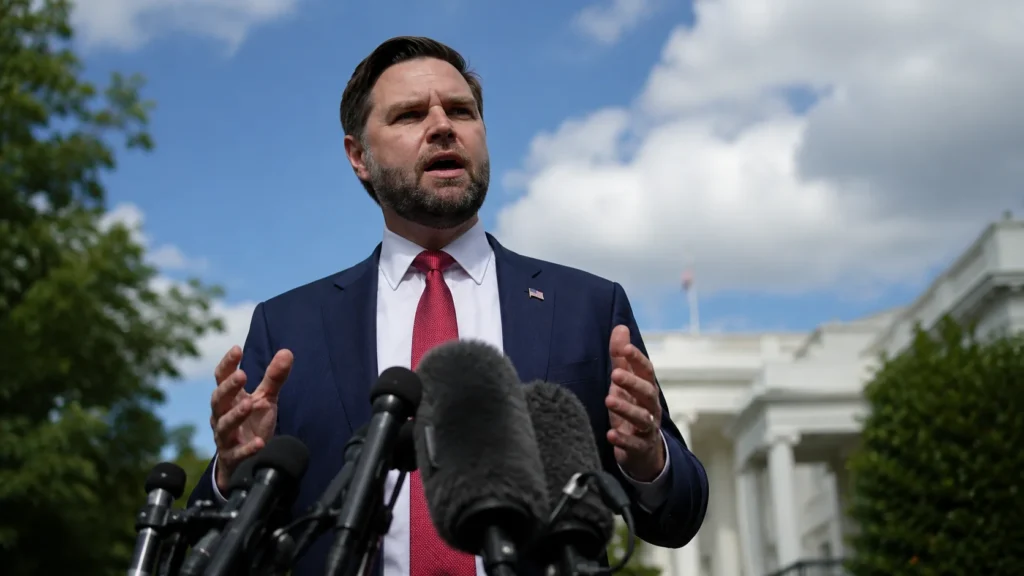
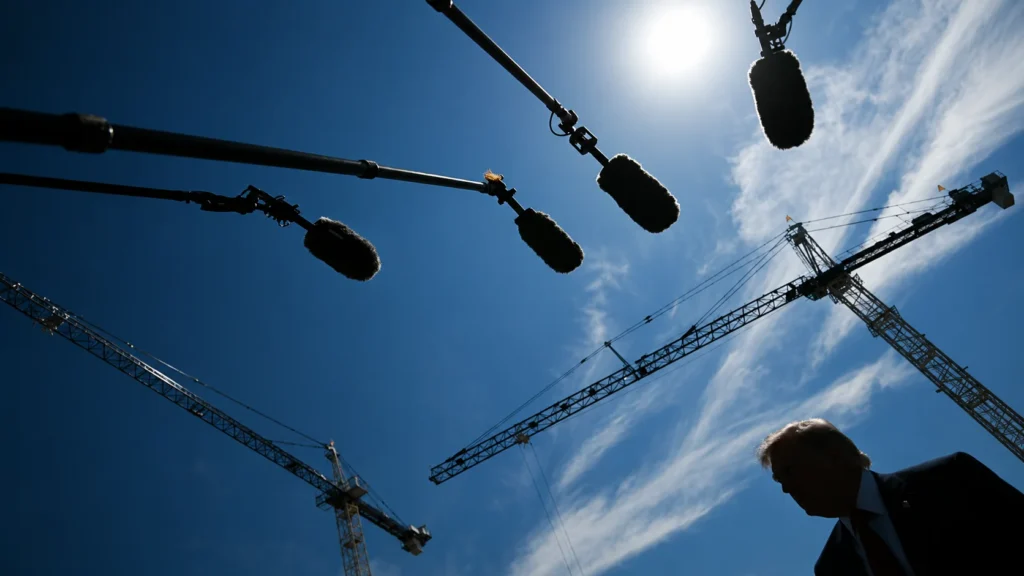
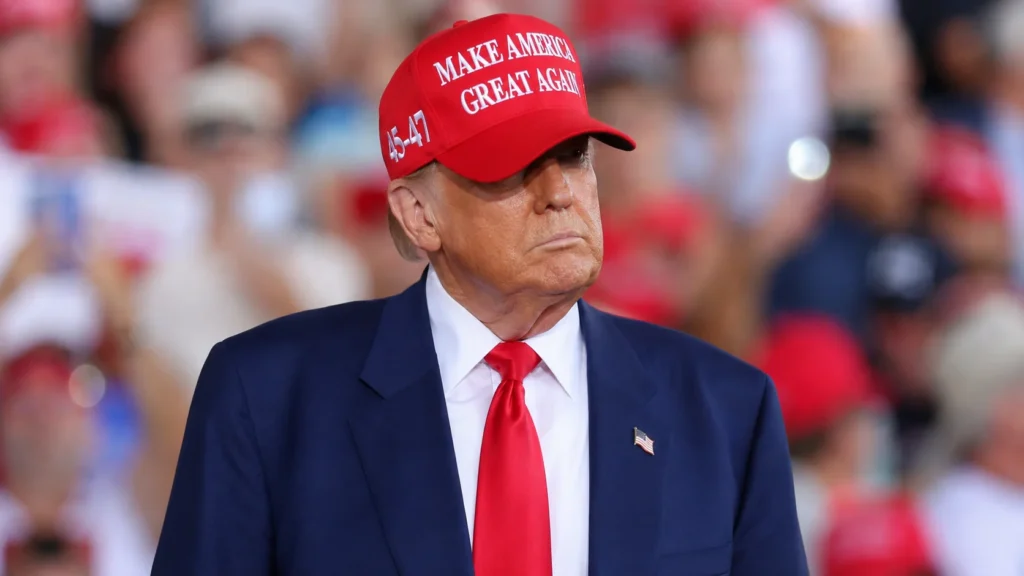
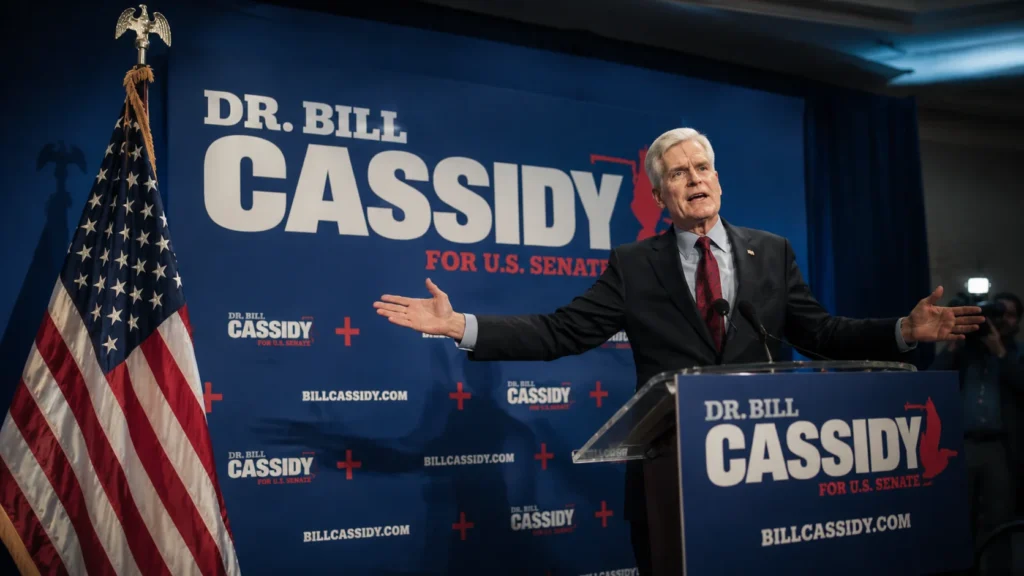
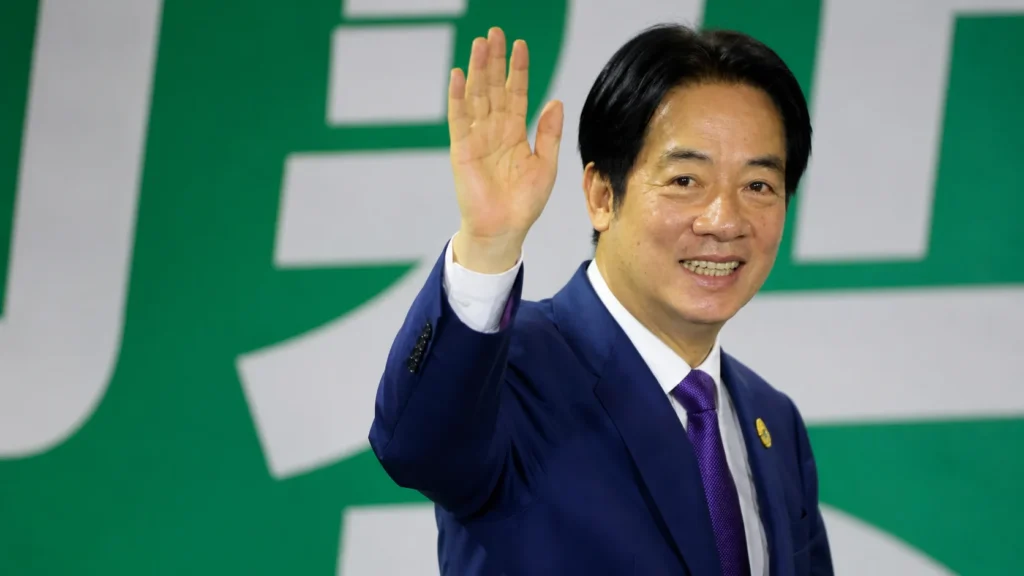
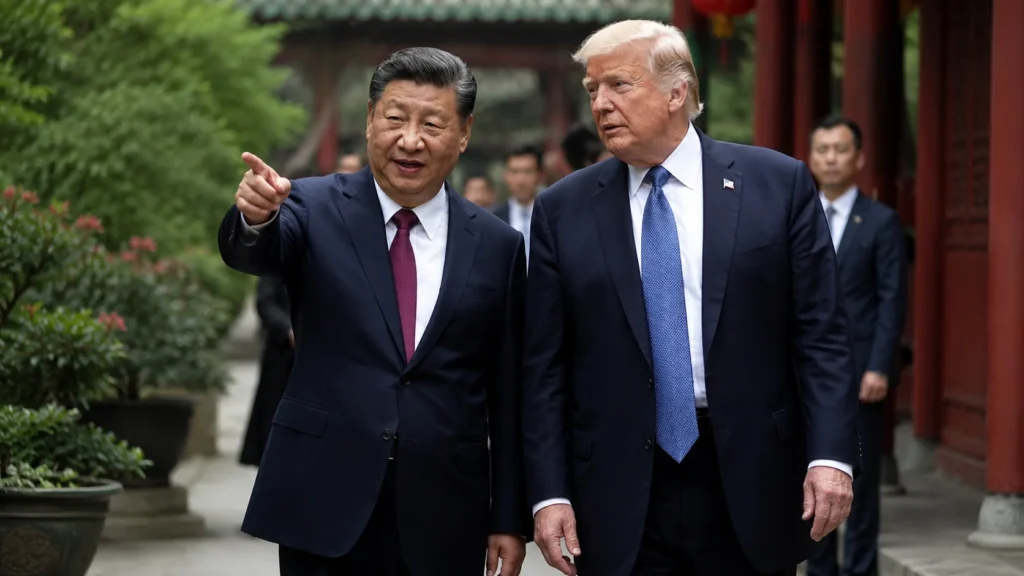
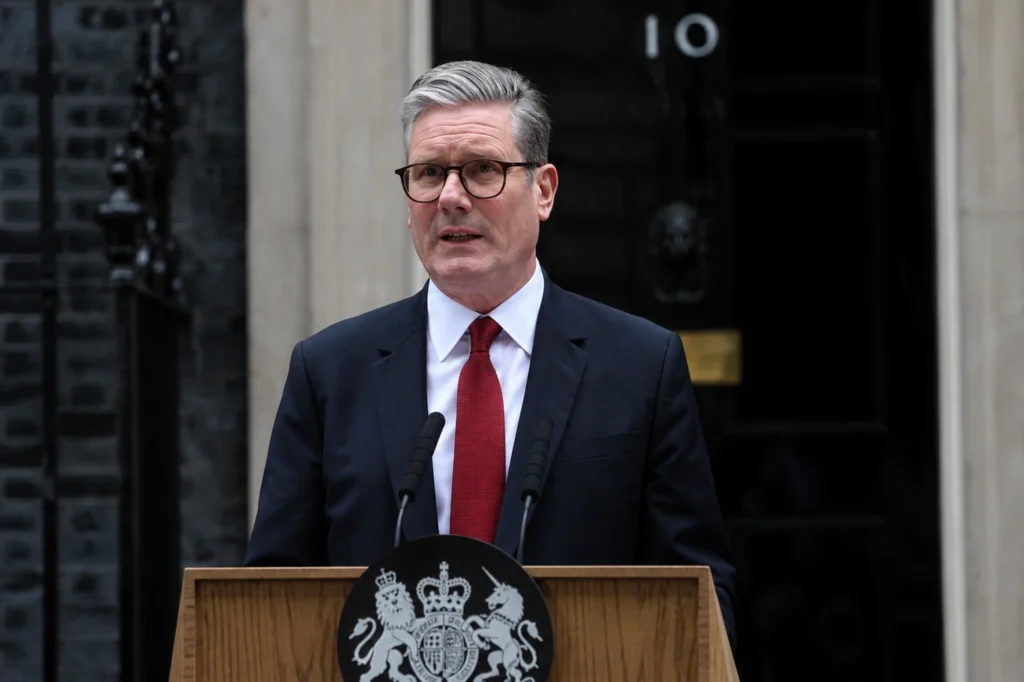
US Vice-President JD Vance posted on X this week, blaming the murder of 18-year-old British student Henry Nowak on a “mass invasion of migrants” and calling for “righteous anger” in response. The Crown Prosecution Service confirmed the convicted killer, Vickrum Digwa, was born British. The Nowak family had explicitly asked that their son’s death not fuel division. Downing Street responded with a sharp statement condemning “people trying to interfere in our democracy and seeking to stir up division.” Vance’s post followed similar interventions by tech billionaire Elon Musk earlier in the week. Both ignored the family’s request. Both framed a domestic criminal case as evidence of civilizational collapse. The UK government’s rebuke abandoned the usual diplomatic cushioning reserved for allies.
The Basics: What Vance Said and Why It Matters
Vance’s post on X described Nowak’s death as how “a civilisation dies: abandoned and handcuffed by authorities who neither trusted nor cared for him.” He argued Nowak would still be alive “if the last few generations of European elites had stood their ground against the politics of self-hatred and the mass invasion of migrants.”
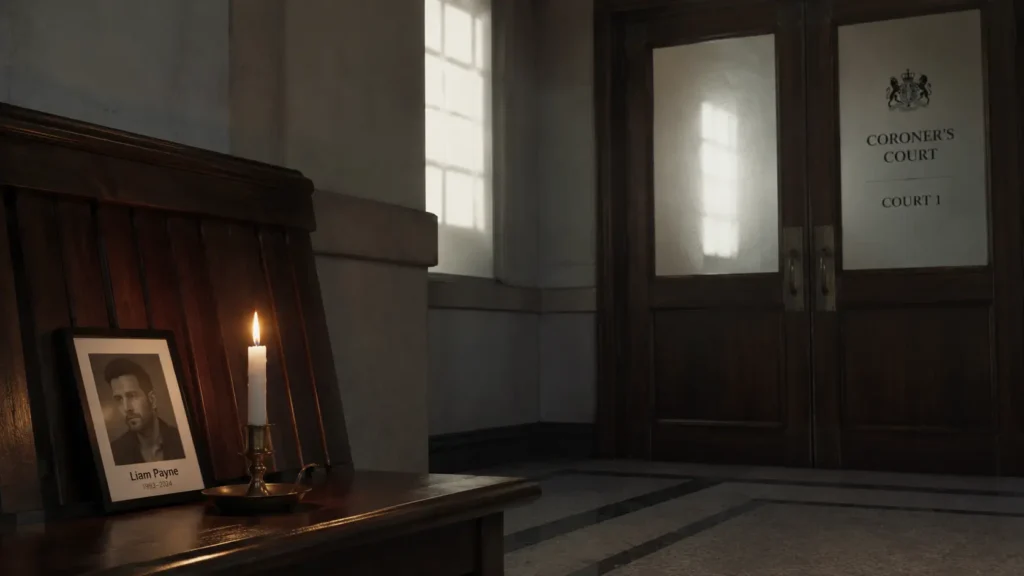
The facts contradict the framing. Vickrum Digwa was born British, according to the Crown Prosecution Service. He carried a 21-centimeter blade, he said, which formed part of his Sikh faith. He stabbed Nowak on December 3 after the teenager walked home from a night out. Bodycam footage released this week showed police handcuffing Nowak as he lay dying, after Digwa falsely claimed to be the victim of a racist attack. Digwa received a life sentence with a minimum of 21 years.
The Independent Office for Police Conduct is investigating officer conduct. An inquest jury will examine next year whether police actions or delays contributed to the death. The institutional machinery of accountability is operating.
Vance’s post bypassed all of this. The Crown Prosecution Service statement confirming Digwa’s British citizenship and the IOPC official investigation announcement into Hampshire Constabulary conduct provide the factual record that the post ignored.
The Timeline of Escalation
December 3, 2024: Henry Nowak, 18, is stabbed to death in Southampton by Vickrum Digwa. Digwa falsely claims to be the victim of a racist attack. Police handcuff the dying Nowak.
Early 2026: Digwa is convicted and sentenced to life imprisonment with a minimum of 21 years.
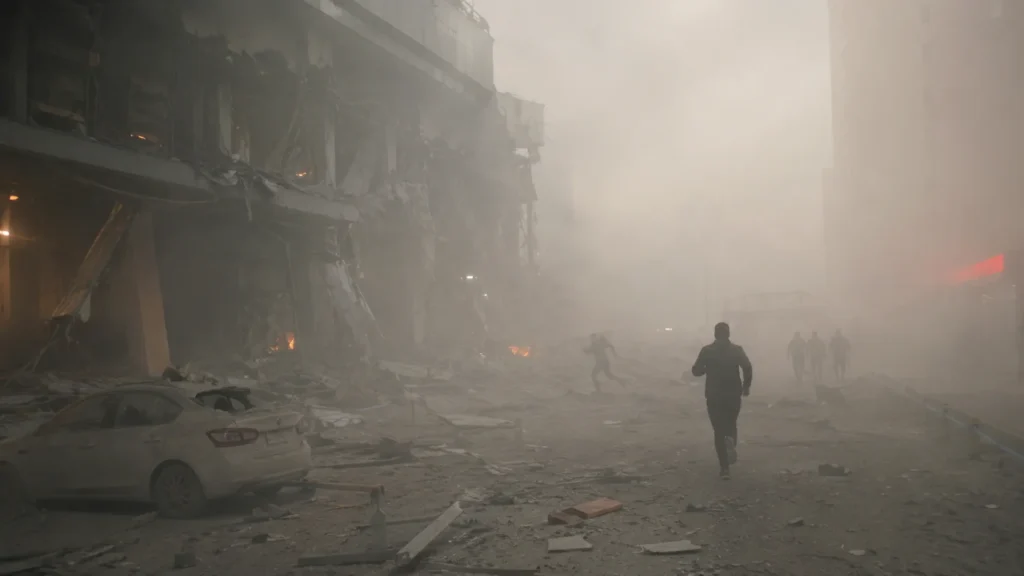
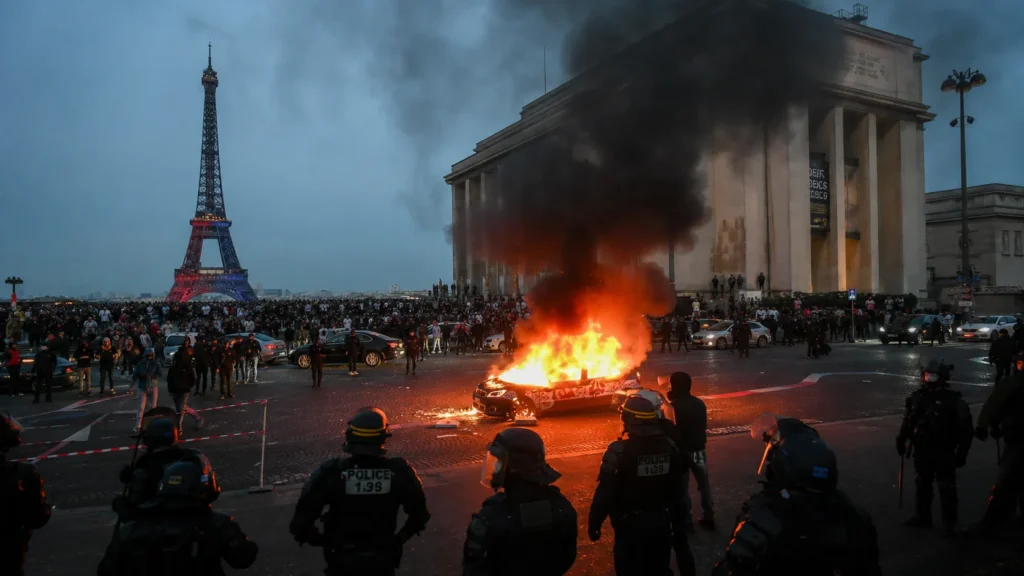
This week: Bodycam footage of the police response is released. Violent protests erupt in Southampton on Tuesday. Three people were later admitted to violent disorder. The footage shows Nowak handcuffed and bleeding while officers question him.
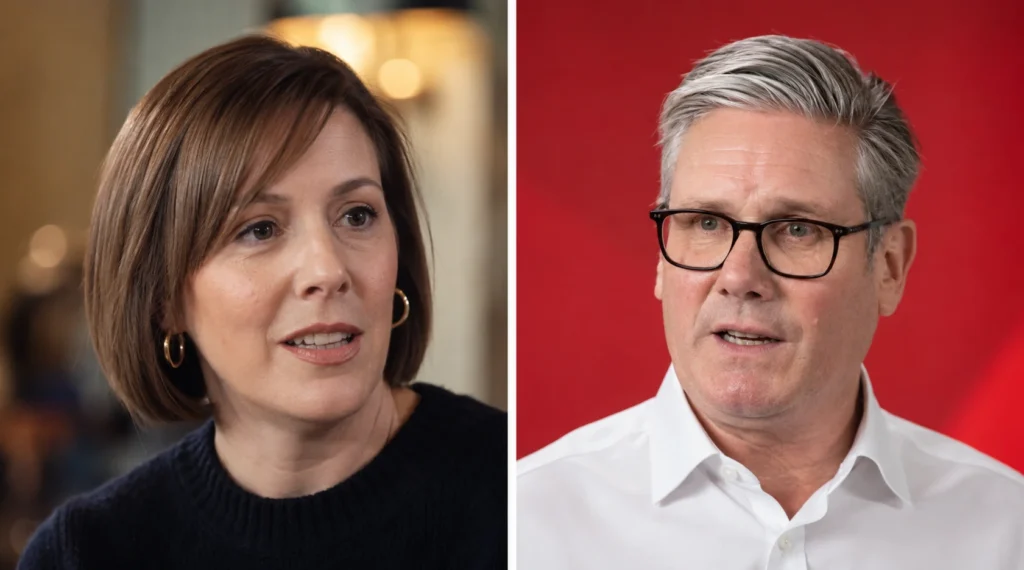
Earlier this week, Elon Musk posted on X, demanding that users “send the video to everyone you know,” and accused mainstream media of being “dead silent about Nowak” while covering George Floyd “millions of times.” Prime Minister Keir Starmer accuses Musk of “trying to whip up division.”
Wednesday: At Prime Minister’s Questions, Starmer accuses Reform UK leader Nigel Farage of exploiting Nowak’s death to create “grievance and division.” Farage had argued the incident resulted from “two-tier policing”—the claim that minority communities receive preferential treatment because officers fear racism accusations. West Midlands Police acting chief constable Scott Green has rejected the claim’s existence.
Friday: Conservative leader Kemi Badenoch writes to Starmer calling for an “independent rapid review” into the circumstances of Nowak’s death. She cites “questions of profound public importance” about “public confidence in policing.” On BBC Radio 4’s Any Questions, Children and Families Minister Josh MacAlister says: “There are people who are trying to import that kind of toxic politics here into the UK and I don’t want to have anything to do with it.”
Friday, later: Vance posts on X. Downing Street responds within hours, citing the Nowak family’s wishes. Liberal Democrat leader Ed Davey says: “We all need to resist attempts like this to politicise Henry Nowak’s death and divide our country—whether they come from MAGA politicians like Vance or their cronies here in the UK.”
As our analysis of growing US-UK diplomatic friction under the second Trump administration documented, the Vance intervention follows a pattern of American officials using British domestic crises as content for domestic political consumption.
What did JD Vance say about Henry Nowak?
Vance posted on X that Nowak died “the same way a civilisation dies: abandoned and handcuffed by authorities who neither trusted nor cared for him.” He blamed the killing on a “mass invasion of migrants” and said the “only response” was “righteous anger,” arguing European elites had failed to “stand their ground against the politics of self-hatred.”
Was Henry Nowak’s killer a migrant?
No. The Crown Prosecution Service confirmed Vickrum Digwa was born British. He carried a 21-centimeter blade, he said formed part of his Sikh faith. He received a life sentence with a minimum term of 21 years.
How did the UK government respond to Vance’s post?
Downing Street issued a statement saying the Nowak family had “said they do not want his death to be used to create further division” and that British politics “should bring people together even in the most terrible of circumstances. That is who we are as a country.” Children and Families Minister Josh MacAlister said he didn’t “need advice from American politicians on how to have effective policing here in the UK.”
What is “two-tier policing”?
“Two-tier policing” is the claim that minority communities receive preferential treatment from police because officers fear accusations of racism. West Midlands Police acting chief constable Scott Green has publicly rejected its existence. The claim has been central to Reform UK’s framing of the Nowak case.
What investigations are underway into Henry Nowak’s death?
The Independent Office for Police Conduct is investigating Hampshire Constabulary officers’ behavior during the response to Nowak’s stabbing. An inquest jury will examine next year whether “any act or omission by police officers” or a delay in treatment caused or contributed to Nowak’s death. Conservative leader Kemi Badenoch has also called for an “independent rapid review.”
Why did violent protests break out in Southampton?
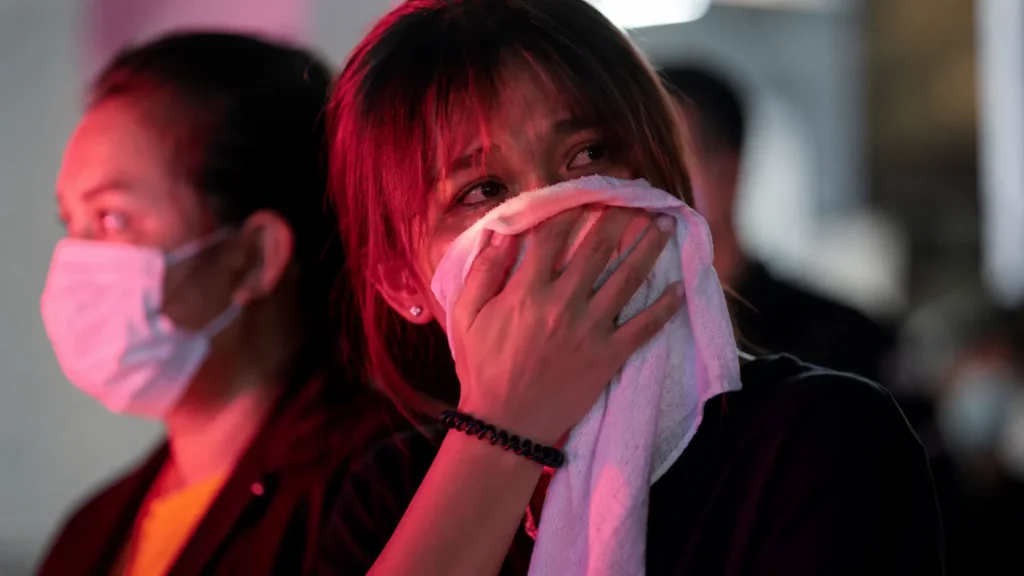
Protests erupted on Tuesday following the release of bodycam footage showing police handcuffing Nowak as he lay dying. Three people have been charged with violent disorder charges related to the protests. The footage generated widespread public anger that political figures—both British and American—moved to harness.
What to Watch Over Six Months
Three indicators will shape how this episode affects UK politics and the US-UK relationship.
First, the institutional investigations. The IOPC findings and the inquest jury’s conclusions will either validate concerns about police conduct or provide factual grounding that limits the scope of political exploitation. The timing matters. If results arrive before the political narrative hardens, institutional accountability can reassert itself against political storytelling.
Second, Conservative positioning. Kemi Badenoch’s call for an independent review creates space between her party and the government without aligning with Vance or Farage. Whether she maintains that distance or moves closer to the grievance framing will shape the domestic debate’s trajectory. As our coverage of Badenoch’s leadership strategy and the Conservative Party’s positioning on policing and migration has tracked, the Tory leader faces competing pressures from her party’s right wing and from a broader public that remains broadly supportive of professional policing.
Third, the pattern of US interventions. The Vance post follows interventions on energy policy, immigration, and “rape gangs.” The UK Home Office official statements on foreign interference in democratic processes have grown more pointed in recent months. Whether the frequency of American interventions increases—and whether the UK government’s willingness to publicly rebuke them keeps pace—will define the operational temperature of the special relationship through the next electoral cycle.
Written by the Politics & Society Desk, which has covered UK-US relations, domestic policing debates, and the intersection of social media and political discourse since 2016.