

 English










































































































McIlroy Shot 80 at Shinnecock. He Says Don’t Lose It Again.
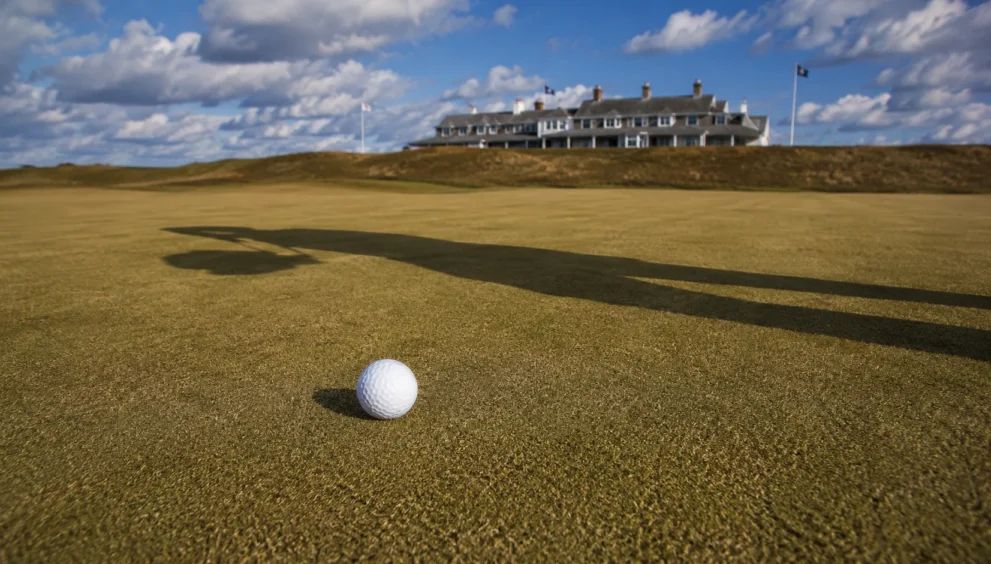
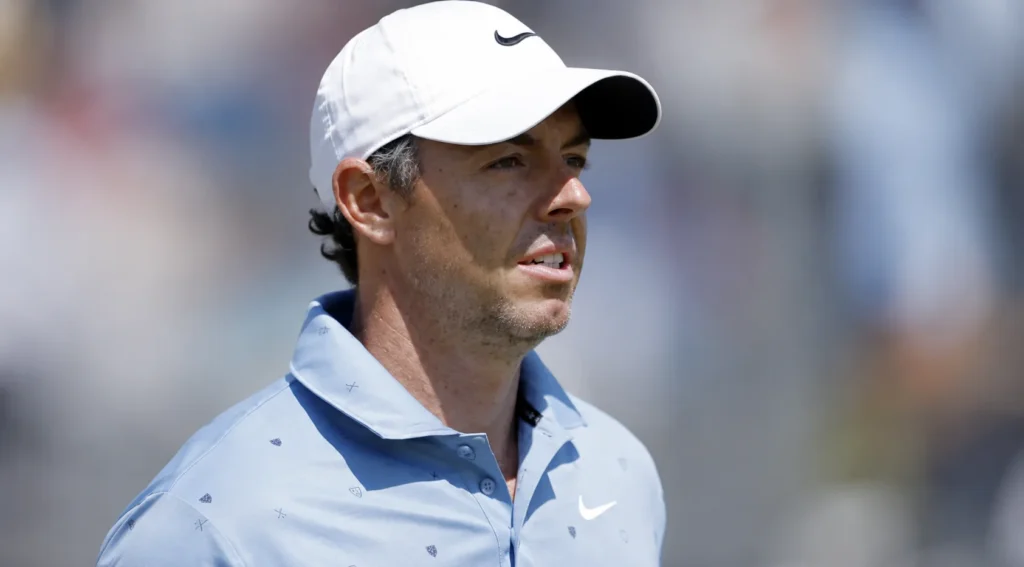
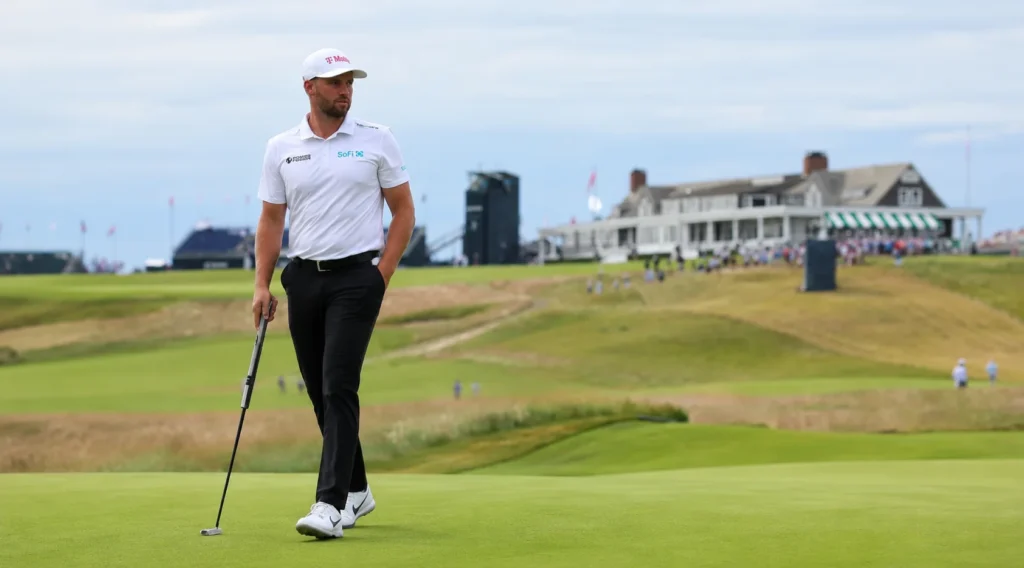
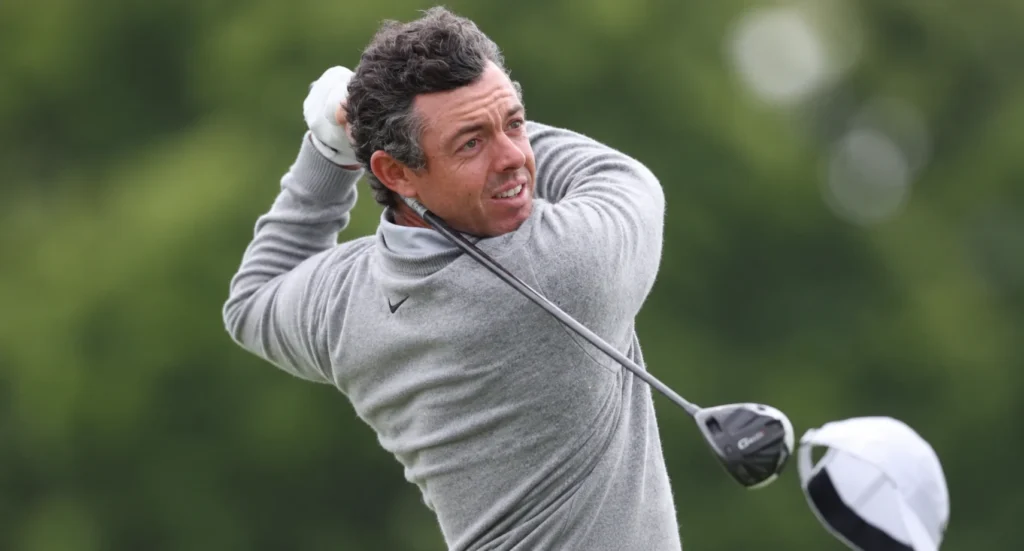
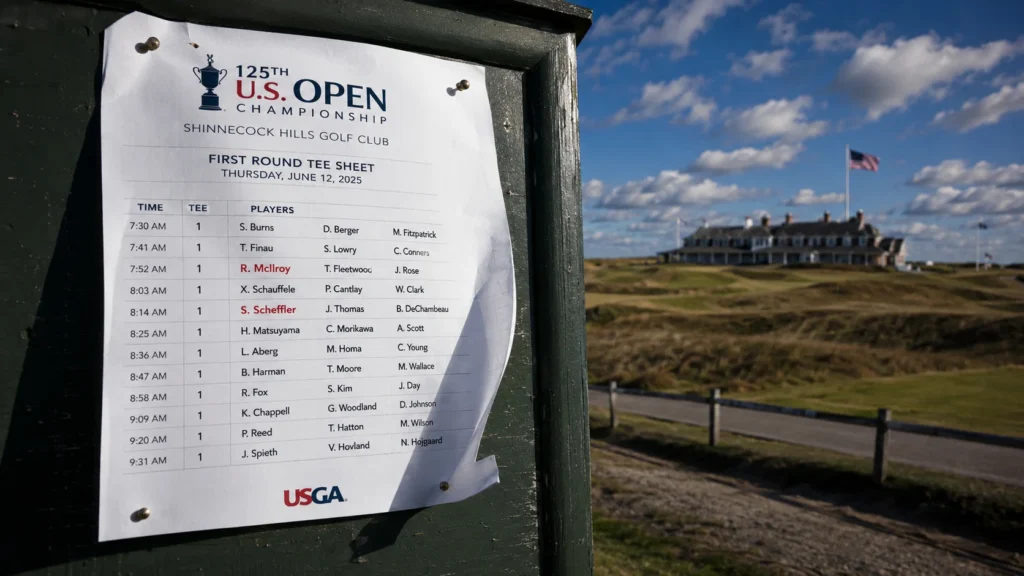
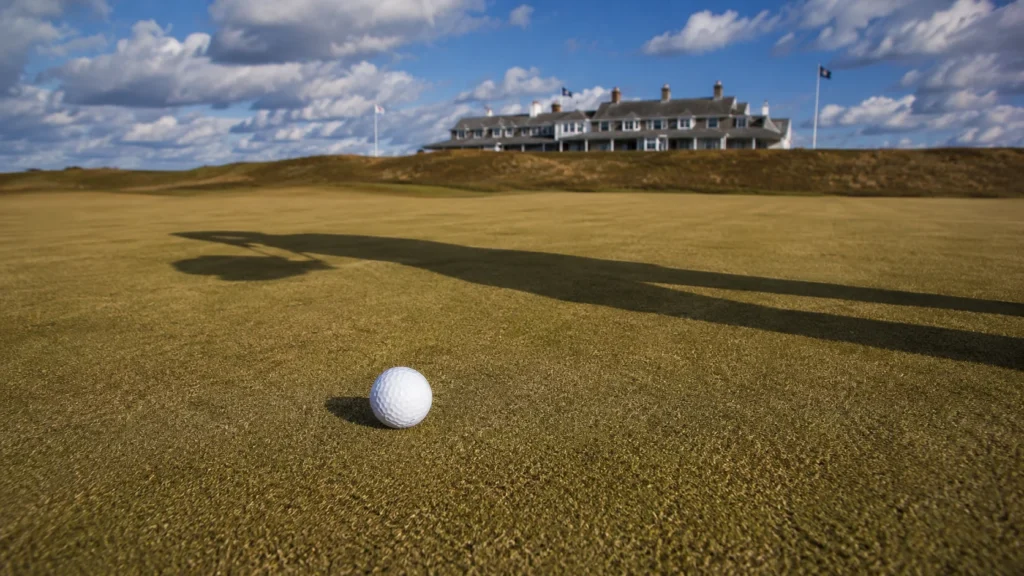
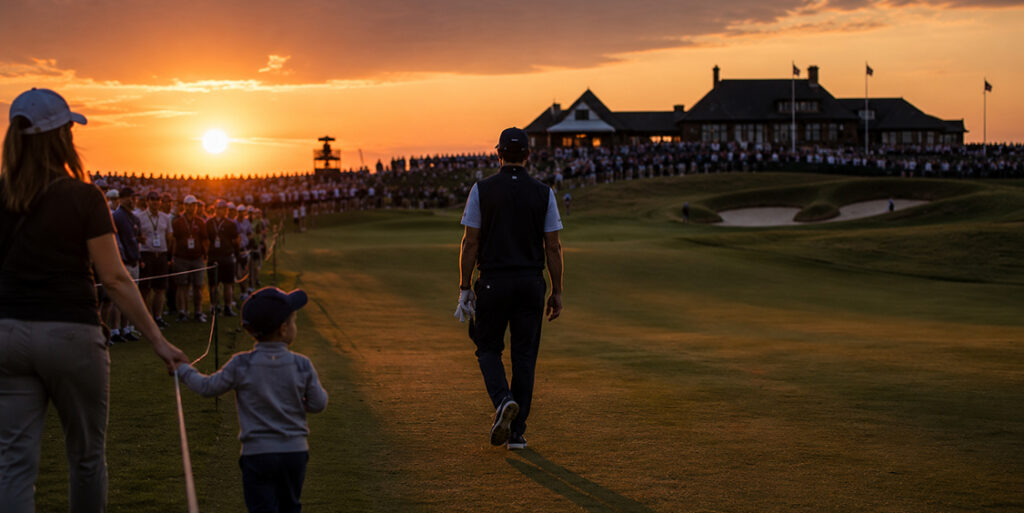
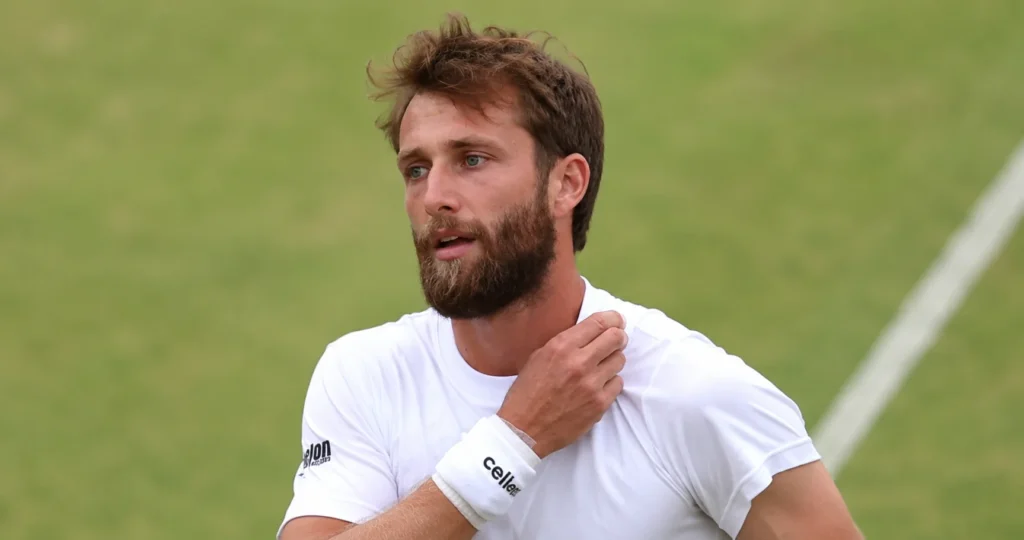
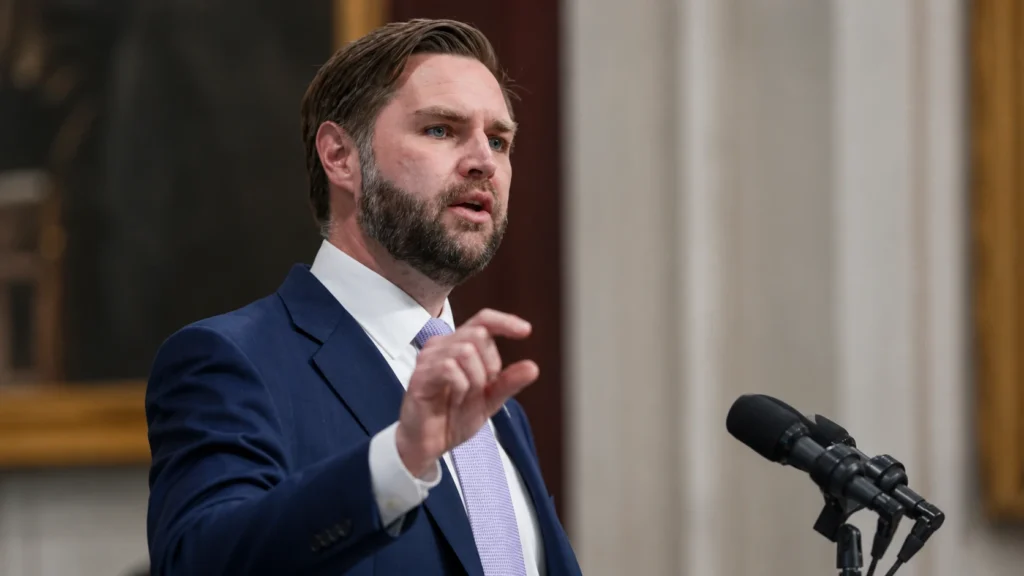
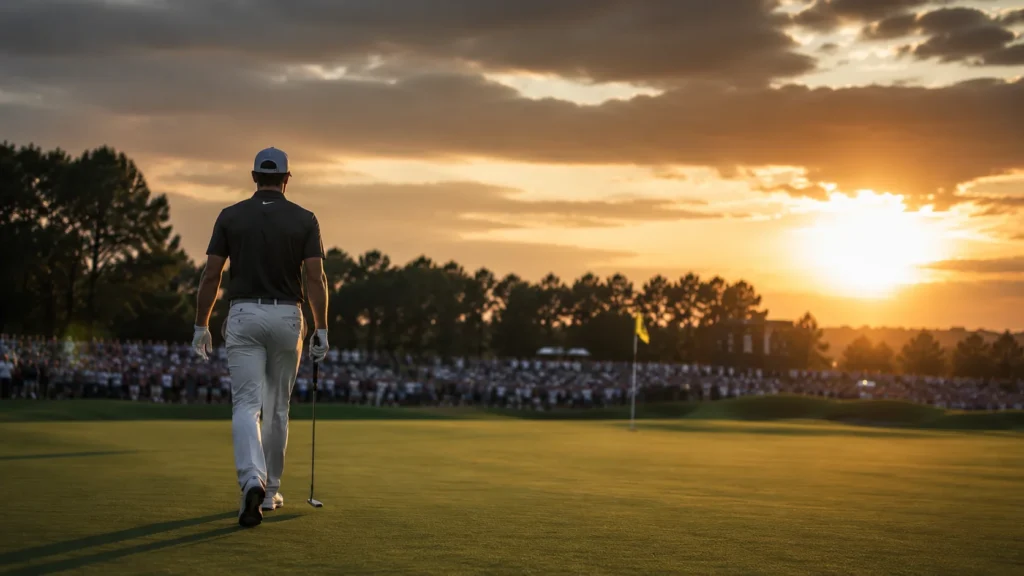
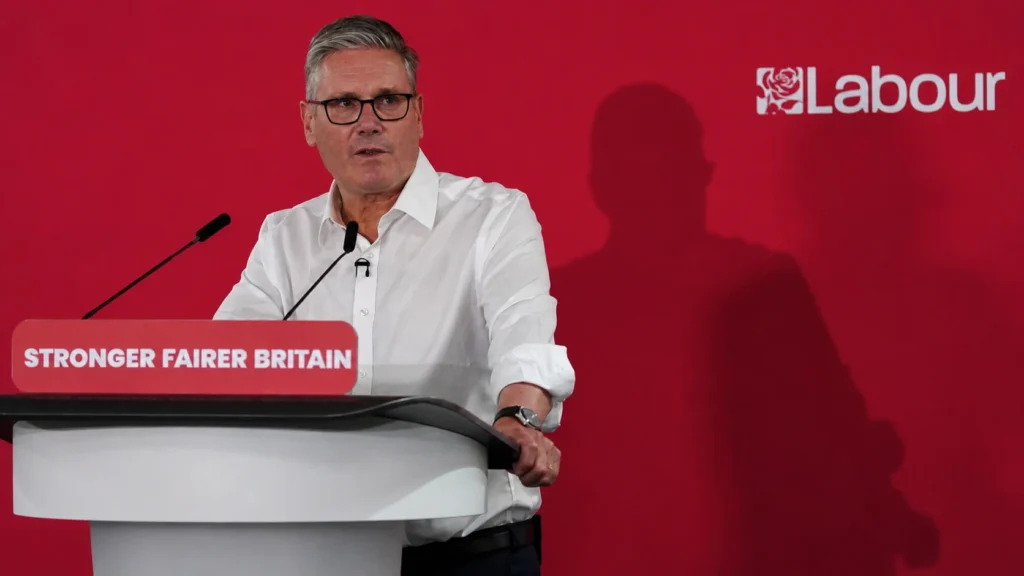
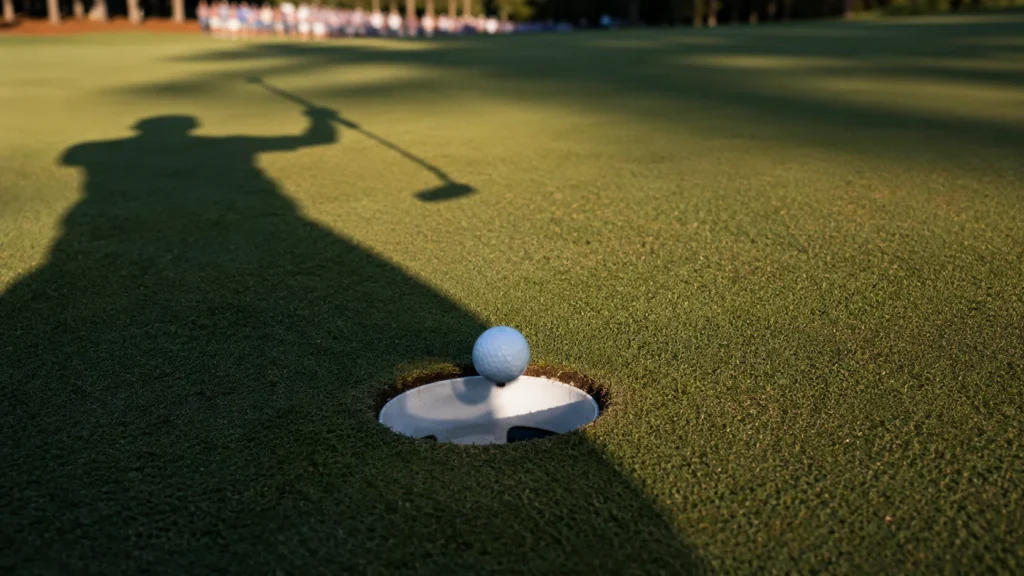
The ball would not stay on the 11th green. Rory McIlroy stood there on Monday, the wind gusting to 30 miles per hour, and watched as physics overruled architecture. The green was too fast. The slope was too severe. The ball rolled. It kept rolling. The forecast for Thursday is worse—gusts of 35 to 40 miles per hour. The US Open begins at Shinnecock Hills, the course that has twice humiliated the United States Golf Association, and McIlroy has a message for the people who set it up: do not lose it again.
“They’re just going to have to be wary of not getting the greens too fast,” he said. “There is expected to be a pretty heavy wind for a couple of days, so it’s about making sure it doesn’t get out of control.” The phrase “out of control” is not casual language at Shinnecock. It is the specific accusation that has haunted the USGA’s relationship with this course for two decades. Tiger Woods used it in 2004, when Retief Goosen won on a course that had baked to the point of unplayability. Phil Mickelson embodied it in 2018, when he struck a moving ball on the 13th green to prevent his putt from running off the surface—an act of protest disguised as a rules violation. McIlroy shot 80 in the first round that year. He missed the cut. He is not complaining about the past. He is warning about the present.
The USGA has indicated it plans to water the greens between the morning and afternoon groups on Thursday and Friday. McIlroy’s first reaction was dismissive: “That’s stupid, why are they doing that?” His second reaction, once the reasoning was explained, was different. The wind will be heavy on Thursday. The greens will dry. The course will accelerate. The watering is not a concession. It is a precaution. “I think, especially with the heaviness of the wind on Thursday, it’s probably prudent to do that,” he said. The shift from “stupid” to “prudent” is the distance between a player who remembers what happened here and a governing body that cannot afford to let it happen again.
But this wasn’t about the greens. This was about Control vs Chaos—and what happens when a championship that defines itself by the difficulty of its test confronts the limits of how difficult a test can be before it stops being fair.
The History of the Unplayable
Shinnecock Hills has produced two of the most infamous episodes in US Open history. In 2004, the course dried out over the weekend to the point that the seventh green had to be watered between groups. Players could not hold the putting surface. The USGA later admitted it had made mistakes. Tiger Woods, the most influential voice in the game, said the organisation had “lost control of the course.” The admission and the accusation have followed the USGA ever since.
In 2018, the conditions were less extreme, but the optics were worse. Mickelson’s decision to hit a moving ball on the 13th green was not a moment of madness. It was a calculated protest against green speeds that he believed had crossed the line from difficult to unreasonable. The image of one of the game’s greatest players chasing a ball across a green and swatting it back toward the hole became the defining image of the championship. Brooks Koepka won on one over par. McIlroy shot 80 and went home.
Matt Fitzpatrick, the 2022 US Open champion, said this week he “never believed they lost” control in 2018. McIlroy’s warning suggests he disagrees. The distinction is not about whether the course was fair. It is about whether the USGA can be trusted to keep it fair. The watering plan is an attempt to earn that trust. The wind on Thursday will test it.
The Patience Mandate
McIlroy’s approach to Shinnecock has evolved. In 2018, he was attacked and destroyed. In the years since, he has learned to wait. “The greens are pretty big, but the area you have to hit into is quite small,” he said. “The greens are difficult, and I think you have to have a lot of patience, not going at flags and being OK with hitting it to 30 feet every time. You might hole a couple of those, and it’s a bonus, but you look at the scores here at the last few US Opens and it’s all around even par, no one is really going to get away.”
The patience mandate is not natural for McIlroy. His game is built on aggression, on the driver that can overwhelm a course, on the iron shots that can produce birdies in clusters. Shinnecock does not reward that. It rewards the player who accepts that par is a good score, that a 30-foot putt is a success, that the course is the opponent, and the opponent cannot be beaten, only survived. The shift from beating to surviving is the shift McIlroy has made over the past six years. He has recorded six top-10 finishes in the past seven majors, including consecutive runner-up finishes in 2023 and 2024. The aggression is still there. The patience now tempers it.
The 2011 US Open, which McIlroy won at 16 under par with an opening 65, was played on a soft Congressional course that allowed for dominance. Shinnecock does not. The two victories bookend McIlroy’s career relationship with this championship. The first was a display of what his talent could do when the conditions permitted it. The second, if it comes, will be a display of what his discipline can do when the conditions demand it.
The LIV Shadow
McIlroy was also asked about the PGA Tour’s proposed structural changes—promotion and relegation between tiers, more signature events with expanded fields, and the reordering of a schedule that has been scrambled by the existential threat of LIV Golf. His answer was revealing in its weariness. “You start to realise that the way the tour was before LIV came along was actually pretty good,” he said. “It was a pretty good structure, and everything sort of worked pretty well.”
The admission is significant. McIlroy was one of the most vocal defenders of the PGA Tour during the LIV crisis. He has spent years arguing for changes that would protect the tour from the Saudi-funded competitor. Now he is arguing that the changes have gone too far. “LIV created this false economy where we had to up prize funds and cut fields, and try to support the top players, which I think needed to happen because that was the only way to retain talent at the time. But now that LIV looks like it’s less of a threat, the old ways of the PGA Tour weren’t actually that bad.”
The “old ways” included the Canadian Open as a prestigious event rather than a “track two” tournament that might lose its stature if a sponsor does not “pony up $30m.” The false economy McIlroy describes is the one that has reshaped professional golf around money rather than meaning. The reshaping was necessary, he argues, while LIV was a genuine threat. The threat has receded. The reshaping remains. The US Open, which operates outside the tour’s structure, is a reminder of what the game looks like when the course, not the prize fund, is the story.
What Changes Now
The wind will blow on Thursday. The greens will dry. The USGA will water them or it will not. The players will adapt, or they will not. McIlroy will try to win his second US Open, 15 years after his first, on a course that humiliated him the last time he played it. He will try to do it with patience rather than aggression, with acceptance rather than resistance, with the knowledge that Shinnecock does not reward the player who tries to conquer it. It rewards the player who survives it. Survival is the victory. The trophy is the proof.