

 English
























































































































































































Trump’s Taiwan Warning, China’s Xi Reshape Asia
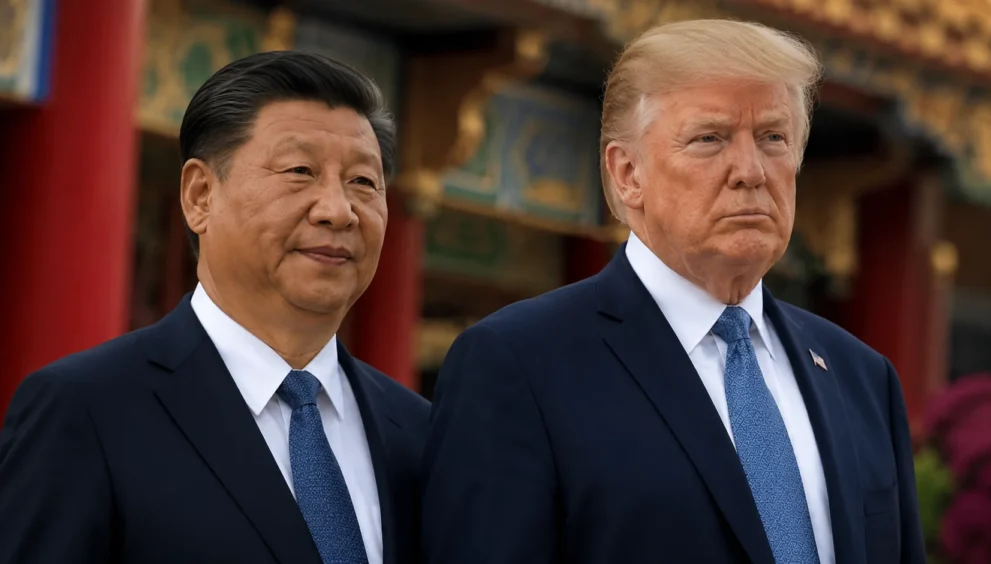
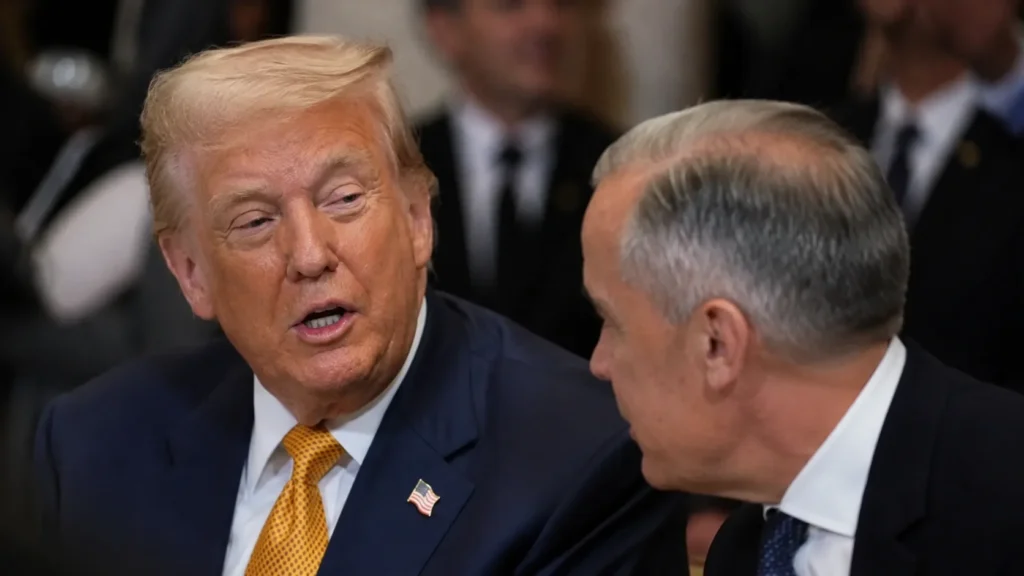
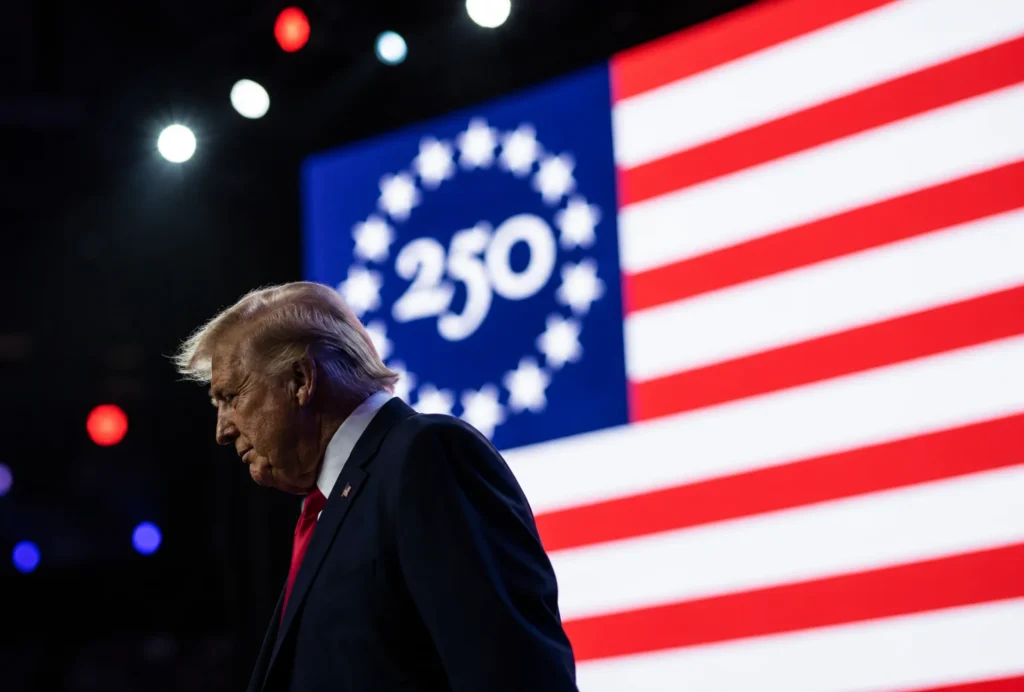
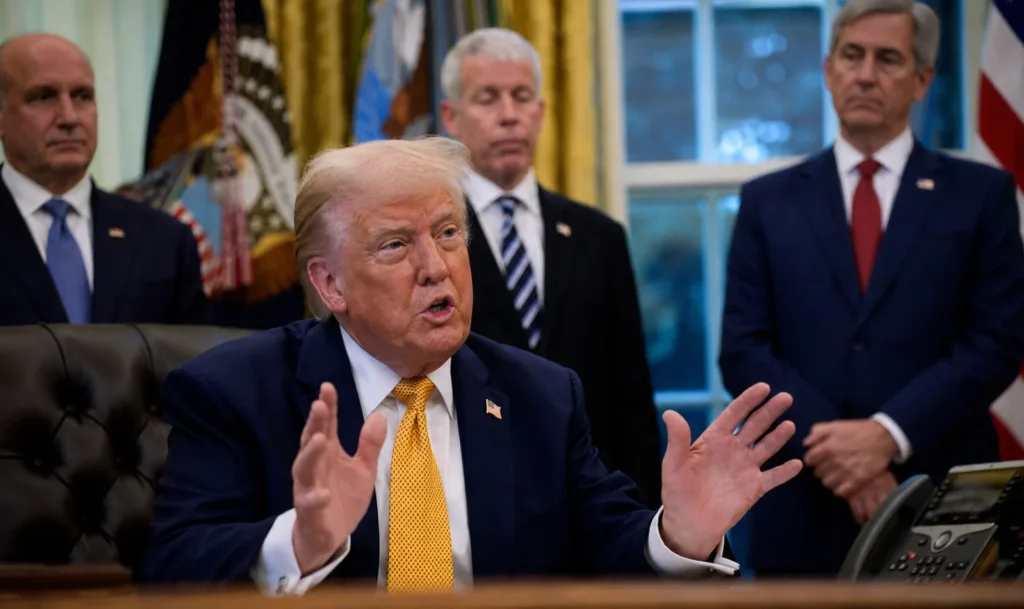
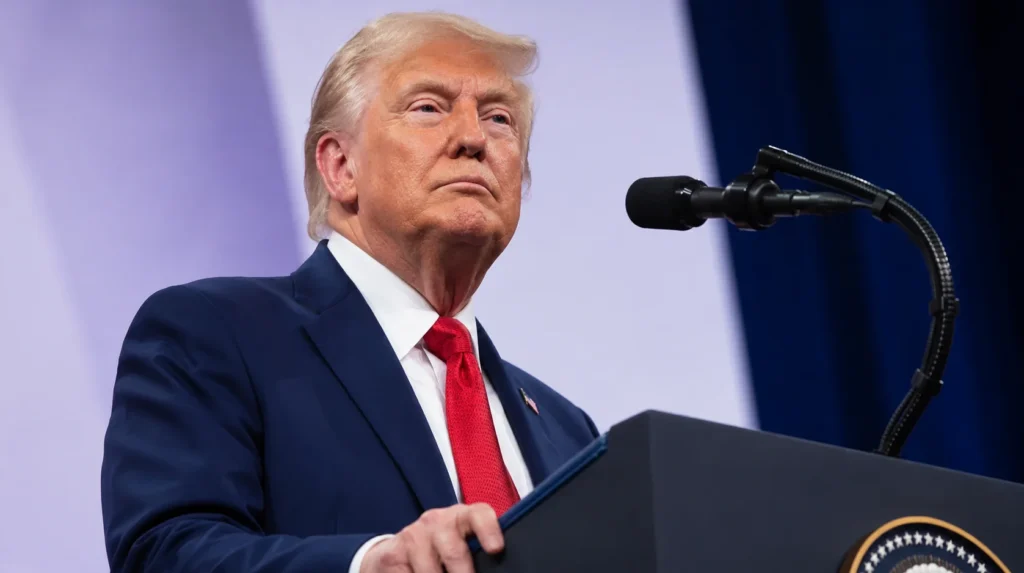
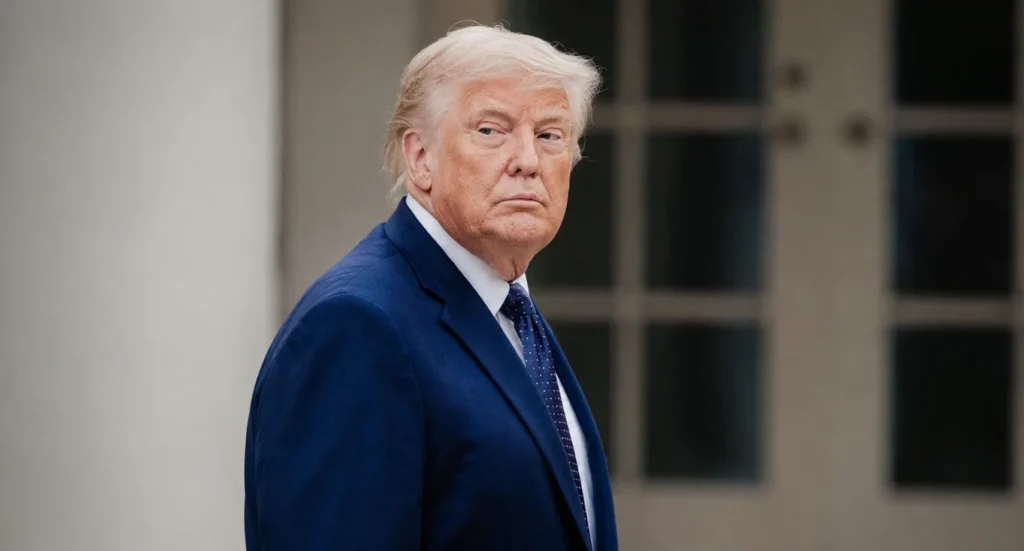
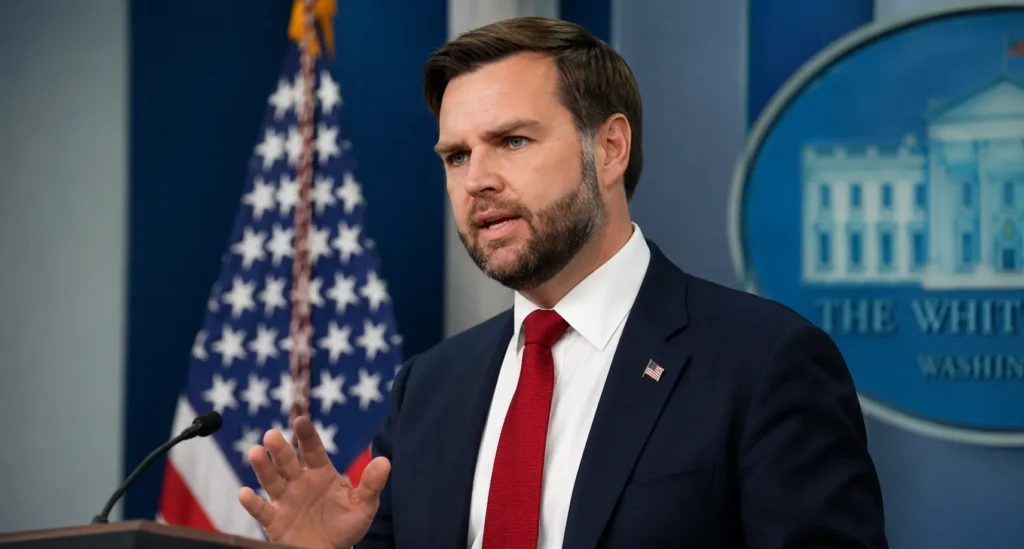
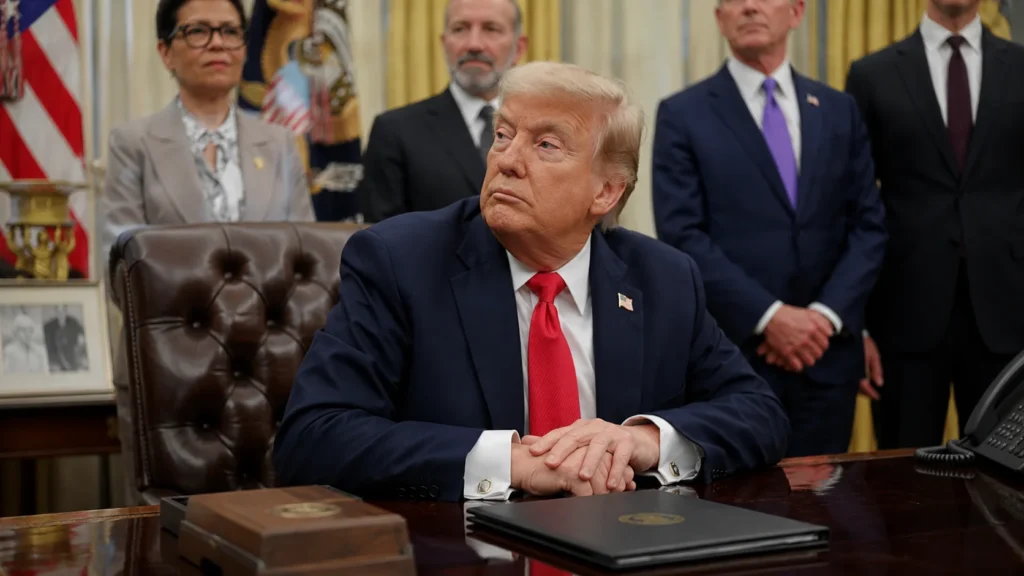
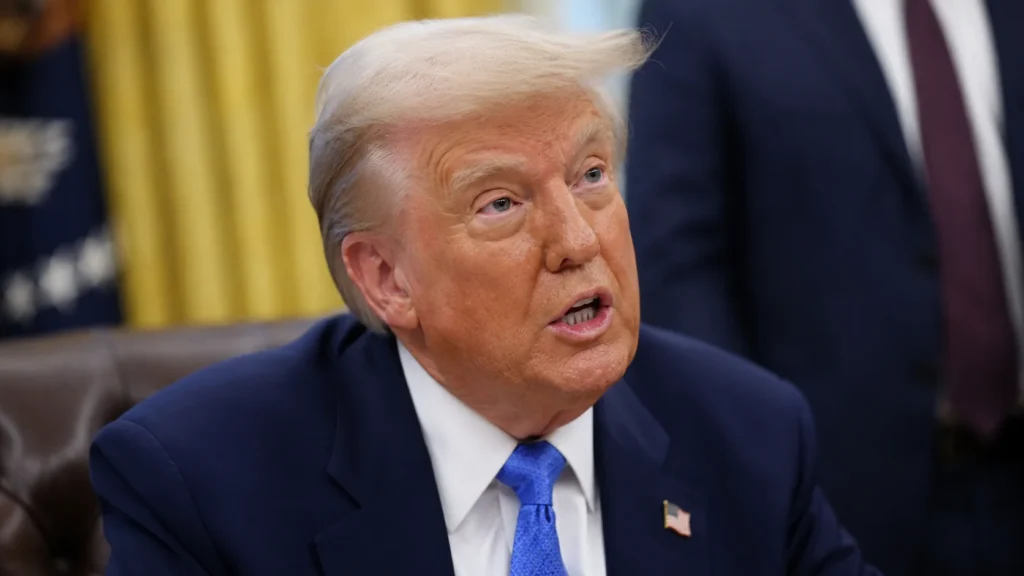
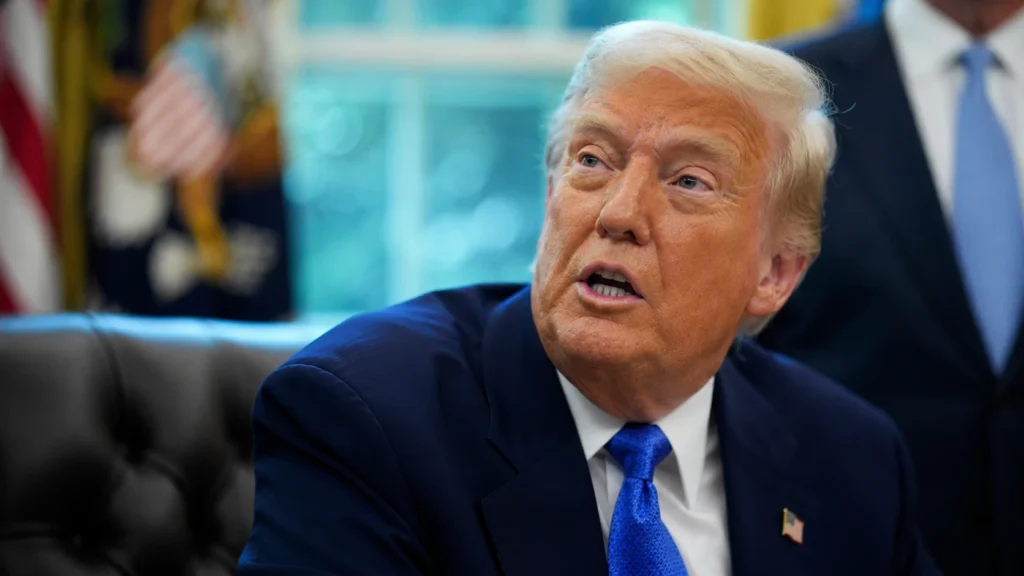
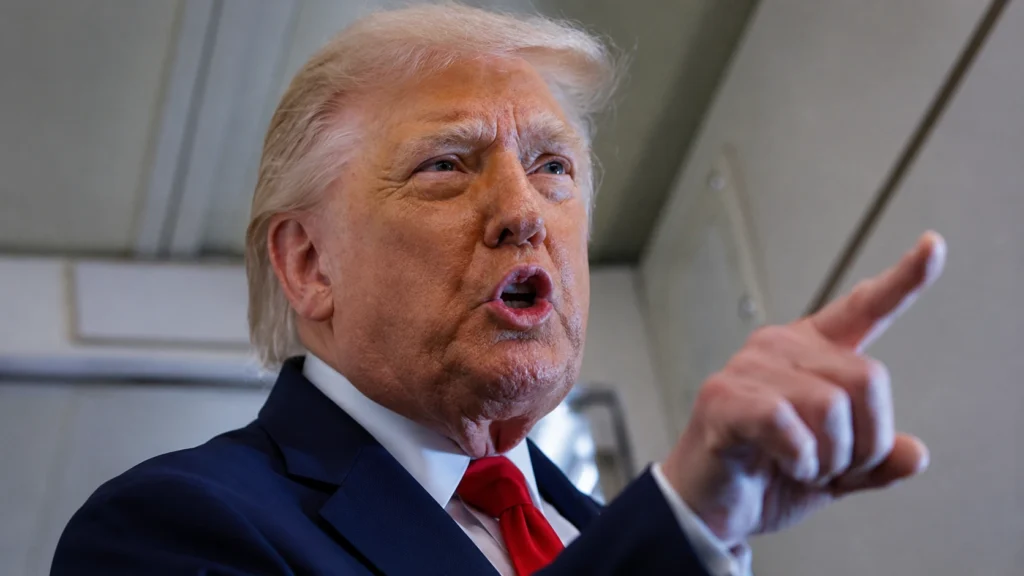
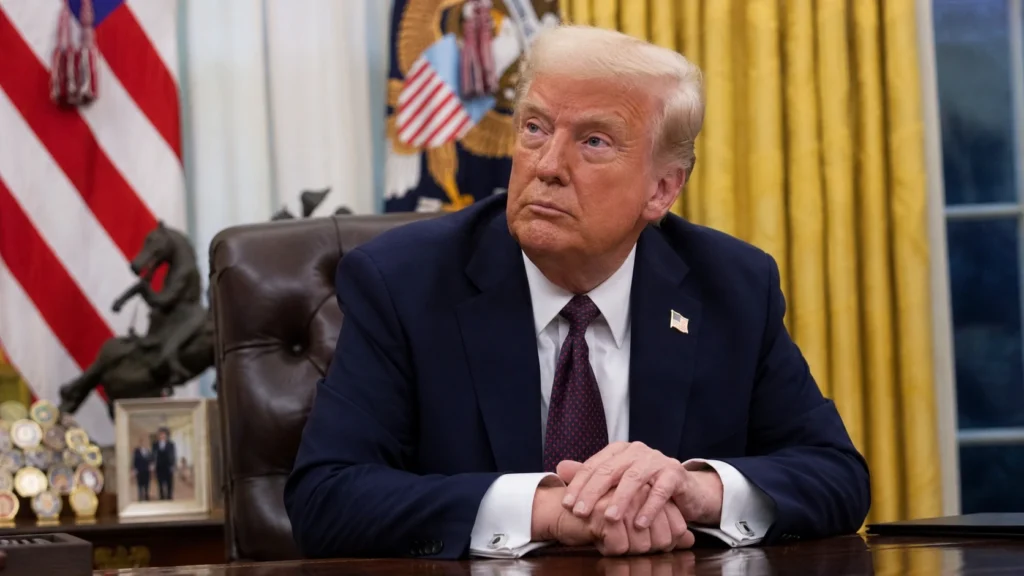
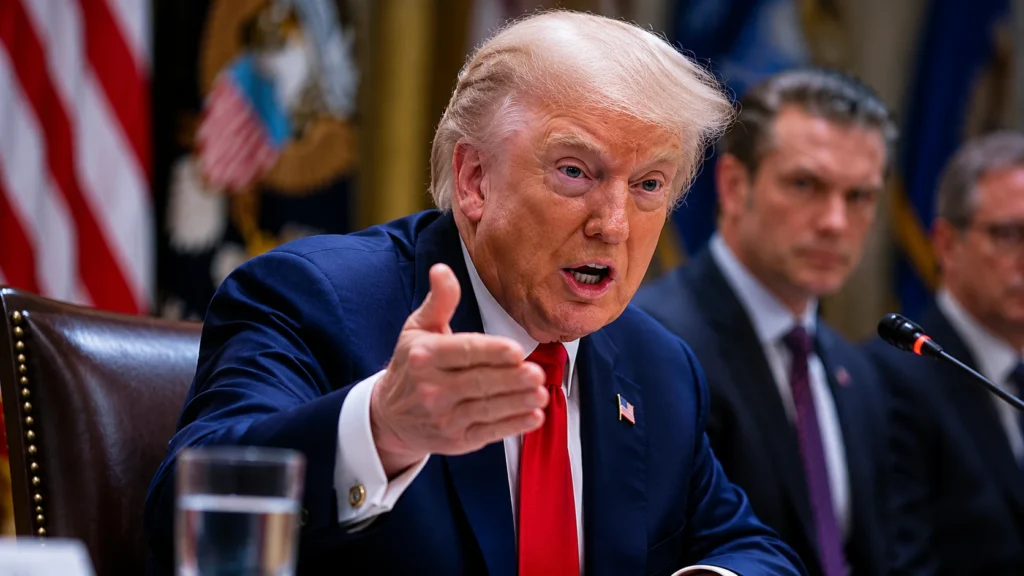
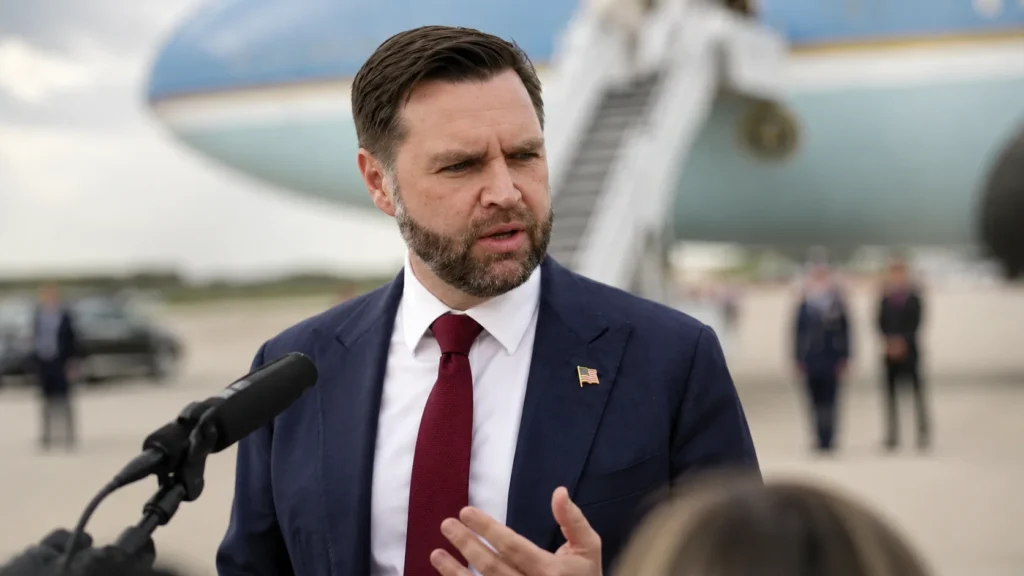
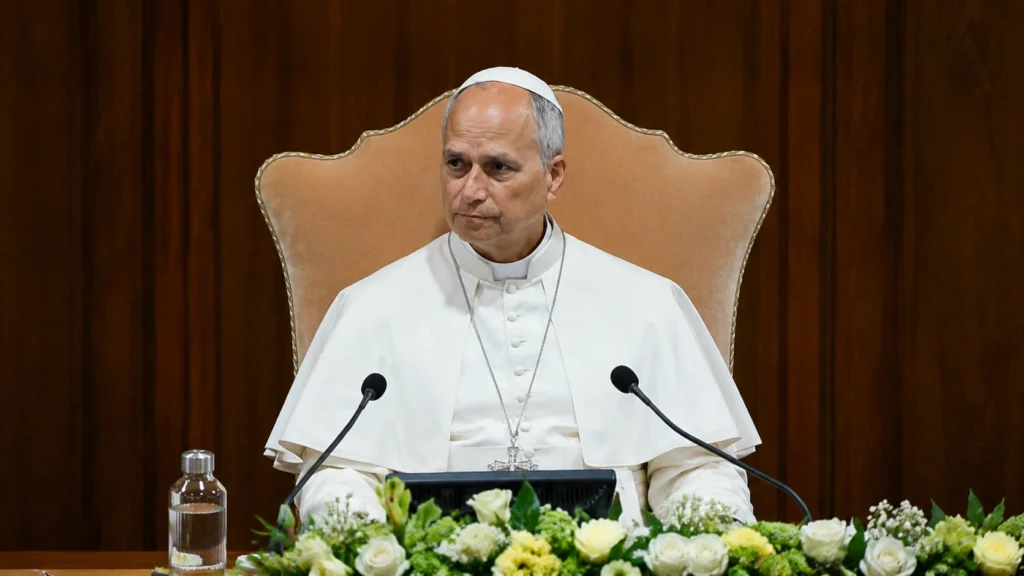
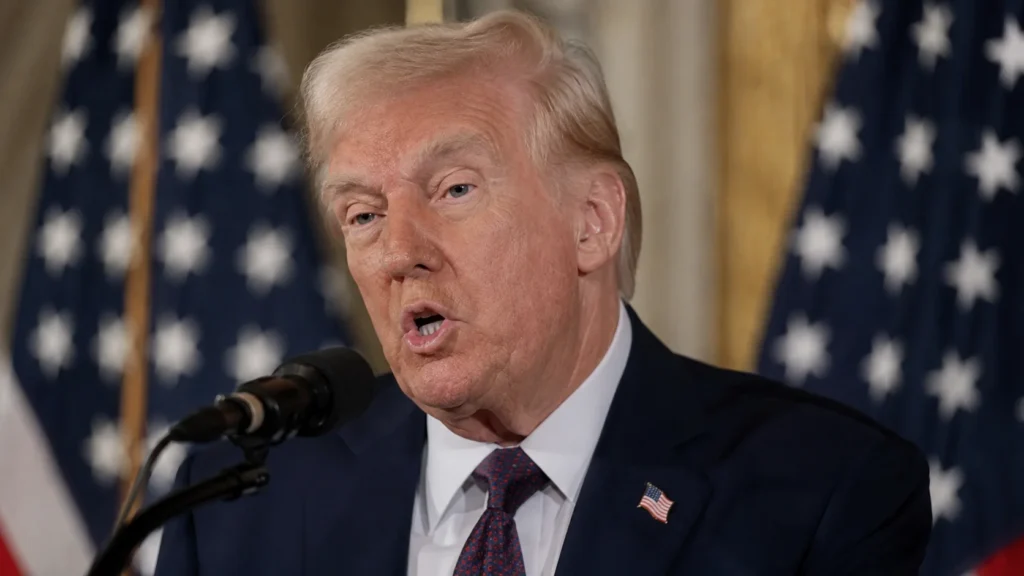
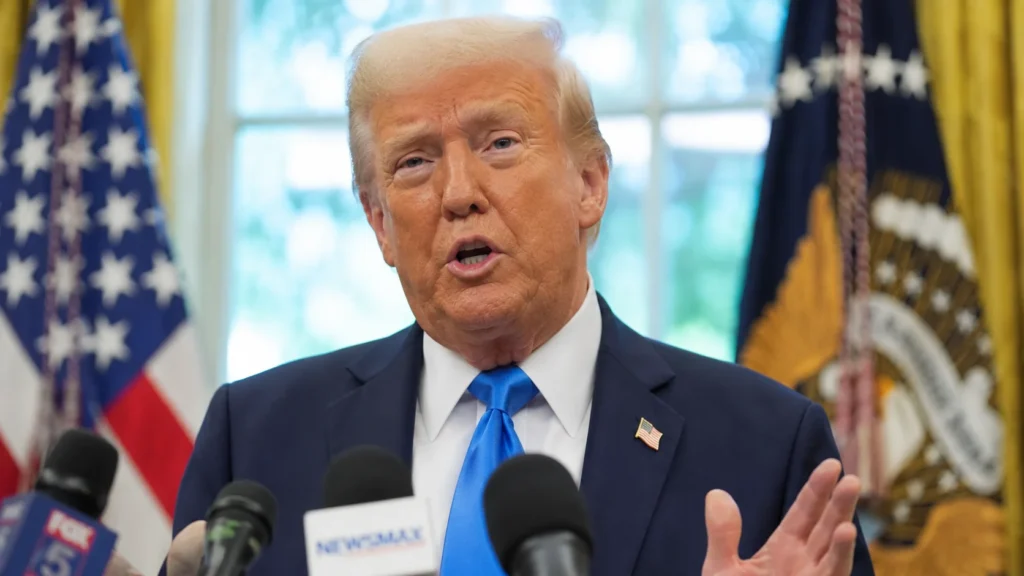
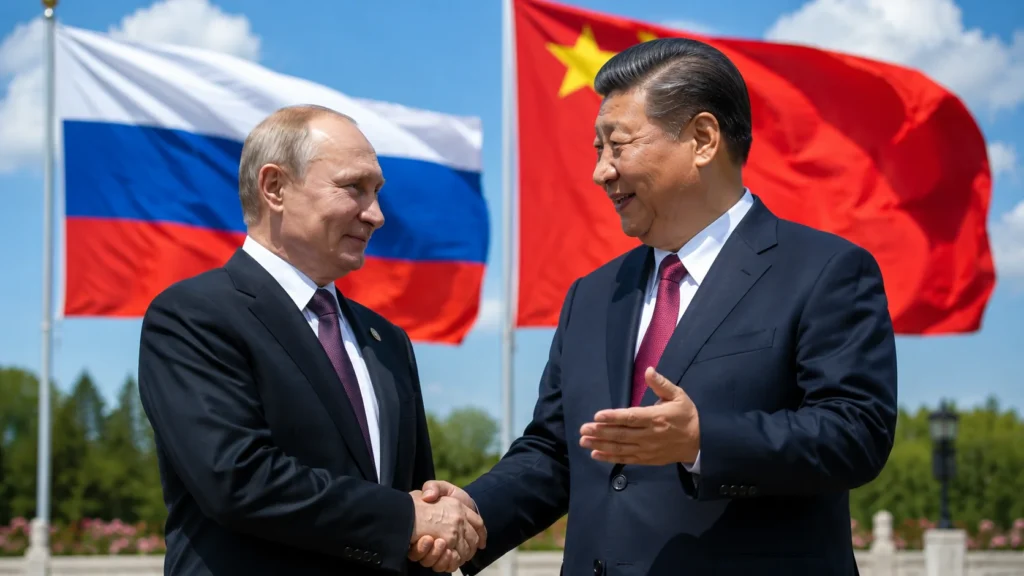
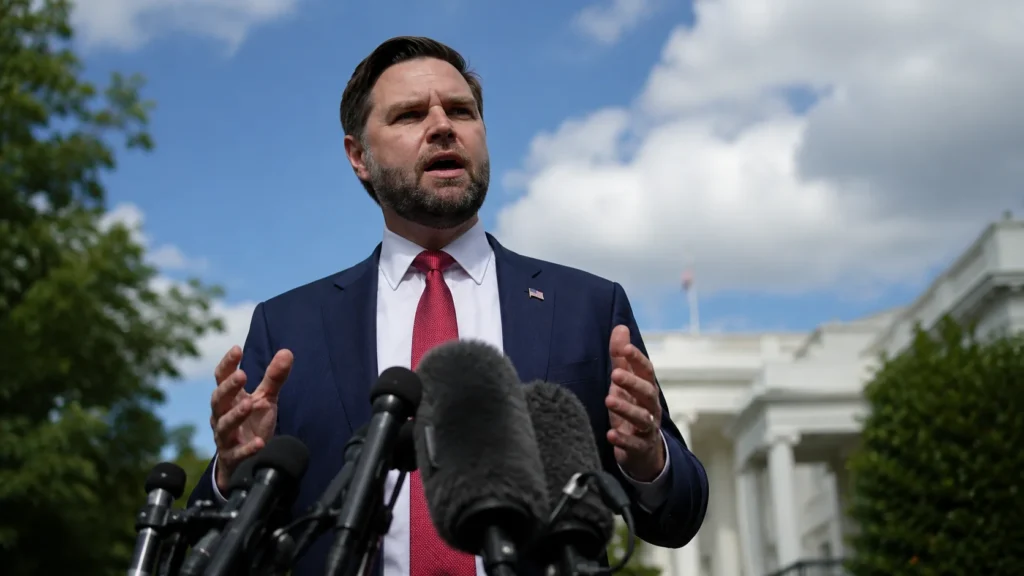
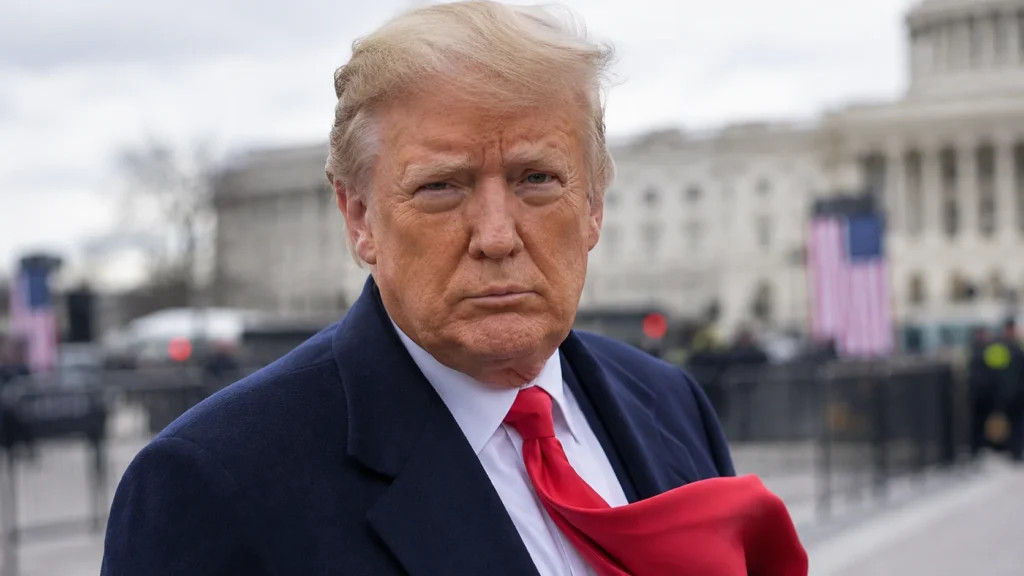
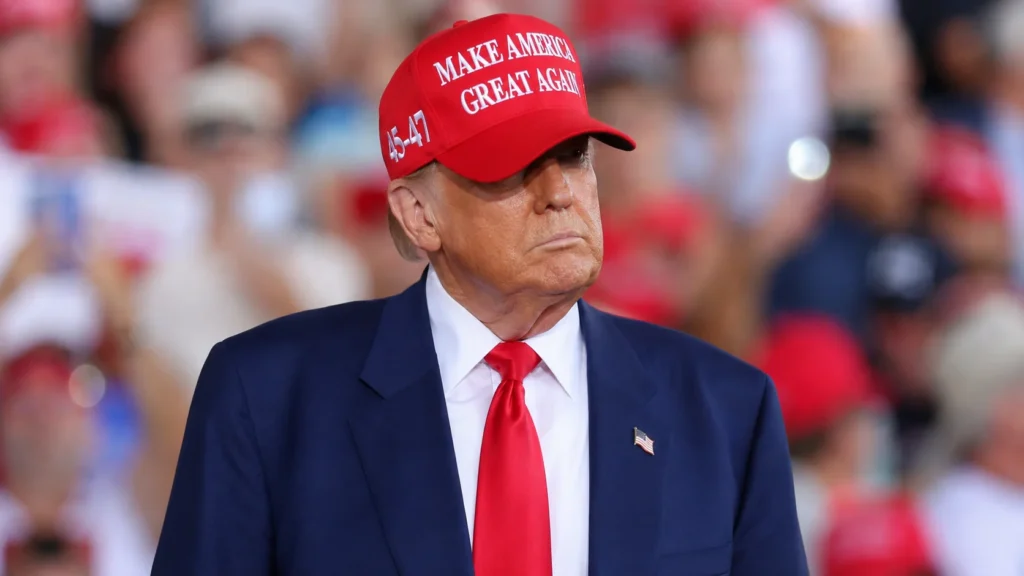
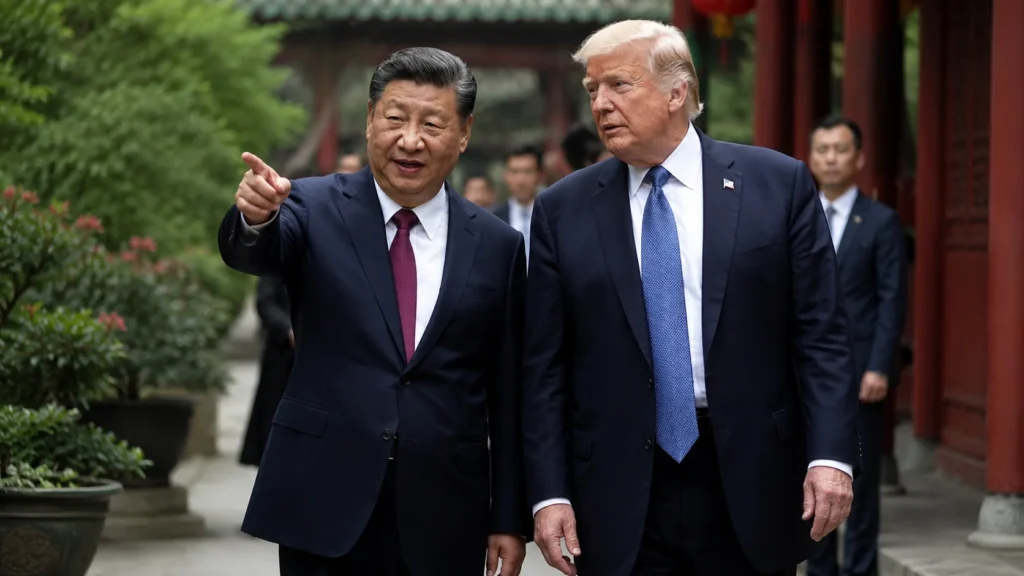
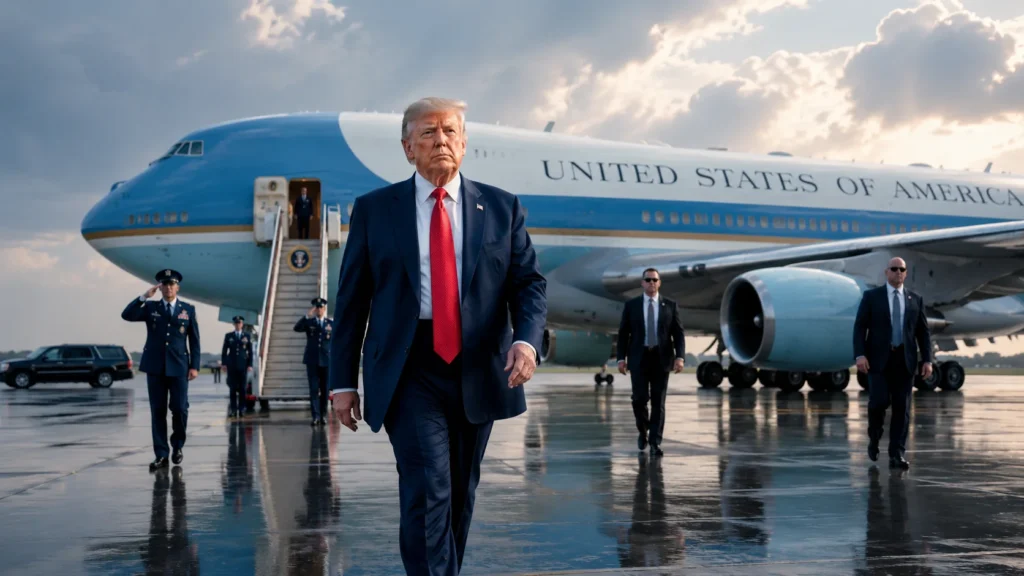
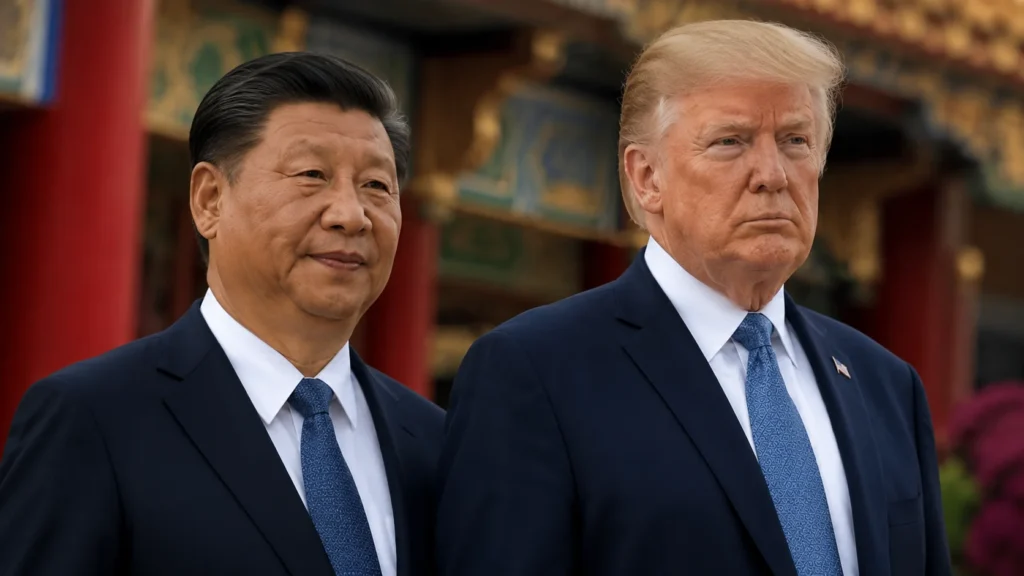
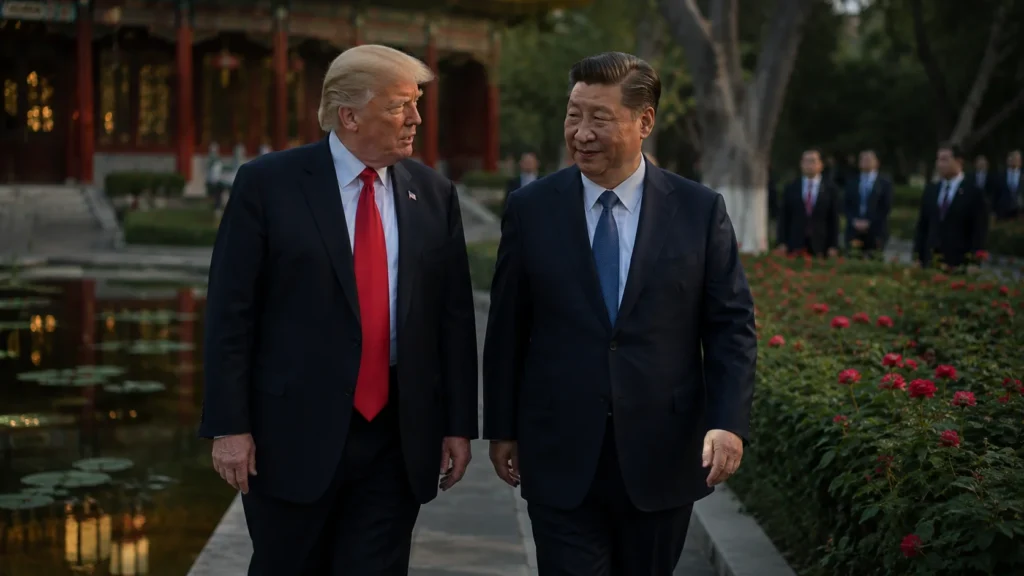
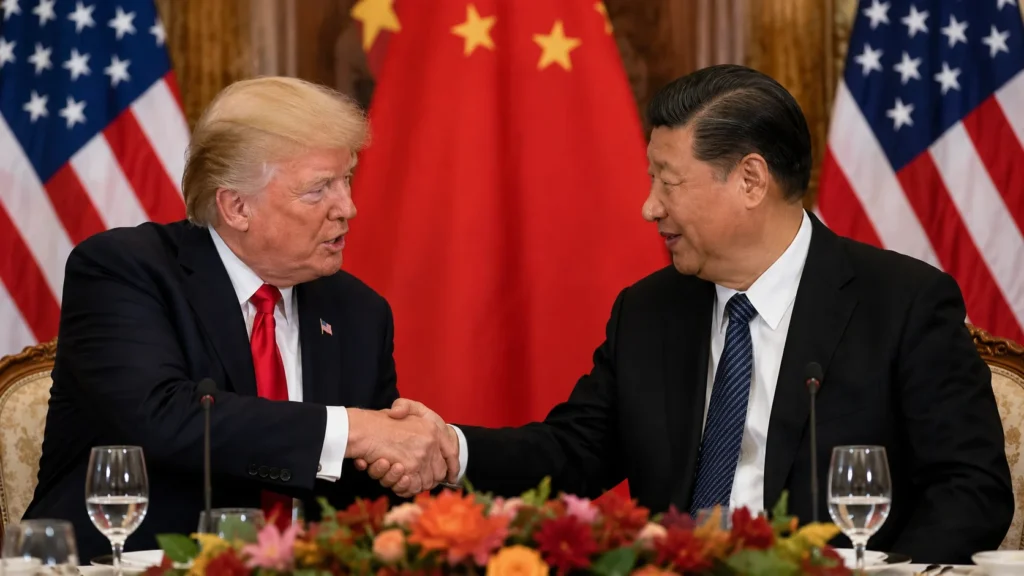
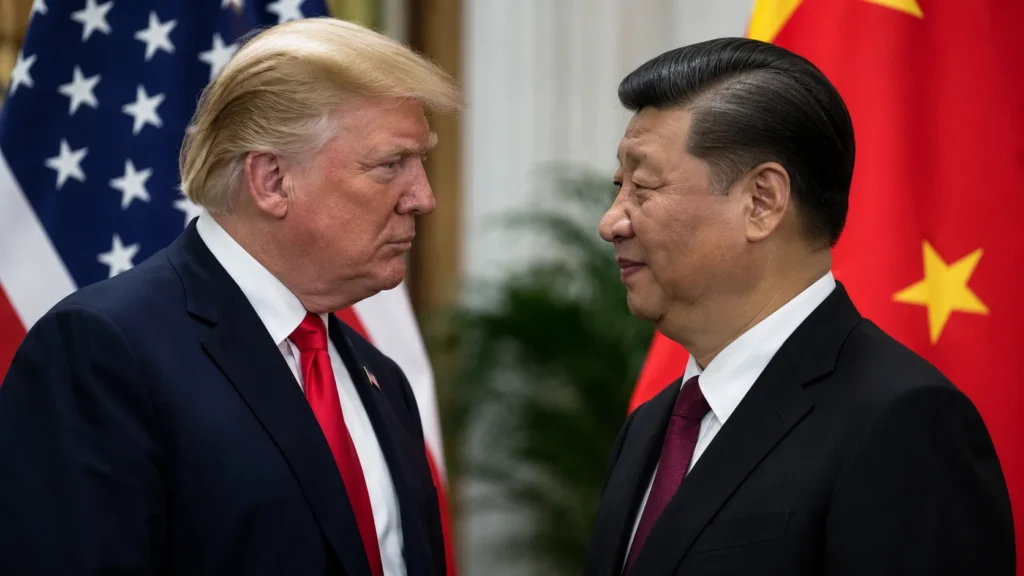
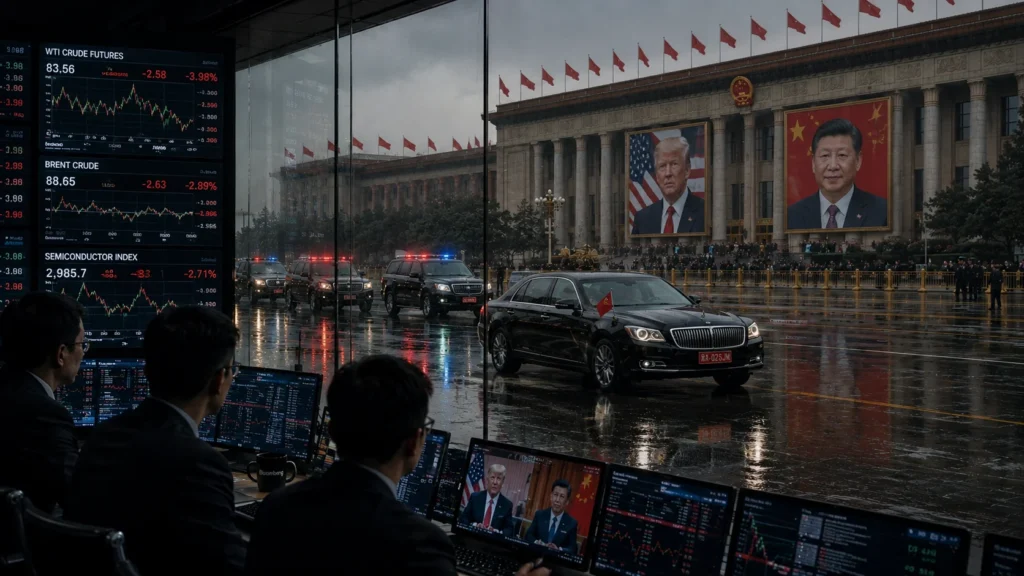
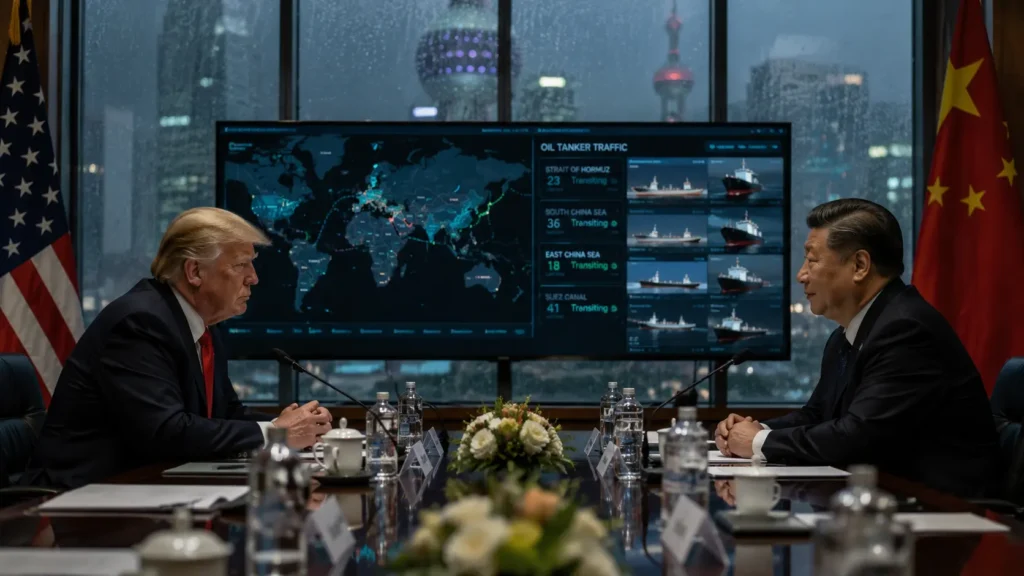
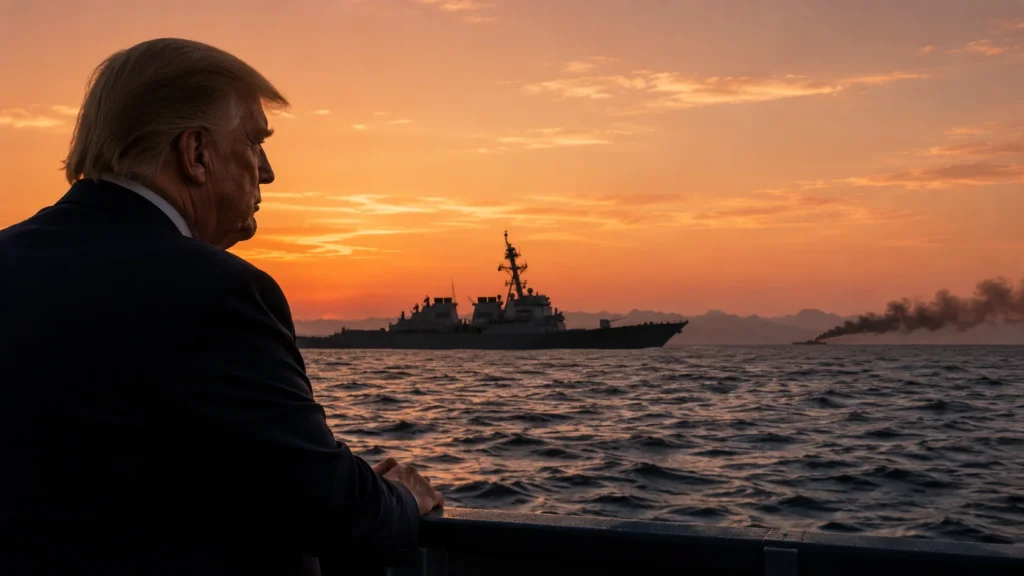
Donald Trump’s latest comments on Taiwan shifted attention back to the fragile balance between Washington, Beijing, and Taipei. Speaking after his summit with Chinese President Xi Jinping on May 15, 2026, Trump warned against formal Taiwanese independence while repeating that the United States wants stability in the Taiwan Strait. The remarks matter because they reshape deterrence calculations across Asia at a moment when China continues military pressure near Taiwan and regional allies question America’s long-term security posture.
Why Trump’s Taiwan Comments Matter Now
Trump did not announce a policy reversal. He did something subtler. He narrowed the political space Taiwan can occupy while still keeping the US military ambiguity intact.
That distinction matters across Asia.
For decades, Washington relied on “strategic ambiguity” to discourage both a Chinese invasion and a Taiwanese declaration of independence. Trump’s comments reinforced the second half of that formula more aggressively than recent administrations. Beijing noticed immediately.
Chinese state media framed the summit as proof that Washington understands the risks of supporting Taiwanese independence. Taiwanese officials reacted more cautiously, especially after Trump suggested he could speak personally with Taiwan’s leadership about future weapons sales.
According to Reuters coverage of the Trump-Xi summit, Trump and Xi discussed Taiwan “in great detail” during the Beijing talks. China’s Foreign Ministry later repeated that Taiwan remains the “most important issue” in US-China relations.
Short sentence. Big fallout.
The Security Question Hanging Over Asia
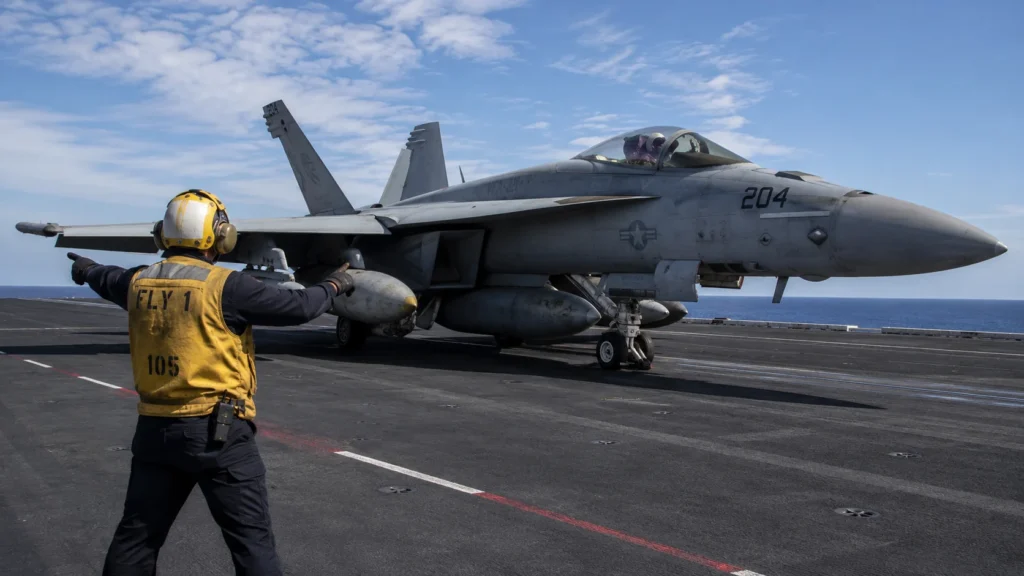
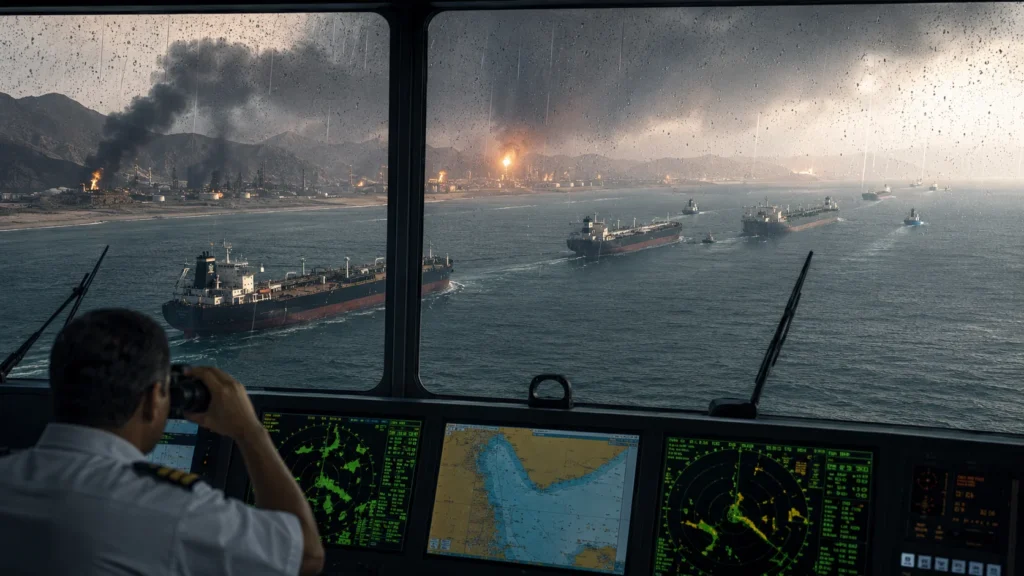
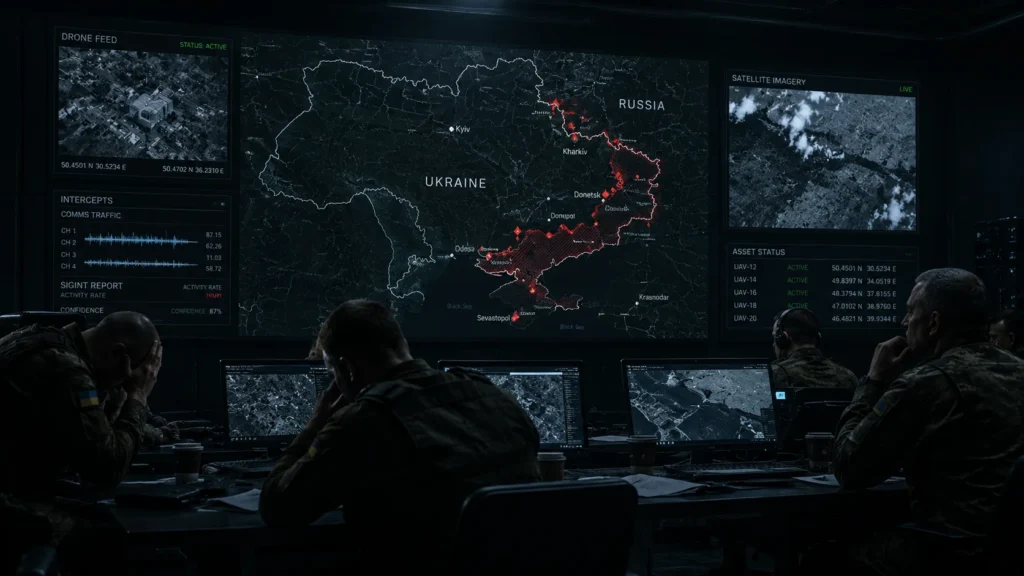
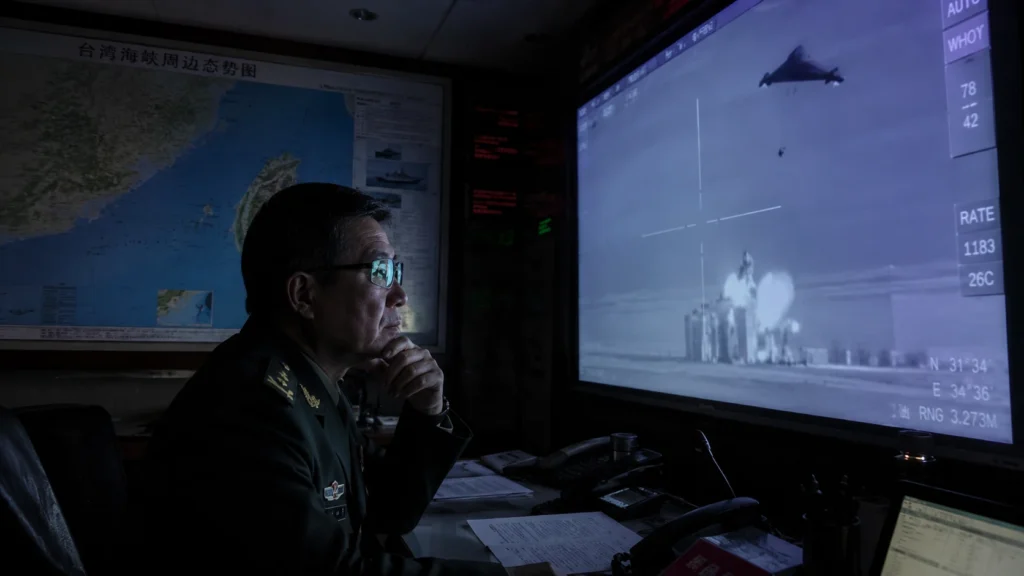
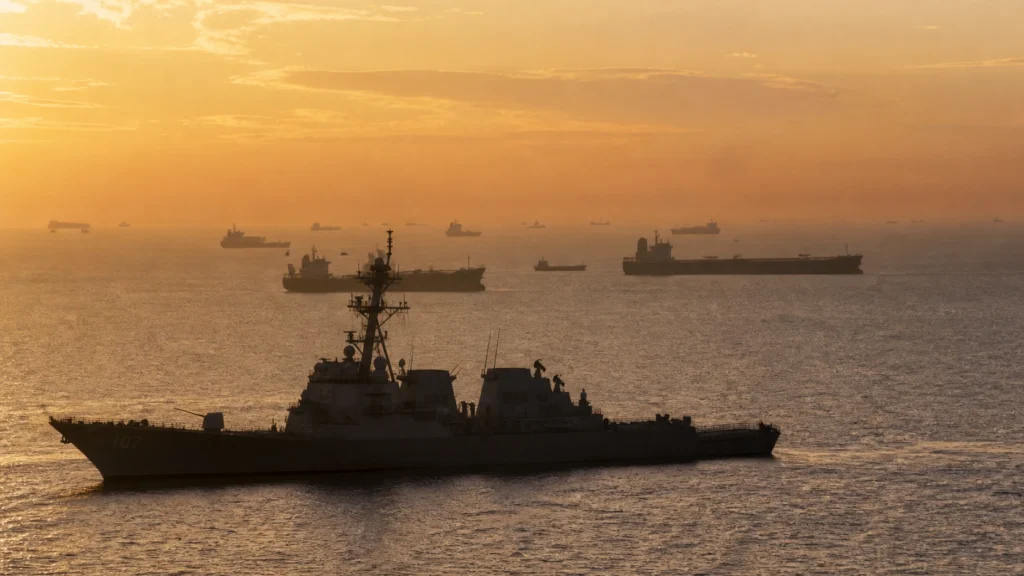
Trump’s remarks arrive during a tense military cycle in the Indo-Pacific. China sharply increased military drills around Taiwan after the August 2022 visit by former US House Speaker Nancy Pelosi. Taiwan’s Ministry of National Defense reported dozens of Chinese aircraft entering Taiwan’s air defense identification zone several times throughout 2025 and 2026.
Now, regional governments want clarity.
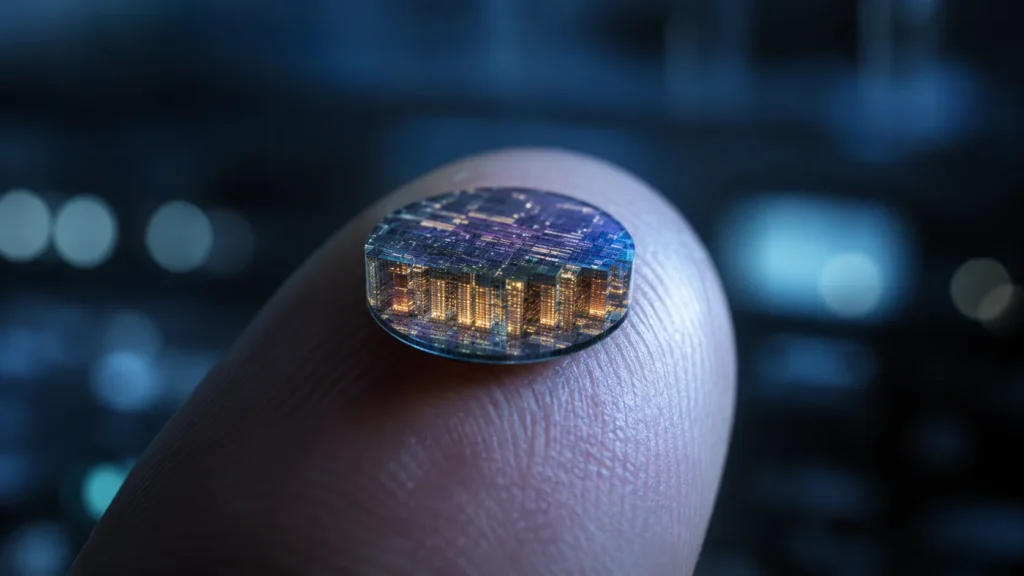
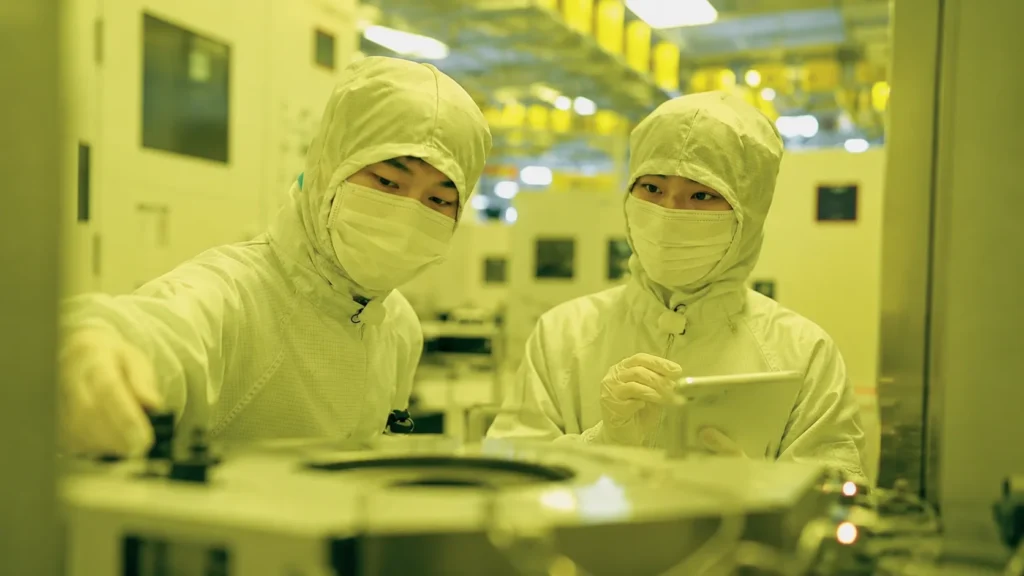
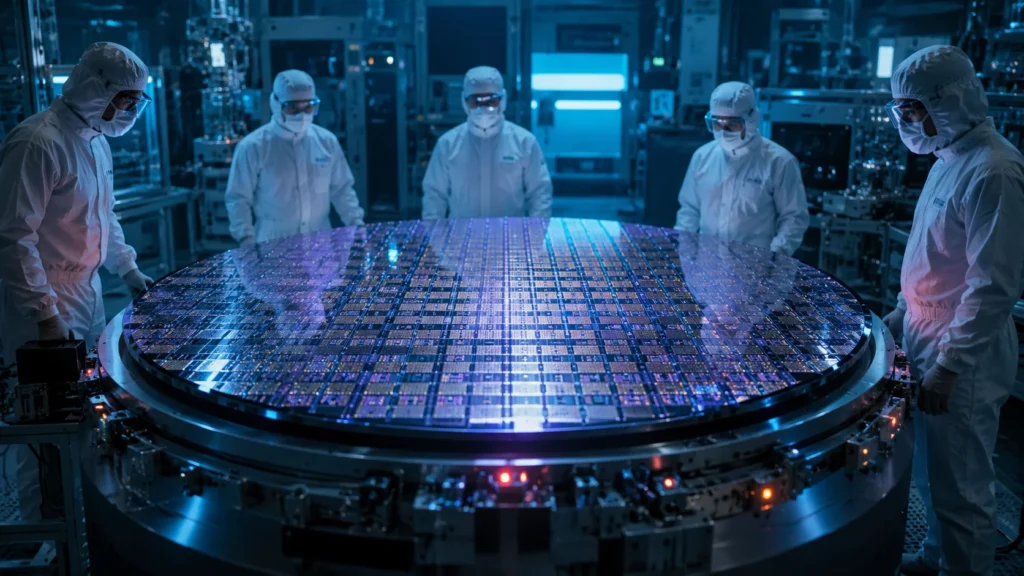
Japan and the Philippines increasingly treat Taiwan’s security as part of their own national defense planning because any conflict would disrupt shipping lanes, semiconductor supplies, and regional trade routes. Taiwan produces more than 60% of the world’s semiconductors and over 90% of advanced chips through companies such as TSMC, according to Semiconductor Industry Association report.
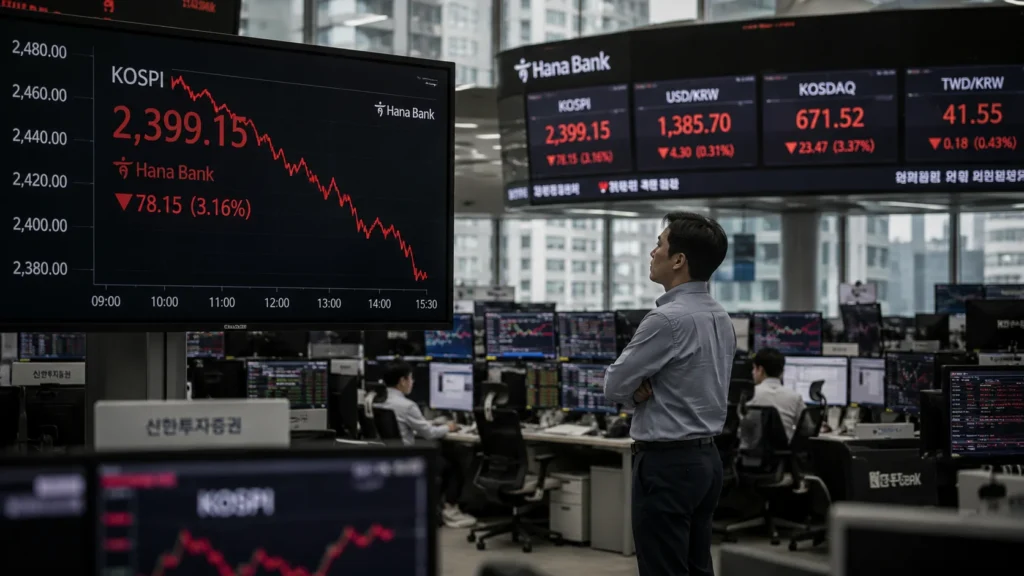
That economic exposure explains why markets watch Taiwan so closely even when politicians avoid direct confrontation.
As previous coverage of US-China trade tensions showed, supply chains react long before governments change policy formally.
Why Beijing Gains Strategic Space
Xi Jinping did not need Trump to abandon Taiwan completely. China only needed reassurance that Washington still opposes formal Taiwanese independence.
Trump delivered part of that reassurance.
That gives Beijing more room to intensify gray-zone tactics around Taiwan without crossing into open war. Expect more naval patrols, cyber pressure, and economic coercion instead of immediate military escalation.
Interesting.
China understands that Washington wants to avoid a costly regional conflict while also preserving credibility with allies. Beijing can exploit that tension slowly over time. Analysts at the Washington-based Center for Strategic and International Studies argued in a January 2026 assessment that China increasingly prefers “incremental pressure campaigns” over rapid military action.
Then there’s Taiwan itself.
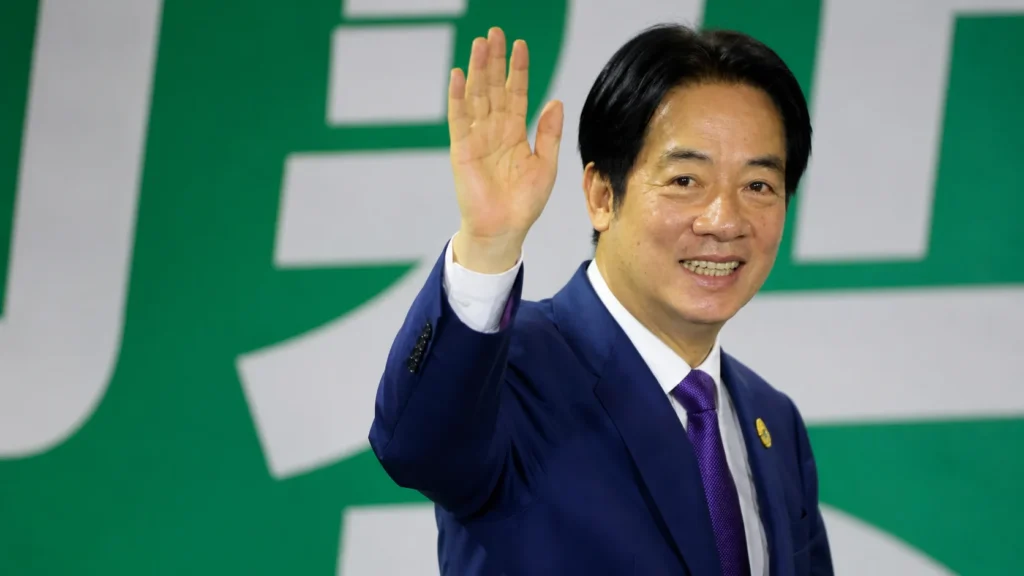
Most Taiwanese voters support maintaining the current status quo rather than pursuing formal independence or political unification with mainland China. Taiwanese President Lai Ching-te repeatedly described Taiwan as already sovereign, making a formal declaration unnecessary.
That political balancing act now faces more pressure from both Beijing and Washington.
analysis of Taiwan semiconductor dominance explains how Taiwan’s technology industry turned the island into a global economic pressure point, not just a regional political issue.
What Happens Next?
The next six months will test whether Washington can maintain deterrence without encouraging escalation. Trump still supports weapons sales to Taiwan, including the proposed $11 billion defense package first announced in late 2025. But his rhetoric signals caution about direct military entanglement.
Asian allies will watch actions more than statements.
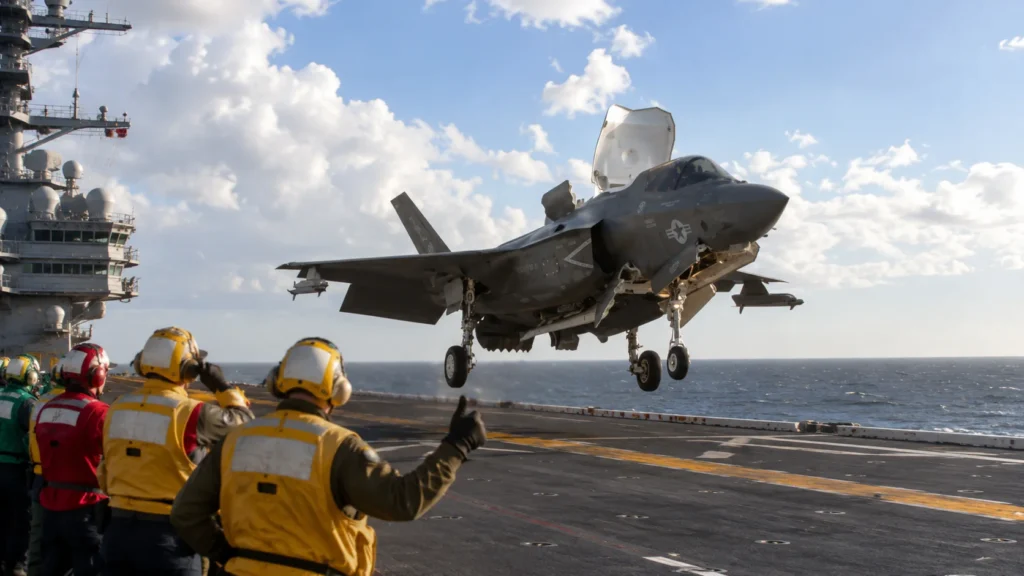
If China increases military activity near Taiwan after the summit, regional governments could accelerate defense coordination with the United States. Japan has already expanded military spending sharply after revising its national security strategy in December 2022. Australia and the Philippines continue strengthening defense agreements with Washington as well.
So the contradiction grows clearer: the US wants to deter China while also discouraging Taiwan from forcing a diplomatic crisis.
That balancing act keeps getting harder.
overage of Indo-Pacific alliance strategy explored how Asian governments increasingly prepare for a future where economic ties with China coexist alongside deeper security dependence on Washington.
FAQ
Why did Trump warn Taiwan against independence?
Trump reiterated long-standing US policy opposing formal Taiwanese independence. He argued that Washington wants stability in the Taiwan Strait and does not want actions that could trigger conflict with China.
Does the US officially recognize Taiwan?
No. The United States does not maintain formal diplomatic relations with Taiwan, but US law allows Washington to provide Taiwan with defensive military support under the Taiwan Relations Act.
Why is Taiwan strategically important?
Taiwan sits at the center of key Indo-Pacific shipping routes and dominates advanced semiconductor production. Any disruption around Taiwan could hit global technology supply chains and regional trade.
How did China respond to Trump’s comments?
Chinese officials welcomed Trump’s opposition to Taiwanese independence while repeating that Taiwan remains the most sensitive issue in US-China relations.
Could tensions around Taiwan affect global markets?
Yes. Investors closely monitor Taiwan because the island produces critical semiconductor components used in smartphones, AI systems, automobiles, and defense technology worldwide.
Author Bio:
Written by Daniel Mercer, a geopolitical risk analyst and foreign affairs editor who has covered US-China relations, Indo-Pacific security, and global trade systems for more than a decade.