

 English































































































Trump Admin Shuts US Researchers Out of Global Virus Response Talks
Published: 25 May 2026 | Source: NIAID Internal Email, HHS, CNN, Refugees International
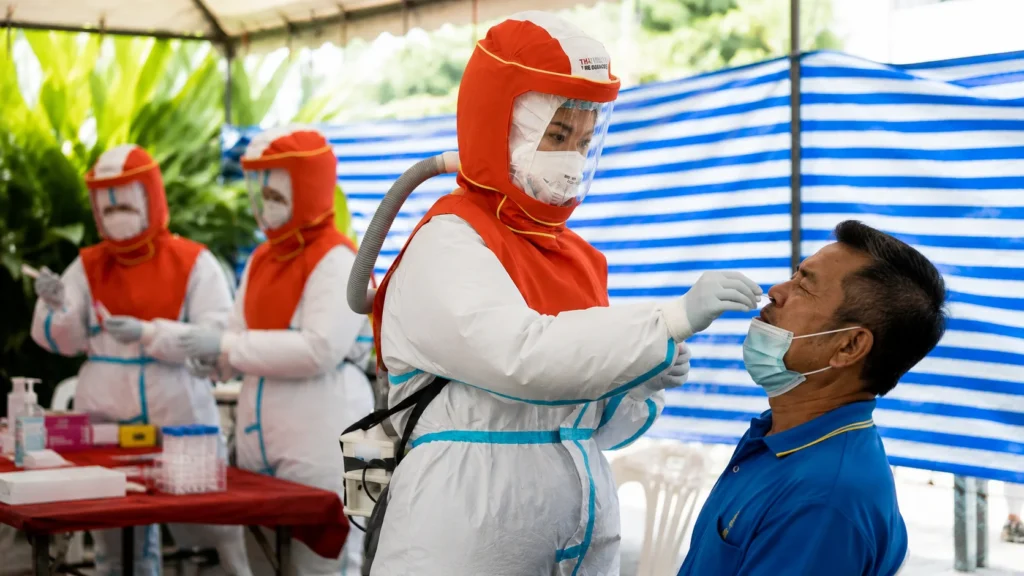
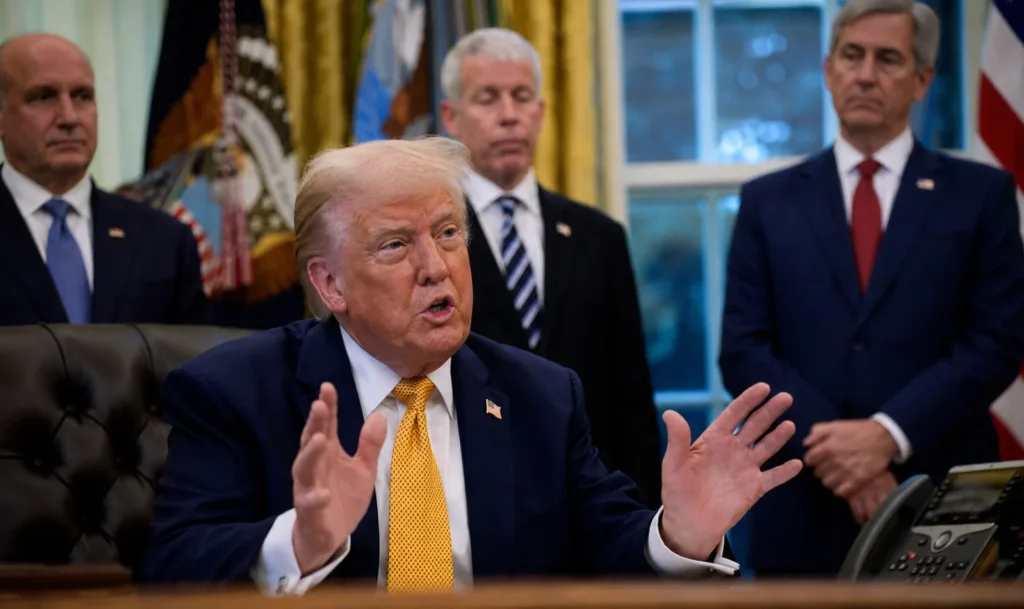
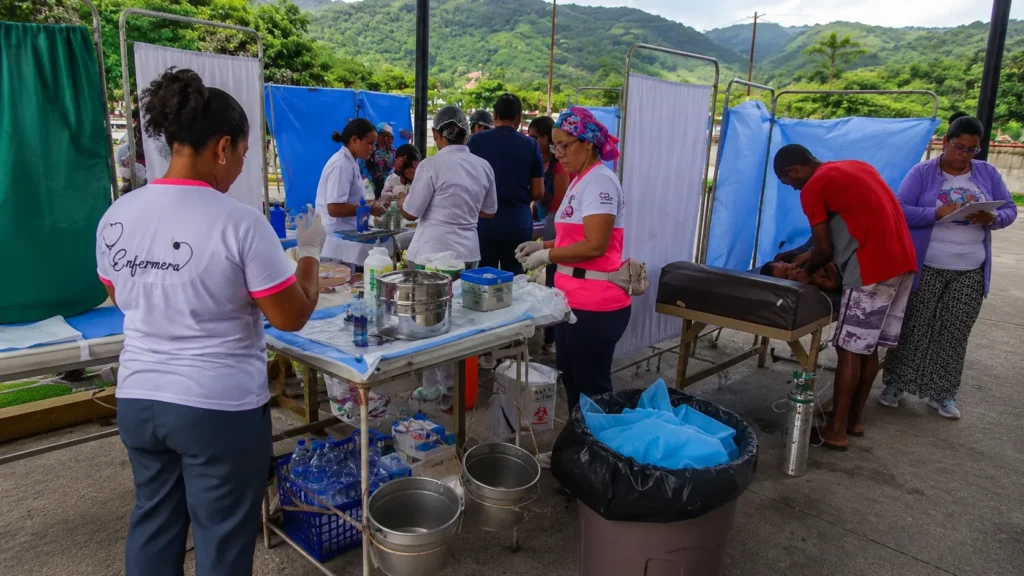
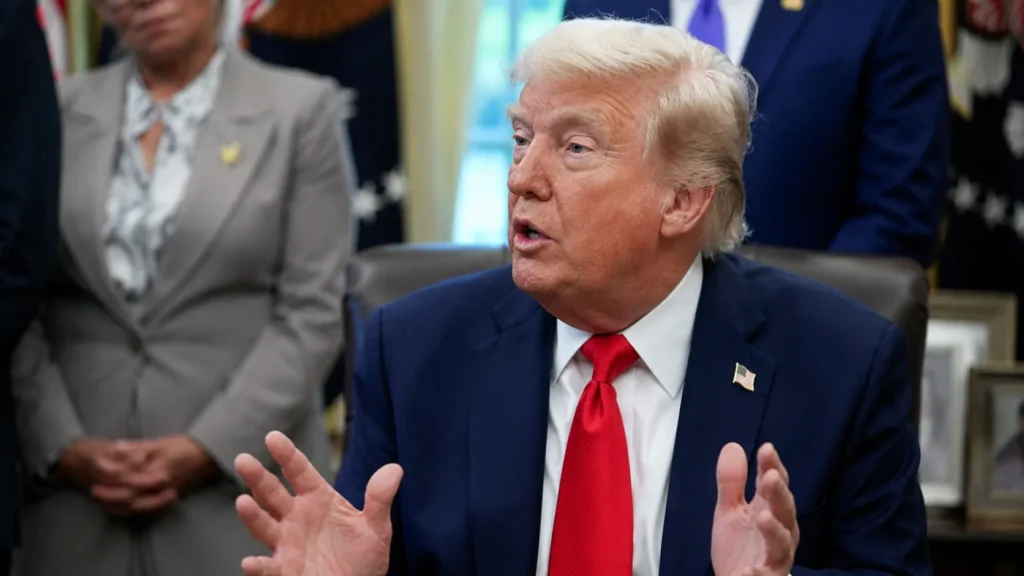
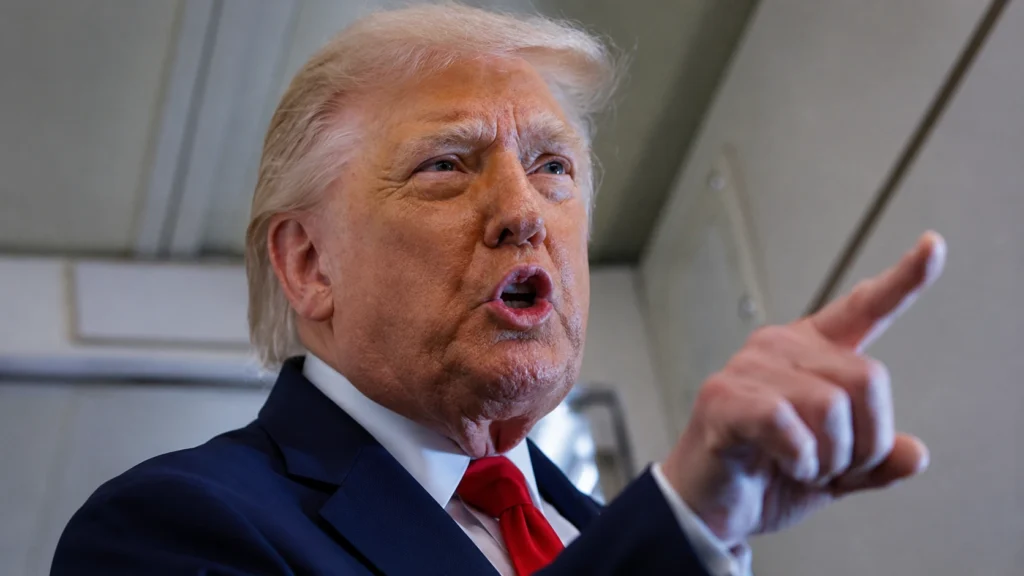
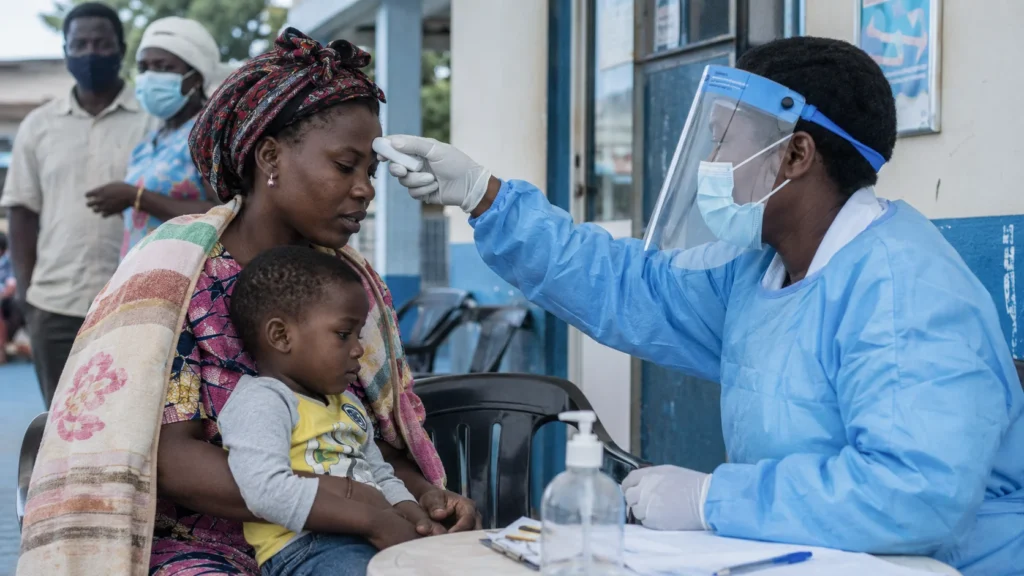
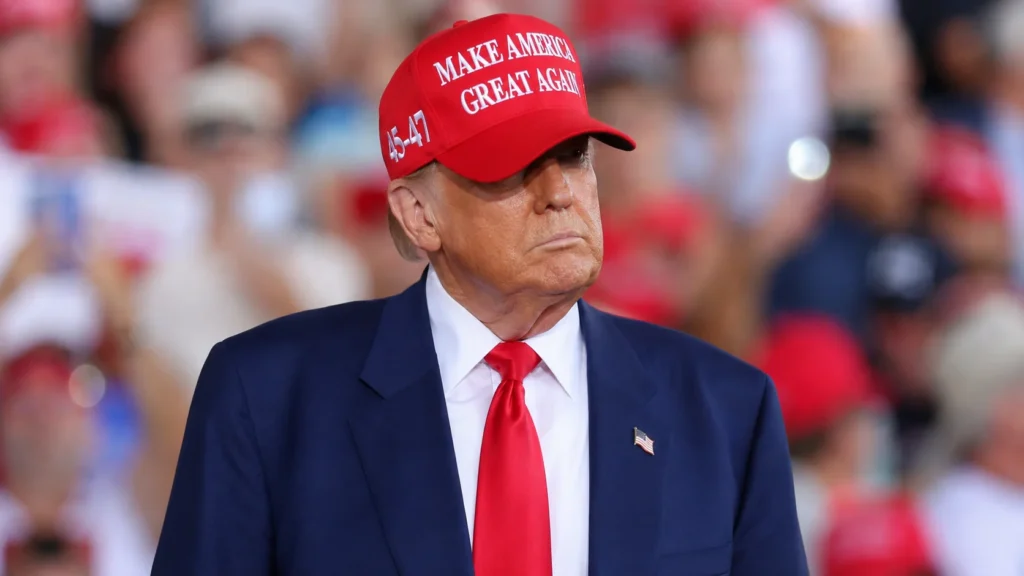
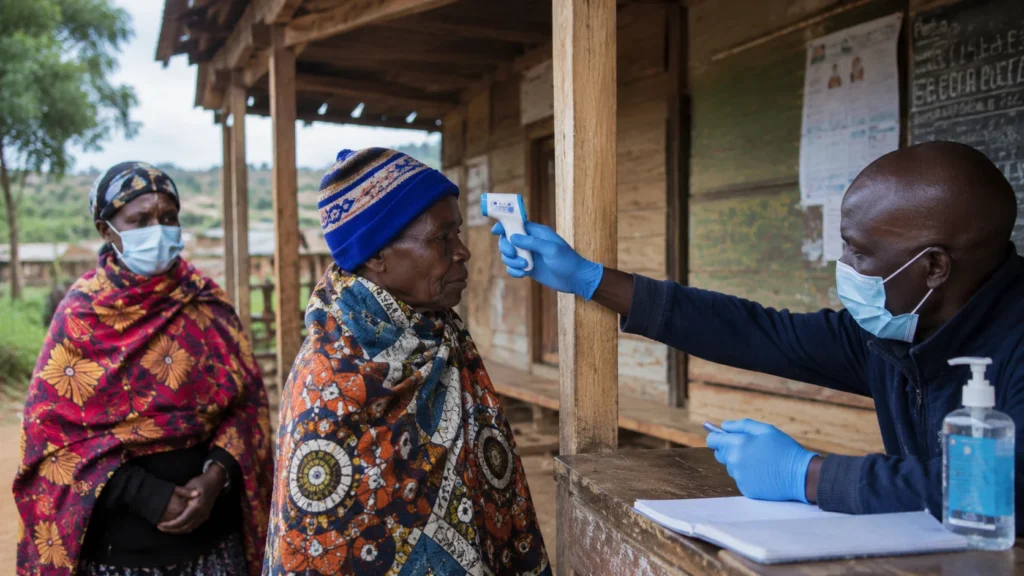
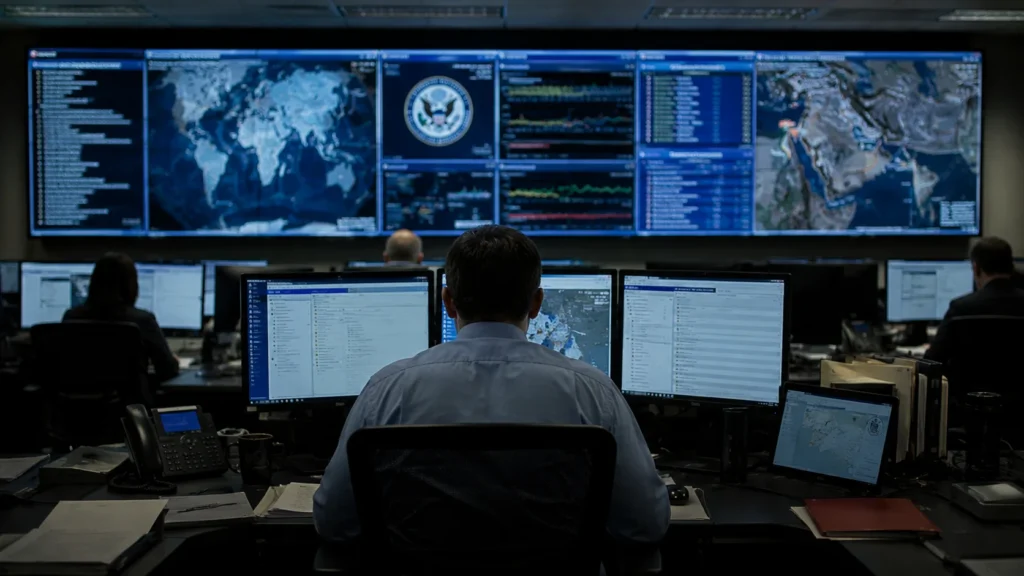
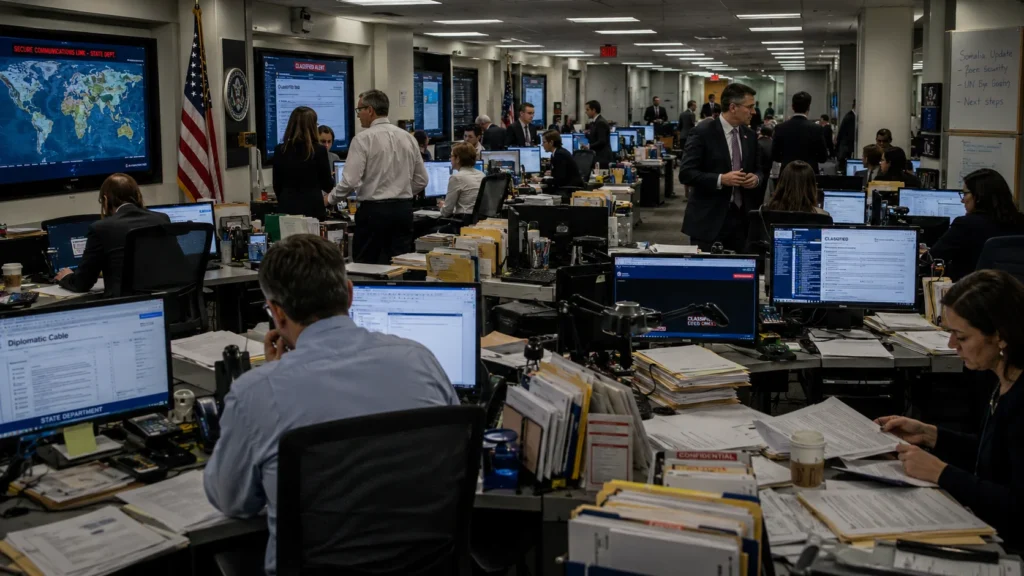
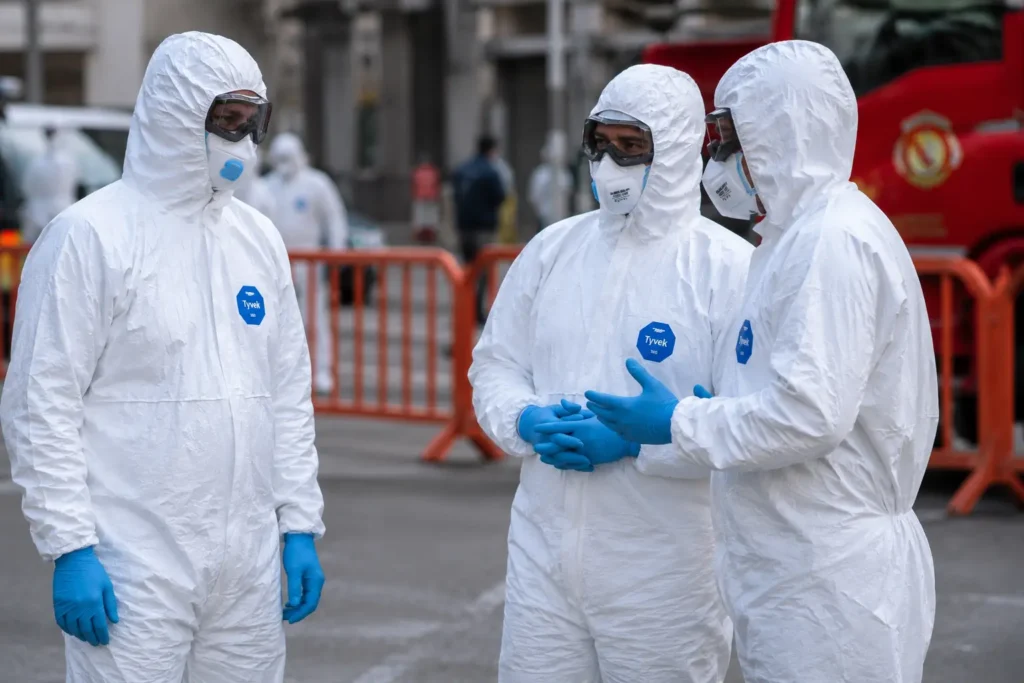
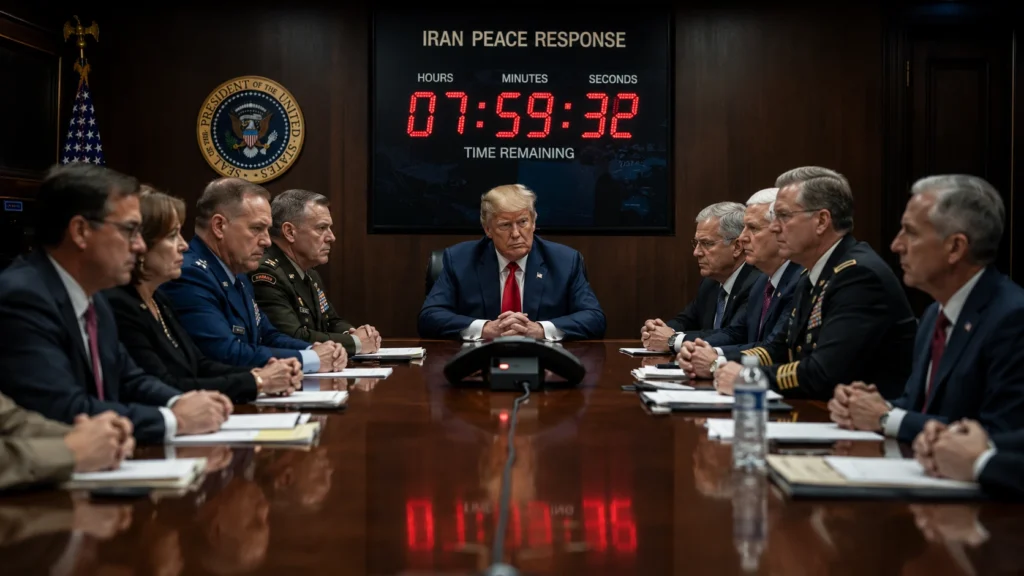
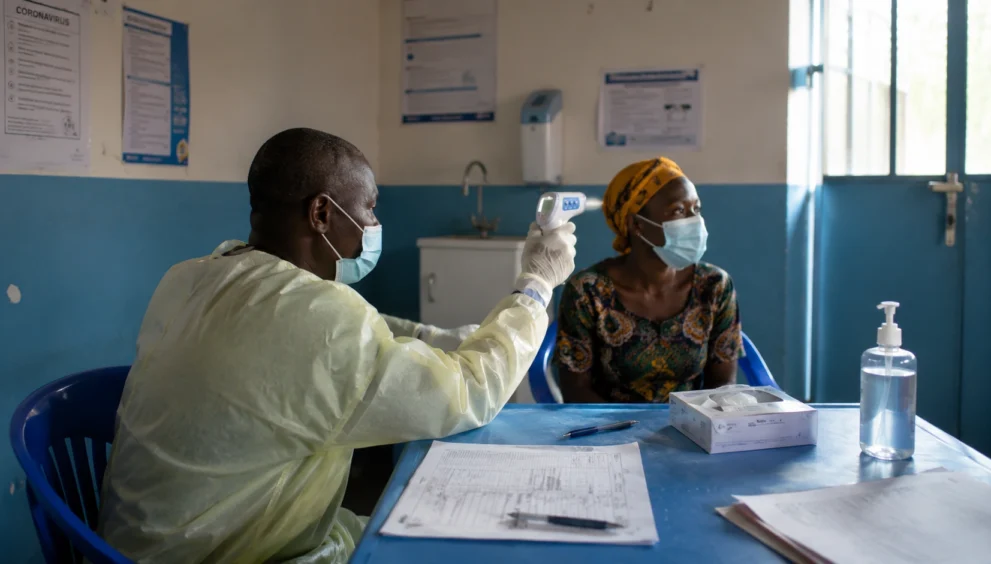
WASHINGTON — The Trump admin shuts US researchers out of global virus response talks through a directive issued on 18 May that bars scientists at the National Institute of Allergy and Infectious Diseases from speaking directly with the World Health Organization, according to internal documents and multiple sources who spoke to CNN. NIAID staff may attend virtual WHO meetings only in small groups of no more than three and only in a “listening capacity,” with any follow-up handled by the Department of Health and Human Services. The restrictions remain in place during an Ebola outbreak in the Democratic Republic of Congo that has killed more than 100 people and a hantavirus outbreak that exposed Americans aboard a cruise ship.
What the Directive Says
A senior NIAID official informed staff via email on 18 May that the agency would “be operating in the same manner for Ebola as we have been doing for Hantavirus, assembling a small group of experts no more than three to participate” NIAID internal email obtained by CNN, 18 May 2026.
“Should we have legitimate research questions or countermeasure testing ideas, we can bring those up through the proper chain of command,” the email stated.
The directive means NIAID scientists, experts in viral pathogenesis, vaccine development, and countermeasure testing, may attend WHO meetings but may not speak, propose, or coordinate directly with global counterparts. The restrictions were relaxed slightly in the past week as the Ebola outbreak intensified, but only to permit the limited listening role.
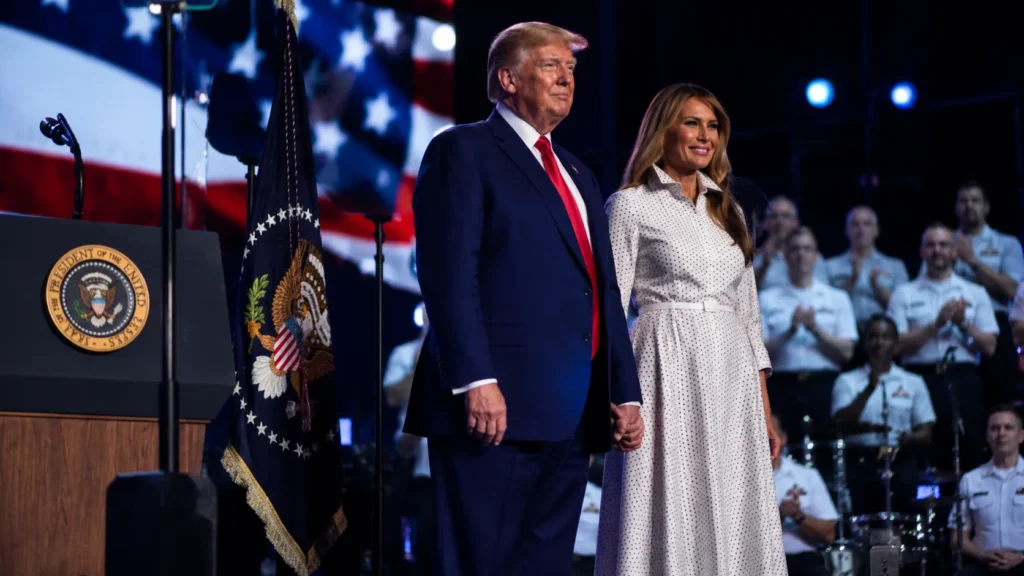
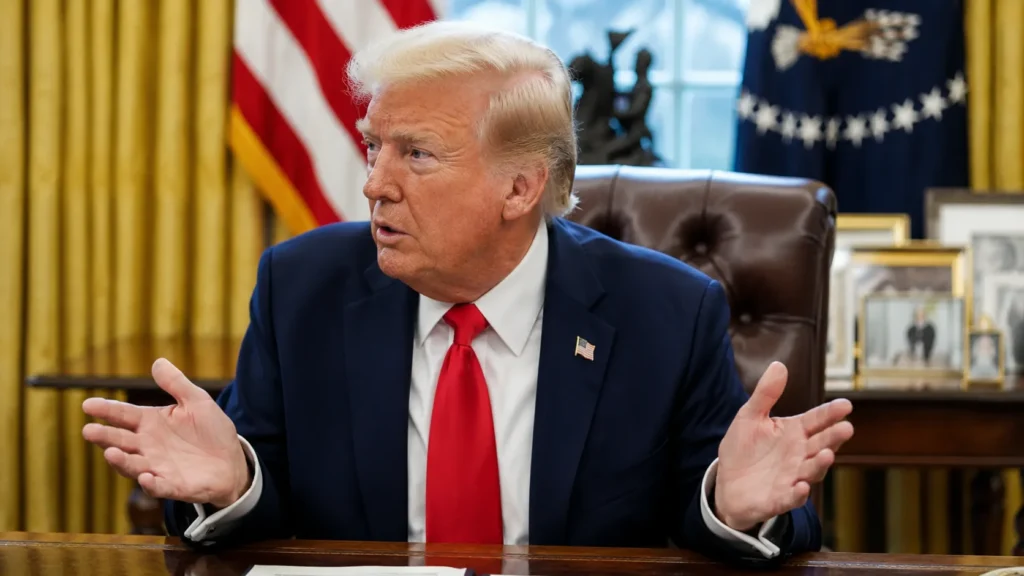
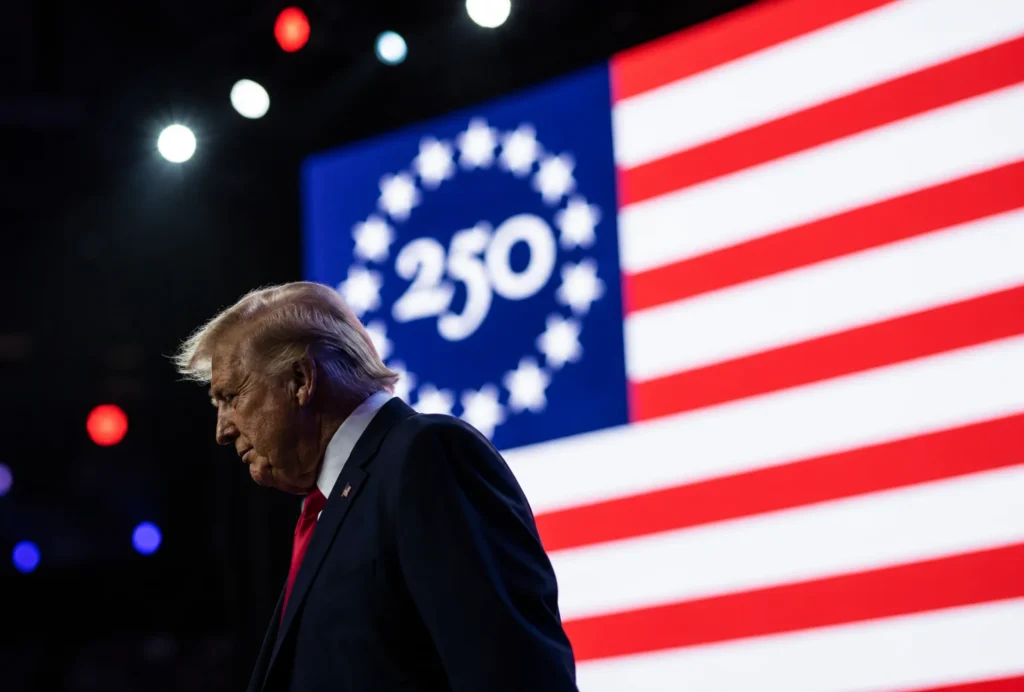
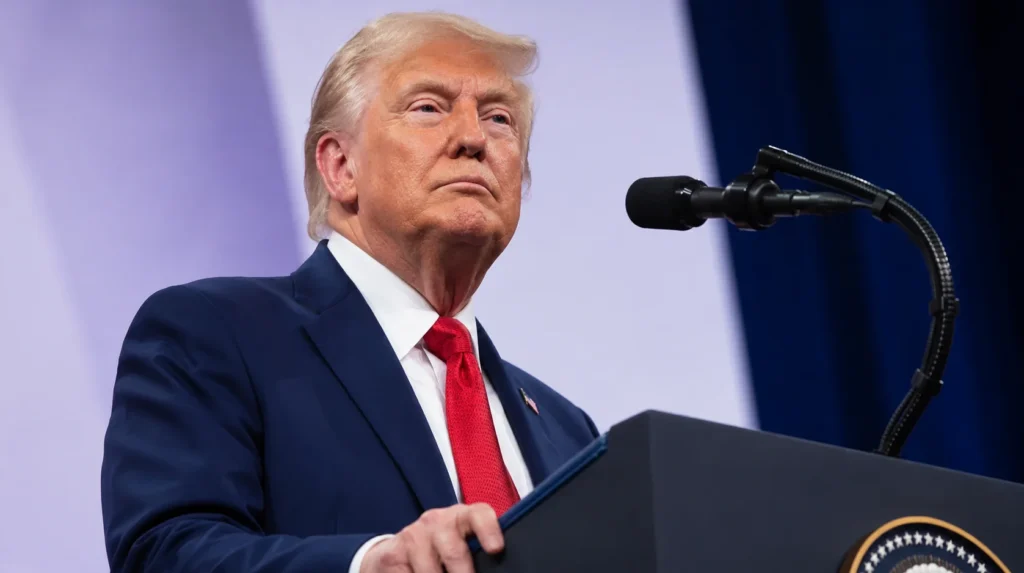
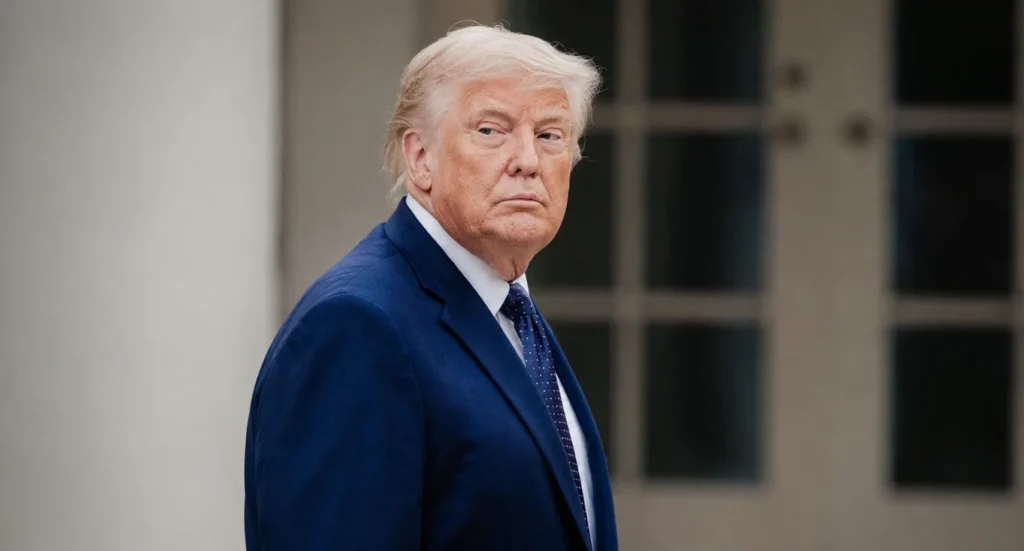
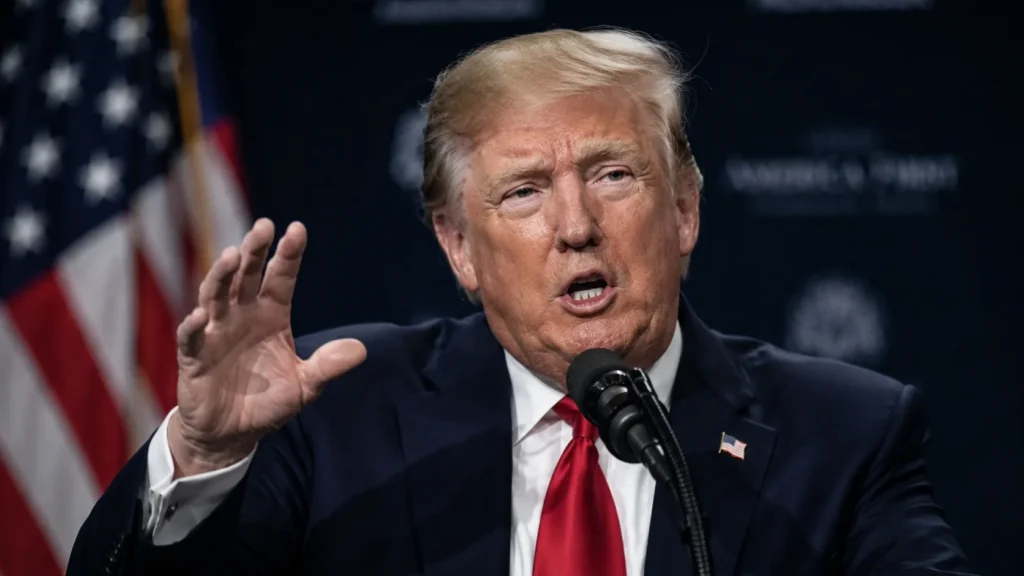
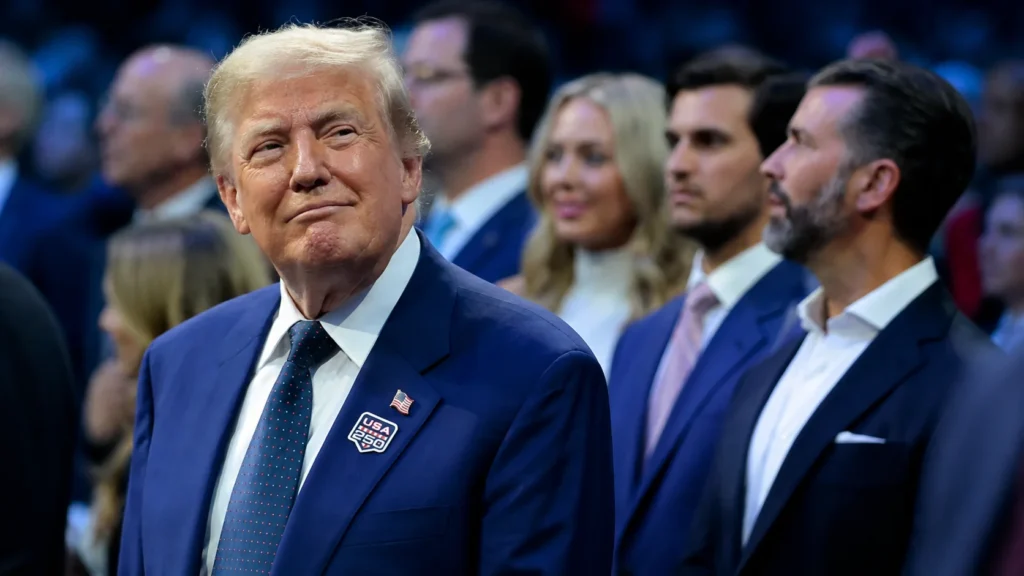
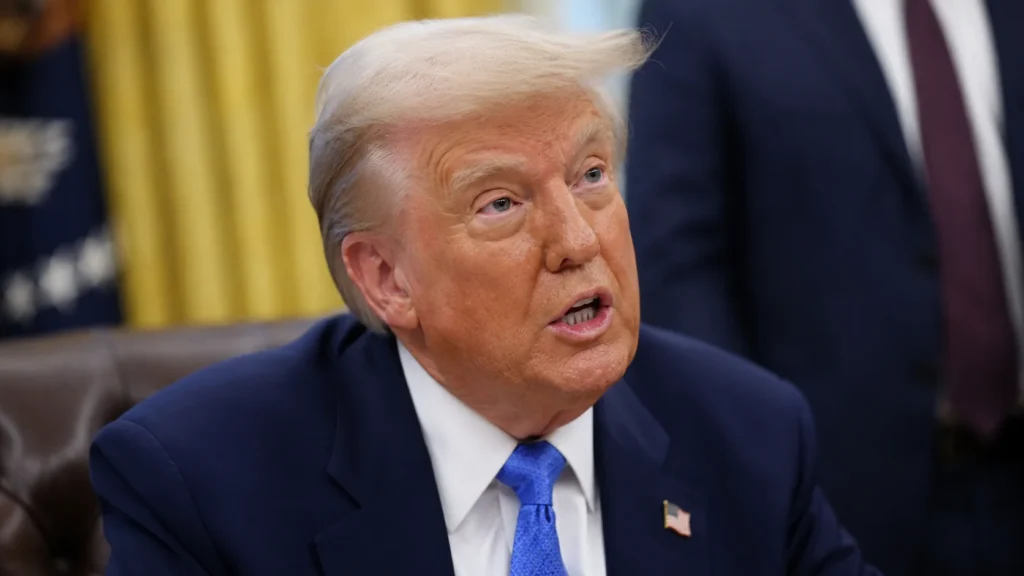
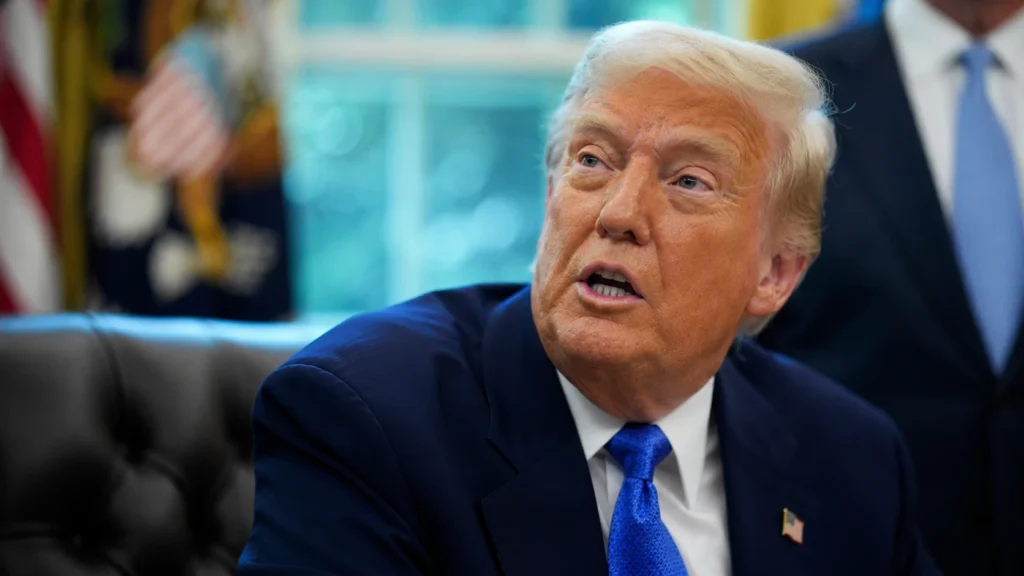
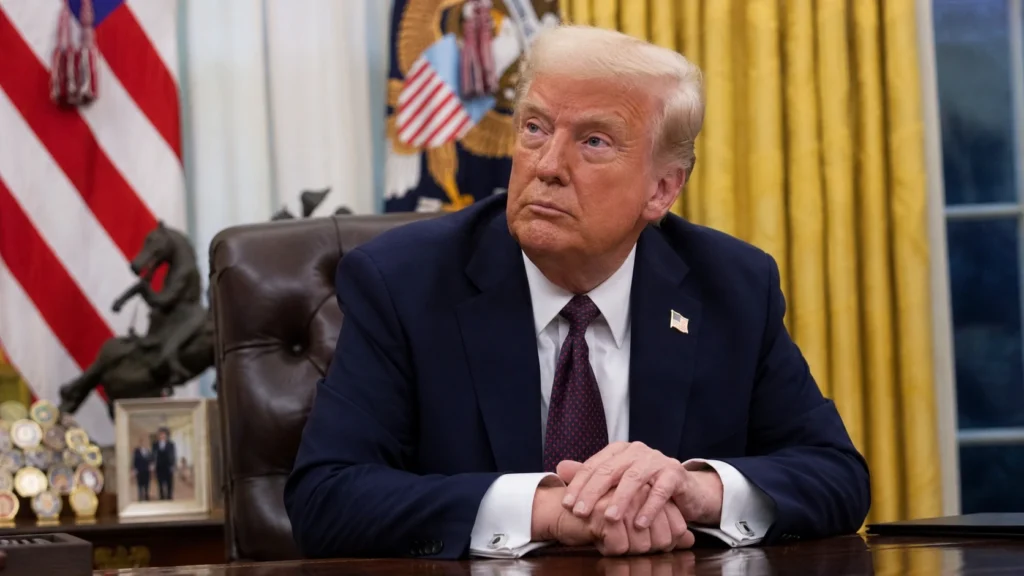
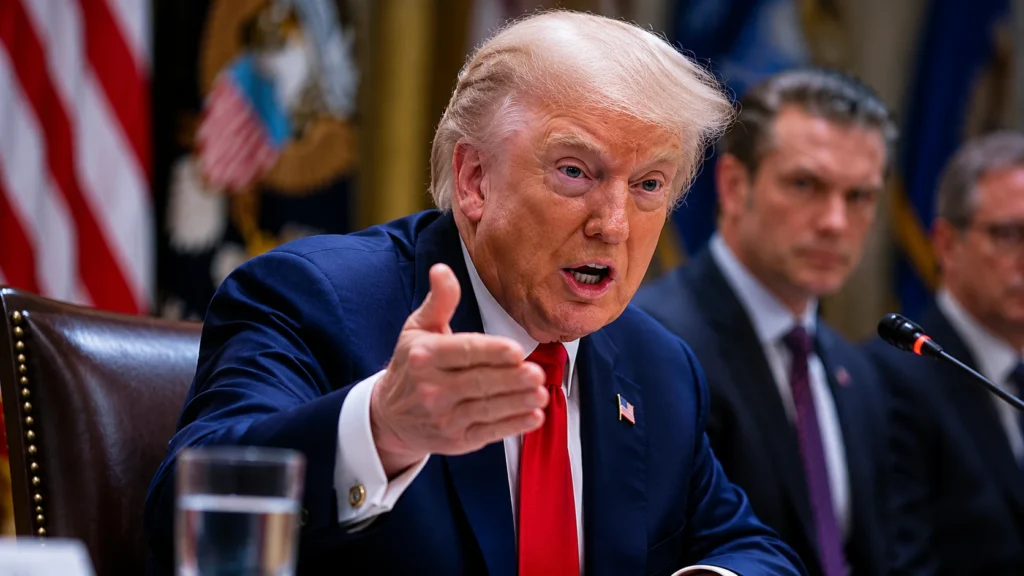
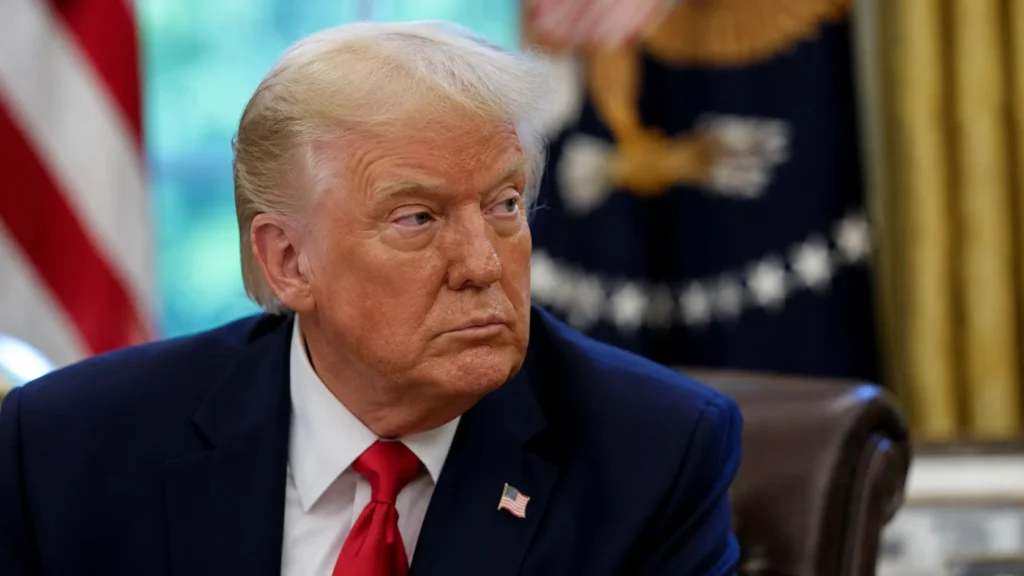
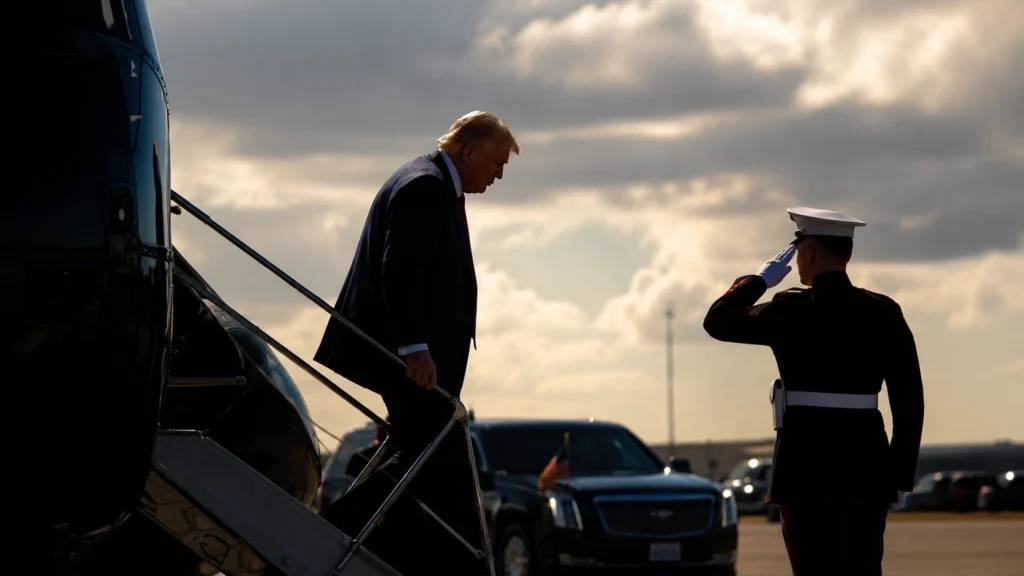
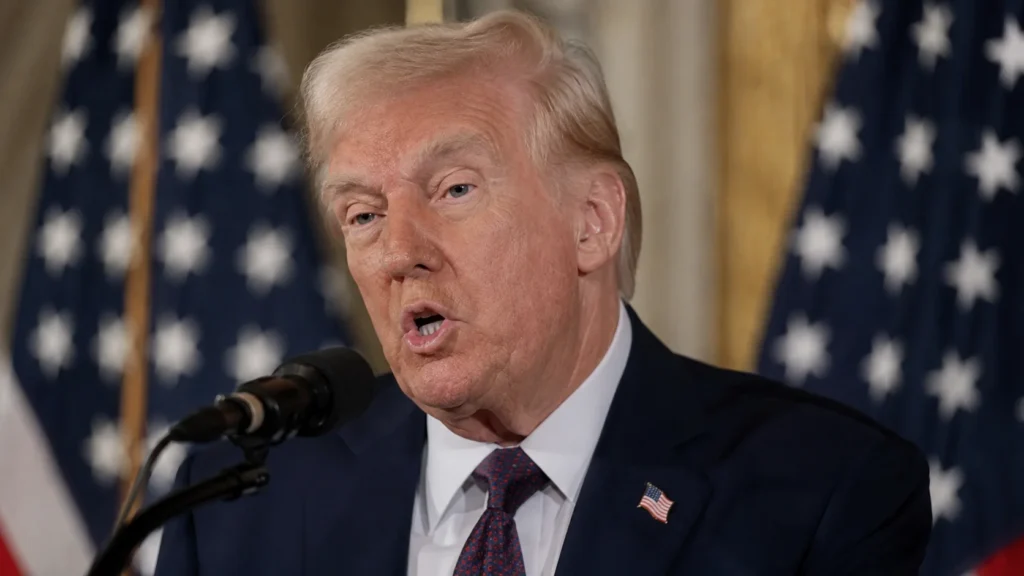
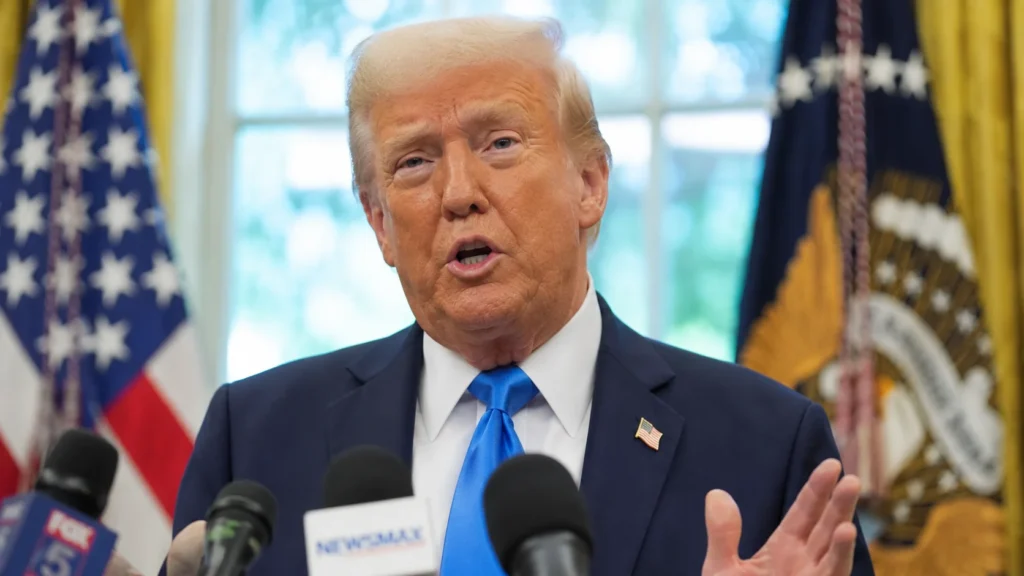
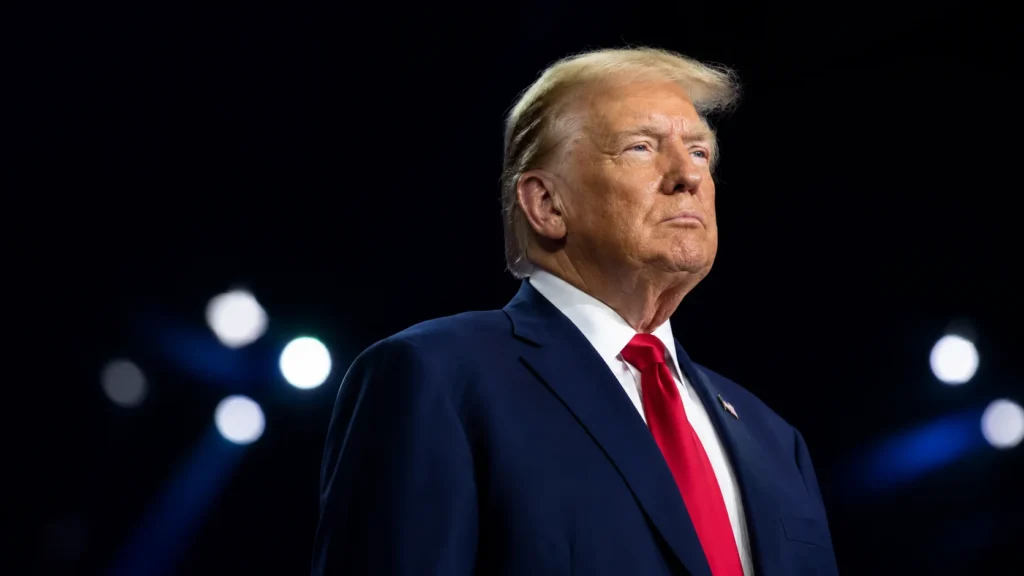
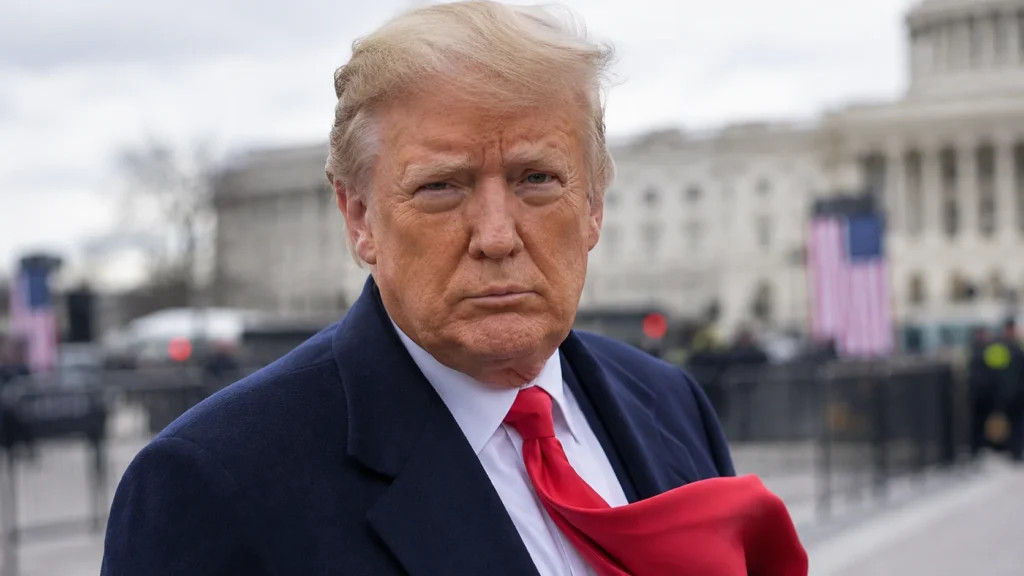
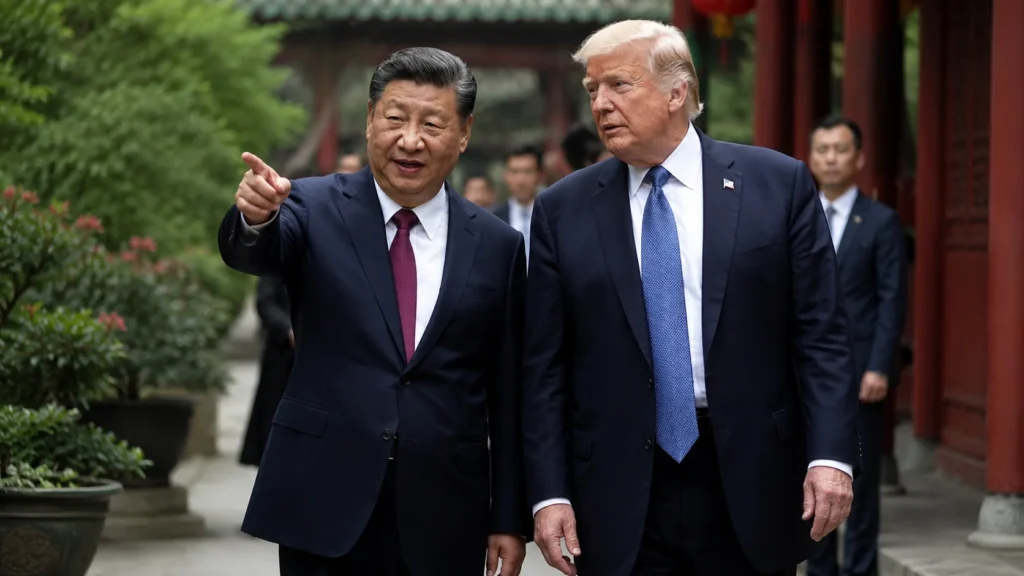
The prohibition is part of the broader fallout from President Donald Trump’s decision to withdraw the United States from the WHO in January, a move widely criticised by public health officials.
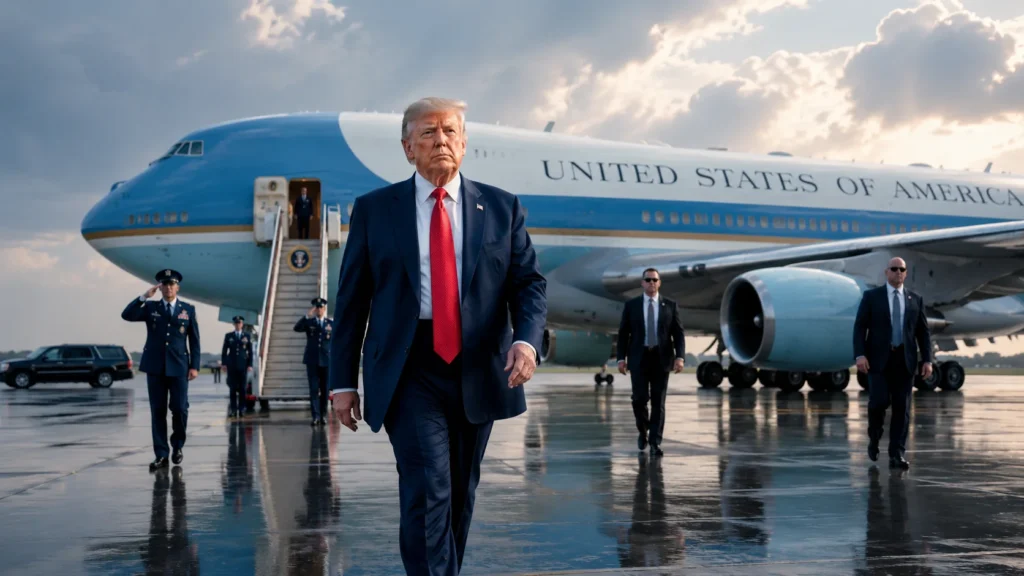
Trump withdraws the US from the WHO, the institutional consequences six months on
The Leadership Vacuum
The communication restrictions operate alongside an unprecedented gap in health leadership. Key unfilled positions include the CDC director, surgeon general, FDA commissioner, deputy health secretary, and NIAID director.
The surgeon general, commonly known as the nation’s doctor, has never been filled in this administration. The only confirmed CDC director served for less than a month before being ousted by HHS Secretary Robert F. Kennedy Jr. last August. The FDA lost its commissioner this month. NIAID had been led by an acting director, pathologist Dr. Jeffery Taubenberger, since April 2025, but two Democratic senators revealed in a hearing last week that he had stepped down.
Dr. Dan Jernigan, a former CDC official who resigned after the ousting of the sole confirmed CDC director, said: “Not in my 31 years at CDC” has there been a moment like this CNN interview with Dr. Dan Jernigan, May 2026.
Trump has named his third nominees for both surgeon general and CDC director, but Senate confirmation paperwork has not been filed, and no hearings are scheduled.
The health leadership vacuum: how empty chairs became governing strategy
The Broken Response Chain
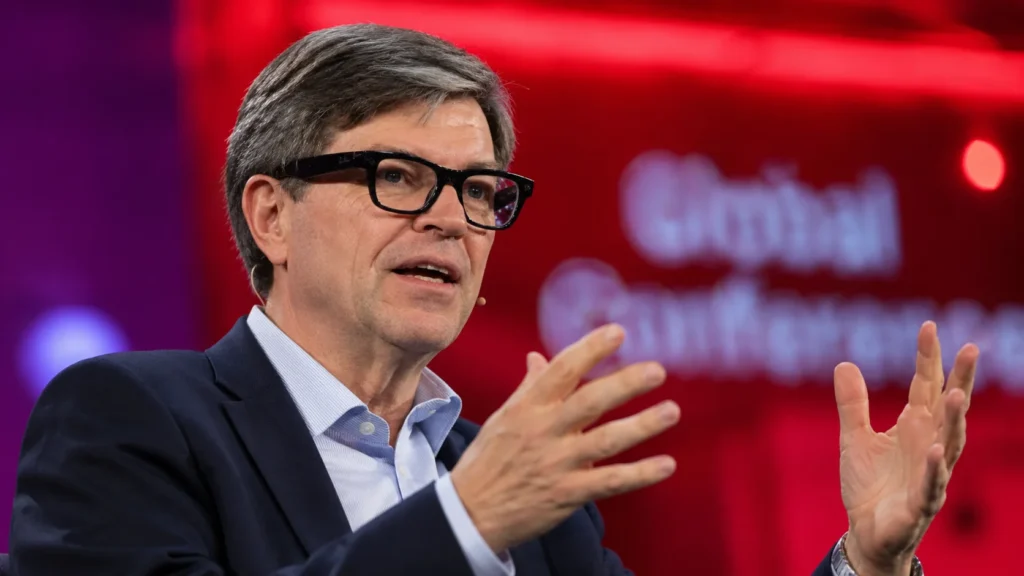
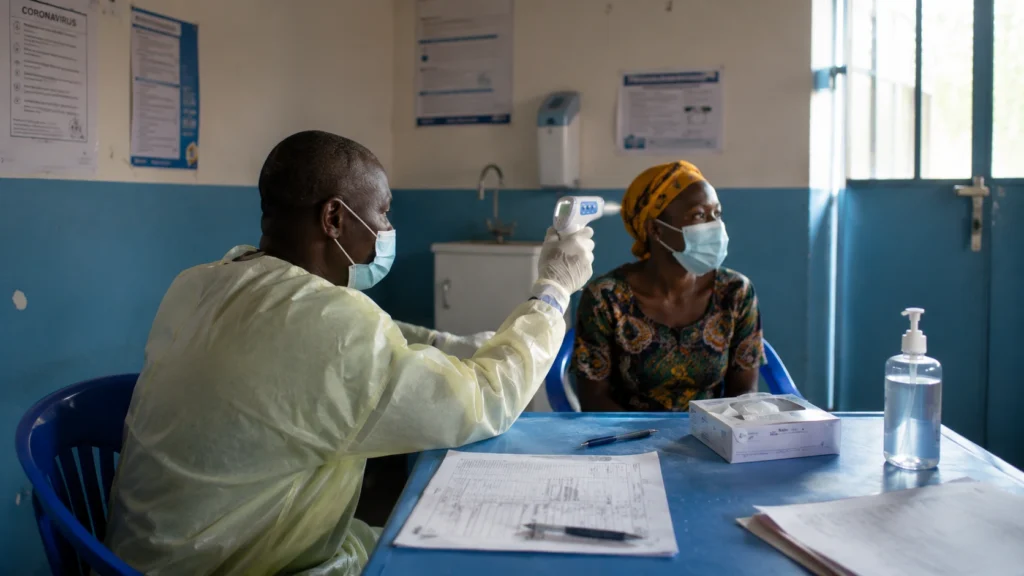
Jeremy Konyndyk, president of Refugees International and a former Obama and Biden administration State Department official, described the practical consequences of the dismantled communication architecture.
USAID, which funded on-the-ground medical organisations in the Democratic Republic of Congo and neighbouring countries, was dismantled by the Department of Government Efficiency last year. “If there were multiple US government health partners seeing clusters of unexplained viral hemorrhagic fever, they would have been sending that up the chain. Except that they didn’t really have anyone to send it up the chain to anymore,” Konyndyk said CNN interview with Jeremy Konyndyk, May 2026.
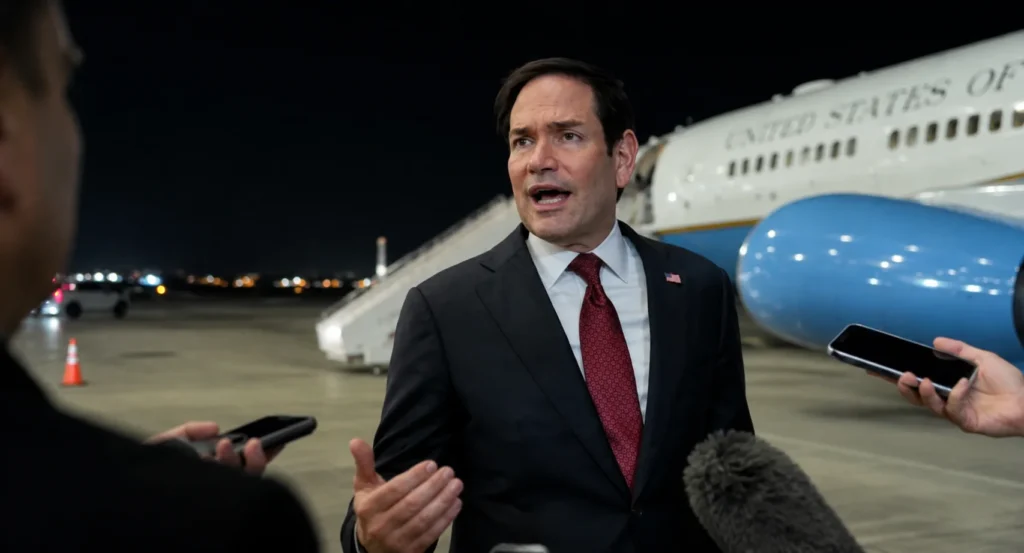
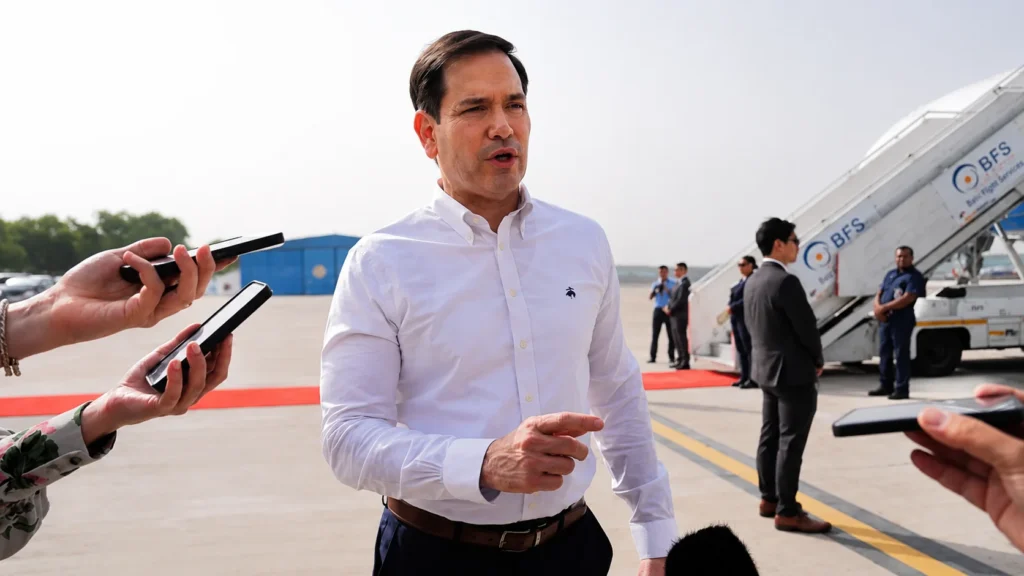
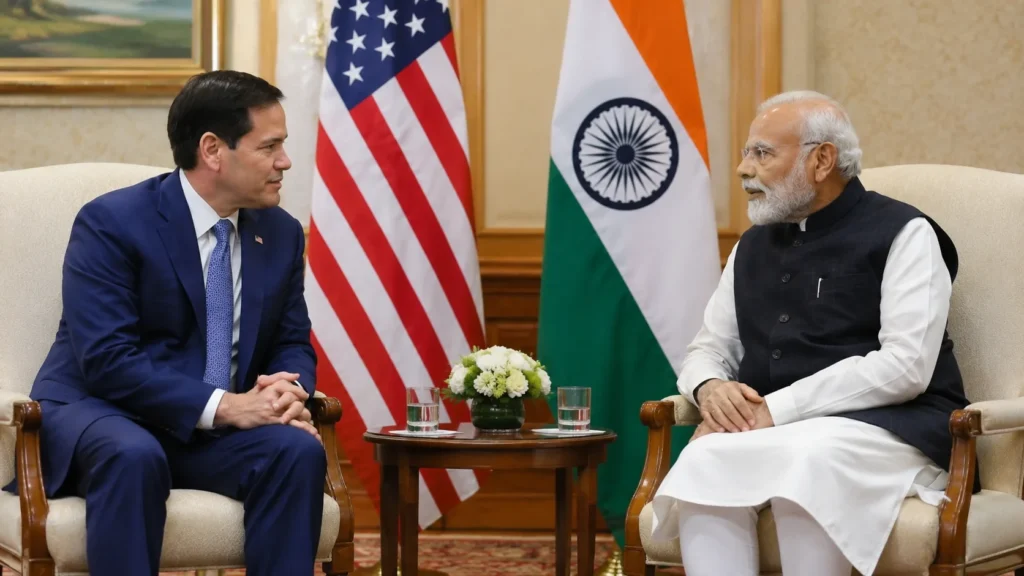
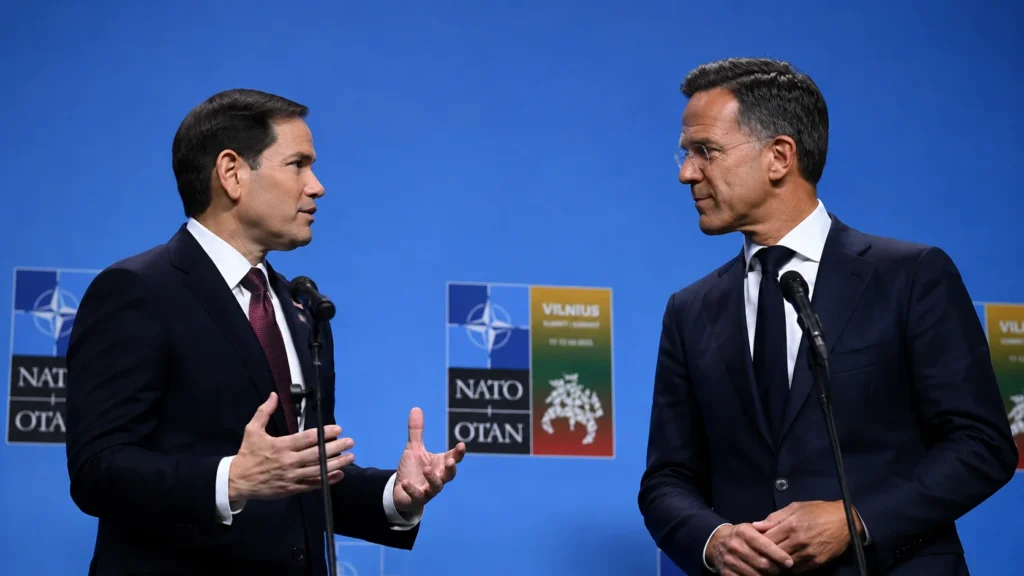
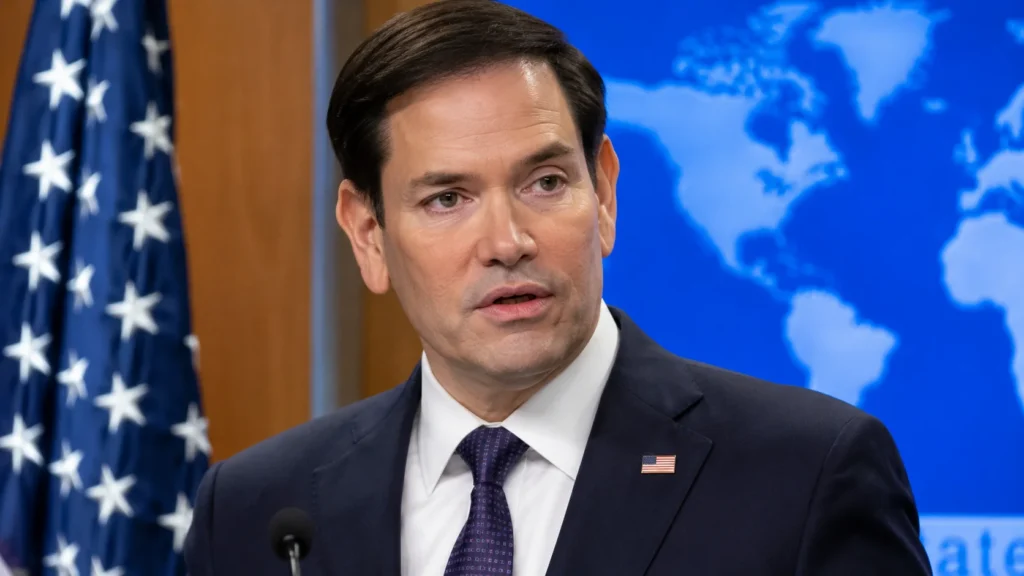
A senior State Department official dismissed the argument that the US withdrawal from the WHO, funding cuts, or the dismantling of USAID had hampered identification or response to the Ebola outbreak. Secretary of State Marco Rubio has repeatedly blamed the WHO for failing to alert the public earlier.
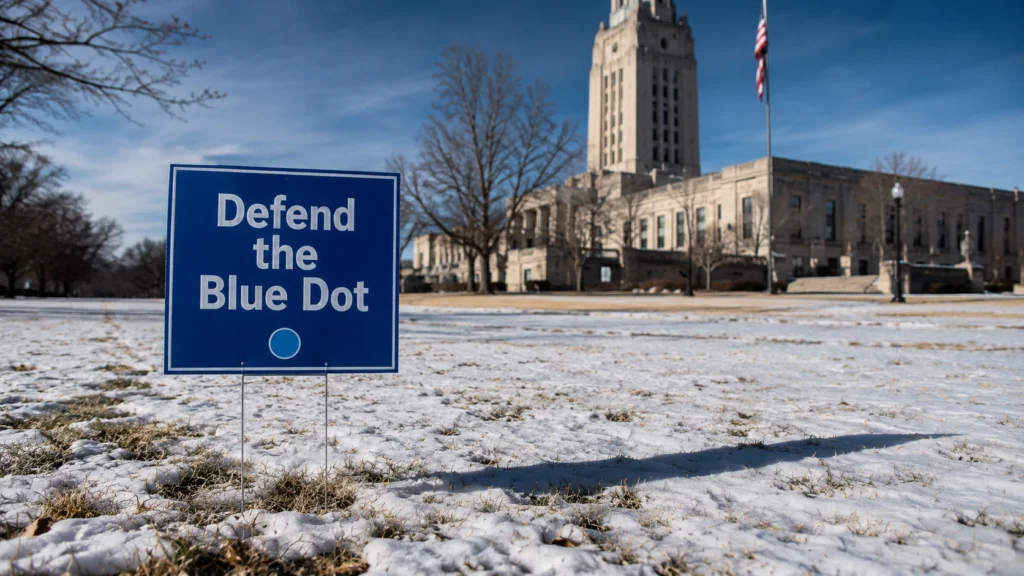
When American passengers from the hantavirus-stricken cruise ship landed in Nebraska, the administration dispatched Assistant Secretary for Health Brian Christine, a penile implant expert with no infectious disease background, as the public face of the response. A source familiar with the decision told CNN he was sent because a more senior health official was not available.
USAID dismantling how the cuts reshaped global health response capacity
The Current Outbreak Context
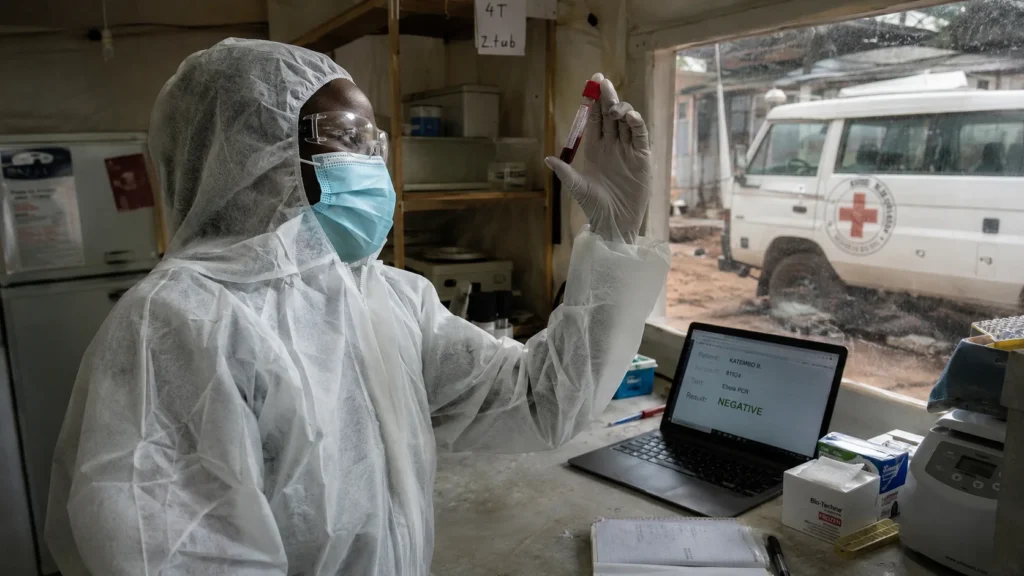
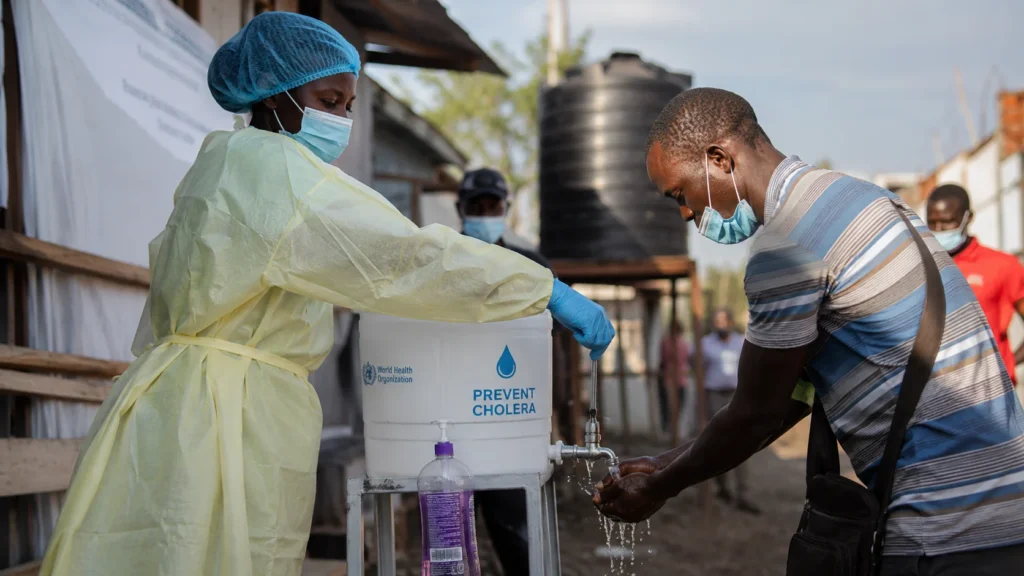
The WHO last week upgraded its assessment of the Ebola outbreak risk level from “high” to “very high” in the Democratic Republic of Congo. The international risk remains low.
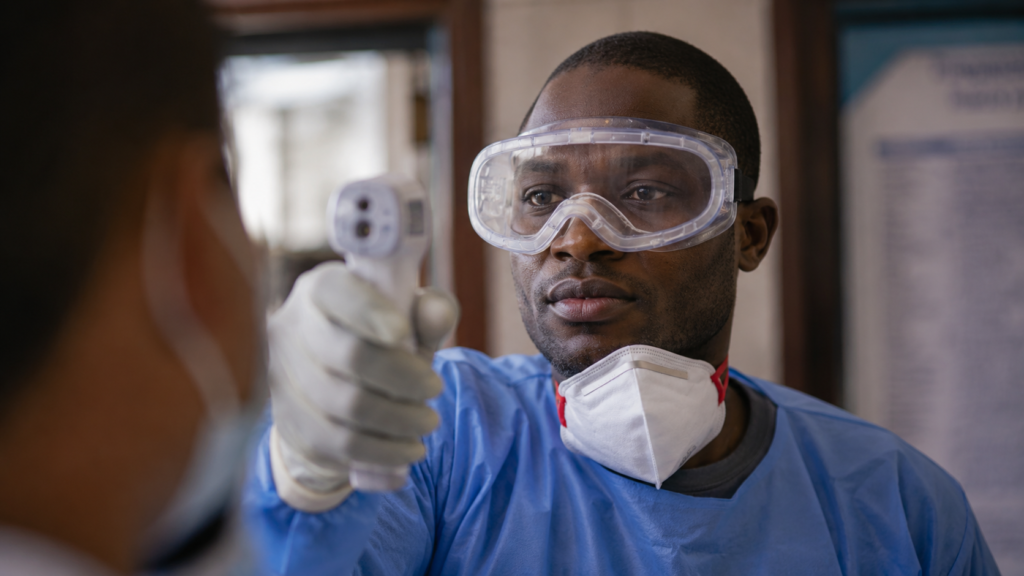
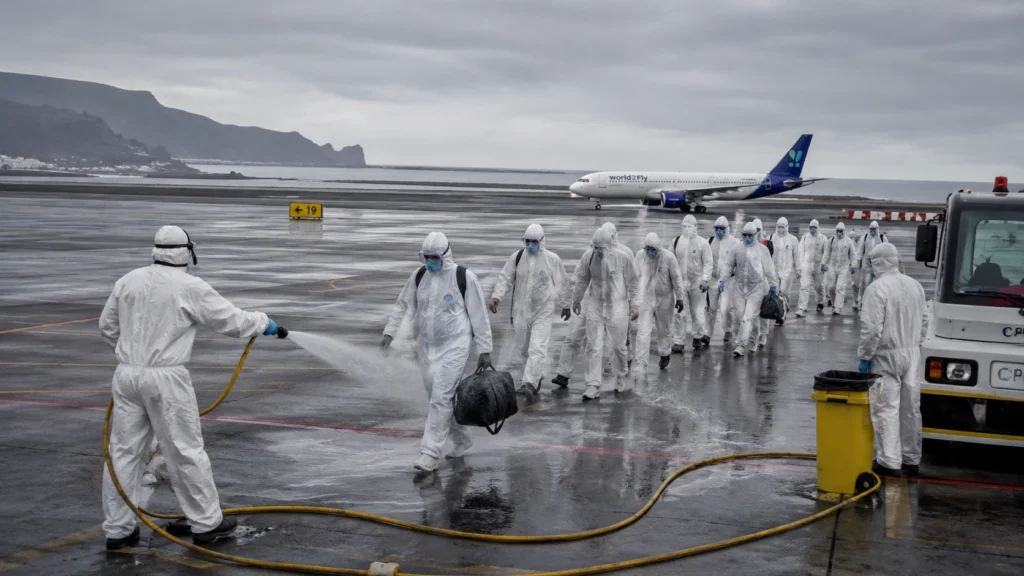
No Ebola cases have been identified in the US, but US-bound flights with passengers recently in the affected region must land at one of three airports: Dulles International near Washington, George Bush Intercontinental in Houston, or Hartsfield-Jackson International in Atlanta for health screening.
One American doctor contracted the illness in Africa and is being treated in a German hospital, where his family is also in quarantine. Another American is being monitored.
The CDC has said it plans to deploy seven additional experts from Atlanta to the Democratic Republic of Congo and Uganda.
No cases of hantavirus have been identified in the US, but 18 people who were passengers on the affected cruise ship remain in quarantine in Nebraska.
A spokesperson for HHS said the department “engages with the WHO to support information sharing and coordination during infectious disease outbreaks” through the CDC and is “fully equipped to protect Americans and mitigate risks” HHS spokesperson statement, May 2026.
FAQ: Trump Administration WHO Restrictions 2026
Why can’t NIAID scientists speak to the WHO?
The Trump administration issued a directive following the US withdrawal from the WHO in January. NIAID staff may attend virtual WHO meetings only in small groups and only in a “listening capacity.” Any follow-up must go through HHS.
What health leadership positions are vacant?
The CDC director, surgeon general, FDA commissioner, deputy health secretary, and NIAID director positions are all unfilled or held by acting officials. The surgeon general’s role has never been filled in this administration.
Has this affected the Ebola response?
Former officials say the communication restrictions and dismantling of USAID have hampered the ability to identify and respond to outbreaks. The administration says it is fully equipped to protect Americans.
Are Americans at risk from Ebola?
No cases have been identified in the US. One American doctor is being treated in Germany. The CDC is deploying seven additional experts to the region.
When will the vacant health positions be filled?
Trump has named nominees, but Senate confirmation paperwork has not been filed, and no hearings are scheduled. There is no imminent timeline for filling the positions.
Written by the Washington Bureau, drawing on NIAID internal documents obtained by CNN, HHS statements, interviews with former CDC and State Department officials, and WHO outbreak assessments. The bureau has covered federal health policy and institutional governance for over two decades.