

 English






























































































































































































































































































































Russian Jets Challenge RAF Over Black Sea Tensions
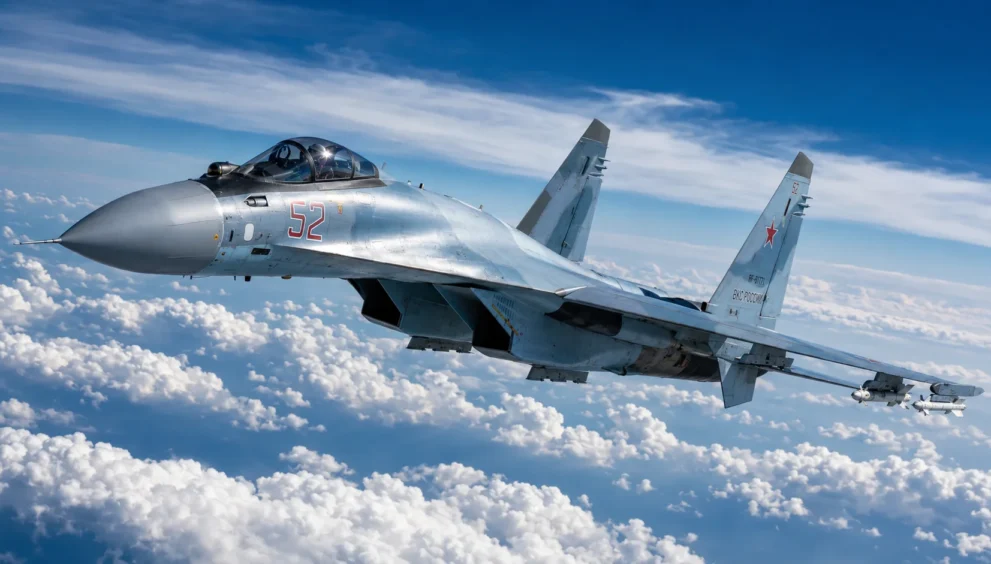
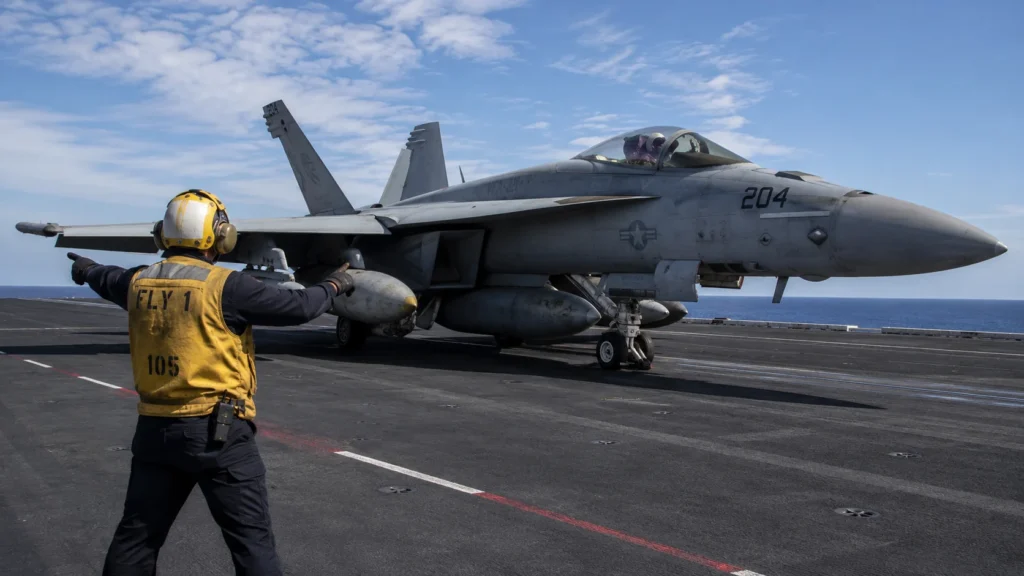
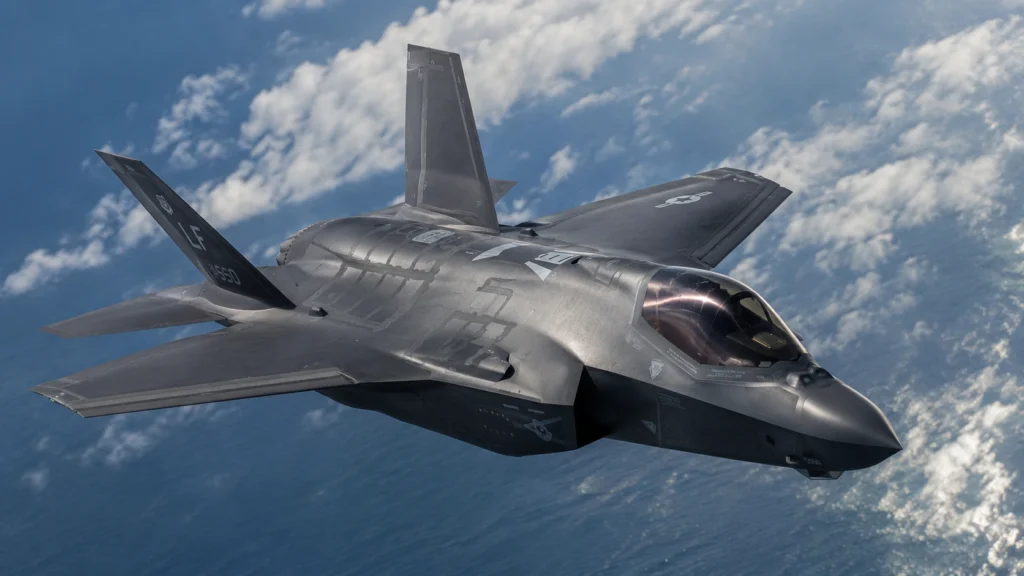
Russian jets challenge RAF over Black Sea as Vladimir Putin’s military aircraft intercept a British surveillance plane in international airspace, intensifying NATO-Russia tensions. The incident, confirmed by the UK Ministry of Defence on 20 May 2026, involves close-range Su-27 and Su-35 maneuvers near an unarmed RAF Rivet Joint aircraft. The episode exposes rising risk in NATO’s eastern air corridor, where routine surveillance now carries escalation potential.
Context: Airspace that no longer behaves like a boundary
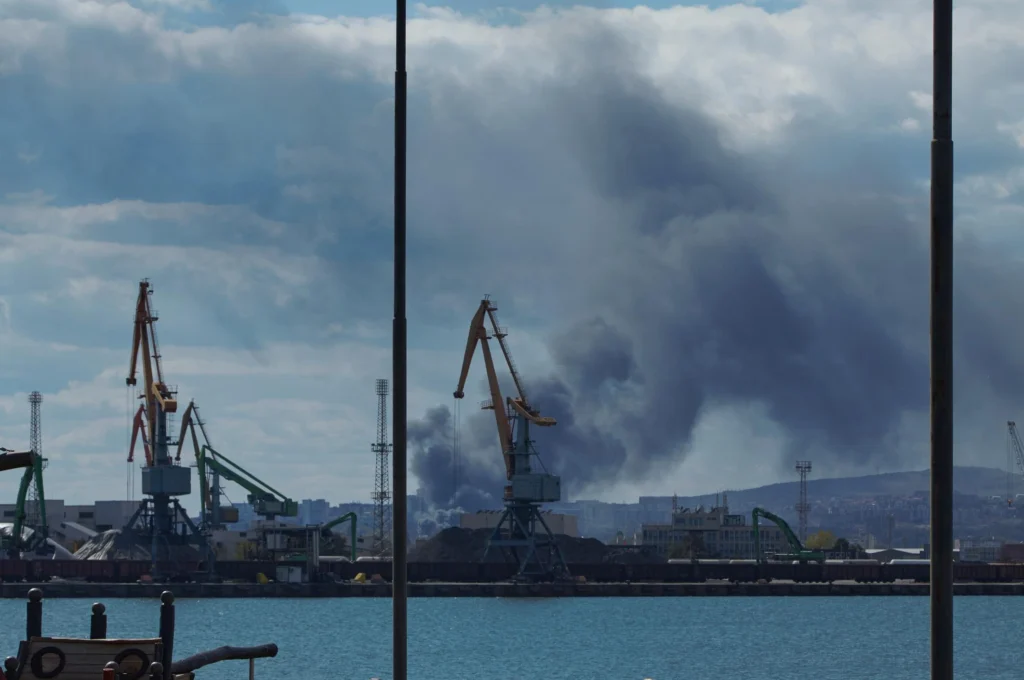
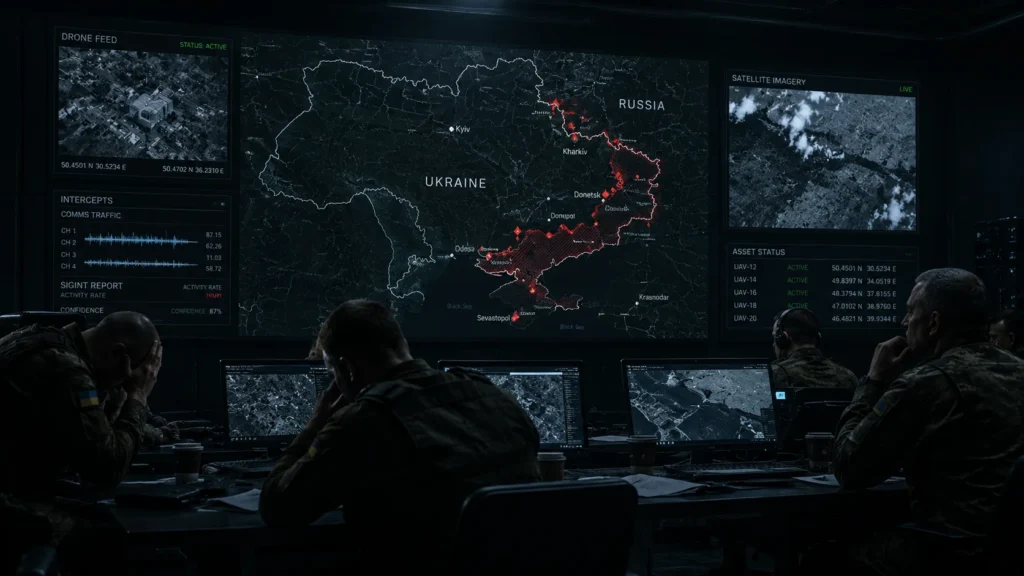
The Black Sea no longer functions as a neutral observation zone. It operates like a pressure chamber.
On one side, RAF intelligence flights monitor Russian military activity under NATO tasking. On the other hand, Russian fighter jets under Putin’s defense structure respond with proximity intercepts designed to signal capability without firing a shot.
A 2024 NATO Air Command briefing recorded a 30% rise in intercept encounters compared with pre-2022 levels, especially around the Black Sea and Baltic corridors.
NATO Air Command official briefing
NATO eastern flank surveillance expansion analysis
The UK Ministry of Defence confirmed that a Russian Su-27 conducted multiple close passes—one as close as six meters- while a Su-35 disrupted onboard systems of the RAF aircraft, temporarily affecting autopilot stability.
Deep: Controlled proximity as a strategy
Q: Why do Russian jets approach so closely?
Military analysts at the Royal United Services Institute (RUSI) argue that Russia uses “proximity signaling” to test NATO reaction thresholds without triggering kinetic escalation.
RUSI airspace security analysis
This method allows Putin’s air force doctrine to apply pressure while remaining below direct conflict thresholds.
Six meters matters. Not legally. Operationally.
Timeline of escalation pattern
- 2022: RAF Rivet Joint incident over Black Sea involving missile engagement claims
- 2023: NATO increases ISR (intelligence, surveillance, reconnaissance) rotations in eastern airspace
- 2024: NATO reports 30% rise in intercept activity
- 2026: UK confirms repeated close-pass Su-27 and Su-35 encounters
Each step tightens reaction time loops. Each loop reduces decision margin.
Analysis: Why these changes to NATO risk logic
This is not about air superiority. NATO retains that.
It is about reaction compression.
When Putin’s pilots operate within meters of RAF aircraft, they force automated systems and human pilots into overlapping decision cycles. One delay. One sensor lag. That is enough.
The RAF Rivet Joint platform—operated by No. 51 Squadron from Lincolnshire—collects electronic intelligence across radar and communications bands. That makes it strategically sensitive, not physically vulnerable.
So Russia does not need to destroy it. Only approach it.
Fragment. That is the strategy.
Power tension: NATO, Russia, and escalation control
NATO retains a structural military advantage.
Russia retains behavioral unpredictability.
The UK sits between intelligence collection and escalation management.
As John Healey, UK Defence Secretary, stated in response to similar incidents in 2022–2024 cycles, such maneuvers represent “unacceptable and dangerous behaviour in international airspace.”
But deterrence now depends on interpretation speed, not firepower.
The fault line sits between intent and perception.
Human pressure layer
Inside RAF aircraft, automation handles signal collection until proximity forces a manual override. Pilots switch from surveillance to survival management in seconds.
Civil aviation adapts quietly. Insurance premiums rise across Black Sea corridors. Commercial routes adjust further south.
Aviation insurers recorded a notable increase in regional risk premiums after 2024 escalation cycles, according to industry briefings from Lloyd’s market reports.
Lloyd’s aviation risk reports
Fragment. Risk travels faster than aircraft.
What happens next (6–12 months)
Expect repeated intercept cycles, not because war is approaching, but because signaling intensity increases under strategic pressure.
Three risks define the next phase:
- miscalculated proximity leading to a collision
- electronic interference during surveillance missions
- escalation triggered by pilot interpretation errors
Watch intercept frequency reports from NATO Air Command. That metric now signals escalation faster than political statements.
FAQ
Why do Russian jets intercept RAF aircraft?
Russia uses close-range intercepts to signal military presence and test NATO reaction thresholds.
Is Black Sea airspace international?
Yes. The aircraft operates in international airspace, but military proximity creates escalation risk.
Has this happened before?
Yes. A similar incident occurred in 2022 involving a Russian missile launch claim during RAF surveillance operations.
Why is the RAF flying there?
RAF Rivet Joint aircraft conduct NATO intelligence missions, monitoring regional military activity.
What is the biggest risk?
Accidental collision or misinterpreted maneuver leading to rapid escalation.
Author Bio
Written by a senior geopolitical defense analyst covering NATO, Russia, and aerial conflict dynamics across Europe for over a decade.