

 English































































































Austrian GP: Antonelli Leads Mercedes 1-2 in First Practice
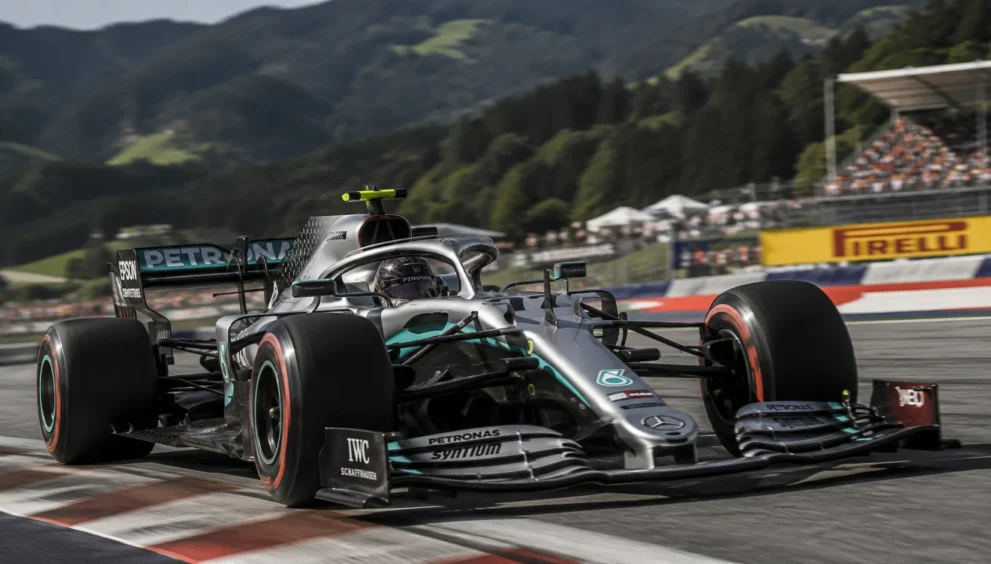
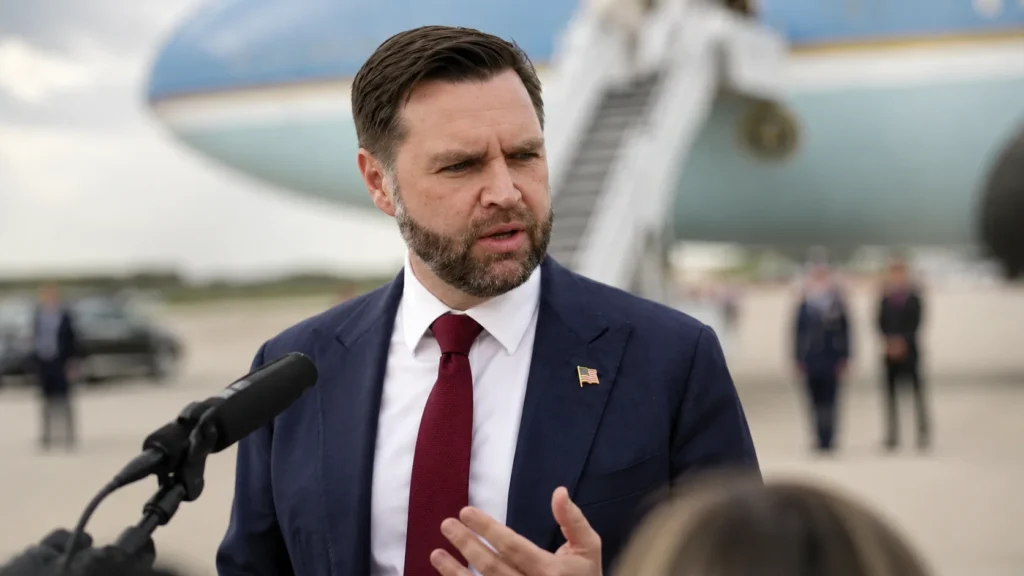
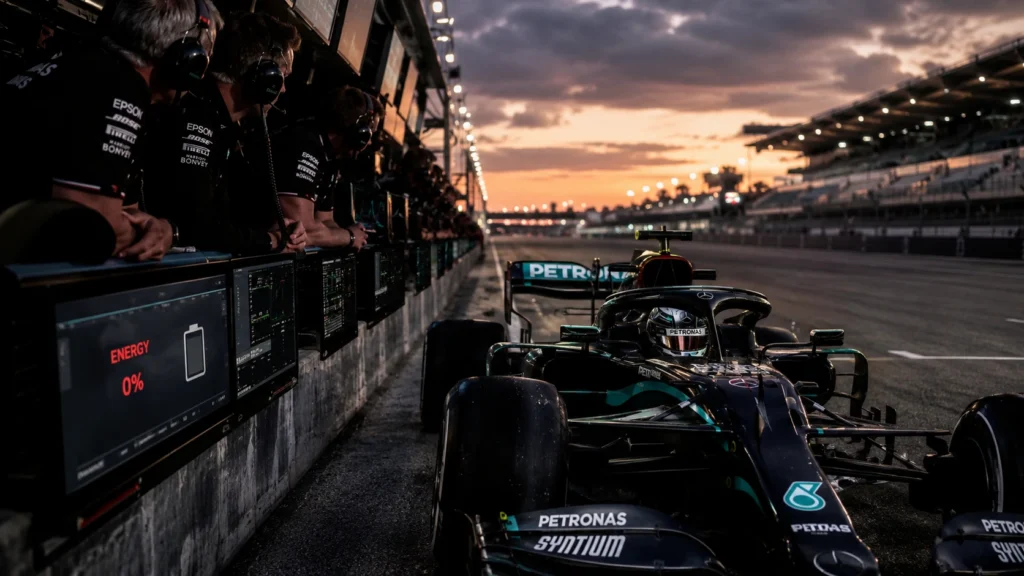
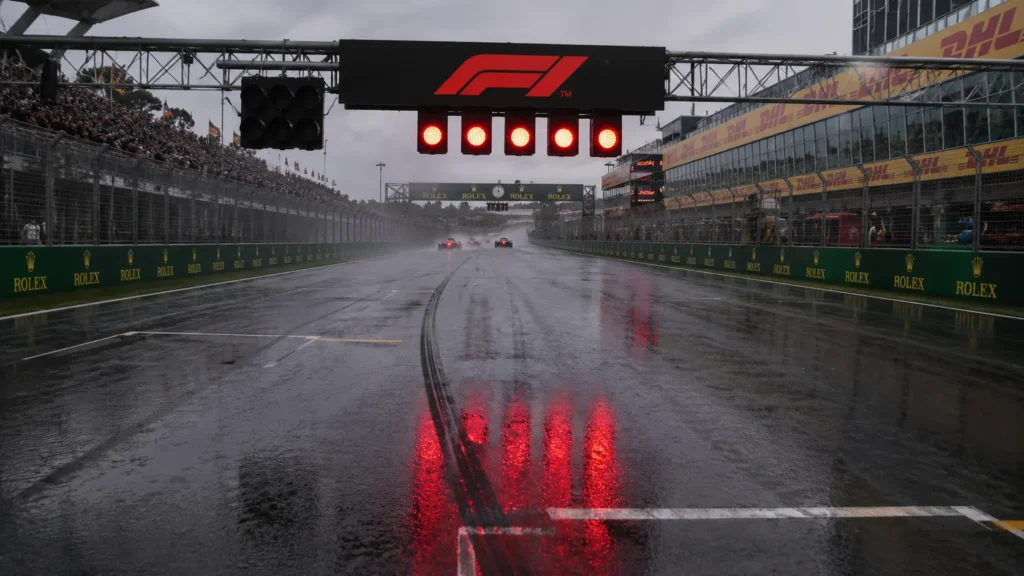
Kimi Antonelli led a Mercedes one-two in first practice at the Austrian Grand Prix on Friday, finishing just 0.04 seconds ahead of teammate George Russell as the championship-leading team demonstrated its pace on a power-sensitive circuit. Oscar Piastri took third for McLaren, 0.117 seconds off the pace, while Max Verstappen’s heavily upgraded Red Bull was fourth, 0.281 seconds behind. Lewis Hamilton, winner of the last race in Spain, could manage only fifth in his Ferrari, 0.665 seconds adrift, and sounded audibly unhappy with his car in the brief radio message broadcast during the session.
McLaren’s Lando Norris missed most of the session with a hydraulics problem and finished seventh. The team also delayed the introduction of a new rear wing that had been scheduled for this weekend.
The Mercedes Benchmark
Antonelli’s time confirmed what the paddock has understood for much of the season: Mercedes remains the benchmark, particularly on circuits that reward straight-line speed. The Italian rookie edged Russell by just four hundredths of a second, with both drivers comfortably clear of the rest of the field.
The one-two is not a fluke. Mercedes has been the dominant force throughout the 2026 season, and the Red Bull Ring’s layout—with its long straights and relatively short lap—plays to the car’s power advantage. Antonelli’s position at the top of the timesheet tells less about the team’s internal driver hierarchy than it does about the underlying performance of the car. Both drivers can extract pace from it.
According to FIA Formula 1 official FP1 timing and classification data, the gap between the two Mercedes and the rest of the field was small but consistent across the session’s running.
As our analysis of Mercedes’ 2026 season dominance and the Antonelli-Russell dynamic has tracked, the team’s challenge is not extracting performance from its car but managing the tension between a world championship-calibre driver in Russell and a rookie who keeps delivering times that suggest he belongs at the front.
Ferrari’s Upgrade: A Mixed Start
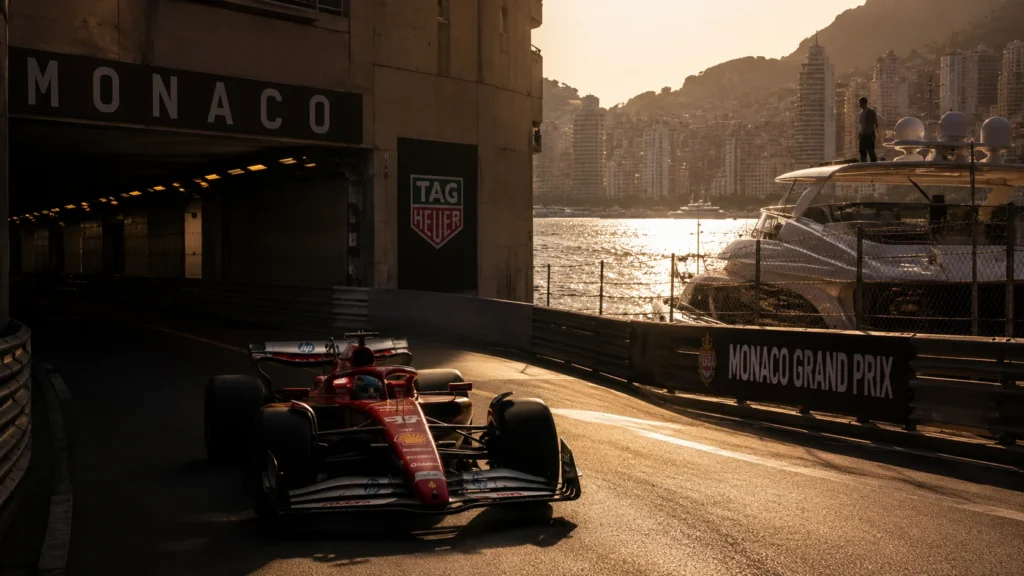
Ferrari arrived in Austria with an engine upgrade designed to complement the aerodynamic package that helped Hamilton win in Spain. The team has been careful to manage expectations, publicly stating that the engine improvement alone would not be enough to close the gap to Mercedes. The hope was that the combination—engine, aero, and the momentum of Barcelona—might allow them to compete on a circuit where they have struggled all season.
The first answer was not encouraging. Hamilton finished 0.665 seconds off the pace, and his one broadcast radio message carried a tone of clear frustration. The seven-time champion does not voice irritation in a Friday practice session unless the feeling is already familiar.
Ferrari’s season has been defined by oscillation between breakthroughs and setbacks. Barcelona was a high point. Austria, on the evidence of first practice, looks like a return to the more difficult reality of chasing a car that remains fundamentally quicker on power-dependent circuits.
Dino Beganovic, driving Charles Leclerc’s Ferrari for the session, finished ninth.
According to Scuderia Ferrari’s technical briefing on the Austria engine upgrade and aerodynamic package combination, the team expected incremental rather than transformative gains from the new power unit. The gap to Mercedes in FP1 suggests even those measured expectations may be tested.
As our coverage of Ferrari’s upgrade pathway and Hamilton’s debut season documented, the team has alternated between moments of competitiveness and circuits that expose the underlying performance deficit. The Austrian Grand Prix, with its emphasis on straight-line speed, was always likely to be a challenging venue.
Red Bull’s Upgrade: Functional but Not Transformative
Verstappen finished fourth, 0.281 seconds off the pace, running Red Bull’s major aerodynamic upgrade package. The number is close enough to suggest the new parts are functional. It is not close enough to suggest they are transformative.
Verstappen has spent the 2026 season extracting performance from a car that is competitive without being dominant—a sharp reversal from the previous three years, when Red Bull set the benchmark and the rest of the field chased. The psychological adjustment is not trivial, and his patience, in a car that requires driving at the limit to stay within three-tenths of the leading Mercedes, is being tested in ways the championship standings do not fully capture.
The upgrade package in Austria is Red Bull’s attempt to change the competitive arithmetic. Fourth in first practice, within three-tenths of the lead, is not a verdict on its success. It is an opening argument. The closing arguments arrive in qualifying and the grand prix itself.
McLaren’s Cautious Start
McLaren’s session was compromised by two factors. Norris missed three-quarters of the running time with a hydraulics problem, leaving him seventh and significantly short of the preparation work his teammate Piastri completed en route to third place.
The team also chose not to run a new rear wing that had been scheduled for introduction this weekend, deciding it required further preparation. The wing—in the style of those already introduced by Ferrari and Red Bull, rotating around an axis rather than flipping open from the front like a traditional DRS system—is designed to reduce drag on straights without compromising cornering stability. Its absence on a circuit where straight-line speed is critical represents a quiet competitive disadvantage.
Piastri’s third place was encouraging in isolation. The context—no full session from Norris, no upgraded rear wing—makes it difficult to draw firm conclusions about McLaren’s competitiveness relative to Mercedes and Red Bull heading into the weekend’s more significant sessions.
The Rookies in the Top Ten
Arvid Lindblad finished sixth for Racing Bulls, continuing the impression of a Red Bull junior fast-tracked through the categories and now delivering competitive times in a midfield car. Oliver Bearman completed the top ten for Haas. Franco Colapinto placed eighth for Alpine. Beganovic took ninth in Leclerc’s Ferrari.
The group represents the gradual renewal of the grid—a generation of drivers who grew up watching Hamilton and Verstappen and are now sharing a circuit with them. Lindblad’s sixth place, in particular, was a statement of intent rather than a result. The statement: I am here. The response from the established names ahead of him was to set faster times. The hierarchy absorbs challenges on Friday. Whether it absorbs them on Saturday and Sunday is the question the weekend will answer.
FAQ
Who topped first practice at the Austrian Grand Prix?
Kimi Antonelli led a Mercedes one-two, finishing 0.04 seconds ahead of teammate George Russell. Oscar Piastri was third for McLaren.
How did Lewis Hamilton perform?
Hamilton finished fifth, 0.665 seconds off the pace, and sounded audibly unhappy with his Ferrari in the one radio message broadcast during the session. Ferrari introduced an engine upgrade this weekend.
Why did Lando Norris miss most of the session?
Norris completed only a quarter of the session due to a hydraulic problem. He finished seventh. McLaren also delayed the introduction of a new rear wing that had been scheduled for this weekend.
What upgrade did Red Bull bring to Austria?
Red Bull introduced a major aerodynamic upgrade package for the Austrian Grand Prix. Max Verstappen finished fourth, 0.281 seconds off Antonelli’s benchmark, suggesting the parts are functional but not transformative on first evidence.
Which rookies finished in the top ten?
Arvid Lindblad (Racing Bulls, P6), Franco Colapinto (Alpine, P8), Dino Beganovic (Ferrari, P9), and Oliver Bearman (Haas, P10) all placed in the top ten. Antonelli, who topped the session, is also in his rookie F1 season.