

 English











































































































































































































RuPaul’s New Comedy Disarms the Anti-Drag Movement Without a Word
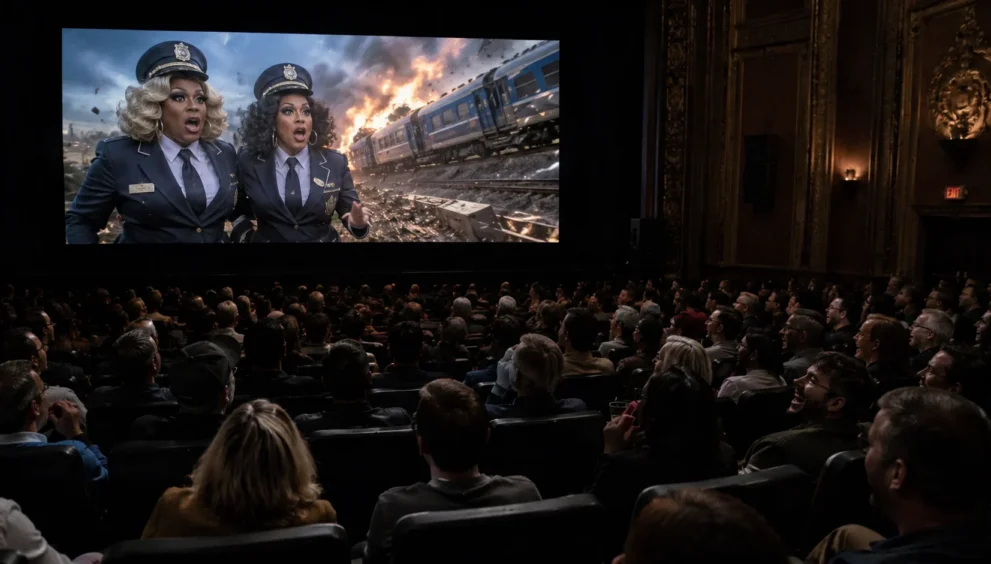
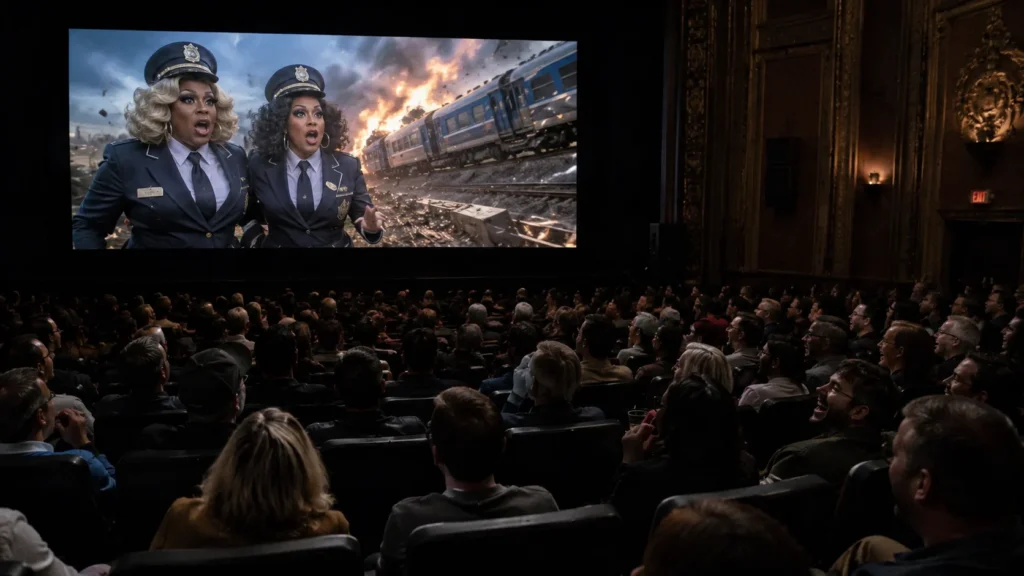
The dick jokes land first. Then the puppet is doing drugs. Then the runaway train barreling toward a nuclear power plant, a rescue-dog home, Laurie Metcalf’s house, and a group of Make-A-Wish children. Somewhere in there, RuPaul plays the president of the United States. The whole thing cost 19 days to shoot and runs 92 minutes. It is rated R. It is profoundly, deliberately stupid.
And it is the most disarming piece of cultural warfare Hollywood has produced in years—precisely because it refuses to fight.
Director Adam Shankman calls “Stop! That! Train!” a comedy-forward movie. “The fact that it is populated by these drag artists is the most transgressive part of it.” He means that as a description. It functions as a strategy. In a political climate that spent the past several years painting drag queens as degenerate threats to children, Shankman made a movie in which drag queens tell puns, execute slapstick, and save the day. No sermons. No identity politics. No jokes about drag itself.
The absence is the argument.
But beneath the surface, something else was happening. The movie was not avoiding the culture war. It was refusing the terms of engagement entirely—and in doing so, revealing how little substance the attacks on drag ever had.
The Political Weapon That Refuses to Be One
Drag historian Joe E. Jeffreys, who teaches at NYU’s Tisch School of the Arts, traces drag on film back to a 1901 Edison-distributed silent short called “The Old Maid Having Her Picture Taken.” The tradition is older than Hollywood. But commercially successful drag films have almost always followed a narrow formula: a straight male star cross-dresses to escape a predicament. “Some Like It Hot.” “Tootsie.” “Mrs. Doubtfire.” The drag is temporary. The masculinity is restored. The status quo survives.
The 1990s produced “Priscilla,” “To Wong Foo,” and “The Birdcage”—films that centered gay and drag characters but often cast straight, cisgender leads. The drag was the premise, not the given.
“Stop! That! Train!” belongs to a rarer lineage. Jeffreys describes it as drag that asks audiences to “suspend disbelief and accept a character’s gender for narrative purposes.” The queens are not cross-dressing men in crisis. They are characters in a world where drag does not even exist as a category—where Tess and DeeDee simply are. Ginger Minj and Jujubee, both “RuPaul’s Drag Race” alumni, play employees of Stank Rail who con their way onto the Glamazonian Express. The film never explains their gender presentation. It never justifies it. It never mentions it.
The effect is a fait accompli. Audiences can resist it or surrender to it. The movie does not care which. The gags continue either way.
The ACLU and the Legislative Backdrop
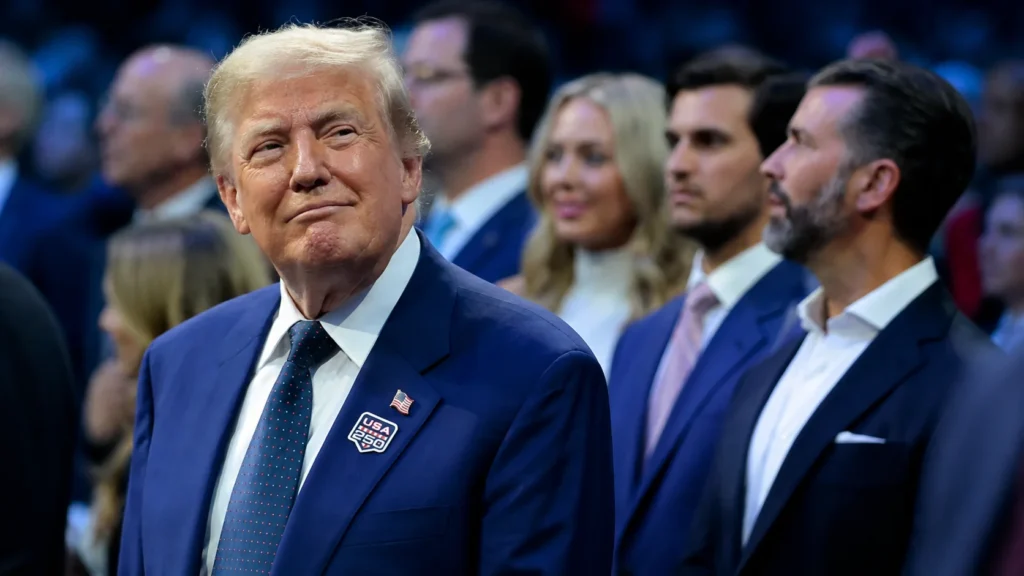
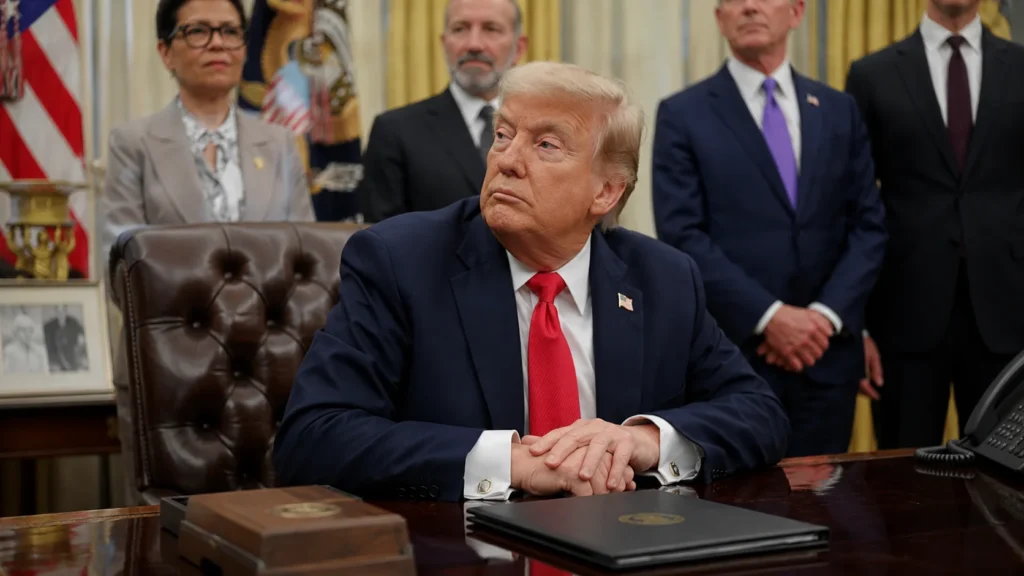
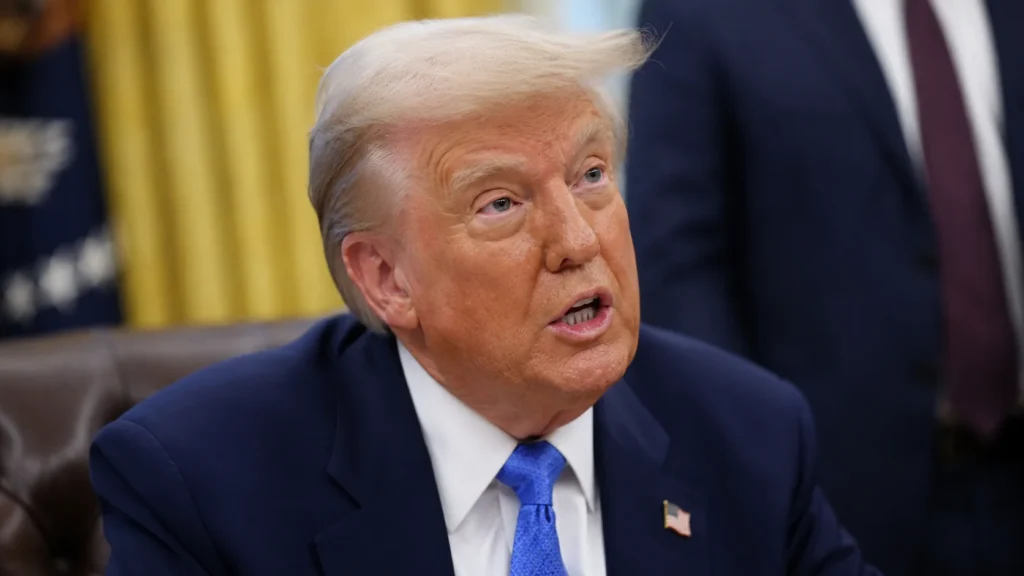
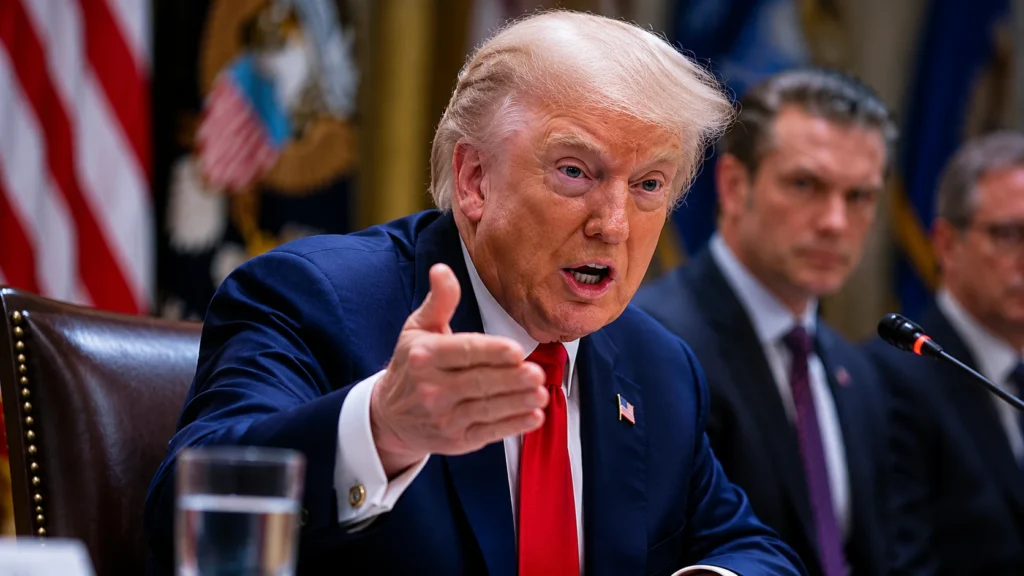
The political context sits just outside the frame. The American Civil Liberties Union tracks 19 bills seeking to ban drag across the country in 2025, down from a peak of 27 in 2024. States like Texas and Tennessee have restricted public drag performances. Trump banned drag performers from the Kennedy Center, calling their shows “anti-American propaganda.” The legislative effort framed drag as inherently predatory—a threat to children, a violation of decency, a cultural contaminant.
“Stop! That! Train!” opens in wide national release into that environment. Not a limited art-house run. Not a streaming-only drop. A wide release. The kind of distribution normally reserved for franchise sequels and star-driven action films.
The ACLU launched a “Drag Defense Fund” in partnership with “RuPaul’s Drag Race” to fight the legislative wave. Legal battles continue. But Shankman’s film fights on a different terrain. It does not argue that drag is harmless. It demonstrates harmlessness through dick jokes and sight gags and a climactic sequence involving a storm called a “stormaganza.” The rhetoric collapses against the image. What exactly is so scary about Ginger Minj doing a pun about Dakota Fanning and Dakota Johnson?
The Lineage of Stupidity as Strategy
Shankman reached for a specific precedent: “Airplane!” and “The Naked Gun” movies. The Zucker-Abrahams-Zucker comedies of the 1980s built their humor on relentless absurdity. They did not exclude anyone. They did not sermonize. They moved too fast for the audience to argue.
“Stop! That! Train!” follows the same rhythm. No race jokes. No religion jokes. Almost no gay jokes. The comedy targets the disaster-movie genre itself—the familiar beats of runaway trains, impending nuclear catastrophe, and plucky heroes rising to the occasion. The drag performers deliver those beats without comment on their own presence. The normalization is the point. The jokes are the vehicle.
The film arrives alongside a wave of comedies reclaiming idiocy. “Scary Movie” returned. “The Naked Gun,” “Spinal Tap II,” and “Fackham Hall” all landed recently. A “Spaceballs” sequel is due next year. On Broadway, “Titanique” and “Oh, Mary!” and the gender-bending “Cats: The Jellicle Ball” sell out nightly. The appetite for dumb fun is not new. But the context has changed. Stupidity that unites rather than divides now functions as counterprogramming to a culture that monetizes outrage.
The Fandom That Wasn’t Asked to Fight
Jujubee said something revealing about the intended audience: “I know that those people who ‘hate the idea of a drag queen’ will have a good time if they come and see it. They’ll get it.”
The statement is confident. It is also strategic. The film does not ask drag-hesitant audiences to change their politics. It asks them to laugh. The laughter does the work that argument cannot.
Ginger Minj described the effect as letting people into “our actual world—a little bit.” The distinction matters. The world of the film is not a drag show. It is a comedy in which drag performers happen to star. The difference is the bridge. Audiences who would never attend a drag brunch might attend a spoof disaster movie. They might enjoy it. They might forget why they were supposed to be offended.
Shankman described the film as a respite from rage. “Being able to stop and sit in a room with people, let go of everything else, and let this silliness, irony, and stupidity wash over you, this feels very valuable to me right now.” The word “valuable” does rhetorical work here. He is not describing escapism. He is describing relief as a political offering.
What Changes Now
The film opens on Friday. Its box office will measure something beyond financial return. A wide-release drag comedy in 2025 is a proposition. It tests whether audiences will show up for drag when drag is not the joke, not the controversy, and not the point.
If it succeeds, it rewrites the calculus for what kinds of films can secure wide distribution. The “Airplane!” model—pure comedy, no message, universal appeal—becomes available to performers previously confined to niche markets. The drag is not hidden. It is simply presented as unremarkable. The unremarkability is the revolution.
If it fails, the failure will be read as evidence that mainstream audiences reject drag. That reading will be wrong. The film’s quality, marketing, and release strategy will all factor into the outcome. But the narrative will settle quickly, and it will not be generous.
The smarter bet is that audiences laugh. The film was designed to be funny first, transgressive only in its casting. The casting is the transgression. The comedy is the disarmament. The culture war does not stop because one movie opens. But one movie can show what the war was always about—and what it was never about at all.