

 English


































































































































































































































































































She’ll Captain England at the World Cup. She Won’t Play the Lord’s Test.
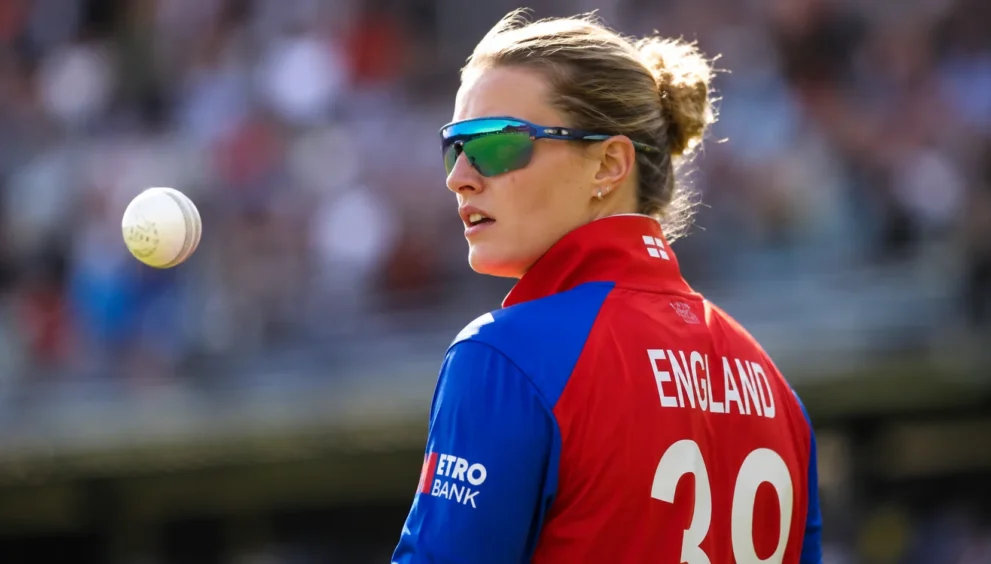
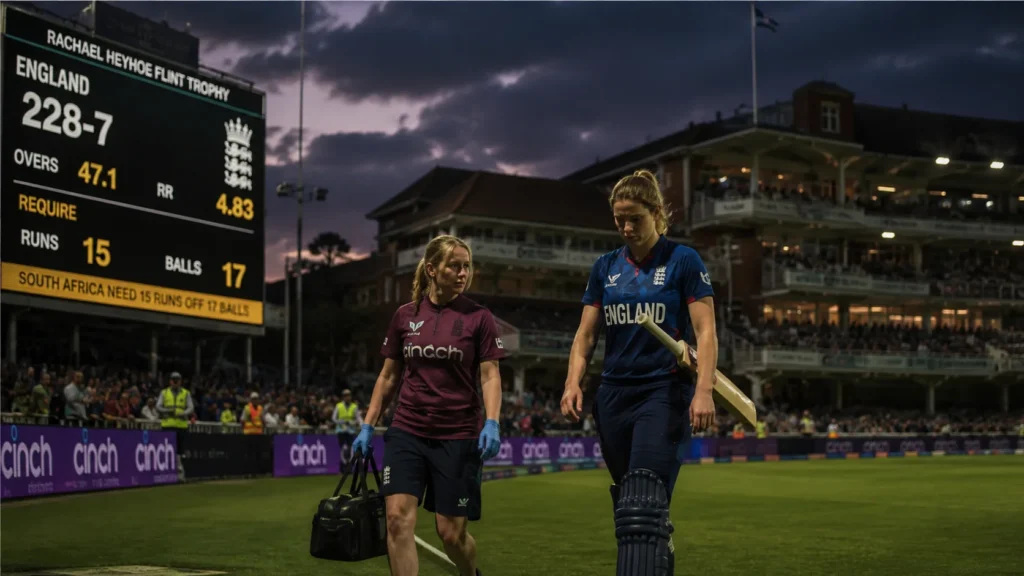
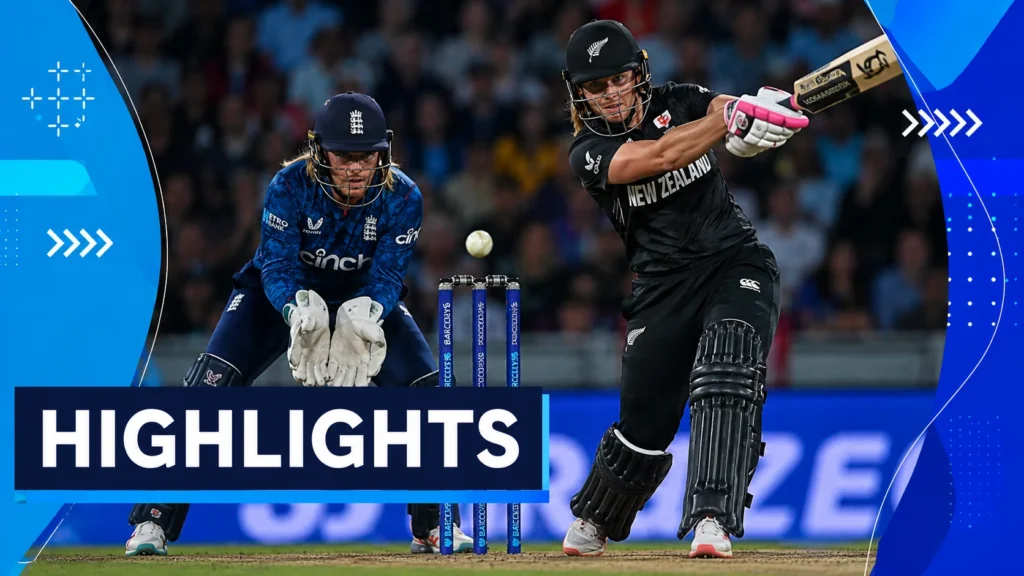
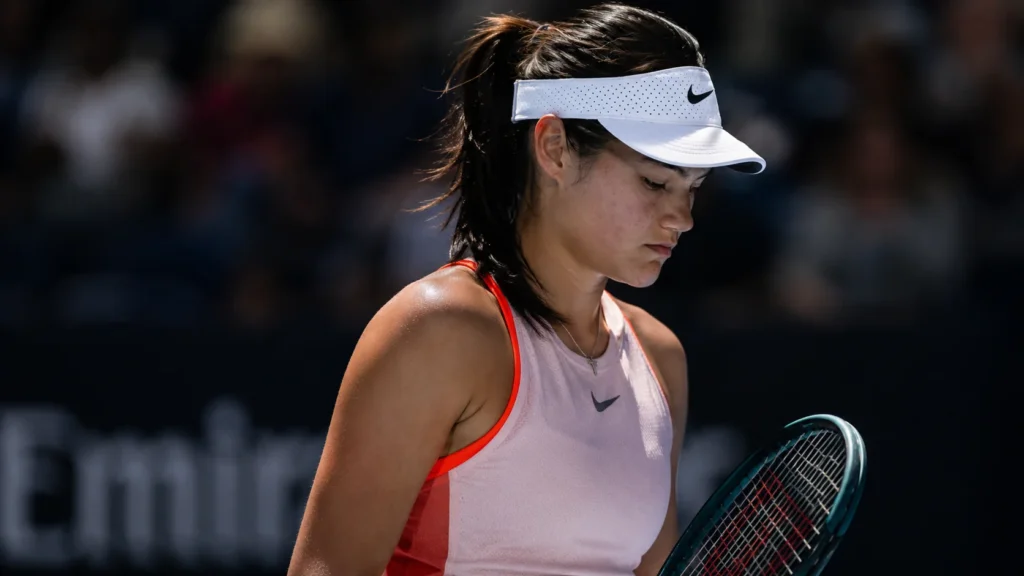
The squad announcement landed. Charlie Dean’s name was not on it. The woman who will lead England at the T20 World Cup while Nat Sciver-Brunt nurses a calf injury, the woman who filled in impressively at the start of the summer, the woman who has played three Tests and is the white-ball vice-captain, has been left out of the historic Test at Lord’s against India next month. The reason was workload management. The timing was brutal.
Dean is 25. She had a back injury at the start of the season. She returned earlier than planned when Sciver-Brunt missed the beginning of the summer. She has been carrying a load that would strain any player. The ECB has decided that the load needs managing. The logic is sound. The consequence is that a player who would have been the obvious candidate to lead England in the Test if Sciver-Brunt’s calf does not recover will instead watch from the sidelines of a match she might have captained.
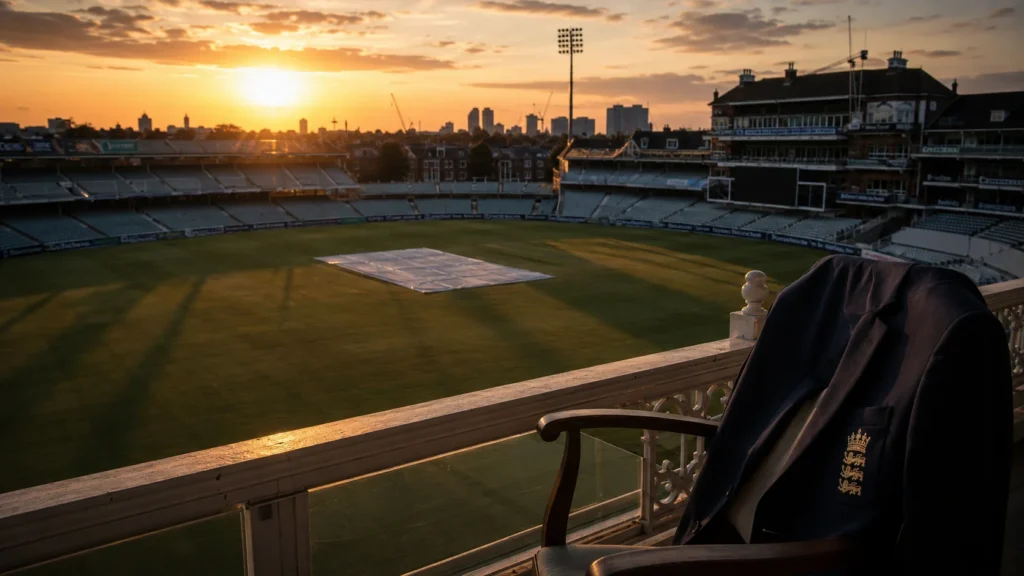
The Lord’s Test is historic—the first women’s Test at the ground. It starts on 10 July, five days after the T20 World Cup final. Nine of England’s World Cup squad are included. Sciver-Brunt, if fit, will captain them. Dean will not be among them. The priorities are clear. The World Cup is the summer’s goal. The Test is the summer’s showcase. The two are in tension. The tension has been resolved in favour of the white ball. Dean is the cost.
But this wasn’t about the squad. This was about Control vs Chaos—and what happens when a player who has become indispensable in one format is deemed too valuable to risk in another, and the logic of workload management collides with the symbolism of a historic occasion.
The Workload Calculus
Dean’s omission is not a commentary on her ability. It is a commentary on the calendar. The T20 World Cup final is on 5 July. The Lord’s Test starts on 10 July. The gap is five days. The gap is absurd. Nine players will attempt to transition from the intensity of a World Cup to the demands of a Test match in less than a week. Dean will not be among them. The decision has been made for her.
The back injury that disrupted her start to the season is the context. She returned early because Sciver-Brunt was injured and England needed her. She has been filling gaps all summer—vice-captain, stand-in captain, the player who holds things together when the plan frays. The workload has been heavy. The ECB has decided it is too heavy for her to add a Test match to it. The decision is protective. It is also a recognition that her value to the World Cup campaign outweighs her value to the Test. The recognition is accurate. The accuracy does not make it feel less like a snub.
Sophia Dunkley and Danni Wyatt-Hodge, who were in England’s middle order for the last Test against Australia in early 2025, have also been left out. Dani Gibson and Freya Kemp, both recently returned from back injuries, are missing. Linsey Smith, the spinner, is not included. The pattern is clear. The World Cup players most essential to the white-ball campaign have been protected. The Test squad has been built around those who can be spared. The calculation is rational. The symbolism is unfortunate for a match that is supposed to represent the growth of the women’s game.
The Captaincy Vacuum
Sciver-Brunt’s calf injury is the shadow over everything. She has been ruled out of England’s next two World Cup matches. Her availability for the latter stages of the tournament and the Lord’s Test is uncertain. Dean, in her absence, will captain England at the World Cup. She has done it before. She has won. The team responds to her.
If Sciver-Brunt is fit for the Test, she will captain. If she is not, the captaincy will fall to someone else. Heather Knight, the former captain, is in the squad and could take the role. Amy Jones has led England before. The options exist. The obvious candidate—the player who has been captaining the side in Sciver-Brunt’s absence, who has the trust of the dressing room, who has the tactical acumen for the longest format—will not be available. She will be rested. She will be watching.
The decision to omit Dean from the Test squad while entrusting her with the World Cup captaincy is a statement of priorities. The World Cup matters more. The Test matters, but not enough to risk the player who will lead the World Cup campaign. The logic is defensible. The optics are difficult. The vice-captain of England’s white-ball team, who has just led her country at a home World Cup, will not play in the first women’s Test at Lord’s. The contradiction will be noted.
The New Faces
Tilly Corteen-Coleman, the 18-year-old left-arm spinner who made her white-ball debuts earlier this month, is in the Test squad. Mady Villiers, who has not played for England since 2024, has been recalled. Ellie Threlkeld and Grace Potts, the Lancashire pair who have never played for England in any format, have been selected. The inclusions are a reflection of the change of format, the management of workloads, and the desire to look at players who might shape the future.
Potts, a 23-year-old seamer, has taken 11 wickets in both 50-over and T20 cricket for Lancashire this season. Threlkeld offers a second wicketkeeping option. Corteen-Coleman represents the future. Villiers represents a second chance. The squad is a mix of the established and the experimental. The mix is partly by design. It is partly by necessity. The World Cup has absorbed the resources. The Test has received what remains.
Ryana MacDonald-Gay, the 22-year-old seamer who played in the last Test against Australia, has been overlooked. She had a back injury over the winter and has been in good form for Surrey on her return. Her absence has created an opportunity for Potts. The selection is a bet on potential over experience. The bet may pay off. The bet is also a reminder that the Test squad is not the first-choice side. The first-choice side is playing in the World Cup.
What Changes Now
England will play in the World Cup. Dean will captain them if Sciver-Brunt does not recover in time. The tournament will be the defining event of the summer. The Test will follow, five days later, with a squad that has been shaped by the tournament’s demands. The Lord’s occasion will be historic. The team that takes the field will be something less than full strength. The contradiction will be the story.
The women’s game is growing. The calendar is expanding. The tensions between formats, between competitions, between the needs of the present and the investment in the future, are the growing pains of a sport in transition. Dean’s omission is a symptom. The symptom will recur. The question is whether the game can grow fast enough to accommodate its own ambitions.