

 English



































































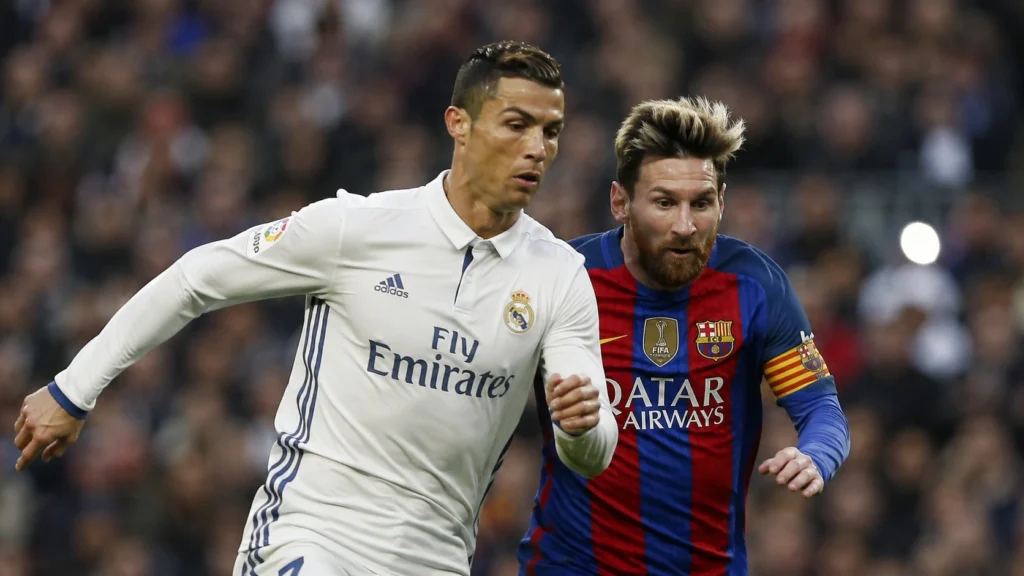













































































Messi Doesn’t Run Now. He Sees. That’s the Point.
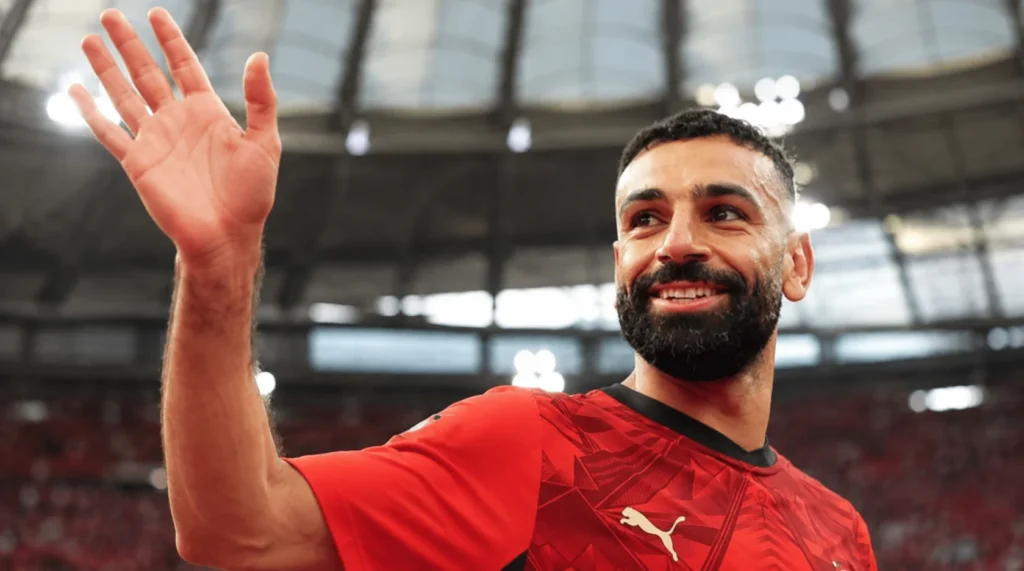
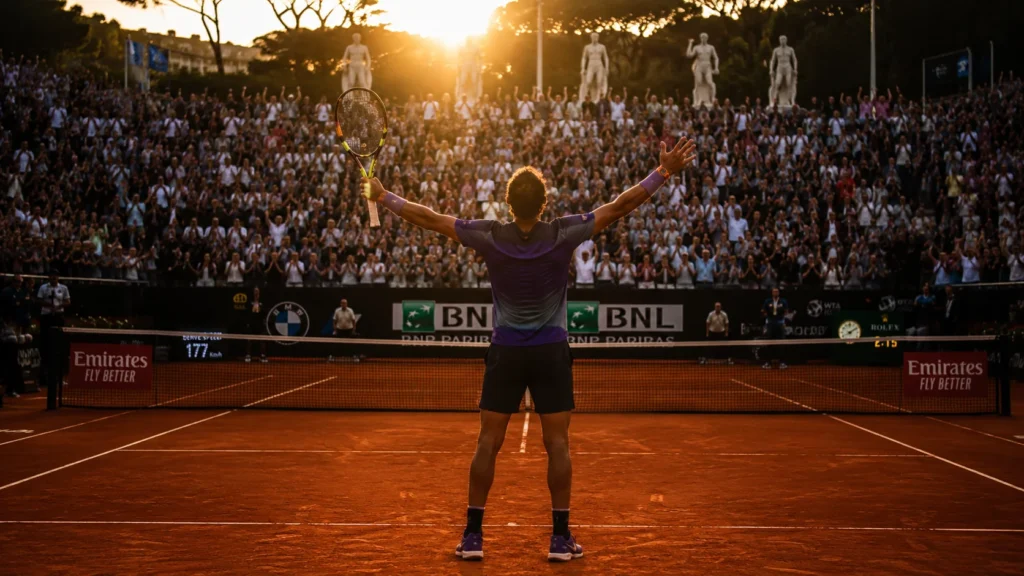
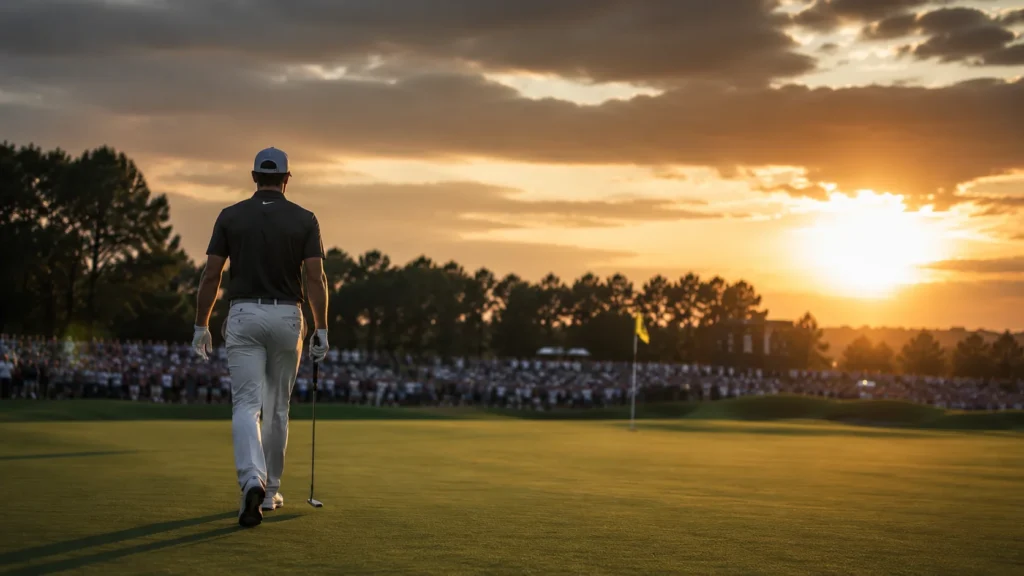
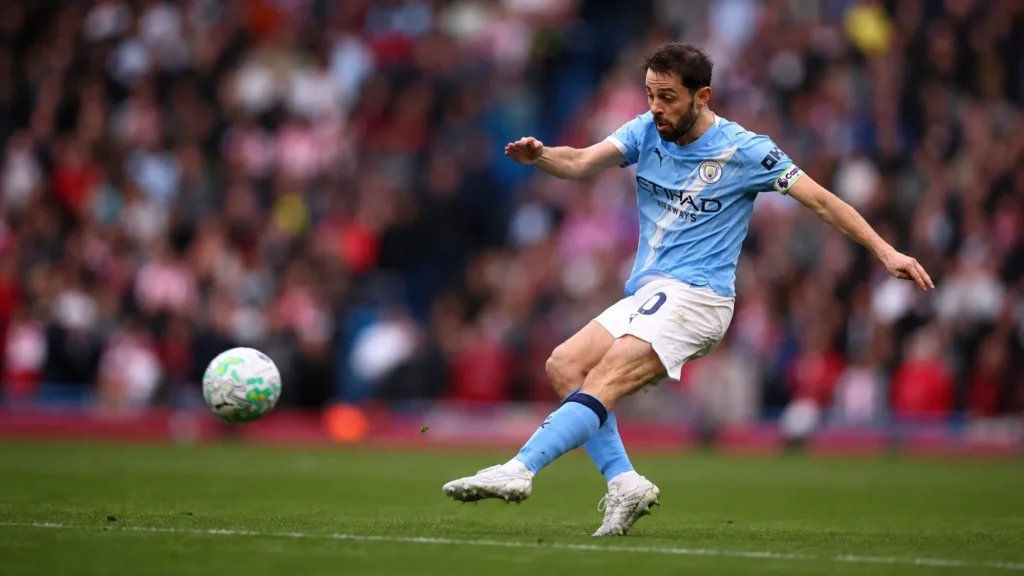
He walks now. More than he runs. Across the pitch at Inter Miami, across the 2024 Copa America, across the training grounds where younger players sprint and press and recover, Lionel Messi walks. Critics once used this against him. The footage would surface after defeats—Messi, hands on his hips, watching the game pass him by. The implication was always the same: he does not work hard enough. He does not care enough. He is not the player he was.
The criticism missed the point. The walking is not declining. It is mastery. He reads the game while standing still, conserves energy for the moments that matter, and then—when the space appears, when the pass is on, when the occasion demands—he becomes someone else. The sprint past Josko Gvardiol in the 2022 World Cup semi-final was not the old Messi reappearing for one last moment. It was the current Messi, the only Messi, the one who has reinvented himself so many times that the original version is almost unrecognisable. He is 38 now. He enters his sixth World Cup on Tuesday night against Algeria, a joint record. The player who takes the field at Kansas City Stadium will bear almost no resemblance to the 16-year-old who made his Barcelona debut against Jose Mourinho’s Porto in 2003. He is not the same player. He has been at least five different players. Each one dominated.
But this wasn’t about the goals. This was about Legacy vs Decline—and what happens when an athlete refuses to accept that the two are the same thing.
The False Nine and the Birth of a System
Pep Guardiola saw it first. On 2 May 2009, at the Santiago Bernabéu, he pulled Messi off the right wing and placed him at the tip of the forward formation without the job of a traditional striker. Samuel Eto’o went right. Thierry Henry went left. Messi was told: drop, receive, decide. Barcelona won 6-2. The false nine was reborn.
The position was not new—Hungary’s Nándor Hidegkuti had dismantled England from the same role in 1953, Johan Cruyff had roamed there for the Netherlands—but Messi made it apocalyptic. When he dropped between the lines, centre-backs had to choose: follow him and leave a hole, or stay and give him space. Neither option worked. “I didn’t use to pay much attention to tactics,” Messi told journalist Juan Pablo Varsky in 2024. “But with Guardiola, I learned an enormous amount. I started to understand spaces, ball retention, and how the game really works.”
Between 2011 and 2013, he scored 96 goals in 69 La Liga matches. The Ballon d’Or that arrived in 2009 became a near-permanent fixture—2010, 2011, 2012, 2015, 2019. Eight in total. The first at 22. The most recent is at 36. The false nine was not a position. It was logical. The logic was: give Messi the ball where he can do the most damage. The damage was everywhere.
The Engagement and the Weight of a Team
When Xavi left Barcelona in 2015, and Iniesta three years later, the midfield that had been Messi’s safety net vanished. The men who kept the ball moving and created the space he thrived in were gone. For a period, he was expected to be Xavi, Iniesta, and the goalscorer simultaneously. It was too much for anyone. He handled it by evolving again.
He became the ‘enganche’—the hook—dropping deeper, organising, initiating, and often finishing. Assists began to rival goals. In the 2019-20 season, he registered 22 assists and 25 goals in 33 La Liga games. His first season at Paris Saint-Germain confirmed the shift: 11 goals, 15 assists in 34 matches. More assists than goals for the first time in his club career. “A goalscorer who became an Iniesta,” one Argentine analyst called it.
The engagement was not a retreat. It was an expansion. The player who had once been the most lethal finisher in the sport had become the most perceptive creator. He saw passes no one else saw because he had played in every position that mattered—winger, false nine, striker, midfielder. He knew what each one needed. He gave it to them.
The Captain and the Weight of a Nation
The Argentina story ran parallel. He became captain in August 2011. The defeats followed: the 2014 World Cup final, lost to Germany in extra time at the Maracanã. The 2015 Copa América final was lost on penalties to Chile. The 2016 Copa América final was lost on penalties to Chile again. Three finals in three years. After the last one, he quit. He came back. He was different.
At the 2019 Copa América, eliminated by Brazil in the semi-final, he walked into a press conference and attacked the South American football confederation. This was not the player who had once retreated into silence when the weight of Argentina became too heavy. This was a leader who had decided to stop being defined by what he had not won. The 2021 Copa América released him. Argentina beat Brazil in the Maracanã final. The pre-match team talk moved the dressing room to tears. The 28-year wait for a major title ended.
The 2022 World Cup was the synthesis. The sprint past Gvardiol—the 2009 winger reappearing for one extraordinary moment. The pass to put Nahuel Molina through in the final. The ghost runs to force the rebound for Argentina’s third goal. The penalties converted when everything was on the line. He was not the false nine. He was not the engagement. He was all of them, in sequence, as the moment required. The captain who finally became what his country needed: the quarterback of a World Cup-winning team.
The Walking and the Seeing
Now he walks. At Inter Miami, at the Copa América, at this World Cup, Messi covers less ground than almost anyone on the pitch. Walking is not laziness. It is an observation. He is reading the shape of the game, identifying the spaces that will open, conserving energy for the three or four moments that will decide the match. When those moments arrive, he still moves faster than anyone expects. The body has slowed. The mind has not.
“Football changed a lot,” he told Zinedine Zidane in 2023. “The way of playing, the systems. The game today is much more tactical and physical than before. Before, you found more spaces.” He said this with the matter-of-fact tone of someone who has played across three distinct tactical eras—the physical midfields of Porto and Chelsea, the positional and passing peak, the post-Guardiola tactical arms race—and come out on top of all of them. Walking is the final adaptation. It is not surrender. It is a strategy.
Pablo Aimar, his childhood idol, once said: “The last Messi is always the best Messi.” He is probably still right. The World Cup will produce many superlatives. Most will miss the point. The point is not how good Messi is. The point is how many times he has had to become someone completely new. The teenage winger who dazzled Fabio Capello. The false nine who redrew the tactical map. The engineer who learned to make others great. The captain who carried his country to a World Cup. The veteran who barely runs and still sees everything first. The walking is the point. Seeing is the point. The reinvention is the point.