

 English
















































































JD Vance Owns the Iran Deal. Trump Already Has an Exit.
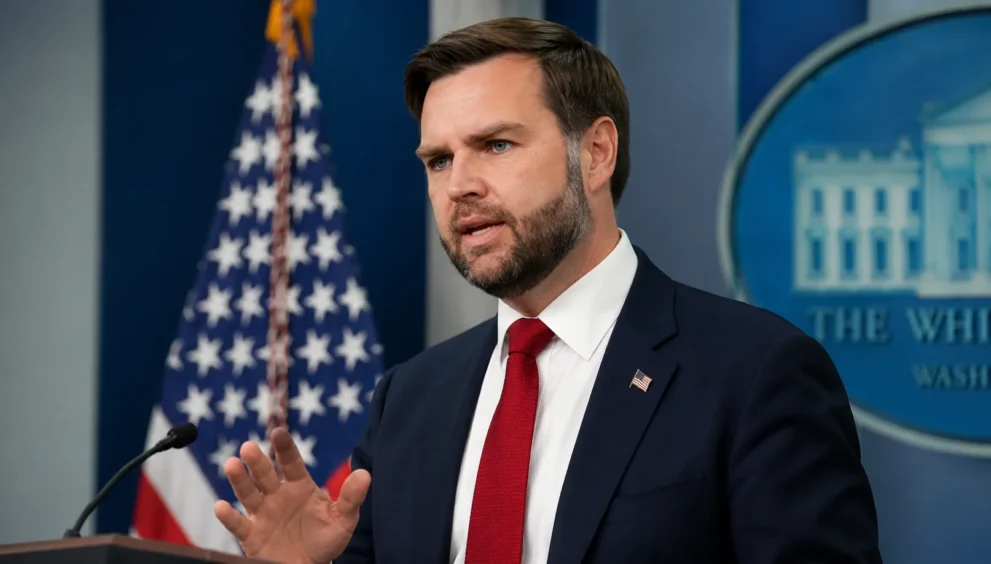
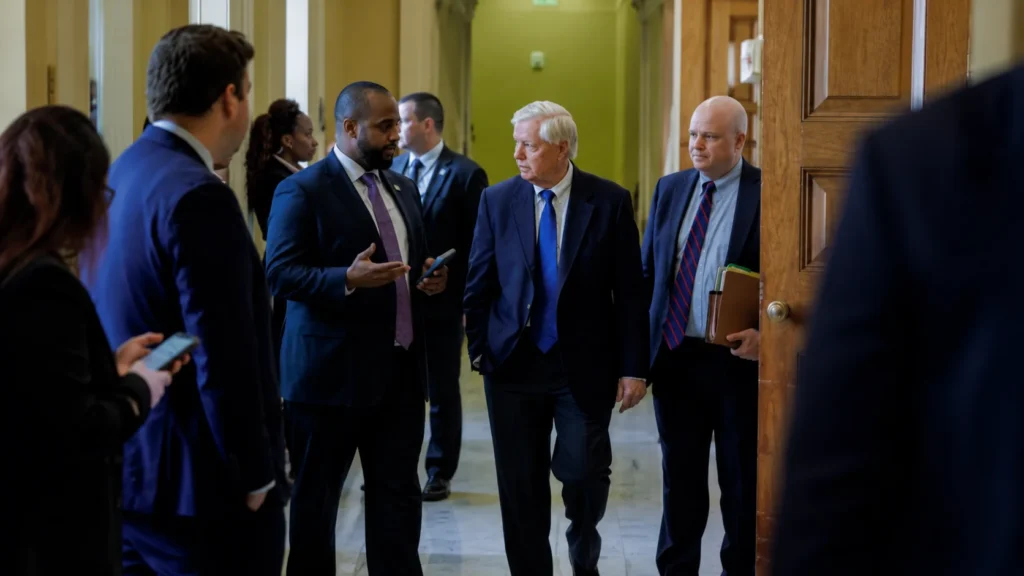
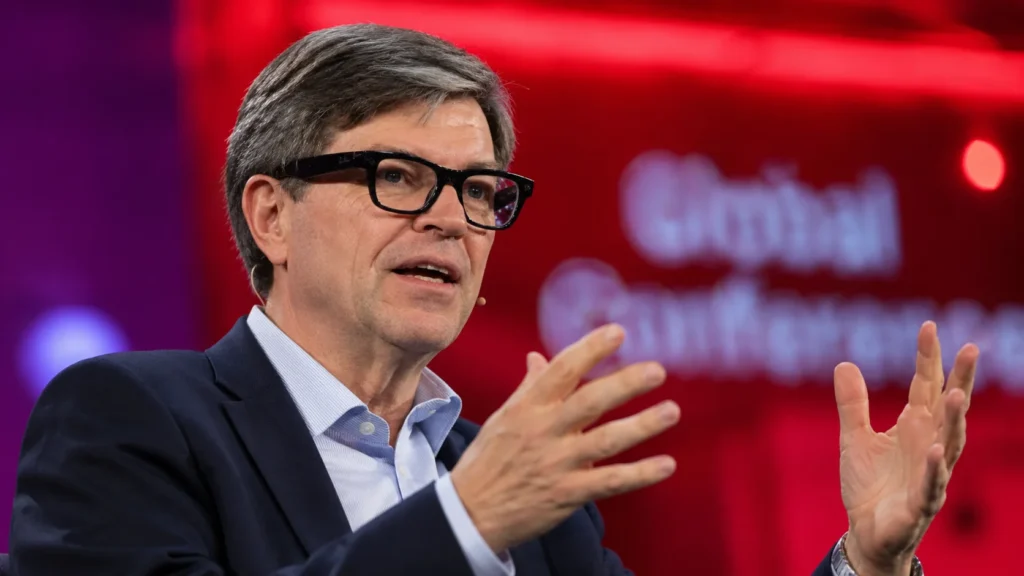
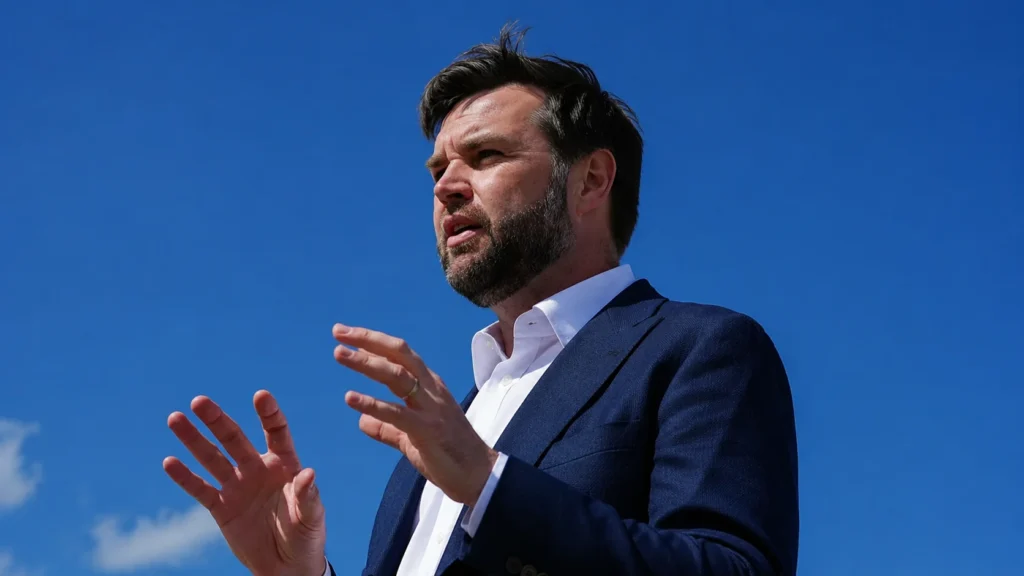
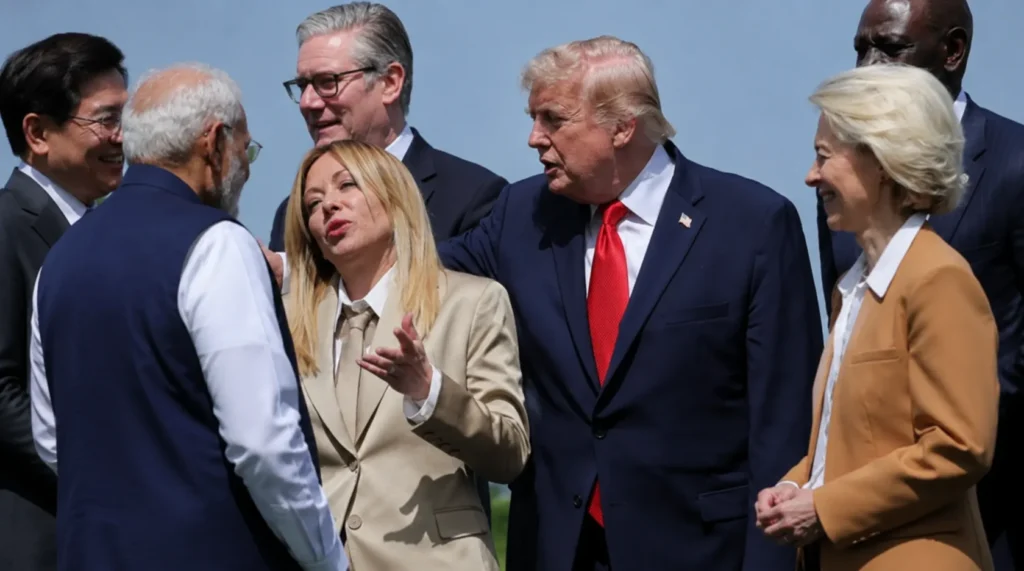
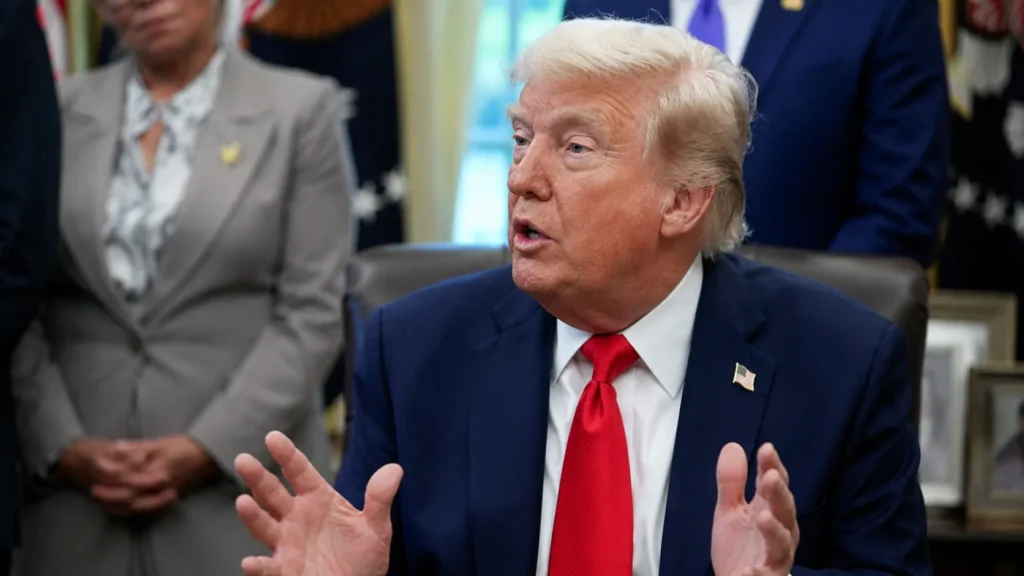
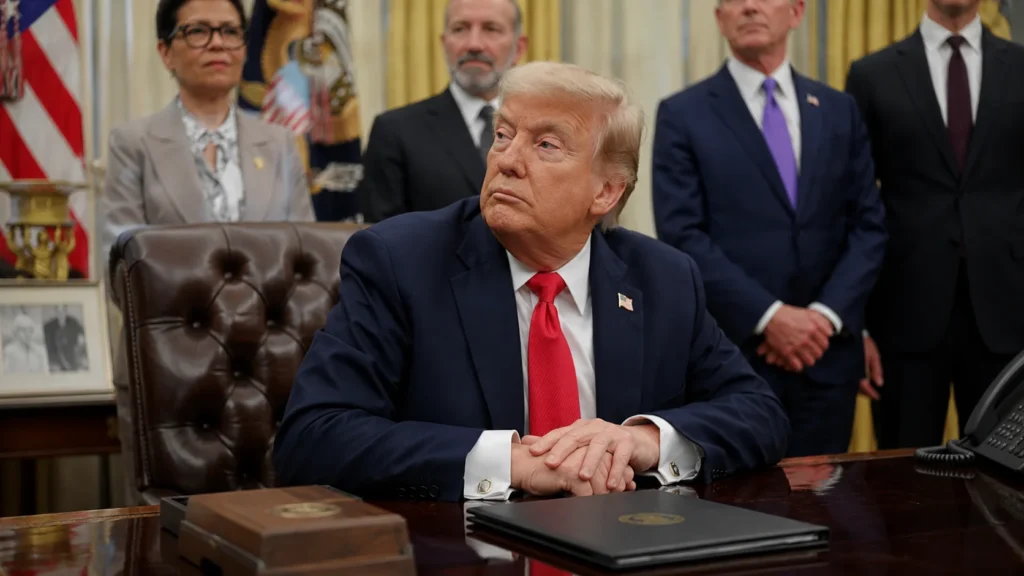
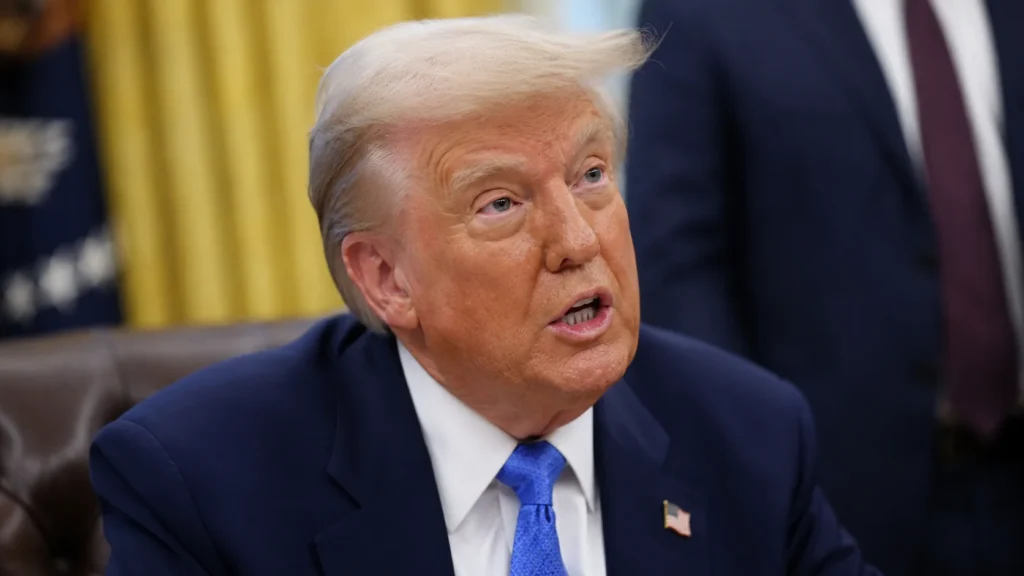
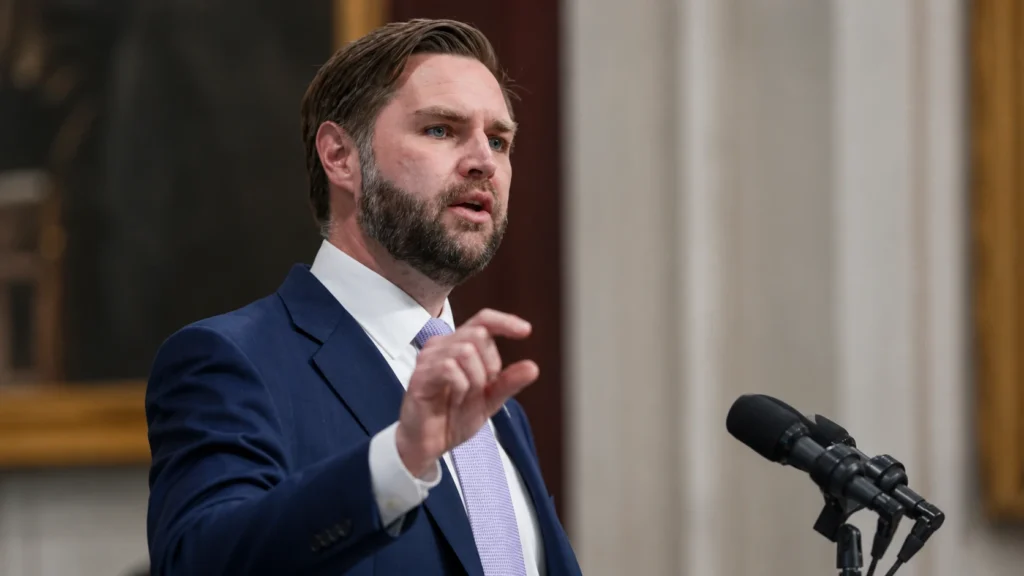
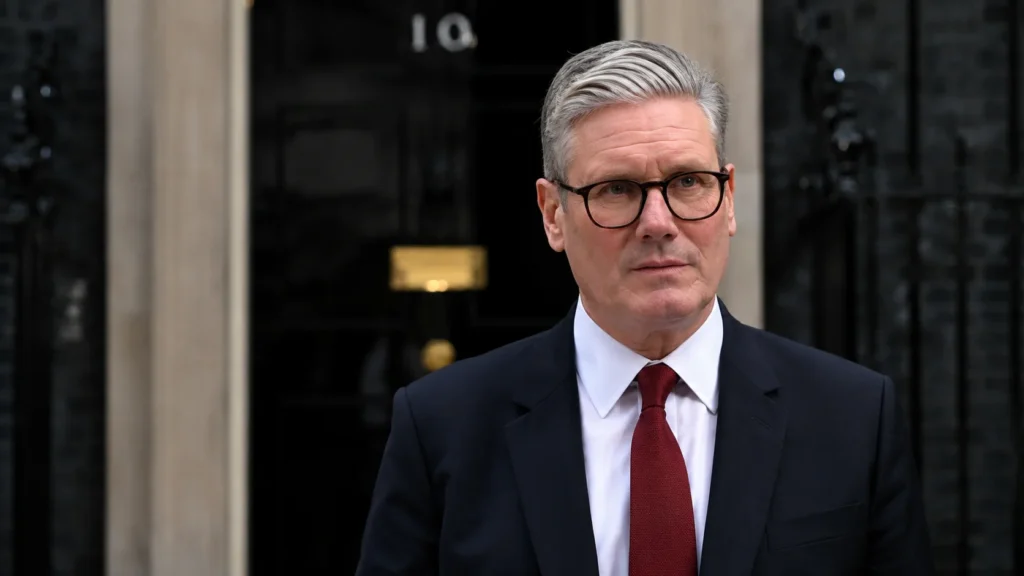
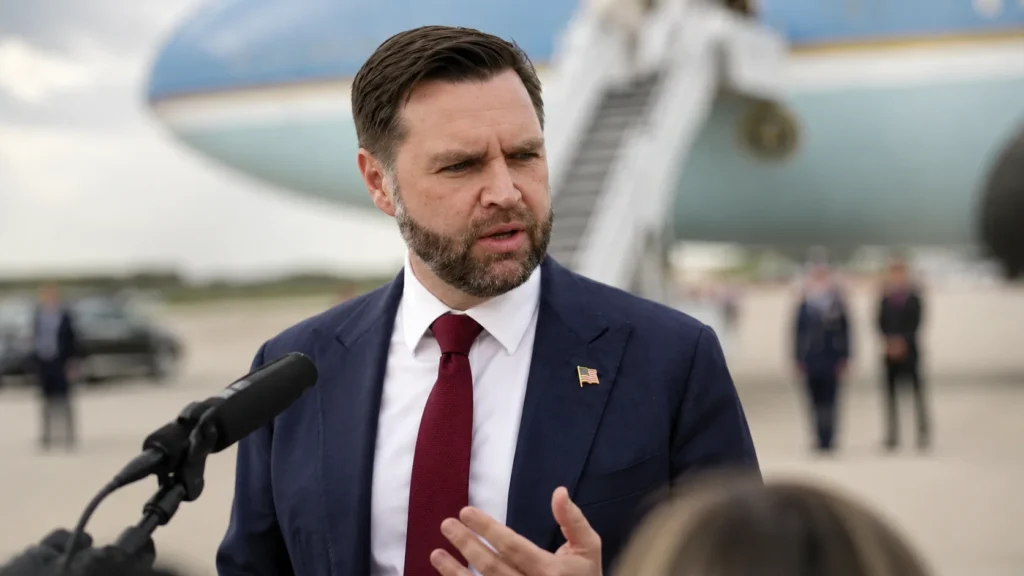
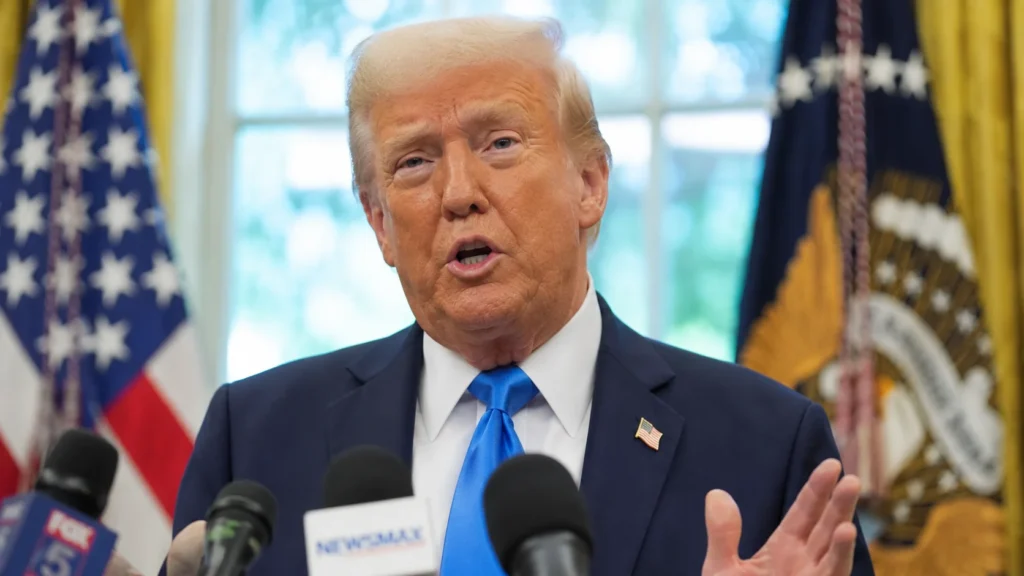
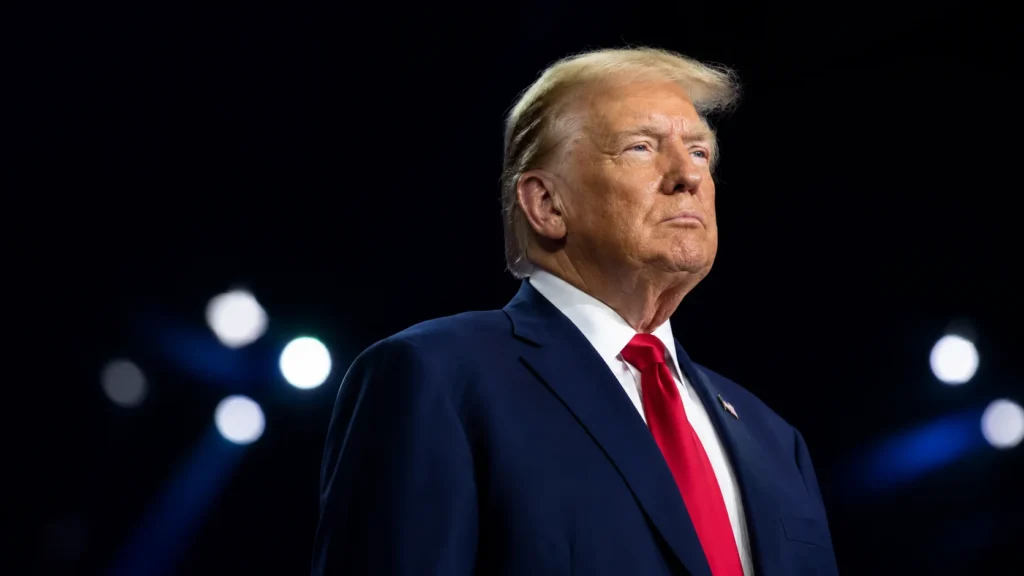
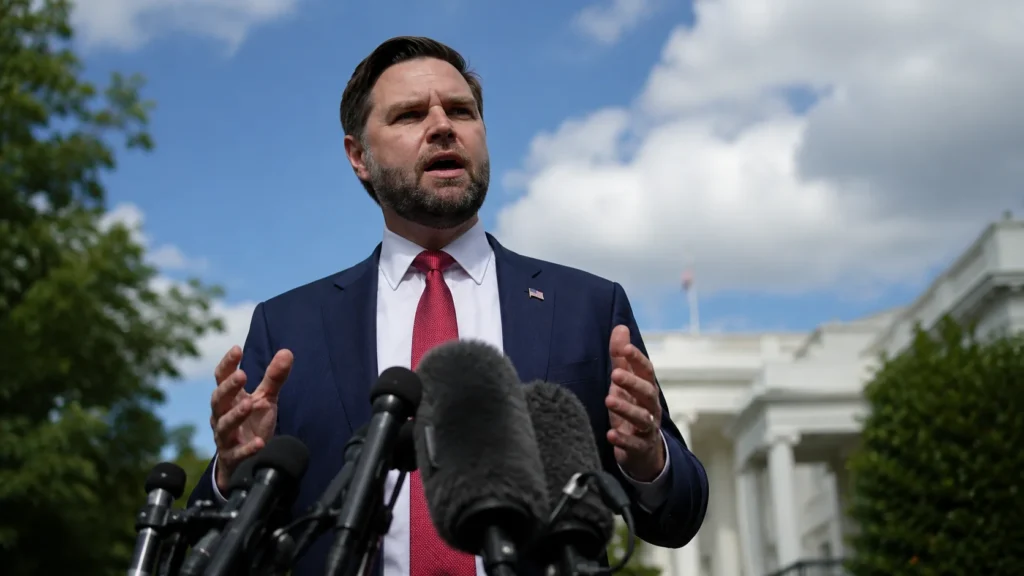
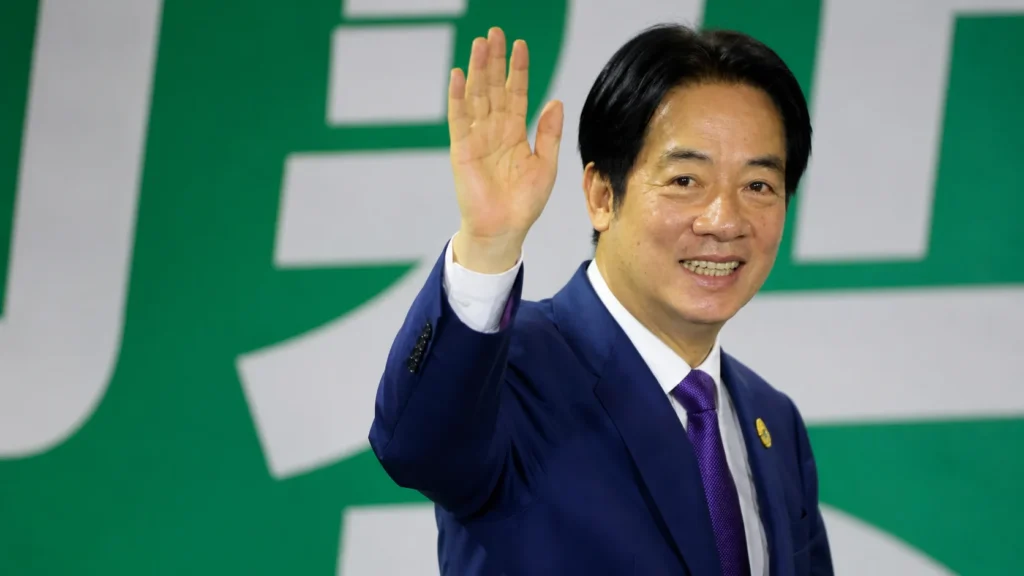
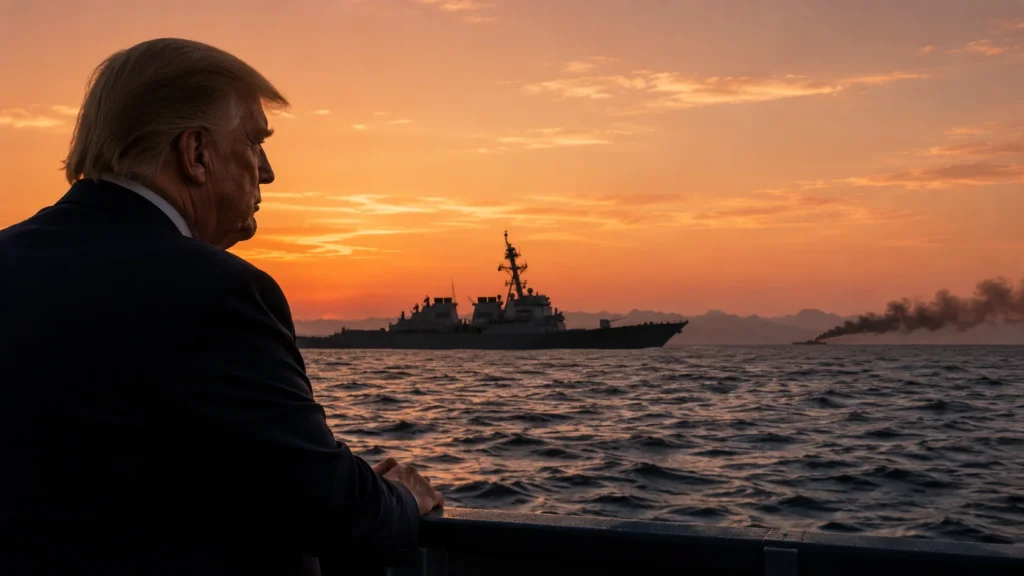
Vice President JD Vance has spent the week defending the US-Iran memorandum of understanding, becoming the public face of an agreement that is broadly unpopular with his own party—only to be undercut by President Donald Trump, who joked he would blame Vance if the deal collapses, contradicted him on a key funding provision, and then pulled him from the signing ceremony in Geneva. The sequence has exposed the architecture of accountability inside the Trump administration: credit flows upward, blame flows downward, and the vice-president has been handed a portfolio that could define his political future or end it.
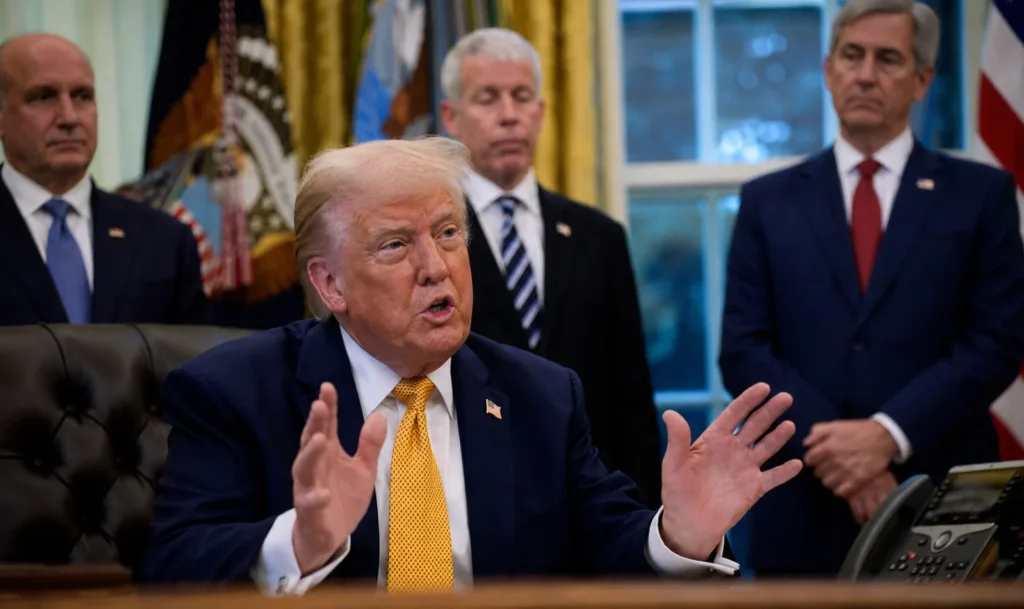
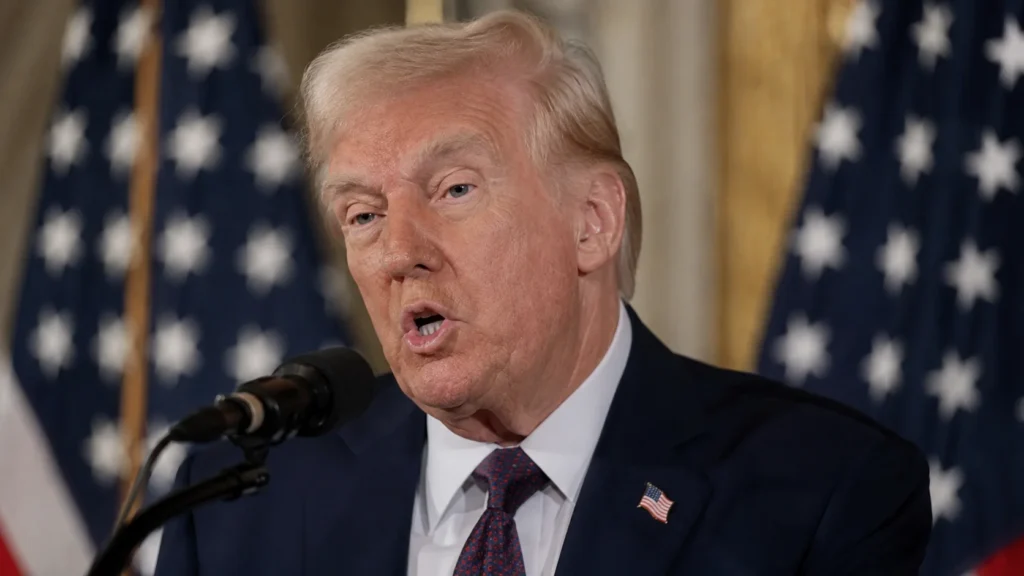
On Wednesday, Trump told reporters he might blame Vance if the Iran deal fails. The next day, Vance brushed it aside at a White House press briefing. “I think the president was joking,” he said. Hours later, the White House announced that Vance would not be travelling to the Geneva signing ceremony after all, citing unresolved logistics. Trump had already signed a paper copy of the deal on camera during a dinner with French President Emmanuel Macron at Versailles. The president had his imagery. The vice-president had his assignment—and, increasingly, his distance from it.
A Week of Contradictions
The week of mixed messages illustrated the challenge Vance faces as the administration’s lead defender of an agreement that has split the Republican Party.
On Monday, Vance told CBS News interview that Iran “could have access” to a $300 billion reconstruction fund if it abided by the terms of the deal. Within hours, Trump posted on Truth Social that reports of the US paying Iran were “Fake News” and told reporters, “we’re not putting up 10 cents.” The text of the agreement, when released, included a provision committing the US to work “with regional partners to develop a definitive mutually agreed plan with at least USD $300 billion” for Iran’s reconstruction. Vance had stated what was in the document. Trump had called it fake.
The episode was not the first time Vance had been left to manage the gap between the deal’s content and the president’s characterization of it. As US-Iran framework deal analysis previously documented, the memorandum is roughly a page and a half, deferring the hardest questions—enrichment limits, stockpile disposition, sanctions sequencing—to a 60-day technical negotiation period. Vance has been tasked with selling the framework as a victory while acknowledging that the details are still to be resolved.
The Portfolio Nobody Wanted
The Iran file has become a thankless assignment inside the administration. The Republican Party is divided between anti-interventionist MAGA supporters who opposed the war from the start and conservative Iran hawks who argue the White House has capitulated to Tehran.
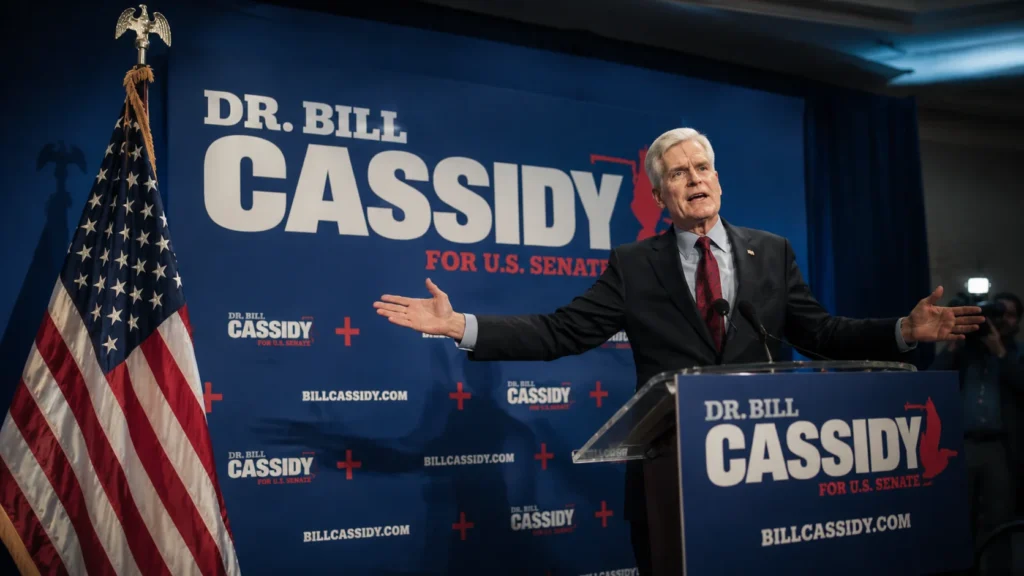
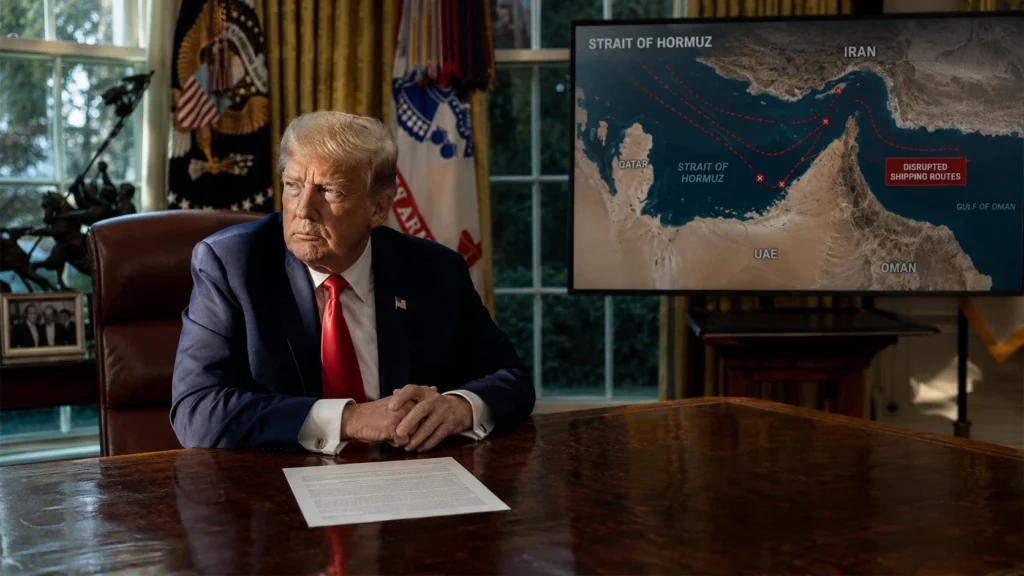
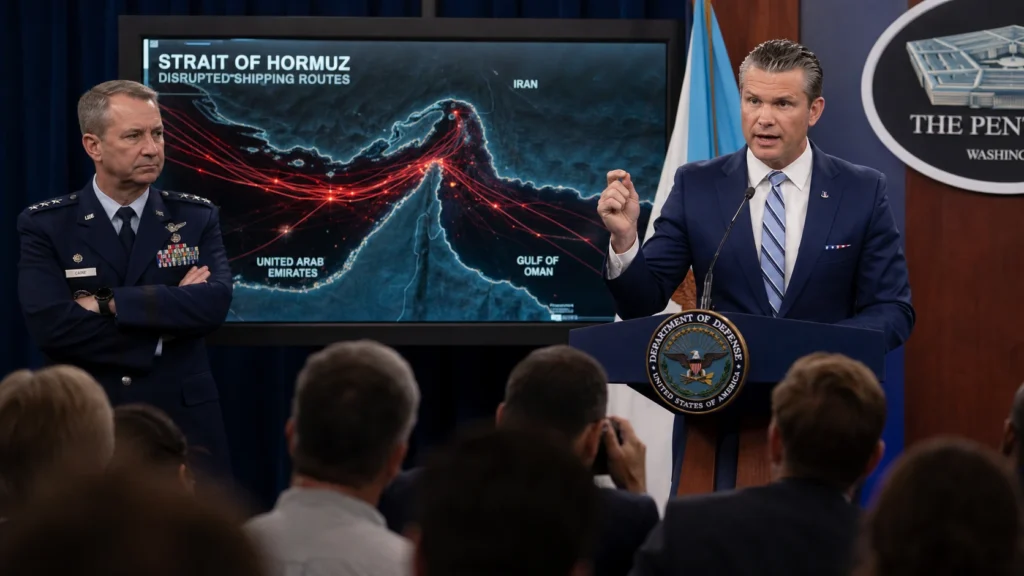
Senate Armed Services chairman Roger Wicker of Mississippi said the deal was “completely out of step with the president’s goals.” Senator Bill Cassidy of Louisiana posted on X that Iran’s “nuclear ambitions were not curbed, and they have learned that threatening the Strait of Hormuz works.” The criticism came from both directions—the deal was simultaneously too soft and too generous.
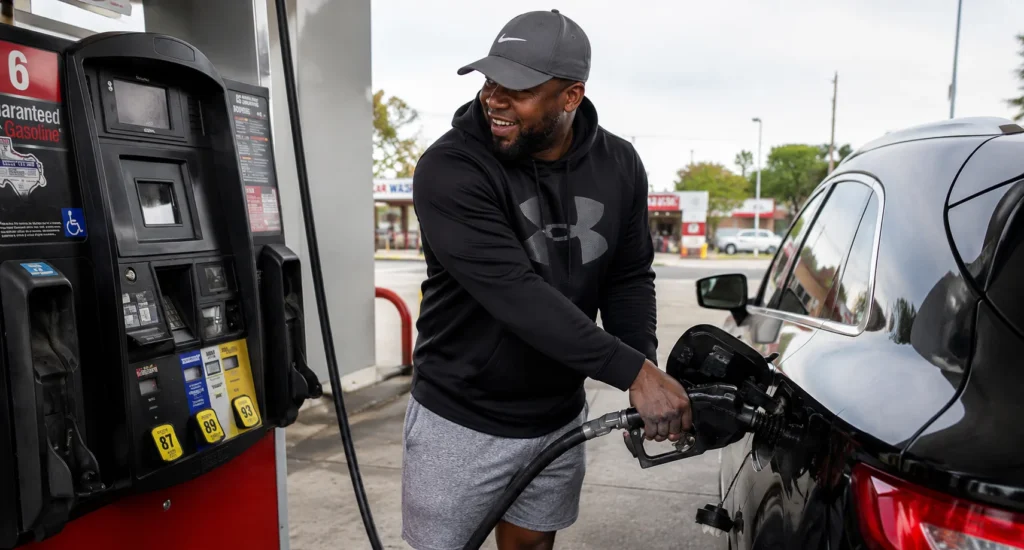
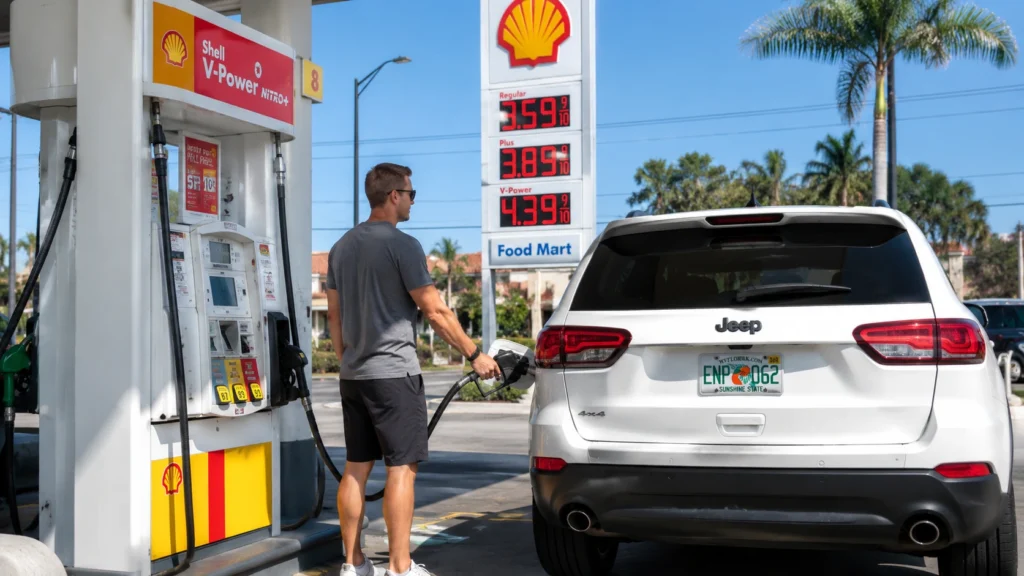
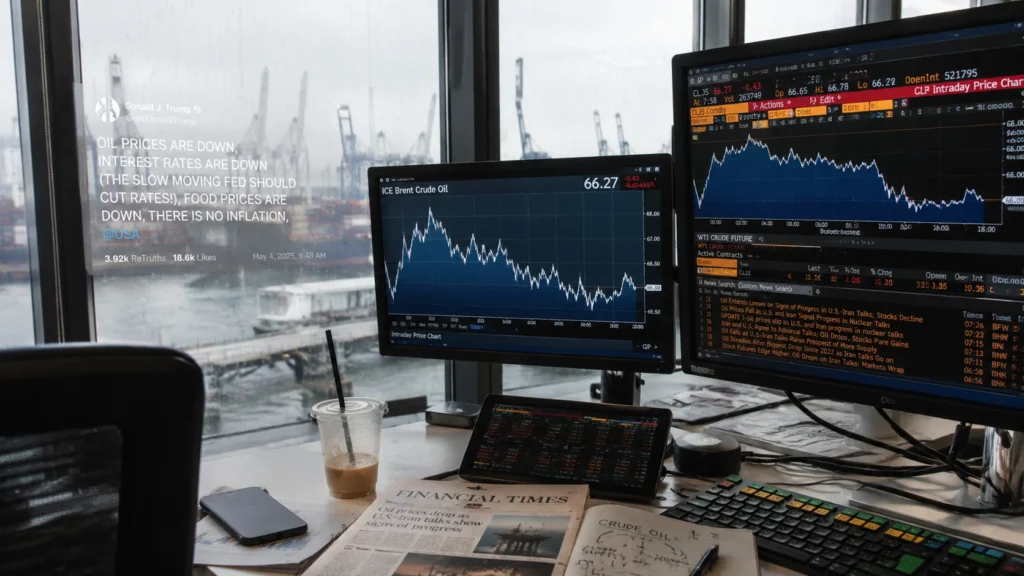
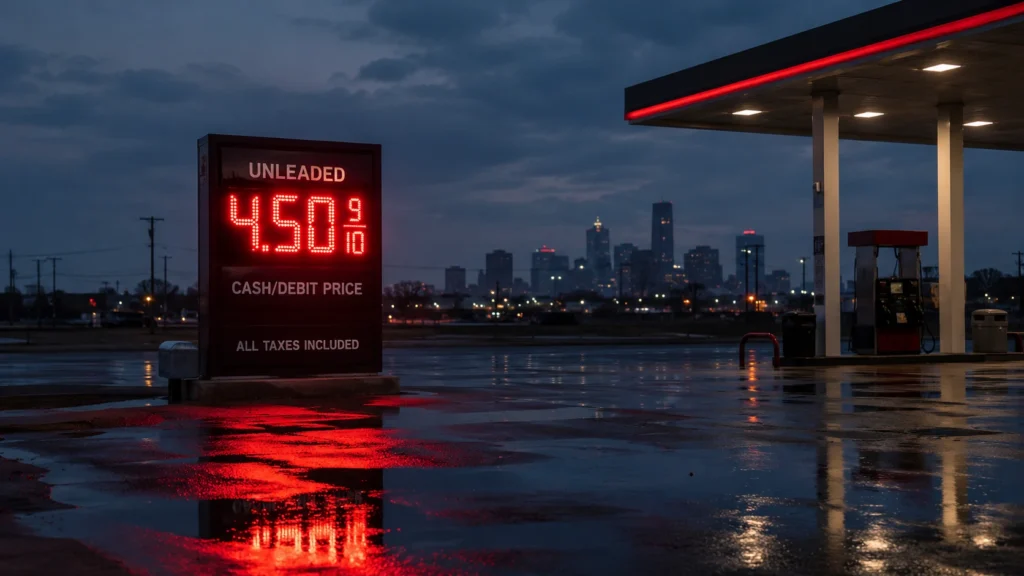
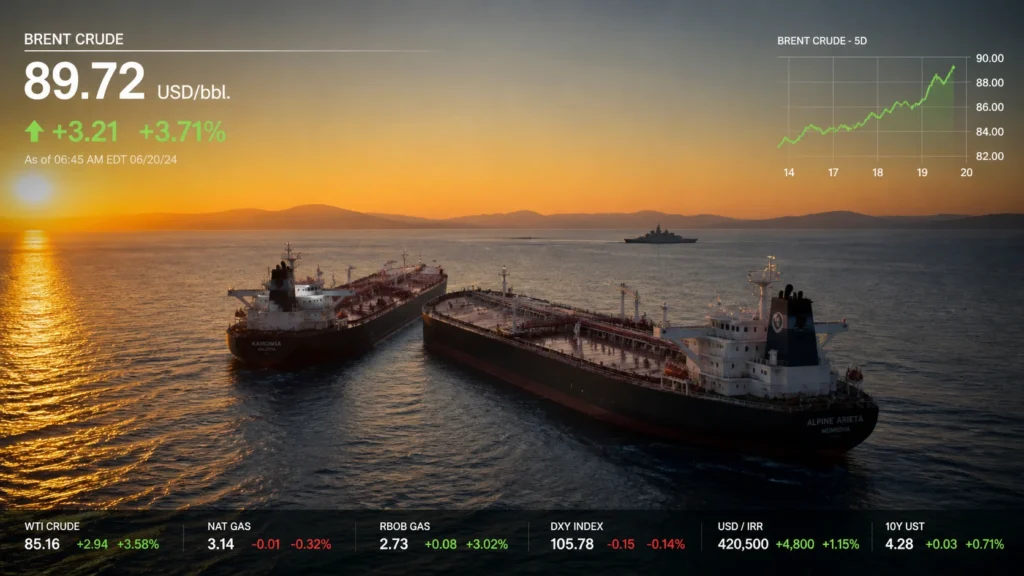
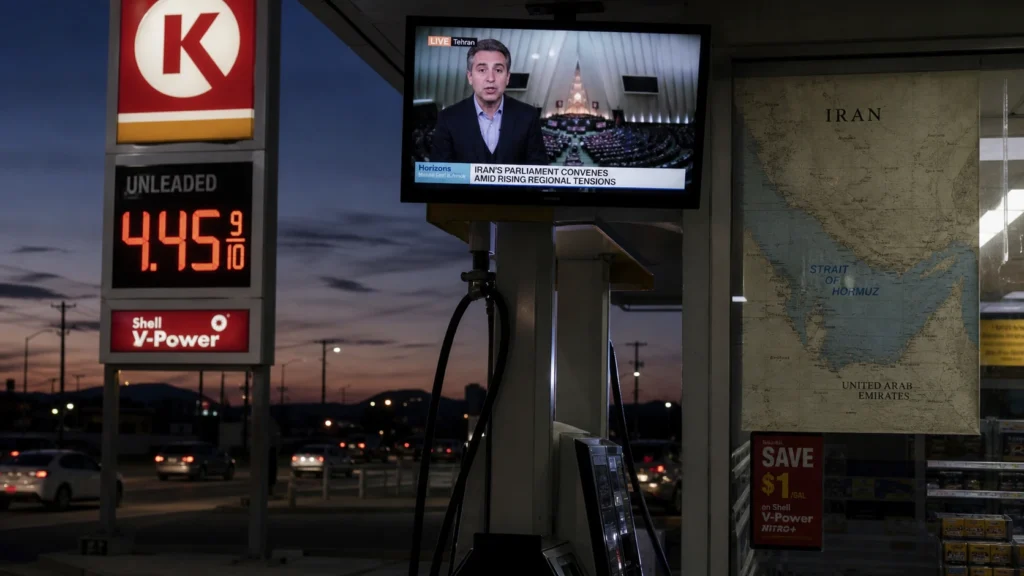
Vance defended it anyway. At Thursday’s briefing, he pointed to falling petrol prices and argued the deal was already paying dividends. “If they change their behaviour, big things are going to happen,” he said. “If they don’t, no skin off our backs. Either way, we win.”
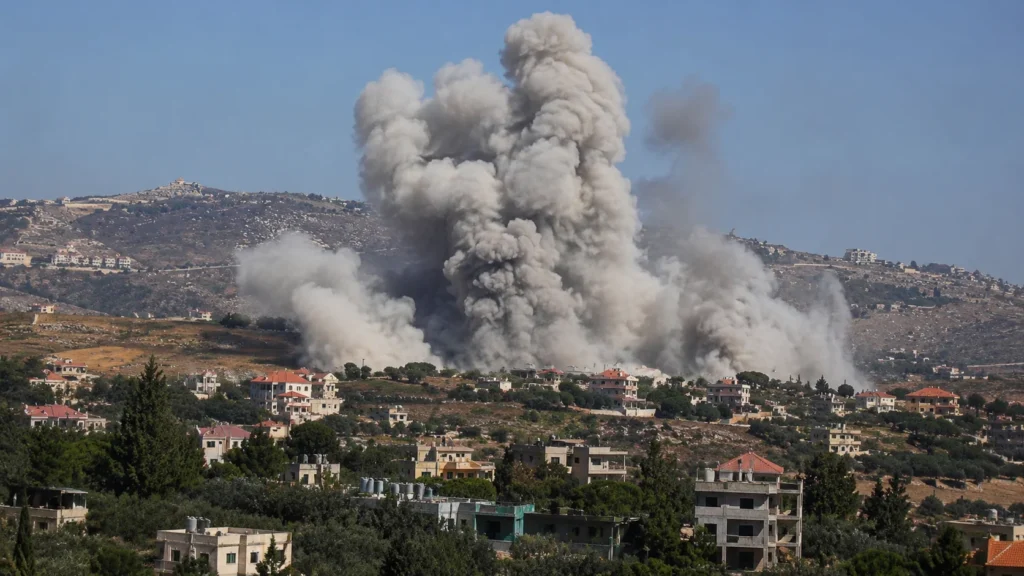
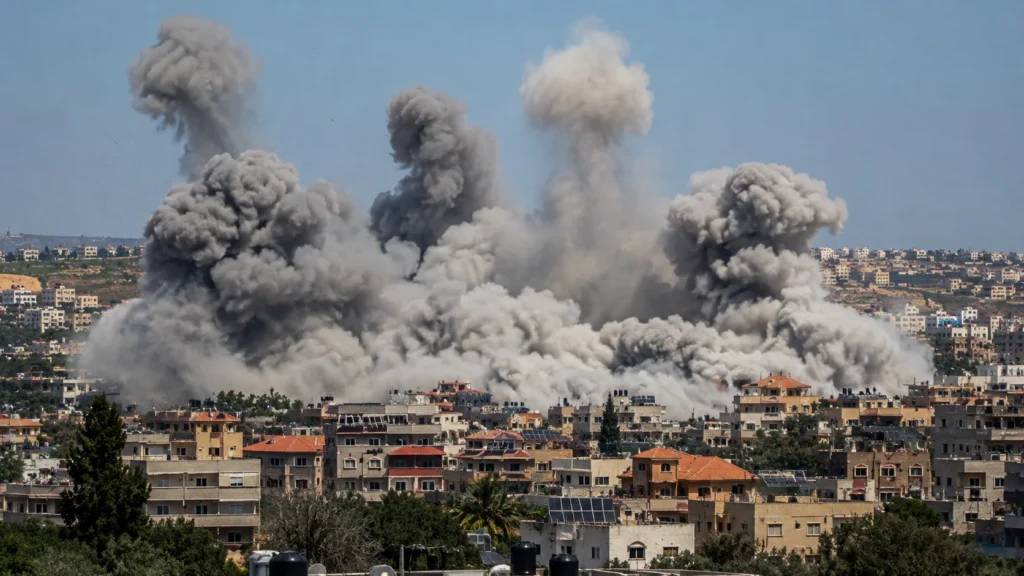
The formulation was clean. It was also a hostage to fortune. If the 60-day technical negotiations collapse—if the nuclear question remains unresolved, if the Lebanon clause continues to be tested by Israeli strikes—the victory Vance claimed will become a defeat he owns.
As Republican Party divisions on Iran policy has tracked, the deal has opened fissures that extend beyond the current moment. Republican strategists have begun calculating what Vance’s association with the agreement means for his political future. “Vance being connected to the Iran war is one more way that critics will hold him accountable for Trumpism,” said Terry Holt, a veteran Republican consultant. Matt Mackowiak, another strategist, said: “It’s not in the president’s nature to cede the limelight, and he’s done that here. That does feel like a deliberate choice.”
The Rivals Who Stayed Quiet
The other senior officials who might have shared the burden of defending the Iran deal have manoeuvred themselves elsewhere.
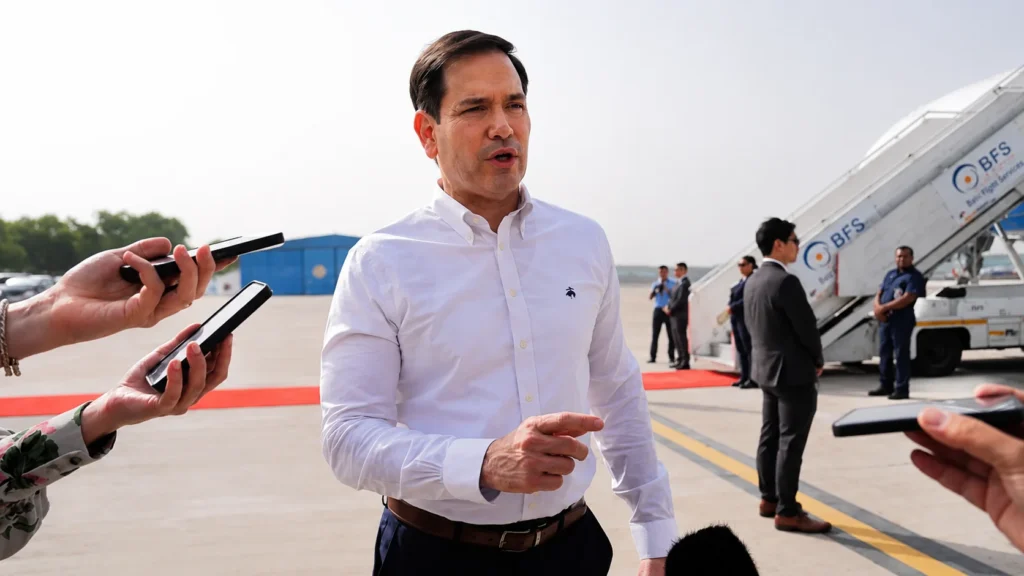
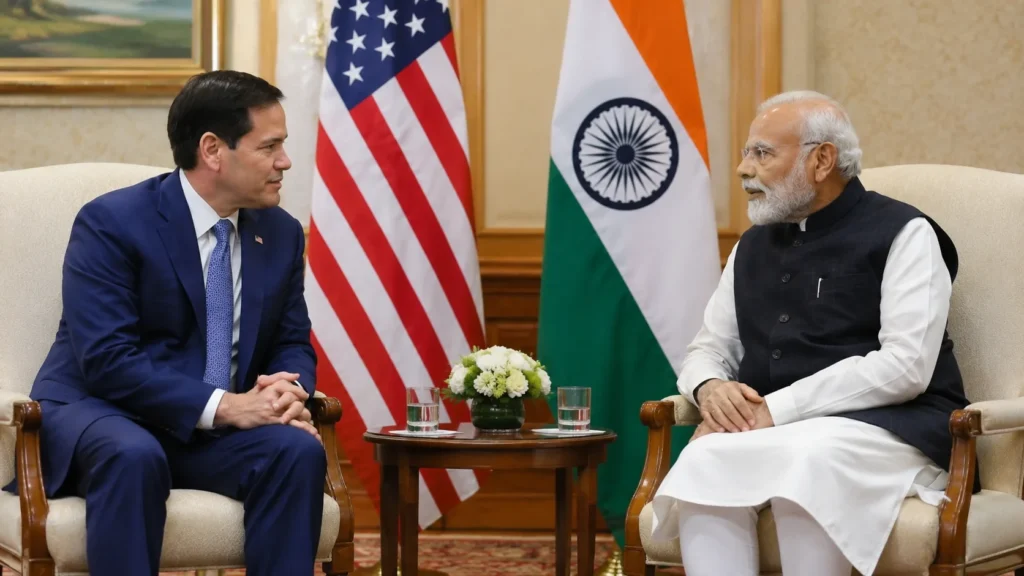
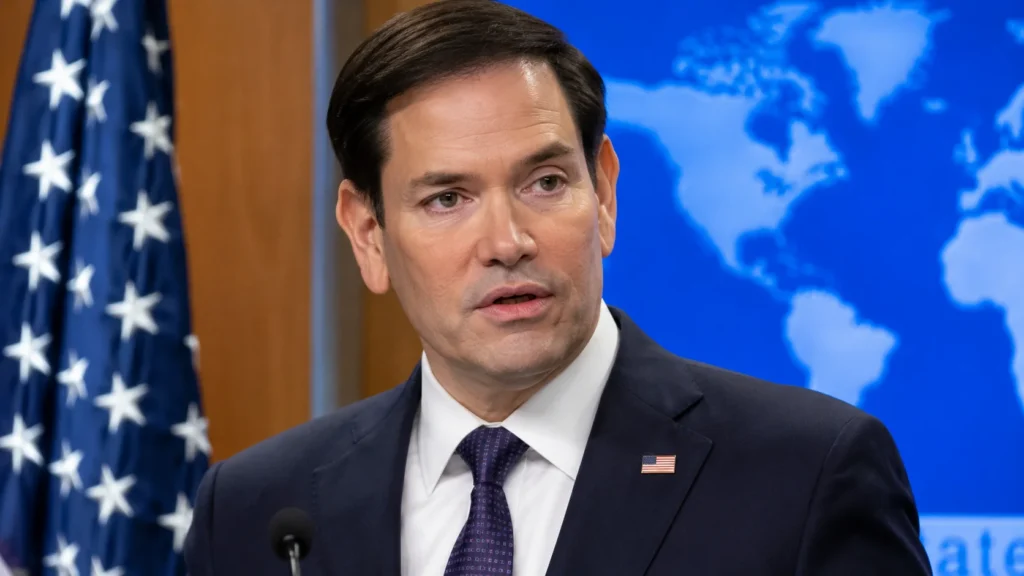
Secretary of State Marco Rubio, a potential rival for the 2028 Republican nomination, has kept a low profile on the war. He has not been the face of the diplomatic talks. He has not been the voice defending the agreement on Sunday shows. His absence has been noted by Republican operatives who see the Iran deal as a liability for anyone with presidential ambitions.
Secretary of Defense Pete Hegseth defended the military campaign but stayed out of the diplomatic negotiations. Neither Rubio nor Hegseth is the face of this agreement. Vance is the face. The face was assigned by a president who has already joked about what happens if it goes wrong.
The Versailles Signing and the Geneva Absence
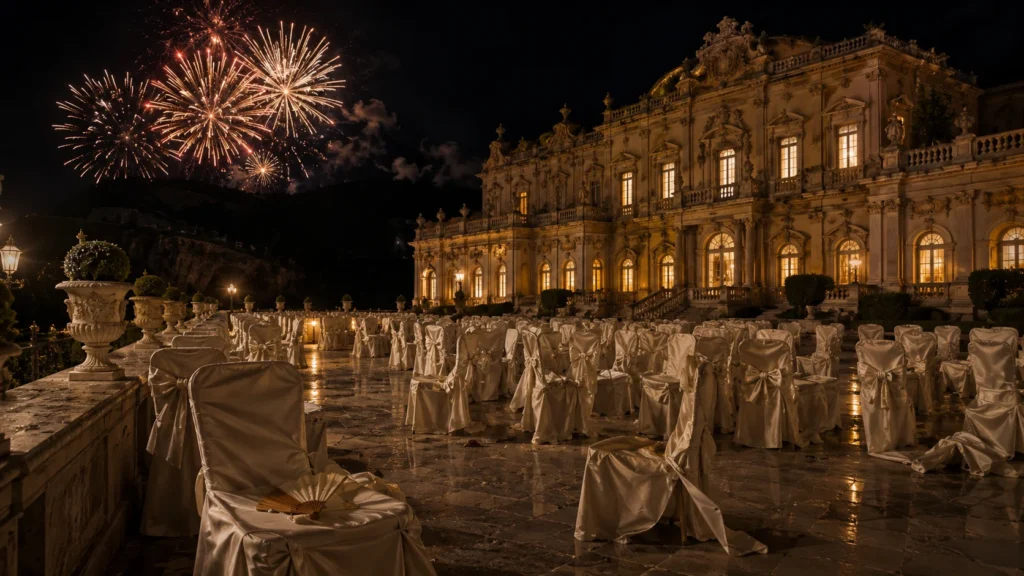
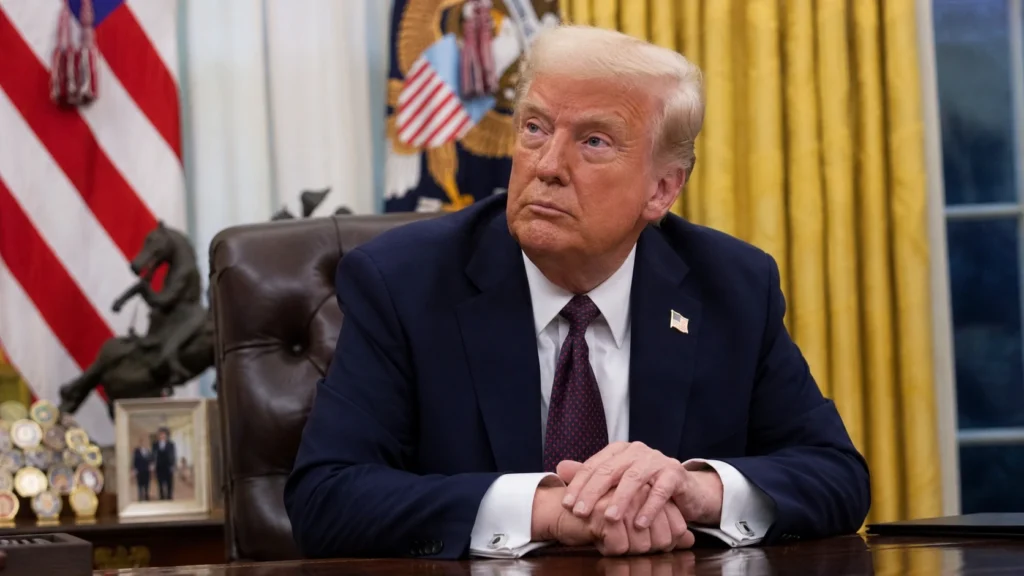
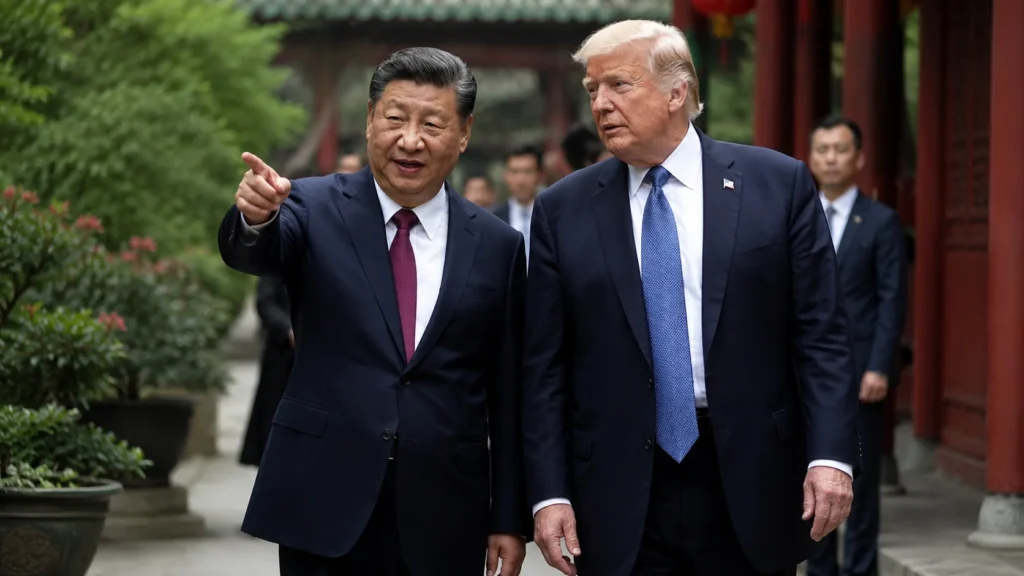
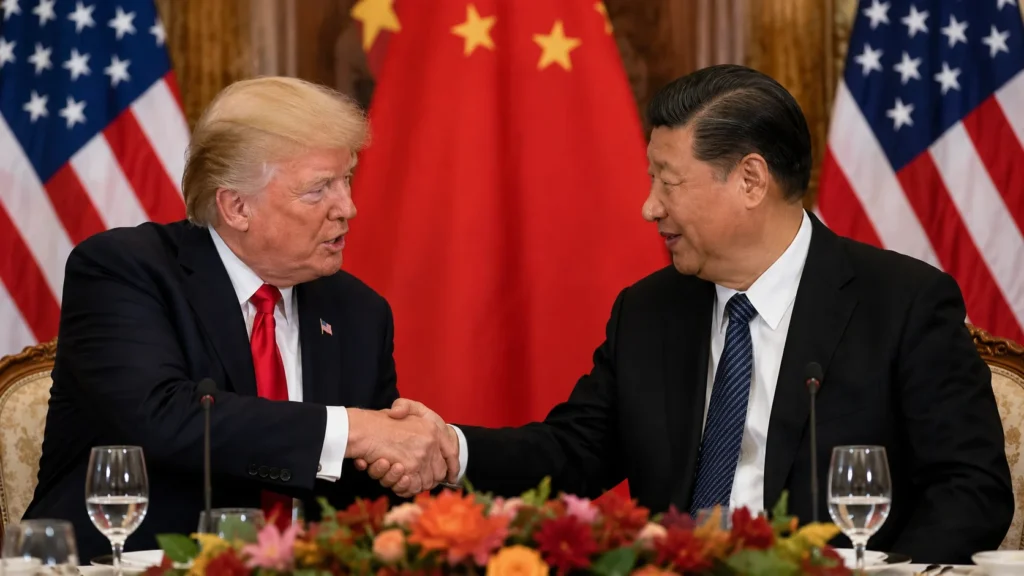
The imagery of the week told its own story. Trump signed a paper copy of the deal at the Palace of Versailles, cameras rolling, Macron beside him—the president performing the role of statesman with the grandeur of the palace as backdrop.
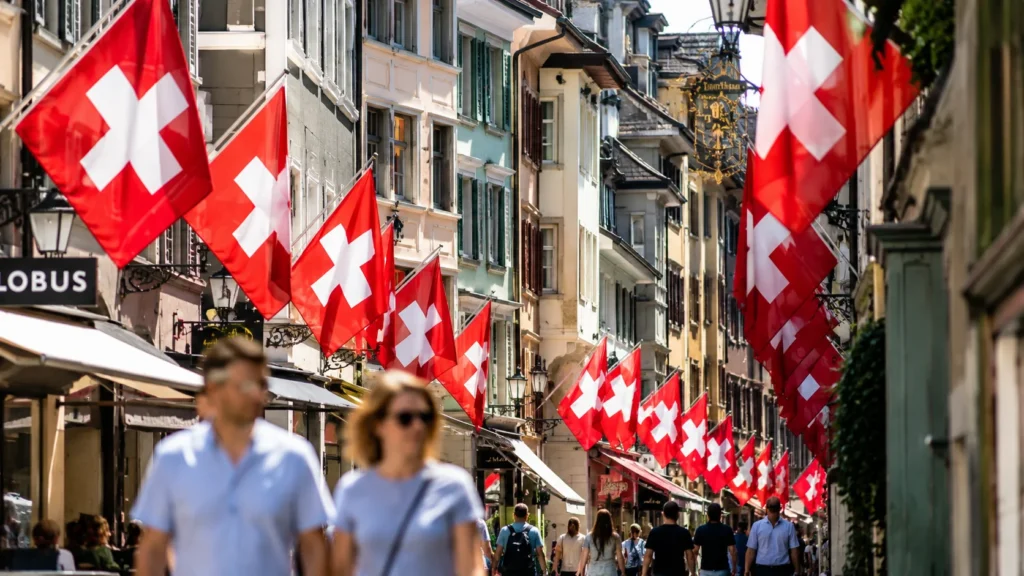
Vance, who had been expected to attend the formal signing ceremony in Geneva on Friday, was told late Thursday he would not be going. The White House said logistics were not finalised. The vice-president who had spent the week as the deal’s most visible defender would not be present for its formalisation.
The sequence is legible to anyone who has watched Trump operate over the past decade. The principal owns the success. The surrogate absorbs the risk. The Versailles signing was a success. If the deal holds, Trump signed it. If it collapses, Vance was the one who defended it on television.
What Happens Next
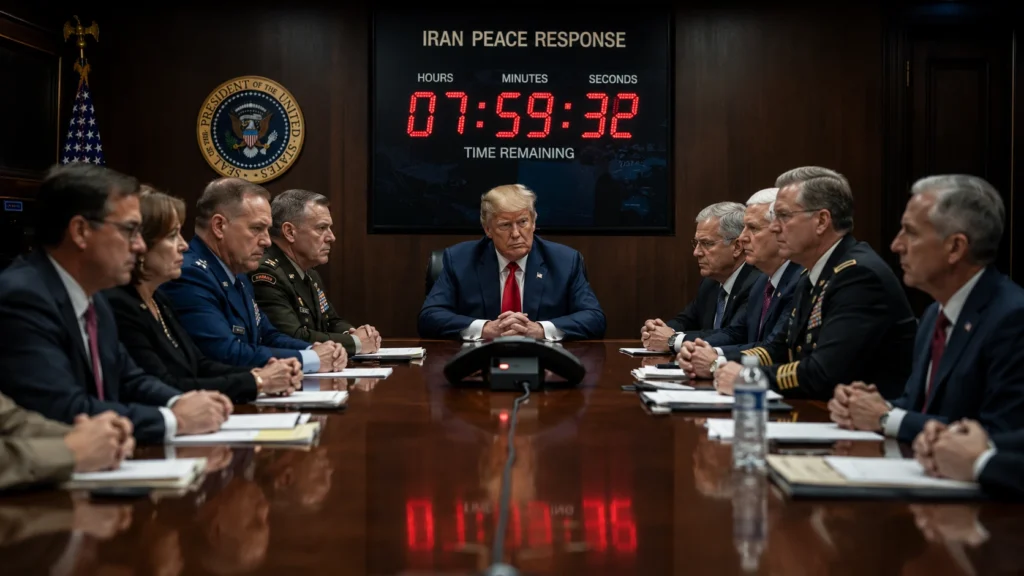
The 60-day technical negotiations begin this week. The nuclear question—enrichment limits, stockpile disposition, verification—must be resolved. The Lebanon question will be tested every time a strike hits. The $300 billion reconstruction fund, around which Vance was contradicted by Trump, will either materialise or become a point of lasting contention.
Vance will be asked about all of it. His political future, including any 2028 presidential ambitions, is now attached to an agreement he did not negotiate and cannot control. The president who assigned it to him has already planted the joke that will become the argument if it fails.
Frequently Asked Questions
Why is JD Vance the face of the Iran deal?
Trump assigned Vance the portfolio of defending the agreement. Secretary of State Marco Rubio has kept a low profile on the war, and Secretary of Defense Pete Hegseth has focused on the military campaign rather than the diplomatic talks.
What did Trump say about blaming Vance?
Trump told reporters on Wednesday he might blame Vance if the Iran deal collapses. Vance called it a joke. The remark is consistent with Trump’s pattern of distributing credit upward and blame downward.
Why was Vance pulled from the Geneva signing ceremony?
The White House said logistics were not yet finalised. Trump had already signed a copy of the deal on camera at Versailles with French President Emmanuel Macron.
What is the $300 billion reconstruction fund?
The text of the agreement commits the US to working with regional partners on a plan that includes at least $300 billion for Iran’s reconstruction. Vance said Iran “could have access” to it. Trump called reports of US payments “Fake News.”
How does this affect Vance’s 2028 prospects?
Vance’s political future is now attached to the deal’s outcome. If it succeeds, he will have played a central role in a historic agreement. If it fails, Republican primary opponents will use his defence of it against him.