

 English











































































































































Ariana Grande Said Stop. The White House Muted the Song.
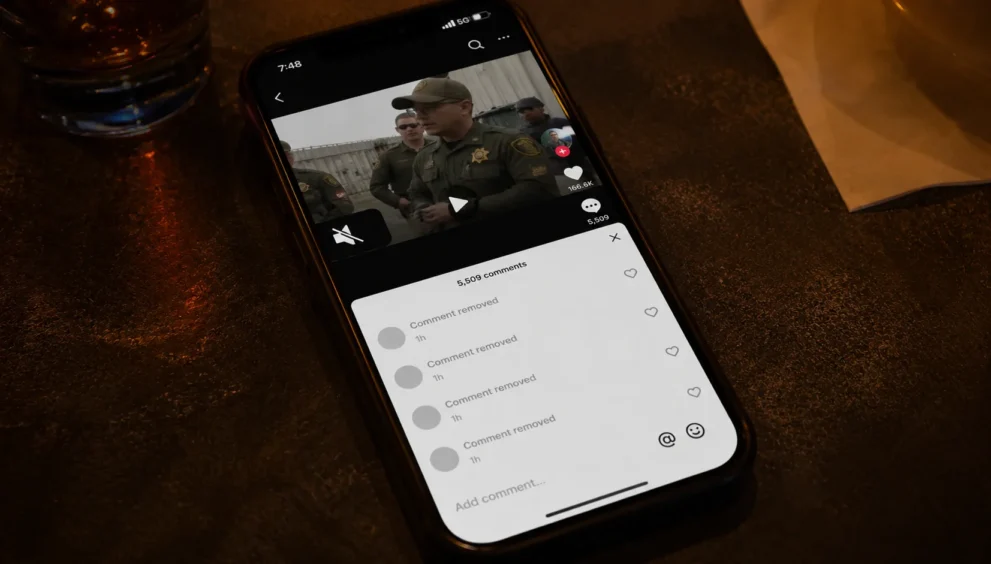
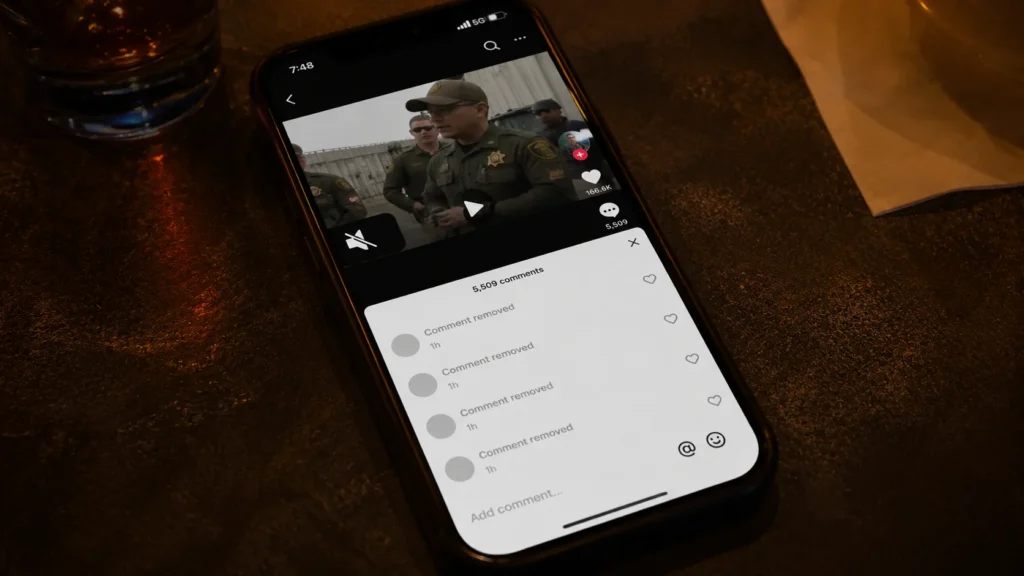
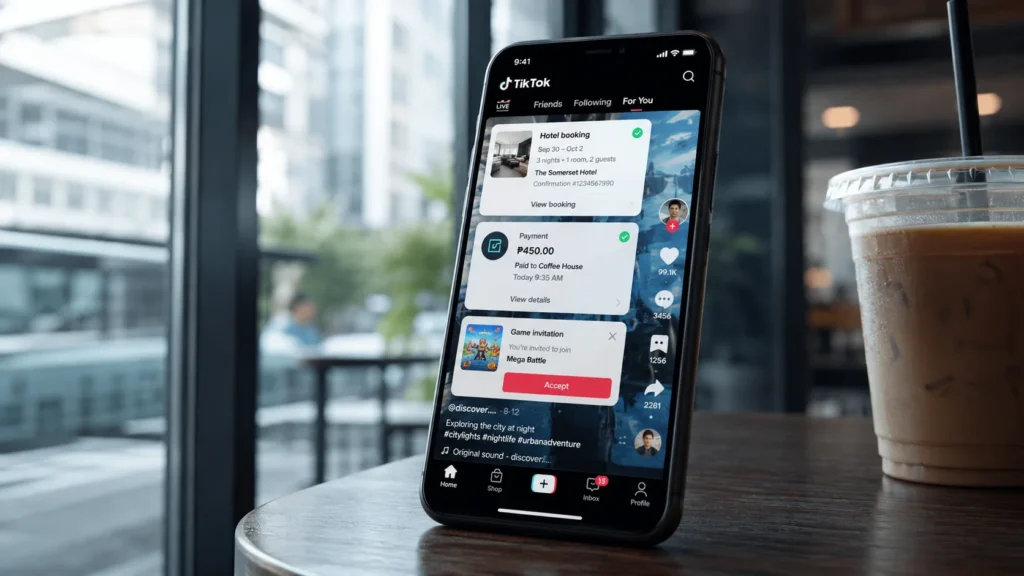
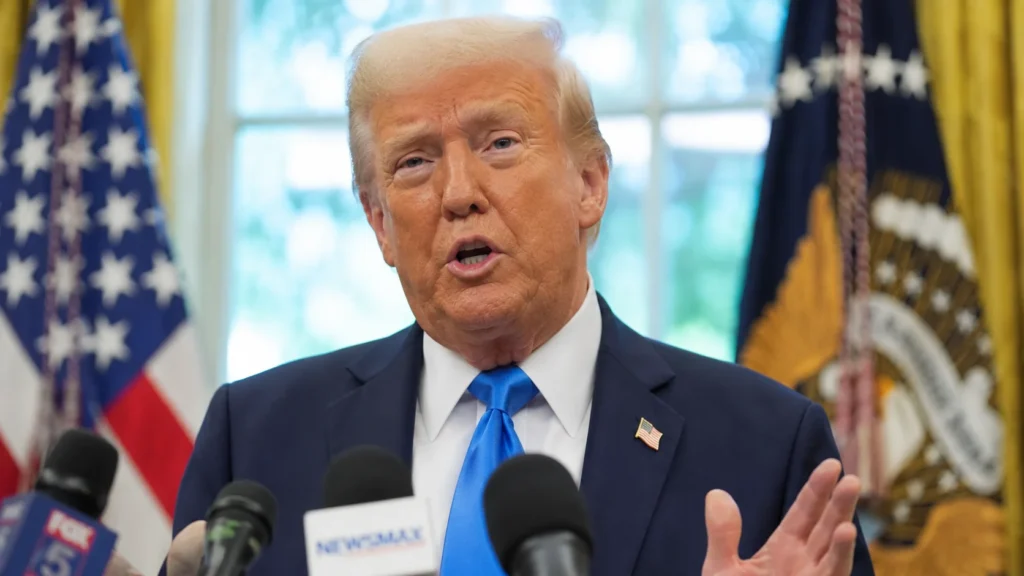
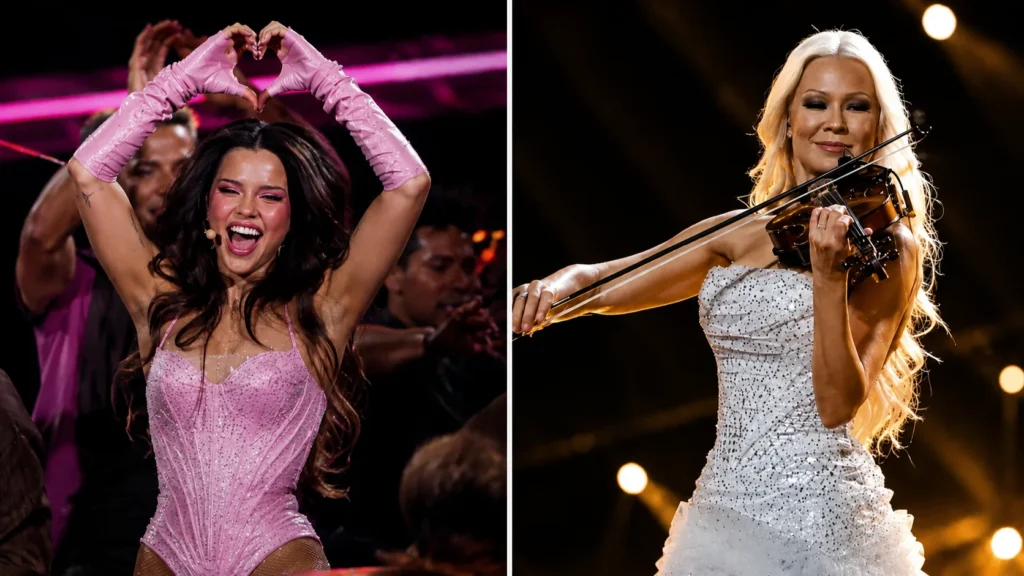
The TikTok video appeared on Monday. Border agents are placing people in handcuffs. People were ushered into cars, then into detention centres. The soundtrack: Ariana Grande’s 2024 hit Bye. The caption: “Bye-bye… President Trump has delivered the most secure border in history.” The song, a sleek pop departure, played under footage of enforcement operations. The juxtaposition was not subtle. It was not meant to be.
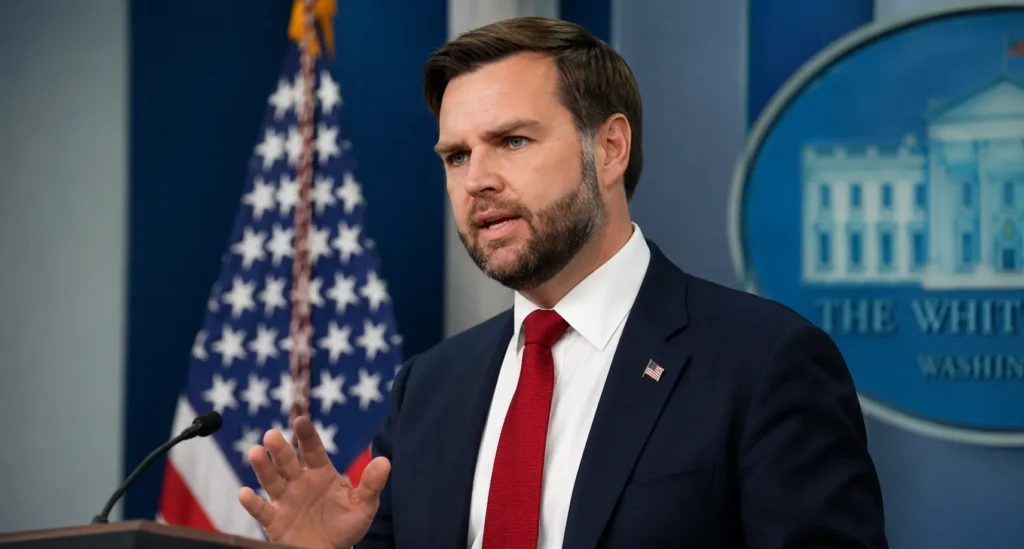
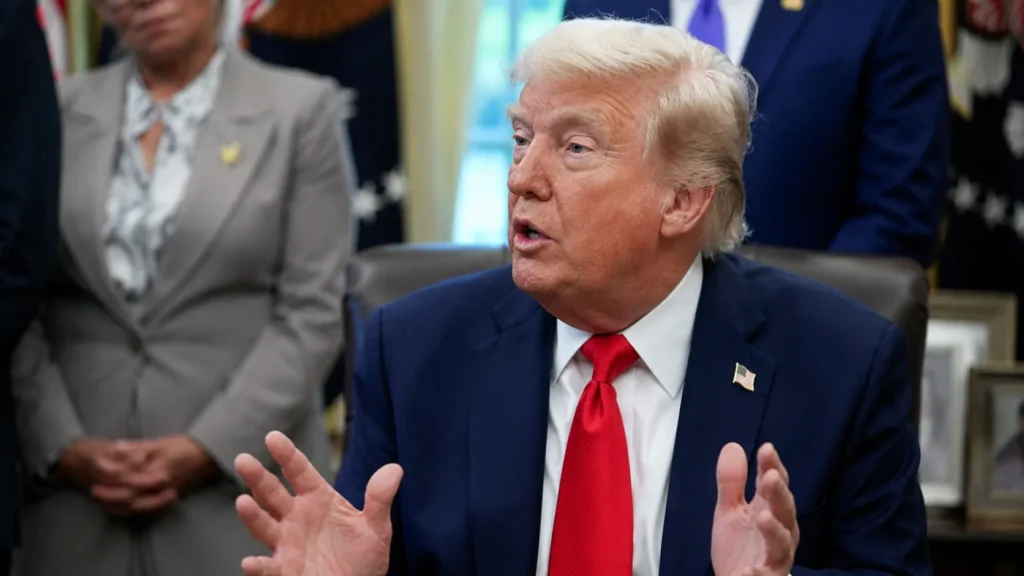
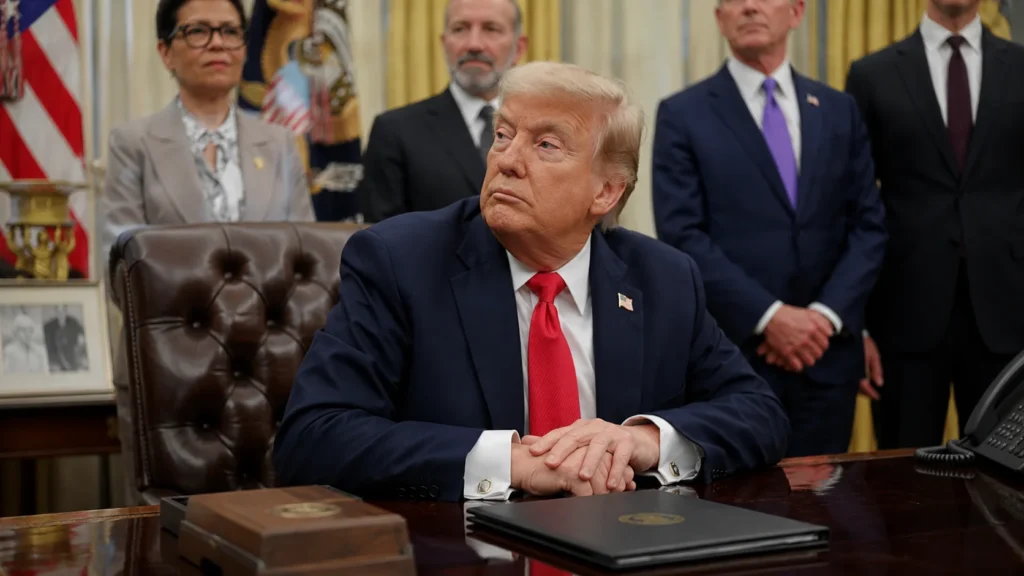
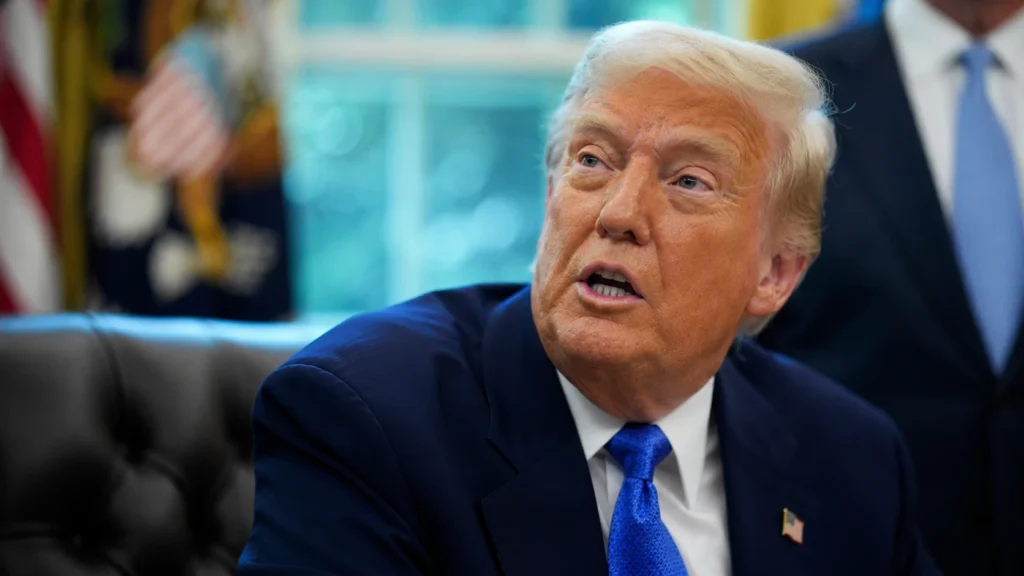
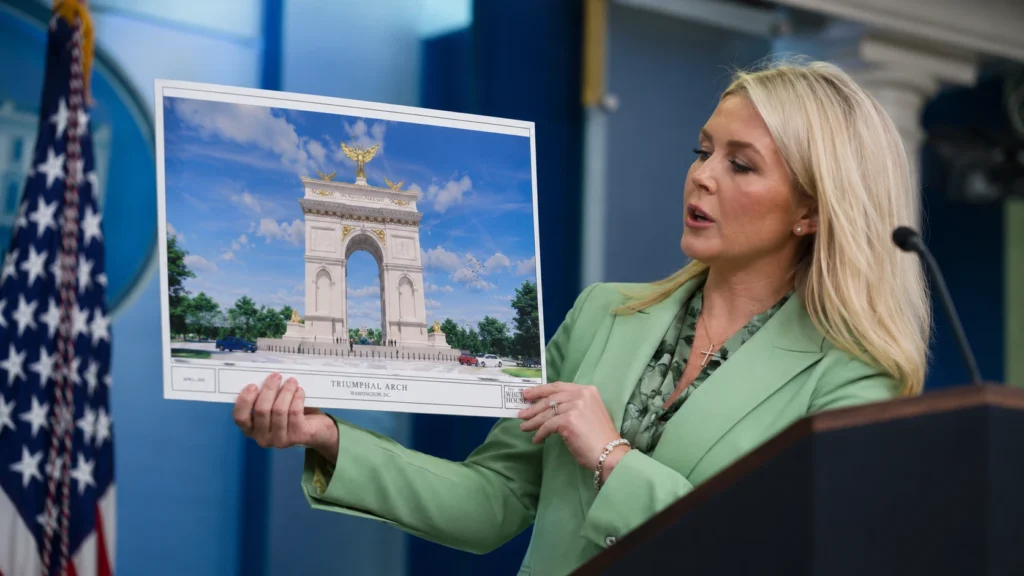
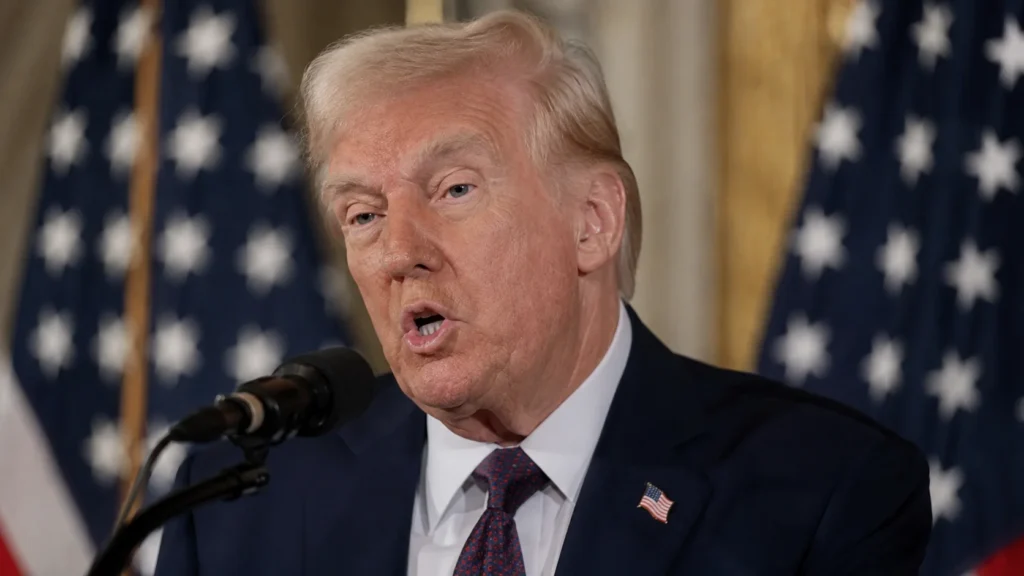
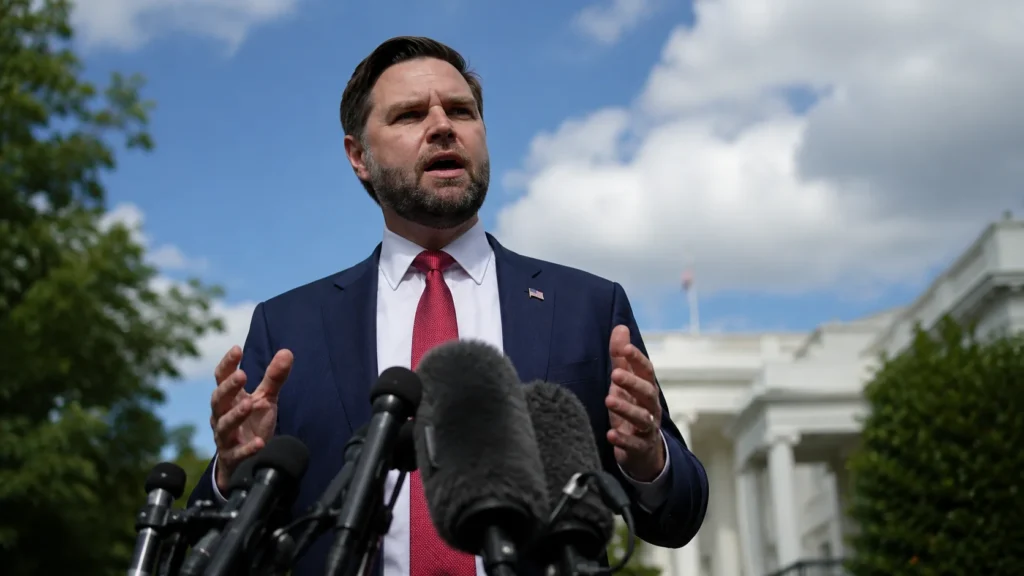
Grande commented on the post. “Please do not use my music in relation to this barbaric, inhumane, heinous nonsense.” The comment was public. The demand was direct. The response from the White House came not through a statement to Grande but through a spokesperson’s reply to US media. “What’s actually barbaric, inhumane, and heinous are the criminal illegal aliens who have injured and murdered innocent American citizens,” said Abigail Jackson. Then the White House muted the video and removed Grande’s comment. The sound cut out. The images remained. The demand was acknowledged and ignored in the same gesture.
The incident joins a growing list. Sabrina Carpenter wrote “do not ever involve me or my music to benefit your inhumane agenda” after a White House clip used her song Juno in a compilation of ICE operations last year. ABBA, Céline Dion, and Beyoncé all insisted during the 2024 campaign that Trump rallies stop playing their music. The pattern is now established. An artist objects. The music is removed or muted. The underlying footage stays. The White House moves on to the next song. The objection becomes part of the story that the video was designed to generate.
This is not an isolated event. This is a structural shift in what it means to own a song. Copyright law gives artists control over commercial use. It does not give them control over political meaning. The gap between those two things is where the White House now operates. It does not need permission. It needs the attention the objection produces. The objection is the point.
The Licensing Gap
The legal framework is straightforward. Political campaigns and government entities can license music through blanket agreements with performance rights organisations. The artist does not need to consent. The licence covers the use. The song plays. The artist objects. The licence remains valid. The objection has no legal force.
The White House understands this. The video used Grande’s song under a license. When she objected, the video was muted—an act of deference that was also an act of dismissal. The sound disappeared. The message did not. The removal of her comment from the post made the objection invisible to anyone who had not already seen it. Users noticed. They commented under the muted video, noting that Grande’s words had been erased and the sound cut. The erasure became part of the story. The story was already the point.
The licence protects the White House from legal liability. It does not protect it from cultural liability. The distinction is where artists now operate. They cannot sue. They can object. The objection is not a legal remedy. It is a public performance of ownership in a system that grants them none. The performance is all they have. They are using it.
The Precedent Cascade
Sabrina Carpenter’s objection last year established the template. Her song Juno soundtracked ICE operations footage. She posted her demand. The White House moved on. ABBA, Céline Dion, and Beyoncé established the earlier template during the 2024 campaign. Their songs played at rallies. They objected. The rallies continued with different songs. The cycle repeats. The artist objects. The song is removed. A new song replaces it. The objection becomes a headline. The headline becomes part of the administration’s broader argument: that it is fighting not just immigration but the cultural establishment that opposes it.
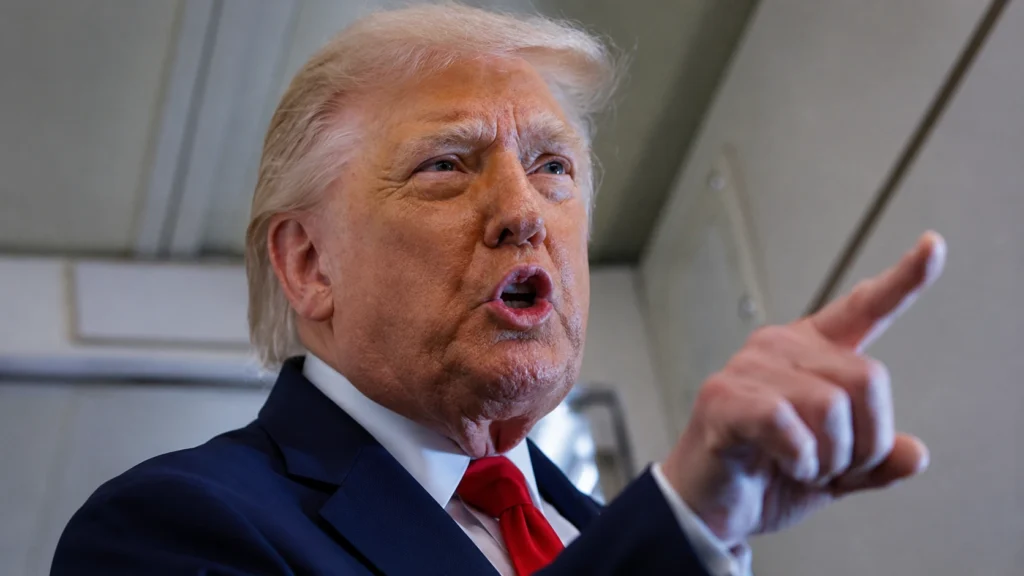
The White House spokesperson’s response to Grande made the dynamic explicit. Jackson did not address the use of the song. She addressed the substance of the video. “What’s actually barbaric, inhumane, and heinous are the criminal illegal aliens who have injured and murdered innocent American citizens.” The statement turned Grande’s language back on her. It treated the objection not as a licensing dispute but as a policy disagreement. The White House was not defending its right to use the song. It was defending the actions the song accompanied.
This is the strategic shift. The music is not the message. The music is the bait. The objection is the amplification. The artist’s public statement opposing the use of her work becomes evidence, in the administration’s framing, of an entertainment industry that opposes border enforcement. The artist does not intend this. The artist cannot prevent it. The licence ensures the song can be used. The objection ensures the use will be noticed. The two things together produce exactly the conflict the White House wants.
Who Gains, Who Loses
The power recalibration is visible across multiple axes.
The White House gains a proven content strategy. A pop song paired with enforcement footage generates engagement. The artist’s objection generates a second wave of engagement. The muting of the video and the removal of the comment generate a third. The story outlasts the post. The policy message—”the most secure border in history”—travels further than it would have without the controversy. The controversy is the distribution mechanism.
Artists gain a public platform for objection and lose control of their work’s political meaning. Grande’s demand was clear. Her comment was removed. The video was muted. The footage remained. The song’s association with the images it soundtracked cannot be undone. The memory of the pairing outlasts the muting. The artist’s name attaches to a policy she opposes. The opposition is visible. The association is permanent.
Platforms gain engagement. The TikTok video generated comments, shares, news coverage, and the kind of cross-platform discussion that algorithms reward. The removal of Grande’s comment and the muting of the audio did not suppress the controversy. They extended it. Each new user noting the missing comment, generated another comment. Each comment signalled engagement. Each engagement rewarded the platform. The platform’s interests aligned with the conflict’s continuation.
The public loses the ability to hear the song without the context. Bye is now a song about immigration enforcement for anyone who encountered the video before it was muted. The association is not legal. It is cultural. The licence cannot erase it. The artist cannot control it. The audience cannot unsee the pairing. The song’s meaning has shifted. The shift was the point.
The Cultural Economy of Objection
The pattern now functions as a predictable cycle. The White House selects a pop song. It pairs the song with enforcement footage. It posts the video. The artist objects. The White House responds by defending the policy, not the use. The video is muted or removed. The artist’s comment is deleted or buried. The story is covered. The policy message reaches audiences it would not otherwise reach.
The cycle depends on artists continuing to object. If they stop objecting, the strategy loses its second act. The video plays. The song soundtracks the policy. No controversy follows. The footage does its work quietly. But artists cannot stop objecting. The objection is the only tool they have. The licence gives them no legal recourse. Public statement is the sole remaining mechanism for asserting control over work that has been taken for a purpose they oppose.
This is the trap. The White House does not need the song. It needs the objection. The song is interchangeable. Grande’s Bye replaced Carpenter’s Juno, which replaced whoever comes next. The artist is not the subject. The artist is the catalyst. The objection activates the distribution. The distribution serves the policy. The policy is the product. The song is the packaging.
The 24-Month Trajectory
More artists will object. More songs will be muted. More comments will be removed. The pattern will continue because it works for the administration and because artists have no alternative mechanism for asserting control. Congress could amend copyright law to give artists greater control over the political use of their work. It has not done so. It is unlikely to do so. The legal architecture that enables the strategy is stable.
The cultural architecture is shifting. Audiences now expect the cycle. They watch the video. They wait for the objection. They check the comments. They note the muting. The experience of the content now includes the expectation of its own controversy. The controversy is part of the form. The form is now established.
The next administration, of either party, will inherit the tactic. The licence covers all political use, not just one party’s. The strategy is ideologically neutral. Pop songs paired with policy footage generate engagement regardless of the policy. The tool will remain available. The question is whether anyone chooses not to use it.