

 English



































































































































































































































































































































































Mills Is Still on the Ballot. The Maine Primary Just Fractured.

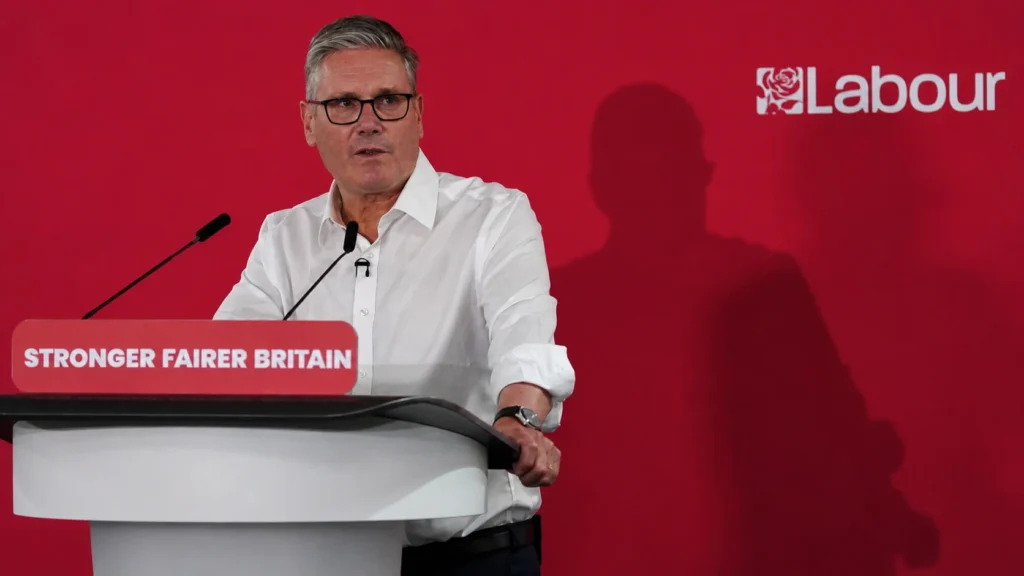
The Maine Democratic primary for U.S. Senate was supposed to be over. Governor Janet Mills suspended her campaign in late April 2026, leaving progressive populist Graham Platner as the presumptive nominee to face Republican Senator Susan Collins in November. Then came June 1. In a Sunday interview with the Portland Press Herald, Mills reminded voters of one critical fact: Mills is still on the ballot. She never formally withdrew. With Maine’s June 9 primary days away and ranked-choice voting in play, a suspended campaign has become a live political weapon—and the Democratic Party’s carefully managed unity is cracking.
SIDE A: THE CASE FOR PLATNER—THE PARTY’S CHOSEN PATH
Graham Platner’s rise was not accidental. He drew large crowds across Maine. He secured endorsements from Bernie Sanders, Elizabeth Warren, and a growing list of national progressive figures. His platform—standing up to billionaires, making life more affordable—resonated with voters frustrated by economic inequality. When Mills dropped out, citing dwindling campaign funds, the party machine pivoted. Chuck Schumer, who had recruited Mills to challenge Collins, signaled he was ready to work with Platner. The calculus was straightforward: unify behind the candidate with momentum and take down Collins, a six-term Republican Democrats view as a must-defeat target.
Sanders reinforced that position Monday. He told CNN interview with Bernie Sanders on June 2 he was “not at all” rethinking his support. “Maybe rather than worrying about Graham Platner’s marriage, we worry about what’s happening to the working families in this country,” Sanders said. Warren praised Platner’s “courage and determination.” California Representative Ro Khanna scheduled a Friday rally with Platner along the Maine coast. The national progressive wing is fully committed. They see a candidate who can energize turnout and finally unseat Collins.
SIDE B: THE CASE FOR MILLS—THE BALLOT AS INSURANCE
Then the ground shifted. On May 31, news outlets reported that Platner’s wife, Amy Gertner, had flagged to campaign staff at the start of the race that her husband had sent sexual text messages to other women. Former campaign political director Genevieve McDonald disclosed the details. Gertner said she was “deeply hurt” by the leak. Platner’s campaign declined to comment.
The revelations landed on existing fault lines. Platner had already faced criticism for past online comments denigrating rape victims—comments for which he apologized last year. The “Women for Janet” coalition, which included former state senator Lynn Bromley and state representatives Holly Eaton, Cassie Julia, and Allison Hepler, had formed precisely around the contrast between Mills’s record on abortion rights and Platner’s history with women.
In her Sunday interview, Mills clarified, “People have the impression that I ‘withdrew’ or ‘dropped out,’ but I simply suspended active campaigning. I am still on the ballot.”
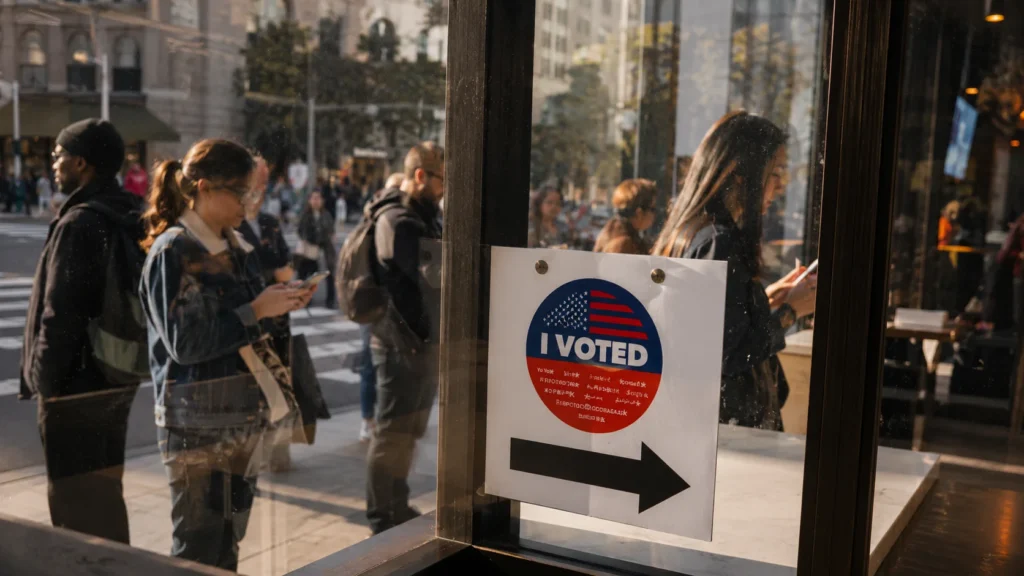
That sentence rewired the race. Maine’s ranked-choice voting system means voters can rank Mills first without wasting their vote. If Platner fails to secure a majority of first-choice votes, the ranked-choice mechanism redistributes ballots. Mills, even as a suspended candidate, becomes a vehicle for the party’s uneasy faction. Bromley said she “definitely” wants Mills to unsuspend her campaign. Eaton said she would be “pleased to see her unsuspended.” Hepler stated she will rank Mills first. These are not endorsements of a revived operation. They are expressions of doubt about the alternative.
As our analysis of ranked-choice voting in competitive primaries documented, incomplete withdrawals create unique leverage in multi-candidate fields. Mills does not need campaign offices or television ads. She needs enough first-choice votes to signal that Platner cannot unify the party.
THE TENSION: WHAT’S AT STAKE
The Democratic Party faces a structural dilemma that no endorsement can resolve.
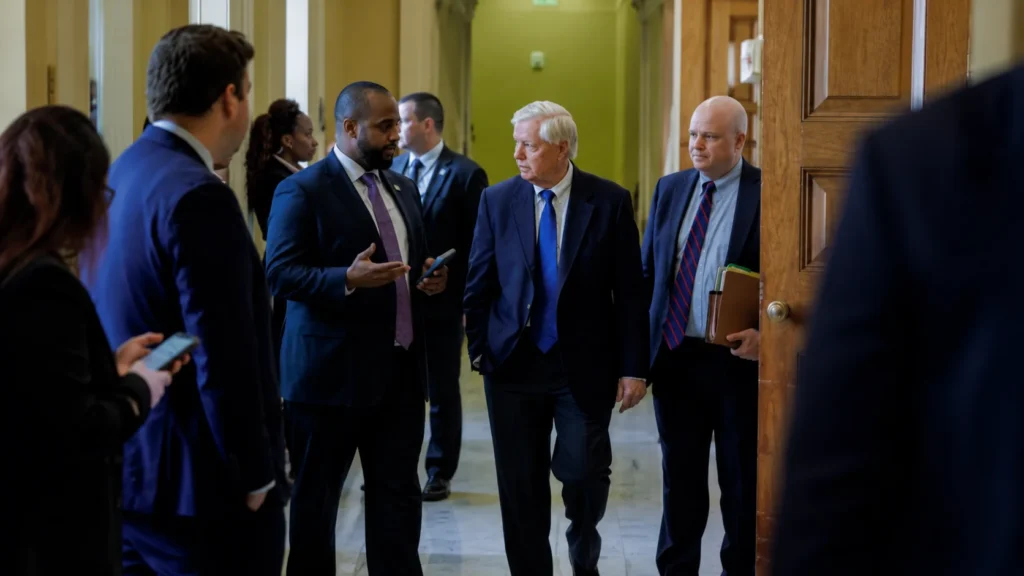
Schumer declined to comment Monday on whether he had confidence that Platner could defeat Collins. “Not now,” he told reporters on Capitol Hill. That is not a withdrawal of support. It is a withholding of confidence—a silence that speaks as loudly as Sanders’s full-throated defense. The distance between Schumer’s caution and the progressive wing’s embrace is the fissure running through the coalition.
Collins needs a divided Democratic Party. She has won six terms by running as a moderate alternative, outperforming her party’s presidential candidates in a state that leans blue. The Platner controversy gives her material. The candidate Democrats are rallying behind has a documented history of inflammatory comments and now faces public confirmation of marital infidelity flagged by his own wife. Collins will not need to mention any of this directly. Outside groups will.
The “Women for Janet” coalition framed the stakes bluntly. Their argument is not about Platner’s private life. It is about electability. Suburban women decide Maine elections. Mills’s supporters are betting—implicitly and now publicly—that Platner cannot hold that constituency.
State Representative Anne Graham, a former Mills supporter, did not call for Mills to re-enter the race. She praised McDonald, the former Platner staffer who disclosed the text messages, for “being brave enough to speak up.” That statement, quiet as it was, signals something important: the dissent is not just about Mills. It is about whether the party should tolerate a nominee whose liabilities compound by the week.
THE TIMELINE: HOW WE GOT HERE
- Late April 2026: Janet Mills suspends her Senate campaign, citing dwindling funds. She does not endorse Platner. She does not withdraw from the ballot.
- May 2026: Platner consolidates progressive support. Sanders, Warren, and Khanna back his campaign. National Democratic leadership pivots toward unity.
- May 31, 2026: Media outlets report that Platner’s wife, Amy Gertner, flagged his sexual text messages to other women to campaign staff at the race’s start. Former political director Genevieve McDonald discloses the details.
- June 1, 2026: Mills tells the Portland Press Herald she is “still on the ballot.” Her former supporters begin publicly urging voters to rank her first.
- June 2, 2026: Schumer declines to express confidence in Platner. Sanders and Warren stand by their endorsements. Khanna moves forward with a Friday rally.
- June 9, 2026: Maine primary day. Ranked-choice voting will decide whether the party unifies behind Platner or fractures further.
RESOLUTION: WHERE IS THIS HEADING
The June 9 primary will answer the immediate question. If Platner wins decisively, the party will close ranks. The national progressive infrastructure will pour resources into Maine. Schumer’s silence will give way to whatever unity statement the moment requires.
If Platner wins narrowly, or if Mills draws a significant share of first-choice votes without campaigning, the general election math changes. Donors will hesitate. The party will have a nominee but not a mandate. Collins will watch the results with what one can reasonably assume is quiet satisfaction.
Watch Mills’s first-choice share. Watch whether she endorses Platner before November—she has not, and she may not. Watch Schumer’s tone in the days after June 9. If the party pivots from celebration to damage control, Collins gains what she most needs: time.
The primary was supposed to be settled in April. It was not. The ballot is still open. So is the question of who can actually beat Susan Collins.
Below are answers to common questions about the current state of the race and its implications.
No. Mills suspended her campaign in late April 2026 and has not reactivated it. However, her name remains on the June 9 primary ballot, and she has reminded voters that she never formally withdrew. Maine’s ranked-choice voting system means votes for Mills still count.
What is ranked-choice voting, and how does it affect this primary?
Ranked-choice voting allows voters to rank candidates in order of preference. If no candidate wins a majority of first-choice votes, the lowest-ranking candidate is eliminated, and their votes are redistributed to voters’ second choices. This means Mills supporters can rank her first without wasting their vote, potentially influencing the outcome even without an active campaign.
What is the controversy surrounding Graham Platner?
Platner’s wife, Amy Gertner, confirmed to campaign staff at the race’s start that he had sent sexual text messages to other women. The details became public on May 31, 2026, when former campaign political director Genevieve McDonald disclosed them. Platner also previously apologized for past online comments denigrating rape victims. His campaign declined to comment on the latest revelations.
What are national Democrats saying about the race?
Senate Minority Leader Chuck Schumer declined to say whether he had confidence that Platner could defeat Susan Collins. Senators Bernie Sanders and Elizabeth Warren continue to support Platner. The split reflects a broader tension between the party’s progressive wing and its more cautious electoral strategists.
When is the Maine primary, and who is the Republican candidate?
The Maine Democratic primary is June 9, 2026. The winner will face Republican Senator Susan Collins, who is seeking her sixth term. Collins has historically outperformed her party’s presidential candidates in Maine by running as a moderate.
AUTHOR BIO
Written by the Political Desk, covering congressional elections, party dynamics, and electoral systems for over fifteen years.