

 English





































































































































































































































































































Iran Strikes Bahrain and Kuwait as US-Iran Ceasefire Unravels
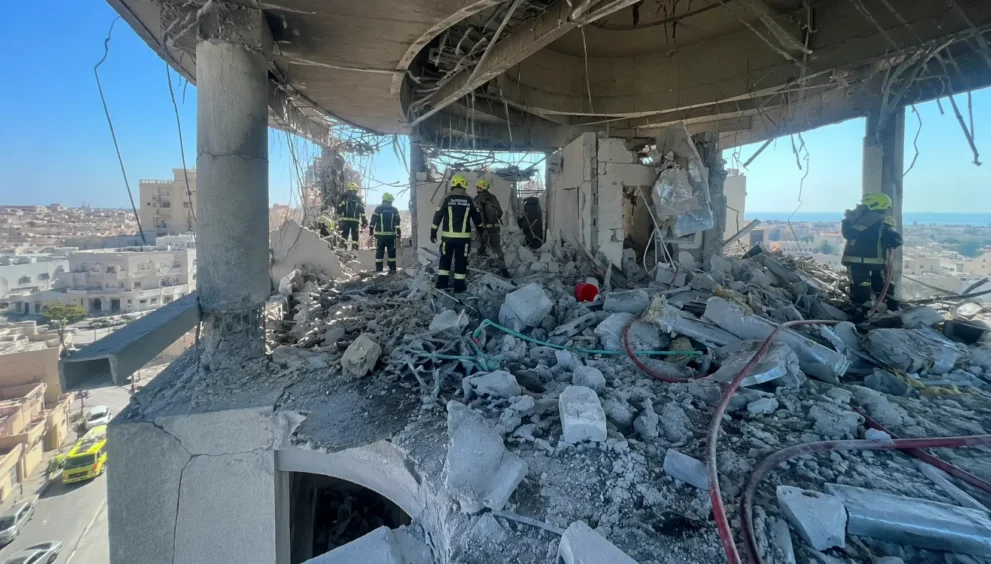
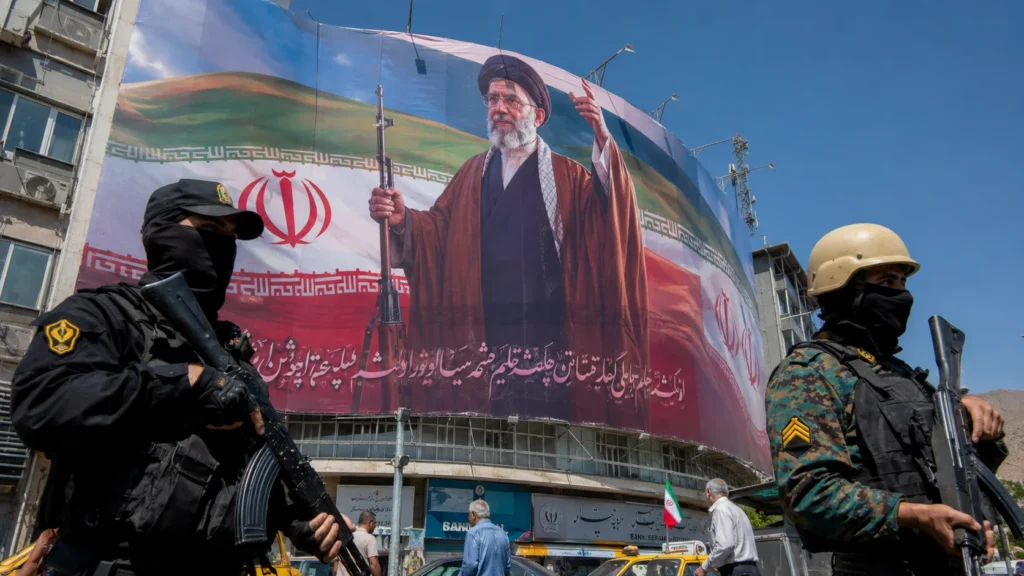
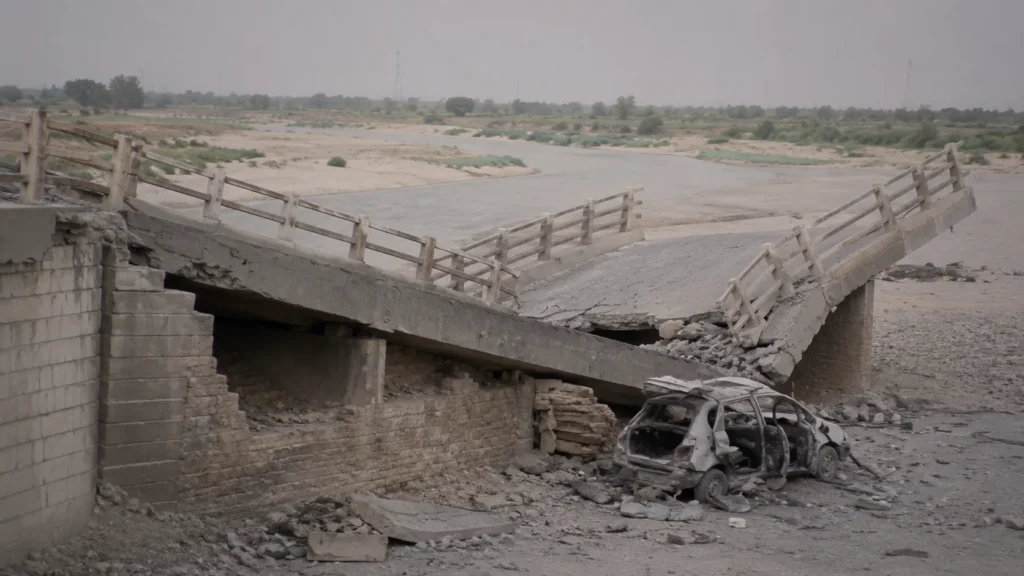
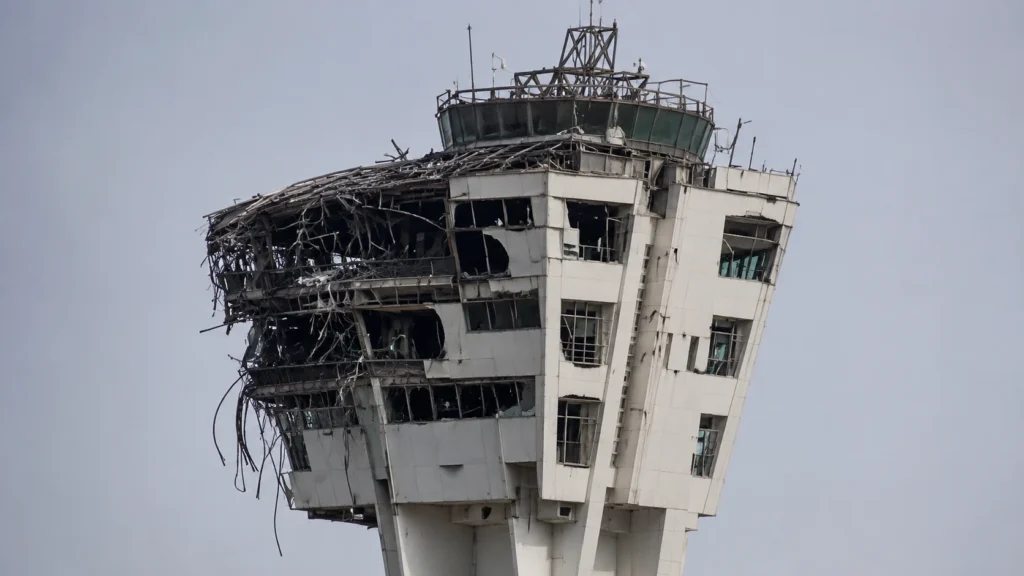
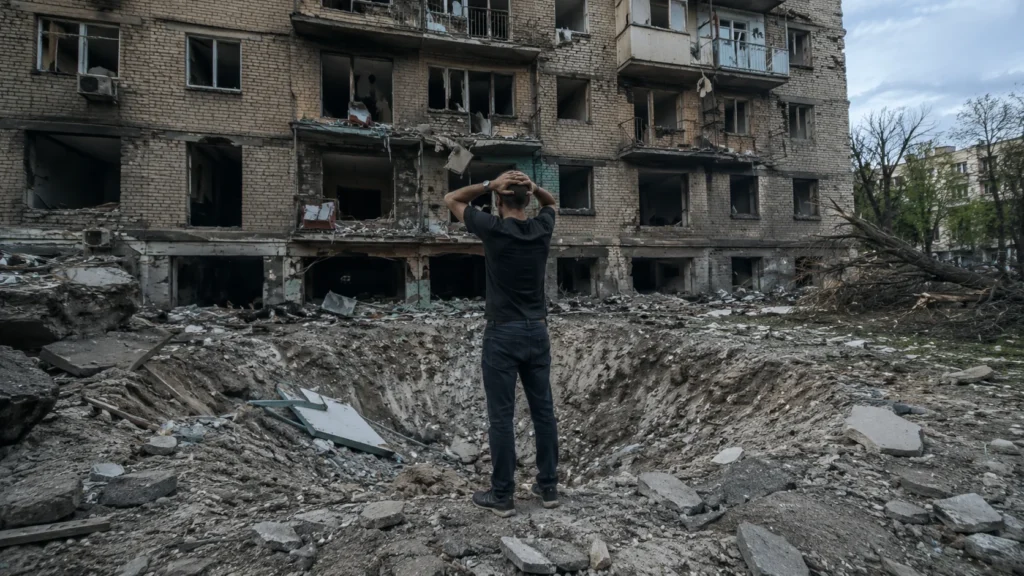
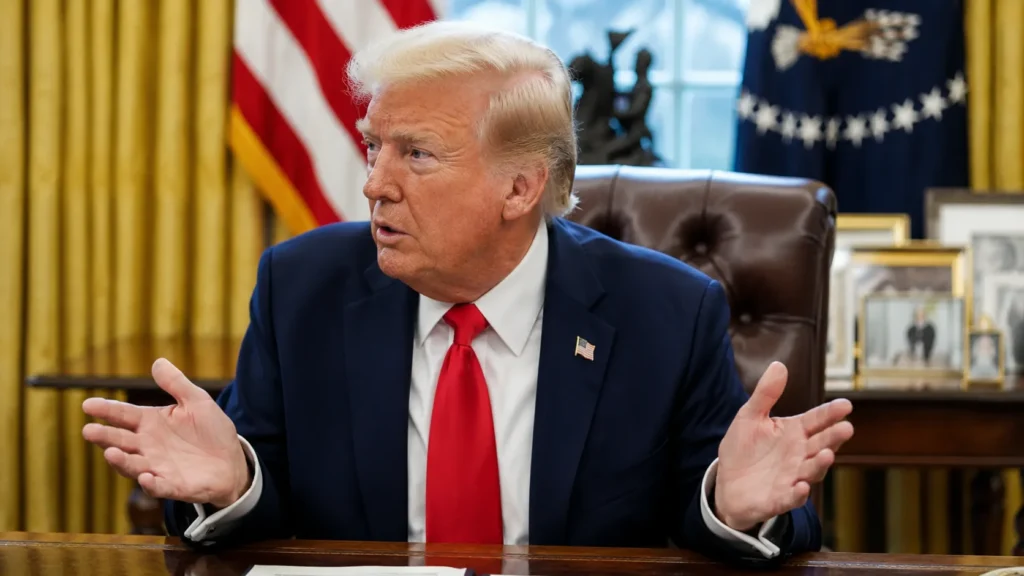
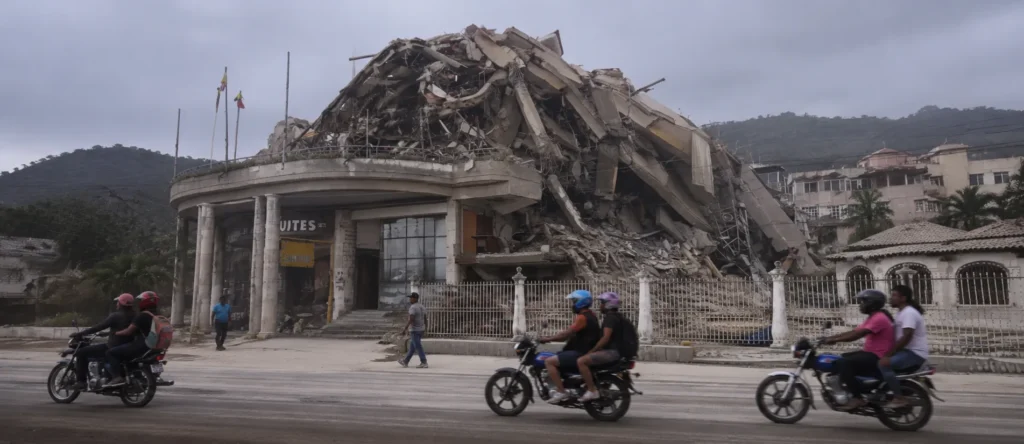
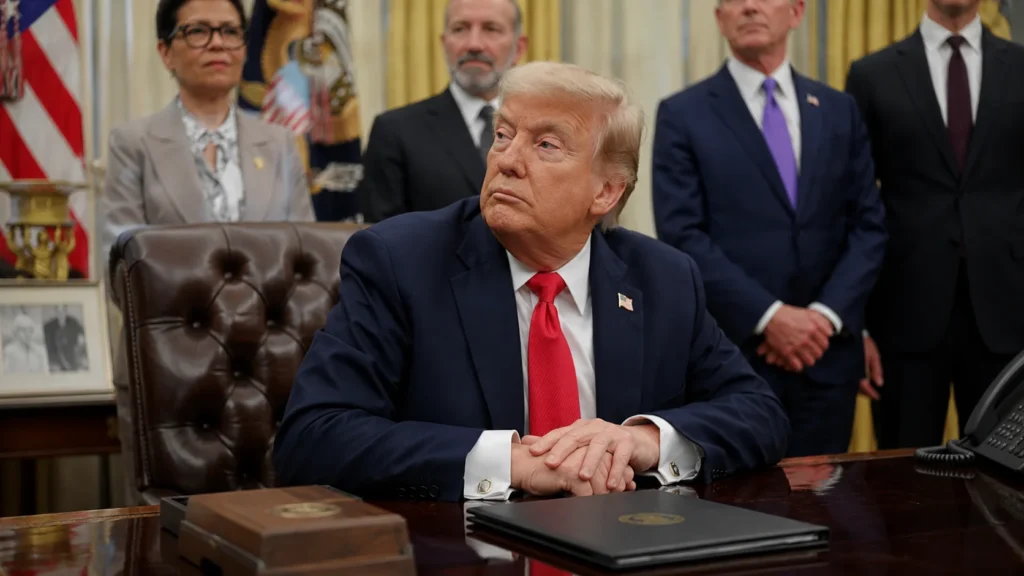
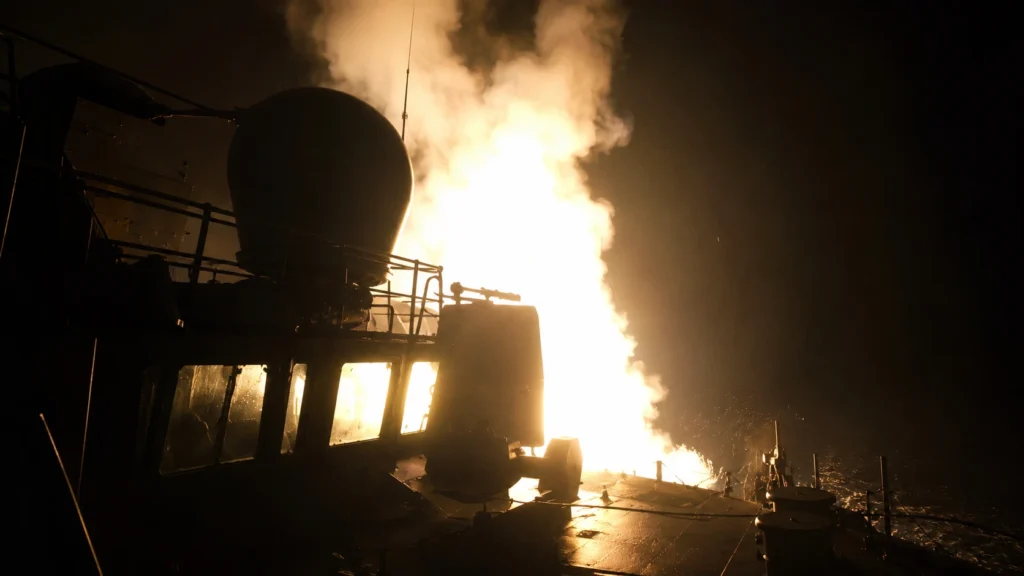
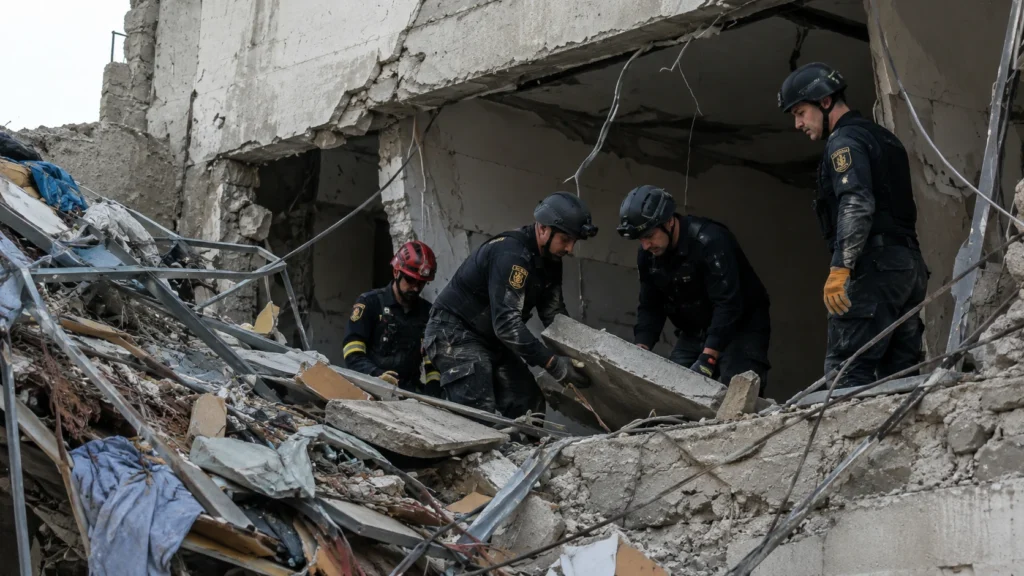
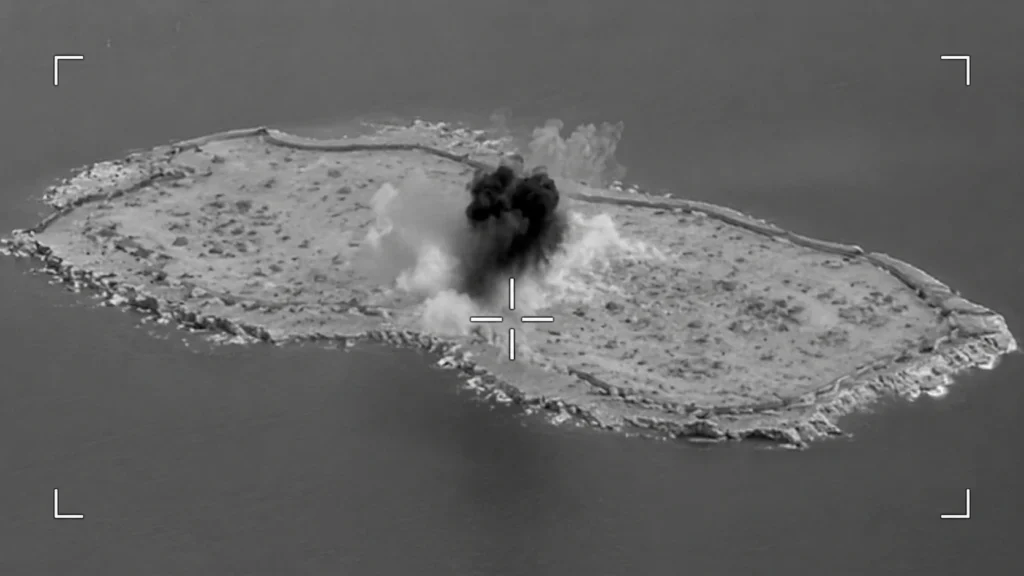
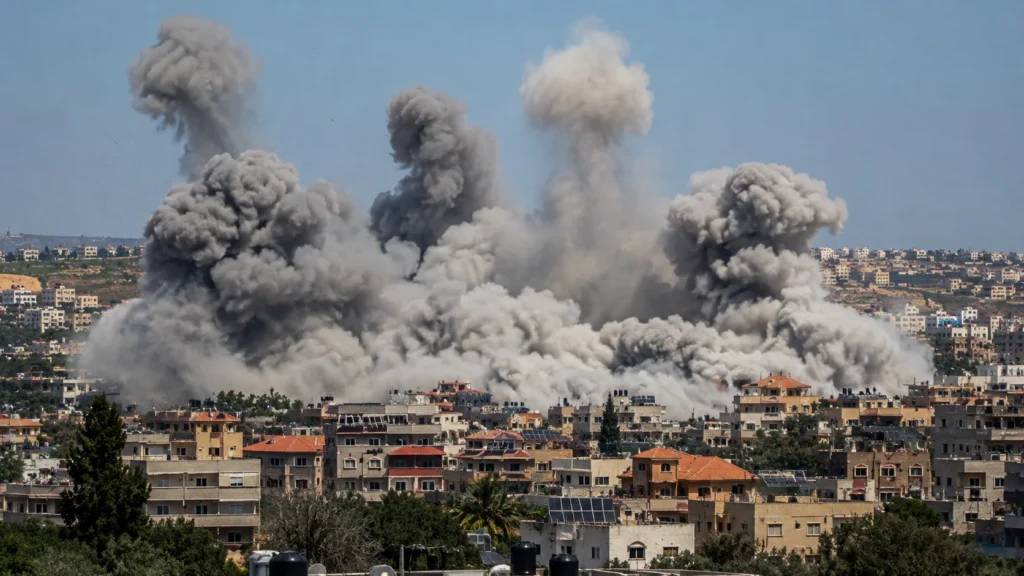
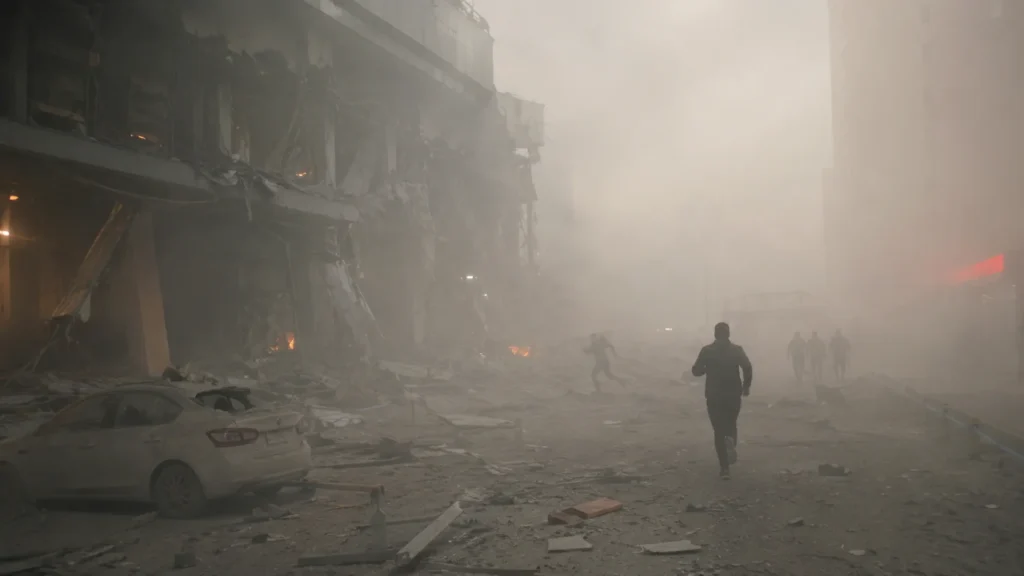
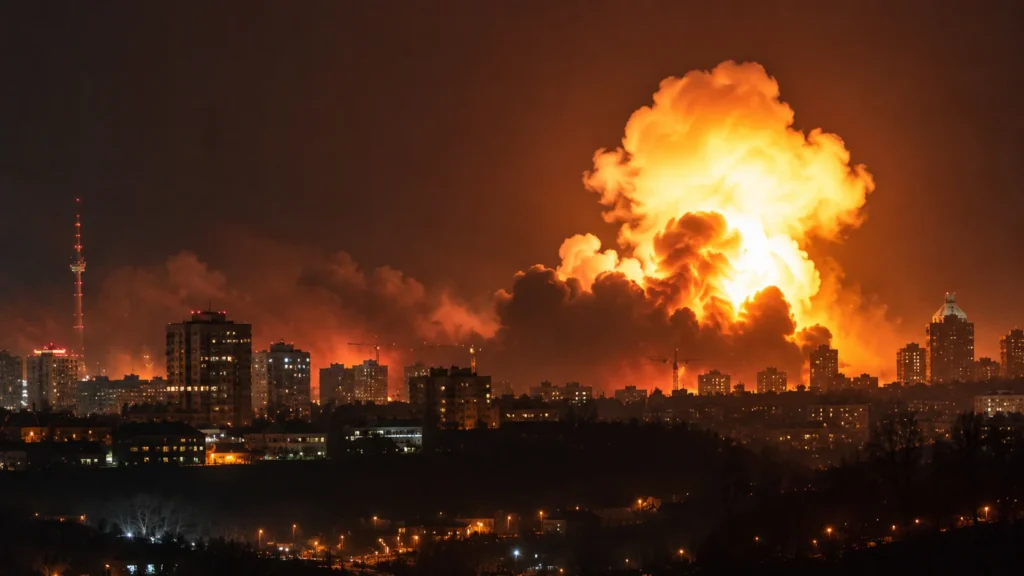
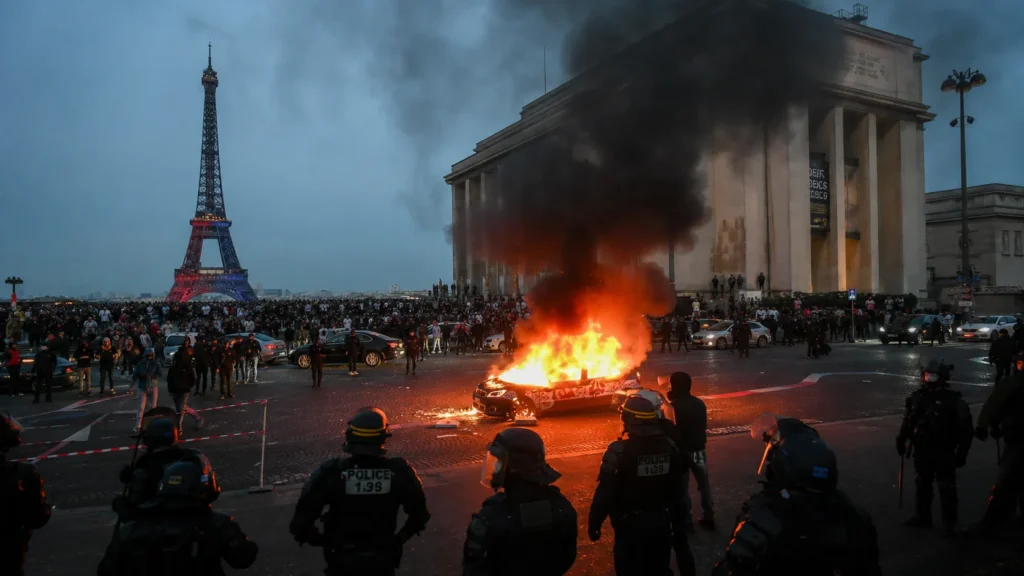
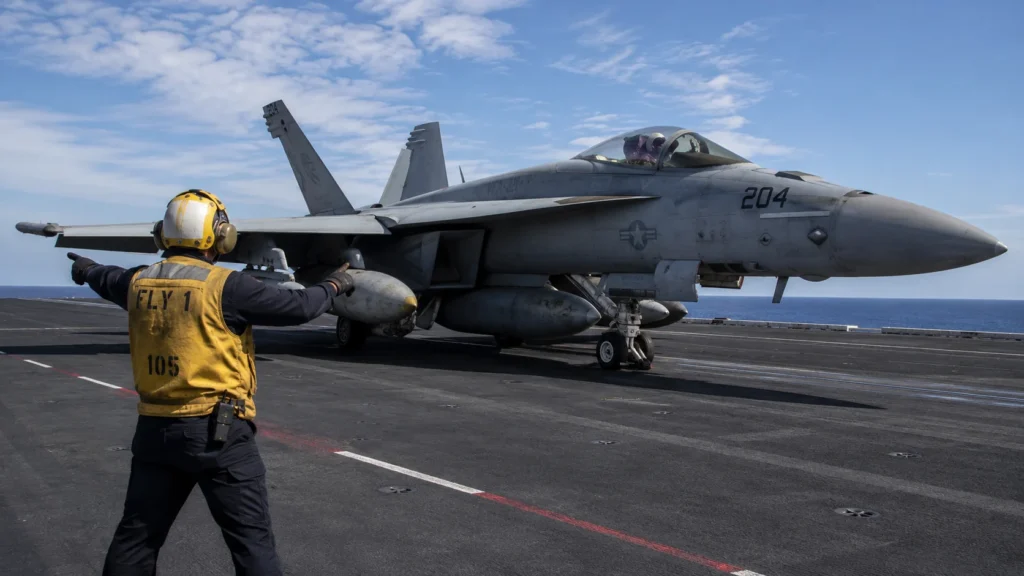
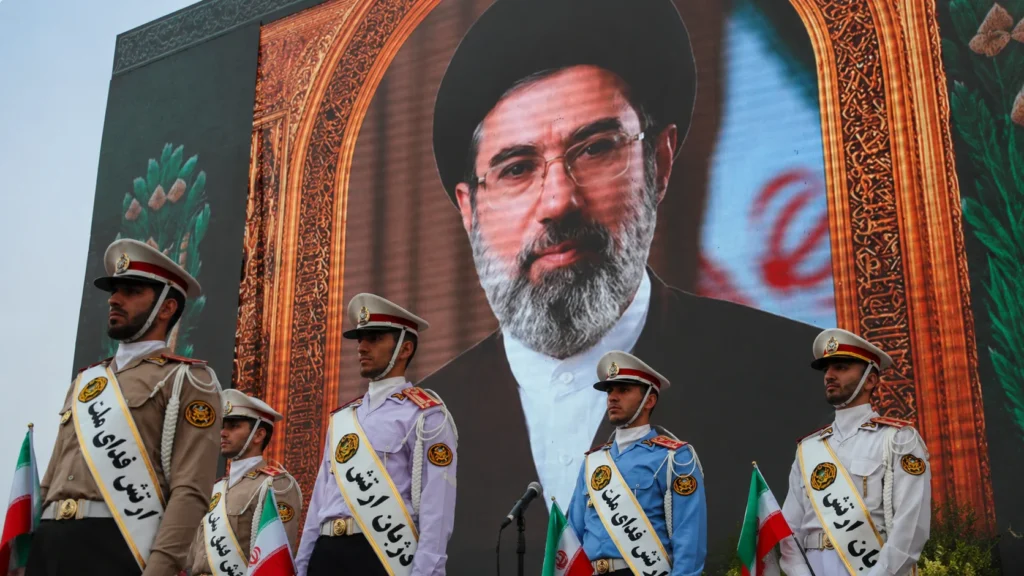
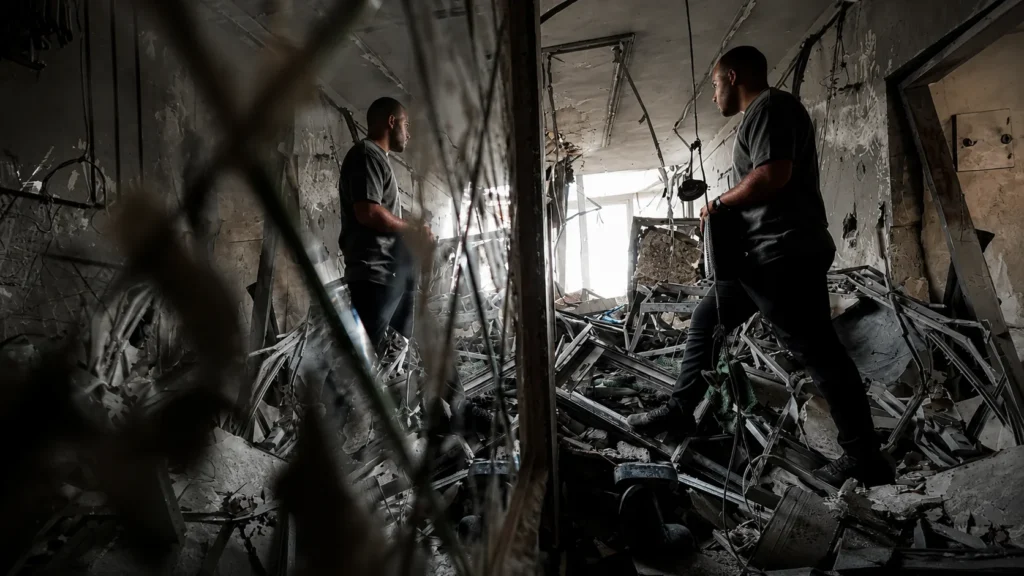
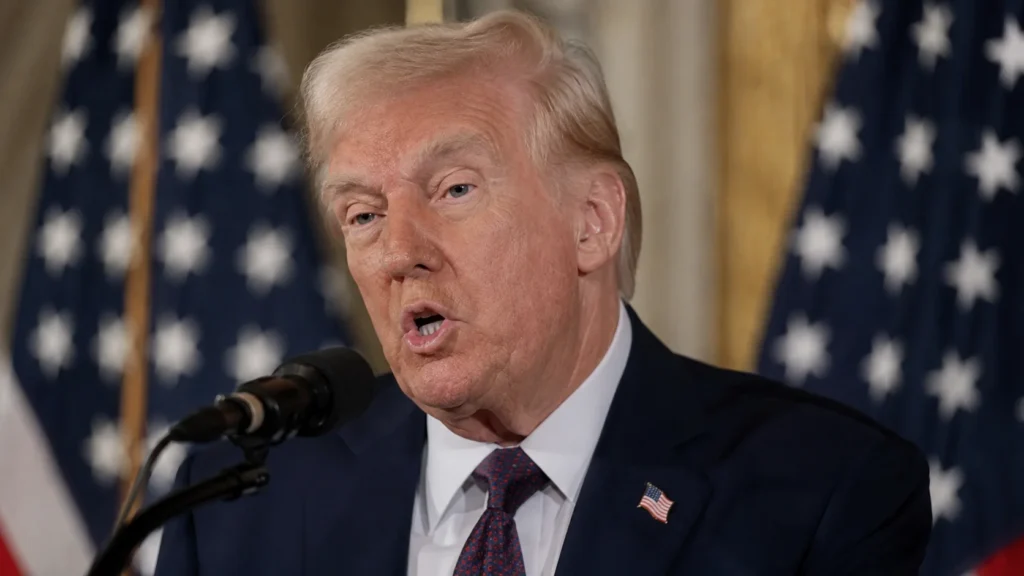
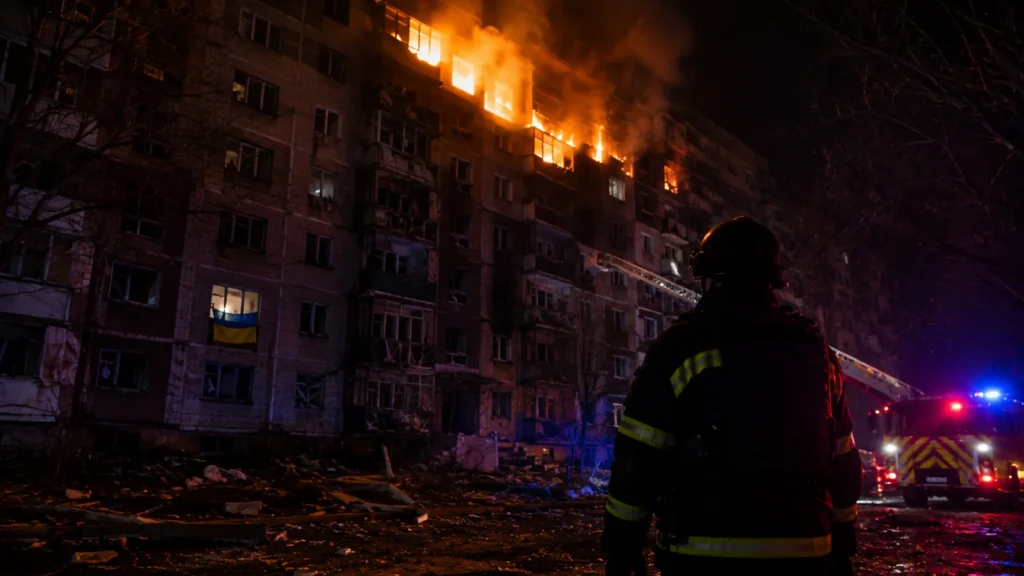
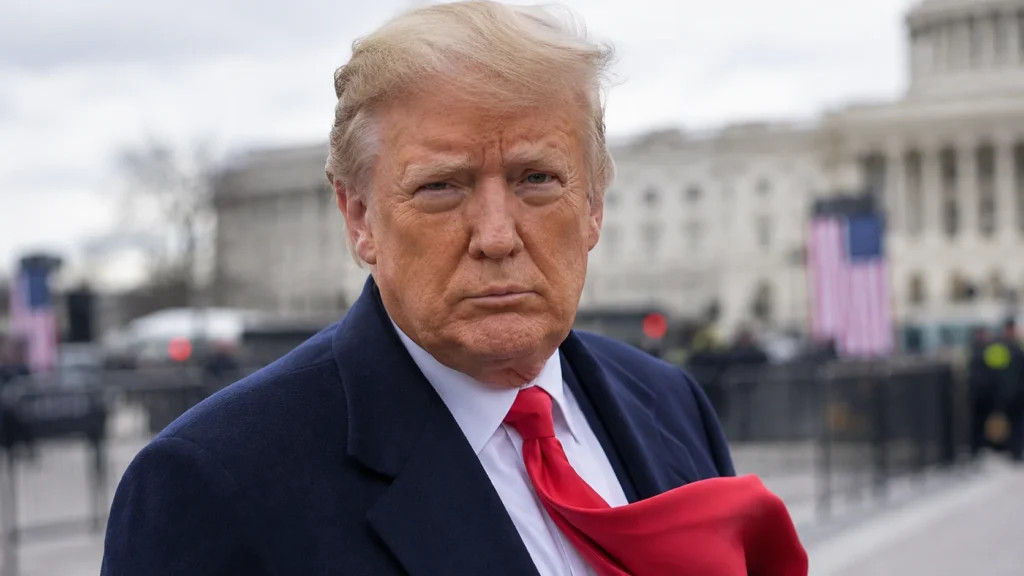
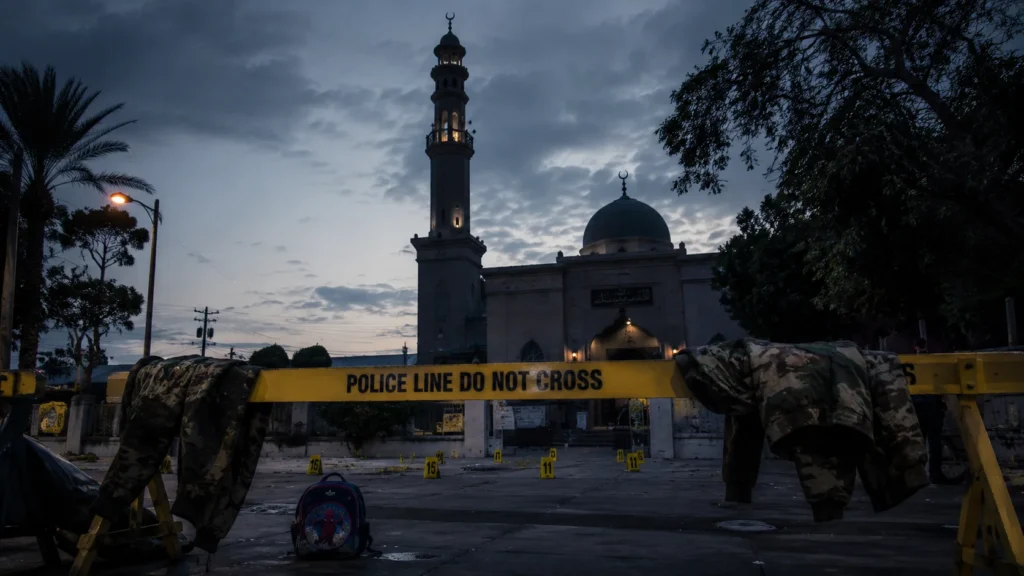
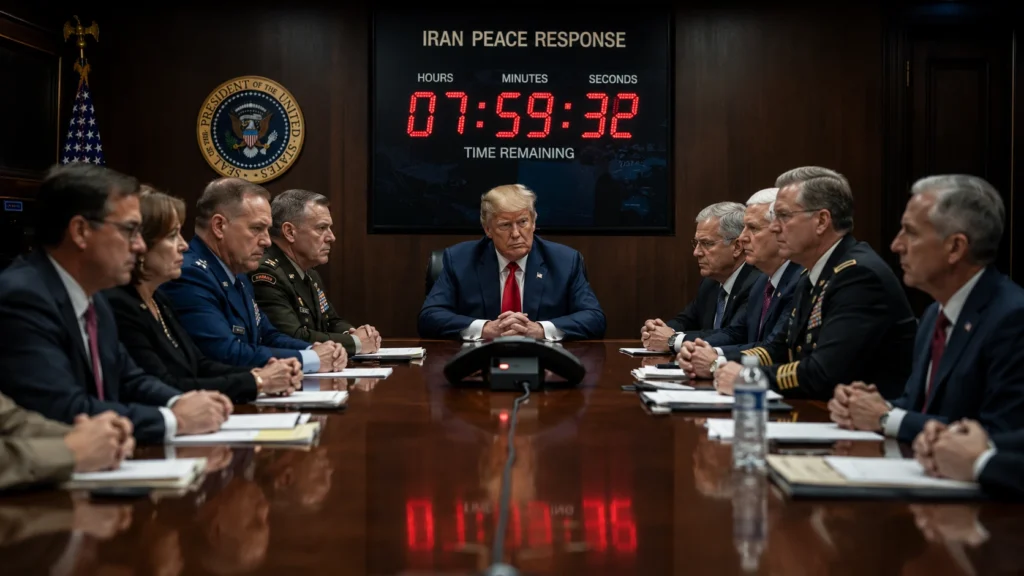
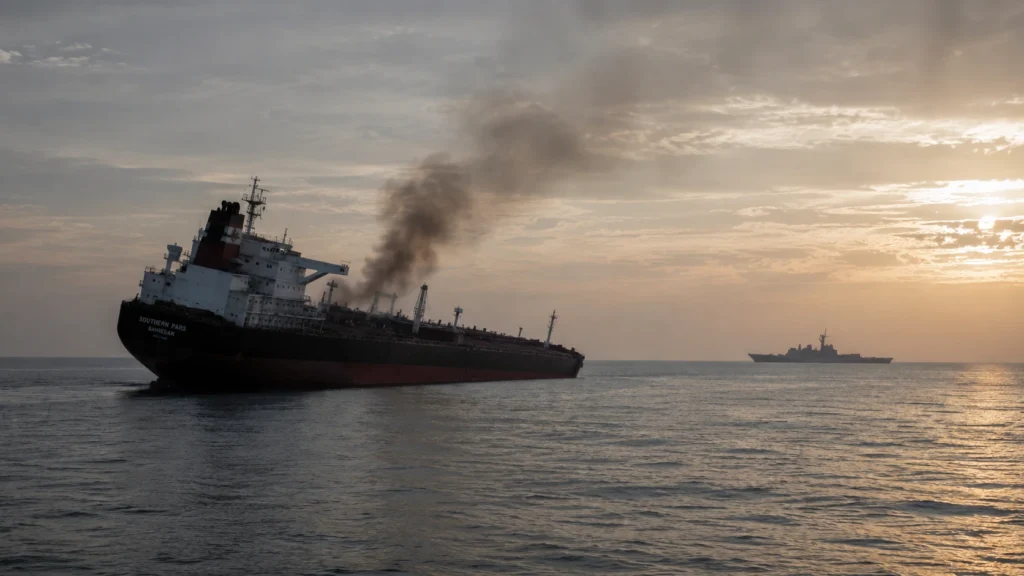
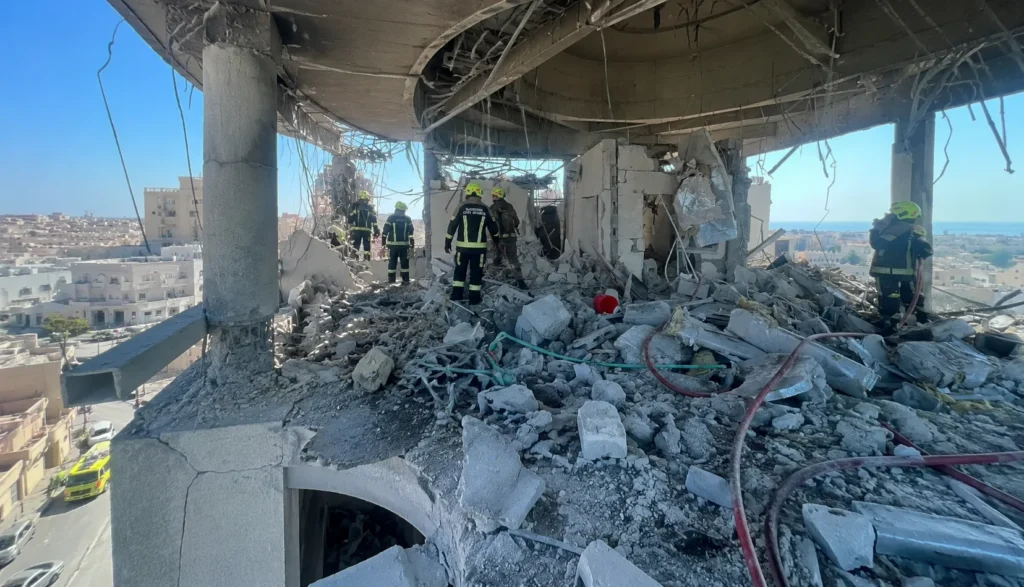
Iran targeted American military sites in Bahrain and Kuwait over the weekend, drawing fresh US strikes on Iranian positions near the Strait of Hormuz and further straining the ceasefire agreement signed between Washington and Tehran on 17 June. Bahrain’s Foreign Ministry said Iran had struck the country with “a number of ballistic missiles and drones,” calling it a “dangerous escalation” after a residential building in the Muharraq governorate was heavily damaged. Kuwait’s Foreign Affairs Ministry condemned “repeated, heinous” Iranian attacks as a “flagrant violation” of its sovereignty. Iran’s Islamic Revolutionary Guard Corps said it had targeted US military sites in neighbouring countries in response to American strikes near the Strait. US President Donald Trump warned on Saturday that the US may resume the war entirely.
The memorandum of understanding, signed earlier this month, called for an immediate end to hostilities on all fronts, including Lebanon. It has now been violated by both sides so many times that the violations have become the operational reality. The ceasefire exists as a legal document. It does not exist as a military fact.
The Strait of Hormuz: Three Routes, No Rules
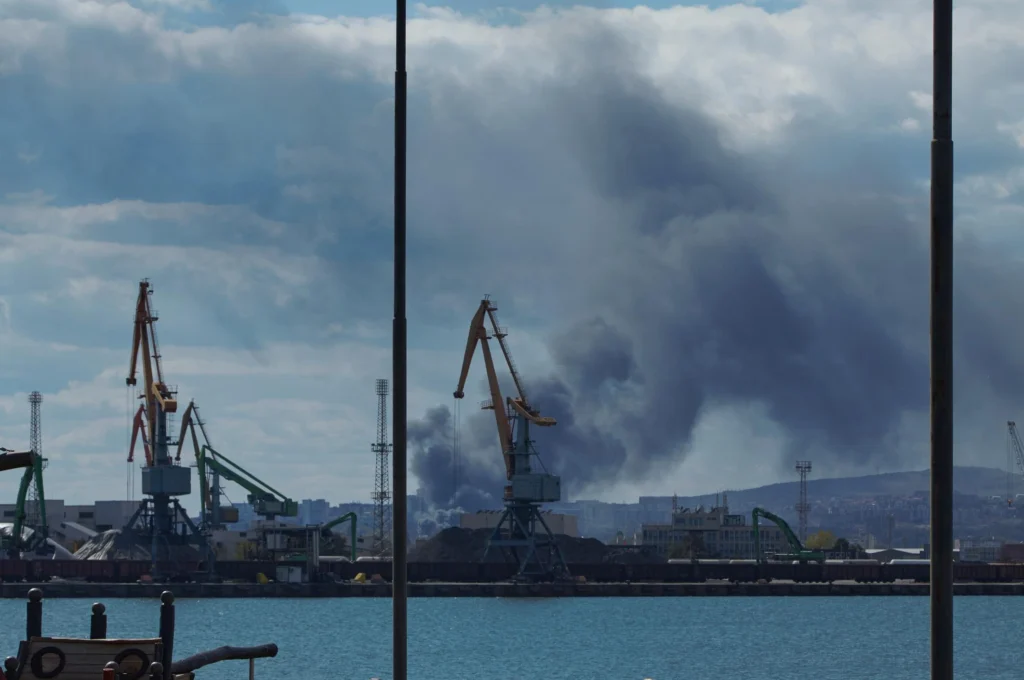
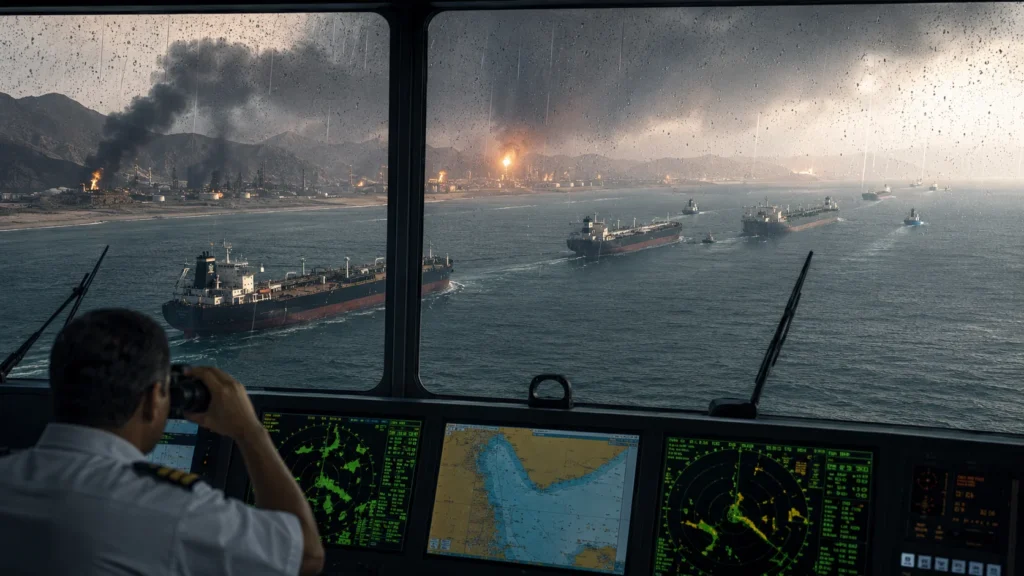
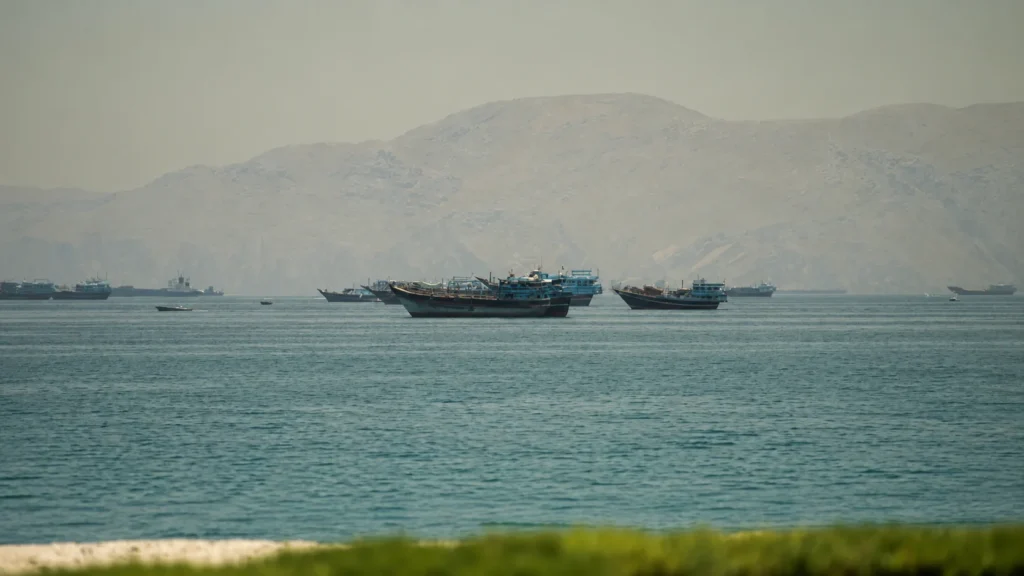
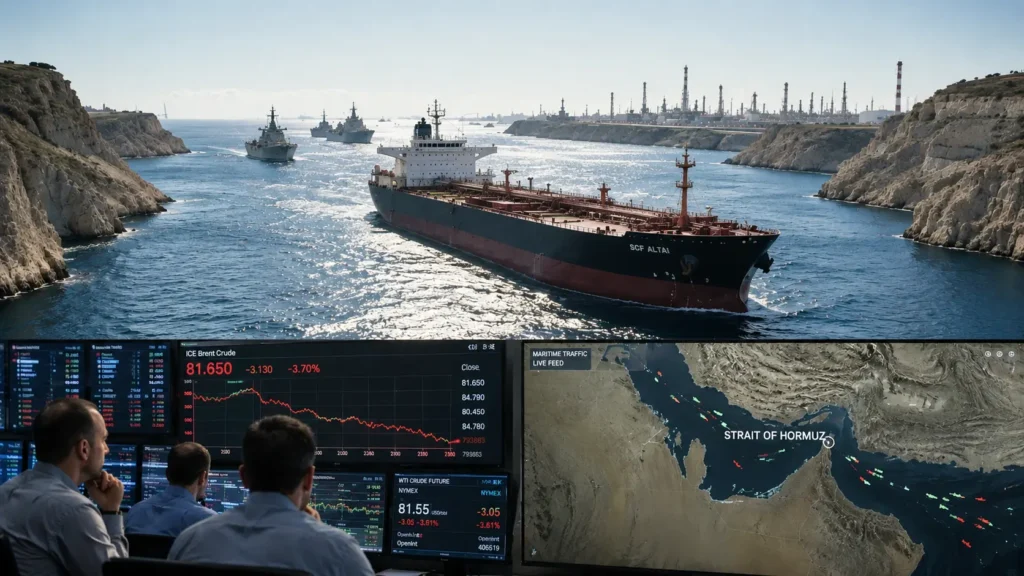
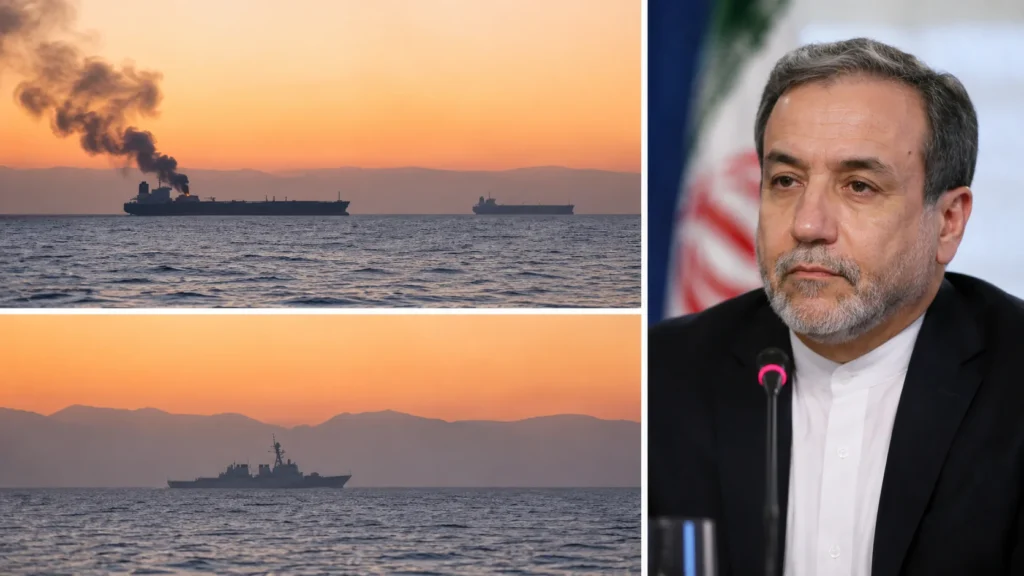
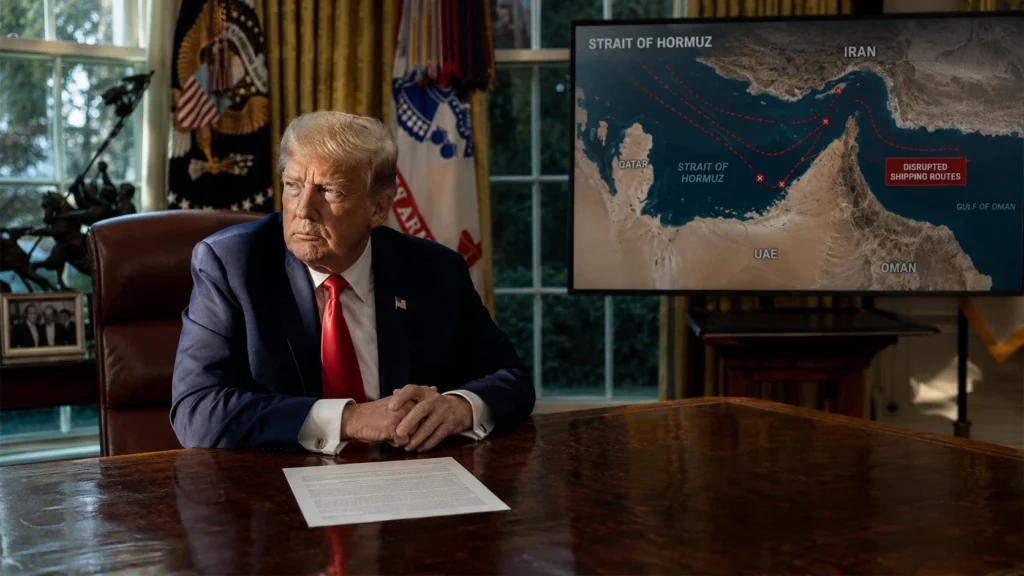
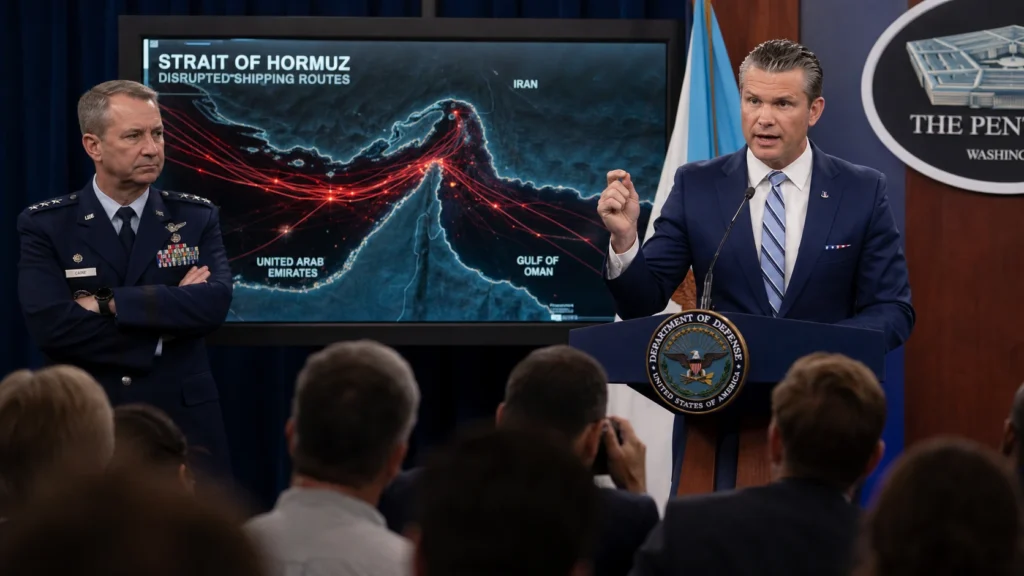
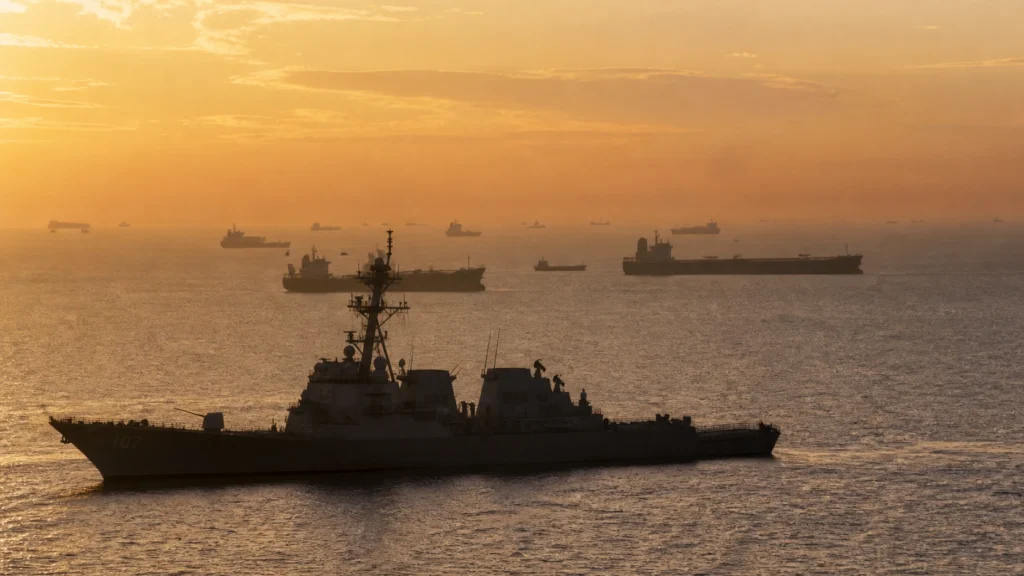
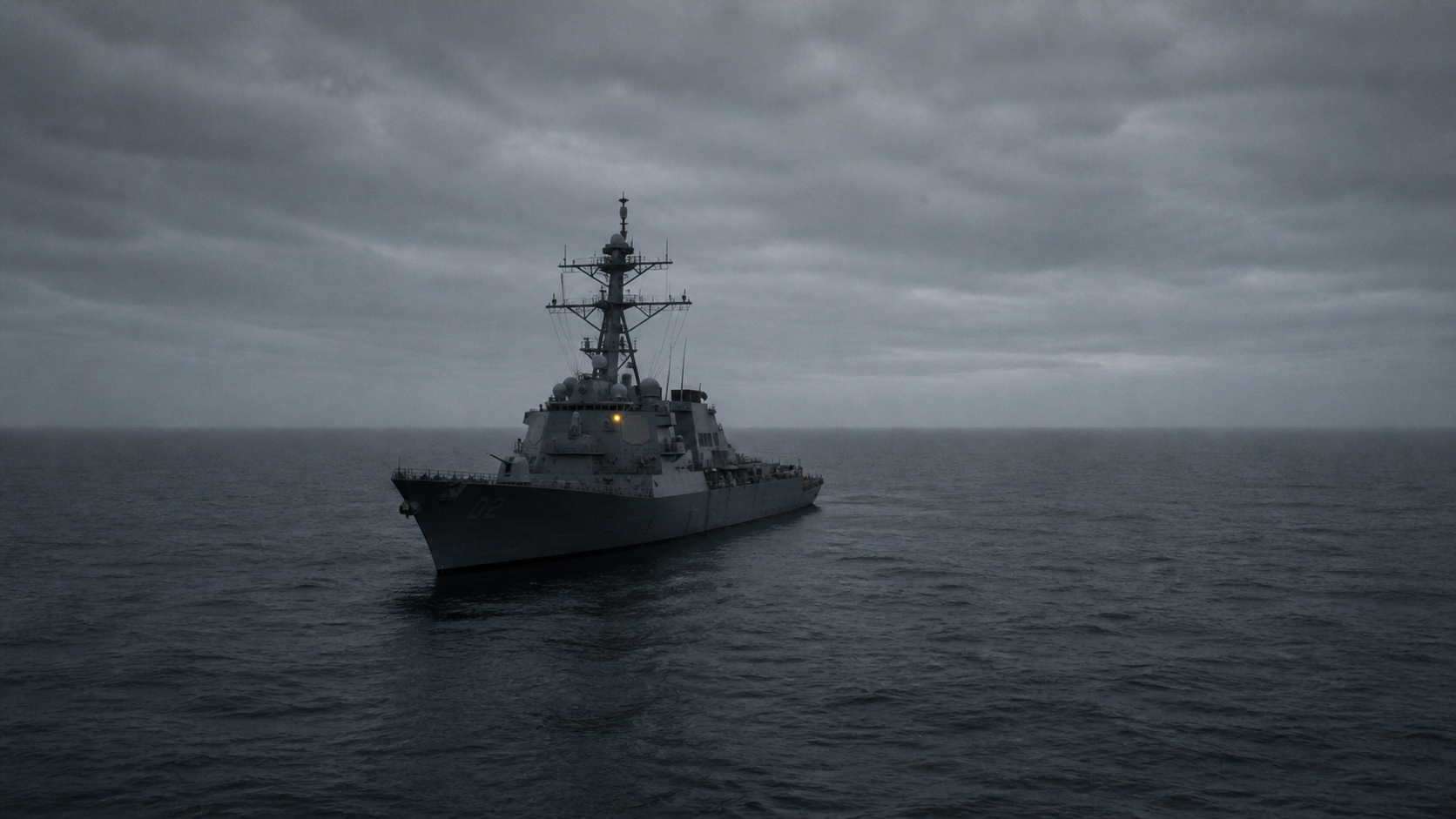
The strait has become the most visible symptom of the ceasefire’s collapse. Three distinct shipping routes have now emerged: a southern route hugging the Omani coast under US naval protection, a middle route tracing pre-war shipping lanes, and a northern route controlled by Iran. Vessel operators must choose between them.
Matthew Wright, a freight analyst at maritime intelligence firm Kpler, told CNN that if disagreements are not resolved by mid-August, “we might end up seeing the three routes being used in a more chaotic manner and in a less safe way.” He added, “There’s obviously a big gap between what the US is saying and what the Iranians are saying. We’re in a very chaotic period.”
According to Kpler maritime intelligence analysis of Strait of Hormuz shipping routes and transit data, the emergence of competing routes has left commercial shipping operators navigating a waterway with no unified authority. The strait carries roughly 20 million barrels of oil daily.
Iran’s Foreign Minister Abbas Araghchi warned on Sunday that any attempt “to create parallel arrangements will only… increase tensions and delay the reopening of this vital waterway.” Iran’s IRGC has denounced non-Iranian routes as “unacceptable.” US Ambassador to the United Nations Mike Waltz told Fox News Sunday that the US will “continue to, militarily, if needed, take down their infrastructure that they’re trying to use to illegally control an international waterway.”
As our analysis of the Strait of Hormuz crisis and the ceasefire implementation challenges documented, the shipping routes have become a proxy for the broader collapse of trust between Washington and Tehran. The document signed on 17 June promised a unified reopening. The reality is fragmentation.
The Lebanon Problem: Four Agreements, No Peace
There have been four separate agreements on Lebanon in June. None of them has stopped the fighting.
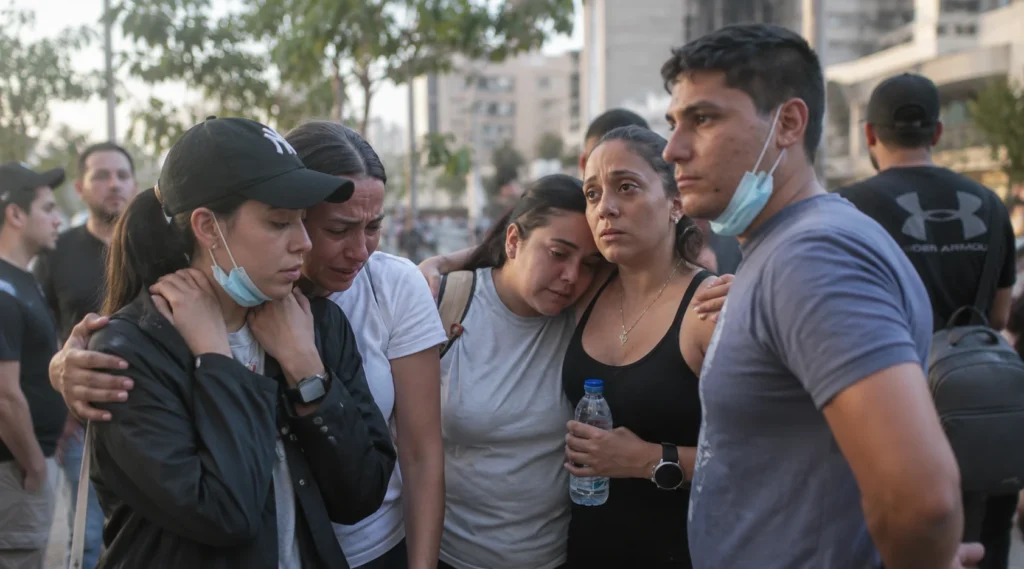
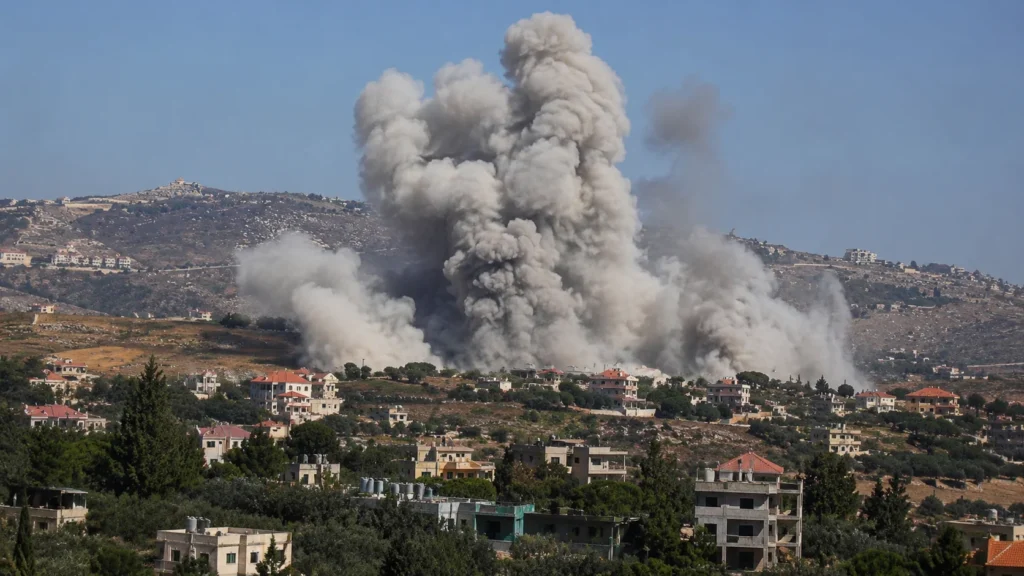
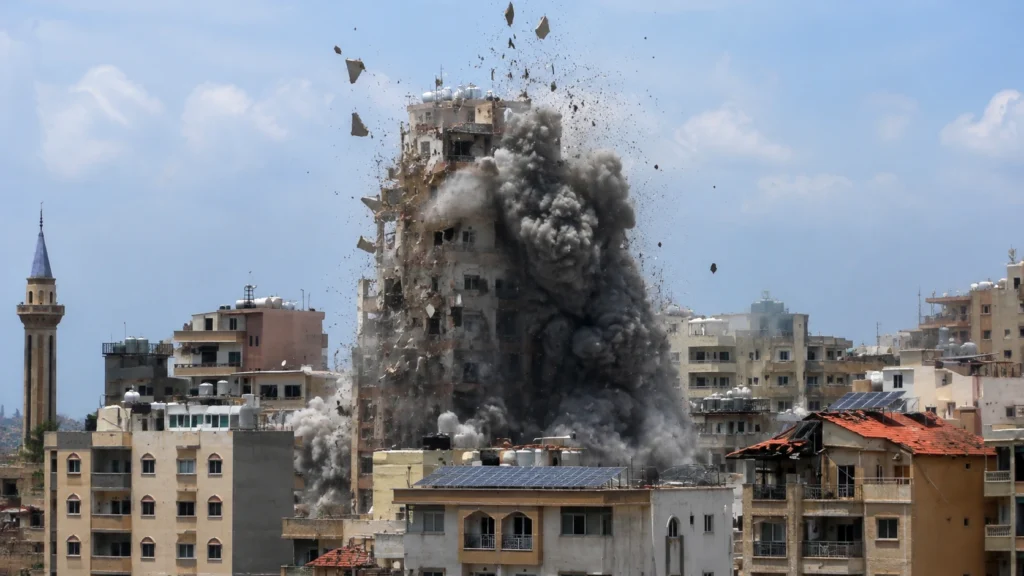
On 4 June, Israel and Lebanon reached a US-brokered ceasefire contingent on Hezbollah’s disarmament. Hezbollah rejected it. On 17 June, the US-Iran memorandum called for an end to fighting on all fronts, including Lebanon. Israel’s prime minister told Trump he did not view the agreement as binding. On 19 June, Israel and Hezbollah agreed to renew the ceasefire. The following 48 hours produced the deadliest fighting since the war began in early March—five Israeli soldiers killed and at least 67 people killed in Israeli strikes.
On Friday, Israel and Lebanon signed a US-brokered framework agreement. Hezbollah’s Secretary-General Sheikh Naim Qassem rejected it as “a squandering of Lebanon’s sovereignty.” On Sunday, an Israeli soldier, Capt. David Hazutt was killed in a firefight with a Hezbollah gunman in southern Lebanon. Israeli air strikes hit near Deir Seryan and Taybeh.
Israel Defense Forces Chief of Staff Lt. Gen. Eyal Zamir approved continued operations “in accordance with the ceasefire agreement.” The phrase captures the paradox: military operations conducted under the legal cover of a ceasefire that was supposed to end them.
Iran’s Foreign Ministry spokesman Esmaeil Baghaei said Sunday that “the withdrawal of occupiers from all occupied Lebanese areas is necessary for reaching a final and lasting agreement.” Iran’s chief negotiator, Mohammad Bagher Ghalibaf, told Lebanon’s speaker of parliament that Iran’s objective is “to end the war in Lebanon, enable displaced people to return to their homes, end the occupation, and secure the withdrawal of the Zionist regime from Lebanese territory.”
According to CNN’s Oren Liebermann analysis of the four separate Lebanon agreements in June and why none have held, the structure involves five parties—Israel, Lebanon, Iran, Hezbollah, and the US—each with different and often incompatible positions. None of the agreements has brought all the necessary parties into alignment.
Trump’s Warning and the Nuclear Shadow
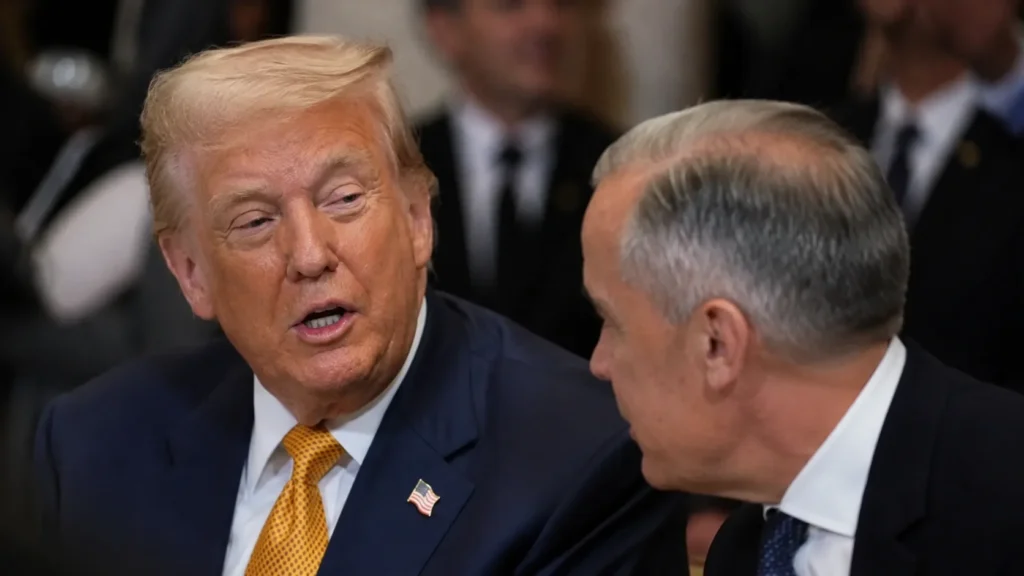
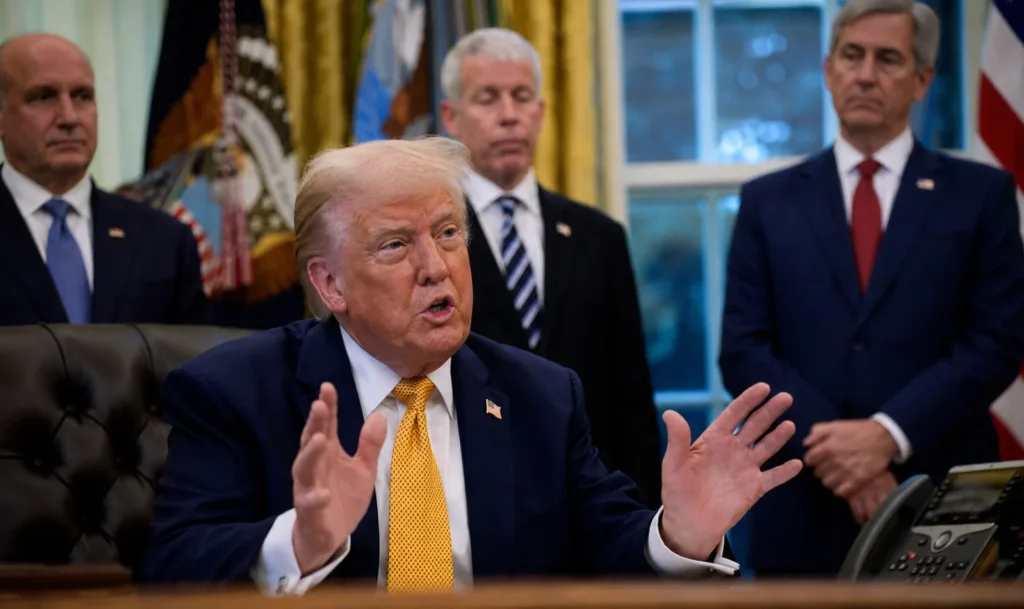
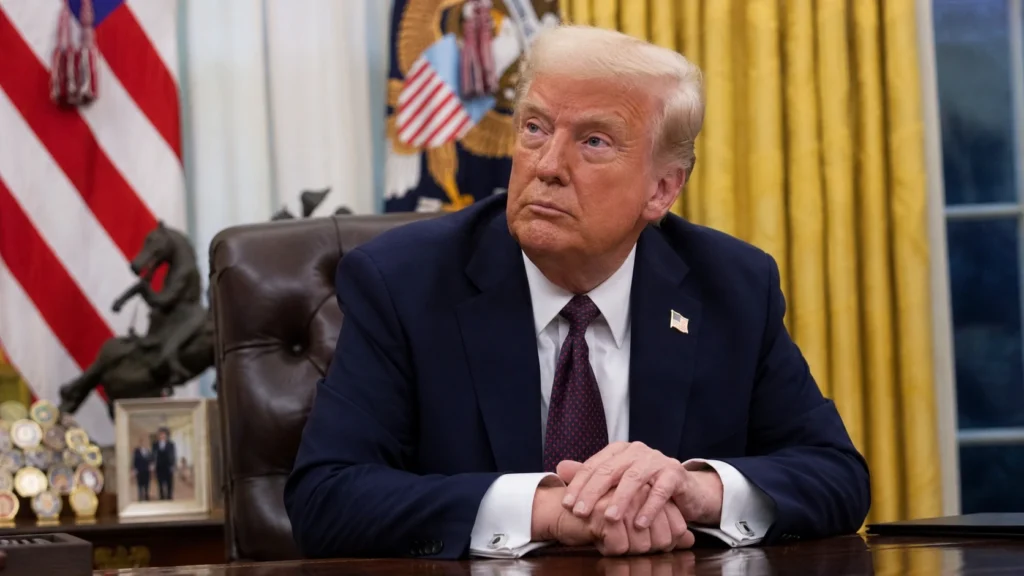
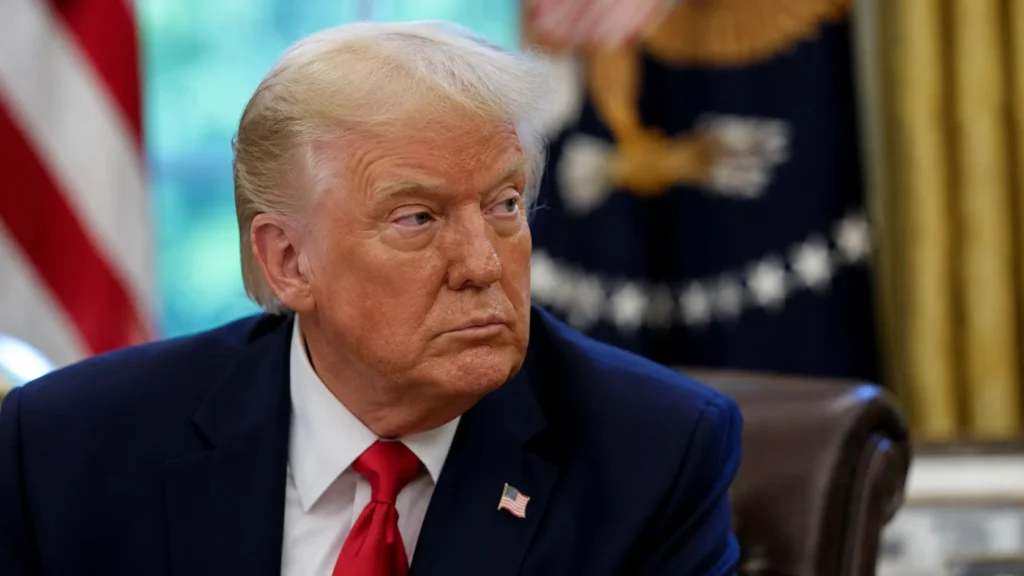
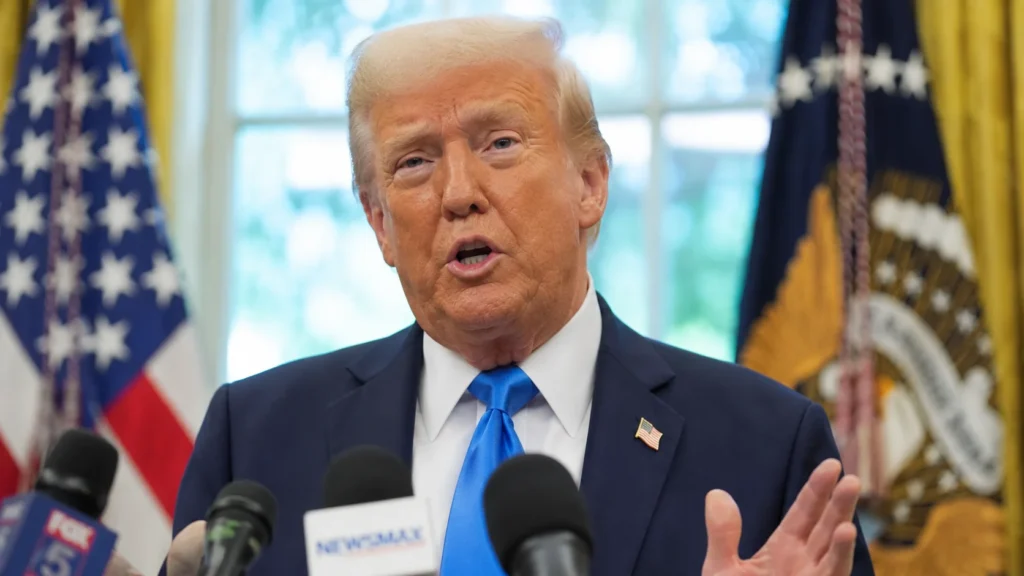
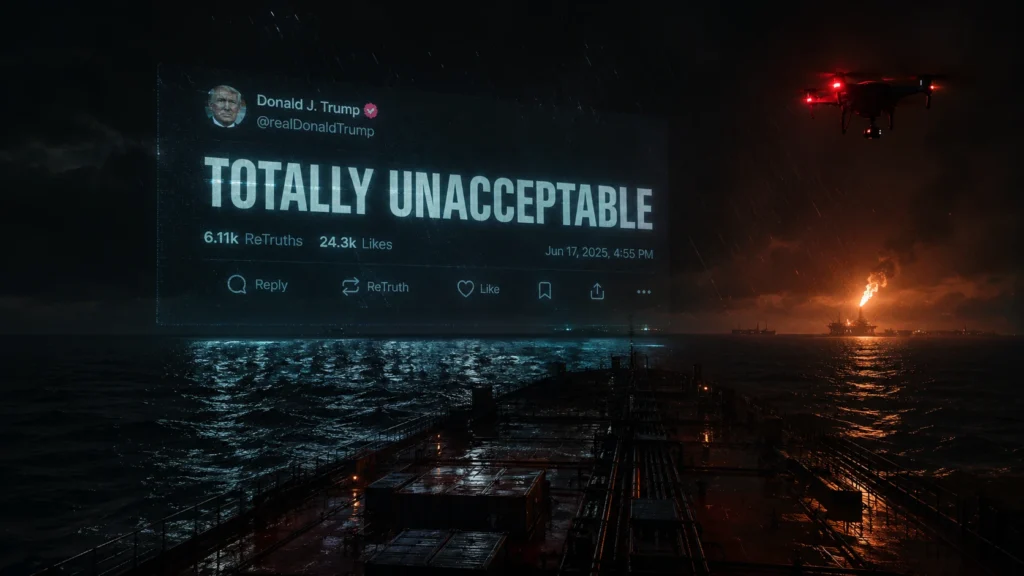
Trump posted on Truth Social on Saturday night: “There may come a point when we are no longer able to be reasonable, and will be forced to militarily complete the job that we very successfully started. If that happens, the Islamic Republic of Iran will no longer exist.”
Waltz told Fox News Sunday that “the president’s patience isn’t going to last forever” but added that Trump “will always give diplomacy a chance.”
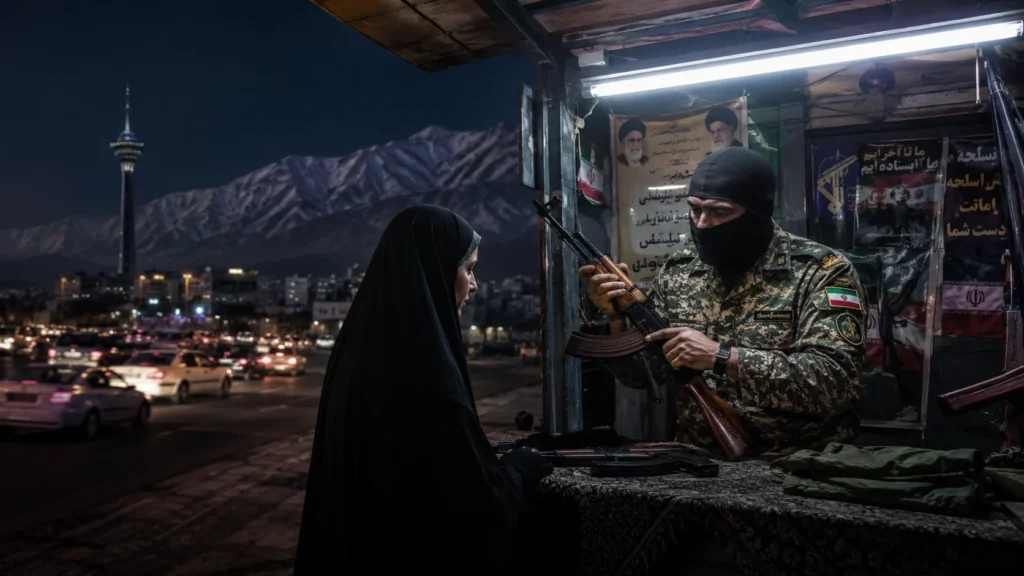
The threats come as Iran’s semi-official Fars news agency, closely aligned with the IRGC, published an unsigned commentary arguing that Iran has no alternative but to achieve nuclear deterrence. “Iran has no path other than achieving nuclear deterrence, so that the military option for the occupation and partition of Iran is taken off the table,” it said.
The commentary has not been endorsed by any government official. The previous supreme leader, Ayatollah Ali Khamenei, issued a fatwa banning the pursuit of a nuclear device. The current leadership has maintained that position publicly. The Fars commentary marks the first time an outlet associated with the Iranian security establishment has publicly advanced the nuclear deterrence argument.
As our coverage of the US-Iran negotiations and the nuclear programme dispute has tracked, Trump has made preventing an Iranian nuclear weapon a primary justification for the conflict. The Fars commentary suggests that debate within Iran’s security establishment is moving in the opposite direction.
What Comes Next
The 60-day framework for a final agreement runs through the summer. US and Iranian negotiators continue to meet, but the military escalation on both sides continues alongside the talks.
The Strait of Hormuz is the most immediate pressure point. If the three competing routes collapse into the chaos Wright warns of by mid-August, the economic pressure on all parties will intensify. The Strait carries a fifth of the world’s oil. Disruption at that scale would force governments to choose between escalation and compromise in ways the current diplomatic architecture cannot accommodate.
The Lebanon file remains the most intractable. Four agreements in a single month have failed. Unless the parties who can actually stop the fighting are aligned, a fifth agreement will produce the same result.
FAQ
Did Iran strike Bahrain and Kuwait?
Yes. Iran’s IRGC said it targeted American military sites in neighbouring countries. Bahrain reported that ballistic missiles and drones hit a residential building in Muharraq. Kuwait called the attacks a “flagrant violation” of its sovereignty.
Is the US-Iran ceasefire still in effect?
The memorandum of understanding signed on 17 June remains the legal framework. But both sides have violated it repeatedly with strikes and counter-strikes. The ceasefire exists on paper but not as a military reality on the ground.
Why are there three shipping routes in the Strait of Hormuz?
A southern route operates under US naval protection near Oman. A middle route traces pre-war lanes. A northern route is controlled by Iran. Iran has denounced non-Iranian routes as “unacceptable,” while the US says it will “take down” Iranian infrastructure used to control the waterway.
How many Lebanon ceasefire agreements have there been?
Four in June alone: 4 June, 17 June, 19 June, and a framework agreement on 27 June. None has stopped the fighting for a single day. Hezbollah rejected the latest agreement on Friday.
What did Trump say about resuming the war?
Trump said the US may need to “militarily complete the job” and that “the Islamic Republic of Iran will no longer exist” if the US resumes the war. He also said he will continue to give diplomacy a chance.