

 English





























































































































































































































































































































Instagram Found Running Ads Promoting Child Abuse Material in India

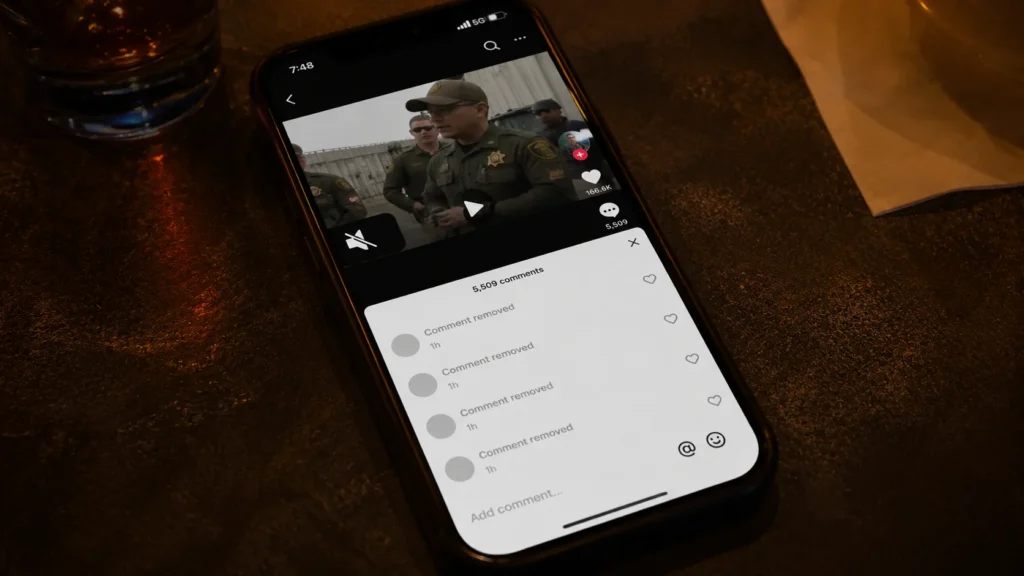
LONDON — A BBC investigation has found that Instagram has been running paid advertisements promoting child sexual abuse material in India, with the platform’s automated review system approving ads that used terms including “rape video” and “child video.” The ads, seen by the BBC World Service, linked users to channels on the messaging app Telegram where the material could be purchased for as little as 99 rupees. When the BBC reported one of the advertisements to Instagram, the platform responded 24 hours later saying the post did not violate its “community guidelines.” The Indian government summoned representatives of Instagram’s parent company Meta within hours of the investigation being published.
Meta later told the BBC it had disabled several adverts and suspended the accounts posting them. The company said it had removed additional ads, disabled more accounts, and blocked URLs for other violating content in response to the BBC’s findings. Telegram said it had removed more than 274,000 groups and channels related to child sexual abuse material in 2026.
What the BBC Found
The BBC set up an alias account on Instagram after noticing the platform was pushing sexually suggestive content even when a user had not searched for such material. The new account, set up in India, followed 10 women who posted about food, weather, and daily life but who appeared in the platform’s recommendations dressed in revealing clothing and using sexual innuendo.
Within a week, Instagram’s feed began showing advertisements featuring women offering video calls and clearly naked couples having sex. Days later, advertisements began appearing showing children with adults in sexually suggestive situations, with links to Telegram channels. In total, approximately 30 unique adverts promoting child sexual abuse appeared, along with about 20 ads featuring adult pornography. Both are criminal offences in India.
One ad showed a boy and girl, both appearing to be about 12 years old, engaging in a sexual act. Another showed a man with his arm around a girl, with text saying he was 52 and the girl was 12. A third showed a very young girl in tears, with wording indicating she had been sexually assaulted.
The BBC reported the last ad to Instagram. Twenty-four hours later, the platform responded that it had not removed the advert because “our review team found that the advertiser’s ad does not go against our community standards.” Meta later told the BBC that “no system is perfect, and our review process may not detect all policy violations.”
According to BBC Eye investigation into Instagram ads promoting child sexual abuse material and Meta’s response, Meta said it had already disabled several adverts and suspended the accounts posting them before the BBC approached the company for comment.
As our analysis of Meta’s content moderation systems and the challenges of automated review at scale has documented, the company announced in March that it was reducing its reliance on third-party human moderators and increasing the use of AI, adding that “experts will design, train, oversee, and evaluate our AI systems.”
The Experts’ Response
Brian Boland, a former vice-president of Facebook who helped build the company’s advertising and marketing business between 2009 and 2020, told the BBC he was “horrified and unsurprised” by the findings. He said Instagram’s algorithm was designed to keep users on the platform by showing them “something more extreme, more tantalising.”
“It’s not like an algorithm that says ‘let’s make people paedophiles’, but because they’re not responsibly guiding and controlling it—and it’s just pursuing the goals of revenue and clicks—it will create these outcomes if people aren’t being truly, aggressively protective over these systems,” Boland said.
He said he left the company because he believed “they didn’t care about users anywhere.” Between 2009 and 2010, he said, he led a project to remove adverts scamming users, which “was allowed to, at the time, remove a massive part of the revenue of the company in the sake of user safety and user experience.” He added: “I think what’s sad and tragic is over time, the trade-off of revenue and user experience became a more core part of the conversation.”
Madan Lokur, a retired justice of India’s Supreme Court, told the BBC he was concerned that Instagram was “making money by participating in a criminal activity.” He said the matter was serious enough for the Supreme Court to consider initiating legal proceedings without waiting for a case to be brought by someone else. Despite Indian law protecting social media companies from being held liable for content uploaded by users, Lokur said “the platform cannot, cannot shirk its responsibility.”
According to Indian government confirmation of Meta representatives being summoned and statements from Indian law enforcement and judicial figures, India received 1.9 million reports of child sexual abuse material from the NCMEC Cyber Tipline in 2025, second only to the United States. Shikha Goel, director of the Cyber Security Bureau in Telangana, said Instagram and Facebook generated the most tiplines.

The Telegram Connection
The BBC reported two Telegram channels for selling child sexual abuse videos. One was subsequently taken down and replaced with a message saying it violated Telegram’s terms of service. The other continued to post new videos for sale.
Telegram, which is based in Dubai, joined the Internet Watch Foundation in late 2024. It is not a member of the National Center for Missing and Exploited Children, the centralised global reporting system for online sexual exploitation of children. The company told the BBC it uses both automated and human moderation and that it has “virtually eliminated the public spread of CSAM from its platform.”
Siddharth Pillai, co-founder and director of the Mumbai-based Rati Foundation, which runs a helpline for children facing online harms, said “criminals use the seamless navigation from Instagram to Telegram to evade our moderation efforts, and keep reuploading the content we help take down.”
As our coverage of encrypted messaging platforms and the challenges of moderating criminal content has tracked, Telegram has faced sustained criticism from child safety advocates over its approach to moderation.
FAQ
What did the BBC investigation find?
Instagram’s advertising system approved and ran paid ads promoting child sexual abuse material in India. The ads used terms like “rape video” and linked to Telegram channels where the material was sold. When the BBC reported one ad, Instagram said it did not violate its guidelines.
How does Instagram’s ad review work?
Meta says every advertisement is reviewed before publication, primarily by automated technology that checks images, video, text, audio, and links. In March, the company announced it was reducing human moderators and increasing AI use.
What action has been taken?
The Indian government summoned Meta representatives. Meta said it disabled the ads, suspended the accounts, and blocked related URLs. Telegram removed one of the reported channels.
How much of Meta’s revenue comes from advertising?
Almost 98% of Meta’s $200 billion in revenue for the 2025 financial year came from advertising. Analysts estimate ads account for more than 90% of Instagram’s revenue specifically.
Is child sexual abuse material illegal in India?
Yes. Both child sexual abuse material and adult pornography are criminal offences in India.