

 English








































































































































































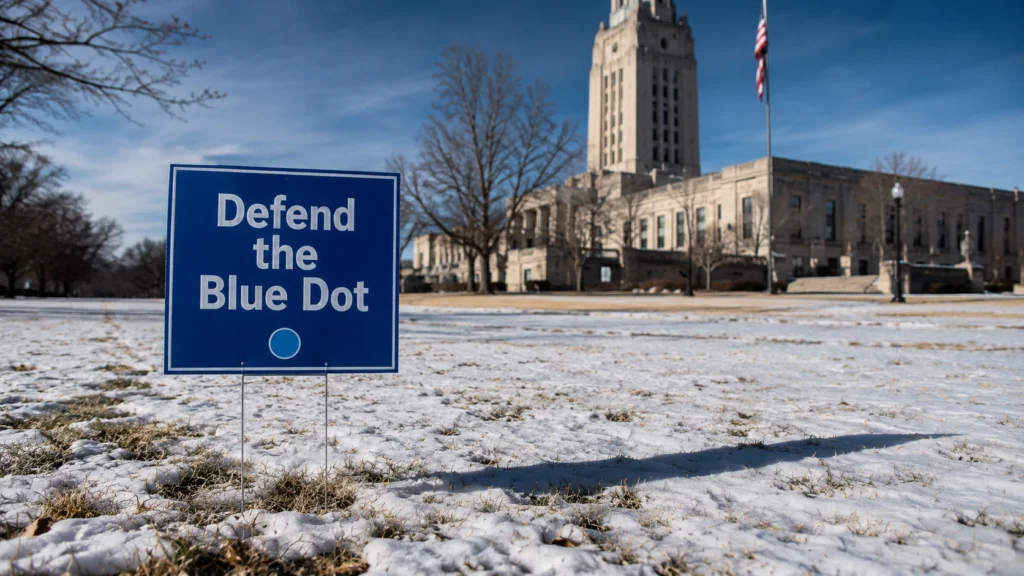


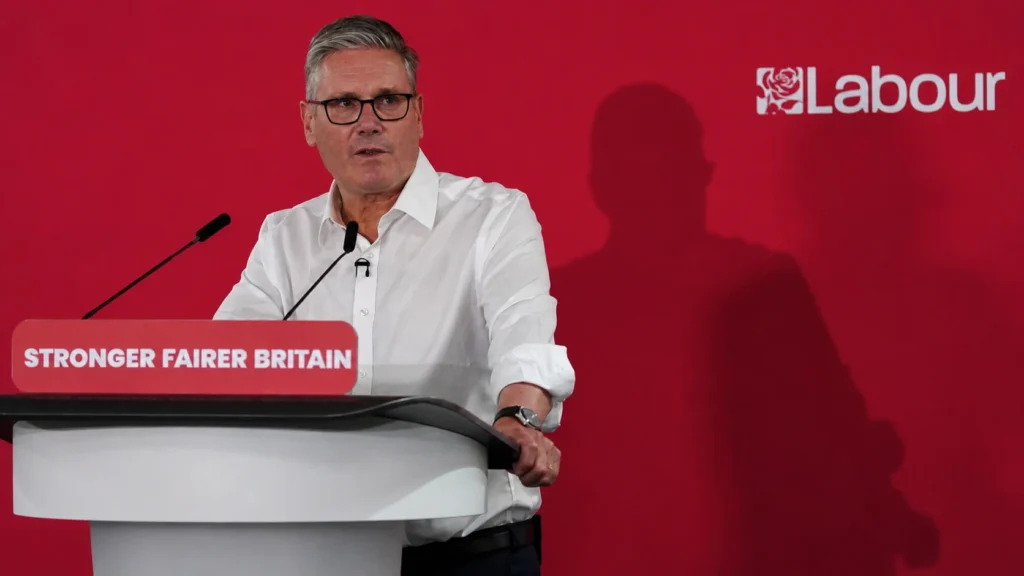
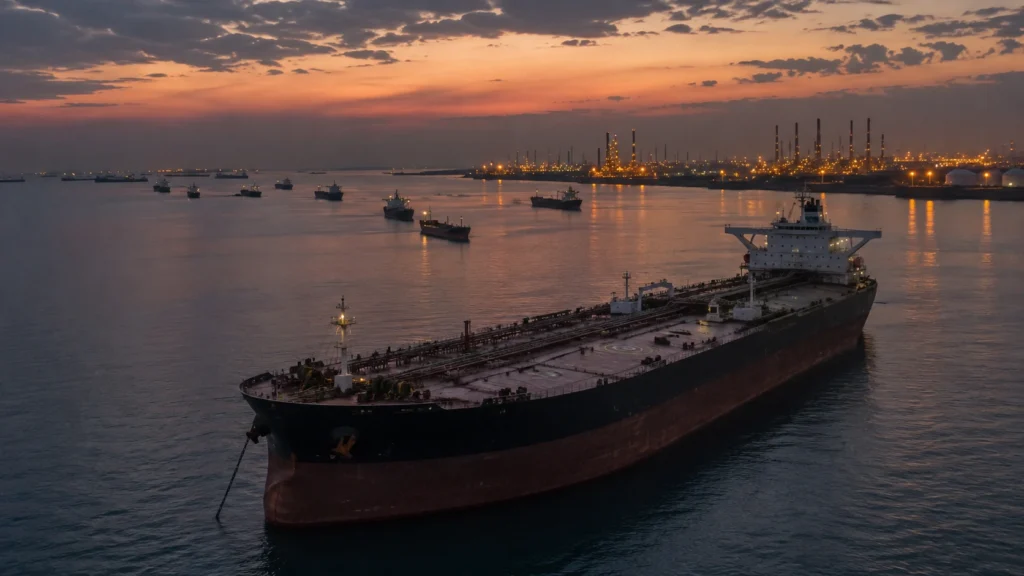

































Cuba Indictment Tests China US Alliance Tensions Shift
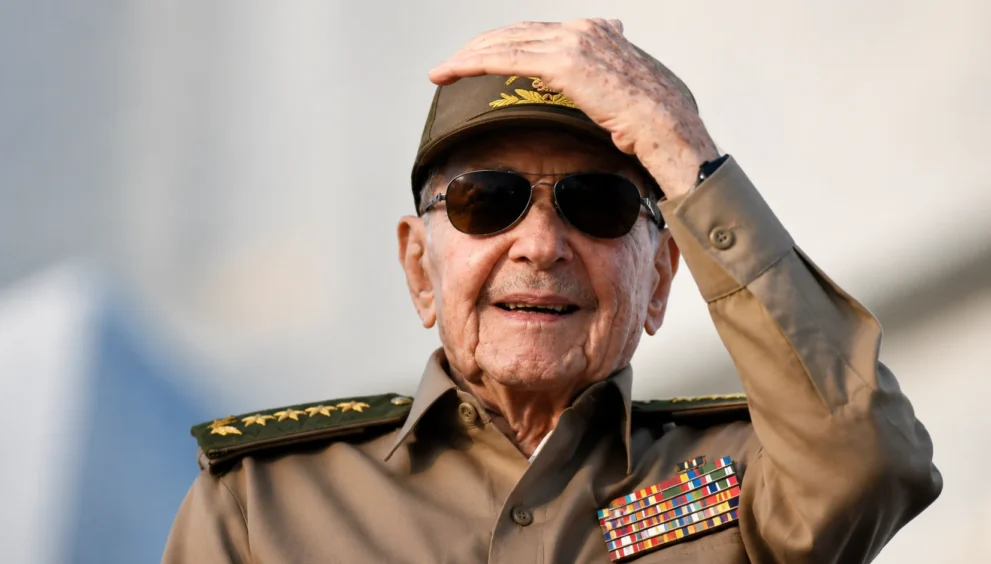
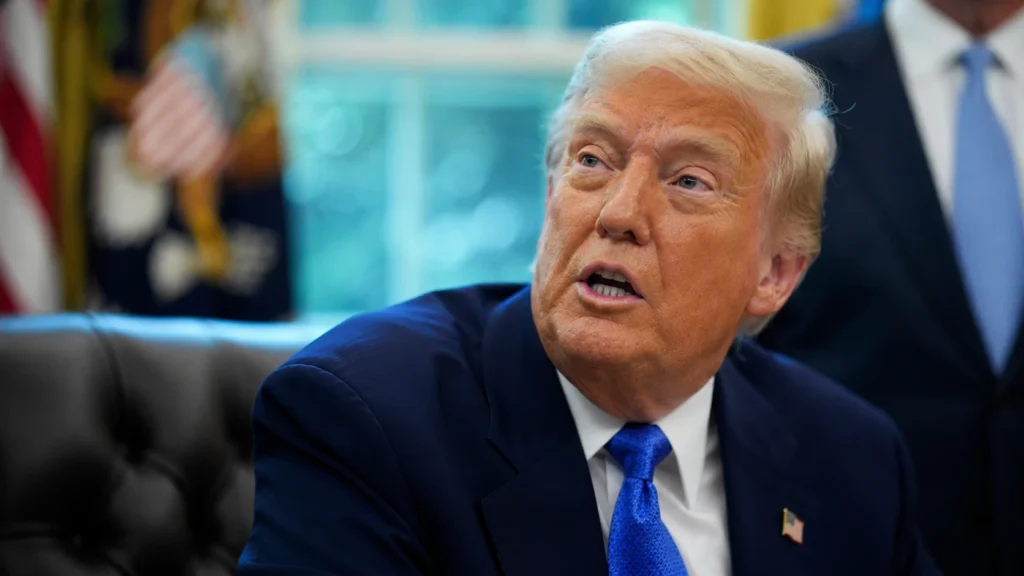
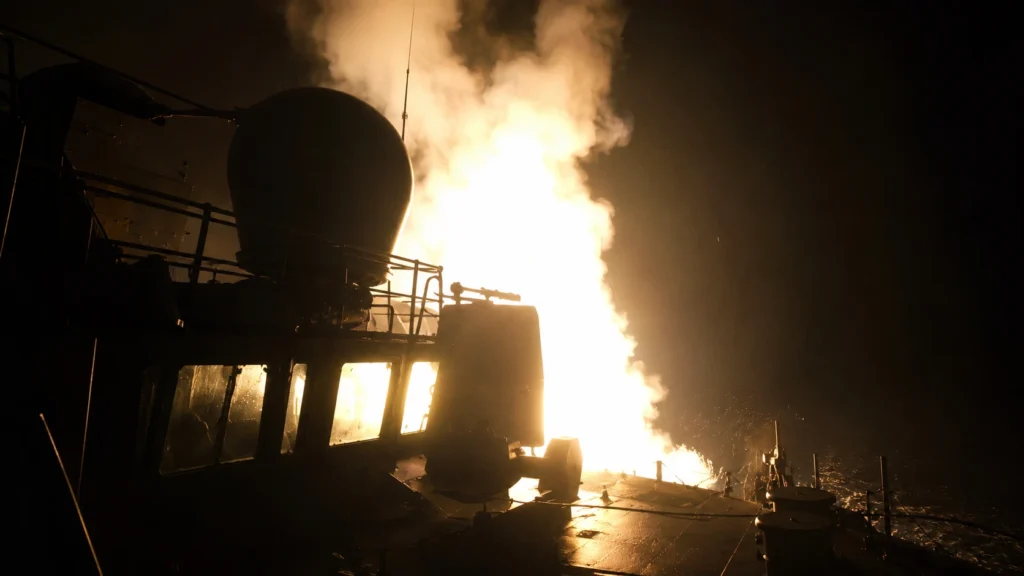
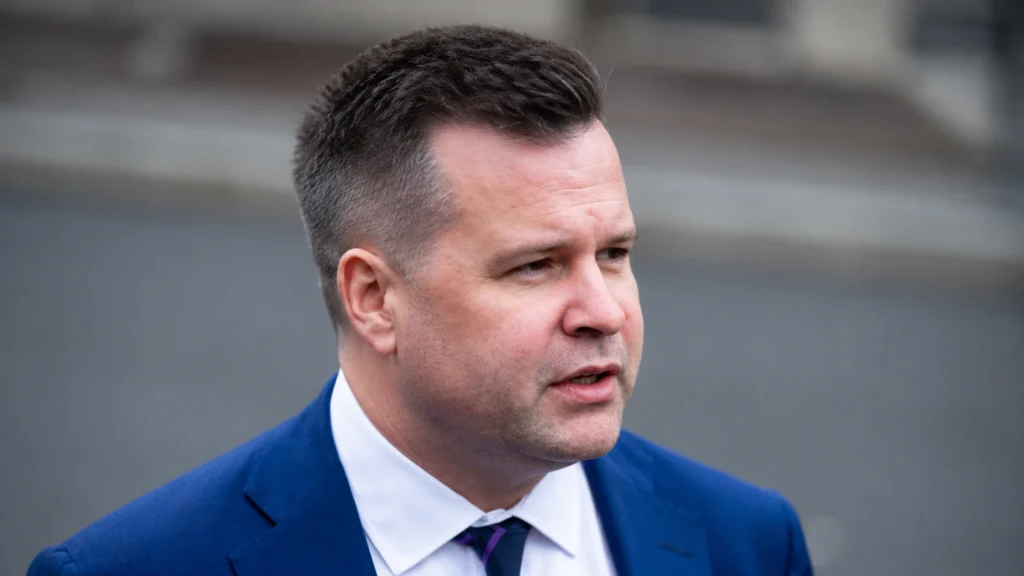
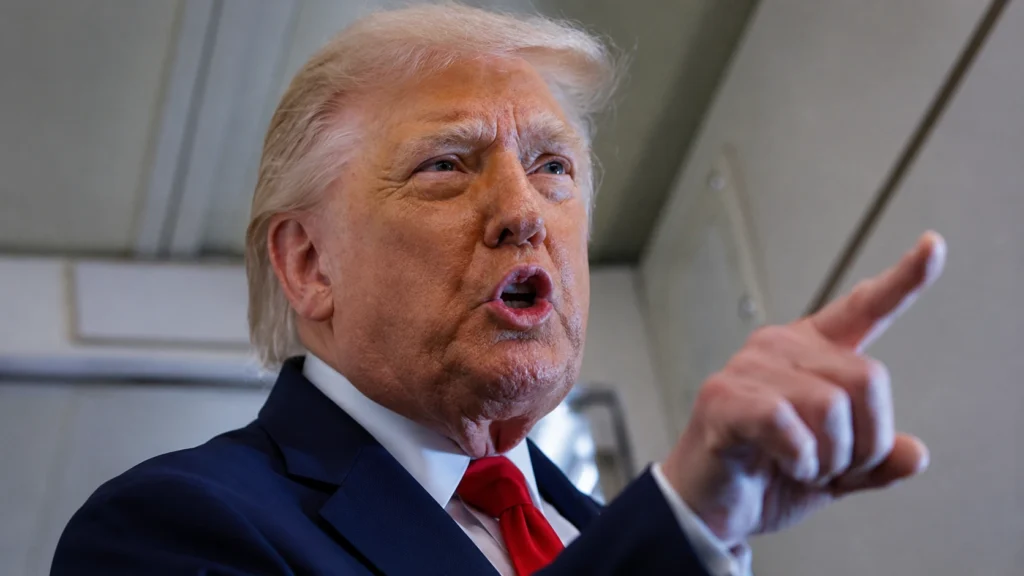
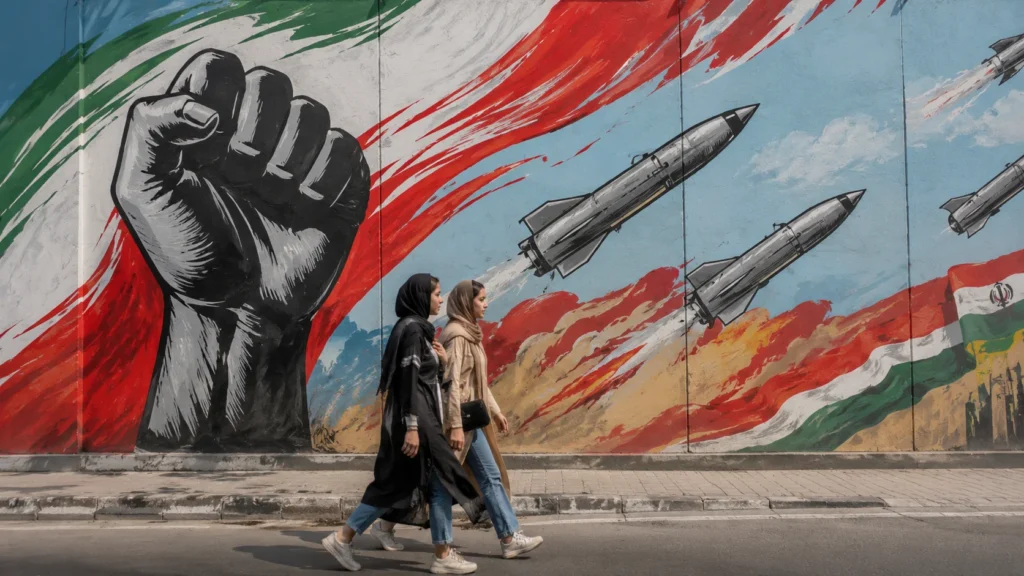
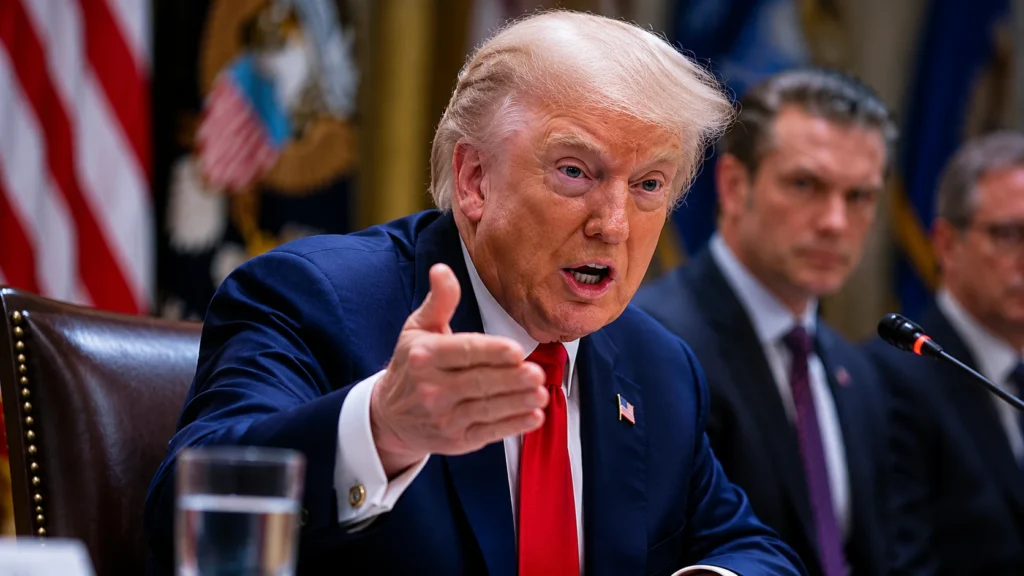
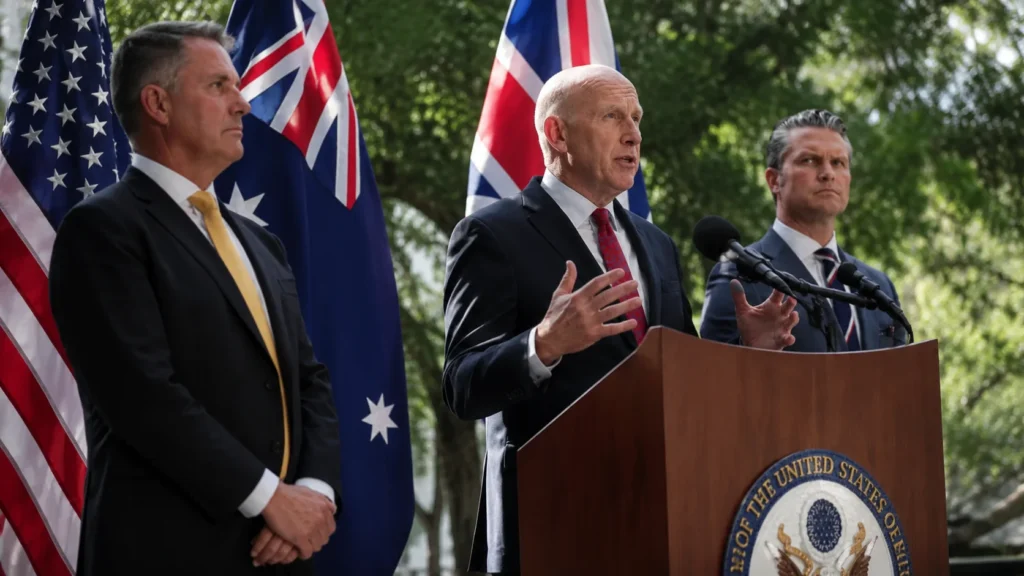
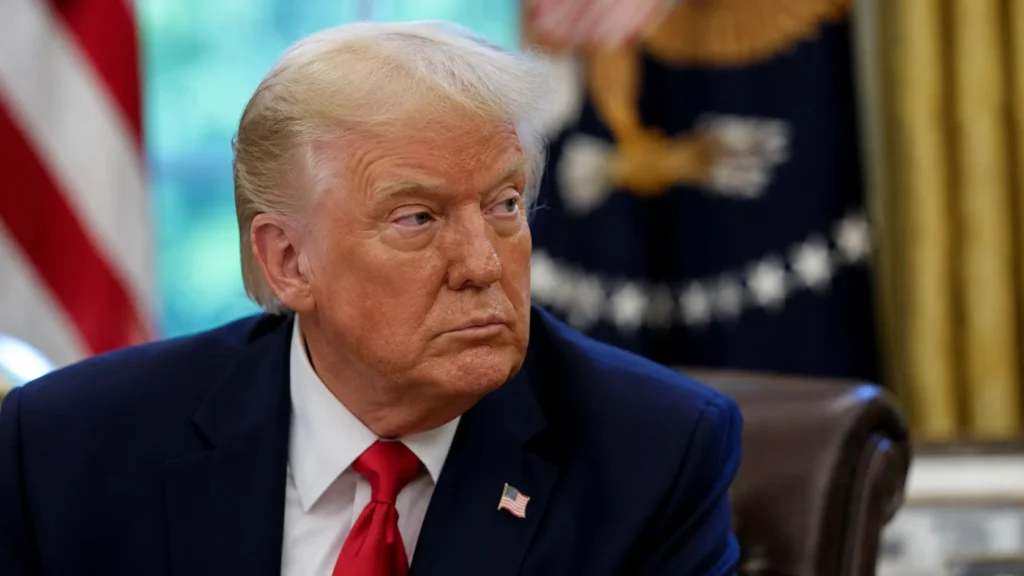
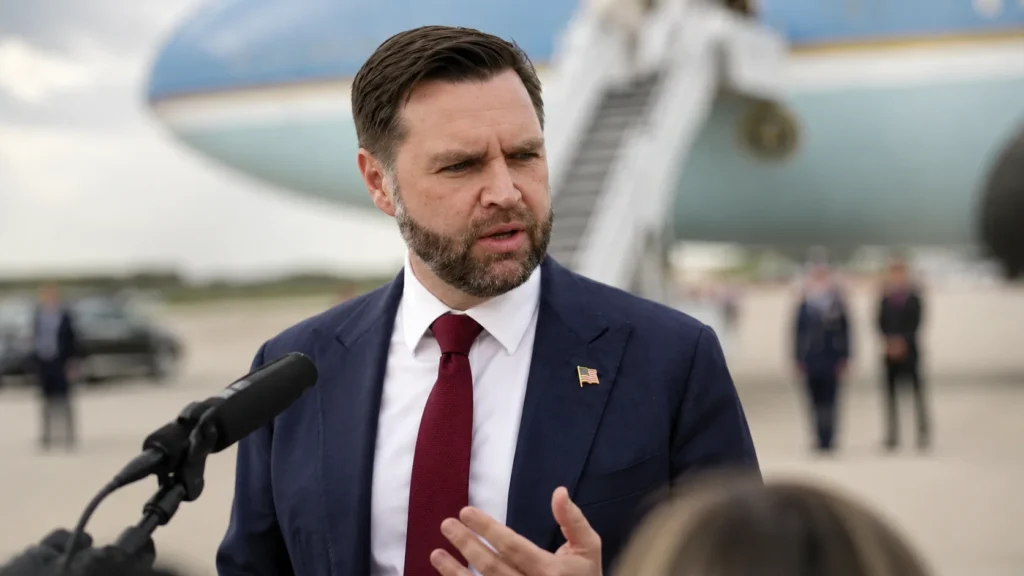
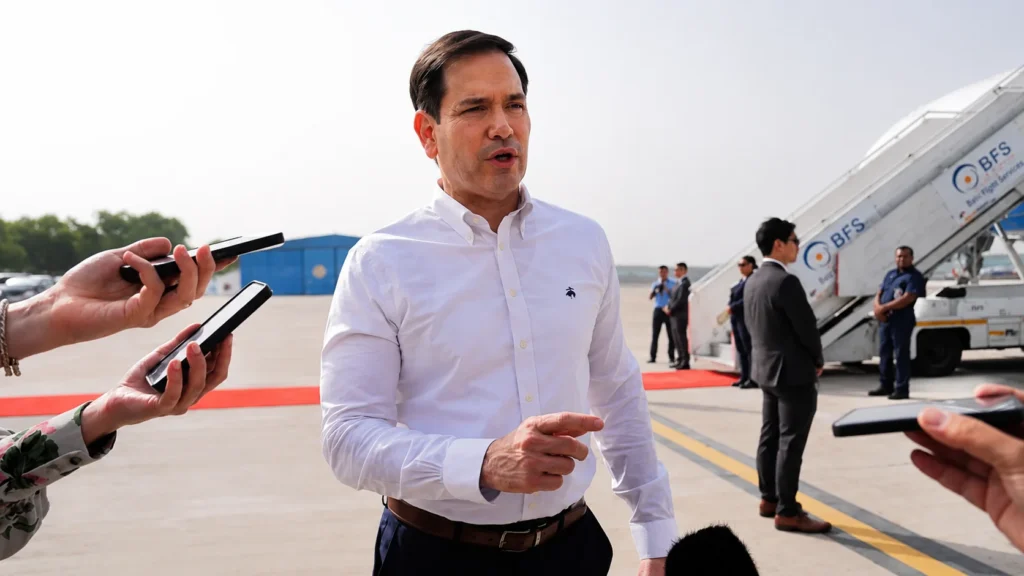
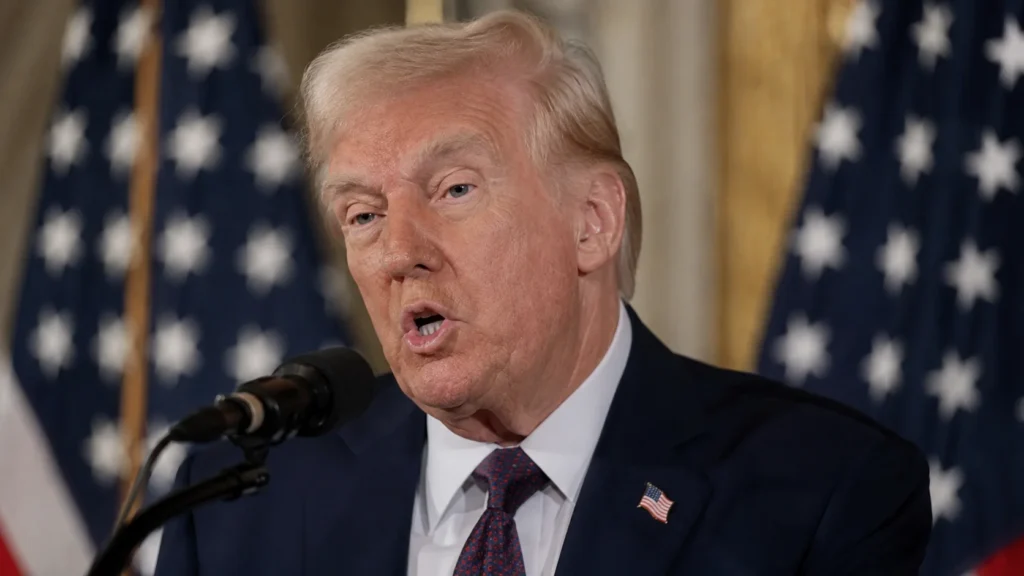
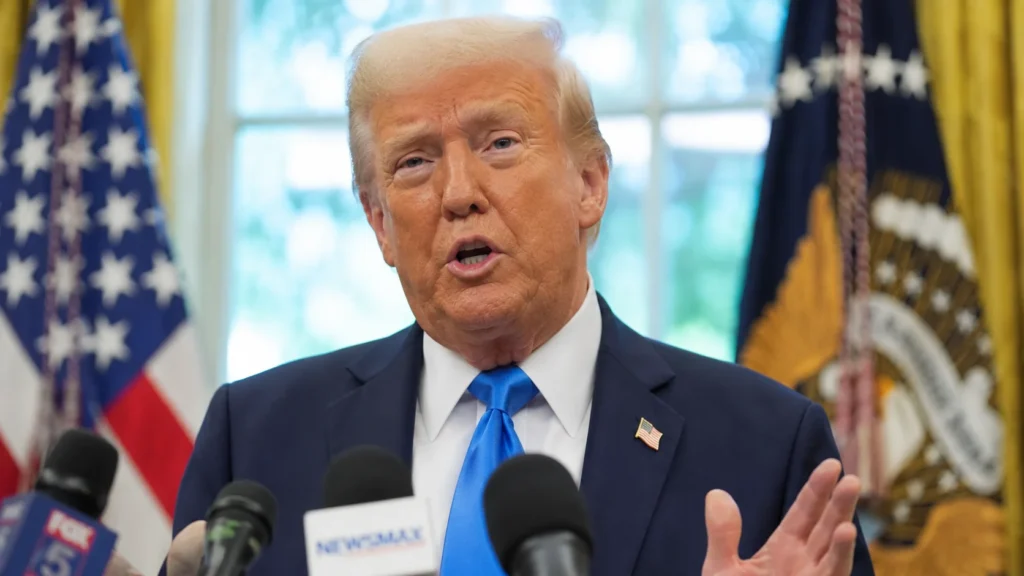
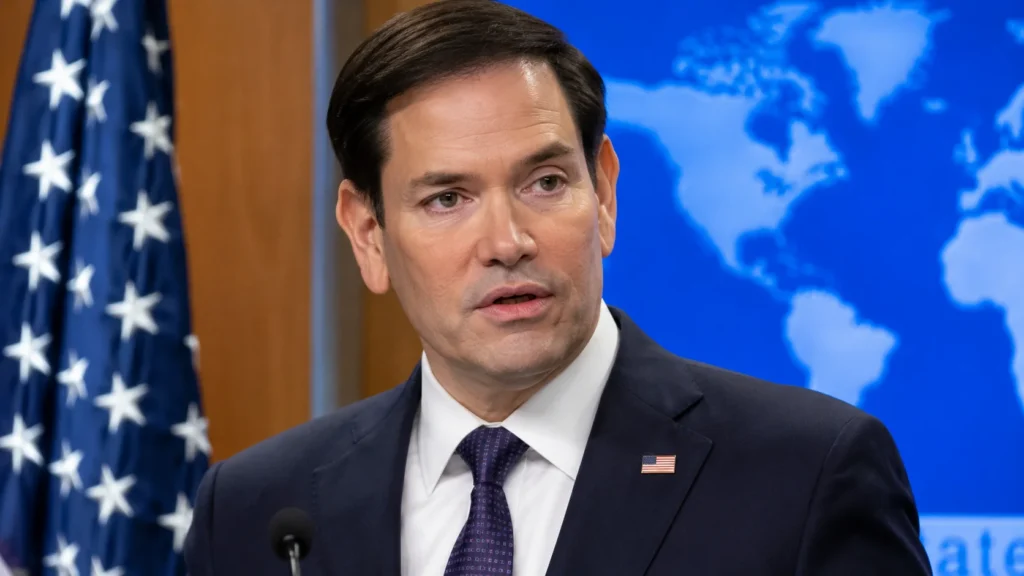
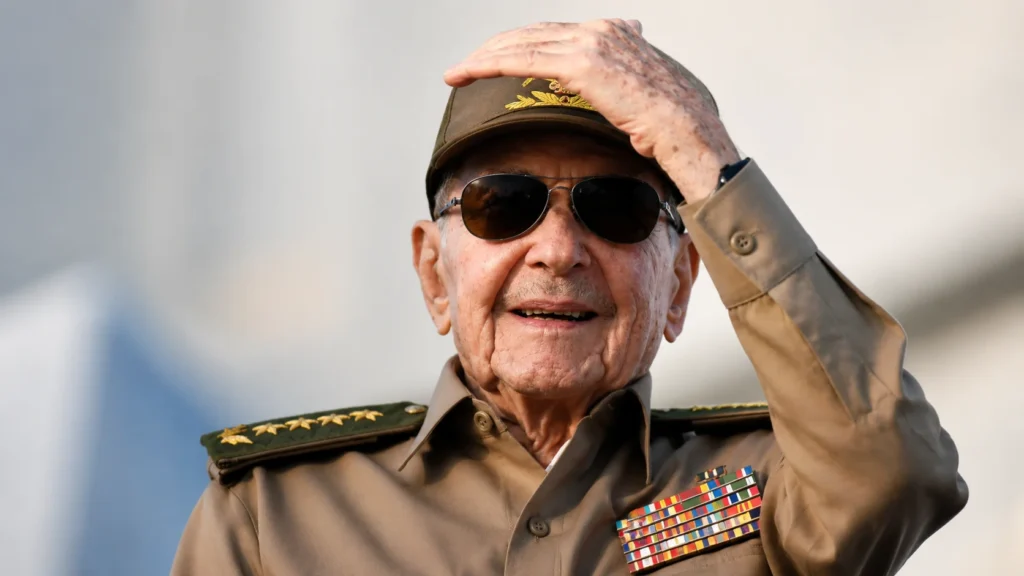
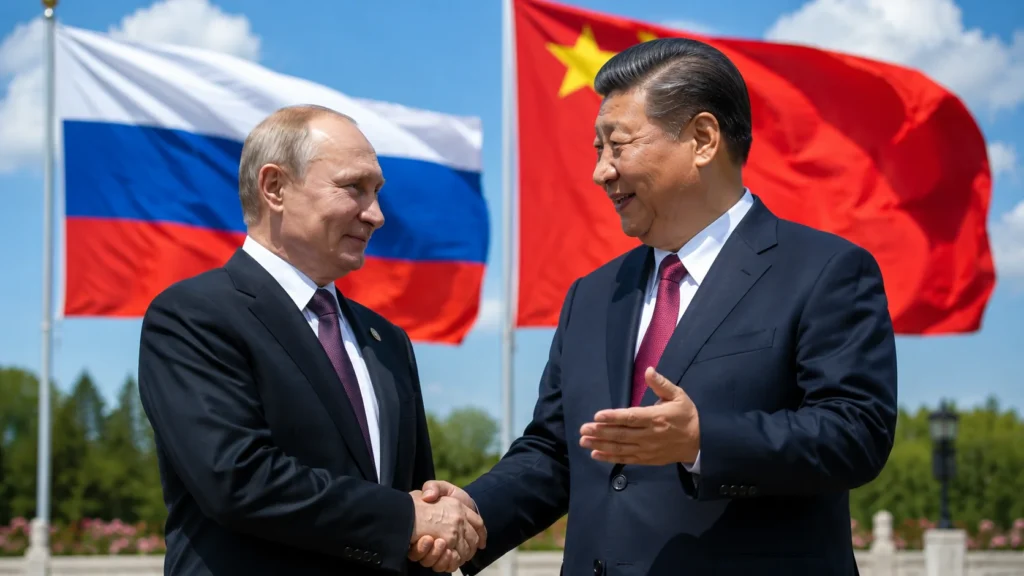
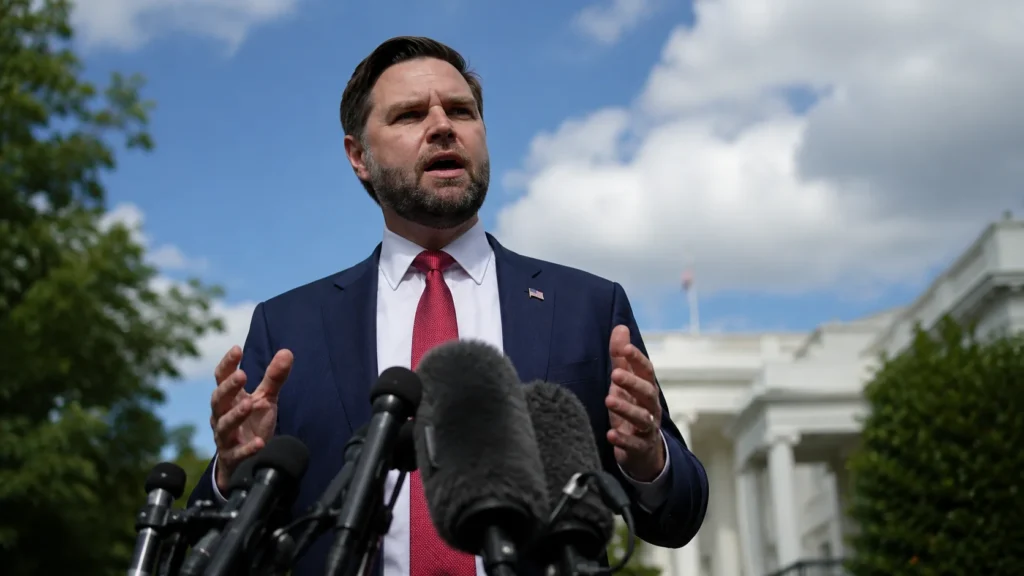
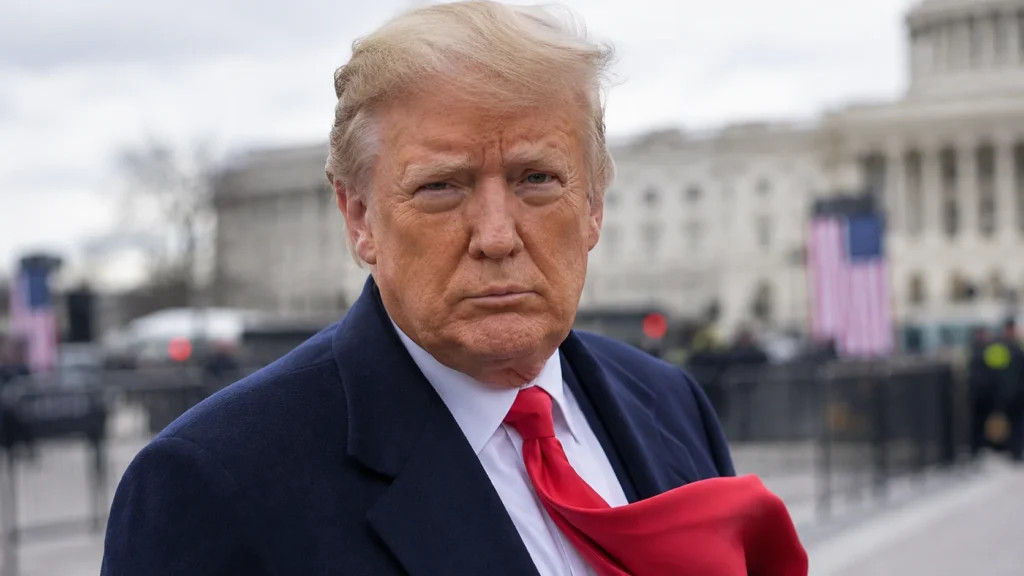
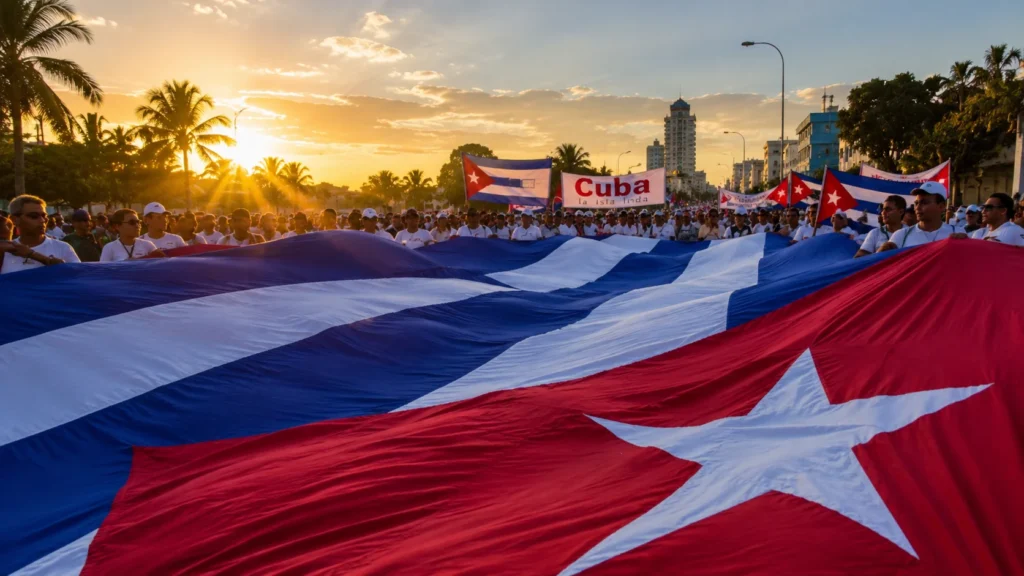
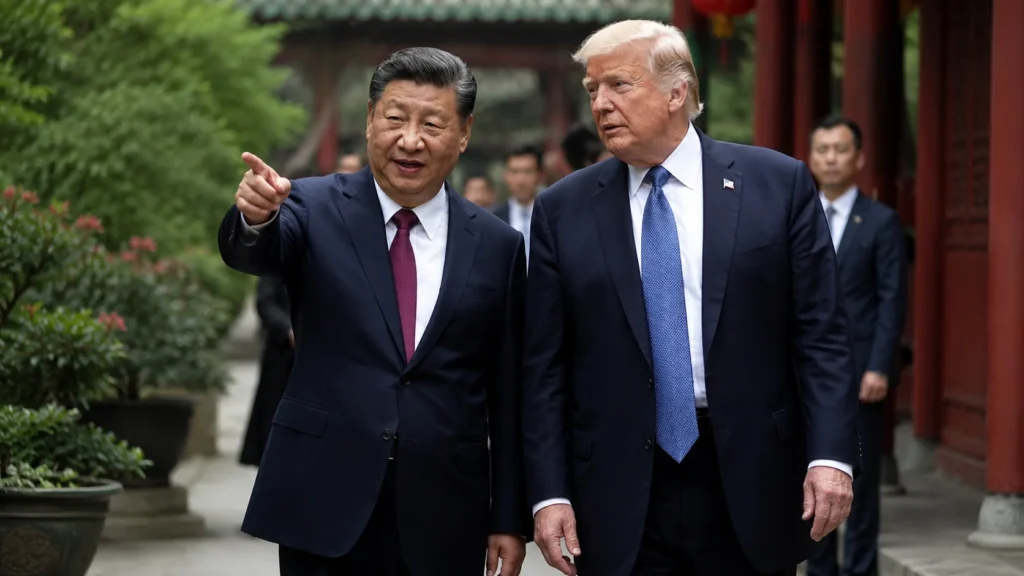
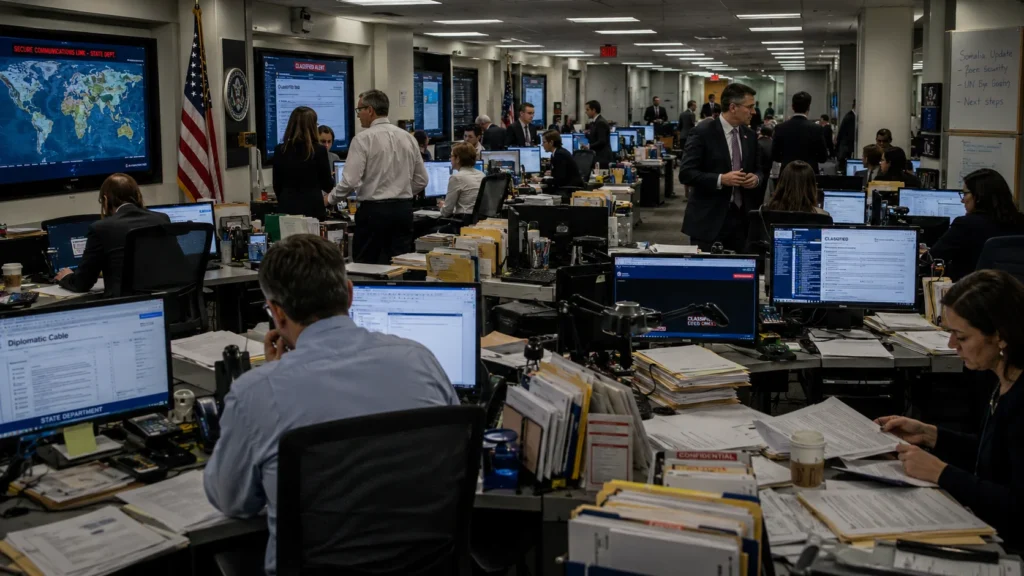
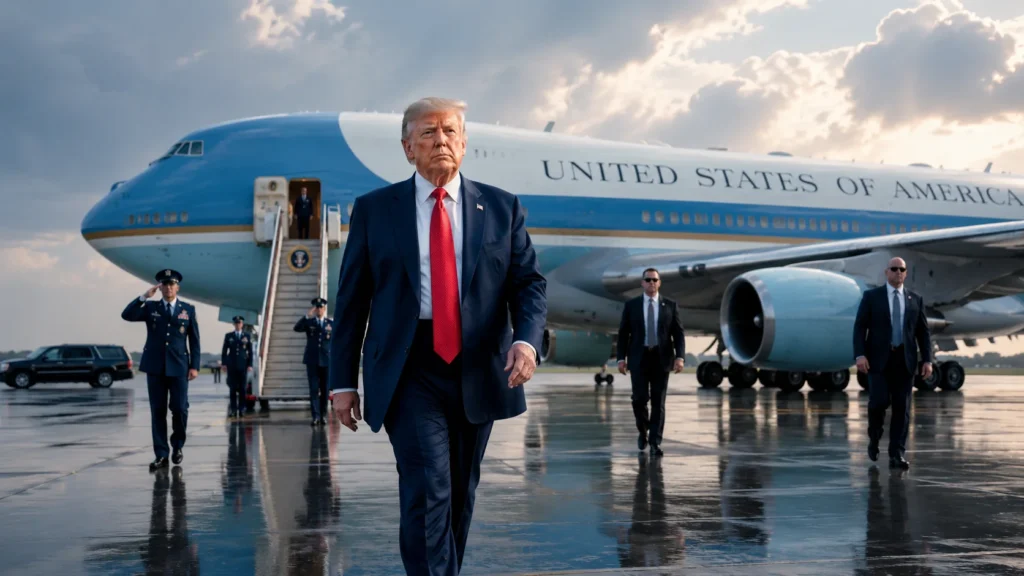
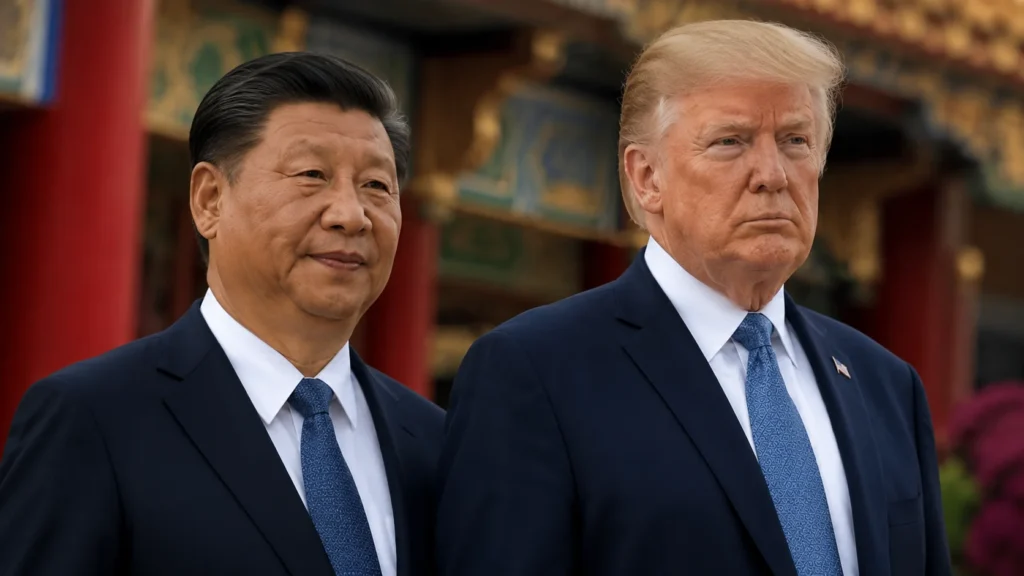
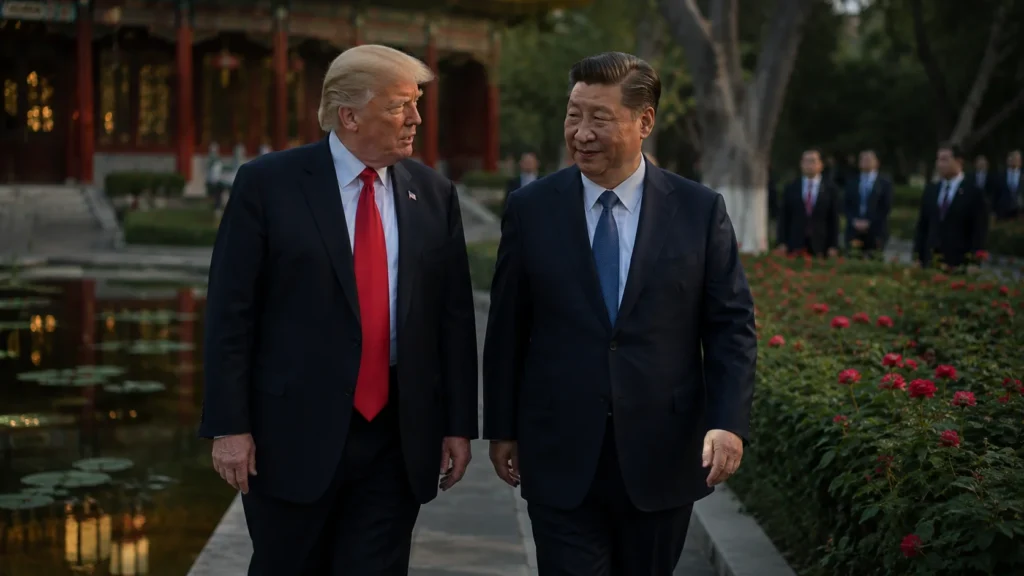
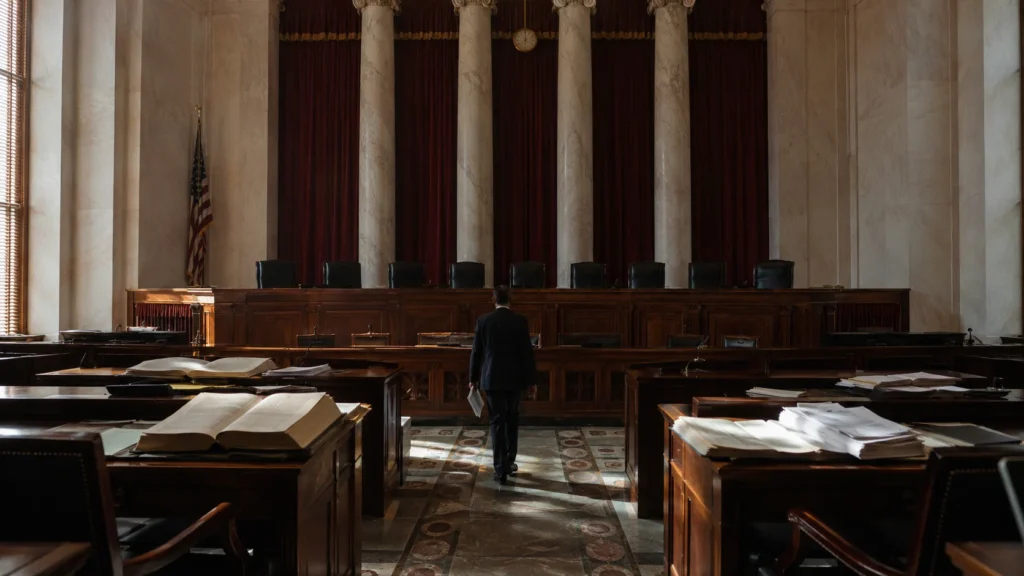
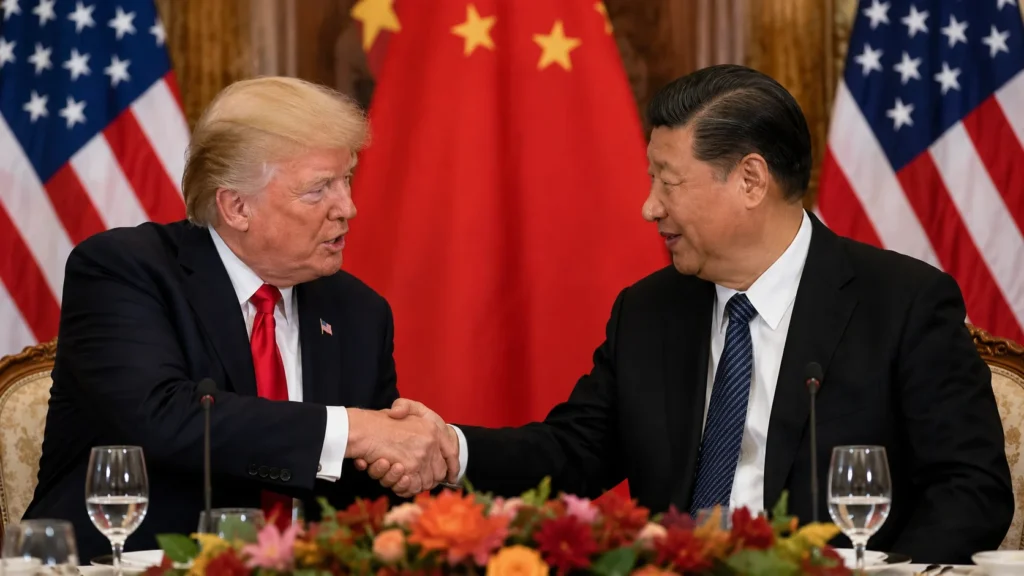
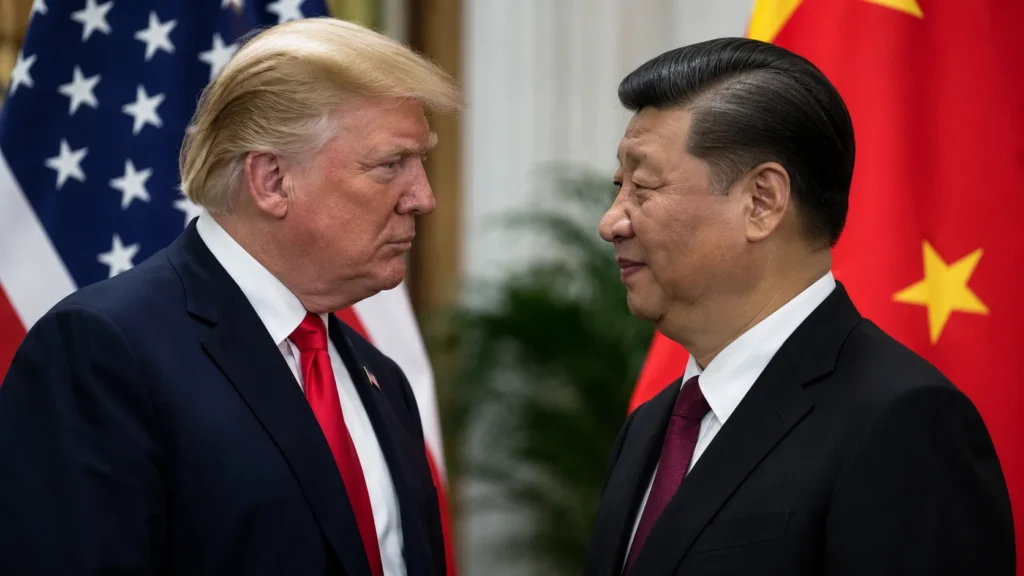
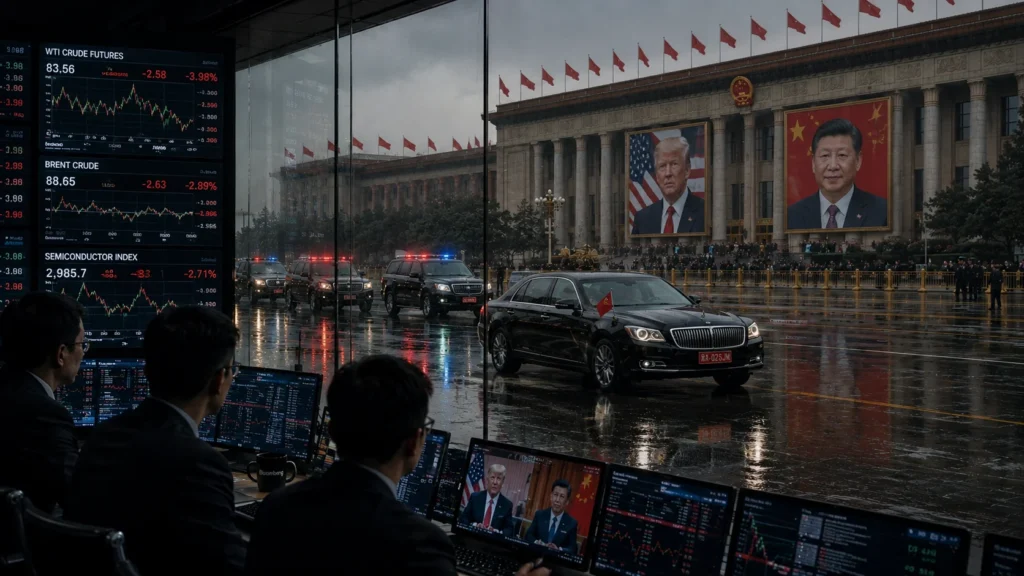
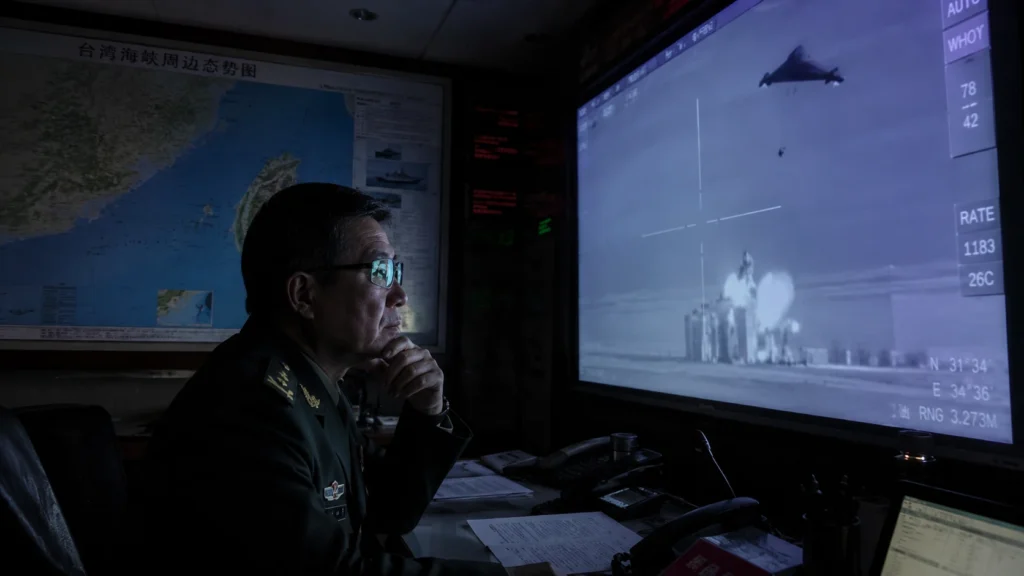
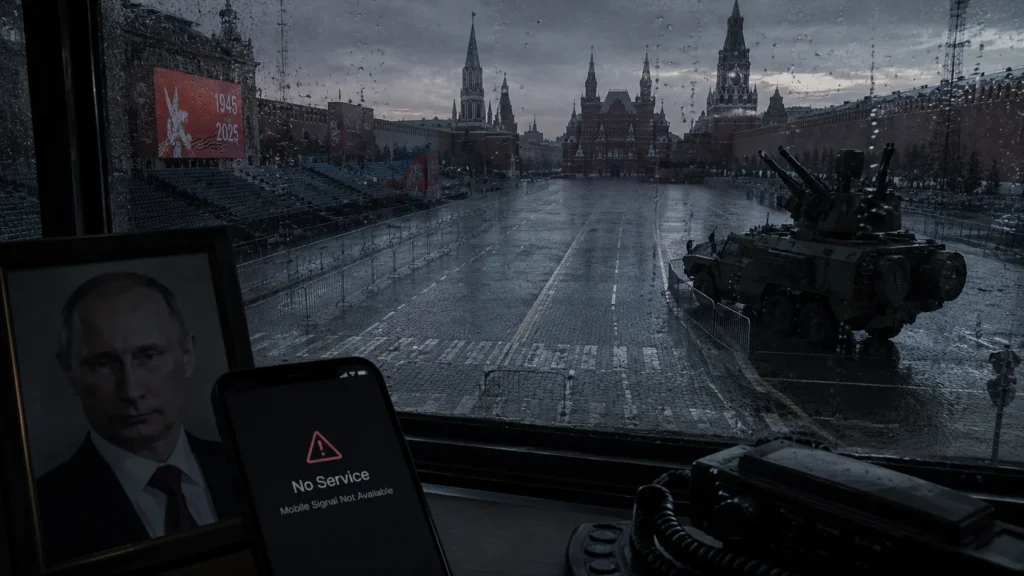
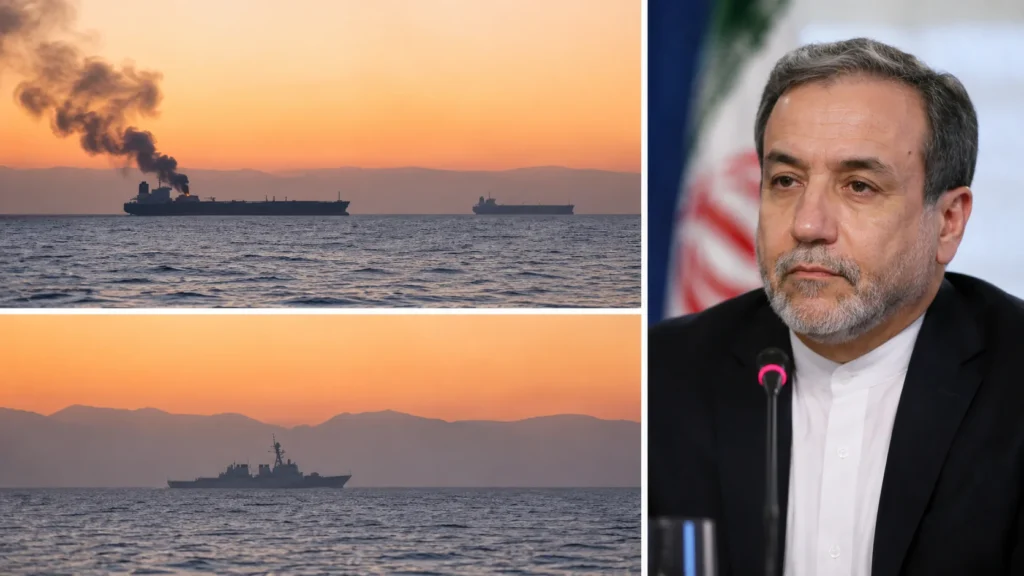
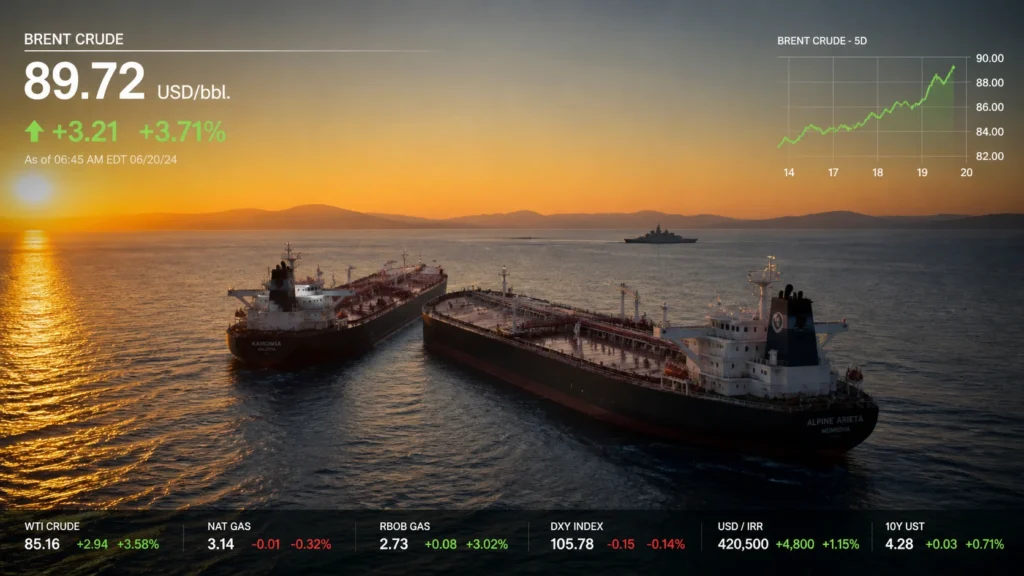
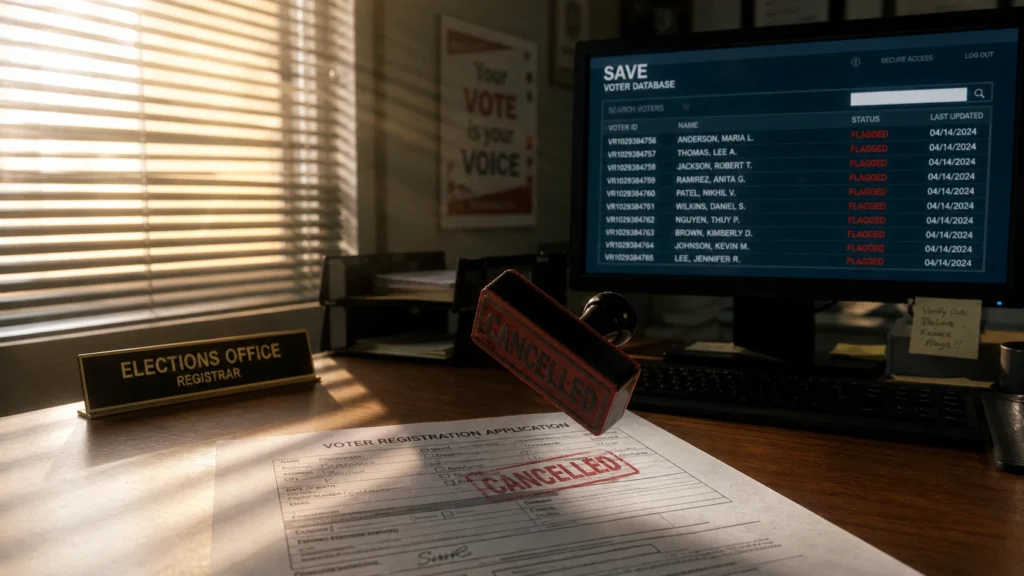
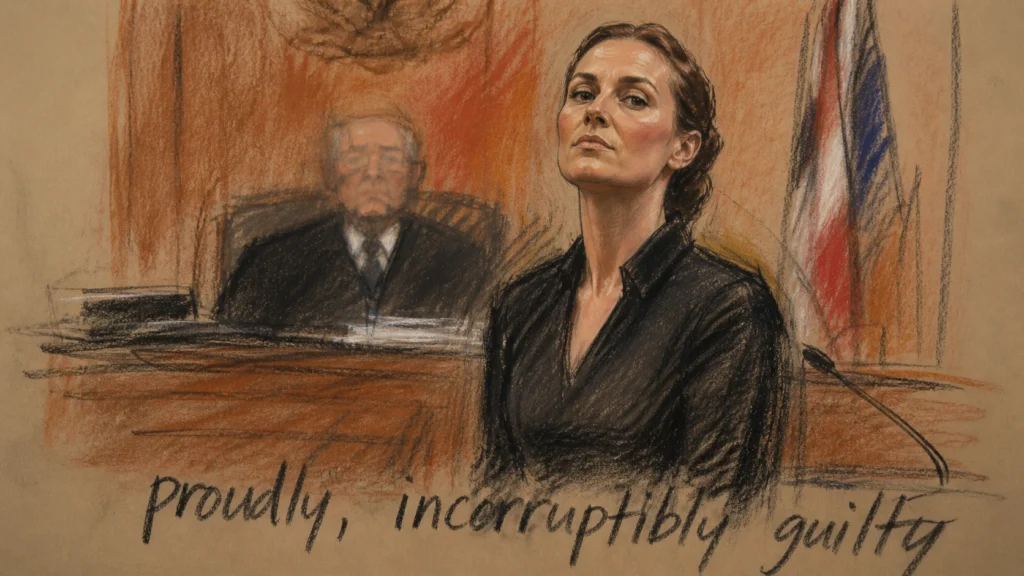
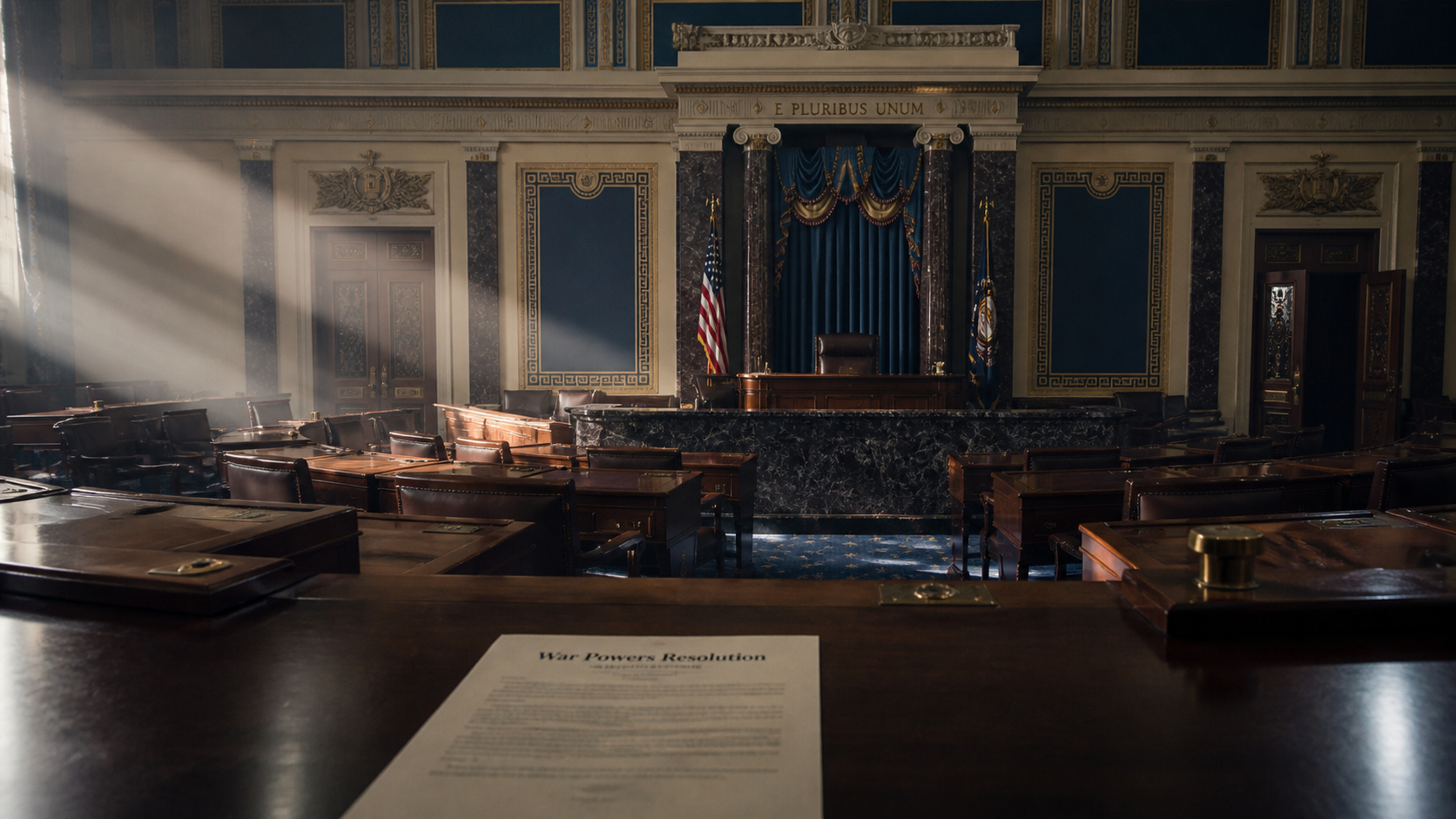
The Cuba Indictment Tests China US Alliance Tensions Shift has intensified after a U.S. federal court issued charges against a former Cuban head of state, triggering an immediate diplomatic reaction from Beijing within minutes. China condemned the move as coercive, while Washington defended it under long-standing sanctions law. The episode is reshaping how sovereignty, legal authority, and alliance politics interact in real time.
The Sovereignty Clash Behind the Indictment
Two systems, one collision point
At the core of this dispute sits a legal and political contradiction: the United States’ extraterritorial legal framework versus the principle of sovereign immunity defended by China and Cuba.
The Helms-Burton Act, enacted in 1996, allows U.S. courts to pursue claims linked to property confiscated in Cuba. Washington argues it protects victims of past military actions. Havana rejects it as unlawful interference, while Beijing now interprets such mechanisms as part of a broader coercive toolkit.
As US–Cuba sanctions and legal escalation history showed in previous coverage, enforcement actions under this framework have repeatedly triggered diplomatic friction with U.S. adversaries.
Timeline: How the Situation Escalated
- March 12, 1996 – Helms-Burton Act signed into U.S. law, expanding sanctions reach beyond borders.
- April 19, 2018 – Cuba transitions leadership from Raúl Castro to Miguel Díaz-Canel.
- 2023 – UN General Assembly votes 187–2 against the U.S. embargo on Cuba UN General Assembly official voting records.
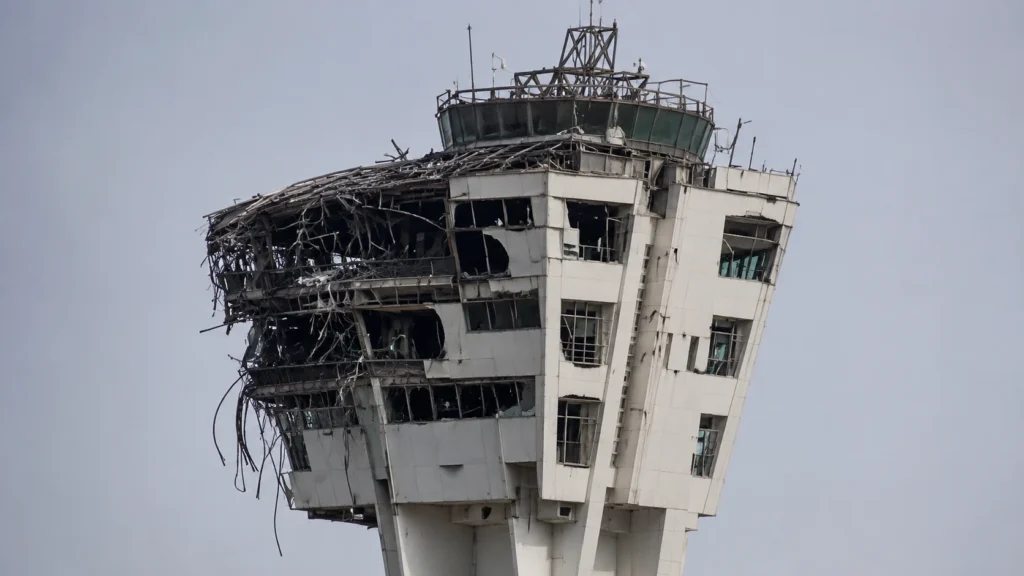
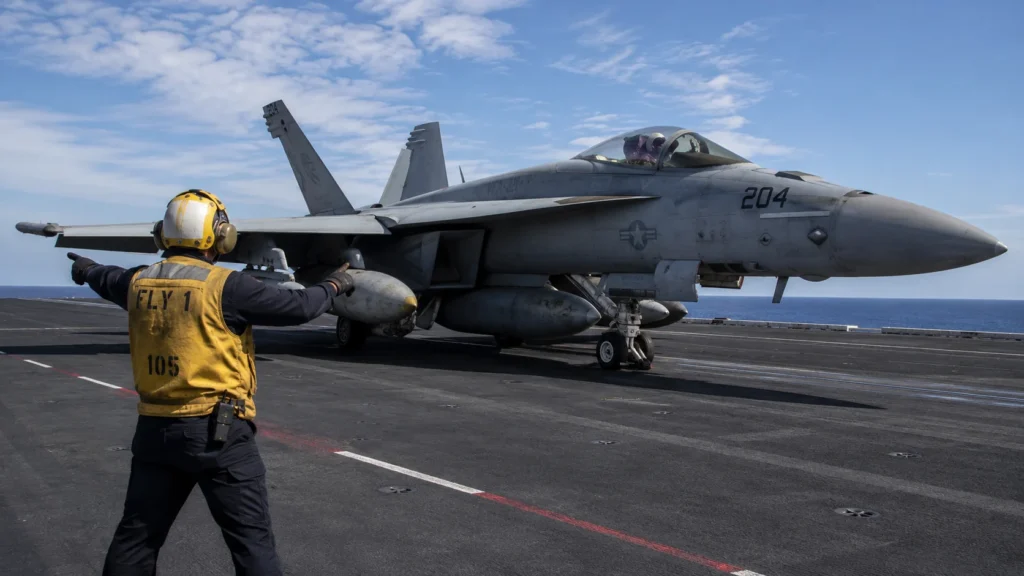
- Recent week (2026) – U.S. court issues indictment tied to a 1996 aviation incident.
- Minutes later, China issues a formal rejection of “coercion and threats.”
As China–US strategic competition analysis previously highlighted, Beijing increasingly treats legal actions as geopolitical instruments.
Why Beijing Reacted Within Minutes
China’s rapid response signals a structural interpretation of U.S. legal power. Sanctions, indictments, and trade restrictions are no longer viewed as isolated legal tools but as coordinated pressure systems.
A spokesperson from China’s Foreign Ministry said, according to Reuters report on China foreign ministry response, that Washington is engaging in “coercion and intimidation through legal instruments.”
This reflects broader sensitivity to sovereignty-linked issues such as Taiwan and Hong Kong.
Fragment. Immediate strategic signaling.
Geopolitical Balance: Three Pressure Axes
United States: Legal expansion as leverage
Washington strengthens deterrence through long-reach legal frameworks, reinforcing influence over sanctioned states.
Cuba: Economic compression under layered pressure
Energy shortages and import constraints deepen internal instability, reducing policy flexibility.
China: Narrative power vs economic limits
Beijing gains diplomatic leverage but faces constraints in scaling financial support for Cuba.
As Belt and Road expansion in Latin America has shown, infrastructure diplomacy often runs into funding ceilings.
Expert Perspective: Law as a Strategic Instrument
Dr. Margaret Myers of the Inter-American Dialogue notes that U.S. sanctions and legal mechanisms now function as “hybrid instruments of foreign policy rather than purely judicial tools.”
She argues this blurs the boundary between domestic law enforcement and geopolitical signaling, especially in contested regions.
What Happens Next
Key developments to watch:
- Expansion of legal action toward current Cuban officials
- China’s potential economic or energy support measures
- The next UN General Assembly vote on Cuba sanctions
According to Associated Press reporting on U.S.–Cuba sanctions, the embargo remains one of the longest-running geopolitical disputes in modern diplomacy.
What is the Cuba Indictment Tests China-US Alliance Tensions Shift about?
It refers to escalating diplomatic tensions after a U.S. indictment involving Cuba triggered a strong response from China.
Why did China react so quickly?
Beijing views U.S. legal tools as part of broader geopolitical pressure systems affecting allied states.
What law is involved in the case?
The Helms-Burton Act of 1996, which allows extraterritorial claims related to Cuban property disputes.
Does this affect global relations?
Yes, it strengthens perceptions of rising legal-based geopolitical confrontation between major powers.
Will the indictment lead to a trial?
Unlikely, as the accused is a former head of state and the case is largely symbolic.
Author Bio
Written by an international affairs editor specializing in sanctions policy, U.S.–China relations, and Latin American geopolitics with over a decade of field reporting experience.