

 English













































































































































































































































































































































Root Said He’d Never Captain Again. The Blazer Came Out of the Garage.
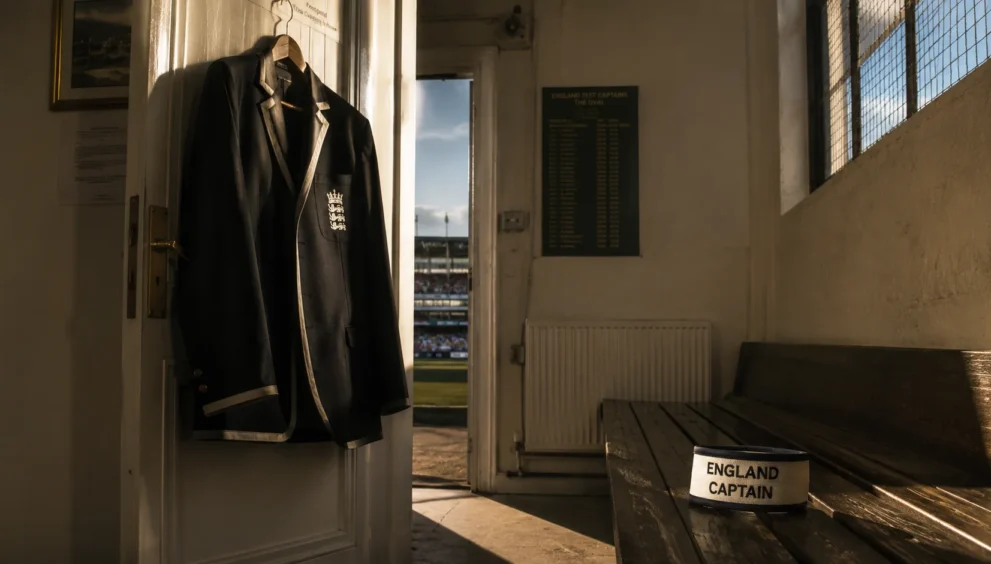
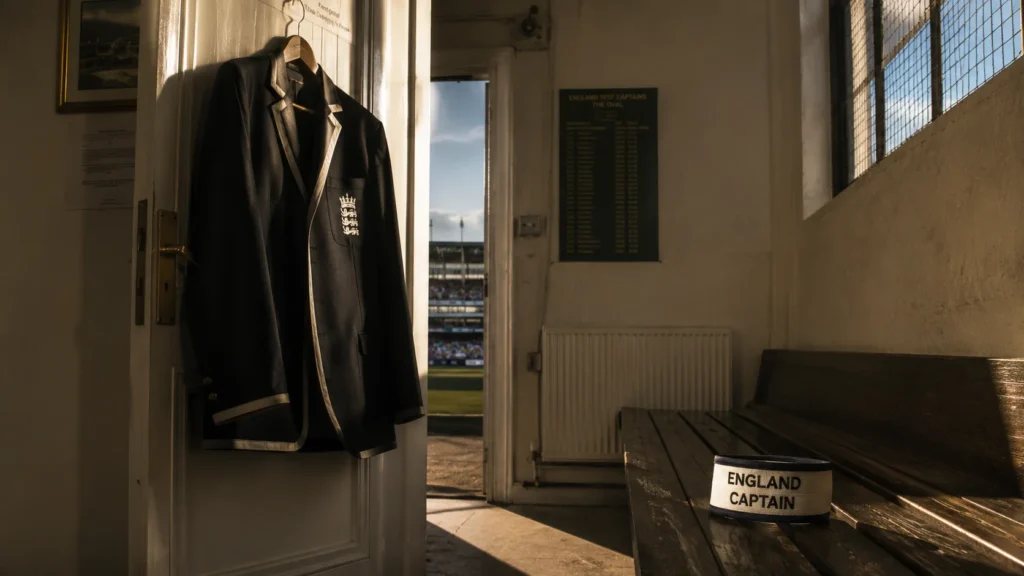
The blazer was in the garage. Joe Root had put it there after stepping down as England Test captain in 2022, exhausted by a job that had consumed him, ending a record 64-Test tenure with one win in 17 matches and a relationship with the role he described as “very unhealthy.” Earlier this year, he said the chances of him captaining England again were “0.1%.” Last year, he said the “ship had sailed” on the white-ball captaincy. The blazer stayed in the garage. The ship stayed in port.
Then Ben Stokes breached a midnight curfew after victory in the first Test against New Zealand. He was present when a member of England’s security staff was struck by a Saracens rugby player. England left him out of the squad for the second Test. They needed a captain. They turned to the man who had spent the past two years rediscovering the joy of being solely a batter under Stokes and coach Brendon McCullum, free of the burden that had nearly broken him.
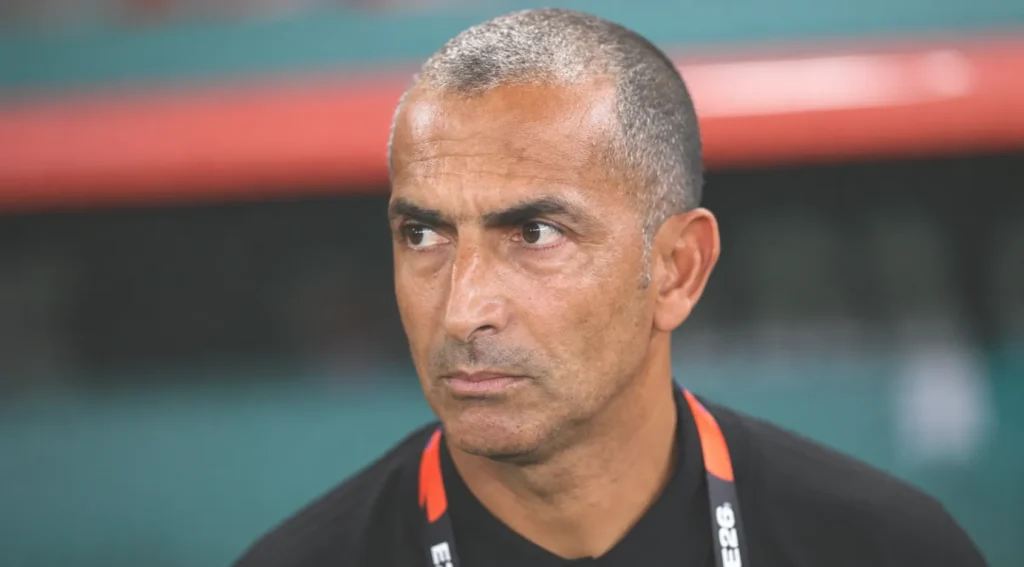
Root said yes. The blazer came out of the garage. He told reporters he was taking it “game-by-game,” that he did not want to look beyond this week, that his focus was on delivering a performance. Then he said something more revealing. “I have really enjoyed the last couple of days working with Baz in a slightly different space,” he said. “That is one thing, in a small way, in a good way—I was slightly envious of that opportunity to work with someone like Baz in this sort of capacity.”
The admission was quiet. It was also the key to everything. Root had not just accepted the captaincy because his friend was in trouble and his team needed him. He had accepted it because, for the first time, the conditions that had made the job unbearable were no longer present. He was not returning to the same role. He was returning to a different one, with a different coaching staff, in a different phase of his life. The job was the same. The context was unrecognisable.
But this wasn’t about the captaincy. This was about Redemption vs Collapse—and what happens when a man who was destroyed by a role walks back into it because the circumstances that destroyed him have finally changed.
The First Tenure
Root captained England in more Tests than anyone in history. The number—64—is impressive. The context is damning. The final stretch of his tenure produced one win in 17 matches. The run was not solely his fault. It coincided with the Covid era, during which England played roughly 20 Tests in bio-secure bubbles while the rest of the world returned to normality. “You are living a very different way from the rest of society,” Root said. “Over time, that took its toll on the group but also myself. I found I ended up being so consumed with everything, I wasn’t the person I wanted to be.”
The captaincy did not just exhaust him. It distorted him. The man who had been one of the most fluent batters in the world became a captain whose batting declined as his responsibilities expanded. The runs did not dry up—Root still scored them—but the joy drained out. He was carrying a team, a regime, and a culture that had stopped working. He stepped down because he had to. The decision was not just about results. It was about survival.
Stokes took over. McCullum arrived. The Bazball era began. Root, freed from the captaincy, became the batter he had always been, scoring runs with the fluency of a man who had remembered why he loved the game. He was not the captain. He was the senior player, the wise head, the man who had been through it and come out the other side. The arrangement worked. Root thrived. England thrived. The blazer stayed in the garage.
The Phone Call
Stokes’ absence created a vacancy that could not be filled by the vice-captain. Harry Brook, the heir apparent, was overlooked amid his own off-field controversy—he had been struck by a bouncer the night before a white-ball game in Wellington last winter. The leadership bench was thin. The team was young, featuring debutants Jordan Cox and Sonny Baker, and potentially a third in James Rew if wicketkeeper Jamie Smith was unavailable for the birth of his second child. England needed experience. They needed authority. They needed Root.
Root said he had only a “little think” before accepting. “The only thing that came to my mind is what is the best thing for this team, and is it going to have a big effect on me and my personal life, and which outweighs the other?” The calculation was not complicated. The team needed him. The personal cost, under the new regime, was lower than it had been under the old one. He said yes.
The blazer came out of the garage. The symbolism was not lost on anyone. Root had not simply retrieved an old garment. He had retrieved a version of himself that he had hoped never to inhabit again. The difference was that this version—the captain who works with McCullum rather than against the tide—was one he had never experienced. He had watched Stokes do it. He had been, in his own words, “envious.” Now he would get his chance.
The McCullum Factor
Root’s admission of envy is the most important thing he said. He was not envious of Stokes’ authority or his profile. He was envious of the relationship. McCullum has built his England tenure on a simple principle: liberate the players, trust them to express themselves, and remove the fear of failure. Stokes, as captain, was the embodiment of that philosophy. Root, as former captain, had been the example of what happened when the opposite philosophy prevailed—when the captain was consumed by the job, when the fear of failure was the organising principle, when the joy drained out.
McCullum worried for Stokes after the incident, describing his concern in personal terms. Root, stepping into the role, will now experience the relationship from the other side. He will be the captain who works with McCullum rather than the former captain who watches from the slip cordon. The distinction matters. Root’s first tenure was defined by isolation. His second, however brief, will be defined by collaboration.
The “game-by-game” framing is protective. Root does not want to commit beyond this Test because he does not know what the future holds—for Stokes, for the team, for himself. The door is not closed on a longer stint. It is not open, either. The uncertainty is honest. Root is not pretending that the captaincy has been reclaimed for good. He is treating it as an interlude, a favour, a necessity. The treatment is wise. It is also, given his history, the only way he could have accepted it at all.
What Changes Now
Root will lead an inexperienced England team at The Oval. He will bat at his usual position. He will set fields, make bowling changes, manage the debutants, and try to win a Test match. He will do all of this with McCullum beside him rather than against him. He will do it knowing that, whatever happens, he can return to the slip cordon when Stokes returns. The captaincy is no longer a sentence. It is a week, maybe two, maybe a series. The temporality is liberating.
The blazer will go back in the garage eventually. Root will return to being England’s best batter, the senior statesman, the man who survived the job and came out the other side. The difference is that, this time, he will know what it feels like to do the job under the conditions he always wanted. The envy will be resolved. The experiment will be complete.