

 English












































































































































































































Iran Says It Targeted American Base After Fresh US Strikes
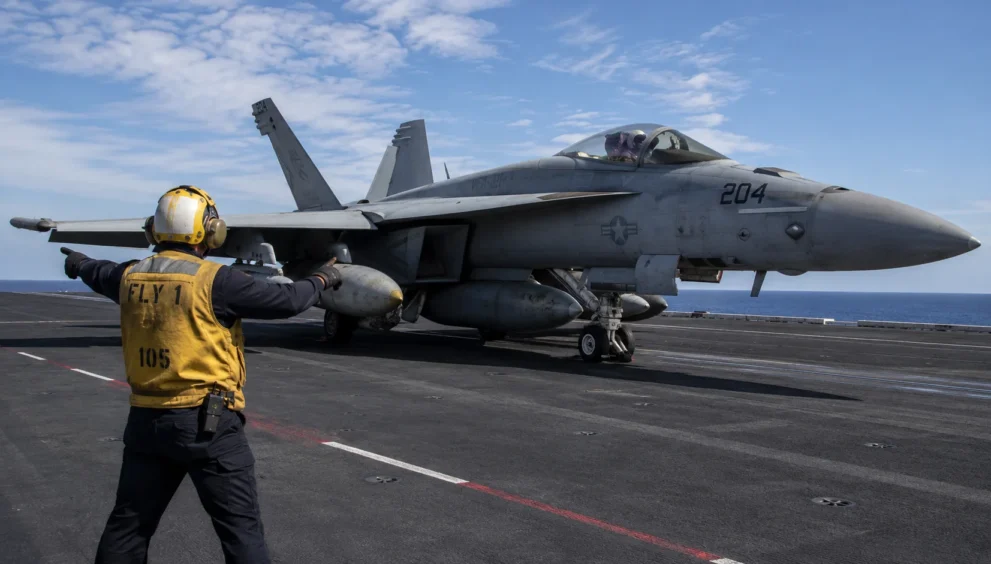
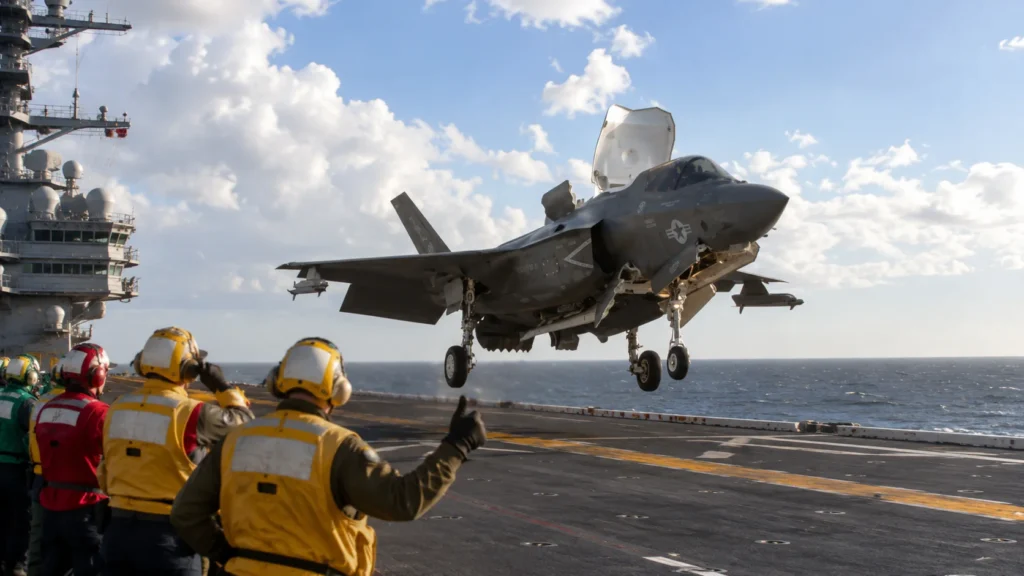
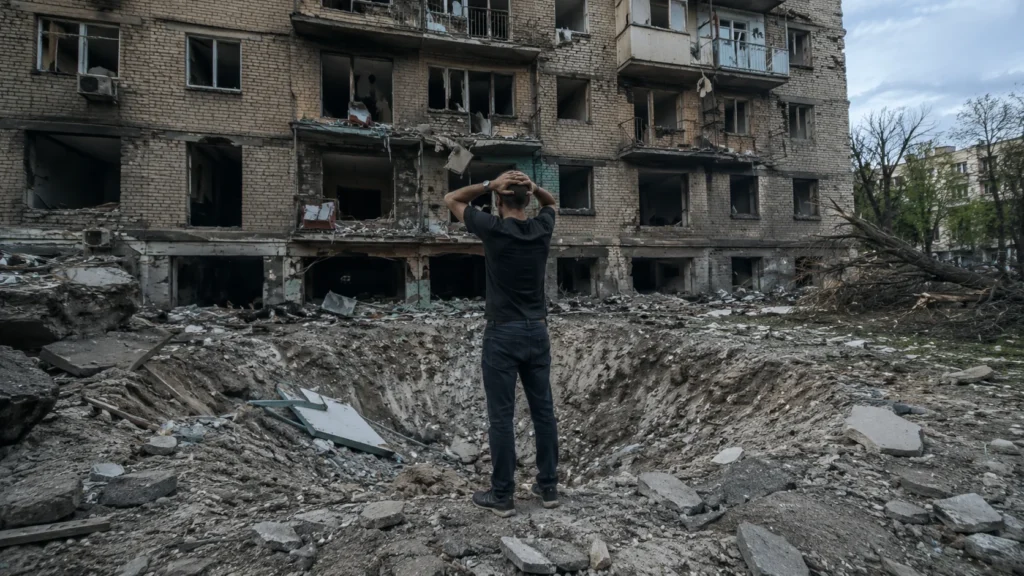
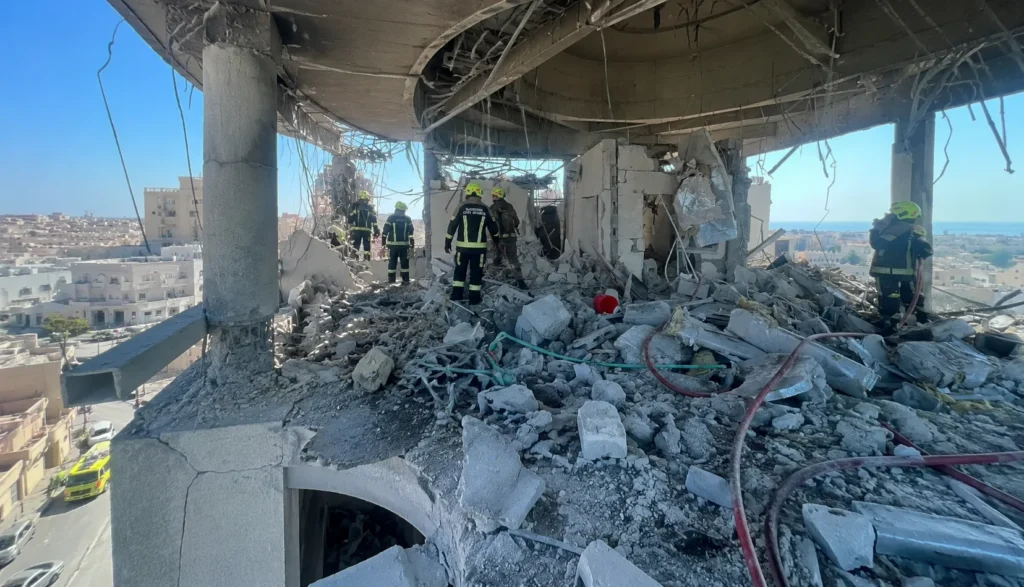
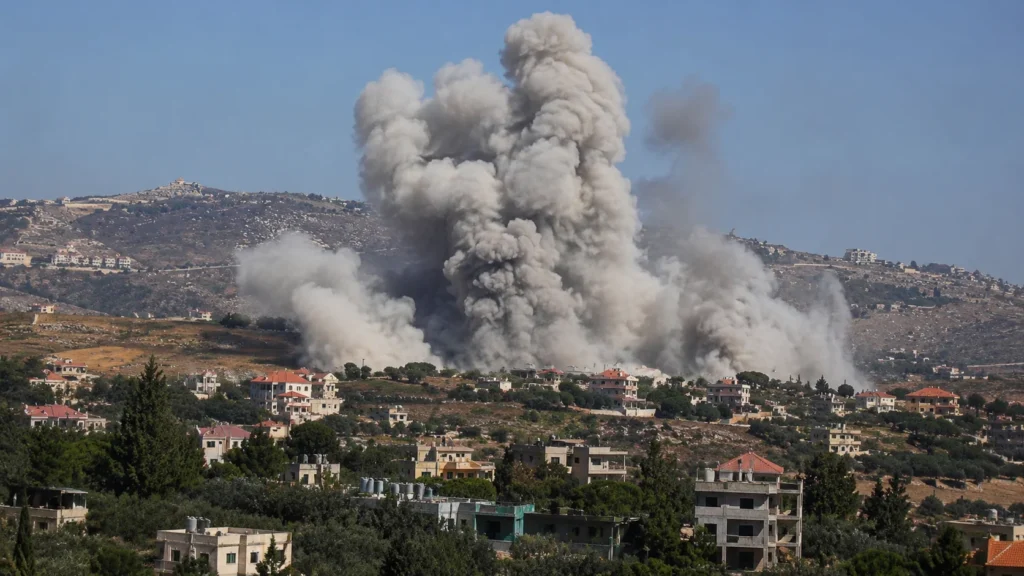
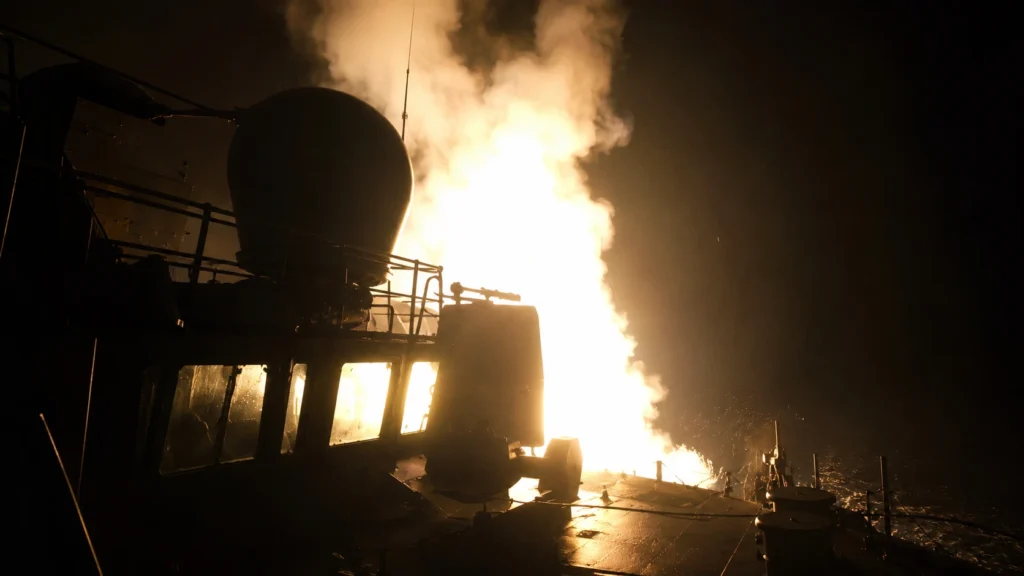
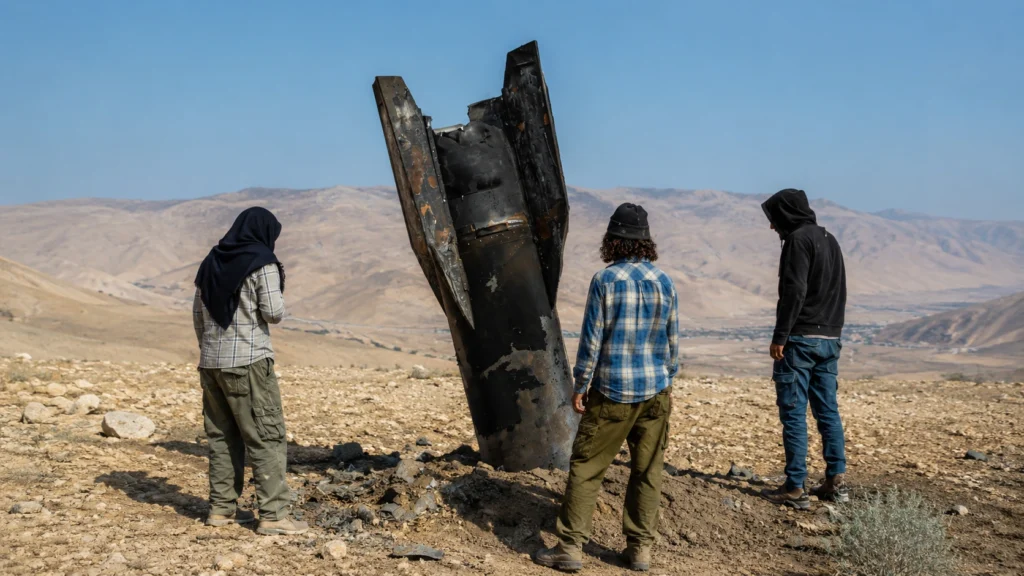
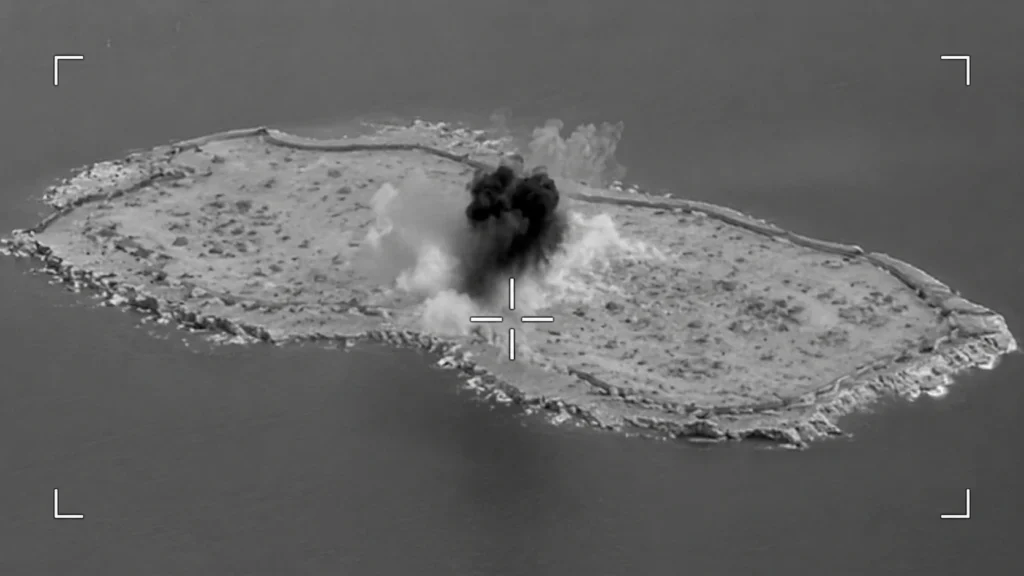
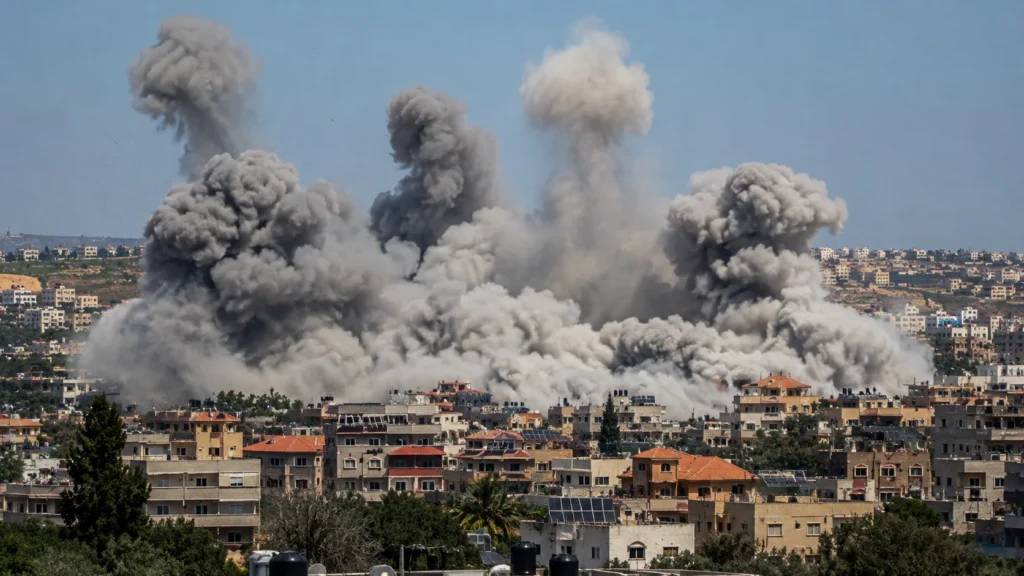
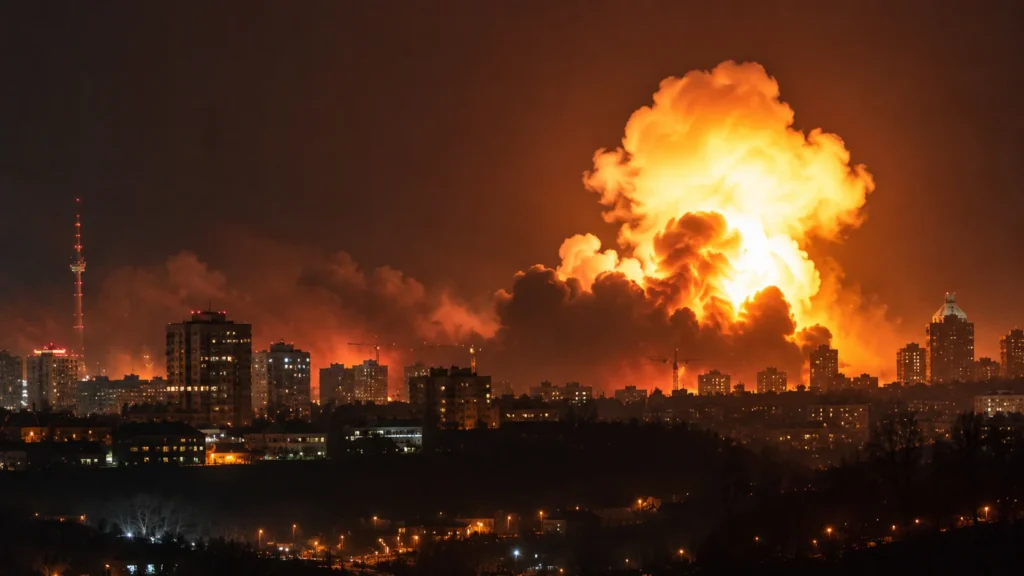
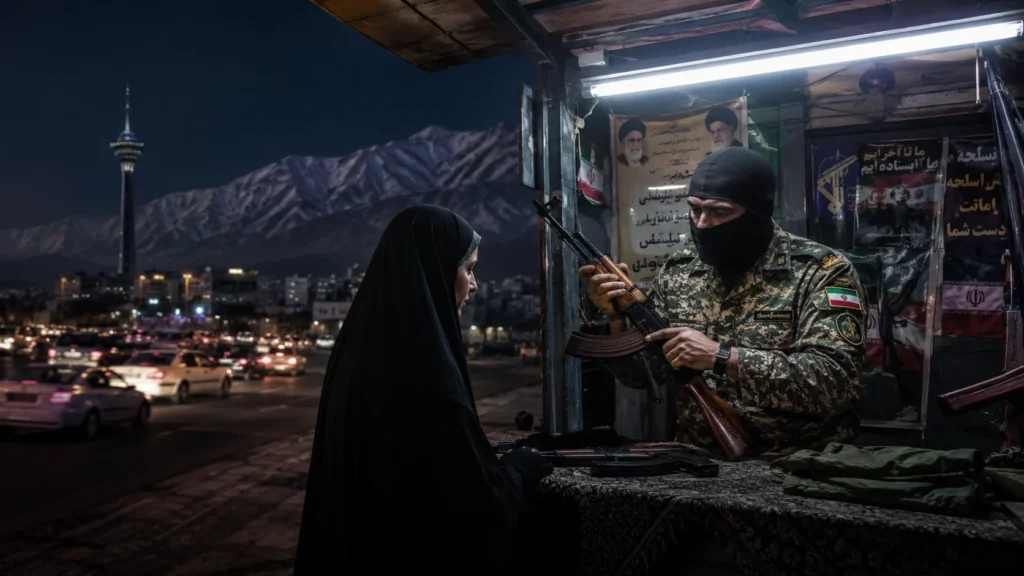
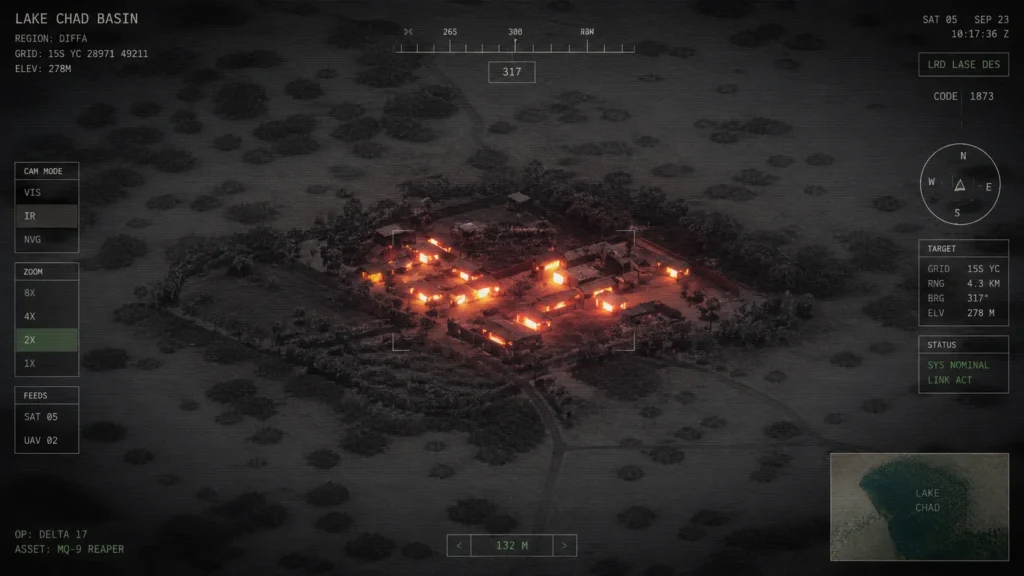
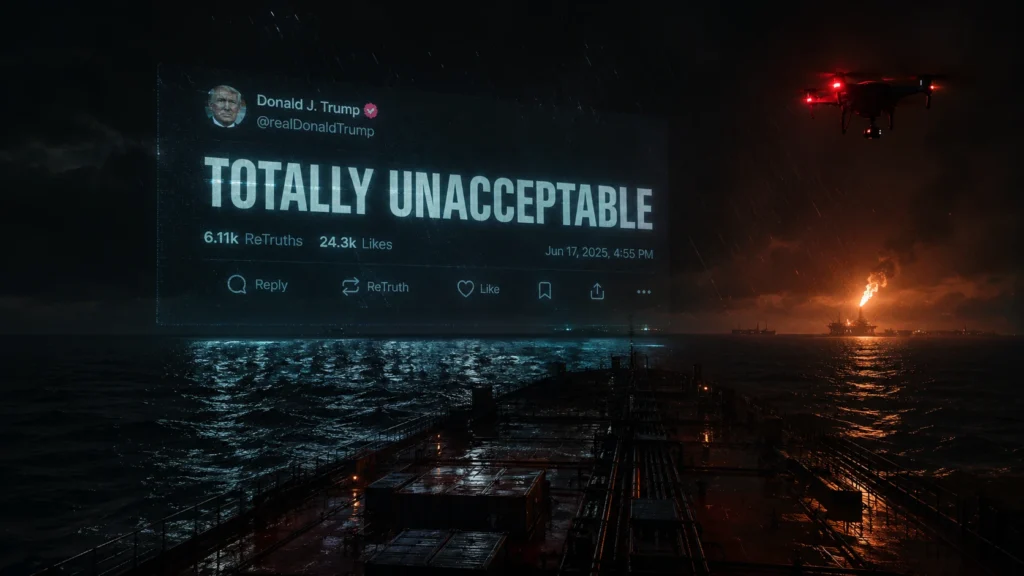
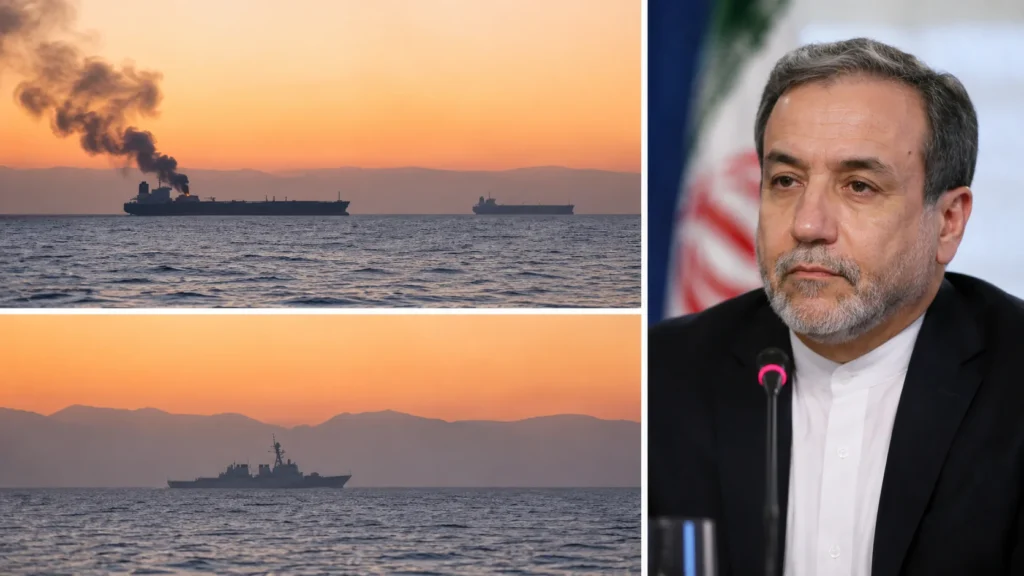
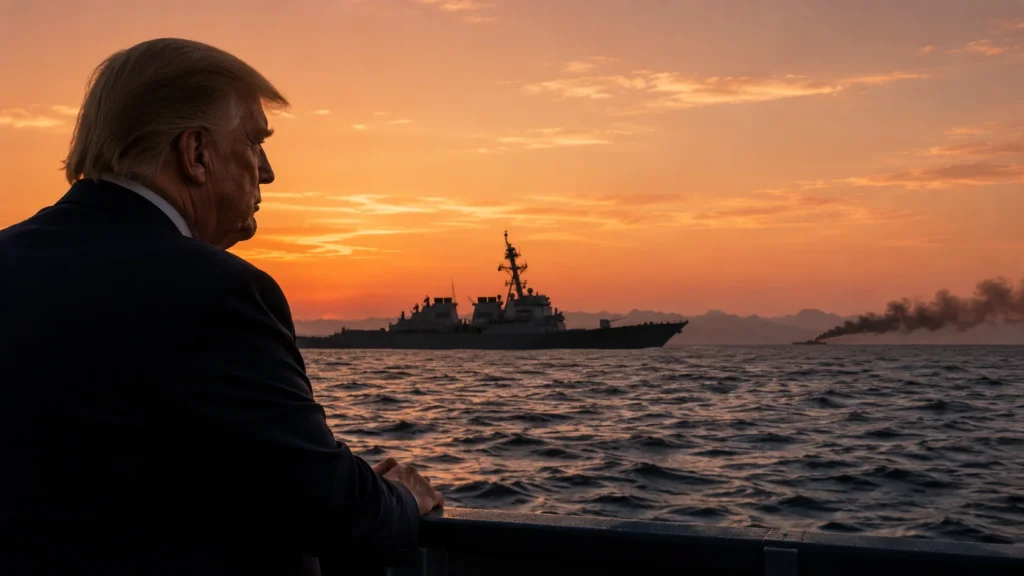
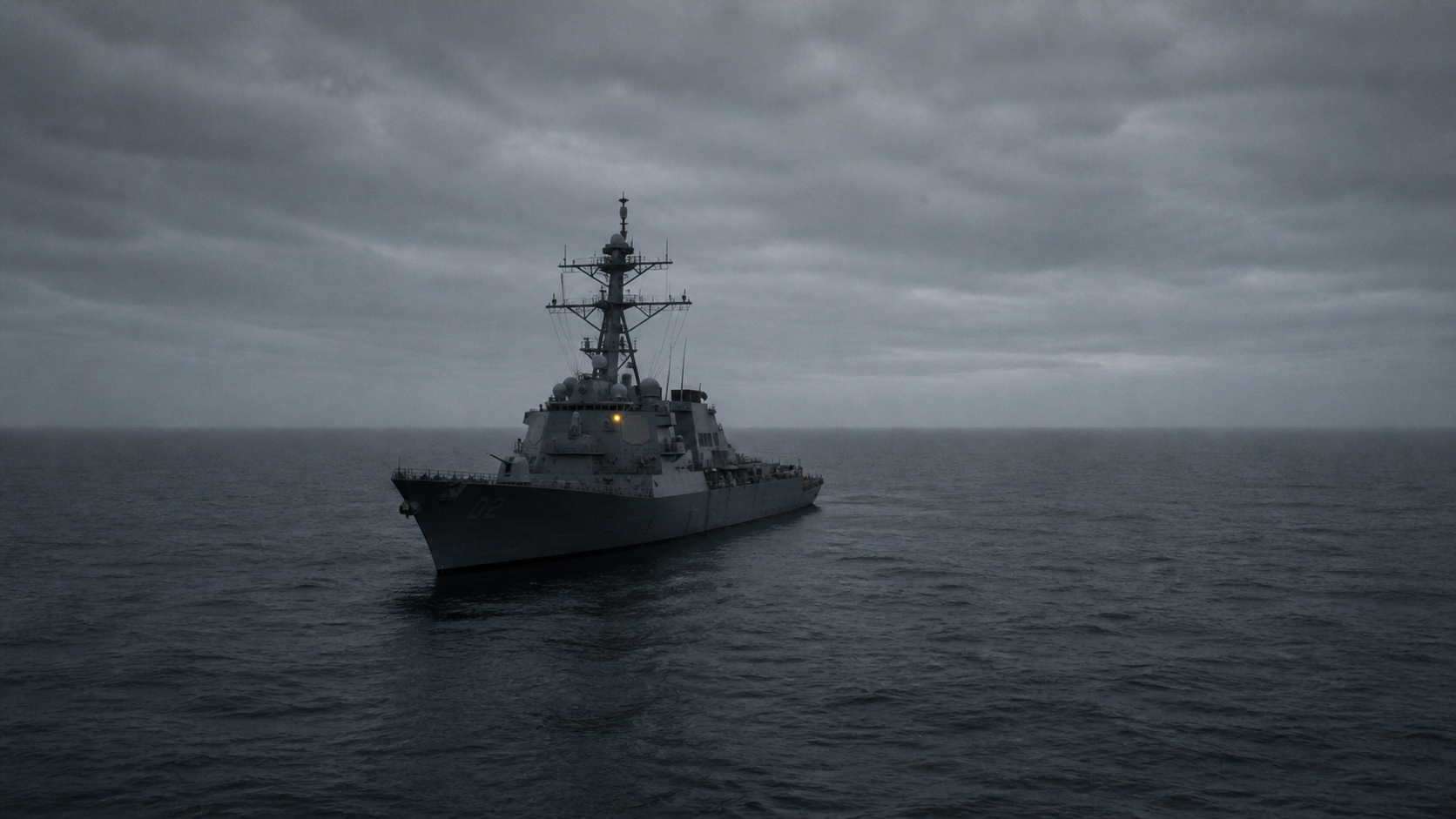
Iran says it targeted American base after fresh US strikes on southern Iran, with the Islamic Revolutionary Guard Corps launching missiles at a US air base in Kuwait in the early hours of Thursday morning. Kuwait’s military said it intercepted “hostile missile and drone threats” but did not confirm the target. US Central Command described the Iranian attack as an “egregious ceasefire violation” that occurred “hours after Iranian forces launched five one-way attack drones that posed a clear threat in and near the Strait of Hormuz.” The exchange marks the second time in three days that the US has struck targets in Iran, with Washington saying the operations were conducted in self-defence. The renewed hostilities threaten a fragile ceasefire between Washington and Tehran that has been in place since 8 April.
Iran Says It Targeted American Base After Fresh US Strikes — What Happened
The IRGC said the attack on the US air base targeted “the source” of earlier US strikes on Iran, according to state broadcaster IRIB. Centcom said all five drones launched toward the strait were intercepted, along with a sixth drone from an Iranian ground control site in Bandar Abbas US Central Command statement, 28 May 2026.
Centcom described its own actions as “measured, purely defensive, and intended to maintain the ceasefire.”
Iranian foreign ministry spokesman Esmail Baqai condemned the US strikes and said the Islamic republic would “take all necessary measures to defend its national sovereignty.” Kuwait’s foreign affairs ministry strongly condemned what it termed “criminal Iranian attacks that targeted” its territory Kuwait Foreign Ministry statement, 28 May 2026.
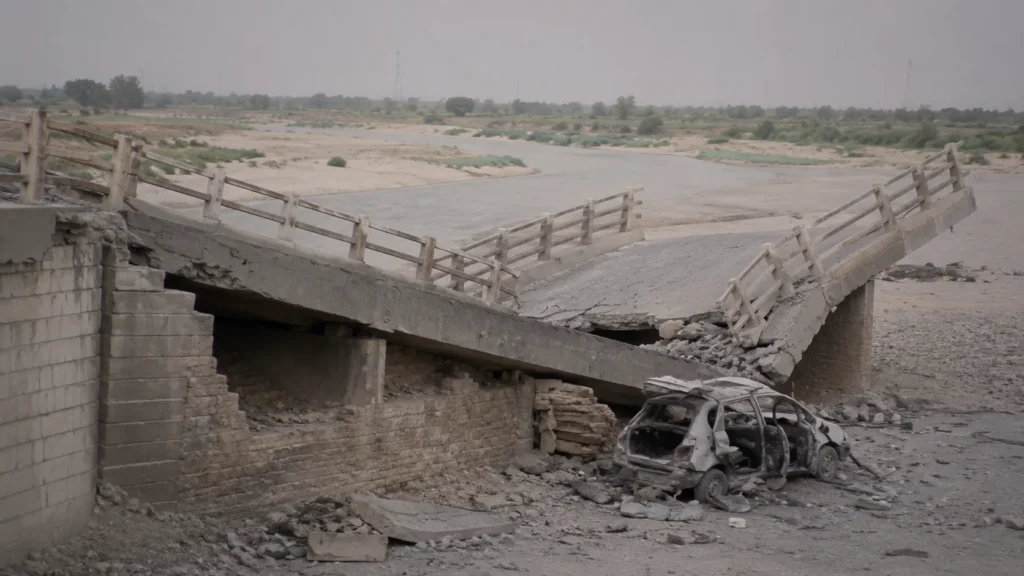
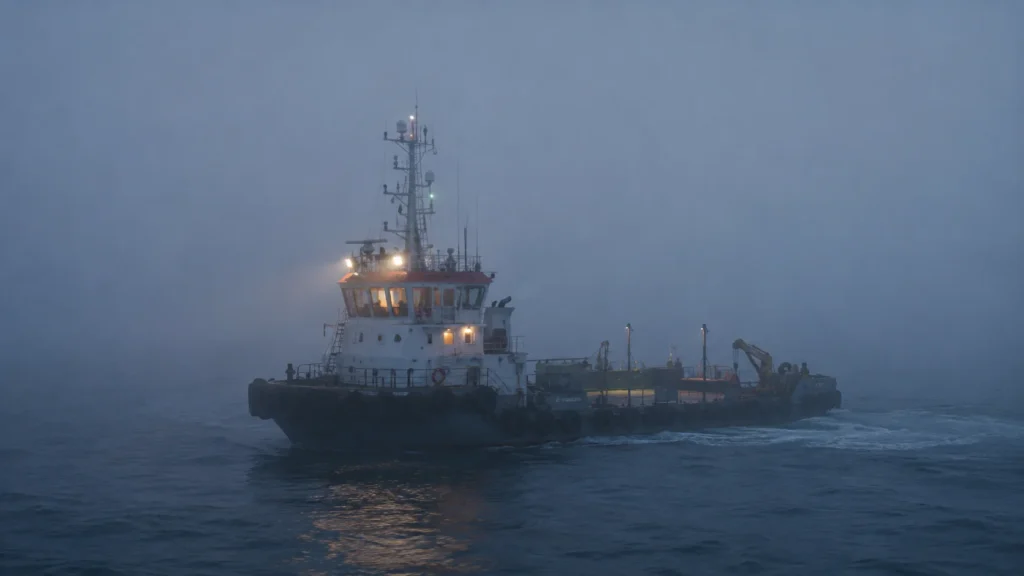
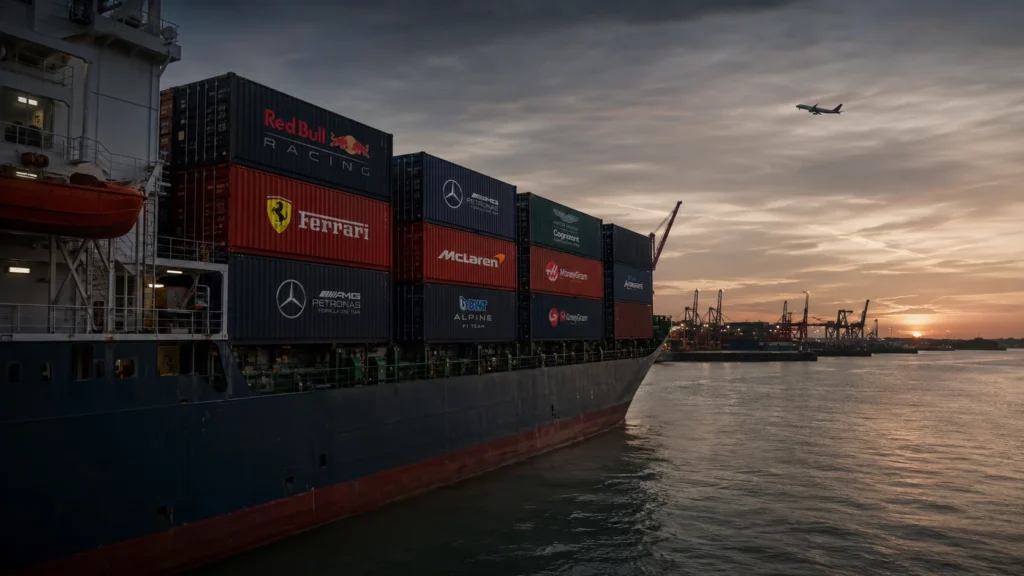
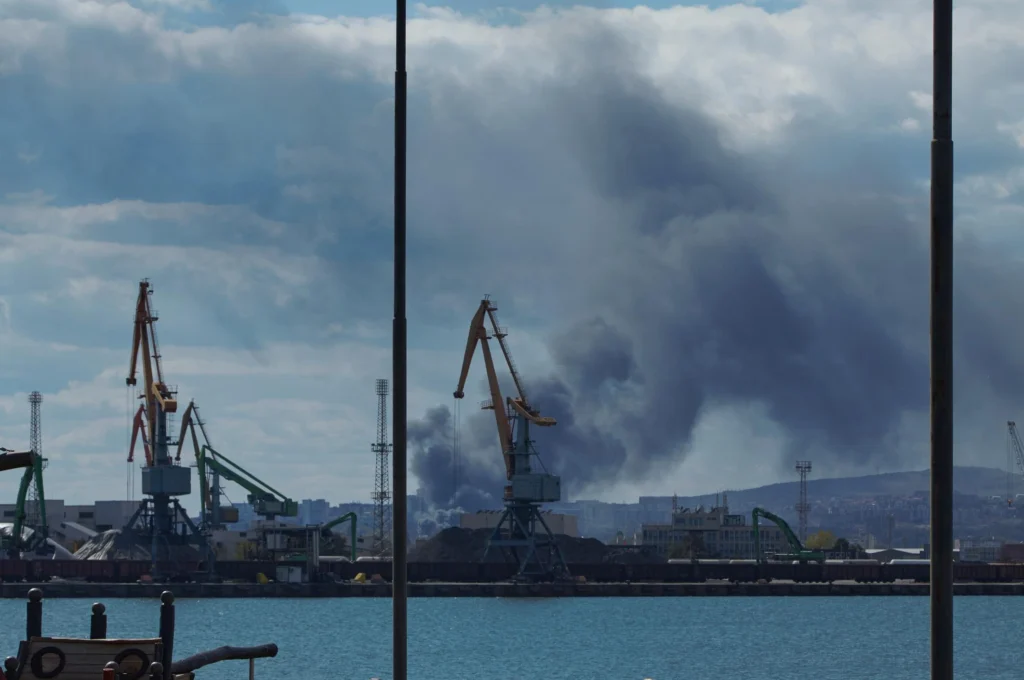
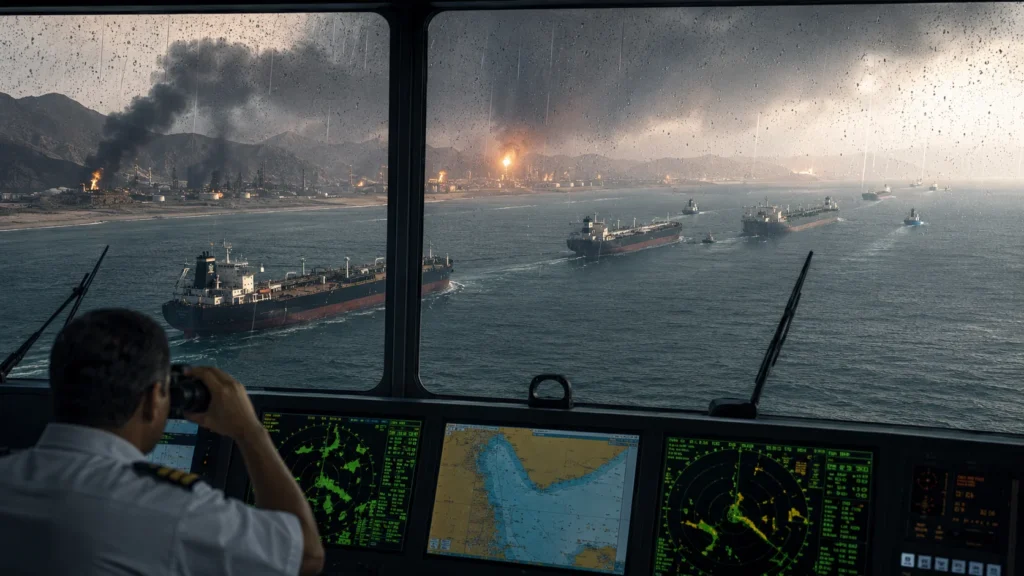
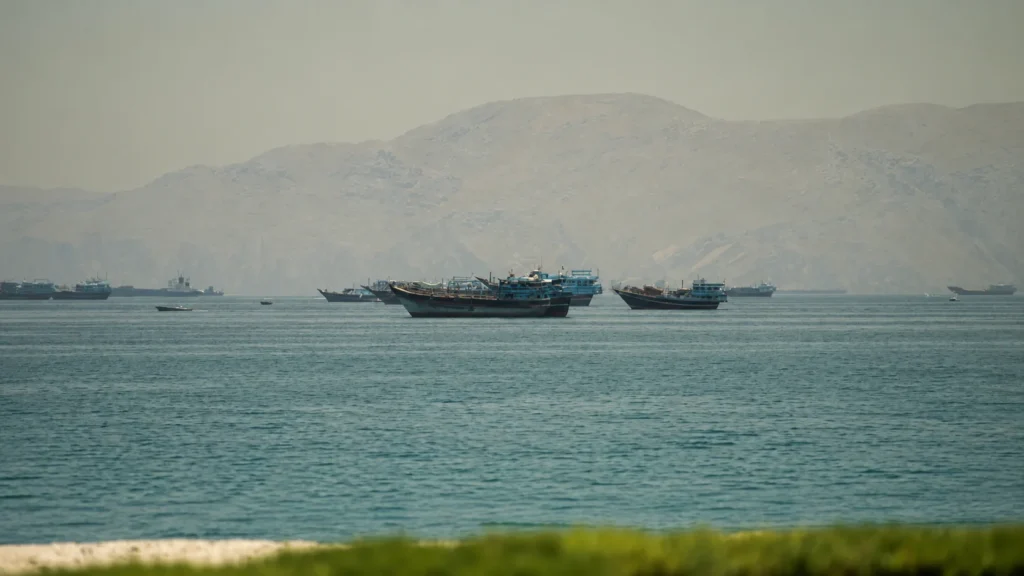
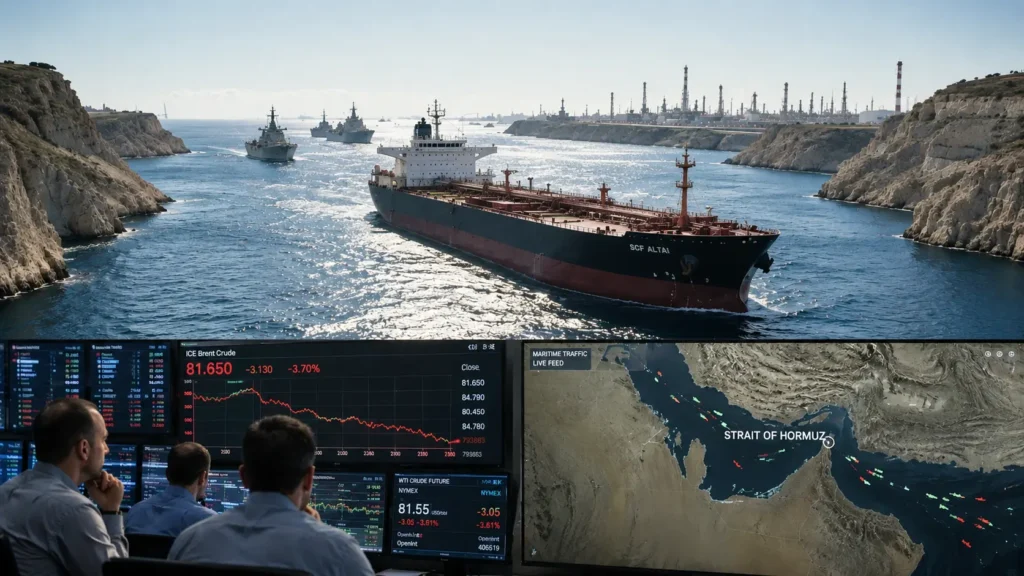
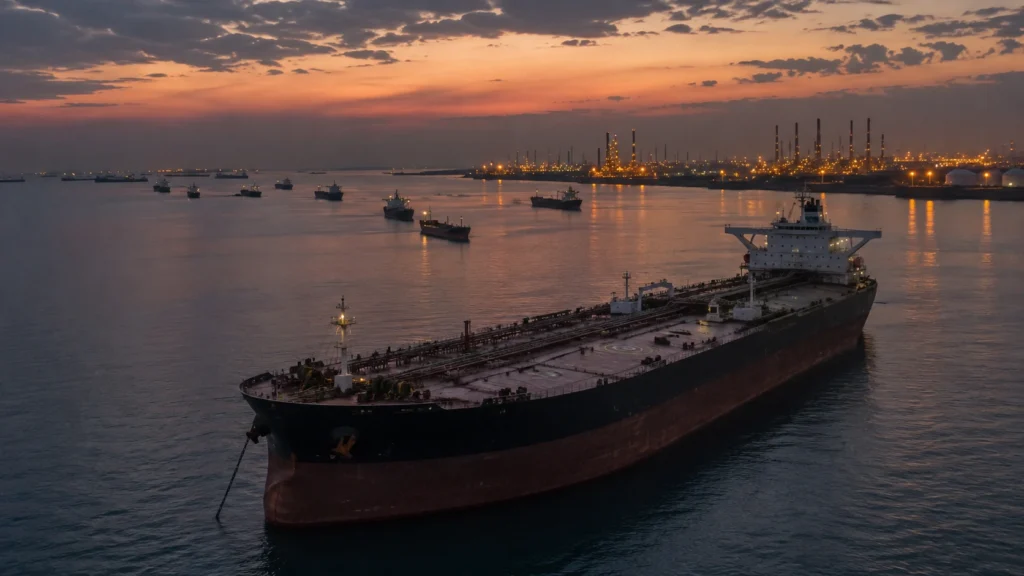
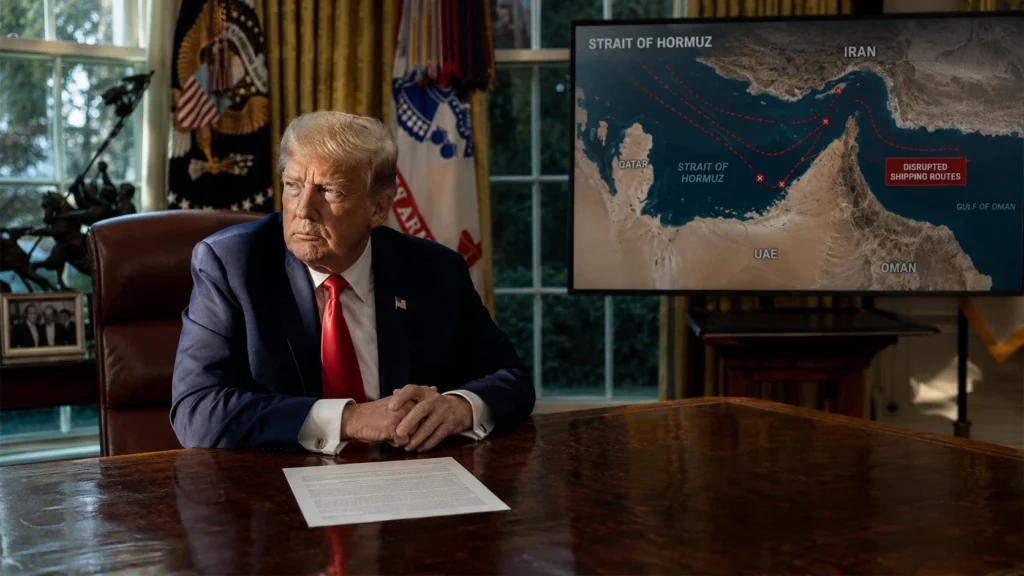
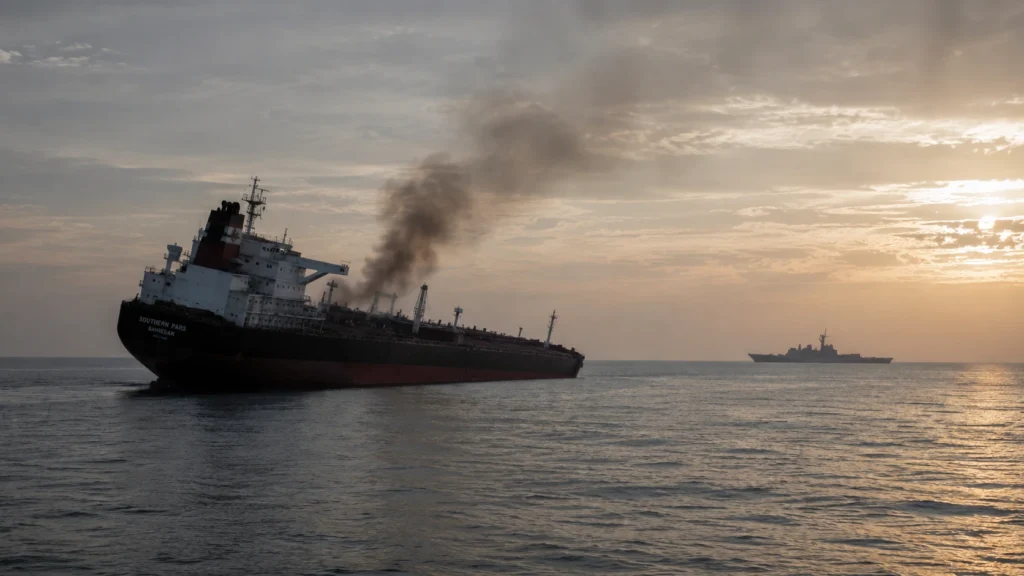
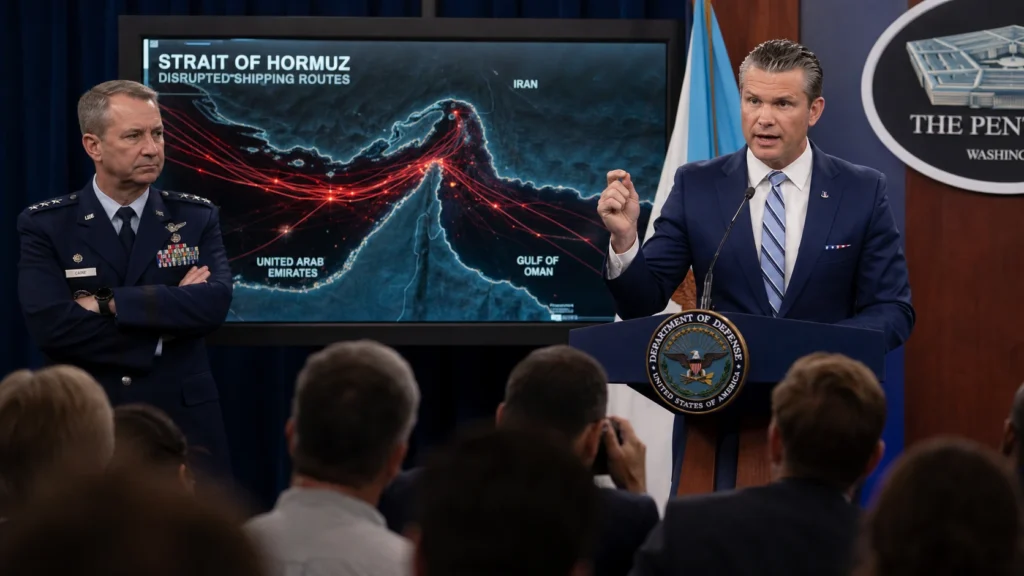
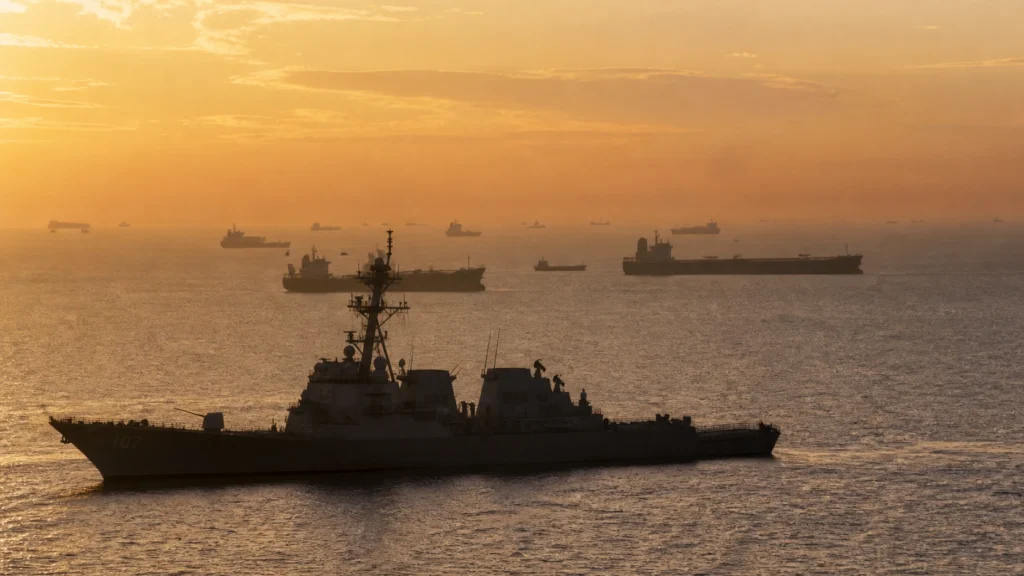
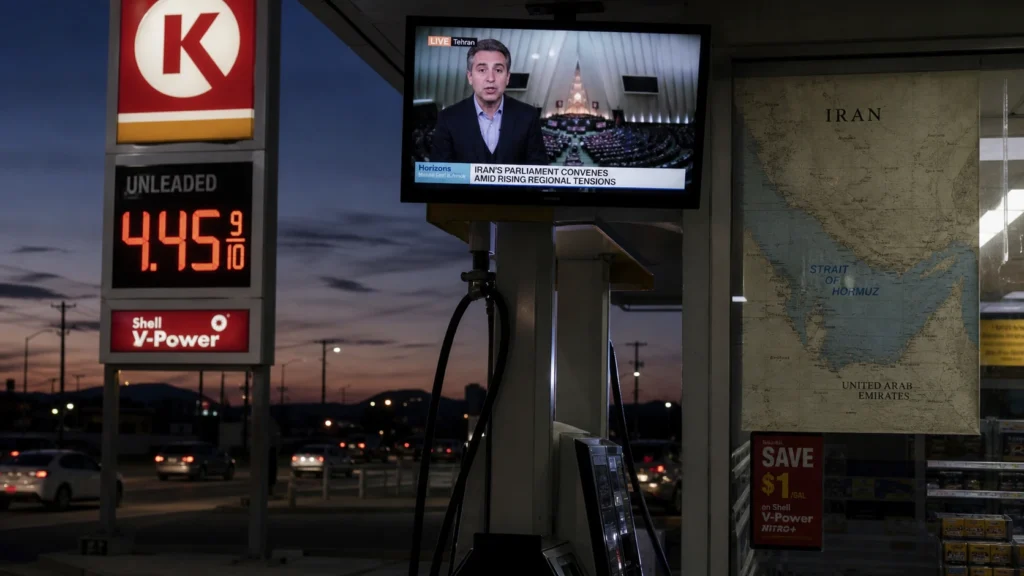
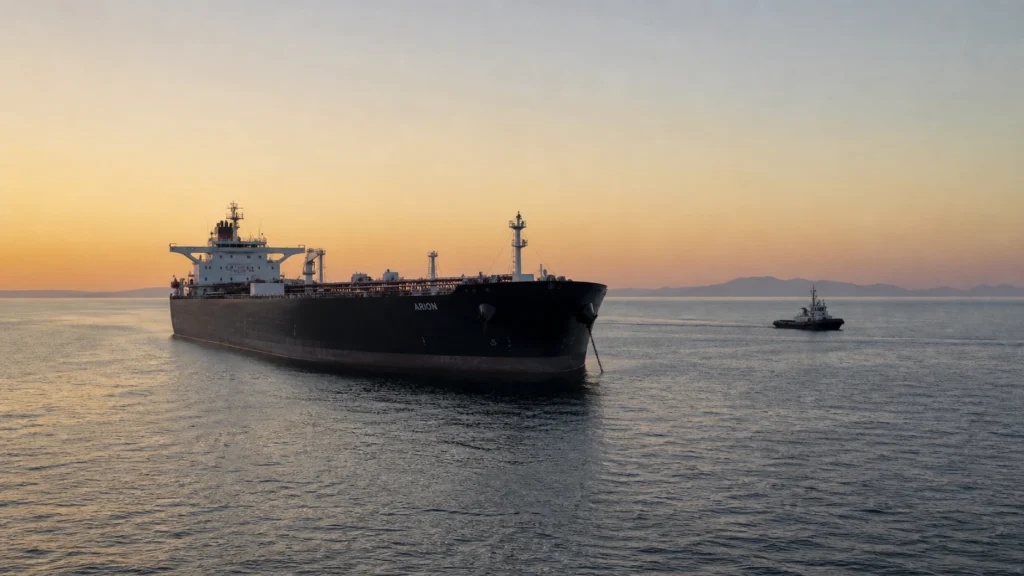
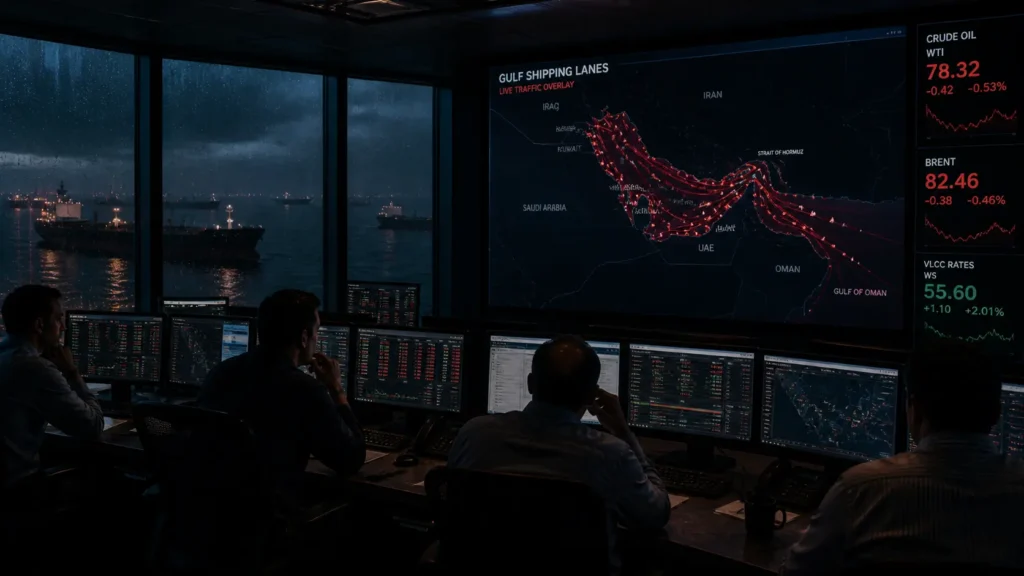
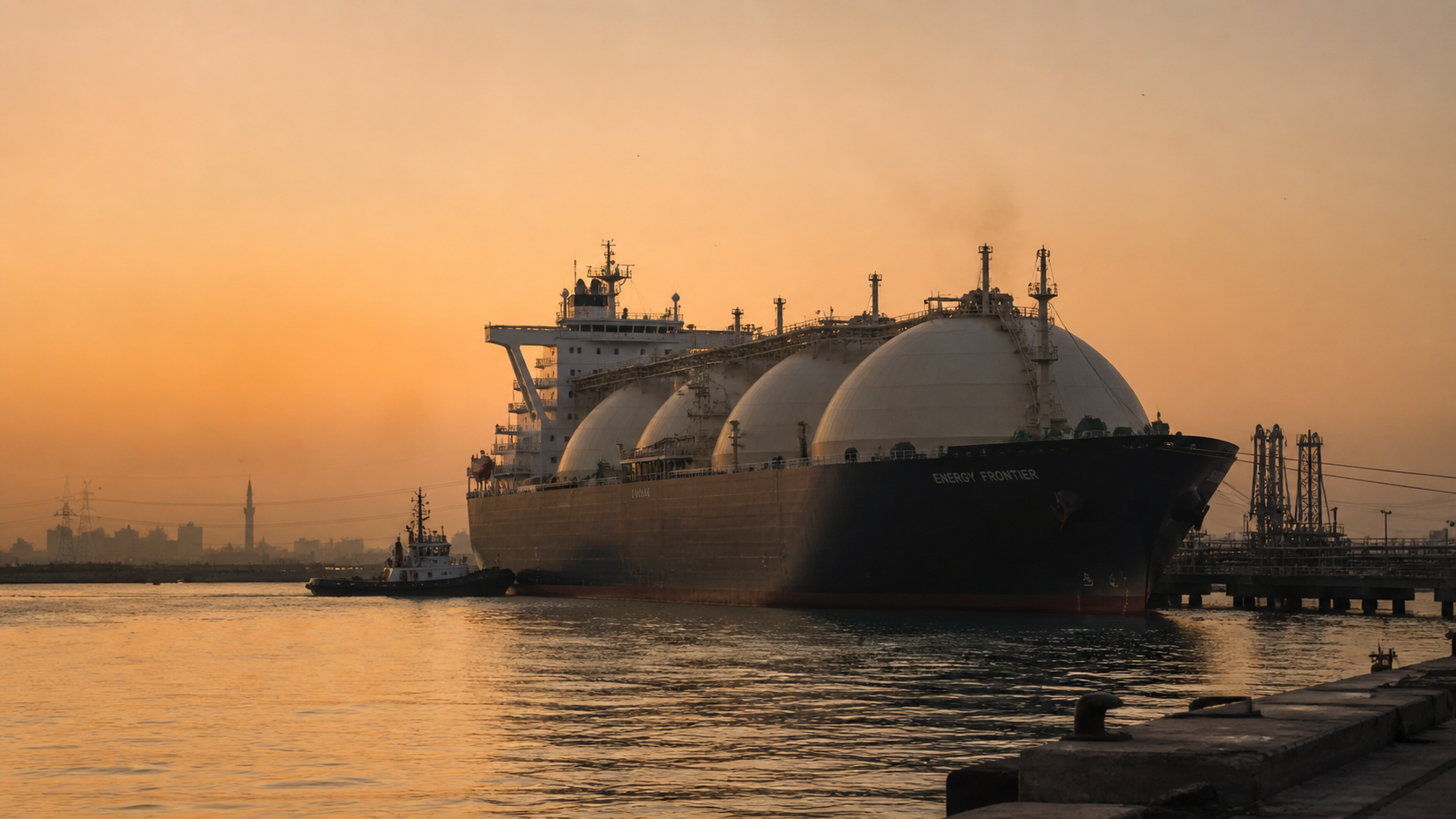
The exchange follows US strikes on Monday that targeted Iranian missile sites and boats attempting to lay mines in the Strait of Hormuz, where thousands of commercial tanker ships remain stranded as a result of the three-month conflict.
US launches new strikes on Iran targeting missile sites and boats — our earlier analysis
Iran Says It Targeted American Base After Fresh US Strikes — The Sanctions Escalation
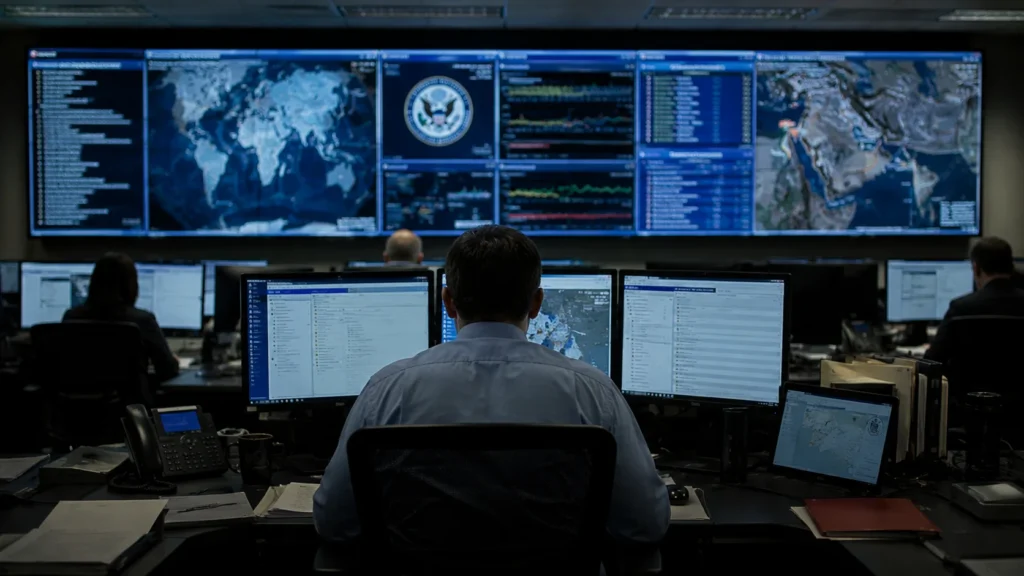
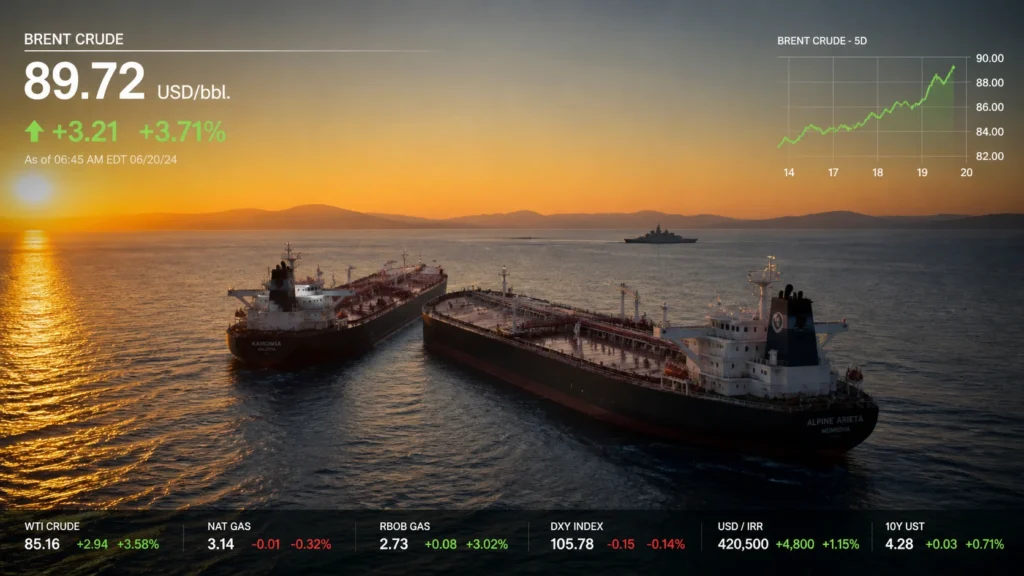
The US Treasury Department imposed sanctions on the “Persian Gulf Strait Authority” — the Iranian body tasked with collecting payments from ships travelling through the Strait of Hormuz. Any ships that pay the authority could also be “exposed to the risk of sanctions,” the Treasury said US Treasury Department statement, 28 May 2026.
Treasury Secretary Scott Bessent warned that Washington would not “tolerate any effort to impose a tolling system in the waterway” and issued a direct threat to Oman, a traditional US ally with a coast south of the strait.
“Oman in particular should know that the US Treasury will aggressively target any actors involved,” Bessent wrote on X.
The warning came after Iranian state TV reported elements of what it called a draft agreement between Iran and the US, which included a claim that Oman would join Iran in managing a reopened Strait of Hormuz. The White House branded the text a “complete fabrication.”
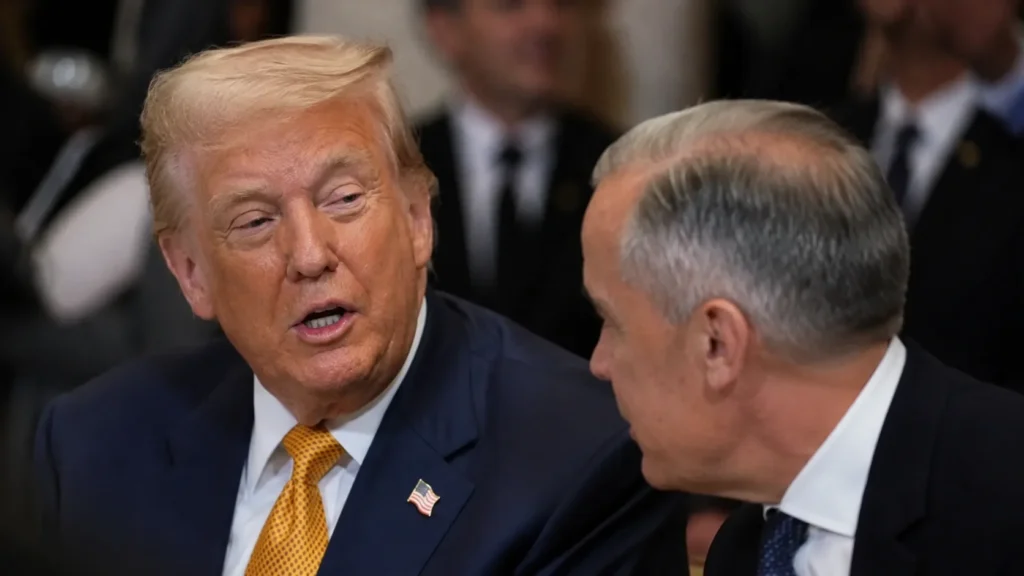
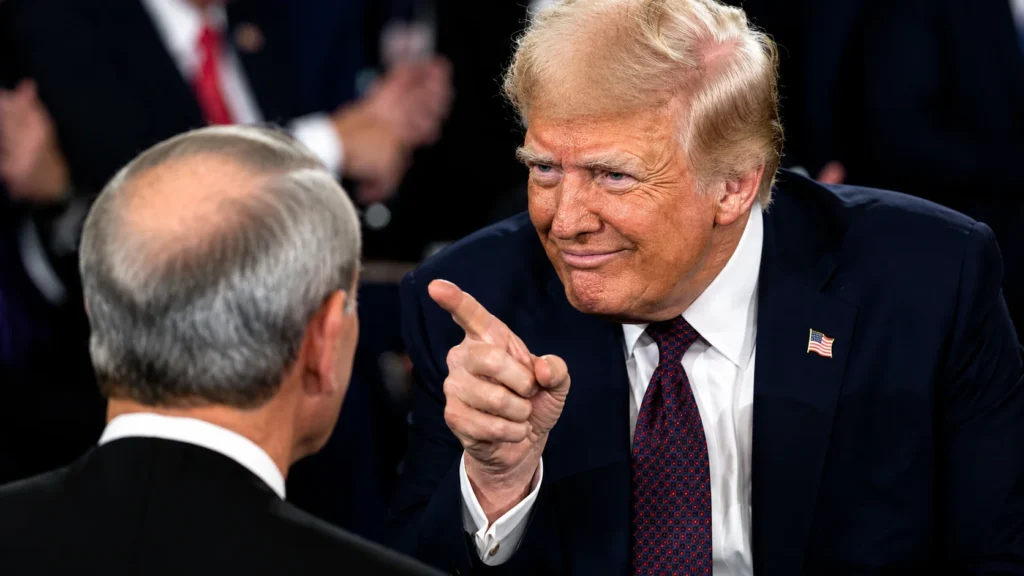
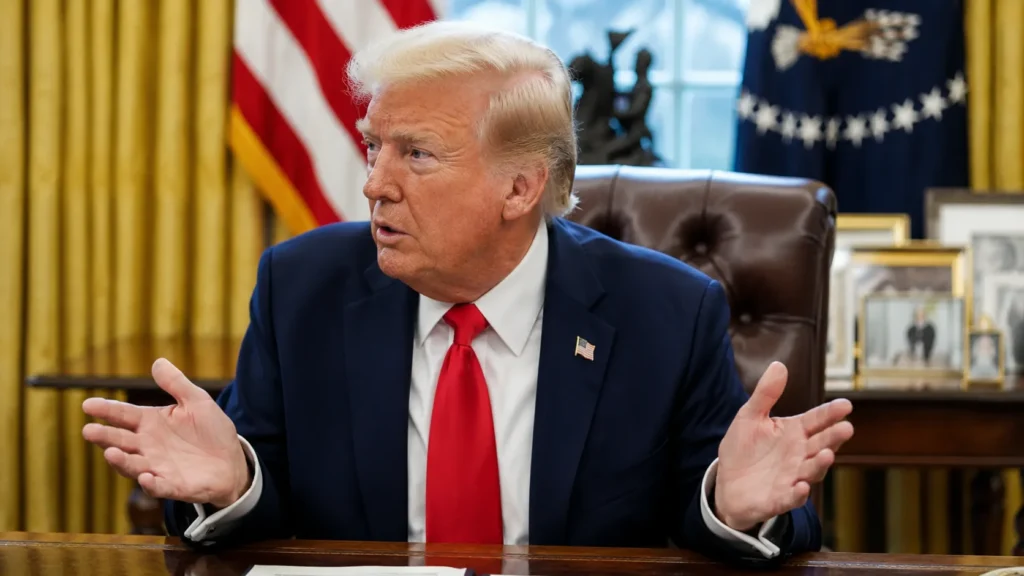
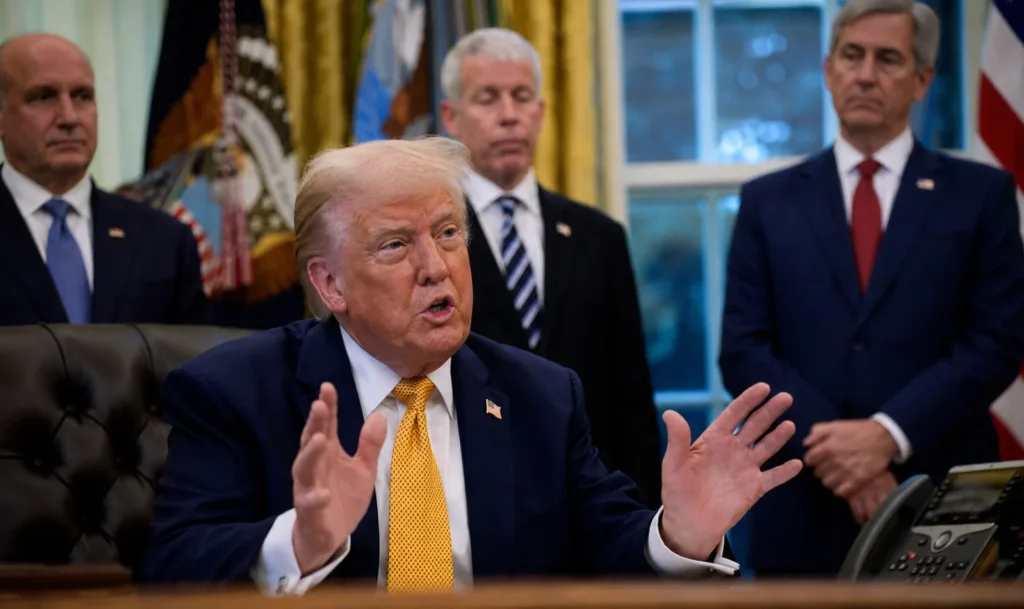
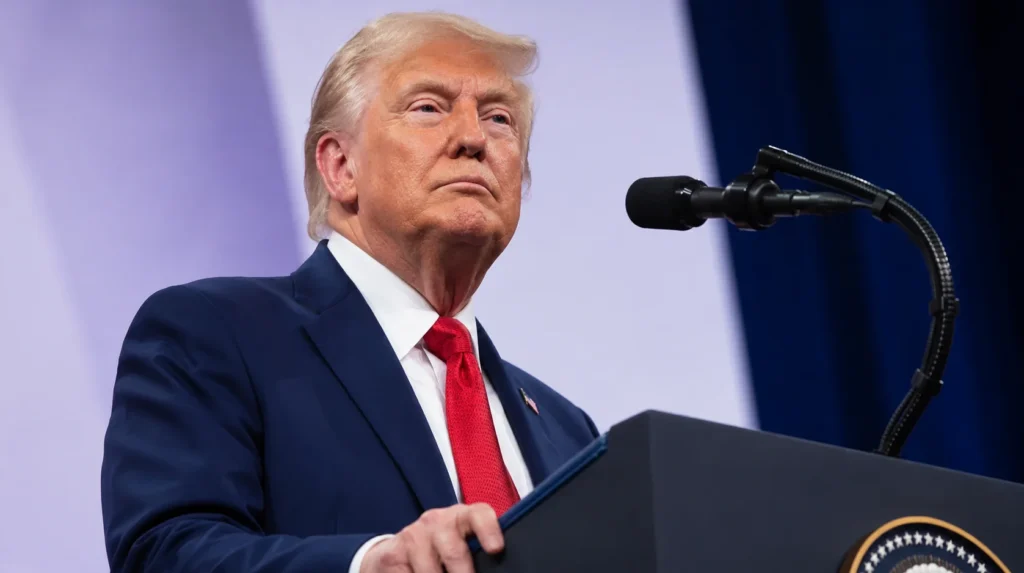
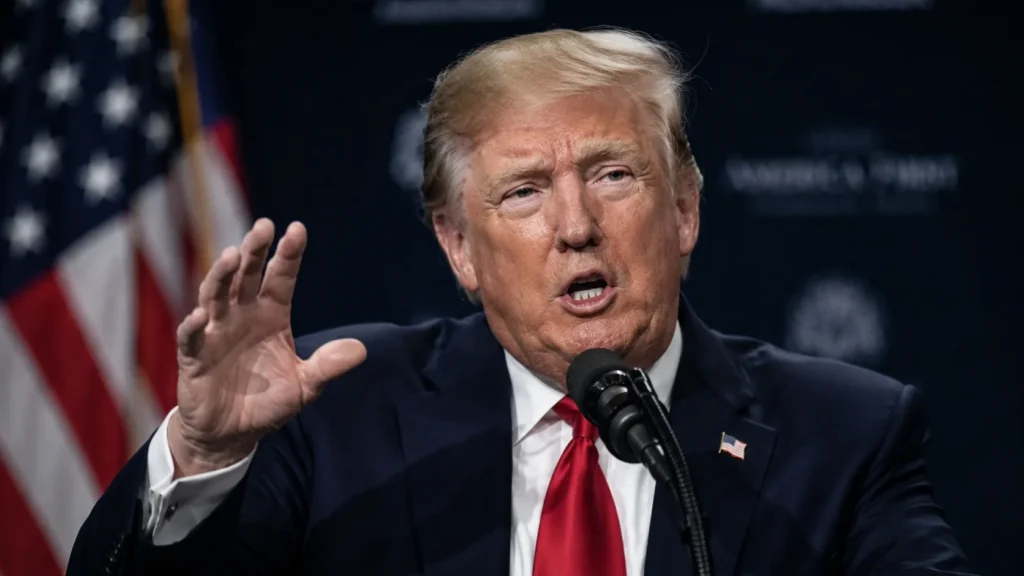
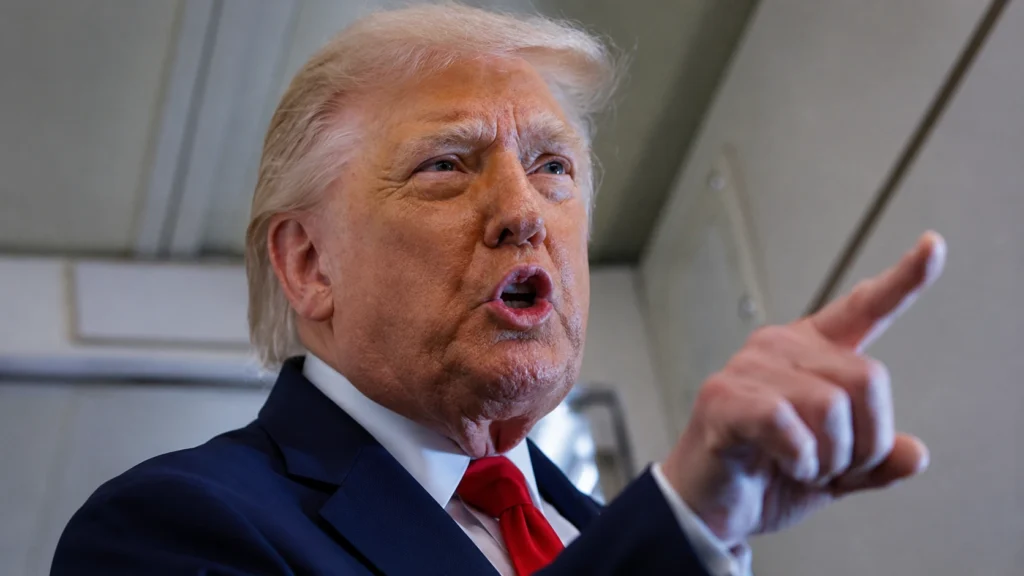
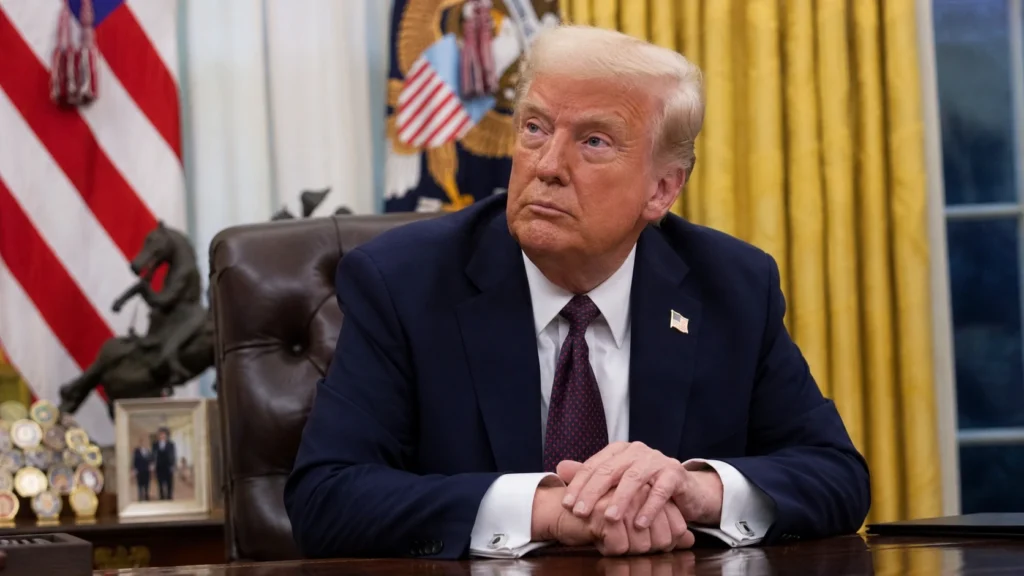
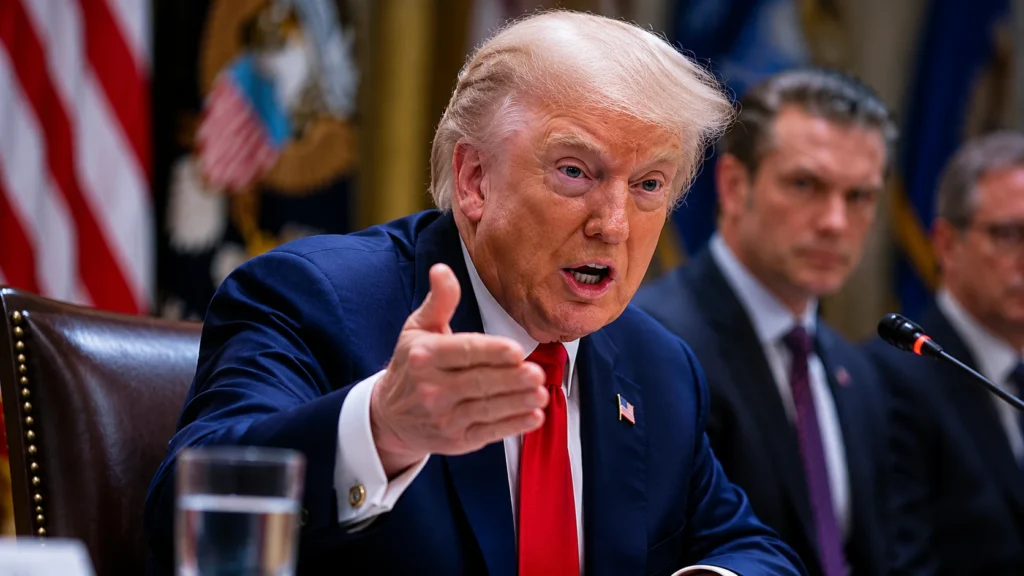
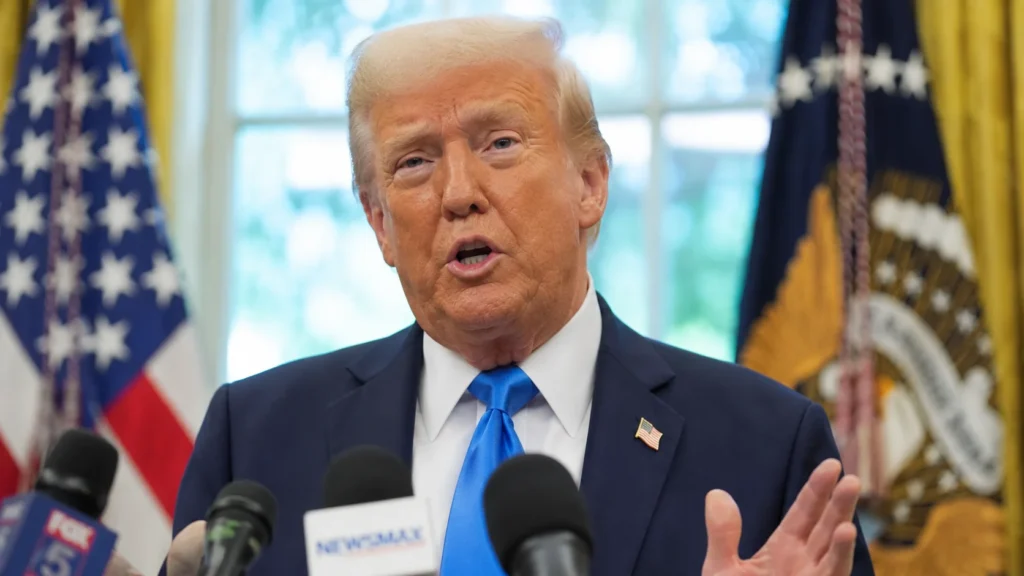
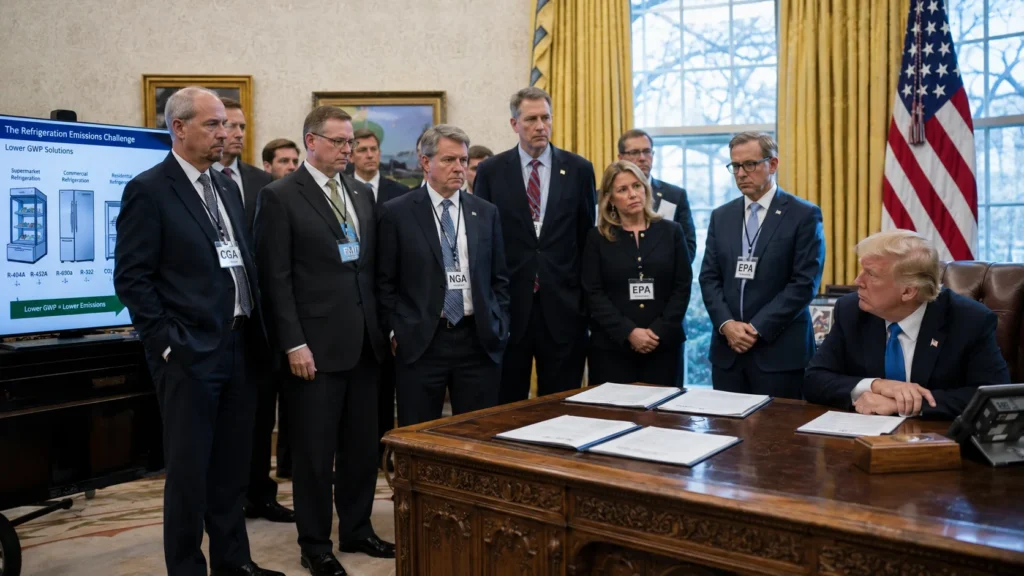
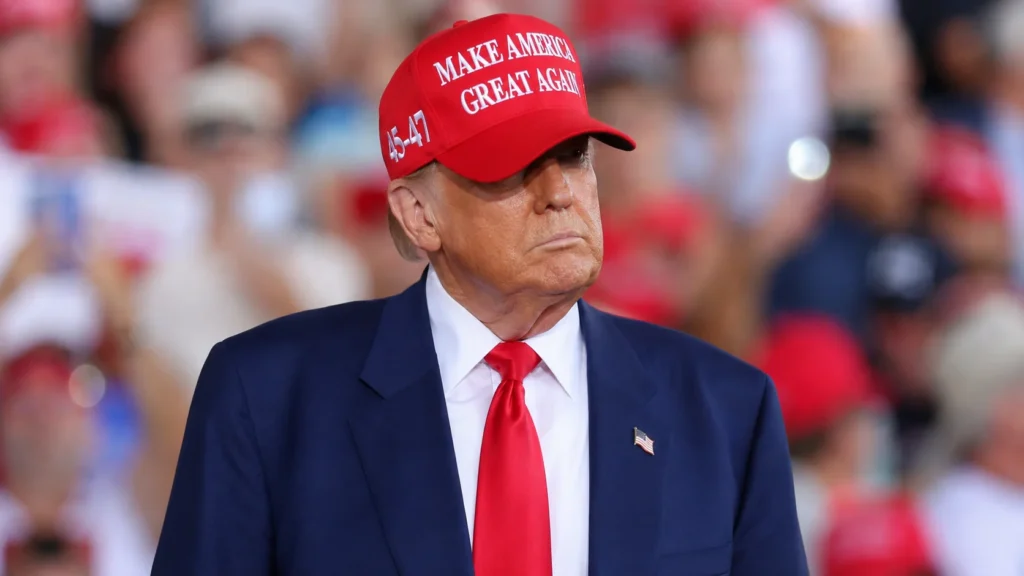
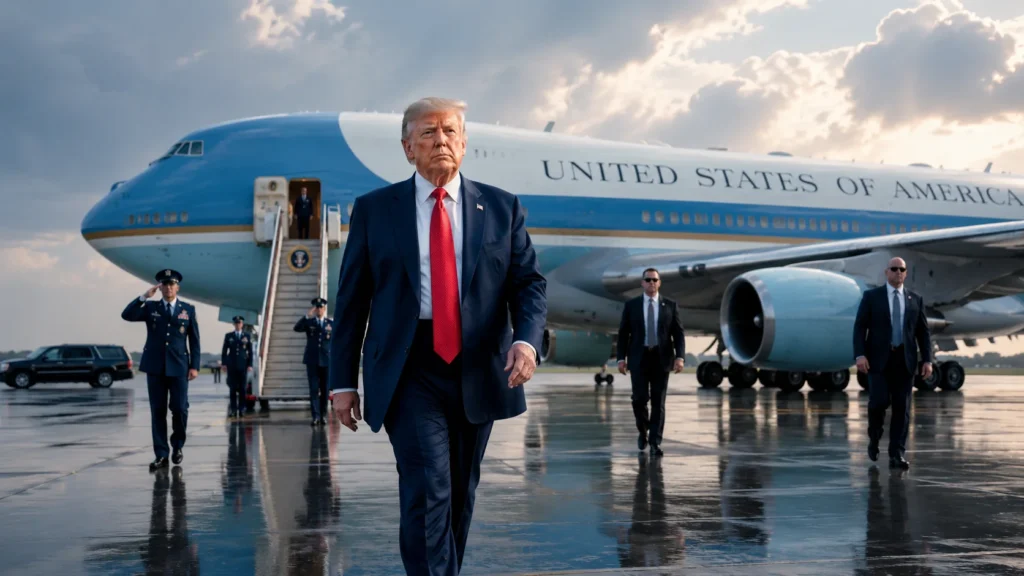
Trump told reporters at a cabinet meeting: “Oman will behave just like everybody else, or we’ll have to blow them up” White House cabinet meeting transcript, 28 May 2026.
US sanctions Iran’s Strait of Hormuz authority — the financial front of the conflict
Iran Says It Targeted American Base After Fresh US Strikes — The Diplomatic Track
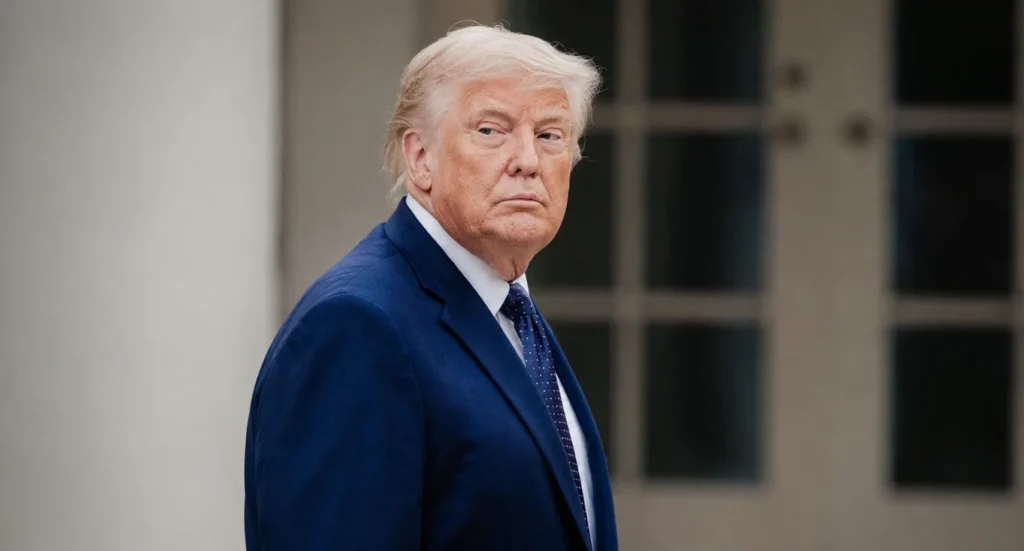
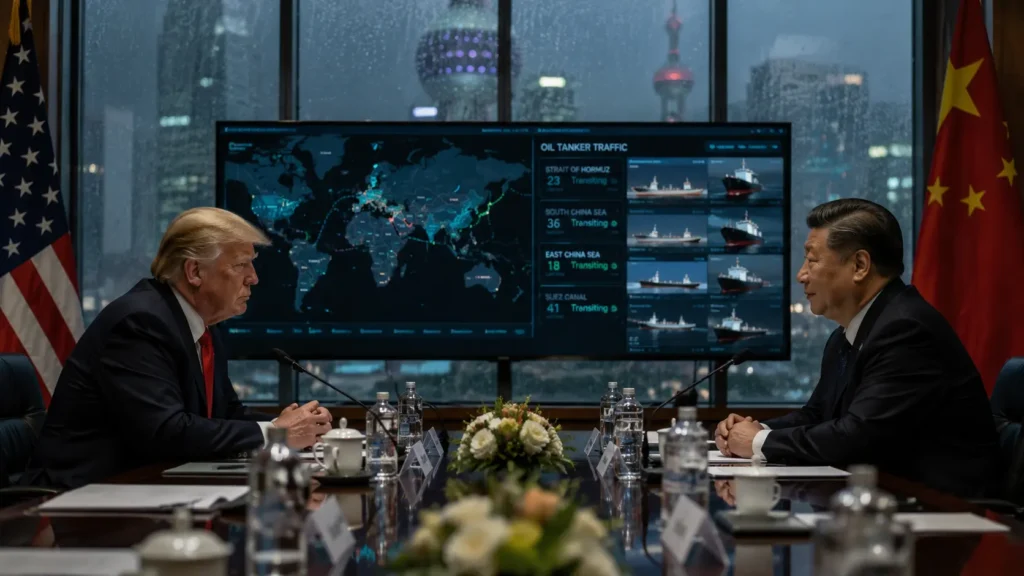
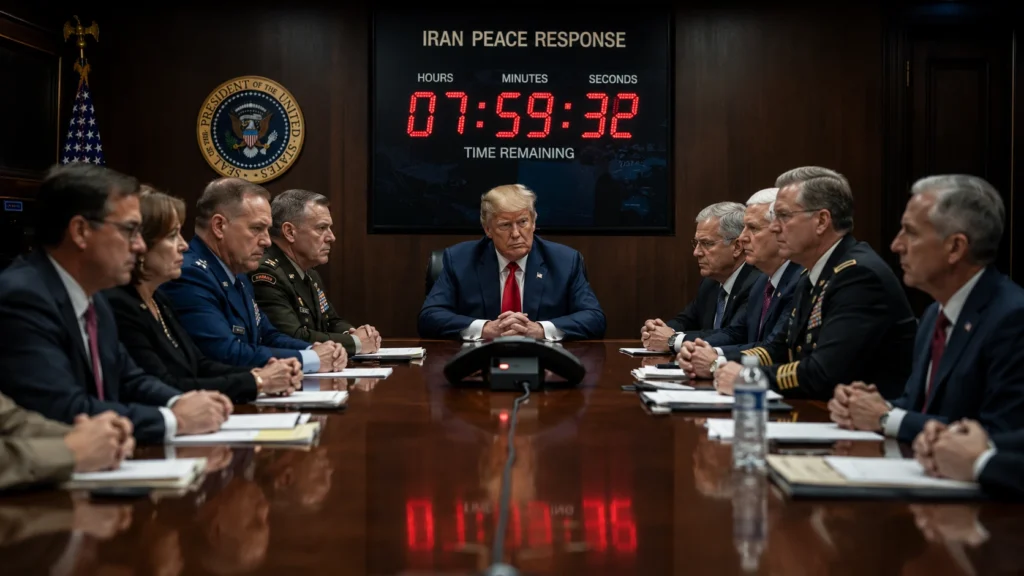
The military and financial escalation continues alongside protracted negotiations to end the three-month war. Trump struck an optimistic note over the weekend, saying a peace deal with Iran had been “largely negotiated.” By Wednesday’s cabinet meeting, he said the US was “not satisfied.”
He said Tehran was “very much intent” on reaching an agreement but added “so far they haven’t gotten there,” repeating Washington’s willingness to resume strikes if one is not reached. “Maybe we have to go back and finish it, maybe we don’t,” he said.
Both sides signalled progress had been made towards a deal late last week. However, Tehran soon cautioned a deal was “not imminent” while Trump said he had instructed his negotiators “not to rush into” one.
Iran’s foreign ministry spokesman Baqai said on Monday that Tehran was collecting fees for “navigational services” and would continue to manage traffic through the waterway. Bessent described the practice as the “Iranian military’s latest attempt to extort global maritime trade” and “proof” Iran is “desperate for cash.”
During his cabinet meeting, Trump also urged Gulf nations to sign on to the Abraham Accords to normalise relations with Israel. Israel launched the war against Iran alongside the US on 28 February.
The Iran peace talks — why the dual track of strikes and negotiations is straining
Iran Targets US Base in Kuwait 2026
Did Iran attack a US base?
The IRGC said it targeted an American air base in Kuwait. Kuwait confirmed intercepting “hostile missile and drone threats” but did not confirm the target. Centcom called it an “egregious ceasefire violation.”
What sanctions did the US impose?
The US Treasury sanctioned the “Persian Gulf Strait Authority,” the Iranian body collecting payments from ships transiting the Strait of Hormuz. Any ships paying the authority could also face sanctions.
Why did the US threaten Oman?
Iranian state TV claimed a draft agreement included Oman co-managing the Strait of Hormuz. The White House called the report fabricated. Treasury Secretary Bessent warned Oman that the US would “aggressively target any actors involved.” Trump said Oman would “behave” or “we’ll have to blow them up.”
Is the ceasefire still in place?
The ceasefire has been in place since 8 April but has been repeatedly tested. The US and Iran have exchanged strikes multiple times this week, with each side accusing the other of violating the truce.
Are peace talks continuing?
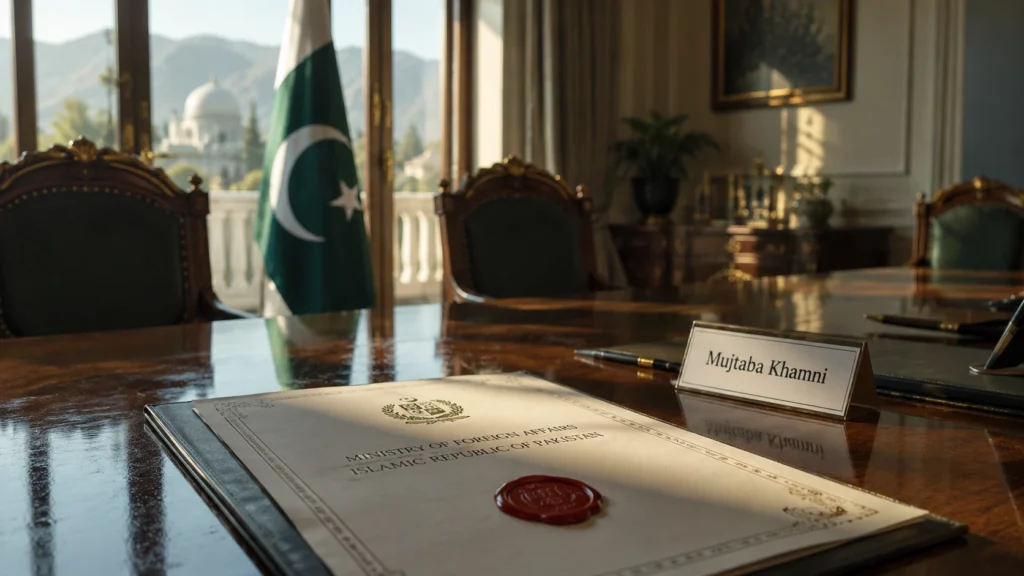
Yes. Negotiations are ongoing in Doha through Qatari mediators. Both sides have signalled progress but say a deal is not imminent.
Written by the Foreign Desk, drawing on IRGC statements via IRIB, US Central Command briefings, Kuwait Foreign Ministry announcements, US Treasury Department statements, and White House cabinet meeting transcripts. The desk has covered every phase of the US-Iran conflict since the 28 February airstrikes.
Source: IRGC, US Central Command, Kuwait Foreign Ministry, US Treasury Department, IRIB