

 English


















































































































































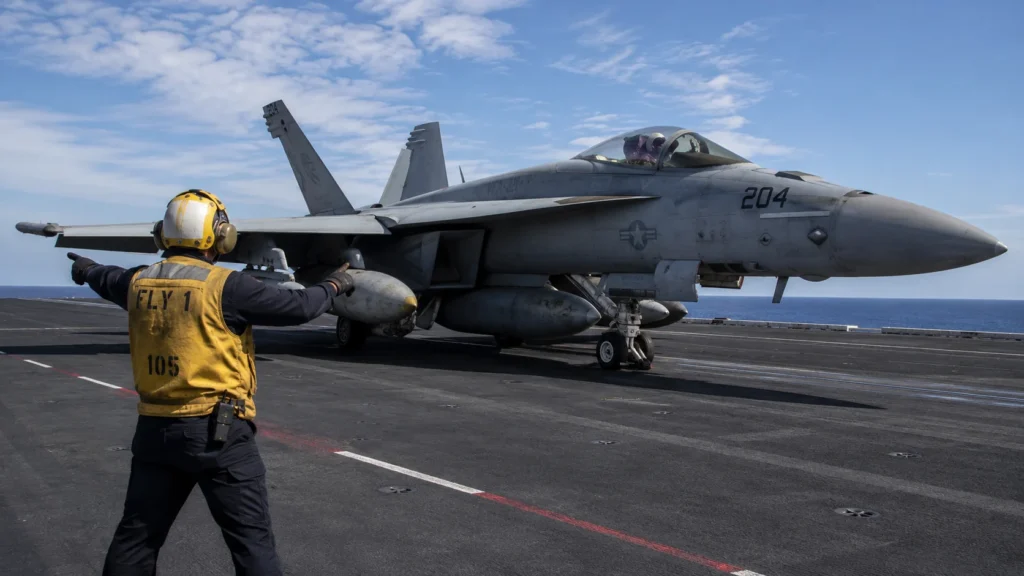
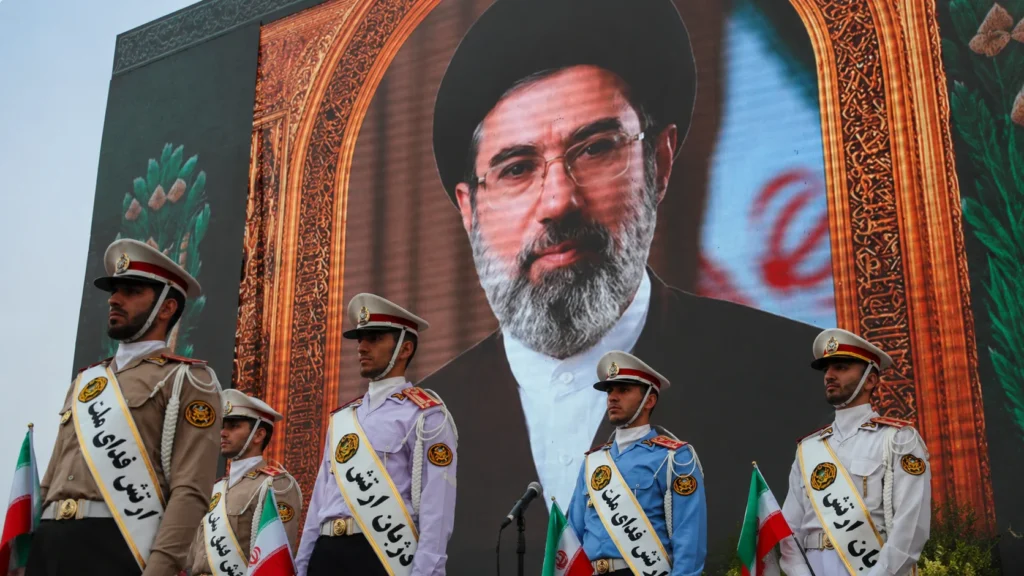

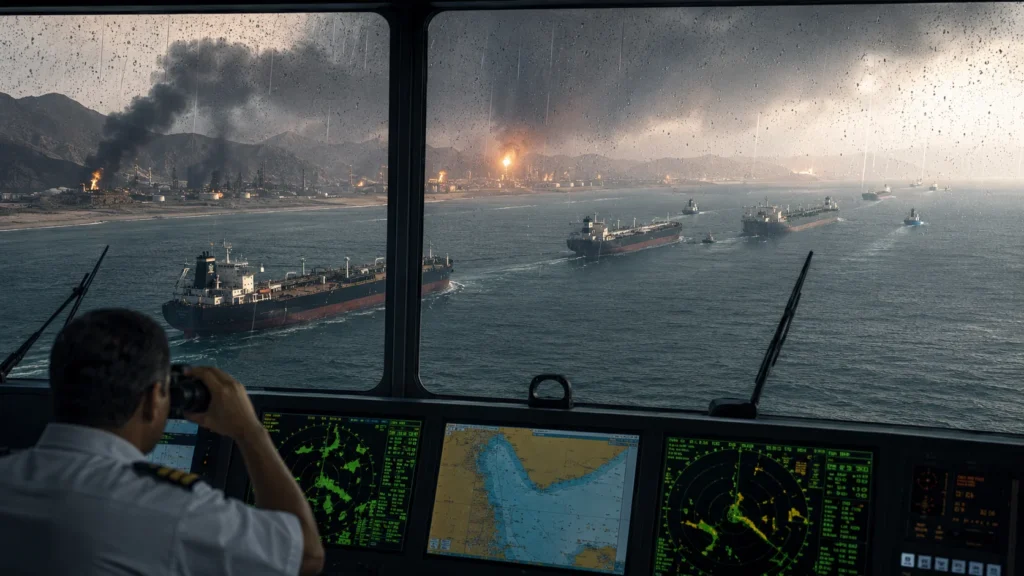

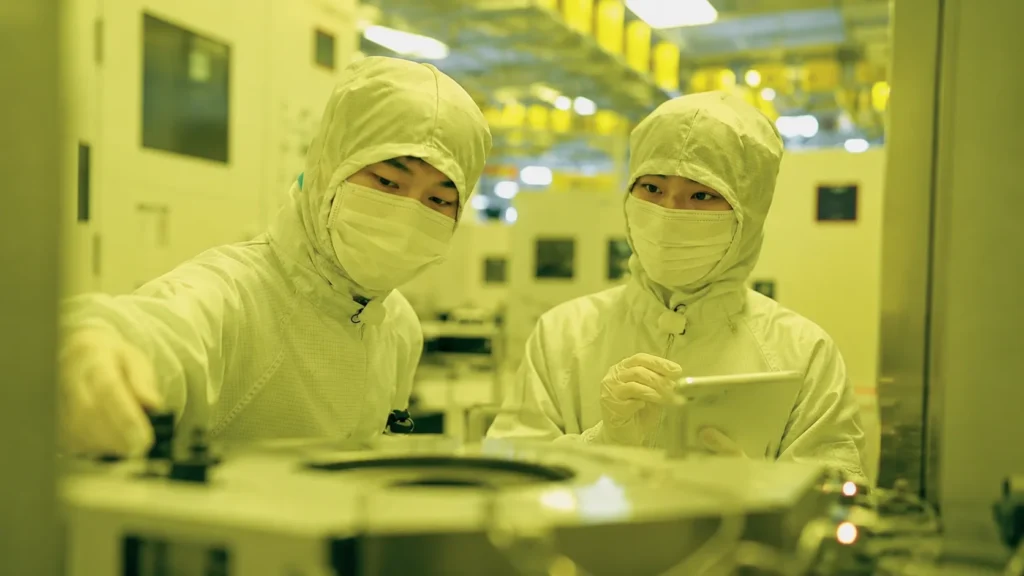



































































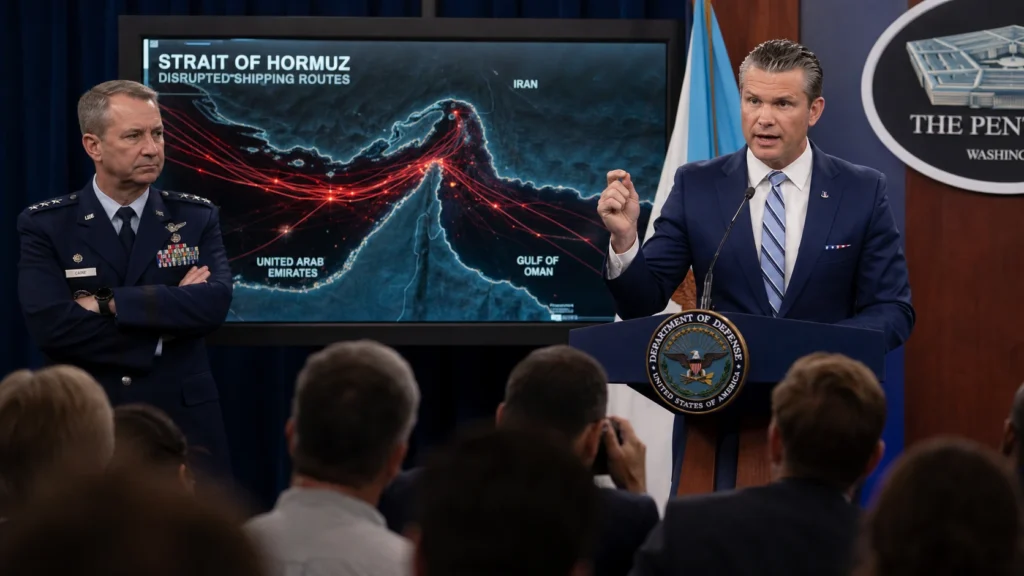
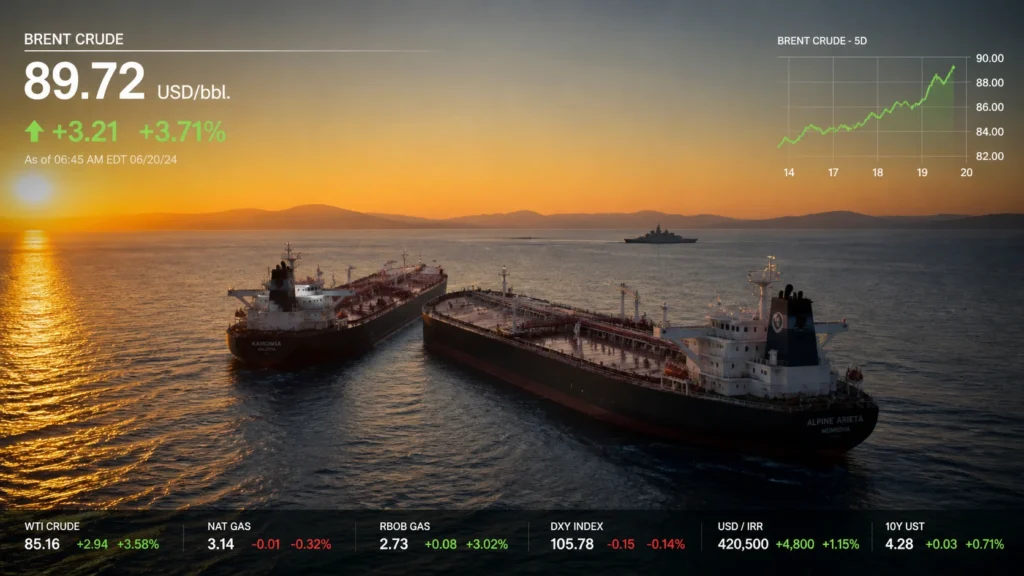



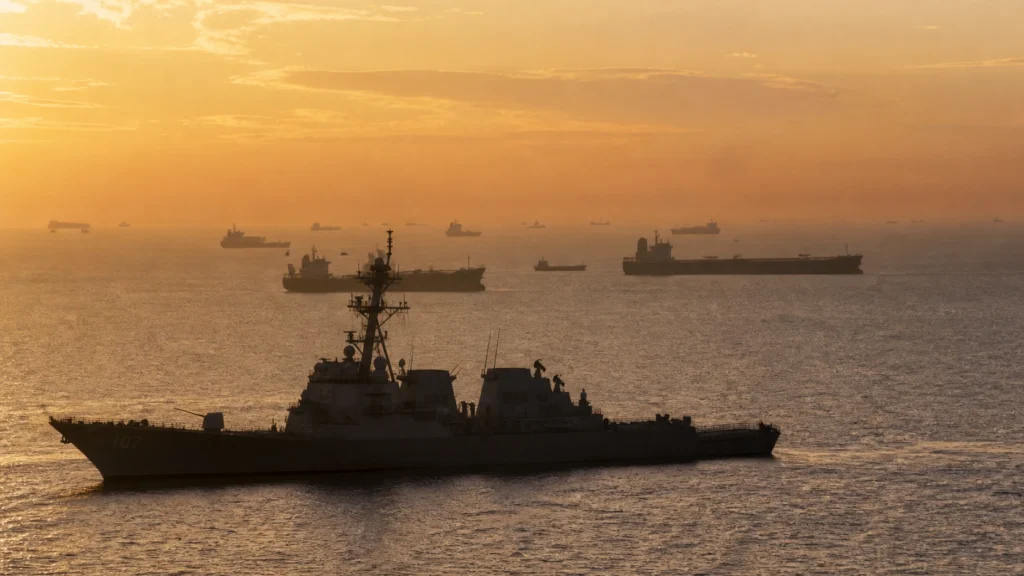












Russia’s Ukraine Losses Pressure China on Taiwan
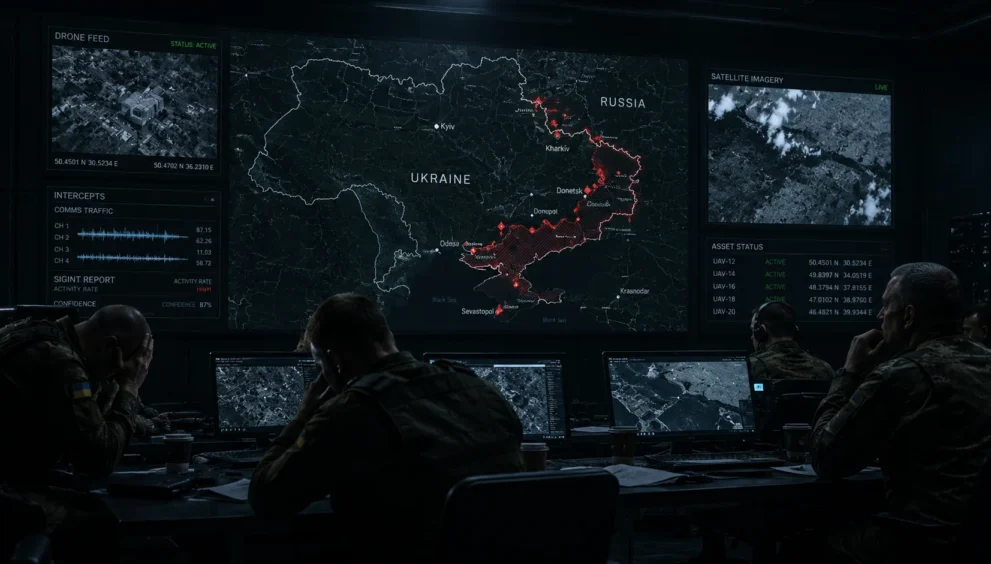
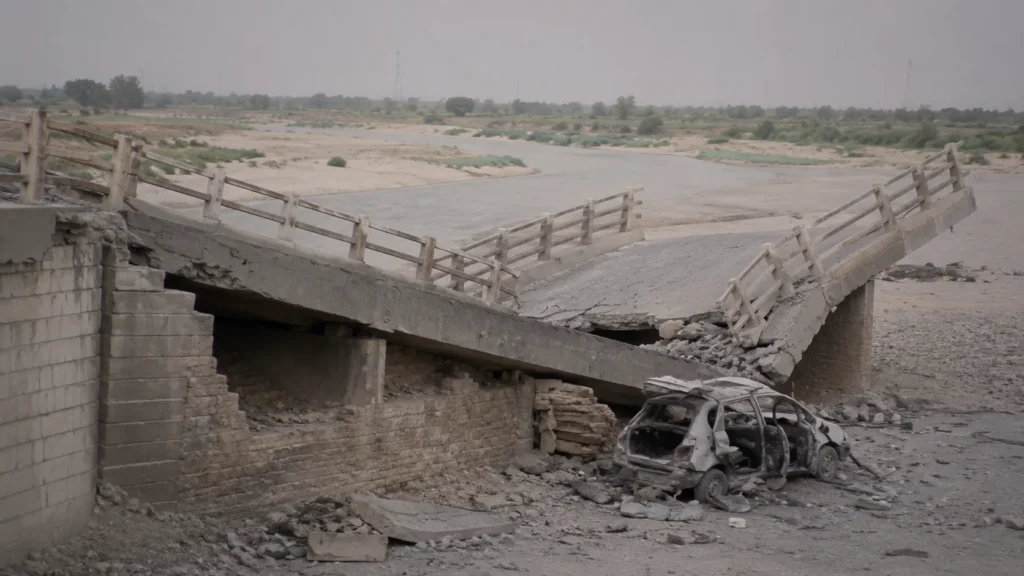
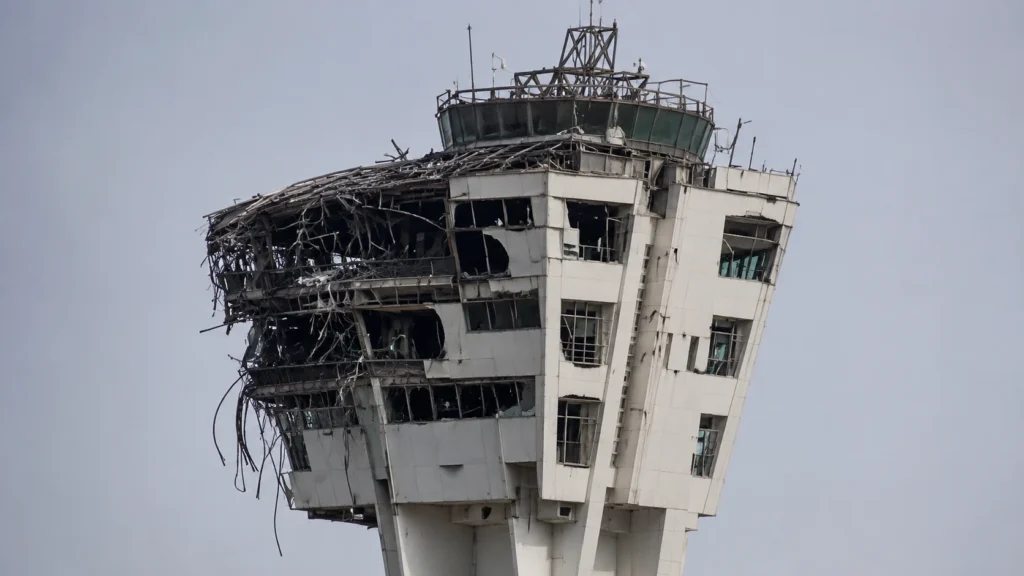
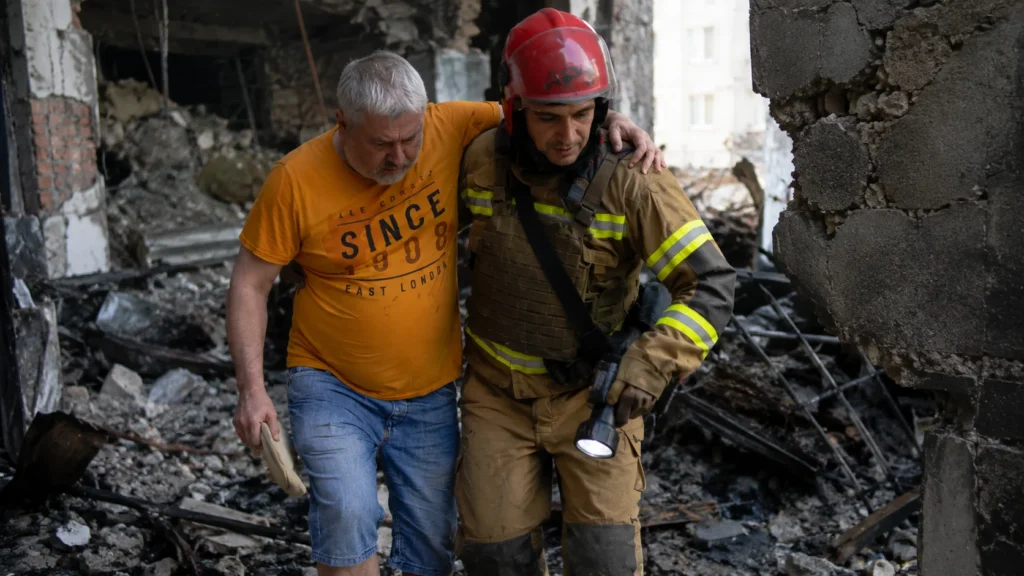
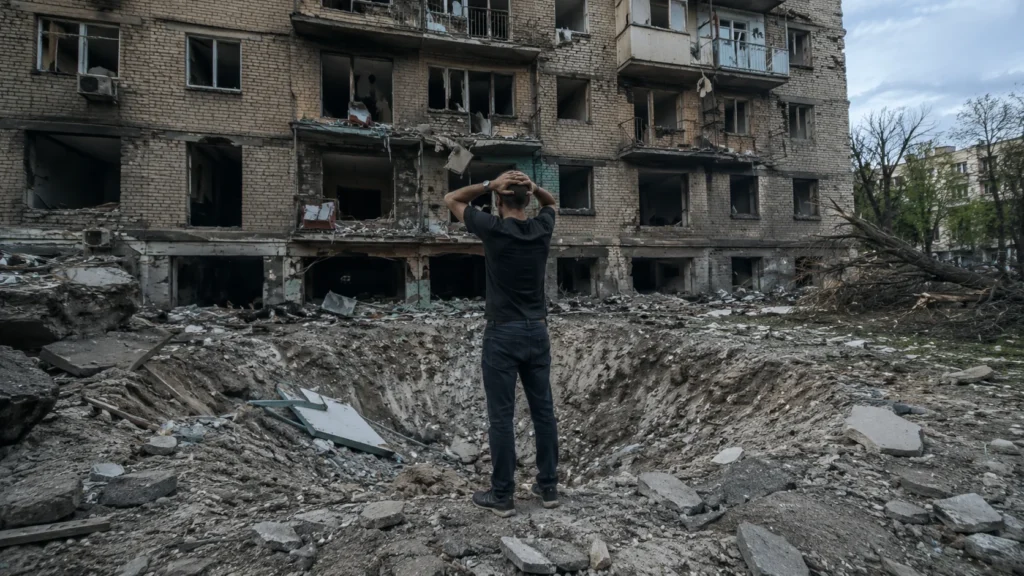
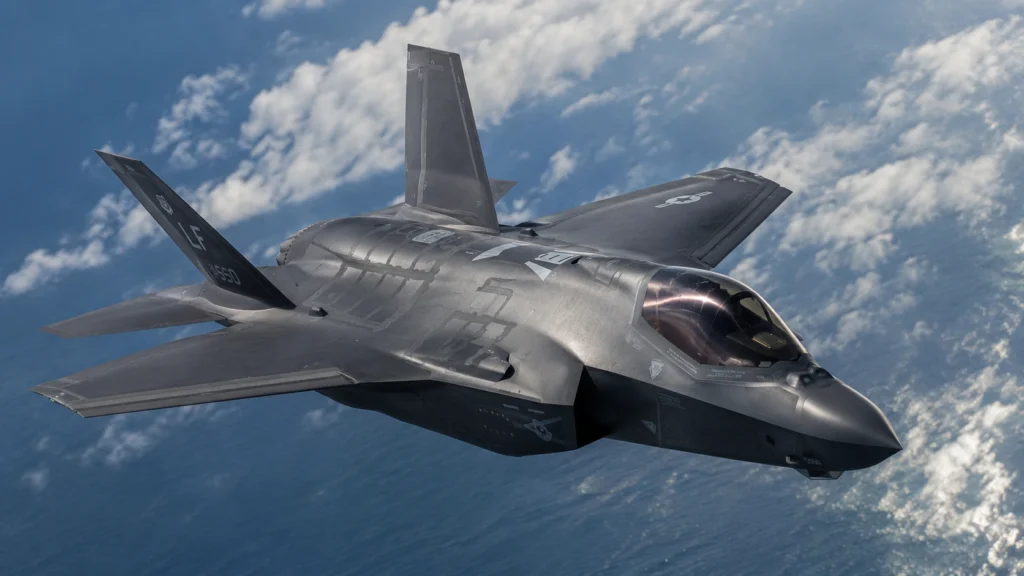
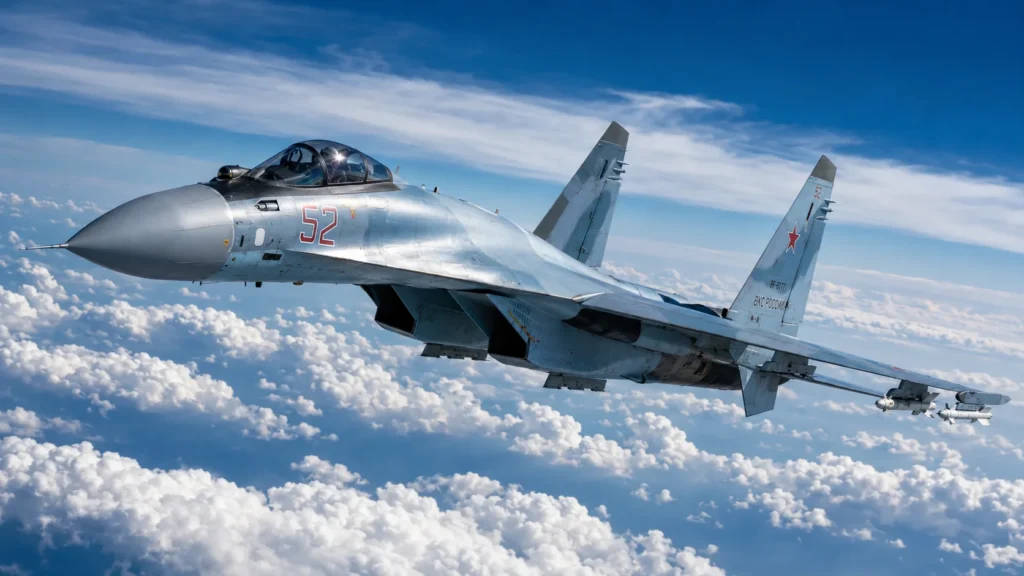
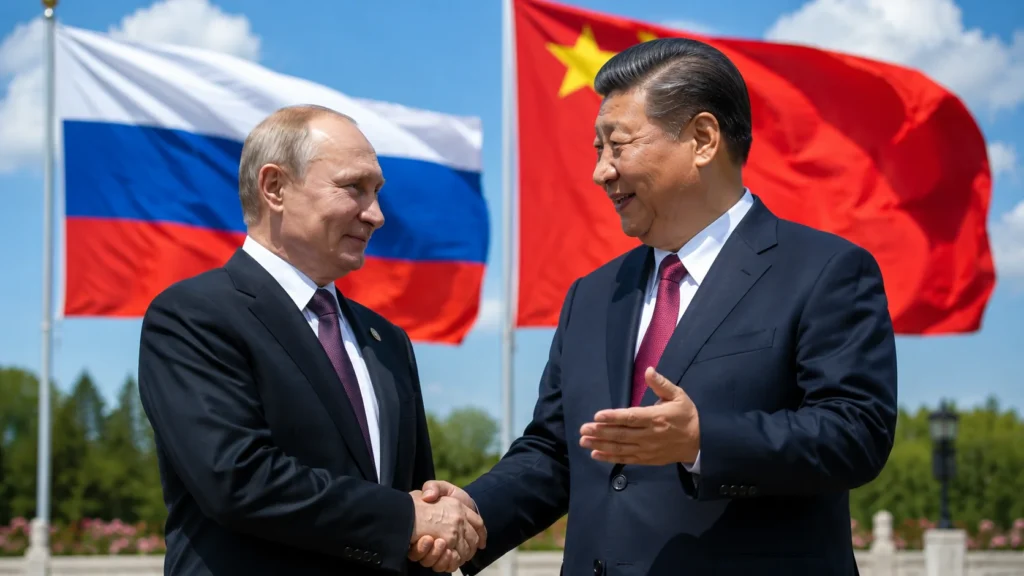
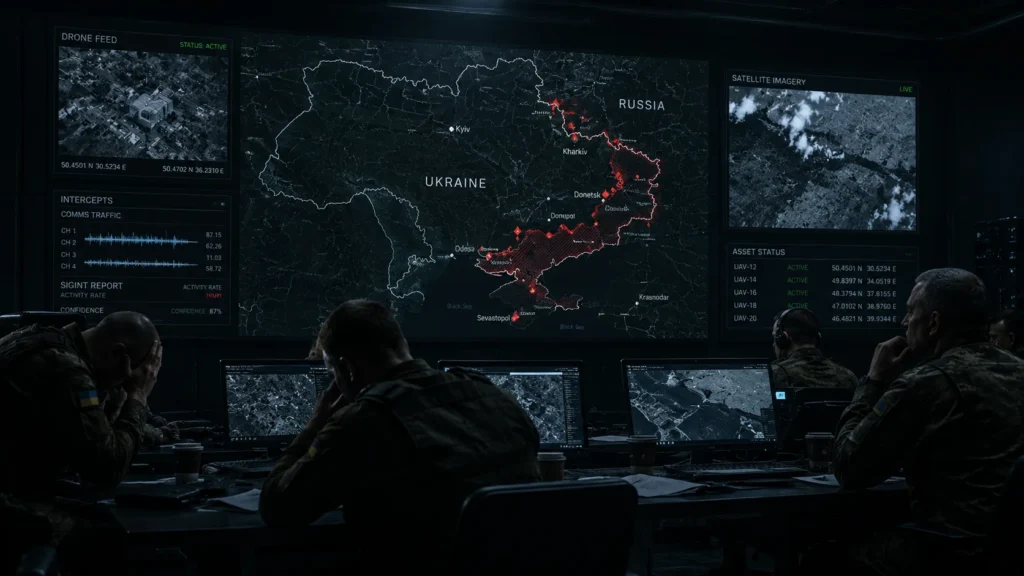
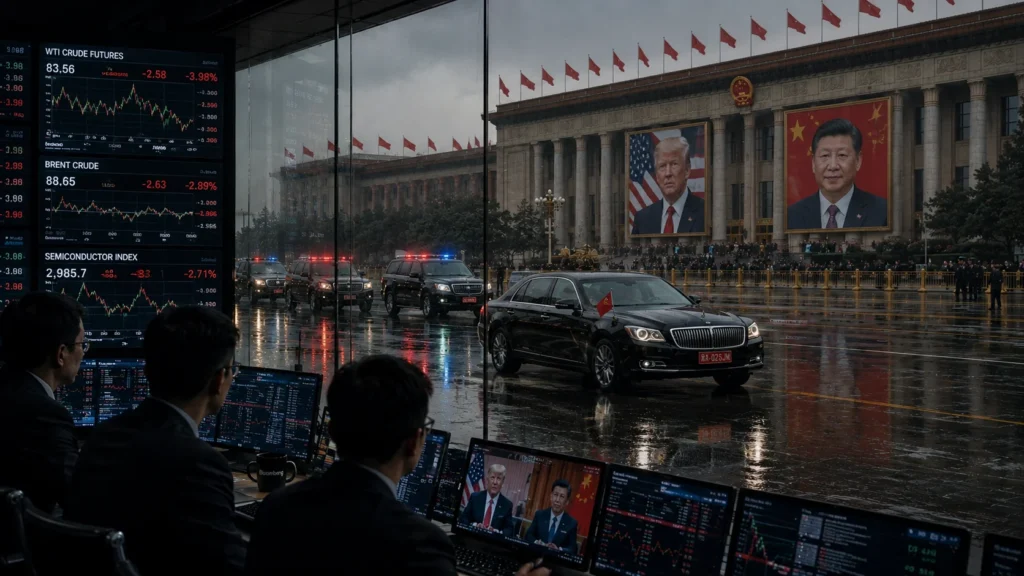
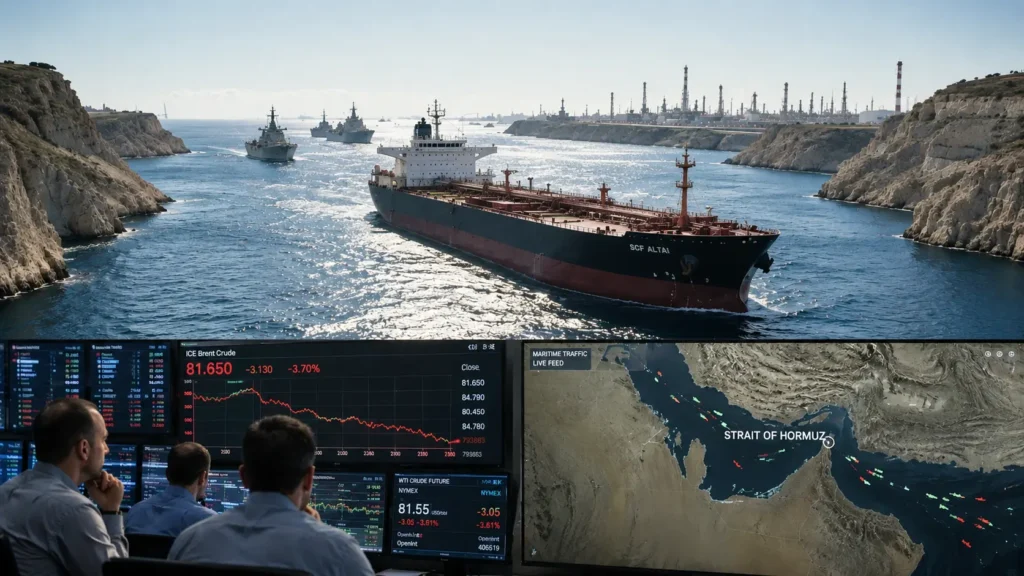
Russia’s Ukraine losses pressure China on Taiwan as Beijing reassesses the risks of modern warfare, alliance-backed resistance, and economic disruption. After more than three years of fighting, Russia continues absorbing heavy battlefield and financial strain while Ukraine expands drone operations and Western-backed defense coordination. The conflict now shapes not only Europe’s security future, but also China’s calculations around Taiwan and regional power projection.
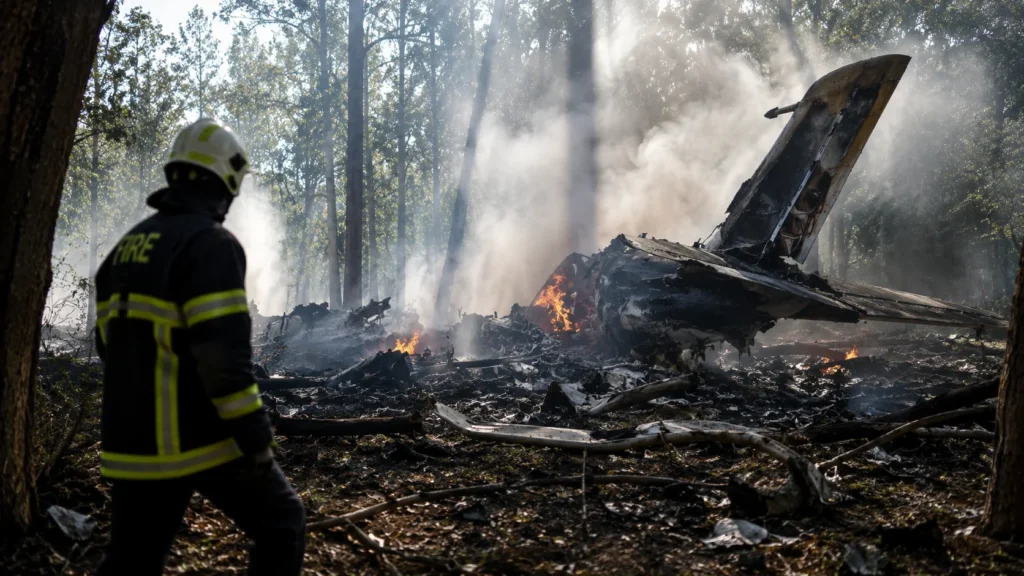
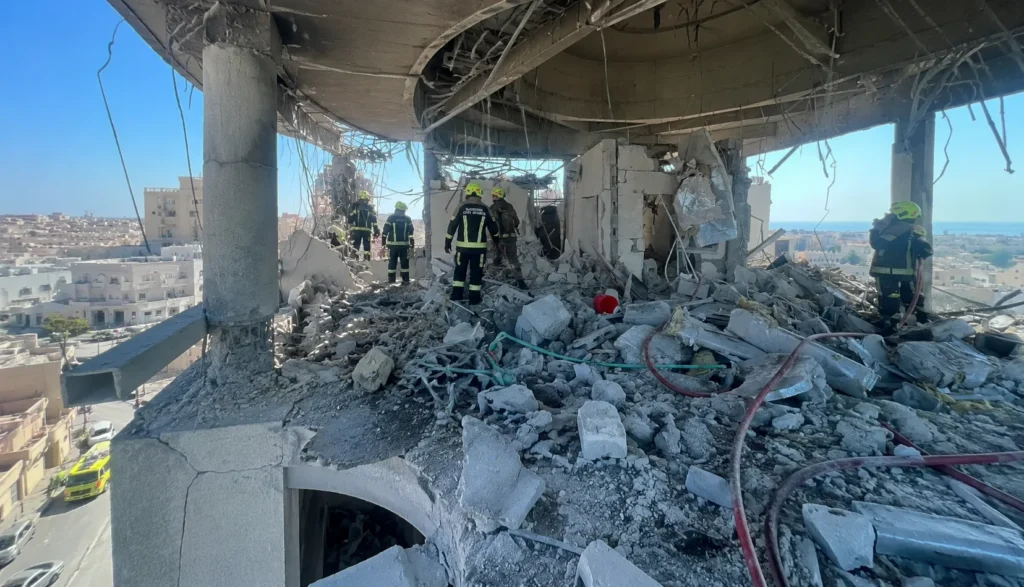
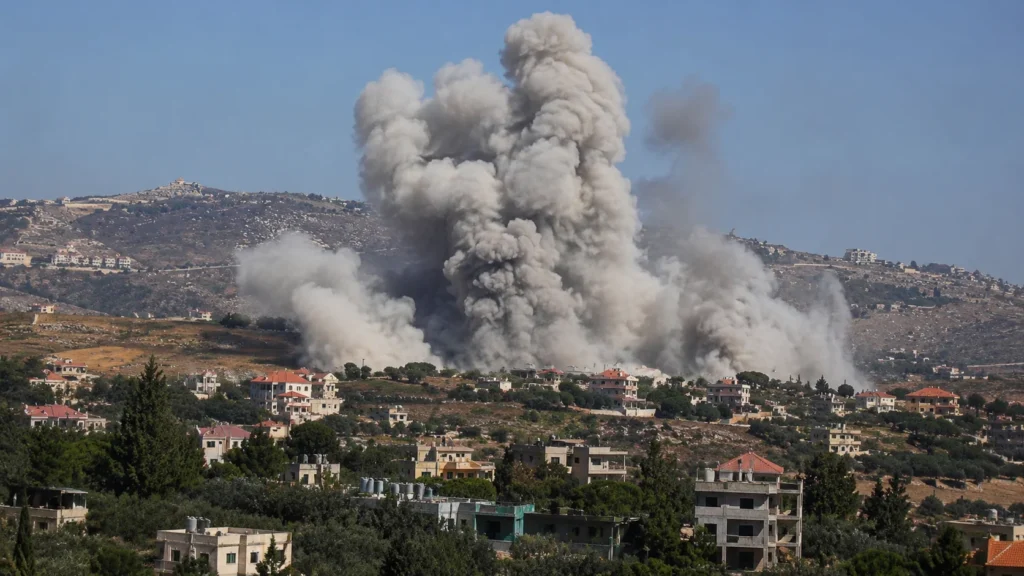
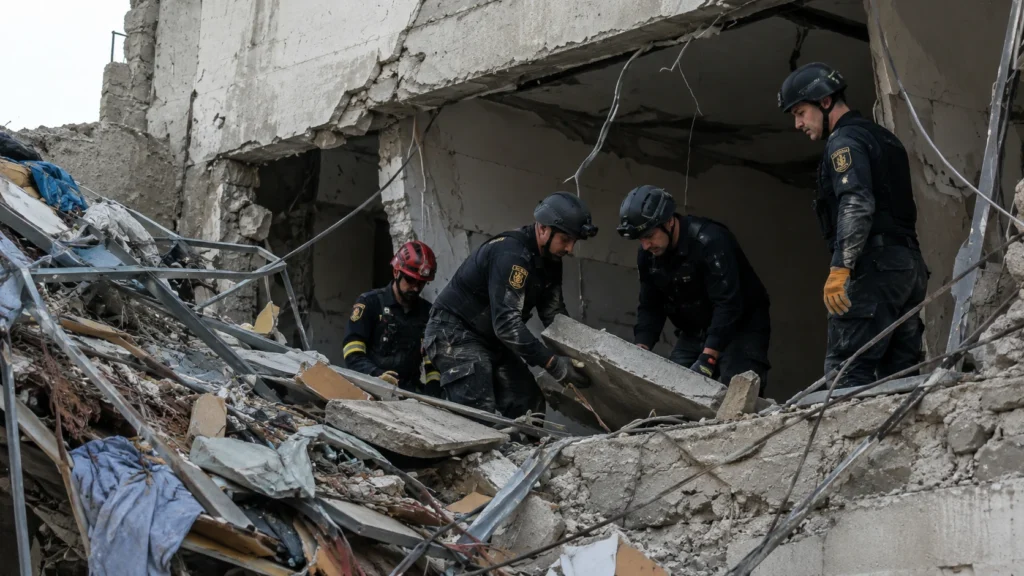
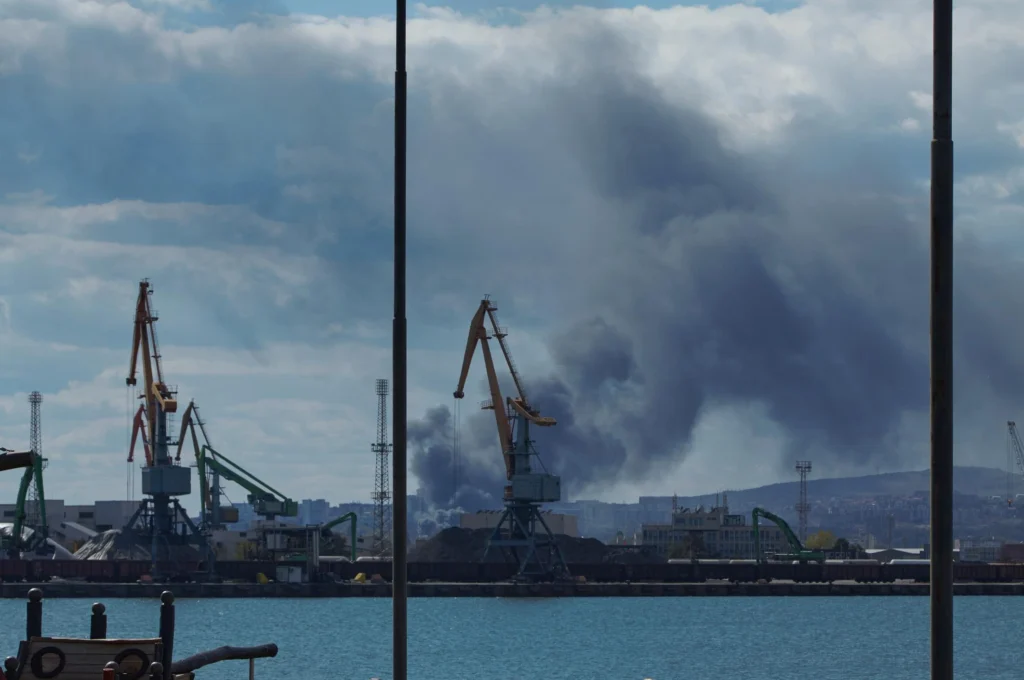
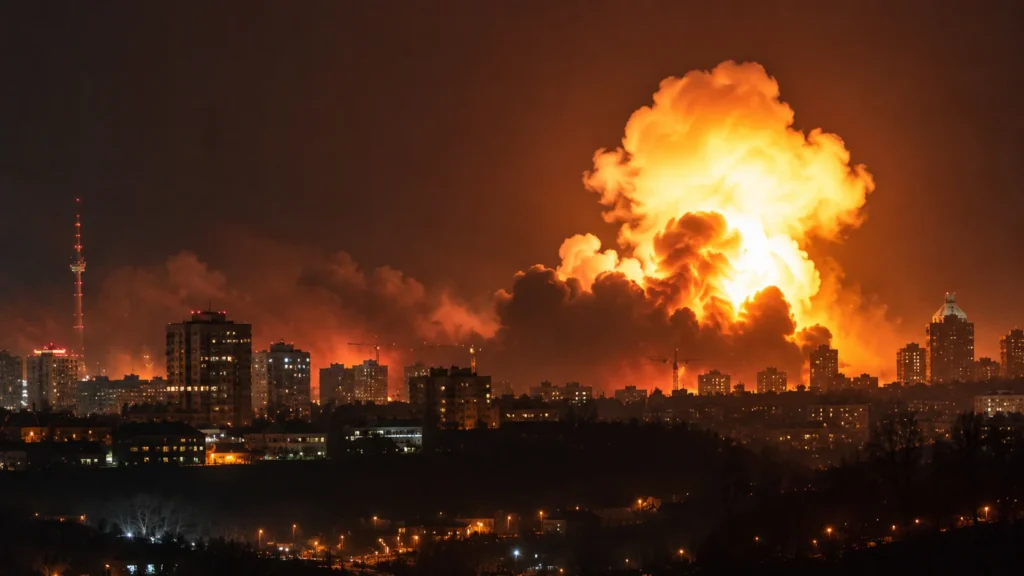
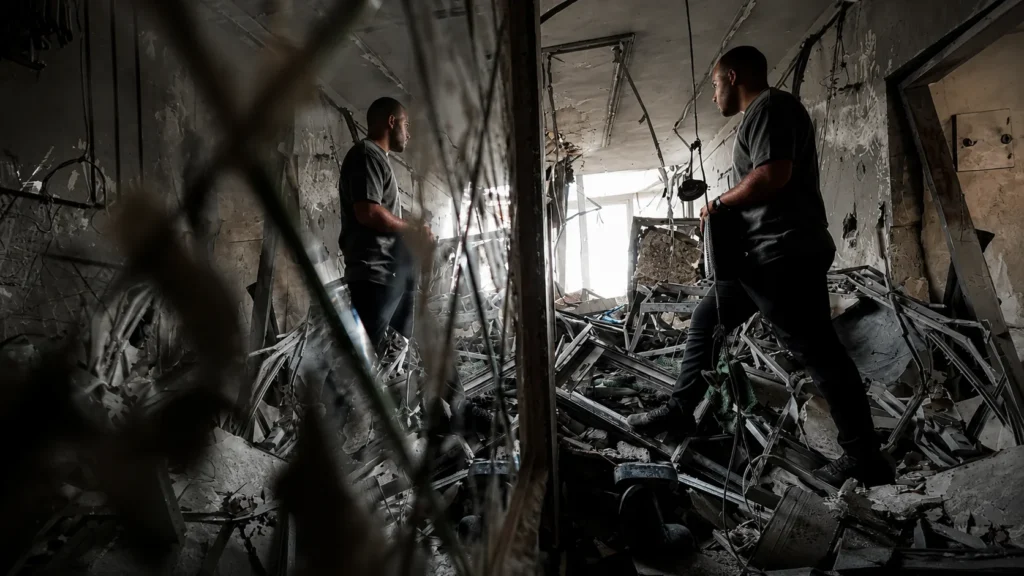
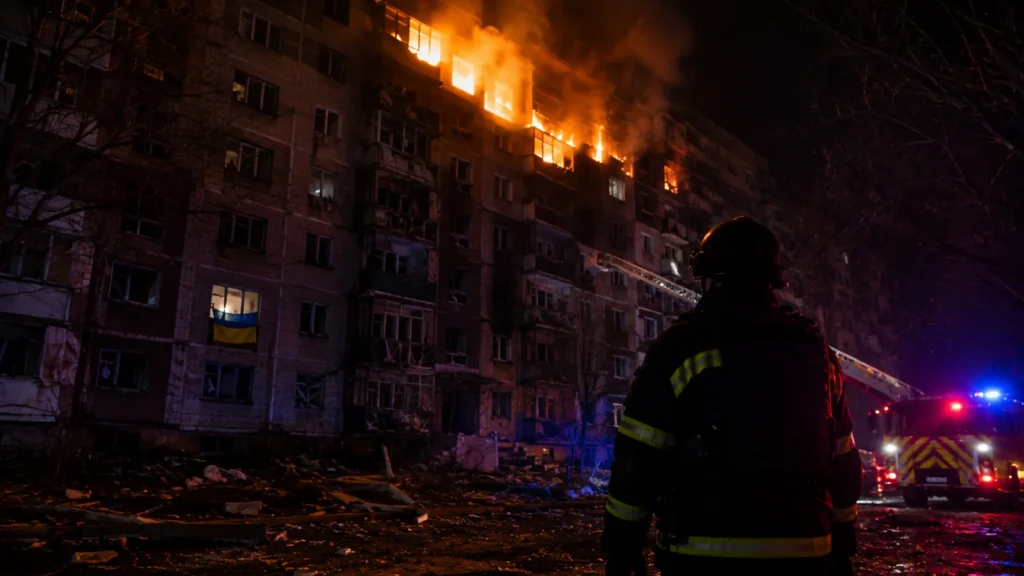
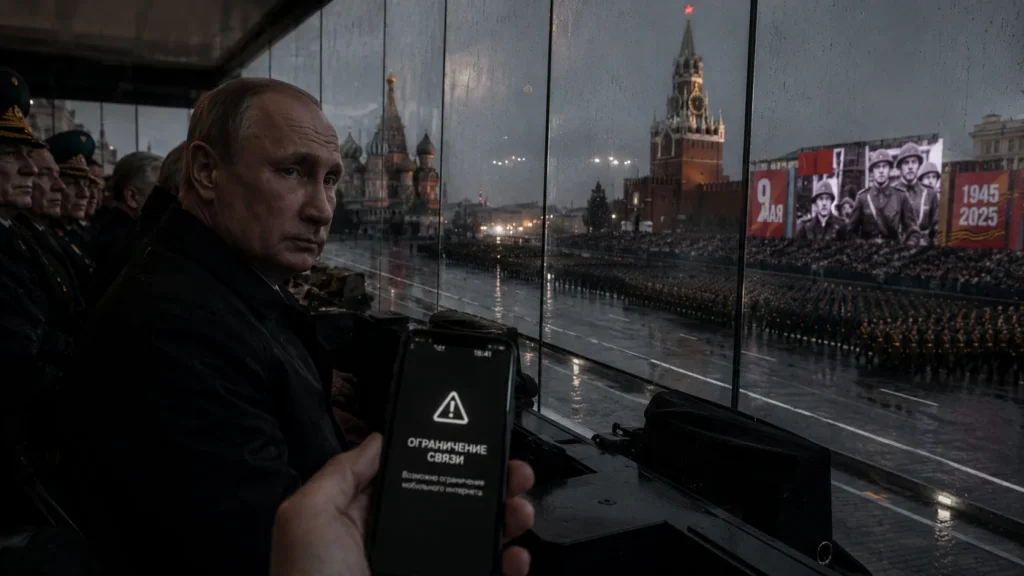
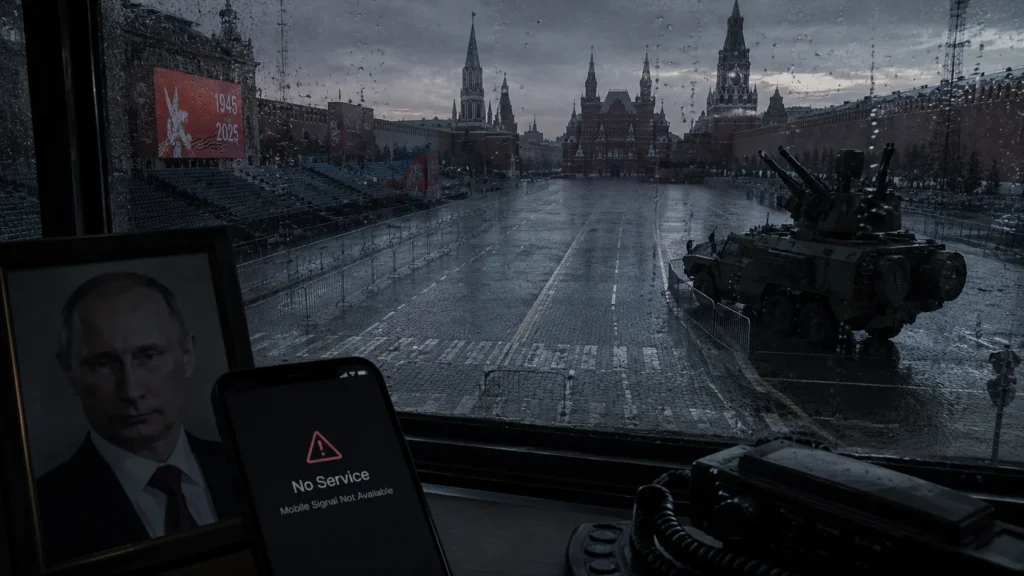
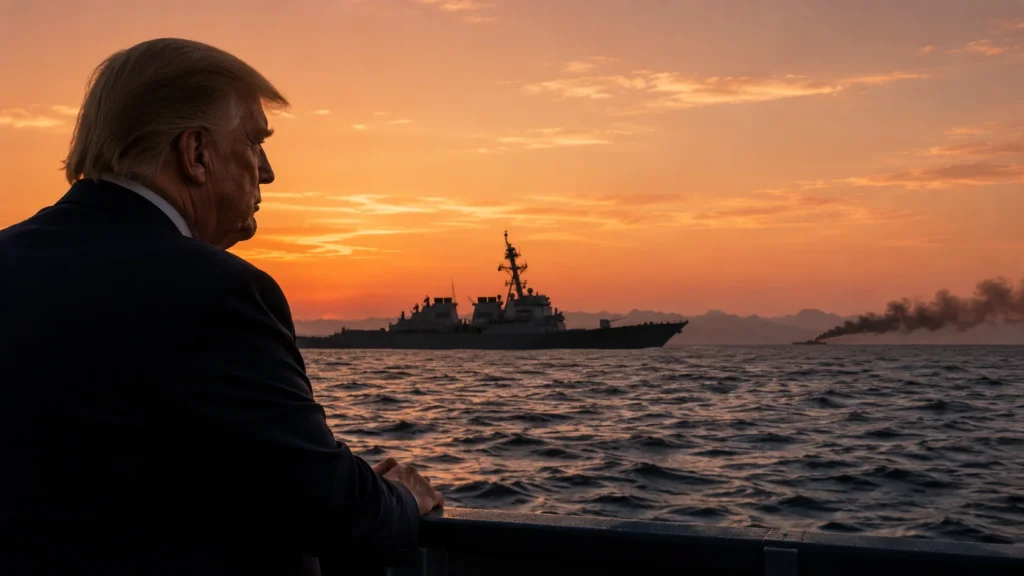
Russian airports slowed departures around Moscow while air defense units redirected systems inward after another wave of Ukrainian drone strikes. Military planners in Beijing likely watched closely. So did Washington.
Russia’s inability to secure a decisive victory in Ukraine now shapes more than Europe’s security outlook. The conflict increasingly influences how China evaluates the risks surrounding Taiwan, NATO cohesion, and the limits of military power in the modern era.
Why Ukraine Changed the Strategic Equation
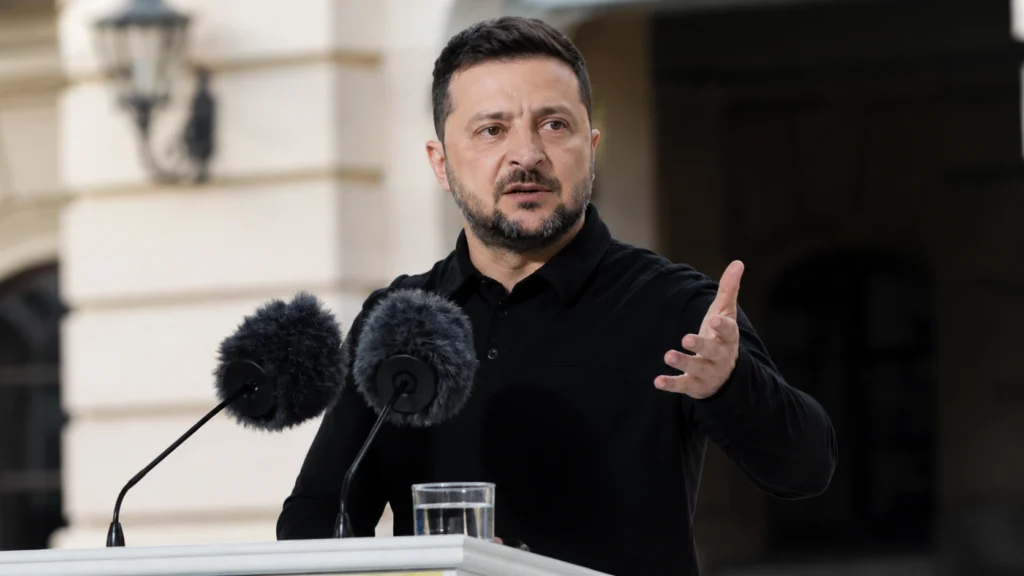
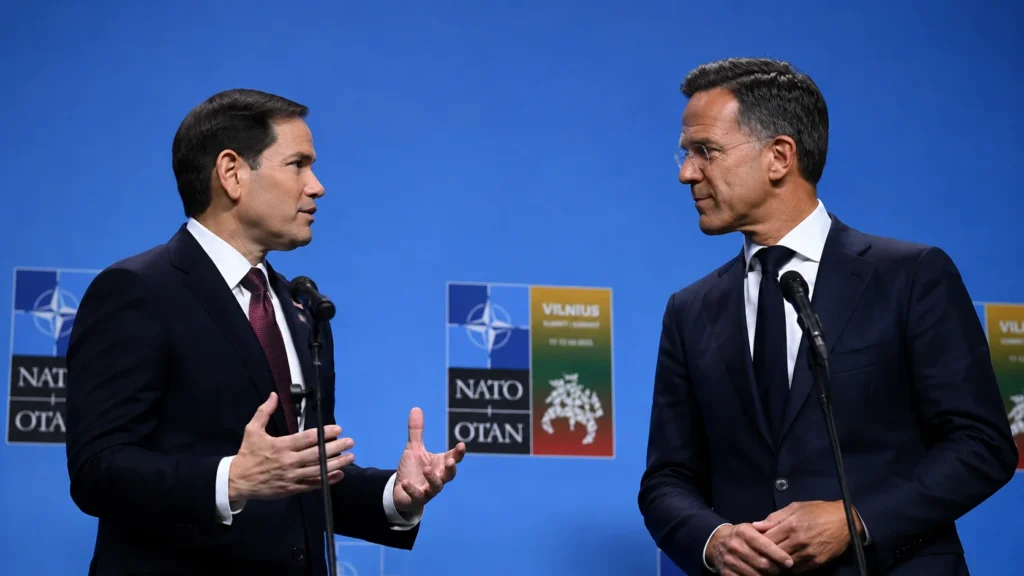
Russian President Vladimir Putin launched the invasion in February 2022, expecting a rapid political collapse in Kyiv and fractures inside NATO. Instead, the war pushed Finland into NATO in April 2023 and Sweden in March 2024, expanding the alliance that Russia hoped to weaken.
That reversal matters.
Ukraine’s defense model evolved into a blend of Western military support, decentralized drone warfare, and long-term economic endurance. According to NATO defense spending data, European military budgets climbed sharply after the invasion as governments accelerated rearmament programs.
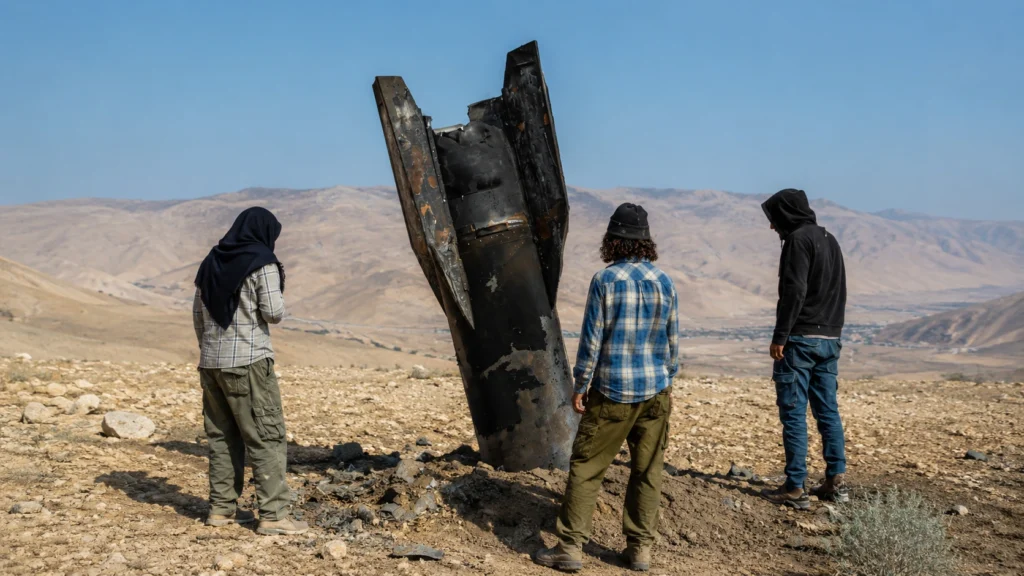
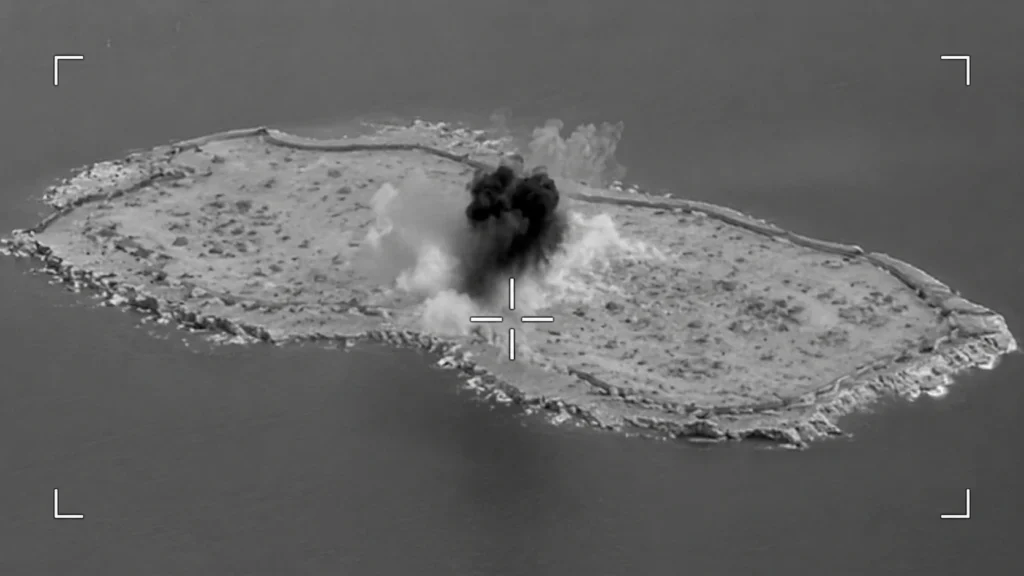
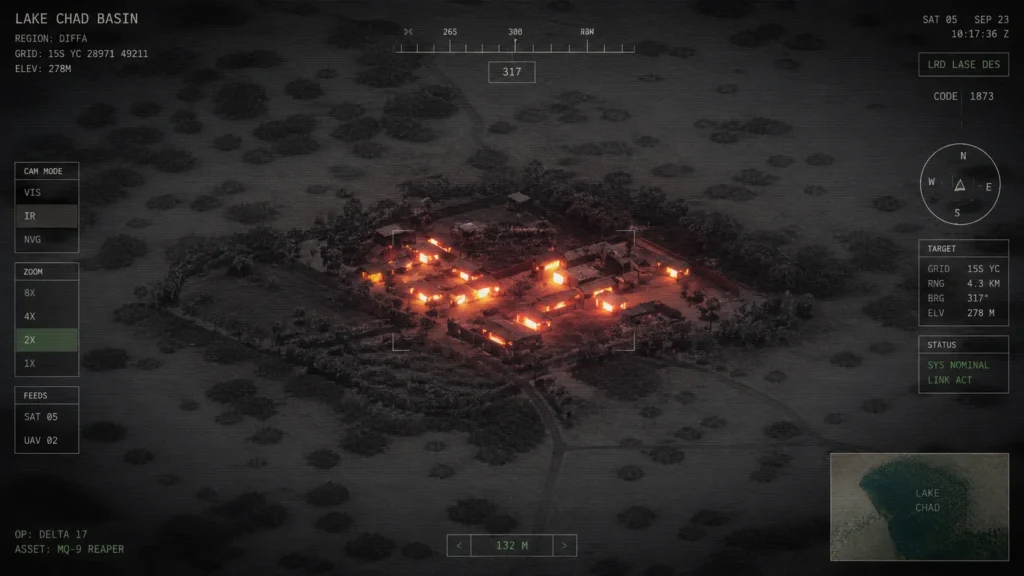
Cheap drones now destroy assets worth millions of dollars. Ukraine turned technological adaptation into a pressure system against Russia’s larger industrial base.
As previous analysis on NATO expansion after Ukraine invasion showed, Moscow’s war produced the opposite geopolitical outcome from the Kremlin’s original objectives.
Why Beijing Studies Ukraine Carefully
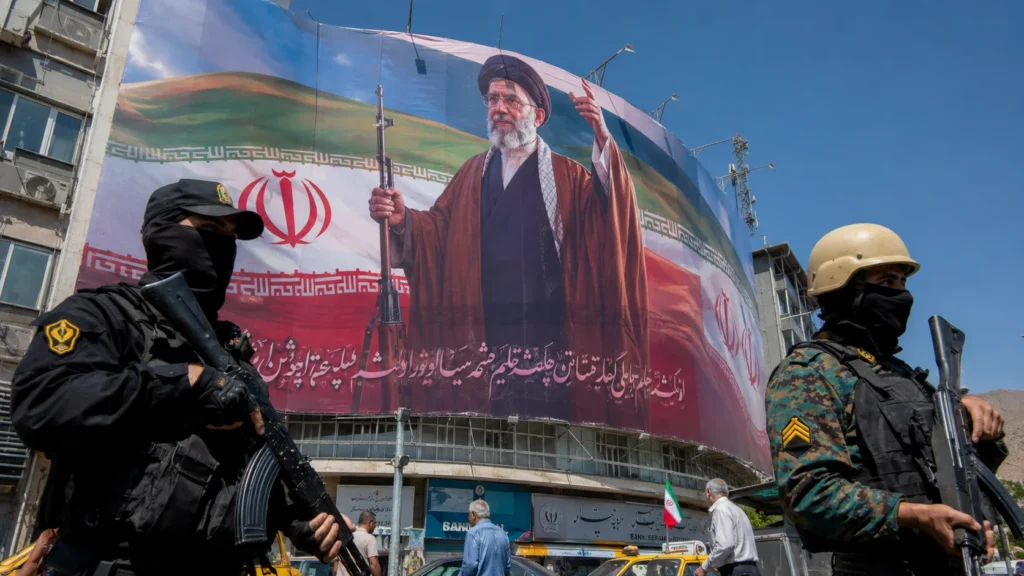
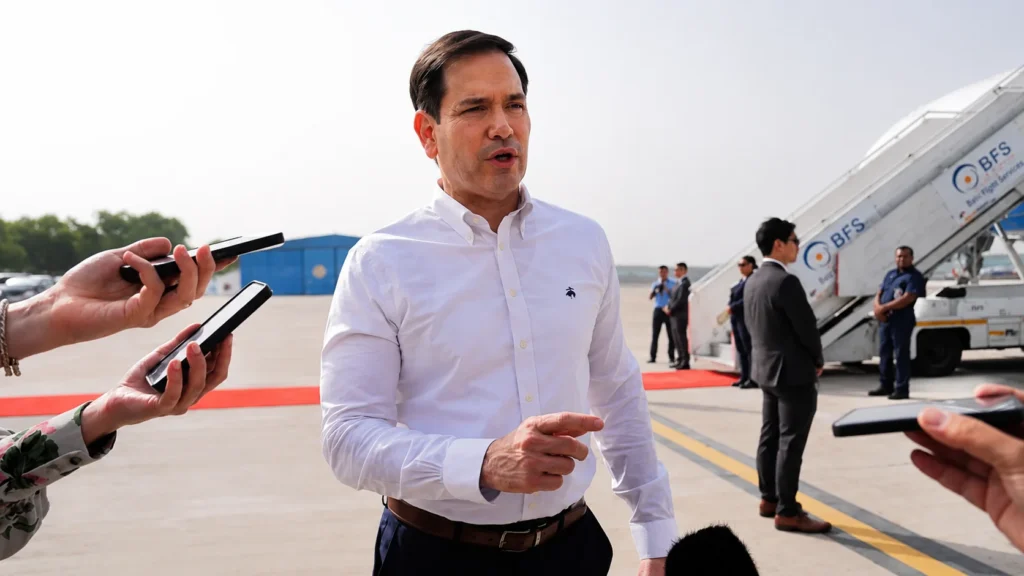
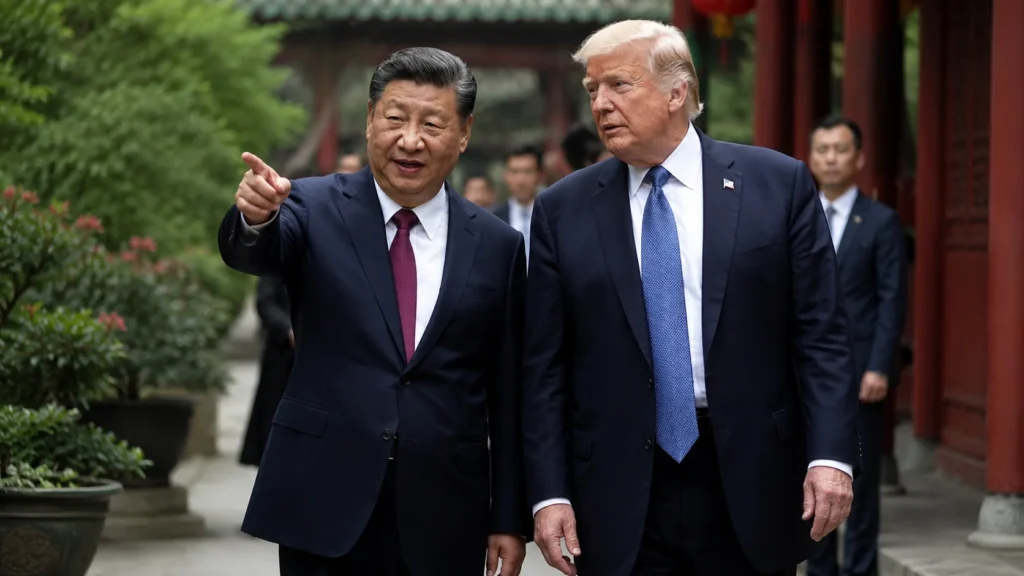
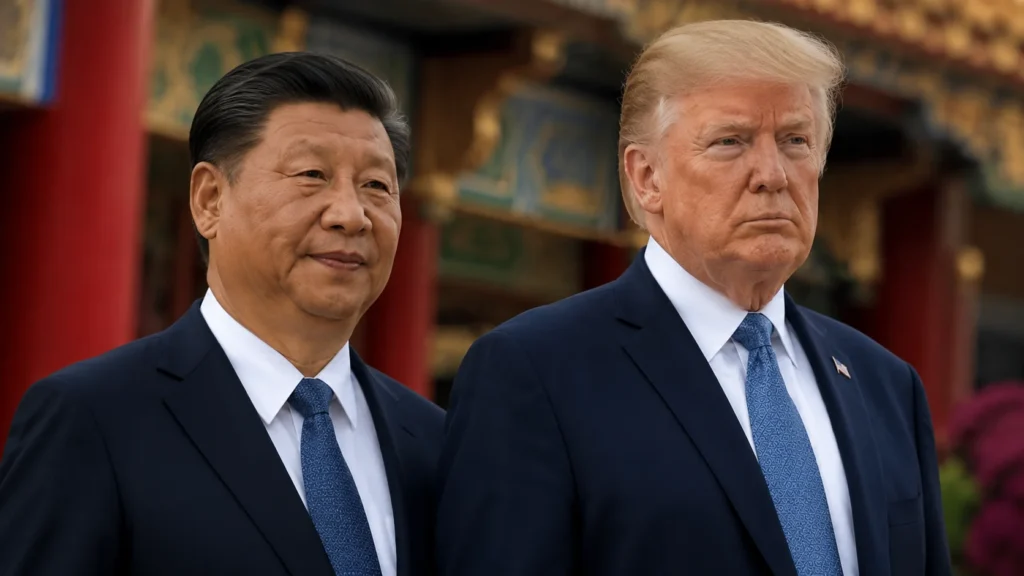
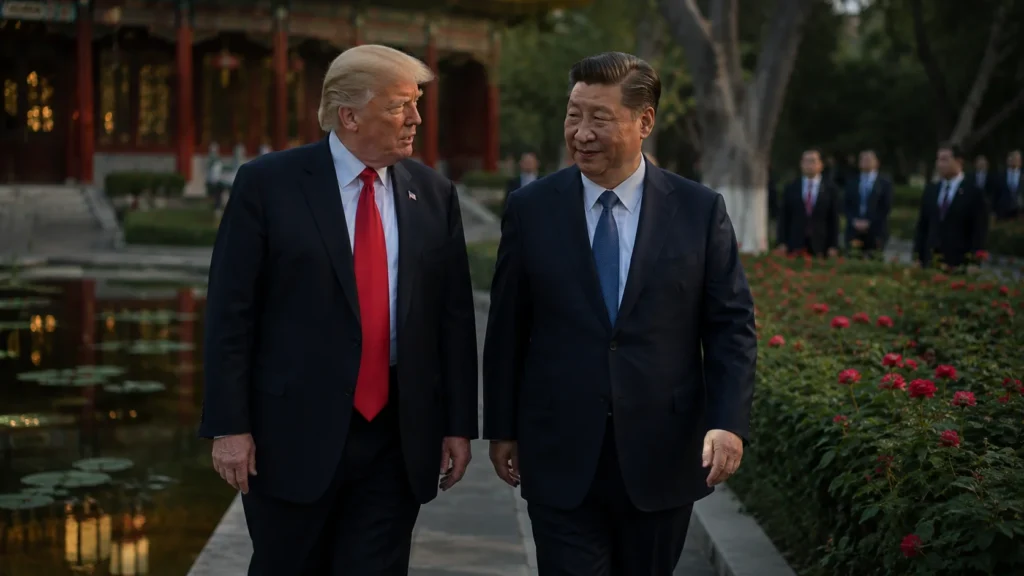
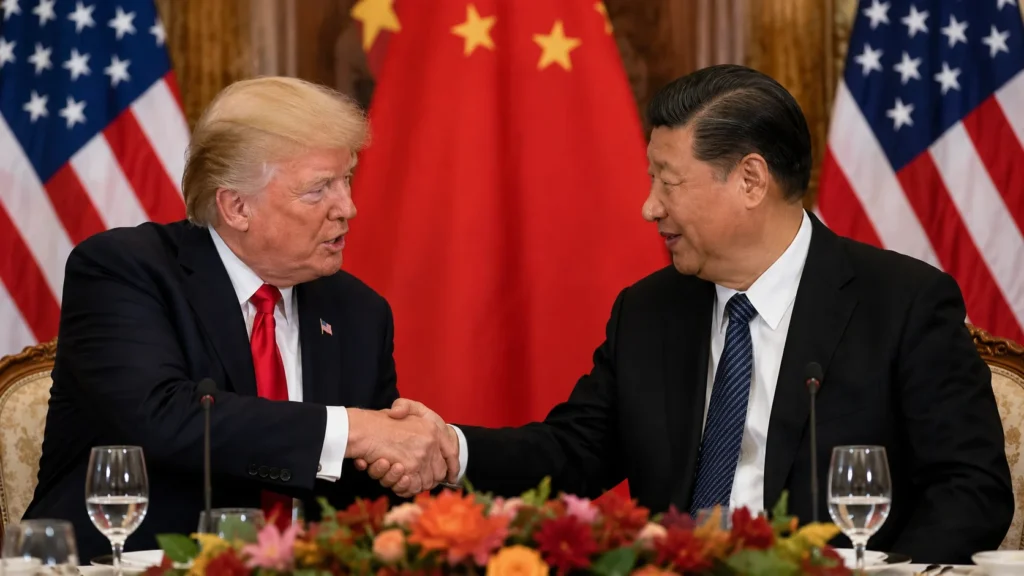
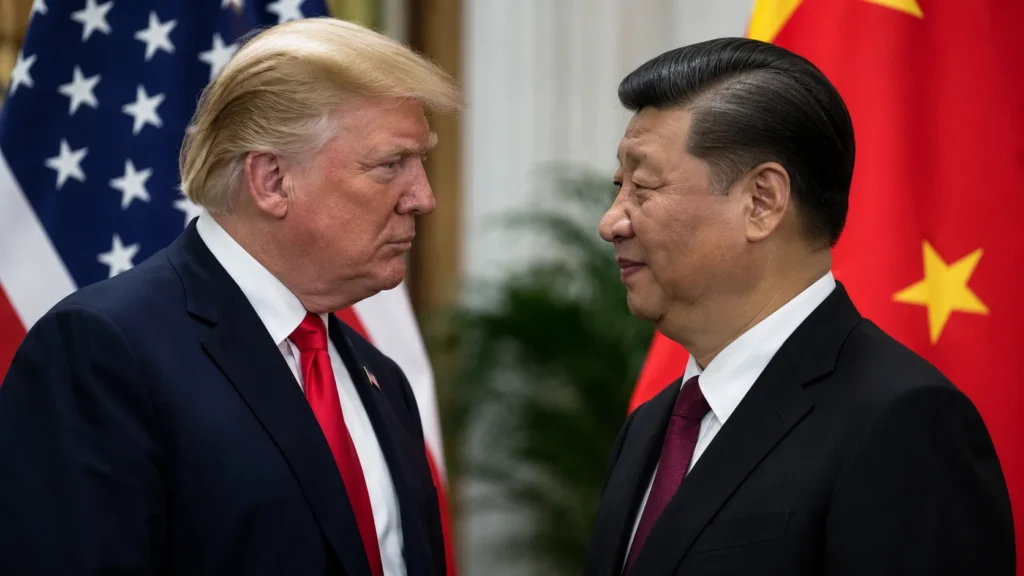
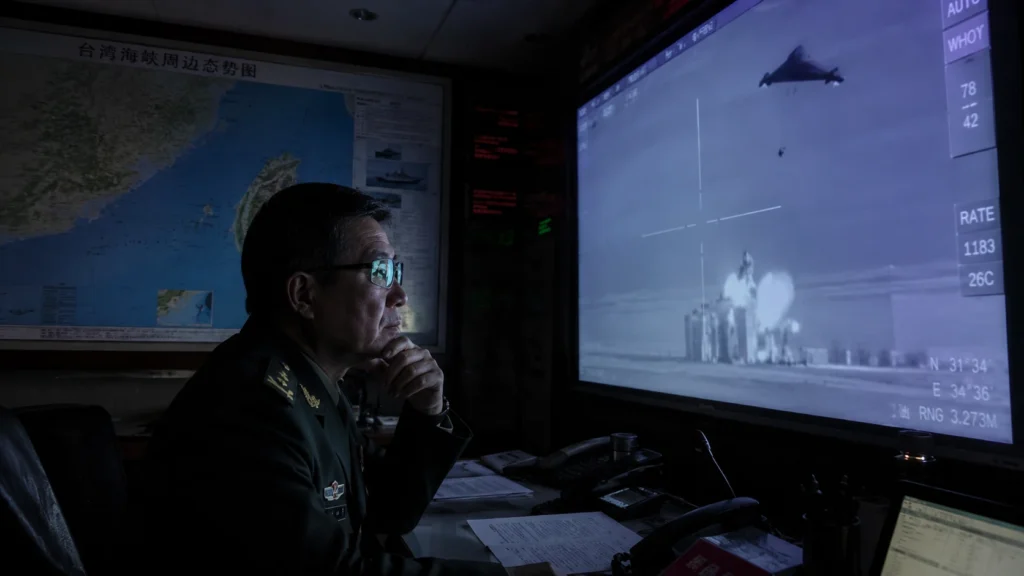
Chinese President Xi Jinping does not simply examine territorial maps. He studies operational friction.
China has long assumed that overwhelming force and rapid escalation could pressure Taiwan before outside powers organize a coordinated response. Russia believed something similar about Ukraine in 2022.
The comparison now looks uncomfortable.
Ukraine’s battlefield resilience demonstrated how allied logistics, intelligence sharing, sanctions coordination, and low-cost autonomous systems can slow a larger military power. Analysts at the Center for Strategic and International Studies report on Taiwan scenarios have repeatedly warned that a prolonged Taiwan conflict would disrupt global semiconductor supply chains and maritime trade routes across Asia.
Fast wars can become expensive wars. Quickly.
That risk touches China’s domestic stability model directly because Beijing ties political legitimacy closely to economic growth and controlled nationalism.
Trump’s Ukraine Debate Has Broader Consequences
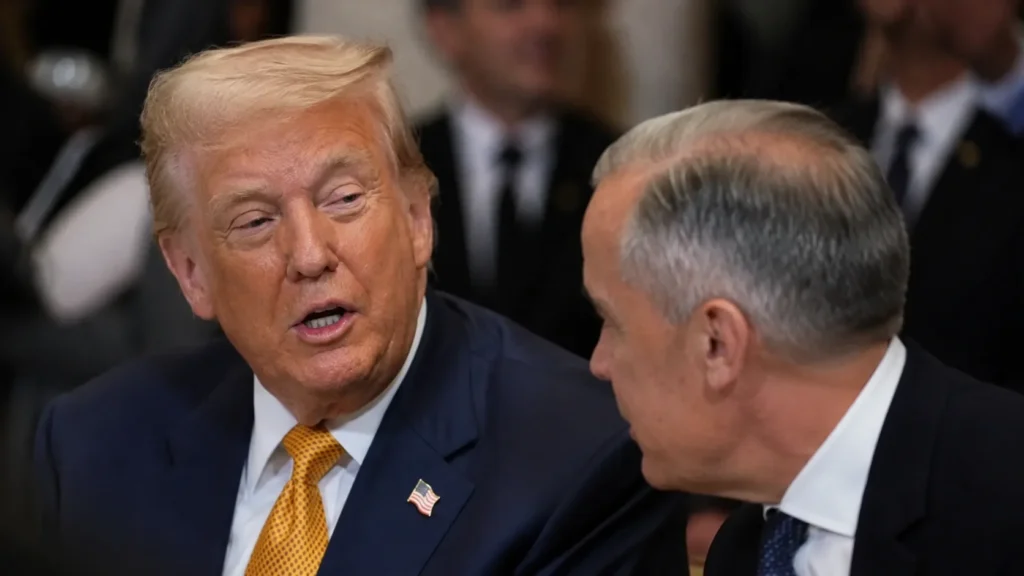
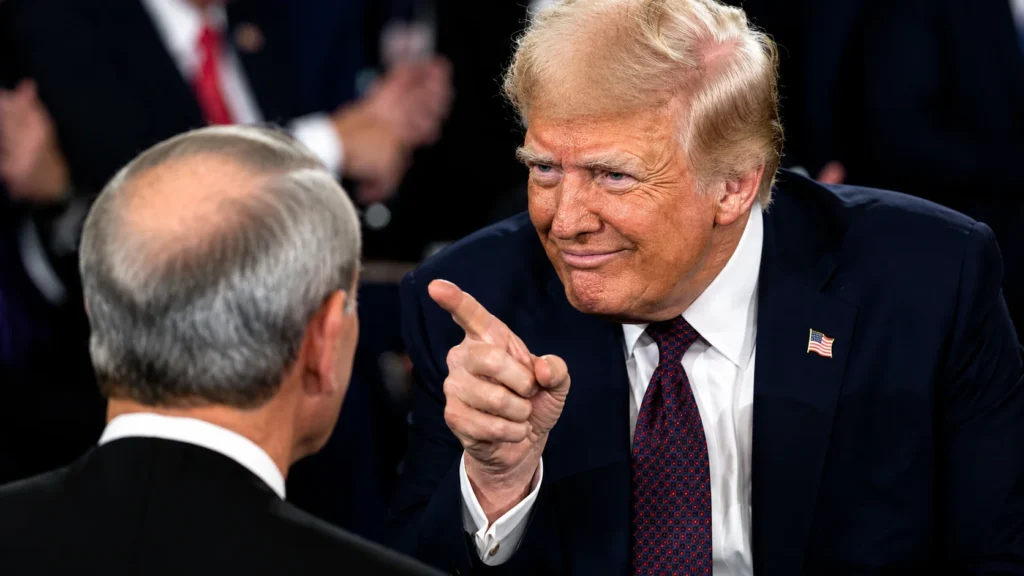
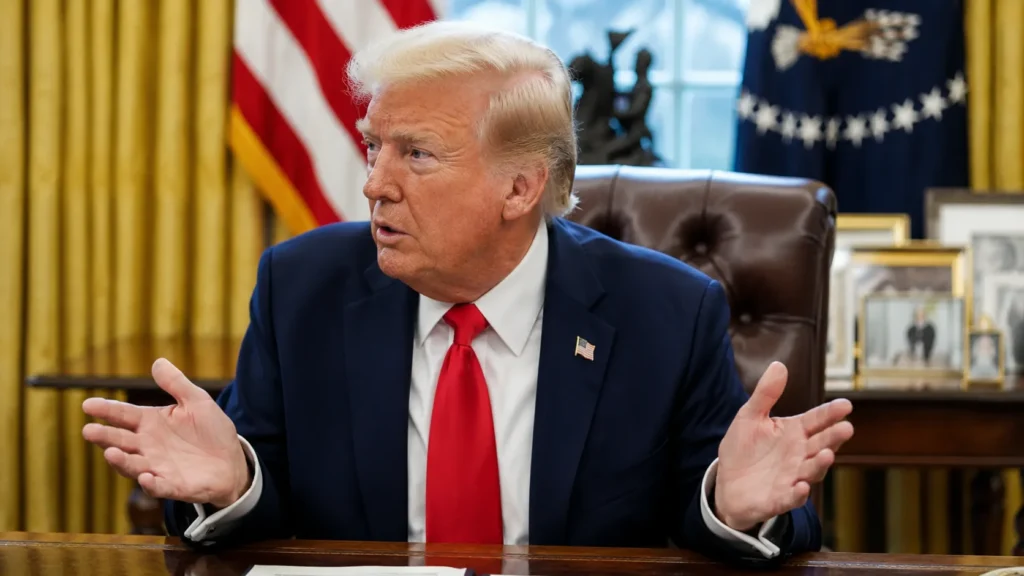
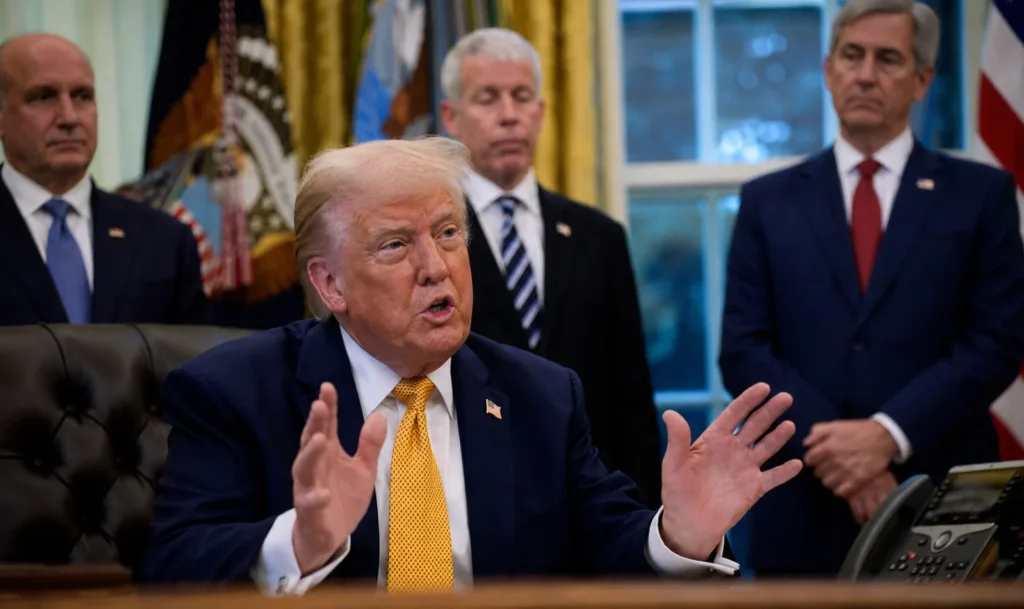
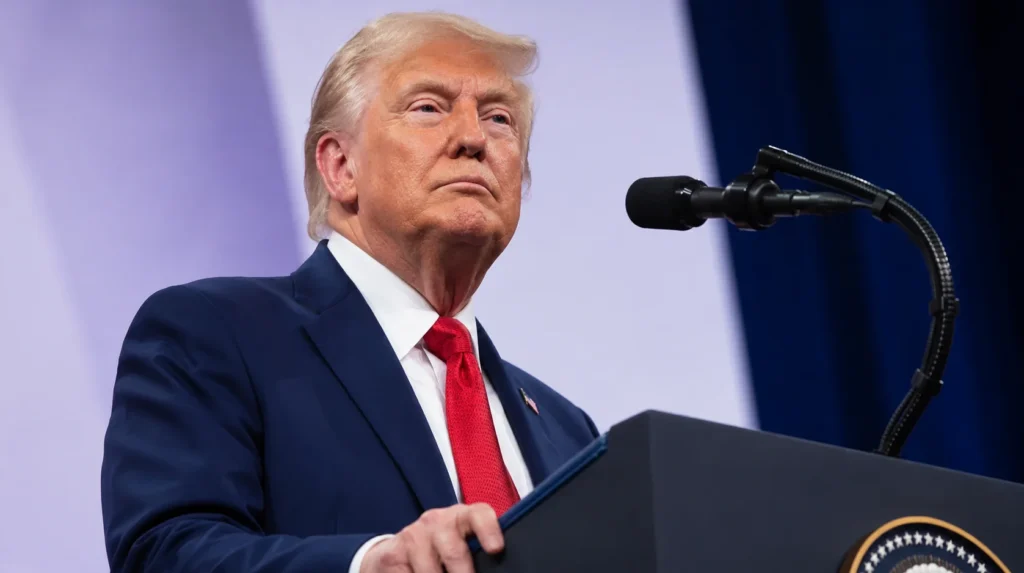
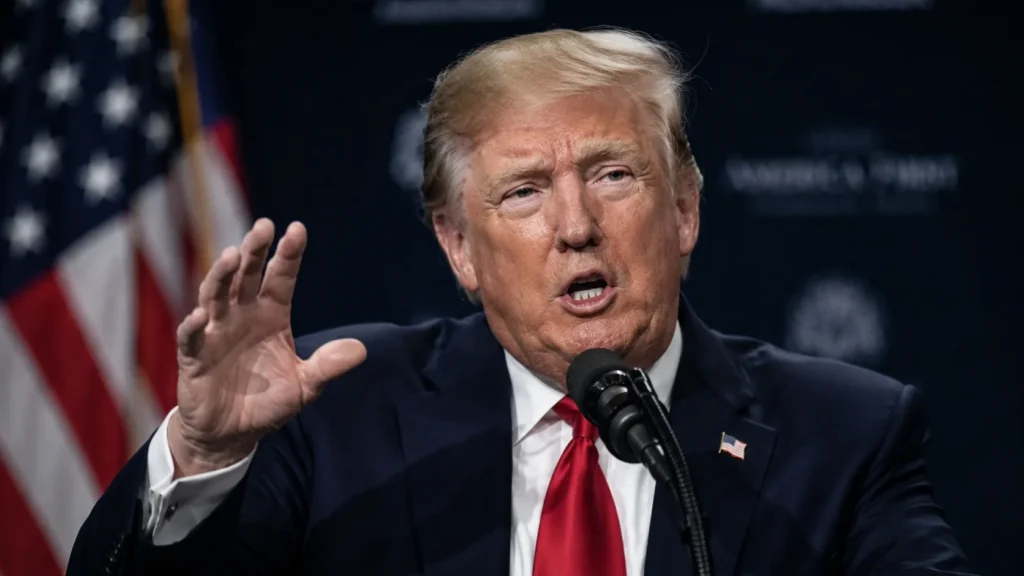
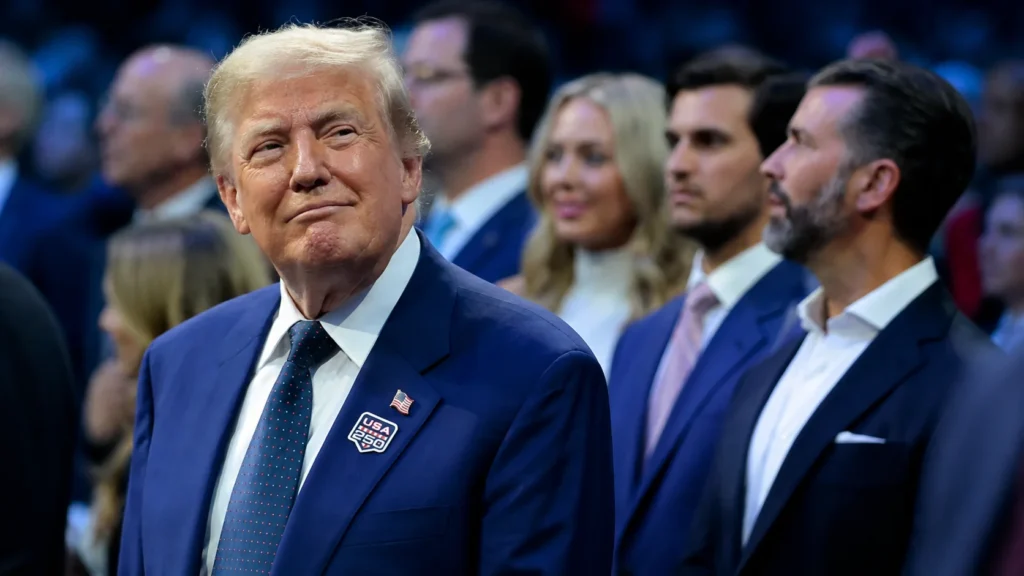
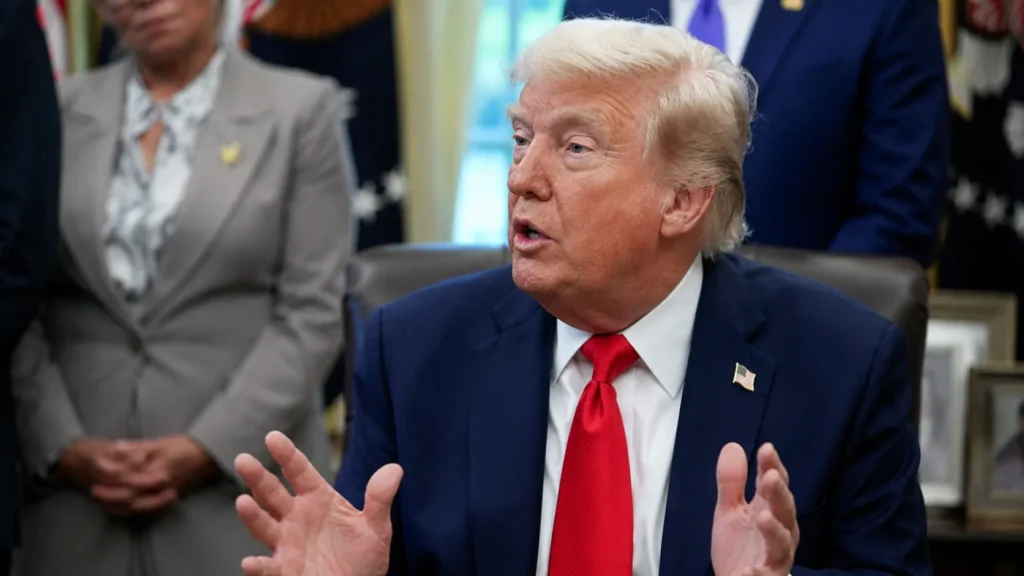
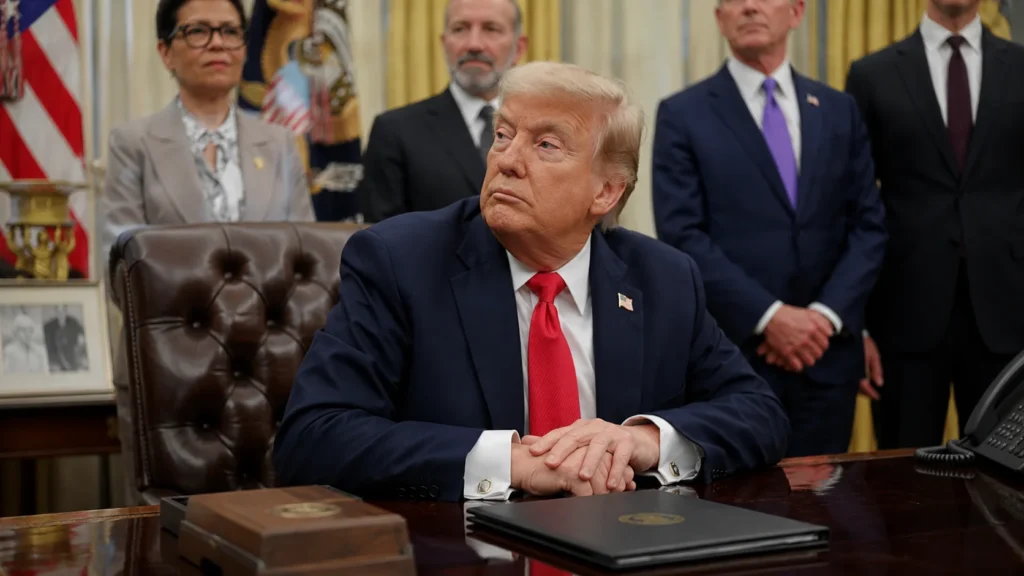
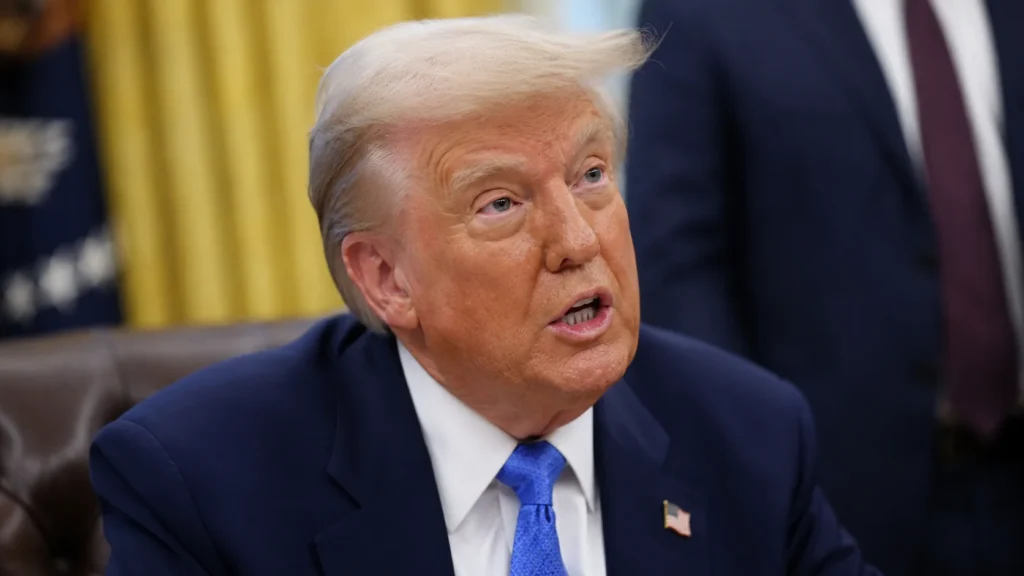
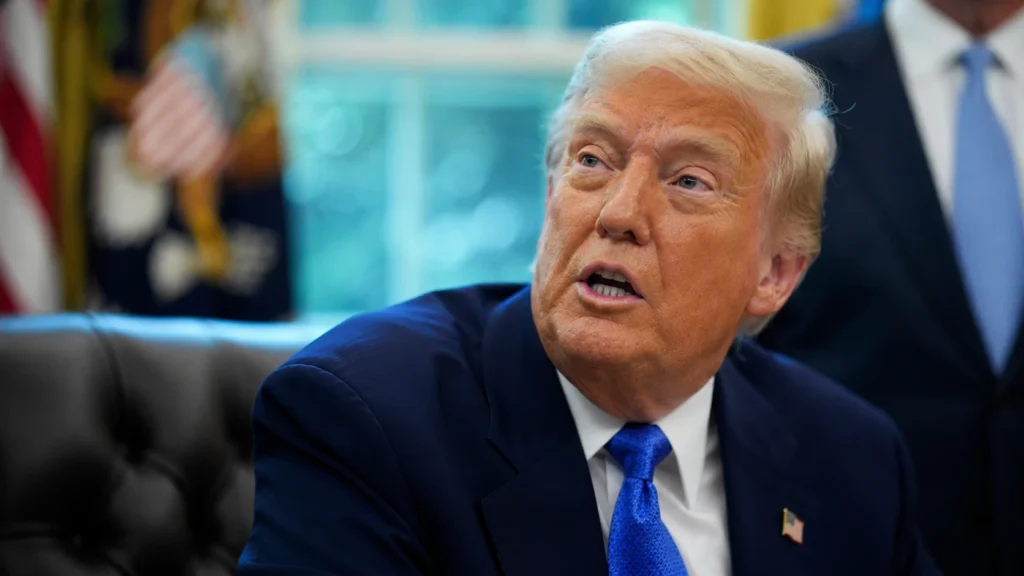
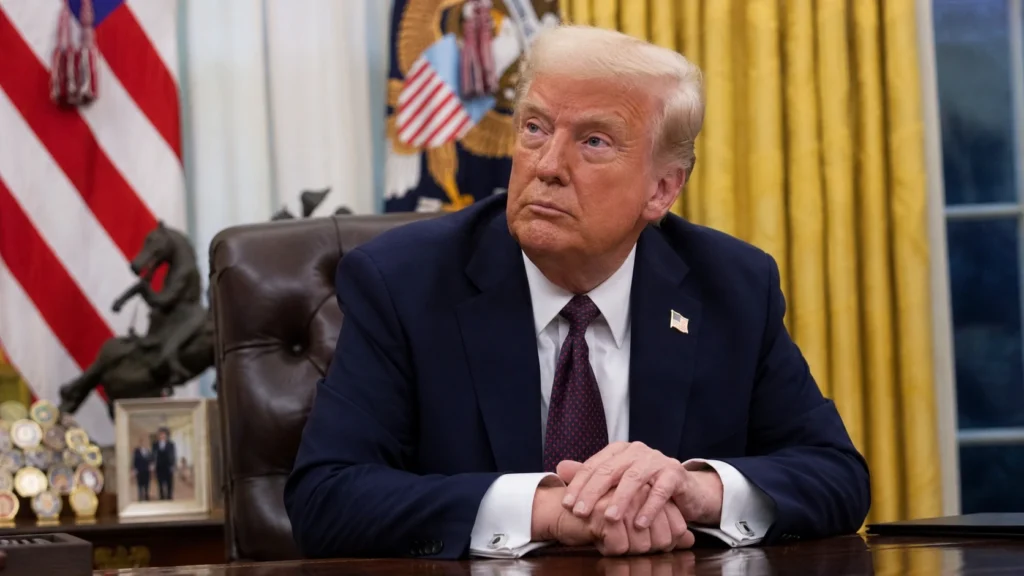
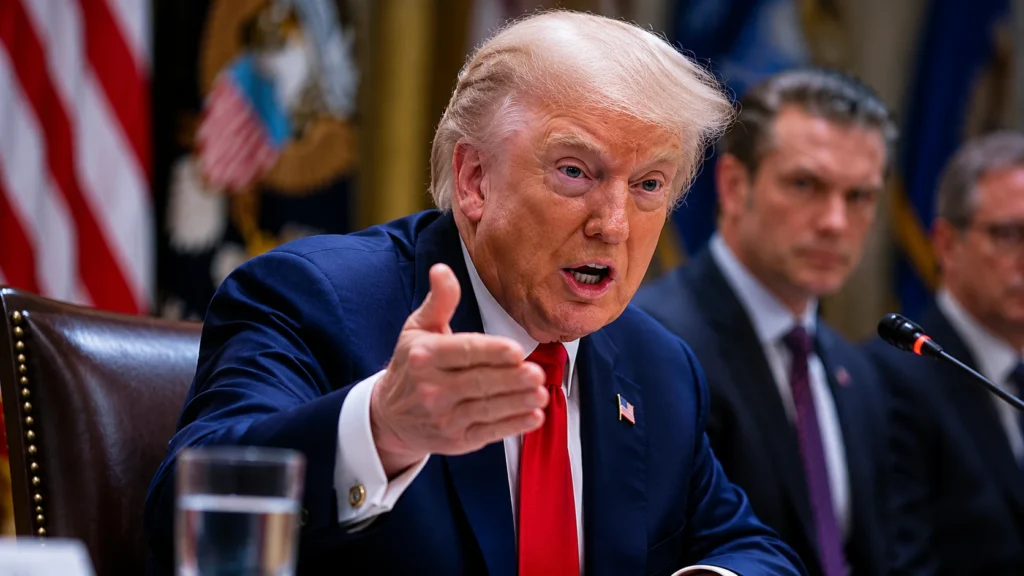
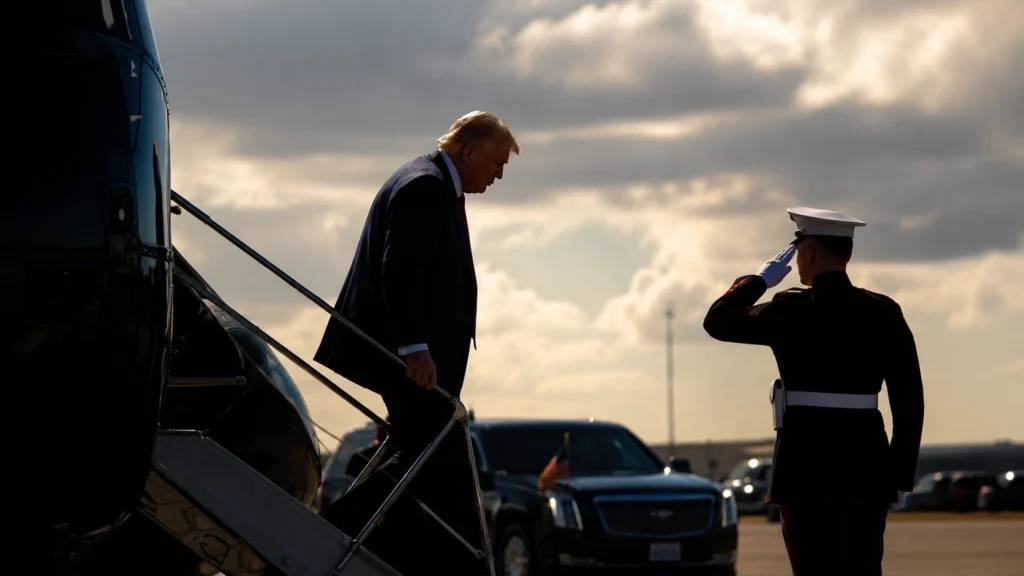
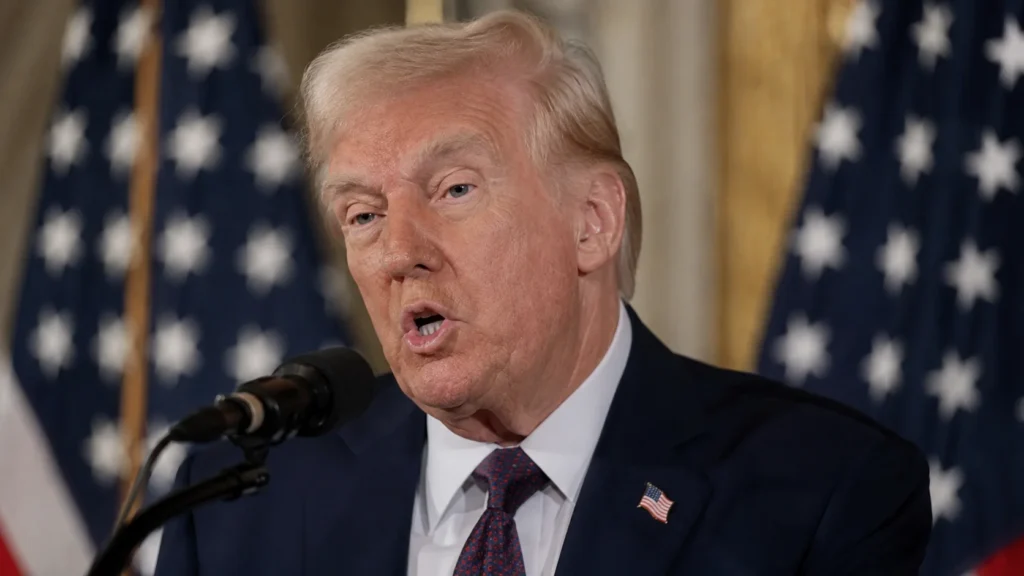
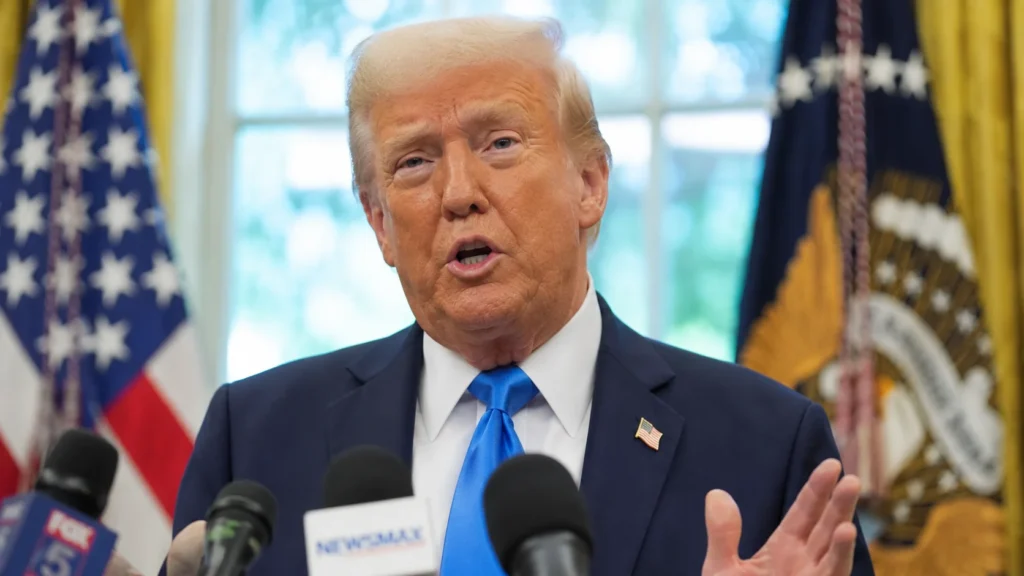
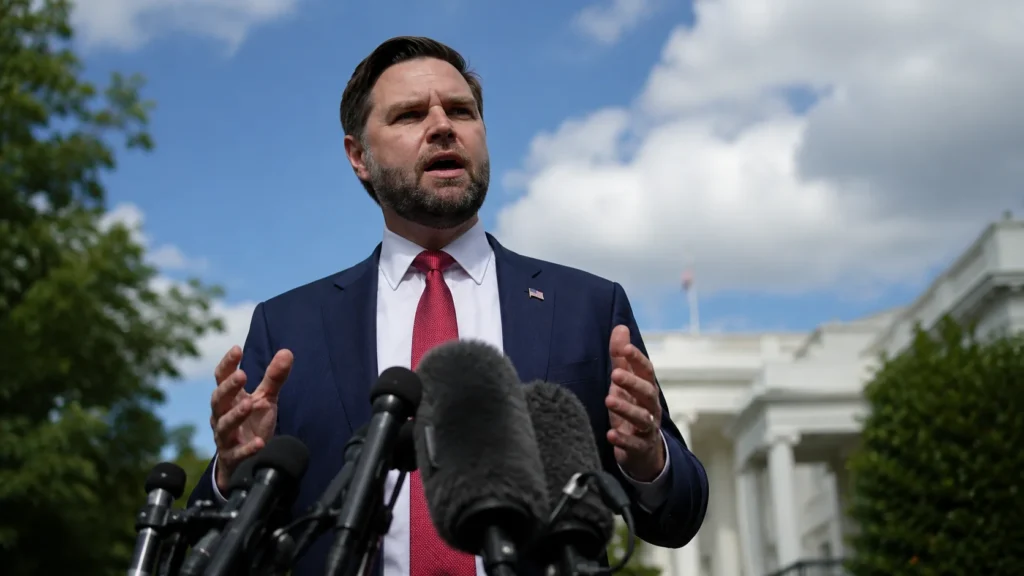
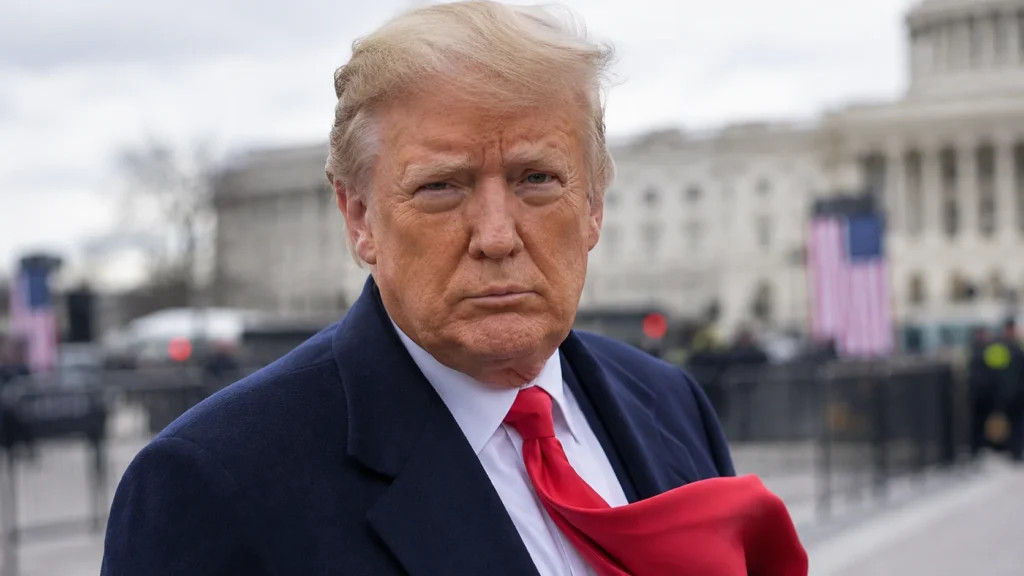
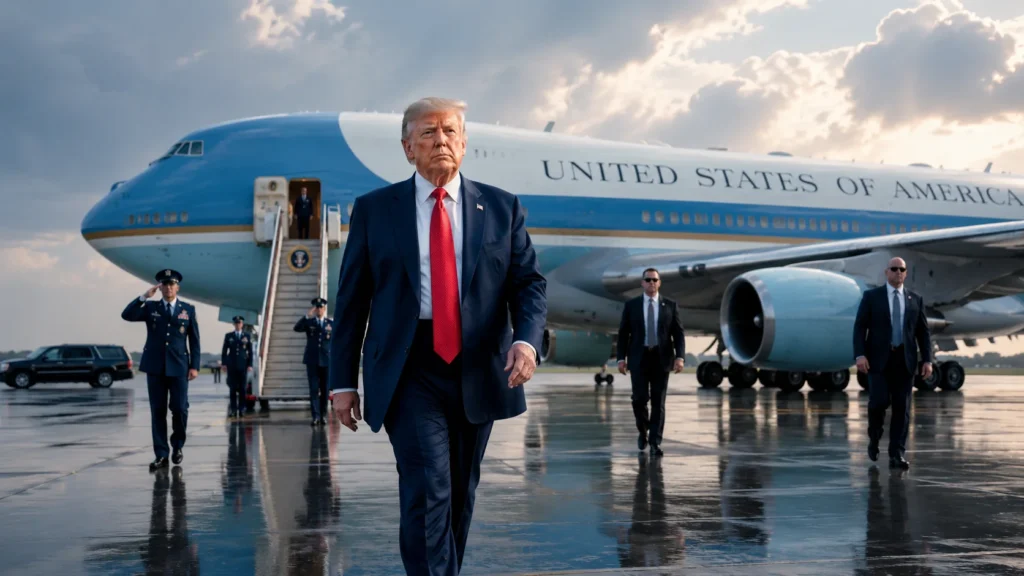
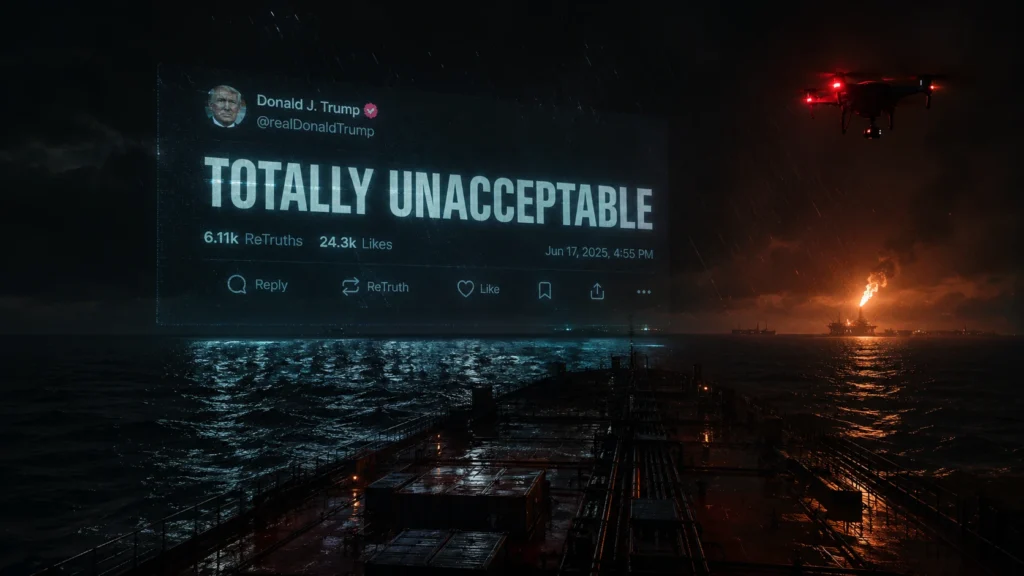
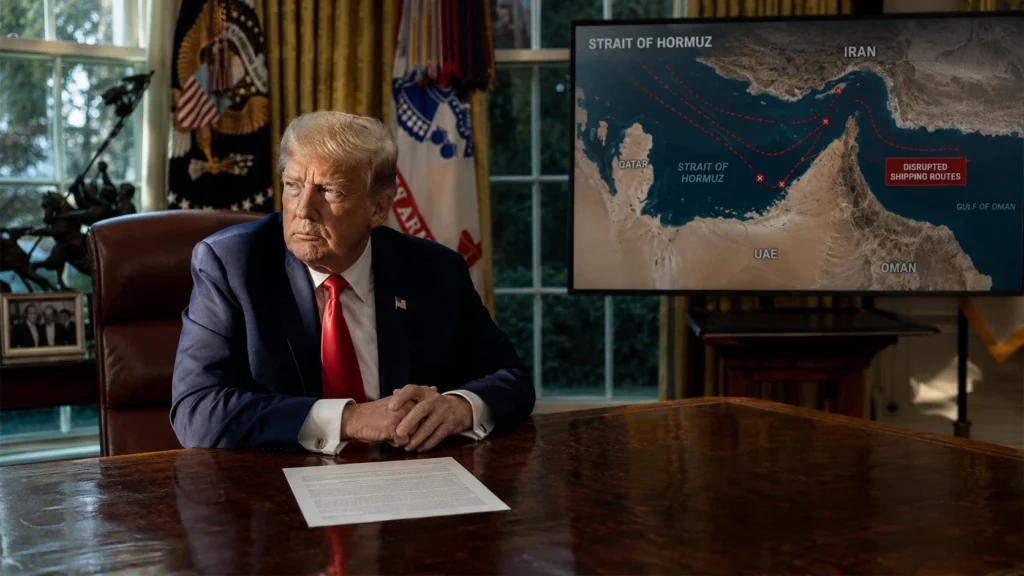
Former President Donald Trump repeatedly argued that negotiations should end the war quickly. His position assumed time favored Russia, and exhaustion favored compromise.
Battlefield trends complicated that assumption.
Western estimates in 2025 placed Russian casualty levels between 30,000 and 40,000 killed or wounded per month, according to multiple defense assessments cited by Reuters and European security officials. At the same time, Ukraine expanded domestic drone production and increased long-range strike capabilities.
That shift changes Washington’s strategic calculus.
The White House now faces a broader question: should Ukraine remain a regional security commitment, or does the war serve as evidence that alliance systems still deter larger revisionist powers?
Not the same thing.
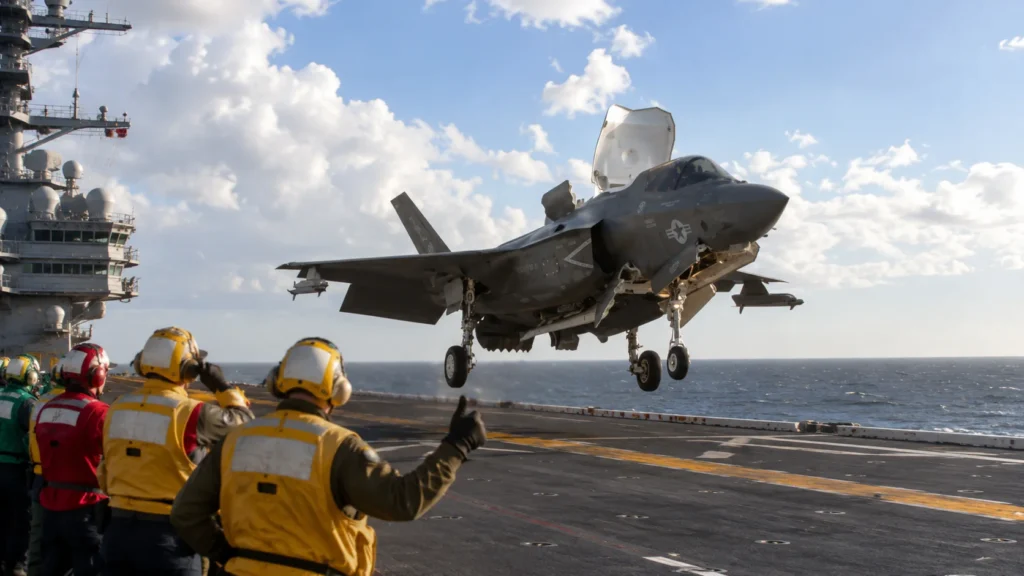
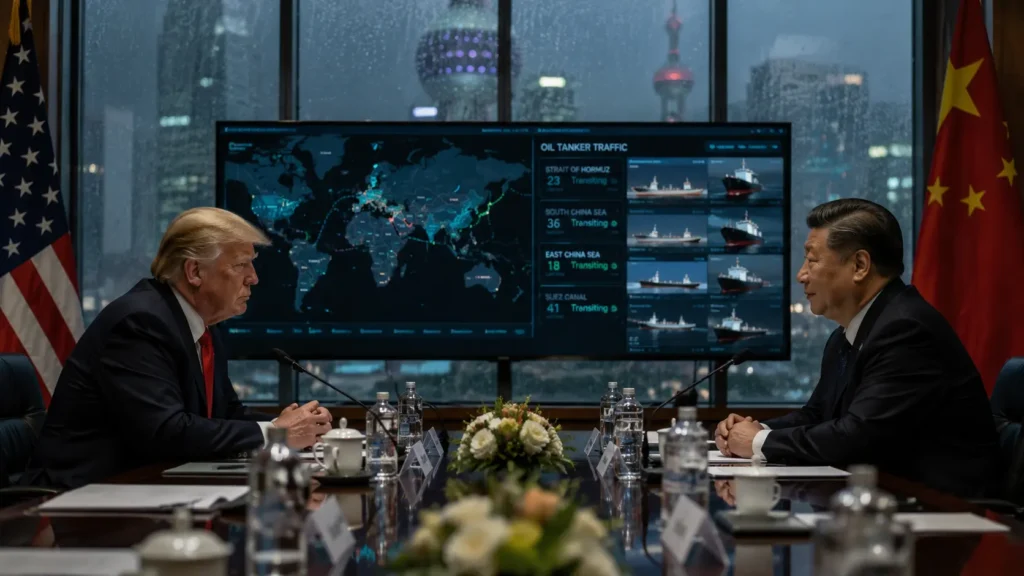
As coverage of US-China tensions over Taiwan noted earlier this year, American credibility in Europe increasingly overlaps with deterrence strategy in the Indo-Pacific.
The Real Winners and Losers
Ukraine gained strategic credibility even without reclaiming all occupied territory. NATO regained political relevance after years of internal division over defense spending and strategic direction.
Russia lost maneuvering space militarily and economically.
China lost certainty.
That may prove more important than any territorial change inside eastern Ukraine because Beijing now has a real-world example of how modern alliances absorb and prolong military pressure against a larger adversary.
Then there’s this.
Countries across the Global South continue watching whether Western-backed coalitions can still produce durable outcomes against authoritarian powers. Ukraine’s resistance suggests they can — at least under the right conditions.
What to Watch Next
Over the next 12 months, three indicators matter most.
First, Chinese military signaling around Taiwan and whether Beijing accelerates large-scale naval exercises near the island.
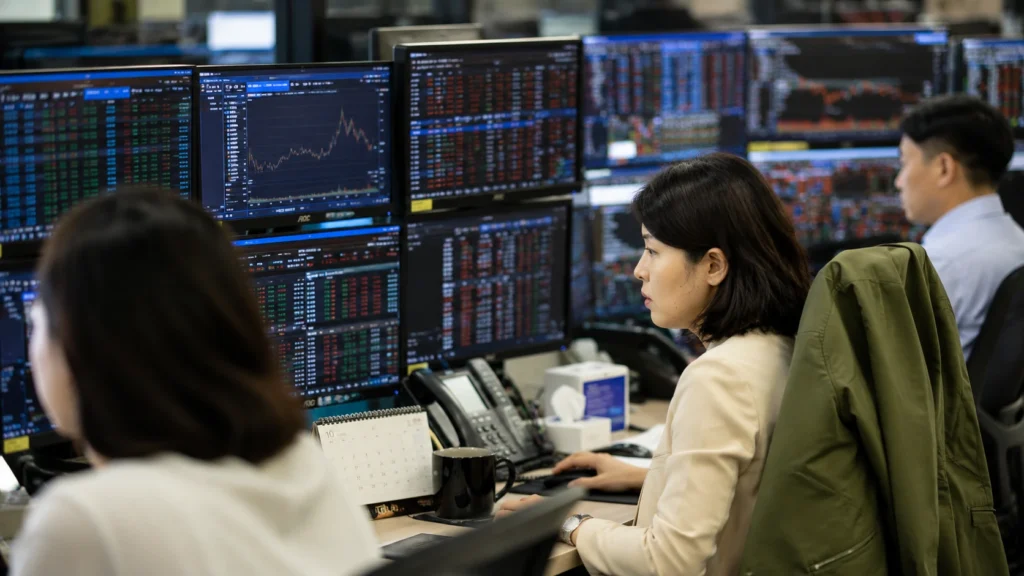
Second, the Russian economic strain is tied to defense spending and manpower shortages. According to IMF Russia economic outlook, prolonged wartime spending continues to pressure parts of Russia’s civilian economy.
Third, NATO durability. Sustained Western coordination remains central to Ukraine’s ability to maintain battlefield resilience.
The Ukraine war no longer sits inside Europe alone.
It now acts as a live strategic case study for China, the United States, and every government, measuring how modern power actually works.
FAQ
Why does the Ukraine war matter to China?
China studies Ukraine as a real-world example of how alliances, sanctions, and modern drone warfare affect military campaigns against smaller neighbors.
How has NATO changed since Russia invaded Ukraine?
NATO expanded with Finland and Sweden joining the alliance, while European defense spending increased significantly after 2022.
Why does Taiwan factor into this analysis?
China views Taiwan as a long-term strategic objective. Ukraine’s resistance may influence Beijing’s calculations about the risks of military action.
Are drones changing modern warfare?
Yes. Ukraine demonstrated how low-cost drones can damage expensive military systems, disrupt logistics, and pressure larger armies.
What could shift the situation next?
Chinese military activity near Taiwan, Russian economic strain, and continued Western support for Ukraine remain the most important indicators.
Author Bio:
Written by a senior geopolitical analyst covering Eurasian security, NATO strategy, and Indo-Pacific power competition for more than a decade. His reporting focuses on how military conflicts reshape global economic and political systems.