

 English






































































































































































































































































































































US Inflation Hits 4.2% in May as Energy Costs Surge
US inflation climbed to 4.2% in May, its highest level since April 2023, according to Bureau of Labor Statistics Consumer Price Index report, intensifying pressure on the Federal Reserve as energy costs driven by Gulf tensions filter through the broader economy.
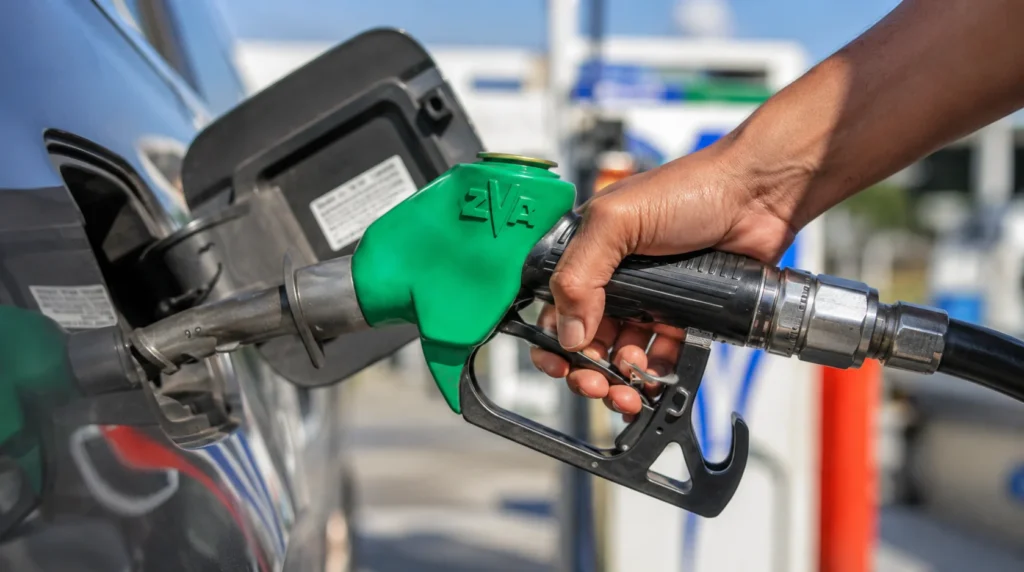
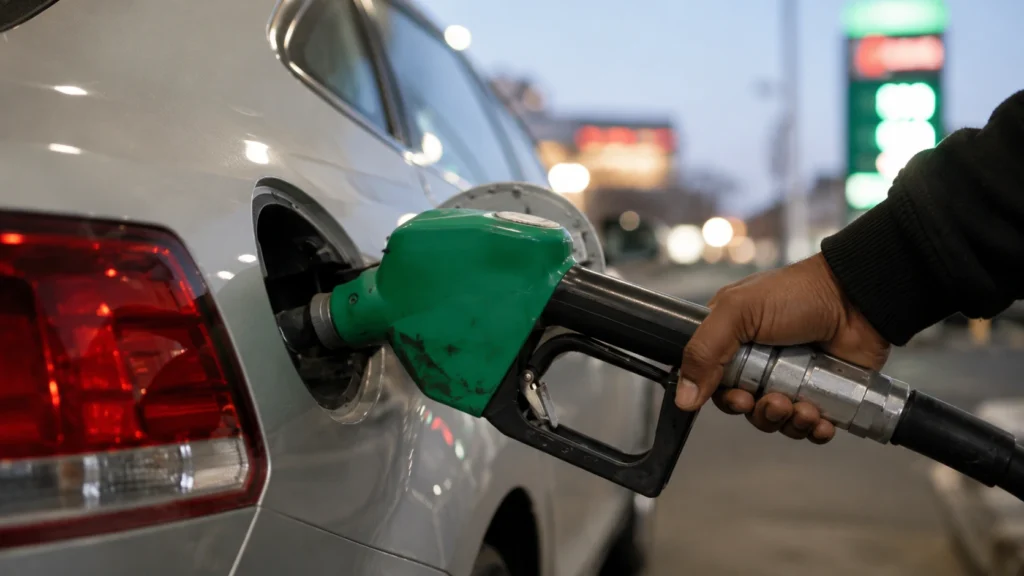
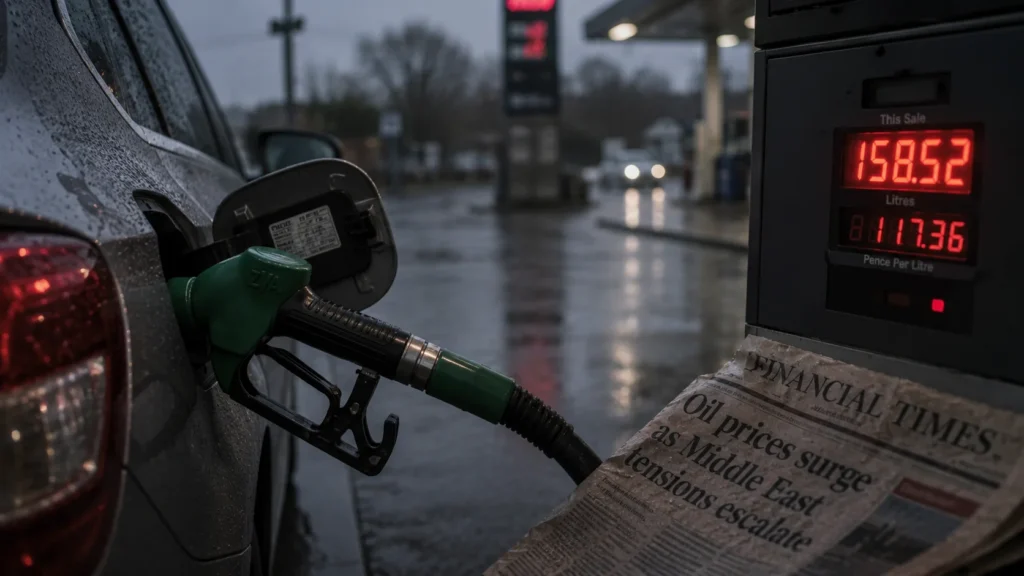
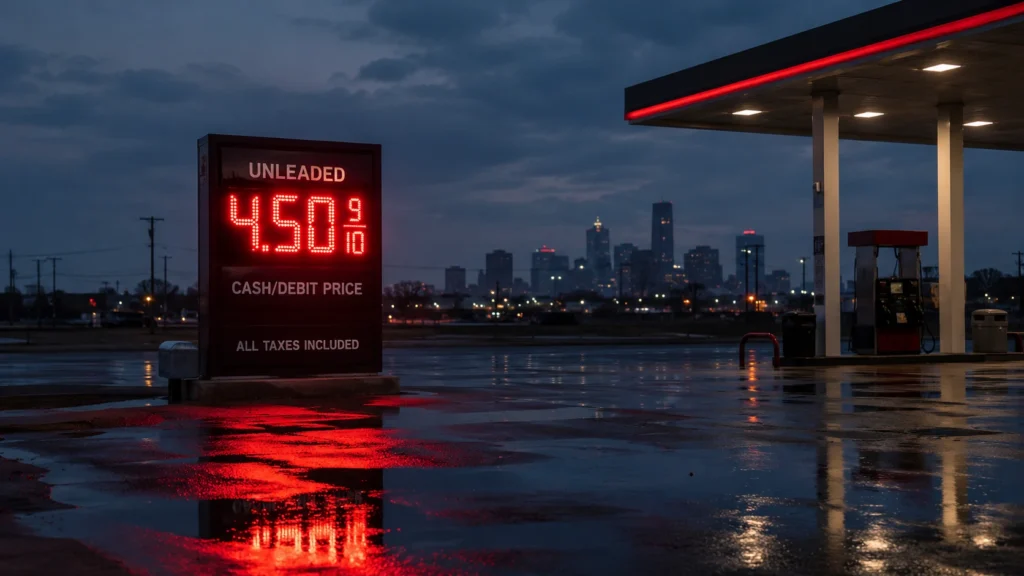
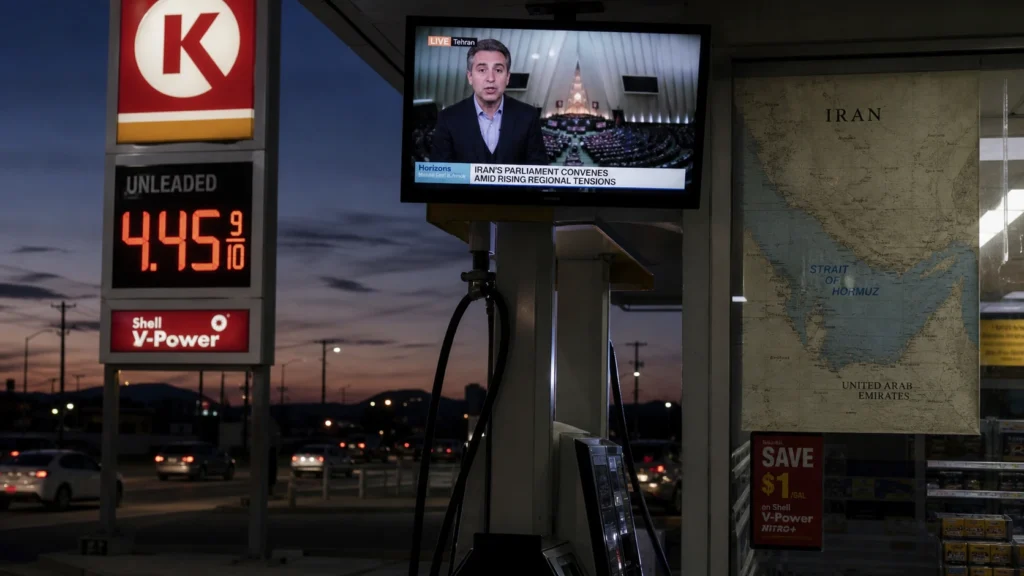
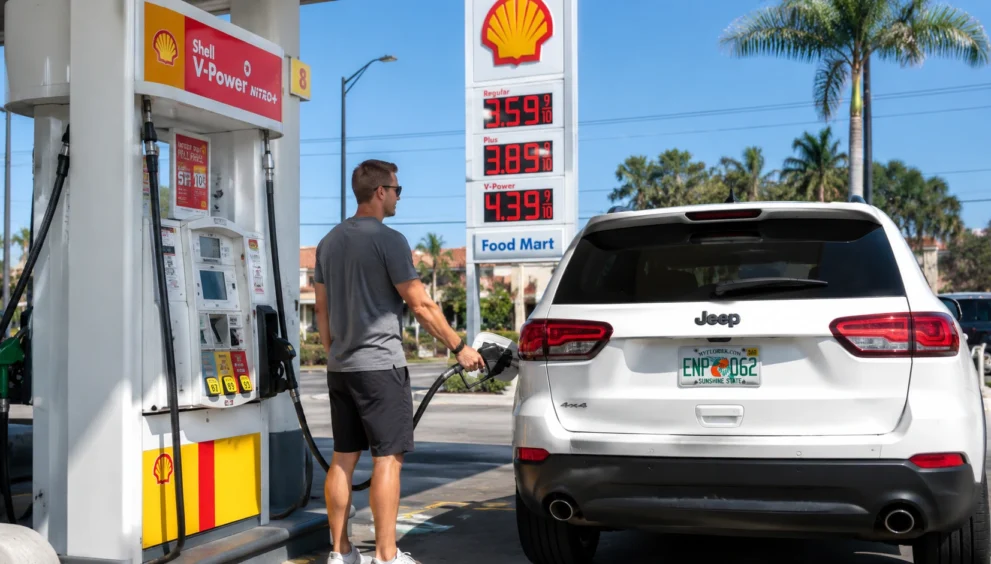
The Consumer Price Index has now risen for three consecutive months. Energy prices accounted for much of the increase, with regular gasoline averaging $4.15 per gallon, up sharply from $2.98 before military operations against Iran intensified earlier this year. The data complicates the Federal Reserve’s path forward as it weighs interest rate decisions against persistent price pressures.
The 4.2% reading places inflation at more than double the Fed’s 2% long-run target. Markets have responded by reassessing expectations for rate cuts that many investors had anticipated. Statements from Federal Reserve officials now face heightened scrutiny ahead of the next policy decision.
Energy Costs and Geopolitical Risk
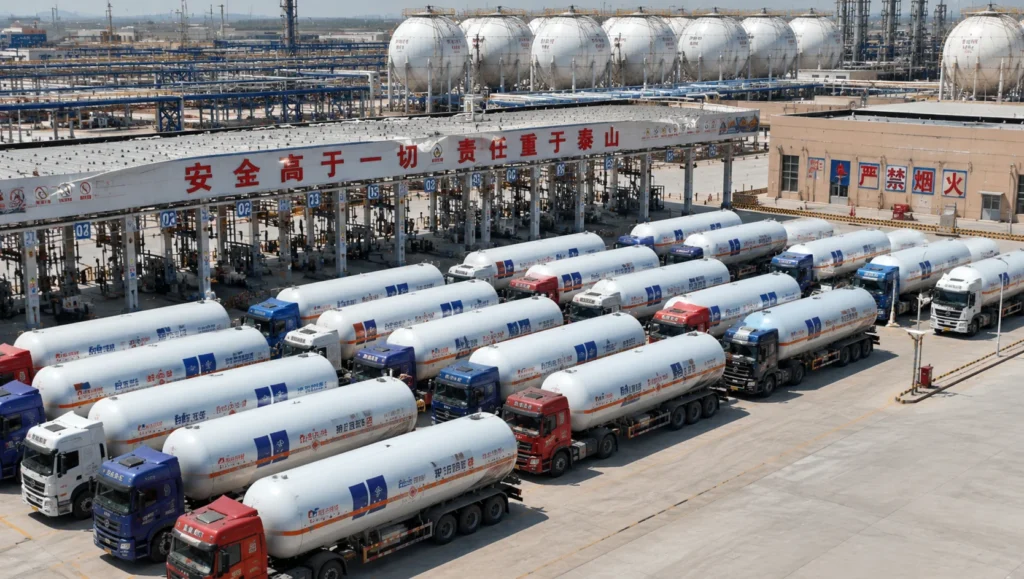
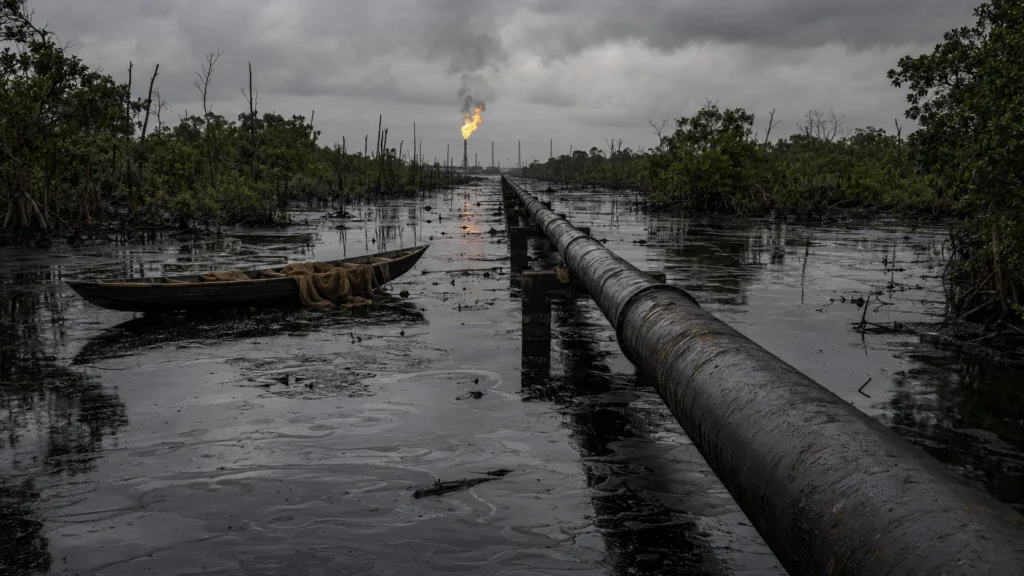
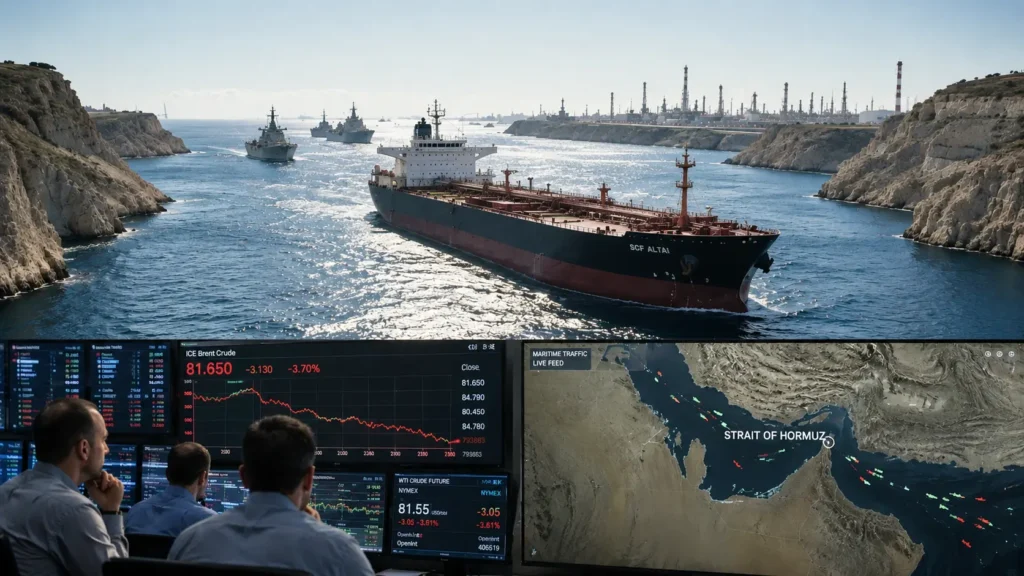
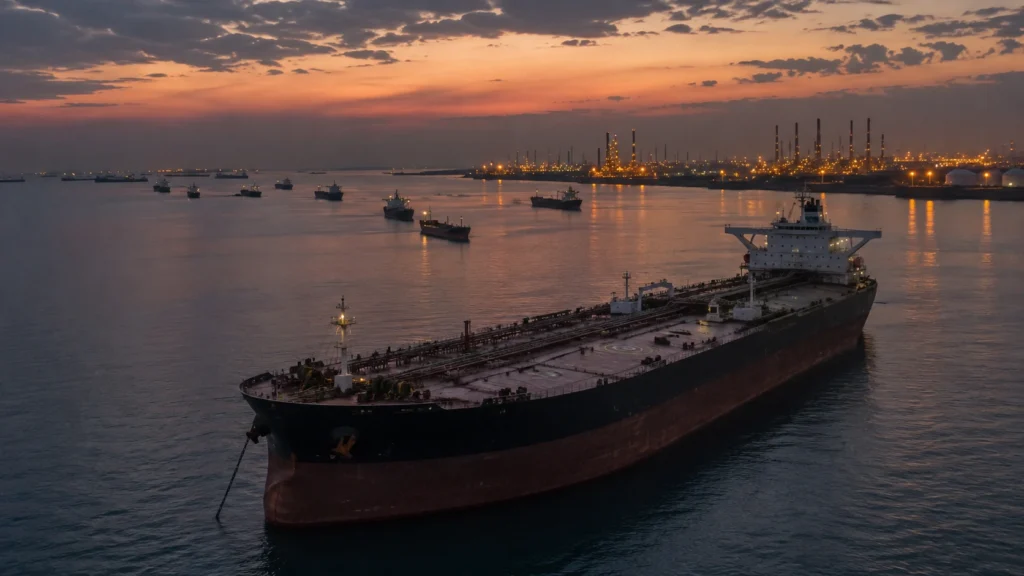
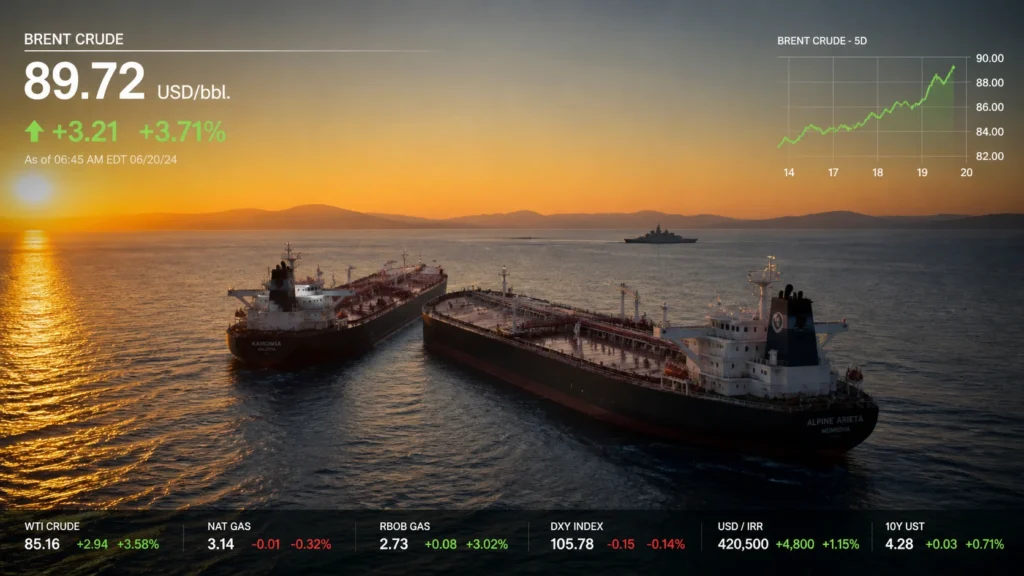
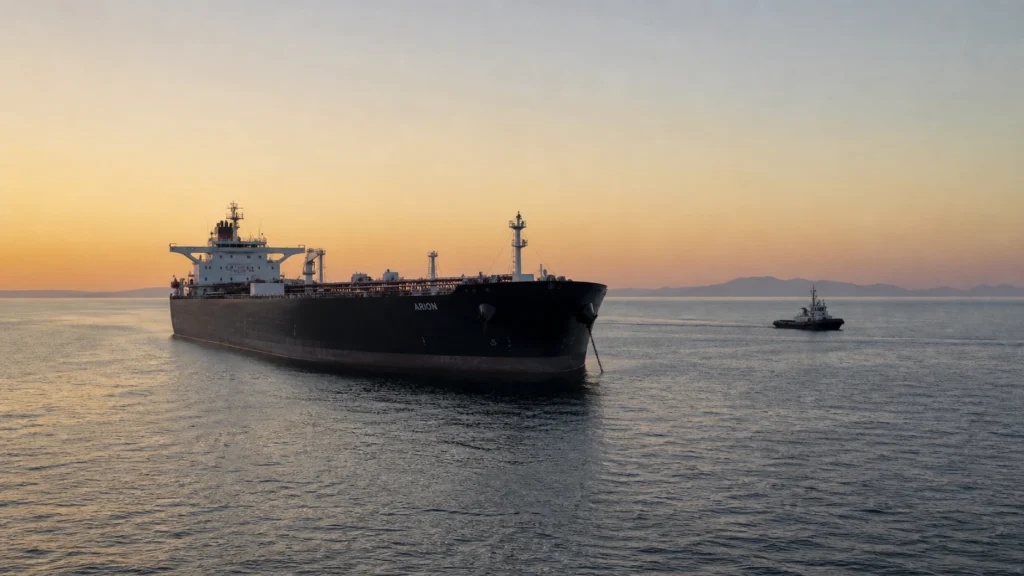
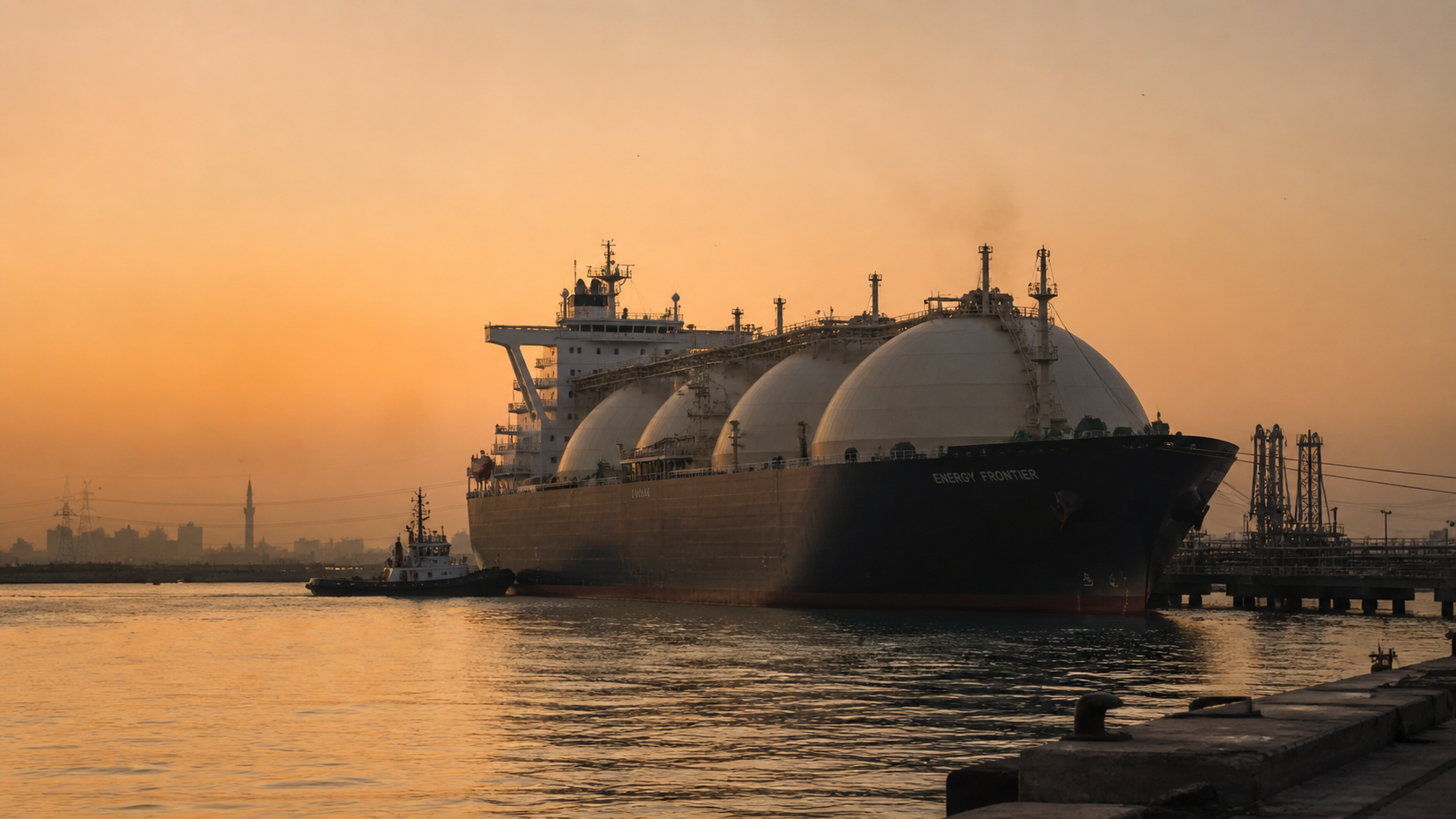
The inflation increase coincides with the effective closure of the Strait of Hormuz, a critical shipping channel for global oil supplies, since military tensions escalated in late February. The disruption has raised energy costs and contributed to upward price pressure across transportation and services, according to the BLS data.
As analysis of global energy supply disruptions previously documented, supply shocks tied to unresolved military tensions tend to persist rather than dissipate quickly. Some economists have warned that disruption in the Strait could affect energy flows into 2027.
Market and Consumer Impact
Higher inflation shifts the calculus for investors, borrowers, and consumers.
Markets that priced in aggressive rate cuts now face a different environment. Businesses dependent on cheap financing lose flexibility. Consumers absorb pressure through higher borrowing costs, elevated fuel expenses, and slower growth in wage-adjusted purchasing power.
Companies with strong pricing power gain a relative advantage. Firms operating on thin margins face renewed pressure. Businesses reliant on discretionary consumer spending may encounter a more challenging environment during the second half of 2026, according to corporate earnings and inflation exposure analysis.
The Fed’s Position
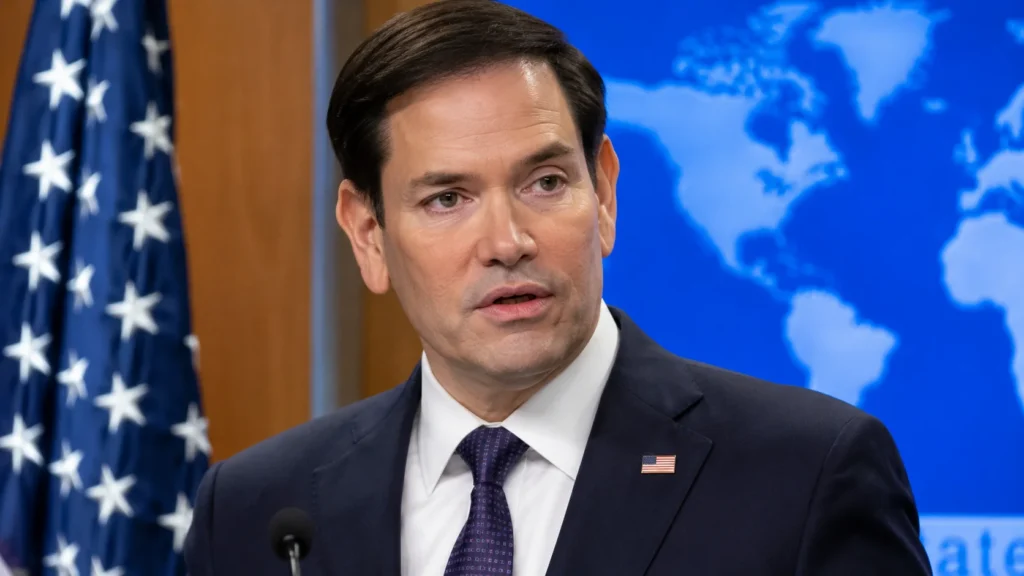
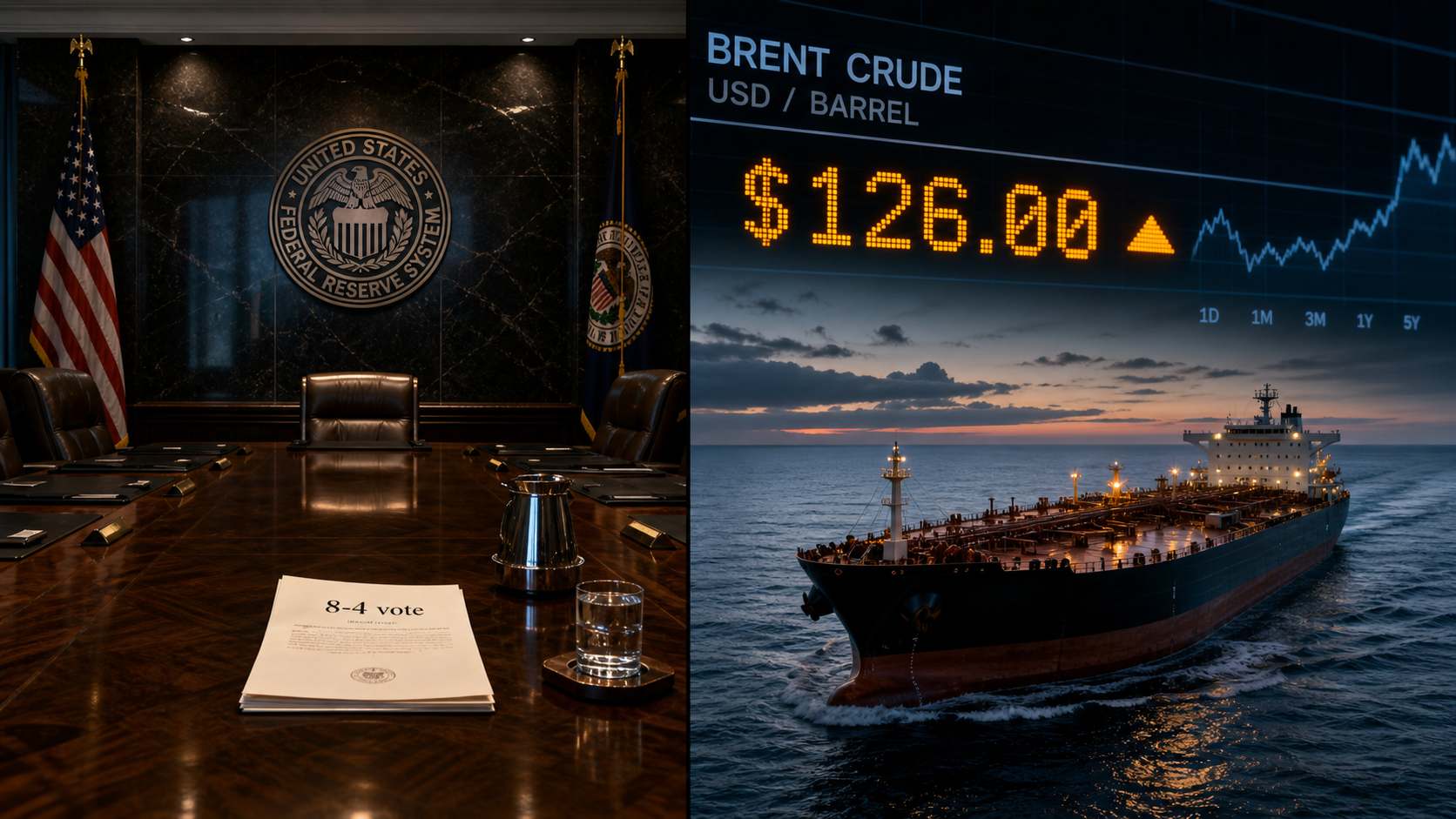
The Federal Reserve gains negotiating power over financial markets when inflation runs above target. Rate cuts that investors expected become harder to justify. The central bank’s communications—including any statements from newly appointed officials—will face particular scrutiny as markets search for signals about the next rate move.
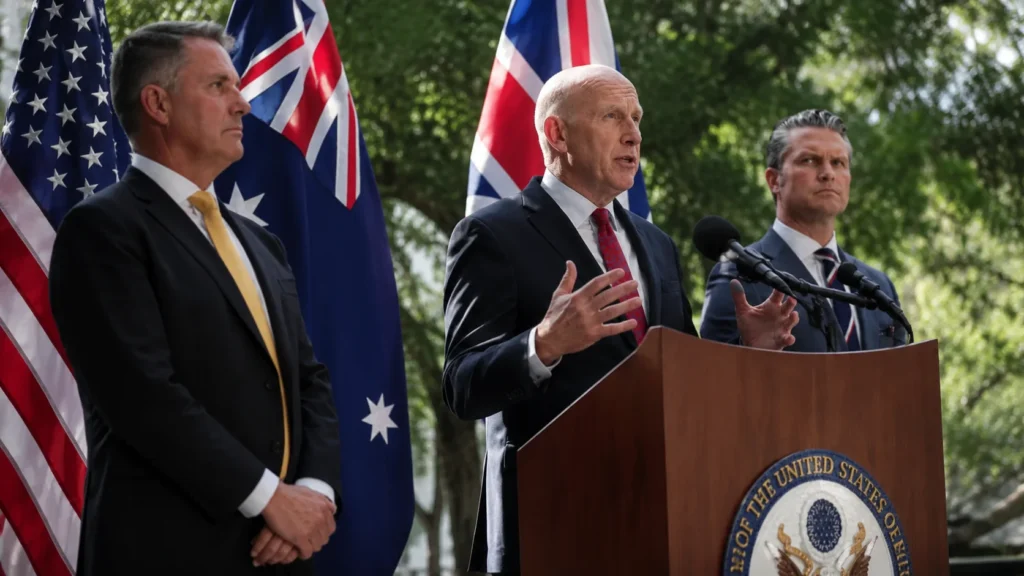
The White House has framed its Iran policy as a security necessity. But rising energy costs and persistent inflation test the political patience for that strategy. Voters experience policy through prices. The gap between strategic justification and household budgets is narrowing.
What to Watch
The trajectory of energy prices remains the central variable. If tensions surrounding the Strait of Hormuz ease, inflation could moderate and allow the Fed to maintain current rates. If energy costs continue climbing, pressure for tighter monetary policy grows.
The next Federal Reserve monetary policy statement will face intense market and political attention.
Frequently Asked Questions
What is the current US inflation rate?
The Consumer Price Index showed inflation at 4.2% in May, according to the Bureau of Labor Statistics. This is the highest level since April 2023 and more than double the Federal Reserve’s 2% long-run target.
Why is US inflation rising again?
Energy costs drove much of the increase. The average price of regular gasoline reached $4.15 per gallon, up from $2.98 before military operations against Iran intensified. The effective closure of the Strait of Hormuz since late February has disrupted global oil flows and pushed energy prices higher.
How does inflation affect Federal Reserve policy?
The Fed targets 2% inflation. A 4.2% reading makes it harder for the central bank to justify interest rate cuts. Higher inflation strengthens the case for maintaining or raising rates, which increases borrowing costs for businesses and consumers.
What is driving energy prices higher?
Military tensions between the US and Iran have effectively closed the Strait of Hormuz, a critical channel for global oil shipments, since late February. The disruption has reduced oil flows and raised energy costs globally. Some economists warn the impact could extend into 2027.
How does inflation affect consumers?
Consumers face higher costs for gasoline, transportation, and services. Borrowing costs rise when the Fed maintains or raises interest rates. Wage-adjusted purchasing power grows more slowly when inflation remains elevated. Households see the impact most directly in fuel receipts and grocery bills.