

 English





























































































































































































































































SpaceX IPO Raises $75B. Elon Musk Is Now a Trillionaire.
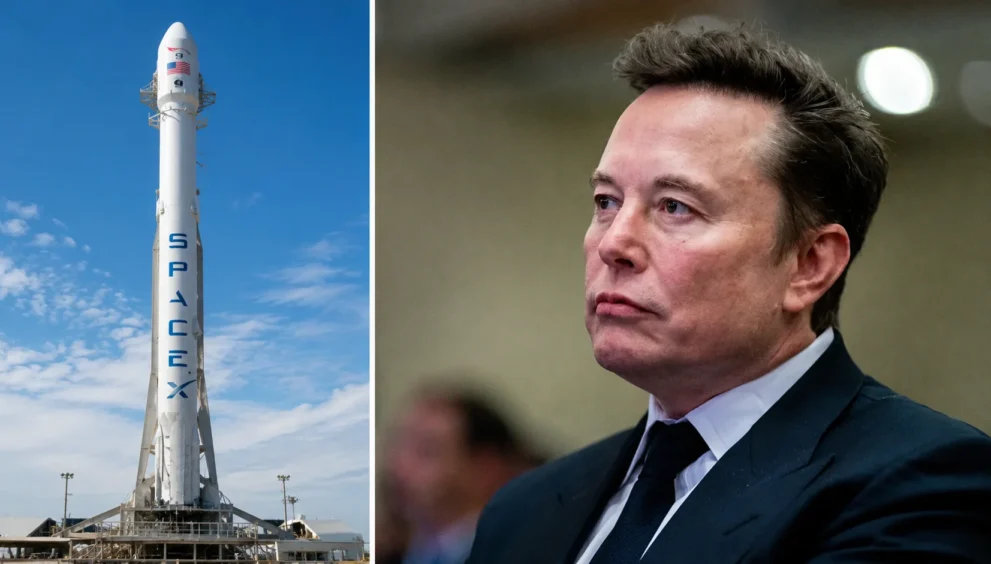
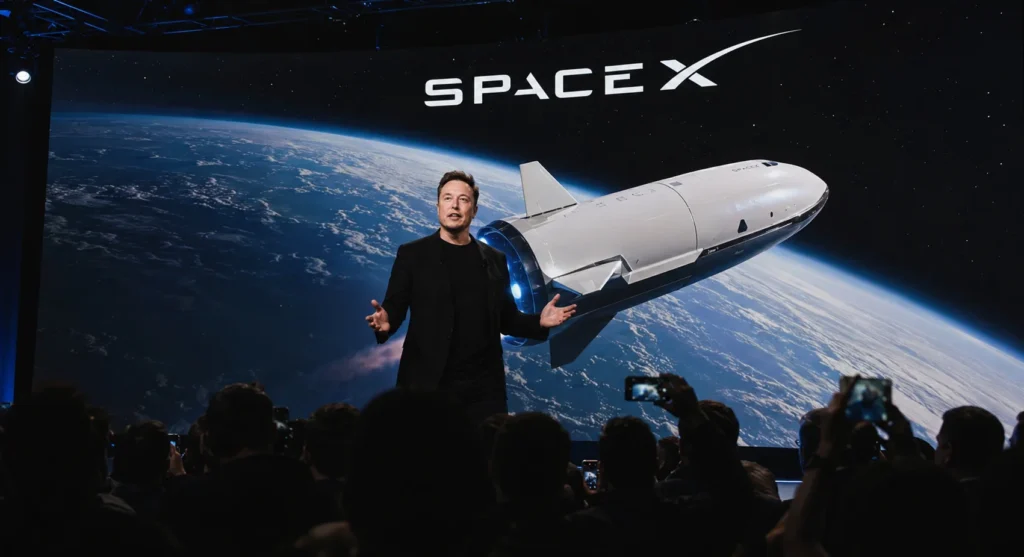
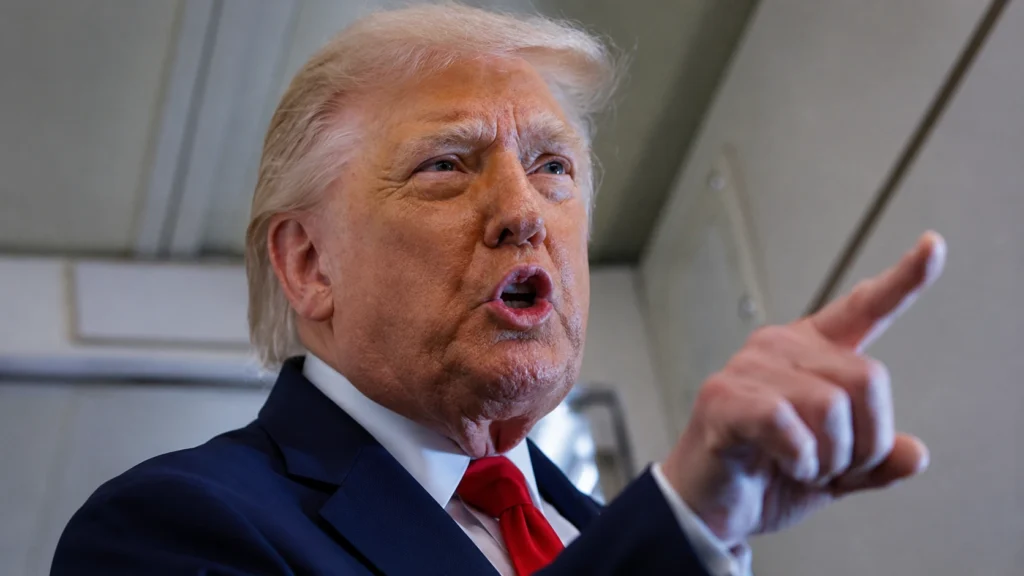
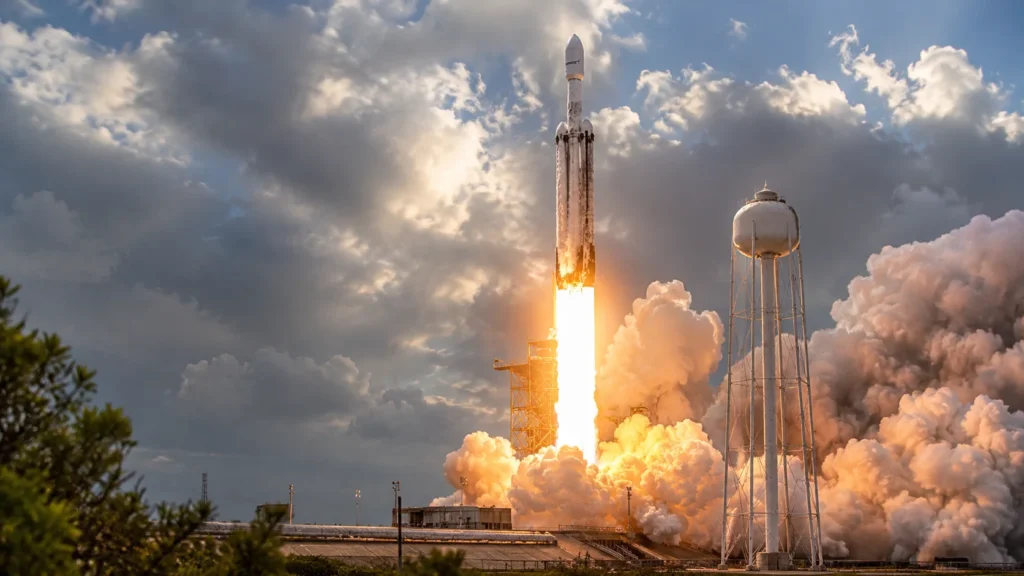
SpaceX debuted on the Nasdaq stock exchange on Thursday, completing the largest initial public offering in history by raising $75 billion and making founder Elon Musk the world’s first trillionaire. The company’s shares, offered at $135, surged toward $175 in early trading—a 35% increase that pushed the market value past $2.2 trillion. Musk, who controls more than 80% of the firm, crossed the trillion-dollar wealth threshold before midday, according to the Bloomberg Billionaires Index, which had estimated his net worth at $971 billion the previous day. The listing shattered the previous IPO record held by oil giant Saudi Aramco, which raised $25.6 billion in 2019.
The debut drew crowds to Times Square, where a live video feed of Musk was projected onto the Nasdaq building as Elton John’s “Rocket Man” played. At SpaceX headquarters in Texas, Musk pushed the ceremonial button to begin trading under the ticker symbol SPCX. “It is certainly hard to believe a little company that started in a warehouse in El Segundo is now going public with the largest IPO ever,” he said. “I gave SpaceX less than a 10% chance of succeeding at all.”
A Timeline of the Record-Breaking Listing
The IPO did not arrive without preparation. Key developments shaped the path to Thursday’s debut.
May 2026: The Nasdaq-100 agreed to fast-track mega IPOs onto the index after just 15 trading days, down from the standard waiting period of up to one year. The rule change cleared a path for SpaceX before the company had traded a single share. The S&P 500 declined to follow, maintaining its requirement that new entrants be profitable before joining. SpaceX posted losses last year and in the first quarter of 2026.
June 12, 2026 (pre-market): SpaceX chief operating officer Gwynne Shotwell told CNBC interview that the company had faced “a lot of pressure from everyday Americans and our friends that wanted to buy stock” and that going public “feels like the right time now.” She addressed the governance structure directly: “There is no one who can run this company other than Elon, frankly. We want Elon to have that kind of control.”
June 12, 2026 (market open): Shares began trading at 09:30 ET. Reuters reported the stock could open as high as $175 per share, significantly above the $135 offer price. The company raised $75 billion, nearly tripling Saudi Aramco’s 2019 record.
June 12, 2026 (post-market): SpaceX closed its first trading day with a valuation exceeding $2.2 trillion. Musk’s personal fortune crossed $1 trillion, according to Bloomberg data. Senator Elizabeth Warren’s letter warning that indexes were “being rigged” to force passive investors into SpaceX exposure without choice became public.
What SpaceX Actually Owns
SpaceX is not solely a rocket manufacturer. The company’s structure includes several major ventures that contributed to the IPO valuation.
The core business builds reusable rockets and spacecraft, serving as a primary contractor for NASA and commercial satellite operators. SpaceX also owns Starlink, the satellite internet constellation that has grown into a significant global communications provider. Additionally, the company holds xAI, Musk’s artificial intelligence firm, making the listing the first of three major AI-related IPOs expected this year. OpenAI and Anthropic are set to follow.
As AI industry valuation and IPO pipeline analysis previously documented, the quantities of capital flowing into artificial intelligence companies have prompted warnings from the Bank of England about a “sharp correction” and from JP Morgan chief executive Jamie Dimon, who has said some AI investments will “probably be lost.” The SpaceX IPO prospectus acknowledged that the company “may not achieve profitability in the future.”
The Governance Question
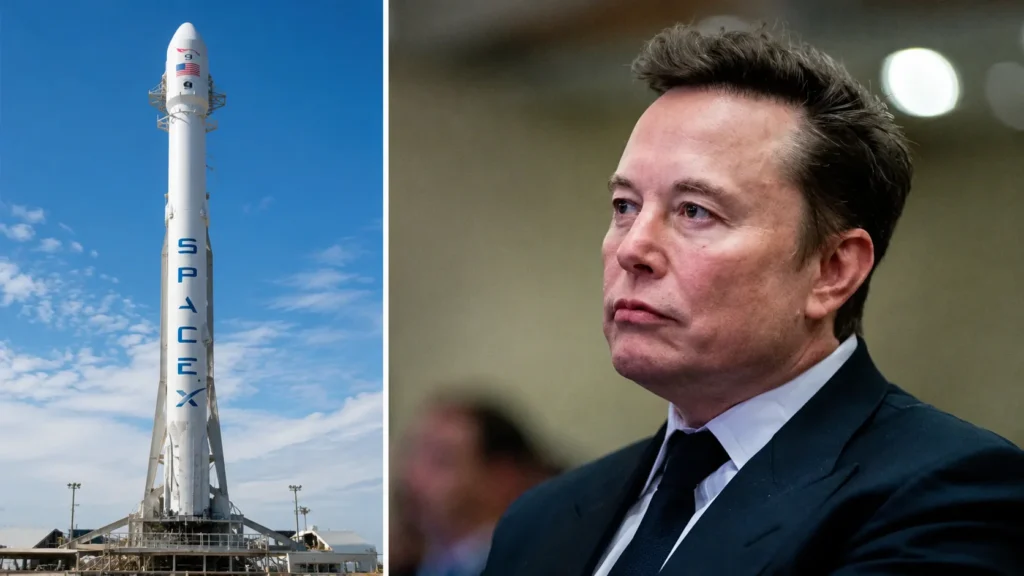
Musk retains effective control of 85% of the company through shares with extra voting rights. The structure means the IPO raised $75 billion from public markets without diluting his decision-making authority. Investors who bought shares on Thursday own equity without meaningful influence over corporate strategy.
The arrangement drew scrutiny from Senator Warren, the highest-ranking Democrat on the Senate Banking Committee. In a letter sent this week, she warned that index changes were forcing millions of passive investors into SpaceX exposure without choice. The Nasdaq-100 fast-track rule change means anyone holding a passive fund tracking the index will own SpaceX shares within 15 trading days, regardless of whether they selected the stock.
The S&P 500’s refusal to relax its profitability requirement creates a divergence. Index funds tracking the S&P 500 will not automatically buy SpaceX. Index funds tracking the Nasdaq-100 will. As passive investing and index governance has examined, the split raises questions about whether index providers are accommodating companies or protecting investors.
Who Is Buying
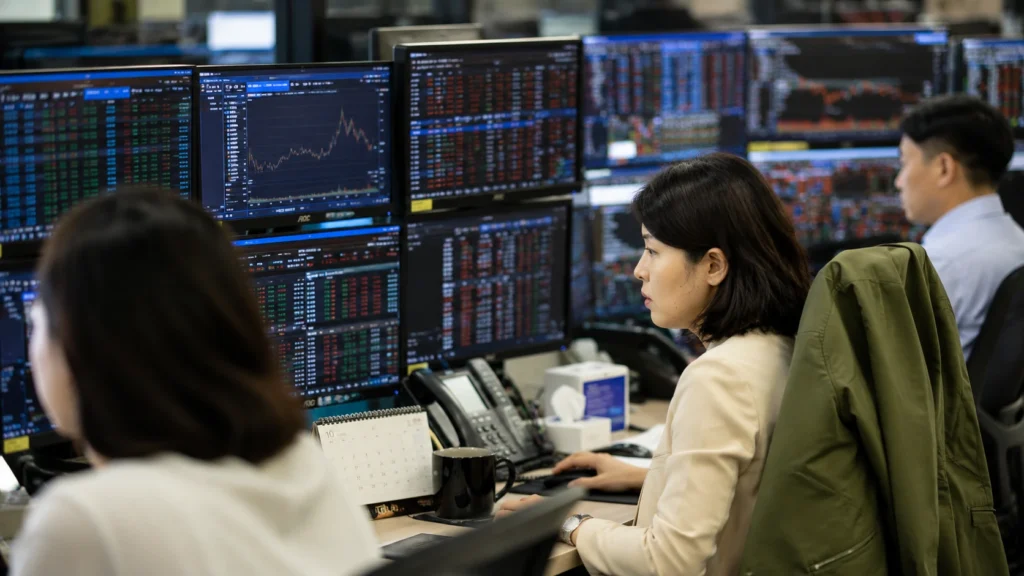
Demand came from institutional and retail investors. The order book was oversubscribed. Retail platforms in the UK offered access to individual investors, some of whom were buying shares for the first time.
Peta Cooper, a 43-year-old copywriter from Cornwall, told the BBC she planned to invest about £750. “It’s really exciting. I really love the space industry,” she said. “They’ve had a really great track record so far with their launches and their innovation.”
Analysts urged caution. Samuel Kerr, global head of equity capital markets at Mergermarket, said the company’s value should rise at least 20% when trading begins “due to the hype around the deal.” He added: “Anything lower would actually make me nervous.” Lock-up periods restricting existing shareholders from selling will lift in staggered phases after earnings announcements, potentially increasing the supply of available shares and pressuring the price.
What Happens Next
Just over 4% of SpaceX shares are currently available for trading. As lock-up periods expire, additional shares will enter the market. The first quarterly earnings report as a public company will face scrutiny that private firms never encounter.
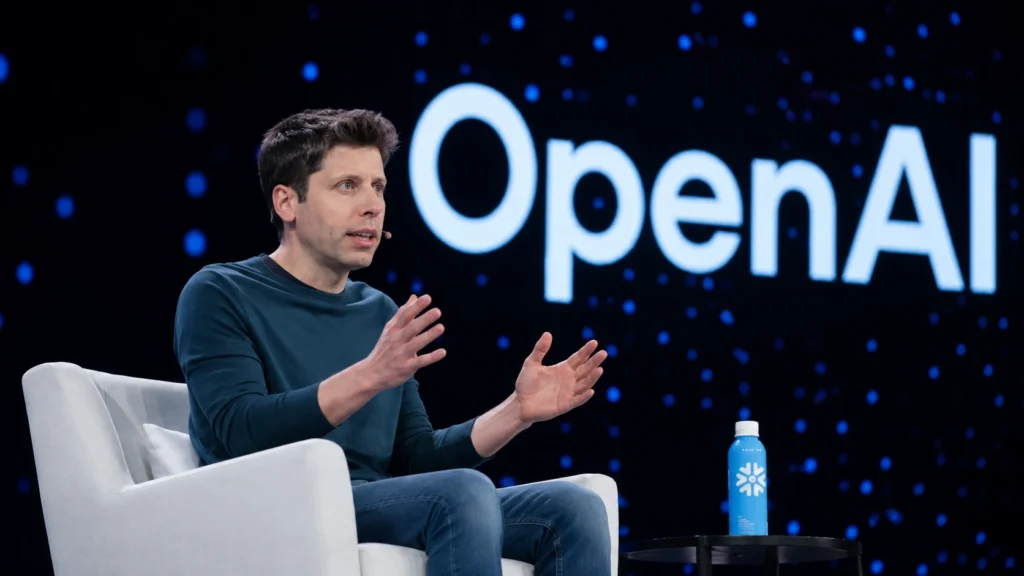
OpenAI and Anthropic will watch the SpaceX debut closely. The IPO establishes a valuation benchmark for AI-adjacent companies. Whether demand holds through multiple mega-listings or exhausts itself after the most anticipated offering in history remains unclear.
Shotwell told CNBC the company would not focus on quarterly results. “What folks that invest in SpaceX need to know… is that what we’re doing is very futuristic.” The market has priced futurism at $2.2 trillion. The earnings reports will eventually ask whether the numbers support the narrative.
Frequently Asked Questions
How much did SpaceX raise in its IPO?
SpaceX raised $75 billion in the largest initial public offering in history. The previous record was held by Saudi Aramco, which raised $25.6 billion in 2019.
Is Elon Musk now a trillionaire?
Yes. Musk crossed the trillion-dollar wealth threshold on June 12 when SpaceX shares surged above the $135 offer price. The Bloomberg Billionaires Index had estimated his net worth at $971 billion the day before the IPO.
What does SpaceX own?
SpaceX owns a rocket and spacecraft manufacturing business, the Starlink satellite internet constellation, and the artificial intelligence firm xAI. The company is a primary contractor for NASA.
Why did the Nasdaq change its rules before the IPO?
The Nasdaq-100 agreed in May 2026 to fast-track mega IPOs onto the index after 15 trading days instead of the standard waiting period of up to one year. The change cleared the path for SpaceX shares to enter passive index funds quickly. Senator Elizabeth Warren criticized the move.
Does Musk control SpaceX after the IPO?
Yes. Musk holds shares with extra voting rights that give him effective control of 85% of the company. The IPO raised capital without diluting his decision-making authority.
Will SpaceX become profitable?
The company posted losses last year and in the first quarter of 2026. The IPO prospectus stated SpaceX “may not achieve profitability in the future.” The S&P 500 declined to include the company specifically because it does not meet the profitability requirement.