 English



































































































































































































































OpenAI IPO Filing: ChatGPT Maker Joins AI Stock Market Rush
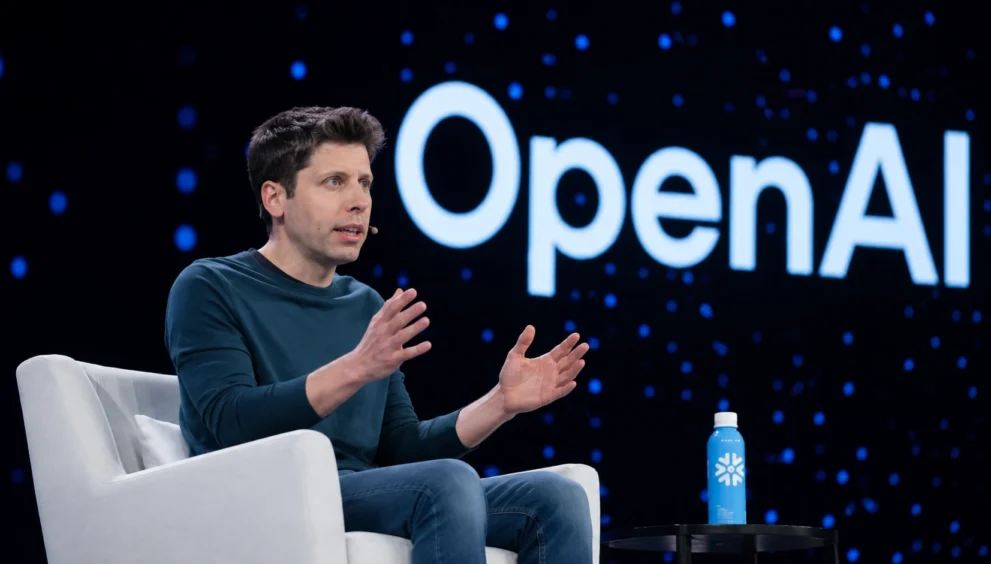
OpenAI, the company behind ChatGPT, announced on Monday it had confidentially filed with the US Securities and Exchange Commission to pursue an initial public offering. The filing came exactly one week after rival AI firm Anthropic revealed its own IPO plans and three days before Elon Musk’s SpaceX is set to debut on the Nasdaq at a $1.75 trillion valuation. OpenAI, most recently valued by private investors at $852 billion, said it had “not decided on timing yet” and acknowledged the filing occurred partly because “we expect it to leak.” The three companies, each burning through billions in capital to build AI infrastructure, are now racing toward public markets during a tech selloff that has seen the Nasdaq drop 4% and Asian markets trigger circuit breakers. The IPOs will force the firms to disclose financials that private markets never required—including compute costs at OpenAI estimated to exceed $100 billion annually against revenue that is a fraction of that figure.
The Question Everyone Is Asking
Why are AI giants rushing to public markets now?
The answer, according to Sunil Krishnan from Aviva Investors, is straightforward: a “vast need for cash” combined with the structural reality that “no one wants to be last.” OpenAI’s compute costs—the infrastructure and processing power required to build, train, and run models like ChatGPT—run an estimated $100 billion annually. Revenue is a fraction. Anthropic, valued at $965 billion in private markets, has told investors it expects to turn a profit in the first half of 2026. SpaceX, valued at $1.75 trillion, remains far from profitable.
These companies have absorbed private capital at a pace no previous generation of startups approached. The public listing window offers access to trillions in additional funding. It also imposes obligations private markets never demanded: quarterly earnings, audited financials, and shareholder litigation exposure. OpenAI acknowledged the tension, stating that going public “is a complicated set of tradeoffs.” The company that once structured itself as a nonprofit research lab now races its rivals toward the same public market that will demand it justify every dollar of computing spending.
What the Three Companies Are Doing
OpenAI: Filed confidentially with the SEC on Monday. The company said it had “not decided on timing” and that “it may be a while because there are things we want to do that are likely easier as a private company.” CEO Sam Altman told CNBC last week he was in no rush and would go public “when it makes sense.” The most recent private valuation: $852 billion. Estimated annual compute costs: over $100 billion.
Anthropic: Filed for an IPO one week earlier. Founded five years ago by Dario Amodei after he left OpenAI over disagreements with Altman. The maker of chatbot Claude told investors it expects to turn a profit in the first half of 2026, citing significant growth in sales. Most recent private valuation: $965 billion.
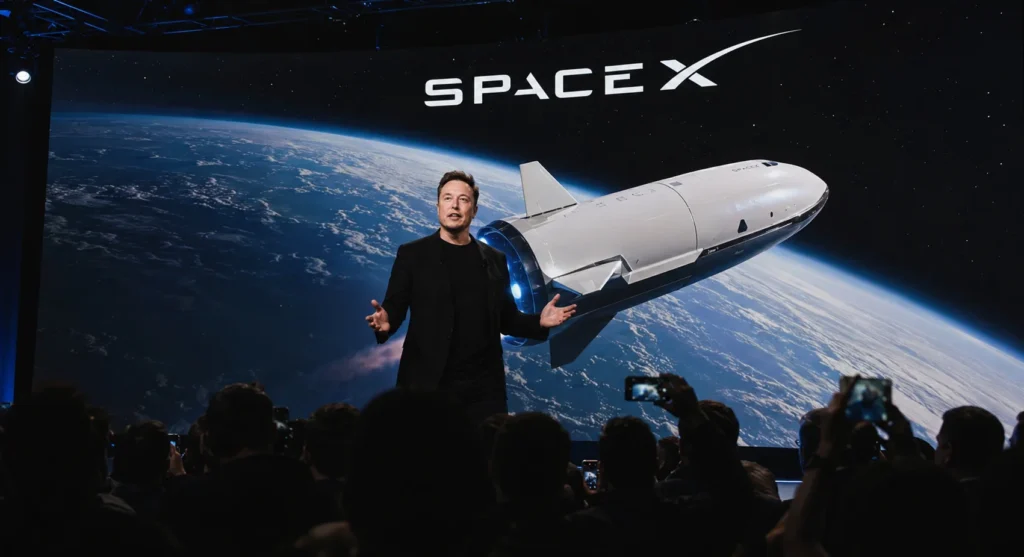
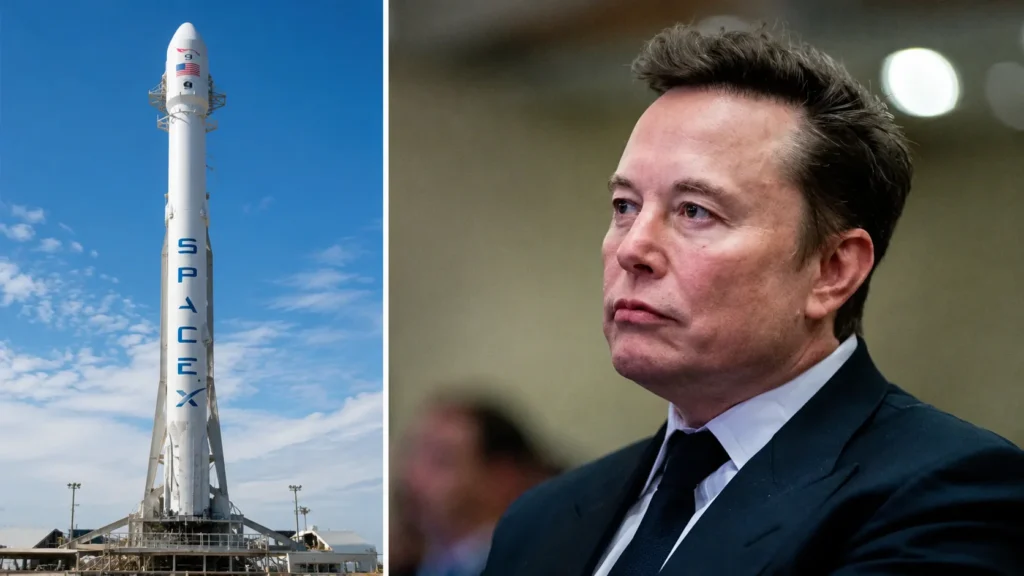
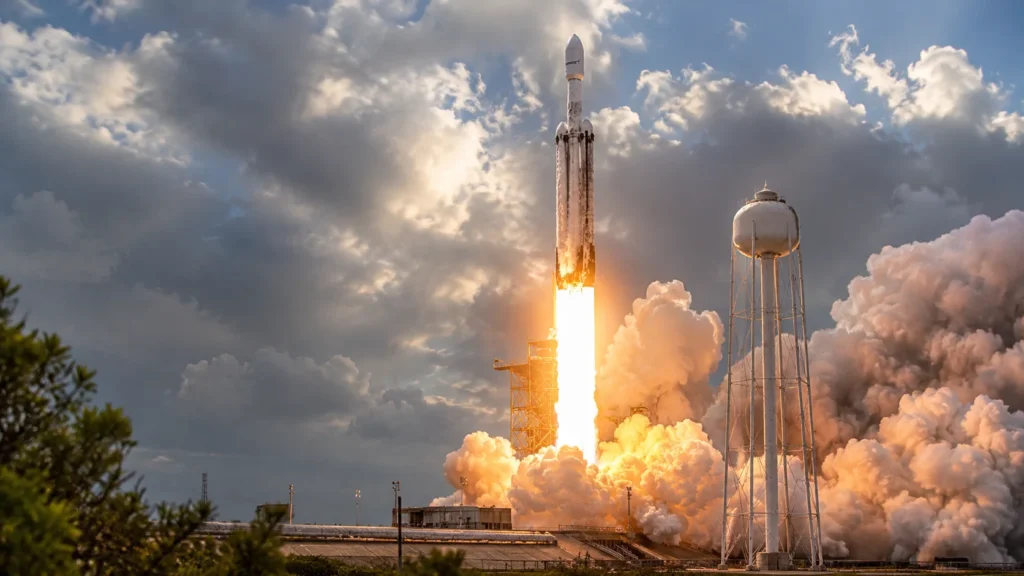
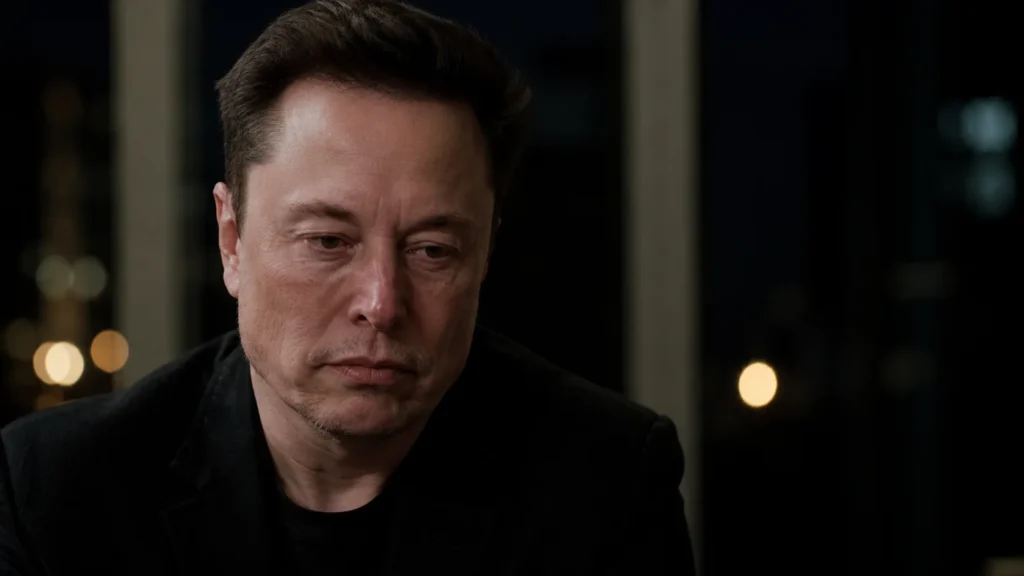
SpaceX: Set to debut on the Nasdaq on Friday at a share price valuing the company at $1.75 trillion. The rocket company also owns the AI chatbot Grok. The listing represents Elon Musk’s biggest financial gamble yet.
Richard Crowley, assistant professor at Singapore Management University, noted that “the fate of their financing is intrinsically intertwined through the public’s perception of the generative AI space.” If one prices well, it establishes a benchmark for the others. If one trades down, it taints the entire sector. The SEC EDGAR filing system for IPO registration documents provides the regulatory architecture. Market conditions provide the judgment.
The Compute Cost Problem
The most uncomfortable number in the IPO race is compute. OpenAI’s annual infrastructure and processing costs exceed $100 billion, according to estimates. Revenue is a fraction. The company has not disclosed precise figures—a privilege of private ownership. The S-1 filing, when it becomes public, ends that privilege.
Anthropic has positioned itself as the revenue-disciplined counterpoint to OpenAI’s spending posture. Amodei’s departure from OpenAI five years ago was rooted in disagreements with Altman over commercialization strategy. That philosophical split now manifests in competing IPO narratives: Anthropic promises near-term profitability, while OpenAI asks public markets to fund compute at a scale no company has ever attempted.
SpaceX occupies a different category but faces the same structural question. A $1.75 trillion valuation implies future cash flows that current financials cannot justify. Public listing will test whether the Musk premium—the market’s willingness to value his companies beyond standard metrics—survives the scrutiny of quarterly reporting.
As our analysis of AI capital expenditure cycles and the revenue verification gap documented, the distance between investment and monetization across the sector remains wide. The IPO wave will reveal whether public markets will fund that gap at valuations that private investors accepted.
When will OpenAI go public?
OpenAI has not set a date. The company said on Monday that “it may be a while because there are things we want to do that are likely easier as a private company.” The confidential filing with the SEC gives OpenAI the “option to go public sooner if that ends up being best.” The company said it announced the filing because “we expect it to leak.”
What is OpenAI’s valuation?
OpenAI’s most recent valuation from private investors reached $852 billion. The company’s valuation has climbed rapidly as the AI sector has attracted unprecedented capital flows. The public listing will establish the first market-determined price for the company’s equity.
How much does OpenAI spend on compute?
OpenAI’s compute costs—the infrastructure and processing power to build, train, test, and run models—are estimated to exceed $100 billion annually. Revenue is a fraction of that amount. The company has not disclosed precise figures privately. The IPO filing will require public disclosure of detailed financials.
Who are OpenAI’s main competitors going public?
Anthropic, maker of the chatbot Claude, filed for an IPO one week before OpenAI. Its most recent private valuation hit $965 billion. SpaceX, which owns the AI chatbot Grok, debuts on the Nasdaq on Friday at a $1.75 trillion valuation. The three companies are racing to public markets simultaneously.
Will Anthropic turn a profit?
Anthropic has told investors it expects to turn a profit in the first half of 2026, citing significant growth in Claude sales and related services. This contrasts with OpenAI, which continues to spend heavily on compute infrastructure. The different paths to profitability will become visible when both companies disclose financials in their IPO filings.
How does the tech selloff affect these IPOs?
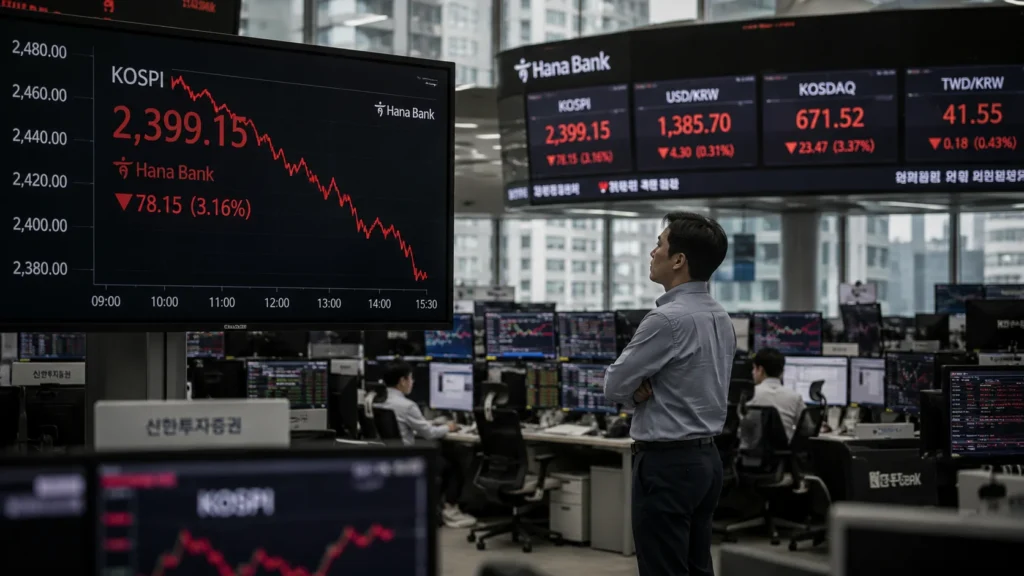
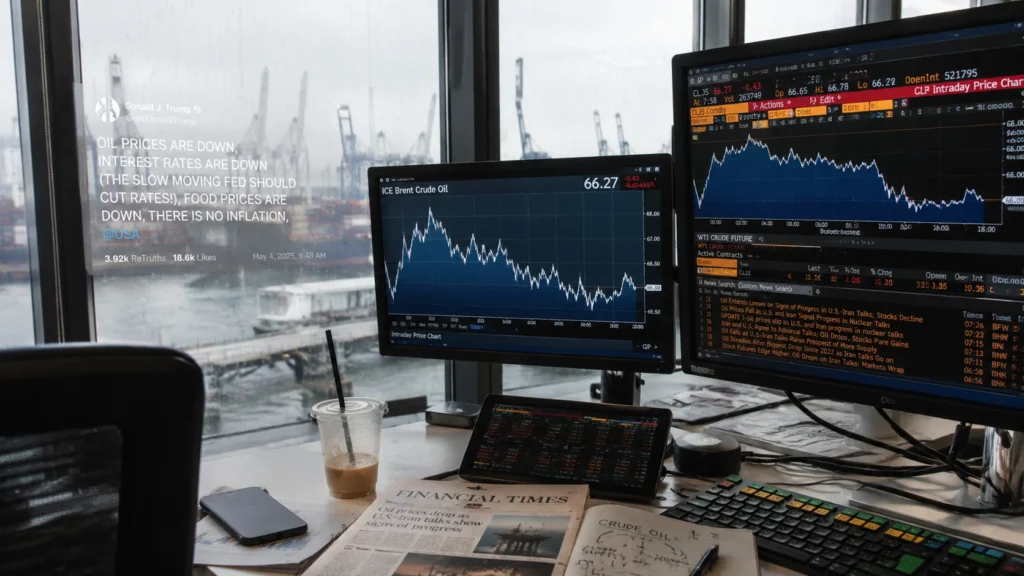
The Nasdaq dropped 4% on Friday in its worst single-day decline in over a year. The Kospi triggered a circuit breaker on Monday. The selloff, driven by rate fears and Middle East escalation, has reduced investor appetite for narrative-heavy, earnings-light companies. OpenAI and Anthropic are the largest examples of that category. The IPOs will test whether public markets are willing to fund AI infrastructure at valuations set during the optimism phase. The Nasdaq market data and recent volatility reports provide context for the conditions these listings will face.
What to Watch Over Six Months
Three indicators will determine whether the AI IPO wave succeeds or resets the sector’s valuation framework.
First, sequencing. Which company prices first and at what valuation will establish the benchmark for the entire sector. If Anthropic debuts strongly, OpenAI gains reference pricing. If either trades down, the damage spreads. Crowley’s observation that the companies’ financial fates are “intrinsically intertwined” will become visible in real time.
Second, financial disclosures. The S-1 filings will reveal for the first time the actual revenue, compute costs, and margin structures of companies that have built trillion-dollar valuations on selective disclosure. As our tracking of AI company revenue versus capital expenditure ratios has documented, the gap between investment and monetization remains the sector’s defining financial question. The IPO filings will answer it—publicly and permanently.
Third, market conditions. The current tech selloff, driven by rate expectations and geopolitical risk, has repriced growth stocks across the sector. Whether the selloff stabilizes before the first AI IPO prices will determine whether these listings capture the optimism premium that private markets extended or absorb the skepticism that public markets are currently displaying.